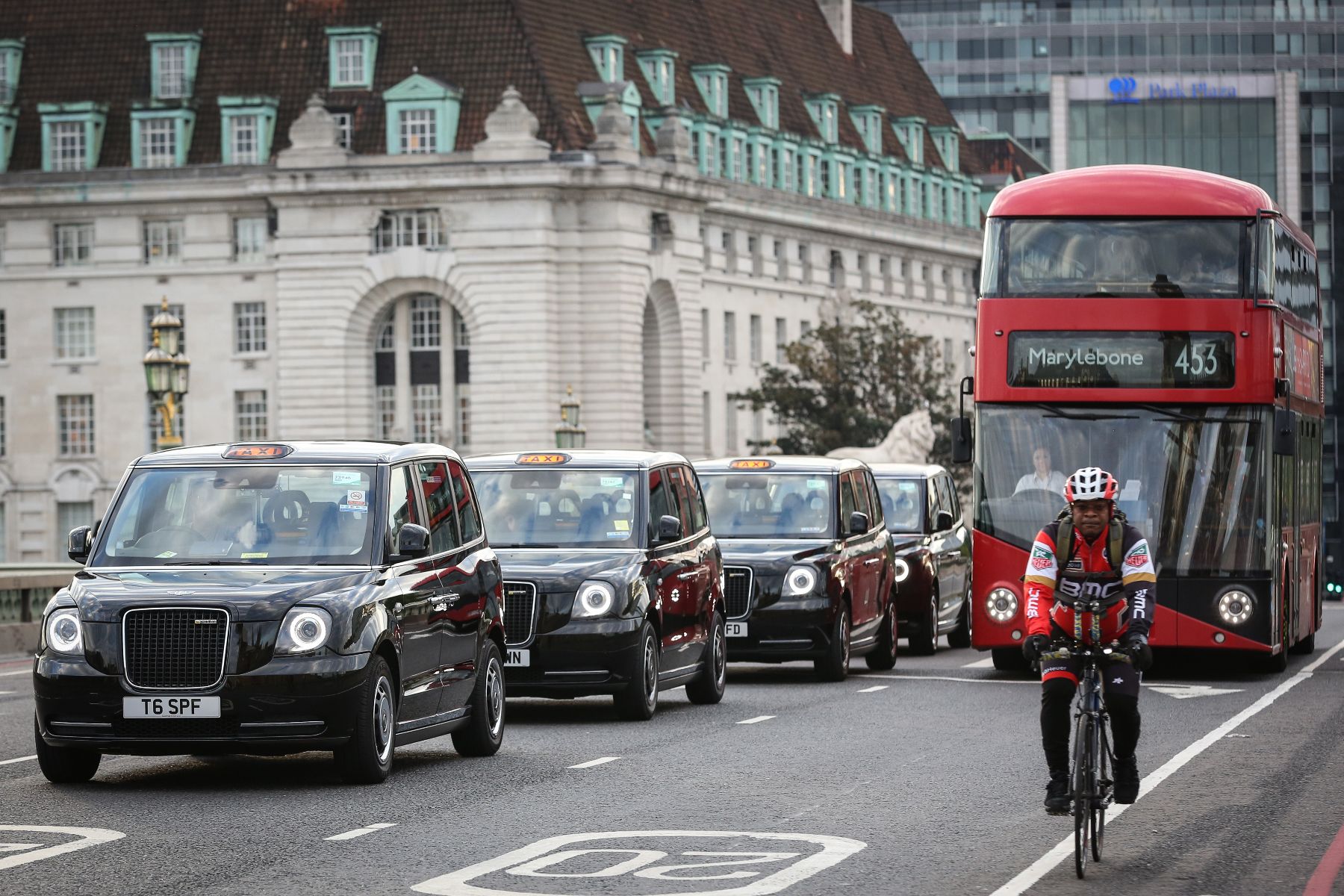
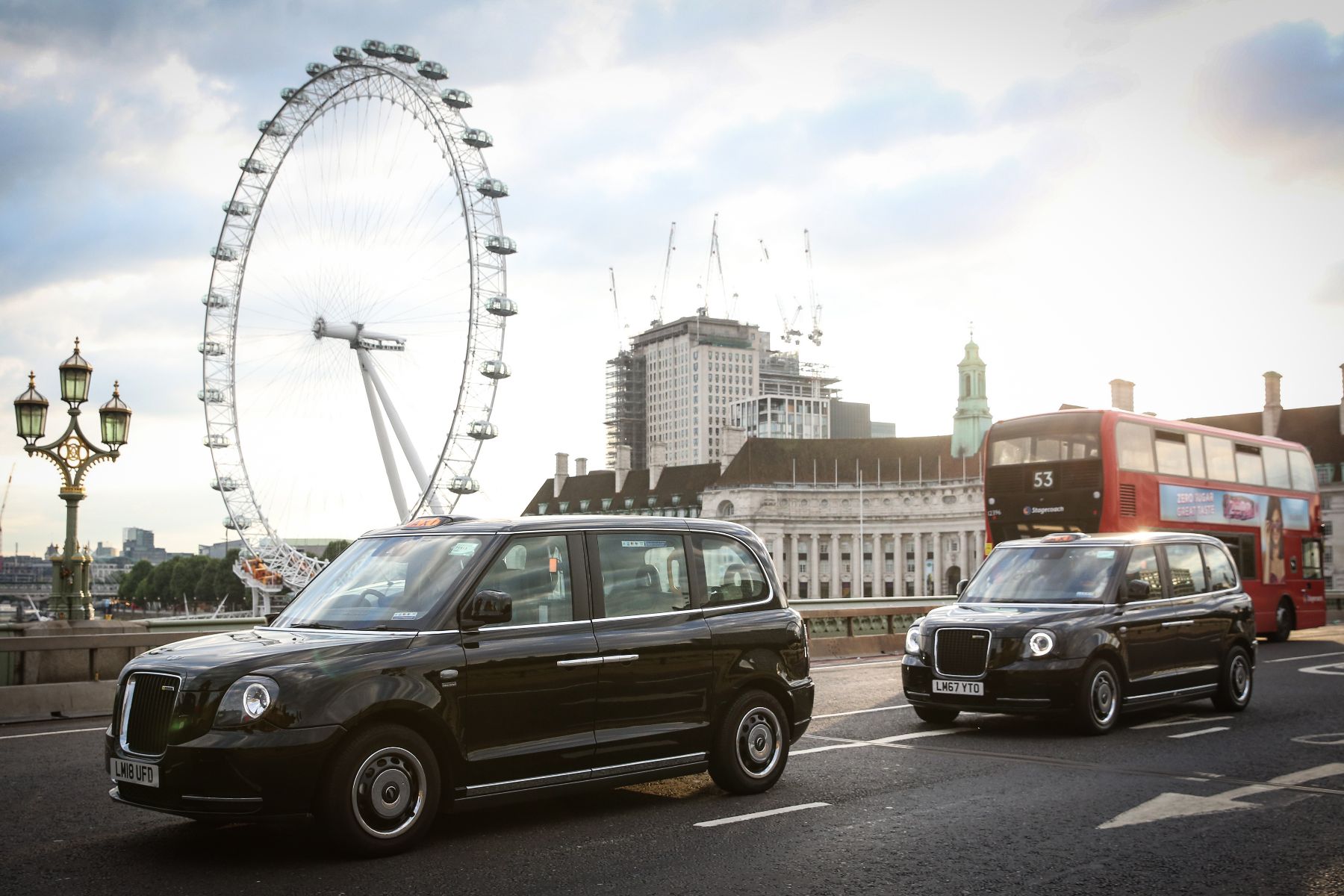
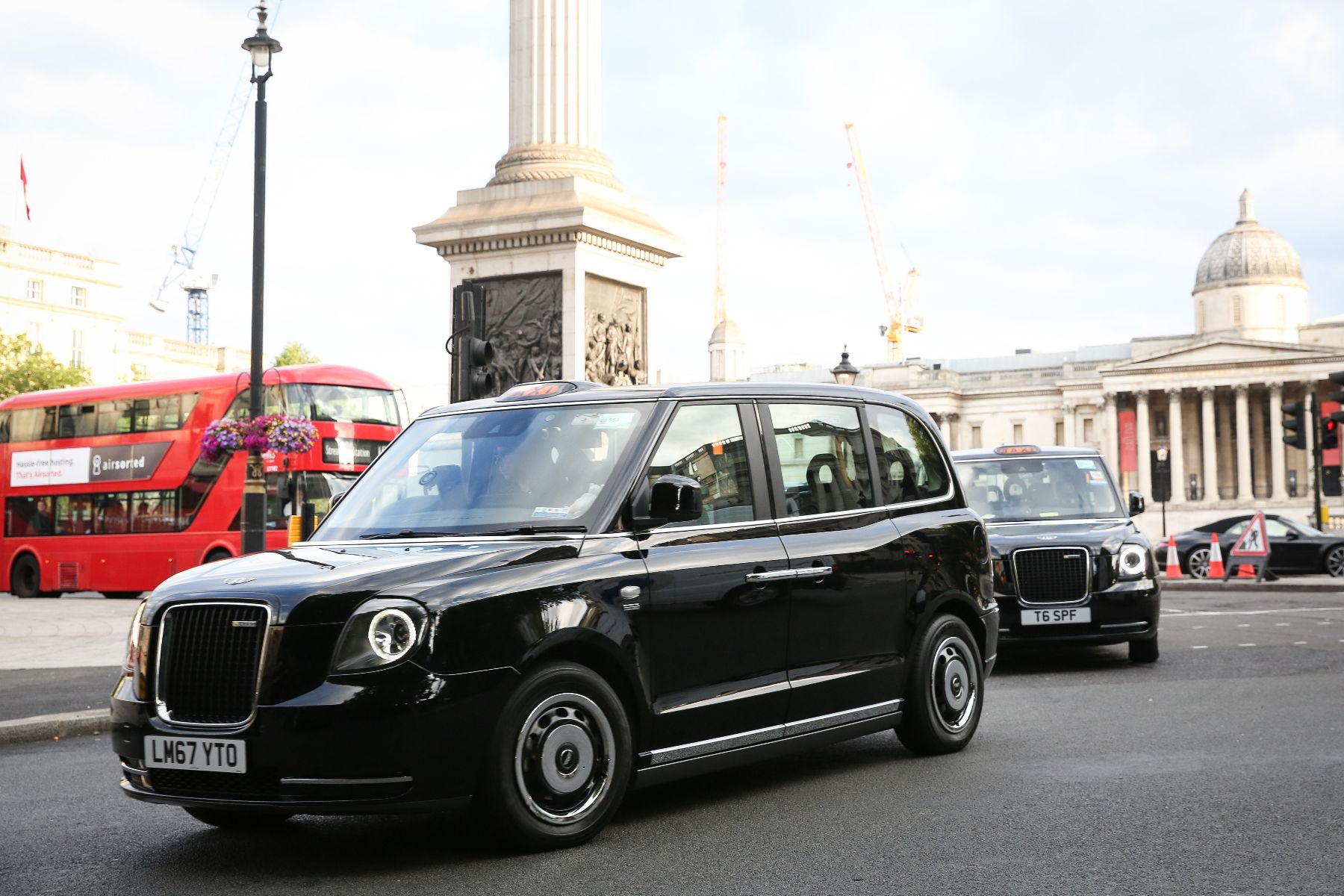
The new hybrid LEVC black cab is making a positive difference to air quality and the health of drivers, a study shows.
The King’s College London Environmental Research Group study looked at working drivers’ exposure to diesel emissions. Particulates and nitrogen dioxide levels were measured, with levels taken for drivers both inside and outside of their working environments.
The results for drivers of the new LEVC cab versus those in traditional, diesel-engined TX4 taxis are shocking.
For starters, London taxi drivers experience up to twice as much air pollution when working as off-duty. But diesel drivers suffer levels of pollution to up to 1.8 times higher than those in the LEVC. The new range-extender petrol/electric made for significantly lower pollutant exposure, no matter what time of day or location.
The study found that with windows closed and the recirculate climate setting activated, pollutant exposure could be reduced by up to 67 percent. Even the tighter shut-lines of the new car are thought to contribute to better cabin air quality.
The new electric cabs and other low-emission vehicles exist to serve a long-term environmental goal. However, there will be near-instant positive effects for black cab drivers and passengers.
“London’s taxi drivers know all too well how crucial it is we tackle air pollution. One of the worst places to breathe in the city’s dirty air is stuck in traffic, behind the wheel of a cab” said Steve McNamara, General Secretary of the Licensed Taxi Drivers’ Association.
“LEVC’s new electric taxi is a game-changer for us and we’re proud to be leading the charge towards a cleaner, greener London. The new taxi is not only helping us cut emissions; it is helping protect cabbies against the health risks of being exposed to pollution.”
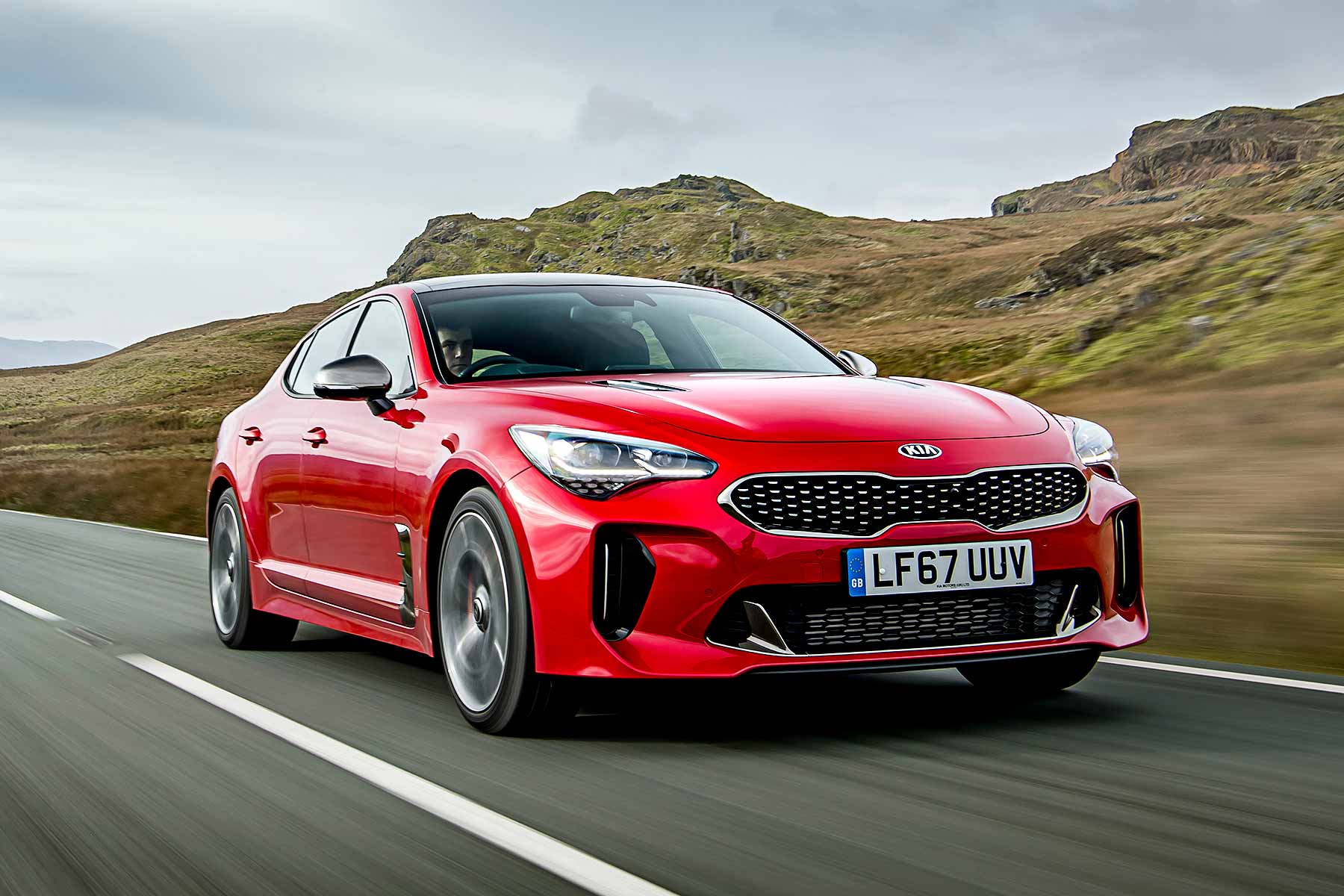
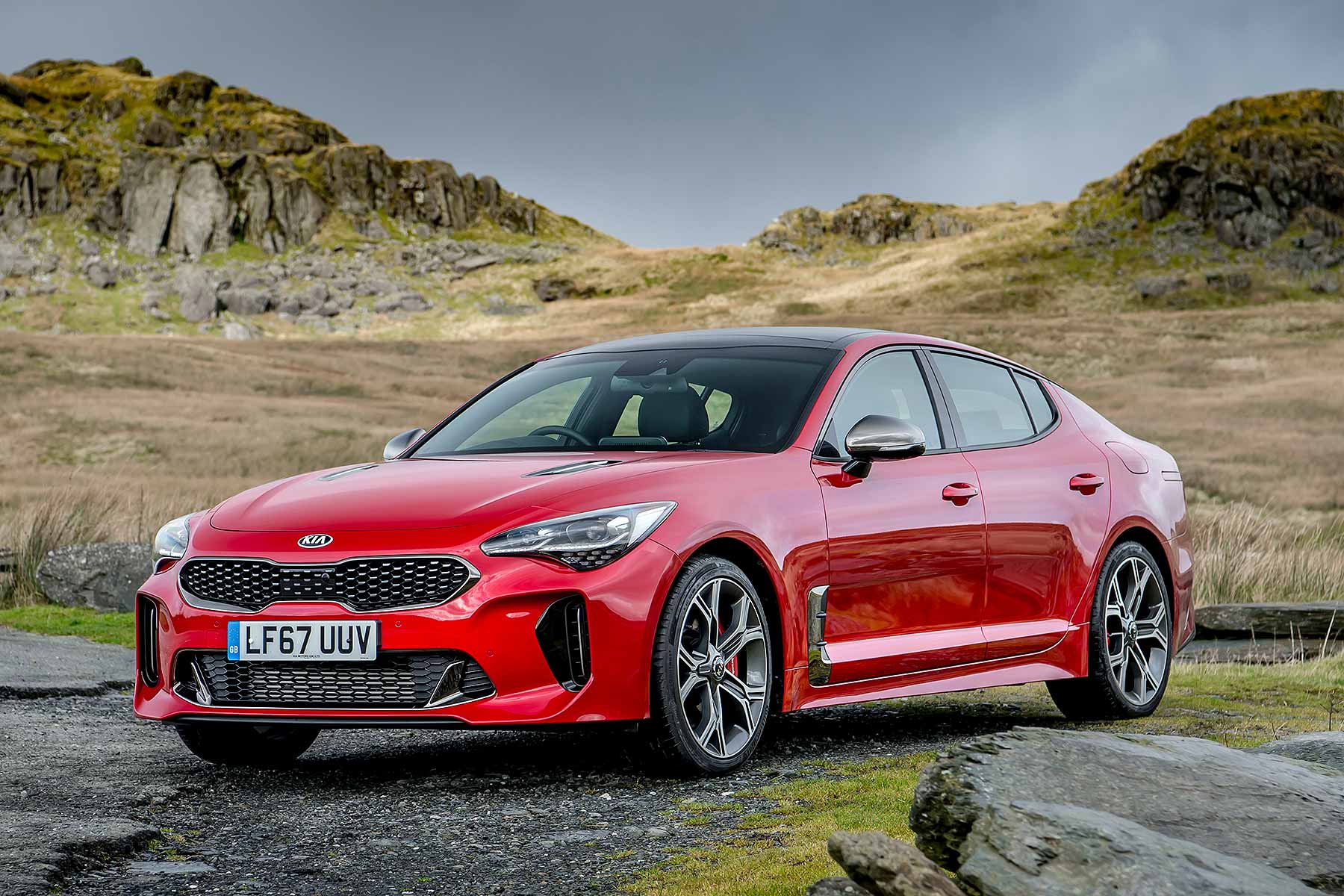
British car buyers choosing a new Kia Stinger are raising eyebrows at the firm’s UK HQ: although the range includes both diesel and 2.0-litre turbo petrol enginse, the best-selling version is actually the range-topping V6 turbo.
Kia UK president and CEO Paul Philpott told Motoring Research that the take-rate for the 365hp 3.3-litre Stinger GT-S is currently around 50 percent. “It’s taken us a little by surprise, but customers are clamouring for the V6.”
And the next most popular? Surprisingly, the 2.0-litre turbo petrol, rather than the diesel. Indeed, so out of favour is the 2.2-litre CRDi, it’s currently accounting for just 10 percent of sales.
“Buyers seem to be matching the Stinger’s distinctive styling with an equally bold engine. We’d expected the mix to be different, and more weighted to the cheaper versions, but we’re certainly not complaining…”
The Stinger GT-S V6’s popularity comes despite a list price of more than £40,000. Admittedly, it’s a niche seller, but Kia’s still delighted it’s achieving such a rich mix.
An entry-level 2.0 T-GDi GT-Line costs from £32,205, over £8,500 cheaper than the GT-S; the comparable diesel costs £2,200 more. This also means the diesel has a higher company car tax bill than the petrol, despite its lower CO2 emissions.
Even 48.7mpg combined fuel economy, compared to the petrol’s 33.6mpg, isn’t swaying people to diesel. Indeed, as the best-selling Stinger is one that averages 28.5mpg, it seems fuel efficiency isn’t at all high on the priority list for buyers of Kia’s sleek saloon.
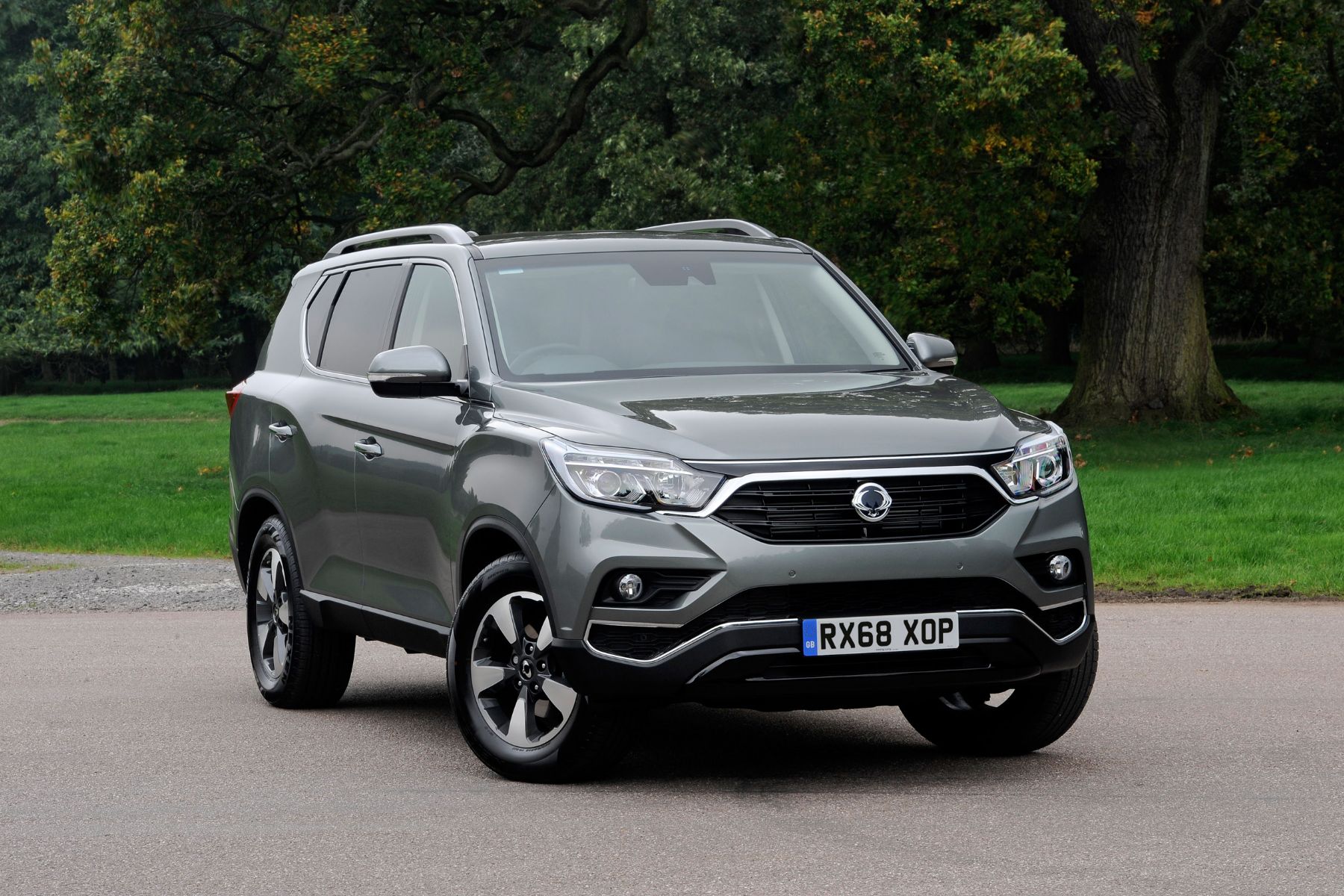
A long warranty can be one of the biggest deciding factors when it comes to buying a car. Kia and Hyundai have led the charge for some time, with seven-year/100,000-mile and five-year/unlimited-mileage deals respectively. Now fellow Korean carmaker Ssangyong has upstaged them.
The SsangYong seven-year/150,000-mile warranty
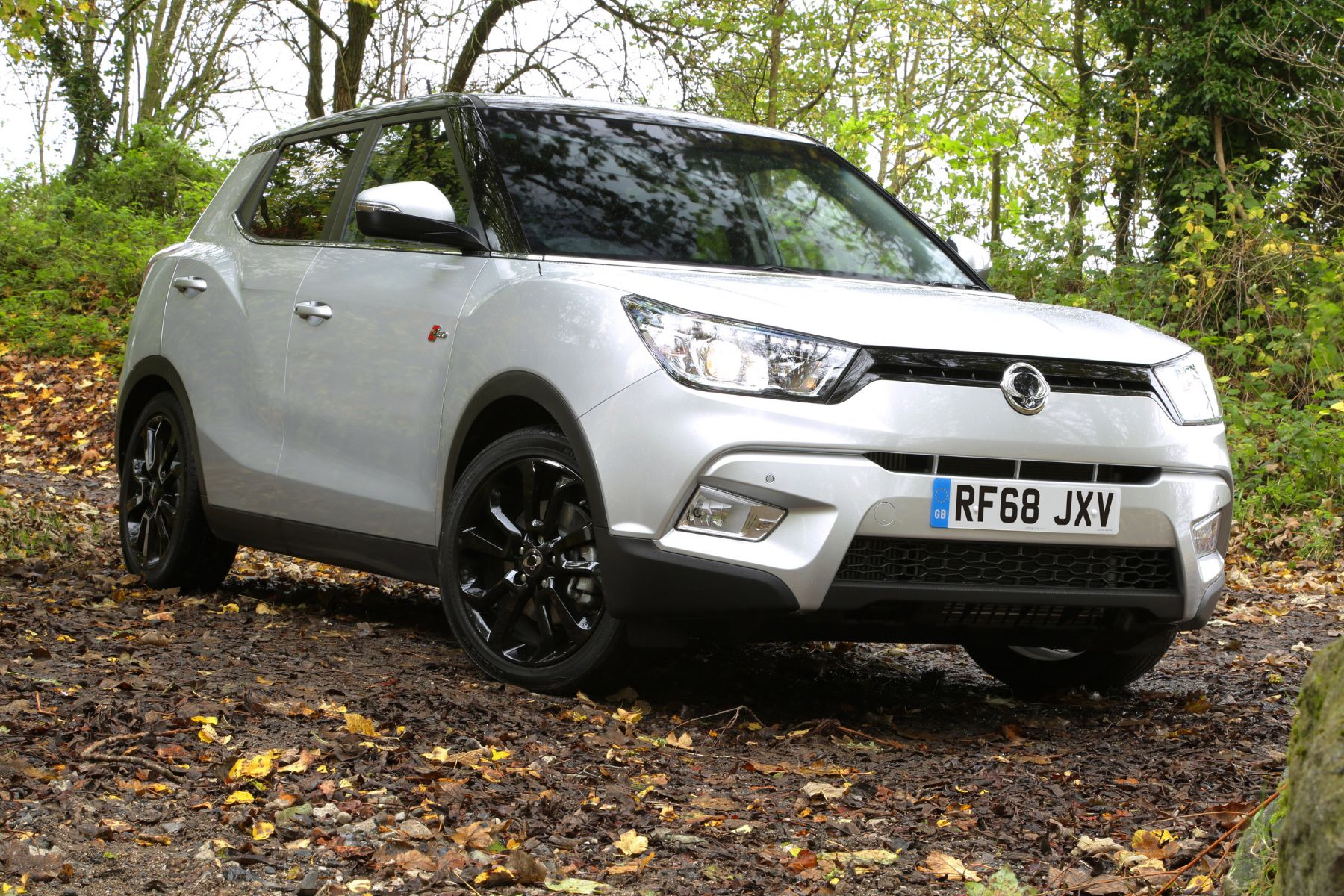
You can now buy any new Ssangyong and have seven years and/or 150,000 miles of warrantied motoring. And that’s not all: the warranty also applies retrospectively. Any new Rexton bought since its launch in October 2017 gets the same cover. For £500, it can also apply to any Ssangyong sold between January and September last year.
The warranty includes most of the oily bits. Wheel bearings, suspension joints, bushes, steering joints and shock absorbers are also covered. Clutch discs and brake discs and pads are warrantied for just one year or 12,500 miles, however, while the battery and paintwork are covered for three years.
“We want our customers to feel that by choosing a SsangYong, they will be looked after the best,” said Nick Laird, MD of Ssangyong UK.
“Well engineered, extremely well-built in South Korea and consequently very reliable, we are backing our faith in the range by introducing the best and longest warranty available to all models.
“No other vehicle on sale today comes with such comprehensive reassurance, and without the small-print of so many other manufacturer warranties.”
Could new car technology increase the chance of your car being stolen? According to a study by MoneySupermarket, it may already be having an effect. Apparently, 99 percent of motorists aren’t actually aware of car hacking threats.
There has been a marked surge in vehicle crimes and crimes related to vehicle tampering since 2014, with 19 and 29 percent rises respectively. This bucks an overall trend of car-related offences falling since 2002. The proliferation of car technology is thought to be directly related to recent increases.
How can thieves hack your car?
Keyless go
Just as thieves clone contactless cards, so too can they replicate ‘keyless go’ car keys, either via direct contact or by highjacking the signal. There are 110 different car models that have keyless go – and all are potentially at risk from key jamming or phishing scams.
Phishing
These kinds of scams aren’t uncommon, and can also be used to hack your car. Malicious links in emails can be used to hack a into car via its built-in wi-fi .
Local remote control apps
Apps used to control cars are becoming increasingly popular. You’d be hard pressed to get the most from Tesla ownership without the app, for example. Hackers can potentially manipulate such systems to take control of a vehicle. Locate, unlock, warm it up before they get in… the world is potentially their oyster.
Tyre pressure monitoring systems
If your car has a tyre pressure monitoring system, a hacker can use the valves in your tyres to track it. They can even manipulate the system to display false readings.
What are drivers concerned about?
There is a level of awareness around crimes related to keyless go. Around 50 percent of motorists with cars thus-equipped are concerned about them being stolen. Indeed, 16 percent of UK drivers have experienced car hacking themselves or know someone who has.
The proliferation of new technologies such as app-based control of cars, electric powertrains and autonomous driving also raises worries among drivers about the dangers of car hacking in the future.
New car supply issues caused by strict new WLTP fuel economy and emissions regulations are behind a whopping 20 percent fall in new car registrations during the key month of September, the Society of Motor Manufacturers and Traders (SMMT) today reports.
Overall, around 87,000 fewer cars were sold than in the same month in 2017 – and for some brands, the picture was particularly bad, with registrations HALVING.
A lack of consumer confidence also contributed to the decline in what’s typically the best month of the year for new car sales, said SMMT chief executive Mike Hawes.
“With the industry given barely a year to reapprove the entire model line-up, it’s no surprise that we’ve seen bottlenecks and a squeeze on supply. These are exceptional circumstances with similar declines seen in other European markets.”
Hawes did, however, say that bottlenecks are expected to soon clear, with momentum expected to recover towards the end of the year. UK registrations are currently 7.5 percent behind 2017, and the SMMT expects this gap to narrow as 2018 draws to a close.
338,834 new cars were registered in September 2018, compared to more than 425,000 last year.
Big fallers
Among the most striking declines seen in September was a massive 55.1 percent decline in Volkswagen car registrations. This equates to more than 20,000 fewer VW registrations in September, leading to the brand’s market share halving to less than 5 percent.
Premium sister brand Audi was also hit hard, with a 53 percent decline in new car sales.
The results for Volkswagen contrast with June, July and August, where it was actually the top-performing brand in the UK. Its overall figureas are, however, still up on 2017, with an 8.25 percent market share making it the second-biggest car brand in the UK.
“We are expecting the WLTP testing process to have a temporary effect on our vehicle registration figures,” said the firm in a statement, “but believe that the Volkswagen Group brands will recover and continue making progress in the UK market during 2019.”
Infiniti suffered one of the biggest declines, with an 89 percent fall: it registered just 42 cars in September. DS was down 77 percent, recording 416 sales compared to 1,850 in 2017. Suzuki was another surprise casualty of production bottlenecks, falling 58 percent.
Dacia, Alfa Romeo, Nissan, Seat and Skoda also suffered above-average declines.
Other brands took the opportunity to capitalise on the supply issues of others. Kia enjoyed an excellent month, for example, with the Sportage becoming the seventh best selling car in the UK.
In September, Kia actually matched Volkswagen for UK market share. Jaguar, Volvo, Mitsubishi and Subaru also enjoyed significant sales gains: Jaguar’s market share improved to more than 2 percent, and Volvo took a 2.5 percent market share.
The Vauxhall Corsa also staged an overdue recovery, while the premium Mercedes-Benz A-Class took the unlikely honour of becoming the UK’s third best-selling car.
Diesel doom
The picture for diesel in the UK continues to worsen. In September 2017, the fuel took a 40 percent market share. Last month, this dropped to just 29 percent: more than 87,000 fewer diesel cars were registered compared to 2017.
That’s equal to a 42.5 percent fall in sales – more than double the overall market decline. Petrol sales, in contrast, were down just 6.7 percent.
Petrol cars now comprise 64 percent of overall registrations, while alternative fuel vehicles (electric cars and hybrids) also benefitted, enjoying 3.9 percent growth to record an overall market share of almost 7 percent.
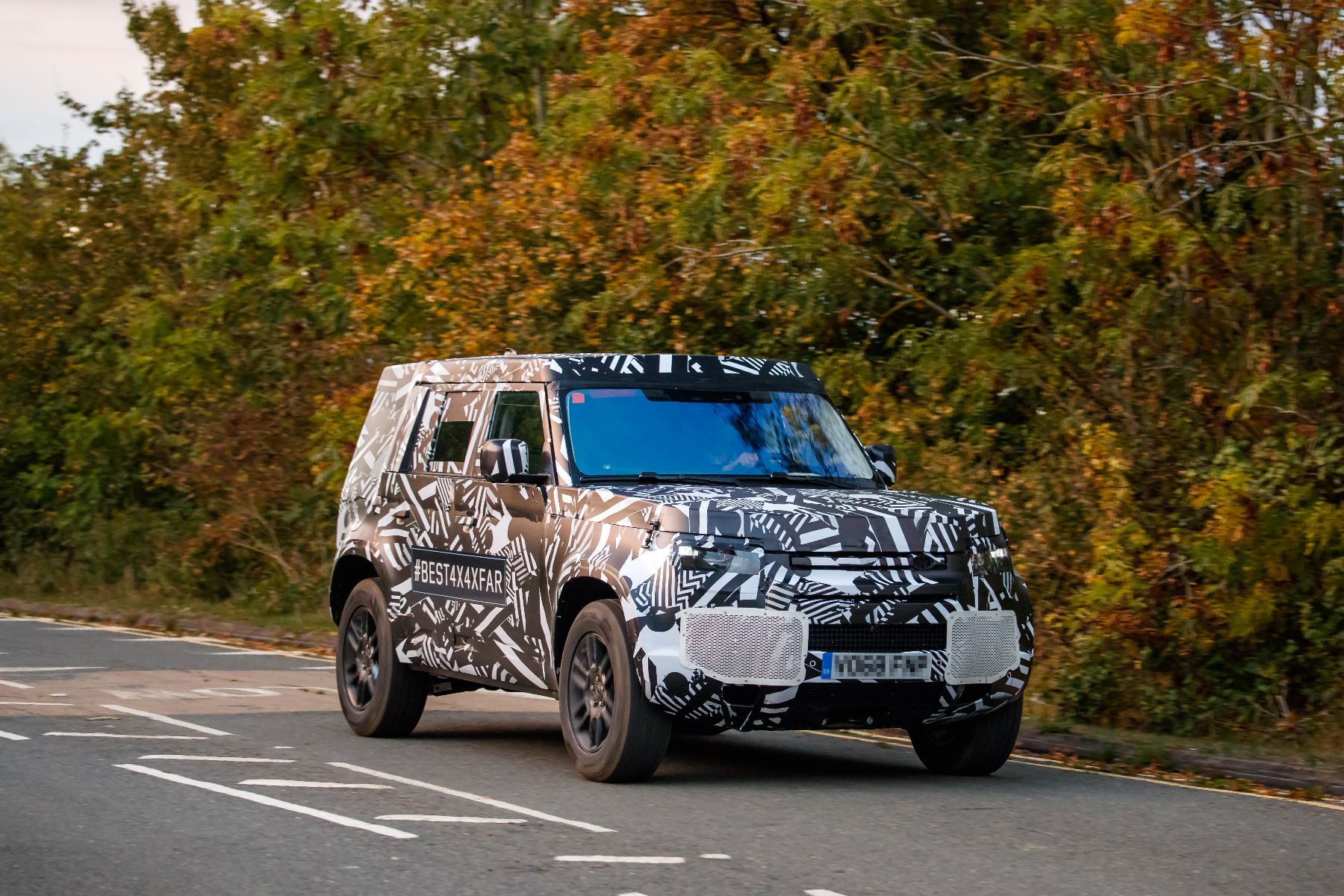
It’s the return of an icon. The next generation Land Rover Defender has been spotted – in heavy camouflage – testing on public roads. Three years after the original model was discontinued, we finally get some clues to how the next Defender may look.
In recent years, the Defender never flew out of showrooms like the Evoque, Freelander or even Discovery. Then again, it has become something of a hipster fashion accessory.
In terms of brand identity, though, the Defender is Land Rover. The lack of one in the current line-up is only tolerated, we suspect, because it’s common knowledge that a successor is on the way. Land Rover began by simply building the Land Rover. It was both model and marque, and the 2020 Defender is the direct descendant of that first machine.
What do we know about the new Defender?
In terms of aesthetics, it’s as you’d expect. We don’t need to whip the camo off to deduce that the new car maintains the boxy silhouette of the originals, with some 21st-century LR styling tropes and modern garnish for good measure. Short overhangs, blistered wheelarches and thick tyre sidewalls are already good signs to us.
It’ll be somewhat different on the inside, however – rugged and functional, but identifiably a Land Rover for the modern age.
From the spy shots, we can deduce the new car will have a more sophisticated suspension set-up. Blasphemy to the LR faithful, perhaps, but you can bet your bottom dollar it’ll deliver the off-road goods unlike anything else. We can also expect a range of wheelbases and body styles, just like the old model. Pick-ups, three-doors, four-doors – the lot.
Engine-wise, there won’t be any surprises to anyone familiar with JLR’s current lineup. A stellar range of 2.0-litre petrols and diesels will doubtless make their way beneath the bonnet. Don’t rule out hybridisation or even full electrification, either.
Land Rover says…
LR itself hasn’t offered any comment on the photos, but it’s made no secret of its determination to write a worthy new chapter in the 70-year-long story of the original Land Rover.
“Jaguar Land Rover runs a wide range of engineering and technology development programmes” said a Land Rover spokesperson.
“We are unable to comment on the specific nature of these programmes. However, we can confirm that the Defender programme is progressing well and has reached an exciting stage of its development.”
What is exciting is that new Defenders should be on customers’ driveways by 2020. We imagine a reveal deep into next year is on the cards.
“We can confirm that customers around the world will be taking delivery of and enjoying Defender again from 2020,” said a spokesman.
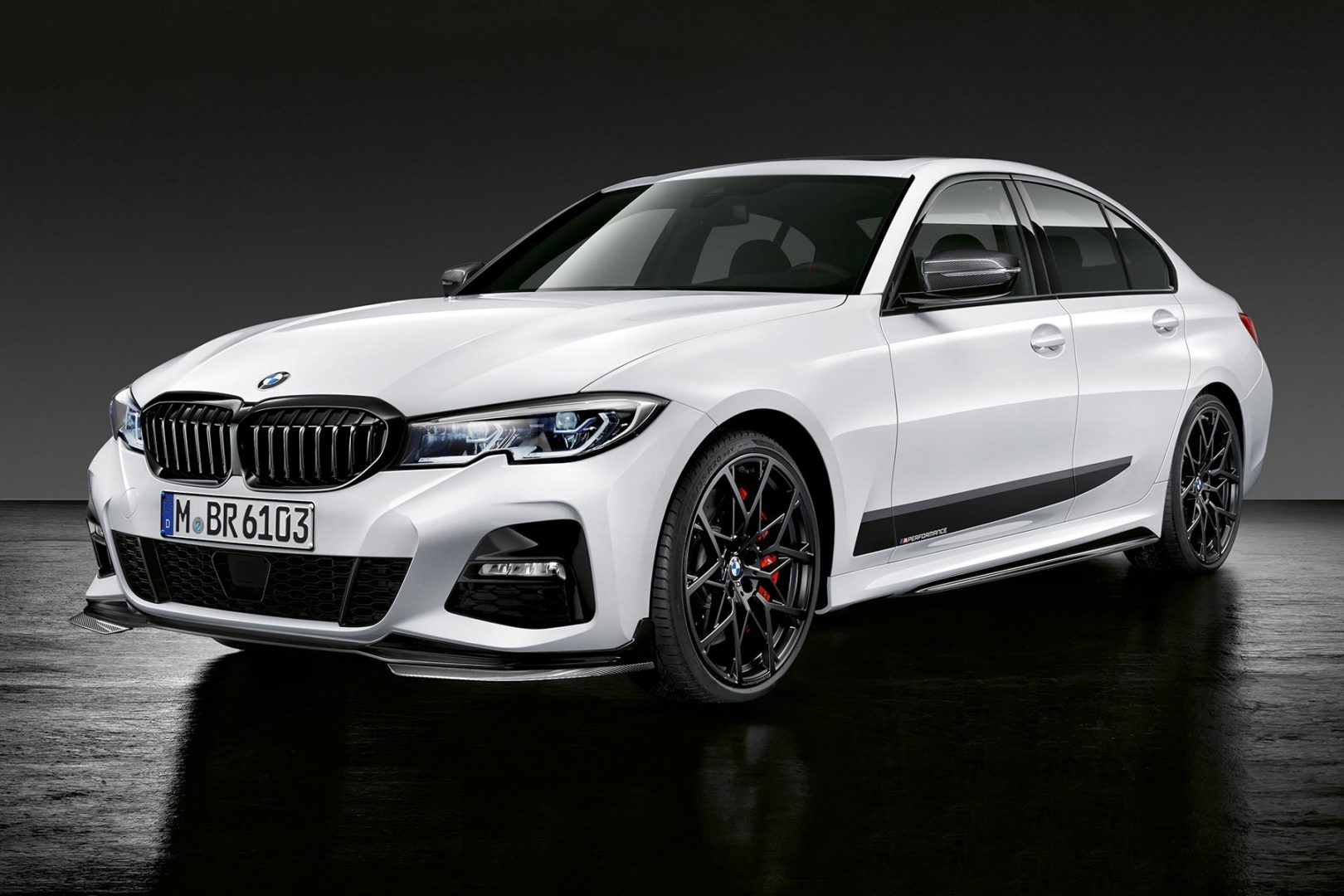
The new 2019 BMW 3 Series has only just made its debut at the Paris Motor Show, but BMW has a range of M Performance parts available from launch.
BMW has developed the M Performance range to be integral with its new cars, and the latest 3 Series is no exception. Buyers can now accessorise their 3er to their heart’s content. Or simply to cause their fleet manager endless headaches.
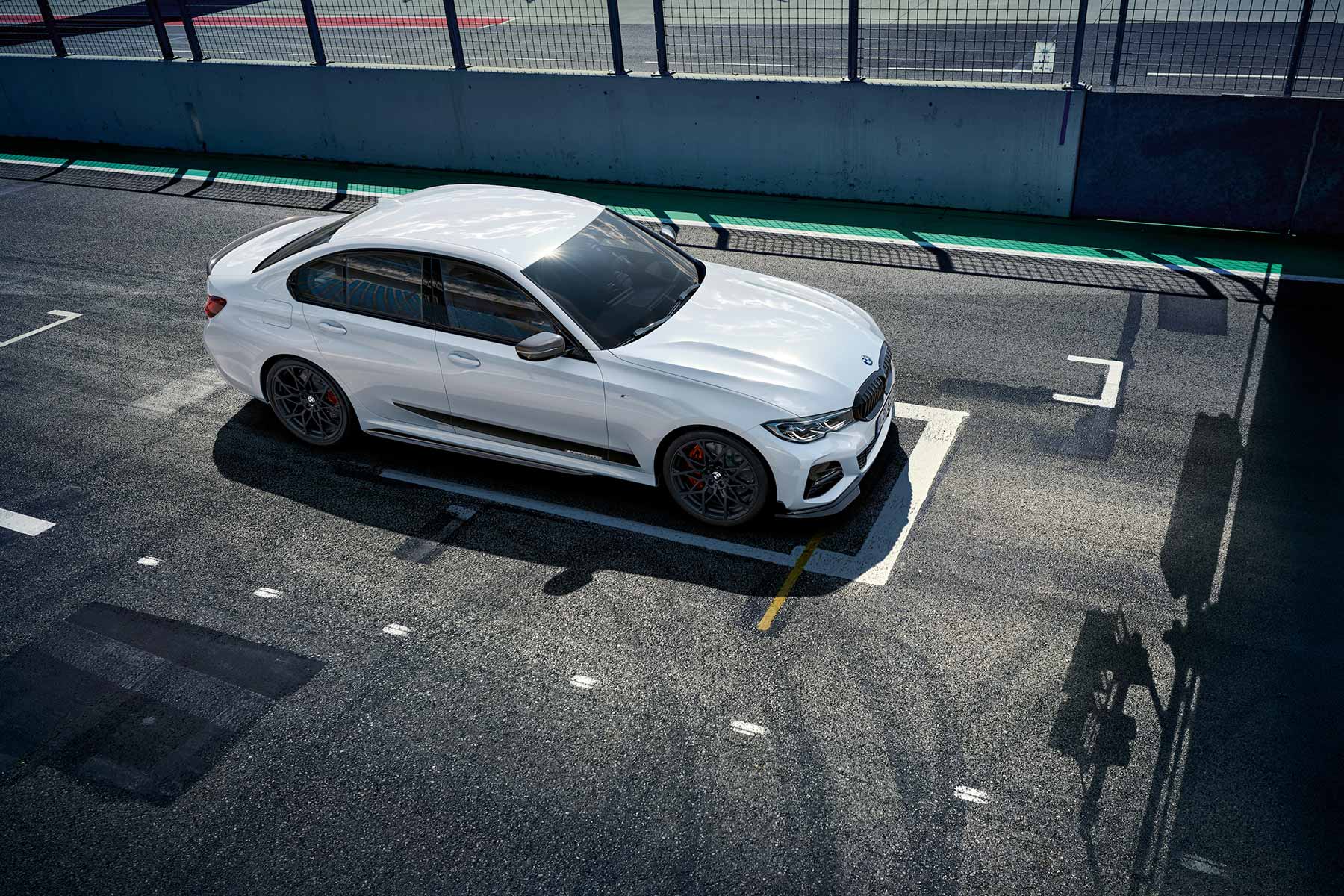
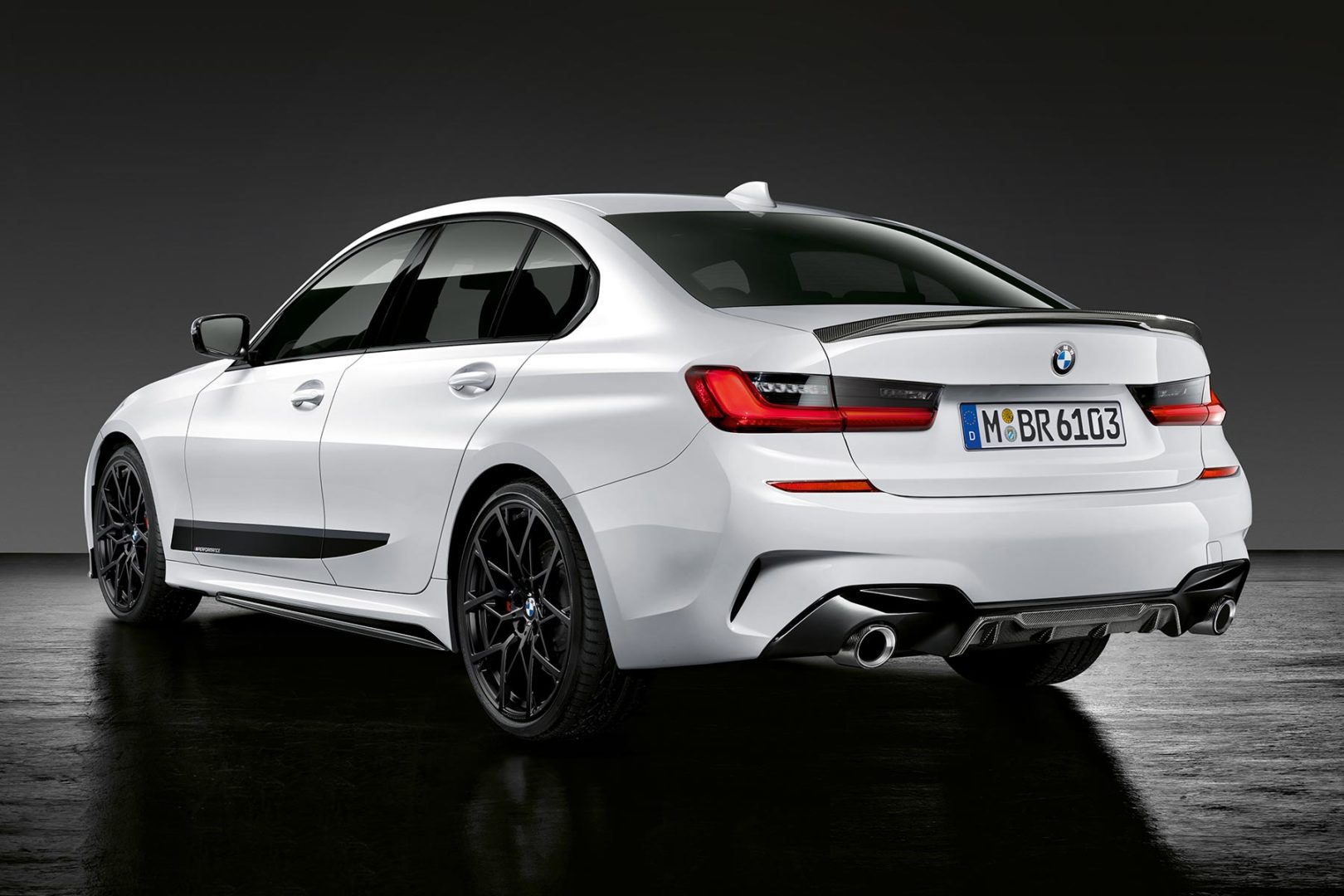
There are 10 exterior adornments alone for the new 3 Series. These range from a choice of two splitters for the front bumper to a carbon fibre diffuser, and even grey-tinted tail lights. Side sills, a rear spoiler and wing mirror caps can all be had in lightweight carbon fibre, too.
Carbon even forms part of the sports exhaust system, wrapping around the titanium tailpipes to give a true motorsport flavour to your morning commute.
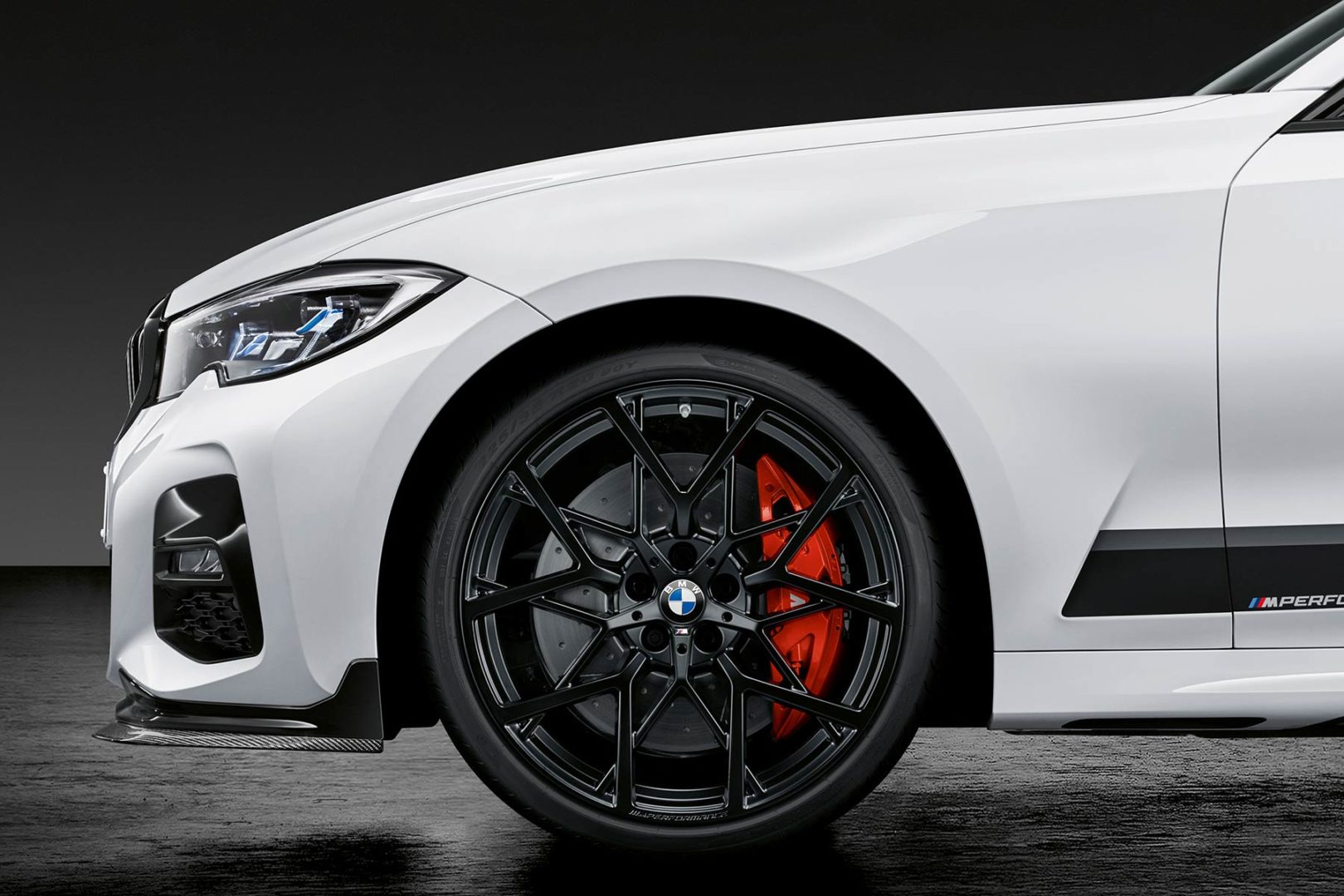
However, this is not just mere trinketry. BMW will also sell you a substantial M Performance brake upgrade for the new 3 Series. The bigger 18-inch discs have with a drilled and grooved finish, and are matched with giant red calipers. They are said to offer a noticeable improvement in stopping power over the regular set-up.
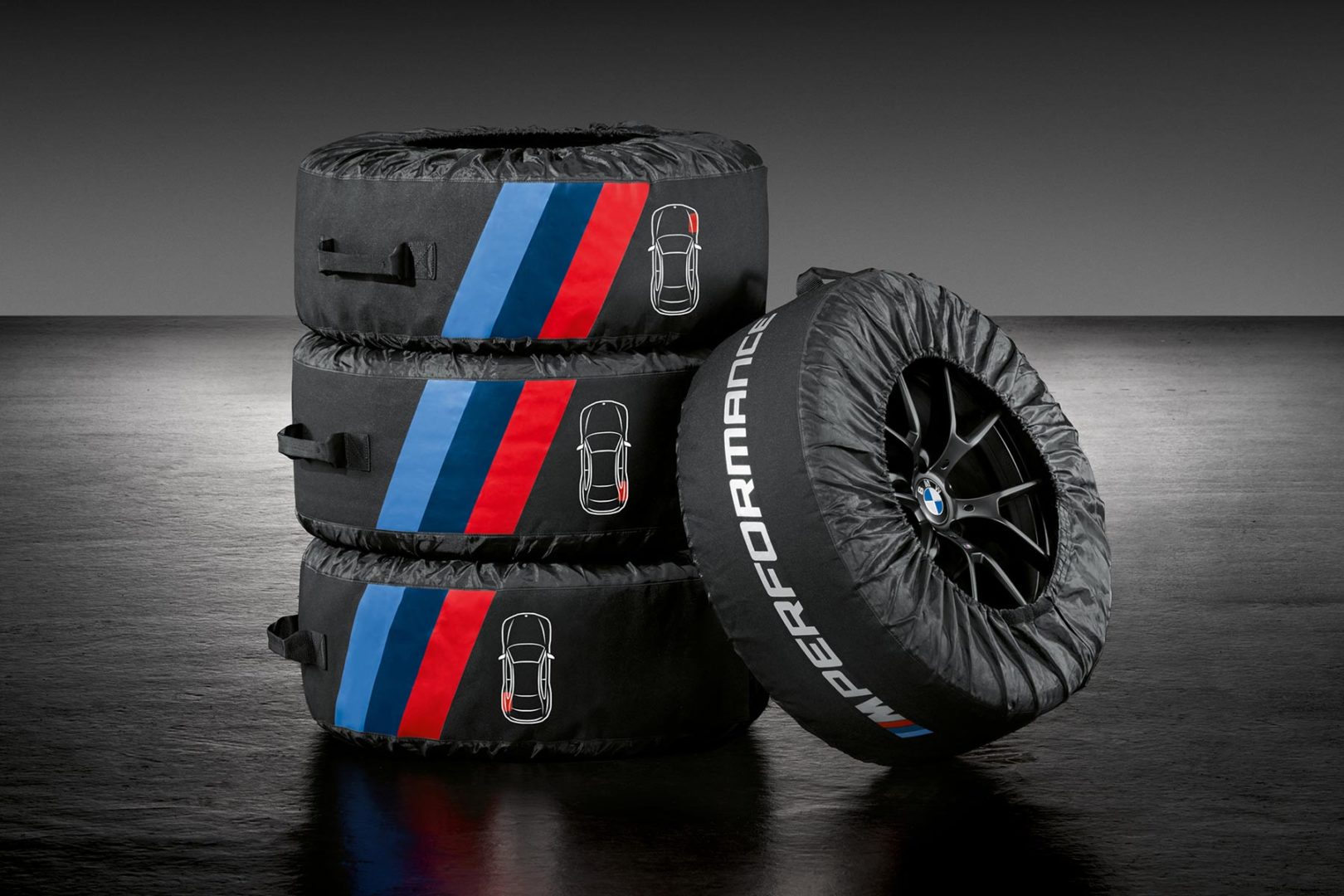
Complementing the bigger brakes are M Performance alloy wheels: larger 20-inch items offered in a choice of styles and colours. BMW even offers a set of special M-branded bags to keep your spare wheels and tyres in. That they look like heated tyre blankets used by race teams is an added bonus.
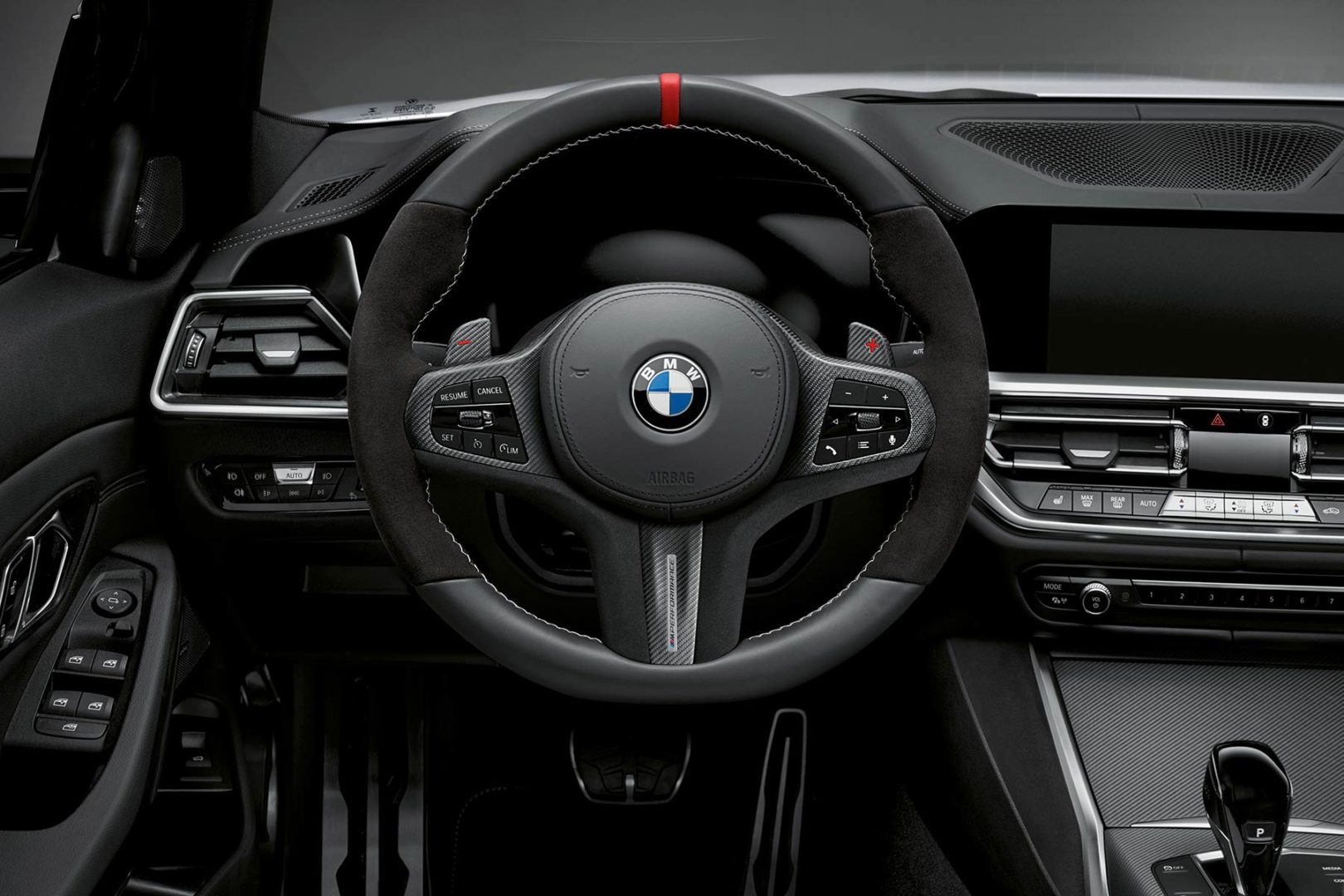
Although the standard steering wheel for the new 3 Series already looks racy, upgrades are on offer. A chunkier wheel, finished in grippy Alcantara, can be matched with carbon fibre paddles for cars with an automatic gearbox.
In fact, you can cover most of the interior in a combination of carbon fibre and Alcantara, depending on how far your budget will stretch. Leather trimmed floor mats can also be added, and even is even a special carbon fibre wallet available to hold your car key.
Prices are yet to be announced for the M Performance range. For now, the only question is how much carbon fibre can one executive saloon handle?
All the attention in Australia may be on this weekend’s Supercheap Auto Bathurst 1000 event, but fans at the Mount Panorama circuit will also get to see a unique Ford battle on track.
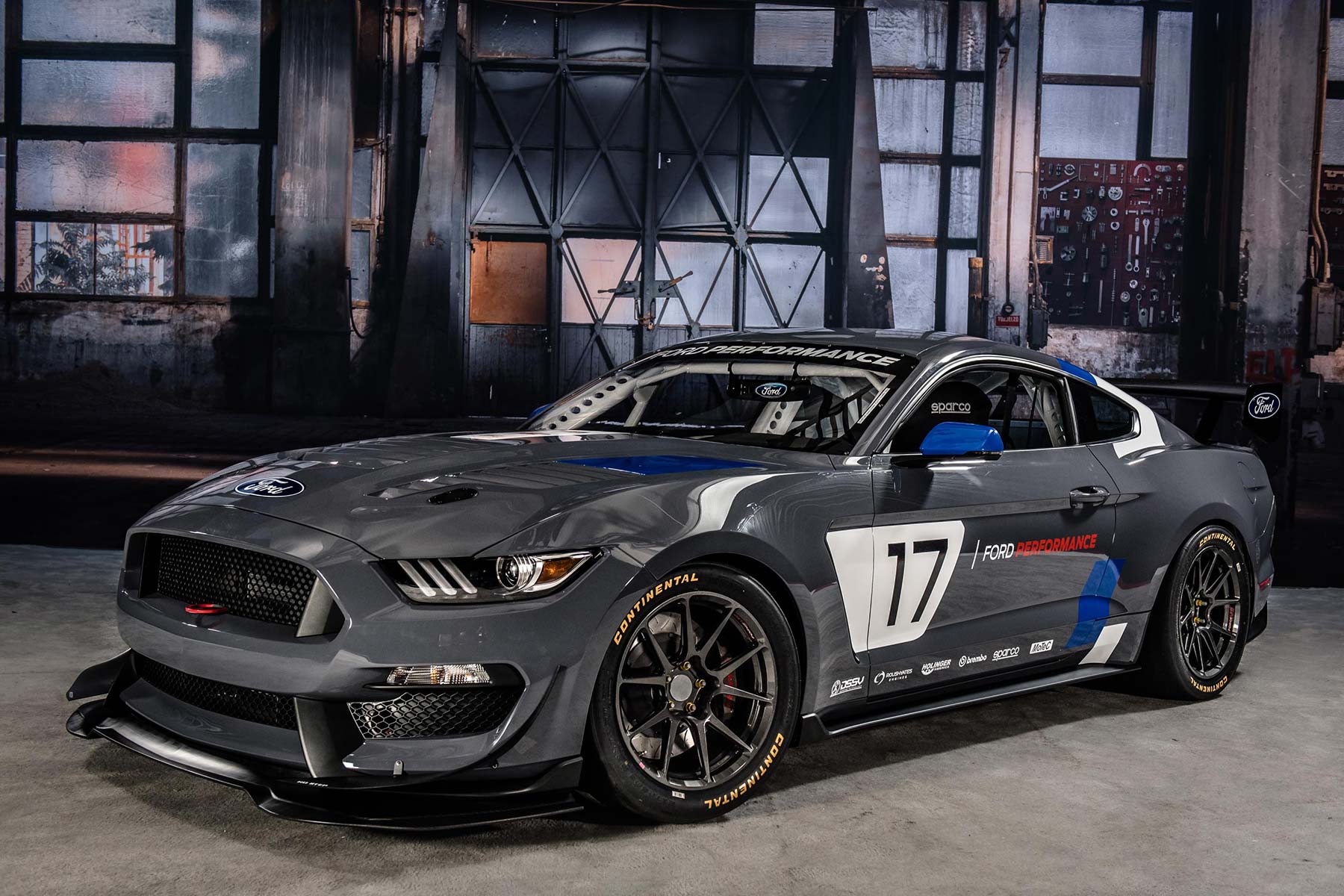
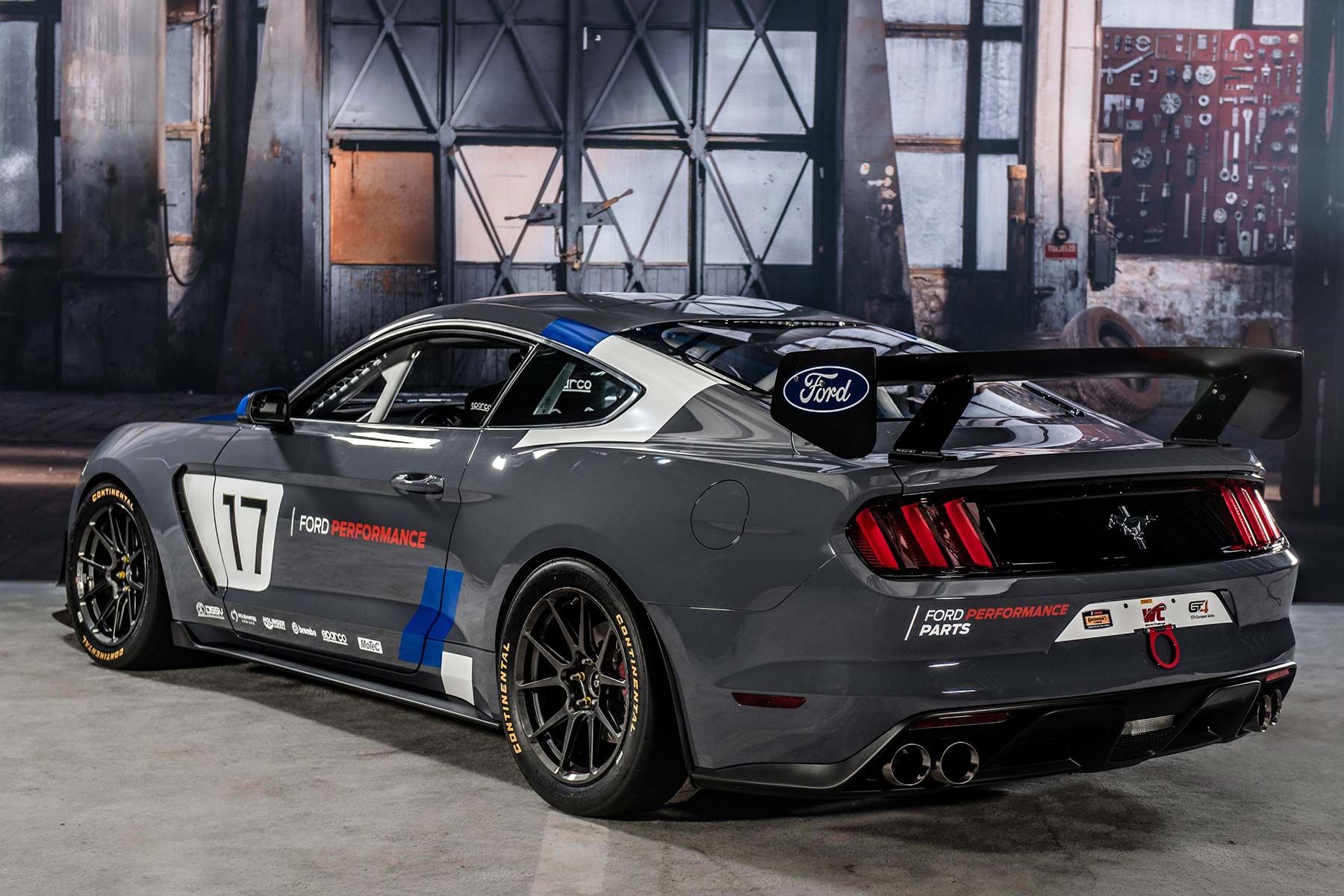
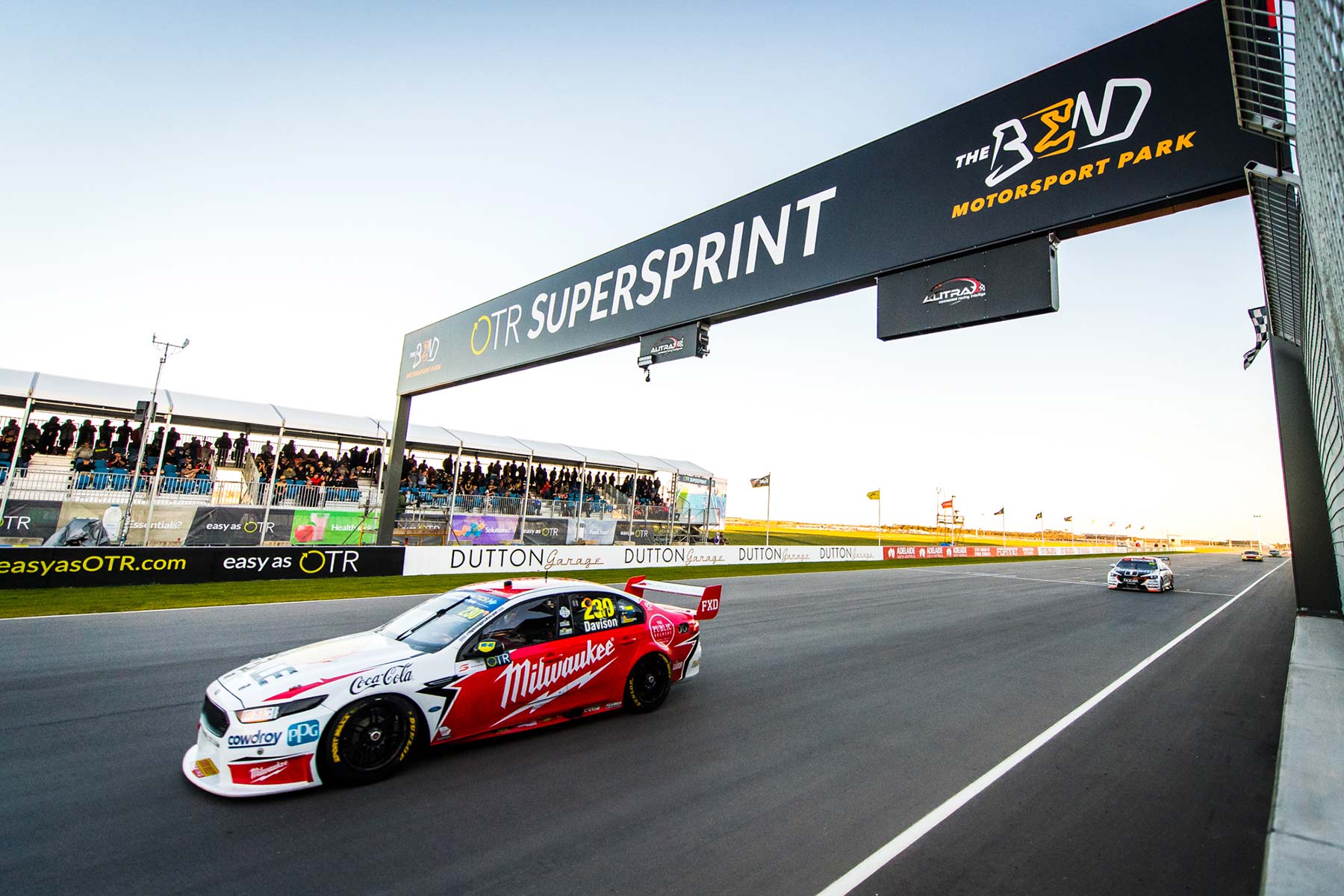
The special Triple Challenge will pit a GT4-specification Mustang against a Ford GT endurance racer and a FG X Falcon V8 Supercar.
This year’s Bathurst 1000 will be the final edition of the ‘Great Race’ to see the famous Ford Falcon taking part. The end of Falcon sales and production mean the car will no longer be used in the Supercar championship, to be replaced in 2019 by the Mustang.
So, the sight of a Mustang GT4 racer on track will be a fitting preview of what Ford Performance fans can expect to see next year.
Powered by a 5.2-litre ‘Coyote’ V8 engine, the Mustang GT4 produces 450hp and features a six-speed sequential gearbox. This weekend will mark the first time the turn-key racer, based on the Shelby GT350R-C, will have been seen in Australia.
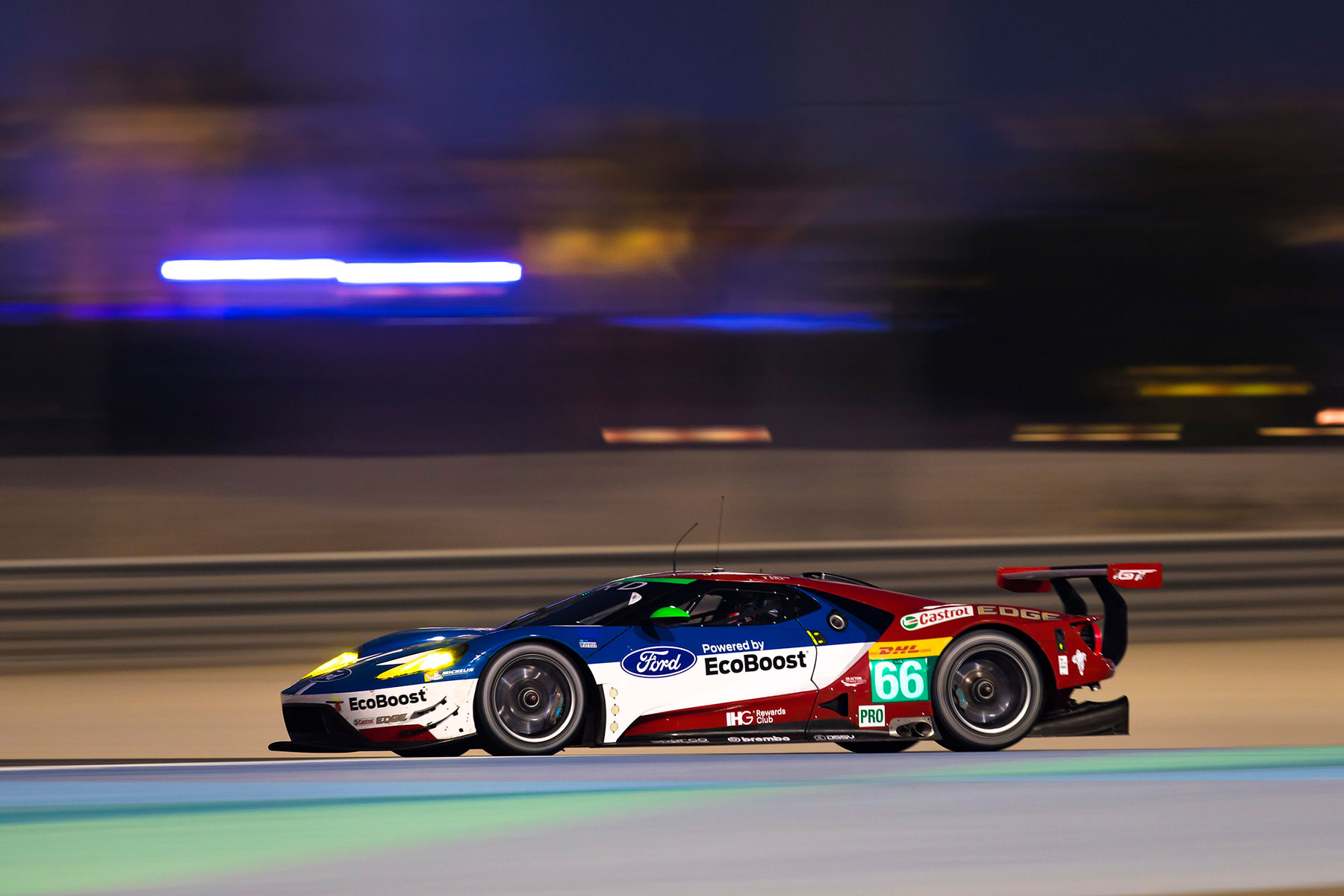
Joining the Mustang GT4 on track will be the IMSA Ford GT endurance racer, driven by Sydney-born Ryan Briscoe. With three wins in the North American IMSA series this year, Briscoe and the Ford GT are already making a formidable pairing.
Derived from the Ford GT road car, the IMSA-spec machine is closer to a bespoke prototype race car, with a carbon fibre chassis and aerodynamic design. It could well be a contender for setting the fastest ever lap around Mount Panorama.
Finally, as a tribute to the Falcon, Alex Davison will drive the 23Red FG X Supercar as part of the triple threat competition.
Ford fans will also be able to reminisce about previous Falcon victories at Bathurst this weekend. Ford Performance has assembled a collection of iconic models from the Falcon’s history, including the road-going version of the 1967 XR GT model that won at Bathurst.
Although the end of the Falcon may bring a tear to the eye of many fast Ford fans, you can be sure it will go out with plenty of burned rubber and V8 noise this weekend.
However, the ultimate send-off would be victory in Sunday’s epic Bathurst 1000 race.
The 2018 Paris Motor Show is underway, we’re in the thick of the action, elbowing our way to the front of the stands to bring you the hottest reveals. In truth, you’ll have seen the press photos before the event, but this is our first chance to see many of the cars in the metal. Let us do the walking, so you don’t have to.
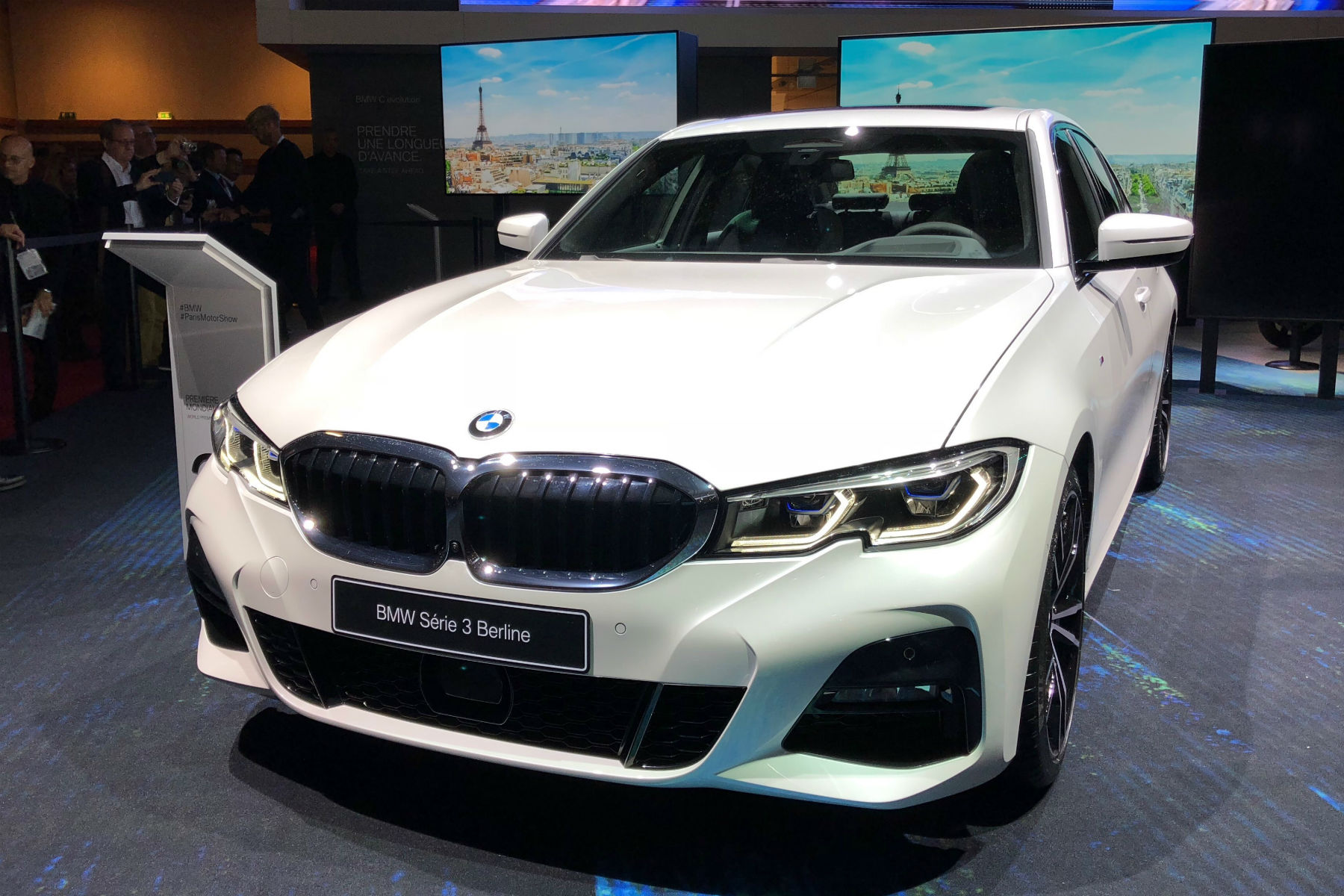
BMW 3 Series
The new BMW 3 Series is proving to be as popular as a half-price TV on Black Friday, and the media scrum here in Paris is just as frenzied. Which is kind of strange, when you think that, very soon, this car will be everywhere. Queuing at the Starbucks drive-thru for a flat white, clogging up office car parks in Reading, Bracknell and Newbury, and generally going faster than you on the M4.
But, give the 3 Series some credit. Since 1975, it has been the default choice in the segment, staying one step ahead of its rivals and cementing itself as the world’s most popular premium exec. We’ll be driving it very soon, by which time our feet may have recovered from pounding the Paris floor.
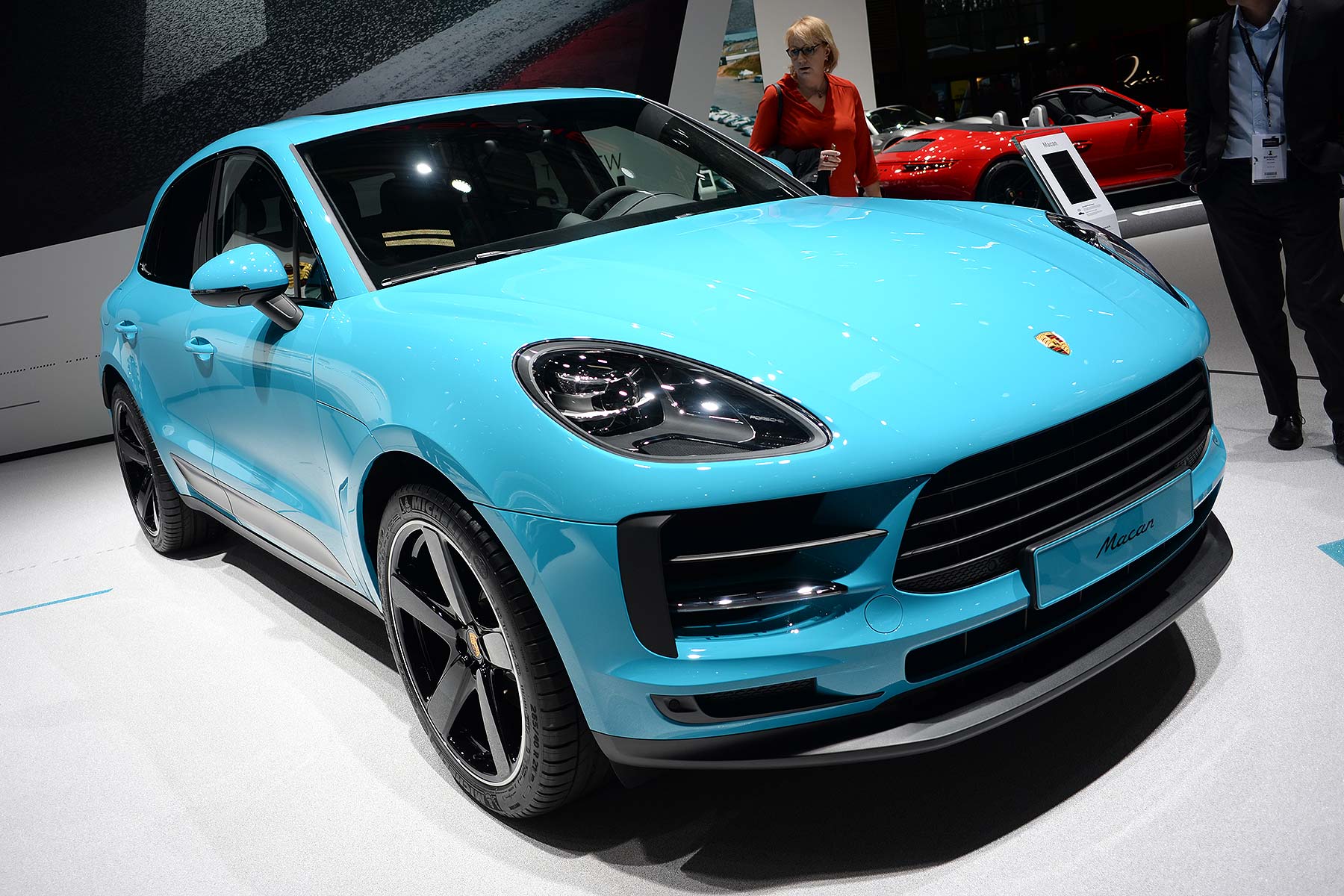
Porsche Macan
Porsche hasn’t flown the new Martini-liveried 935 over from Laguna Seca, so we were tempted to give its stand a miss. But, while a £750,000 retro homage is certainly special, the 2019 Porsche Macan is more significant for us mere mortals. The 935 is the car your kids will dream about, but the Macan is the car they’ll travel to school in.
The Macan has been an incredibly successful car for Porsche, with some 350,000 sold since its launch in 2014. For the facelift, Porsche has added a 10.9-inch touchscreen, a GT sports steering wheel, LED headlights as standard, a three-dimensional LED taillight strip, new 20- and 21-inch alloys, a tuned chassis and a host of other upgrades. It’s great, but it’s no 935.
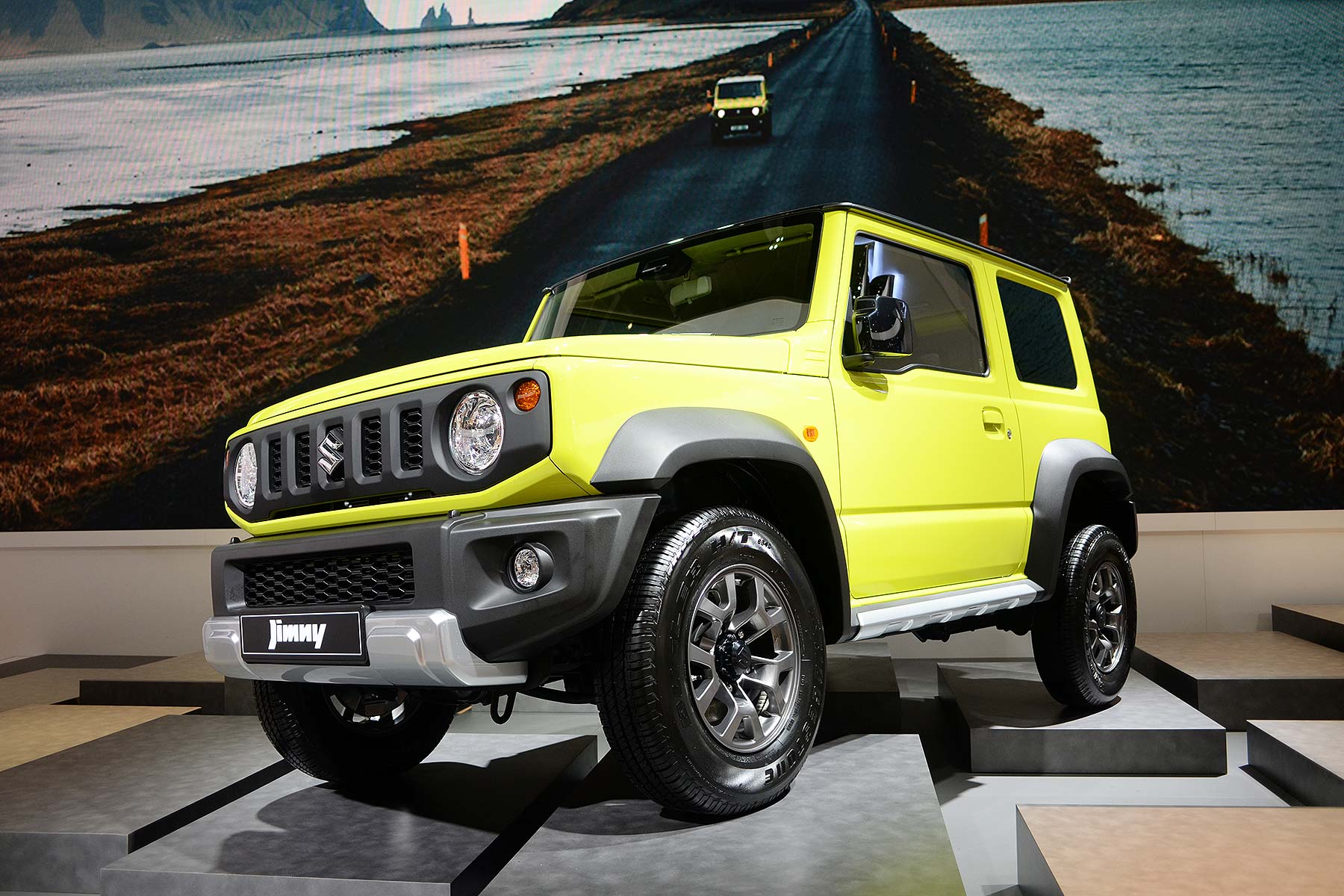
Suzuki Jimny
It might be one of the smallest cars on show in Paris, but since when did size matter? What the Suzuki Jimny lacks in mass, it makes up for in off-road ability, and offers a level of charm that is off the scale. Suzuki GB has received more than 3,000 registrations for the fun-size 4×4, but this number will increase before the Jimny hits the road in 2019.
You want one, obviously, but there are two or three question marks hanging over the half-pint off-roader. Firstly, how much will it cost? We reckon something in the region of £17,000, depending on spec. Secondly, how long will you have to wait before taking delivery? It could be months. Thirdly, how much of an issue is that three-star Euro NCAP safety rating? Only you can decide that.
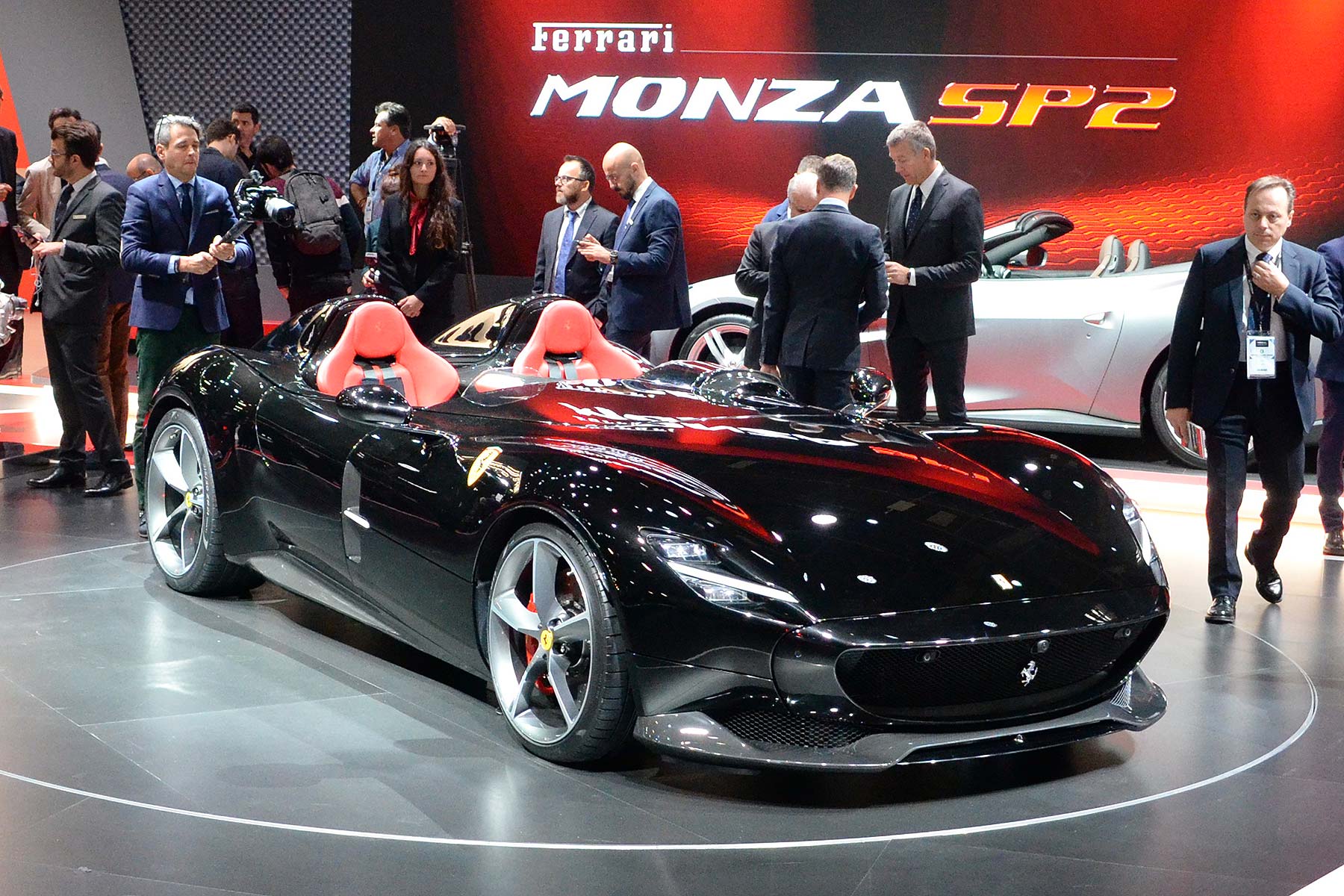
Ferrari Monza SP1 and SP2
Lamborghini is giving Paris a miss, which leaves Ferrari to hug the Italian supercar limelight. The new Monza SP1 and SP2 models are the first in a new segment called ‘Icone’ and draw inspiration from Ferraris of the 1950s.
The SP1 is a single-seat road car, while the SP2 does away with a tonneau cover and adds a second protective screen to become a two-seater. Each one will hit 62mph in just 2.9 seconds. Predictably, they’re drawing a huge crowd in Paris. Does anybody have any step ladders we could borrow?
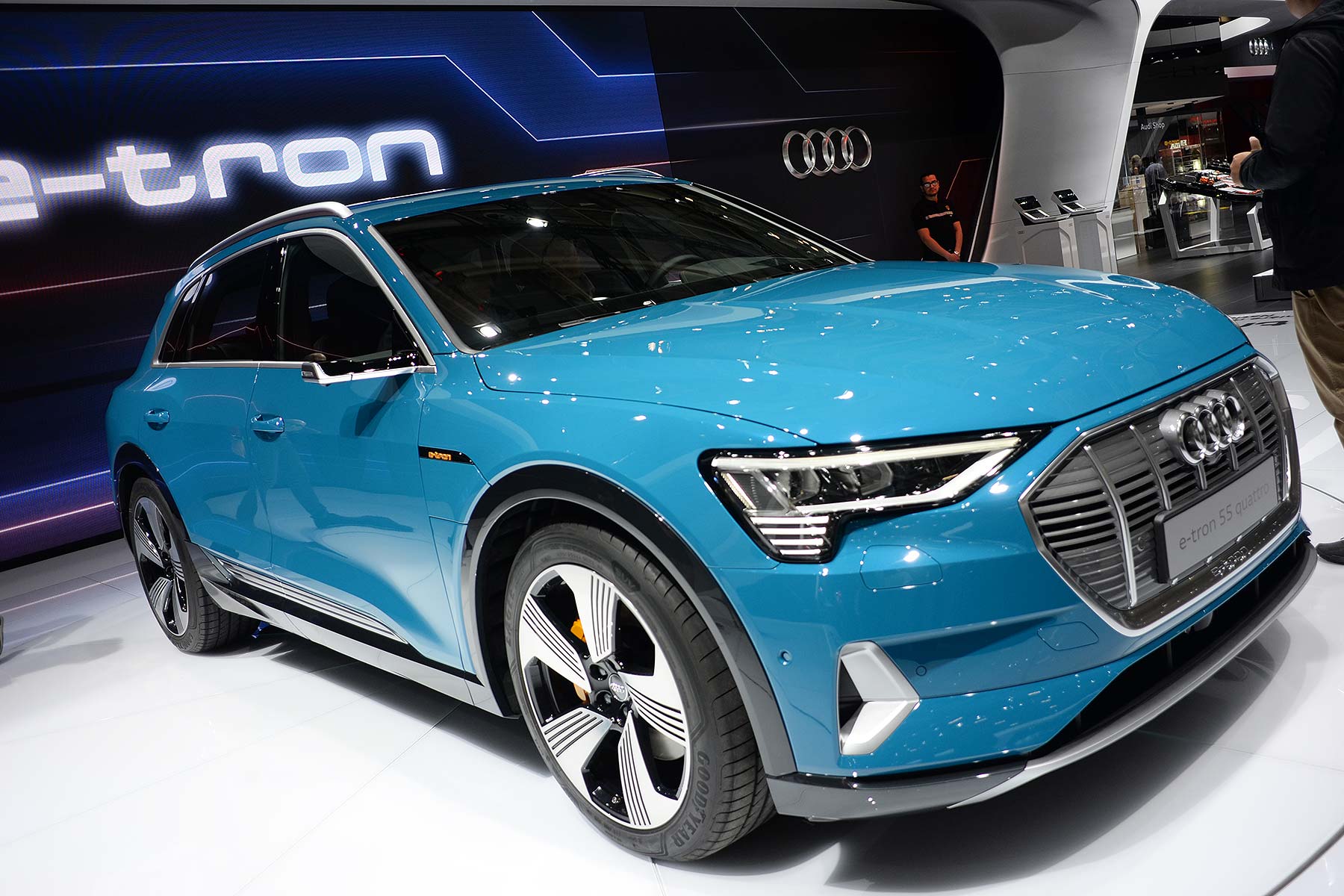
Audi E-tron
What you’re looking at is the beginning of Audi’s assault on the EV sector, the first of 12 all-electric cars to be launched between now and 2025. The ‘undirty’ dozen, if you like. A little like the EQC, it’s not what you’d call attractive, but it’s unmistakably an Audi, more cohesive than the Q2 and more interesting than the Q3 and Q5.
It features a 95kWh battery – only the Model X battery is bigger – with Audi quoting a 249-mile range and a 0-60mph time of 6.4 seconds. We’re expecting it to cost around £70,000 when it goes on sale in the UK, although this price will reduce once the Plug-in Car Grant is subtracted. A note about the cabin, which looks less cutting-edge than the EQC’s, but is typically Audi-grade.
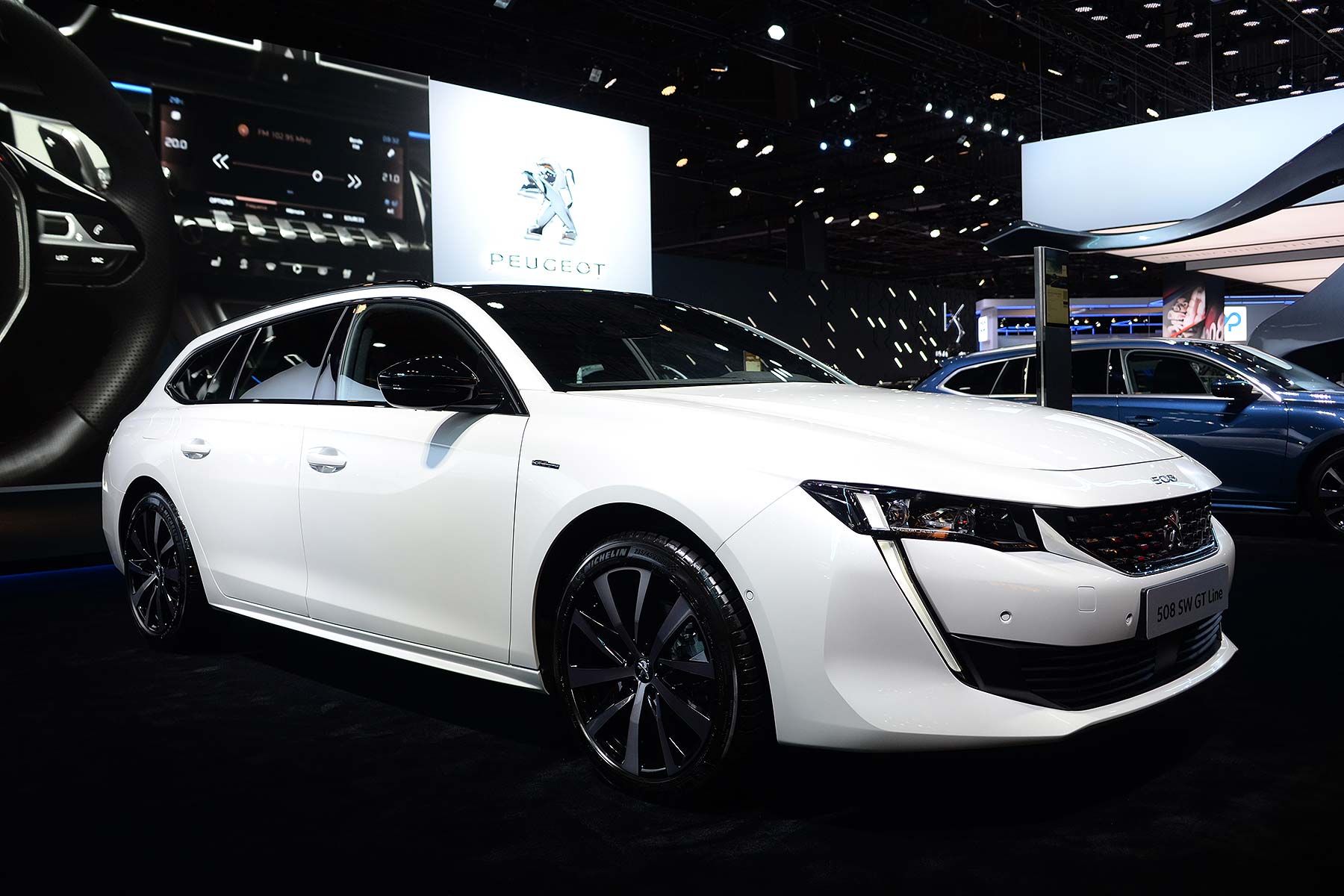
Peugeot 508 SW
It’s rather sad that cars like the Peugeot 508 SW are a dying breed, suffocated by the might of the SUV. The fact remains, that while SUVs are undoubtedly practical and well-suited to family life, an estate car will always be better to drive and feature a large loading area. So, please welcome the 508 SW with open arms.
It’s a great looking thing – almost as eye-catching as the 508 saloon – and the boot is large, wide and flat, especially if you fold the rear seats down to reveal a load area of 1,780 litres. Up front, the cabin is visually arresting and rather engaging. Unfortunately, it’s likely to be a niche product when it goes on sale in the UK in January.
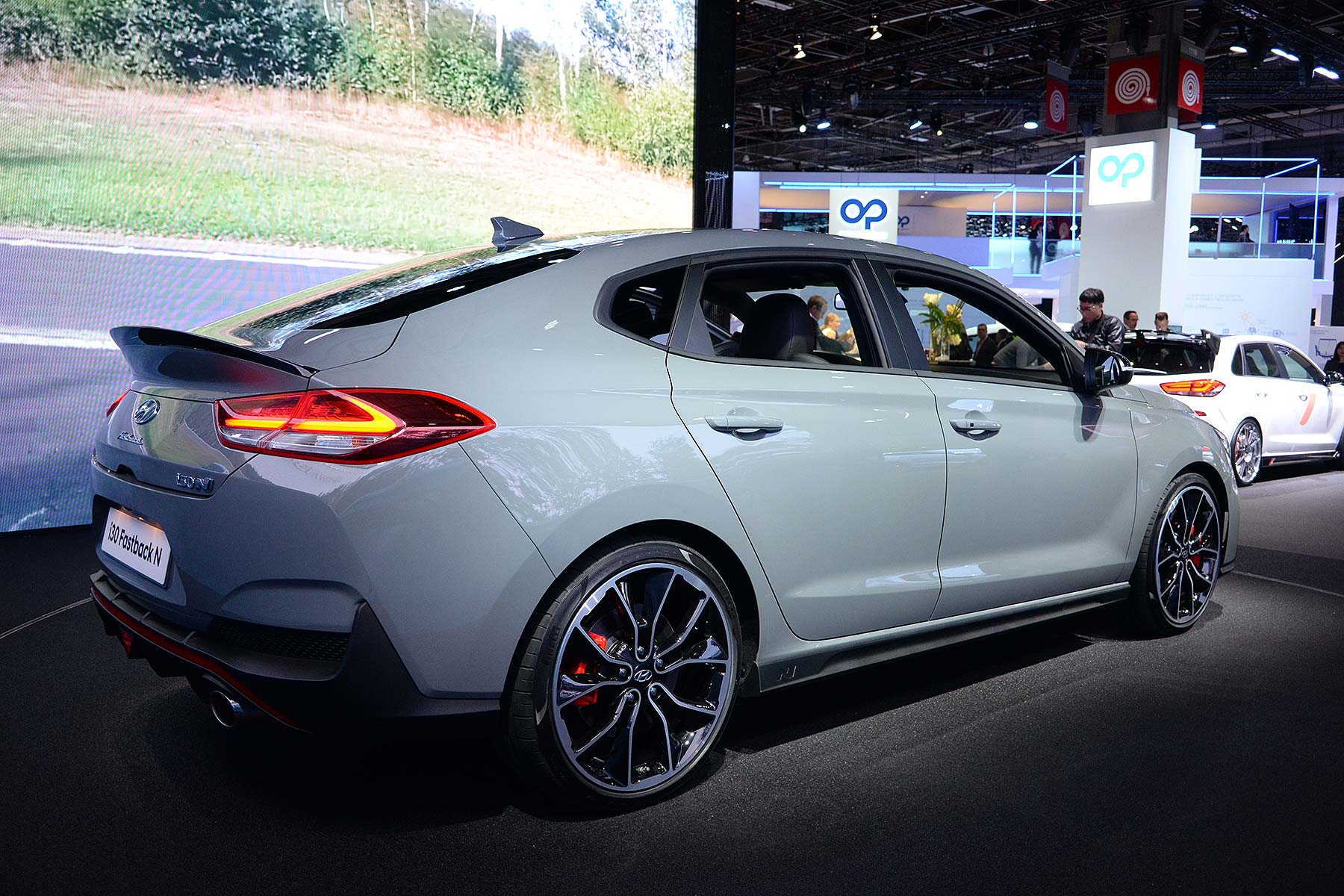
Hyundai i30 Fastback N
In the same way that the Hyundai i30 N managed to muscle in on the hot hatch party, the i30 Fastback N is hoping to steal sales from the Audi A5 Sportback and BMW 4 Series. A tough ask, but if the hot hatch is anything to go by, it deserves to succeed. And, let’s remember, the Hyundai will undercut its rivals and offer a comprehensive five-year warranty.
But the N badge is about so much more than price and warranties. Of all the cars we have driven this year, the i30 N has been one of the most impressive, so we’re itching to try this latest take on the N formula. In the meantime, we’re going to twist a few arms – we rather fancy an i30 N in wagon form.
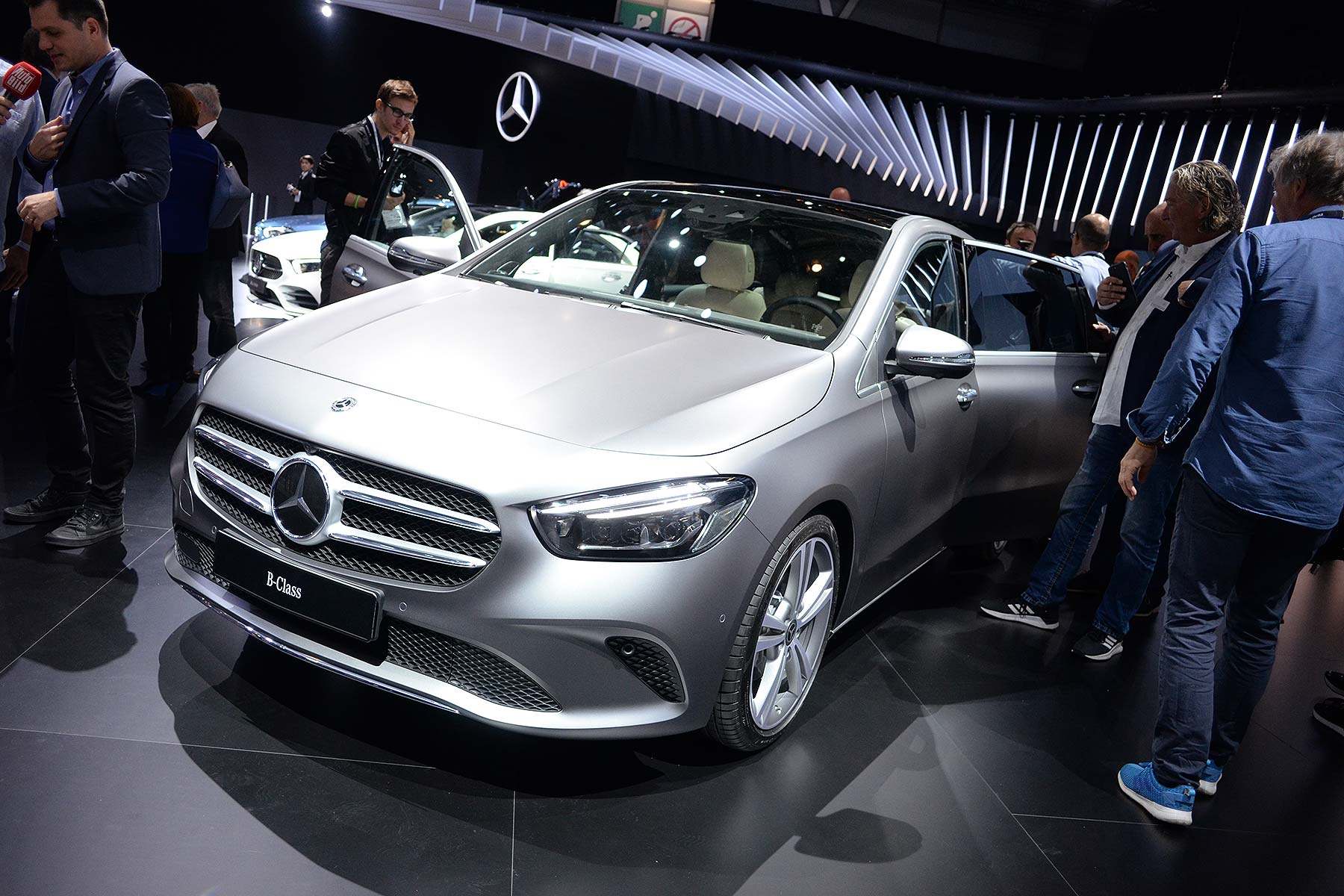
Mercedes-Benz B-Class
Mercedes says the new B-Class looks more dynamic than its predecessor, which is true. Then again, a tin of creamed rice pudding looks more dynamic than the old B-Class. Mercedes is also labelling it as a ‘Sports Tourer’, but it’s really an A-Class in an MPV suit.
It might not be exciting to look at, but the B-Class shares its interior with the A-Class, which is a positive, while the infotainment system adapts to the behaviour of the driver. It’s also semi-autonomous and can be equipped with 19-inch rims. Nope, we’re not excited either.
DS 3 Crossback
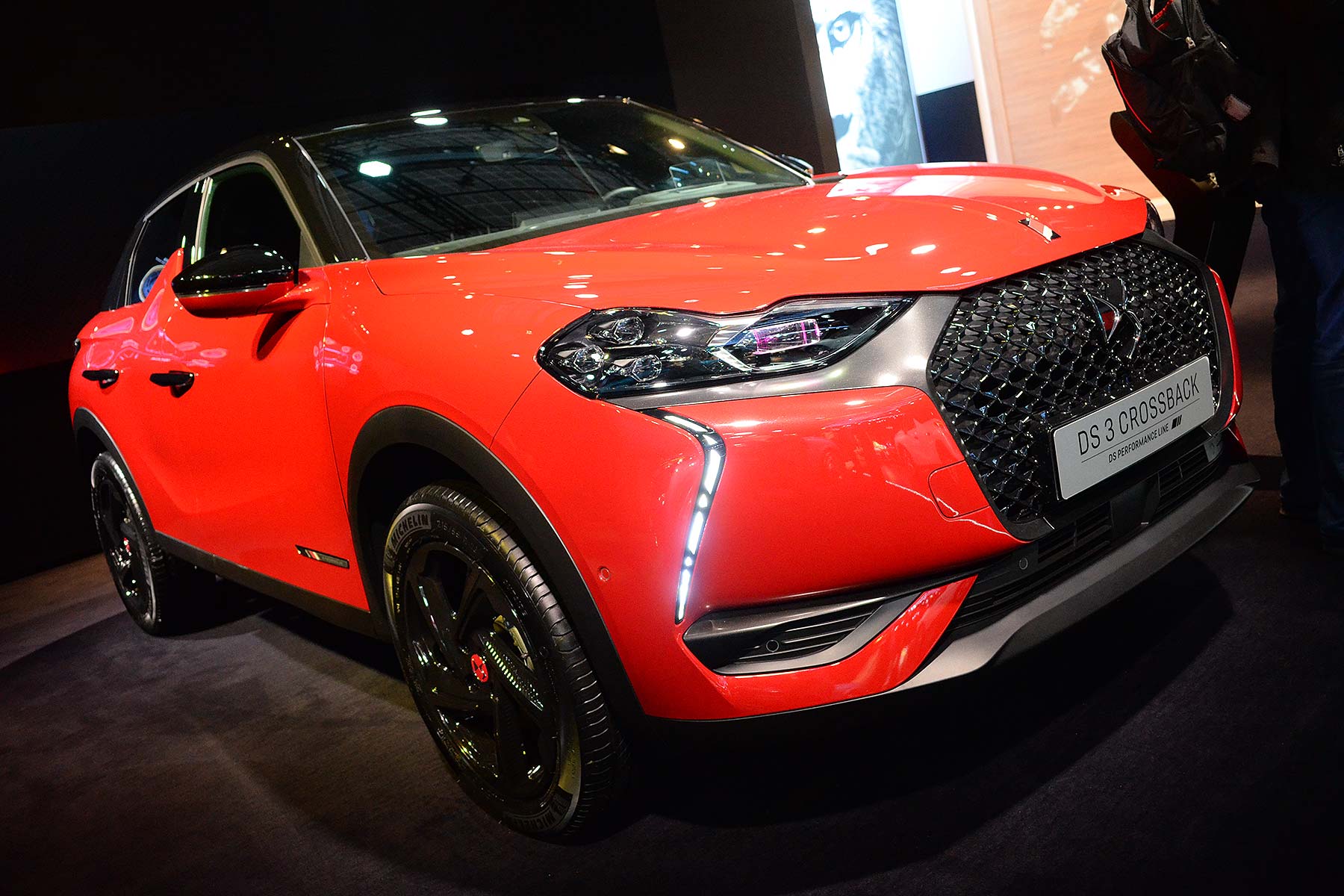
You might not like the design of the DS3 Crossback – we’ve read the online comments – but up close and personal, it looks every inch a premium compact SUV. There are neat touches, like the bejewelled headlights and Porsche-style rear light bar, while the cabin is inspired by the DS7 Crossback and feels very upmarket.
Of interest is the E-Tense electric version, which received very little in the way of pre-Paris fanfare. With a WLTP range of 186 miles, it could give the Hyundai Kona EV a run for its money, assuming the price is right.
Peugeot e-Legend
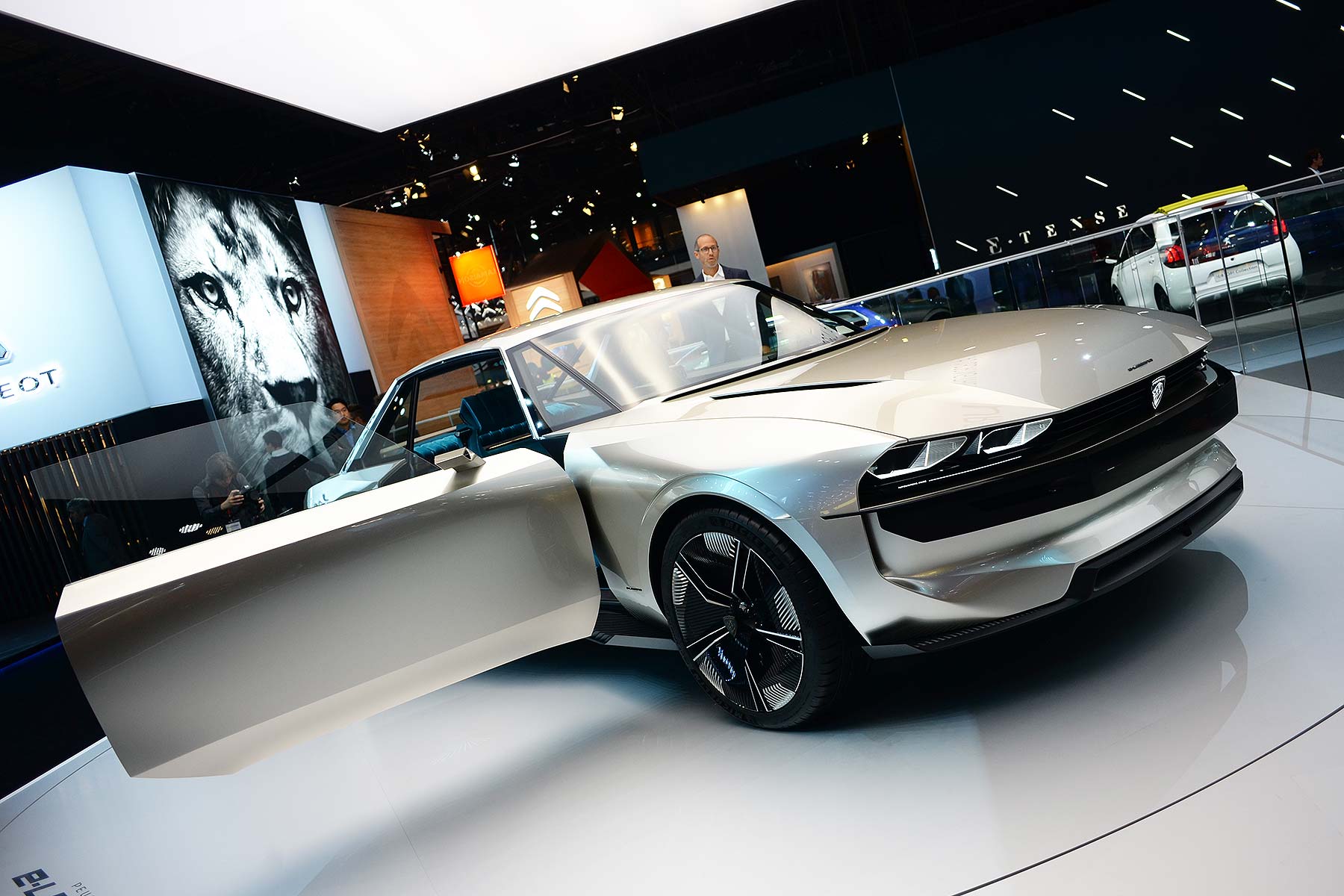
Forget Will Smith in I Am Legend because this is the Peugeot e-Legend. It doesn’t preview a post-apocalyptic future – we hope – but it might give us a hint of a future Peugeot coupe. One thing’s for certain, the concept tips its hat to the 504 Coupe of the past.
The 504 Coupe link is evident, especially on the inside, but we can’t help but see a touch of the Lancia Fulvia concept of 2003 when we look at the all-electric, fully-autonomous concept. Sadly, the Lancia never made it into production, but we hope this Pug has a brighter future.
BMW 8 Series
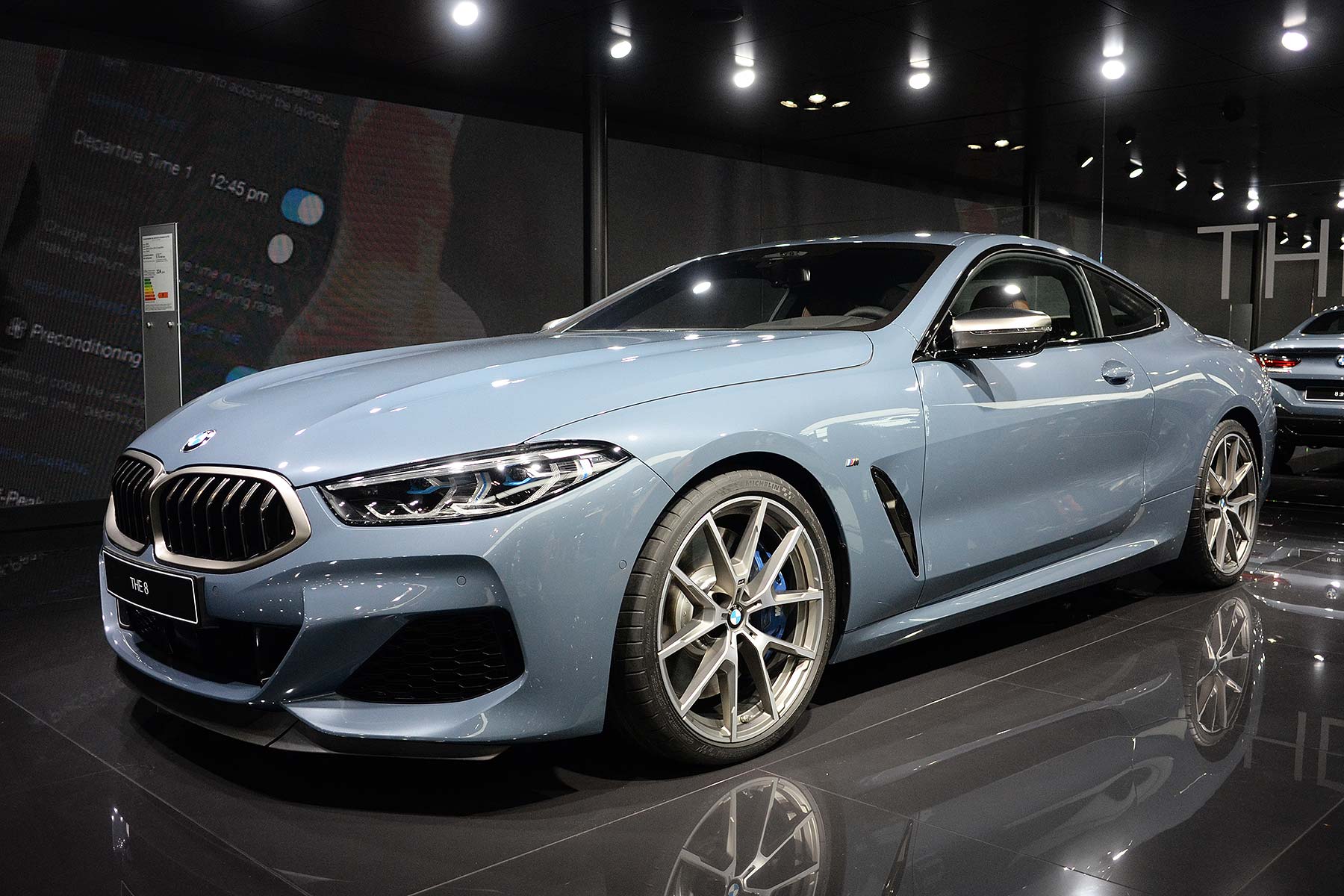
It’s not new – the BMW 8 Series was unveiled at the Le Mans 24 Hours race in June – but this is the first time we have got up close and personal with the GT car. In around a month’s time, the first UK customers will be taking delivery of what must be the best looking BMW in a generation.
What can they expect? Well, the styling, led by Brit, John Buckingham, is a feast for the eyes, while the interior is bespoke to the 8 Series, with a dashboard focused on the driver. Head to the BMW website if you fancy a piece of the 8. Prices start from £76,270, with the M850i xDrive weighing in at £99,525.
Mercedes-AMG A 35
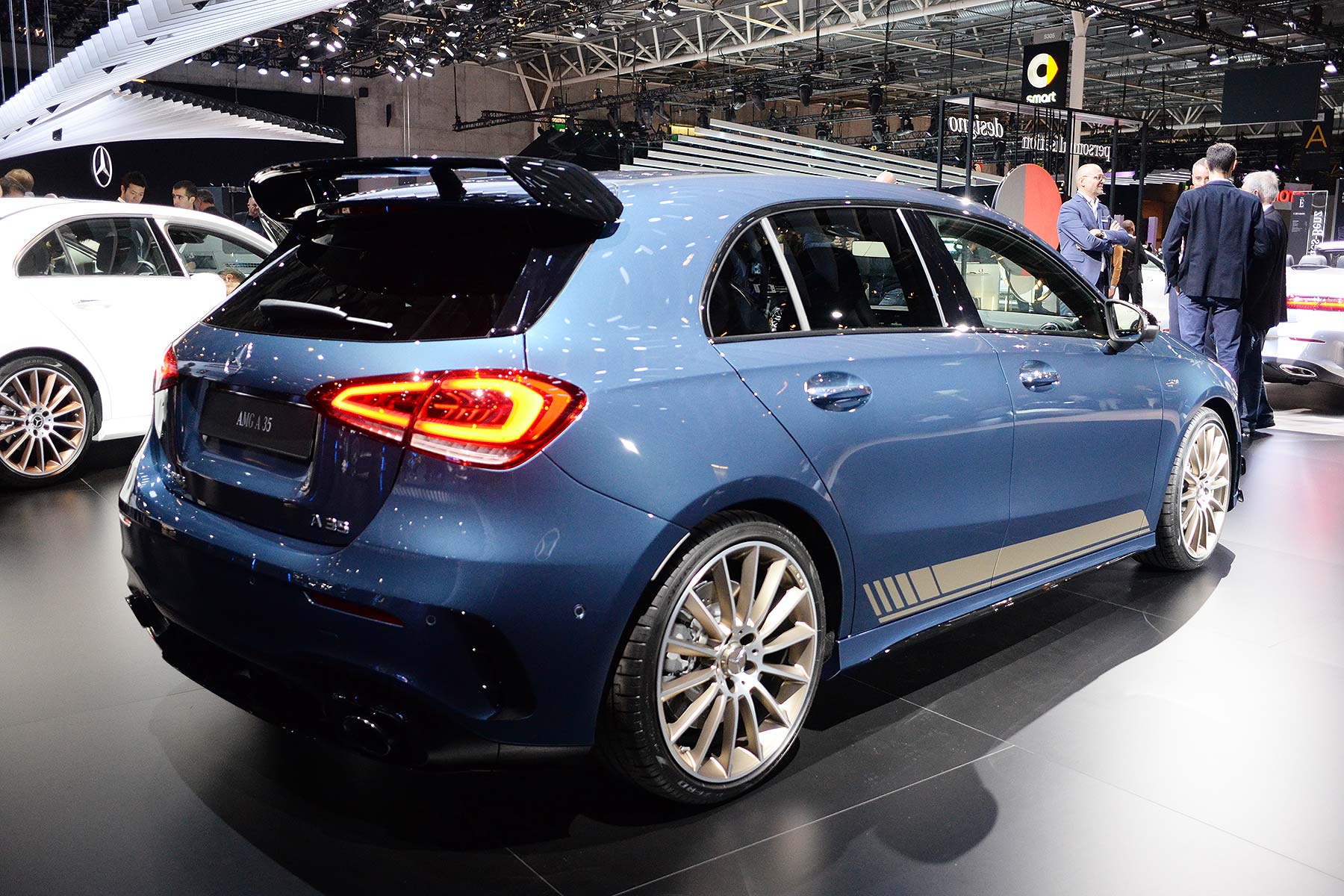
The Mercedes-AMG A 35 packs a 306hp 2.0-litre turbocharged engine and can hit 62mph in just 4.7 seconds. Torque is a punchy 295/b ft, while the top speed is limited to 155mph. We tell you this because this is AMG’s entry-level performance car. As tasters go, this one is pretty hot.
Naturally, it’s all-wheel drive – so seeing off a few front-wheel-drive pretenders from the lights should be a doddle – but don’t expect to see the claimed 39mpg if you engage in too many drag races. An A 45 will follow, presumably with 400hp to play with.
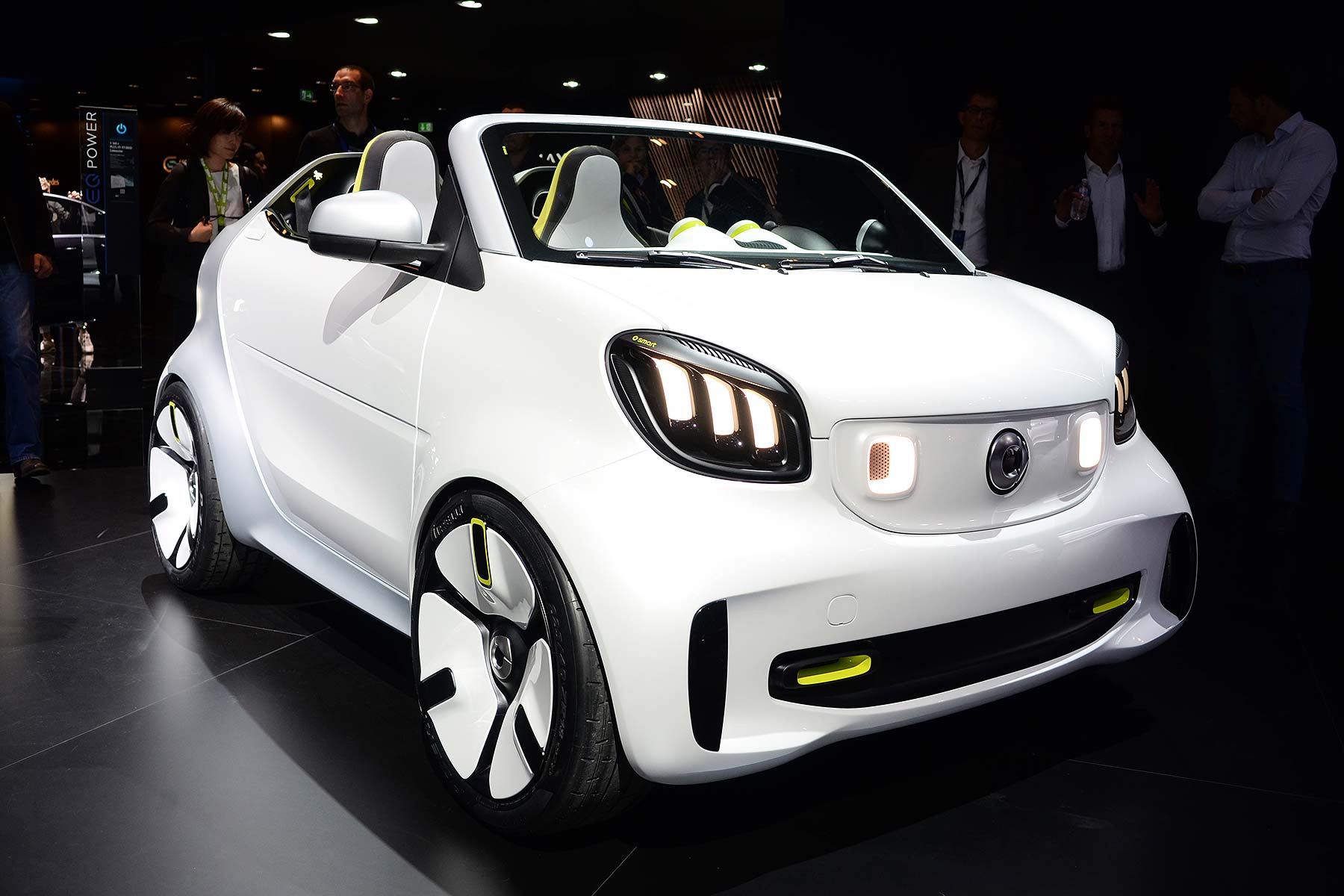
Smart Forease
The Smart Forease sounds like a reclining chair you might see advertised by June Whitfield during the ad break on daytime TV. It’s also the name of the concept unveiled to mark the 20th anniversary of Smart, which will become an electric-only brand in Europe from 2020.
Thanks to its shorter windscreen and the absence of a roof, there’s more than the whiff of the Smart Crossblade about the Forease, which suggests it might make it into production, in some form at least. Great in St Tropez, not so great in St Ives, Cambridgeshire.
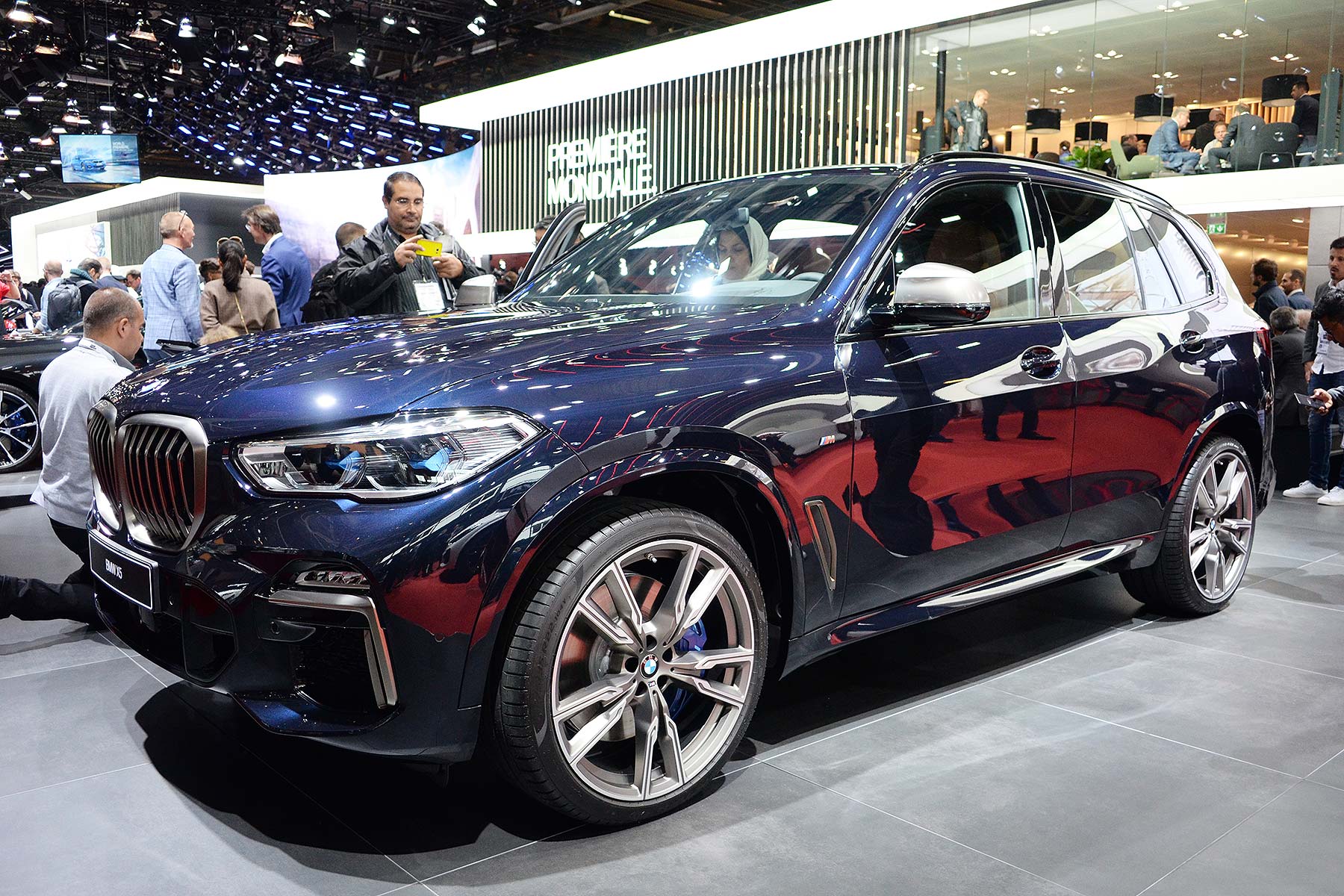
BMW X5
Here’s another new BMW that has been doing the rounds since the summer, with the X5 already on sale in the UK. It’s noticeably bigger than before, while the interior looks and feels a step up on the outgoing model.
Some 2.2 million X5s have been sold since the SUV was launched in 1999. Yep, that’s 19 years ago. Time flies when you’re having fun. Are we having fun yet?
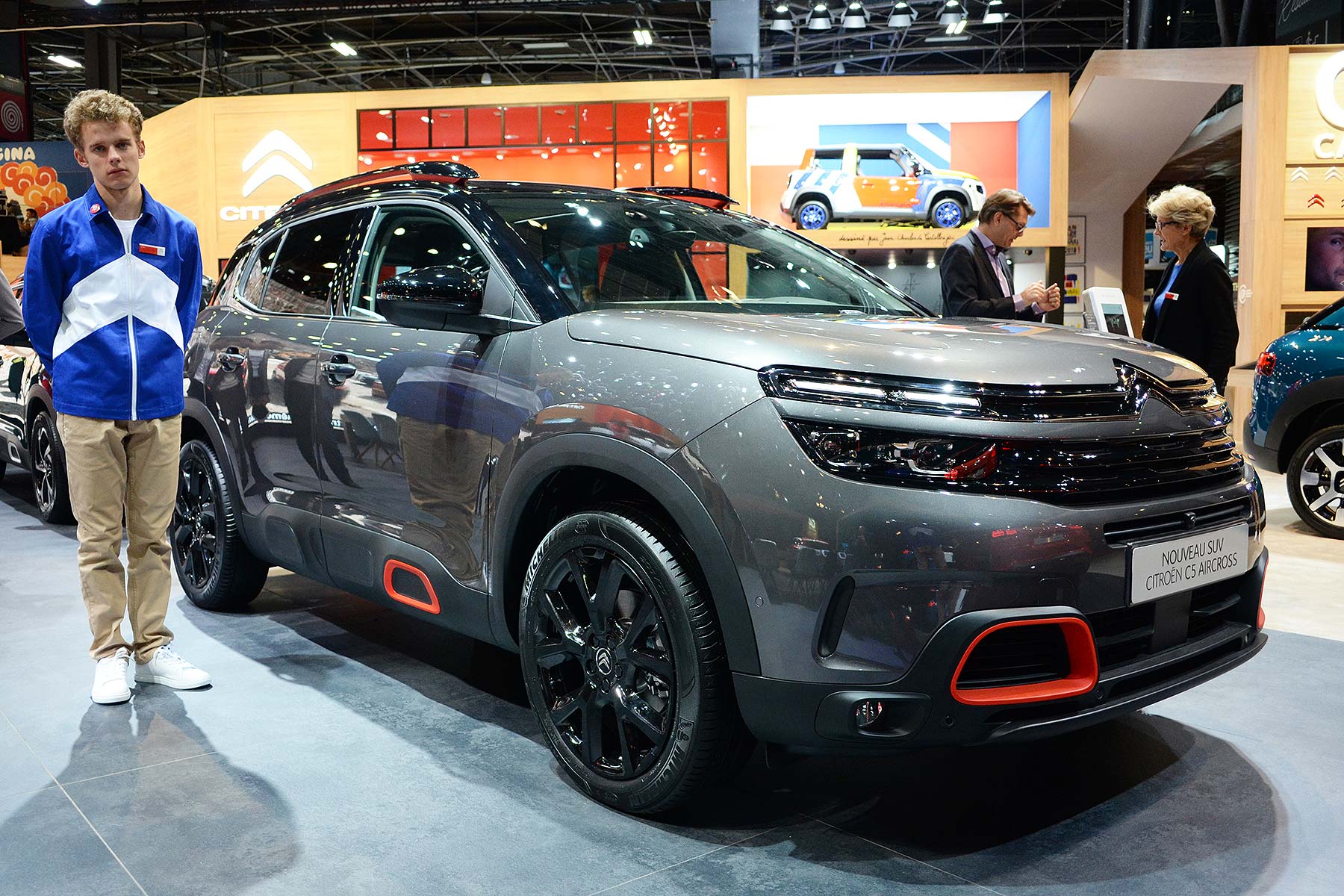
Citroen C5 Aircross
Here’s the new Citroen C5 Aircross SUV. The line-up will include the firm’s first plug-in hybrid, with Citroen promising up to 31 miles of electric range.
Citroen says that 80 percent of its cars will have an electric option by 2023 and 100 percent by 2025, so the hybrid version of the C5 Aircross is very much the shape of things to come.
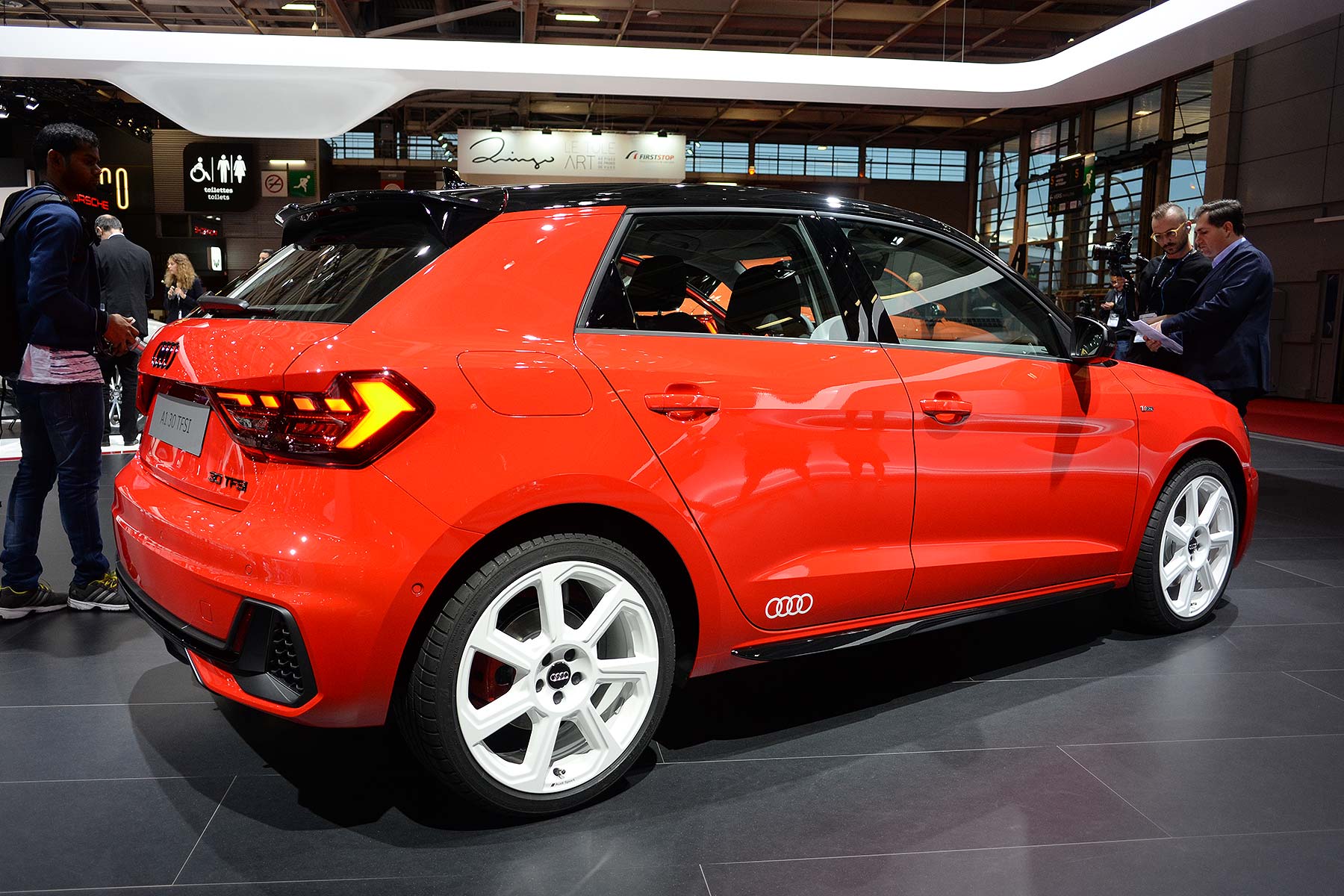
Audi A1
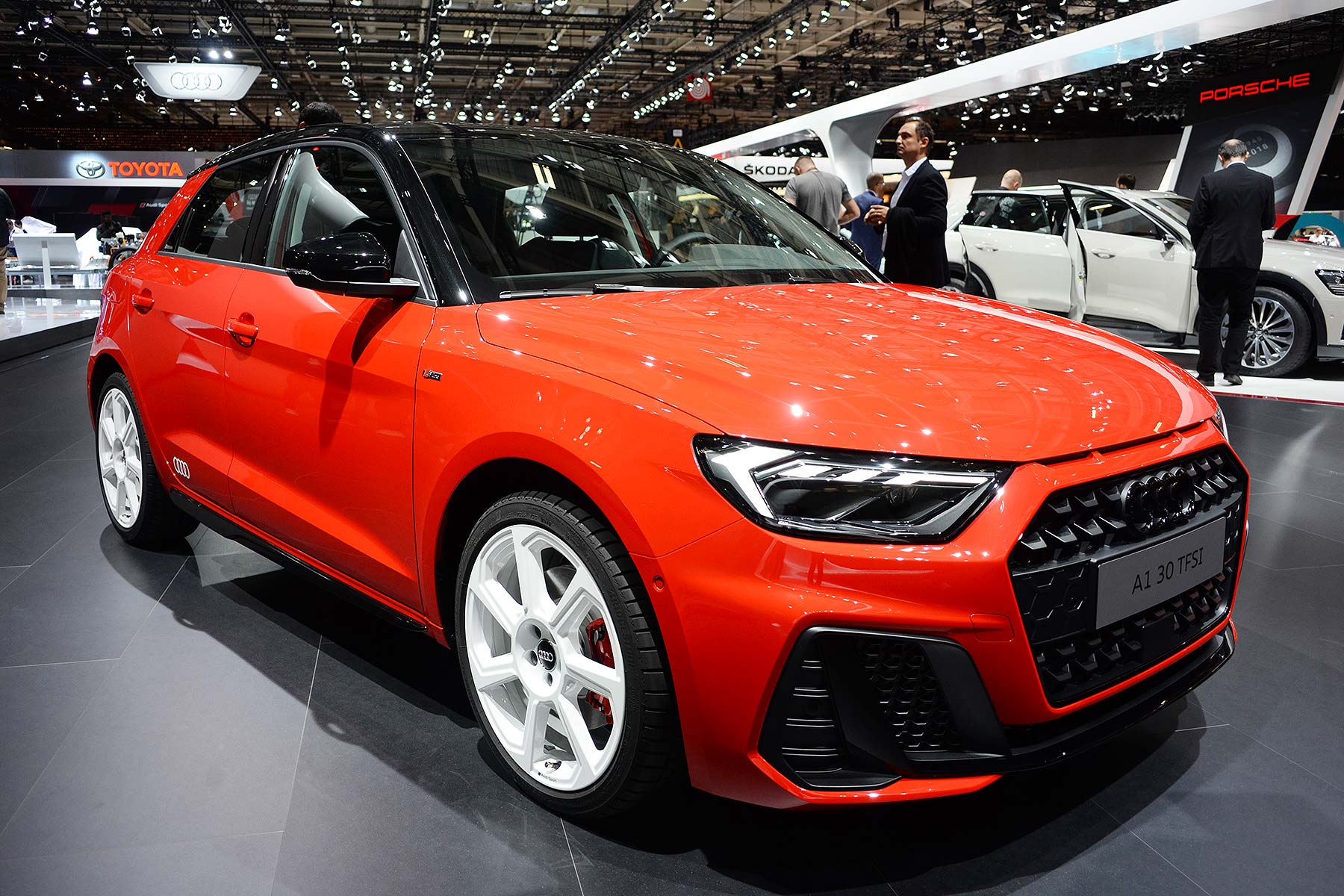
If you don’t like the look of the A1 we’re showing you, fear not, because this is the most configurable car Audi has ever built. For the first time, you can mix and match the exterior and interior trim lines until your heart’s content.
It means that you can have the S line exterior with the interior of an SE. This is bad news for Audi dealers, as finalising the spec of each new A1 might be a long and laborious process. Better make sure the coffee machine is working.
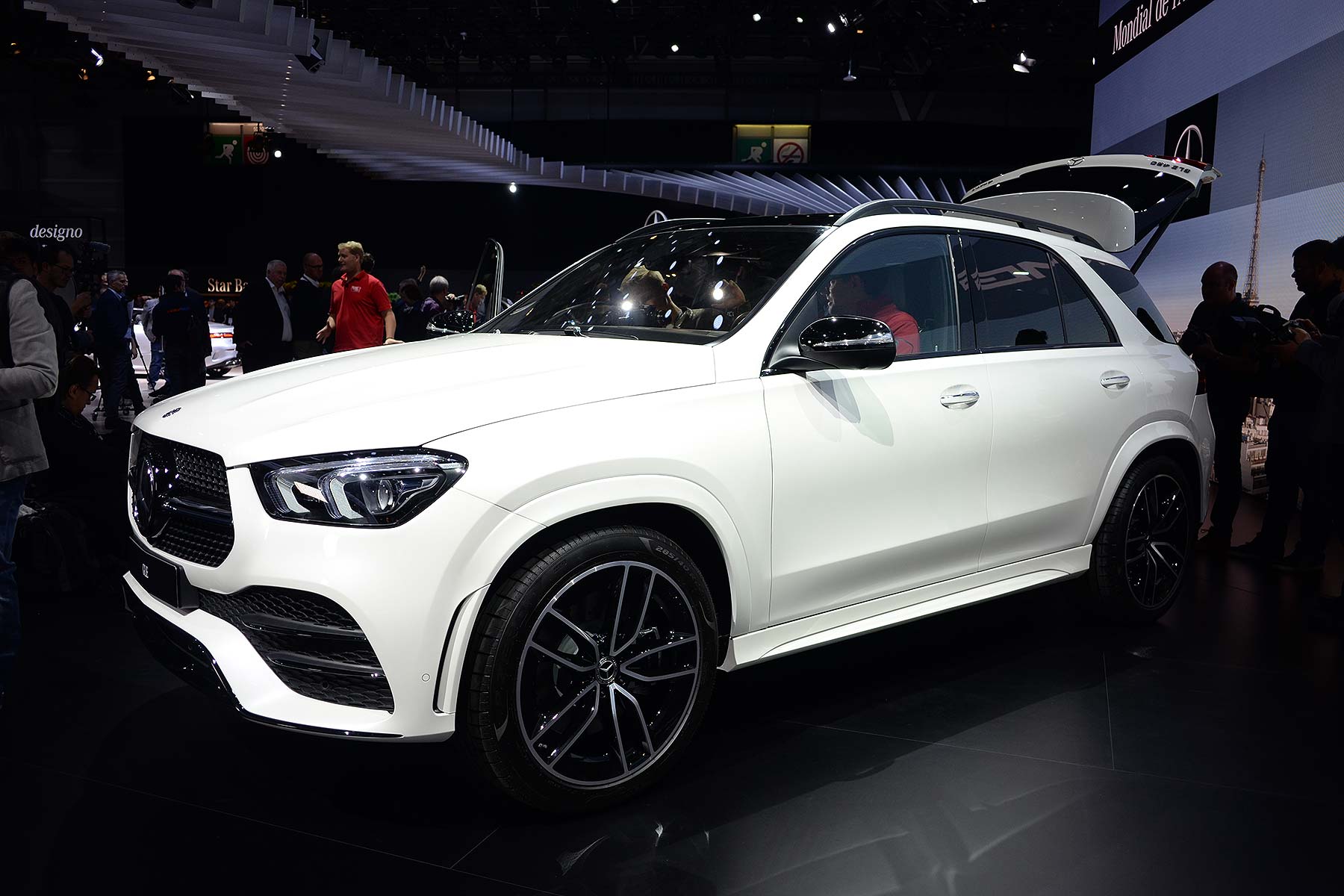
Mercedes-Benz GLE
This Mercedes-Benz GLE is so clever, it can read the road ahead and prepare itself for bumps and potholes. It means that it should provide the most comfortable ride this side of strapping yourself to a giant marshmallow and being whisked along on a sea of pillows.
After trekking around Paris, we could do with the GLE’s active air suspension on our feet. Alternatively, maybe we need a long lie-down in the boot, which stretches from 825 litres to over 2,000 litres. Hashtag cavernous.
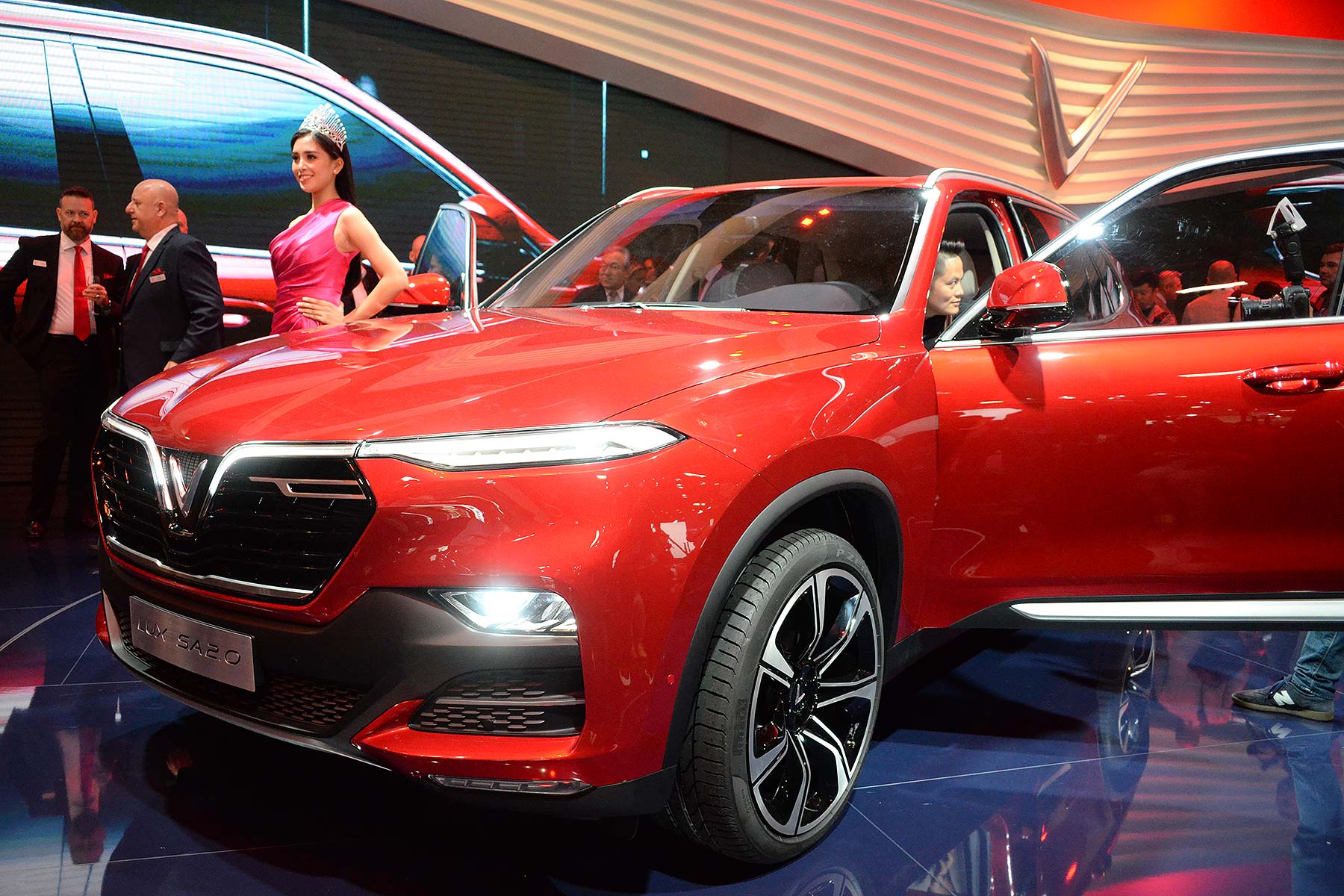
VinFast SUV
It might sound like the name of a warehouse selling cheap plonk, but VinFast is the first Vietnamese car company to participate in a major international motor show. Stick that in your memory bank for future pub quizzes. The firm is launching two cars, including this: a rather good-looking SUV, designed with a little help from Pininfarina.
In a break from the norm, VinFast gave the people of Vietnam the opportunity to determine the firm’s styling direction, with 62,000 voting when presented with 20 design sketches. Good morning, Vietnam, you did a grand job. Imagine doing something similar in the UK: it would be clad in Burberry, upholstered by DFS and called SUV McSUVface.
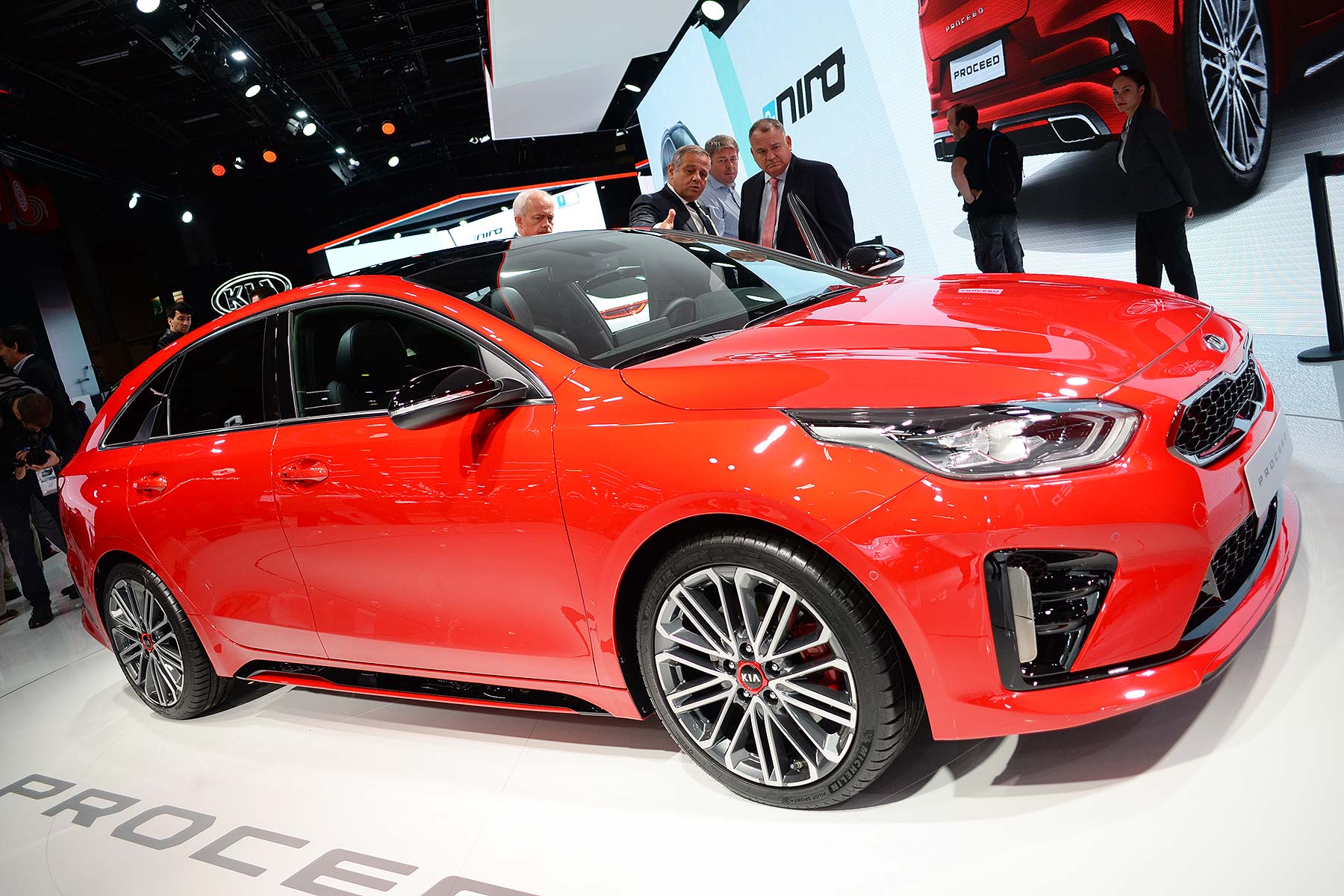
Kia Proceed
After the stunning Kia Proceed concept unveiled at last year’s Frankfurt motor show, it’s hard not to be a tad underwhelmed by the production Proceed. It’s nice enough, but having seen the concept, this is a little like being promised a box of Quality Street only to find it filled with green noisette triangles.
Kia also deserves a slap on the wrist with a toffee finger for daring to call the Proceed a ‘shooting brake’. It isn’t. In fairness, the Slovakian-built estate/wagon/tourer looks good, especially in GT trim, and it’ll come with a decent warranty. Kia’s warranty may have been mentioned a few times before.
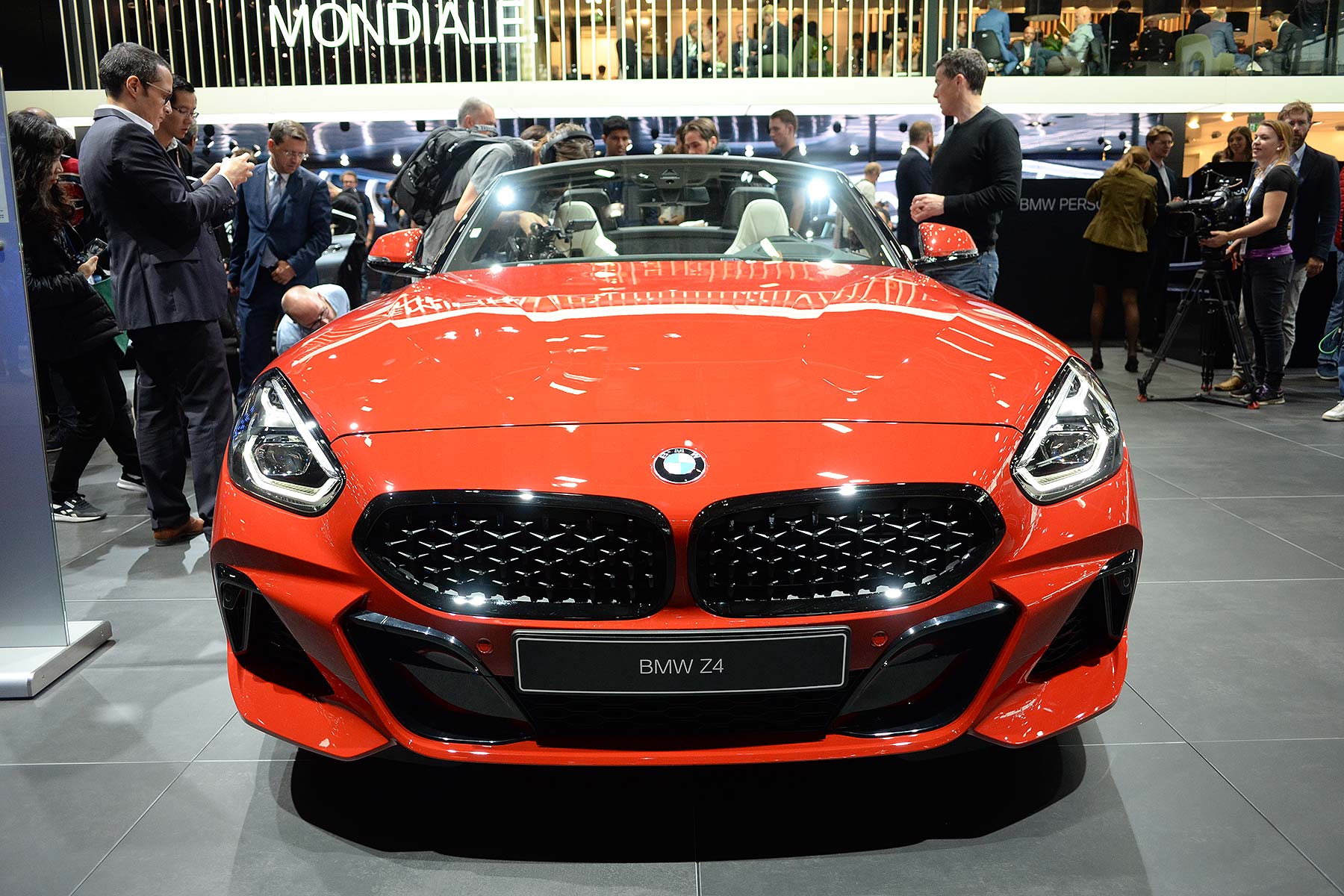
BMW Z4
Many manufacturers have chosen to stay away from Paris, focusing their efforts on their own events and smaller shows. Meanwhile, BMW decided to unveil the new Z4 at the Pebble Beach Golf Links in California, arguably a more suitable location for a sports car designed with sunshine in mind.
Developed in partnership with Toyota – a Supra coupe will follow – the Z4 has a 50:50 weight distribution, a central seating position and a low centre of gravity. Crucially, the folding hard-top roof has gone, ditched in favour of a more traditional and lighter soft-top.
Skoda Vision RS
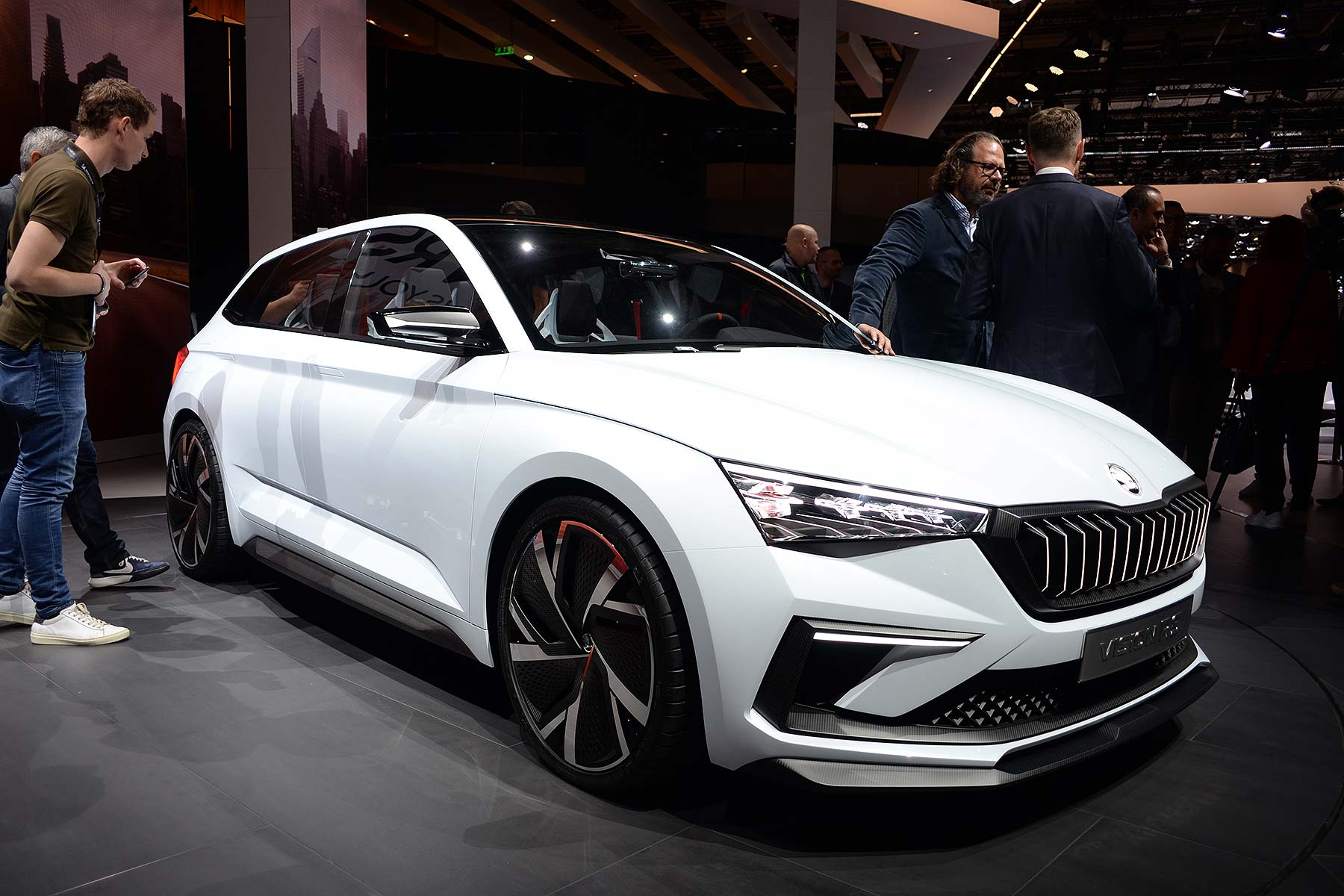
Meet the Skoda Vision RS. It’s a five-door hatchback that’s roughly Volkswagen Golf-sized, with a plug-in hybrid drivetrain putting out 250hp for 0-62mph in around seven seconds. It also has a 43-mile electric range, emits 33g/km CO2 and, oh yes, is as practical inside as any good Skoda ought to be. It could be the perfect eco-friendly range-topper for a new and improved line of Skoda family hatchbacks.
Why is Skoda telling us so much about the Vision RS? Because it’s not going to be a vision for long. This car will go on sale in the first quarter of 2019, giving the firm a genuine VW Golf rival for the first time. We’re sure it’s going to do great business for the Czech firm.
Skoda Kodiaq RS
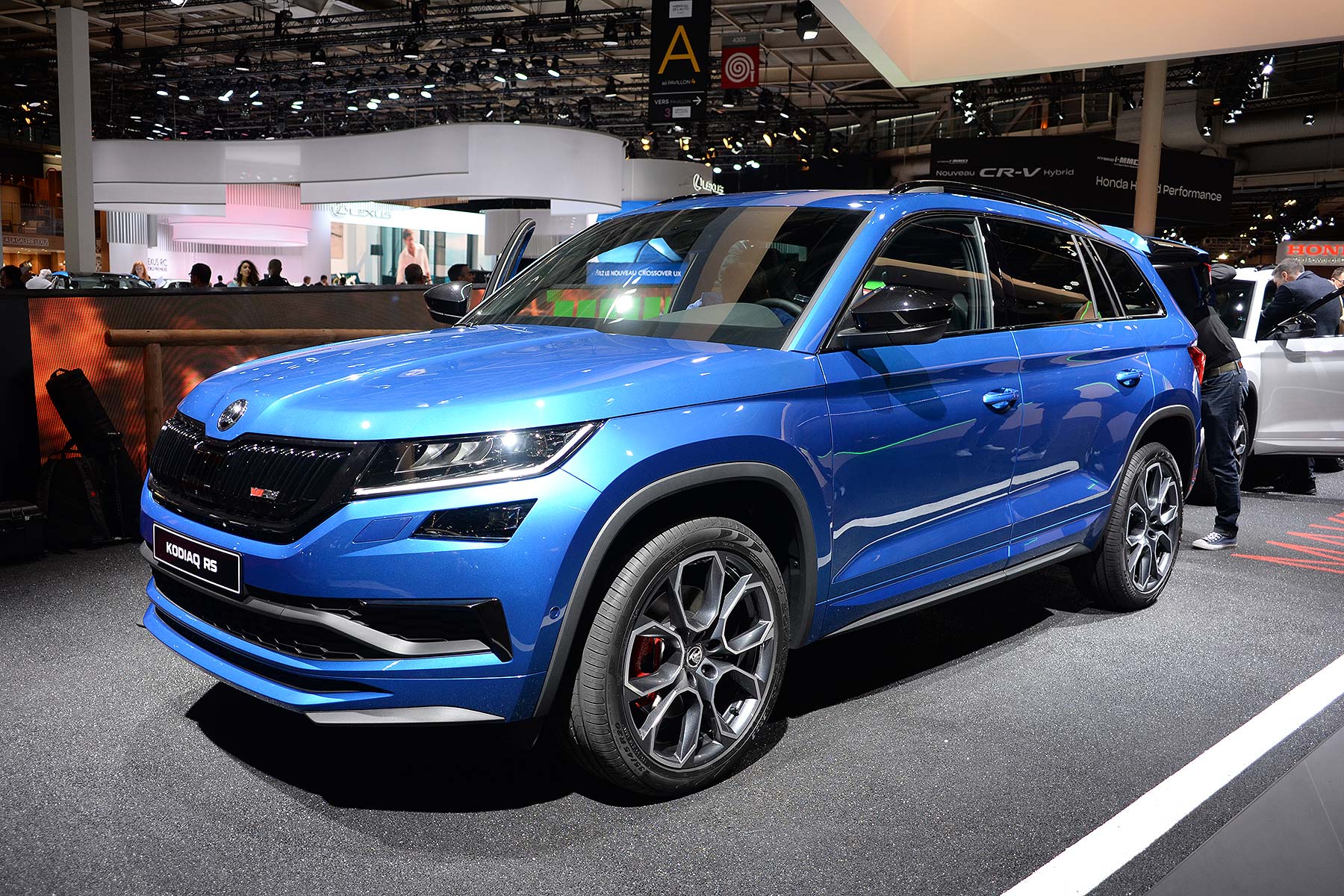
No seven-seat SUV has driven around the Nurburgring faster than the new Skoda Kodiaq RS, which instantly gives it a certain type of bragging rights. Having Sabine Schmitz behind the wheel helped, but so too did a 240hp twin-turbo 2.0-litre diesel engine, with a huge slug of torque, DSG gearbox and all-wheel-drive traction.
So it goes well. It also looks good, particularly in this metallic blue colour, with those wheels. Sensible, good value family-focused motoring just became a whole lot more exciting.
Read more:
New limited-edition Porsche 911 Speedster debuts in Paris
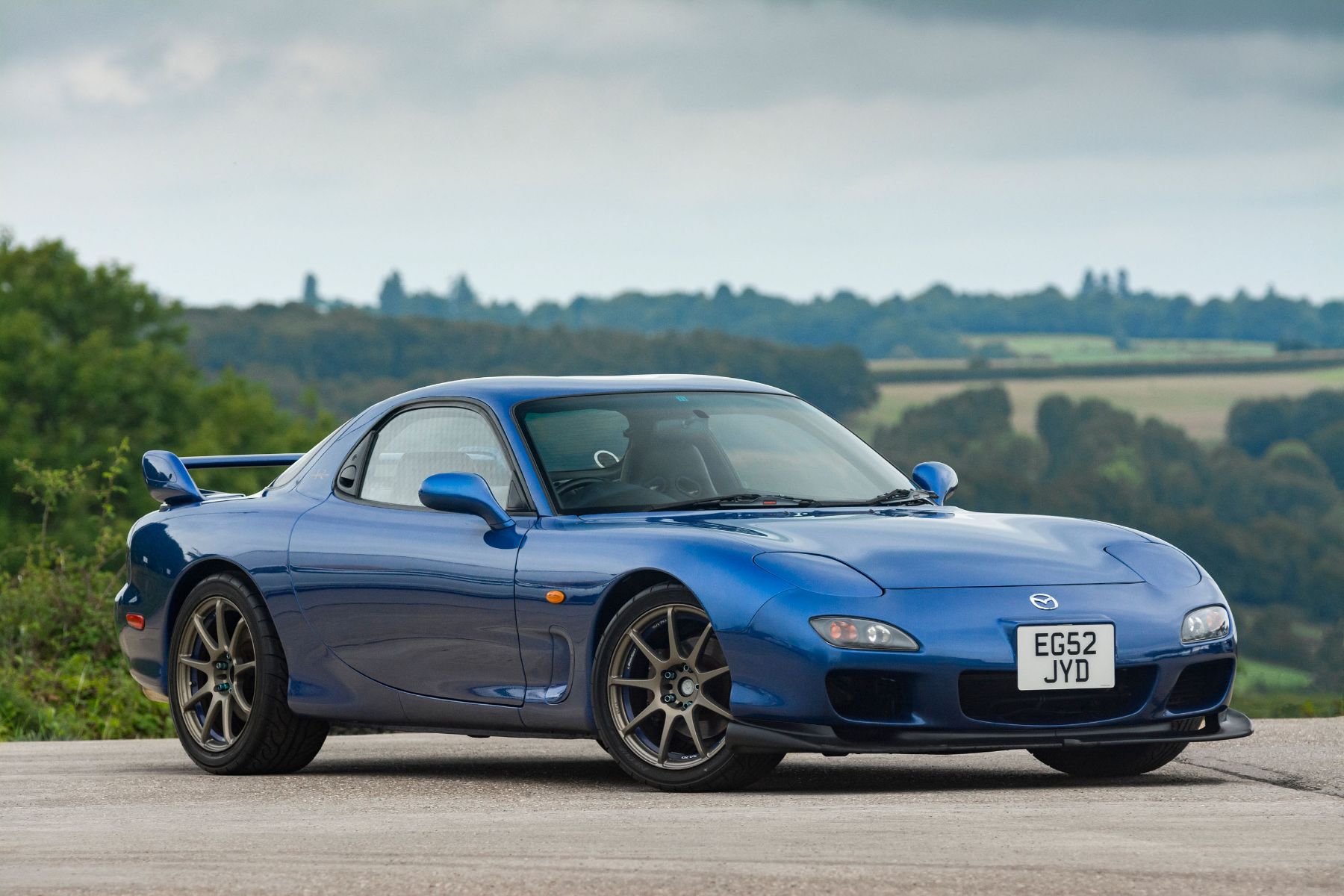
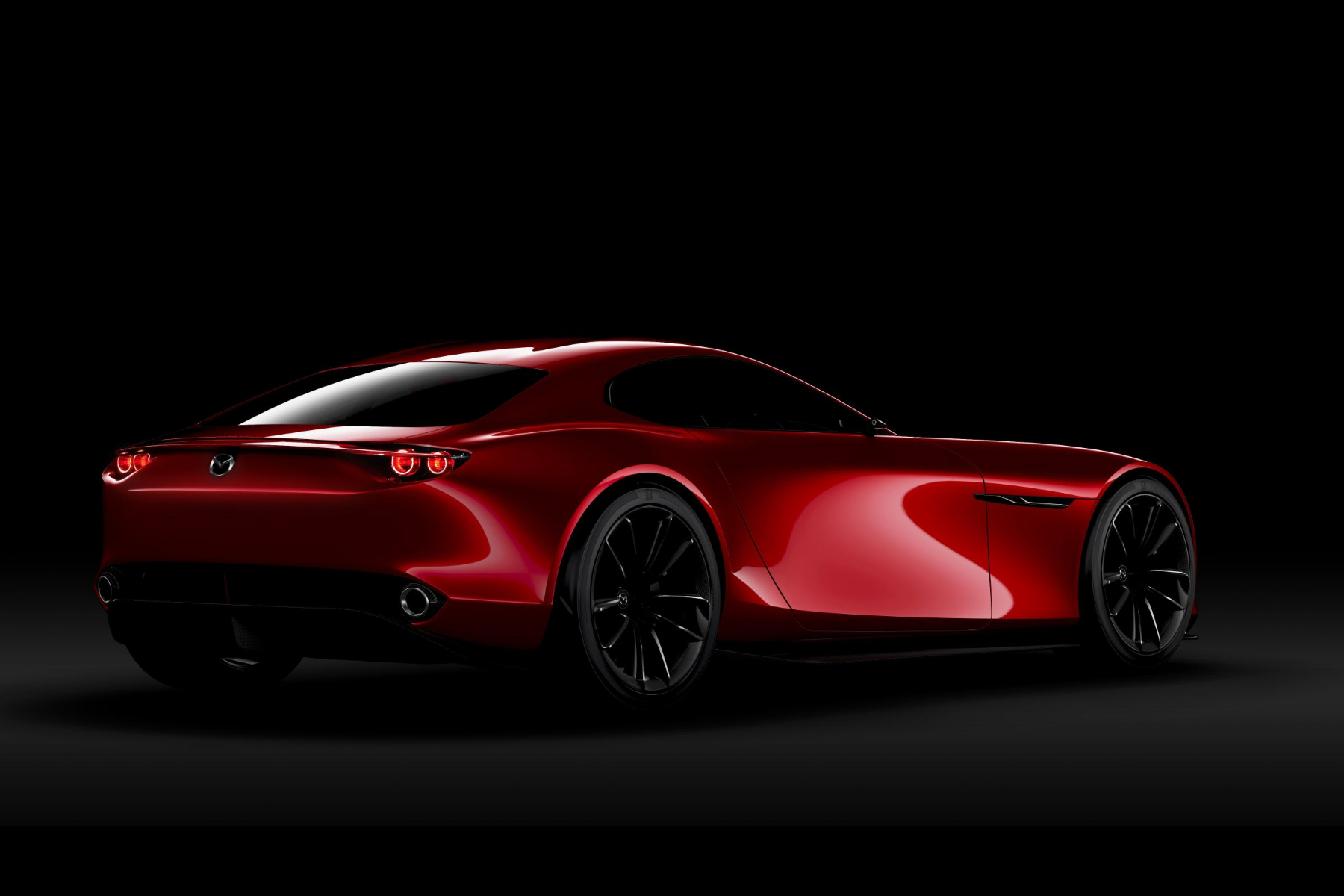
Rotary fans, rejoice! The hallowed engine format will return within two years, albeit with a twist. Rotaries will reappear as range-extenders for electric Mazdas. The first will be launched in 2020.
Return of the rotary
Sadly, it does sound like the days of rowing a lightweight, rotary-powered sports car through the gears are behind us. The new Mazdas will feature a rotary engine that’s effectively a generator, boosting driving range and topping up the batteries.
Although we don’t yet know what kind of car the rotary will be installed in, let’s hope a sports car is among the models Mazda is considering.
It’s actually a genius idea on Mazda’s part. To use a petrol engine as a range-extender is, traditionally, quite inefficient. Conventional petrol units are often relatively large and heavy, whereas the Mazda rotary has always been lightweight and compact.
We’re in no doubt the engine fitted to the 2020 model will be optimised for ‘generator’ duties, too. And that includes the capability of using renewable LPG as an alternative fuel.
‘Sustainable Zoom-Zoom 2030’
We say ‘renewable LPG’, as Mazda continues research into synthesising combustible fuels: specifically, renewable and recyclable biofuels from the growth of micro-algae.
This is all a part of Mazda’s ‘Sustainable Zoom-Zoom 2030’ strategy. Not a slick name, we admit, but the figures and the goals are there. Mazda expects that some form of electrification will feature in 95 percent of cars it sells in 2030. Well-to-wheel CO2 emissions are targeted as being half those in 2010 by 2030, and one-tenth by 2050.
The road to achieving those targets starts in 2020. New EVs and the implementation of radical new internal combustion technologies, like Mazda’s spark-less Skyactiv-X engines and alternative fuels, should get the job done.
Mazda wants to push ahead with hybrids in a way we haven’t yet seen – reviving a legendary power unit and using an unpopular fuel. It’s also dedicated to the longevity of the internal combustion engine and, encouragingly, to ‘the exhilaration of driving’. The future could be exciting after all.
 British car buyers choosing a new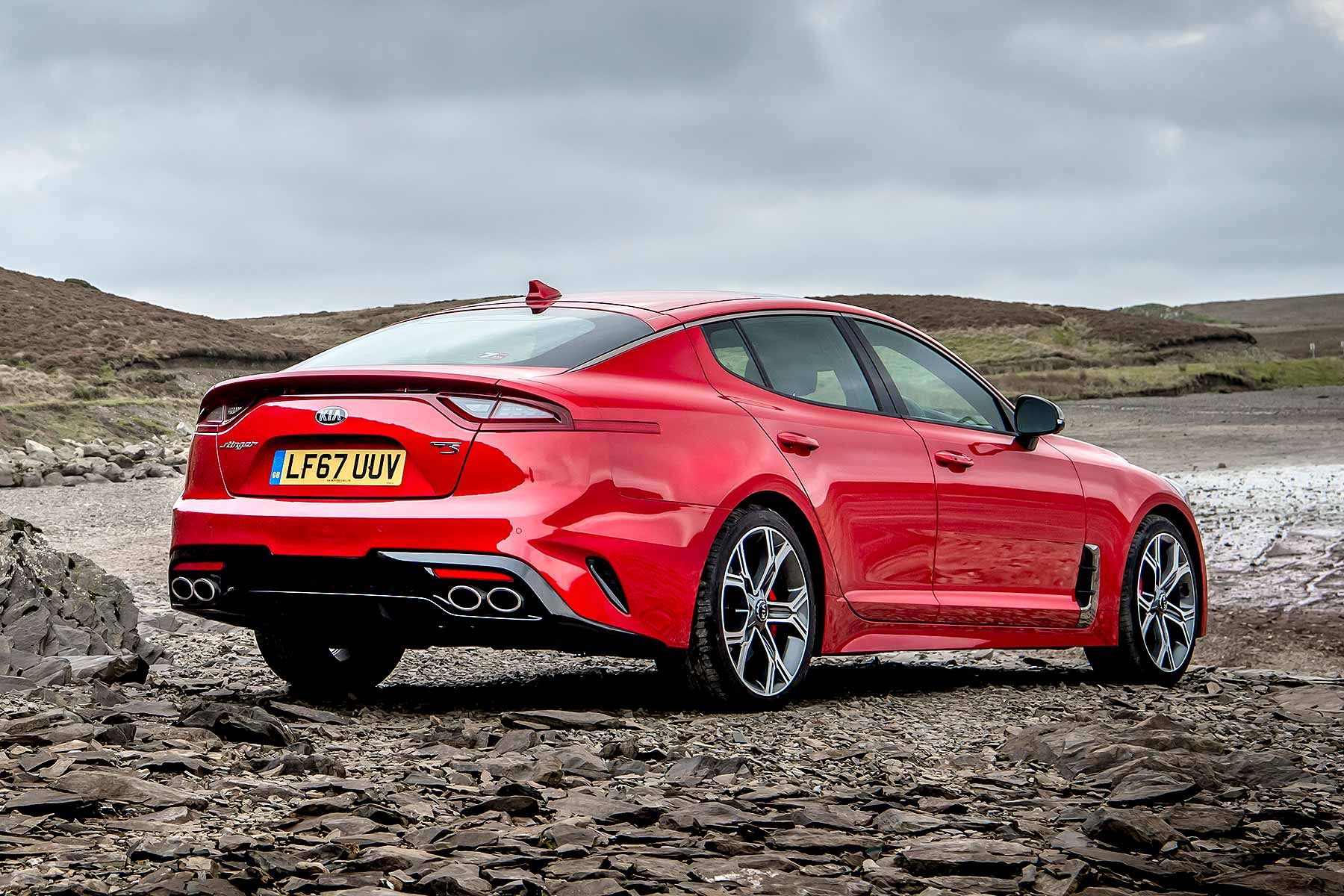



 New car supply issues caused by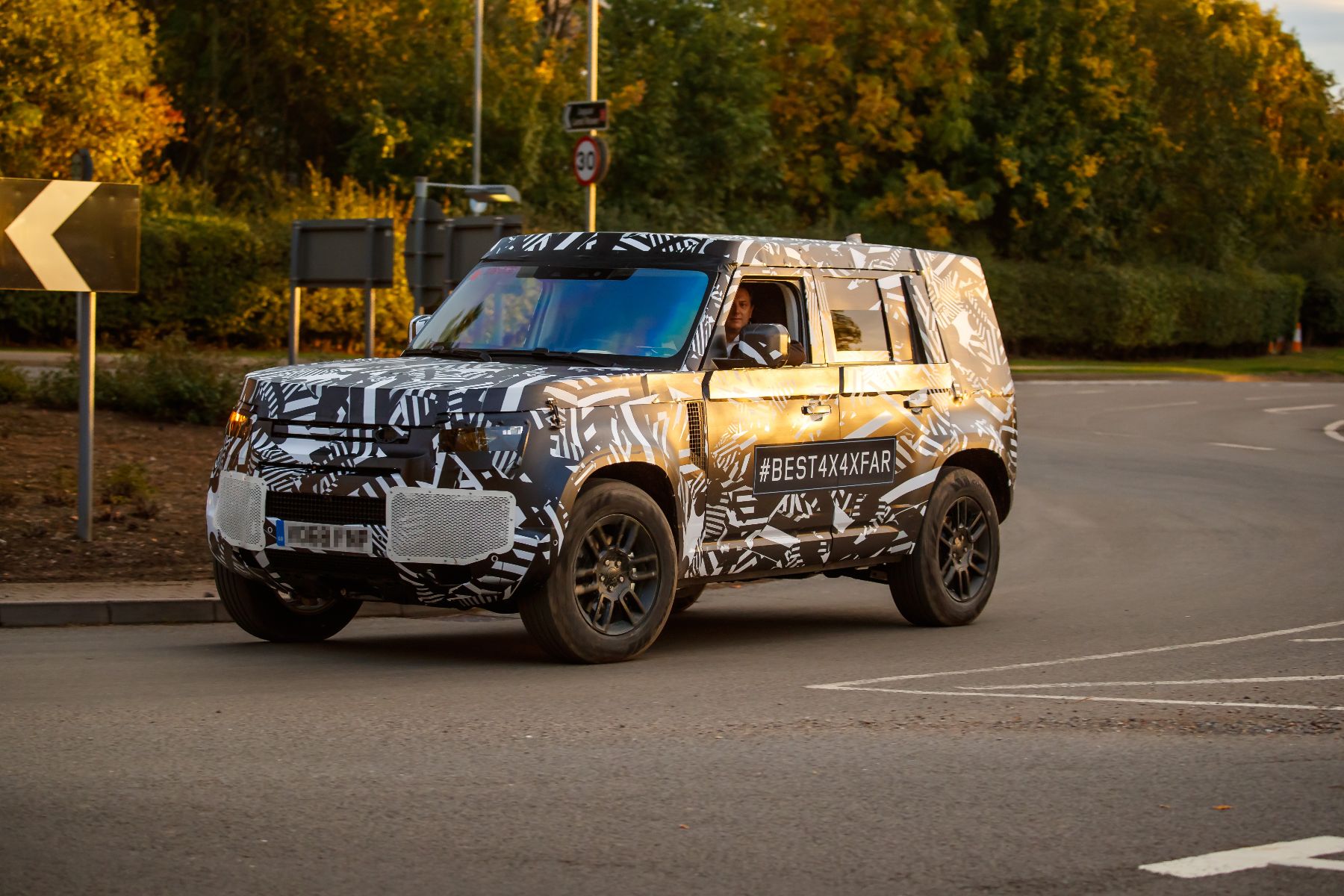


 The 2018