
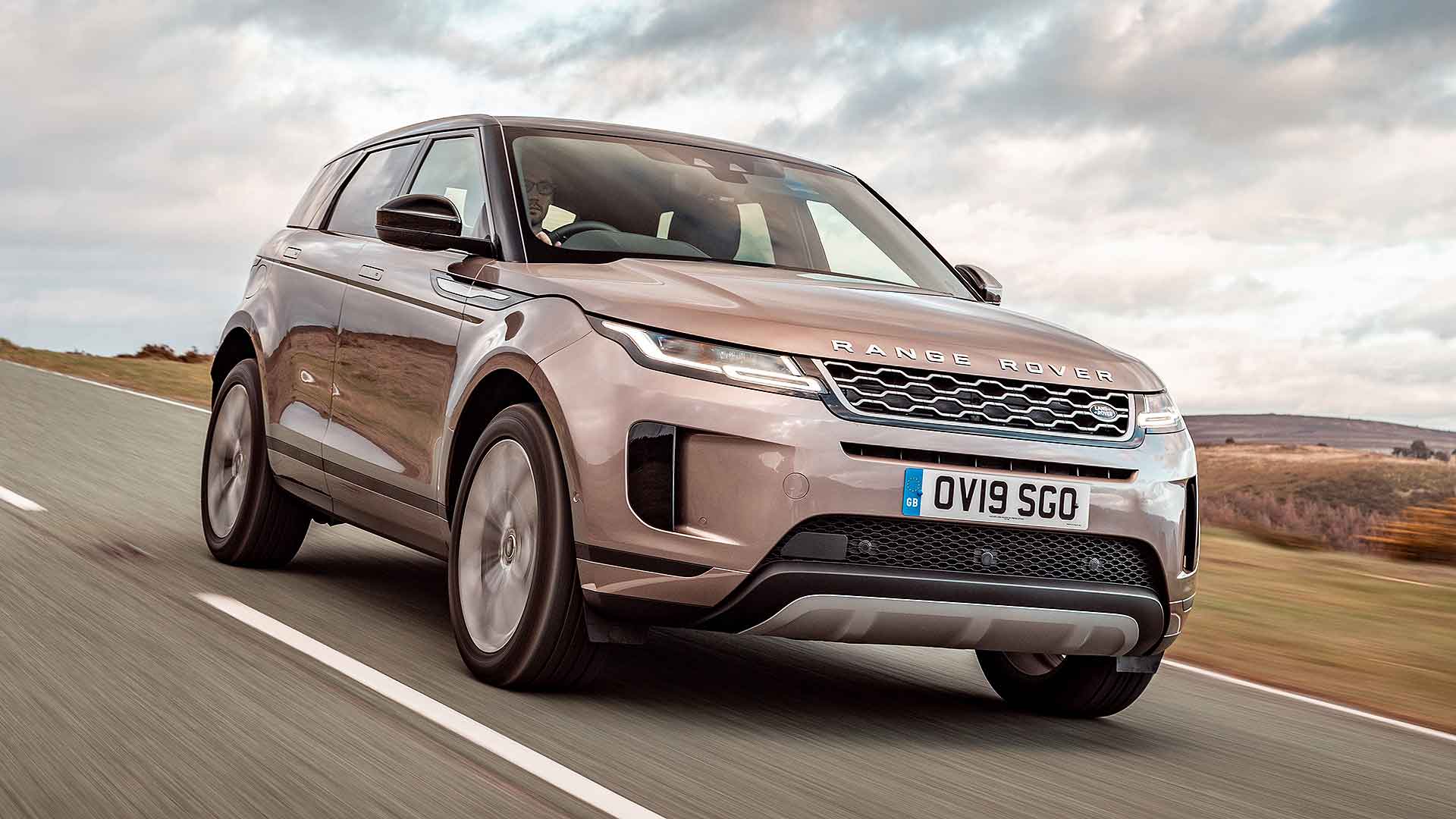
Car manufacturers are obliged to meet strict CO2 targets for vehicle emissions by the end of 2020 – but new car CO2 output is actually rising – a trend one analyst is blaming on a focus on selling profitable SUVs.
Last year, SUVs comprised nearly 4 in 10 European new car sales. This has almost doubled since 2015, reveals data from JATO Dynamics.
The popularity of big, heavy SUVs is why a long decline in average new car CO2 emissions has gone into reverse– leaving car firms way off the target they now have just months to meet.
Many car firms are facing huge fines for not reducing their new car CO2 emissions quickly enough.
By the end of 2020, the average CO2 emissions of cars sold in Europe needs to be 95g/km. In 2019, it was 121.8g/km, giving car firms a mountain to climb.
The average CO2 emissions of an SUV is even higher, at 131.5g/km. This has risen since 2017 – and as SUV market share has grown in that time, this increase has compounded the problem.
Car firms are, says JATO, “facing a tough decision – sacrifice sales from SUVs or risk not meeting the target.”
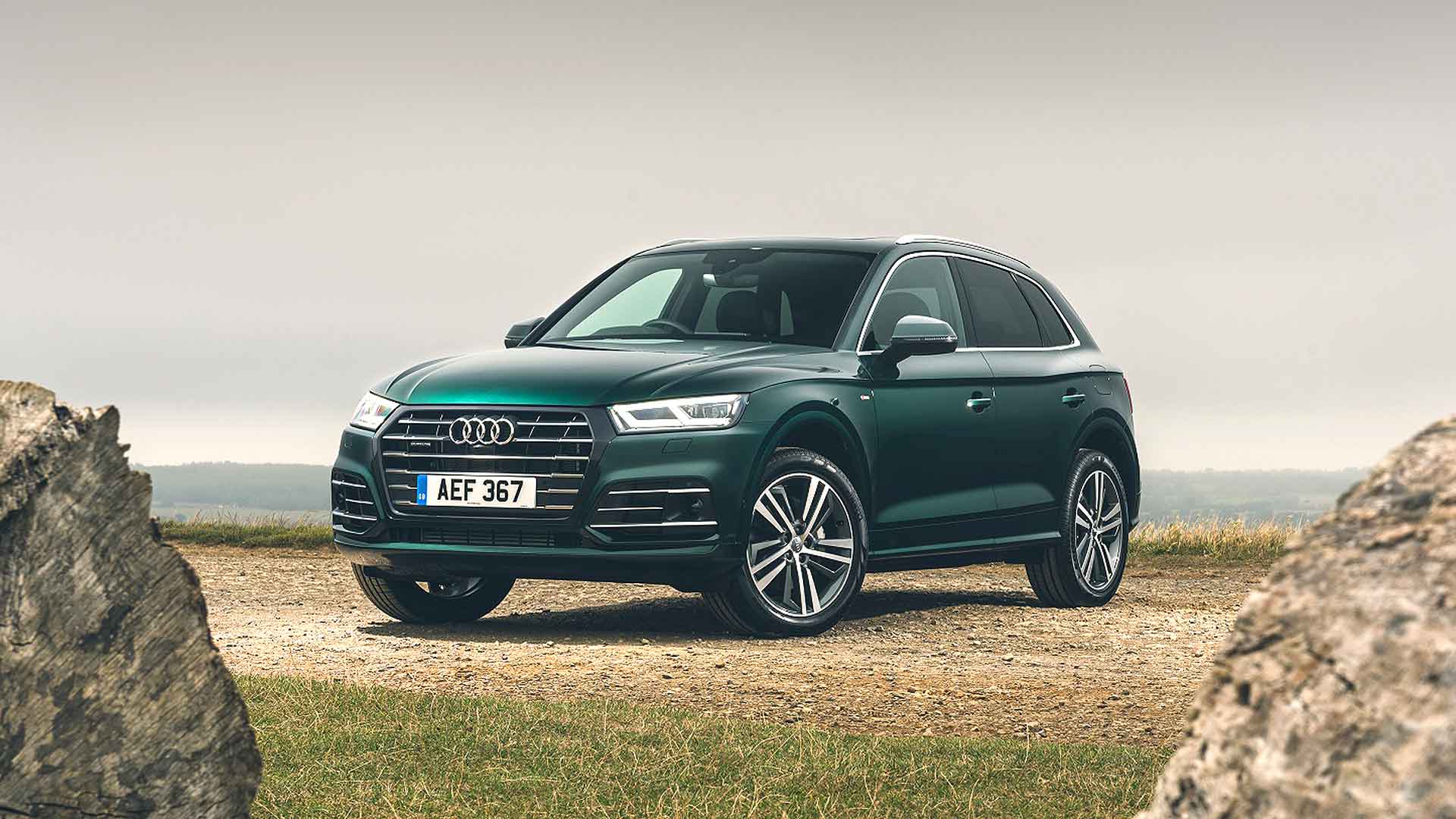
It certainly means brands might think twice about launching new SUVs in this marketplace, adds JATO, “especially given that any profits they make could easily be depleted by rising penalties”.
Car firms will be fined €95 for every 1g/km of CO2 they are over target, multiplied by the number of cars they sell.
The fines could therefore run into billions.
And despite the UK leaving the EU, it will be the same situation here: the UK government has agreed to transfer across the EU’s strategy for reducing new car CO2 emissions.
JATO analyst Felipe Munoz says car manufacturers face a stark choice – either pay punitive penalties or, in the short term, “discontinue some of their SUVs”.
They either need to “sacrifice sales from SUVs or risk not meeting the target” – and either choice is going to cost them.
It’s the last thing an industry hit hard by the coronavirus crisis needs…
ALSO READ
Lamborghini sales boom as 6 in 10 new cars is an SUV
