

New research has looked at how the result of the EU referendum in 2016 has affected the cost of motoring in the UK. In the years since Britain voted out, motoring costs, including buying, maintainance, fuel and insurance, have all increased.
The increases may be due to both the uncertainty around Brexit, and how the pound has weakened as a result. Overall, average vehicle ownership costs are up 9.3 percent. That compares with a 7.3 percent rate of inflation over the same period.
In showrooms, the price of a new car has risen by an average of 12.3 percent, based on figures from the Office for National Statistics.
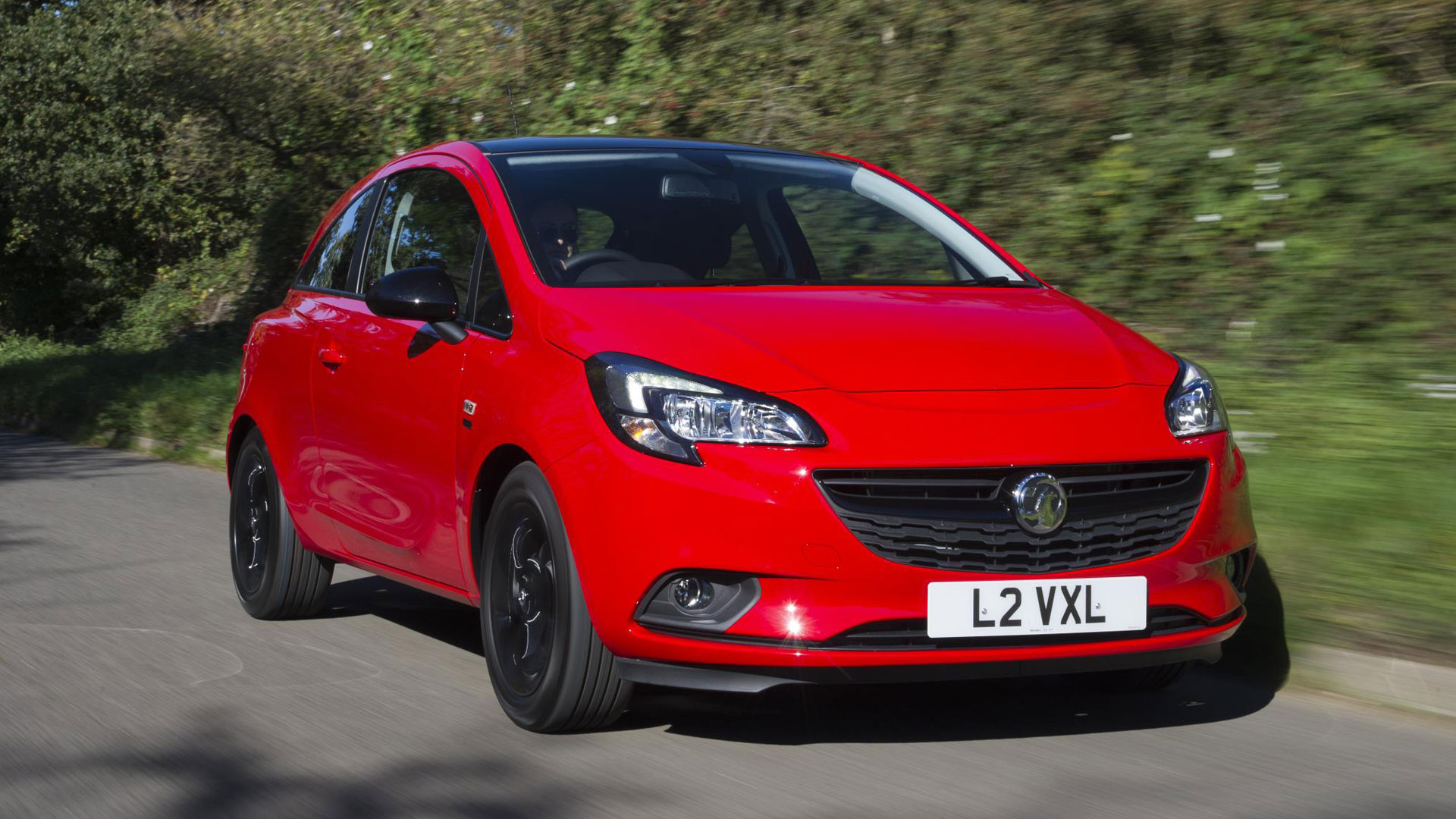
Vantage Leasing, which originally published the research, cites the Vauxhall Corsa as an example. While a 1.4i Design five-door was £12,480 in November 2016, that rose to £14,025 by June 2019. That’s a 12.4 percent increase in price.
In terms of insuring your car, the cost is also up, although not by an enormous amount. A year’s insurance in summer 2016 cost an average of £737. During the same period in 2019, the cost was £783, or £46 more. That’s a rise of 6.2 percent.

- Risky business: why footballers pay the most for car insurance
Looking after your car costs more too. Vehicle maintenance and repairs have risen in price by 9.2 percent over the last three years. Spare parts are up 8.7 percent and tyres are 6.4 percent pricier.
A steady rise in the price of fuel is, however, is a phenomenon much older than the EU referendum. The normal fluctuations combined with the influence of Brexit have seen pump prices higher overall. The average price for a litre of unleaded was £1.16 at the time of the referendum. As of October 2019, the average was £1.27. That’s a jump in price of 9.2 percent.
For a 55-litre fuel tank, that’s an increase of £6.05. Diesel and super unleaded are up 11.1 percent and 11.6 percent respectively over the same period.

“Since the Brexit referendum was held three and a half years ago, there has been a gradual but very tangible increase in the cost of running a car,” said James Buttrick of Vantage Leasing.
“With so much uncertainty around the details of the UK’s departure from the EU, the automotive industry has found itself one of the worst affected. It’s hard to see that getting any better for the industry or the motoring consumer as we finally head towards Brexit.”
