The once-popular cars that now face extinction
-
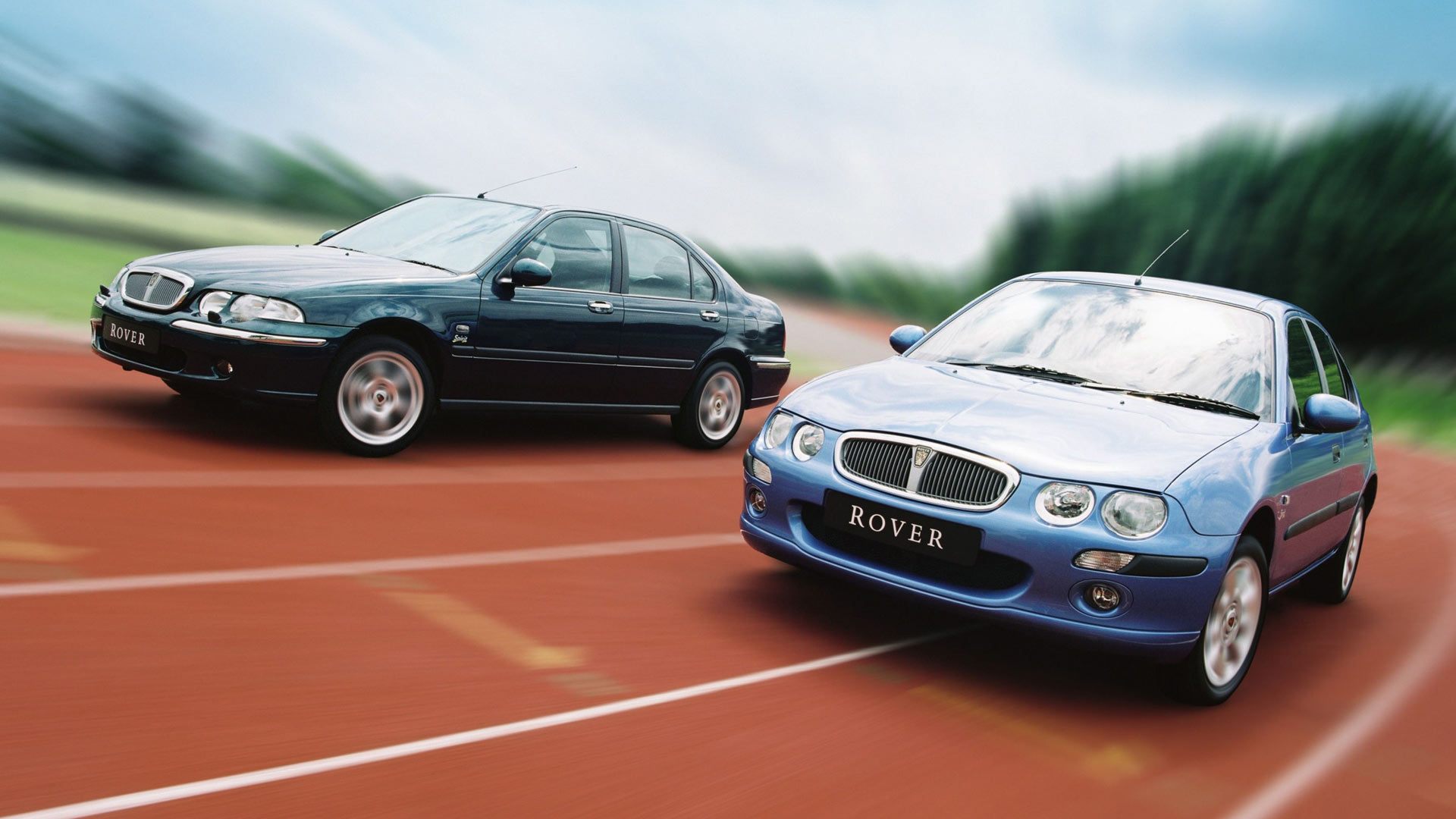
Time is running out for these cars
© MG RoverThe average age of cars on Britain’s roads is increasing, with a typical vehicle now close to 10 years old. Cost-of-living pressures, combined with increased reliability, mean owners are keeping hold of their cars for longer.
At the same time, certain vehicles are at risk of disappearing altogether, with their numbers dwindling at a rate that looks unsustainable.
Whether it is due to brands leaving the country, or simply no longer being desirable, there are a number of cars that could be completely gone within the next couple of years.
Join us for a nostalgic look at the cars, SUVs and MPVs that could soon vanish entirely from our roads.
-
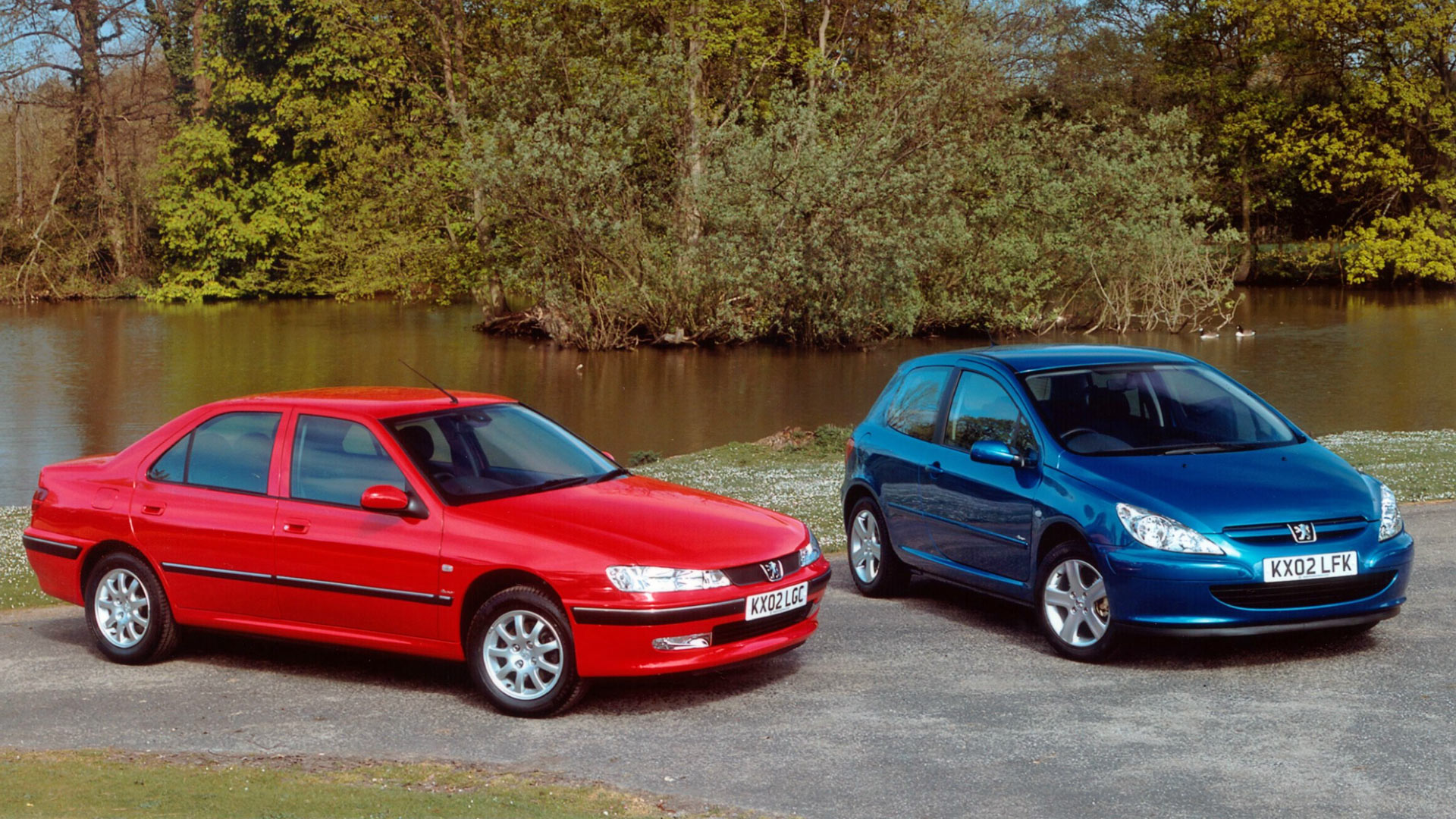
The methodology of decline
© PeugeotTo understand which cars are at risk of disappearing from the UK’s roads, temporary car insurance provider Tempcover analysed DVLA registration data for the past decade.
By tracking these figures for a full 10 years, predictions can be made about the models that seem to be in terminal decline. With the ‘rate of decline’ established, an expected extinction date for these cars can then be projected.
Based upon Tempcover’s analysis, we have found 19 cars that are projected to vanish from the Britain’s streets by the second quarter of 2027.
Should you consider saving a car at risk of extinction, Tempcover’s Claire Wills-McKissick notes: “It’s important to be aware that older cars naturally require more dedicated care; parts may be harder to source, and they often need greater attention during MOT inspections, for example.
“While owning one requires investment in time and resources, it also offers a unique opportunity to preserve a piece of motoring history for years to come.”
-
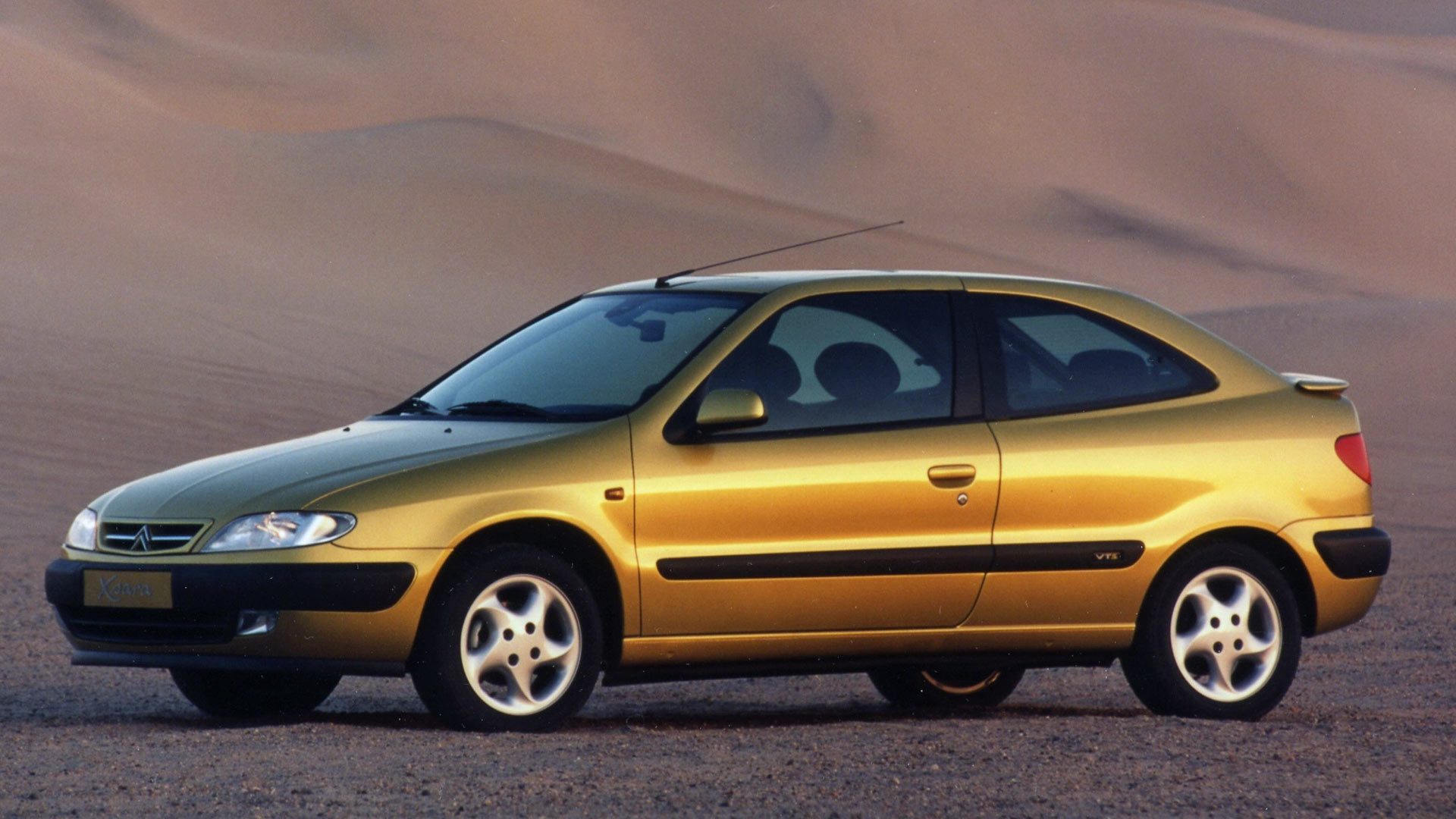
Citroen Xsara
© CitroenNot even being a three-time World Rally Championship winner is enough to prevent a car from plummeting towards extinction. With Sebastien Loeb at the wheel, and co-driver Daniel Elena alongside him, the Xsara WRC took three titles between 2004 and 2006.
The roadgoing version of the Xsara began as a development of the Citroen ZX, but with more modern styling and a range of updated engines.
Body styles included the three-door Xsara Coupe, famously promoted in an advert featuring supermodel Claudia Schiffer.
Despite this, the Xsara appears to be making a bid for retirement, with the latest figures showing just over 18,480 examples were registered in the UK in the third-quarter of 2025. This even includes the once-ubiquitous Xsara Picasso MPV.
-
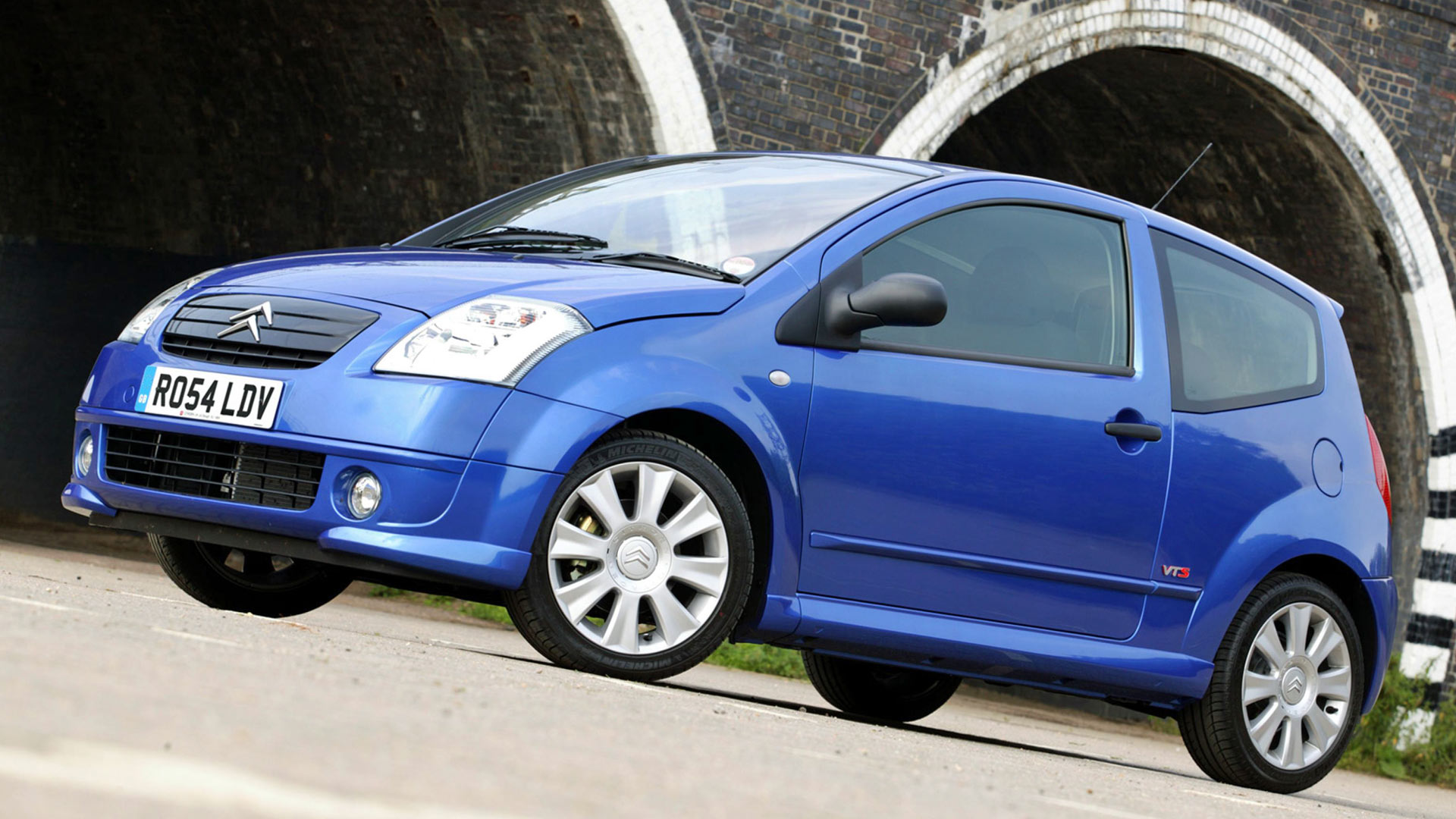
Citroen C2
© CitroenDuring the 1990s, the Citroen Saxo emerged as one of the archetypal players in the Max Power modified car scene, attracting scores of young drivers to this ageing supermini. It presented Citroen with a difficult act to follow, but the C2 was designed to be equally appealing to baseball cap-wearing youths.
Launched in 2003, the Citroen C2 was sold solely in three-door hatchback form, with the more sensible C3 available for those who needed more space. Design features included space to fit large alloy wheels without too much hassle, plus a Range Rover-style split tailgate.
Despite its initial popularity, time has not been kind to the compact Citroen. Reliability issues may not have helped the C2’s survival, with around 7,400 examples now left in the UK.
-
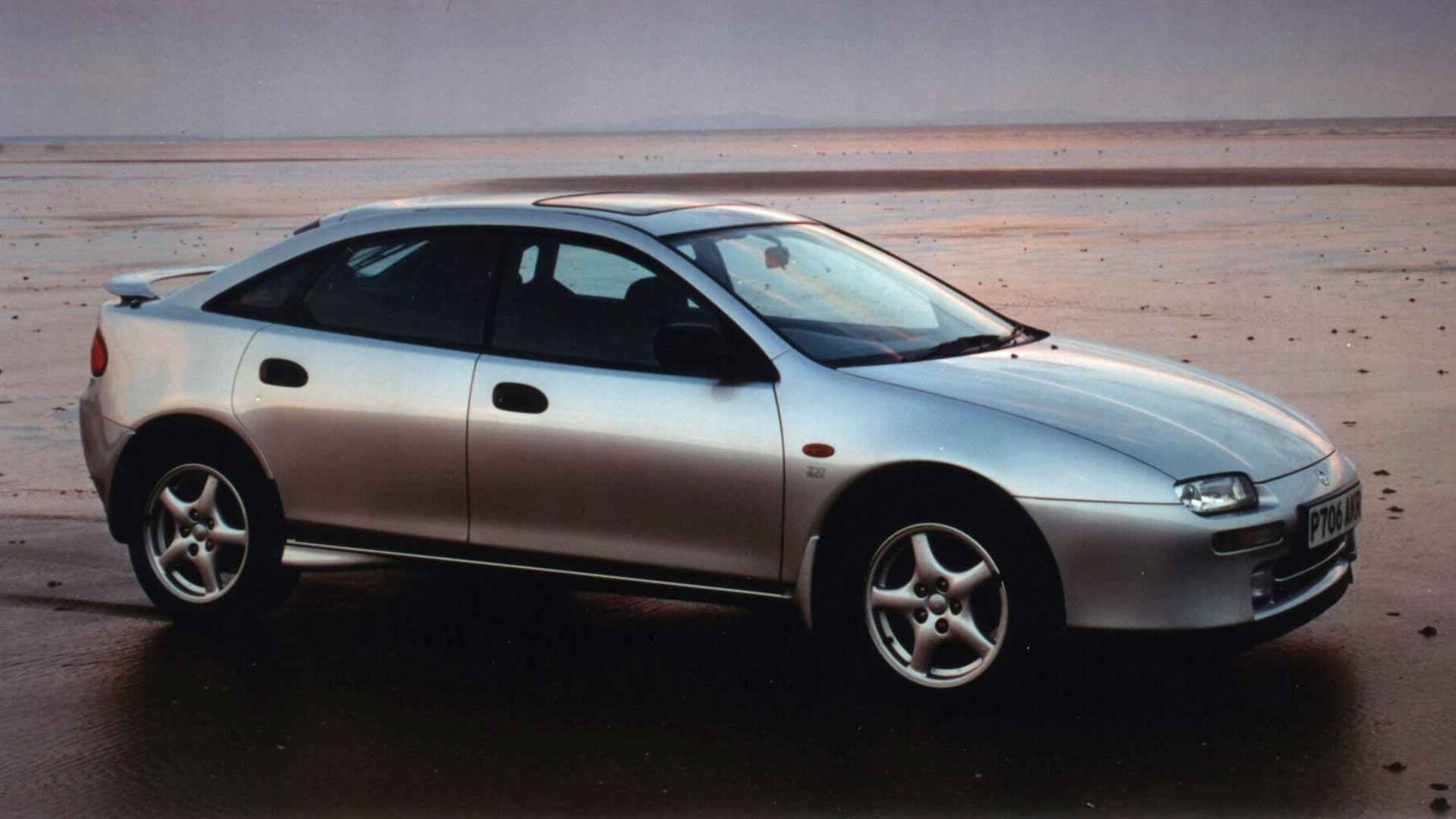
Mazda 323
© MazdaMultiple generations of the Mazda 323 hatchback were produced between 1977 and 2003. These included the dramatic-looking 323F pictured above. On sale from 1993 to 1998, it could even be ordered with a 2.0-litre V6 engine.
The later, ninth-generation Mazda 323, launched in 1998, proved to be more conventional, abandoning the coupe lines of the 323F.
Despite its underwhelming looks, the final Mazda 323 was more interesting to drive than you might imagine. Reliability was also good, yet just over 900 examples remain in use on UK roads – the lowest of any car featured here.
-
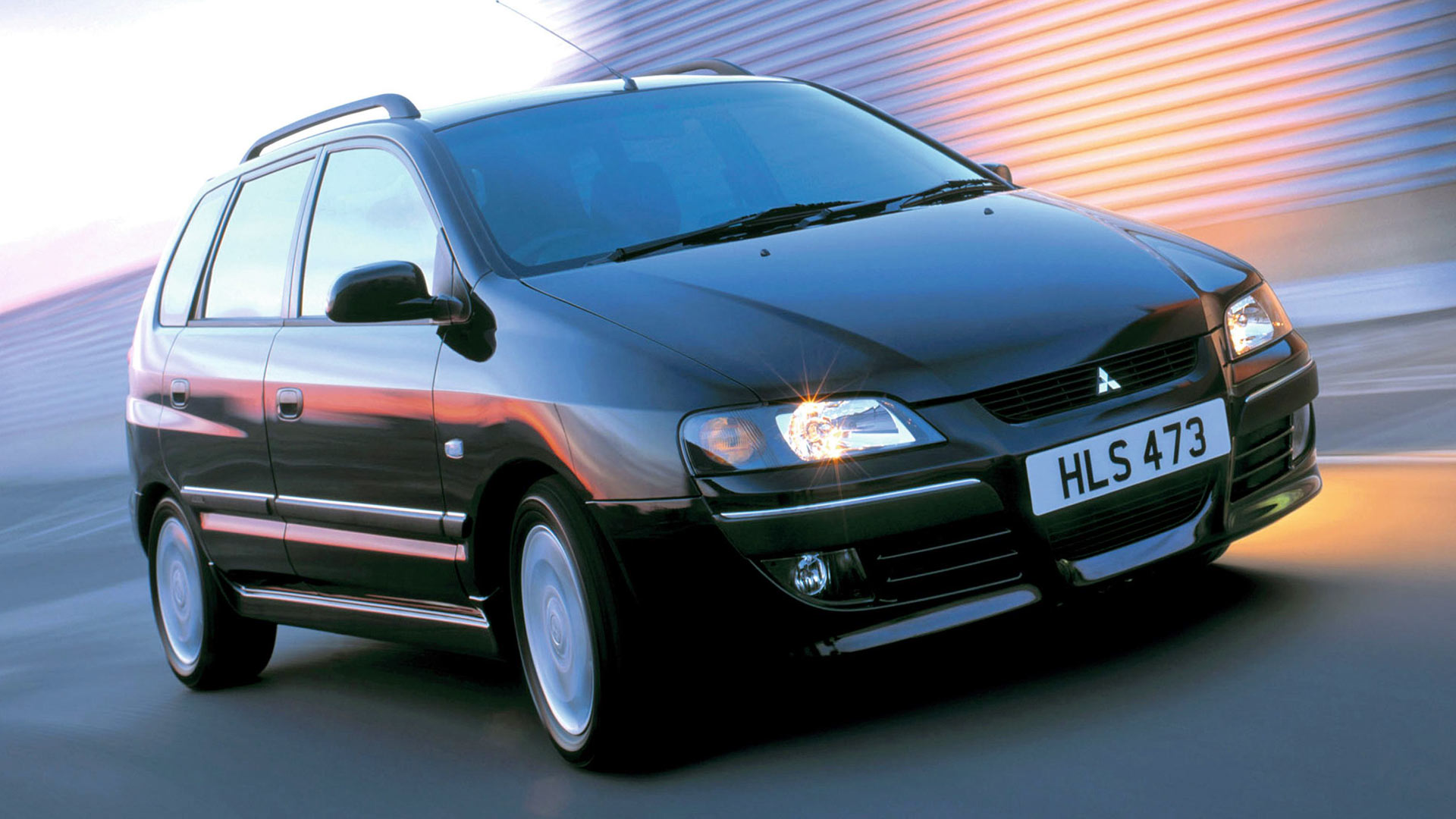
Mitsubishi Space Star
© MitsubishiWe can probably forgive you if you don’t remember the Space Star. Hitting the market in late 1998, even by the standards of compact MPVs this Mitsubishi was instantly forgettable.
Sharing a platform with the Mitsubishi Carisma and Volvo S40, the Space Star was built in the Netherlands, not Japan. It boasted decent reliability, but failed to set the world alight when it came to interior flexibility or quality.
Compared to the high-performance Lancer Evolution models Mitsubishi was famous for at the time, the Space Star also lacked much in the way of driver involvement.
It all made for an MPV that owners would struggle to remember was even parked on their own driveway. Only around 1,000 remain today.
-
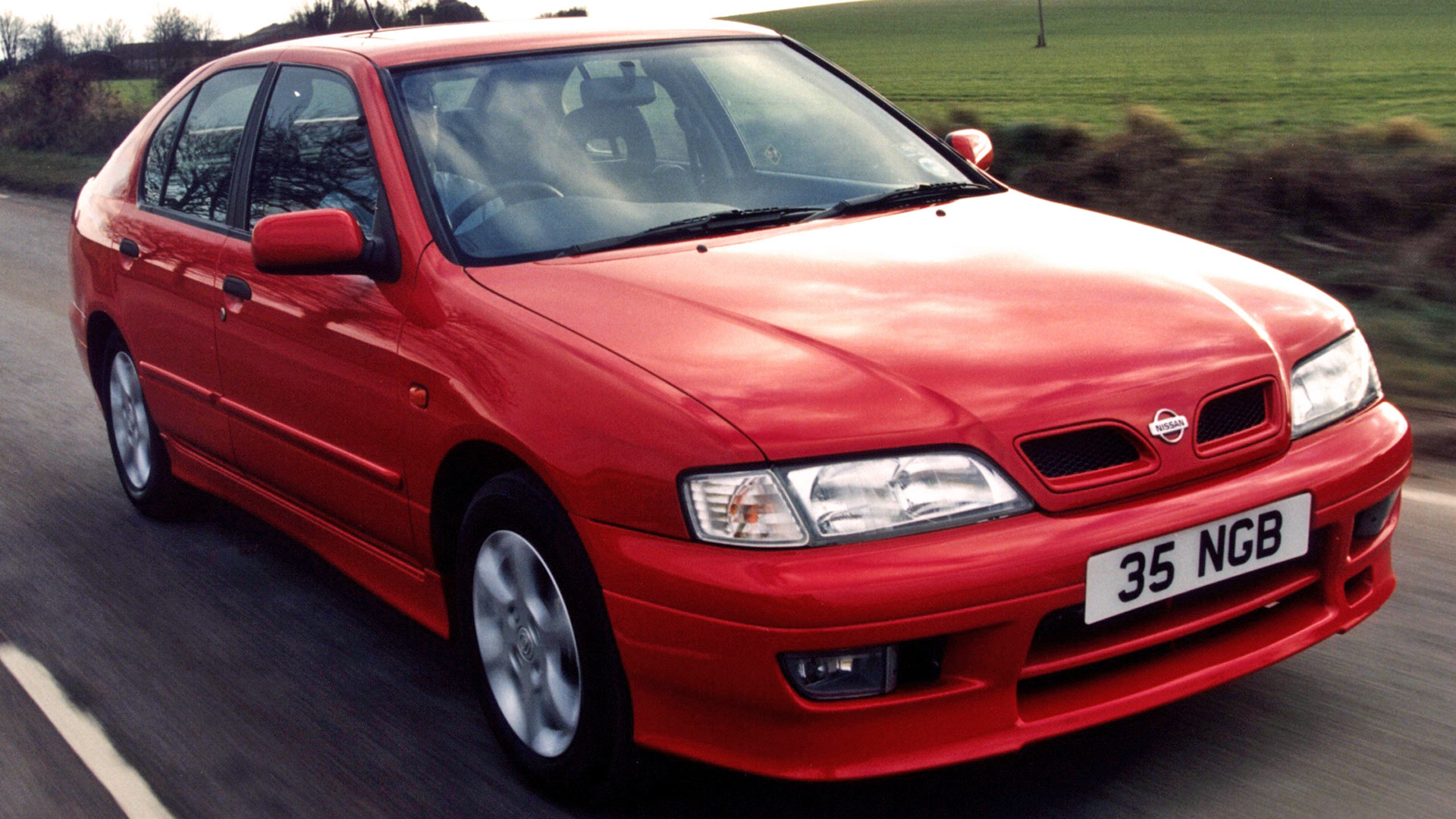
Nissan Primera
© NissanThe Primera was a hugely significant model for the UK, being manufactured at the Nissan factory in Sunderland. Three generations of Primera left the Wearside plant between 1990 and 2008, until Nissan’s major pivot towards the Qashqai and Juke SUVs.
In second-generation form seen here (made between 1996 and 2002), the Primera became a mainstay of Britain’s motorways and service stations. A fleet favourite, company car drivers could aspire to being given the keys to the 150hp GT version.
Nissan even managed to win the British Touring Car Championship in 1999, with Laurent Aiello taking victory in the ultra-competitive series. Today, only 2,275 examples of the Primera are left on the road.
-
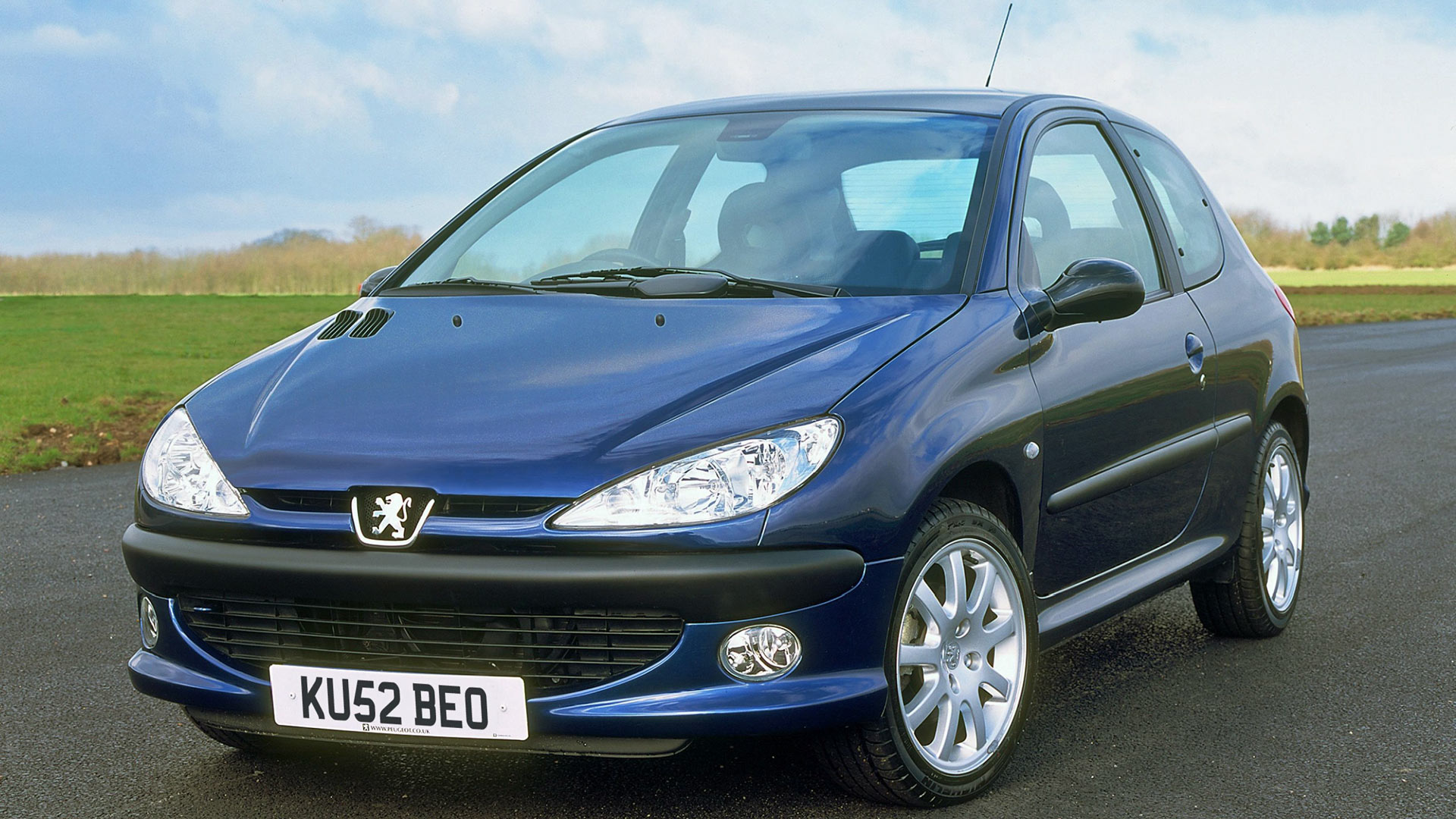
Peugeot 206
© PeugeotCould one of the UK’s most popular superminis of the late 1990s and early 2000s really be facing extinction? Tempcover’s analysis suggests so, and there’s no denying the Peugeot 206 is in rapid decline.
In the third quarter of 2025, there were just over 31,300 examples still on the road. This is less than half the number registered for the same period in 2022, demonstrating the speed at which the 206 is disappearing.
From the 206 CC with its folding metal roof, to the high-performance GTI, Peugeot had all bases covered. Yet the British-built supermini seems to be heading for obscurity, along with a number of other Peugeot models from this era.
-
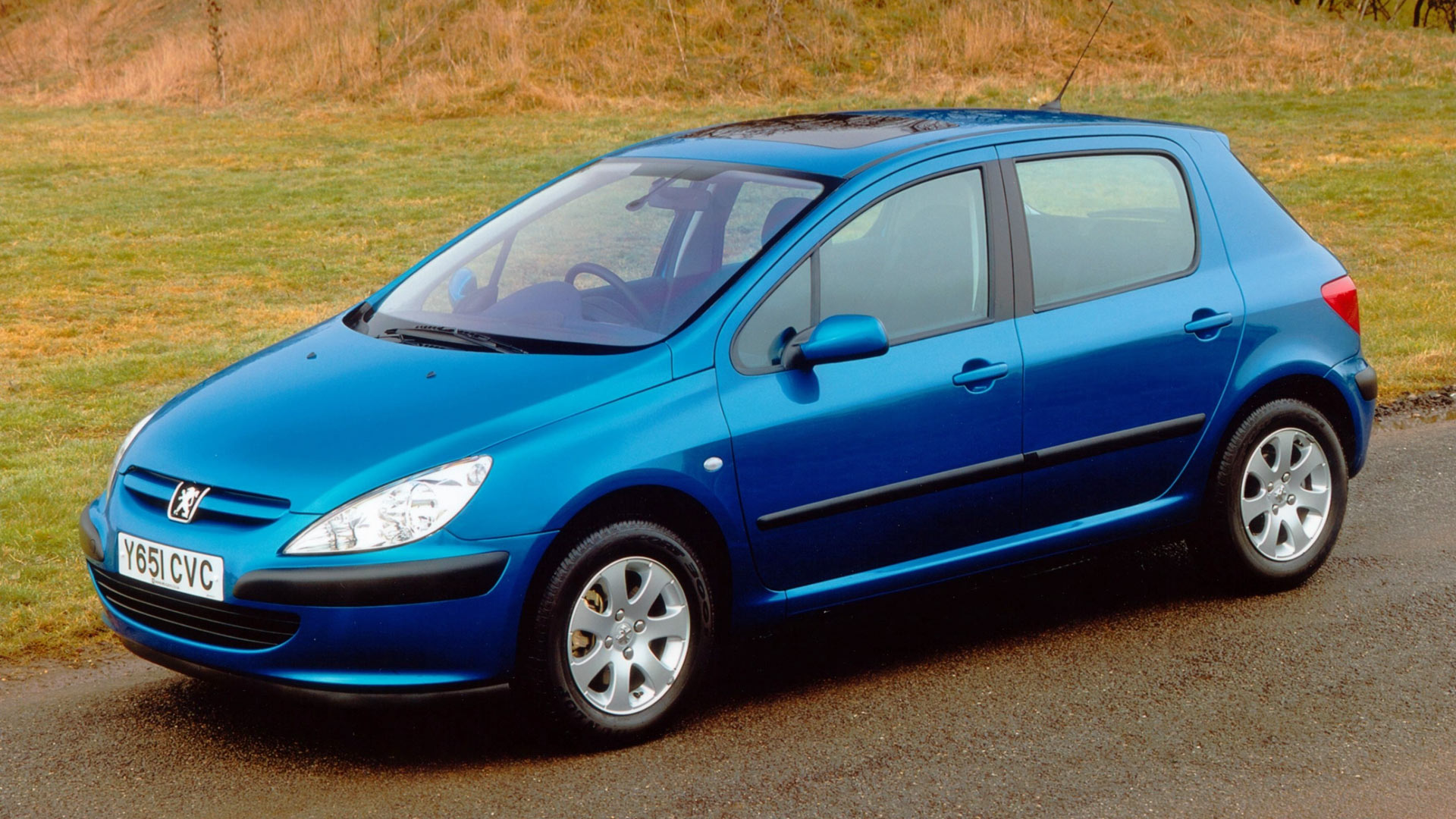
Peugeot 307
© PeugeotYou have to feel a little sorry for the Peugeot 307. Launched in 2001, it had the unenviable task of replacing the Peugeot 306: a popular and well-liked family hatchback for the best part of a decade.
Working against the 307 was styling perhaps best described as ‘dumpy’, with an MPV-style high roofline and a one-box shape. Compared to the chiseled Pininfarina lines of the 306, it hardly stood a chance.
Peugeot also resisted the urge to create a 307 GTI, although there was a warm 180hp version. The French marque even used its 307 CC coupe-cabriolet as the basis for its WRC rally car.
The number of 307s being driven in the UK has nosedived by 16,000 in two years, with 20,000 cars now remaining.
-
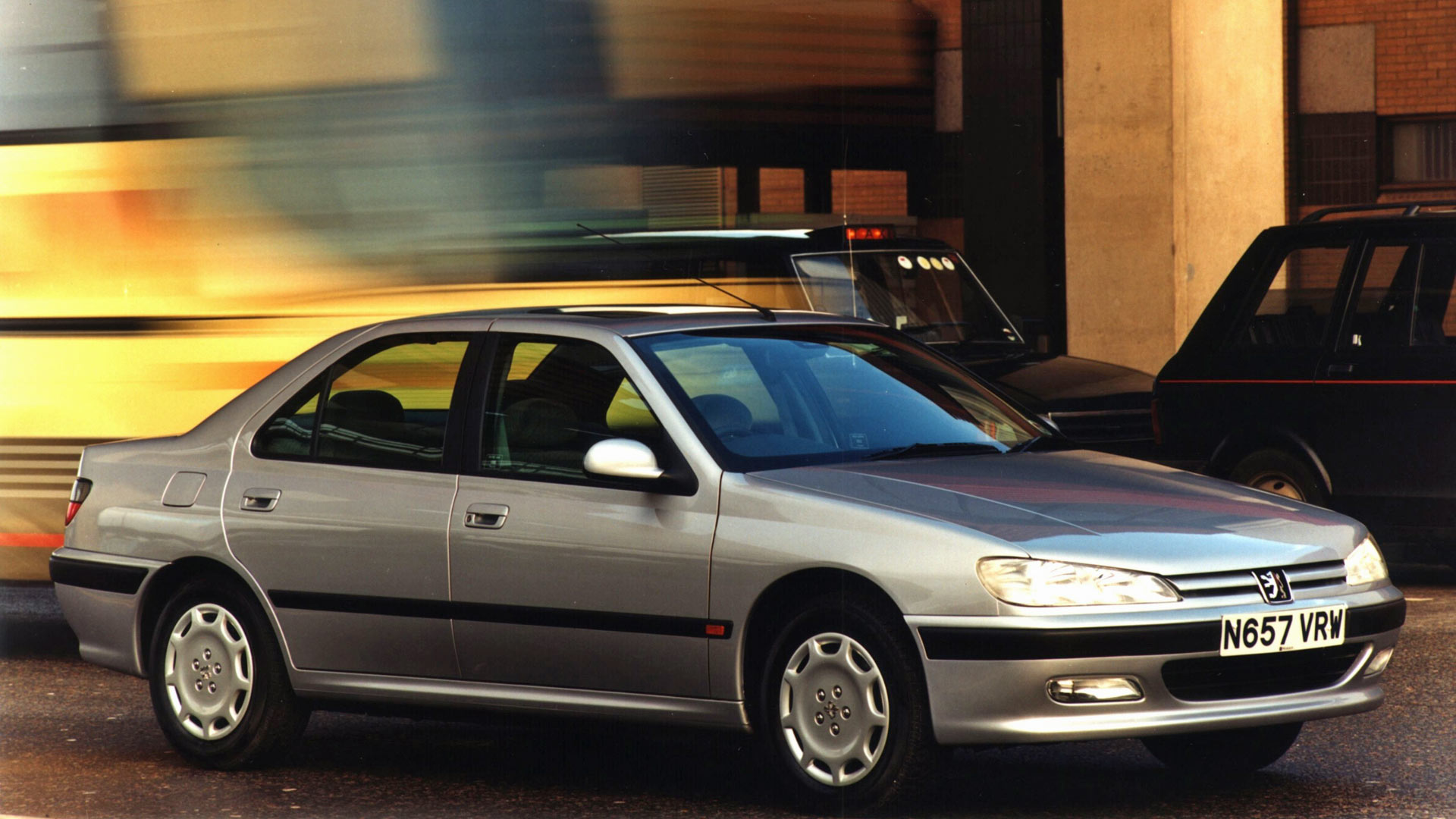
Peugeot 406
© PeugeotLike the Nissan Primera included earlier, the Peugeot 406 was a ubiquitous sight on motorways in the 1990s and early 2000s. Initially sold in saloon and estate body styles, a Pininfarina-designed and built coupe was added to the lineup in 1997.
The latter added some glamour to a range that was primarily focused on company car drivers. Peugeot’s 2.0-litre HDI diesel engines were a major draw, thanks to their performance and fuel economy. A starring role in the French Taxi movie series helped cement the 406 into automotive culture.
Despite such popularity, the UK now has just 2,370 examples of the Peugeot 406 left on its roads. The beautiful 406 Coupe is even closer to extinction, accounting for 325 of the cars still left registered.
-
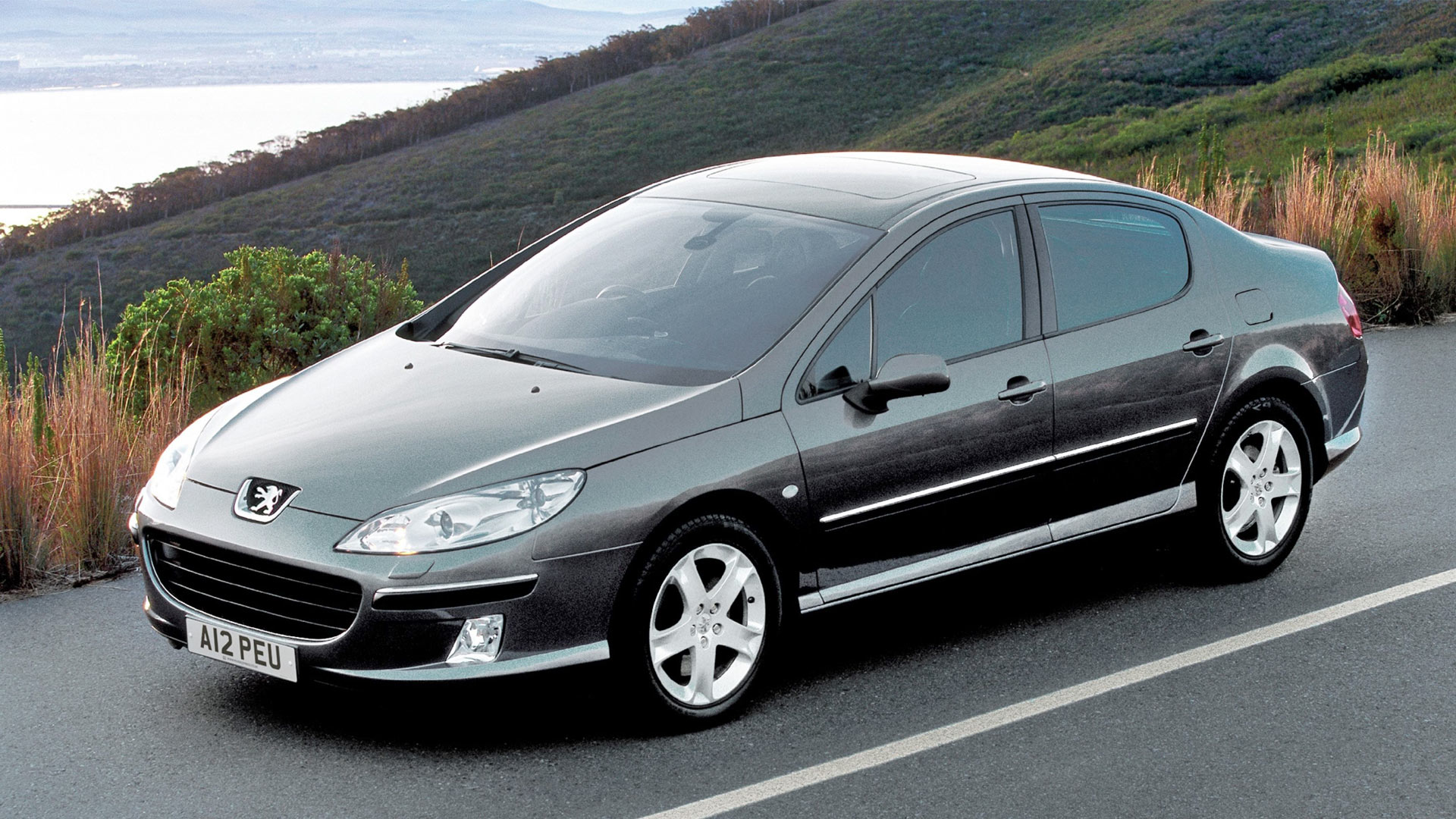
Peugeot 407
© PeugeotThe follow-up act to the Peugeot 406 is also on the extinction watchlist for 2027. Launched into a D-segment family car market that was on the cusp of being decimated by the rise of the crossover SUV, the Peugeot 407 always faced an uphill battle.
Like the 307, it saw Peugeot opt for smoother and rounder styling, rather than the angular sharpness of the outgoing 406. A gaping front grille was something of an acquired taste, while a new coupe lacked the elegance of its predecessor.
The number of Peugeot 407s left on UK roads has fallen by more than 40 percent in the last two years. The speed of the big Pug’s decline now makes its extinction look highly likely.
-
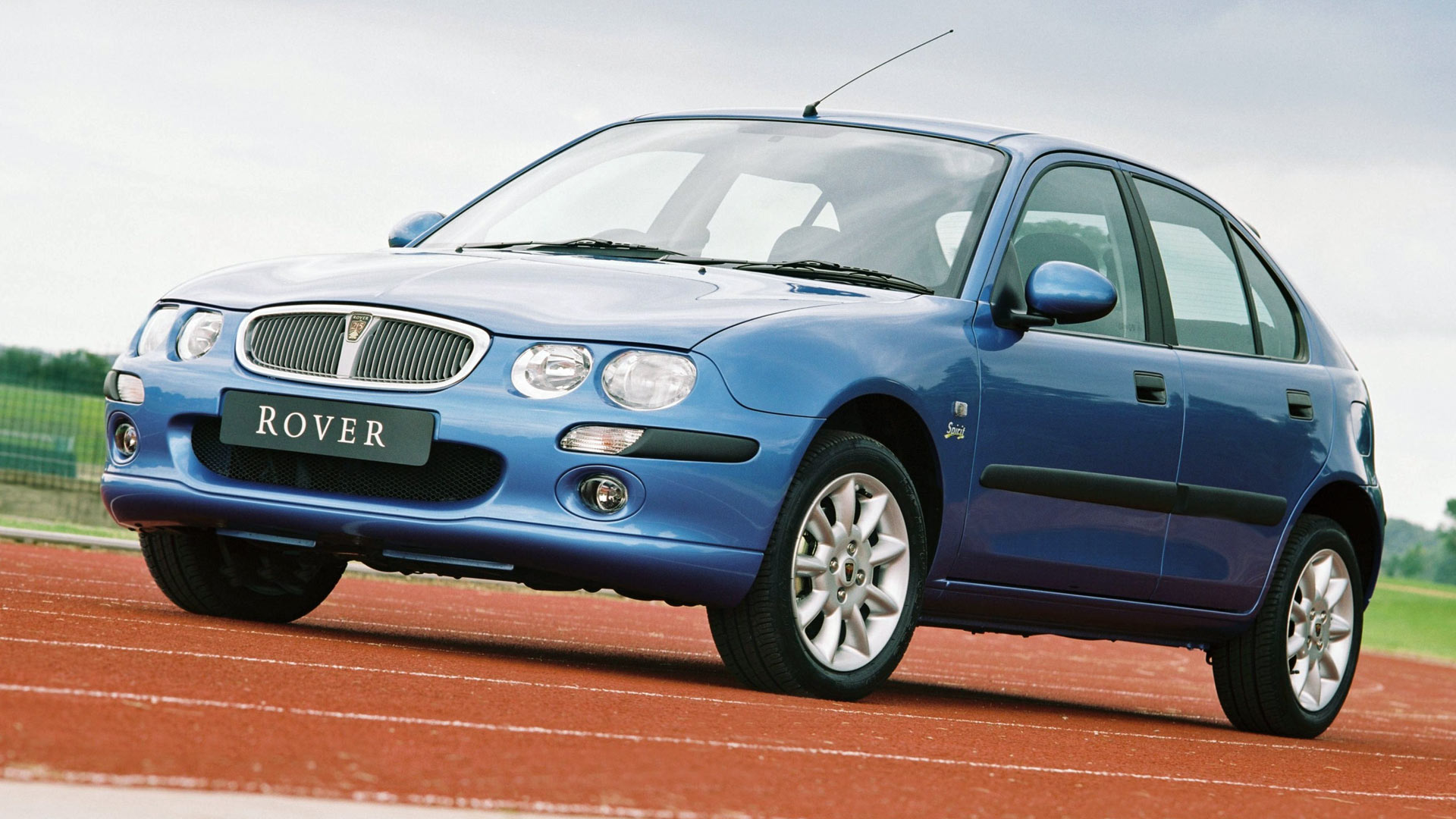
Rover 25
© RoverIn hindsight, the Rover 25 was perhaps one of the most effective mid-life rebrands in automotive history. Compared to the Rover 200 it started life as, the substantial overhaul improved on almost every aspect of the car.
Peter Stevens tightened up the exterior design, while the suspension and steering were tweaked to feel sportier. There was also a host of improved K-series engines, including a 145hp 1.8-litre petrol for the sporty GTI version.
Despite all these upgrades, reliability issues with the K-series continued to plague the Rover 25. Such problems, combined with a dated image, might explain why just 2,200 examples of the Rover 25 remain in the garden centre car parks of Britain.
-
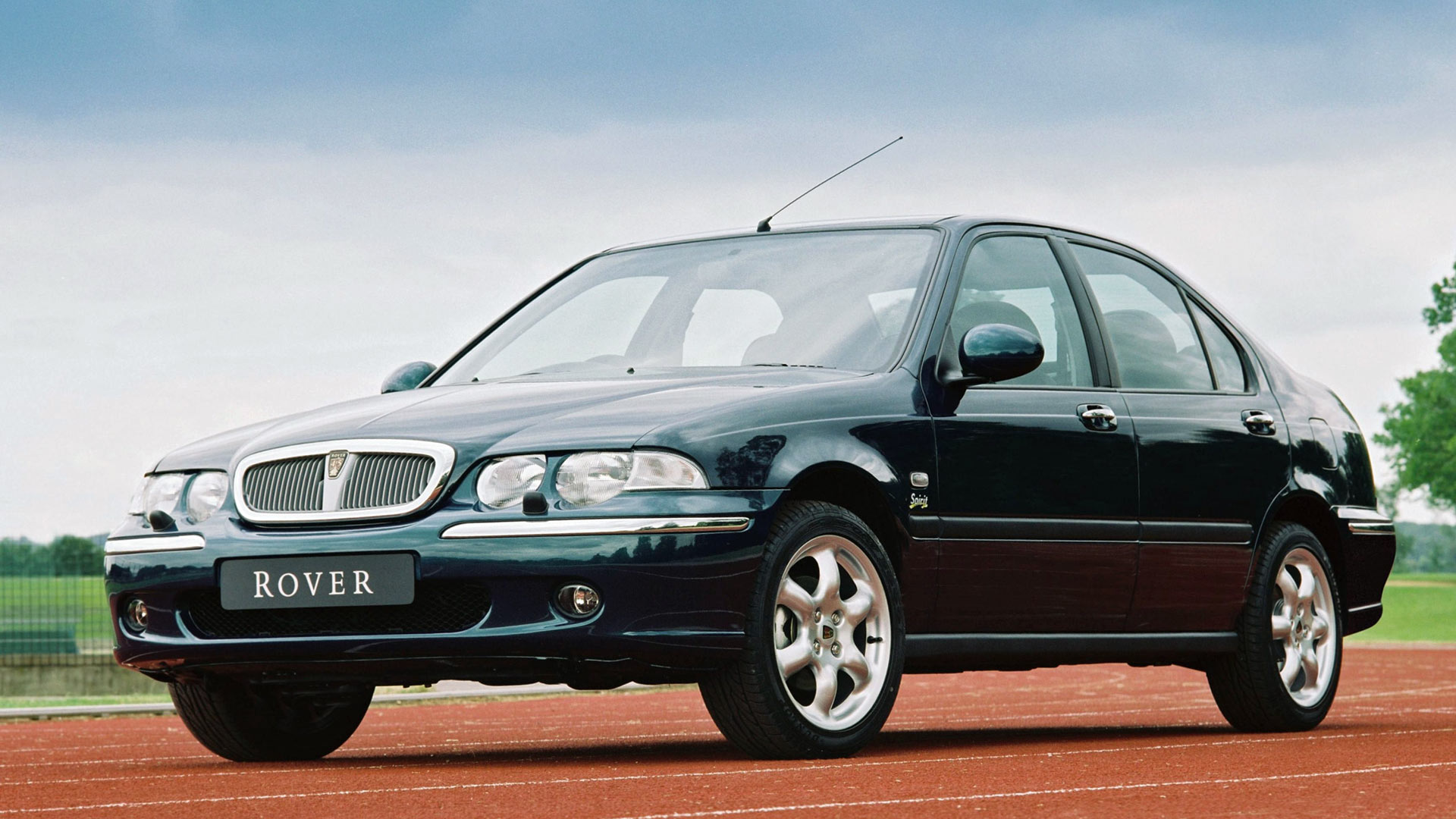
Rover 45
© RoverFor those who wanted their revamped Rover hatchback to be family-sized, the 45 was another car introduced under BMW ownership.
There was only so much that could be done with the previous Rover 400’s basic design. However, as with the 25, Peter Stevens was able to give it a modest makeover. Updated engines brought greater efficiency, and included a 149hp 2.0-litre V6 nabbed from the larger Rover 75.
The Rover 45’s image would always limit its appeal compared to the smaller 25, and this shows in the number still being driven in the UK. At the most recent count, there were only 1,365 cars left.
-
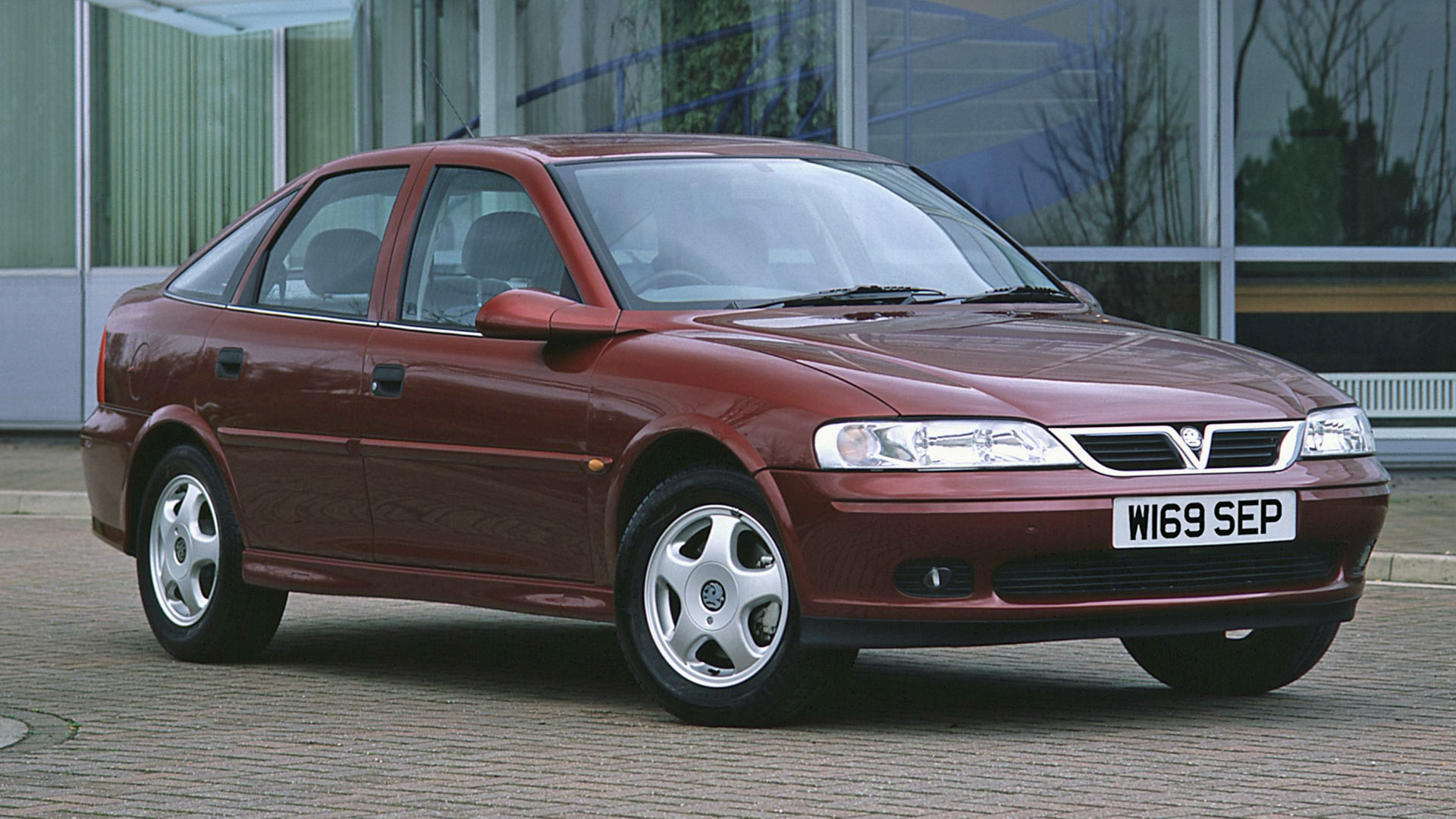
Vauxhall Vectra
© VauxhallAs with many cars on this list, the issue is not so much the number still registered for use on the road, but the speed at which this number is declining. The Vauxhall Vectra is a classic example, having seen a decrease from over 243,000 cars in 2015 down to just 20,774 in late 2025.
A drop of more than 90 percent puts this classic repmobile at risk of disappearing altogether, despite once being such a common sight across the UK.
Never as universally praised as its Ford Mondeo rival, the Vectra was unlikely to be a car that attracts much emotional attachment. The sportier SRi and GSi were more exciting, but we cannot imagine many Vectras being hidden away in barns for future generations to enjoy.
-
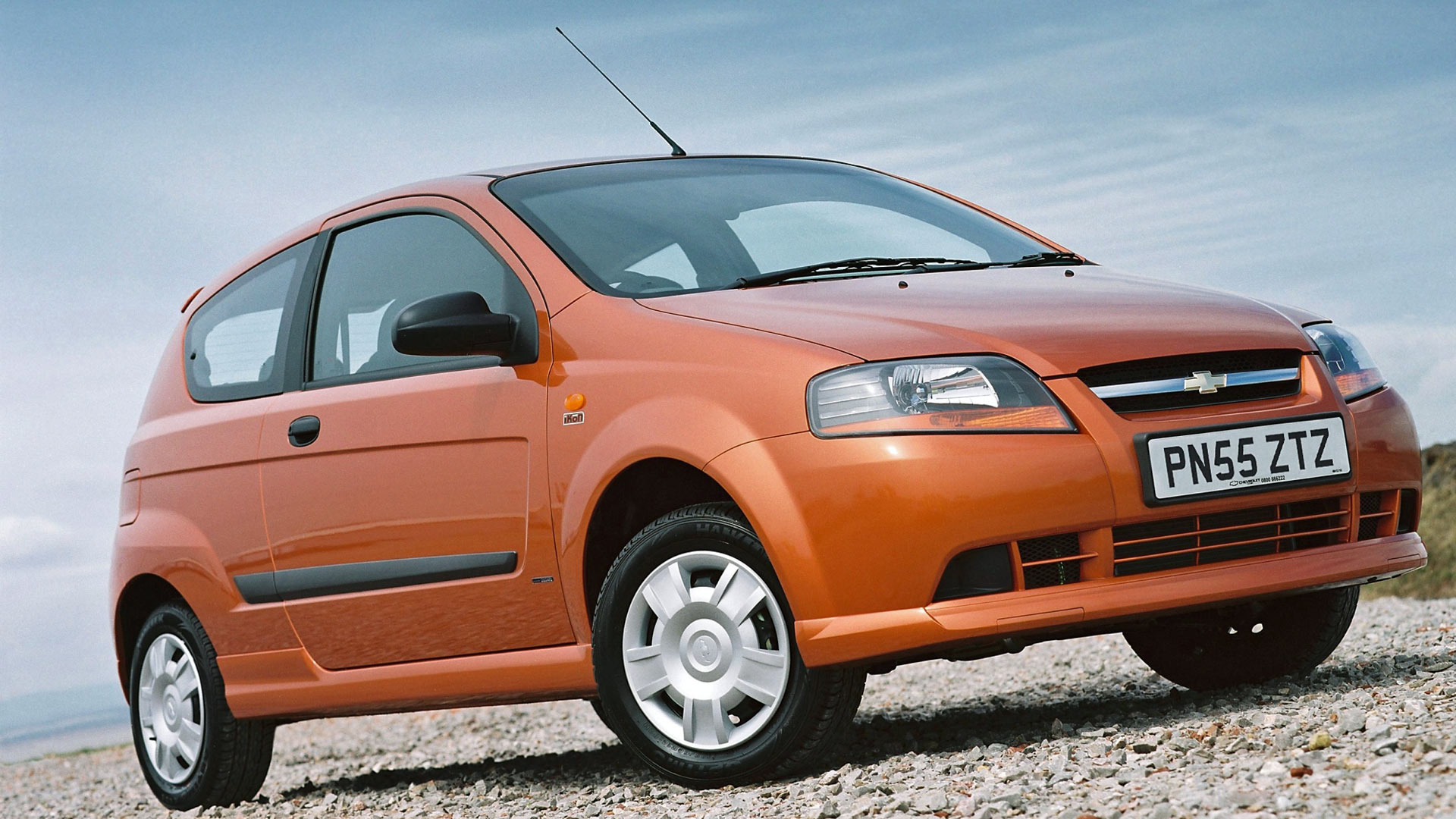
Chevrolet Kalos
© ChevroletHands up if you remember Daewoo? Created as a joint venture with General Motors, the South Korean brand made its first assault on the UK market in the 1990s. After years of selling rebranded old GM products, the Daewoo Kalos was one of the brand’s first own creations.
The collapse of Daewoo, and its subsequent acquisition by GM, resulted in the Kalos supermini being badged as a Chevrolet for the UK market. Given Chevy’s limited interaction with British buyers, it seemed a bold choice, although the basic Kalos beneath still had much to admire.
Neat looks, generous equipment and decent reliability were what the Kalos majored on. The driving experience was fairly forgettable, though, much like the car as a whole. This probably explains why only 1,636 examples are still in use.
-
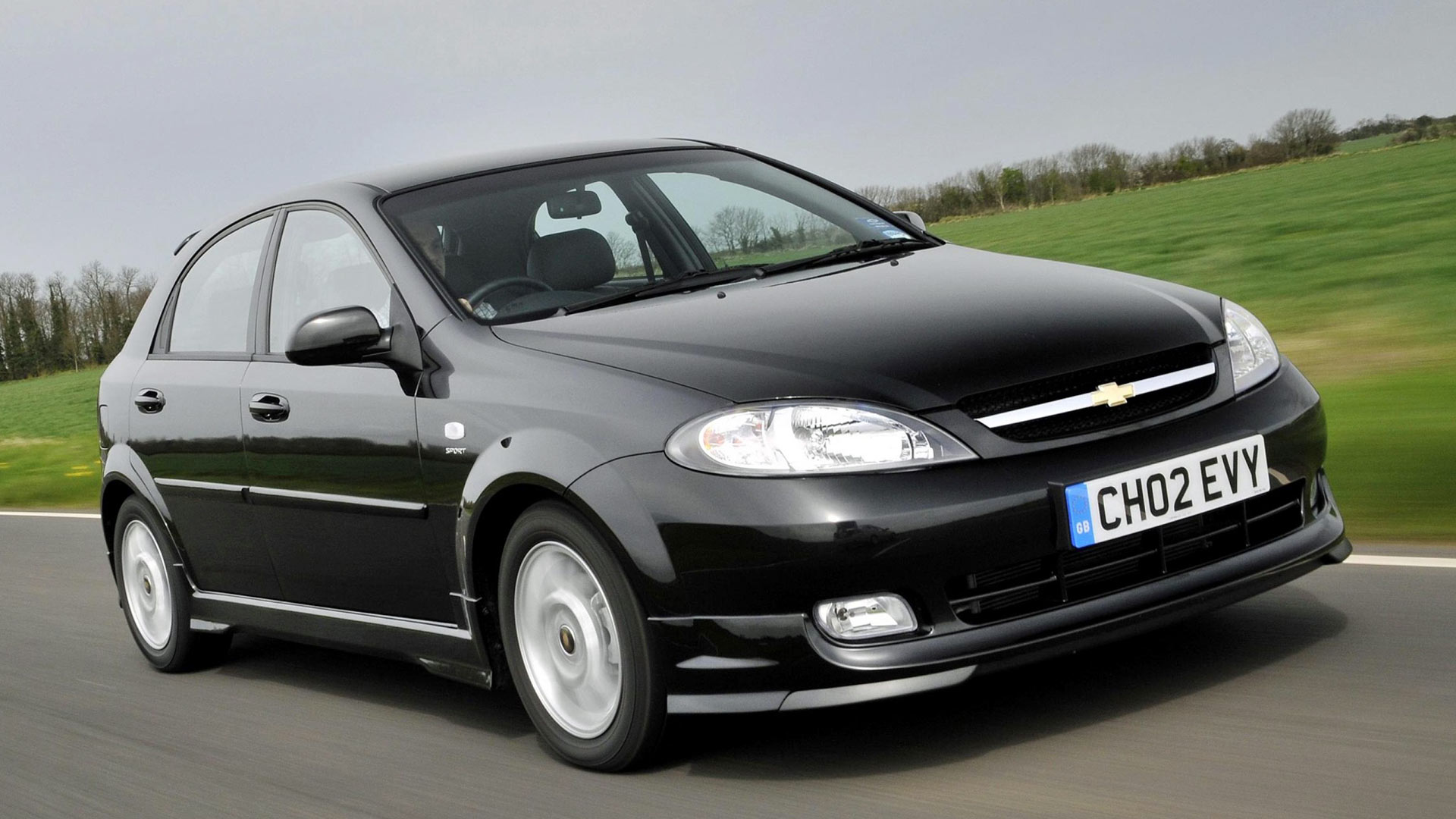
Chevrolet Lacetti
© ChevroletLike the Chevrolet Kalos, the Lacetti began life as one of the first cars created entirely by Daewoo. The saloon and estate featured styling by Pininfarina, and the five-door hatchback was penned by the hand of Giorgetto Giugiaro at Italdesign.
By the time the Lacetti appeared in the UK, Daewoo was already in trouble and about to be subsumed into General Motors. This explains why there are only 58 Daewoo-badged examples of the Lacetti on UK roads. The marginally more abundant Chevrolet version has 1,600 cars left.
Similar to the Kalos, the Lacetti offered decent value for money, generous levels of standard equipment, and a surprising amount of interior space. That it was so unremarkable to drive possibly accounts for why so few remain. Nobody is getting out of bed early on a Sunday morning to enjoy a B-road blast in a Lacetti.
-
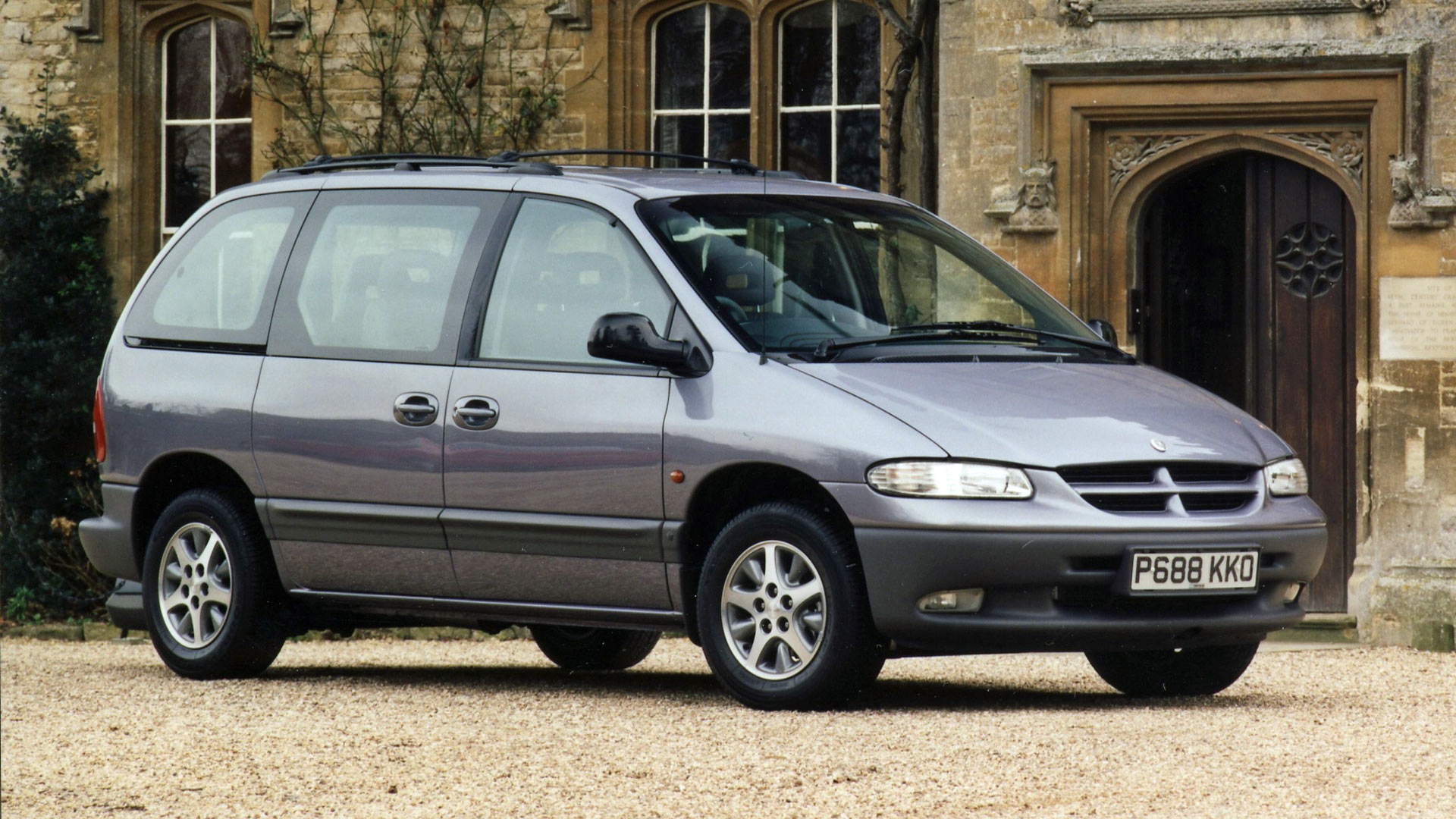
Chrysler Voyager
© ChryslerIn late 1983, the Chrysler Corporation caused a stir with the launch of the Dodge Caravan and Plymouth Voyager. These first minivans would revolutionise family transport in North America, replacing old-fashioned station wagons (known as estate cars over here) with a new space-efficient concept.
Although European buyers gained an MPV the following year with the Renault Espace, it took Chrysler a little longer to bring the Voyager to British shores. By 1997, it had twigged that MPVs were big business in the UK – its sizable seven-seater offered more space than Euro rivals.
The Voyager’s handling, ride comfort and build quality were all deeply questionable. More alarmingly, it received zero stars for frontal crash safety when evaluated by Euro NCAP in 1999. Perhaps self preservation is the reason for the UK having just 1,820 Voyagers left.
-
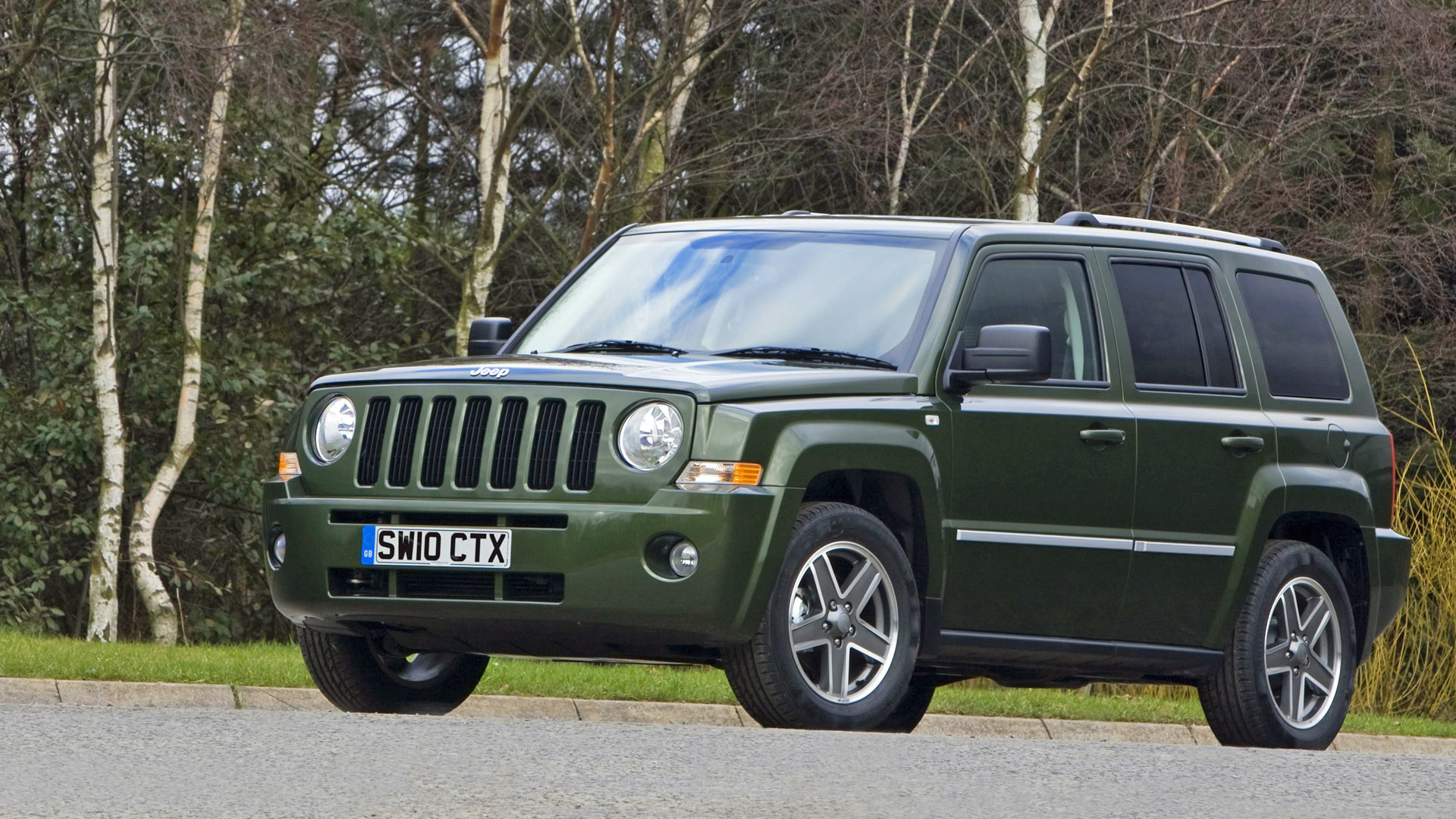
Jeep Patriot
© JeepAll-American vehicles have typically not fared particularly well in the UK, often being too big or brash for our narrow streets. The Jeep Patriot had the potential to buck that trend, with a major focus on improving interior quality after poor initial reviews.
A Volkswagen-sourced diesel engine was the pick of the range at launch, with the ability to engage permanent four-wheel drive for proper off-road action. Standard equipment levels were generous, and the interior offered plenty of space.
Owning a Jeep in the UK will always be something of an acquired taste, though, especially when there are a host of SUV alternatives. With only 1,305 examples left, the Patriot is clearly on the slide to extinction.
-
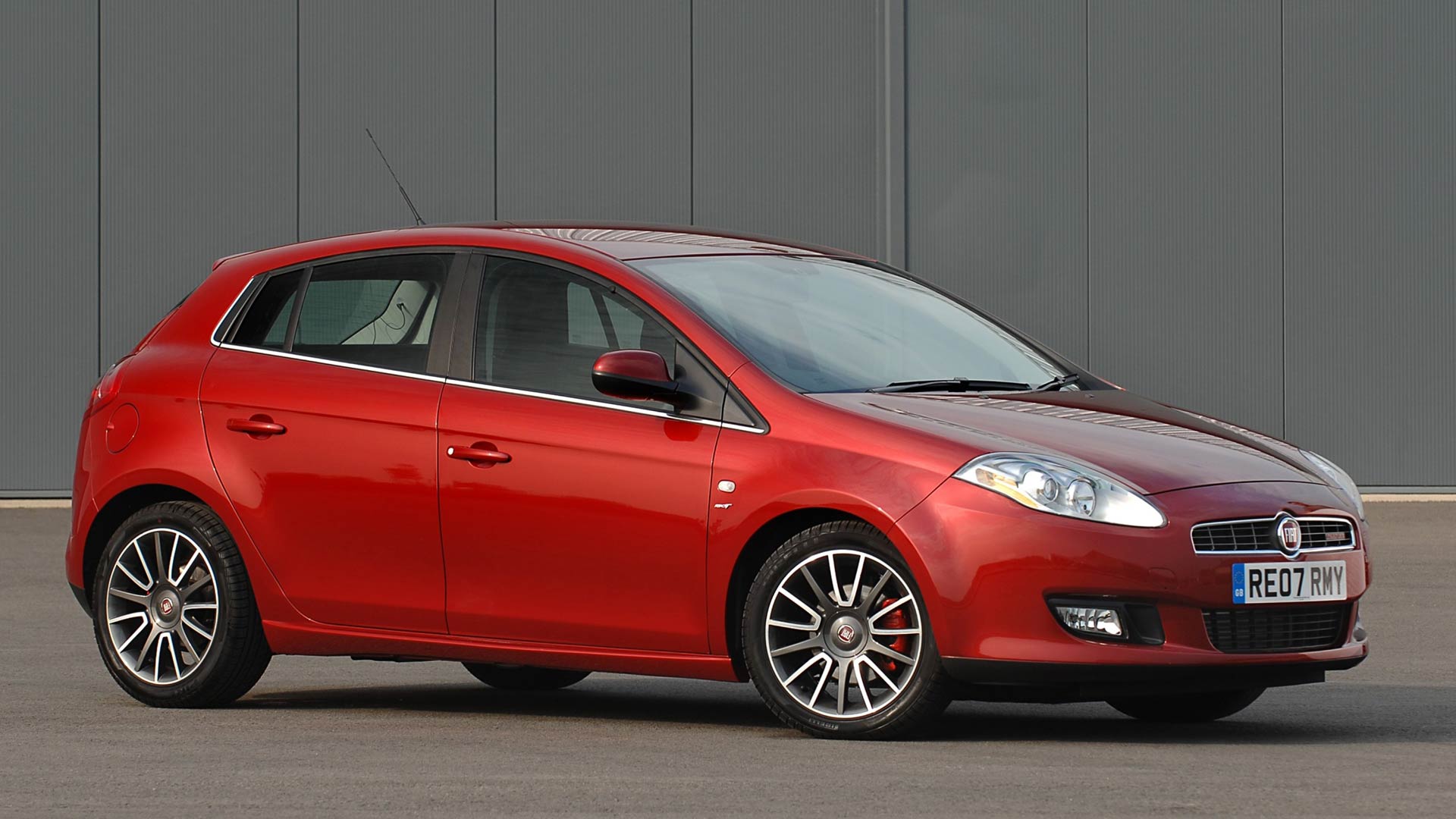
Fiat Bravo
© FiatThe Fiat Bravo has existed in two different guises, separated by several years, with one being decidedly rarer than the other.
Sold between 1995 and 2002, the original Bravo was fun and stylish, and included the hot HGT model with a 155hp 2.0-litre five-cylinder engine. Only 30 of these first-generation Bravos are still shown as being registered for the road.
The pictured second-generation Bravo, launched by Fiat in 2007, failed to capture the car-buying public’s imagination like its predecessor. This was despite it being a genuinely attractive family hatchback, and having an interior that combined style with a surprising level of build quality.
Compared to class leaders such as the Volkswagen Golf and Ford Focus, the Fiat Bravo would always have a hard time. Never a big seller, the UK now has around 3,345 examples on its roads.
-
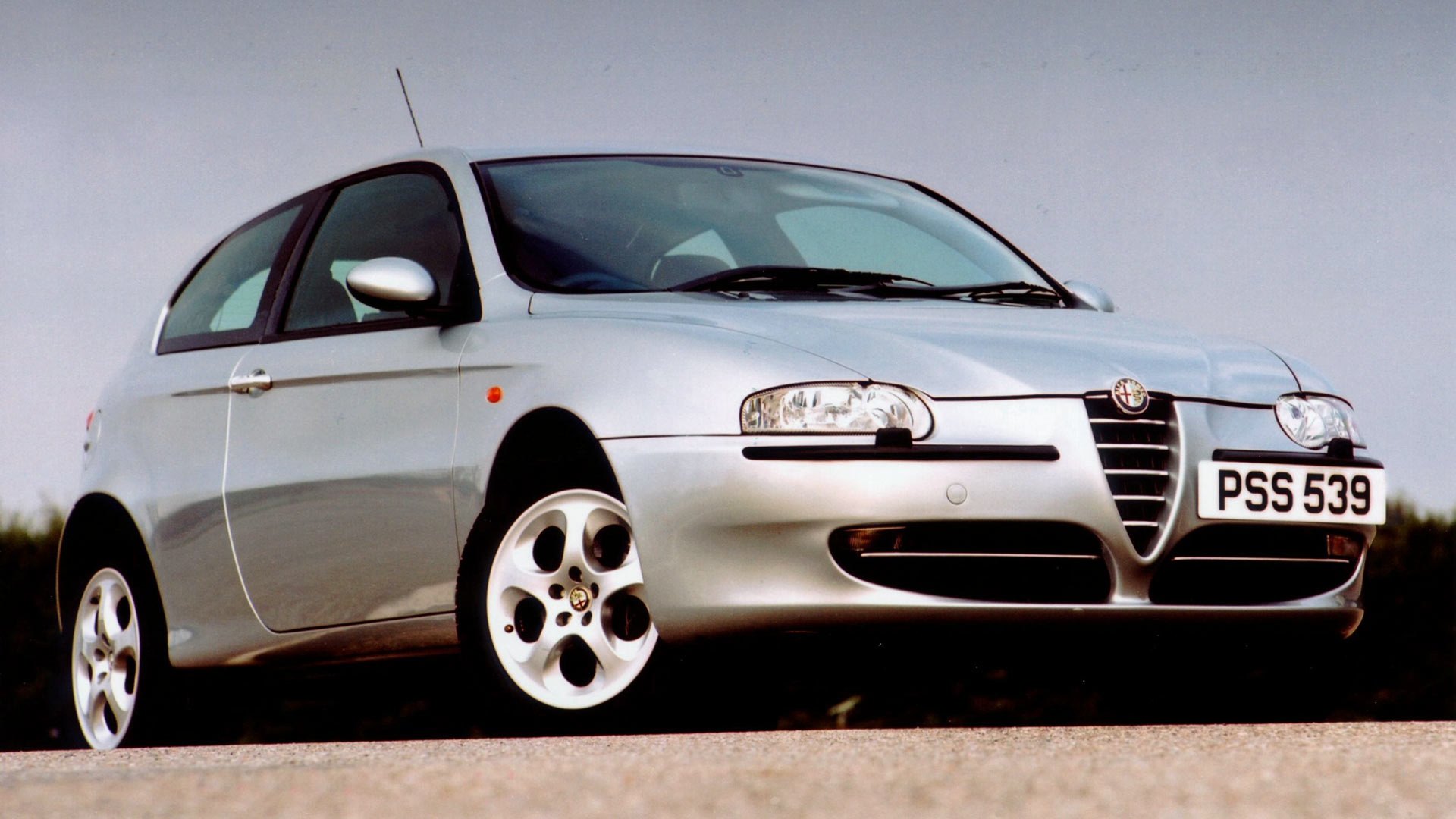
Alfa Romeo 147
© Alfa RomeoAlfa Romeo was on a roll at the turn of the century, with the 156 and 166 saloons proving that the Italian brand could create competitive alternatives to class favourites from BMW and Audi.
As a follow-up act, the 147 hatchback joined the range in 2000, and even won the European Car of the Year Award. It was very stylish and came with a decent range of engines, including the GTA version with a sonorous 250hp 3.2-litre V6.
Although Alfa Romeo had worked hard to improve build quality, issues still remained. The Selespeed automated manual gearbox was particularly troublesome. Only 1,281 examples of the 147 are still being driven.
-
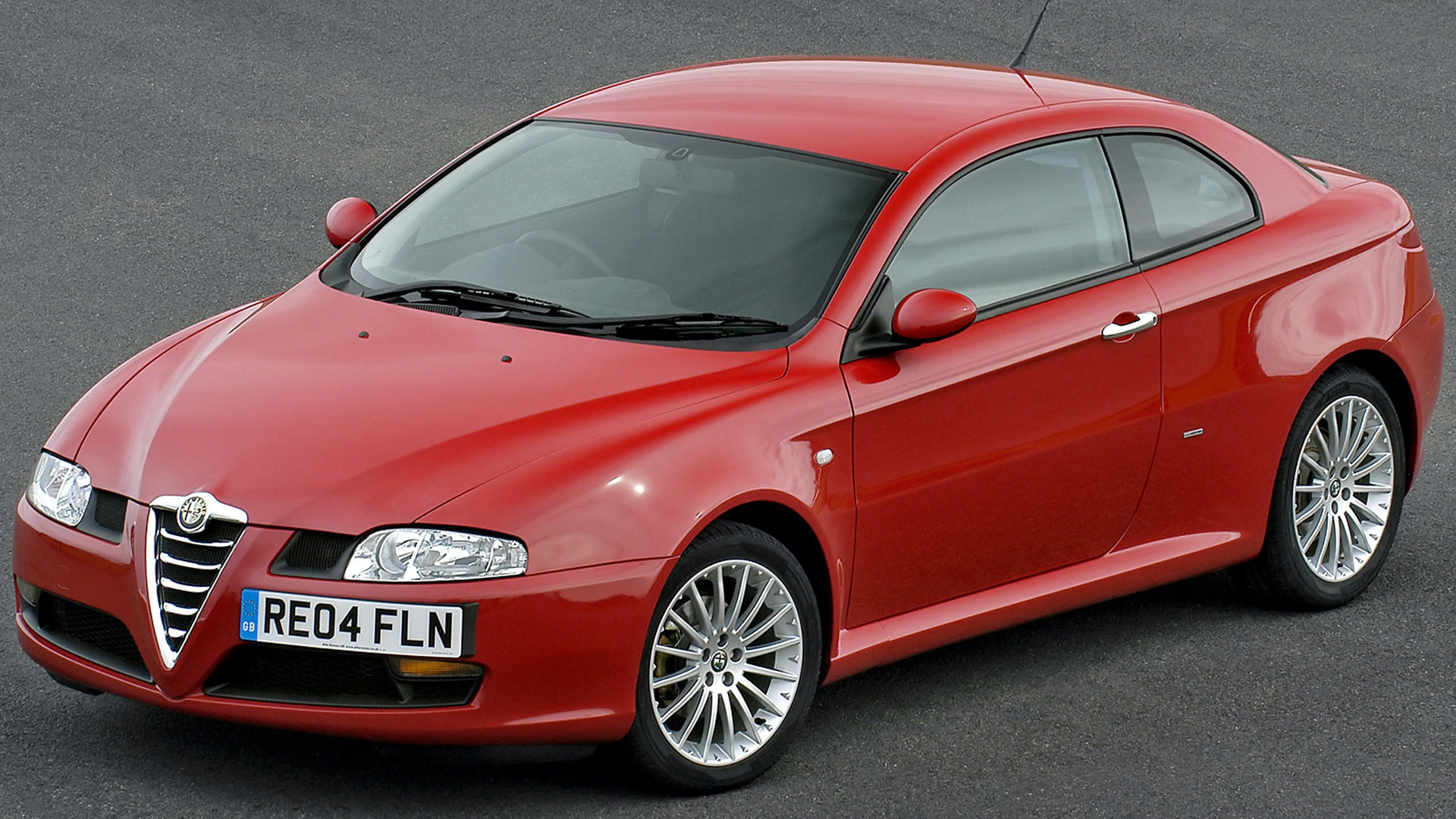
Alfa Romeo GT
© Alfa RomeoOut of all the cars facing potential extinction in 2027, the Alfa Romeo GT is the one that deserves a WWF-style publicity campaign to save it. Styled by Bertone and launched in late 2003, the GT still looks absolutely stunning.
The UK received three engine options, including a diesel, but the 3.2-litre ‘Busso’ V6 was the star of the show. With 240hp, it turned the Alfa into a genuine grand tourer, even if it wasn’t quite as good to drive as a BMW or Mercedes-Benz.
That mattered less when the car looked so good, though. And even if some traditional Alfa Romeo reliability issues cropped up, we imagine owners could still forgive the GT.
There are only 1,049 examples of this beautiful Italian still being driven, with a similar number declared SORN and off the road. Let’s hope it doesn’t disappear altogether.
