Out of Focus: A farewell to Ford’s family car
-
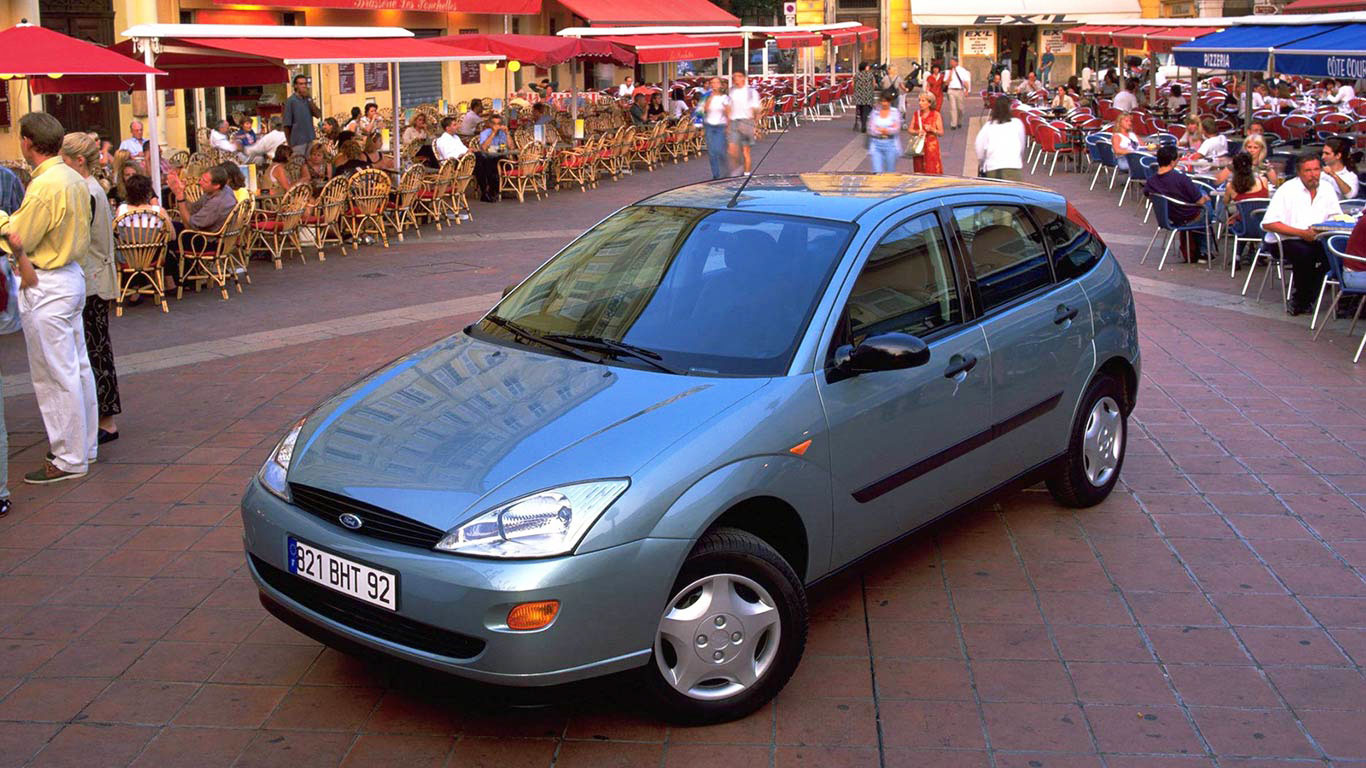
Familiar to millions
© FordProduction of the Focus will end in November 2025, Ford has confirmed, closing the door on one of Britain’s best-loved family cars. The Focus is part of the furniture, with an example parked on every suburban street. But 27 years ago, this hatchback was a genuine game-changer – and it’s long held a reputation as the best-driving car in its class. Before we finally watch it go, let’s look back at the history of the Ford Focus.
-

1997 Ford Escort Si
© FordAlthough the Escort had been part of Ford’s European lineup since 1967, the fifth and sixth-generation cars had struggled to achieve the legendary status of previous models. Ford planned to continue the Escort name for its replacement, but made a last-minute decision to switch to Focus instead.
-
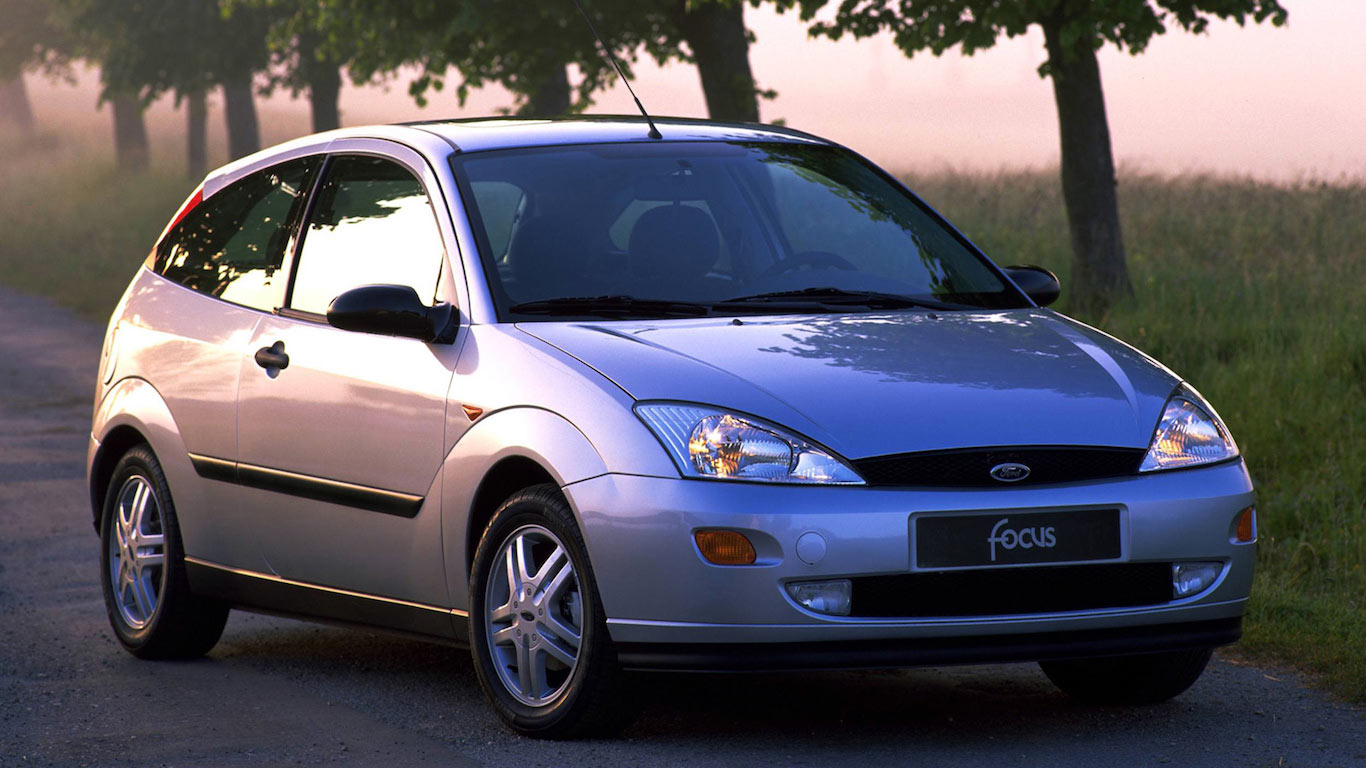
1998 Ford Focus Mk1
© FordLaunched at the 1998 Geneva Motor Show, the Focus was a shock to the system for those used to years of safe Escort styling. Using Jack Telnack’s futuristic ‘New Edge’ design philosophy, first seen on the Ka, the Focus looked like it came from another planet in comparison to the contemporary Volkswagen Golf and Vauxhall Astra.
-
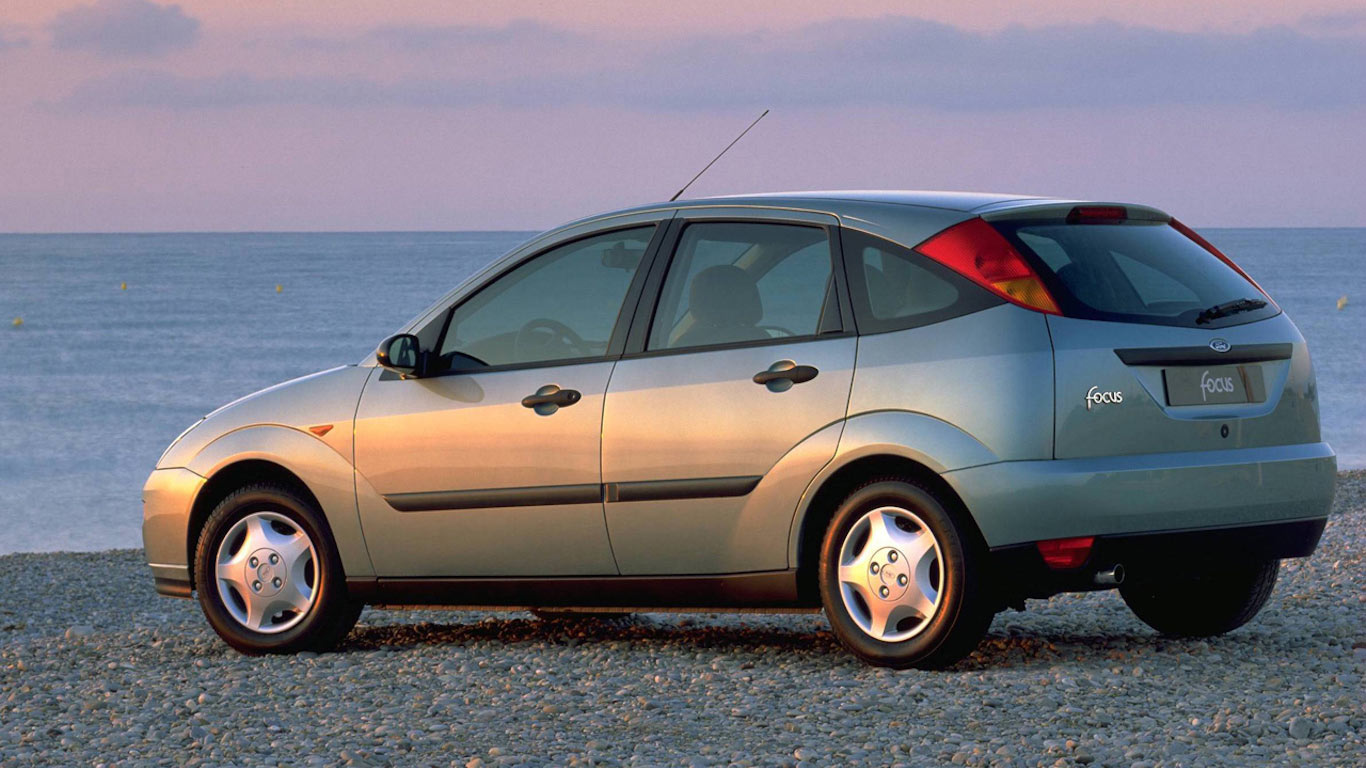
1998 Ford Focus Mk1
© FordThe Focus was revolutionary underneath the angled bodywork too, with Ford keen to make it the most dynamic C-segment competitor. The multi-link ‘Control Blade’ rear suspension matched handling ability to ride comfort, with a choice of four Zetec petrols and one diesel engine on offer. This would be enough to convince the judges to make the Focus the 1999 European Car of the Year.
-
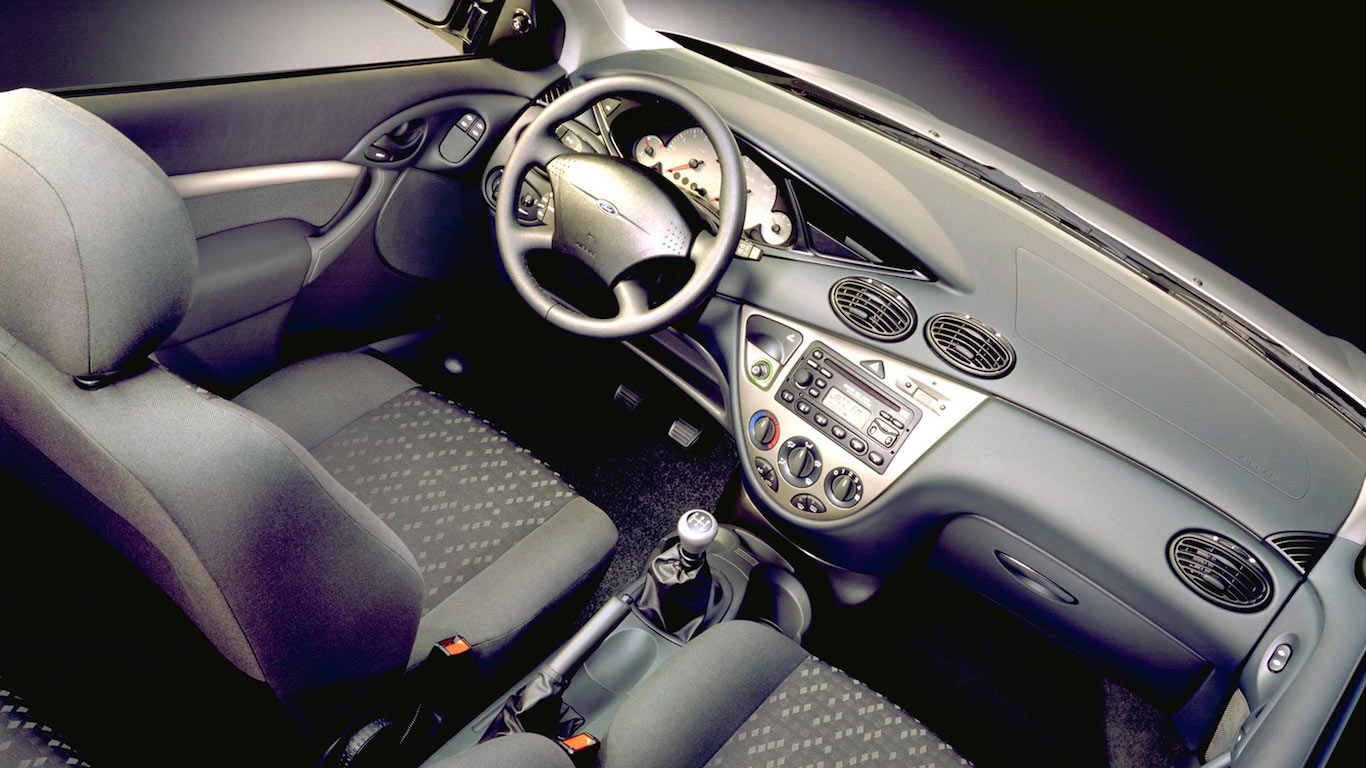
1998 Ford Focus Mk1 interior
© FordThe New Edge ideas didn’t stop outside, with the interior of the Focus even more dramatic than the exterior. Curves and angles both swooped across the dashboard, with sufficient flair to make the average Escort driver choke on their tea. Although hardly radical when viewed today, in 1998 the Focus was clearly pushing boundaries.
-
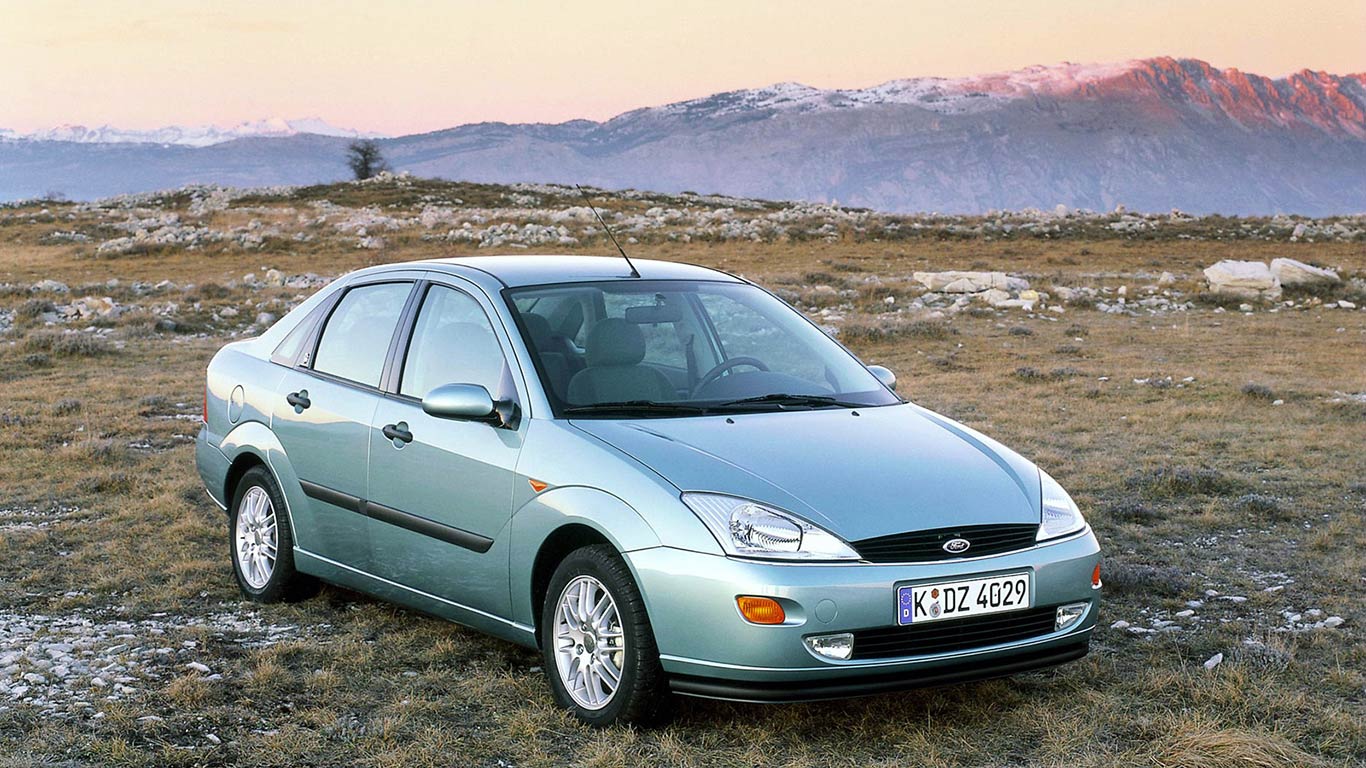
1998 Ford Focus Mk1 Saloon
© FordA saloon version of the Escort had been a mainstay of the range from the outset, and Ford continued by producing a four-door variant of the new Focus. Although small saloons had fallen out of favour in Europe by the late 1990s, the four-door was key to pushing the Focus as a ‘world car’ in order to tackle competitors like the Volkswagen Jetta in the USA.
-
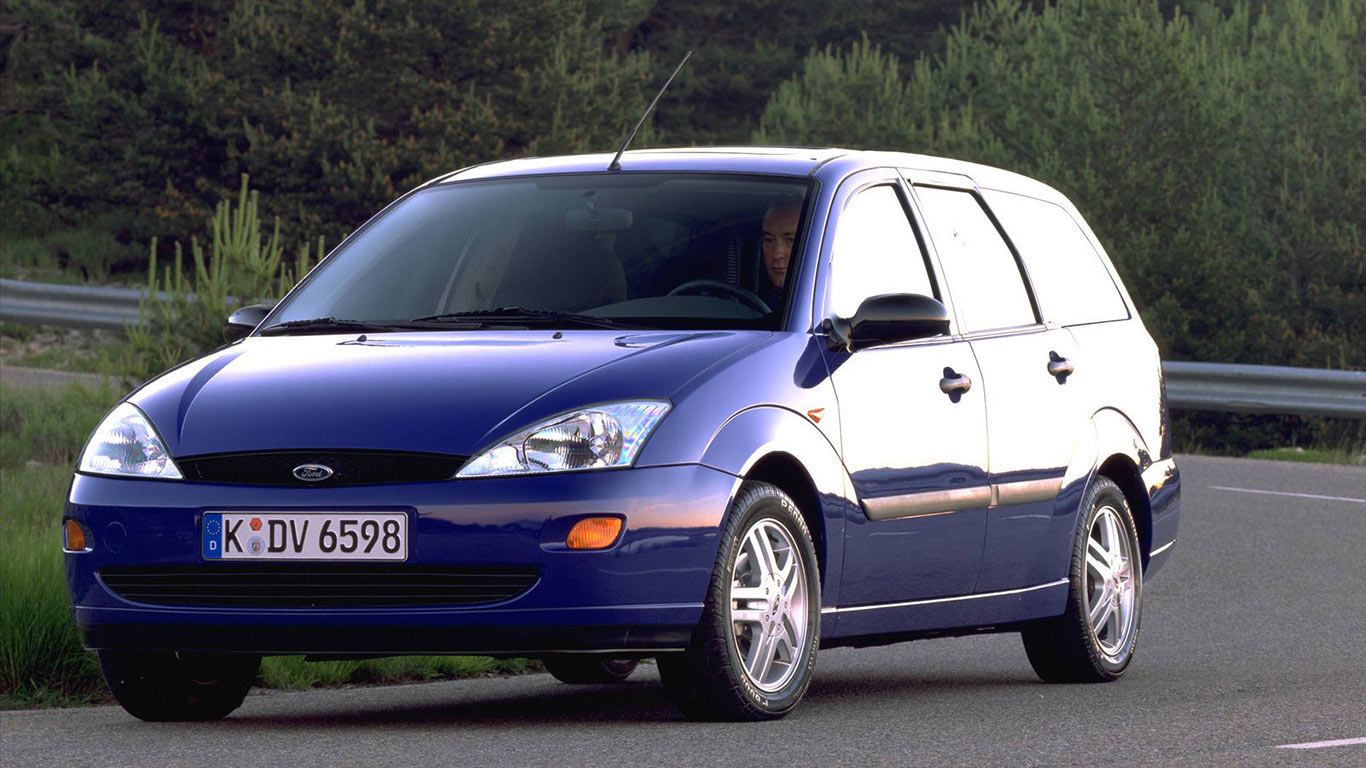
1998 Ford Focus Mk1 Estate
© FordEnsuring all the C-segment boxes were ticked, Ford also unveiled a wagon variant of the Focus. While the New Edge styling was softened by the boxier rump of the estate, this gave the Focus some 520 litres of boot space with the seats up. Significantly, it was some 60 litres more than the Mk4 Volkswagen Golf Estate.
-
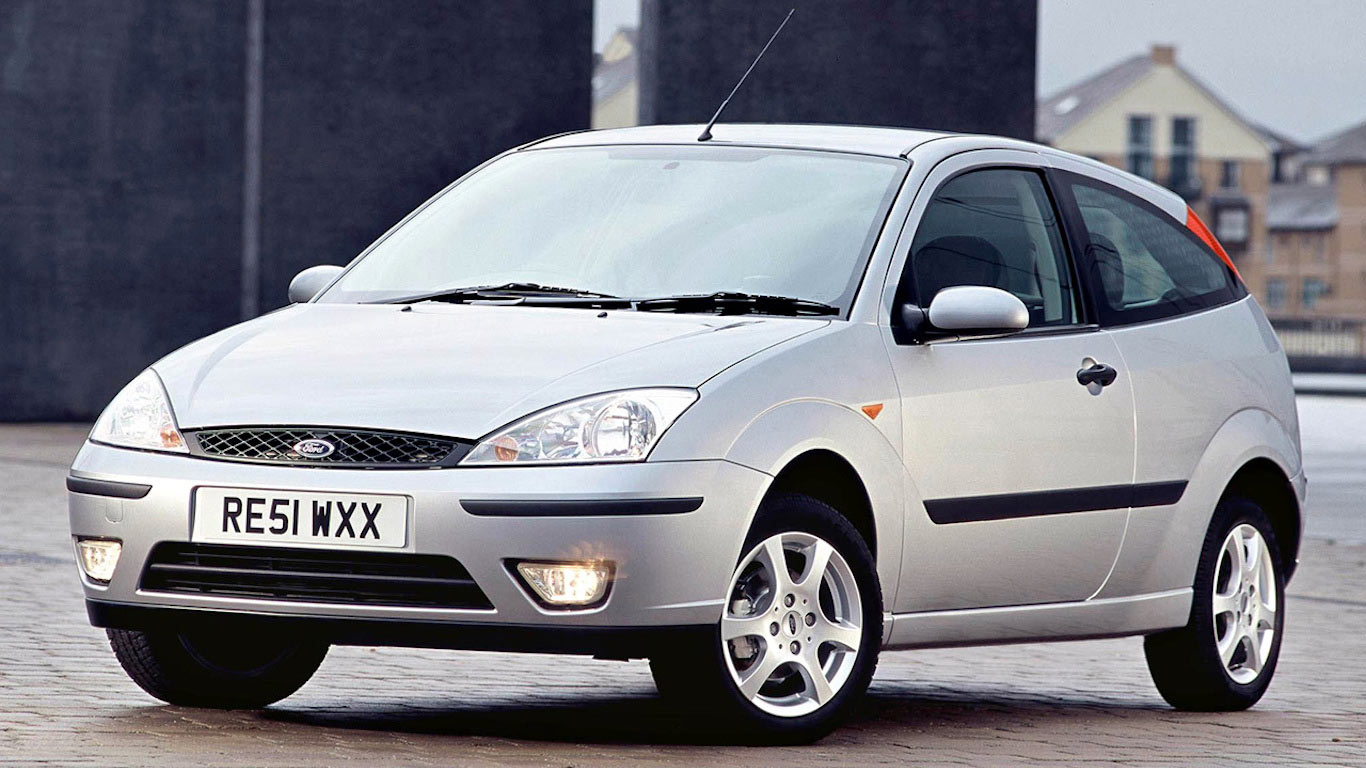
2002 Ford Focus Mk1 Facelift
© FordProof of how successful the styling of the Mk1 Focus had been, the enhanced version launched in 2002 underwent only the mildest of facelifts. The main change was to headlights with integrated indicators instead of the previous bumper-mounted ones, and tweaks to the grille design. Climate control and sat nav became options, while a new TDCi diesel engine also joined the range.
-
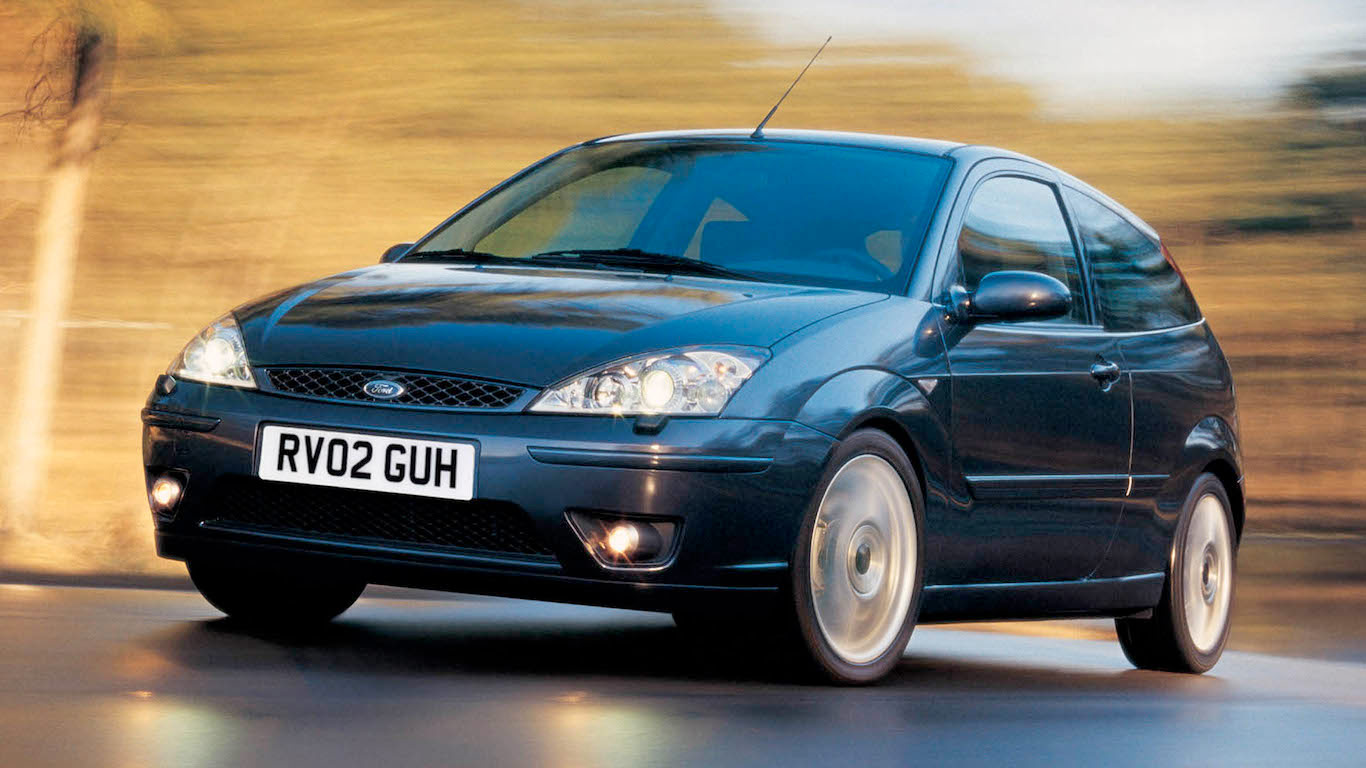
2002 Ford Focus ST170
© FordDespite a strong history of performance Escorts, Ford made buyers wait until 2002 for a fast Focus. The ST170 was developed with collaboration between both Ford’s Special Vehicles Europe and American Special Vehicles Team, using a 170hp version of the 2.0-litre Zetec petrol engine.
Larger 17-inch alloy wheels, bigger brakes, and subtle styling modifications were all part of the package. Sold as the Focus SVT in the USA, European buyers were also offered a rare estate version of the ST170.
-
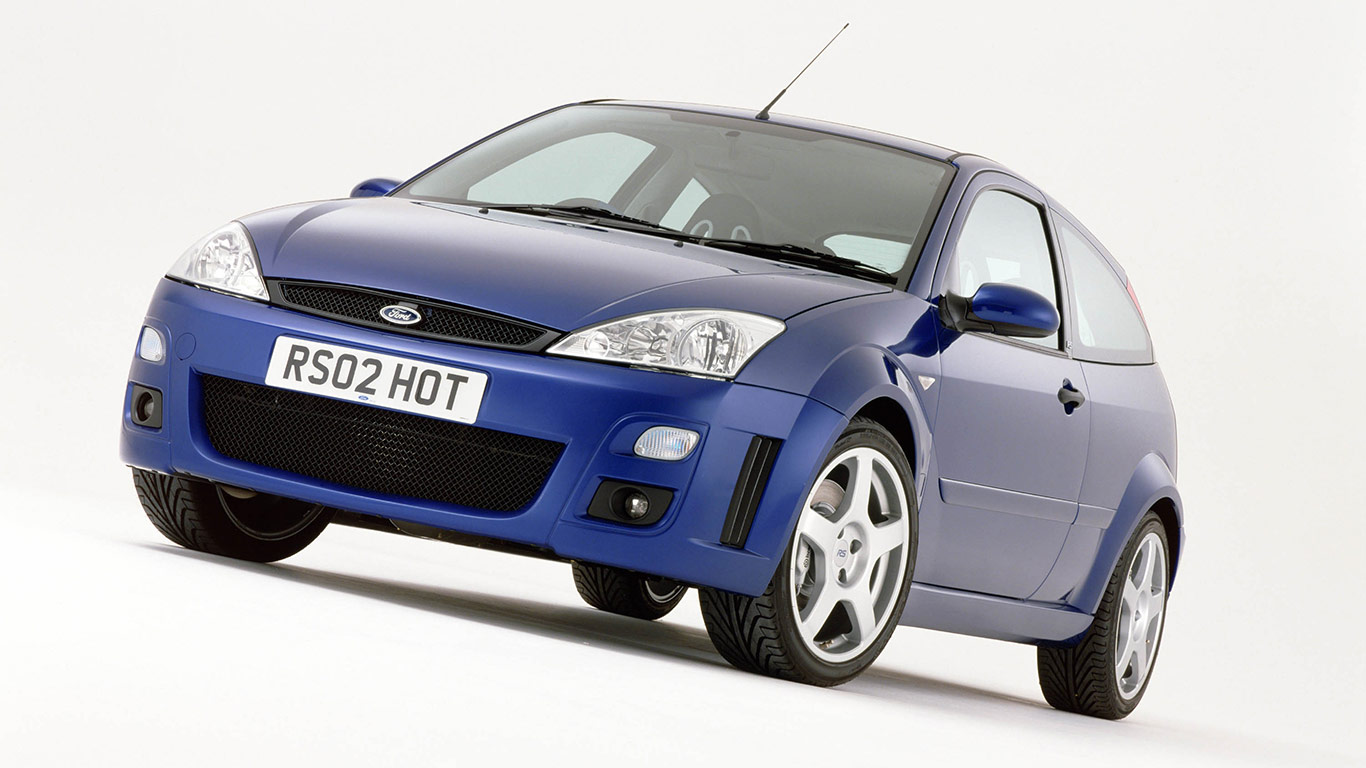
2002 Ford Focus RS Mk1
© FordAfter years of speculation, Ford finally announced a Focus RS as a limited production model. Of greatest concern to enthusiasts was that, unlike the Escort Cosworth, the Focus RS would be front-wheel drive only. A Quaife torque-biasing differential was used to channel the 212hp from the turbocharged 2.0-litre engine, but early road tests criticised the RS for being too unruly.
Offered only in Imperial Blue paint, unique front and rear bumpers marked out the RS as did the 18-inch OZ Racing alloy wheels. Inside was a riot of Alcantara and blue leather, but this did little to dampen demand for the fastest Mk1 Focus.
-

Ford Focus RS WRC Mk1
© Silverstone AuctionsInspiration for the styling of the Focus RS had come from the car campaigned in the World Rally Championship by Ford. Making a debut in 1999, the Ford World Rally Team had poached Colin McRae from Subaru with a rockstar-esque contract offer.
McRae’s ‘flat-out’ approach resulted in wins, but also costly accidents, with Ford unable to match the dominant force of Marcus Grönholm and the Peugeot 206. Second place finishes in the Manufacturers’ championship would be as good as it got for the Mk1 WRC car.
-
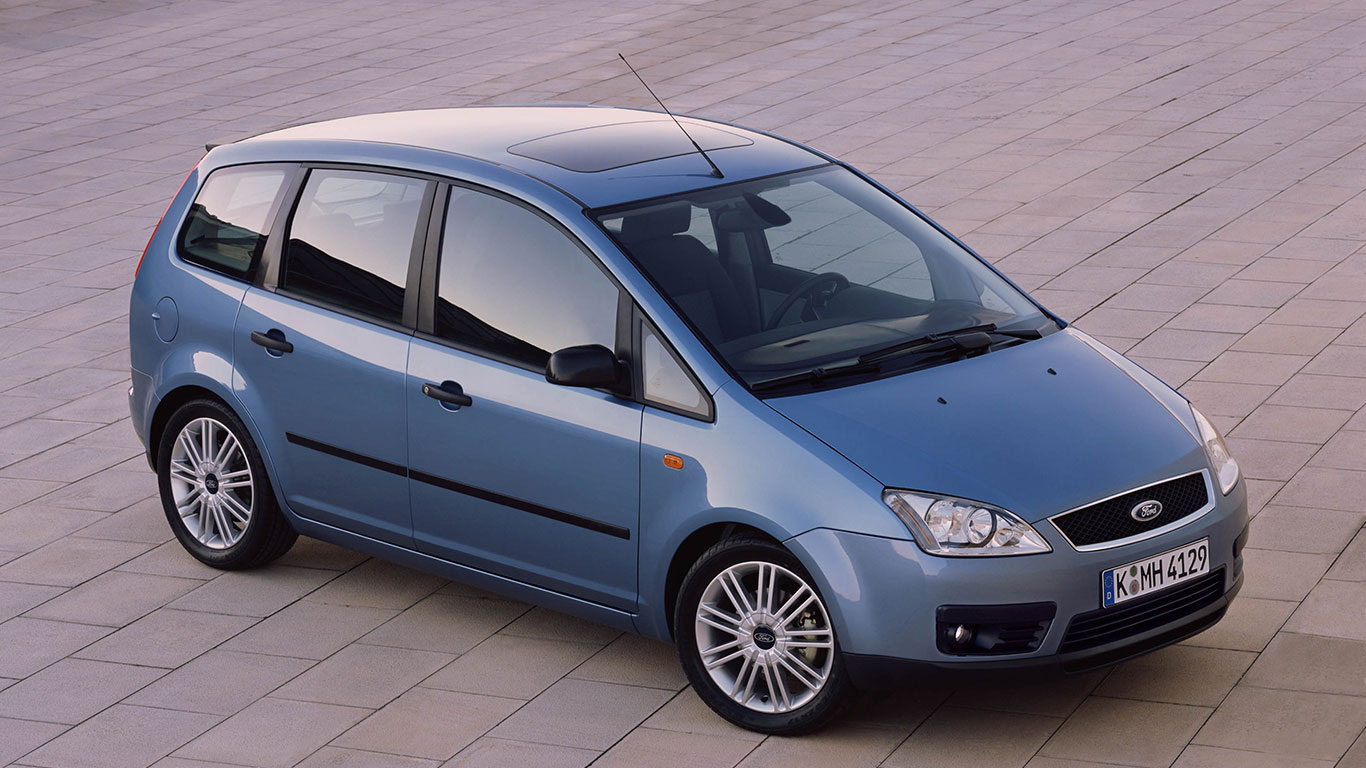
2003 Ford Focus C-Max
© FordCashing in on the demand for compact MPVs, the first C-Max married the platform destined for the second-generation Focus to a slab-sided practical body. Predicting the more reserved styling direction the Mk2 Focus would take, the C-Max did at least preserve a reputation for being fun to drive. Perfect for inducing travel sickness in the whole family…
-
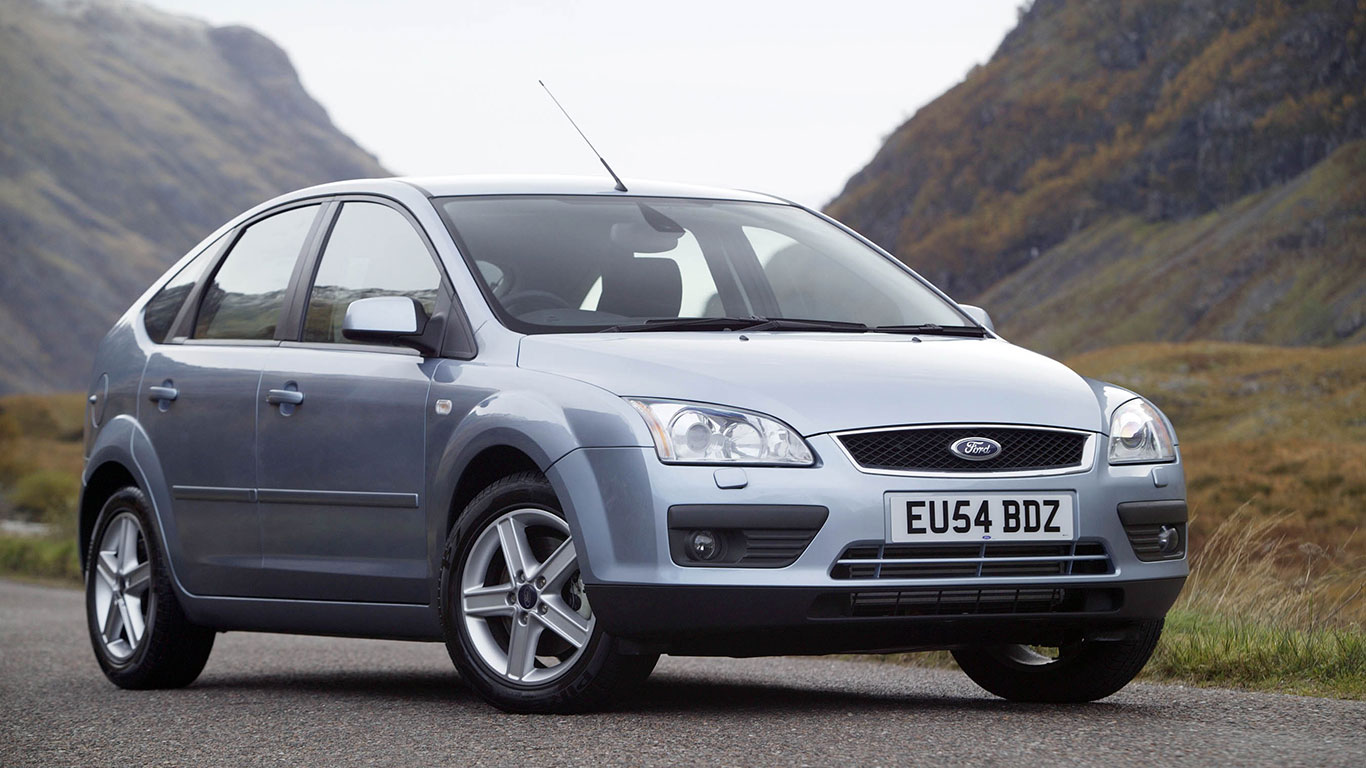
2005 Ford Focus Mk2
© FordWith the Focus firmly established as a family favourite, plus sales of more than two million in Europe alone, the second-generation car had much to live up to. Styling followed the more conservative look first seen on the C-Max, featuring smoother angles and a trapezoidal front grille design from the contemporary Mondeo. The Mk2 Focus also grew, becoming wider, longer and taller.
-
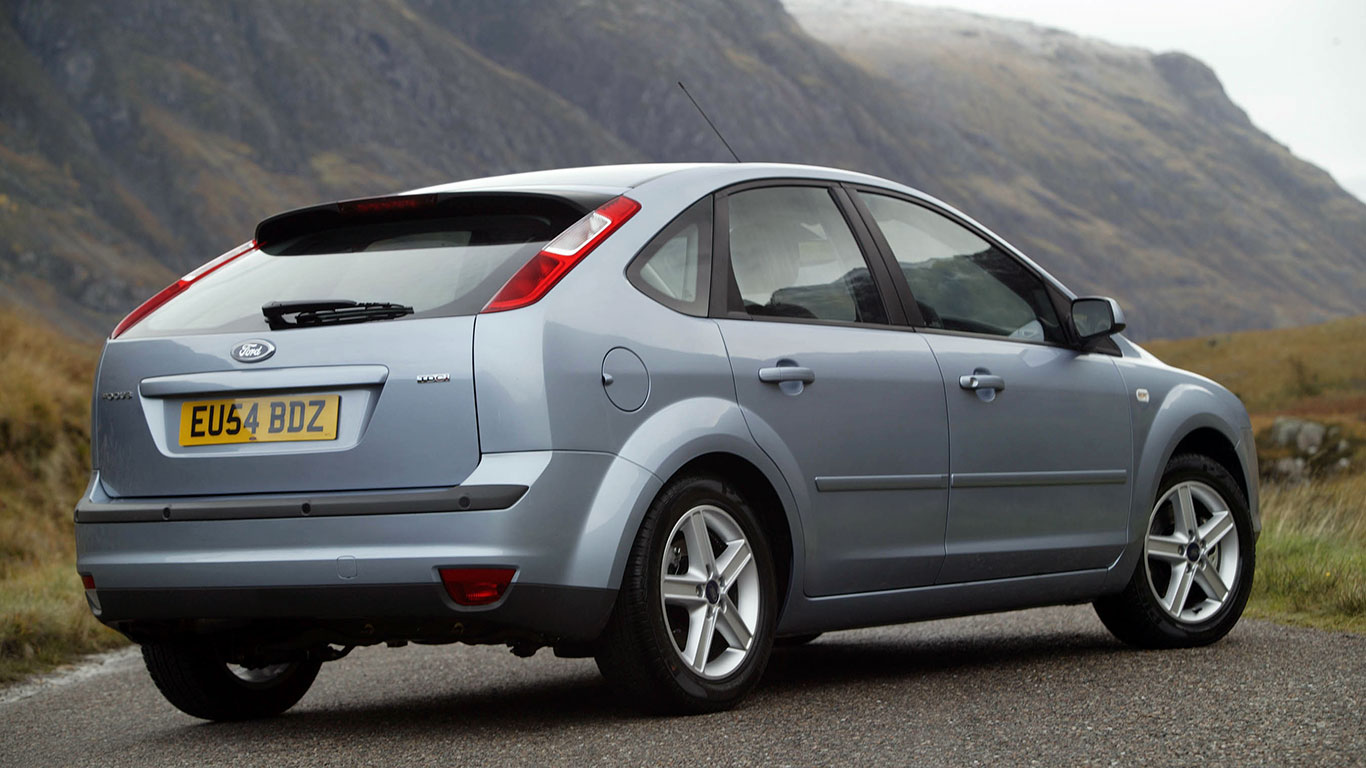
2005 Ford Focus Mk2
© FordThe high-mounted tail lights did at least remain, while engines were either modified versions of those seen in the first-generation car, or brand-new units. Five petrol motors ranged from 1.4 through to 2.0 litres, while three diesel choices demonstrated the shift in consumer preferences. Fortunately, road testers found the best-in-class dynamics had not been ditched for the grown-up Focus.
-
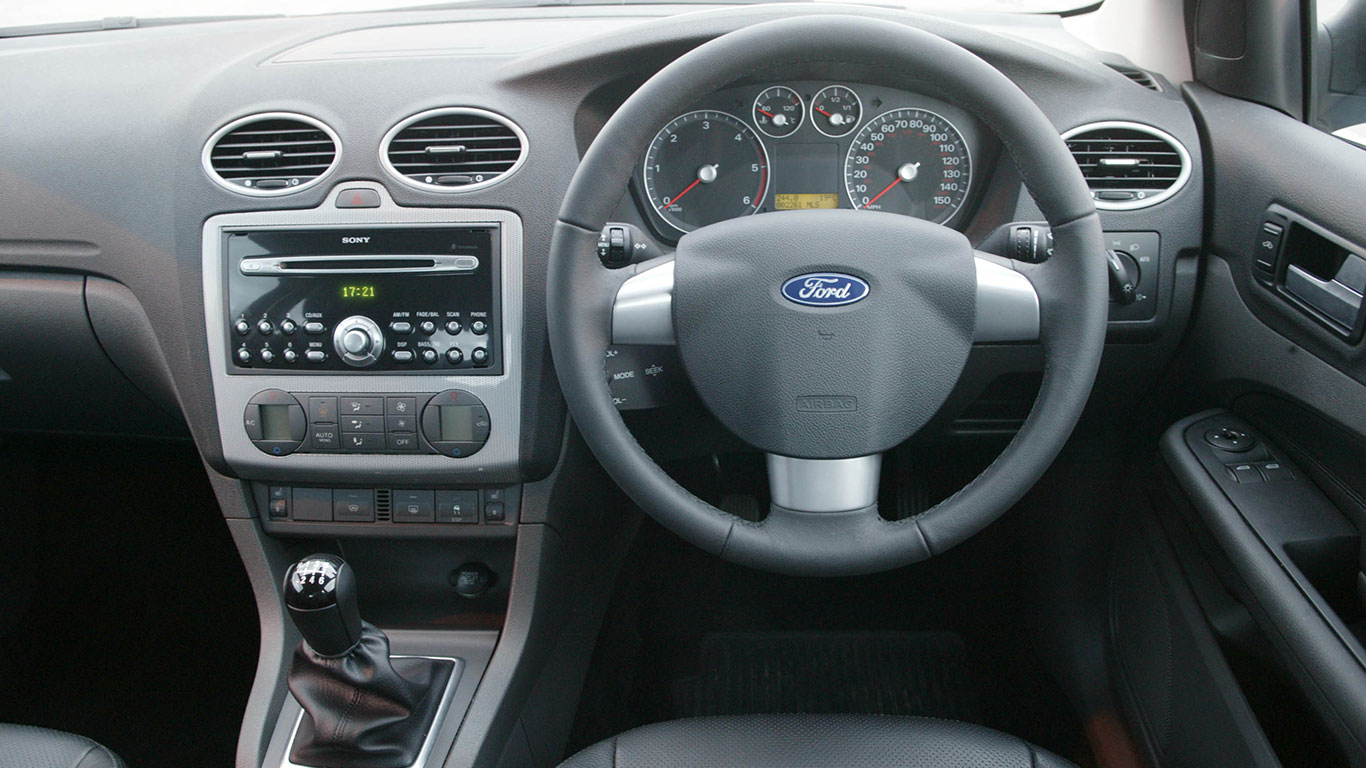
2005 Ford Focus Mk2 Interior
© FordJust as with the outside, the interior of the Mk2 Focus ditched the radical angles of its predecessor and took a more conventional stance. Ford boasted of better build quality, but it was hardly a dashboard to set pulses racing. There were at least practical storage additions, and a bigger boot courtesy of the Mk2’s growth spurt.
-
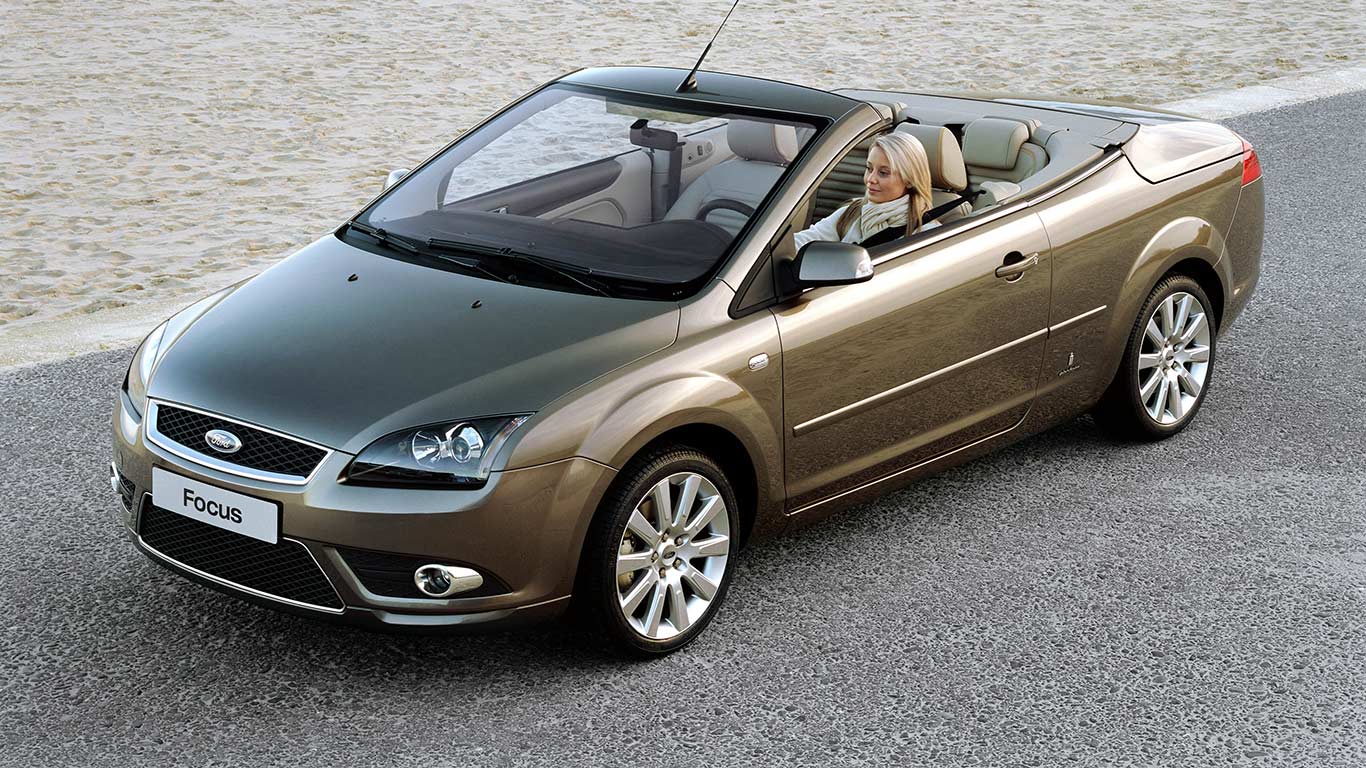
2006 Ford Focus Coupe-Cabriolet
© FordAlong with the saloon and estate variants of the second-gen Focus, Ford also decided to recreate the heady days of the Escort Cabriolet. Keen to dispense with the ‘white stiletto’ image of the old rag-top Escort, the Focus CC featured a fancy two-piece folding metal roof.
Italian styling house Pininfarina was responsible for the generous booty that would make even Kim Kardashian jealous, but worries about leaking roofs did little to help the glamourous image.
-
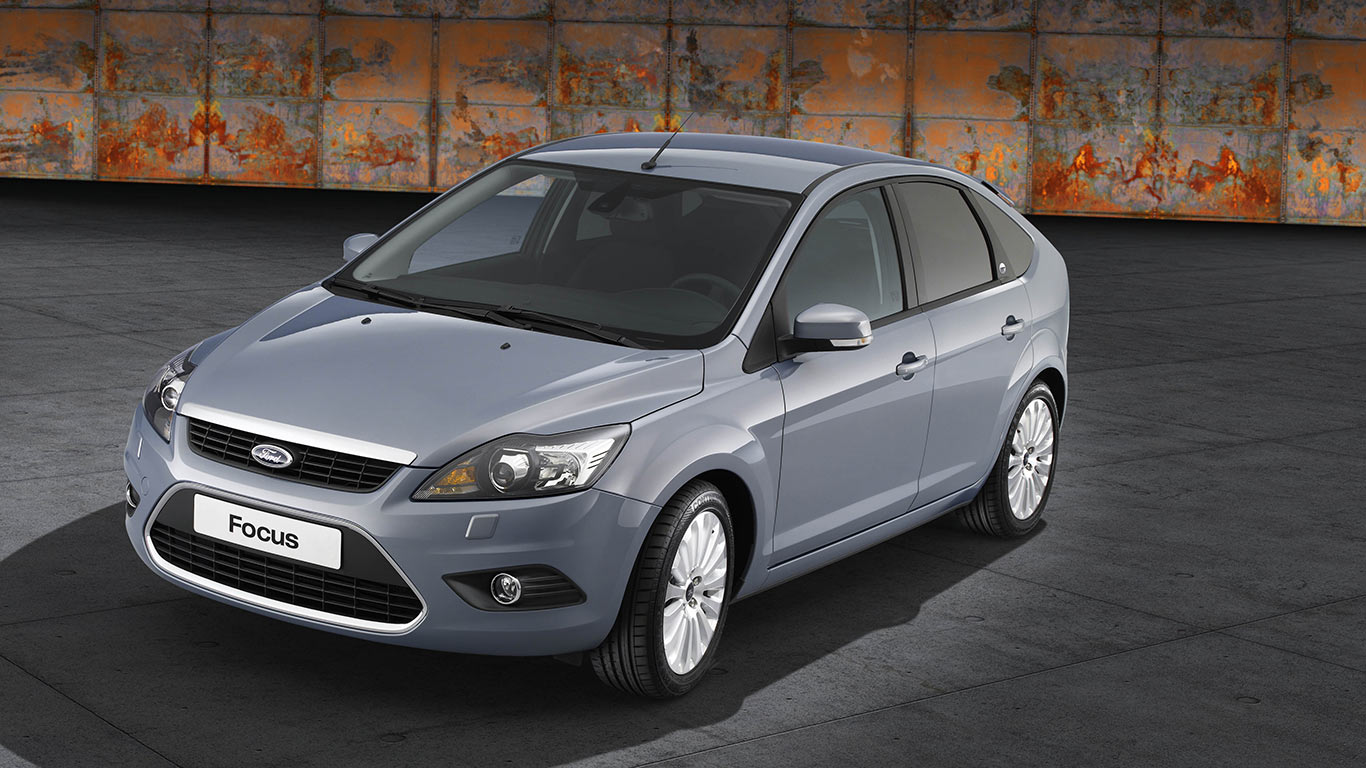
2007 Ford Focus Mk2 facelift
© FordAfter less than three years on sale, Ford revealed a facelifted Mk2 Focus at the 2007 Frankfurt Motor Show. Featuring a more comprehensive overhaul to bring it into line with the rest of the Ford range, almost every body panel was changed – along with new lights and grille designs.
Inside was no different, with higher quality materials used for the dashboard, plus introduction of options like DAB radio and a start button. A dual-clutch gearbox and revised diesel engine also joined the party.
-
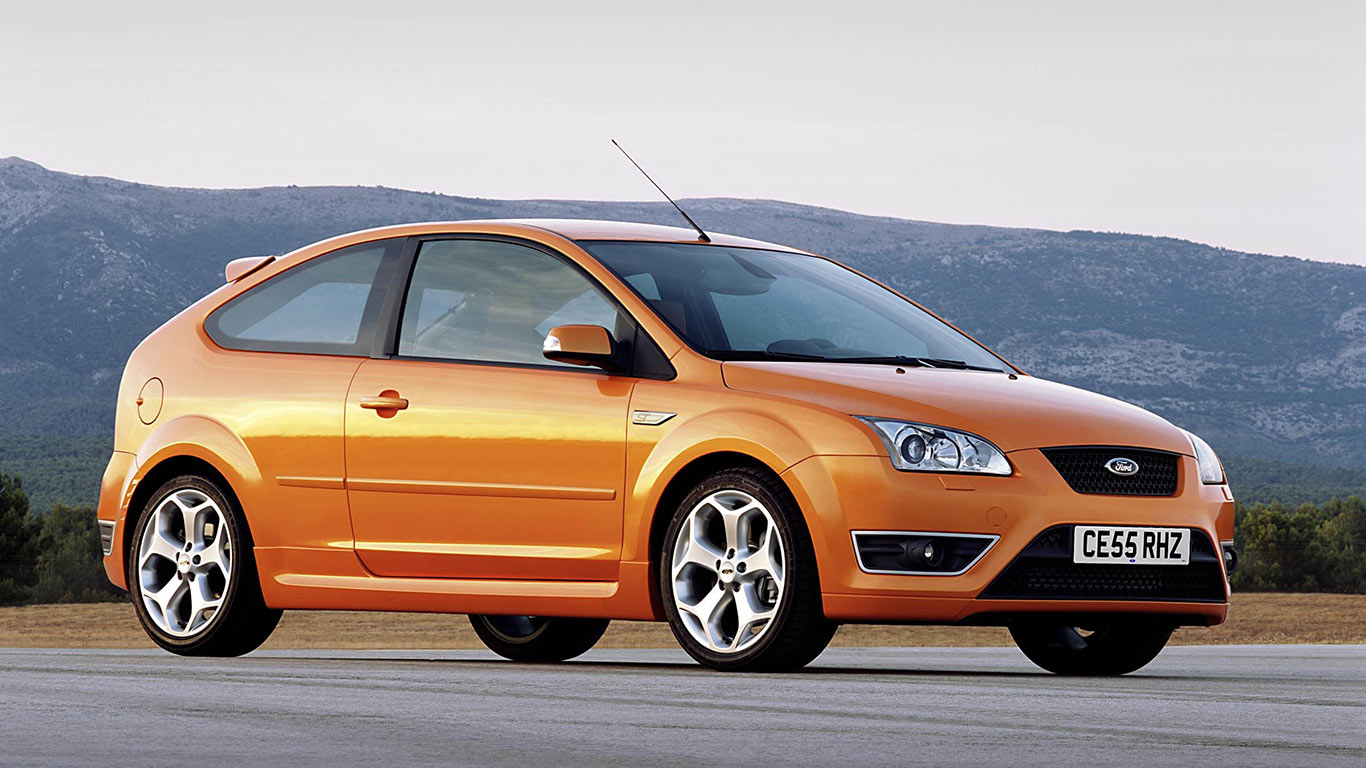
2005 Ford Focus ST Mk2
© FordFord didn’t hang around in offering a Mk2 Focus hot hatch, with the ST making its debut in 2005. A Volvo-sourced five-cylinder turbocharged petrol engine stood out amongst four-cylinder rivals, and blessed the ST with 222hp and a distinctive exhaust note. Zero to 62mph in 6.5 seconds, plus a top speed of 150mph, put it on par with the Mk1 RS.
Lowered and stiffened suspension, along with uprated brakes, were included in the upgrades, while the interior gained Recaro sports seats up front. Although Electric Orange wasn’t a mandatory colour choice, it quickly gained a reputation as the defining hue for the Mk2 ST.
-
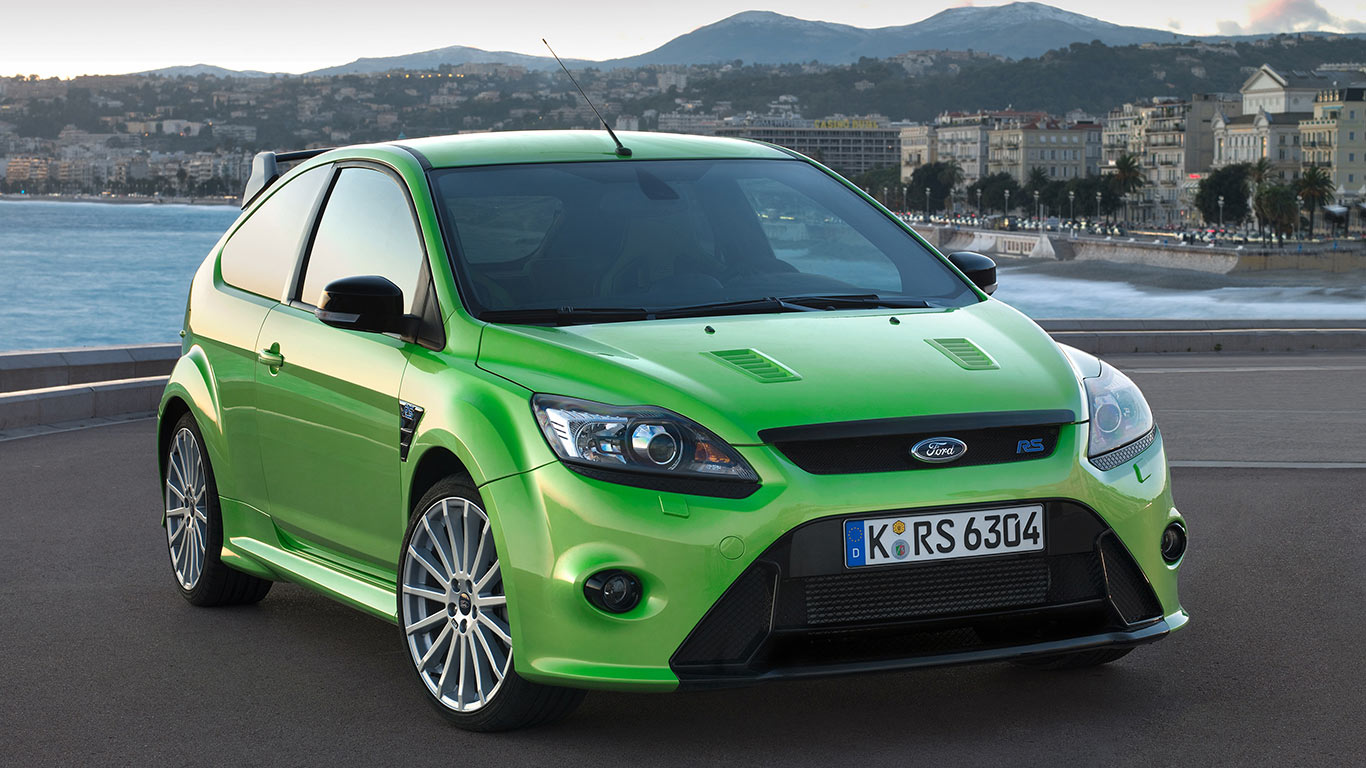
2008 Ford Focus RS Mk2
© FordWith the hot hatch arms race in full swing, Ford broke through the 300hp barrier with the second-generation Focus RS. Using a modified version of the five-cylinder turbo from the ST, peak power came in at 301hp with a corresponding 325lb ft of torque. Standstill to 62mph took less than six seconds, while the top speed was beyond 160mph.
Retaining the front-wheel-drive layout, Ford employed both a Quaife limited-slip differential and a special RevoKnuckle front suspension design to try and control the rampant torque. Exterior changes included a huge rear spoiler, with a gaping front bumper and 19-inch wheels.
-
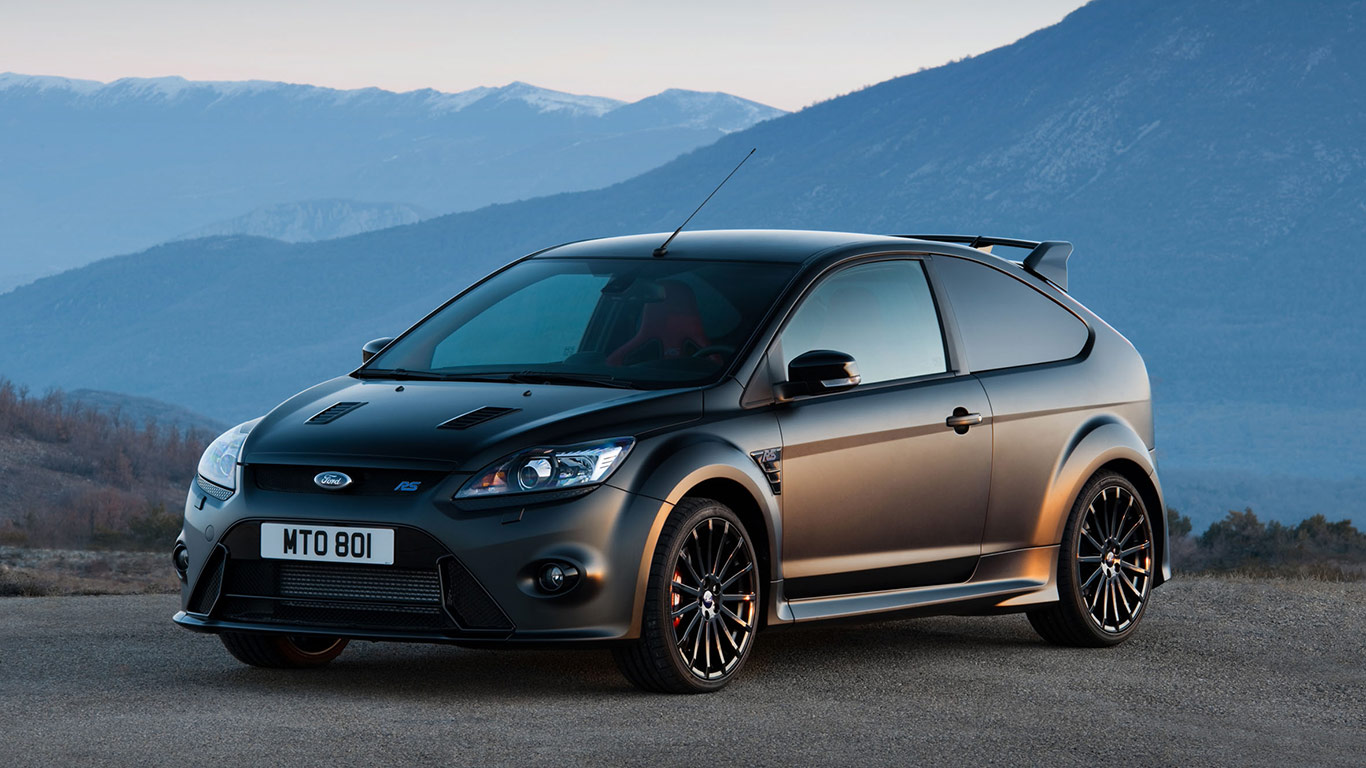
2010 Ford Focus RS500 Mk2
© FordBuoyed by the success of the Mk2 RS, Ford created a limited edition version in 2010 with power boosted to 345hp and 339lb ft of torque. Performance improved, with the 0-62mph dash taking just 5.4 tyre-shredding seconds.
All 500 cars, 101 of which came to the UK, featured a special matte black wrap applied to the outside, along with black alloy wheels. Despite a price tag of over £35,000, all 101 cars found homes immediately.
-

Ford Focus RS WRC Mk2
© FordWith an all-new Focus RS WRC car launched in 2006, Ford also bagged Marcus Grönholm as its number one driver. Success was immediate, with the pair taking victory at the Monte Carlo season-opener. More wins would follow, although Grönholm would miss out on adding another Drivers’ title to his name.
Back-to-back Manufacturers’ championships in 2006 and 2007 did cement the Mk2 WRC car as a serious mud-slinging machine, and brought Ford title success for the first time since 1979.
-
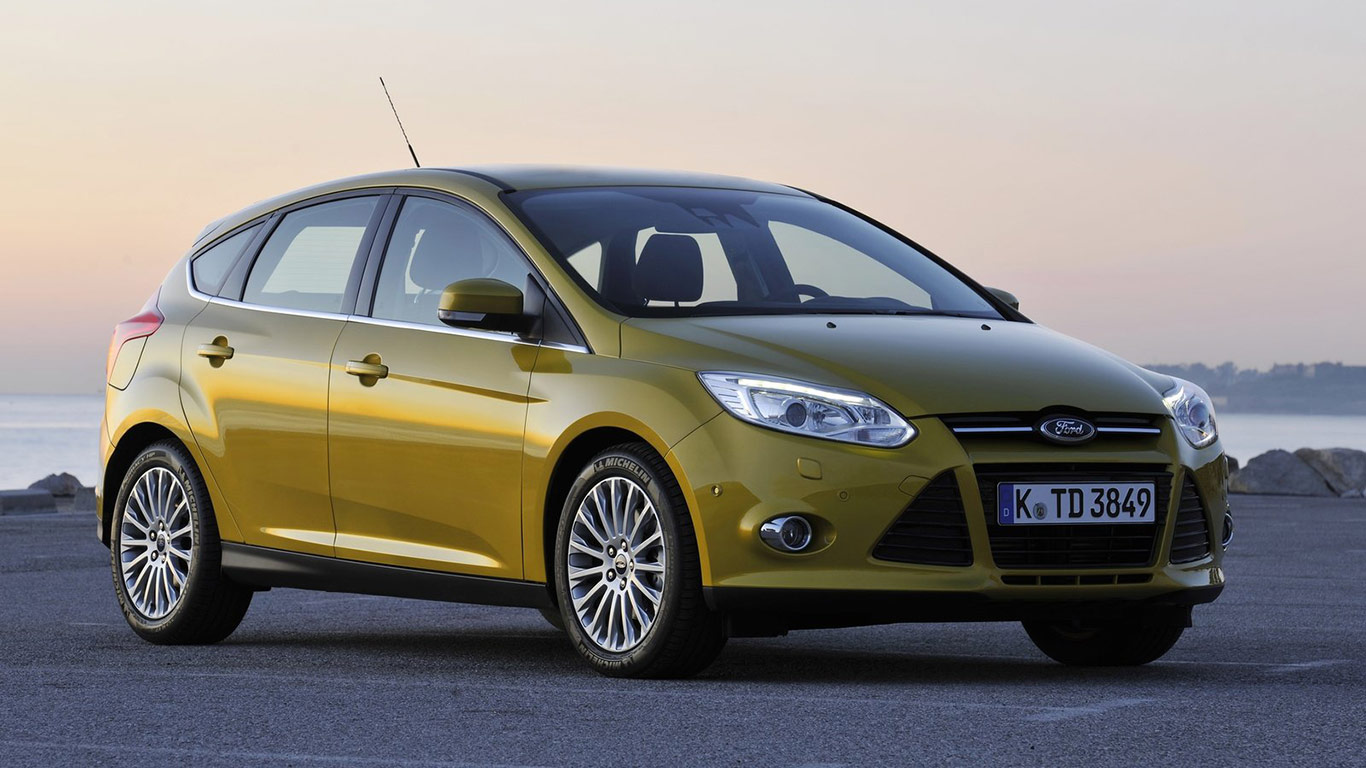
2011 Ford Focus Mk3
© FordThe future for the Focus was made clear by an official launch at the 2010 Detroit Auto Show instead of a European venue. More than ever, Ford intended the Focus to be a true ‘world car’ streamlining product lines on both sides of the Atlantic.
Bold styling was back, with the new Mk3 Focus returning to the dramatic angles and swooping curves of the original car. Active grille shutters hid behind the triangular front air intakes, significantly improving aerodynamics over the previous model.
-
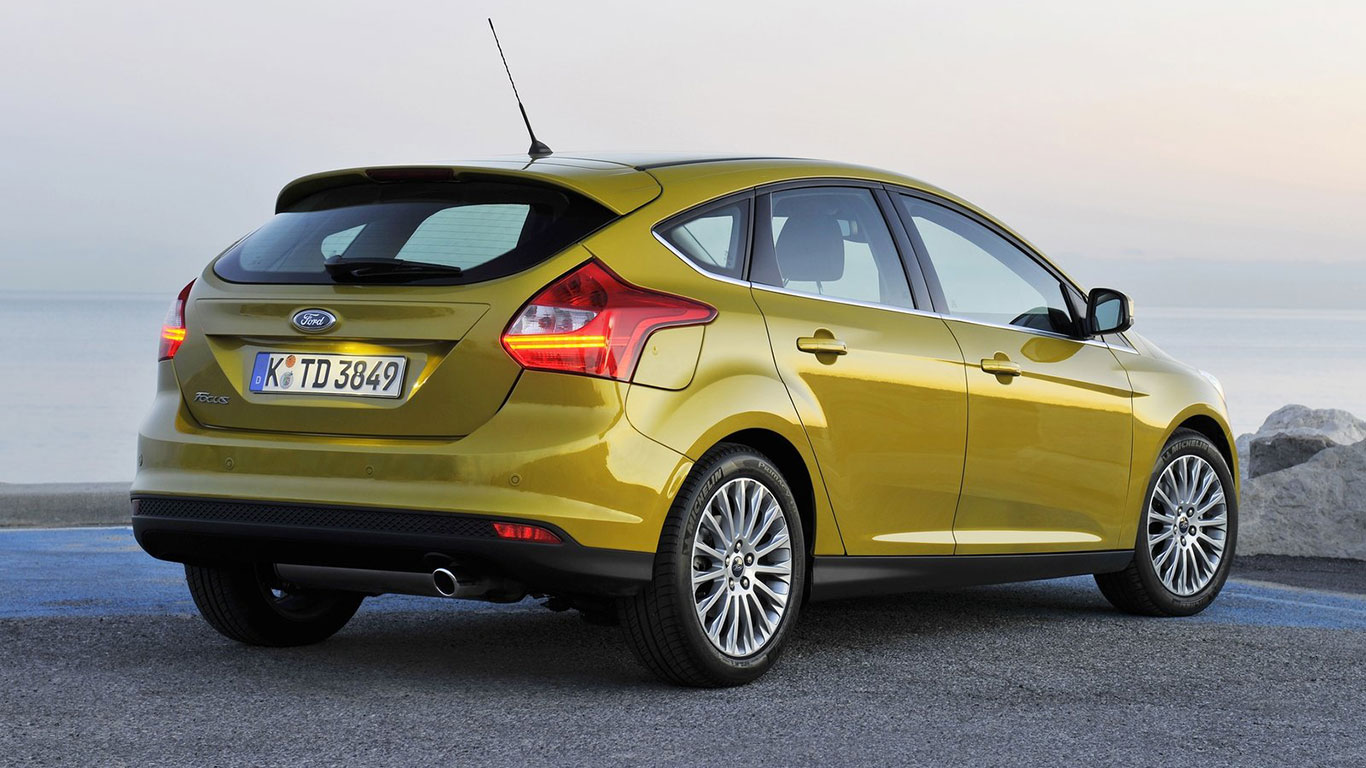
2011 Ford Focus Mk3
© FordMarking the shift towards downsized engines, aside from the naturally aspirated 1.6-litre petrol engine offered at launch, all other options would be turbocharged. The three-cylinder 1.0-litre Ecoboost engine – launched in 2012 – promised performance and piety in one package.
Ride quality and refinement improved over the outgoing Mk2 car, although the electrically assisted power steering was claimed to have diminished feedback. Not that most drivers on the school run were likely to be worried.
-
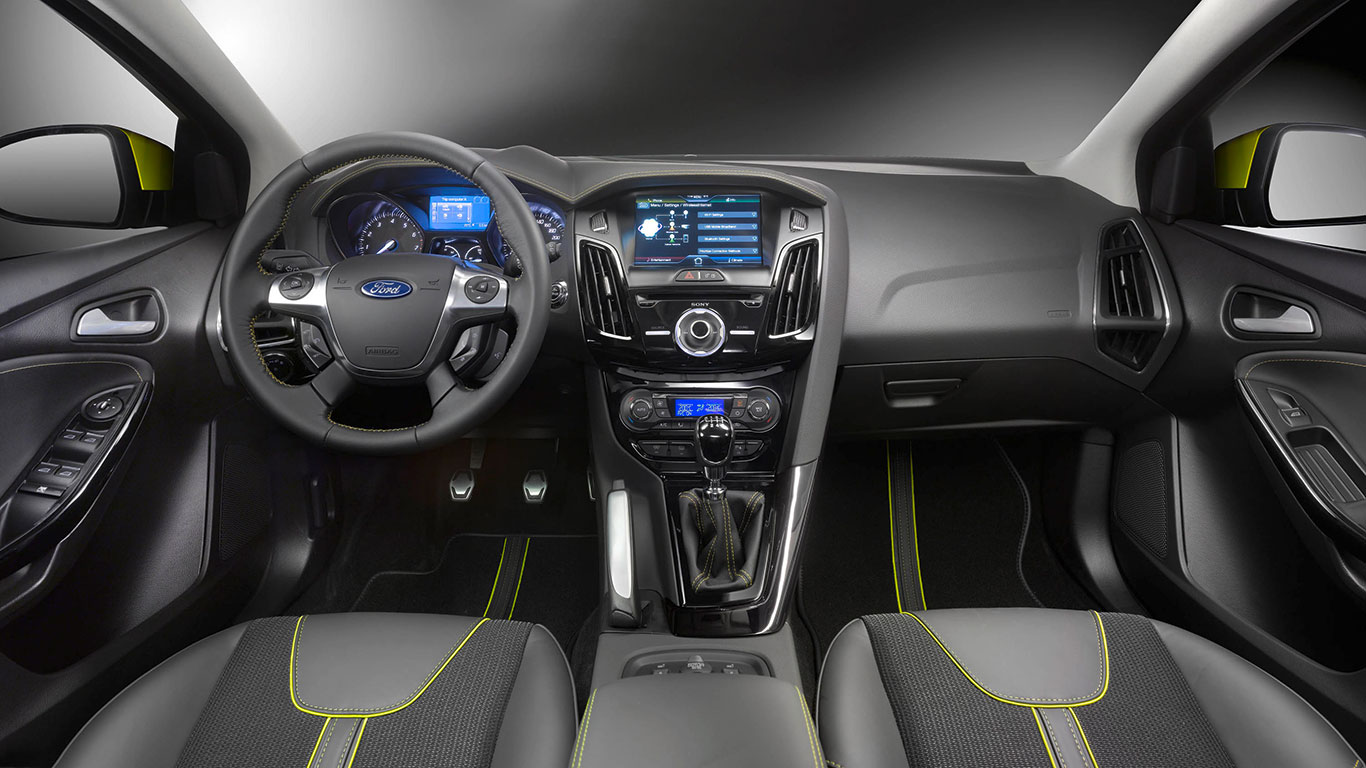
2011 Ford Focus Mk3 Interior
© FordMore space, more technology, and a greater premium feel were the order of the day inside the new Focus. Keen to take the fight directly to the upmarket image of the Volkswagen Golf, soft-touch plastics and better quality trim covered the key surfaces.
However, Ford couldn’t match the minimalist style of the German rival, with the interior of the Focus strewn with buttons and switches. Ford’s SYNC multimedia system made an appearance, while Active Park Assist, a reversing camera, and adaptive cruise control made the options list.
-
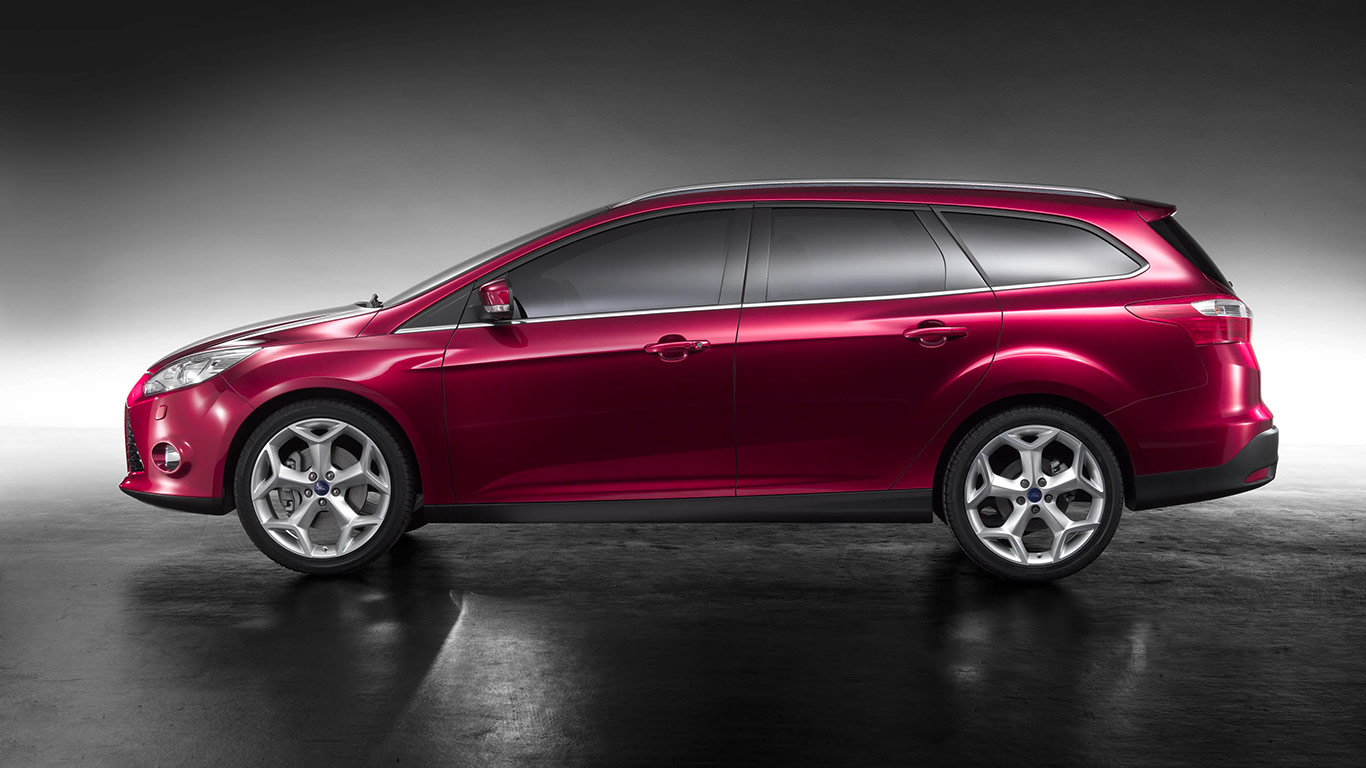
2011 Ford Focus Mk3 Estate
© FordIn contrast to previous generations, UK buyers were given the choice of just two body styles for the third-generation Focus. The three-door hatchback was dispensed with, in part to save costs, but also in keeping with a market move away from them.
Aside from the five-door hatch, only an estate model would be offered for British Ford fans. Markets such as the USA, Canada and Australia retained the option of a four-door saloon.
-
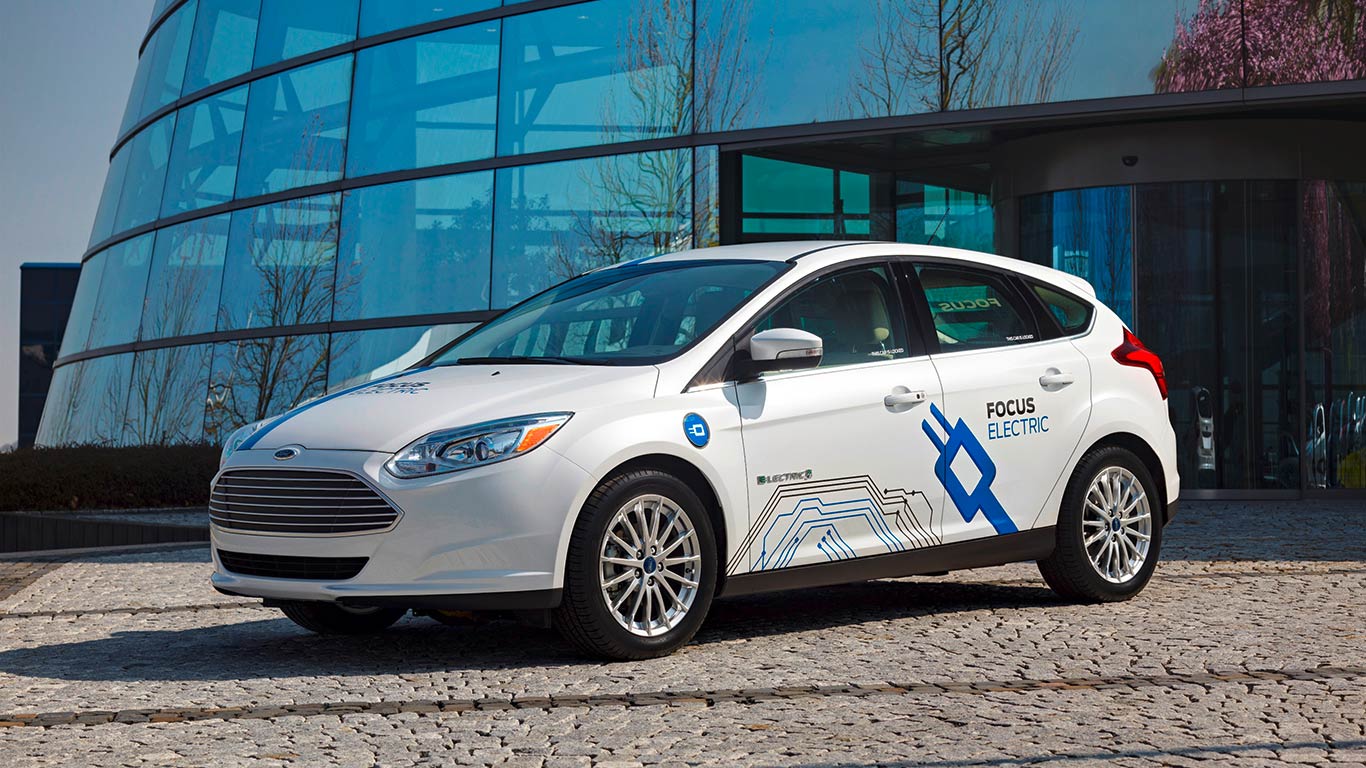
2012 Ford Focus Electric
© FordFollowing the BEV electric concept based on the Mk2 Focus, a full EV version of the third-generation car was planned from the outset. Initially using a 23kWh lithium-ion battery, later versions gained a bigger 33.5kWh version to give up to 139 miles of range.
Despite proving popular in the USA, European sales of the electric Focus were glacially slow, with just 61 sold in 2016. Ford ended local production, meaning those who really wanted one would have to wait for an American-built car.
-
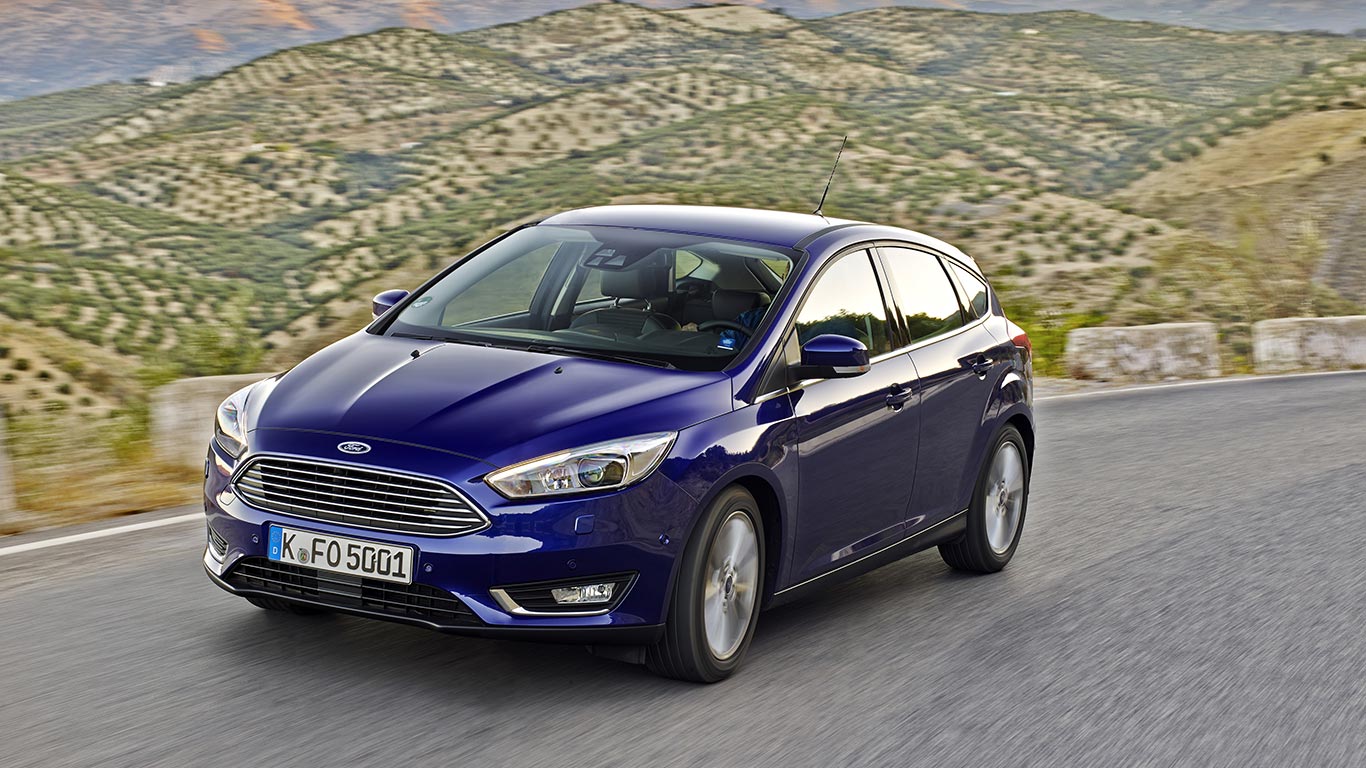
2014 Ford Focus Mk3 Facelift
© FordWith the omnipotent threat of the Volkswagen Golf, a revised Mk3 Focus appeared in 2014 with a new Aston Martin-esque chrome grille, and greater use of shiny trim throughout the interior.
A new 1.5-litre petrol EcoBoost engine joined the range, alongside revised diesel engines. An updated SYNC 2 multimedia system was added, while the dashboard was reorganised to calm the previous explosion of buttons.
-
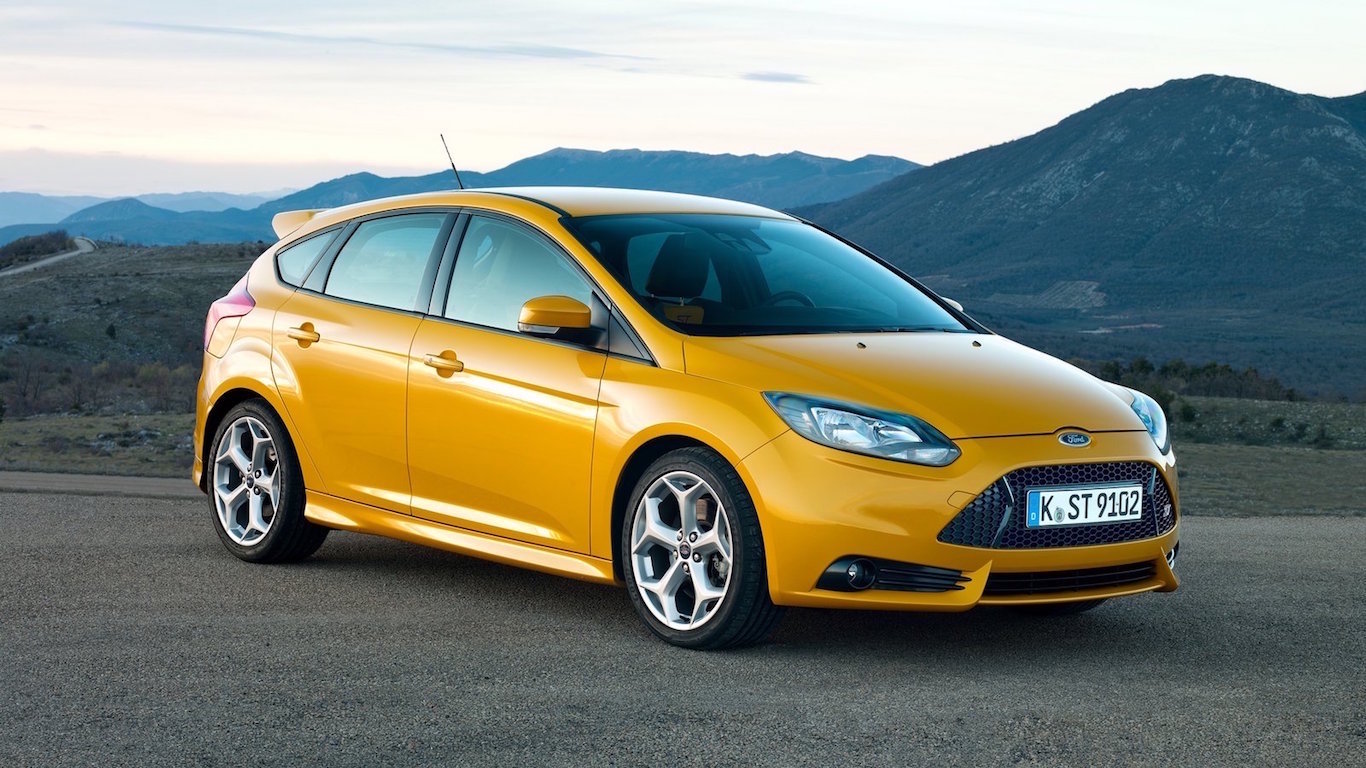
2012 Ford Focus ST Mk3
© FordLaunched in 2012, the third Focus ST reverted back to a 2.0-litre four-cylinder turbocharged engine, but with a healthy 247hp and 270lb ft of torque. Offered in both hatchback and estate forms, the new ST gave even greater performance, but with better fuel economy than the second-gen car.
Coinciding with the 2014 facelift of the Focus range, Ford introduced a diesel Focus ST powered by a 185hp 2.0-litre TDCi unit, and clearly aimed at the rival VW Golf GTD.
-
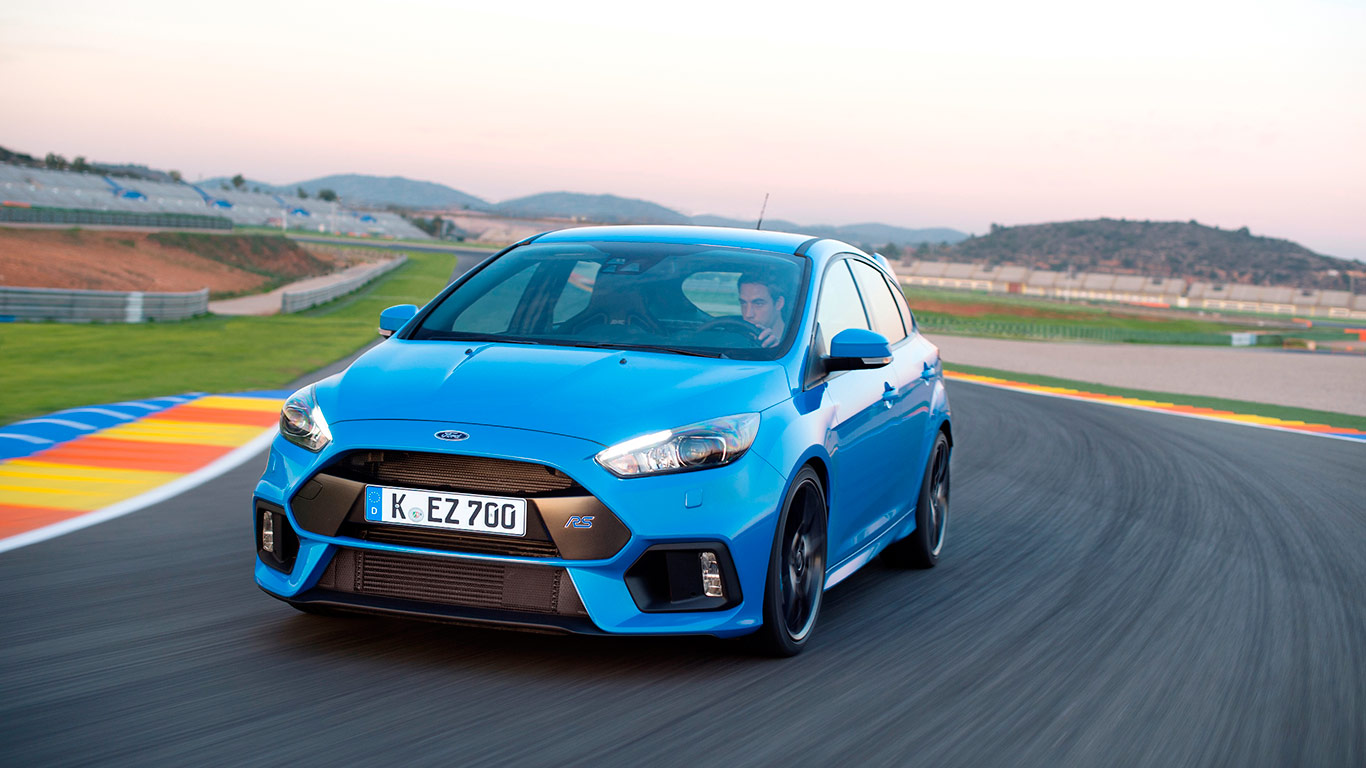
2015 Ford Focus RS Mk3
© FordFord RS purists finally had their prayers answered in 2015, as Ford introduced a Focus RS with 4WD. Using the 2.3-litre four-cylinder EcoBoost engine from the Mustang gave a substantial 350hp with 350lb ft of torque. The dash to 62mph took 4.7 seconds, with a top speed of 165mph.
The biggest news came with the addition of a ‘Drift Mode’ that used torque vectoring to make huge slides easier. On a track only, of course…
-
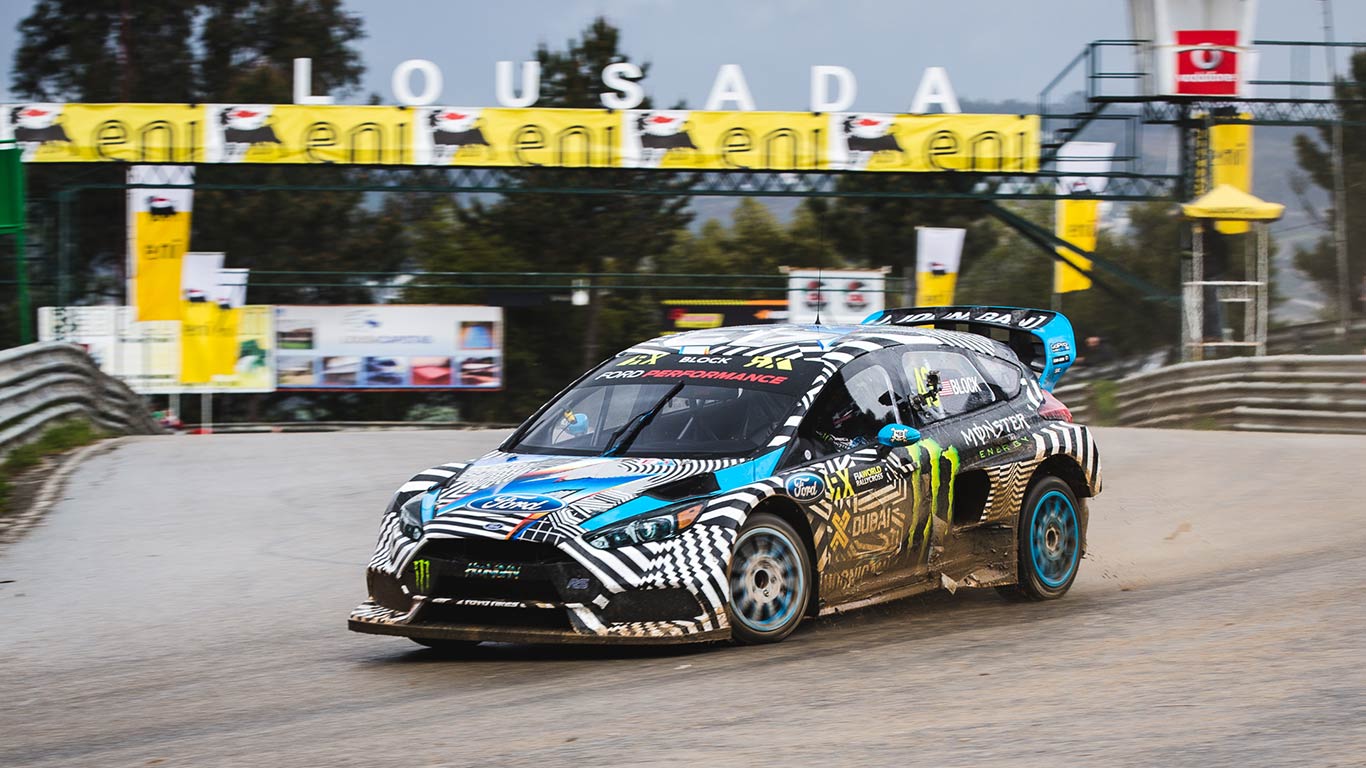
Hoonigan Racing Division Ford Focus RS
© FordWith WRC regulations pushing manufacturers to use smaller supermini-based cars, the Mk3 Focus wouldn’t replicate the rally success of previous generations.
However, it still would feature in motorsport competition, including the FIA World Rallycross Championship in the hands of Ken Block. British Touring Car Championship action was also on the cards with the Motorbase Performance team.
-
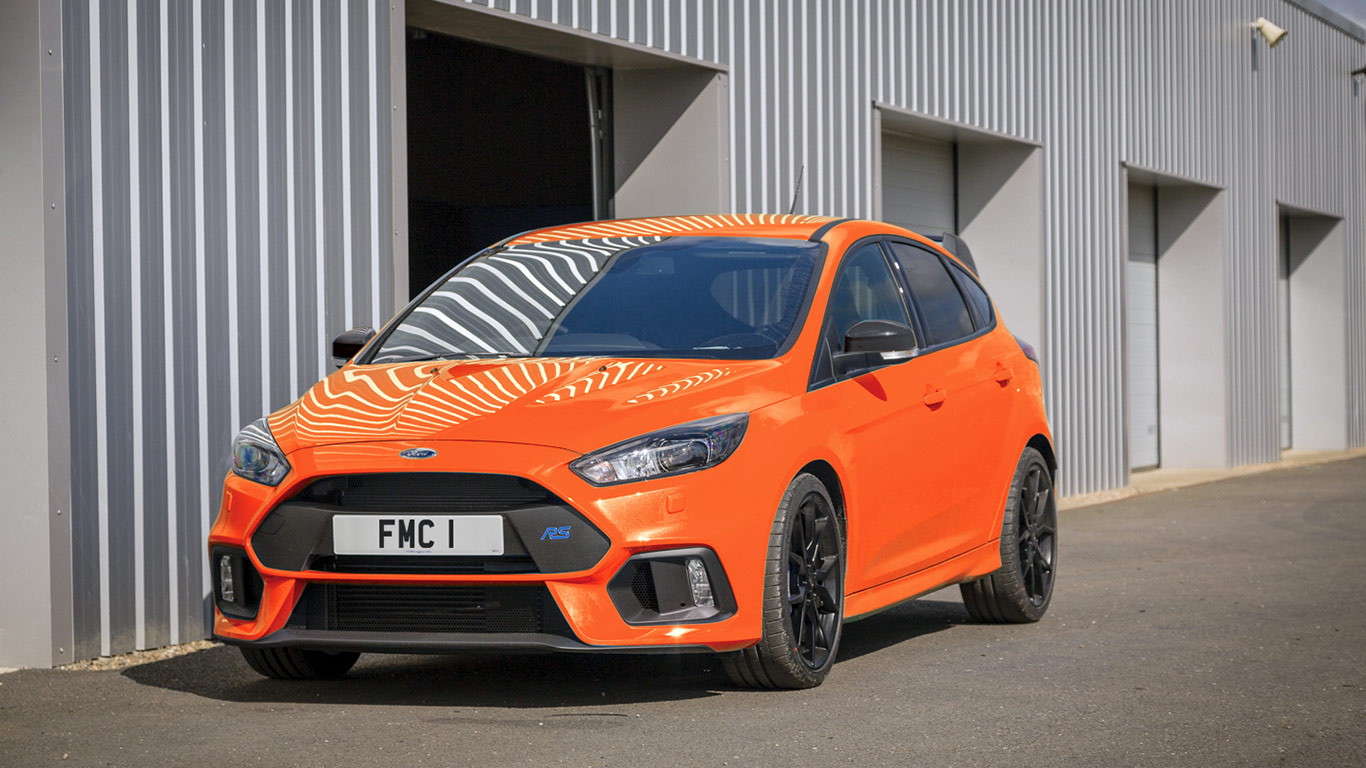
2018 Ford Focus RS Mk3 Heritage Edition
© FordWith a new fourth-generation due in 2018, Ford had to bring production of the Focus RS to an end. To help ease the pain, a final special Heritage Edition model was limited to just 50 examples – all wearing this eye-searing Deep Orange paintwork. A power boost to 375hp and a mechanical Quaife limited-slip-differential were included as part of the £39,895 package.
-
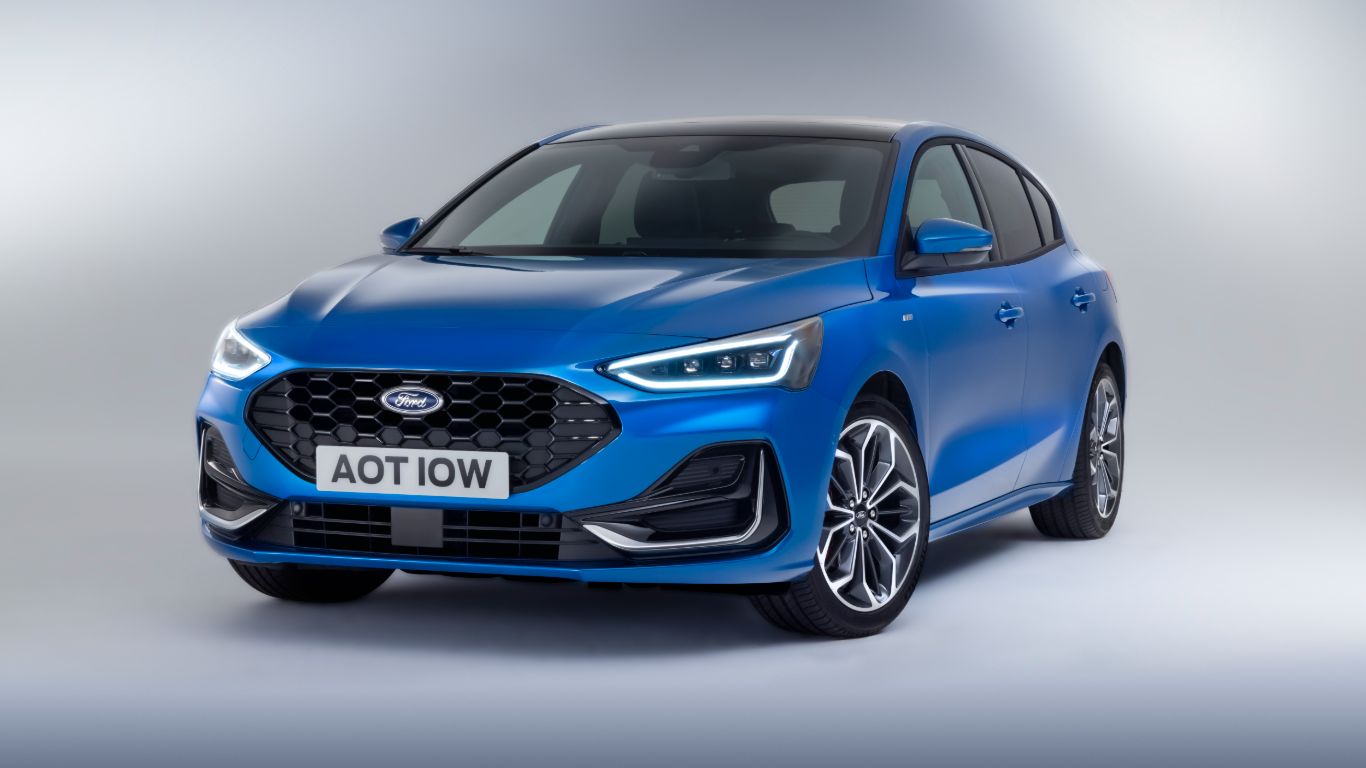
2018 Ford Focus Mk4
© FordBased on the same C1 platform as its predecessor, the fourth and final iteration of the Focus arrived in 2018. It was both stiffer and lighter, which helped uphold its reputation as the best C-segment car to drive. Unfortunately, the shift towards SUVs – and more recently, to EVs – meant the Focus lost its position as Britain’s best-seller. It was the beginning of the end.
-
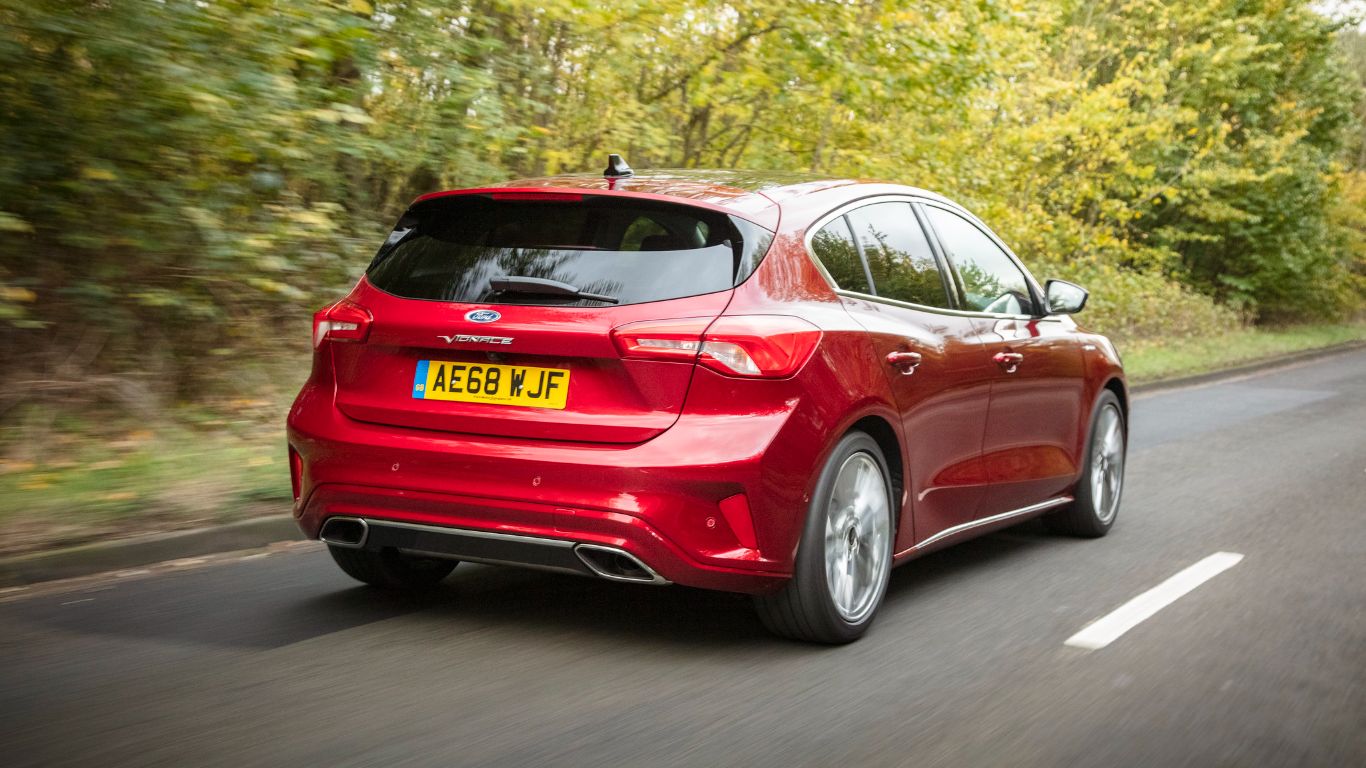
2018 Ford Focus Vignale
© FordFord attempted to push the Mk4 Focus upmarket with the Vignale. This flagship trim level – named after an Italian coachbuilder bought by Ford in 1972 – came loaded with equipment, including 18-inch alloy wheels, leather upholstery, self-parking tech and a Bang & Olufsen audio system. There were Vignale versions of the Fiesta, Mondeo and Kuga, too.
-
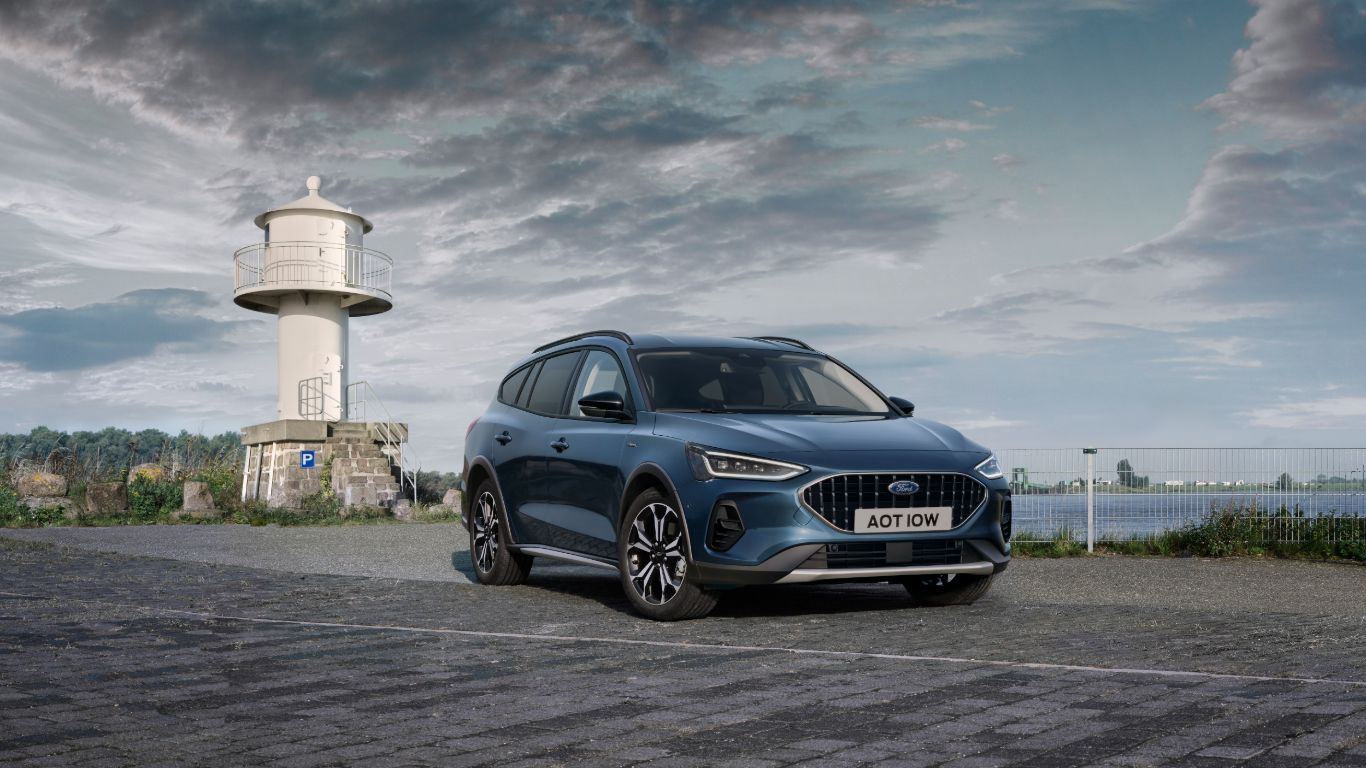
2018 Ford Focus Active
© FordFord also jumped on the crossover bandwagon with the Focus Active. Perched half-way between a hatchback and an SUV, it had 30mm of extra ground clearance, along with plenty of protective plastic cladding. Black trim on the wheelarches lent it a broader, more muscular stance, although Land Rover probably wasn’t losing any sleep.
-
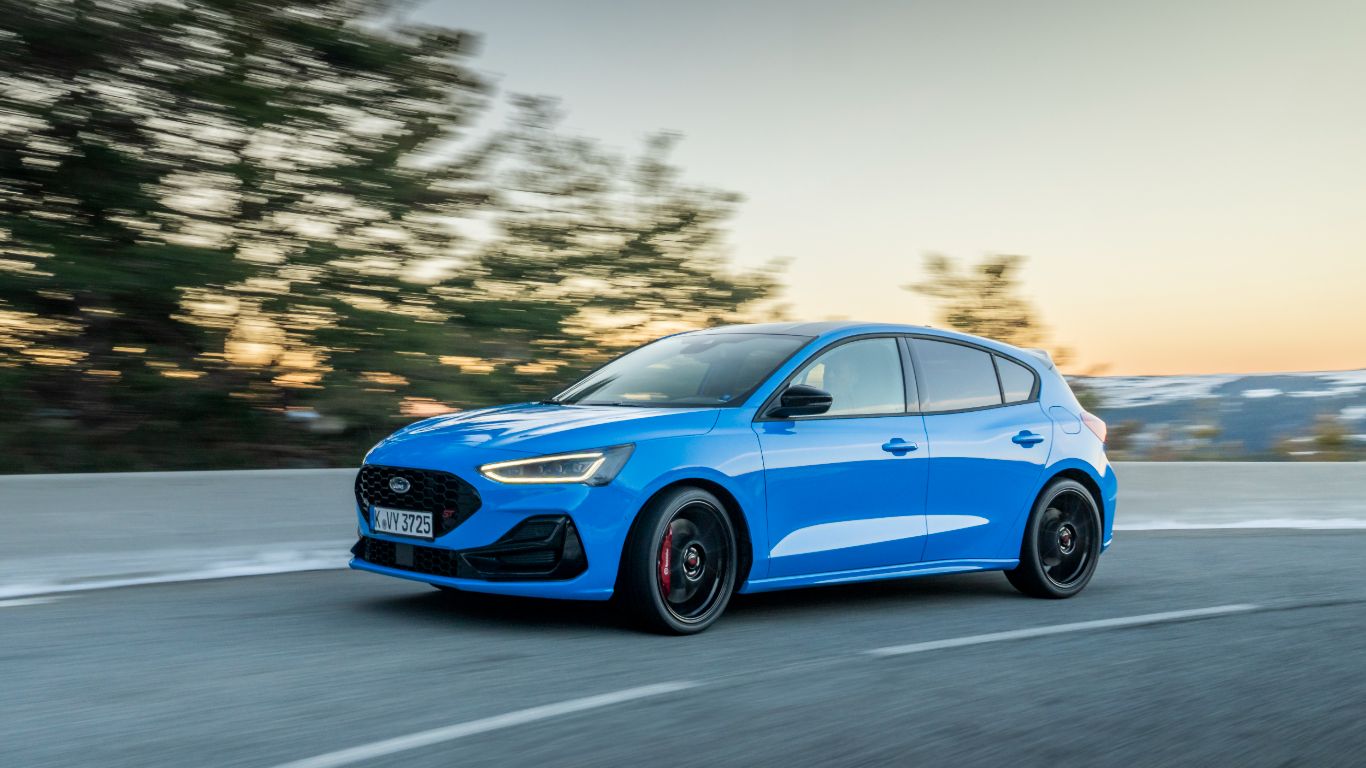
2022 Ford Focus ST Edition
© FordThe Mk4 Focus ST arrived in 2019, offering a choice of 280hp petrol or 190hp diesel engines. Then, in 2021, Ford ramped things up with the ST Edition seen here. Limited to 300 cars in the UK, it combines the petrol motor with an electronic limited-slip differential, manually adjustable KW coilover suspension and lightweight 19-inch wheels. There is even a special Nürburgring drive mode.
-
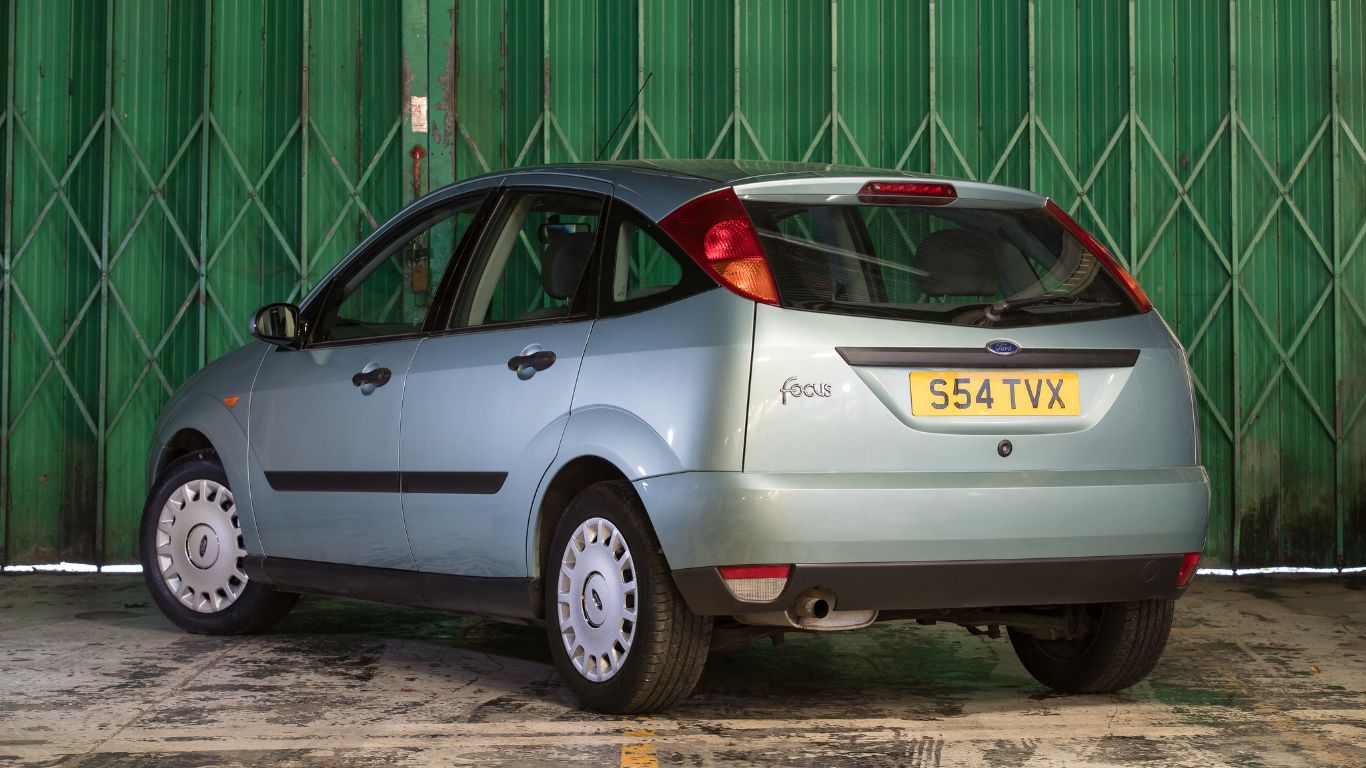
Farewell to the Focus
© FordYou only have a few months left to buy a new Focus. Production will stop in November and no replacement is planned. In a Ford range now populated mostly by dull-to-drive SUVs, the Focus still stands out. Time will tell if killing it was the right decision or a costly mistake. Either way, we’ll be sad to see it go.
