How to prepare your car for winter driving
-
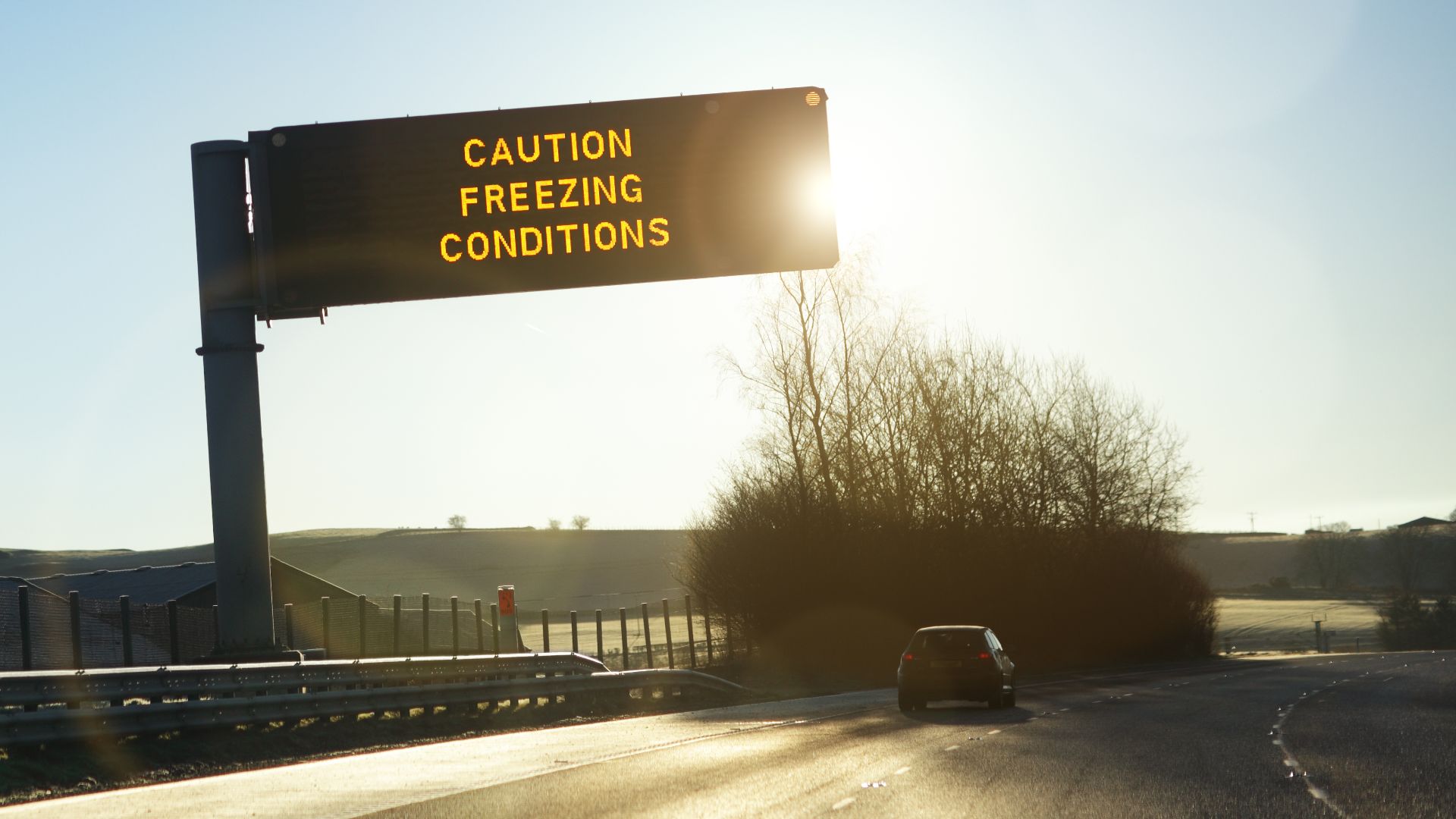
Is your car prepared for winter?
© NewspressAs outside temperatures tumble and the days get noticeably shorter, a little preparation will protect your car and reduce the risk of having an accident. Think of the following tips as a winter survival kit for your car. Use it to see you through to the spring.
-
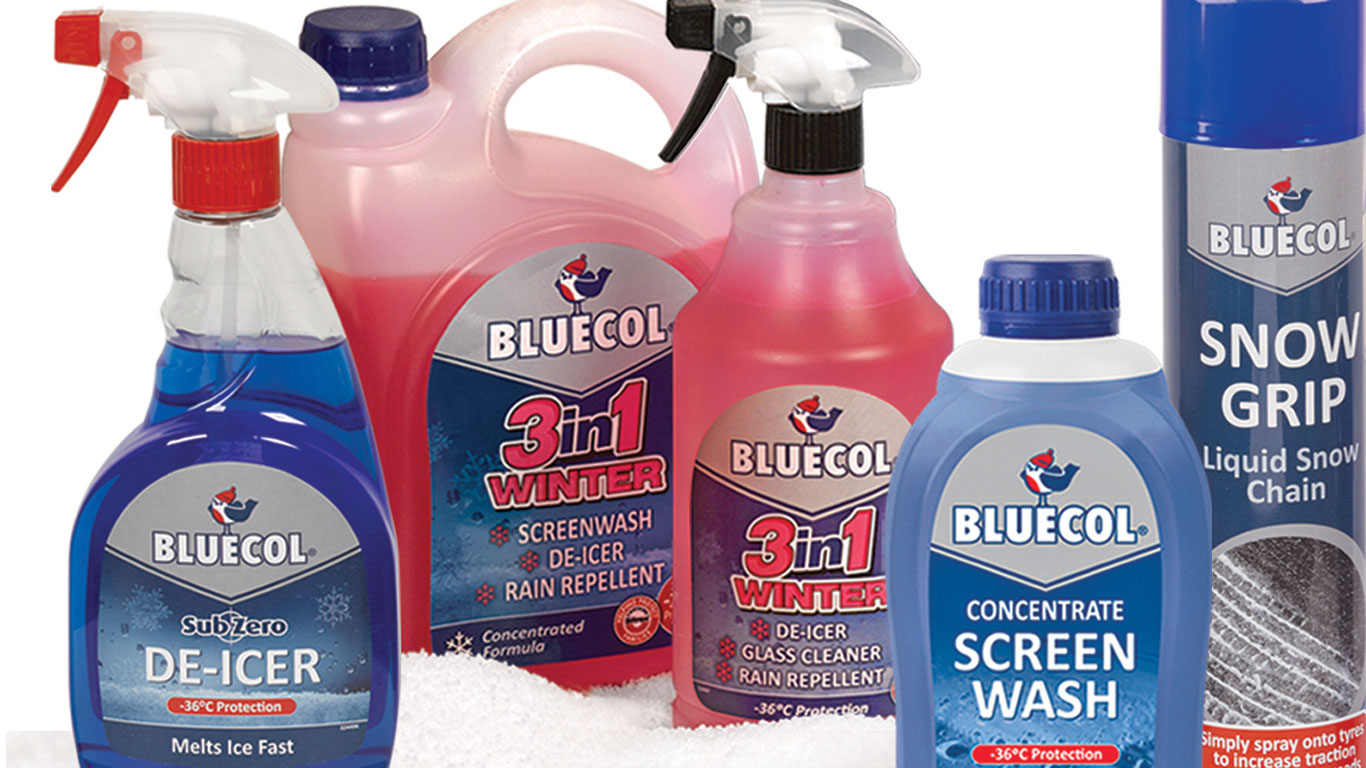
De-icer
© BluecolYou should carry a full-strength de-icer spray inside the car to quickly clear ice from windscreens, mirrors, wipers and door locks. A good quality de-icer could cost less than £2 – a small price to pay on a frosty morning when you are already running late.
-
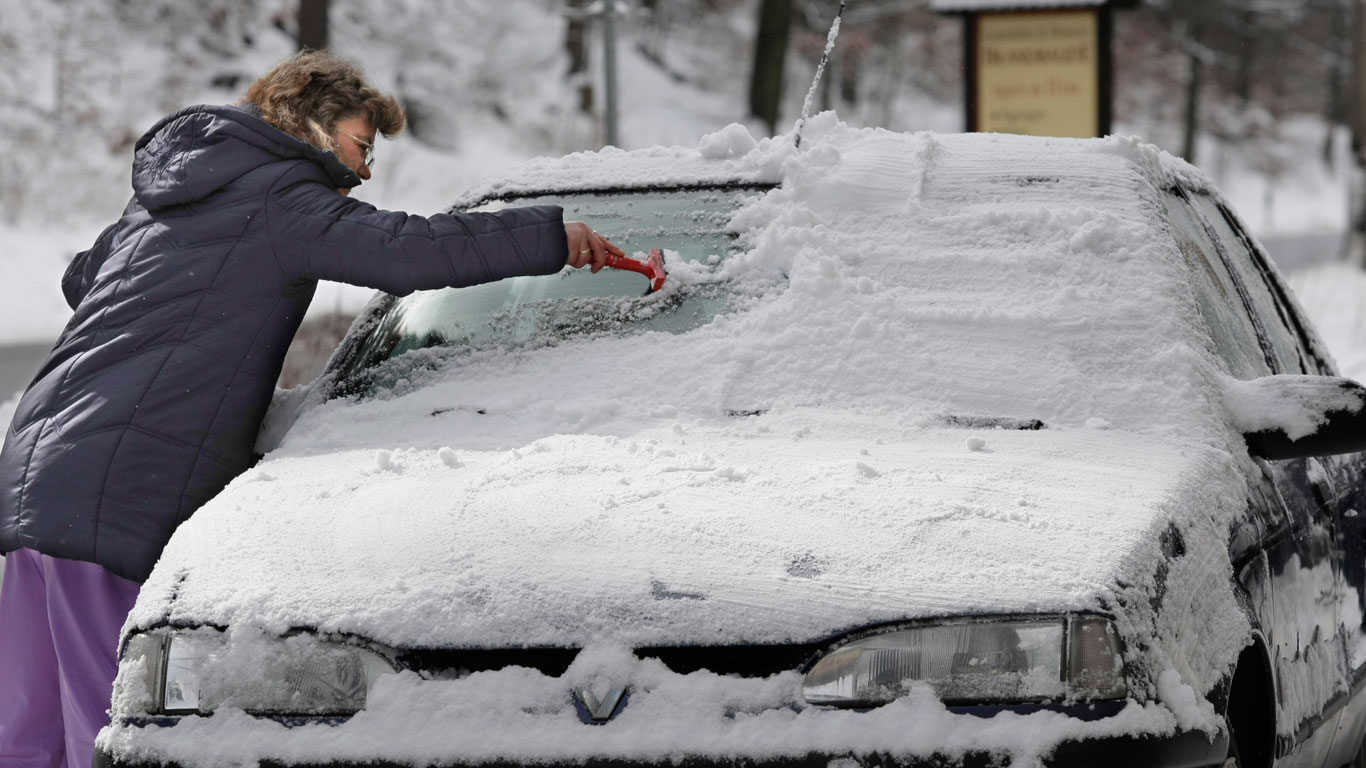
Ice scraper
© APYou should also carry an ice scraper, because using a credit card to clear frost and frozen water from your windscreen takes longer and could scratch the glass. An ice-scraper could set you back just £1.
-
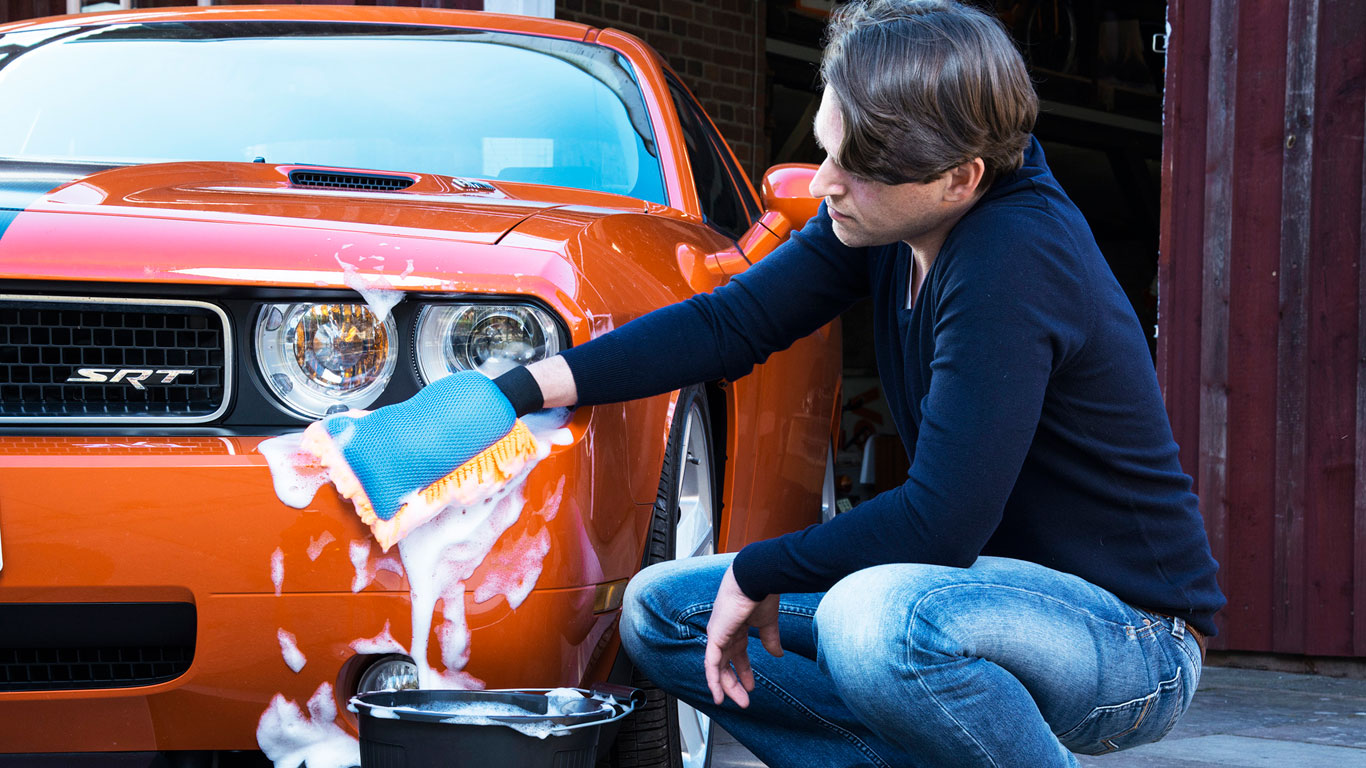
Prepare your bodywork
© Armour-AllCar care experts, Autoglym, recommend using a pH-neutral car shampoo to give your car a thorough wash. The salt used to grit our roads is corrosive and could damage your car’s bodywork. Don’t be tempted to use washing-up liquid as this can remove the paintwork’s protective coating.
-
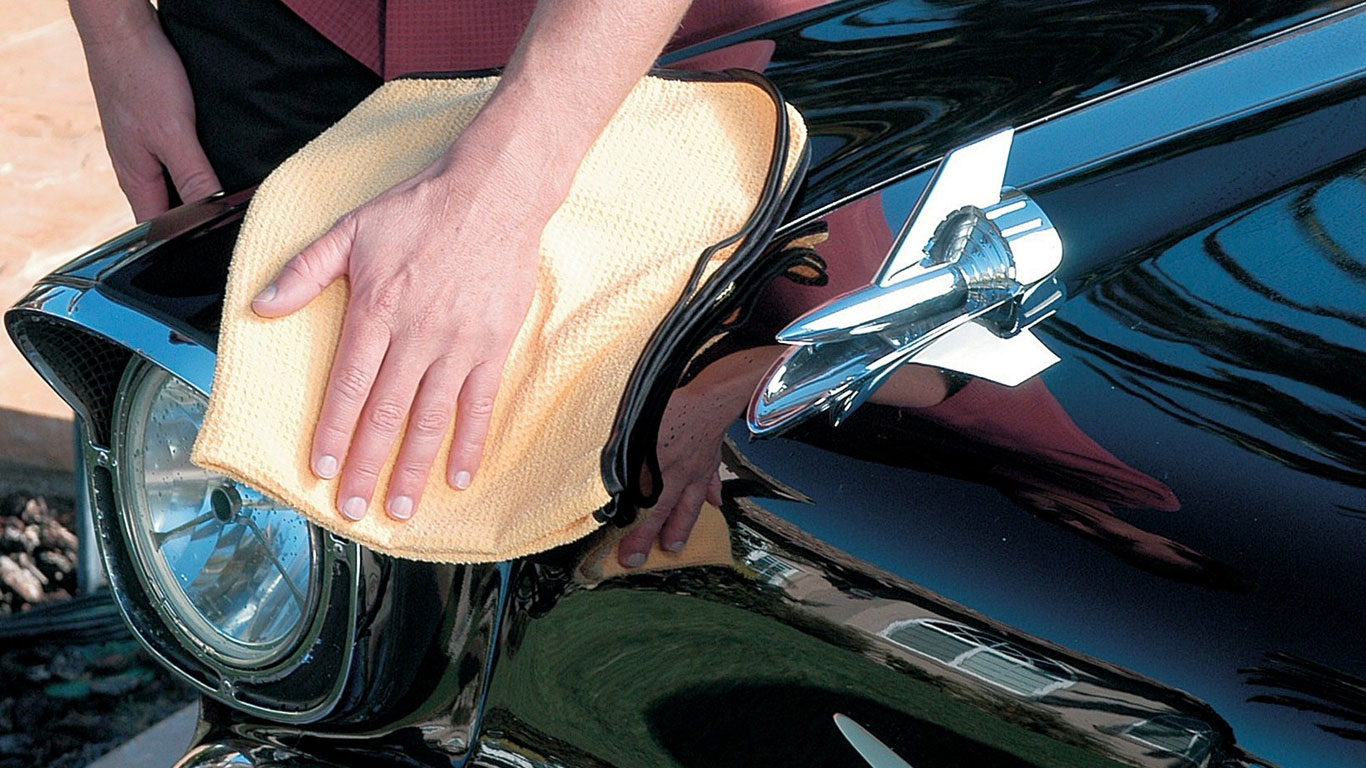
Protect your bodywork
© MeguiarsOnce clean, it’s worth treating your car to a protective wax, which will see it through to the spring. Not only will this guard against the worst of the winter elements, including road salt, it will also make it easier to clean the car.
-
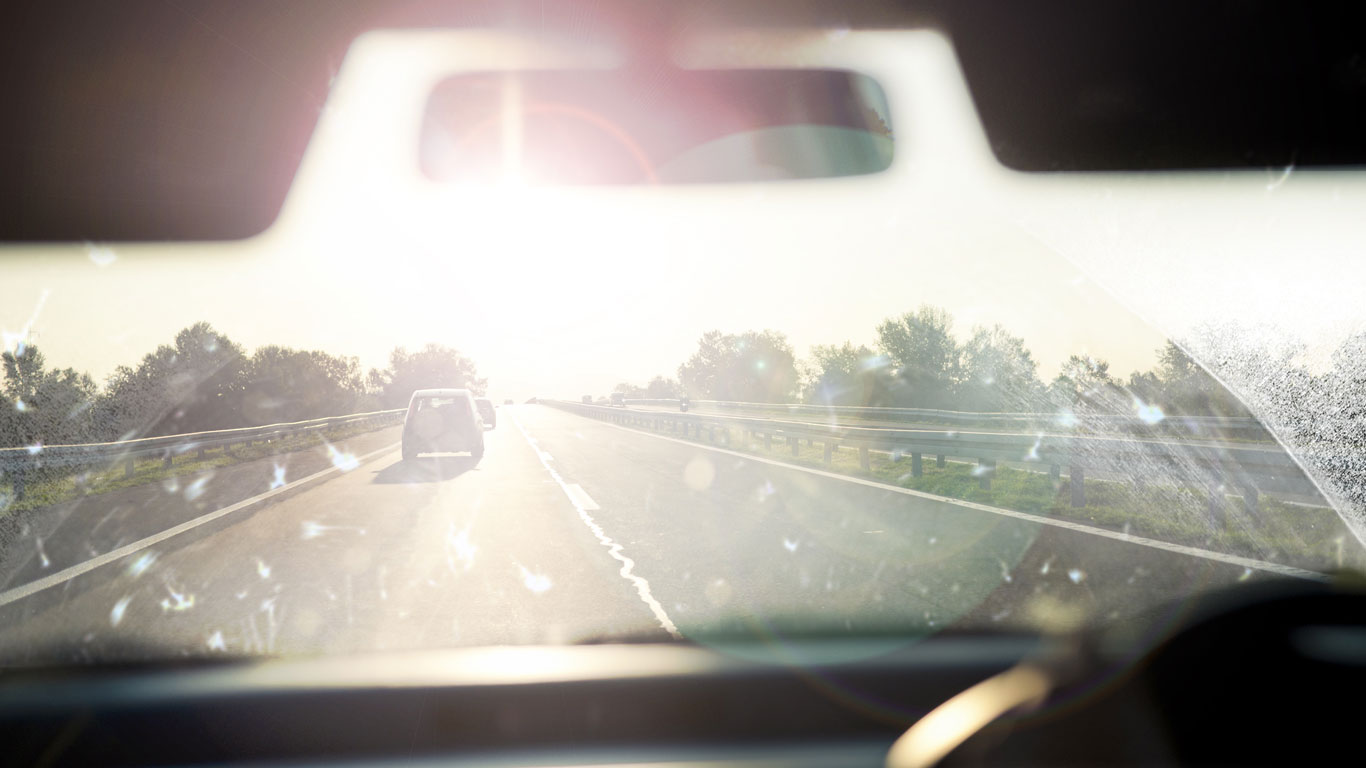
Keep windows and glass clean
© NewspressIt’s important to keep the glass free of dirt. The combination of a low sun and a dirty windscreen can make driving difficult and dangerous. Don’t forget to clean the side windows and door mirrors, too.
-
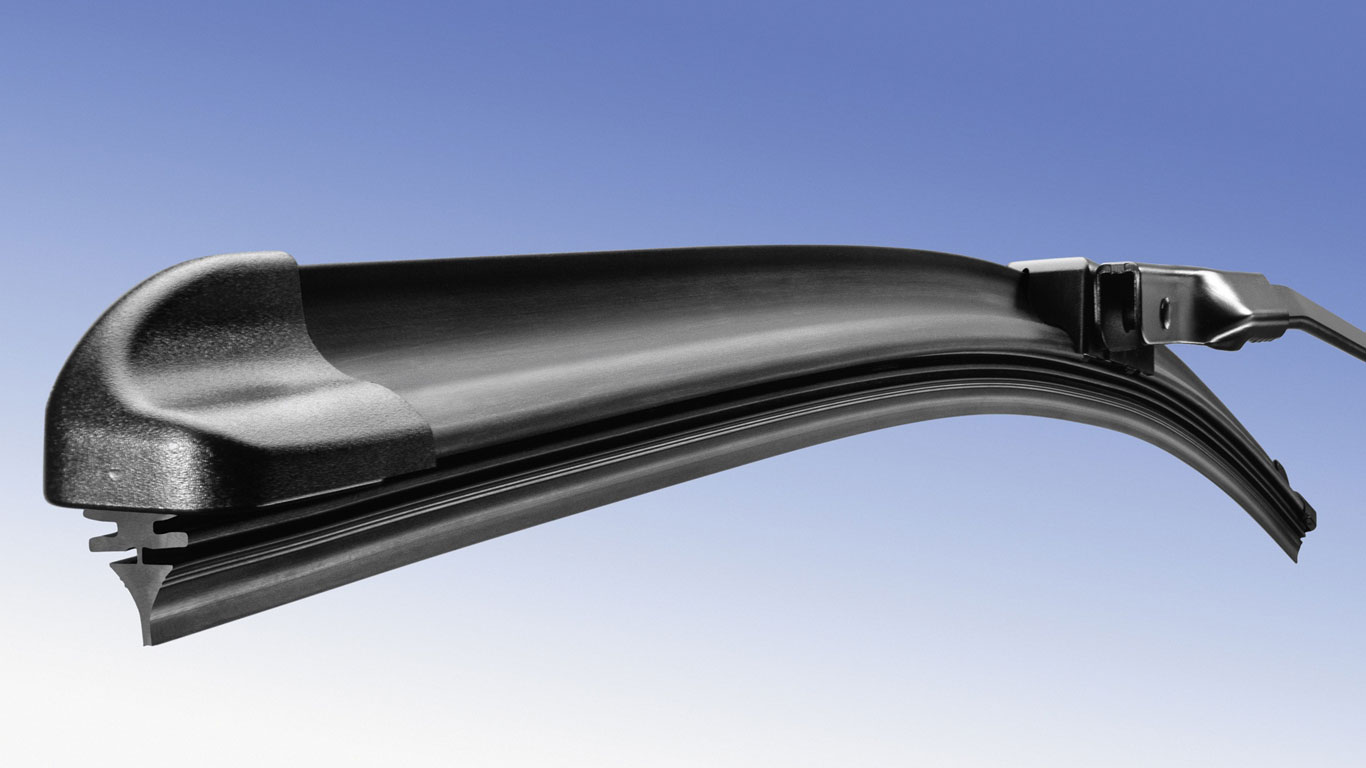
Check your wiper blades
© BoschMake sure your wipers are up to the task of clearing the worst of the winter weather from your windscreen. If they squeak, they could need replacing. Consider upgrading to superior aero wipers, which can be fitted retrospectively to the majority of cars.
-

Check your fluid levels
© Banks Photos – GettyMake sure the anti-freeze is filled to the correct level and at the right mixture to stop the car’s coolant from freezing. While you have the bonnet open, check the oil level and ensure the washer fluid is topped up – with the right consistency for freezing temperatures.
-
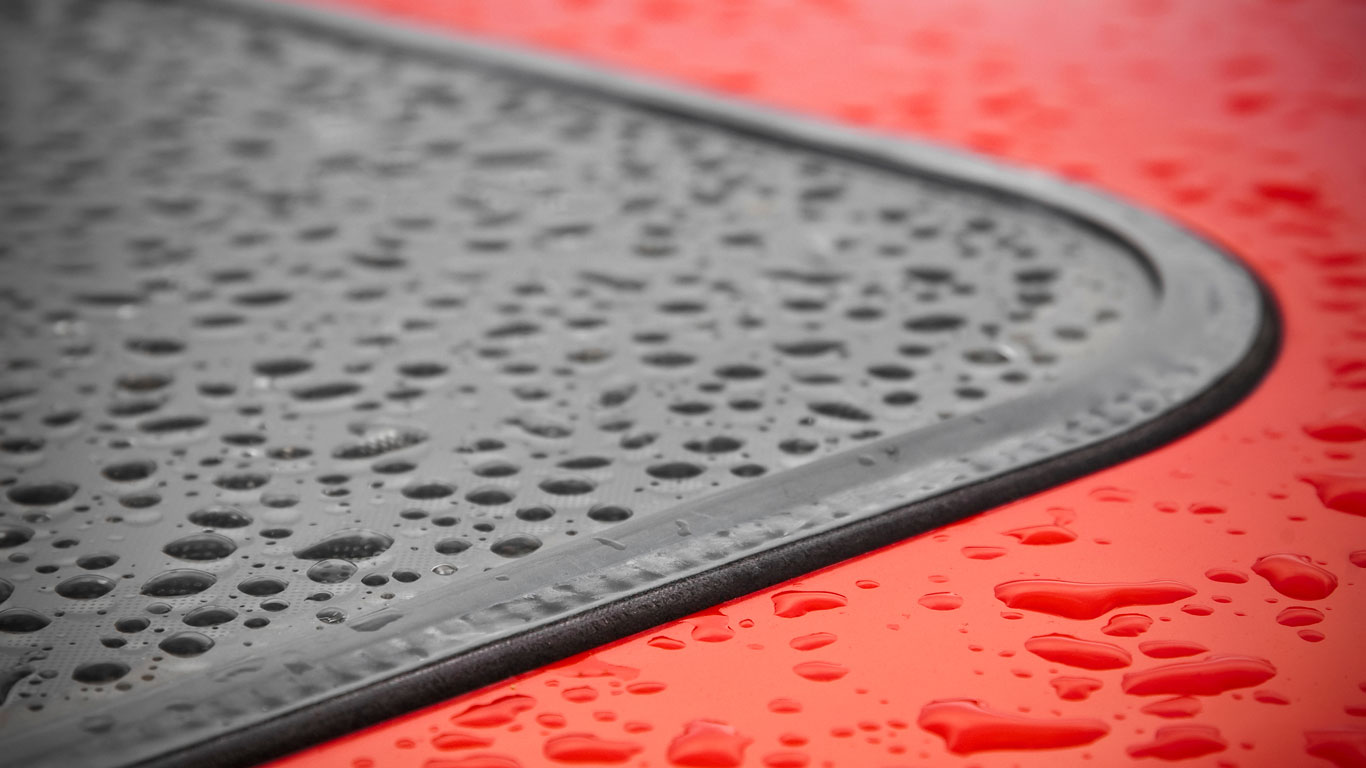
Rubber seals
© Steve Mann – GettyAutoglym advises that cold temperatures can lead to the cracking or fracturing of the rubber seals around doors and windows. Avoid this problem by applying a purpose-made vinyl and rubber care treatment.
-
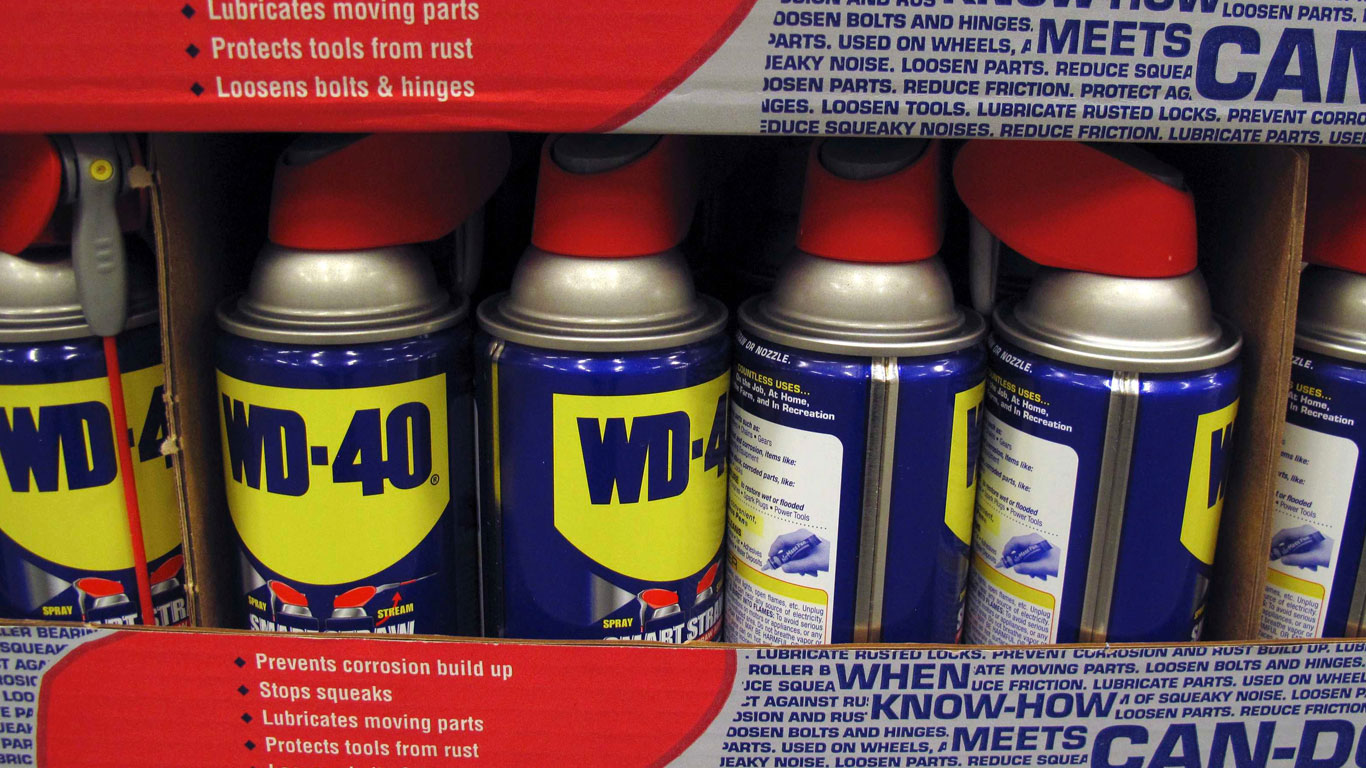
Door locks
© ReutersA quick spray of WD40 can help prevent your car’s door locks and mechanisms from freezing during cold temperatures.
-
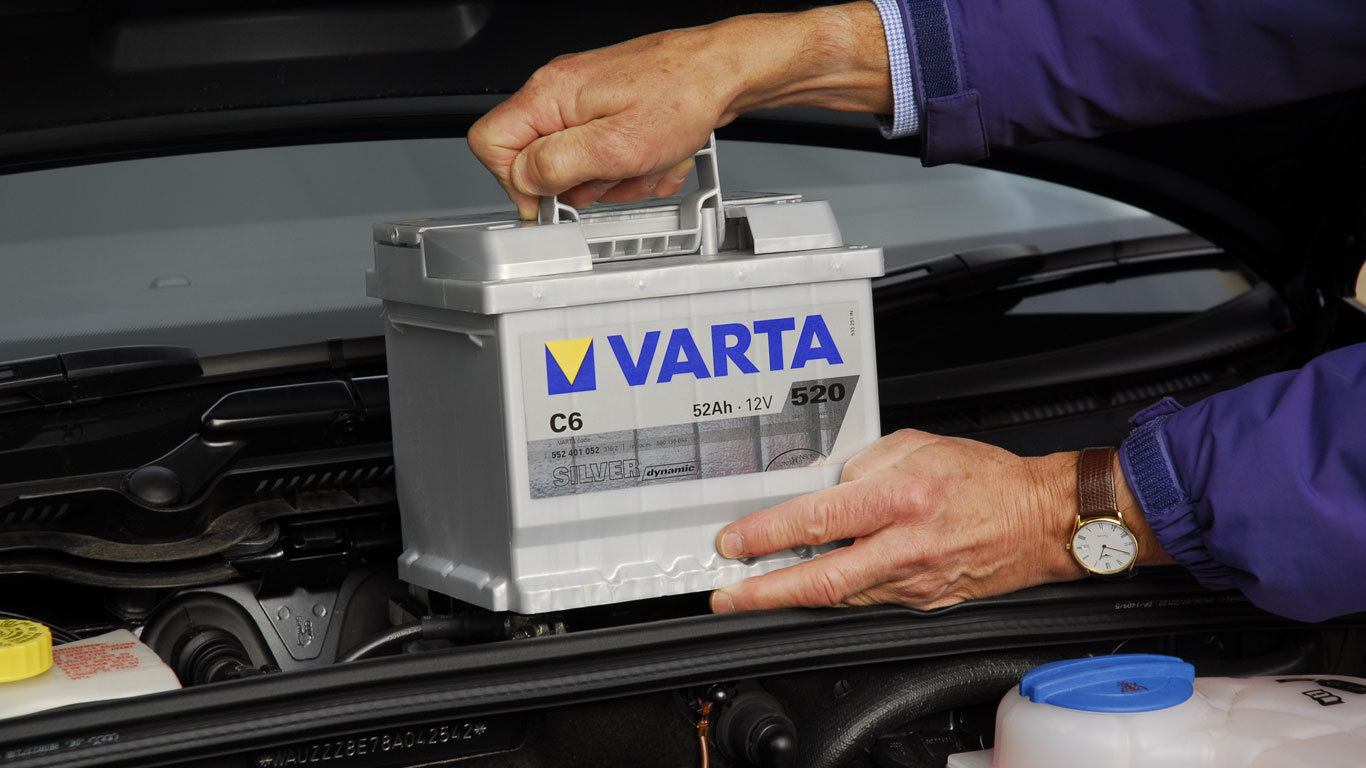
Battery performance
© VartaYour car’s battery will be working overtime during the winter months, with the air conditioning, heated seats, fans and headlights all putting it under serious pressure. Get it tested now, before the temperature drops below zero. If the battery is more than five years old, it will probably need replacing.
-

Headlights
© VolkswagenIf a bulb isn’t working, get it replaced before you start your journey. Keep a spare set of bulbs in the car as being caught driving with a defective headlight could result in a fine of up to £1,000.
-
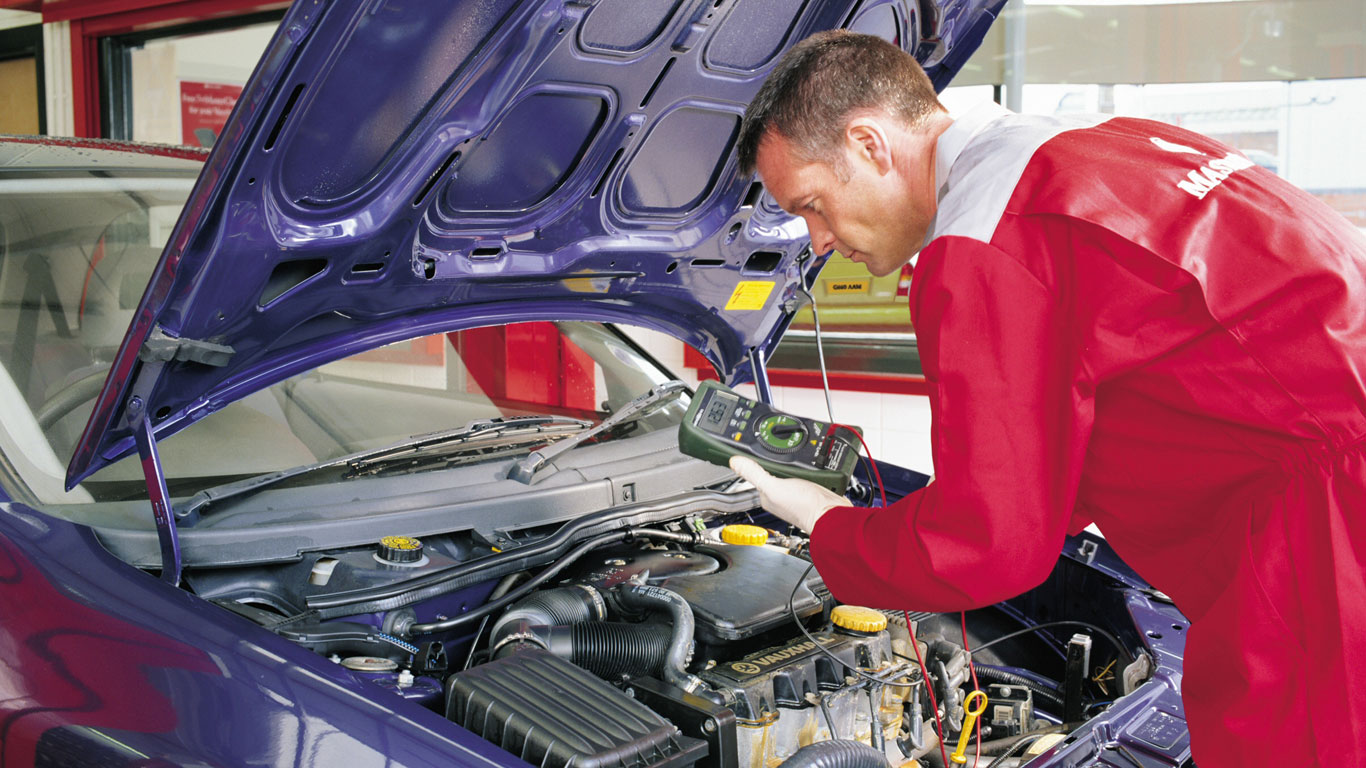
Winter service
© VauxhallA pre-winter service will ensure your car is properly prepared for the season, with all fluids and filters replaced. Far better to spend the money on a service than being towed to a garage for repair.
-

Air conditioning
© SsangYongThe air conditioning system is not just for the summer. During the winter it can prevent your car’s glass from misting up, not to mention keeping the cabin warm and toasty. Many garages offer a free air conditioning system check.
-
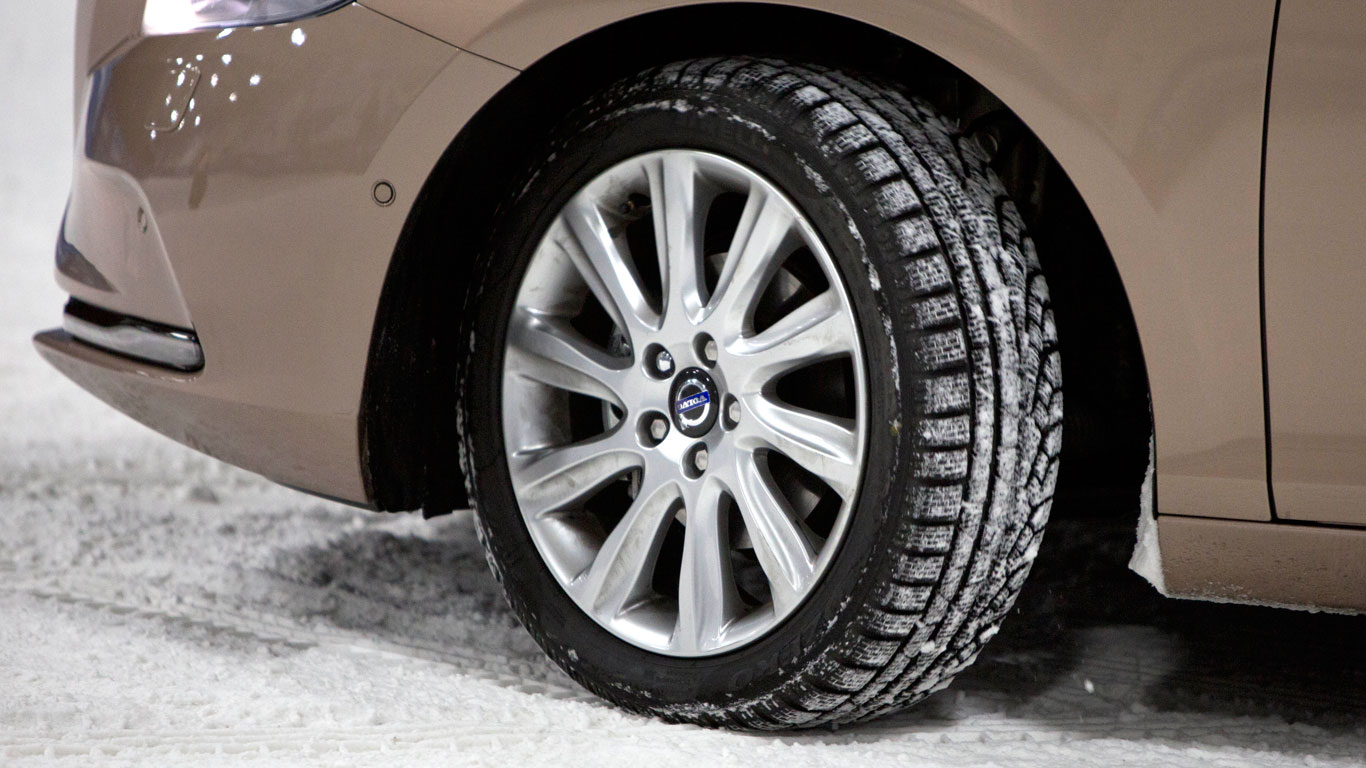
Tyres
© VolvoThe minimum legal tyre tread is 1.6mm, but experts warn that 3mm is the safest minimum depth in winter. If possible, consider upgrading to winter tyres, which perform better in cold temperatures. If it actually snows, however, a cheaper alternative might be a set of snow socks.
-
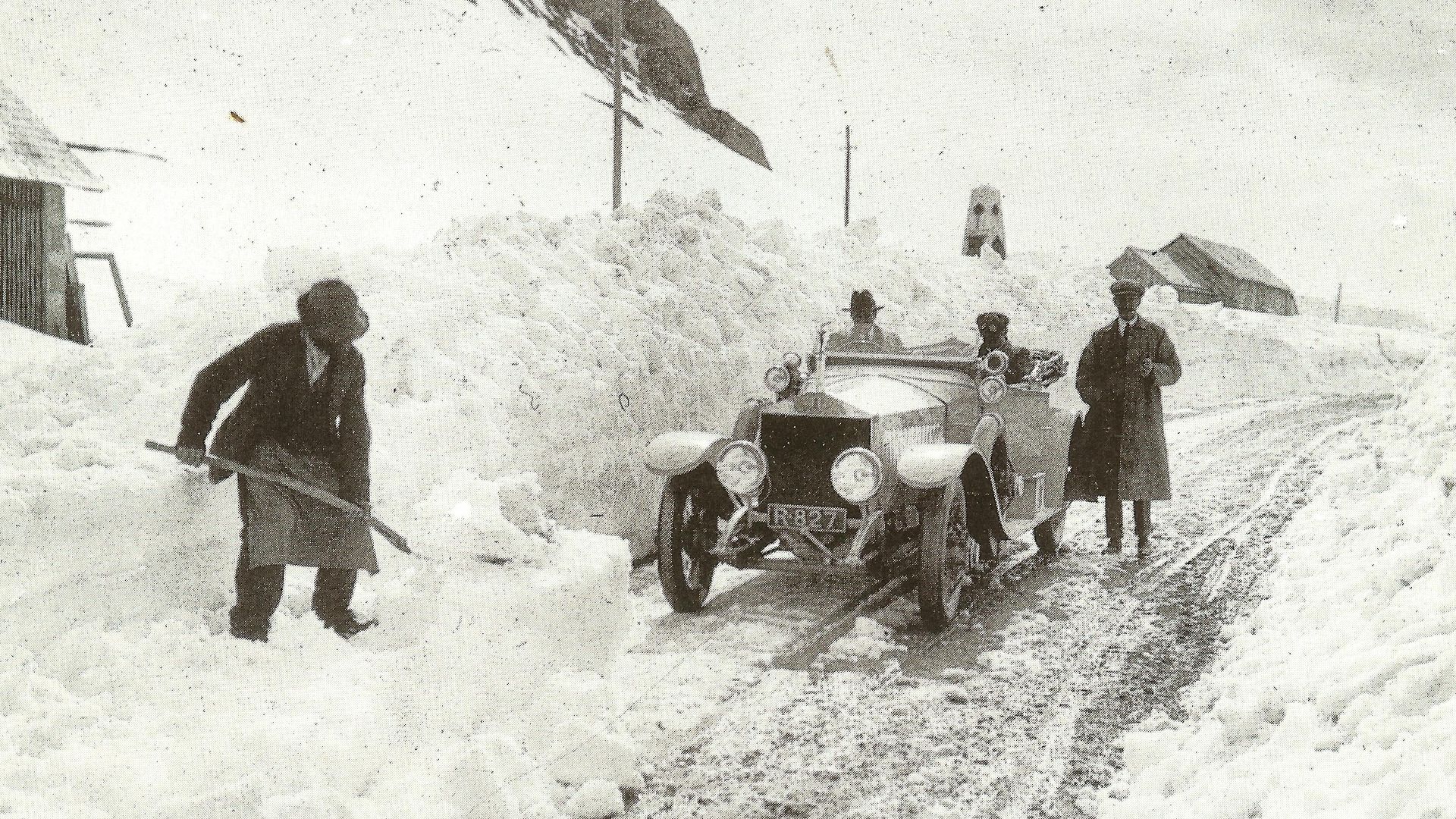
Tow rope
© Rolls-RoyceIf you get stuck in the snow – and you don’t have a spade-carrying butler to hand – you may find a friendly 4×4 or tractor driver who can tow you out. But that’s no good if you’re not carrying a tow rope.
-
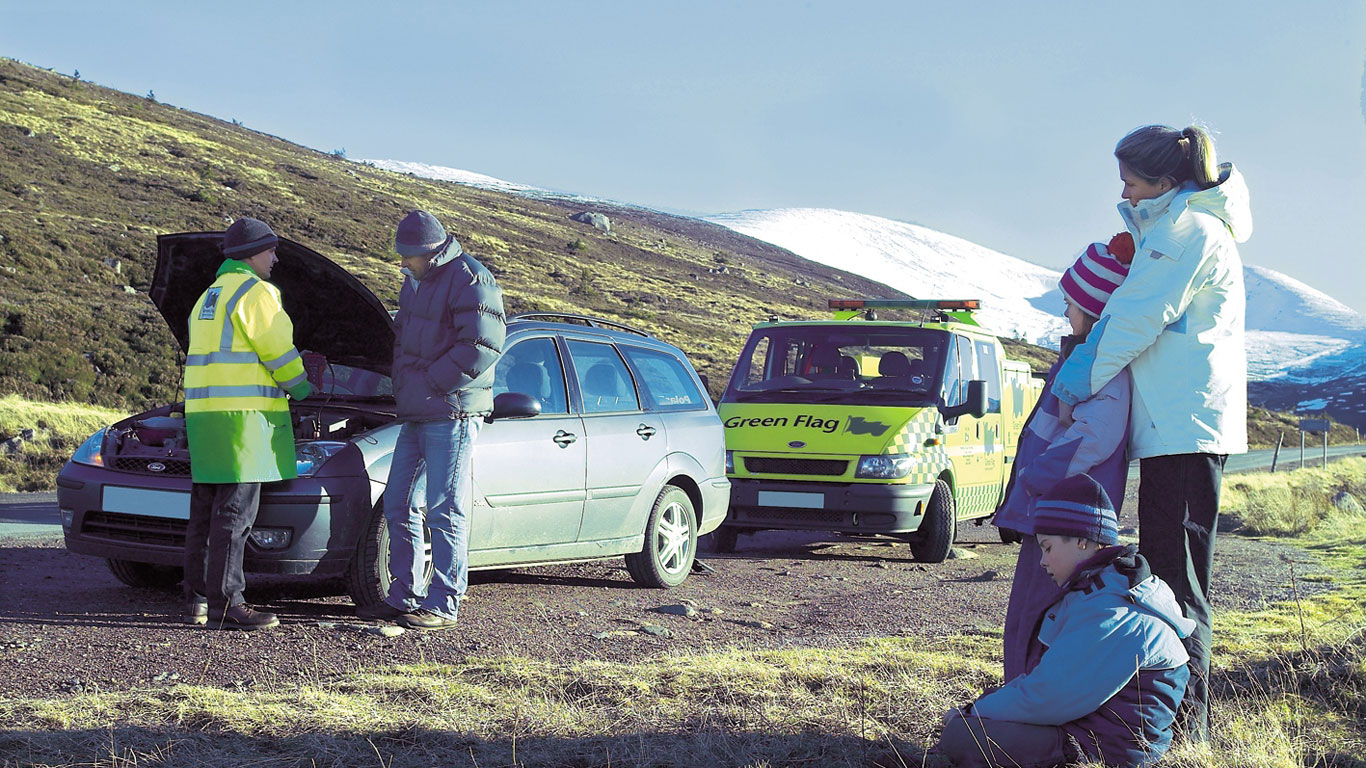
Winter driving kit
© Green FlagThe Institute of Advanced Motorists (IAM) suggests carrying a winter driving kit, which should include a blanket, torch, shovel and fully-charged mobile phone.
-

Phone charger
© Khotenko Volodymyr – GettyIf your car doesn’t have a USB or USB-C charging socket, you can buy a charger for your phone and other gadgets online. This plugs into your car’s cigarette lighter and will help keep your devices charged for use in an emergency. Prices start from just £2.
-

Keep fuel topped up
© Toby Melville – Newscom – ReutersIf possible, don’t let your fuel gauge drop below a quarter of a tank. If you find yourself stuck in the snow, you’ll want to leave the engine running to keep yourself warm. And you never know when you might run into a winter tailback.
-
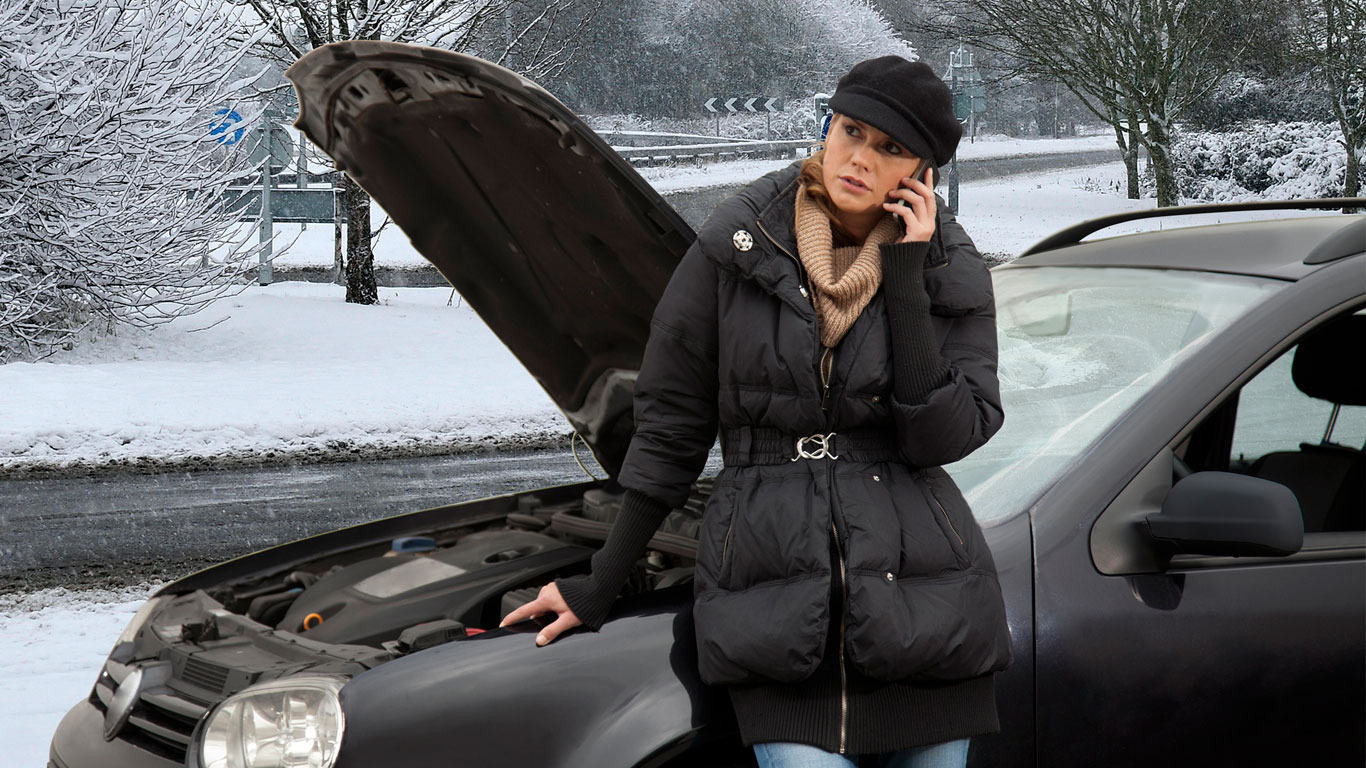
Breakdown membership
© VartaBreakdown organisations such as the AA, RAC and Green Flag are at their busiest during the winter months, as they respond to the call of stricken motorists. Being a member of a breakdown company will provide added peace of mind this winter – not to mention valuable help if your car conks out.
-
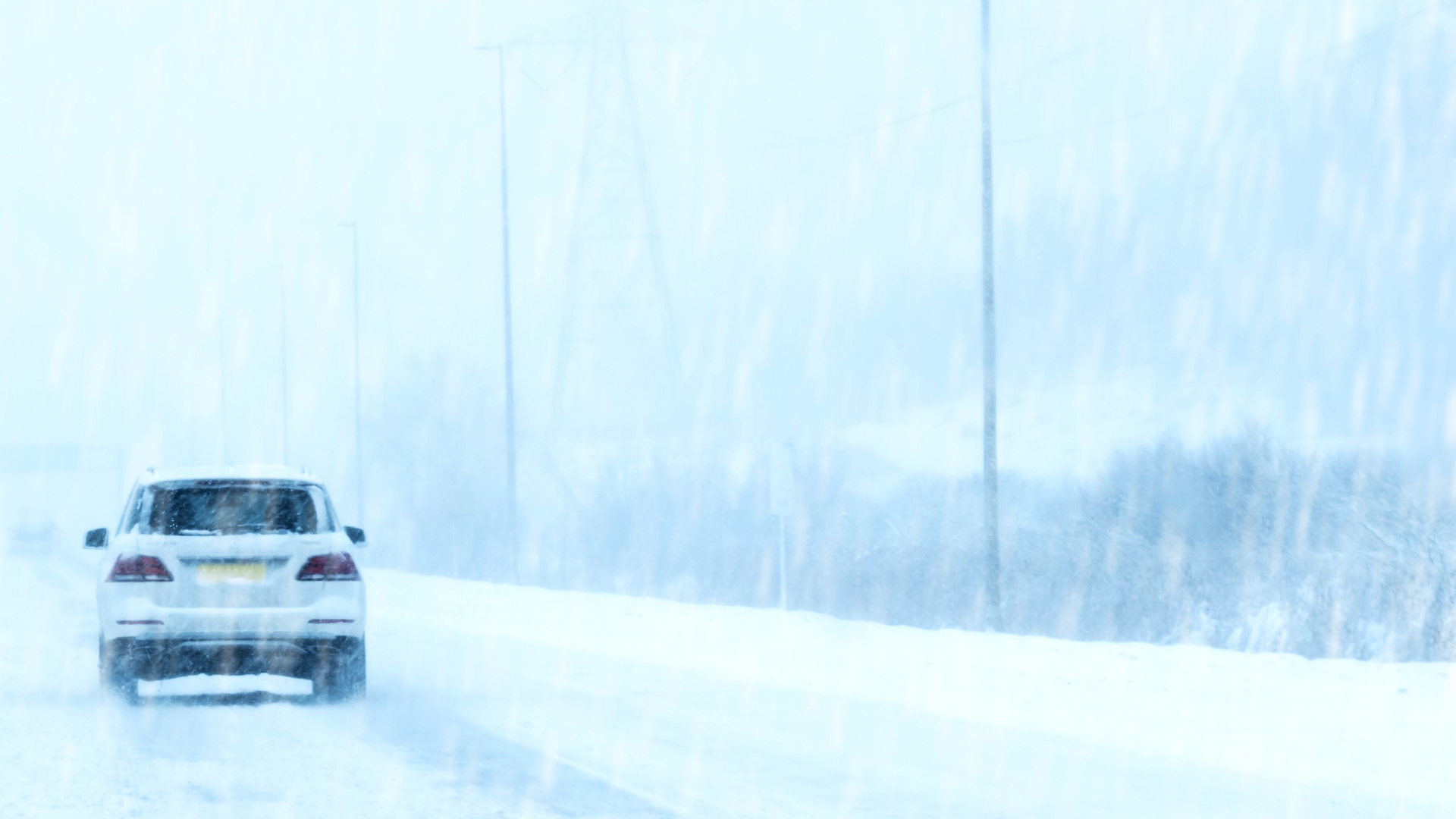
Be prepared
© NewspressAs we have sought to explain, being prepared is key to safe and reliable motoring during the winter months. Make sure your car is properly equipped for the conditions, and allow extra time for journeys if the weather looks bleak. Be safe out there.
