964 RS: the untold story of a Porsche icon
-
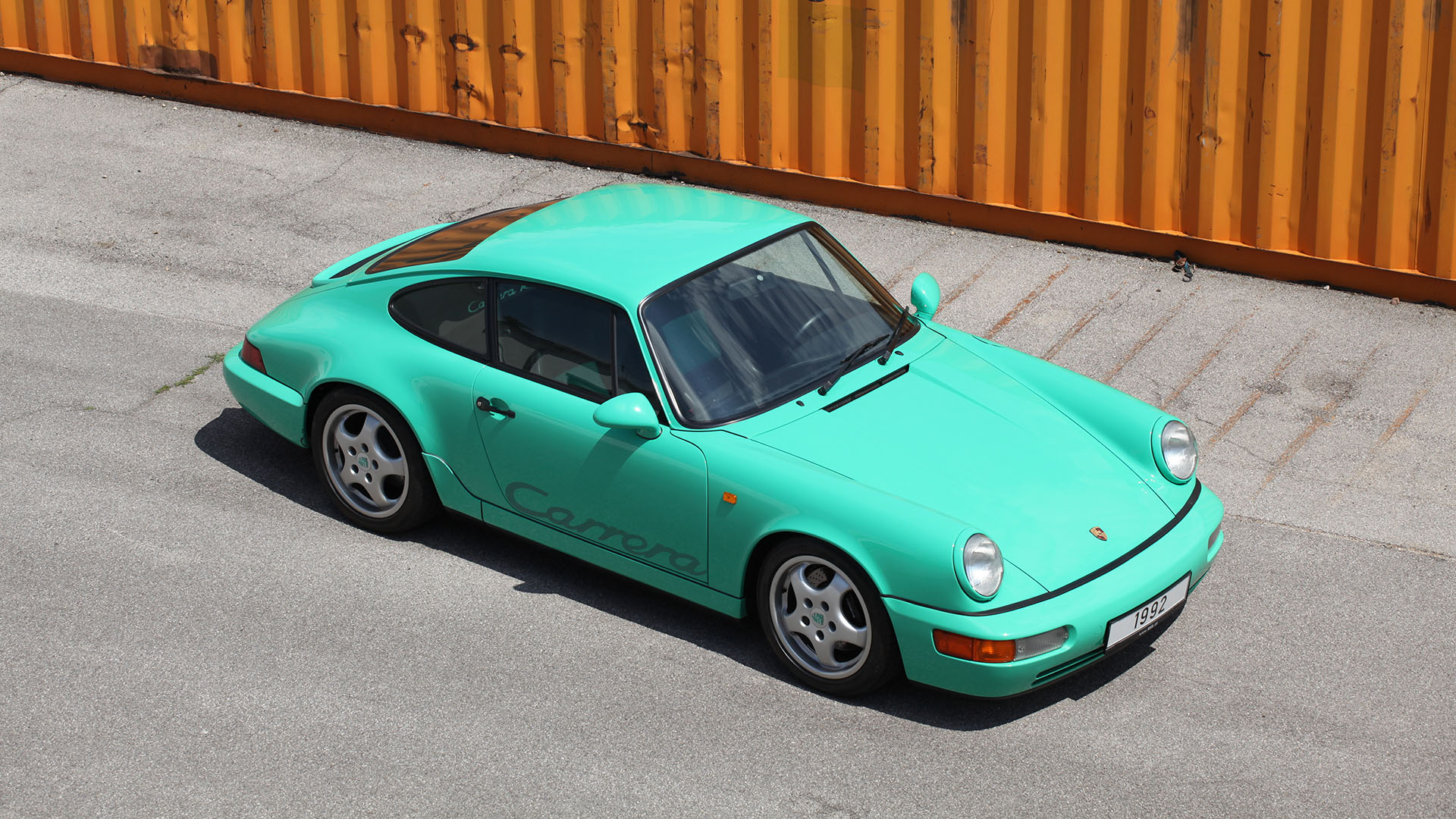
Light and fantastic
© Christoph MäderRevealed 35 years ago in 1991, the Carrera 964 RS is a lightweight, driver-focused derivative of the Porsche 911. Shedding every unnecessary gram of weight and with racing-derived chassis upgrades, it offers an intensely raw and evocative driving experience.
-
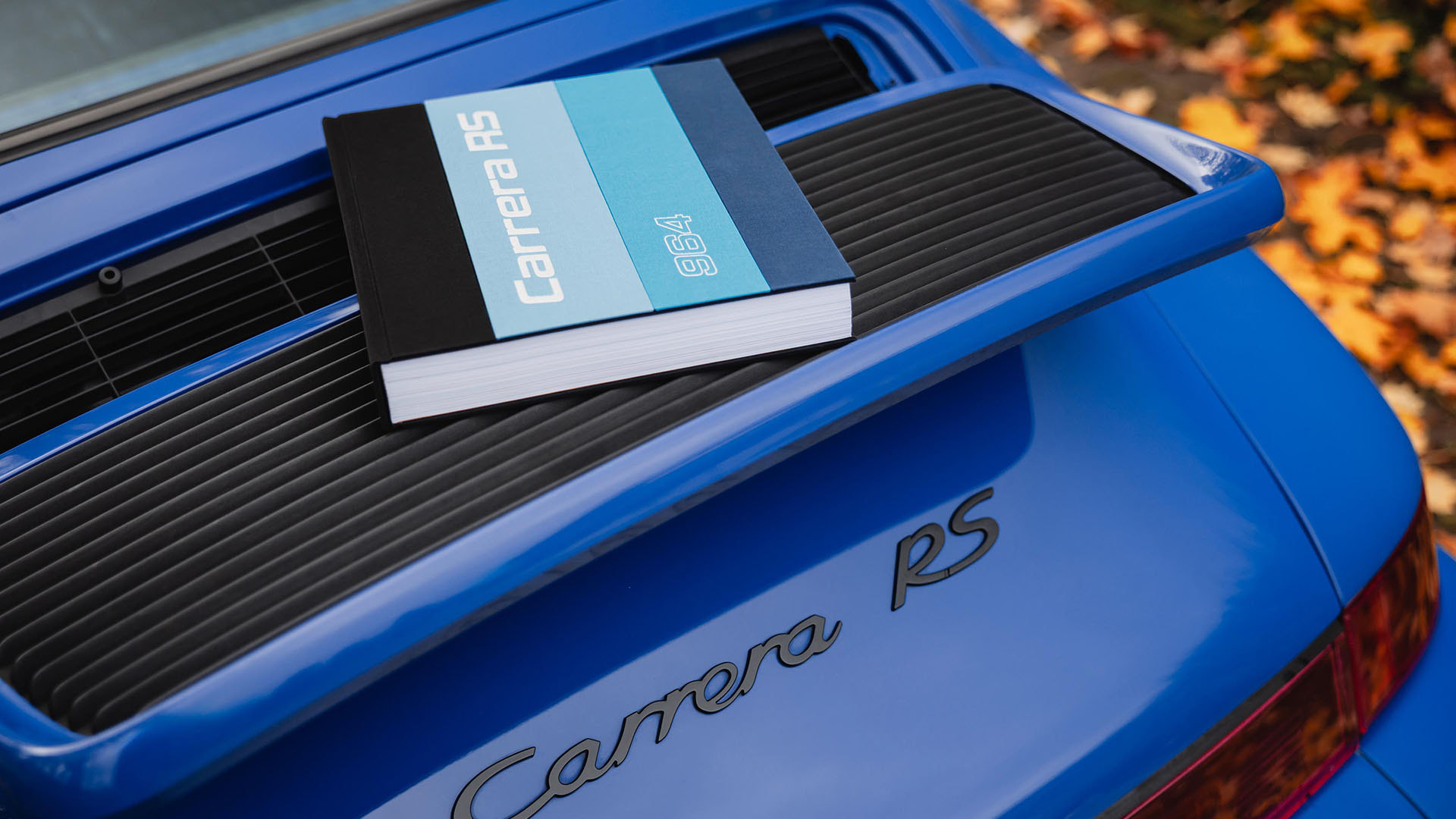
The definitive book about the 964 RS
© Roman RätzkeAuthor Christoph Mäder has produced a comprehensive book referencing the evolution of the Carrera 964 RS, how and why it came about, plus its legacy today. Exclusive to Motoring Research, Christoph shares his favourite facts about this unique Porsche 911.
-
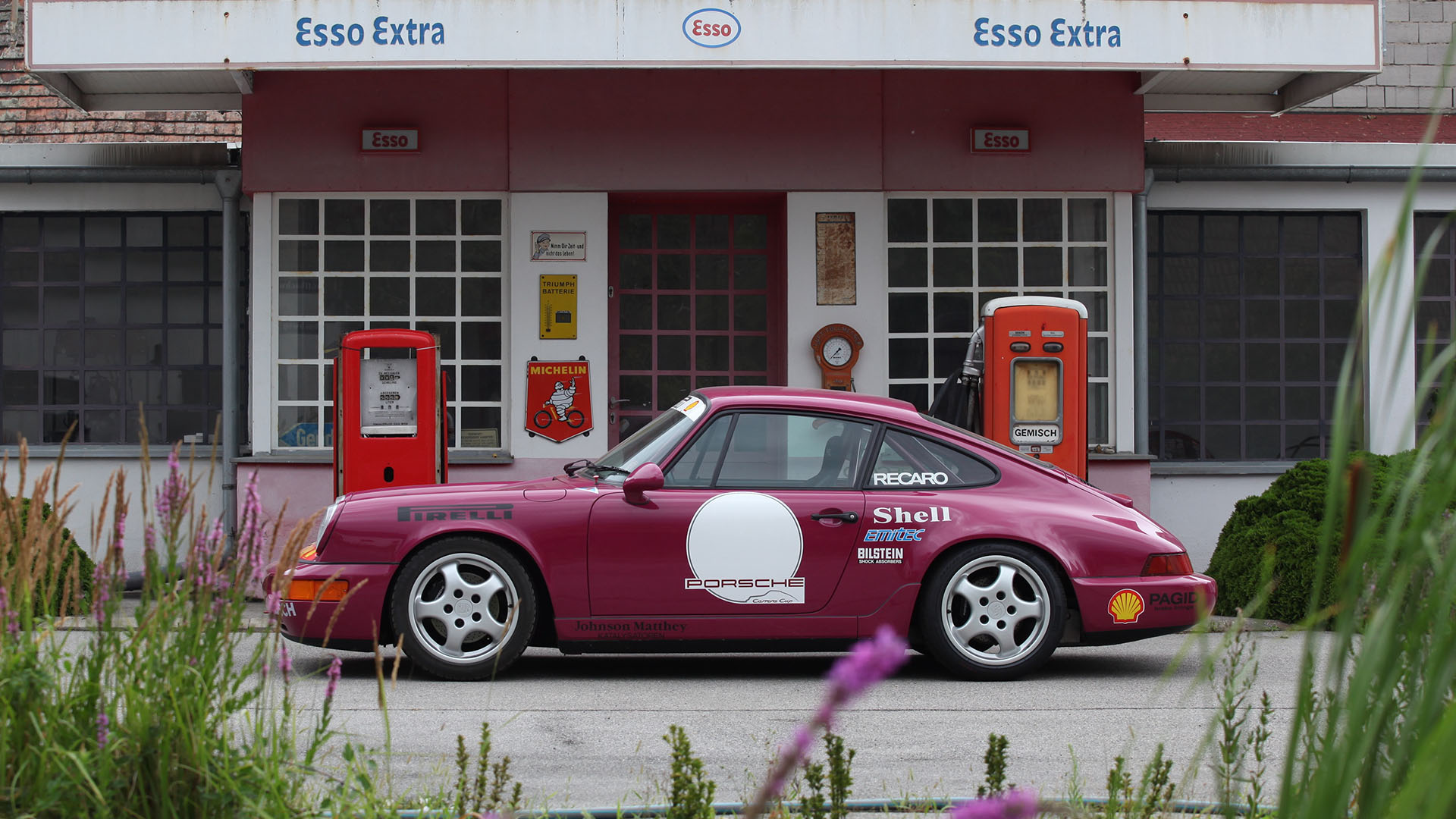
Derived from the Cup car
© Christoph MäderThe Porsche 964 Carrera RS was derived from the Cup car that contested the one-make Carrera Cup Germany series. This was a smash-hit success in 1990, and led to people registering Cup racing cars for the road. Jost Capito, the Carrera Cup manager, proposed the idea of a road-going version in a board meeting. Capito said he’d received so many requests, he could sell the required number of cars to support a business case over the telephone.
-
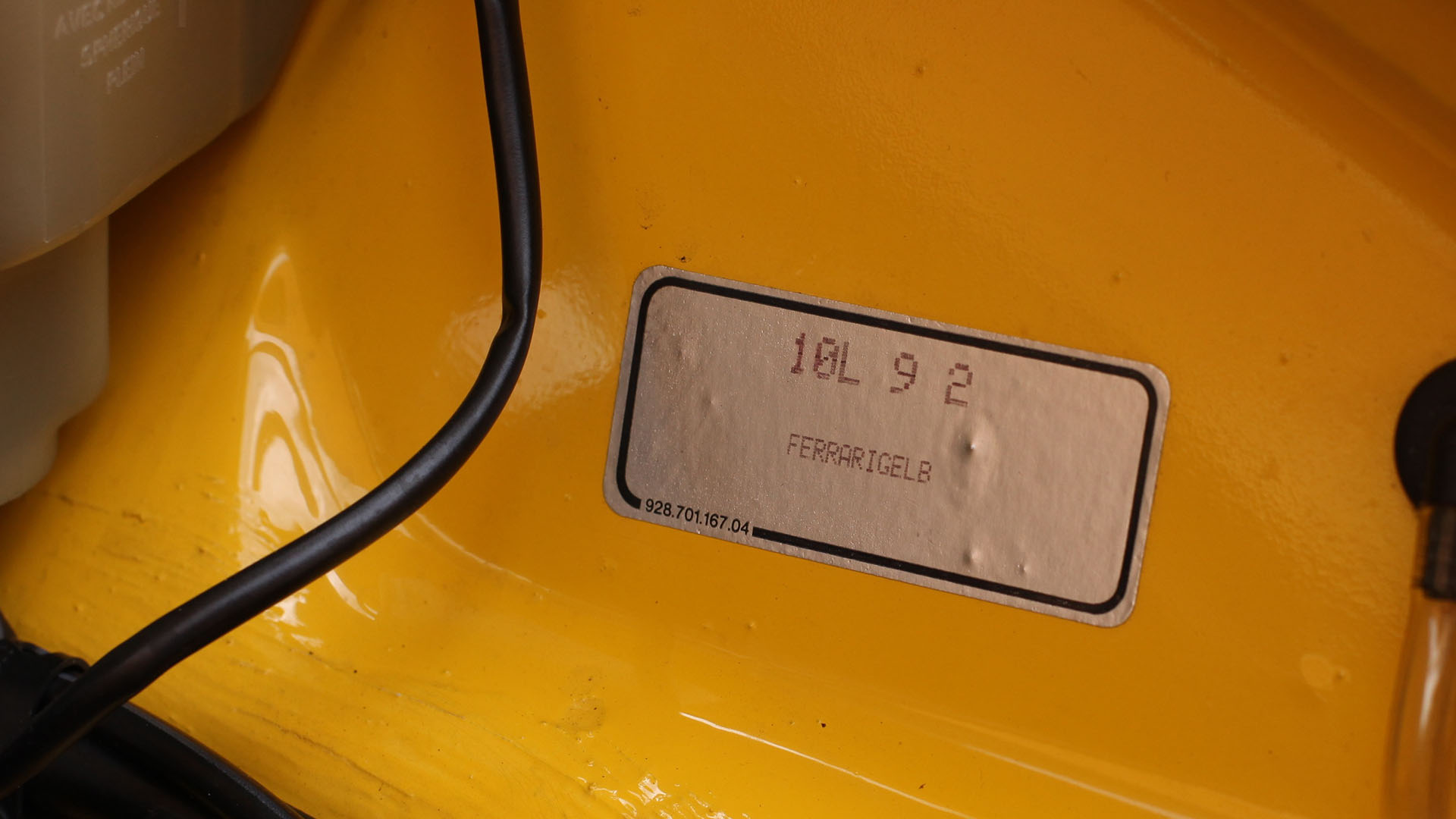
Some inspiration from Italy
© Christoph MäderThe most often requested Paint to Sample (PTS) colour for the Carrera RS was Ferrari Yellow, which was specified 66 times. Porsche didn’t have any yellow hues in its production colour palette and could have named the colour differently, but it chose not to.
-
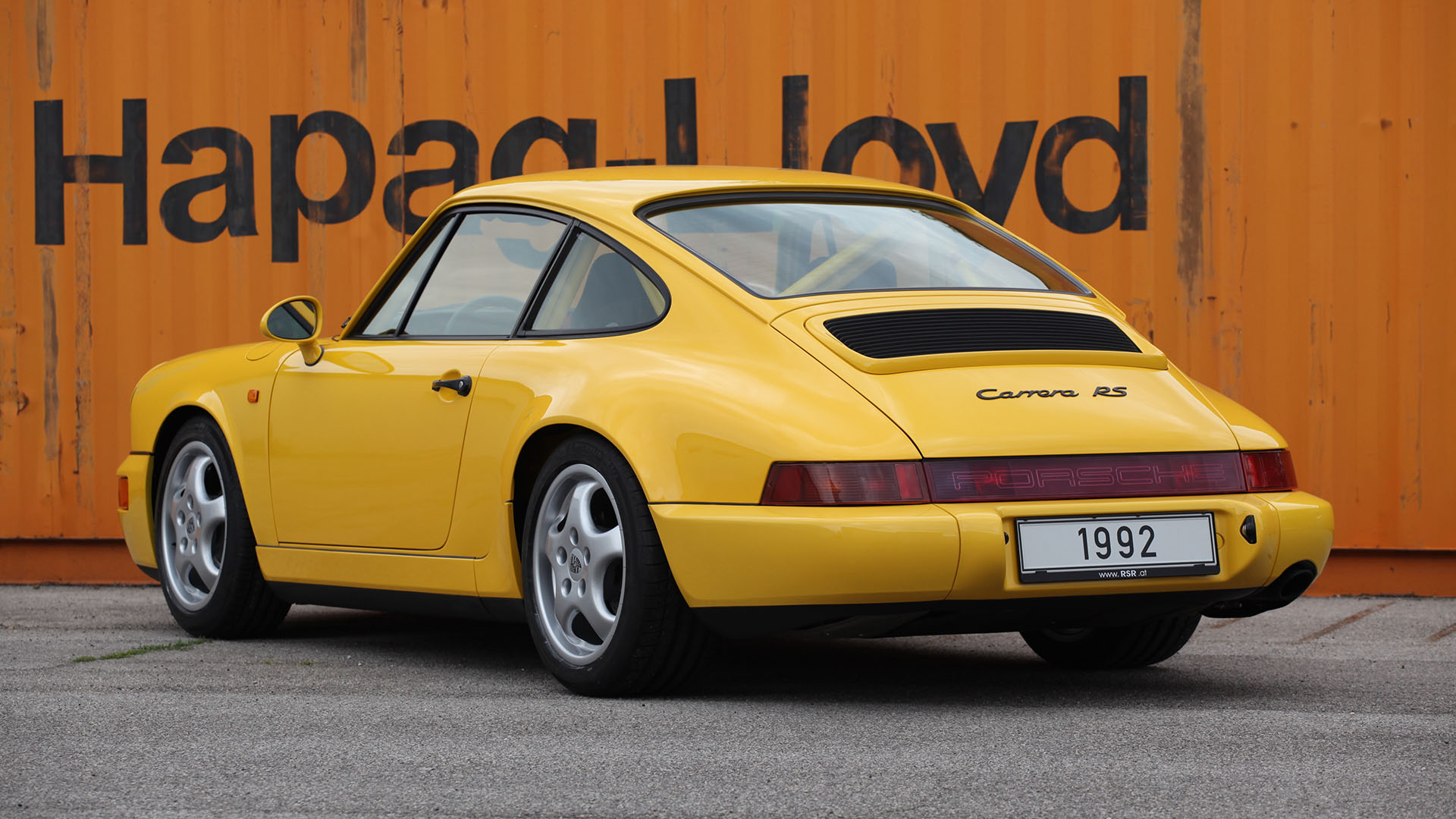
Coats of many colours
© Christoph MäderIn total, 18 PTS colours were yellow hues, with Ferrari Yellow being just one of them. Ultimately, 32 different solid PTS and 13 metallic PTS colours featured across all the Carrera RS models made (including Touring, Clubsport, RS 3.8 and RSR 3.8 versions).
-
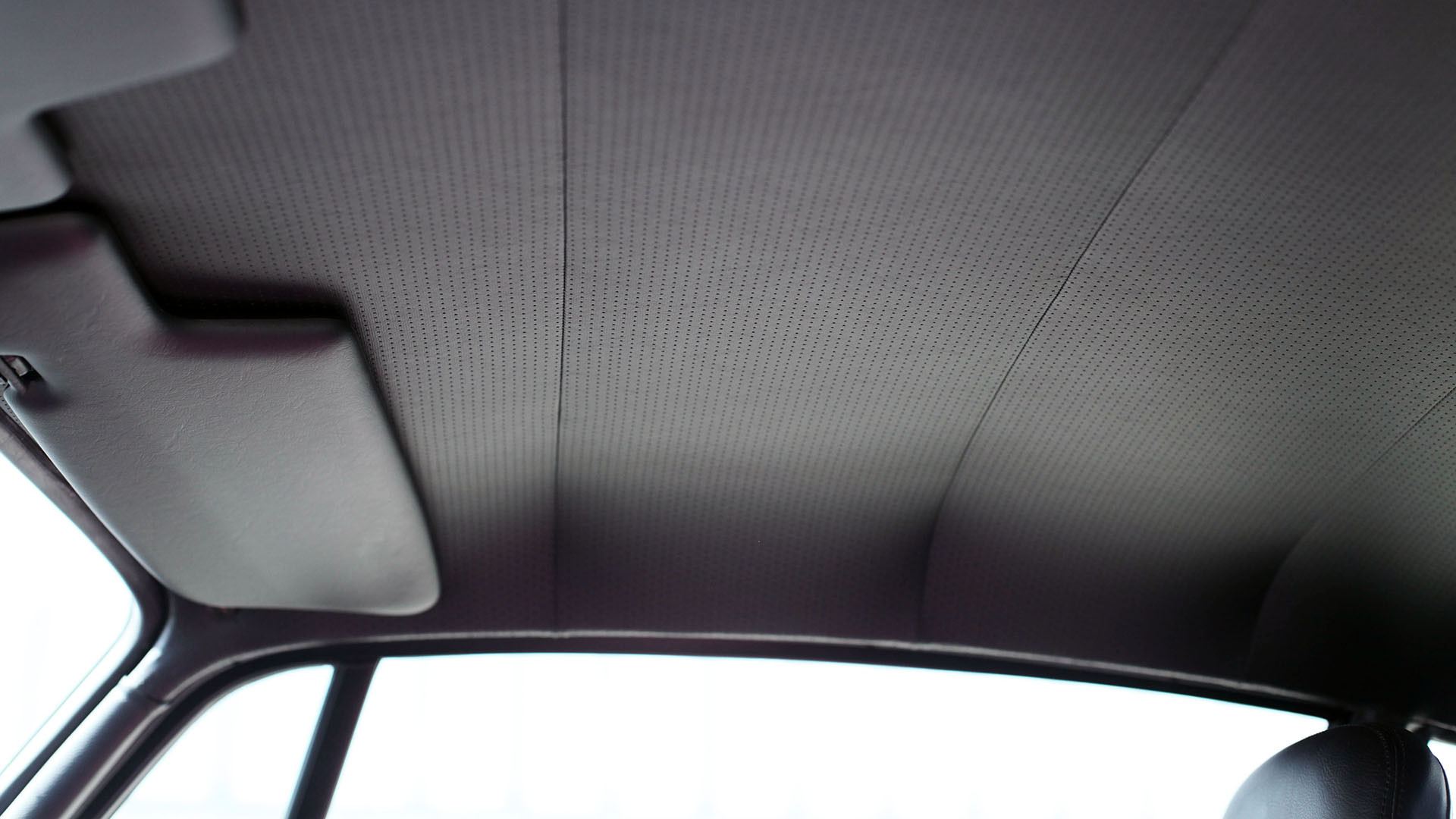
Lightness via lack of light
© Christoph MäderAt night, it can be pretty dark inside a 964 Carrera RS. Porsche opted to omit the roof wiring harness to save weight, so there are no courtesy lights above the doors. The light in the glove compartment is the only source of illumination in the cabin, apart from the five backlit gauges in the dashboard.
-
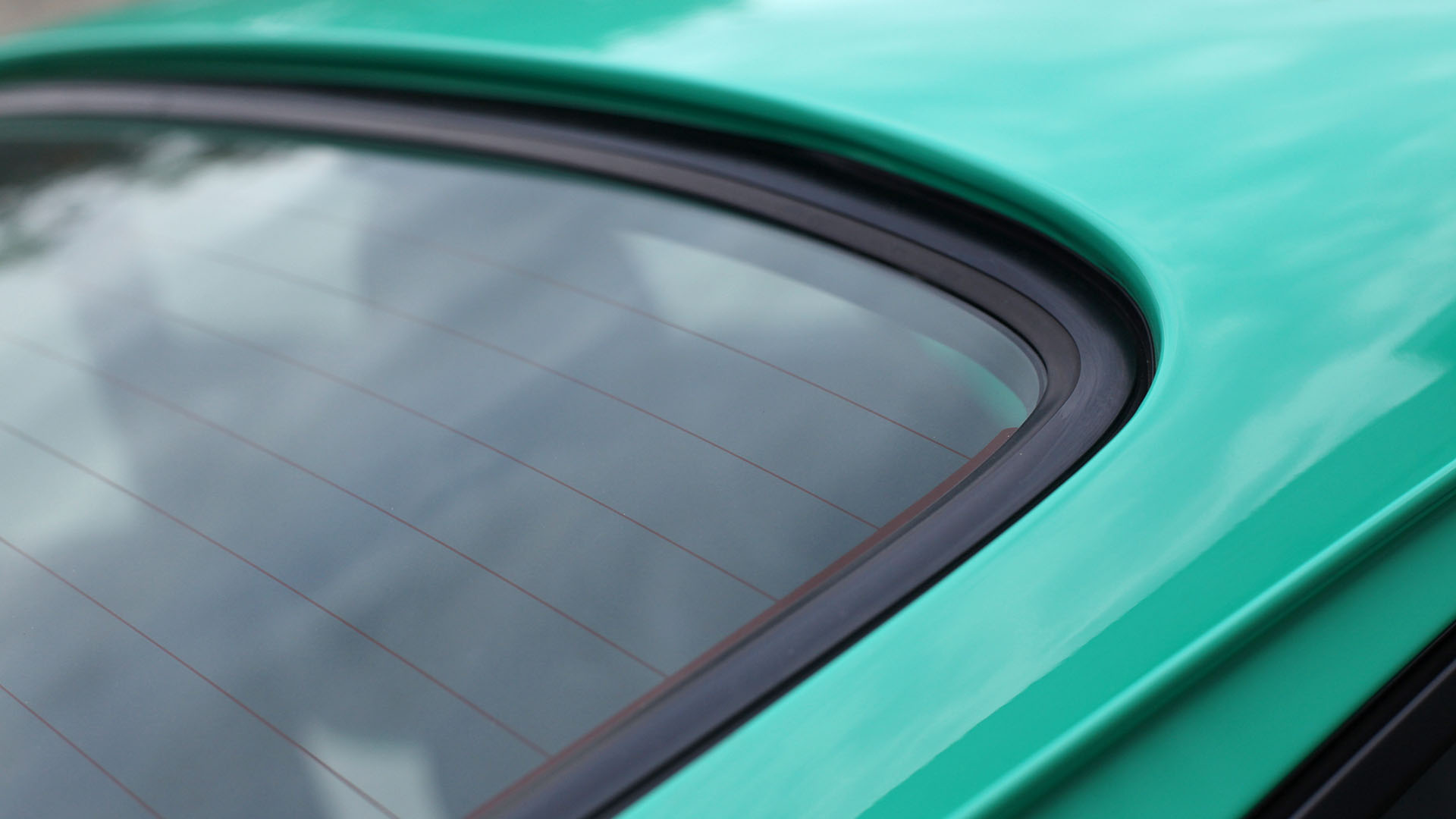
Beware on frosty mornings
© Christoph MäderWith no roof wiring harness, it also means there is no heated rear window – despite having the element inside the glass.
-
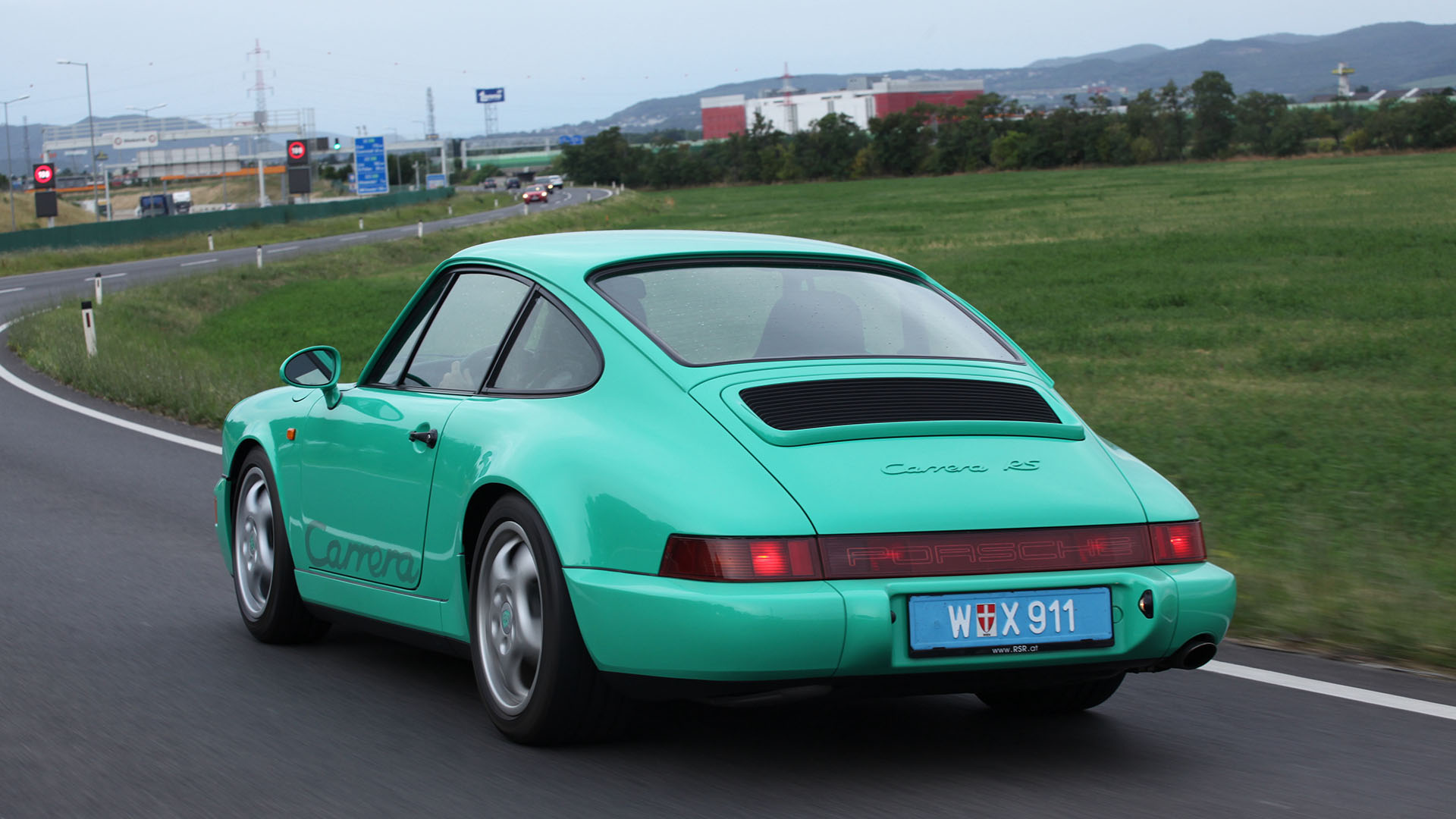
Pane for pleasure
© Christoph MäderIn an effort to save more weight, thinner glass was used for the 911’s rear quarter and door windows. Rather than the standard 4.9mm glass, 3.2mm panes were used, helping to save another 4kg.
-
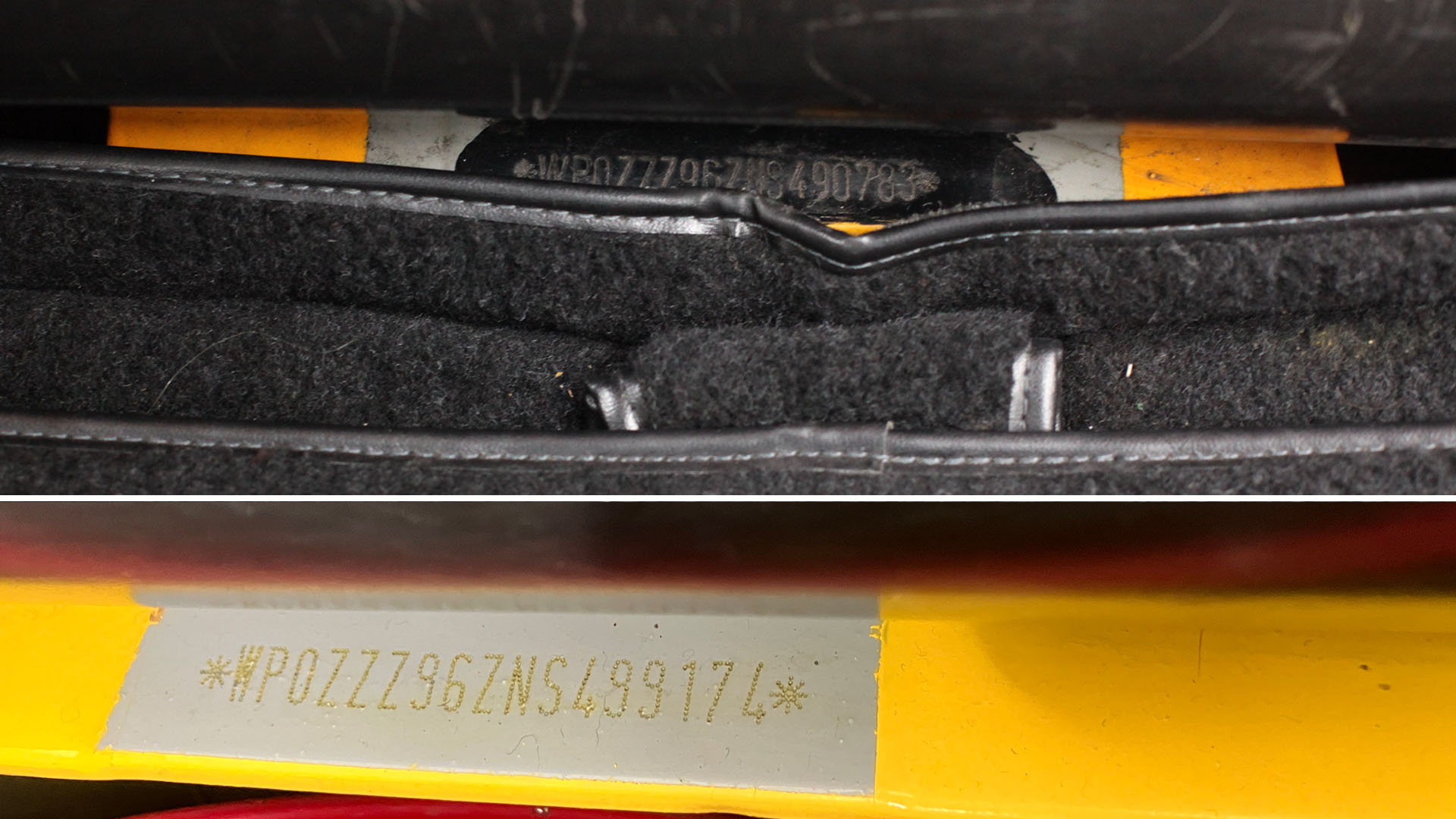
Matching numbers
© Christoph MäderWant to spot an early 964 RS? Part-way through production, Porsche switched from embossing the vehicle identification number (VIN) onto body shells to dot-lasering it onto the sheet metal tab in front of the fuel tank. Early embossed VINs date from before Christmas 1991.
-
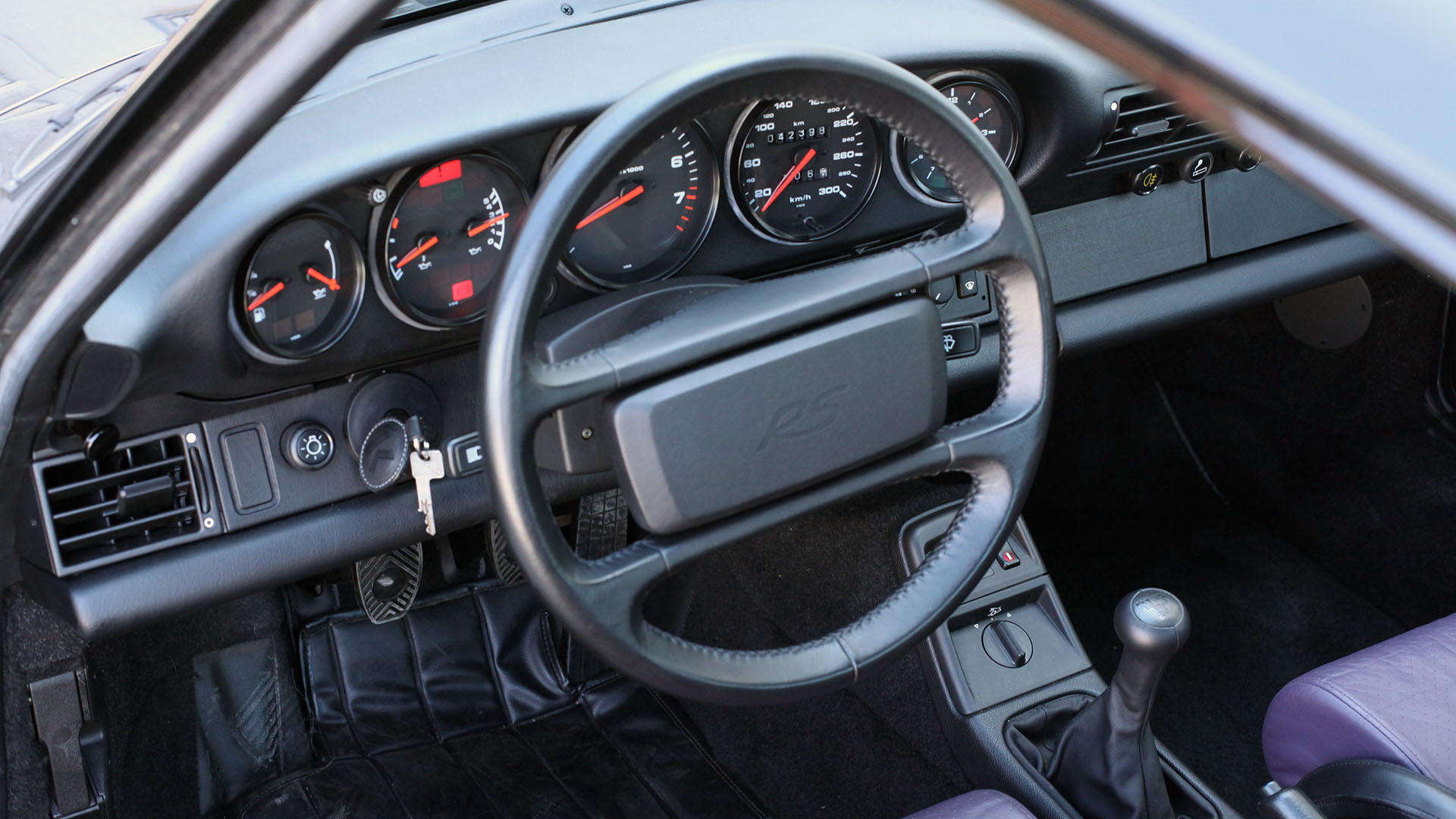
Workout-weighted steering
© Christoph MäderEven though the 964 generation of 911 came with power steering, one model reverted to traditional non-assisted steering: the Carrera RS. It saved a bit of weight and offered drivers more road-feel in return.
-
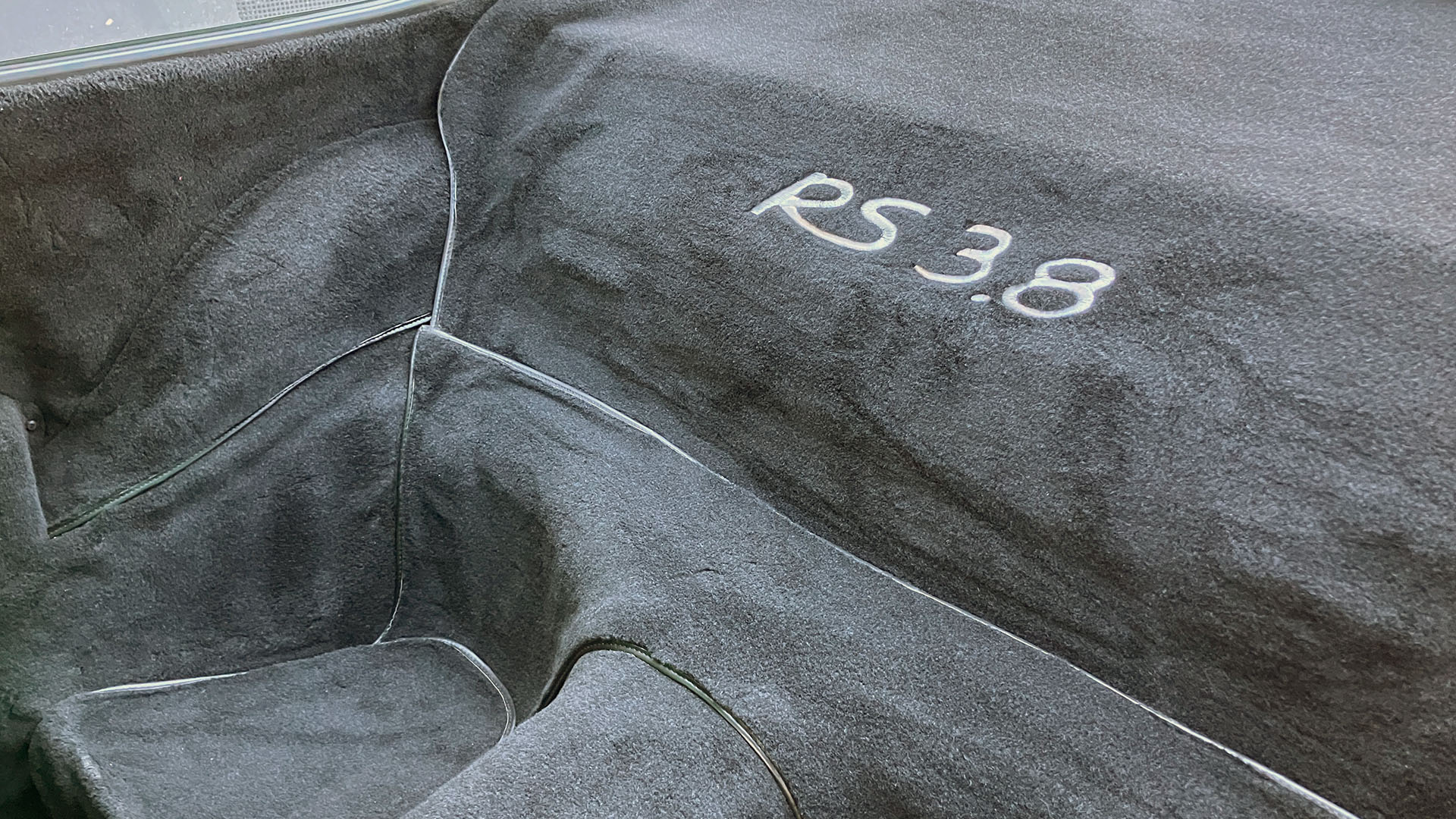
Fun for four people
© Christoph MäderThe Carrera RS was a pure two-seater to – you guessed it – save more weight. Unless your surname was Piëch, that is. For Volkswagen supremo Ferdinand Piëch’s wife Ursula, a red Carrera RS was fitted with rear seats and a folding sport seat on the passenger side so she could drive her children to kindergarten in it.
-
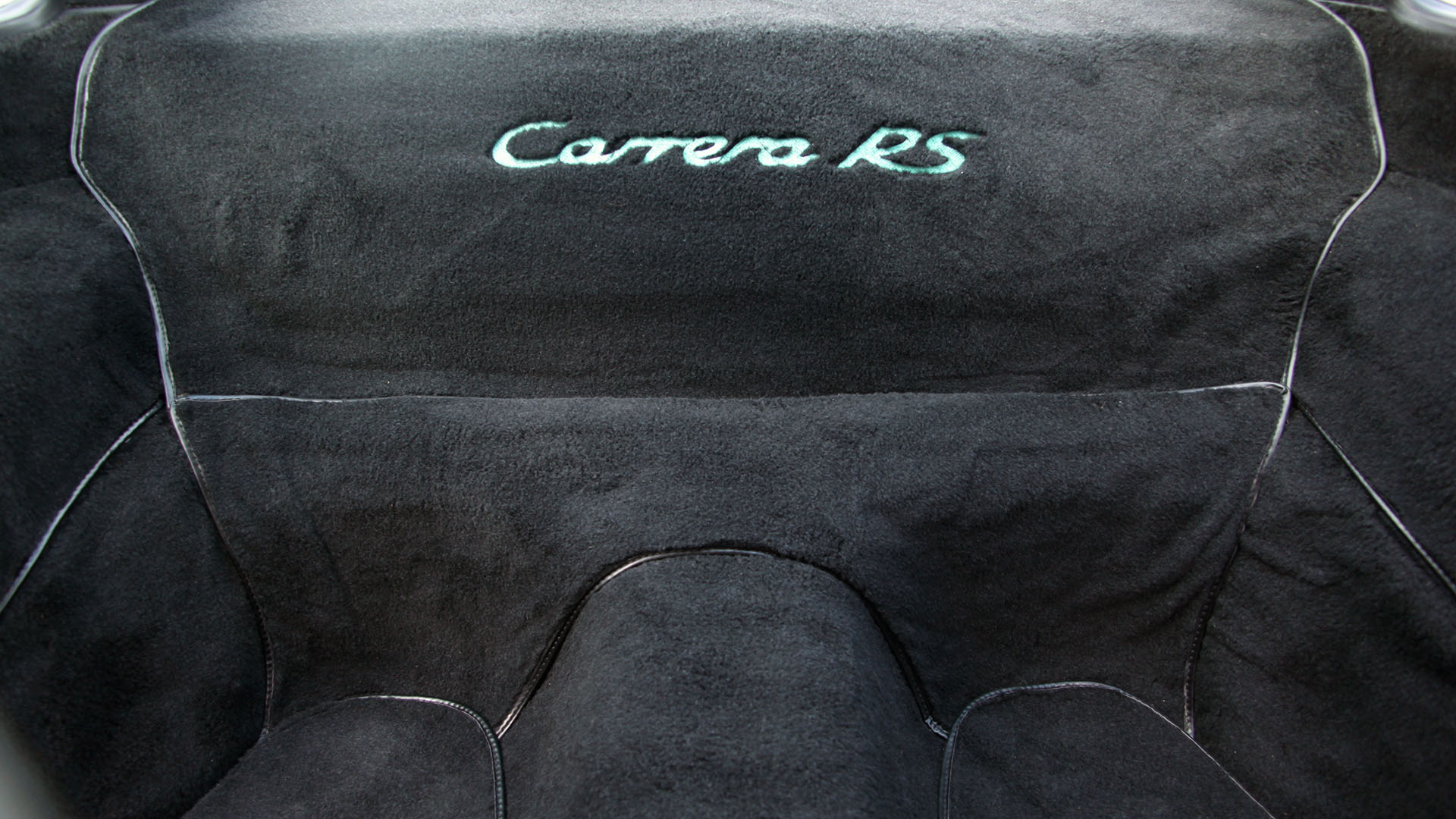
One more for luck
© Christoph MäderA second Carrera RS with the same seating configuration was ultimately built for one of the Porsche board members.
-
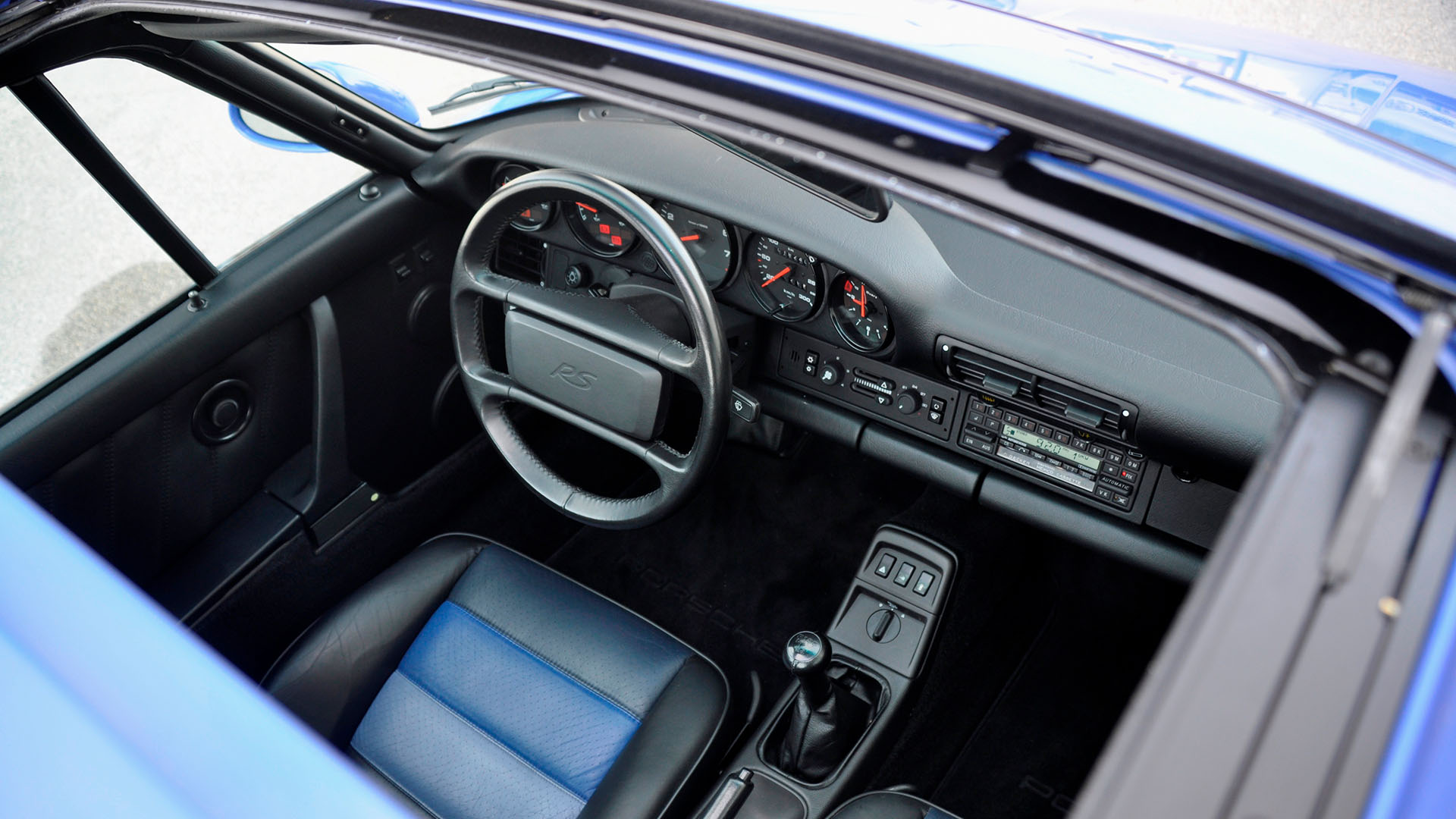
A seldom-seen sunroof
© Georg KonradsheimThe only way to get a power sunroof on your Carrera RS was to opt for the Touring version with ordering code ‘M002’. The sunroof adds approximately 10kg of weight to the car.
-
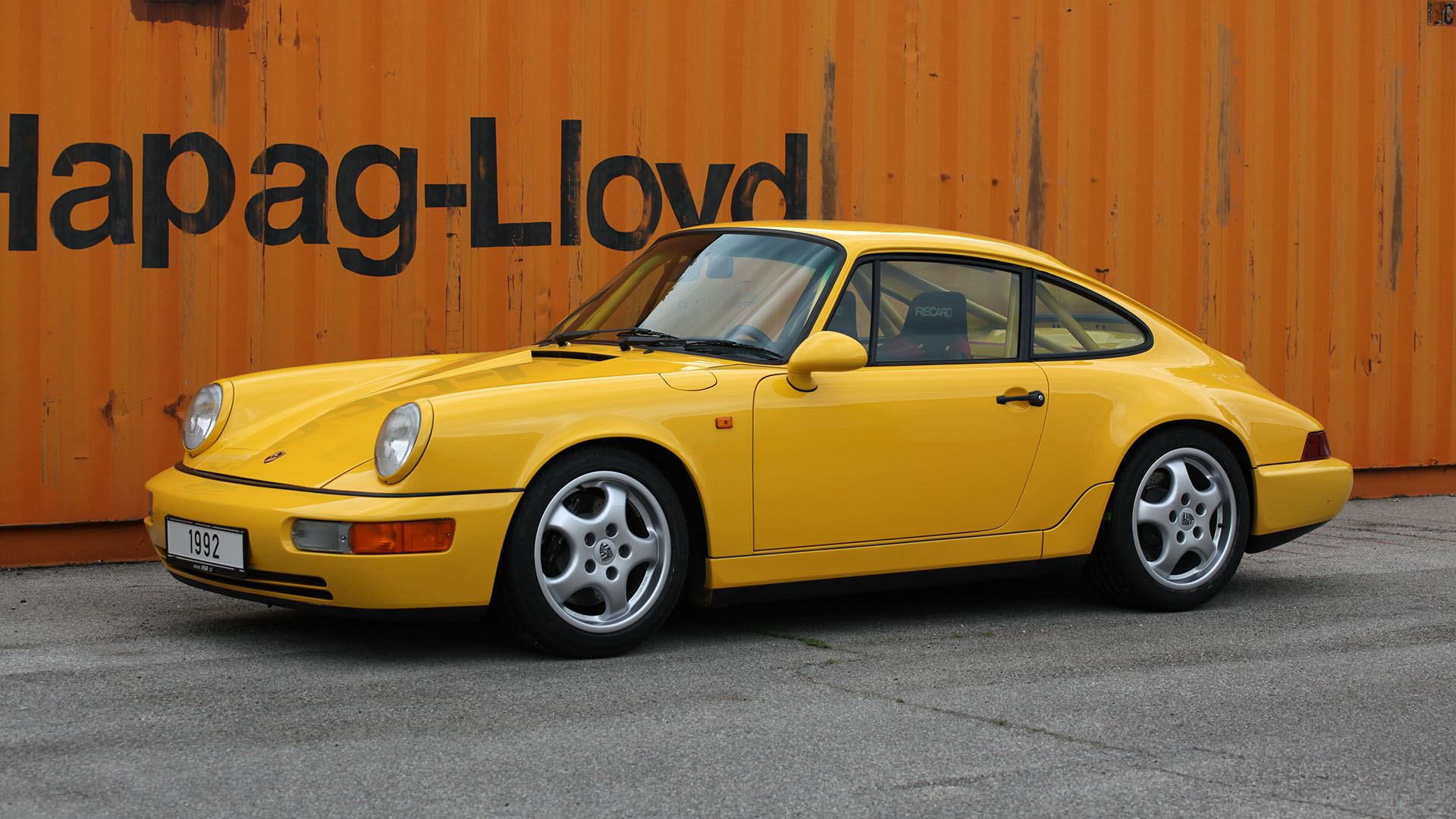
Simple pleasures
© Christoph MäderUnlike its predecessor, the 911 Carrera 2.7 RS from 1973, very few buyers chose the Touring version of the 964. Only 73 Carrera RS Tourings were sold, compared to 1,916 cars in Basic spec. Back in 1973, it was the other way around.
-
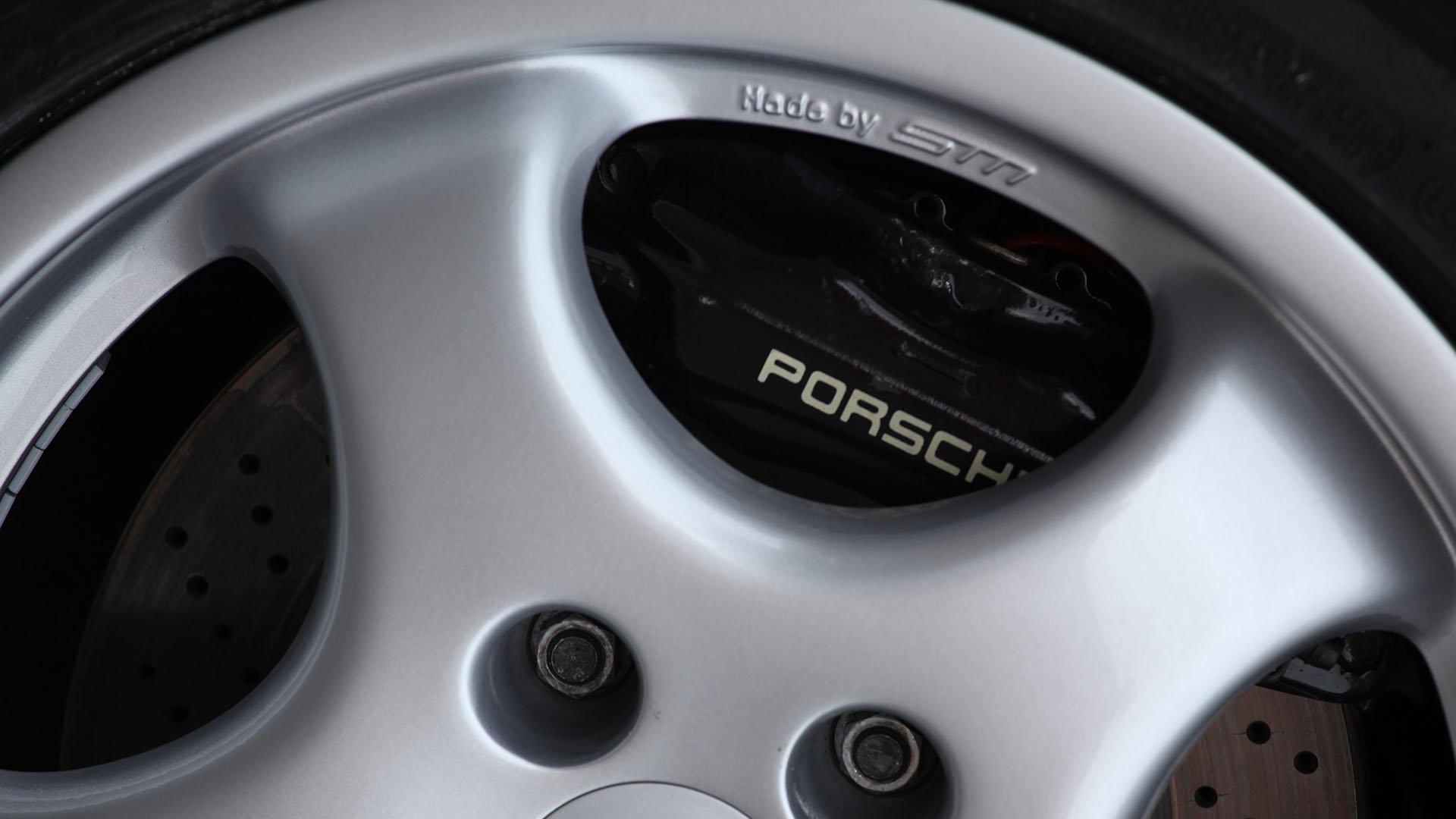
Not the wheel deal
© Christoph MäderThe 17-inch magnesium wheels of the Carrera RS were produced by the alloy wheel company ATS. However, Porsche didn’t want this ‘high street’ brand name on its car. Instead, it invented a company name, SM, using the initials of ATS’ two owners: Stahlschmidt and Maiworm.
-
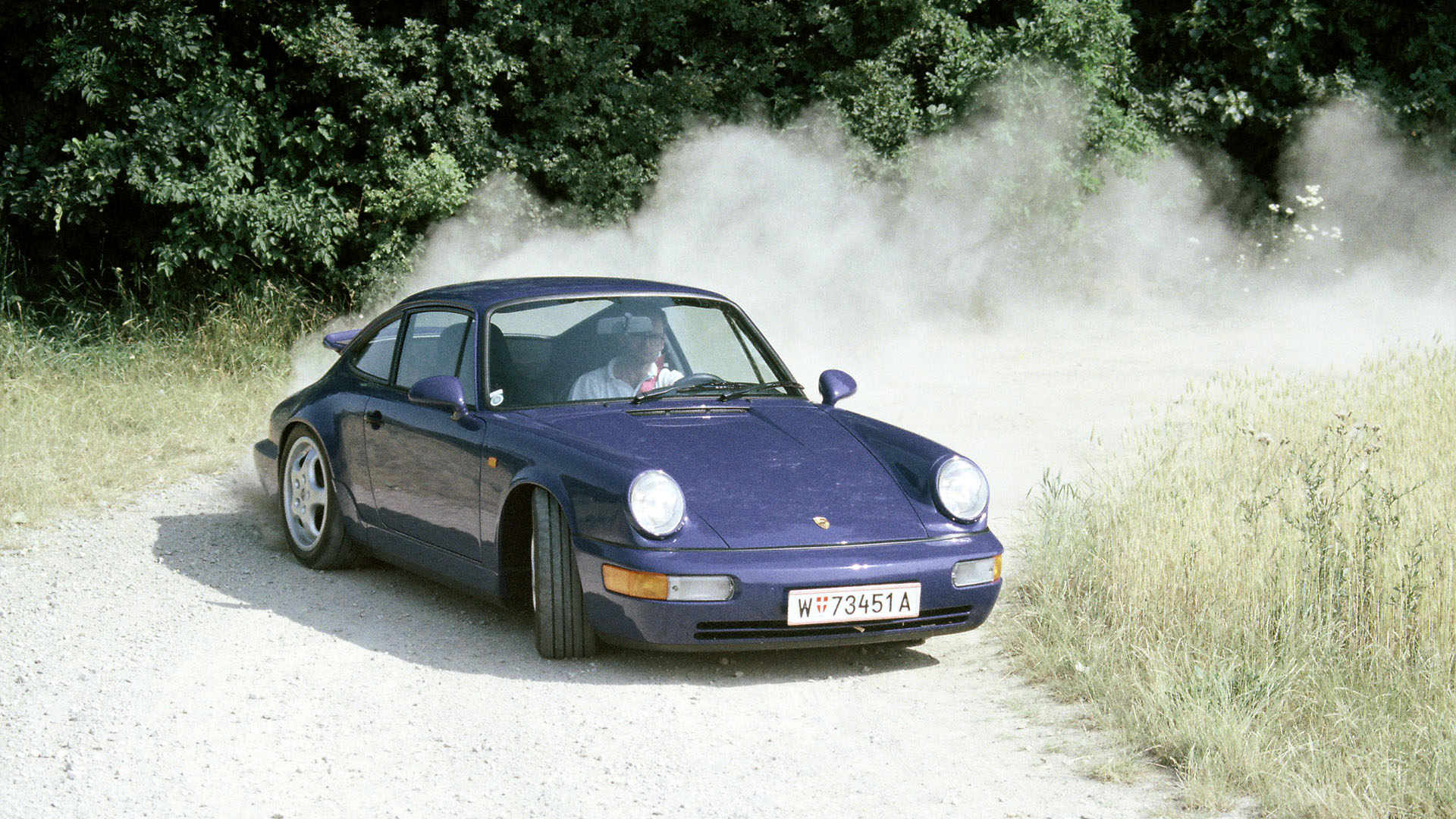
Saving unsprung weight
© Georg KonradsheimThe ‘SM’ magnesium alloys used the same design as the aluminium Carrera Cup rims, but saved approximately a kilo in weight per wheel.
-
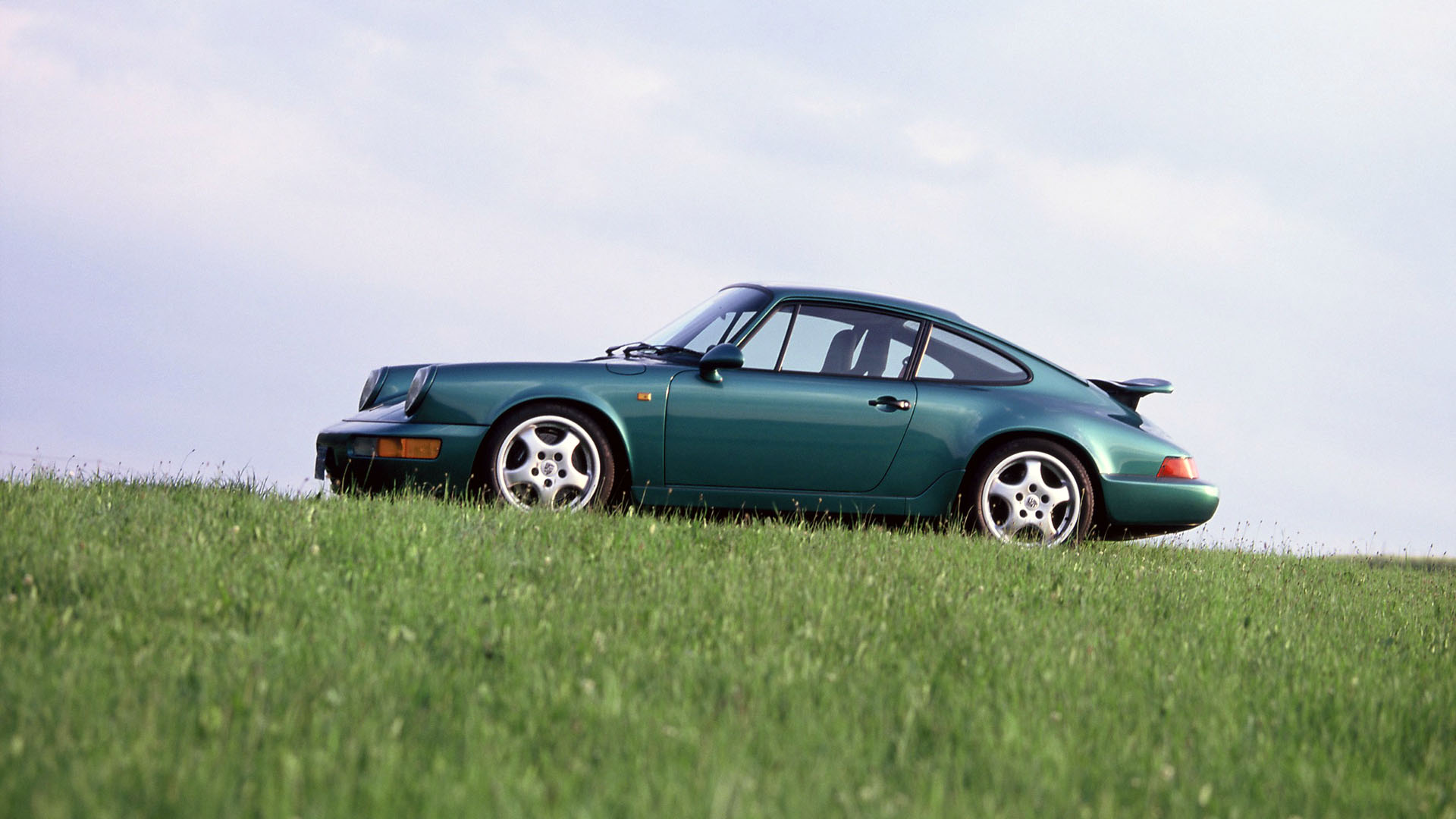
An appreciating asset
© Georg KonradsheimFor the past five years, 964 Carrera RS base models have consistently been valued at between €200,000 and €300,000 (£169,000 and £254,000), tripling their sticker price when new in 1992. Sales prices in the USA tend to be 10-20 percent higher than in Europe, which is interesting as not a single Carrera RS was originally sold across the Atlantic. The car was not type-approved for North America.
-
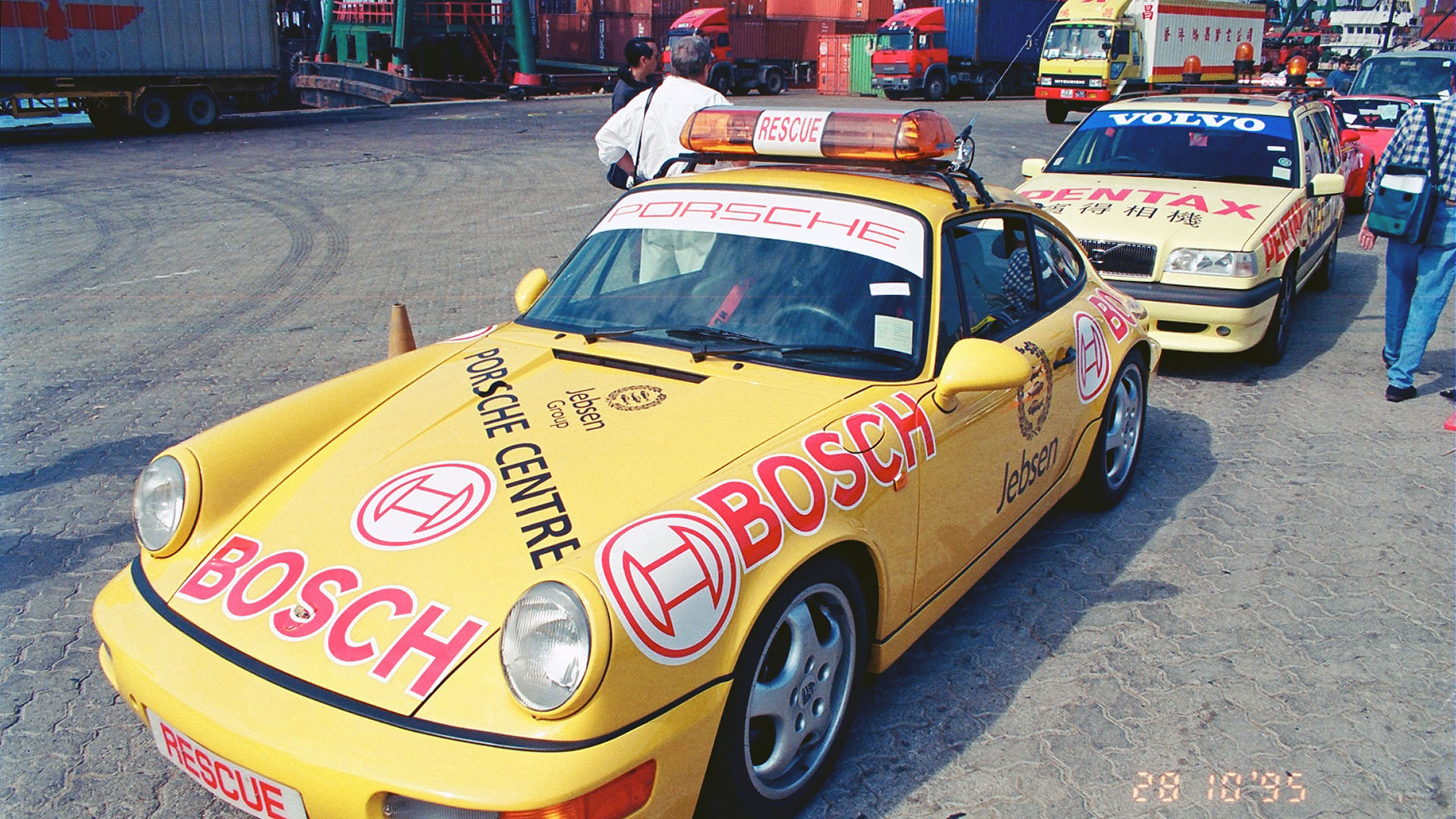
Rarity comes at a price
© Lars PetersenEspecially rare versions of the 964 RS, such as the Macau Clubsports (pictured) or low-mileage PTS cars can reach prices of around €400,000 (£339,000).
