29 most influential cars
-
All hail the influencers
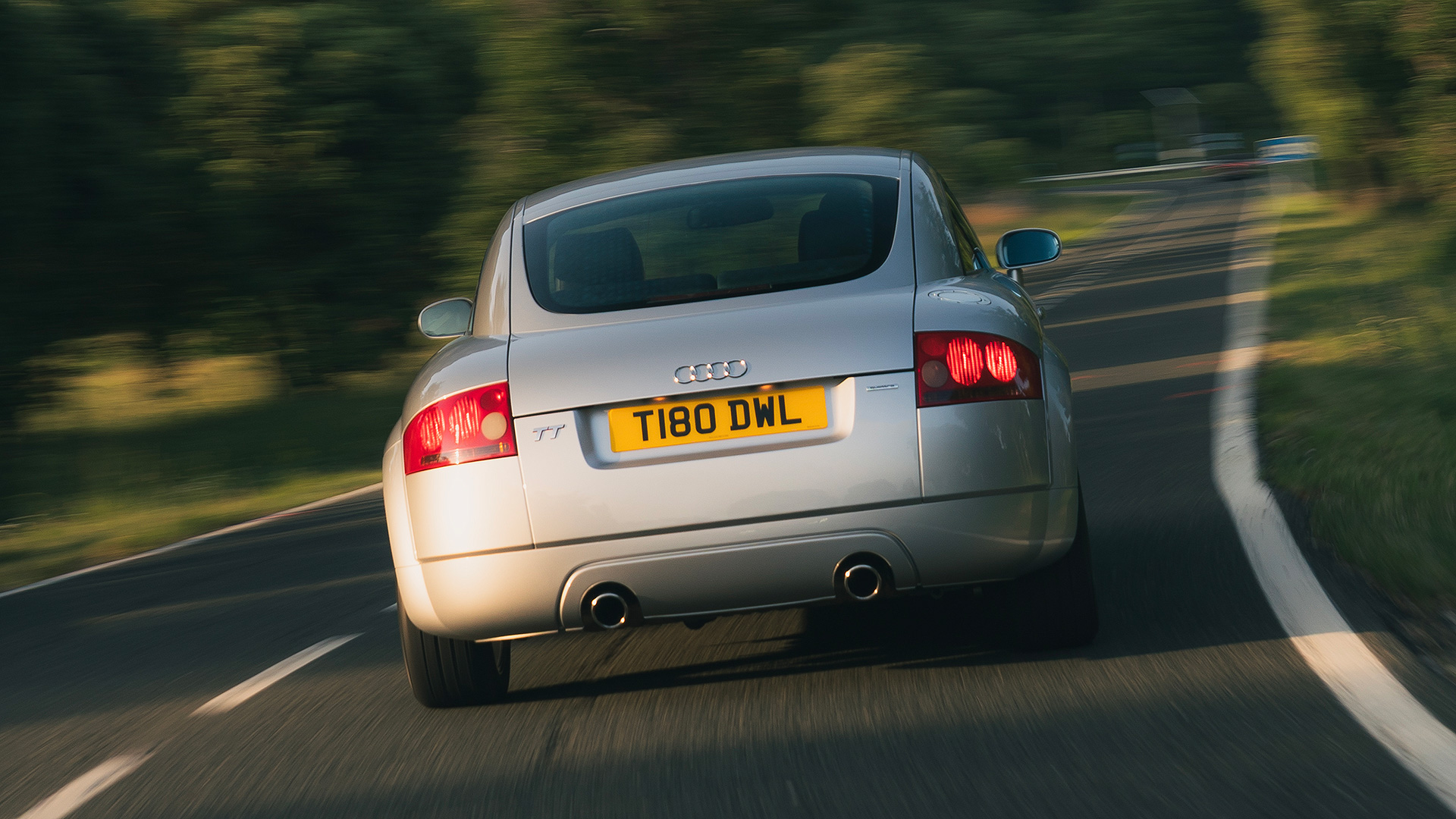
© AudiSome cars enter production and fade away without anyone giving them a second thought. Most cars, probably. But others leave their mark on the industry, securing a place in motoring history. The following cars have, in one way or another, shaped or influenced what we can buy today.
-
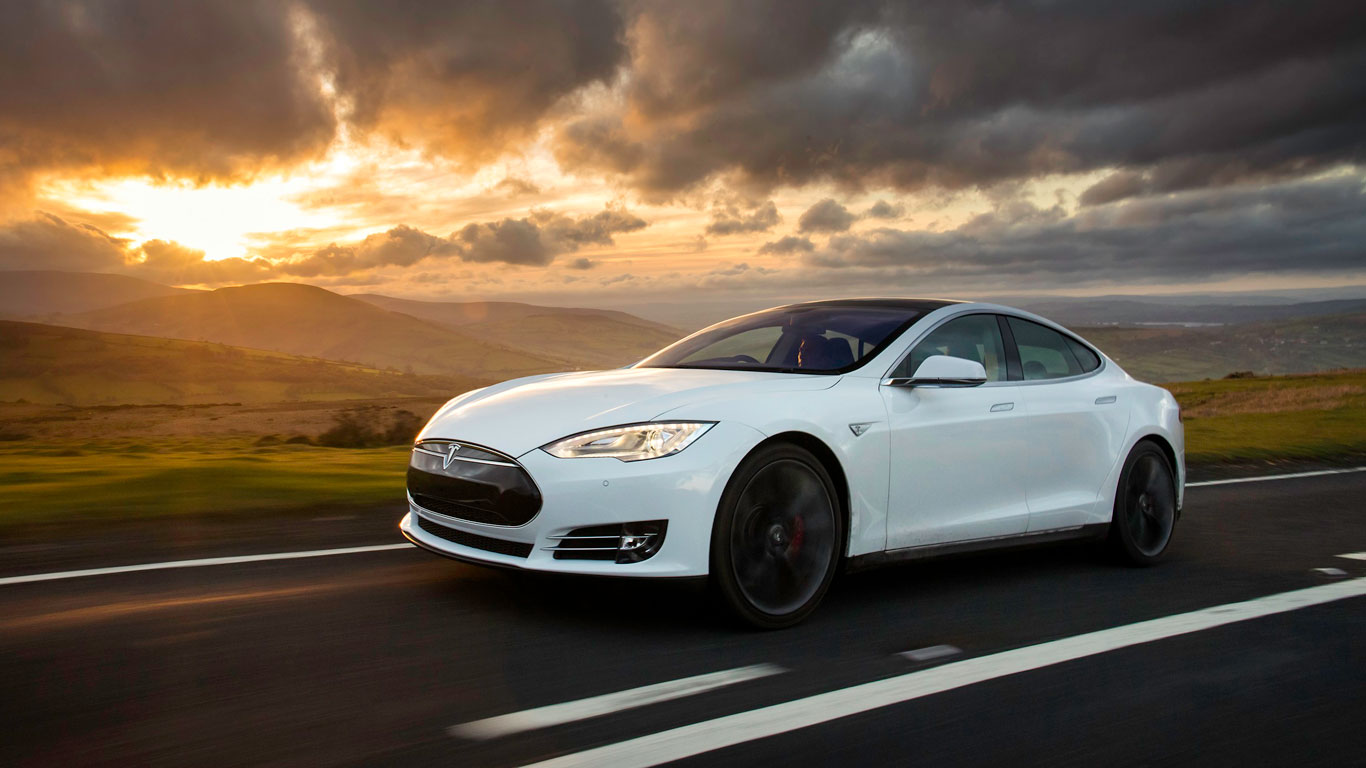
Tesla Model S
© TeslaWhatever your thoughts on Elon Musk and Tesla, it’s impossible not to give the Model S credit for its influence on the EV sector. Launched in 2012, this ground-breaking electric car is still on sale today. Only now are the likes of Audi and Mercedes-Benz beginning to play catch-up.
-
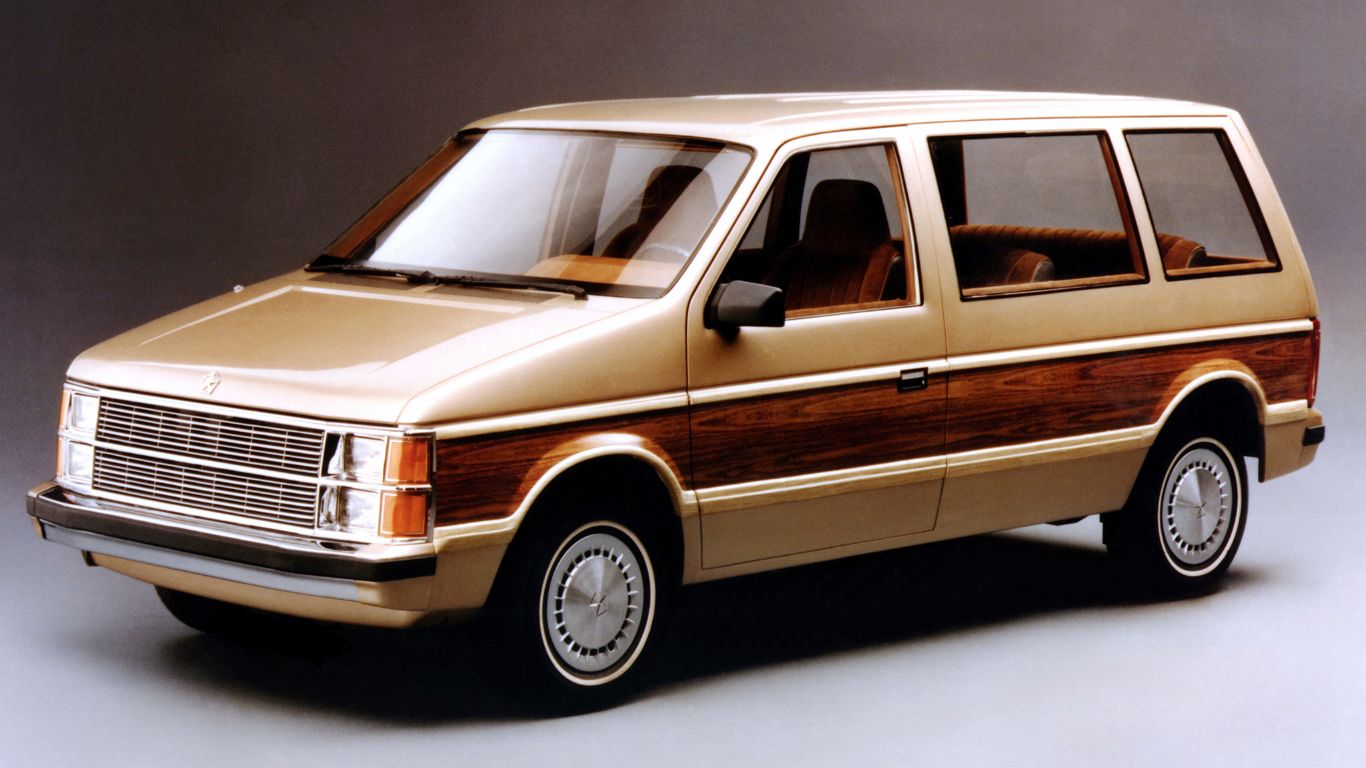
Chrysler Minivan
© StellantisThink the Renault Espace was the first MPV? Think again: Chrysler got there first with the Dodge Caravan and Plymouth Voyager in 1984. They offered unbeatable space and practicality, including removable rear seats. And while the Espace looked like a high-speed TGV train, the Chrysler twins countered with plenty of stick-on wood.
-
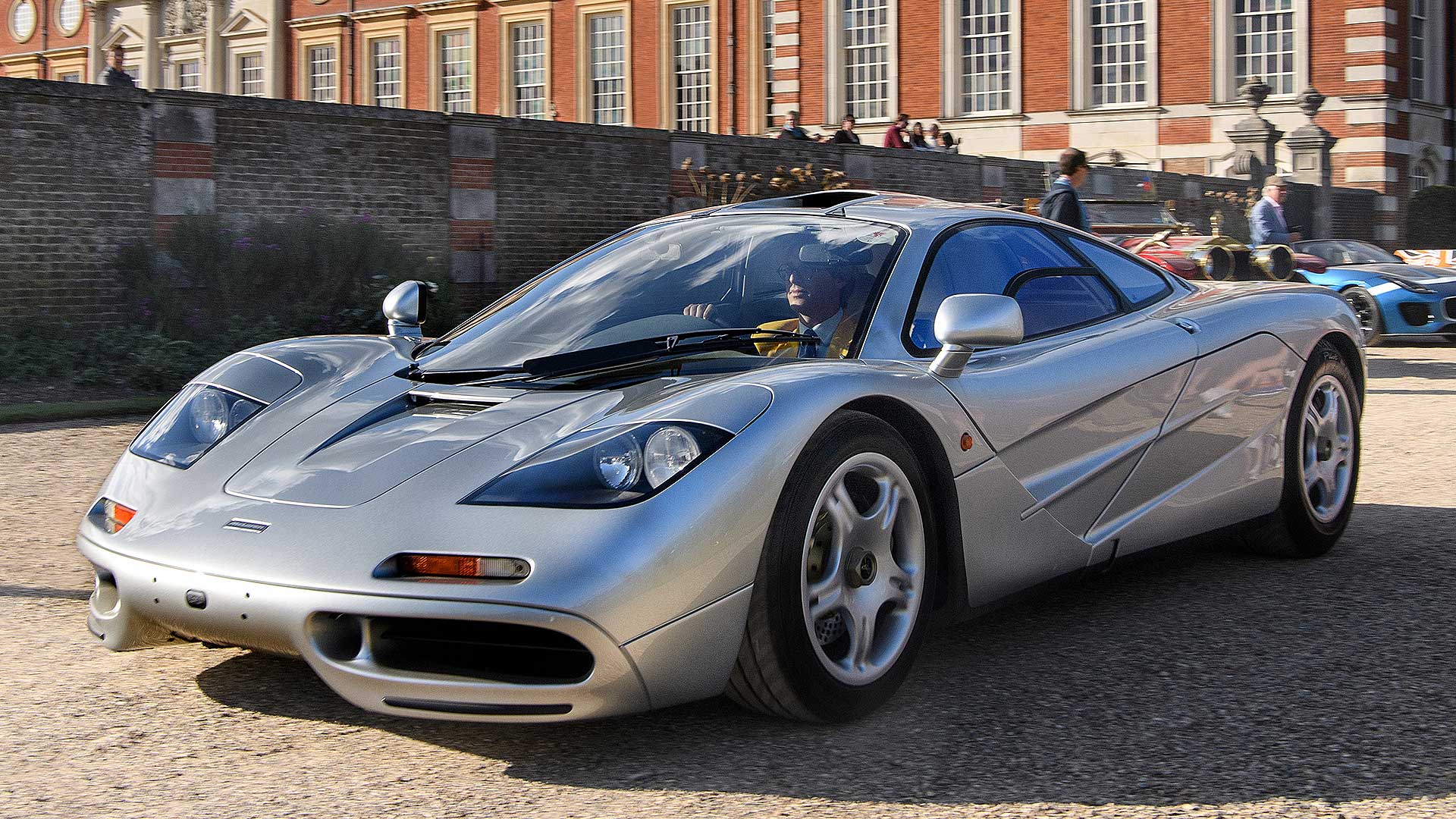
McLaren F1
© NewspressF1 by name, F1 by nature – McLaren’s landmark supercar was the first road car with a carbon fibre chassis and featured tech so advanced, it was decades ahead of its time. It was every inch an F1 car for the road – assuming you had pockets the size of Rowan Atkinson’s – and the result of Gordon Murray’s obsessive approach to car design. Even the engine bay was lined with gold: chosen for its heat-reflecting qualities.
-
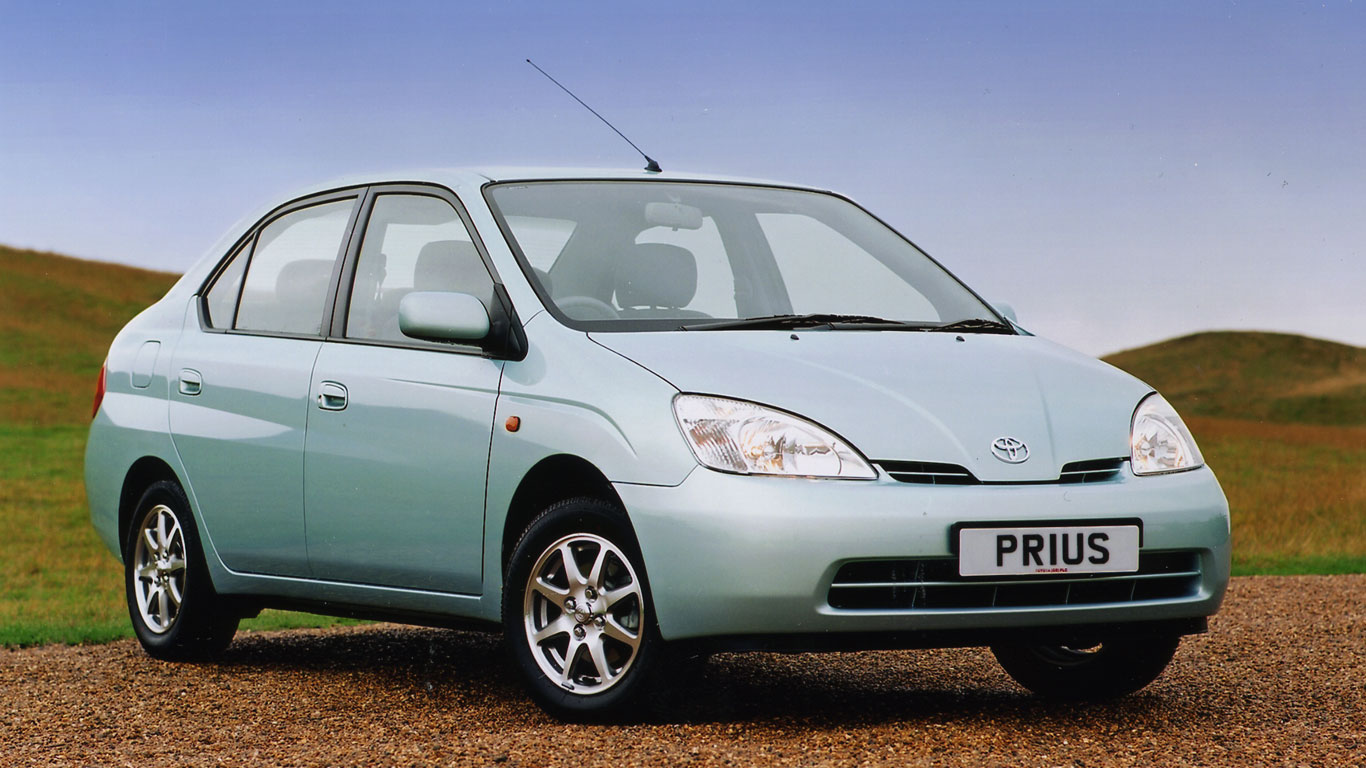
Toyota Prius
© ToyotaLove it or hate it, the Mk1 Toyota Prius was the world’s first mass-produced hybrid vehicle, laying the foundations for a host of rival products. Its rather humdrum styling belied a technologically advanced setup, along with a drag coefficient of just Cd 0.29. Sales of 123,000 were only half the story – the original Prius proved there was a market for hybrid vehicles, with the name becoming the brand generic for the segment.
-
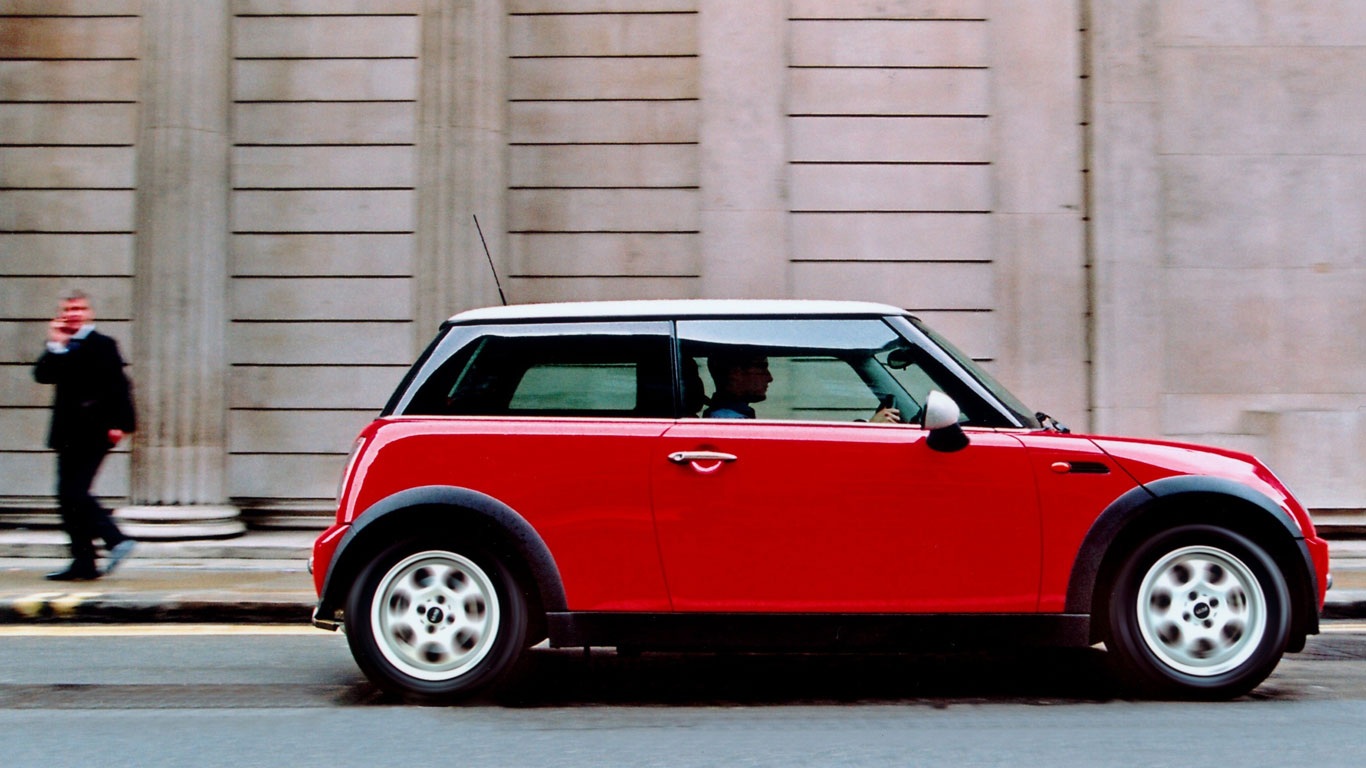
BMW Mini
© BMWIn 1999, the classic Mini was ranked second on the list of the 20th century’s most influential cars, but it’s not eligible for this round-up. Instead, we’re nominating the BMW Mini, even if its inclusion will upset the purists. Launched in 2001, the new Mini featured retro styling, a classy interior, keen dynamics and more personalisation options than you could shake a stick at. It wasn’t the first retro-inspired car, but it was the best overall package. The Fiat 500 followed six years later.
-
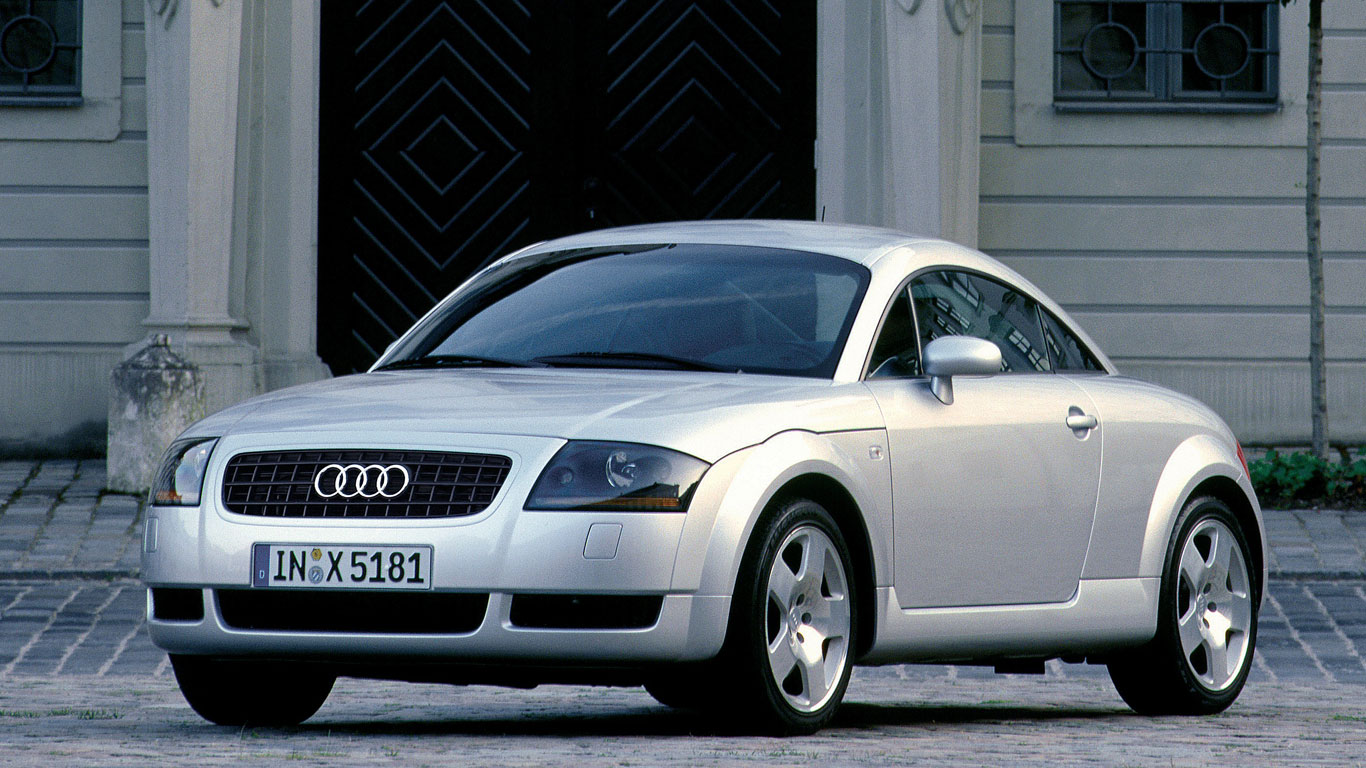
Audi TT
© AudiOf the Audi TT, SangYup Lee, vice president of design at Hyundai and 2023 World Car Person of the Year, said: “It is very difficult for me to come up with one car that shocked me as much as TT. This was the most influential car when I was a student. I still remember all my classmates, ‘Have you seen the TT? This car doesn’t have a bumper’. That was sensational back in those days. I remember in the classroom, looking at my classmates’ sketches. Somehow they all looked similar to the TT.”
-
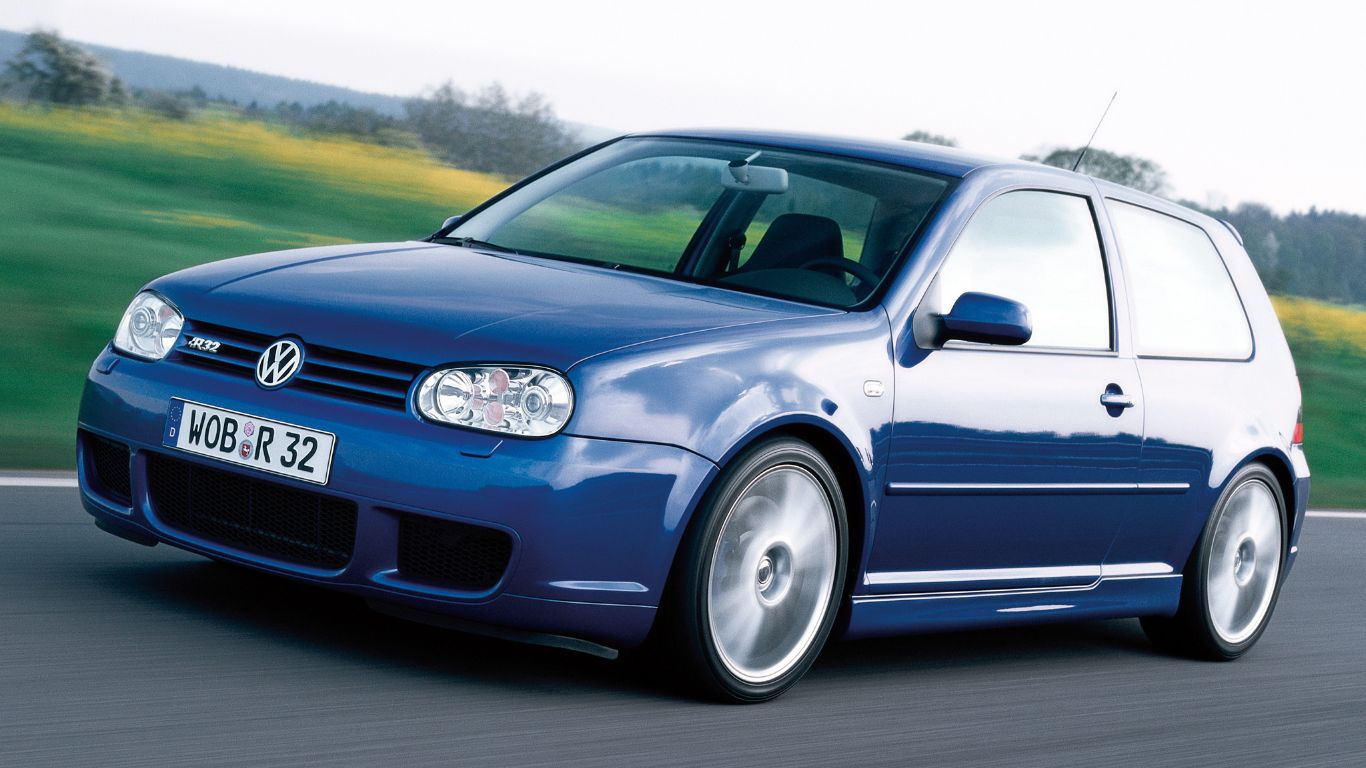
Volkswagen Golf R32
© VWA close cousin of the Audi TT, the Volkswagen Golf R32 of 2003 was influential for two reasons. It was the first production car with a twin-clutch automatic gearbox – called ‘DSG’ in VW-speak. And secondly, it was the forerunner of today’s luxurious four-wheel-drive super hatches, including the Audi RS3, Mercedes-AMG A45 and, of course, the modern Golf R.
-
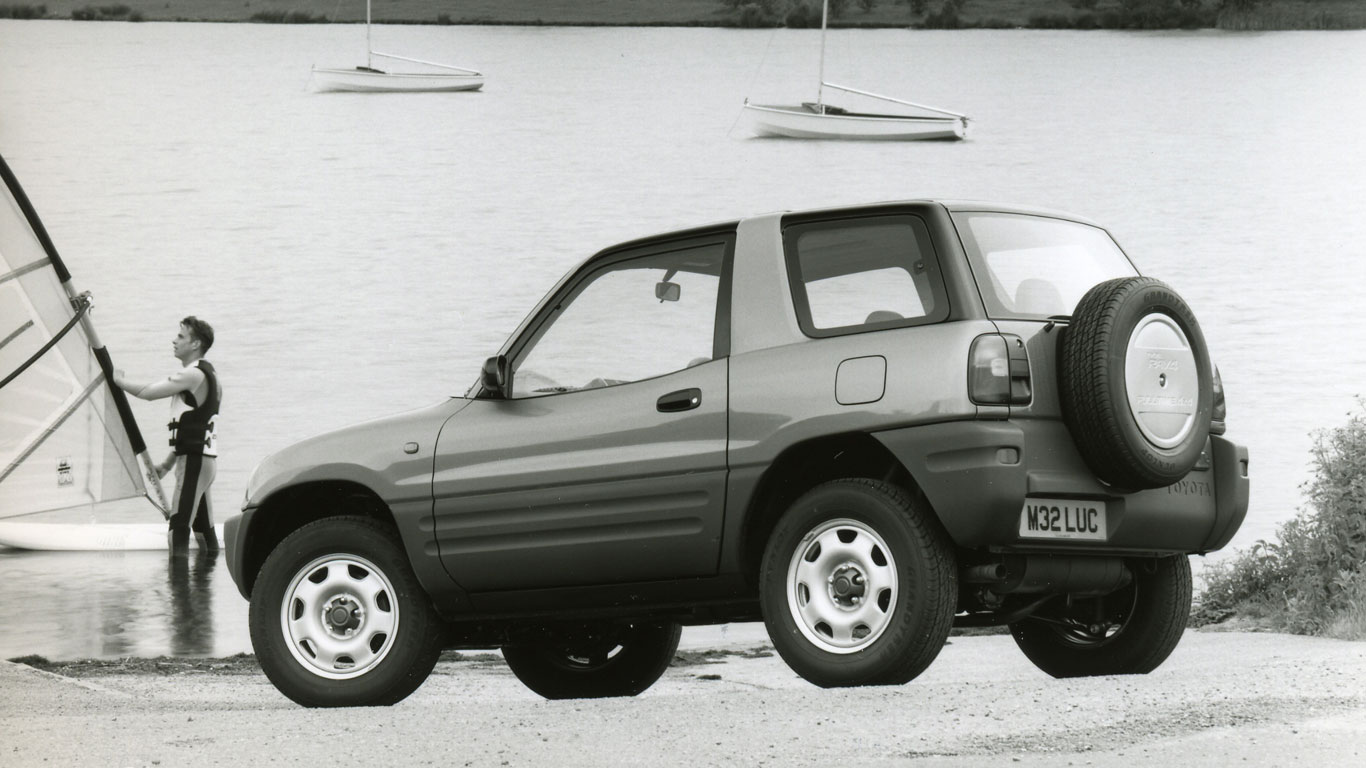
Toyota RAV4
© ToyotaIn 1994, the Toyota RAV4 was described by Autocar’s Gavin Conway as ‘the best-handling off-roader I have driven’. High praise, for what was an automotive pioneer – a crossover before the crossover was even a thing. Sure, there had been plenty of 4x4s before, but the RAV4 combined the high driving position and ruggedness of an off-roader with the handling and dynamics of a hatchback.
-
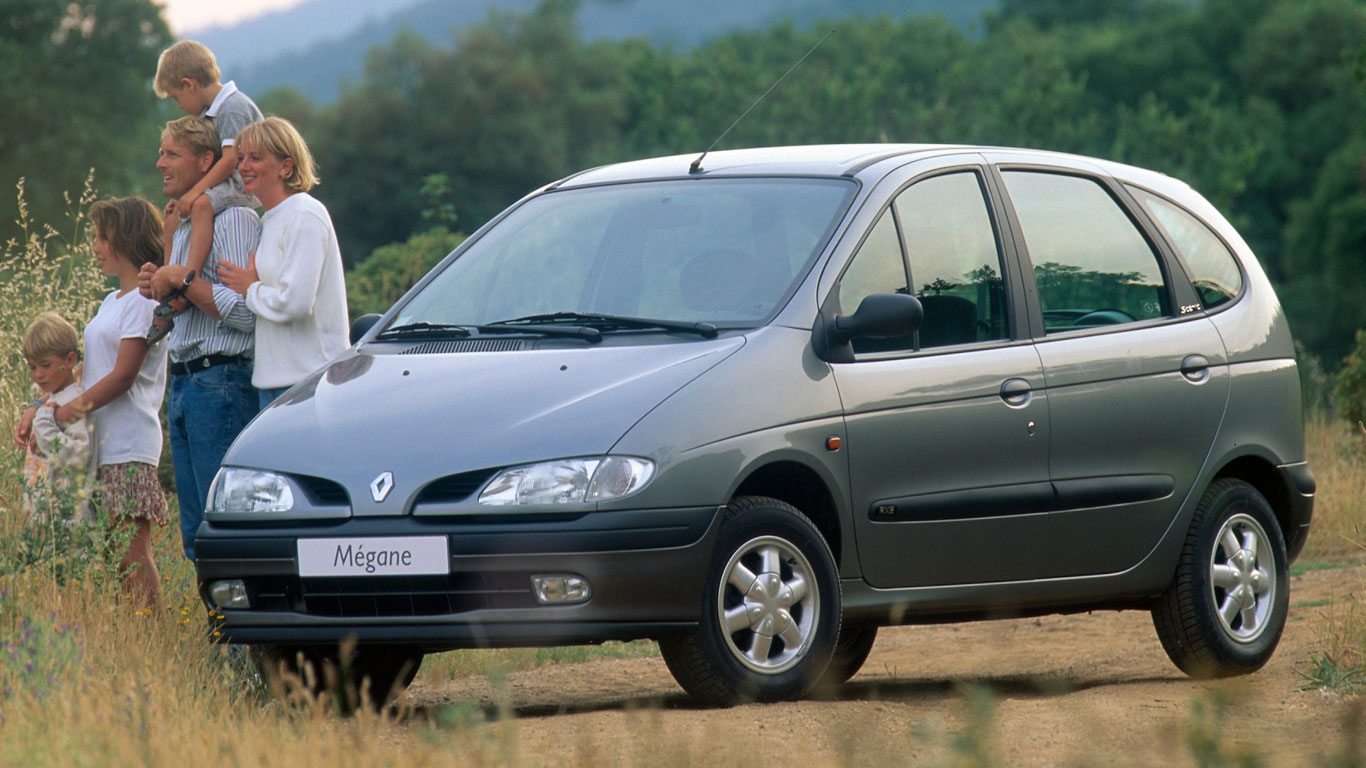
Renault Megane Scenic
© RenaultWhen Renault launched the original Megane Scenic in 1996, it was Europe’s first compact MPV. Developed from the Megane hatchback, the Scenic featured seating for five, space for luggage and a host of storage options throughout the cabin. The designers even called upon their children for help with the interior. Rivals soon followed, including the Vauxhall Zafira, which debuted as a concept in 1997.
-
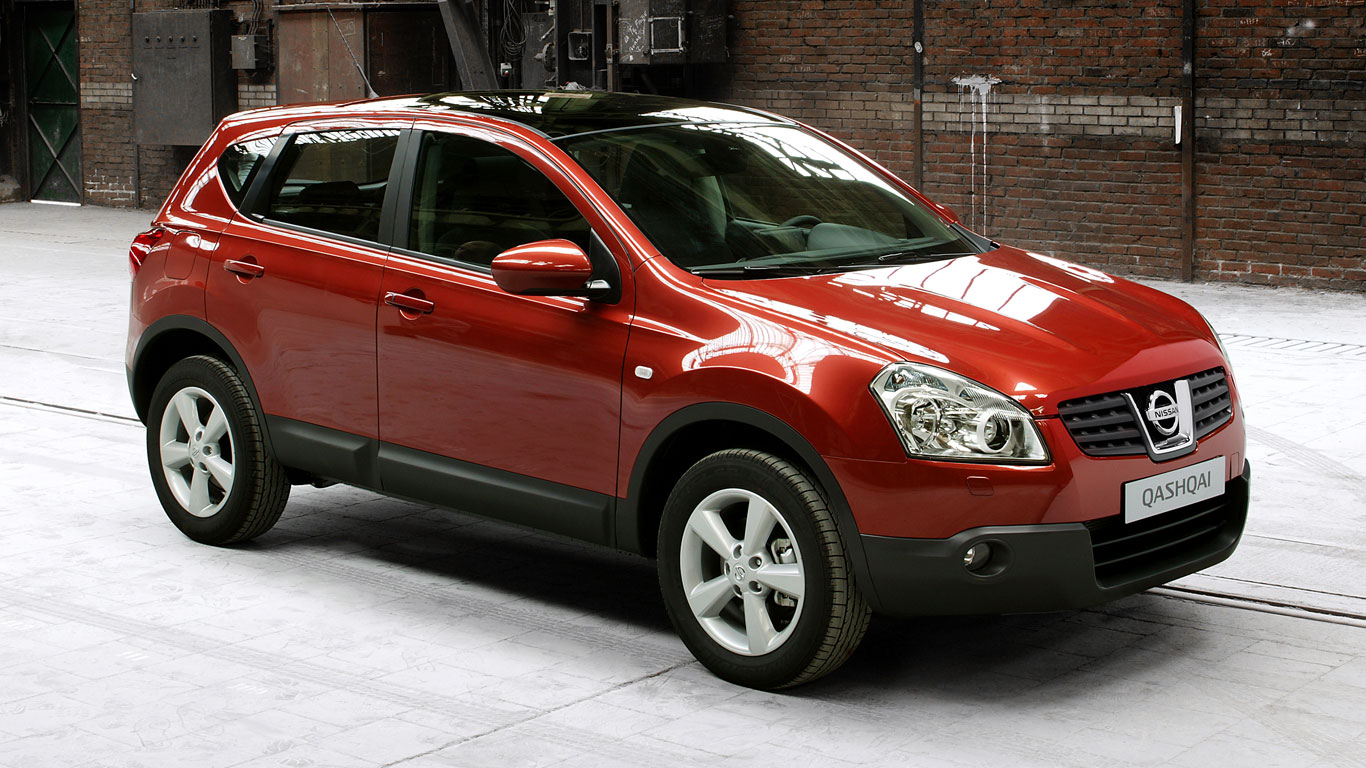
Nissan Qashqai
© NissanLike it or not, the Nissan Qashqai has secured a place in the big book of motoring history. Nissan began working on the Qashqai as far back as 2002, during the development of a new Almera, but a shift in direction led to the design of a car offering the practicality of an SUV with the efficiency and dynamics of a hatchback. A raft of me-too rivals followed, but the Qashqai remains the country’s most popular crossover.
-
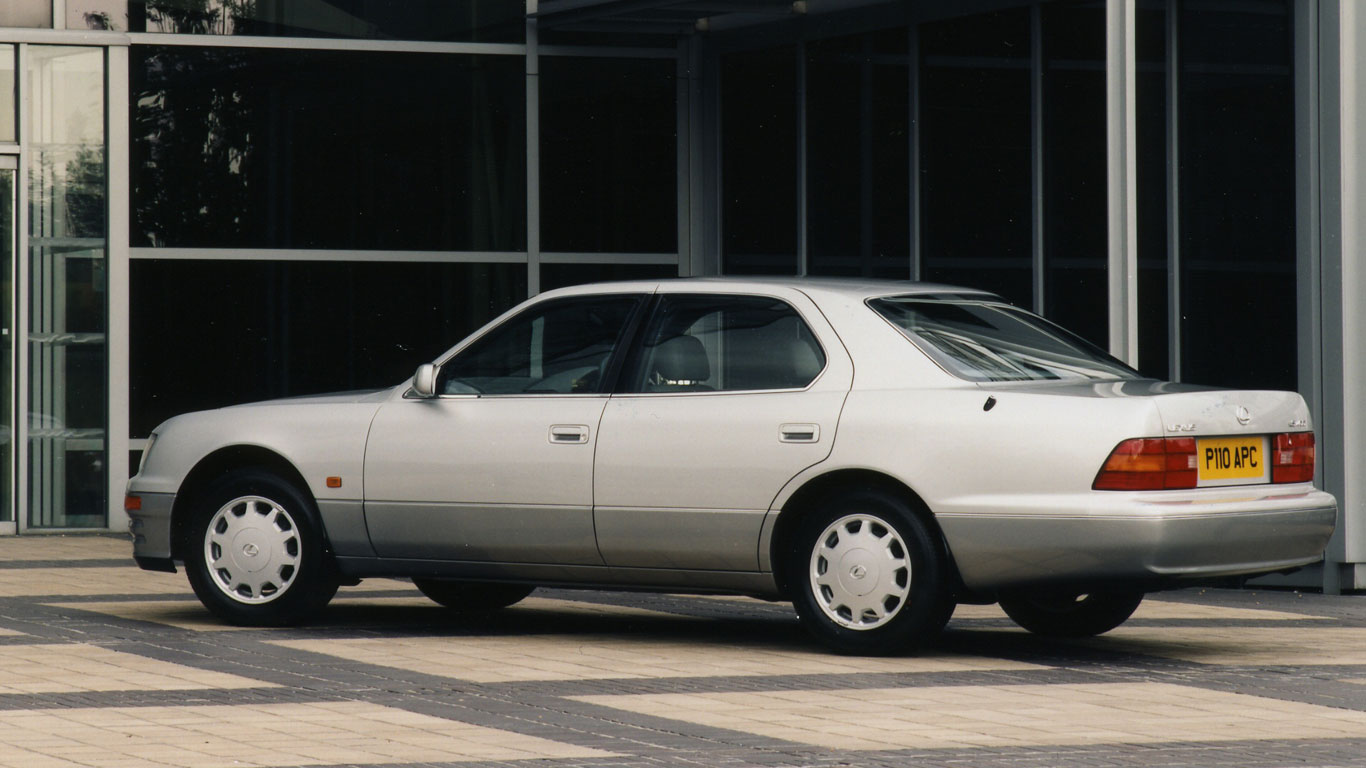
Lexus LS400
© LexusLexus went to extraordinary lengths in its quest to make the world’s finest luxury car, leaving no stone unturned in its crusade to out-Mercedes the Mercedes-Benz S-Class. In 2012, CAR magazine placed the LS400 40th on the list of the 50 greatest cars of the past 50 years, saying it ‘exposed the contemporary S-Class as unrefined and crudely made: Lexus didn’t so much raise the bar in mechanical refinement and body engineering, as heave it heavenwards. It eclipsed the BMW 7 and Jaguar XJ’.
-
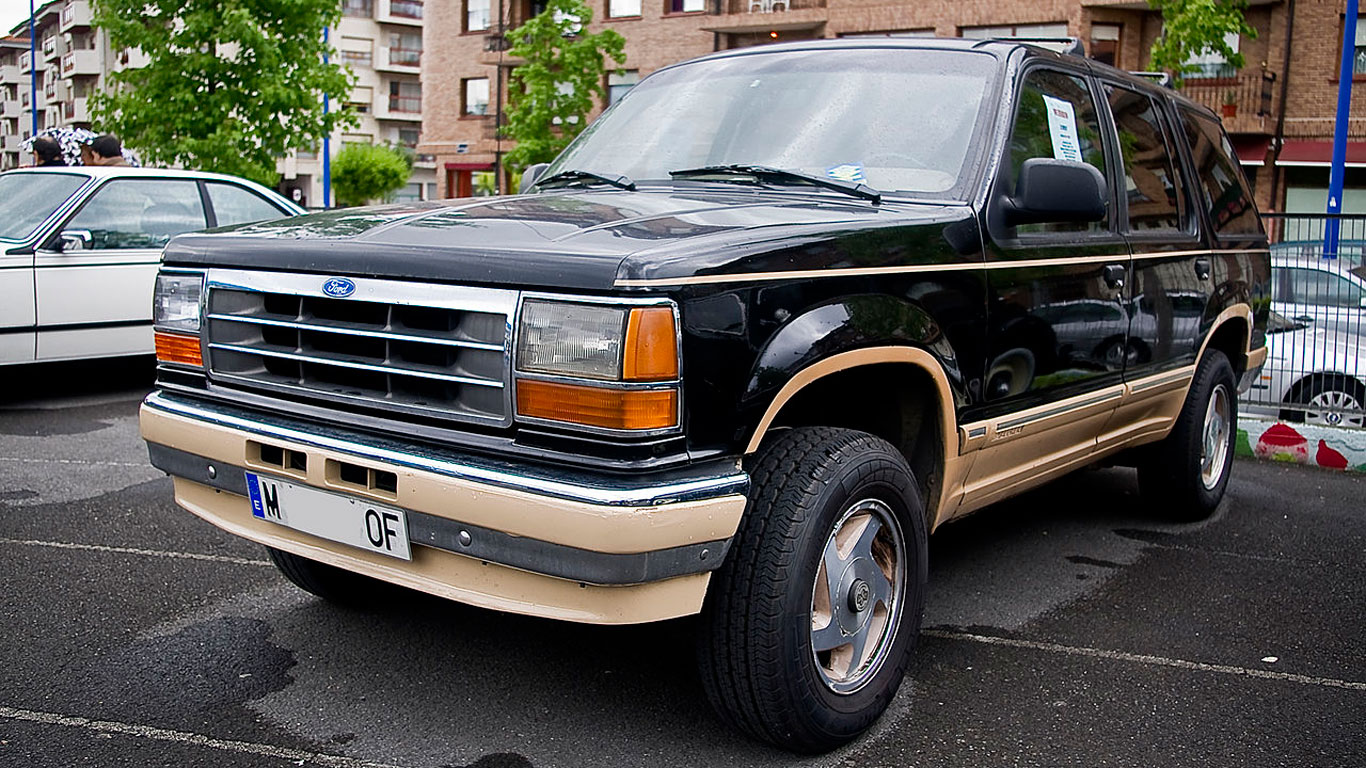
Ford Explorer
© FordUntil the Ford Explorer arrived for the 1991 model year, Americans went about their daily lives in station wagons. No American vacation was complete without a heavily-laden wagon – just ask the Griswolds. The Explorer was based on the Ranger pick-up, but unlike its predecessor, the Bronco II, the SUV was available with four doors, making it more attractive to families. By the mid-1990s, it had cemented a position as one of the top 10 best-selling cars in the US.
-
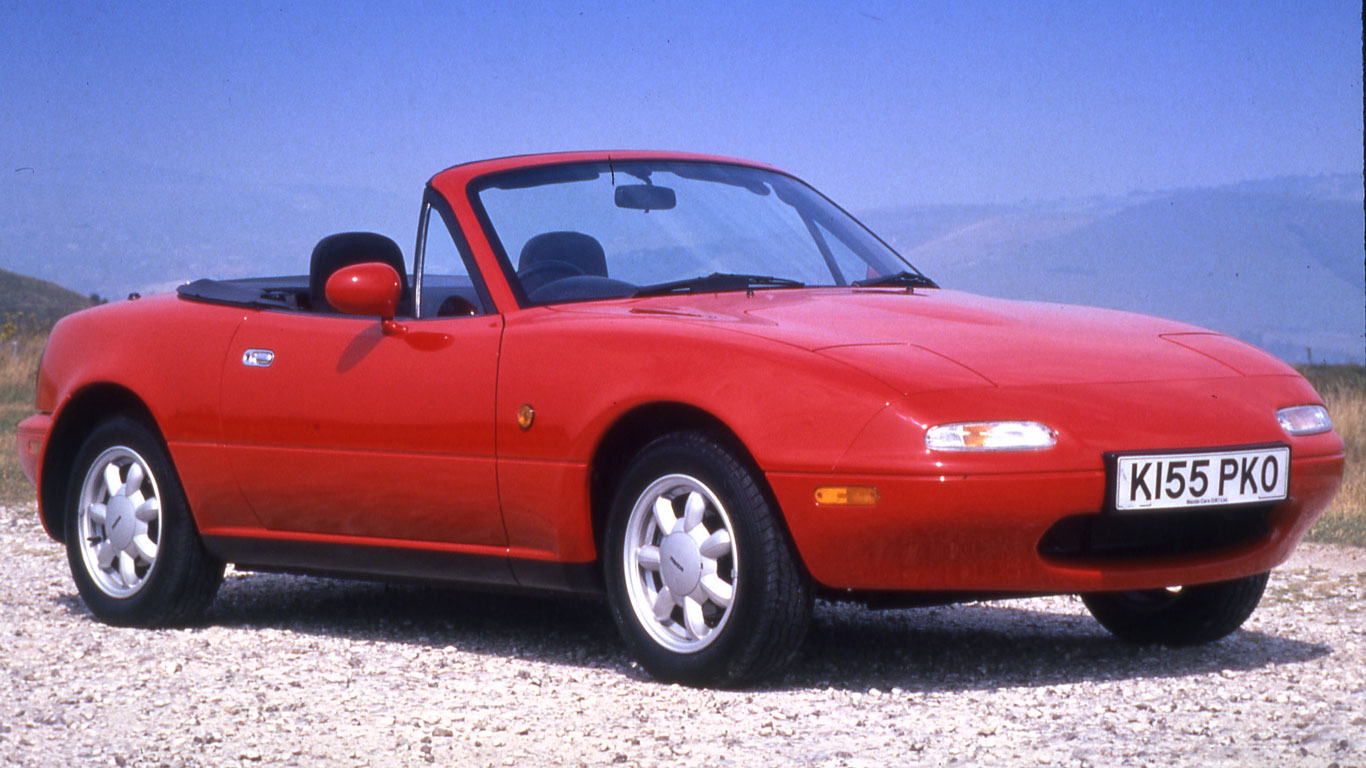
Mazda MX-5
© MazdaTo this day, the answer remains MX-5. Or Miata, in the US. Or Eunos, in Japan. The fact is, the Mazda MX-5 rewrote the small sports car rulebook, taking lessons from the past to create the blueprint for a modern, affordable sports car. Other manufacturers have tried and failed to replicate its magic.
-
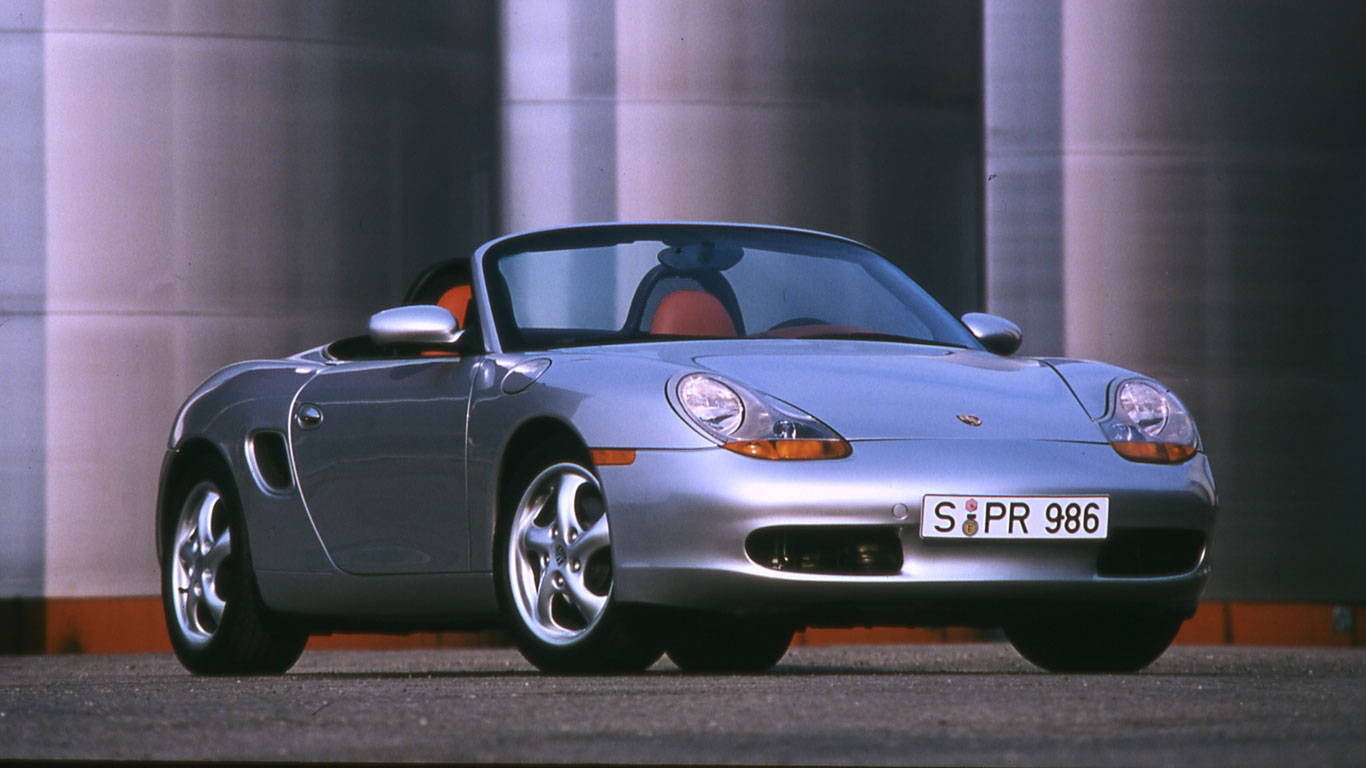
Porsche Boxster
© PorscheBy the early 90s, Porsche was in a mess. Sales were in freefall and the company was too reliant on the 911. It needed a car offering more than just specialist appeal – one that could help it ride out the recession. Step forward the Boxster, a car that would trounce the opposition and show the world how to build a roadster for the new millennium.
-
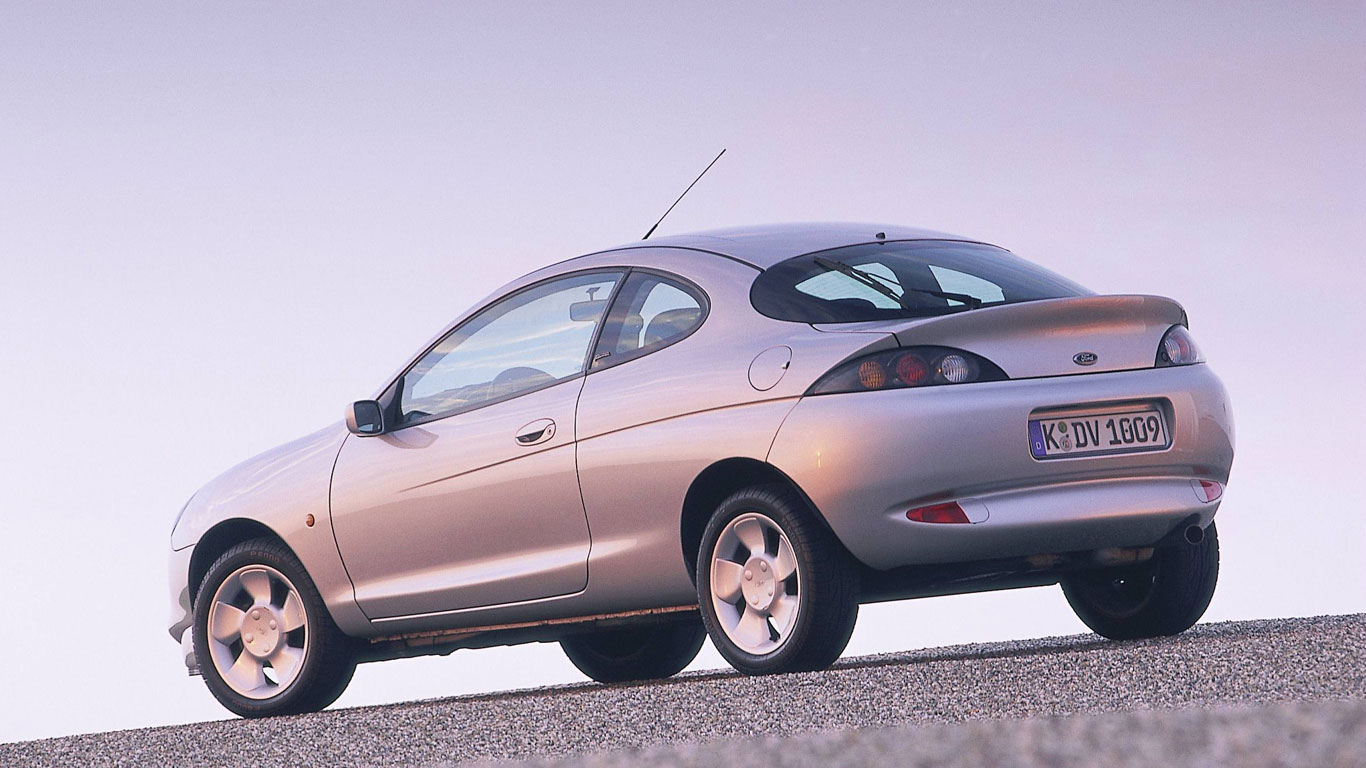
Ford Puma
© FordRumour has it that BMW bought a couple of Ford Pumas when it was developing the new Mini. Why? Because the ‘New Edge’ coupe was arguably the best small front-wheel-drive car you could buy, making it the perfect benchmark for the soon-to-be-launched Mini hatchback. At a stroke, the Puma rendered all other small coupes obsolete – sorry, Vauxhall Tigra.
-
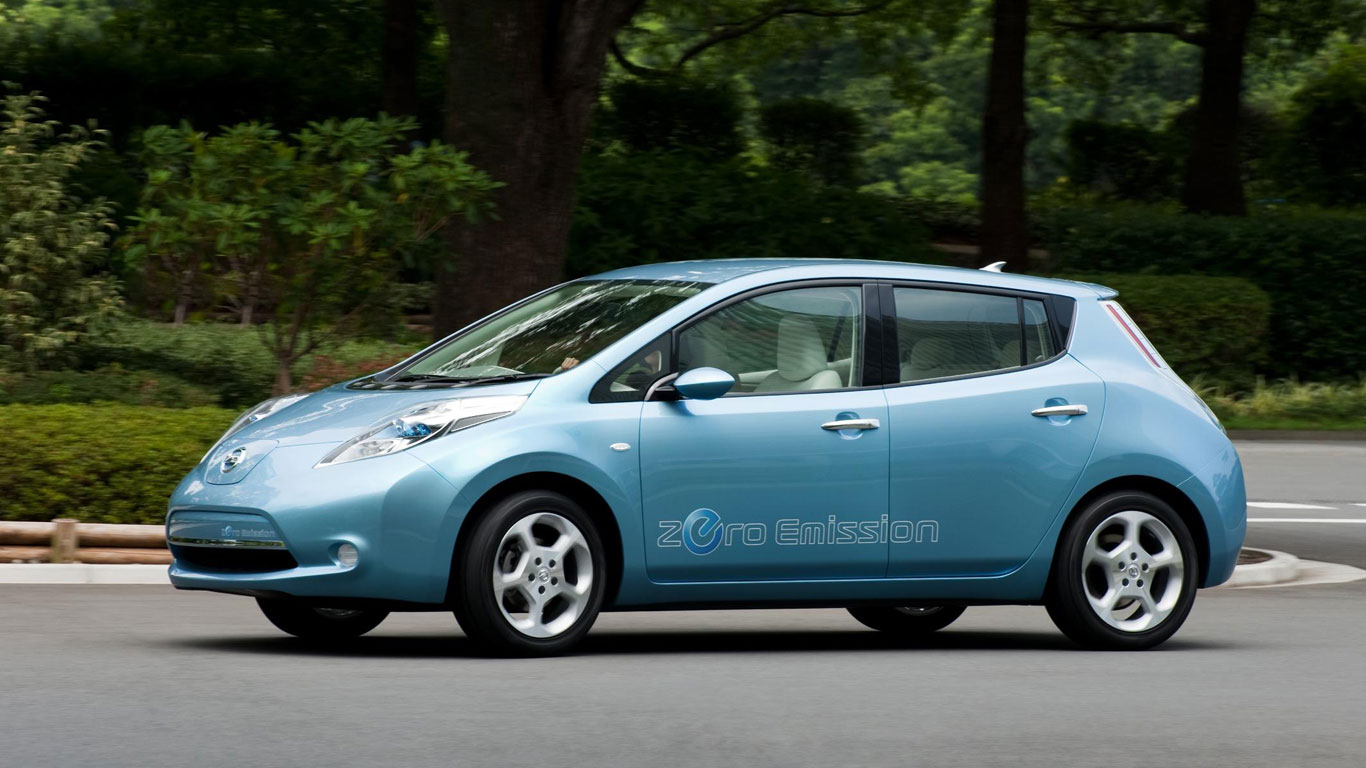
Nissan Leaf
© NissanTesla might grab headlines in the EV segment, but the Nissan Leaf was the first volume seller. Designed from the ground up as an electric car, the original Leaf was spacious, relatively affordable, ‘normal’ to drive and accessible. In January 2018, the company announced that it had sold the 300,000th Leaf, making it the best-selling EV in the world at the time.
-
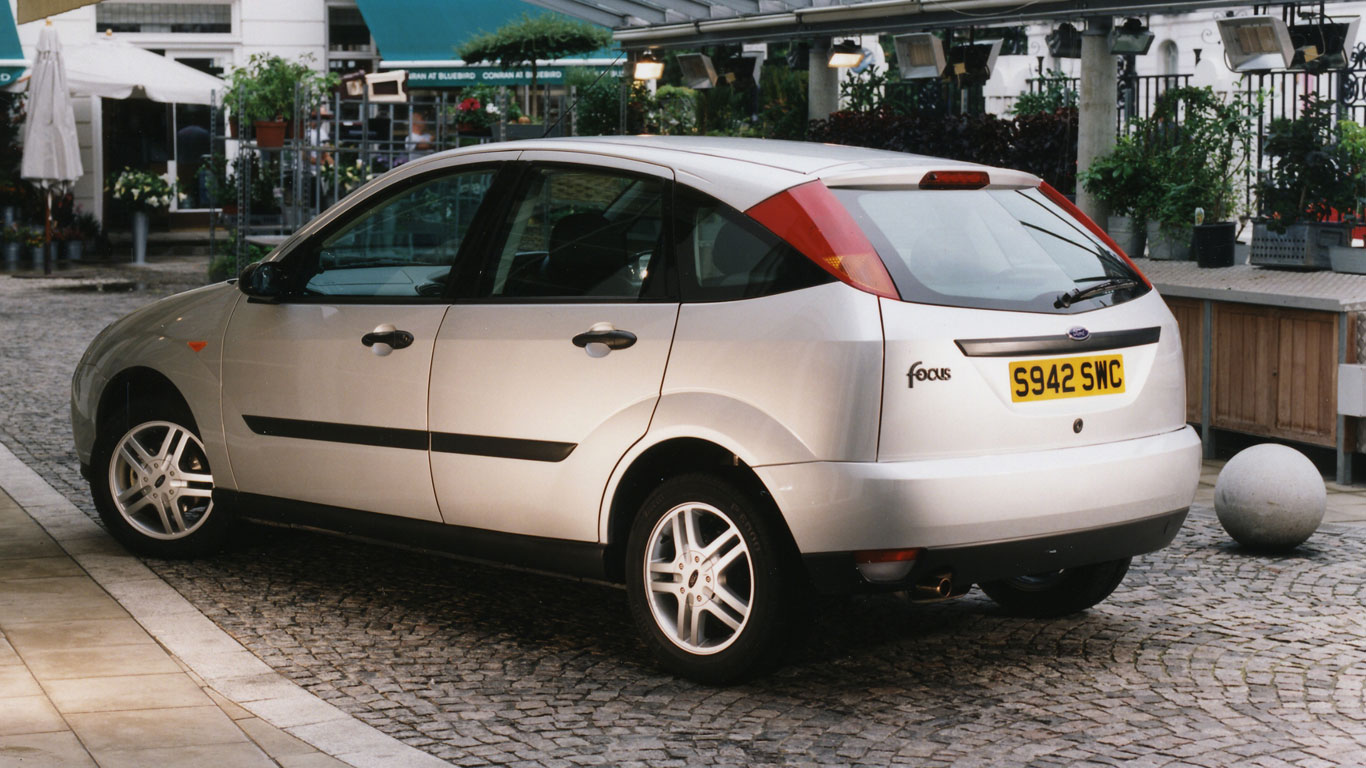
Ford Focus
© FordFord caught the industry napping when it launched the Focus. Even in its most basic form, the Focus was a hoot to drive, propelling this family hatchback to the top of the class. By comparison, the contemporary Volkswagen Golf felt bloated and unwieldy. What made the Focus even more remarkable was the fact that it replaced the tired and outmoded Escort. Amazing.
-
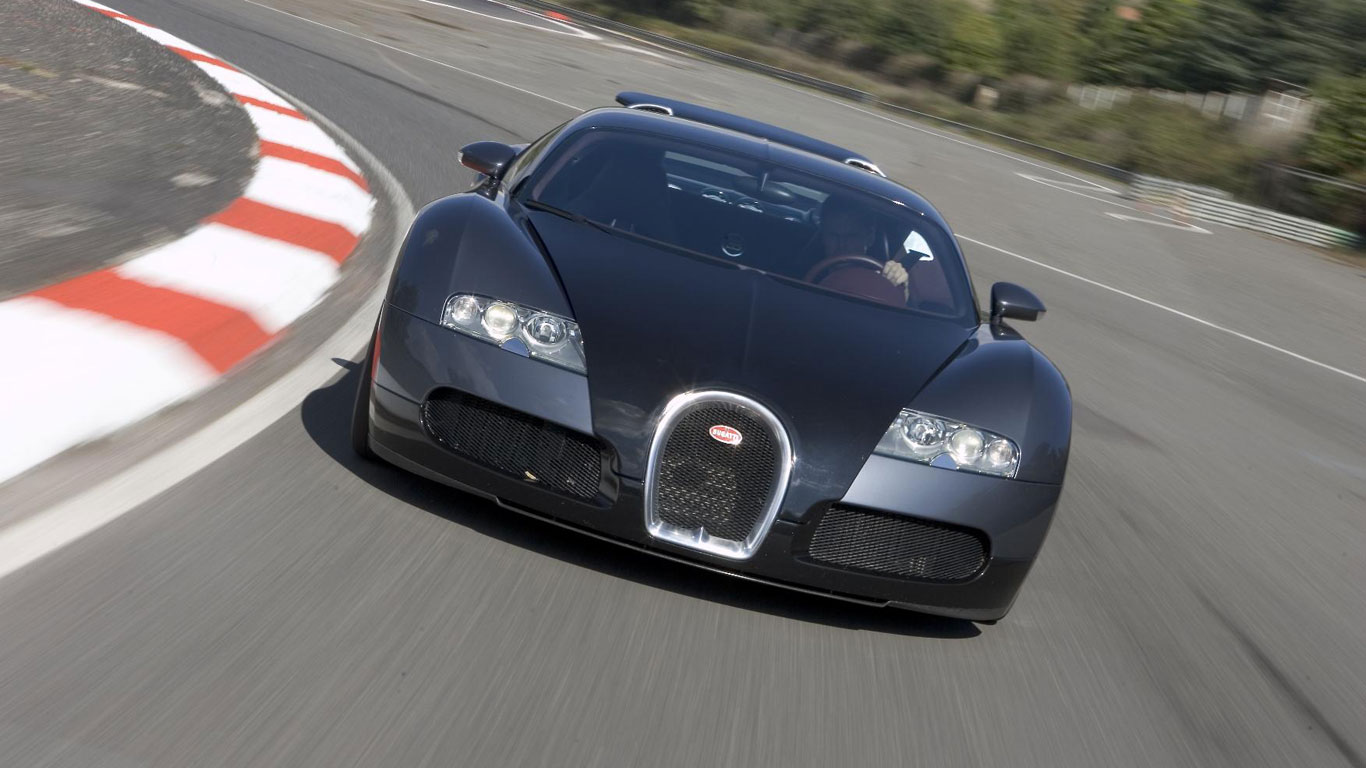
Bugatti Veyron
© BugattiJames May described the Bugatti Veyron as “our Concorde moment”, with Clarkson labelling it “the greatest car ever made and the greatest car we will ever see in our lifetime”. It continues to fire our imagination and it remains the go-to supercar of choice for a new generation of young motoring fans. Bugatti’s single-minded pursuit of speed – and the associated records – has encouraged engineers to continue pushing boundaries, and the rest of us to keep dreaming.
-
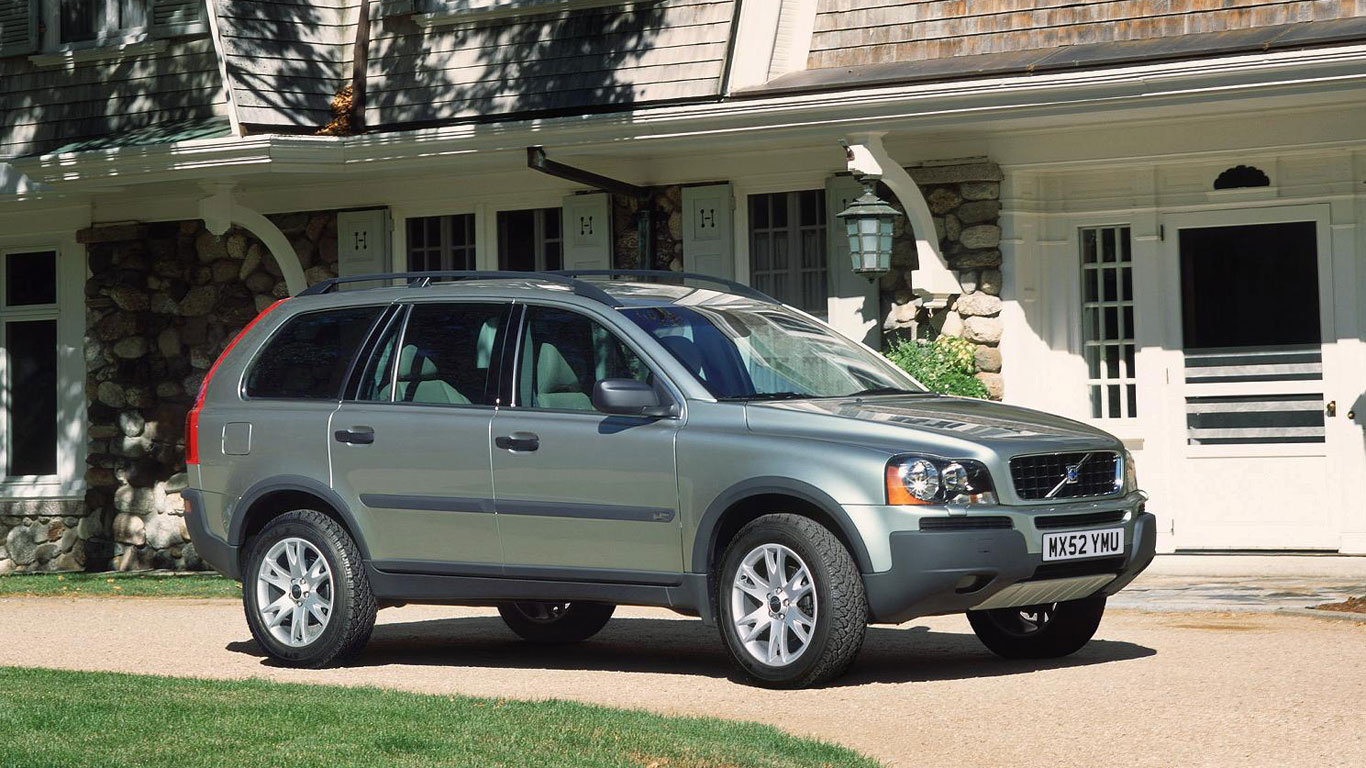
Volvo XC90
© VolvoIt’s no coincidence that this gallery features more than a couple of SUVs. The Sport Utility Vehicle has replaced the estate car and the MPV as the default choice for family transport, as highlighted by the success of the original Volvo XC90. At the turn of the millennium, Volvo was a brand built on the estate car, but the XC90 changed everything, becoming a hero to countless soccer moms and dads. Today, the Volvo range is dominated by SUVs.
-
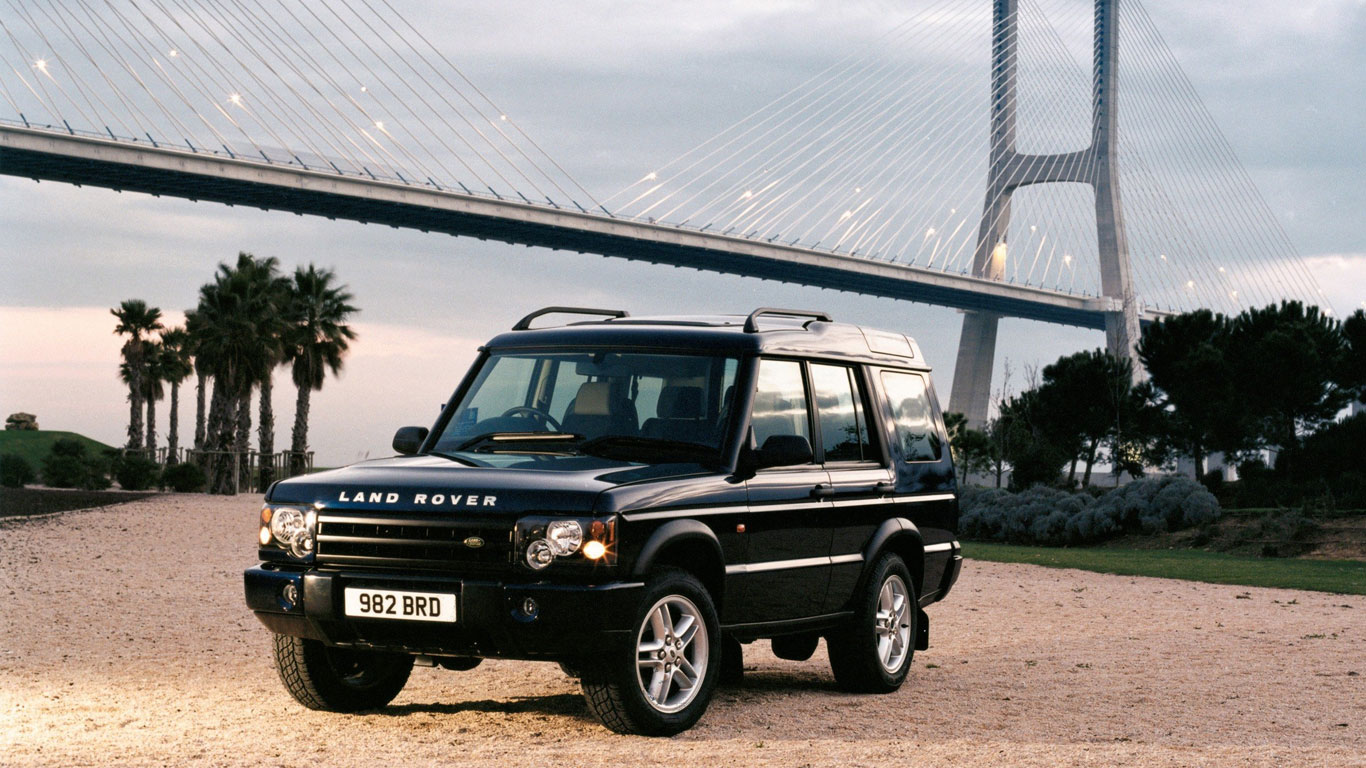
Land Rover Discovery II
© Land RoverThe original Discovery of 1989 was good, but the Discovery II was a quantum leap forward. It looked like the Disco I, but Land Rover – now under BMW ownership – introduced a modified chassis and changes to almost every body panel. Safety was improved, the side-facing seats were good for more than just occasional use, and it felt more luxurious than before. In short, it had become the posh 4×4 to beat.
-
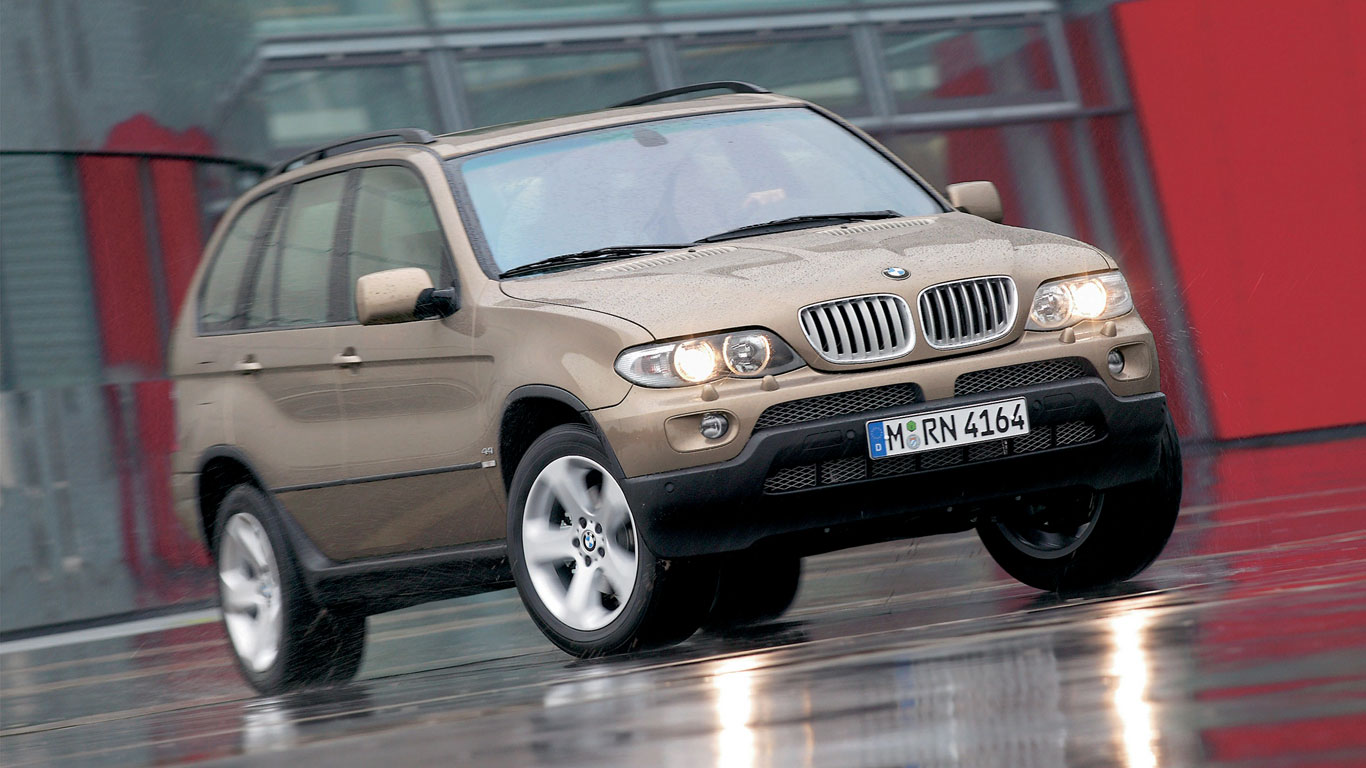
BMW X5
© BMWBMW had learned a great deal during its ownership of Land Rover, which is why the X5 was such an accomplished SUV. Actually, BMW decided to launch it under an entirely new category – the ‘Sports Activity Vehicle’ (SAV). In other words, it offered the luxury of an executive saloon, the performance of a sports car and the off-road capabilities of an SUV.
-
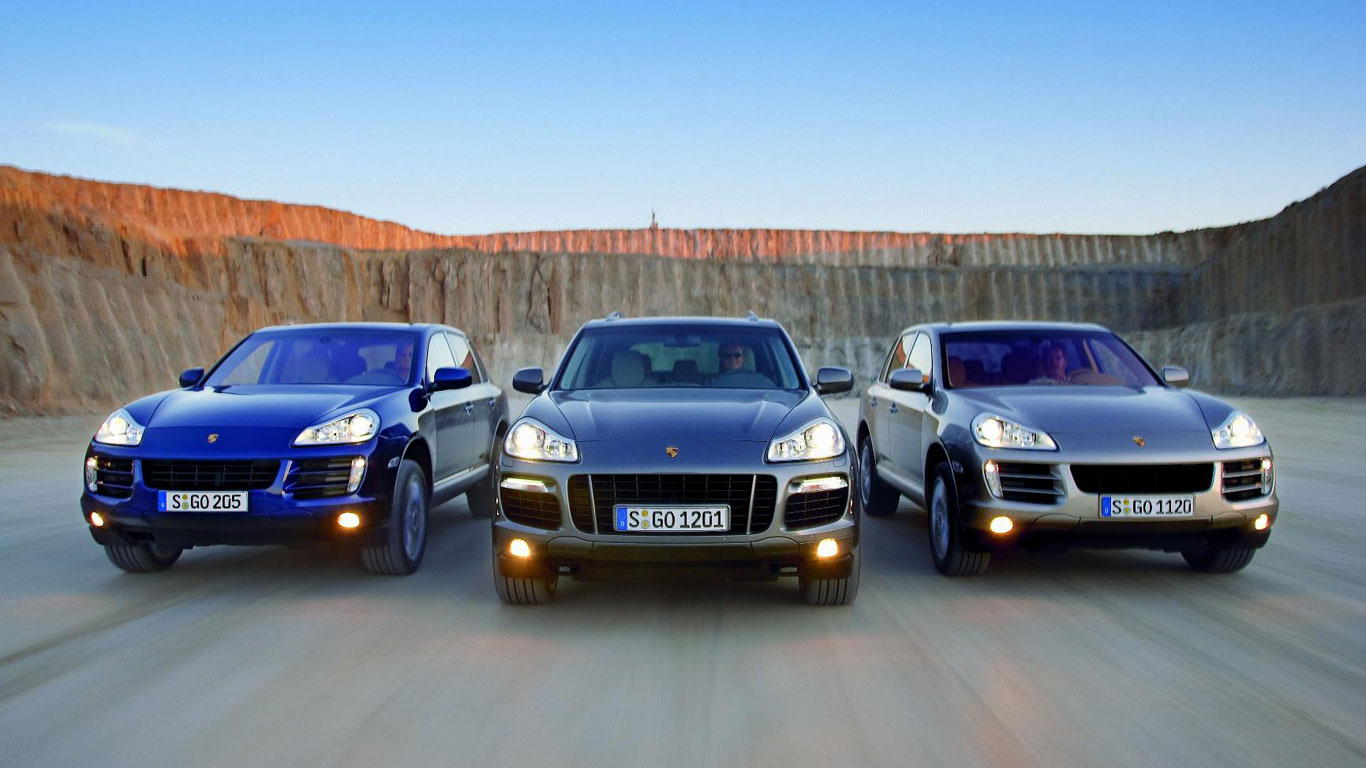
Porsche Cayenne
© PorscheAnything BMW can do, Porsche can do slightly differently. The Boxster may have saved the company, but the Cayenne secured its future, opening the brand to a new audience and generating the profits required in order to do crazy things with the 911. Without the Cayenne, there might not be a pick ‘n’ mix of Porsche models to choose from.
-
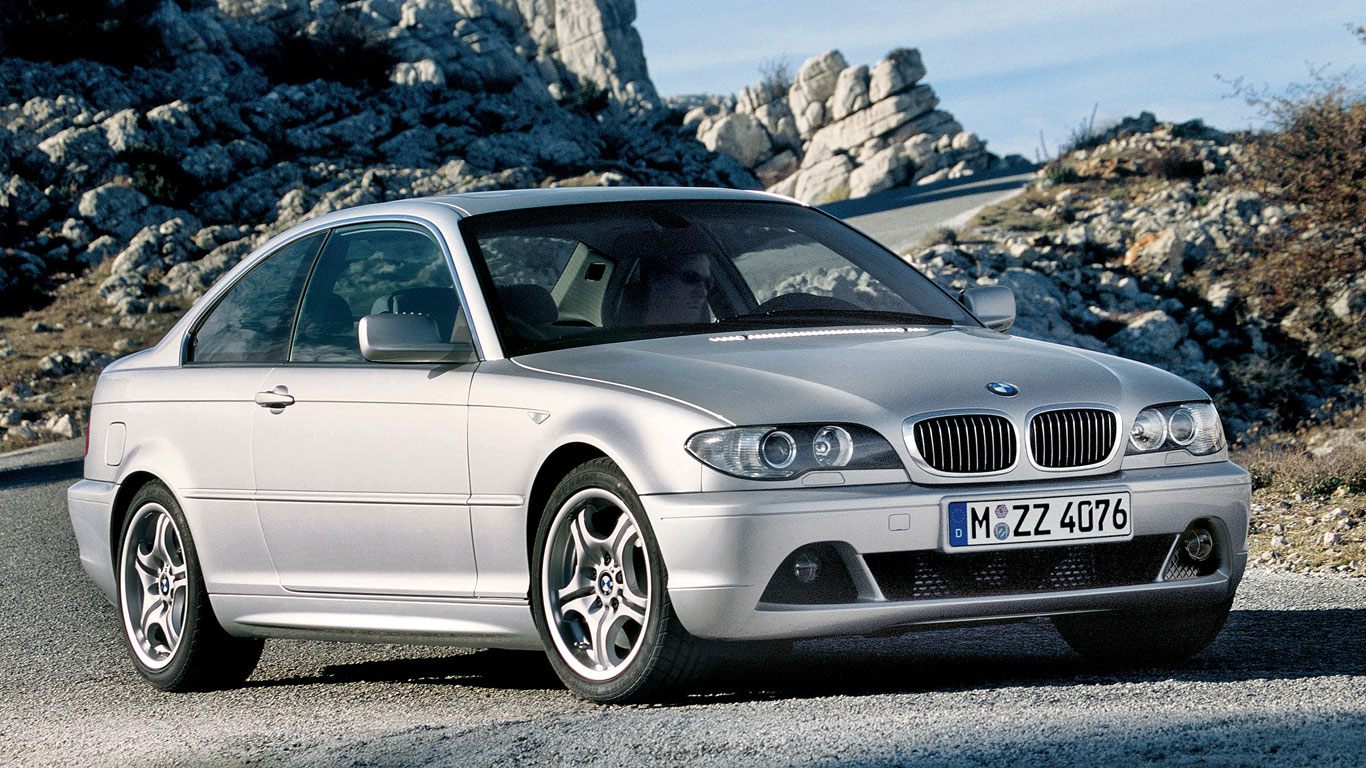
BMW 3 Series
© BMWIf you don’t believe the BMW 3 Series is influential, just look at the number of headlines, features and column inches dedicated to the world’s most popular premium saloon. Make no mistake, Mercedes-Benz, Jaguar and Audi all have the 3er in their sights. It remains the class leader in terms of dynamics and driver appeal.
-
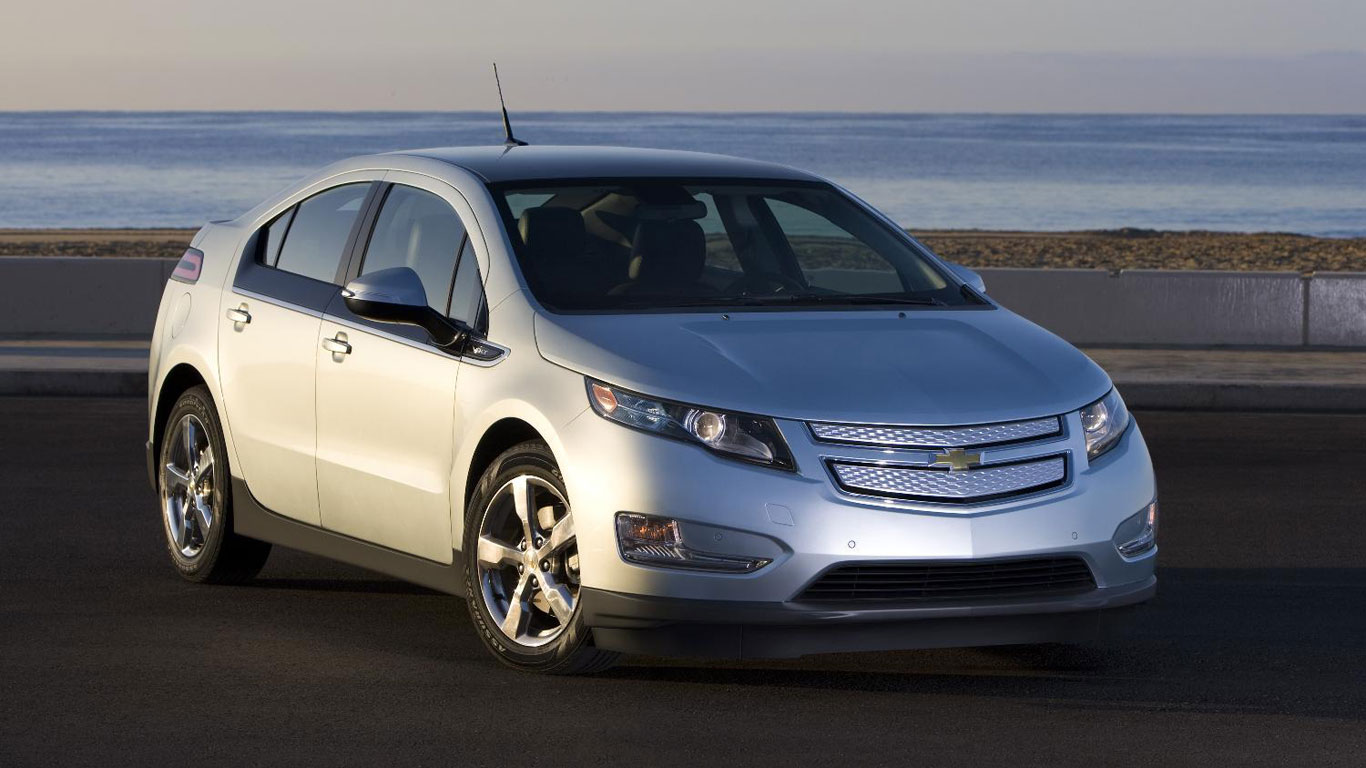
Chevrolet Volt
© GMThe Chevrolet Volt – along with its badge-engineered sibling, the Vauxhall Ampera – was the world’s first plug-in hybrid built by a volume manufacturer and should have been a springboard to greatness for GM. That it was a commercial flop shouldn’t take anything away from its influence on the segment. And, let’s remember, the Volt arrived at a time when people were still getting used to the idea of batteries and plugs. Still, Chevrolet lost money on every Volt it sold.
-
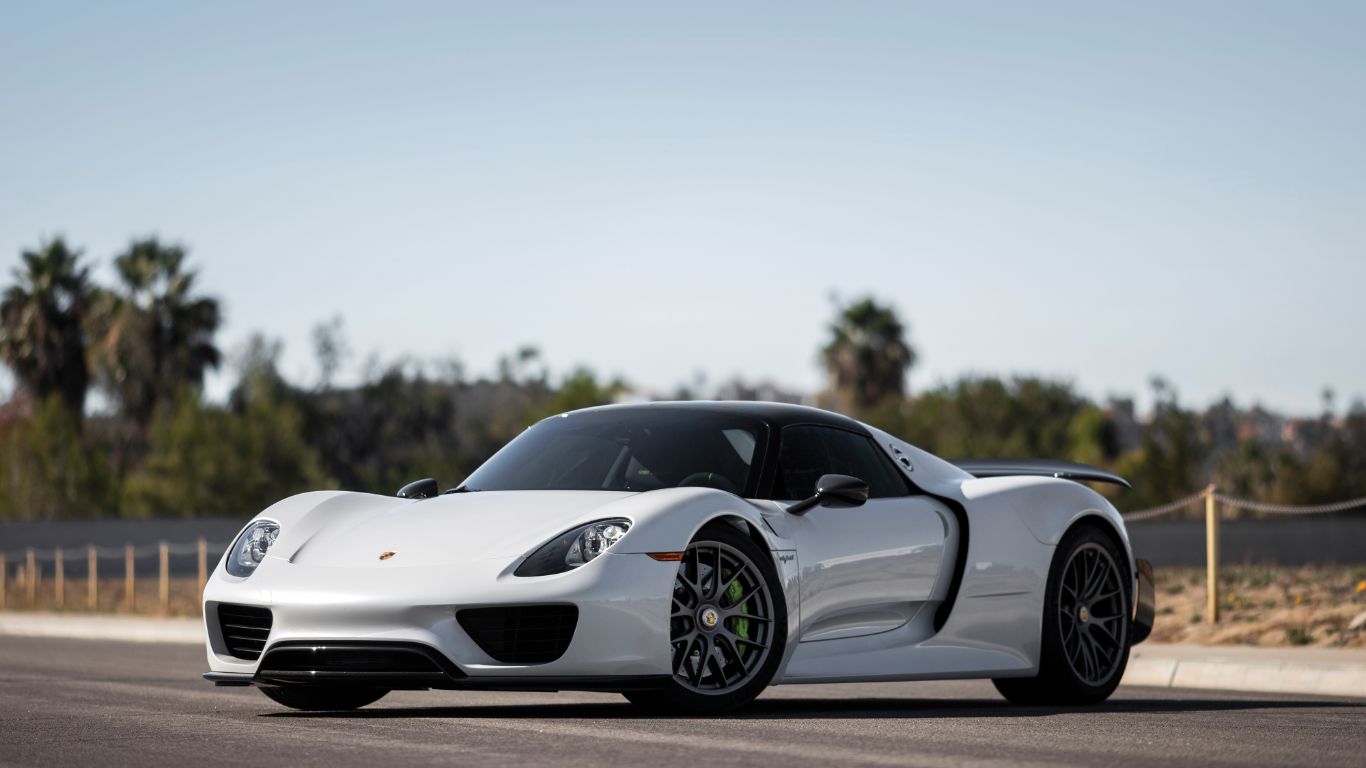
Porsche 918 Spyder
© PorscheAt the opposite end of the spectrum, the Porsche 918 Spyder introduced the idea of using hybrid tech primarily for performance. It paired a 4.6-litre naturally aspirated V8 engine with two electric motors for a combined 887hp. The LaFerrari and McLaren P1 hybrid hypercars also debuted in 2013, but the Porsche was arguably the cleverest of the three.
-
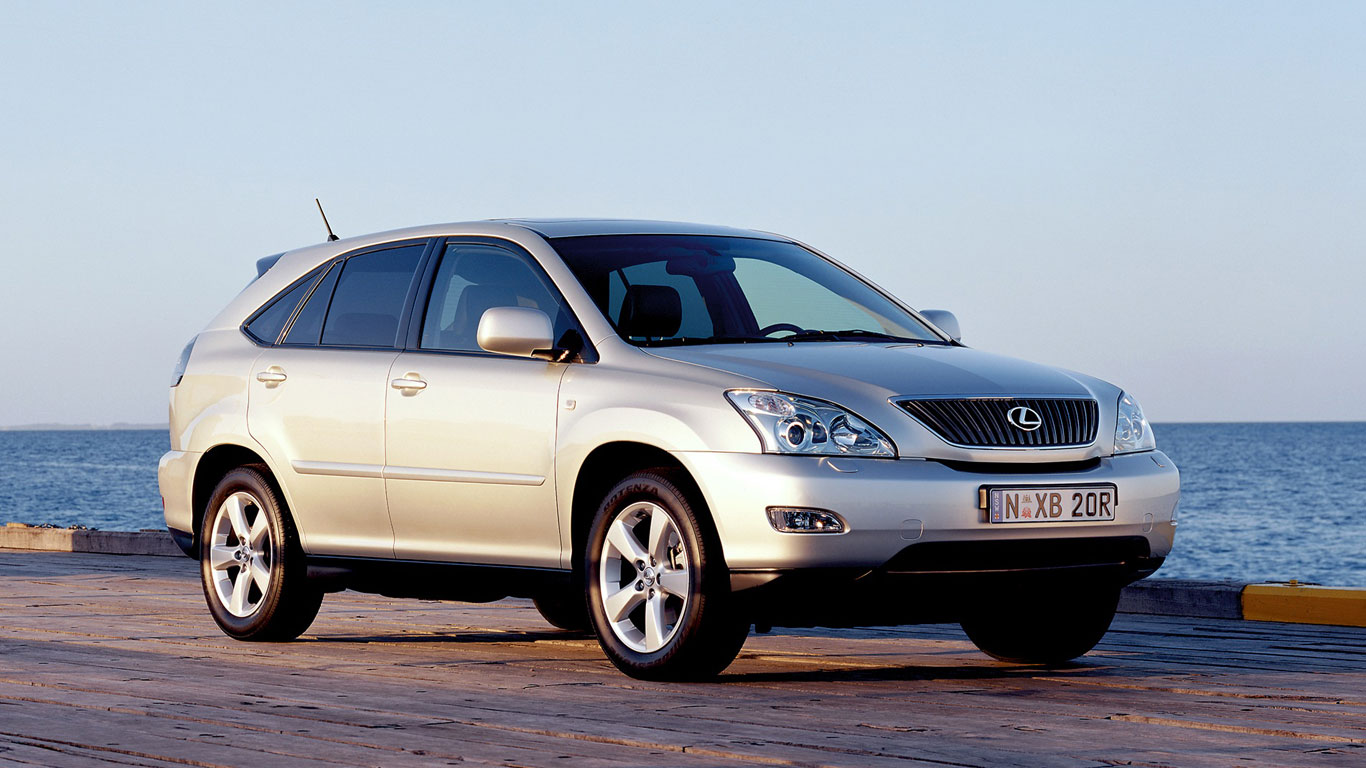
Lexus RX
© LexusIn 1997, Toyota unveiled the Sport Luxury Vehicle (SLV) concept at the Chicago Auto Show, with the production car debuting as the Toyota Harrier in December 1997. The following year, it was exported as the Lexus RX 300, and soon became the best-selling vehicle in its line-up. It was one of the first examples of a premium crossover and proved to be particularly successful in the US, where it was the only car to be seen in for image-conscious ‘moms’ and dads.
-
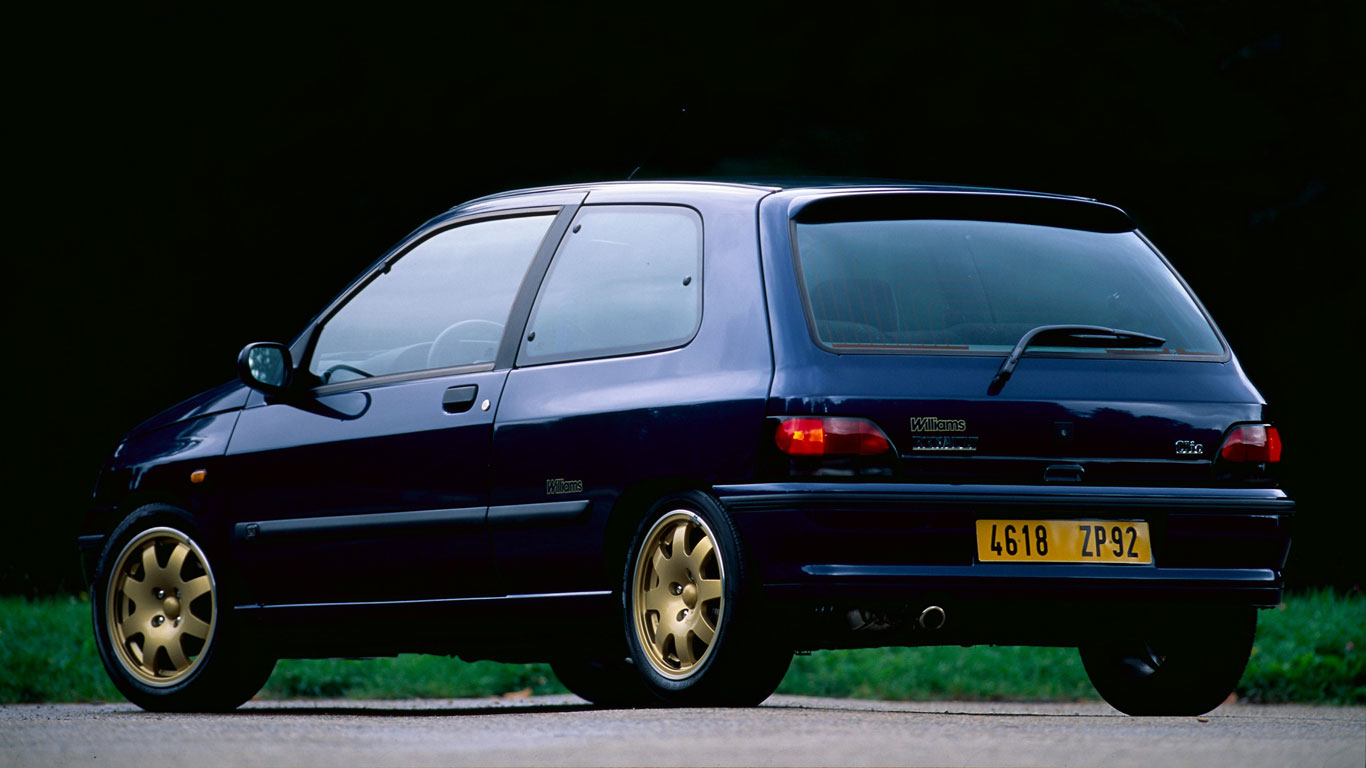
Renault Clio Williams
© RenaultThe Renault Clio Williams was the definitive hot hatchback of the 1990s, and it laid the foundations for future Renault Sport products. It’s largely thanks to the Williams that generations of hot Clios and Meganes exist. Sadly, the Renault Sport era has now ended, but we hope to see an Alpine hot hatch in the not-too-distant future.
-
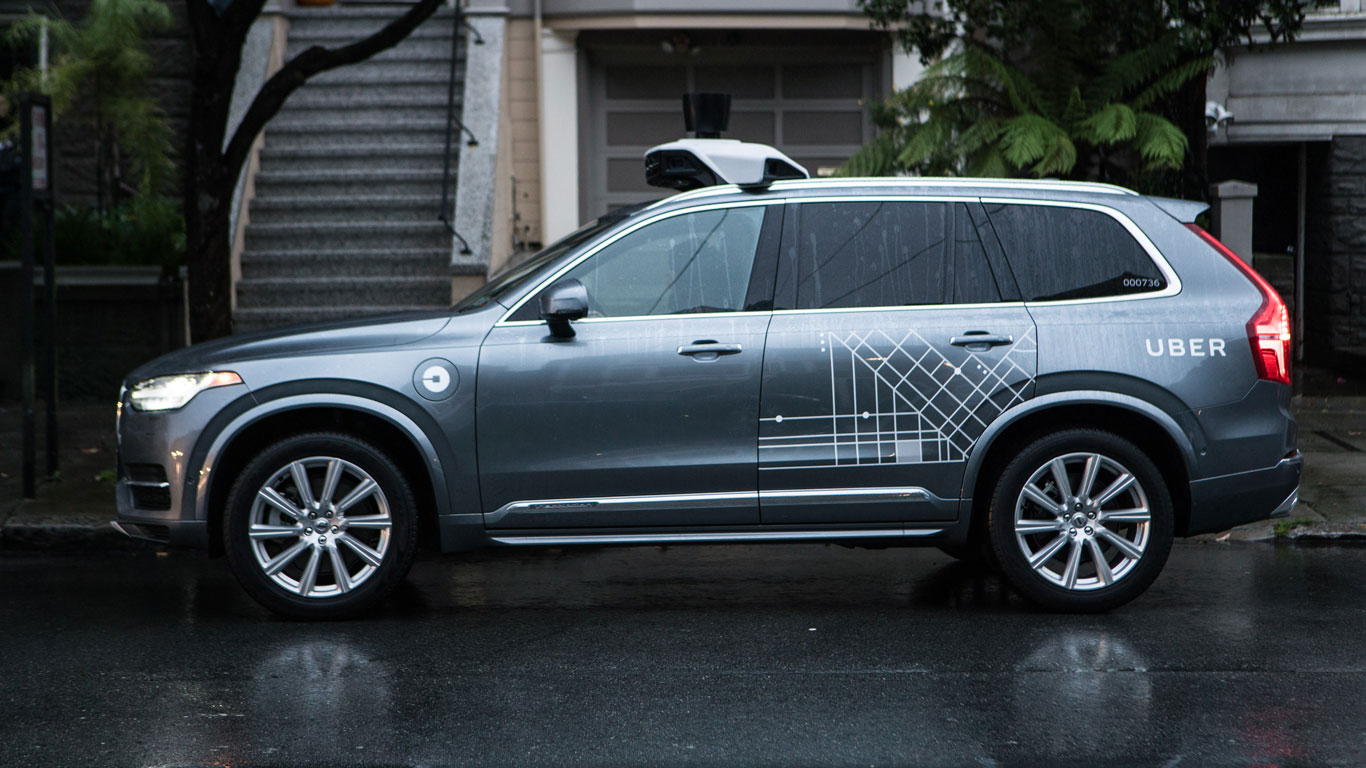
Uber taxi
© UberAutonomous cars and ride-hailing apps – who knows what the future might hold? The Uber cab you took into town on Friday night might be playing a part in the next development of the motor car. In 10 years time, you might not be driving at all…
-
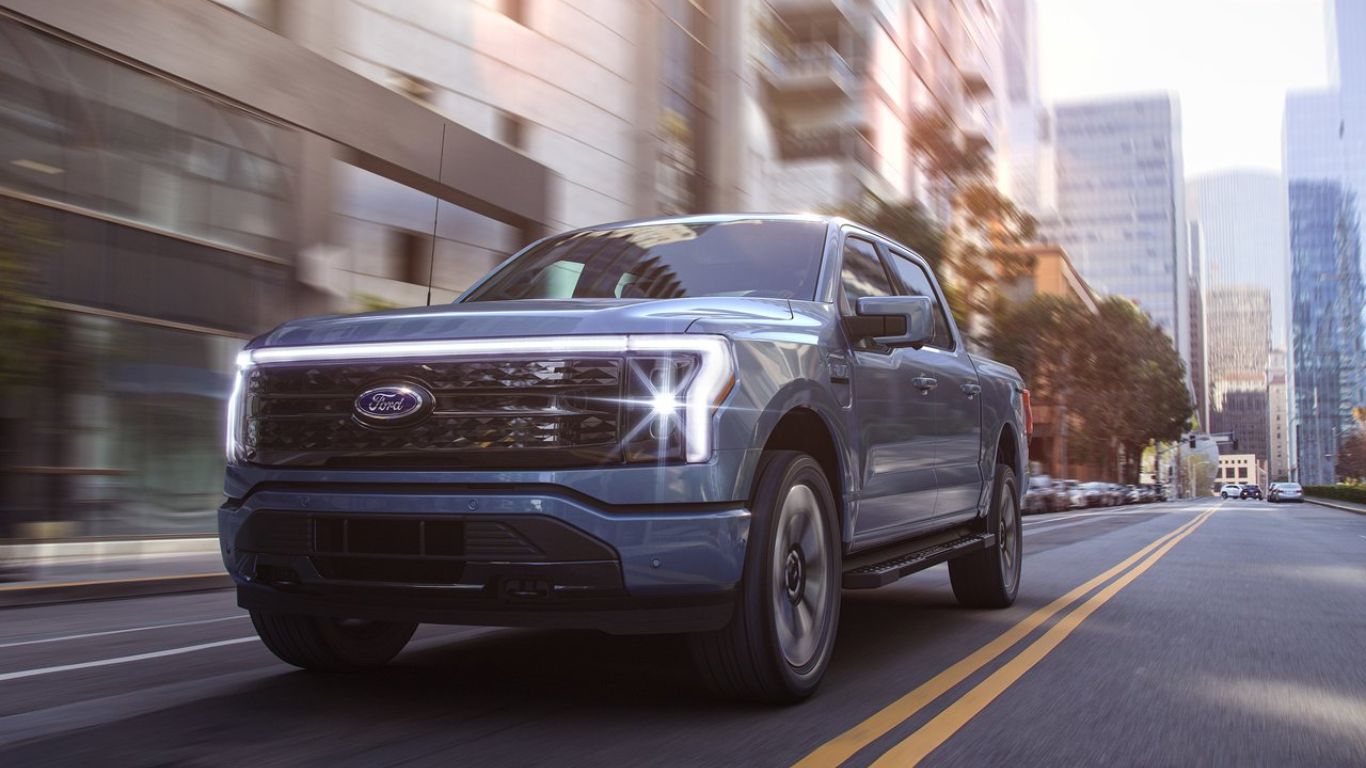
Ford F-150 Lightning
© FordElectric cars are another key part of our motoring future – and the Ford F-150 Lightning might be the most important EV of all. The regular F-150 pick-up has been America’s best-selling vehicle for 41 years, which makes this battery-powered version a Big Deal. The Lightning certainly lives up to its name, hitting 60mph in around four seconds. It also has a range of up to 320 miles. Sadly, it won’t be sold in the UK.
