Home Blog Page 541

Revealed: Britain’s favourite car brands in 2016

0

Revealed: Britain’s favourite car brands in 2016

The Society of Motor Manufacturers and Traders (SMMT) has revealed its official car sales figures for 2016 – and they make for fascinating reading. Can you guess the brand that has more than doubled sales in 2016, for example? What about the one that has taken a 19% nosedive? Read on to discover which car companies are starting 2017 in a good mood…

Abarth: UP 44.6%

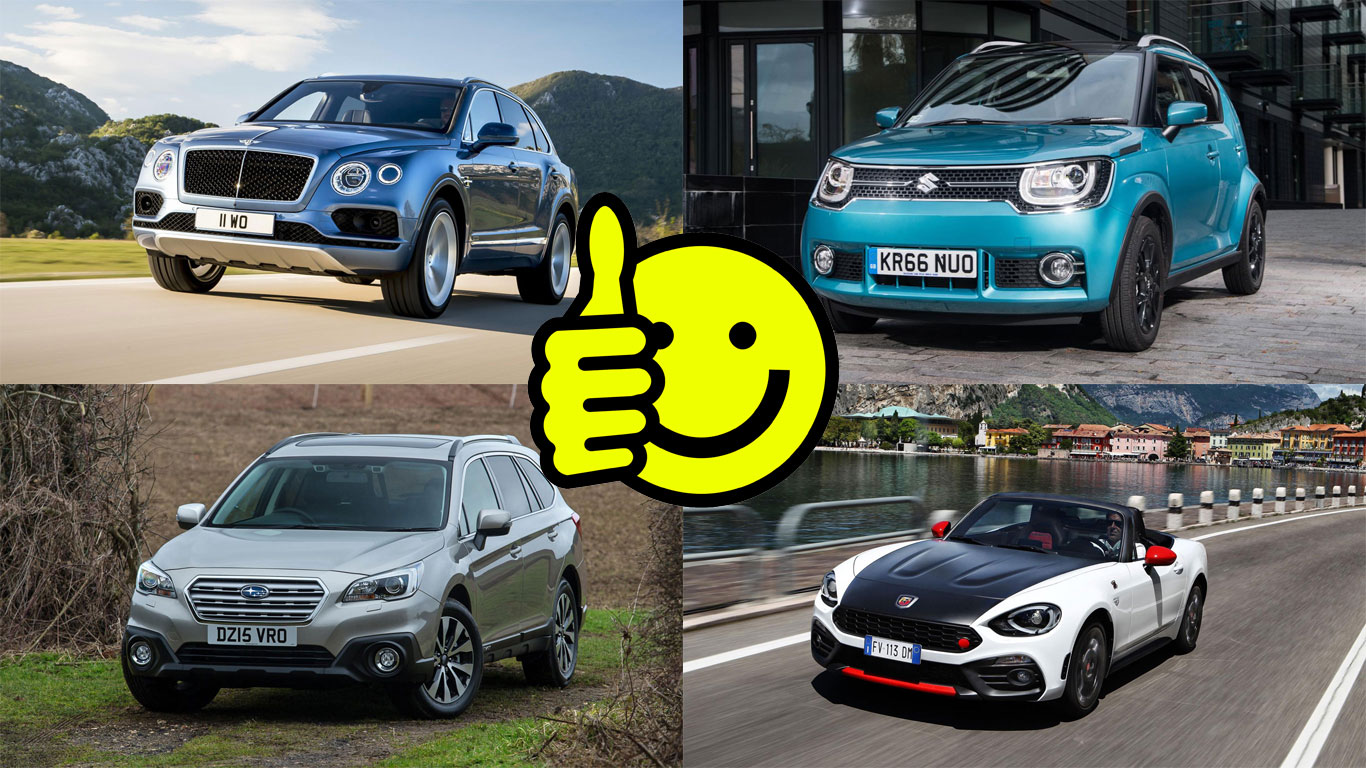
It’s been a storming 2016 for Fiat’s performance brand, which has seen a 44.6% sales increase versus 2015 – up to 3,966 cars. The new Abarth 124 Spider sports car, which shares its platform with the Mazda MX-5, has undoubtedly helped.

Alfa Romeo: DOWN 3.7%

The critically-acclaimed new Giulia saloon should boost Alfa sales over the coming year. Unfortunately, it arrived too late to make an impact in 2016, and the number of Alfa Romeos sold was down 3.7% to 4,881 cars.

Aston Martin: DOWN 4.5%

This independent British manufacturer shifted 906 cars in 2016, a 4.5% decrease compared with the year before. However, the promised Aston SUV – to be built in Wales – should see sales ramp up significantly in future.

Audi: UP 6.4%
Audi: UP 6.4%

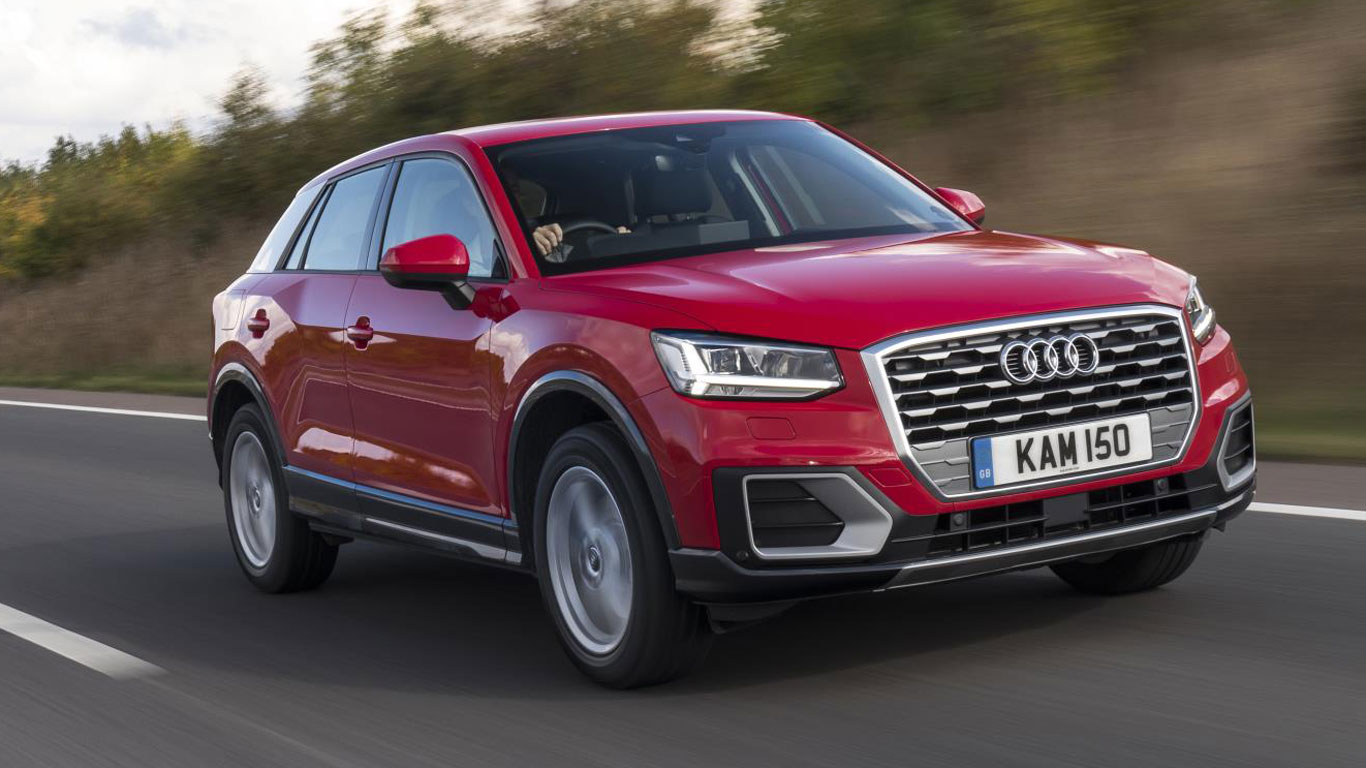
Audi’s range has expanded to the point that being one of its salespeople requires Mastermind-levels of product knowledge. With so many cars to choose from, including the new Q2 small SUV, it’s no surprise that sales are up. Audi sold 177,304 cars in total.

Bentley: UP 41.3%

If in doubt, build a new 4×4. That’s the strategy most upmarket carmakers have taken in recent years, and Bentley is a case in point. The new Bentayga helped it to a 41.3% leap in just one year, with 1,948 cars sold in 2016.

BMW: UP 9.1%

The 3 Series may be showing its age, but that hasn’t stopped BMW recording a respectable 9.1% increase in 2016. In fact, it edges ahead of its arch-rival overall, with 182,593 BMWs sold versus 177,304 Audis. Mercedes-Benz follows with 169,828 sales.

Chrysler: DOWN 100%

No surprises here, Chrysler has quit the UK (tail firmly between its legs), so it sold zero new cars in 2016, compared with 167 in 2015. Do we miss it? Not really.

Citroen: DOWN 21.3%
Citroen: DOWN 21.3%

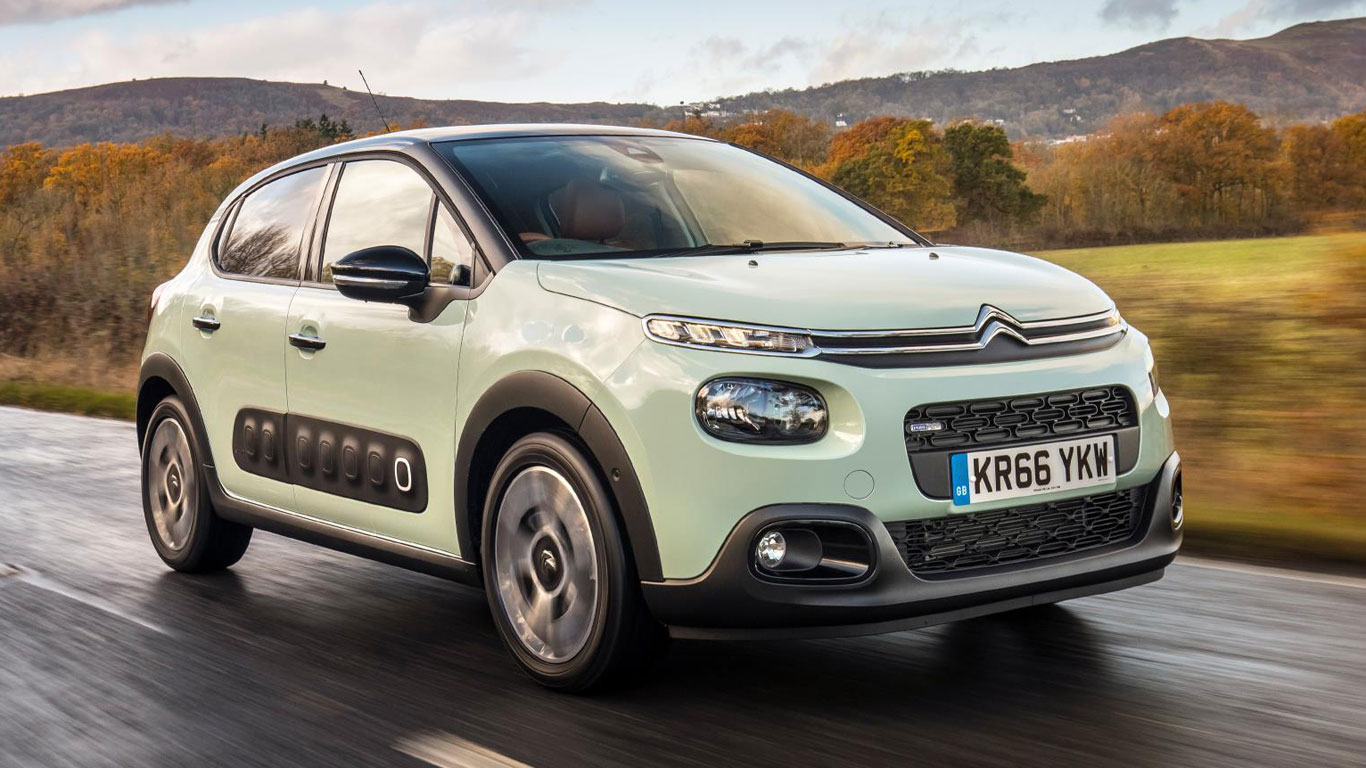
Citroen’s figures included DS models until May 2015, but the two badges are now considered separately – hence Citroen’s apparent 21.3% sales drop – down to 62,991 cars. In reality, the marque has it strongest range of cars in years, with a new C3 leading the charge into 2017.

Dacia: UP 1.0%

There was much scepticism from motoring journalists when Renault’s back-to-basics budget brand arrived in the UK. However, Dacia has found its niche and sales are remaining steady. An impressive 26,499 new Dacias found owners last year.

DS: UP 84.6%

As noted previously, DS is now counted separately from Citroen, meaning it appears to have vastly increased its volumes last year. As ever, the bulk of sales come from the DS 3 supermini, but plenty of new models are promised. A total of 15,898 cars were sold.

Fiat: DOWN 5.7%

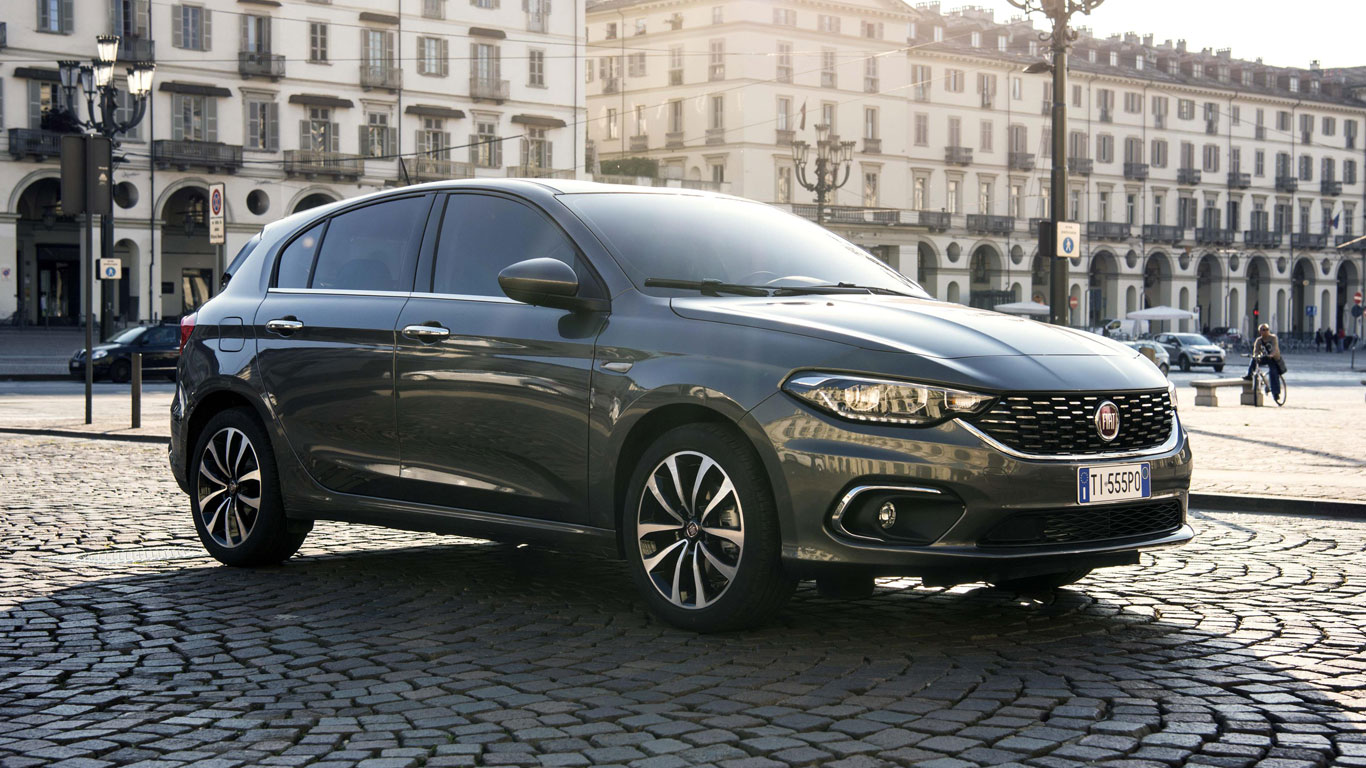
A three-star Euro NCAP safety rating for the new Tipo won’t have helped Fiat’s cause in 2016. Nor, frankly, does a 500 city car that has only been mildly updated since 2007. The Italian carmaker’s showrooms were slightly quieter this year, with 60,581 cars sold.

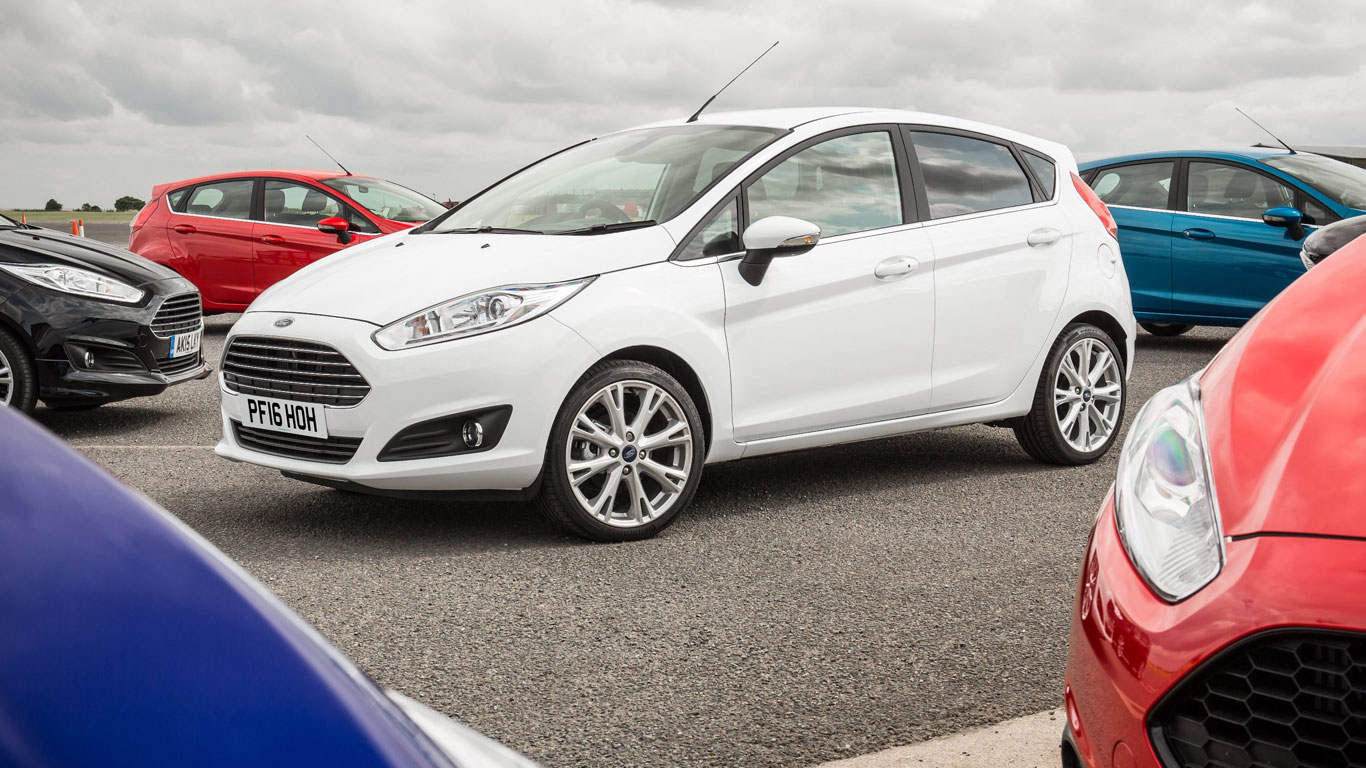
Ford: DOWN 5.1%
Ford: DOWN 5.1%

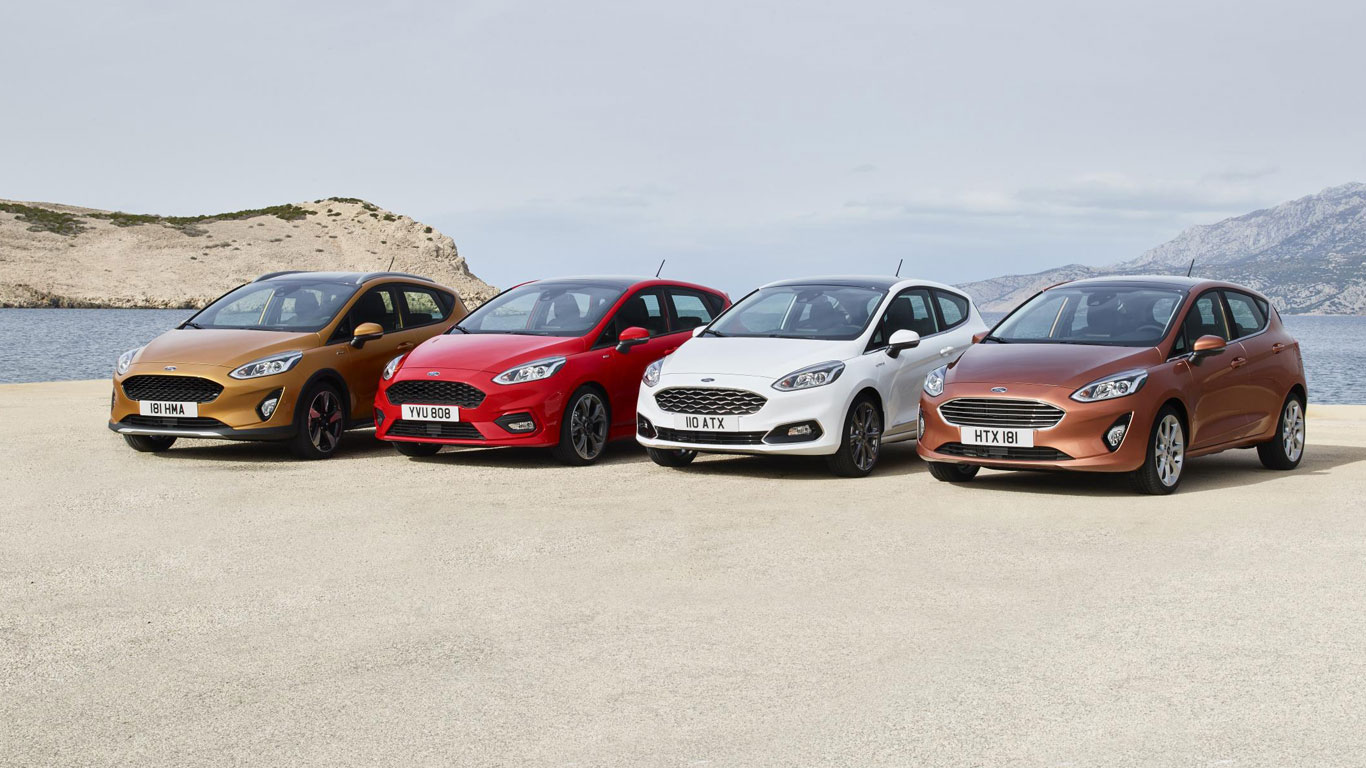
Ford remains the UK’s favourite car brand, with an 11.8% market share – much of that from the Fiesta and Focus alone. Nonetheless, its sales were down to 318,316 cars in 2016. Perhaps the 2017 Fiesta will revive them?

Honda: UP 10.7%

Honda launched a lot of new cars in 2015 and it has reaped the benefits in 2016. Sales figures are up 10.7% and the new HR-V crossover is proving particularly popular. In all, 59,106 Hondas found new homes.

Hyundai: UP 4.9%

Hyundai’s range of cars is getting more interesting. The latest i30 (pictured) is stylish and capable, while the Ioniq is available in all-electric, hybrid or plug-in hybrid guises – a first. The latest Tucson is a credible Qashqai-rival, too. Sales were up to 92,419 cars in 2016.

Infiniti: UP 141.9%

Wow. Infiniti has shown the biggest sales gain in 2016, up a whopping 141.9%. However, don’t forget that Nissan’s luxury brand started from a pretty low base: 1,195 cars in 2015. Last year, it managed 2,891 sales, helped by the new Sunderland-built Q30 crossover.

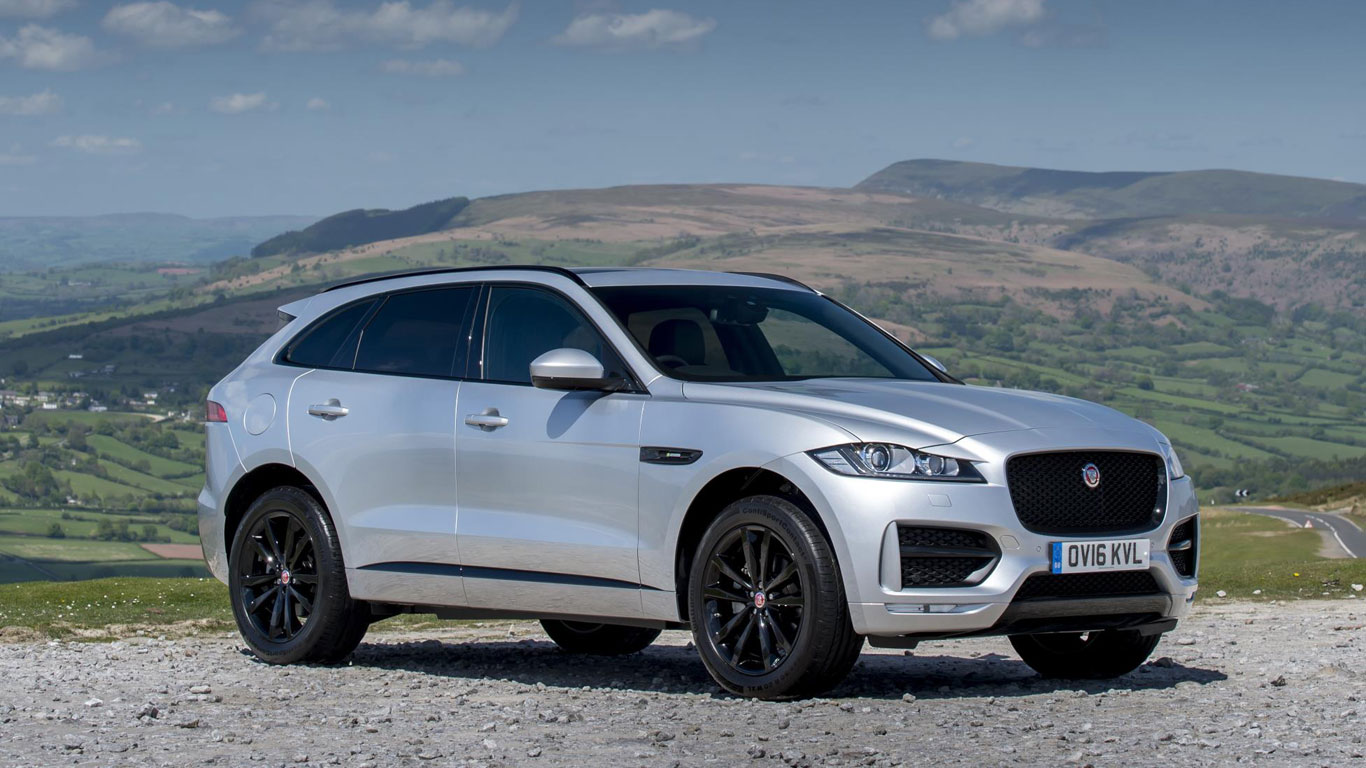
Jaguar: UP 45.4%
Jaguar: UP 45.4%

Jaguar sales are up… can you guess why? Yes, it’s built an SUV – the first in its history, in fact. The F-Pace, along with the XE saloon, boosted Jag volumes by 45.4% in 2016. It shifted 34,822 cars in total.

Jeep: UP 30.5%

A 30.5% boost is good news for Jeep – up to 14,090 cars in 2016 – even if the increase comes almost entirely from the Renegade. This Fiat 500X-based small SUV looks the part, and has some off-road ability. It’s pretty forgettable to drive, though.

Kia: UP 13.9%

The Kia Sportage was the 12th best-selling car in the UK last year, which helped its maker to a 13.9% sales increase overall. A total of 89,364 new Kias found owners in 2016. Will the arrival of the updated Picanto city car (pictured) boost that further this year?

Land Rover: UP 19.5%

Land Rover attributes some of its success to the Range Rover Evoque, which was up 31% last year (thanks to the new convertible, perhaps?). The British brand recorded a 19.5% increase overall, lifting its sales to 79,534 cars.

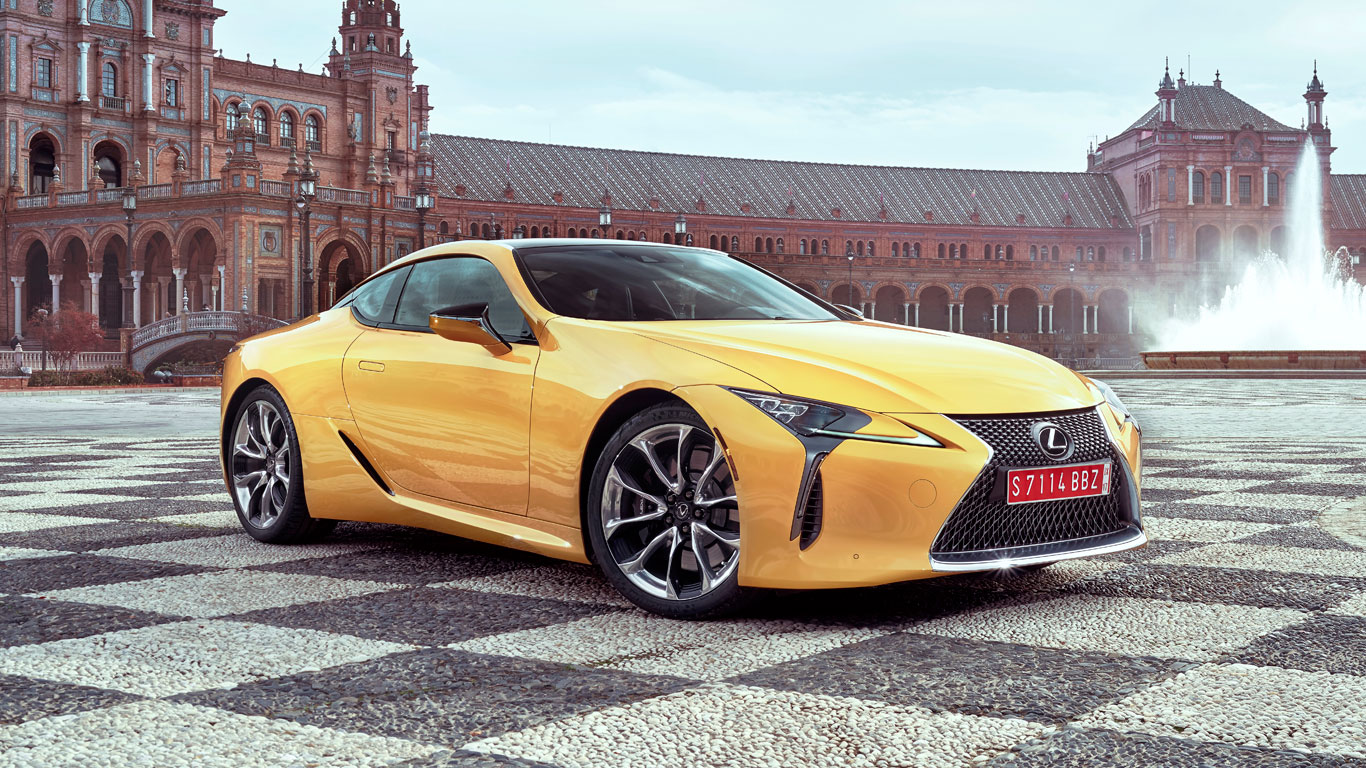
Lexus: UP 4.9%
Lexus: UP 4.9%

The news isn’t so positive for its parent company, Toyota, but Lexus starts 2017 with a smile – and sales up 4.9%. Nonetheless, with 13,915 cars registered, the Japanese marque has a long way to go before it troubles Audi, BMW or Mercedes-Benz.

Lotus: DOWN 9.6%

There’s a lot of love for Lotus in the MR office, but the Great British Public is more sceptical. Sales of these superb sports cars were down 9.6% in 2016, with just 339 registered – less than one car a day.

Maserati: UP 0.1%

An entry-level Ghibli diesel and the new Levante SUV haven’t helped Maserati meet its targets. Sales remained stagnant, with just a single additional car sold in 2016 versus the year before – 1,435 cars in total.

Mazda: UP 2.4%

We reckon Mazda has one of best ranges of cars on sale – from the 2 supermini to the MX-5 roadster – so it’s gratifying to see sales up 2.4% in 2016. It sold 46,609 cars in total.

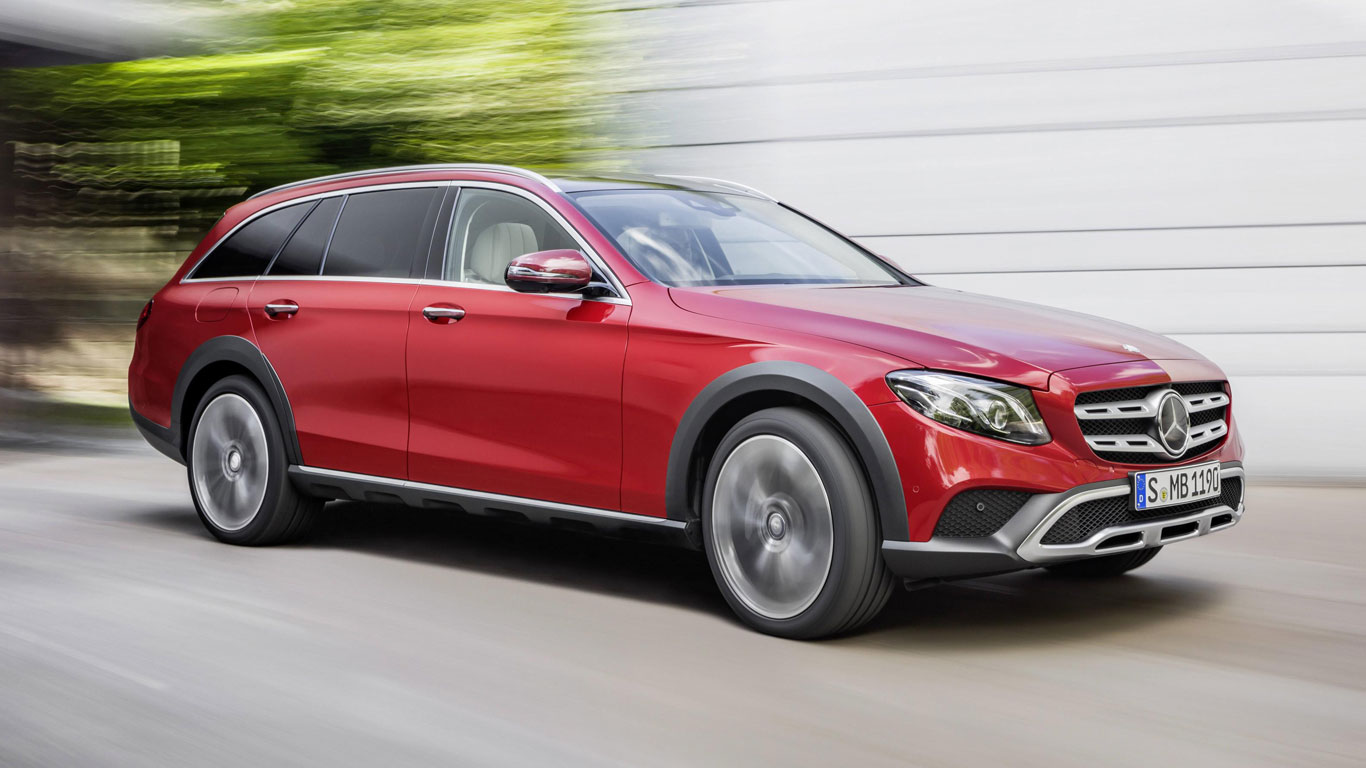
Mercedes-Benz: UP 16.9%
Mercedes-Benz: UP 16.9%

The fifth-generation Mercedes-Benz E-Class went on sale in 2016, and that – along with a very successful C-Class – will have helped contribute to Mercedes-Benz registrations increasing by almost 17%.

MG: UP 33%

MG sales shot up a third last year with the launch of its GS crossover. But when sales in 2015 were a smidgen more than 3,000, that’s not a hard figure to improve on. The company’s given up the pretence of producing cars in the UK at the historic Longbridge site, which might harm its chances of improving sales in 2017. That and the fact its cars fall short compared to rivals.

MINI: UP 8.5%

The fashionable MINI brand is showing no sign of losing its appeal any time soon – with sales up 8.5% to nearly 69,000 cars in 2016. The MINI Hatch was the eighth most popular car last year, and the fifth most popular in December.

Mitsubishi: DOWN 19.6%

The danger of a small model line-up is reflected in Mitsubishi’s sales, which were down a hefty 19.6% in 2016. The once-popular Outlander PHEV has been attracted a deal of bad publicity, with many complaining about poor fuel consumption and short electric range. Incentives for plug-in hybrids are being reduced as well, while other Mitsubishi models such as the Mirage and Shogun just don’t stack up against rivals.

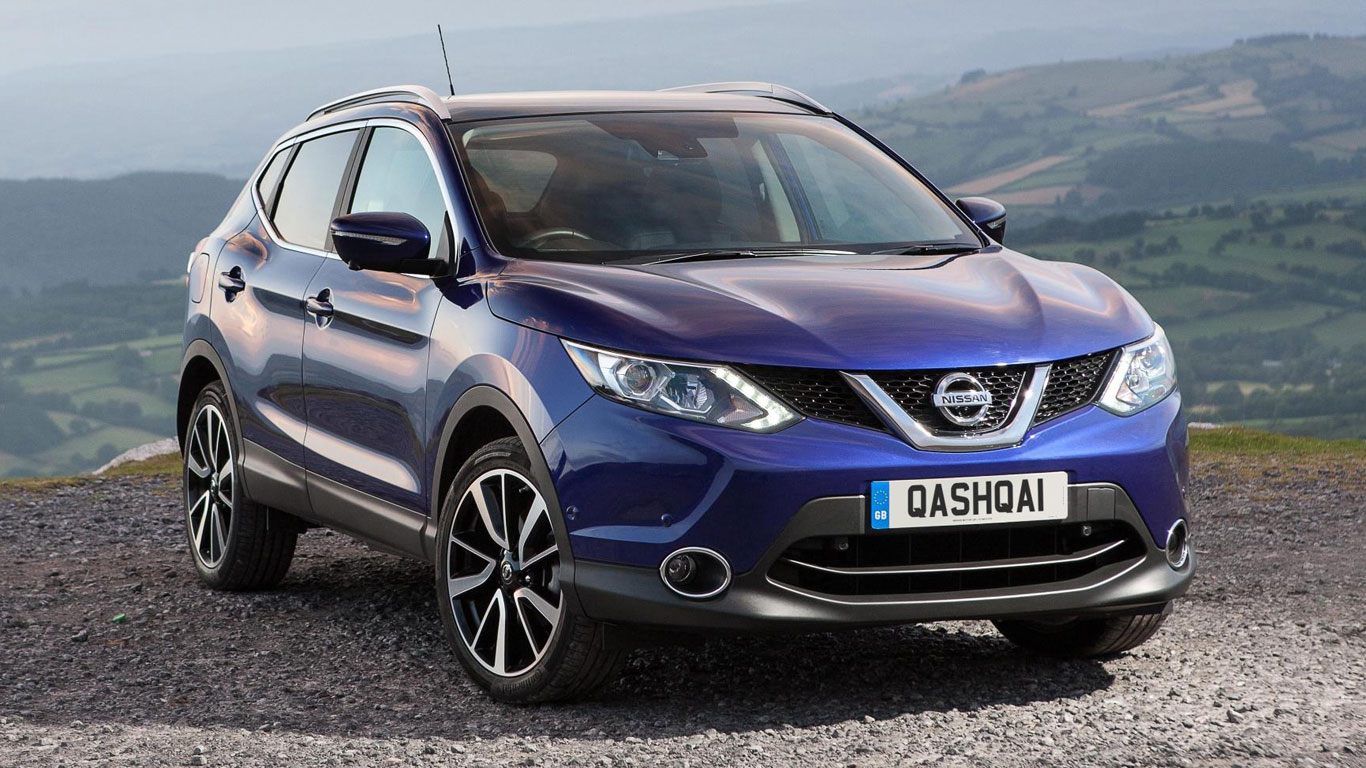
Nissan: DOWN 0.9%
Nissan: DOWN 0.9%

Despite its Qashqai being one of the top 10 best-selling cars in 2016, Nissan sales saw a small decrease in 2016. We saw its new Micra at last year’s Paris Motor Show, and first impressions are incredibly positive – it looks to be a huge improvement over the outgoing model. If it can attract even a slice of the Fiesta’s sales, it’ll be a good result for Nissan.

Peugeot: DOWN 5.5%

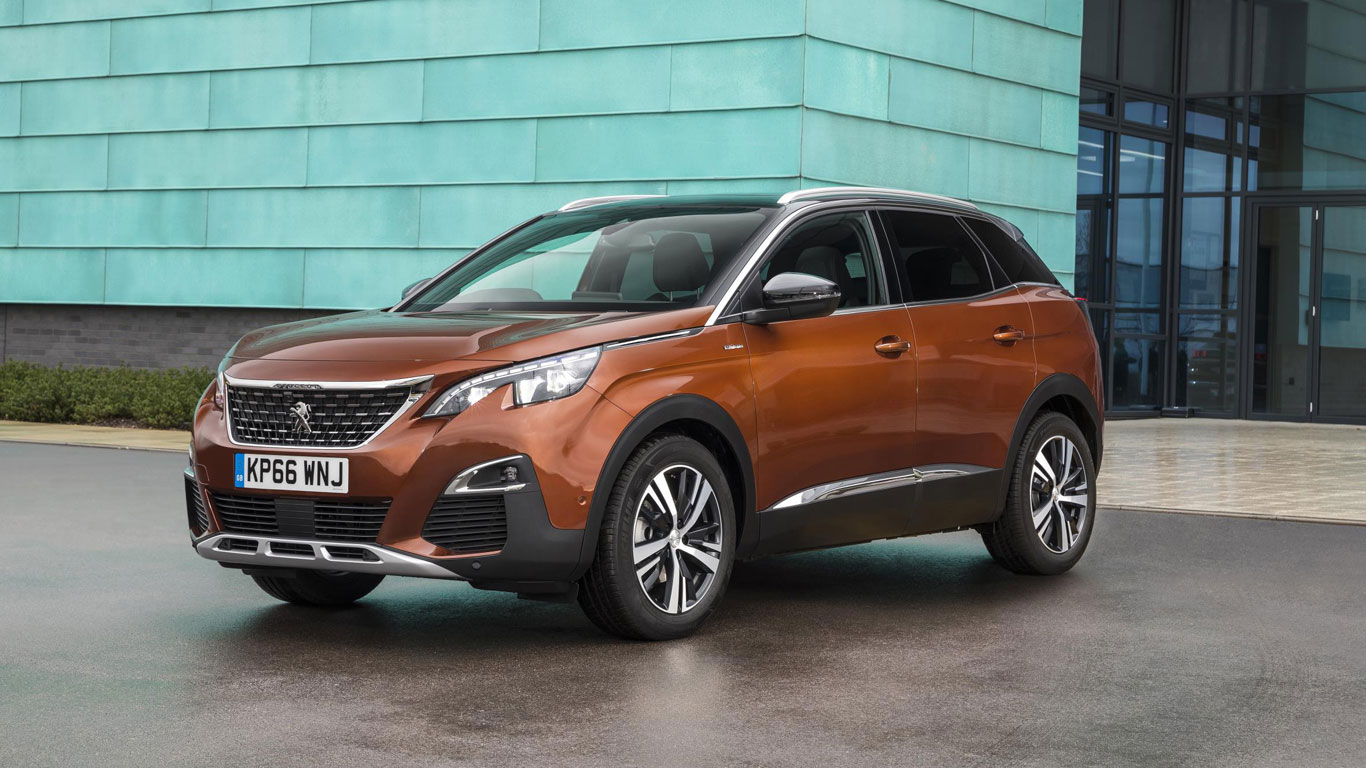
Sales were down 5.5% to 98,529 cars for Peugeot in the UK last year, but it’ll be pinning its hopes on the new 2008 and 3008 SUVs for 2017. The French manufacturer has taken the radical step of replacing its frumpy MPVs with desirable crossovers – we’ll see if that pays off.

Porsche: UP 7.6%

In the year that Britain voted for Brexit, we also bought more Porsches than the year before. That’s despite controversially giving the Cayman and Boxster turbo power – while we continue to buy the Macan by the bucketload. A total of 13,097 Porsches were sold.

Renault: UP 12.5%

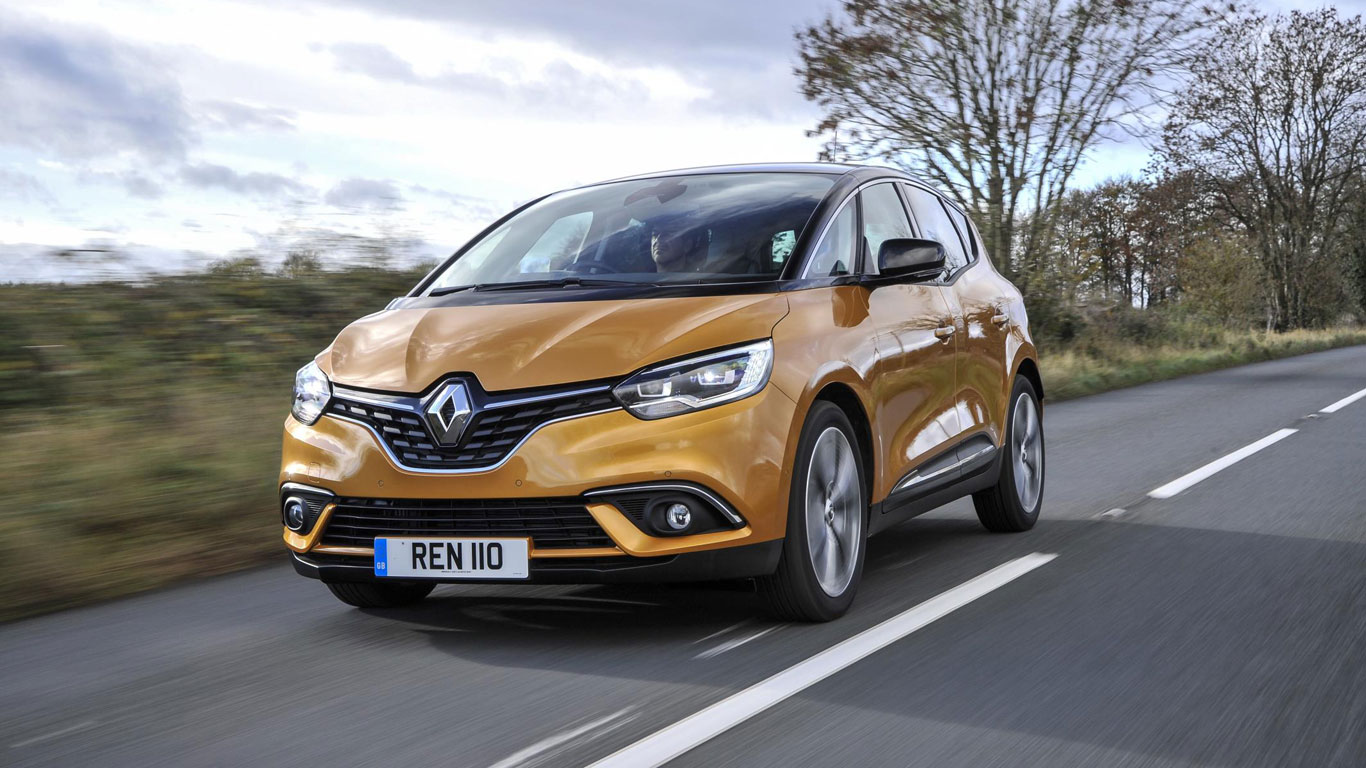
It’s been a good year for Renault in the UK (85,102 cars sold), and that success is likely to continue following the launch of its desirable new Scenic people carrier (yes, we did call an MPV ‘desirable’). The Scenic will sit alongside the popular Captur and Kadjar crossover in Renault’s range.

SEAT: DOWN 0.4%
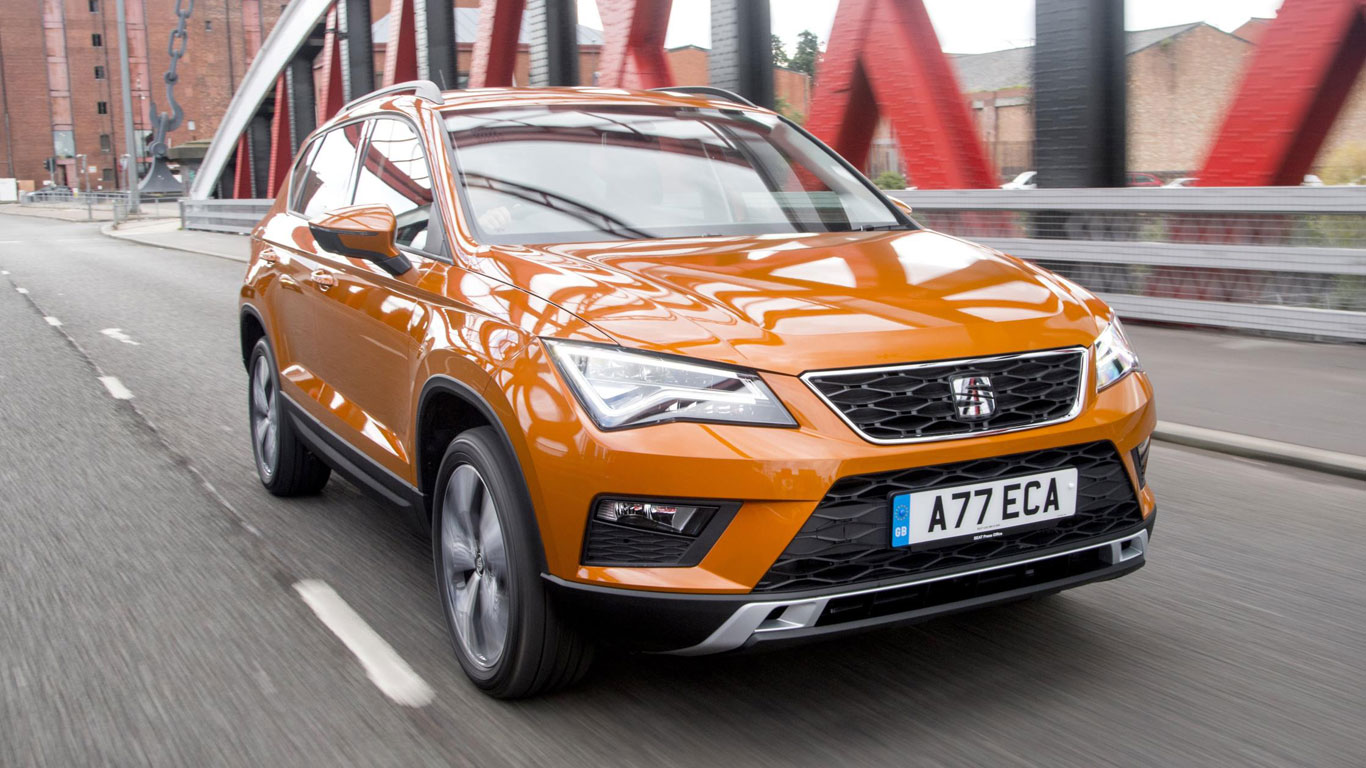
SEAT: DOWN 0.4%

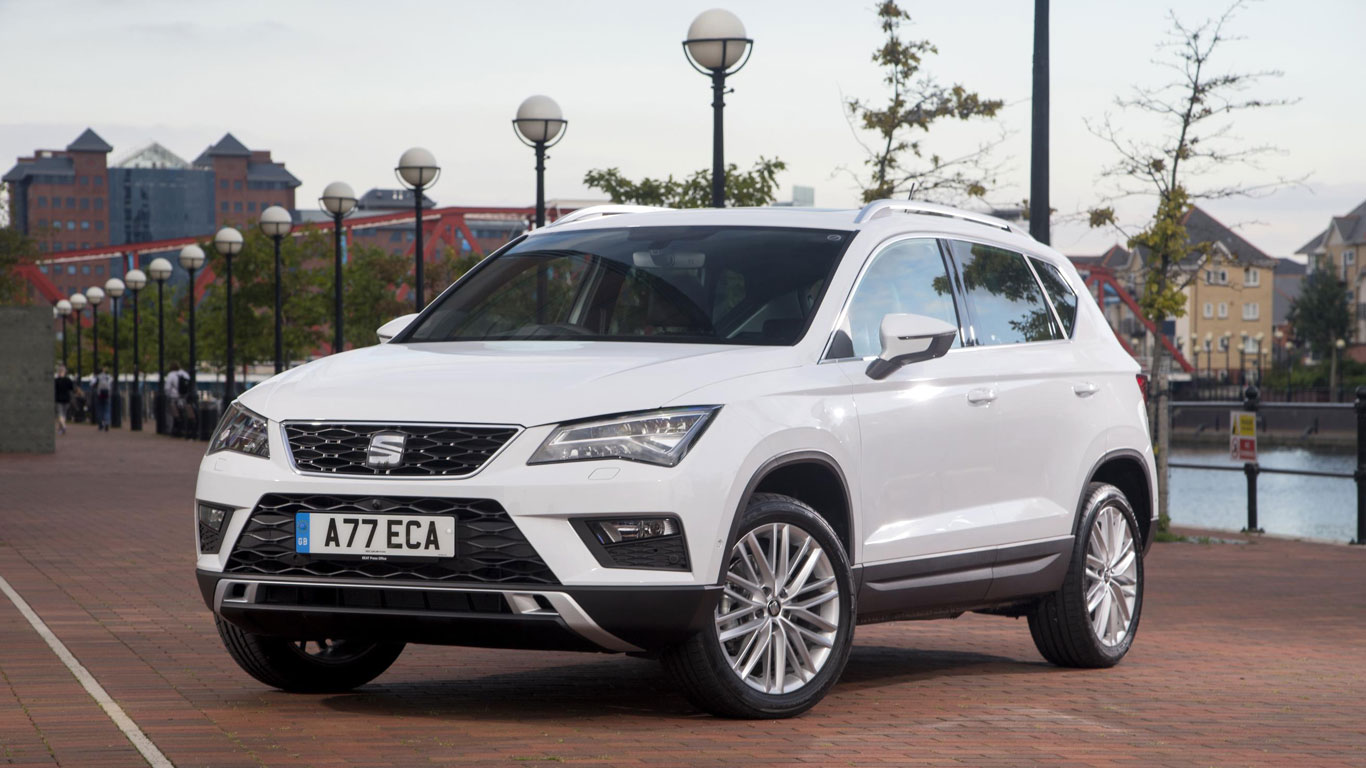
It’s bad news for VW’s Spanish brand, with sales down a smidgen to 47,456 cars last year. Ageing models such as the Leon and Ibiza could explain the falling figures, but SEAT’s fortunes are likely to change in 2017. The new Ateca crossover is now on sale, while the Ibiza is due to be replaced in summer and the Leon is receiving a facelift.

Skoda: UP 7.6%

The days of pre-Volkswagen Skoda feel a long time ago now, with sales passing 80,000 in the UK last year. Models such as the Octavia represent excellent value for money, and Skodas are often available with tempting finance deals. Sales don’t seem to have been hit by the Dieselgate emissions scandal.

Smart: UP 42.2%

Smart is showing no sign of becoming last year’s fad, with sales up an impressive 42.2% in 2016. Tempting finance deals on its ForTwo two-seater combined with a general move towards smaller vehicles across the board help to explain Smart’s rise in popularity.

SsangYong: UP 32.9%

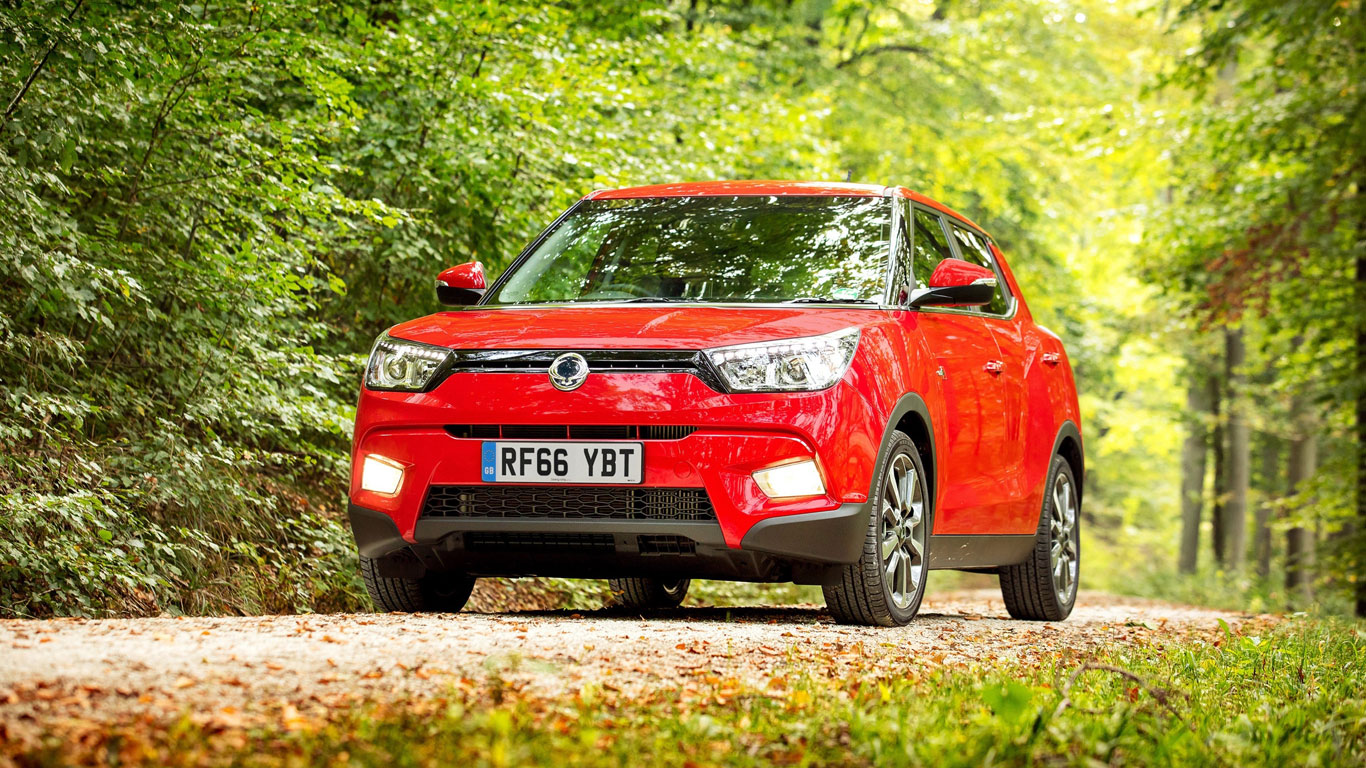
SsangYong isn’t a big player in the UK, but it does offer tough, low-cost 4x4s. It’s seen a rise in popularity in 2016 – up to 4,444 cars – no doubt helped by its affordable Tivoli crossover.

Subaru: UP 4.5%
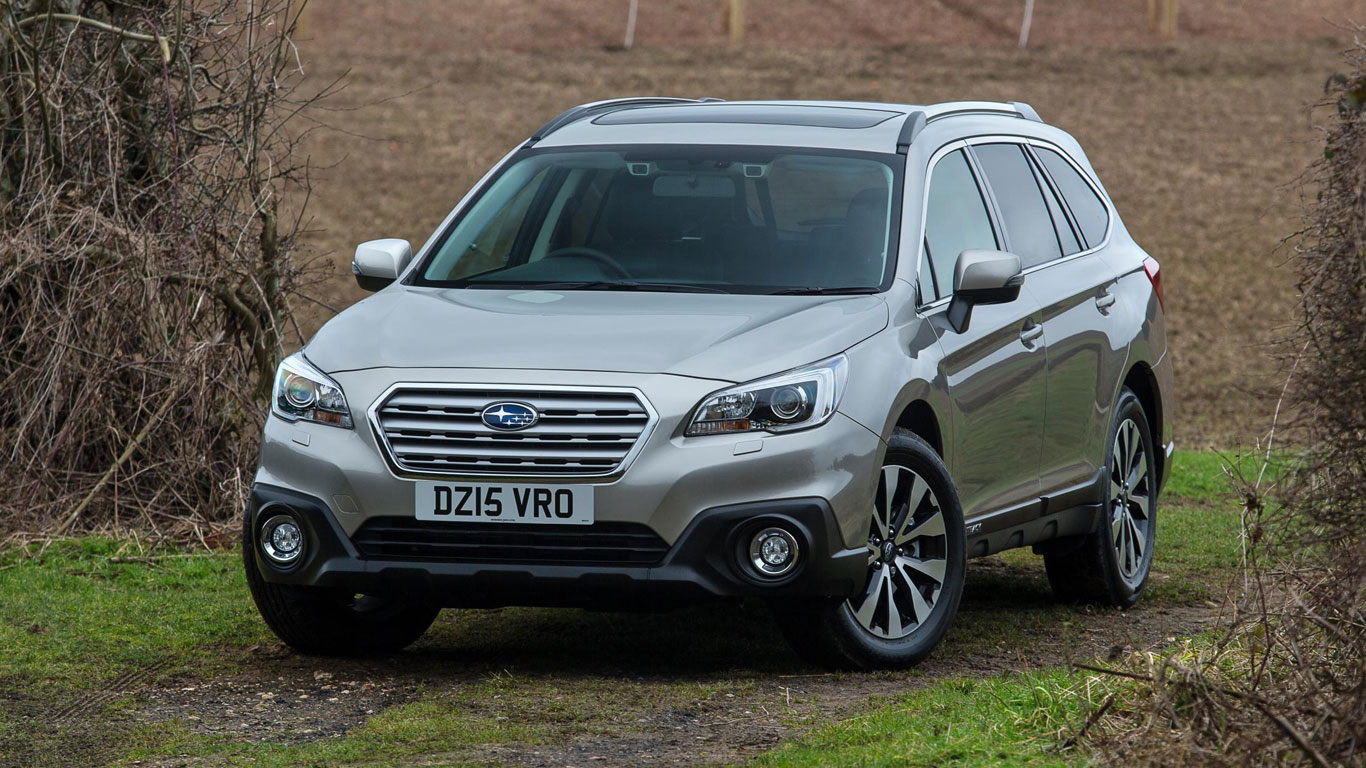
Subaru: UP 4.5%

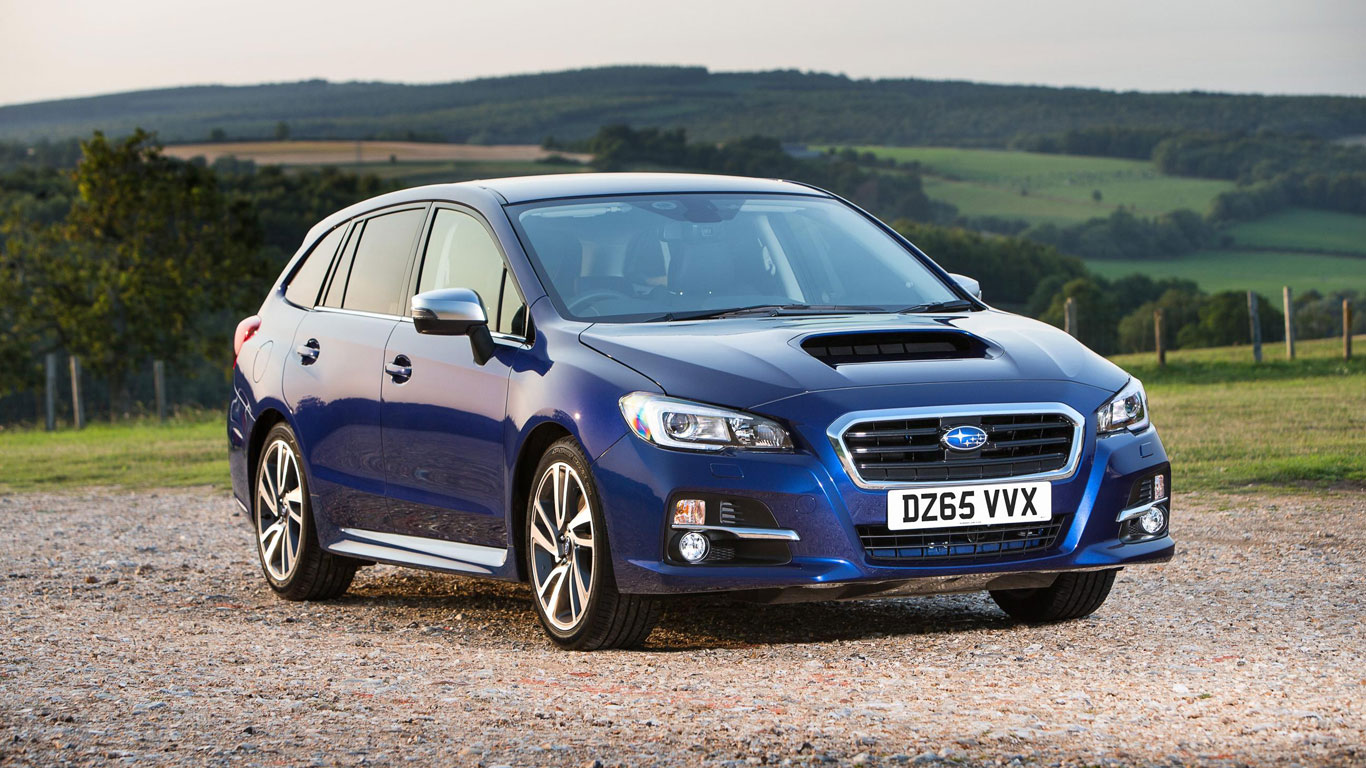
Subaru sales are up 4.5% compared to 2015, but we’re still not talking massive numbers, with 3,612 cars registered in 2016. Subaru remains a relatively niche manufacturer here in the UK, with models such as the Outback and Levorg. Most Subaru buyers hold onto their cars longer than those of other manufacturers – meaning Subaru’s slow sales could, in part, be down to the loyalty of its customers.

Suzuki: UP 10.8%

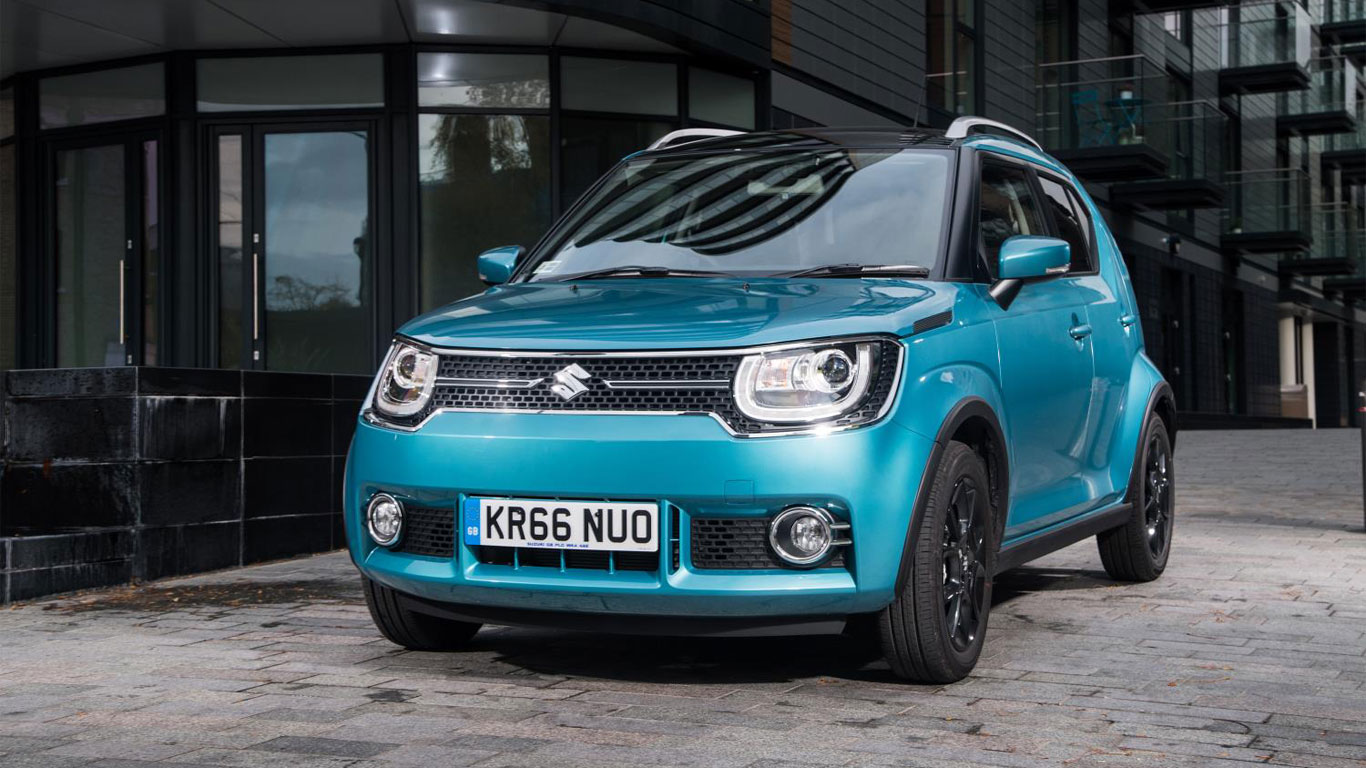
Plucky Suzuki has boosted UK sales by more than 10% in 2016. That success is likely down to the excellent value offered by models such as the Swift and Celerio, while the Vitara is a commendable crossover. We’re huge fans of the new Ignis – hopefully its quirky looks won’t put off UK buyers in 2017.

Toyota: DOWN 2.0%

Sales were down a little for Japanese firm Toyota in 2016 (96,746 cars sold). A reputation for reliability means it has a loyal customer base, and a trendy new crossover in the form of the C-HR could poach customers from other manufacturers this year.

Vauxhall: DOWN 7.0%

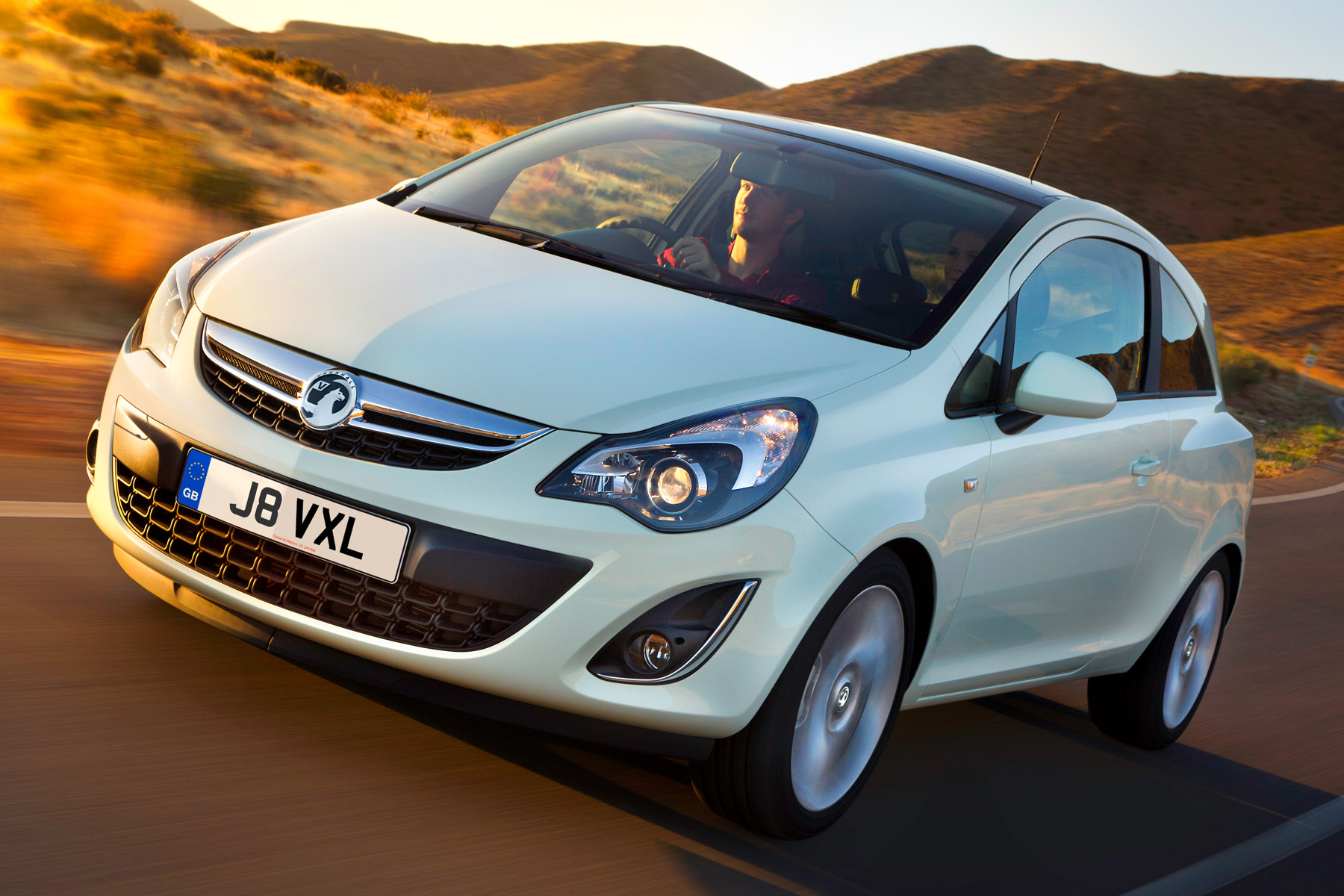
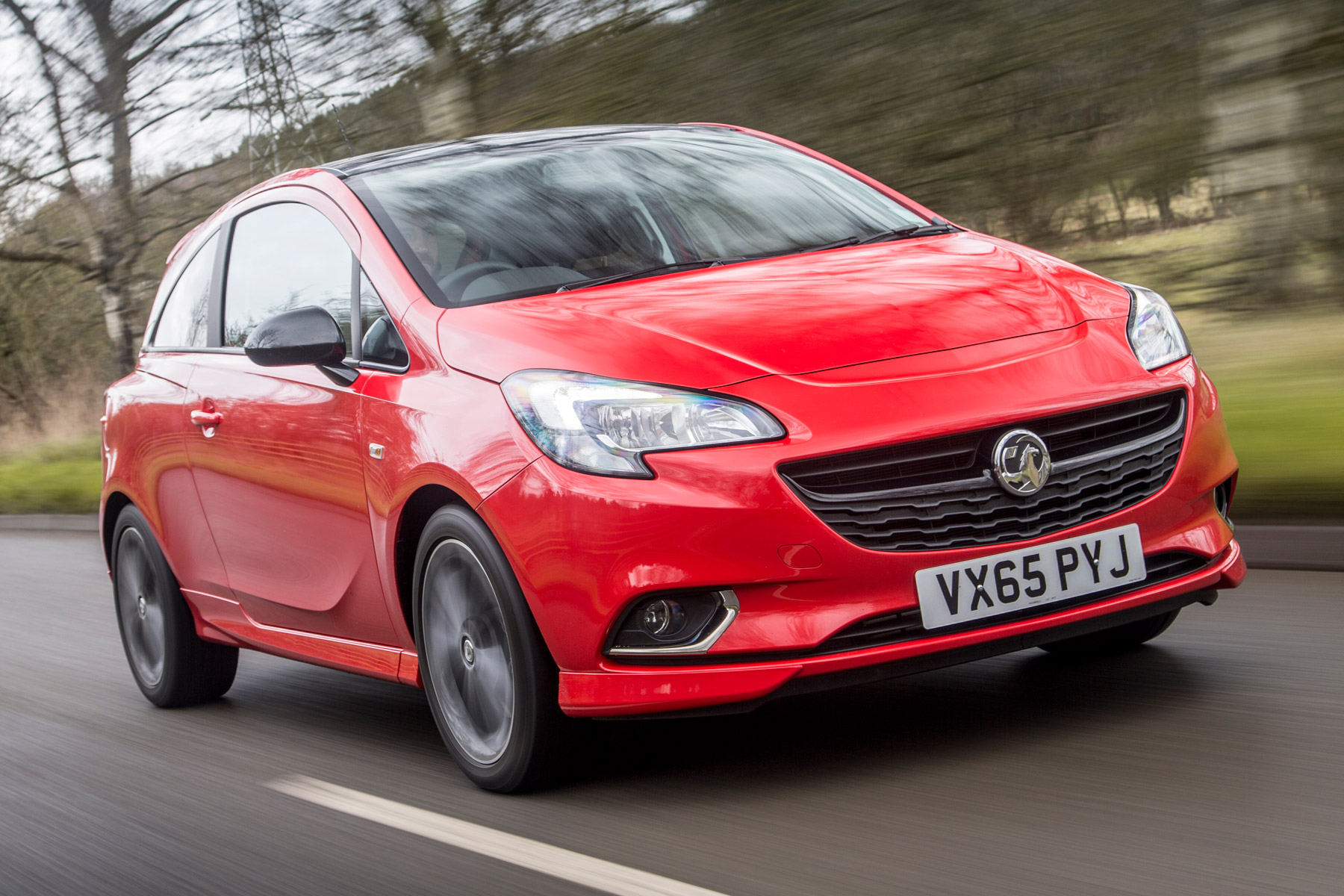
Bad news for GM’s British strand, registrations of new Vauxhalls were down 7.0% to 269,766 cars in 2016. This could partly be down to the ongoing fires issues plaguing models including the Corsa – which clung onto its position as the UK’s second best-selling car, despite seeing a fall in sales of nearly 15,000.

Volkswagen: DOWN 7.5%
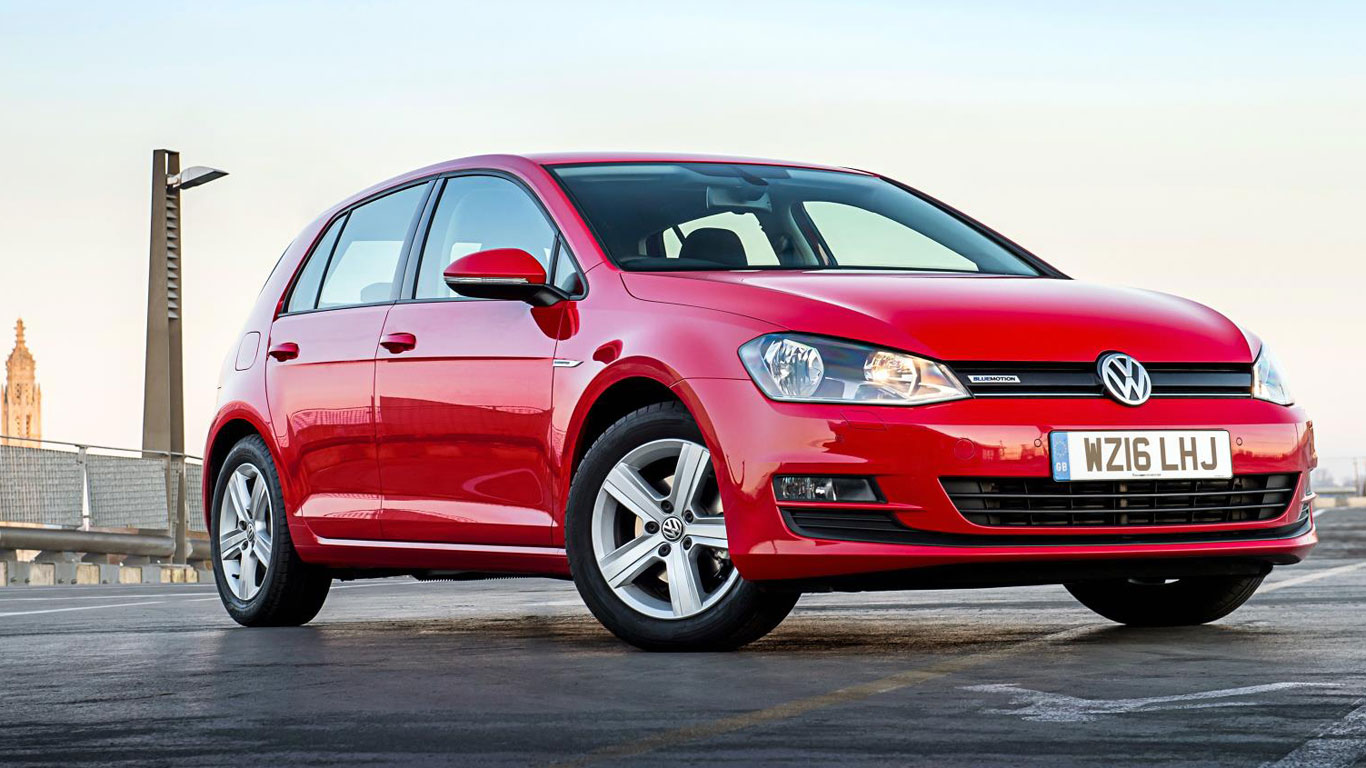
Volkswagen: DOWN 7.5%

It’s been another turbulent year for Volkswagen, so it’s no surprise to see sales down 7.5%. But it could have been a lot worse – indeed, SMMT chief executive Mike Hawes told us he thought it has been “a very good year for Volkswagen”. It’ll be interesting to see whether buyers start to forget about Dieselgate in 2017 – a year the brand has described as “very exciting”.

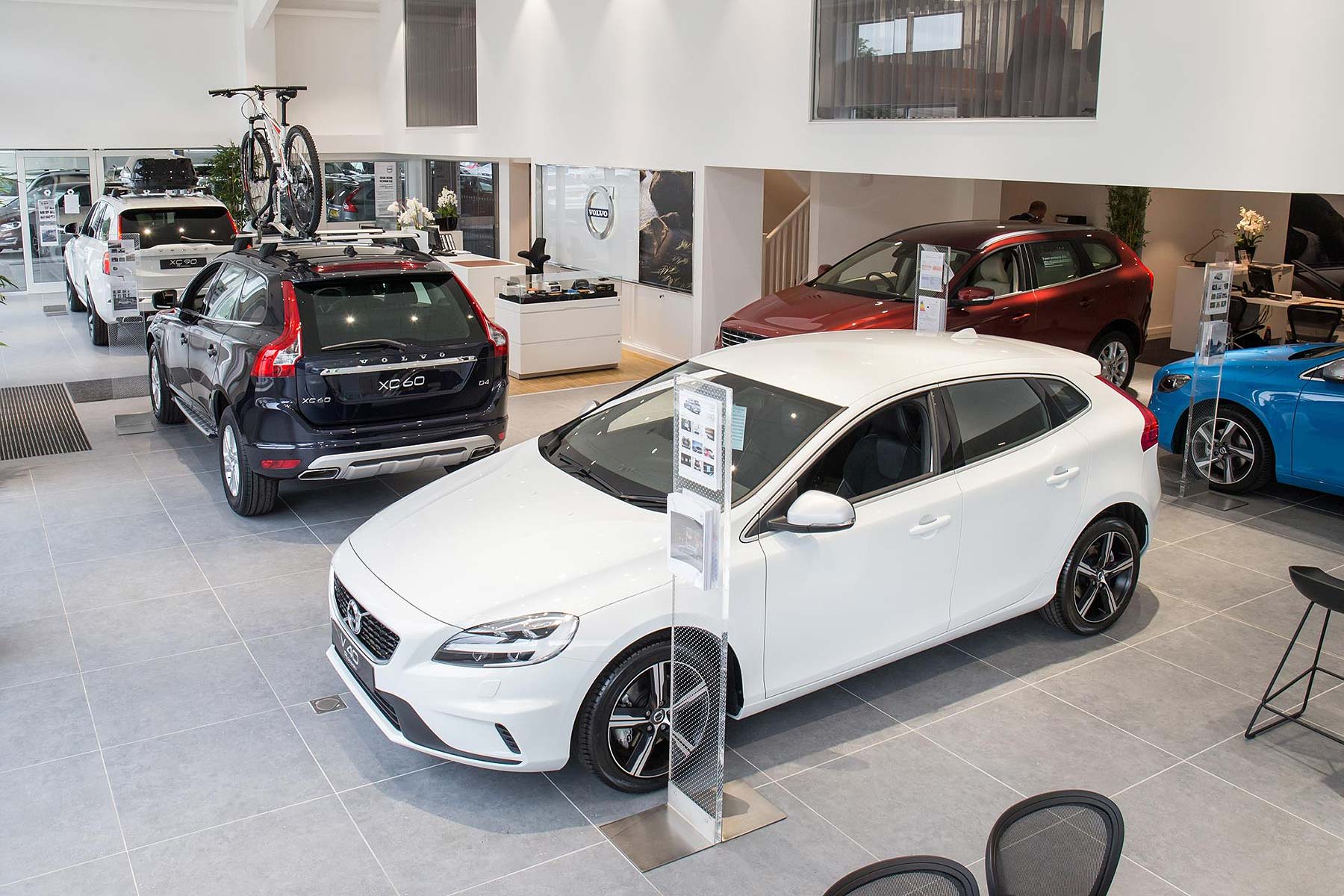
Volvo: UP 7.5%

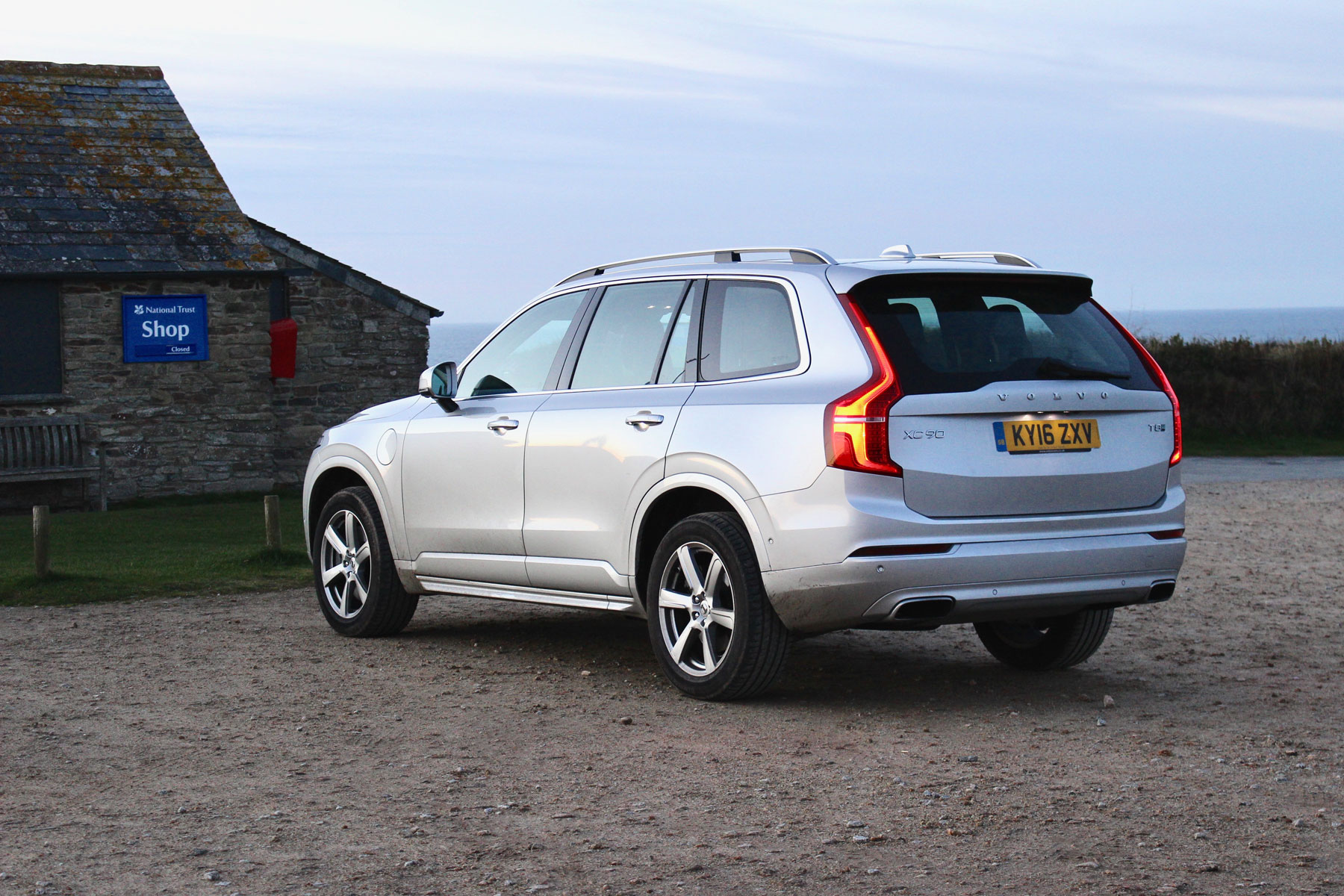
With new models including the brilliant XC90, V90 and S90, it’s no surprise that 2016 was a very strong year for Volvo. It sold 46,696 cars last year – and a new XC60 expected in summer 2017 could boost sales figures even more.
Advertisement

Revealed: Britain’s top 20 best-selling cars in 2016

0

Revealed: Britain’s top 20 best-selling cars in 2016

Figures released today by the Society of Motor Manufacturers and Traders (SMMT) reveal that new car registrations in the UK hit a record high in 2016, with more of us buying new cars than ever before. That success is largely down to tempting finance packages, along with a wide choice of new models – but which cars are the most popular in the UK? We’ve analysed the data to pick out the top 20 best-selling cars in 2016.

20: Peugeot 208

The 208 was launched back in 2012, but some great deals – including Peugeot’s ‘Just add fuel’ offer – keep it inside the UK’s top 20 best-selling cars. Rivals include the Ford Fiesta, Renault Clio and VW Polo.

Engines for the 208 range from a three-cylinder 1.0-litre petrol to the 1.6 GTI. There are plenty of MINI-style personalisation options available, while Peugeot’s trademark small steering wheel provides a sporty feel. A total of 28,146 Peugeot 208s were sold in 2016.

19: Toyota Yaris

The Yaris has been around in various guises since 1999, and this third-generation car was launched in 2011. Reliability and interior space are two of its key strengths. And unlike most superminis, it’s available as a hybrid. Toyota shifted 30,741 last year.

The petrol/electric Yaris Hybrid would be our choice. It isn’t cheap to buy, but it costs pennies to run. CO2 emissions of just 75g/km (on the smallest wheels) mean you won’t pay any road tax – at least until the rules change in April 2017.

18: BMW 1 Series

18: BMW 1 Series

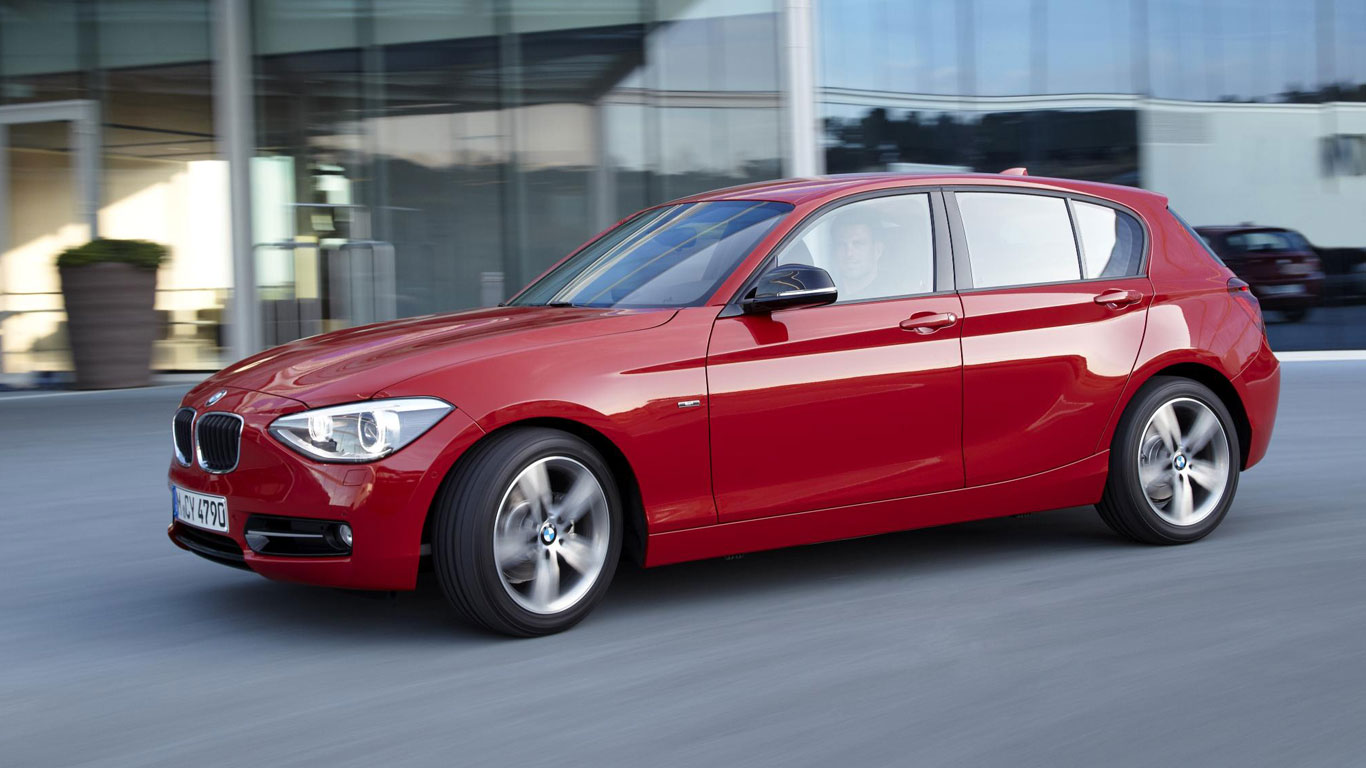
The 1 Series seemed a brave move when first launched in 2004. However, it soon proved that the premium BMW badge could sit happily on a family hatchback, and 34,379 UK buyers took one home last year. What will they make of the next, front-wheel-drive 1 Series? We’ll find out in 2018.

BMW has covered all bases in the engine department. The line-up stretches from the ultra-efficient 116d diesel (83.1mpg and 89g/km of CO2) to the 140i hot hatch (0-62mph in 4.6 seconds). Whichever engine you choose, the 1er is fun to drive. Just don’t expect class-leading space for passengers or luggage.

17: Vauxhall Mokka X

This Corsa-based crossover was rebranded ‘Mokka X’ in 2016, becoming the UK’s 17th bestselling car in 2016 in the process. In total, 34,809 left Vauxhall showrooms last year. The Mokka X is is larger and more practical than its main rival, the Nissan Juke – but still noticeably smaller than Nissan’s other popular crossover: the Qashqai.

Unlike many cars of its ilk, the Mokka is available with four-wheel drive. It’s well equipped and spacious enough for a family of four. However, it’s utterly yawn-inducing to drive.

16: Fiat 500

Young buyers love the Fiat 500 – which is why the Italian manufacturer has barely messed with the formula since it was launched in 2007. It’s not the best city car available, but it’s comfortably the best-selling in its segment.

A respectable 35,148 Fiat 500s were registered in the UK last year. Rivals such as the Skoda Citigo and Hyundai i20 didn’t even make the top 20.

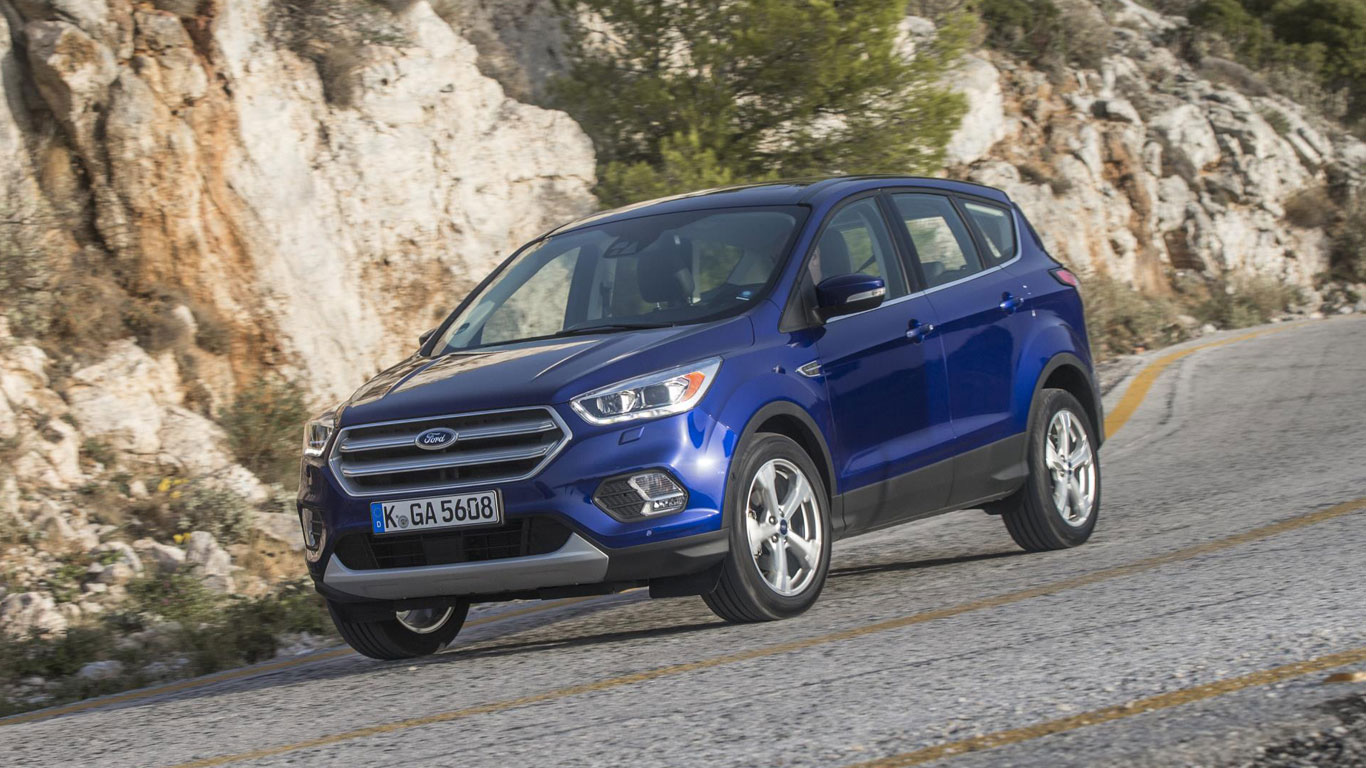
15: Ford Kuga

15: Ford Kuga

Ford is by far the UK’s most popular manufacturer, but its mid-size Kuga SUV is often overlooked by buyers. Tempting deals help sales, however – and a facelift in 2016 might cement its place in the top 15 for this year.

New for the Kuga is Ford’s Sync 3 infotainment system and 1.5-litre diesel engine, along with a refreshed appearance. Will it remain in 15th place in 2017?

14: BMW 3 Series

While the BMW 3 Series is a company car driver favourite, it’s a surprise to see it lagging behind a certain rival which appears five places ahead in the rankings. That’ll partly be down to the age of the current F30 3 Series. Launched in 2011, the sixth-generation model is starting to feel old.

It’s still one of our favourite cars in its segment, however, and keen drivers love a BMW 3 Series. With 36,732 registrations in 2016, it’s also in a position that even the Jaguar XE would love to be in – the British 3 Series rival isn’t to be seen in the top 20.

13: Nissan Juke

The Nissan Juke divided opinion when it was launched in 2010 – some just couldn’t get past its bold appearance. But those who could found a funky, fun-to-drive crossover that’s tempting buyers away from traditional superminis.

While the Juke lives in the shadow of the larger Qashqai, a solid 13th place ranking and 38,803 registrations is commendable. In fact, it was the best-selling compact crossover in the UK in 2016. Now that’s something to tell your friends about.

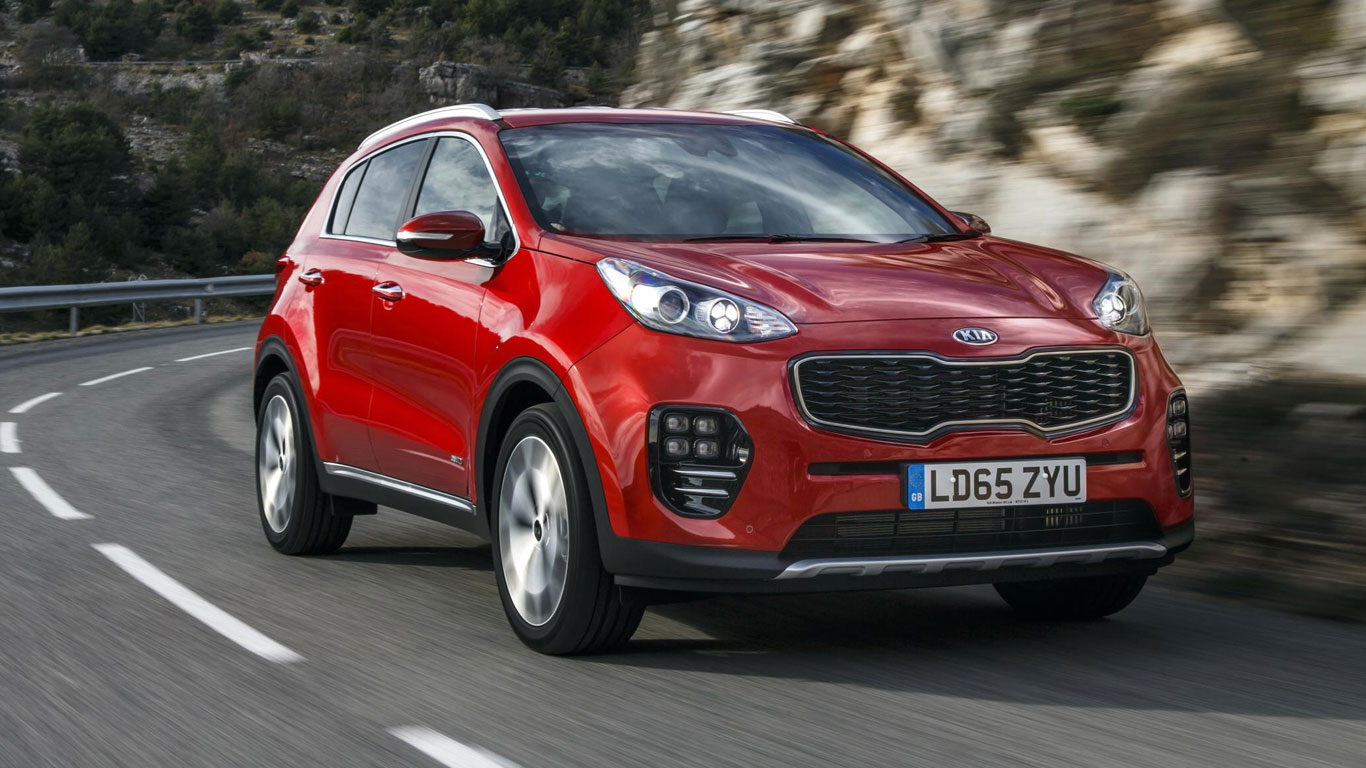
12: Kia Sportage

12: Kia Sportage

The striking new Kia Sportage was launched in 2016, and already sales seem to be off to a flying start – they’re everywhere on UK roads. Despite the production switchover, the Sportage was Britain’s second most popular crossover last year.

An attractive start price of £18,250, combined with good practicality and commendable efficiency make the Kia Sportage worthy of its 12th place in the UK 2016 sales rankings. A total of 40,083 new Kia Sportages were registered last year.

11: Mercedes-Benz A-Class

The A-Class is a competent compact executive – although we’d buy an Audi A3 or BMW 1 Series over the baby Merc.

UK car buyers disagree with us, though – in terms of the BMW 1 Series at least. The A-Class edges ahead of the BMW with 41,183 registrations in 2016, narrowly avoiding the top 10. But how does the Audi A3 fare?

10: Audi A3

The top 10 kicks off with the popular Audi A3. It’s no surprise to see Audi’s hatchback here – fleet drivers and private buyers alike love the A3, and there’s a bodystyle and engine to suit everyone.

A total of 43,808 Audi A3s were registered in 2016 – that’s out of more than 177,000 Audis sold overall. Despite being rocked by the Dieselgate emissions scandal, the total number of cars sold by the German manufacturer increased by more than 6%.

9: Mercedes-Benz C Class

9: Mercedes-Benz C Class

In ninth place is the Mercedes-Benz C Class. You might be surprised to see premium manufacturers such as Mercedes in the top 10, but they’re increasingly affordable. Low depreciation means premium cars can actually work out cheaper to ‘own’ over three years, meaning lower PCP and PCH finance deals can be offered.

Mercedes-Benz registered 44,184 C-Class models in 2016, marginally more than the number of new Audi A3s. It’s interesting that it outsold competitors such as the BMW 3 Series and Audi A4 – but with the new Audi A4 becoming ever more commonplace on UK roads, will the Mercedes hold onto its position in 2017?

8: MINI

It’s 15 years now since BMW launched the MINI brand – and what a clever move that’s proving to be. The MINI hatch is one of our favourite small cars. It’s genuinely premium inside, while the handling is easily best-in-class.

More than 48,328 MINI hatches were registered in the UK last year, making it easily the brand’s best-selling model. Overall, MINI sold 68,984 cars across the UK in 2016 – up from 63,581 in 2015.

7: Volkswagen Polo

The Volkswagen Polo is due to be replaced this year, but sales of the current model are showing no signs of slowing, with 54,448 registered in the UK in 2016.

The VW Polo comes third in the supermini sales league, behind the Vauxhall Corsa and Ford Fiesta.

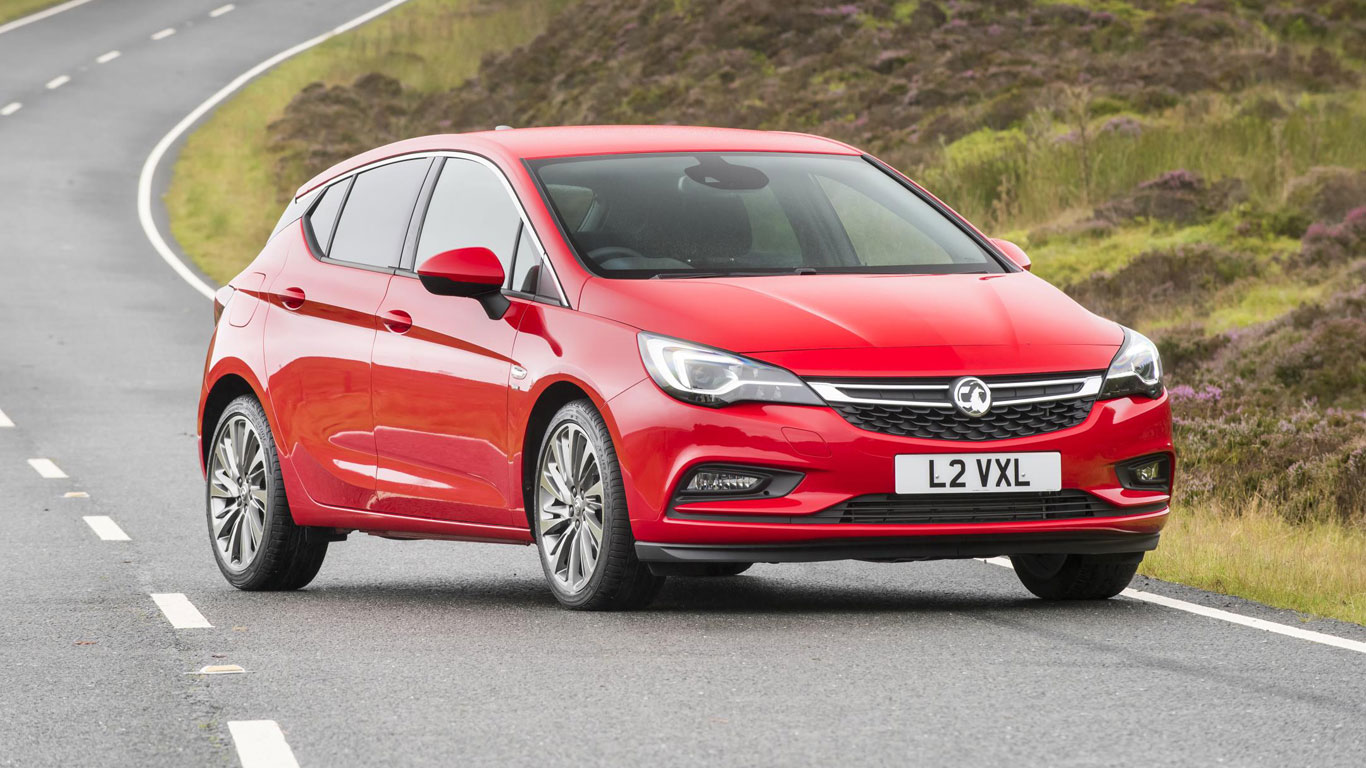
6: Vauxhall Astra

6: Vauxhall Astra

The trusty Vauxhall Astra was replaced in 2016, and the new model was a huge improvement over its predecessor. In February, it was crowned the European Car of the Year. Has that success been reflected in its sales?

The Astra has always been a strong seller. Even so, with 60,719 sold last year, it’s still some way behind its arch nemesis, the Ford Focus.

5: Nissan Qashqai

Ah, the untouchable Nissan Qashqai. The Sunderland-built Qashqai has been widely credited as the car to bring crossovers truly into the mainstream, and it’s the only crossover to appear in the top 10.

The Qashqai’s success is deserved – the second-generation model, on sale since 2013, combines excellent practicality and reliability with the price tag of a conventional hatchback. An impressive 62,682 were registered in 2016.

4: Volkswagen Golf

Despite the shock of 2015’s emissions scandal, Volkswagen’s sales in the UK don’t appear to have been hit too heavily. In December alone, 5,355 Volkswagen Golfs were registered – putting it in the top three best-sellers for that month.

Over the entire year, however, it didn’t quite make the top three. An impressive 69,492 Golfs were registered in 2016, only slightly behind its contender from Ford in the sales stakes…

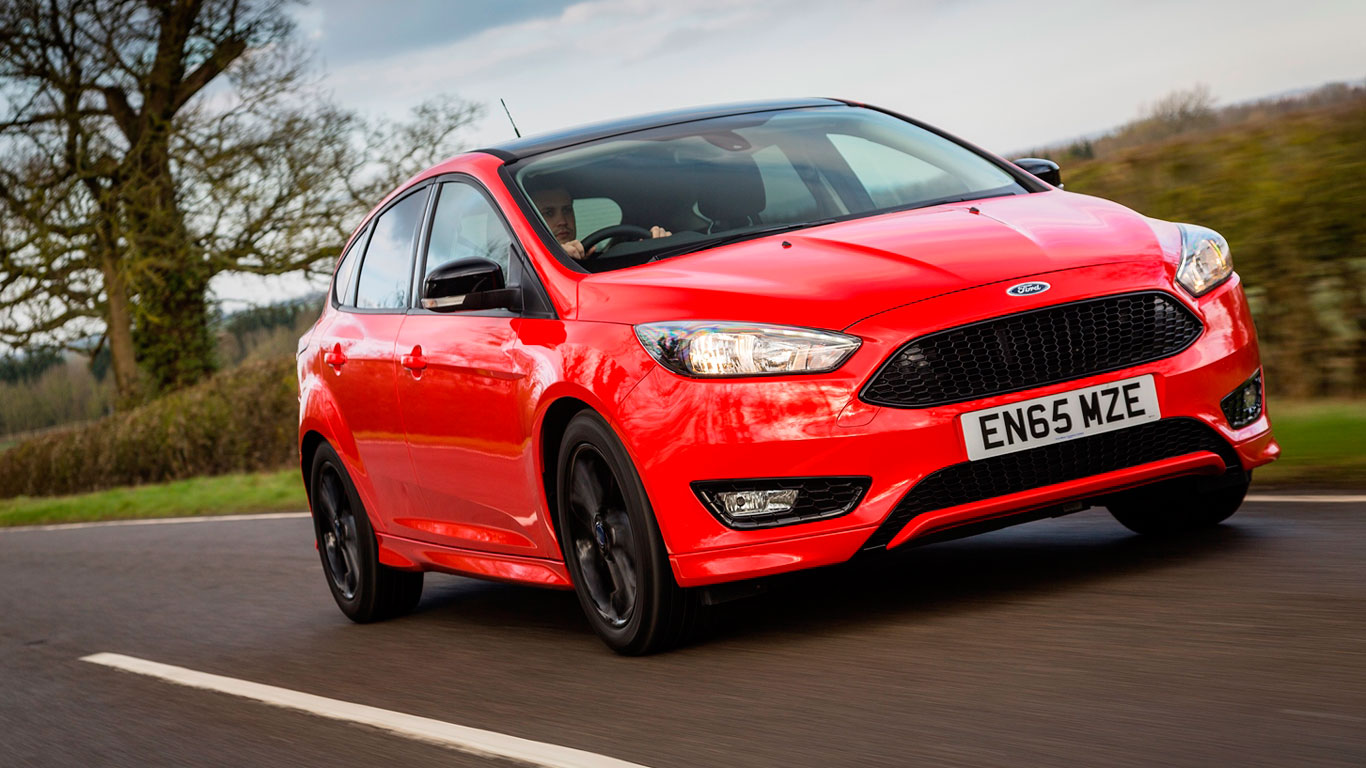
3: Ford Focus

3: Ford Focus

Yes, the ubiquitous Ford Focus takes third position in the UK’s most popular cars of 2016. The Ford Focus has constantly sold well in the UK since it was launched in 1998, and the latest model is great to drive.

A whopping 70,545 were registered last year, with nearly 5,000 passing through dealerships in December alone. But it’s still some way behind the top two…

2: Vauxhall Corsa

If you’ve ever travelled on UK roads you won’t be surprised to read that the Vauxhall Corsa is one of the most popular cars on sale. From grans to boy racers, everyone loves the Corsa, and the latest model is undoubtedly one of the strongest in the supermini segment.

More than 77,000 Vauxhall Corsas were registered in 2016, although a quiet period in December saw it relegated to sixth place for that month. That didn’t affect the Corsa’s yearly sales but, of course, it has a thorn in its side…

1: Ford Fiesta

Yes, the Ford Fiesta, despite being largely unchanged since 2008, it remains Britain’s favourite car by some margin. A staggering 120,525 were registered in 2016, with 8,198 bought in December alone.

That means more than 43,000 more Ford Fiestas were registered in 2016 than Vauxhall Corsas – and almost three times as many Ford Fiestas as Audi A3s. The Fiesta’s replacement is due in 2017 and first impressions are positive – but is it good enough to cling onto number-one spot? Time will tell.

Advertisement

Record new car sales in 2016 – but Brexit could hit industry hard in 2017

0

Record new car sales in 2016 - but Brexit could hit industry hard in 2017

The number of new cars registered in the UK hit a record high last year, with nearly 2.7 million cars sold in 2016.

That’s according to figures released this morning by the Society of Motor Manufacturers and Traders (SMMT) – but the organisation’s chief executive has warned the industry could be in for a ‘lumpy’ ride in 2017.

Speaking at a briefing held in London, Mike Hawes told Motoring Research that he expects the number of new cars registered this year to dip by 5-6% to around 2.55 million.

The trade body chief exec suggested that we might see a spike in new car registrations, particularly for premium cars, in March, as buyers attempt to ‘beat’ the new VED (car tax) bands being introduced in April.

Price rises expected

This is despite Theresa May aiming to trigger Article 50 that month – something which Hawes doesn’t think will in itself have a big effect on numbers. What will have an impact, he said, is price rises caused by the weakness of the pound – an effect the industry has already started to see.

Hawes said: “Ultimately, a fall in sterling is going to flow through to an increase in pricing, probably of the magnitude of 2-3% over the coming months.”

He explained that more than 85% of cars sold in the UK are imported, but customers might not be too concerned about minor price rises. The majority of private car sales involve finance in some way, so a small increase in a car’s list price would result in a tiny rise in monthly repayments.

Some manufacturers might try to soak up the price rise rather than pass it onto customers. This would, however, mean they have smaller margins to work with so might not be able to tempt buyers with impressive finance deals and promotions – something which is partly credited with the success of UK car sales in 2016.

Registrations of diesel cars slump

The figures released this morning also reveal that diesel cars appear to be out of favour, with diesels accounting for 47.7% of all new car registrations – a drop of 0.8% compared to their market share in 2015.  They still sold record numbers overall, however, and Hawes says he doesn’t think this decrease is necessarily down to Dieselgate.

“Supermini and mini [city] car segments are growing,” he said, “and these are usually powered by petrol engines. People are buying more smaller cars and that could explain why we’ve seen a drop in the popularity of diesel.”

He also credited investment in alternatively-fuelled cars and a growing interest in new technology for the drop in diesel car sales.

Advertisement

Ford to build an electric SUV and hybrid Mustang

0

Ford to build an electric SUV and hybrid Mustang

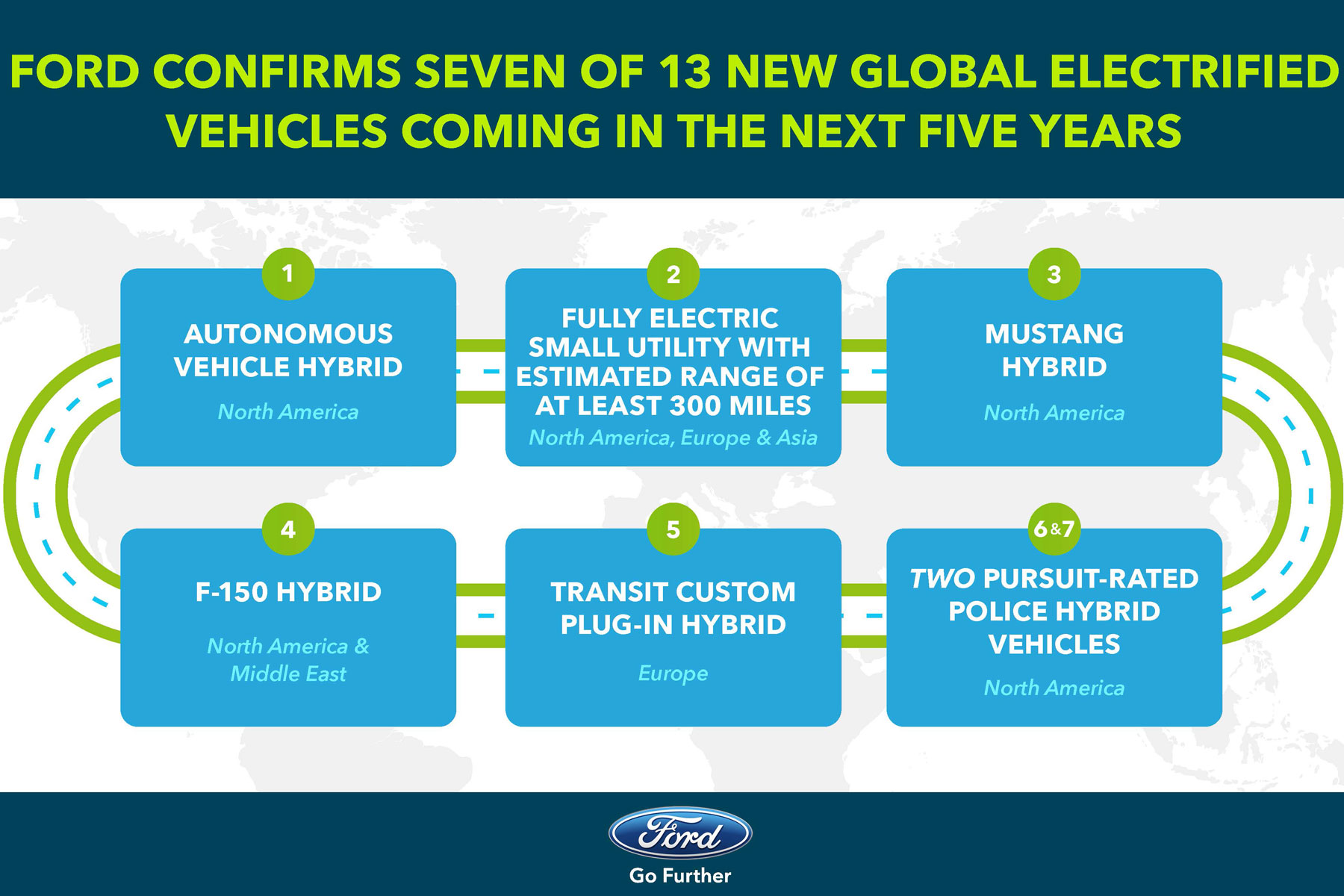
Ford has revealed details of seven new electrified vehicles it plans to launch over the next five years – along with a further six which are yet to be revealed.

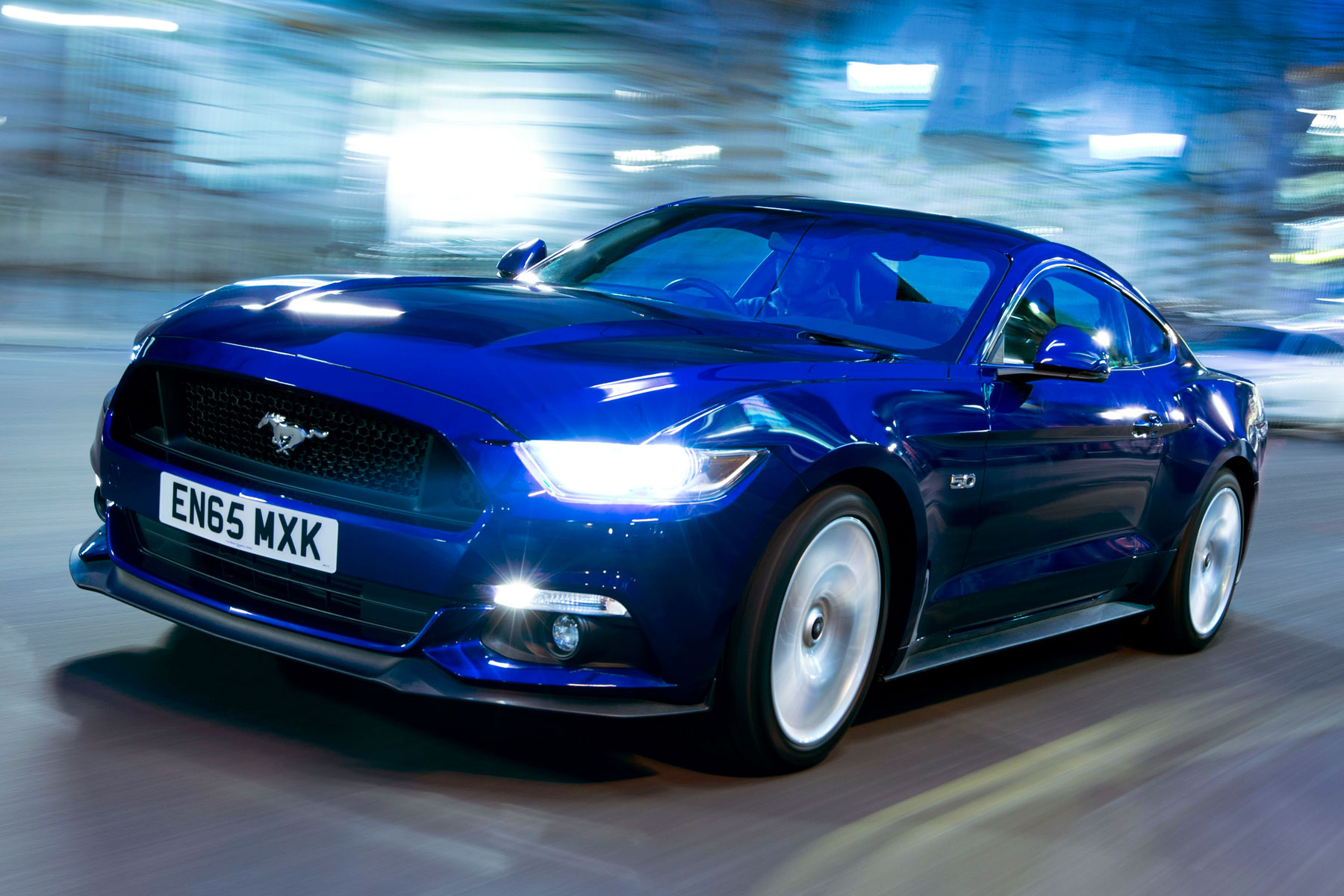
The new models include a hybrid version of the iconic Mustang, combining the current 5.0-litre V8 engine with an electric motor to produce “even more low-end torque,” says the company.

  • 2017 Ford Fiesta revealed: next year’s best-selling car will look like this
  • This is how Ford wants to change your life – even if you’re not a customer
  • More car news on Motoring Research

Ford will also be launching an all-new fully electric small SUV, engineered to deliver a range of at least 300 miles. It will be launched by 2020 – the same time Volkswagen plans to introduce its fully-electric I.D. VW says its new model will give a range of around, you guessed it, 300 miles.

The new all-electric Ford will be sold across North America, Europe and Asia, and built at the firm’s Flat Rock Assembly Plant in Michigan – where the carmaker has announced today $700 million is being invested to create 700 jobs and build high-tech autonomous and electric vehicles.

Ford to build an electric SUV and hybrid Mustang

The investment follows the news that Ford has axed plans to invest $1.6 billion in a new plant in Mexico.

The US giant has also announced a hybrid version of the F-150 pick-up – currently a huge seller in the USA – along with a Transit Custom plug-in hybrid available in Europe from 2019.

“As more and more consumers around the world become interested in electrified vehicles, Ford is committed to being a leader in providing consumers with a broad range of electrified vehicles, services and solutions that make people’s lives better,” said Ford president and CEO, Mark Fields.

“Our investments and expanding lineup reflect our view that global offerings of electrified vehicles will exceed gasoline-powered vehicles within the next 15 years.”

Other future electric cars outlined today by Ford include a high-volume autonomous car designed for Uber-like ride hailing and sharing services set to debut in 2021. It will also be launching two new pursuit-rated hybrid police vehicles.

Advertisement

You can now Skype from a Volvo

0

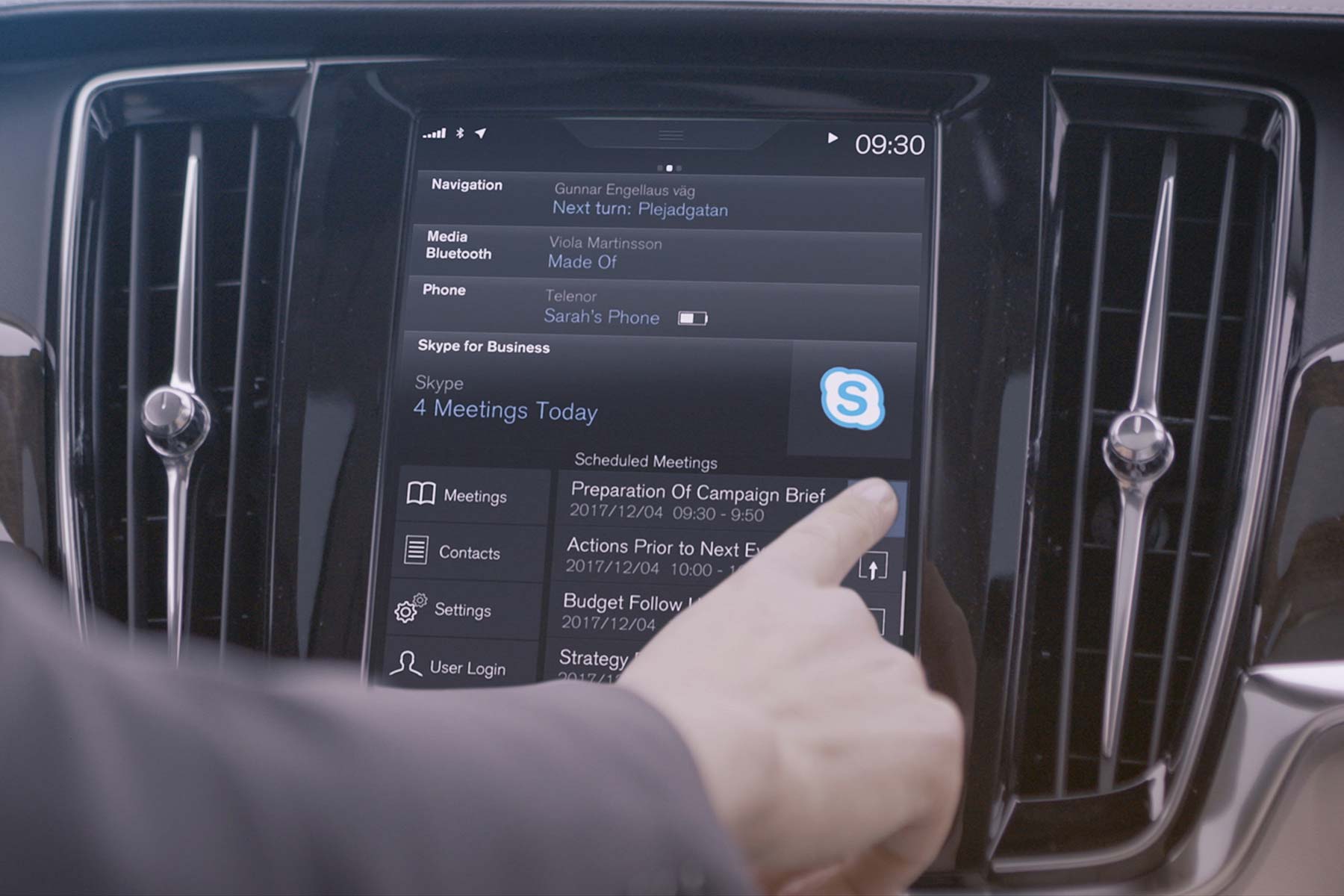
Using Skype from a VolvoVolvo has become the first car maker to equip its cars with Microsoft Skype functionality – so you can now be even more productive when on the move (or stuck in a traffic jam). 
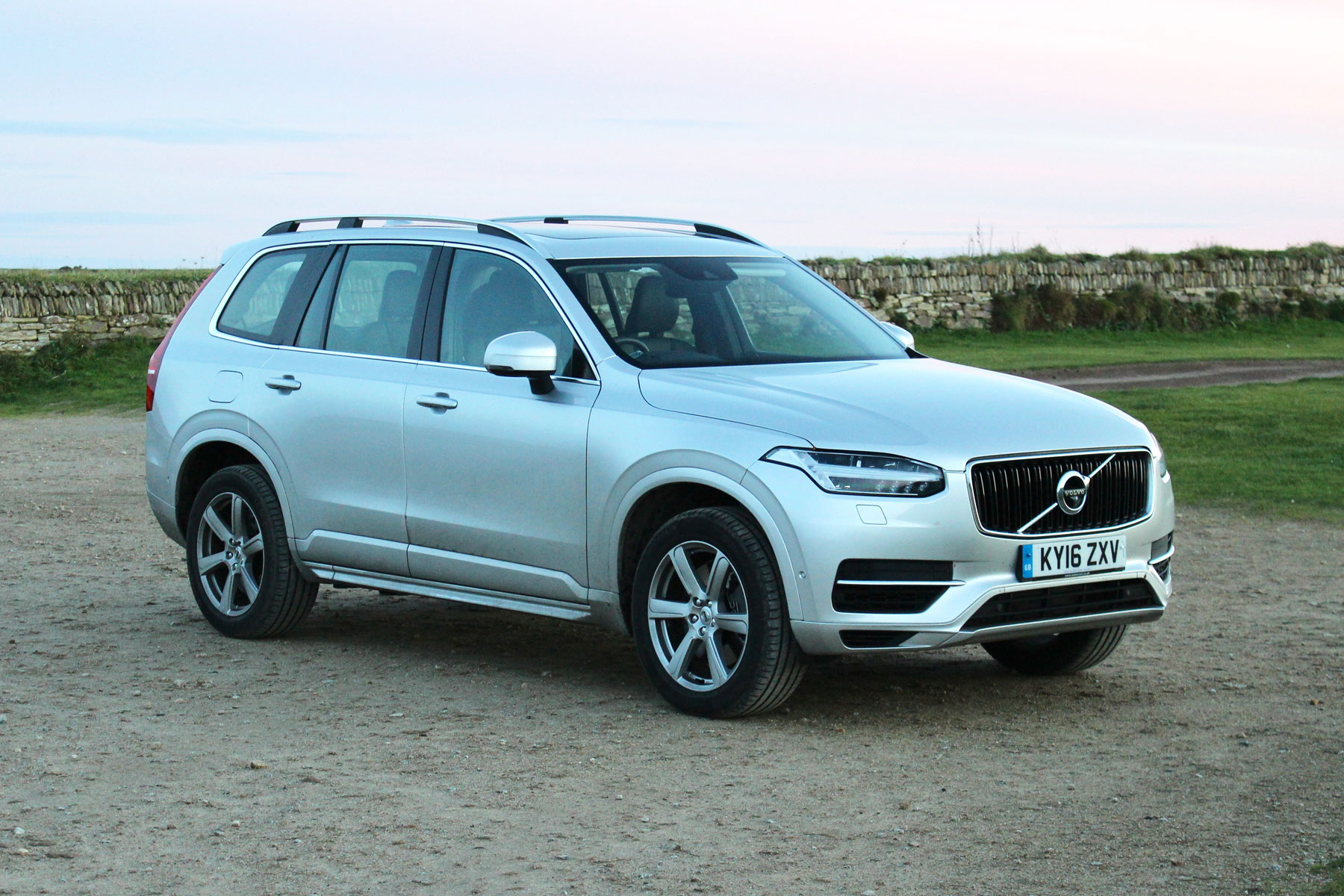
The firm reckons adding Skype for Business will actually boost the safety of its cars. Instead of fiddling with conference call phone numbers and access pin codes, motorists can join the meeting simply by pressing the Skype logo on the touchscreen. 

And in fitting it, Volvo is taking another step towards equipping its vehicles with things to do when cars become autonomous…

The Microsoft Skype deal also includes Cortana functionality. Volvo will explore how to contextually integrate the voice-controlled personal assistant into its cars. 

“Volvo is leading the way in its recognition that the nature of work is increasingly mobile,” said Skype for Business’s Ben Canning. “People need to be productive from anywhere – including their cars.

“We’re thrilled to extend modern meetings to Volvo cars.”

Advertisement

Opinion: the Volvo XC90 T8 is brilliant – but it’s ruined my Christmas

0

Volvo XC90 T8 review

In another world, I’d have a proper job that pays proper money. Writing about cars for a living is a privileged existence, but it doesn’t pay the big bucks. And while I get to drive some of the world’s finest cars, I’m often left with a sense of crushing disappointment.

Take the Volvo XC90 T8, for example. A month to the day since I reluctantly handed the keys back to Volvo, I still haven’t come to terms with my loss. And as we know, 2016 has been a year filled with sad losses.

  • Volvo XC90 review: 2015 UK first drive
  • Video: We tried the £3,000 premium sound system in the XC90 and it was brilliant
  • More opinions on Motoring Research

I’ve made no secret of my irrational hatred of the new breed of crossovers and SUVs. I’m old enough to remember a time when cars would slot neatly into categories and the world knew where it stood. The blurring of the lines has left me feeling dazed and confused.

But I still have a great affection for a proper, full-size SUV. And while the Volvo XC90 might not be the kind of SUV you’d take on a jungle expedition – I’d borrow a Toyota Land Cruiser for such antics – it’s more than capable of facing up to the toughest challenge in the world: family life.

Allow me to explain.

The XC90 isn’t new to me. I attended the UK launch in Yorkshire and have fond memories of being perched on a hillside listening to a Last Night of the Proms rendition of Jerusalem, streamed through the outstandingly good Bowers & Wilkins audio system.

Engage the so-called ‘Gothenburg Concert Hall’ setting and it’s akin to being in the front row of the Bournemouth Pavilion listening to an orchestra. I’d like to say it’s like being in the Gothenburg Concert Hall, but I’ve never had the pleasure. But take it from me, it’s good enough to make the hairs on the back of your neck stand to attention.

If you’re buying a Volvo XC90, you might as well add £3,000 to the purchase price, as it’s a must-have upgrade. Even if I do find Volvo’s decision to charge £300 for Apple CarPlay a little Scrooge-like. Bah humbug, or whatever they might say in Sweden.

I’m reliably informed – by a Volvo test driver, no less – that the word is ‘lurendrejeri’. Yes, Volvo, not offering CarPlay for free is a bit of a fiddle. But I digress.

Last Christmas I drove an XC90 D5 from Devon to Scotland (and back), before concluding that my life wouldn’t be complete until I had one parked outside my house. There are other things that would make my life complete – Keeley Hawes on speed dial, Brentford FC in the Premier League, and a lifetime supply of Hobnobs – but you get the picture.

With the benefit of hindsight, the D5 wouldn’t be my first choice of engine. Frugal it might be, but it falls just short of being able to power this two-tonne SUV without breaking sweat. A Yamaha-built V8 engine would do nicely, but Volvo is committed to a four-cylinder future, so there’s no chance of that.

Which brings me back to the T8. Right now, this is as close to perfection as you can get. There are faults, of course there are, but to point them out would be like flying to New York on Concorde and then complaining that the flight was too short.

But in the interests of balance, let me list the minor indiscretions I listed under ‘nitpicking’ in my Moleskine notebook. Weirdly, in the two XC90s I’ve spent an extended period of time with, the passenger side heated seat had a tendency to switch itself off. Annoying, if you enjoy the feeling of a warm bum.

Then there’s the sat-nav, which at first looks great in its tablet-style portrait mode. But the map is woefully short on detail and terribly disappointing to anyone who has experience with, say, a new Audi. And don’t get me started on the issue of fingerprints ruining what is a central part of the cabin.

Yes, Volvo puts a small cleaning cloth in the glovebox, but you just know that will be lost within the first couple of months. Or your youngest child will have used it to blow their nose. And by including the cloth, Volvo is acknowledging it might be an issue. A small detail, perhaps, but I told you I was nitpicking.

I could also point to the claimed 134.5mpg on a combined cycle, but surely nobody buys a T8 and expects to achieve such a lofty figure. In reality, after a week of driving, we were seeing figures in the mid 30s. An eco-hybrid this is not. In fact, be prepared to get on first name terms with your local petrol station cashier.

But that’s where the nitpicking ends. Whilst acknowledging that in this case love might be blind, I’m struggling to find any real issues of note.

Take the styling. Somehow, Volvo has managed to build a car that remains elegant and graceful – a stark contrast to the SUVs churned out by the Germans. While a Q7, X5 and whatever Mercedes-Benz is calling its large SUV these days might look brash, brutish and menacing, the XC90 somehow blends into its surroundings.

XC90 T8

It’s not that it’s small. A length of 4,950mm and width of 2,140mm pitches it neatly between the BMW X5 and Audi Q7. In other words, somewhere between a cathedral and the town hall. Yet it looks no more out of place than a tanning shop in Alderley Edge.

Then there’s the packaging. Because Volvo designed the XC90 for electrification from the ground up, the battery pack makes no difference to the size of the boot. Meanwhile, opt for the Mercedes-Benz GLE plug-in hybrid and you’re left with a box in the boot that resembles something your mate Bill knocked up in his shed.

It gets better. The fit and finish in the cabin is such that, even when your wife suggests visiting the in-laws or heading to a retail park on a Saturday afternoon, you’ll be only too pleased to oblige. Just be prepared to spend the entire day longing for the drive home.

A word or two about the engine. The T in T8 stands for Twin Engine, which means you’re treated to a 320hp petrol engine at the front and an 87hp electric motor at the rear. You don’t need to be Rachel Riley to calculate that this gives the XC90 a total of 407hp. Four hundred and seven!

The top speed of 140mph isn’t going to trouble the black luxobarges on the outside lane of ze autobahn, but the time it takes to reach 62mph might. Engage ‘POWER’ mode and this luxury appointed Stockholm penthouse suite will hit the mark in 5.6 seconds.

Think about that for a moment. This full-size, seven-seat SUV is quick enough to go hunting sports cars on a B-road. Not that you’ll want to do any kind of chasing or hunting in the XC90. The car is too well-mannered for such nonsense.

But by ‘eck does it feel quick. In power mode, it’s as though a bolt of electric runs through the XC90’s body, as if magic dust has been sprinkled on Santa’s reindeer. All of a sudden, the gas pedal requires only the slightest of touch before you’re hurtling towards the next bend.

At this point you’ll discover that the XC90 will lean a little if you’re too enthusiastic through the bend. But to complain about body roll in an XC90 is like criticising your armchair for not chilling your wine. Comfortable, relaxing and safe – three things your sofa shares in common with the XC90.

Sadly, you can’t equip your three-piece suite with four-corner electronic air suspension. On steel springs, the XC90 is perfectly fine. Add the air suspension and you’ll feel like you’re driving across a bed of marshmallows laced with the fur from a chinchilla. You could drive over Chipping Norton and not feel it.

OK, I’m fully aware that this is turning into a love letter penned for the Volvo XC90. But the internet is awash with rational car reviews about steering feel, load capacity and CO2 emissions (it’s 49g/km, in case you were wondering).

But, just occasionally, a car comes along that ticks all the boxes. Emotionally and rationally, I find the Volvo XC90 so damn appealing I just had to open my heart. Money no object, I’d buy an XC90 tomorrow and spend the rest of my life drenched in smug satisfaction.

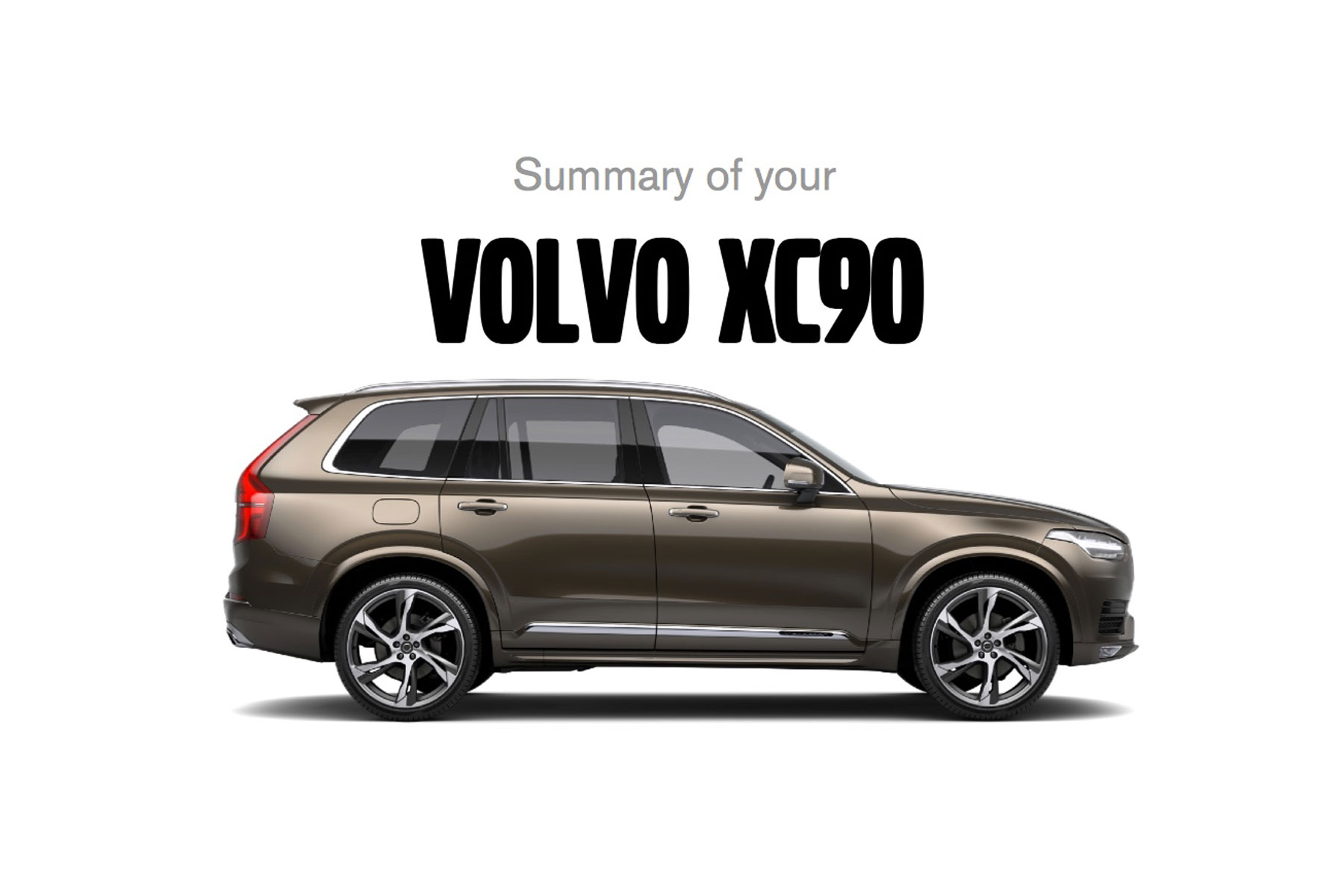
I’ve even taken the liberty of speccing my ideal car. Sadly, it comes in at £84,200, some £20,000 more than the entry-level T8 Momentum and around £84,000 over budget.

My ideal Volvo XC90

Dear Santa, if you’re reading this, I’ll take mine in Twilight Bronze, with 22-inch rims, air suspension, Bowers & Wilkins and a few extra toys thrown in for good measure. I’ll collect it from the Volvo dealer at the North Pole, ta.

The night before I reluctantly handed the car back to Volvo, I was driving home along the M5, children cocooned in the back, wife Whatsapping in the front seat. I glanced over my shoulder at my two children, safe in the knowledge that daddy was driving the safest car in the world. If you’re a father, you’ll know there’s a lot to be said for that.

Unfortunately, this particular daddy can’t afford to buy the safest car in the world. Sorry, kids. If you work hard at school, you might get a proper job that pays proper money. Then you can afford the nicer things in life.

To Volvo, I say this: your mission to ensure nobody should be killed or injured in a new Volvo is admirable, but it can’t do much about crushing disappointment.

Advertisement

Uber under fire after self-driving cars run red lights

0

Uber under fire after self-driving cars run red lights

Transportation giant Uber has been threatened by authorities in California after a number of its self-driving vehicles were spotted committing traffic violations during testing in San Francisco.

The company has failed to get the appropriate state permit to trial the autonomous vehicles – but has argued that it isn’t needed, because all its cars have a driver to monitor the situation and take over if required.

  • Volvo’s partnered with Uber to create a driverless car
  • Snapped: Uber is mapping UK roads in a Hyundai i20
  • More car news on Motoring Research

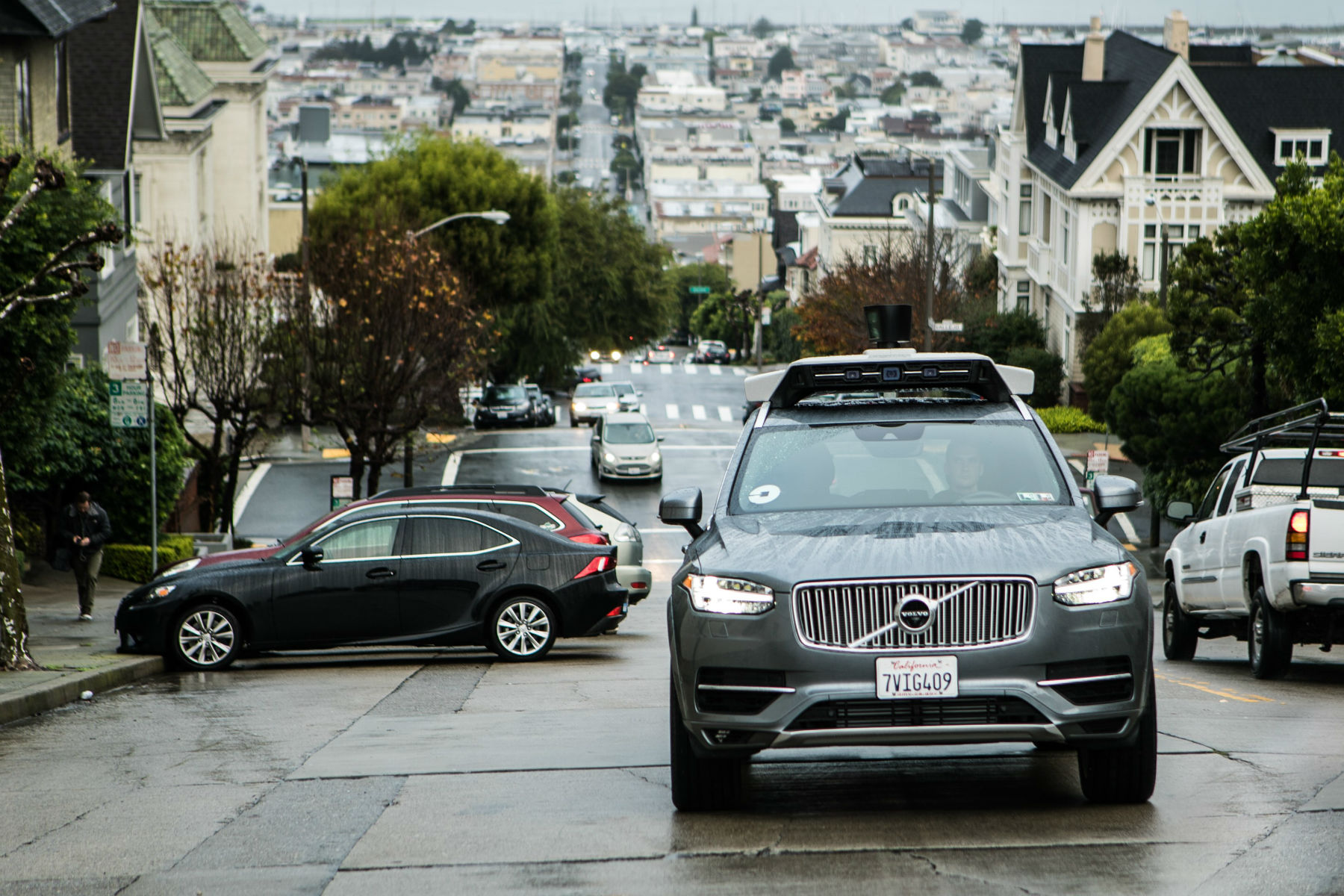
Uber is trialling ‘a handful’ of Volvo XC90s fitted with its autonomous driving equipment in the city – with two caught on camera running red lights during the first day of the trial.

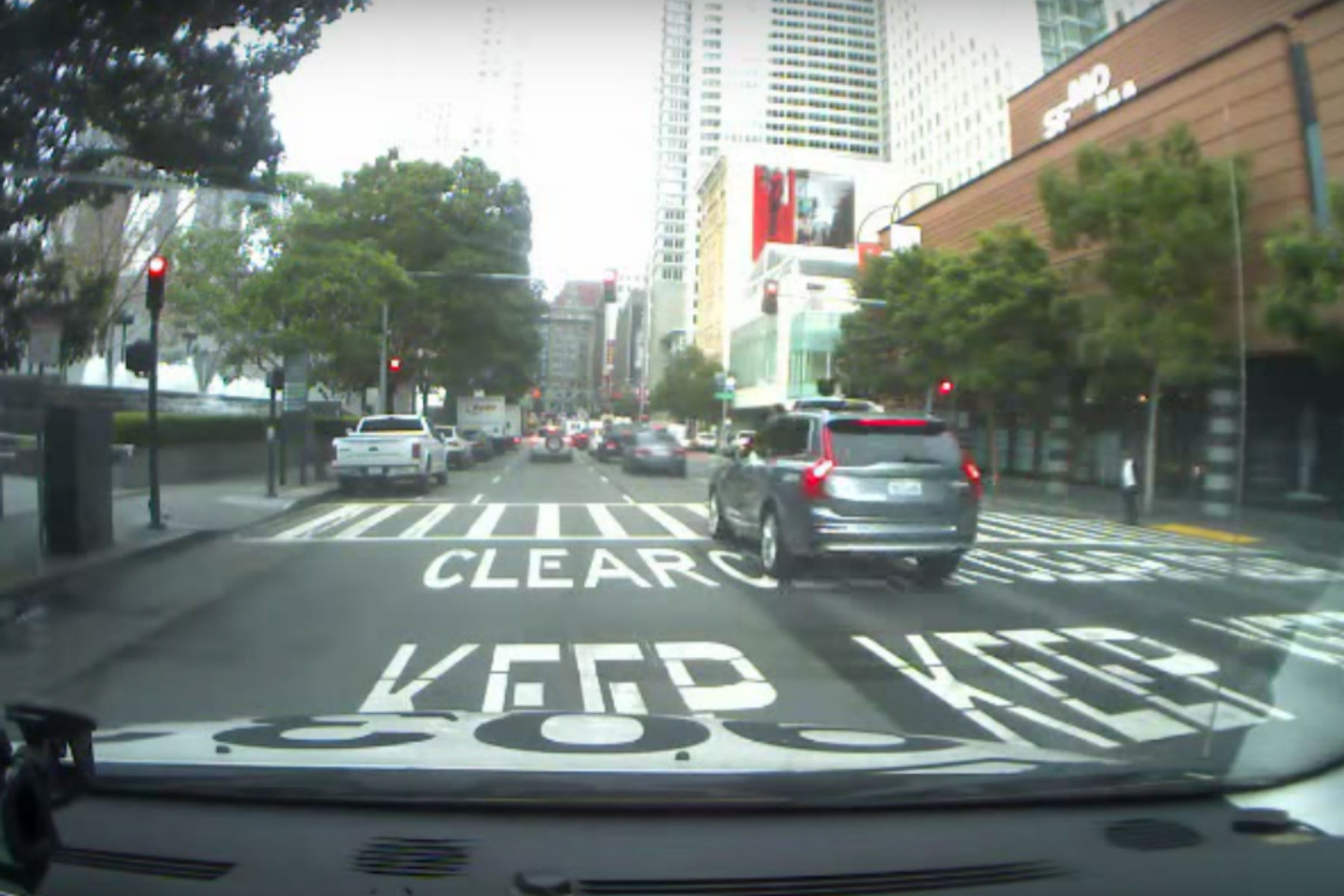
The first was caught on dashcam by an operations manager for cab company Luxor. It shows an Uber XC90 running through a pedestrian crossing several seconds after the light changed to red.

Uber under fire after self-driving cars run red lights

Elsewhere in the city, a member of the public also snapped an Uber vehicle ignoring a red light at an intersection.

The company has responded blaming the incidents on ‘human error’.

In a statement, Uber said: “These incidents were due to human error. This is why we believe so much in making the roads safer by building self-driving Ubers. The drivers involved have been suspended while we continue to investigate.”

Regulators in California have written to Uber threatening to take legal action if it didn’t stop trialling the vehicles with a permit.

“It is essential that Uber takes appropriate measures to ensure safety of the public,” the California department of motor vehicles (DMV) said. “If Uber does not confirm immediately that it will stop its launch and seek a testing permit, DMV will initiate legal action.”

The company is no stranger to controversy. It’s attracted a great deal of criticism – and legal challenges – over its use of unlicensed drivers.

Advertisement

Best first cars for new drivers

0

Best first cars for new driversResearch from HPI discovered that 21% of UK drivers have paid more for a car than its true value. However, that figure was markedly higher (30%) among 18-24 year olds, with 17% of that demographic admitting they rushed the purchase of their first car out of eagerness to get on the road.

Helpfully, HPI has also compiled a list of the cheapest new cars to run, to make that decision process a little easier. The data takes into account price, depreciation (loss in value over time), insurance, fuel economy and, tax. Join us as we count down the top 10 cars.

10. SEAT Ibiza Sport CoupeBest first cars for new drivers

In at number 10 is the SEAT Ibiza Sport Coupe 1.0 E petrol, a stylish supermini based on the Volkswagen Polo. The more practical five-door Ibiza is only marginally more expensive to run.

Over a typical three-year/60,000-mile ownership period, the Ibiza would cost £261.60 a month, or 31p a mile. The total cost of ownership works out at £9,417.56.

9. Nissan NoteBest first cars for new drivers

Nissan is actually phasing out its Note mini-MPV in favour of the more upmarket new Micra. So if you want one, you’ll need to be quick.The 1.2 Visia petrol has the lowest running costs.

The practical Note will cost you £9397.25 over three years and 30,000 miles of motoring. That equates to £261.03 a month and 31p a mile.

8. Suzuki SwiftBest first cars for new drivers

Choose the Swift with a 1.2-litre petrol engine and this supermini struggles to live up to its name. However, it is very cost-effective to run, with the SZ2 version offering the most for your money.

The cost of running a Swift over three years ducks under £9,000 – at £8,949.02. Your total monthly bill should be £248.58, or 30p a mile.

7. Nissan MicraBest first cars for new drivers

We’re not big fans of the outgoing Micra, but it is cheap to run. As with the Nissan Note, the 1.2 Visia petrol is the cheapest version for new drivers.

You could be driving a Nissan Micra for £228.81 a month all-in. Over three years and 30,000 miles that means a total bill of £8237.02 – a modest 27p a mile.

6. Citroen C1Best first cars for new drivers

The sixth-placed Citroen C1 is twinned with the Toyota Aygo and Peugeot 108 city cars, both of which appear slightly further up this list.

Choose the C1 and running costs are almost identical to the Micra, at £228.42 and 27p a mile. Your total outlay over three years and 30,000 miles would be £8222.97.

5. Toyota AygoBest first cars for new drivers

We’d have an Aygo 1.0 over the equivalent C1. It’s funkier-looking and the Toyota badge probably boosts resale values. The Aygo retains 40% of its original purchase price after three years and 30,000 miles, versus 38% for the C1.

Your total bill for driving an Aygo adds up to £8,123.97, which breaks down as £225.67 a month and 27p a mile. But there are four new cars that are cheaper still…

4. Dacia Logan MCVBest first cars for new drivers

Up until this point, every car on our list has been a small hatchback. But you can run a versatile estate car on a tight budget, too. Meet the Dacia Logan MCV (that’s ‘Maximum Capacity Vehicle’, in case you were wondering).

Interestingly, the most cost-effective Logan is the 1.5 dCi – the first diesel in our list. Getting some Maximum Capacity into your life will set you back a modest £223.30 a month, or 27p a mile. The overall, three-year bill is £8,038.70.

3. Peugeot 108Best first cars for new drivers

Here’s the last of the C1/Aygo/108 – and the Peugeot takes the title as the cheapest to run. The best 108 to go for is the 1.0 Access, which finishes third in HPI’s list.

While both the Citroen and Toyota will cost you 27p a mile, the 108 comes in at just 25p – thanks in part to a strong 45% retained value after three years and 60,000 miles. The monthly cost is £212.42, while the overall figure is £7,646.97.

2. Dacia SanderoBest first cars for new drivers

In entry-level Access spec, the Dacia Sandero is Britain’s cheapest new car. However, stronger resale values for the Sandero Ambiance mean this plusher version works out cheaper overall. As with the Logan MCV, the 1.5 dCi diesel is the engine to go for.

It won’t make your neighbours jealous, but after three years/60,000 miles the Sandero will owe you just £7,212.17. Not bad for three years of driving in a brand new car. That cost breaks down as £200.35 a month and 24p a mile.

1. Suzuki CelerioBest first cars for new drivers

The Celerio blotted its copybook early with a highly-publicised brake test failure. Thankfully, those issues have now been resolved and this likeable city car redeems itself with first place in the HPI list.

A Celerio makes an excellent first car for drivers on a tight budget. Opt for the 1.0 SZ2 and you’ll pay £7,099.95 over three years and 30,000 miles. That equates to £197.22 a month and a mere 24p a mile. It’s cheaper than walking… almost.

Advertisement

The safest new cars of 2016

0

The safest new cars of 2016In February 1997, the first Euro NCAP safety results were presented at a press conference. Since then, the five-star safety rating has continuously evolved as technology matures and new innovations are developed.
With this in mind, we’ve created a list of the cars awarded four- and five-star safety ratings in 2016. If you put safety first, these are the cars you need to consider.

  • Top 10 safest used cars in Britain revealed
  • Did this footballer brag about owning ‘three more’ cars after Lambo crash?
  • McLaren owner awarded damages for ‘deprived enjoyment’ after tractor crash

Alfa Romeo Giulia: five starsThe safest new cars of 2016

From the beginning of the year, Euro NCAP applied a ‘Dual Rating’ scheme, awarding a default rating based on standard safety equipment across the range. Carmakers are able to apply for a second rating, showing the additional safety provided by an optional pack.

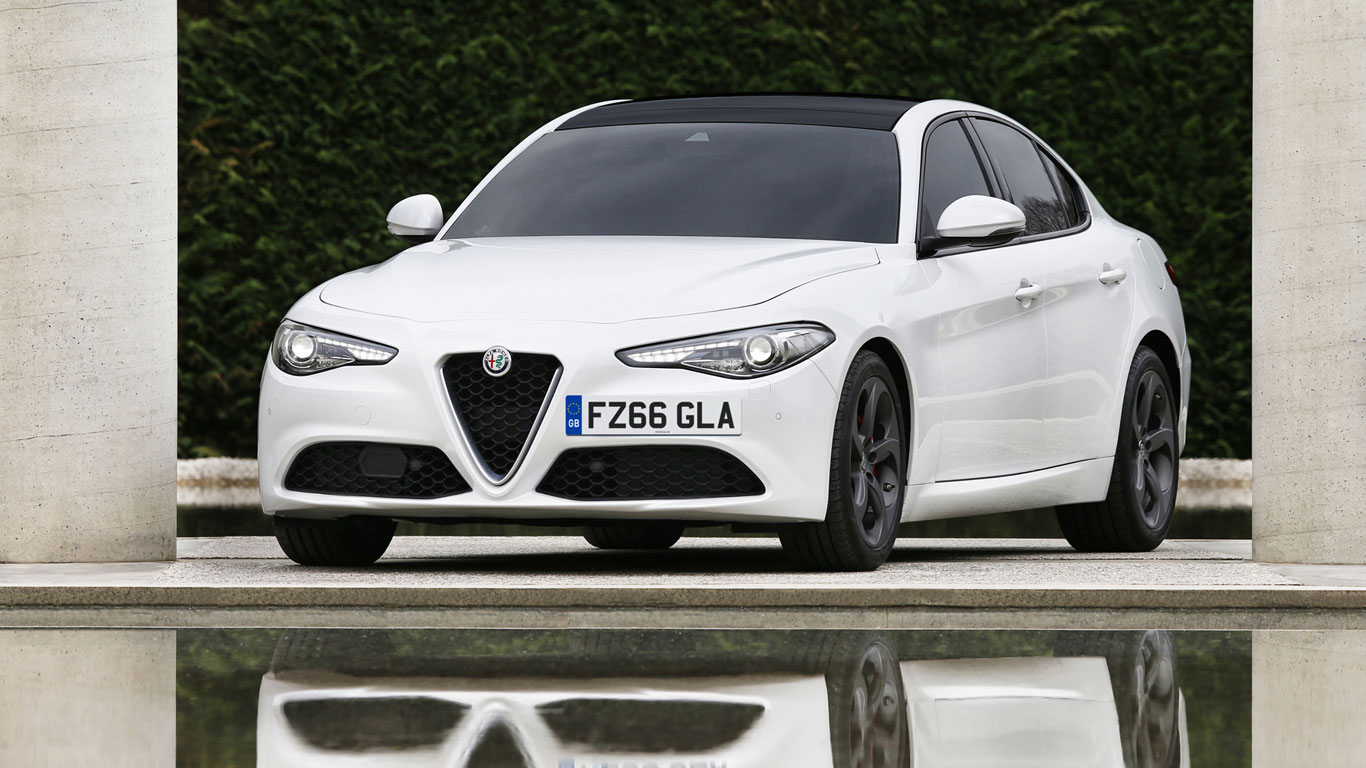
Not that the Alfa Romeo Giulia needed to fall back on a second rating. Back in June, the Italian saloon was awarded the maximum five-star rating, with Euro NCAP noting that it comes with “superior standard safety equipment as standard throughout Europe”. Indeed, the Giulia scored an impressive 98% for adult occupant safety: the highest mark of 2016.

Audi Q2: five starsThe safest new cars of 2016

Speaking about the ‘Dual Rating’ scheme, Euro NCAP secretary general, Michiel van Ratingen said: “It is good to see the dual rating scheme being used as it encourages vehicle manufacturers to develop advanced technologies for their vehicles, even if pricing of the product does not allow it to be standard across the range.”

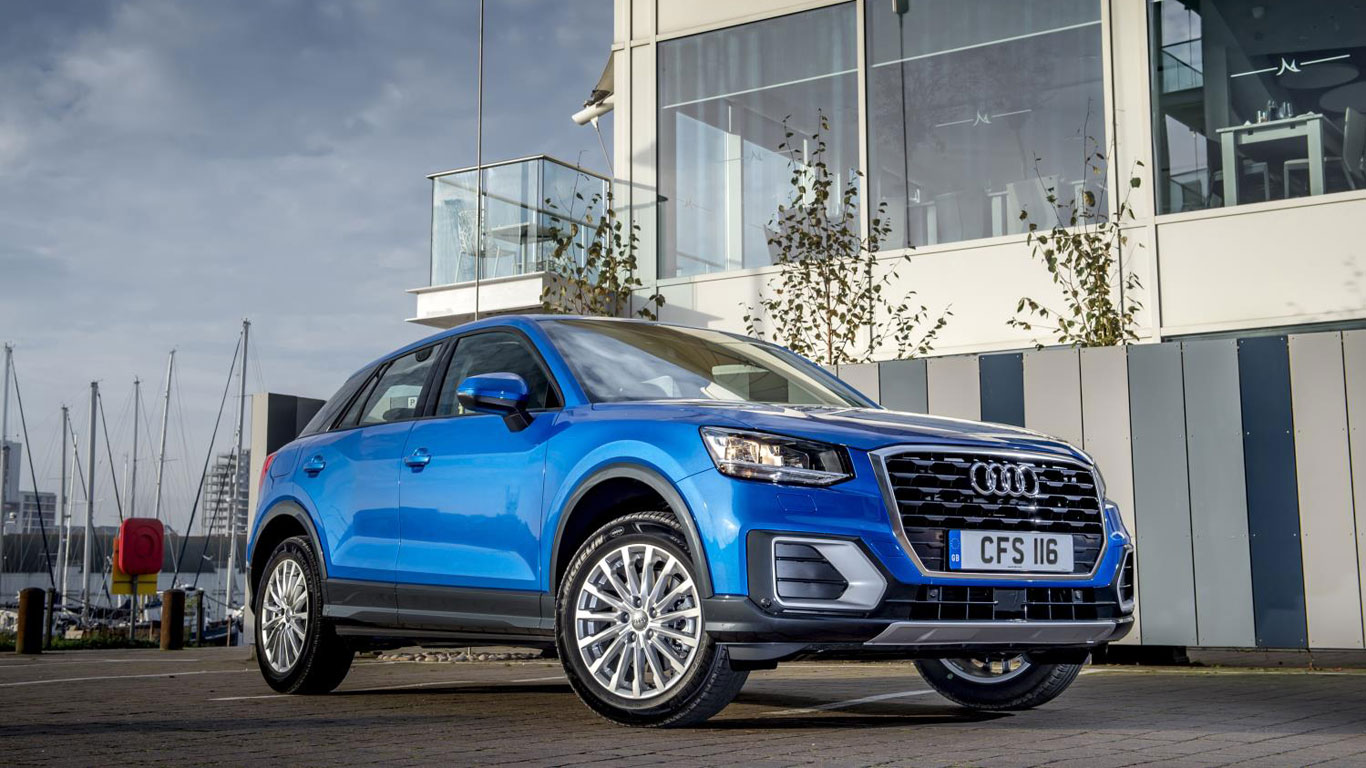
The Audi Q2 received the maximum five-star rating for safety with standard equipment. Audi’s new compact crossover – likely to be one of the most popular cars of 2017 – scored an impressive 93% for adult occupant safety and 86% for child occupant safety.

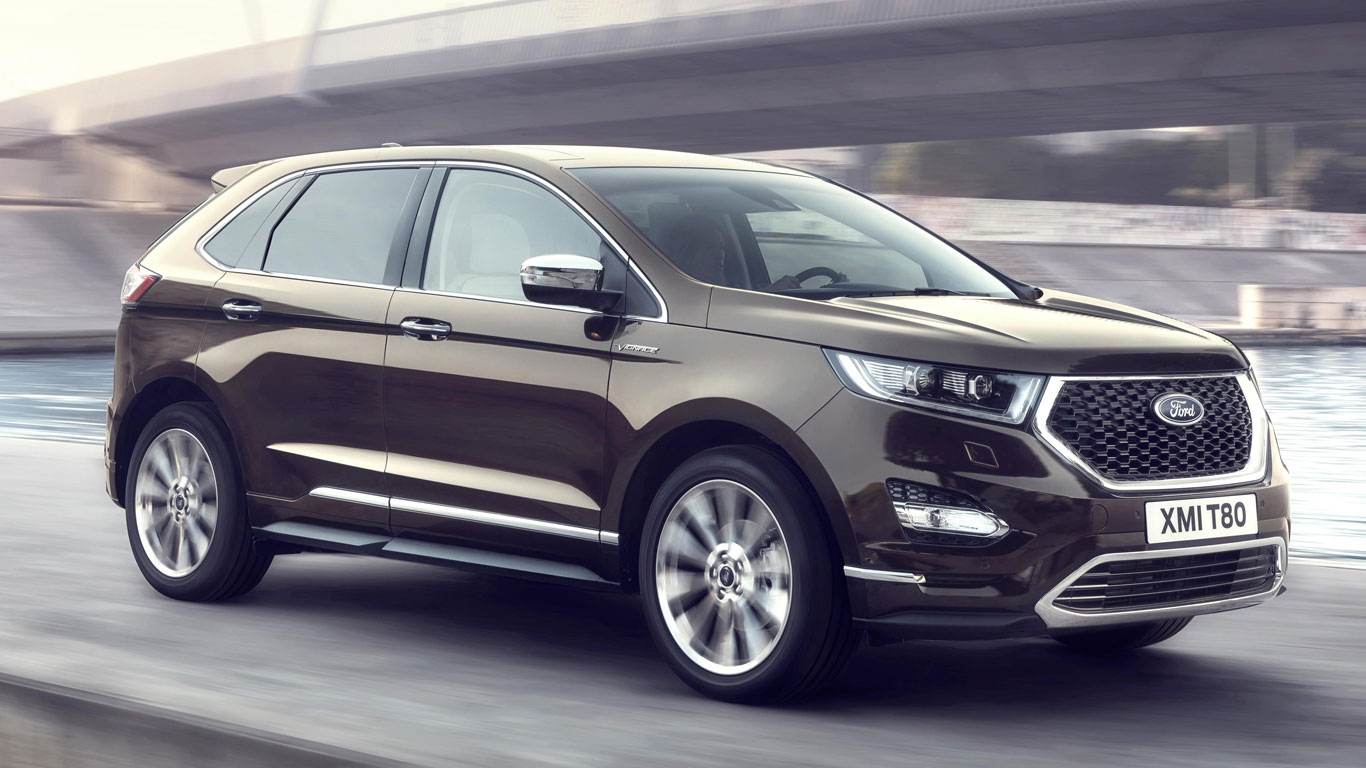
Ford Edge: five starsThe safest new cars of 2016

Euro NCAP dished out no fewer than 14 five-star ratings in 2016, with the Ford Edge one of the beneficiaries. Look beyond the five stars and you’ll discover that Ford’s large SUV received the highest mark for safety assist technologies.

Commenting on the Edge, Euro NCAP said: “Its standard-fit autonomous emergency braking system showed good performance in test of its functionality at highway speeds, with complete avoidance of the target in some of the test scenarios. The Edge also has a lane assistance system that warns the driver when the car is drifting towards a lane marking and gently steers the car back to its path.”

Hyundai Ioniq: five starsThe safest new cars of 2016

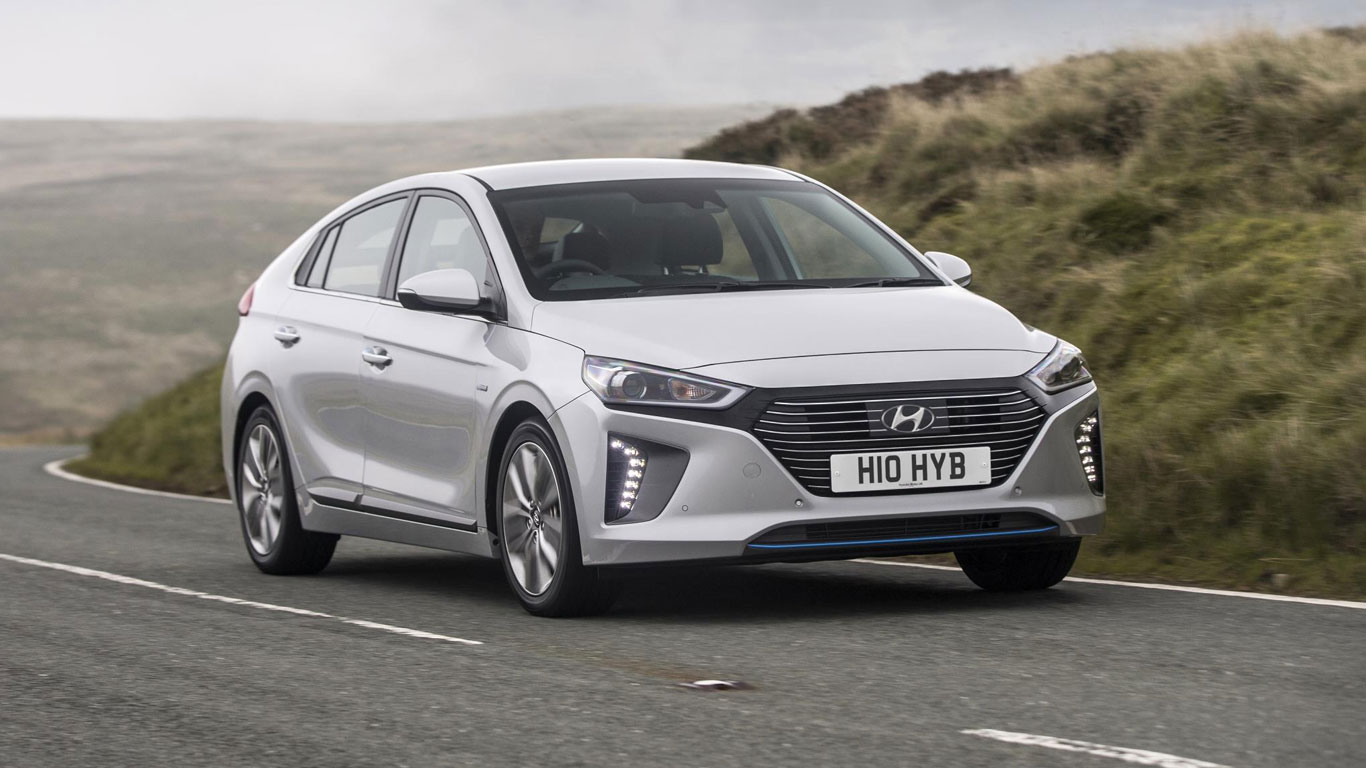
In 2016, Hyundai challenged the dominance of the Toyota Prius by launching the new Ioniq. In all four categories – adult occupant, child occupant, pedestrian safety and safety assist – the Pirus out-performed the Ioniq, but Hyundai won’t be too disappointed with a five-star rating.

Thomas A. Schmid, chief operating officer of Hyundai Motor Europe, said: “State-of-the-art active safety features are fitted as standard in all versions making the Ioniq one of the safest cars in its segment and a safe and accessible e-mobility choice for customers.”

Kia Niro: five starsThe safest new cars of 2016

For 2016, Euro NCAP made some subtle tweaks to its tests. The assessment of child occupant protection is now based on larger dummies, representing a six-year-old and a ten-year-old, rather than the smaller 18-month and three-year-old dummies.

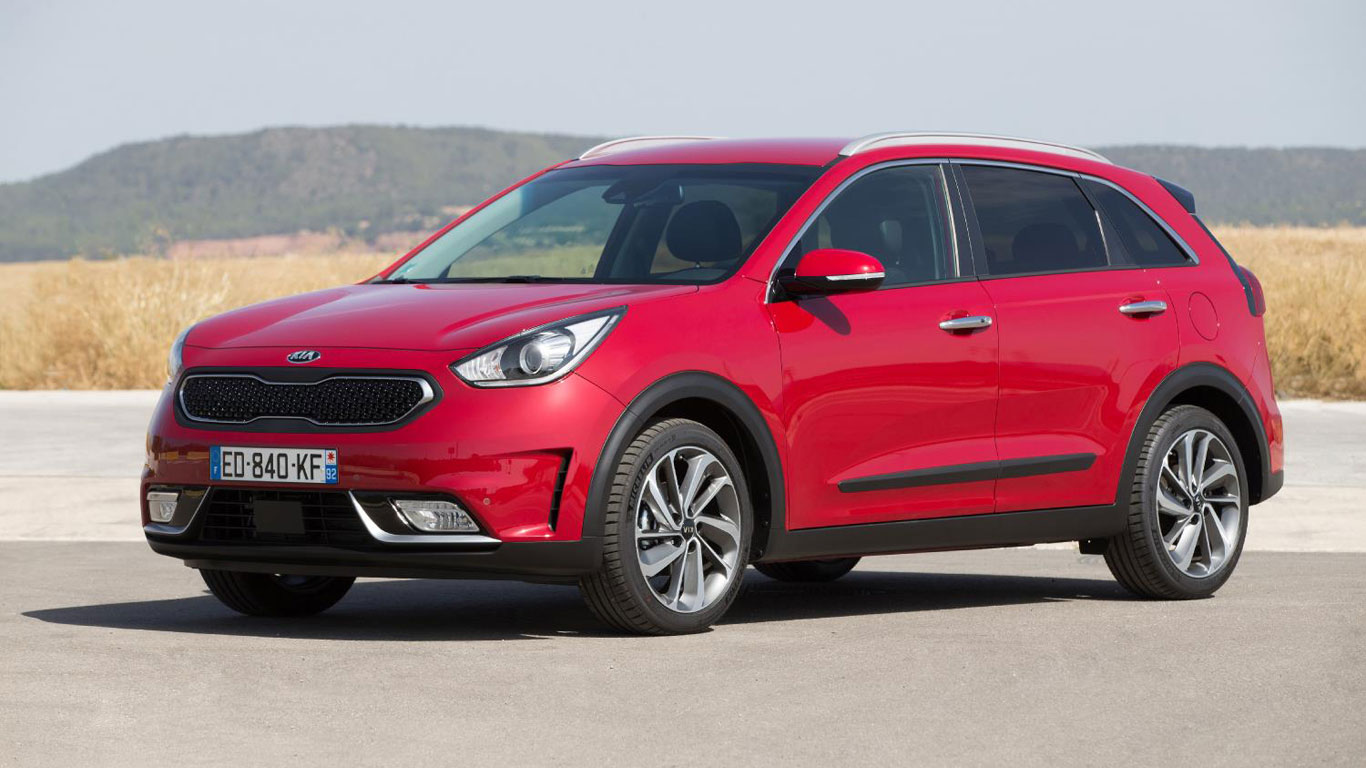
The Kia Niro was tasted under the new ‘Dual Rating’ system, achieving a four-star rating with standard safety equipment. With an optional safety pack fitted, the Niro achieves the maximum five-star rating.

Mercedes-Benz E-Class: five starsThe safest new cars of 2016

Also in 2016, Euro NCAP introduced a new layer to the pedestrian protection test, with cars that perform well in the standard tests able to score additional points if they have an autonomous emergency braking system that recognises pedestrians.

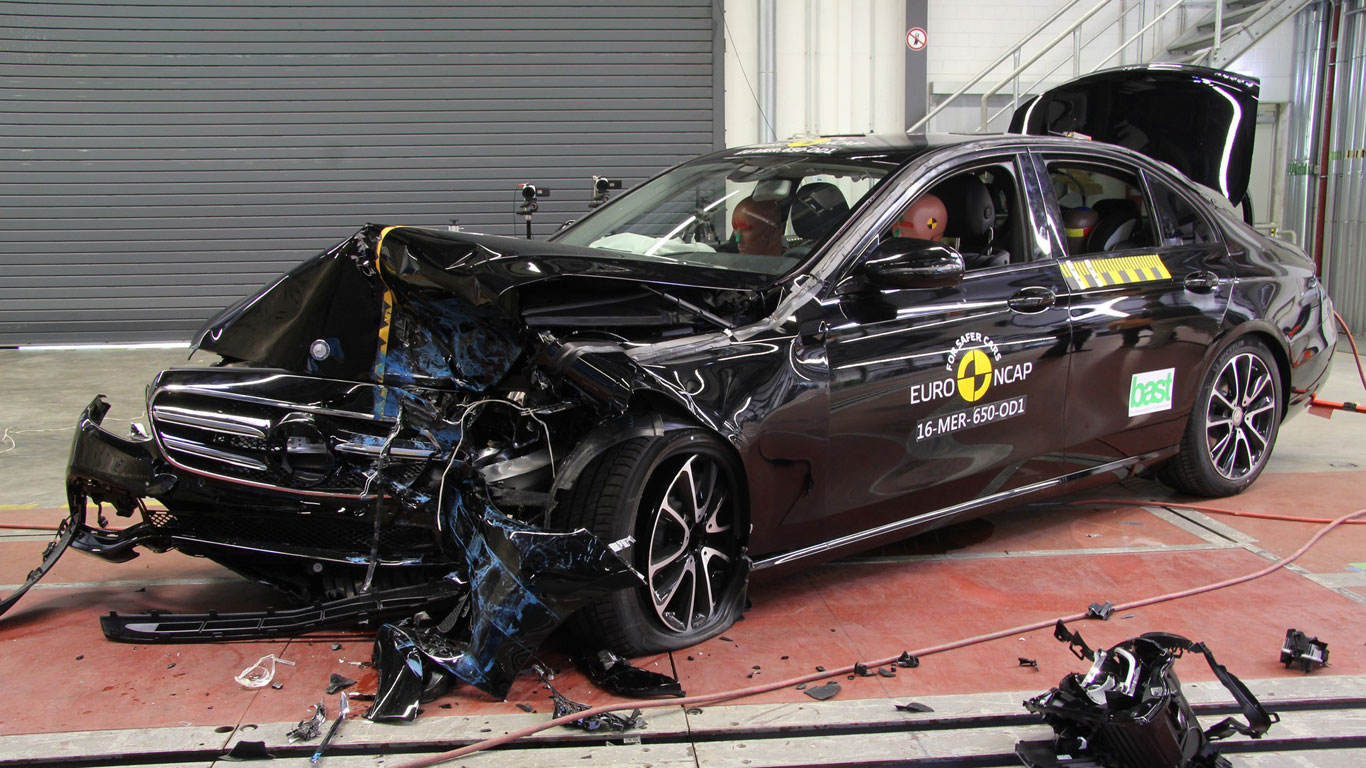
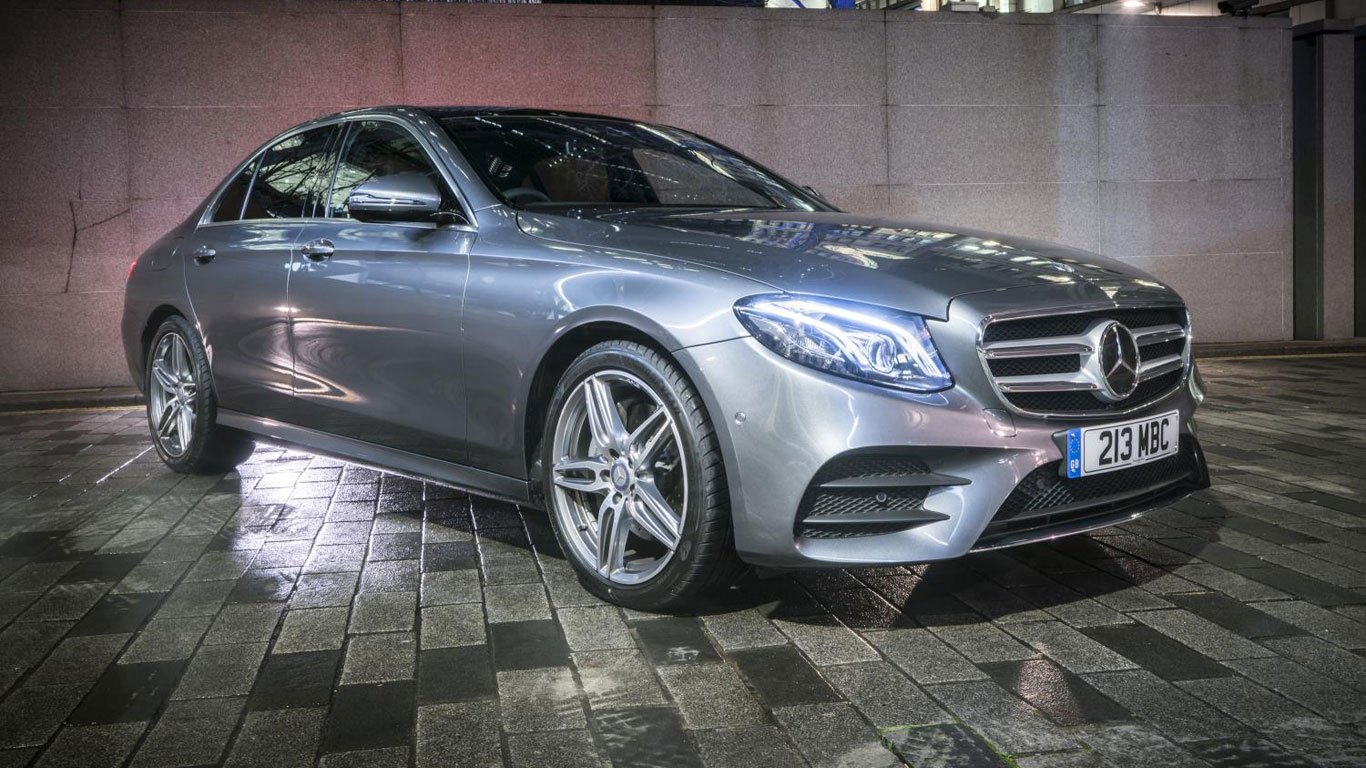
The Mercedes-Benz E-Class scored well across three areas: 95% for adult occupants, 90% for child occupants and 77% for pedestrian safety. The E-Class is fitted as standard with a ‘Pre Safe’ system, which senses when an accident is about to occur and primes the restraint and protection systems.

Peugeot 3008: five starsThe safest new cars of 2016

Electronic stability control is no longer part of the safety assist rating, as all cars must have such a system fitted by law. Euro NCAP is quick to point out that 2016 ratings should not be directly compared with earlier years.

The Peugeot 3008 scored 58% for safety assist, one of the lowest scores of 2016, yet still managed to drive away with a five-star rating. We say ‘drive’, although this is unlikely once Euro NCAP has finished with a car.

Renault Scenic: five starsThe safest new cars of 2016

In 2001, the Renault Laguna became the first car to be awarded five stars for occupant protection, some four years after the very first Euro NCAP results were released.

The new Renault Scenic mirrors the result of the old Laguna with a maximum five-star rating. The new Scenic looks and feels a world away from the car it replaces, with a more SUV-like approach.

SEAT Ateca: five starsThe safest new cars of 2016

SEAT’s first SUV received a maximum five-star rating back in the summer, with the Ateca receiving particularly good scores for adult and child occupant safety.

The Ateca is equipped with seven airbags as standard, including driver’s knee airbag, as well as seatbelts with pretensioner and load limiter in the front and rear seats. Other safety systems include blind spot detection, cross traffic alert, 360-degree view and tiredness recognition system.

Subaru Levorg: five starsThe safest new cars of 2016

In August 2016, the Levorg became the fifth Subaru to score a maximum five-star rating. Later, Subaru added the clever EyeSight technology to every Levorg ordered in the UK. Data from Japan revealed a 61% reduction in crashes for vehicles equipped with EyeSight, compared to those without.

EyeSight features six technologies: pre-collision braking, pre-collision throttle management, adaptive cruise control, lane departure and sway warning, pre-collision steering assist, and lead vehicle start alert.

Suzuki Ignis: five starsThe safest new cars of 2016

Another ‘Dual Rating’ here, with the Suzuki Ignis receiving a three-star rating when tested with standard safety equipment, but a maximum five stars when tested with a safety pack.

The Ignis SZ5 model is fitted with Dual Camera Brake Support (DCBS) and is the difference between a three and five-star rating. DCSB incorporates stereo cameras that function in a similar way to the human eye, detecting objects and alerting the driver with full braking if necessary.

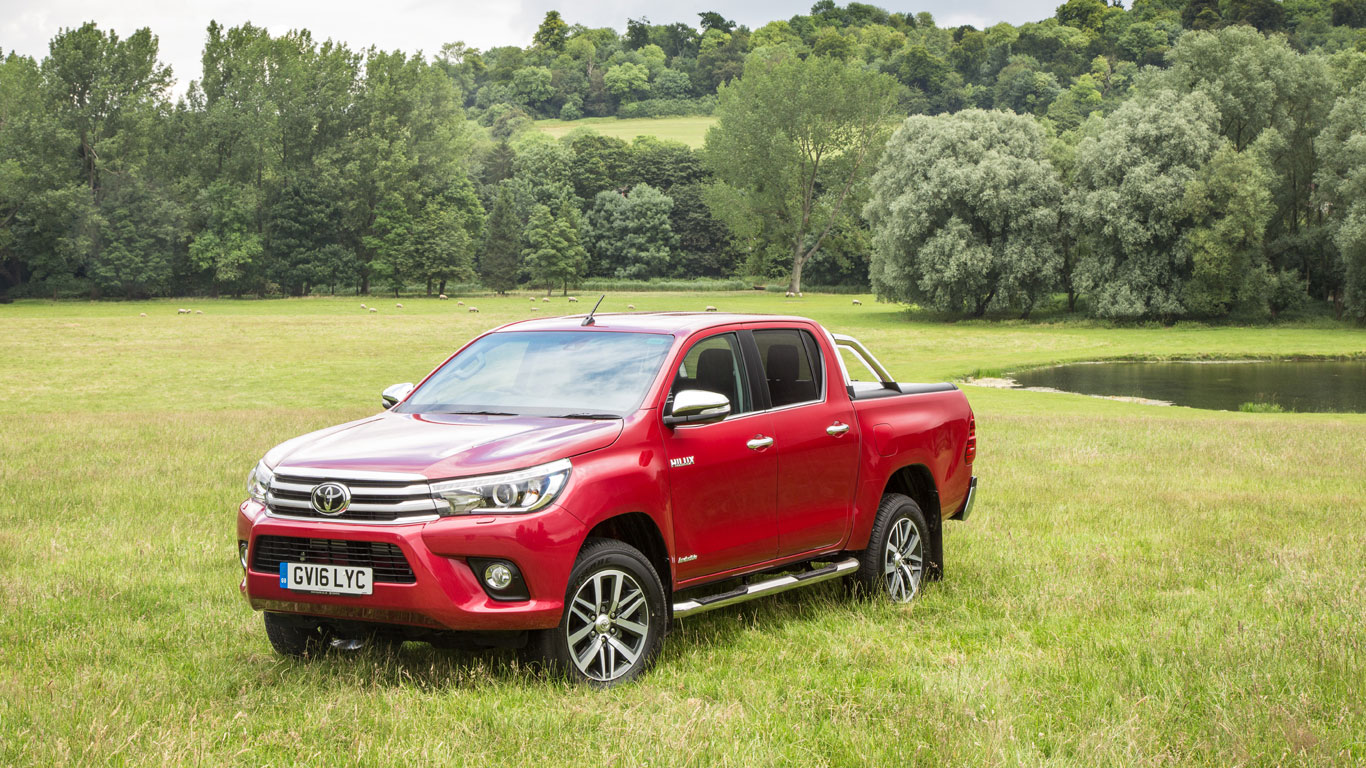
Toyota Hilux: five starsThe safest new cars of 2016

On the face of it, a maximum five-star rating for the Toyota Hilux is a tremendous result, making it the safest pick-up you can buy. The only other pick-up to receive a five-star rating was the Ford Ranger, but that was way back in 2012.

However, remove the optional Toyota Safety Sense and the rating drops to three stars.

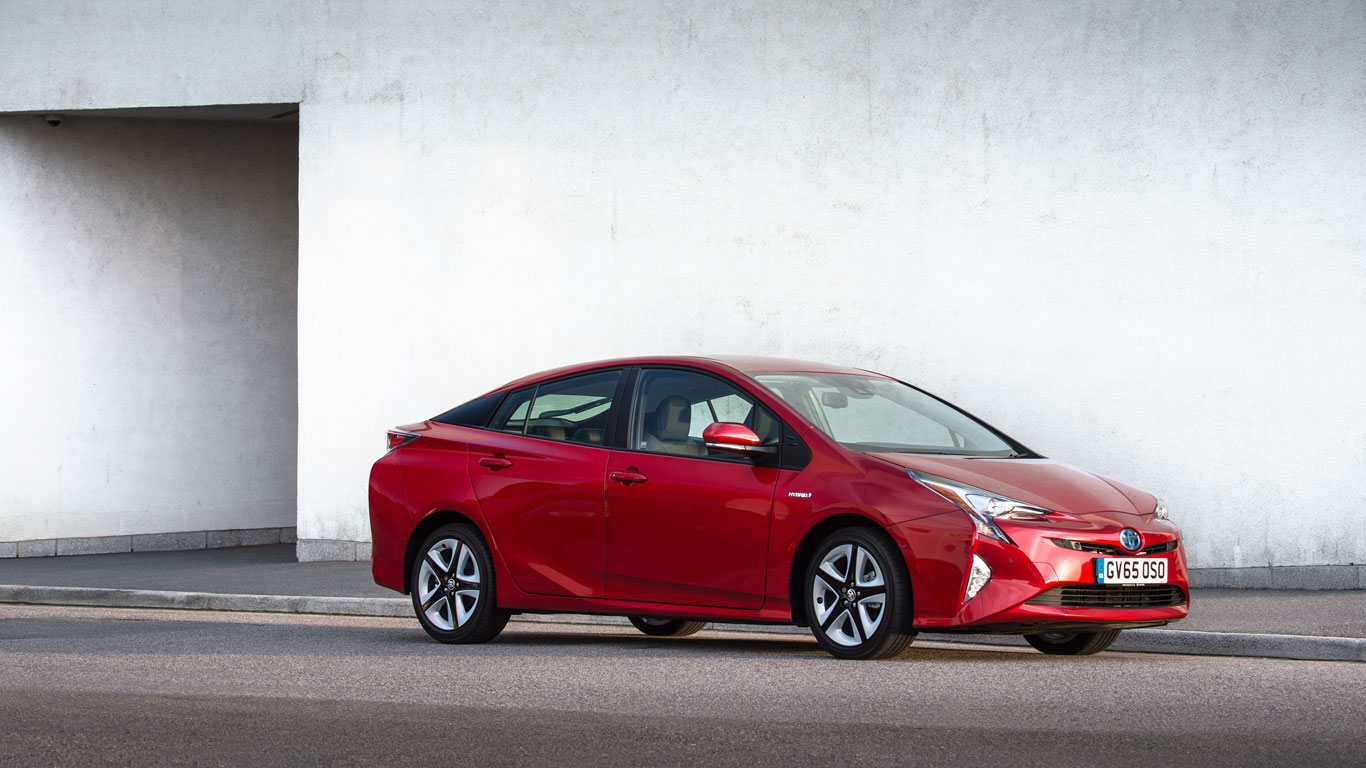
Toyota Prius: five starsThe safest new cars of 2016

It’s an excellent set of results for the Toyota Prius, with a score of 85% for safety assist technologies – the second highest rating of 2016.

Toyota’s Safety Sense is fitted as standard and includes autonomous braking, a lane assistance system and a camera-based speed assistance system.

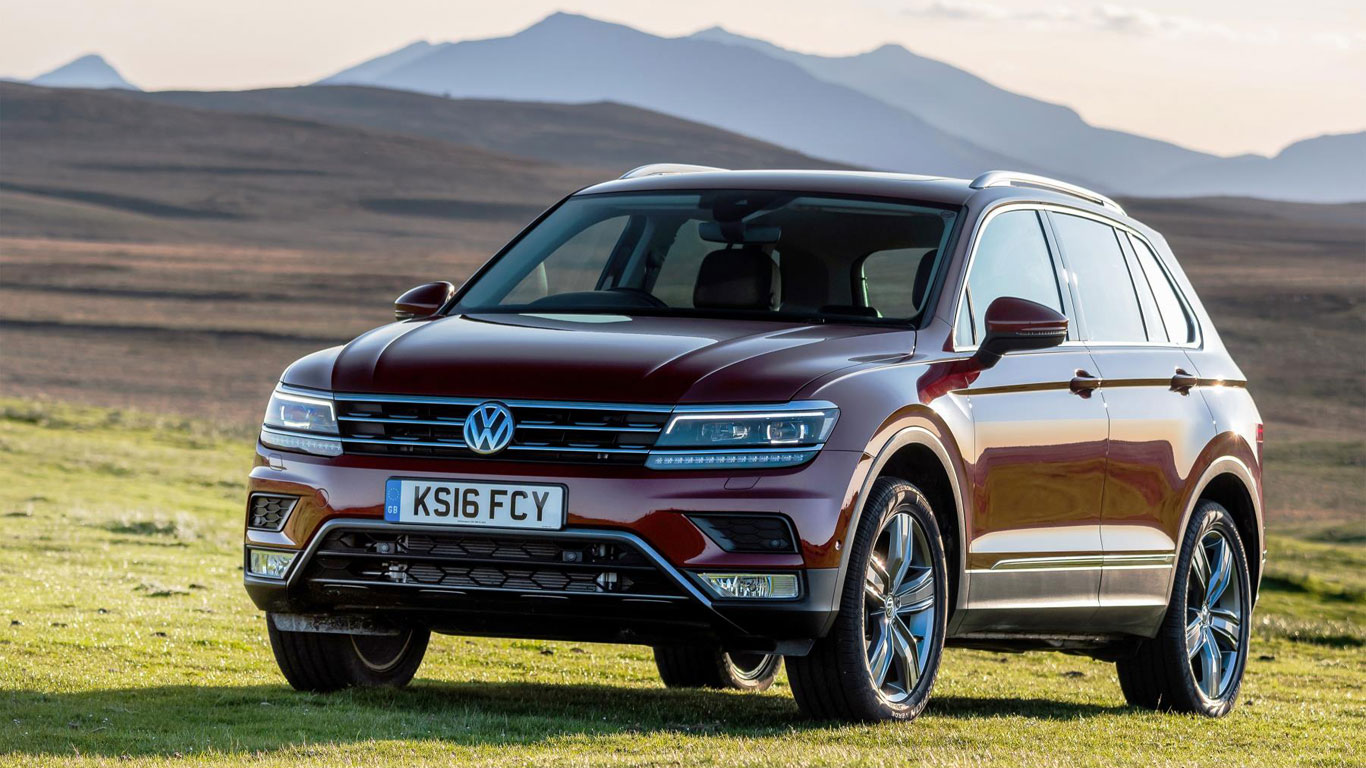
Volkswagen Tiguan: five starsThe safest new cars of 2016

The Volkswagen Tiguan is the last car on our list to receive the maximum five-star rating. A 96% rating for adult occupant safety is the second highest score of 2016, while an 84% rating for child occupant safety is similarly impressive.

The Tiguan features an emergency braking system and – as a first in the Tiguan – a pedestrian detection function.

Fiat Tipo: four starsThe safest new cars of 2016

In standard form, the Fiat Tipo was awarded a middling three-star rating, although the fitment of an optional safety pack helped it to achieve an improved four-star rating. The result prompted Euro NCAP to issue a press release with the headline of “Fiat Tipo – it’s cheap, but is it safe?”

Michiel van Ratingen said: “The Tipo is marketed as a functional car which maximises value for money. However, to maximise safety, and to bring the car up to the protection levels offered by its biggest rivals in this segment, consumers should not pass over the safety pack.”

SsangYong Tivoli: four starsThe safest new cars of 2016

The SsangYong Tivoli is another car to benefit from the Euro NCAP ‘Dual Rating’ system, with the crossover receiving a four-star rating when fitted with an optional safety pack.

Study the percentage ratings and you’ll discover the real difference a safety pack can make. Adult occupant safety up from 74% to 82%, pedestrian safety up from 55% to 65%, and safety assist up from 25% to 43%.

SsangYong Tivoli XLV: four starsThe safest new cars of 2016

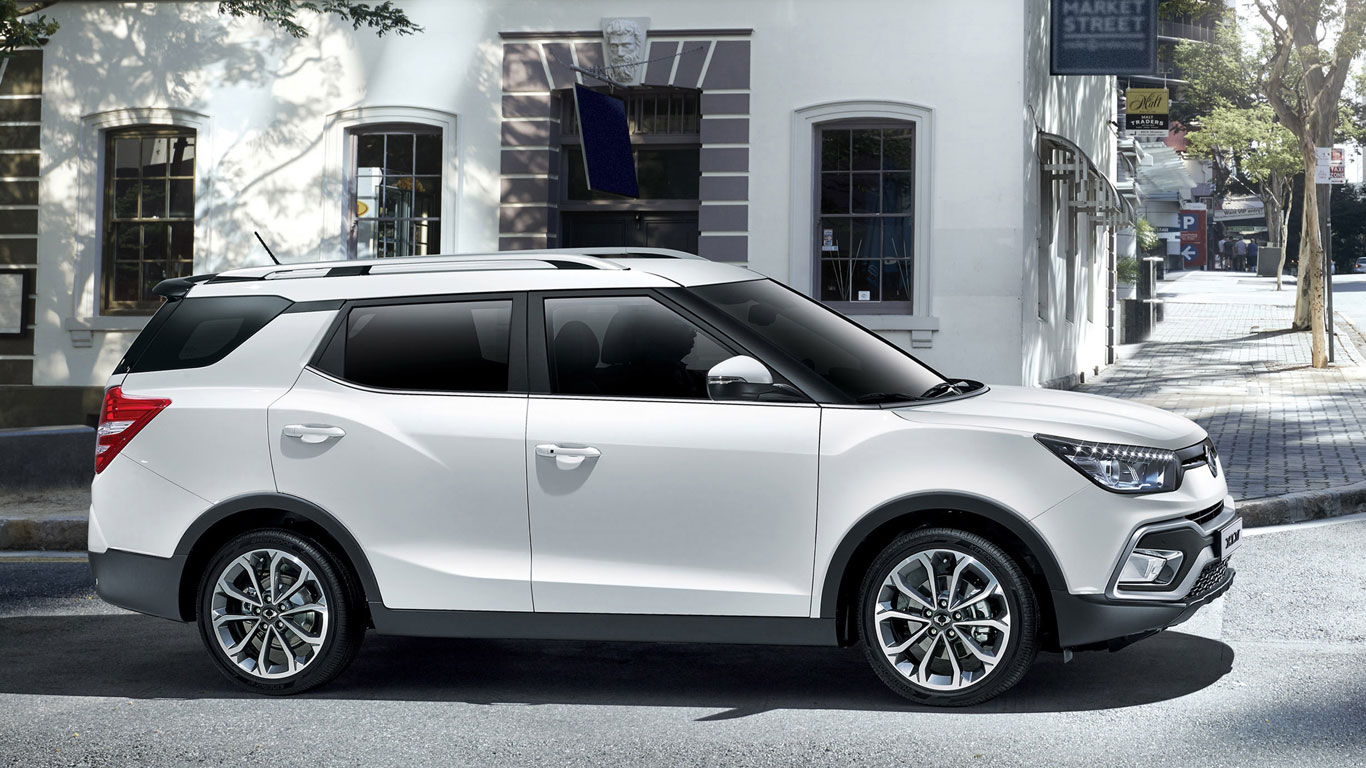
It will come as no surprise to discover that the SsangYong Tivoli XLV received identical scores to those awarded to the Tivoli. The XLV is a larger version of the Tivoli, boasting a massive 720 litres of cargo space.

Suzuki Baleno: four starsThe safest new cars of 2016

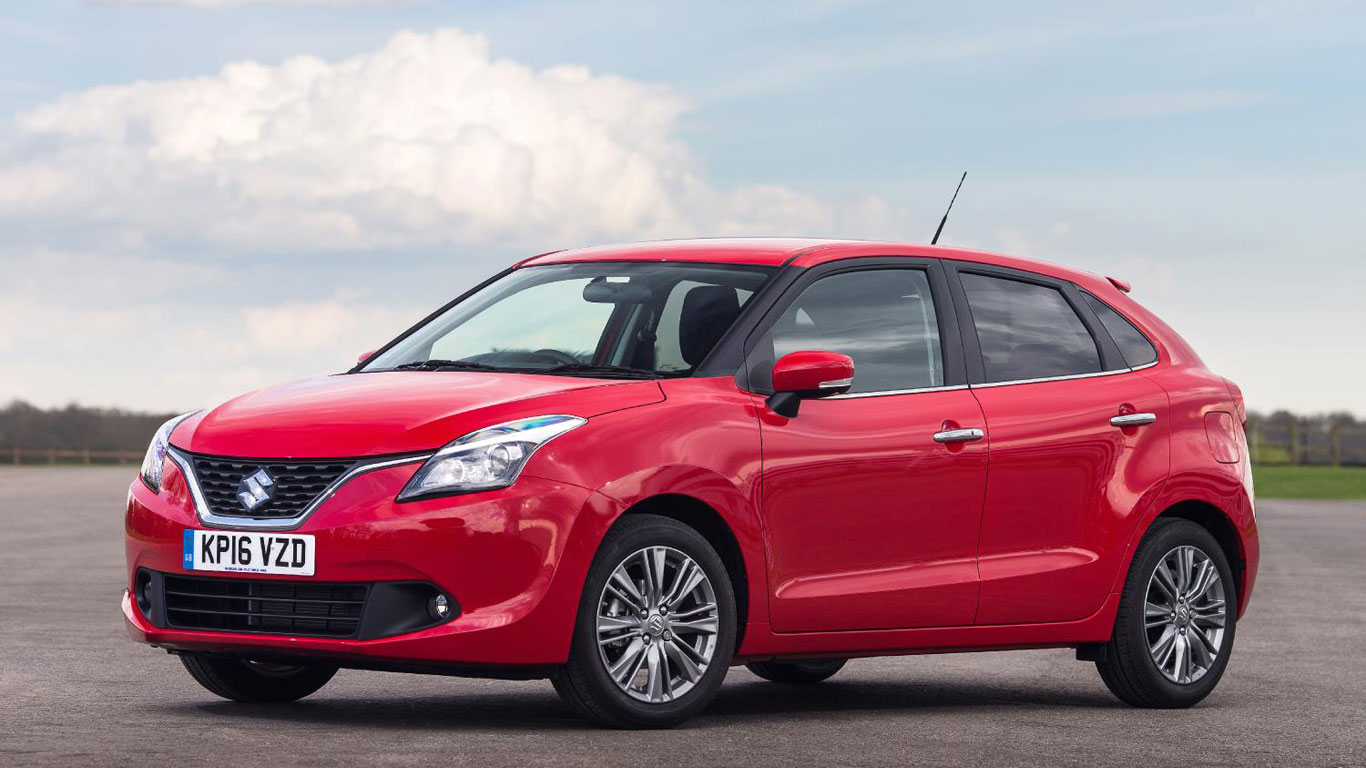
Euro NCAP introduced the ‘Dual Rating’ system in April 2016, making the Suzuki Baleno the first car to benefit from the new approach.

In standard form, the Suzuki Baleno received a three-star rating. Add the radar brake support system and the star rating jumps to four.

Quadricycle safety at a standstillThe safest new cars of 2016

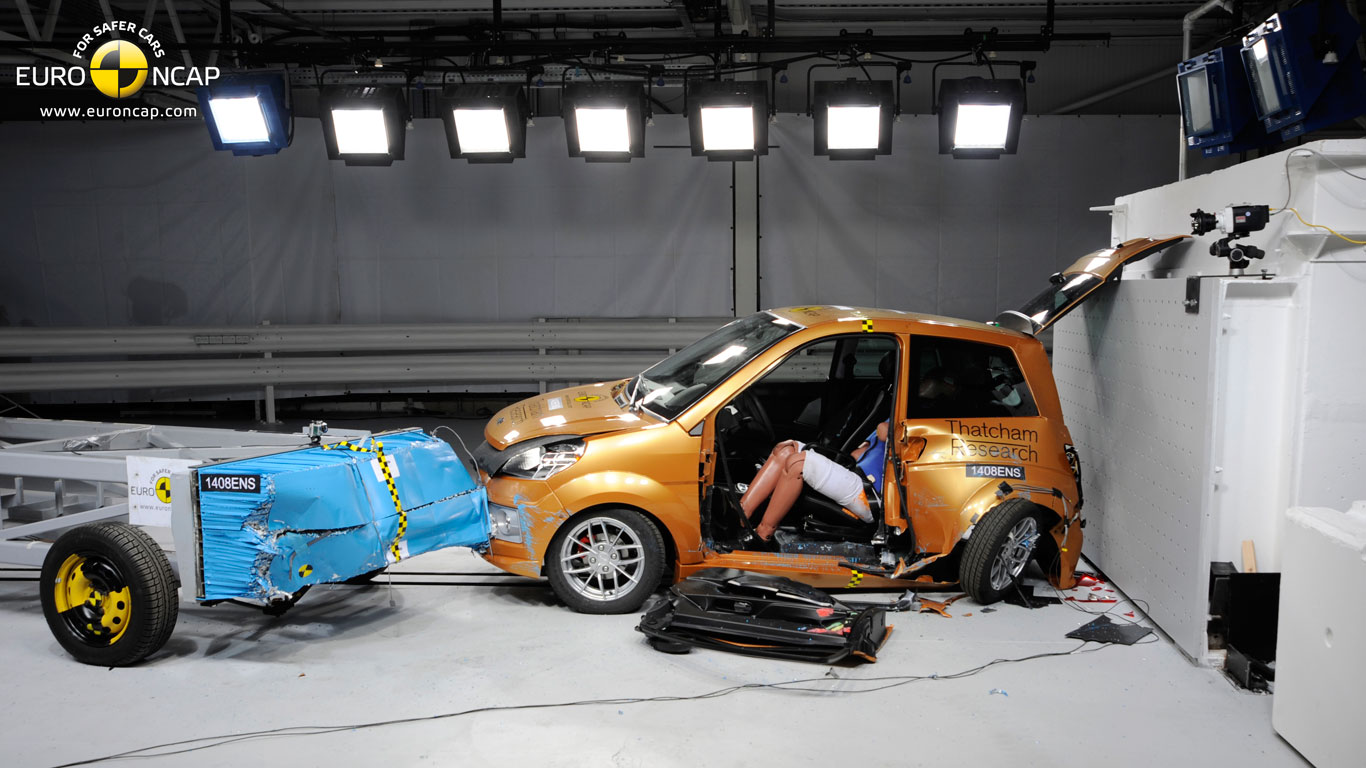
Also in April, Euro NCAP issued a damning critique on the safety of quadricycles, arguing that the results show little improvement since the last tests performed in 2014. Quadricycles are not subject to the same legislation as passenger cars, but they look like city cars and are likely to compete for sales. You have been warned.

Advertisement

Vauxhall Corsa fires investigation launched

0

Vauxhall Corsa fires investigation launched

An investigation by The Sun newspaper has discovered that the widely-reported Zafira fires issue could also cause Britain’s second-best-selling car, the Vauxhall Corsa, to burst into flames.

Vauxhall recalled 220,000 Zafira Bs in the UK last year following a series of fires. However, it’s now claimed the same issue, triggered by dodgy heater wiring, could be starting fires in Corsa D and E models built since 2006.

An engineer’s report commissioned by the tabloid said: “The resistive heating associated with Zafira B failure mode 2 has also been identified in the heater wiring harnesses of Vauxhall Corsa D models.

“A fire damaged Corsa D, with a history of wiring harness damage, was examined to reveal an origin of fire in the region of the heater system.

“The wiring harness and the failure mode identified in Corsa D models appears similar to those of GM vehicles Hummer H3 where a risk of fire led to recalls in 2015.

“I recommend that Vauxhall consider that the resistive heating that affected the Hummer vehicles produced by its parent company General Motors is also occurring in its UK Corsa model.”

The issue will be investigated by the BBC’s Watchdog programme at 8pm this evening, where a number of Corsa owners whose cars have gone up in flames will tell their story.

Julie Reynolds, from Chatham, told the BBC of the moment her Vauxhall Corsa D set alight in 2013. She arrived at work, where her manager told her to get out moments before “the whole car went up”, she said.

“The worst thing is my son could have been in that car. I wouldn’t have got him out in time.”

“There was one big explosion. All the windows went in. And then a next explosion. And then another explosion. And the engine fell to the ground. I was just in shock. I was just crying.”

Vauxhall Corsa fires investigation launched

A Facebook group has been established for owners of Vauxhalls that have set alight – with drivers of a number of models coming forward.

Bee Treena posted: “Today my new eight-week-old Vauxhall Mokka set alight while I was in traffic.”

Another person posted pictures of her burnt-out Vauxhall Adam Rocks.

The car manufacturer admits it has found faults with a small batch of 1.4-litre turbocharged Corsa models, but the BBC claims owners of other Corsas have come forward. Vauxhall denies these claims, saying: “We have no Safety Recalls related to fire for Corsa D derivatives other than that for the 1.4 Turbo.”

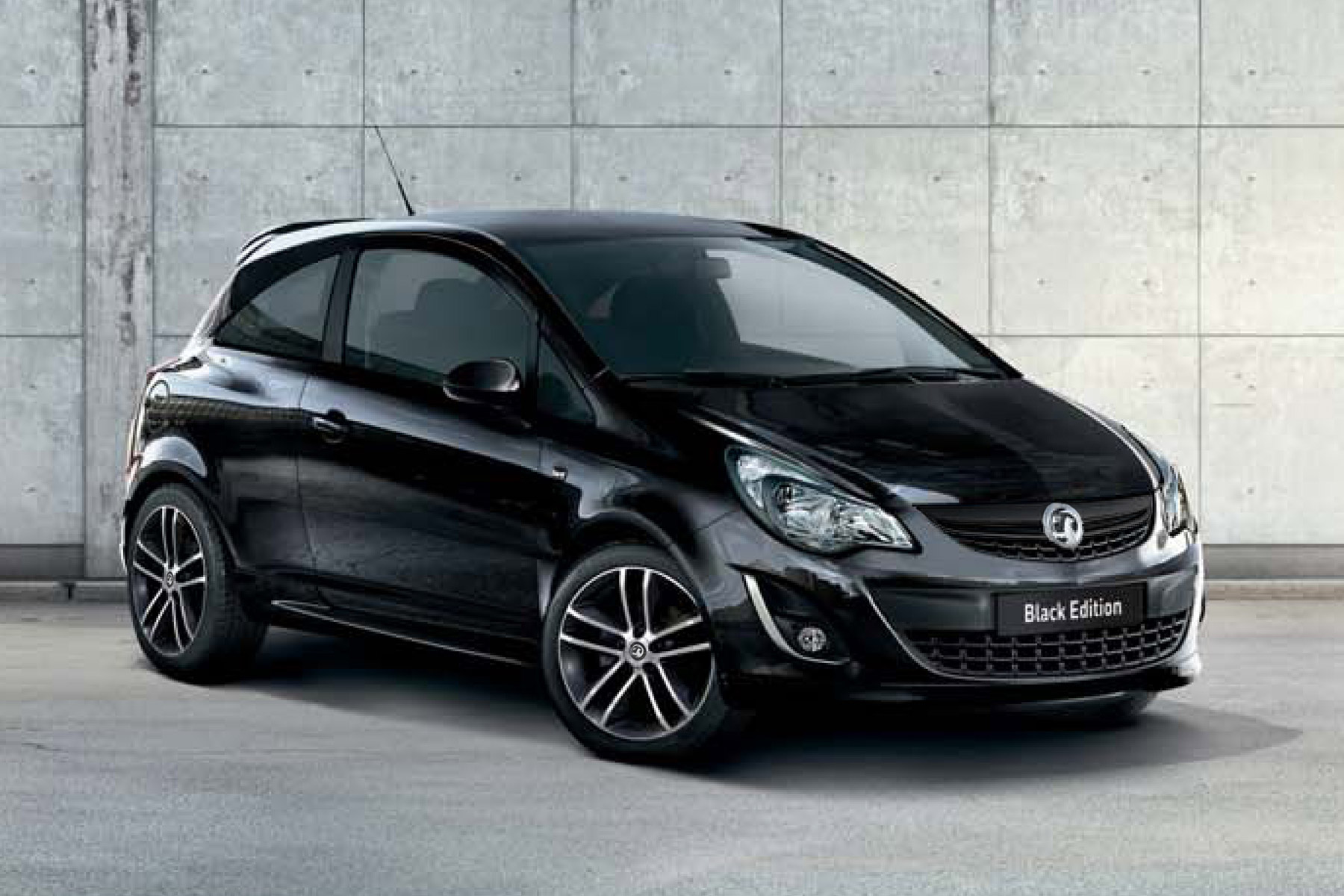
The company has recalled 2,767 1.4-litre turbo Corsa D models – but the recall only related to Black Edition models and a small number of SE and SRi variants.

These were all produced at the firm’s Eisenach assembly plant – with the majority being Black Edition models, identified by their five-spoke bi-colour alloy wheels. Only 46 SE and SRi models are said to be affected.

Vauxhall says that all affected customers have been written to using address data from the DVLA and so far more than a third of those customers have had the repair work completed. For those customers who have not had the repair work completed, reminder letters have also been sent out.

If you believe your car is eligible for the recall, you can contact Vauxhall on 0800 026 0867.

Vauxhall Corsa fires investigation launched

DVSA considering ‘further action’

The government’s Driver and Vehicle Standards Agency (DVSA) has added pressure on Vauxhall to recall any vehicles which could potentially feature dangerous faults.

DVSA chief executive, Gareth Llewellyn, said: “DVSA’s first priority is to protect everyone from unsafe vehicles and drivers.

“We are investigating reported faults with Vauxhall Corsa D and E models. Anyone who finds a serious safety defect with their vehicle should report it to us.

“We’ve also made it clear that it’s vital that Vauxhall should be doing everything possible to ensure the safety of its customers and their families. We’re also working with the Department for Transport to consider further action.”

Corsa fires: Vauxhall’s full statement

Customer safety is of the utmost importance and we take any report of fire very seriously.

Fires can occur for a wide variety of reasons and it’s worth noting that, on average, there are 18,000 vehicle fires a year across all manufacturers in the UK.

Vauxhall Corsa D is one of our most popular models, with over 700,000 sold in the UK between 2006 and 2014. Earlier this year we identified a potential fire related issue with a specific Corsa D variant equipped with the 1.4 Turbo petrol engine. Nine cases had previously been reported to us, which we investigated, two of these had resulted in a fire. A Safety Recall to address this issue was initiated in April 2016 for the 2,767 vehicles affected.

When customers report a fire to us we explain that an inspection may be necessary but that we need the permission of their insurance company before we can proceed. This avoids the risk of the customer’s insurance policy being invalidated.

Our preference is to conduct a joint investigation with the customer’s insurer but for a variety of reasons this is not always possible. For example, in some cases the insurance company has already conducted an investigation, in other cases the vehicle may have already been scrapped.

Following the Zafira B issue we strengthened our processes but even so it is not always possible to arrange an inspection.

When an inspection is possible the destructive nature of fire can make the process of identifying a pattern of fires with a common root cause very challenging.

It’s also worth bearing in mind that manufacturers frequently do not get to hear about fires in their vehicles. We found with Zafira B, for example, that many cases only emerged after media reports in October 2015. Some of these dated back several years.

Better access to vehicle fire data could help manufacturers with early detection of safety issues. We are therefore working through our industry body to understand how manufacturers can gain access to data in order to build a more complete picture of potential issues.

Advertisement