
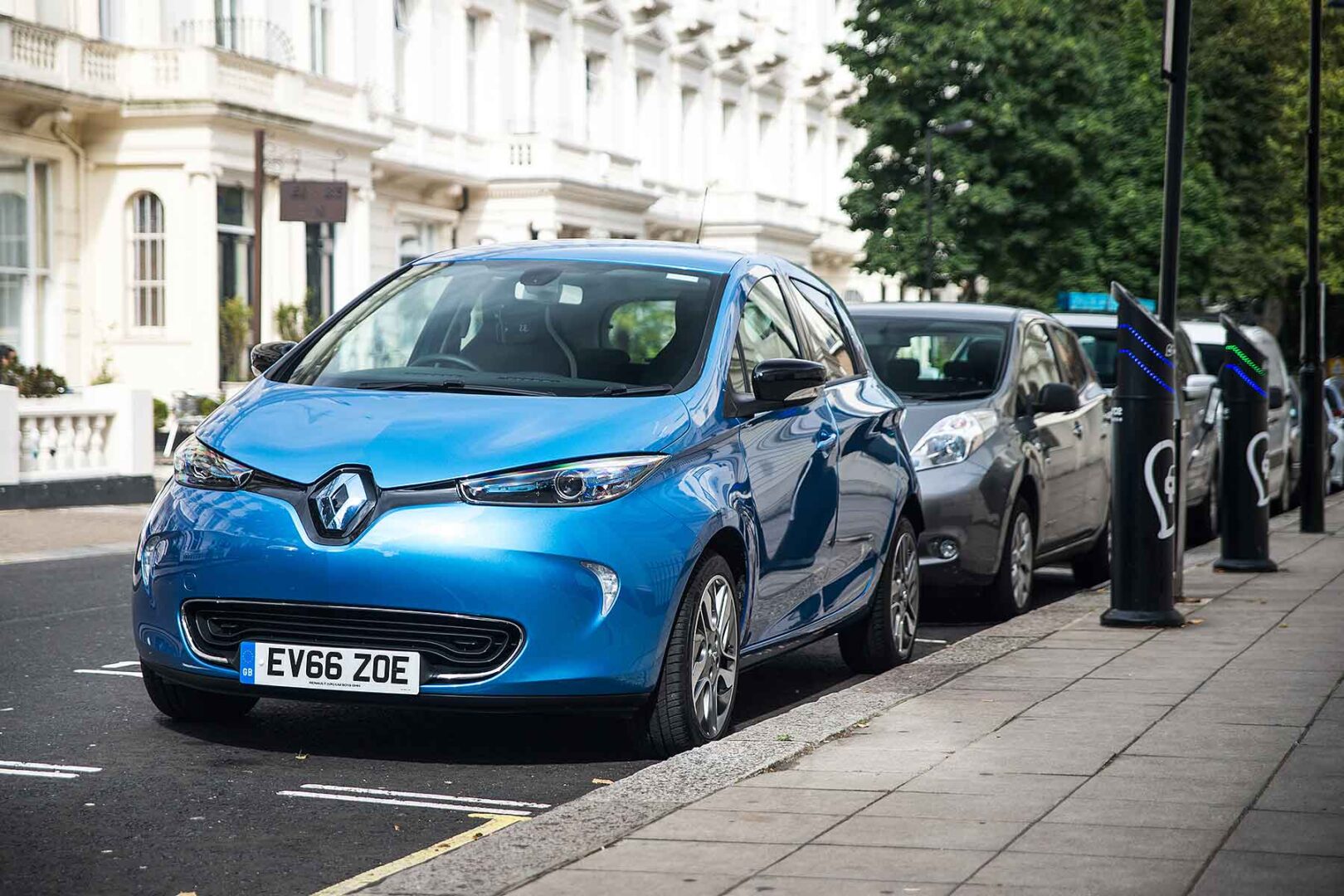
Lower-income households earning less than £40,000 risk being left behind in the UK’s transition to electric cars, warns a new report from Autotrader.
This could lead to a ‘structural divide’ in who benefits from cheaper running costs and cleaner local air, warns the online marketplace.
Households earning less than £40,000 remain significantly less likely to consider an EV than higher-income households, according to the ‘No Driver Left Behind 2026’ report.
Less than half of households earning below £40,000 would consider going electric. This shoots up to 73 percent above £40,000, and a hefty 84 percent for households earning above £80,000.
In 2024, the UK’s median household income was around £36,600.
Challenges for lower-income households include affordability and awareness. Around two in five lower-income households buy used cars priced £5,000 or less, for example, but just one percent of used EVs currently fall into this bracket.
Lower-income households are also far less likely to have driven an EV, or know someone who drives one, ‘reinforcing perceptions of high cost and inconvenience’.
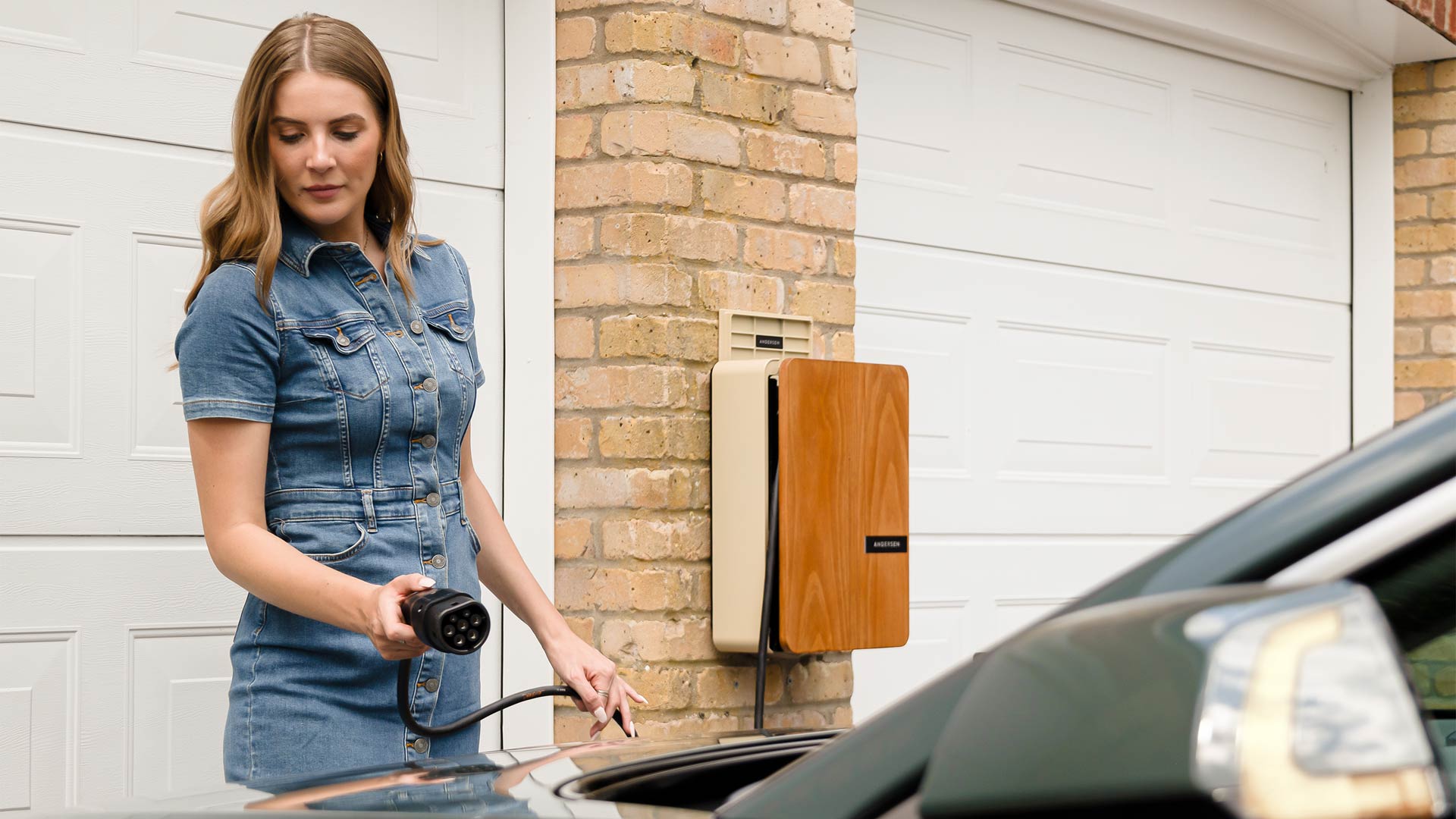
This is despite Autotrader stats showing that seven in 10 lower-income households actually have a driveway, making them ideally placed to benefit from lower-cost home charging.
For those who can charge at home, says the report, the average annual saving in car running costs could reach £1,500.
A ‘pivotal moment’ for electric cars
This year’s report follows a Budget that threatens to make EVs more expensive from 2028, thanks to the Chancellor’s proposed new electric car pay-per-mile road tax (known as eVED).
Nearly half of motorists told Autotrader they were less likely to go electric following the Budget announcement. Just one in three had unchanged views.
“We’re at a pivotal moment for the UK’s EV transition but there is still a lingering wealth divide,” said Autotrader chief customer officer, Ian Plummer.
“This new data busts the myth that those who can charge at home will definitely switch – the driveway divide is no longer so clear-cut.
“If lower income households can’t access affordable vehicles, we risk creating a two-tier system where the benefits of clean, cheaper motoring accrue to those already better off.”
The solution is clear, he said: more choice at lower price points, greater transparency around battery health and practical charging solutions for people without home driveways.
ALSO READ:
The cost of leasing a car fell again in 2025
