21 of the most surprising rebranded cars
-
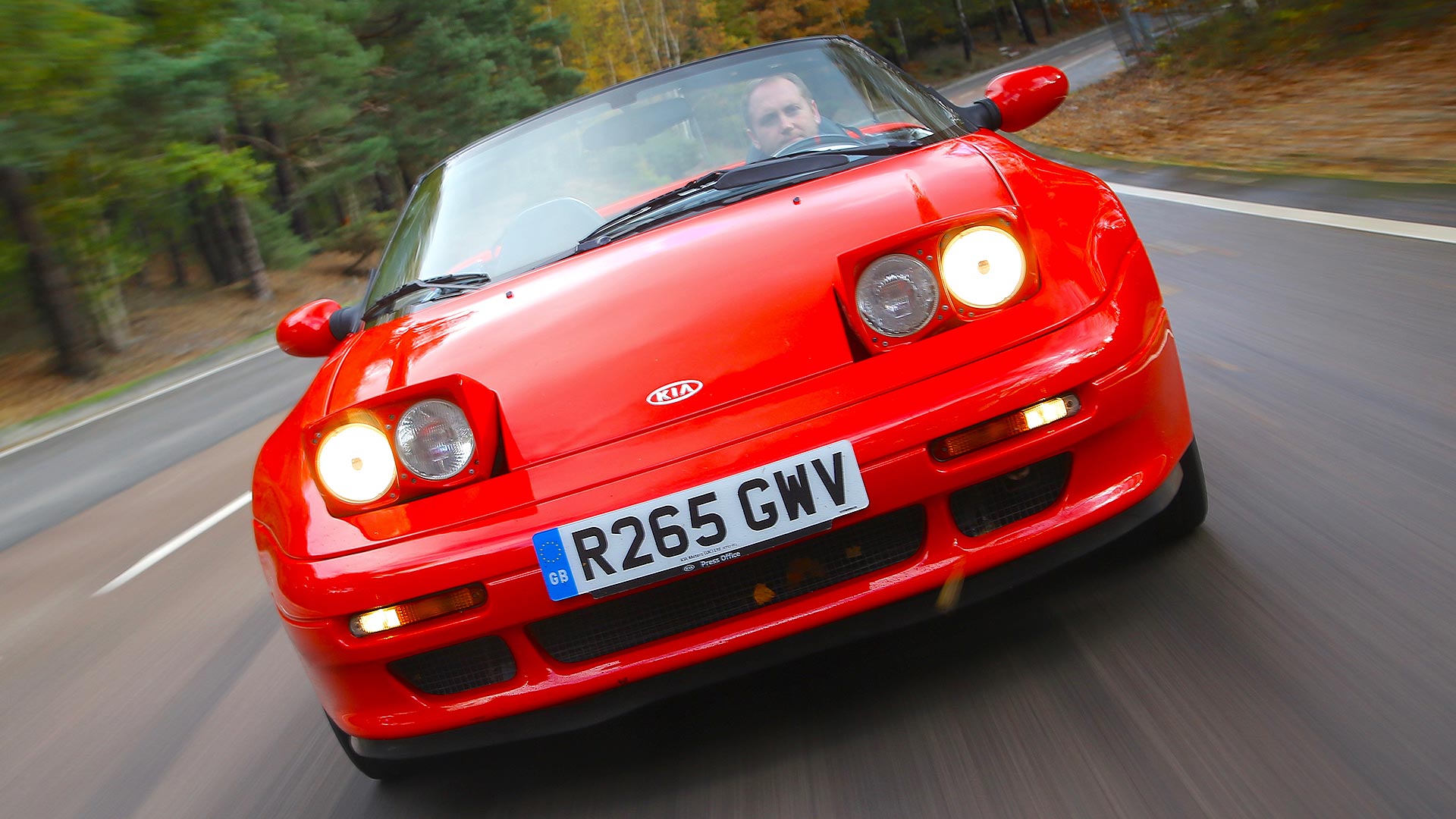
What’s in a name
© KiaAt times, we all pretend to be something we’re not, but some cars owe their entire existence to ‘badge engineering’. We select some of the most notable rebranded vehicles from over the years…
-
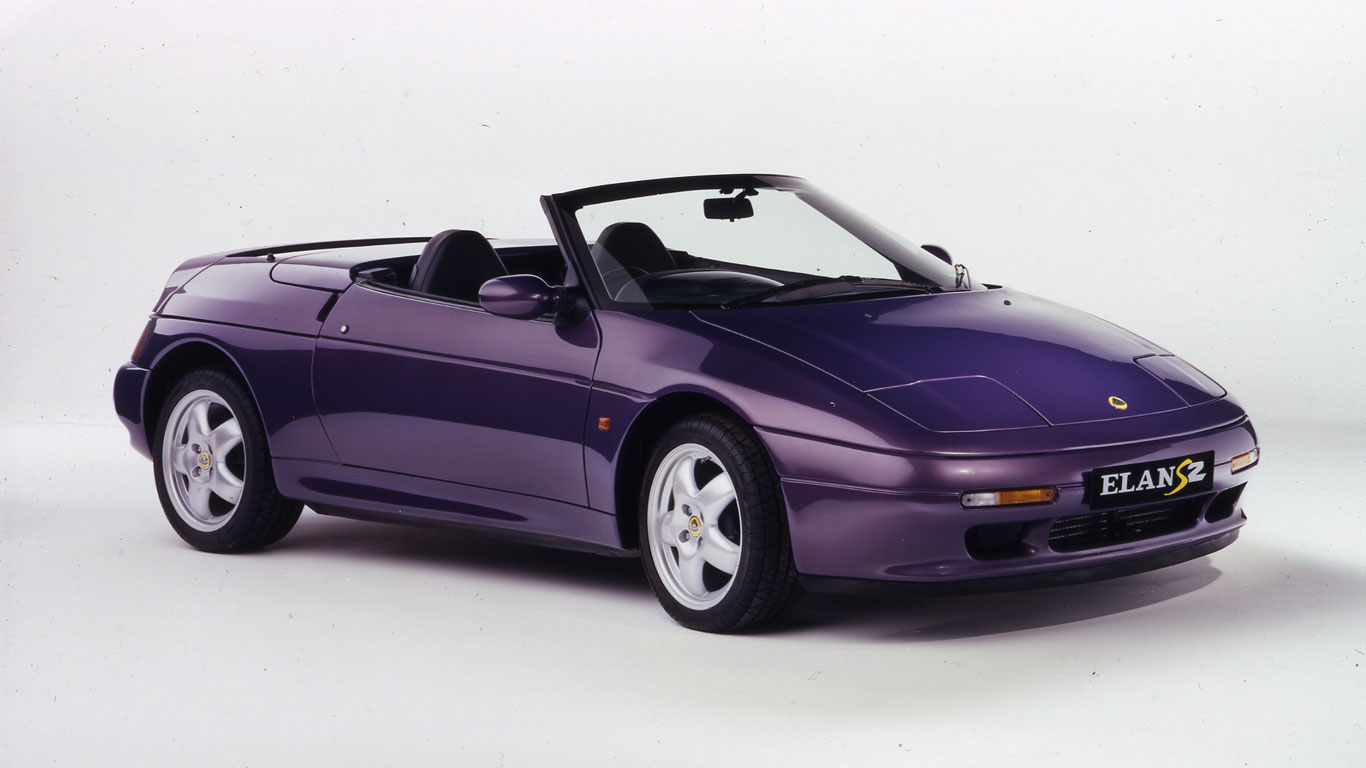
Lotus Elan
© LotusThe ‘M100’ Elan of 1989 never captured the hearts of enthusiasts like the Lotus Elise that followed. Chiefly, that’s because it was front-wheel drive, offering a driving experience more akin to a hot hatch than a traditional roadster.
The Elan was also a victim of poor timing, debuting around the same time as the Mazda MX-5 – a car that interpreted the original Elan formula more faithfully.
-
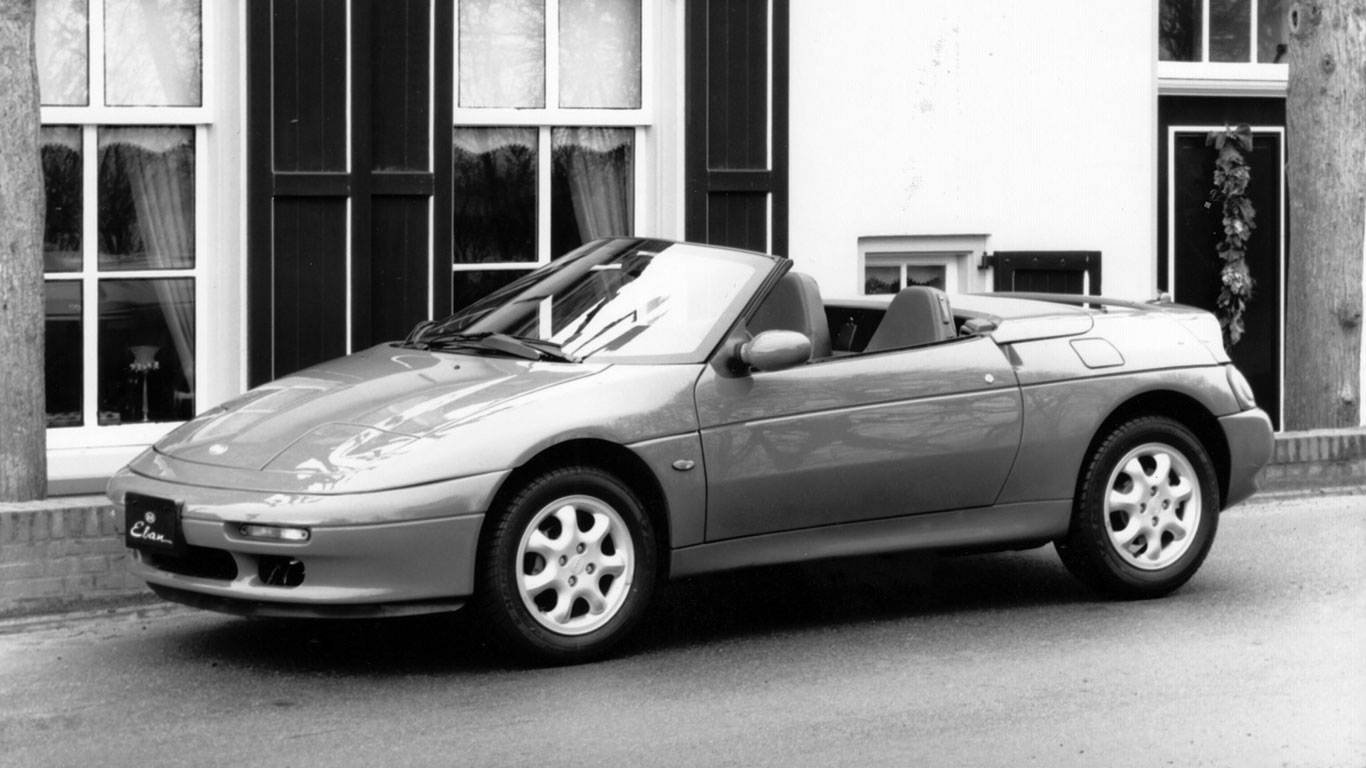
Kia Elan
© KiaOddly, Kia also built its own near-identical version of the Elan in South Korea. Remember, this was in the late 1990s, when Kia was still churning out depressing econoboxes like the Shuma and Carens. Just over 1,000 Kia Elans were built.
-

Land Rover Discovery
© Land RoverAh, the original Land Rover Discovery: a quintessentially British 4×4, built to allow Range Rover to push further upmarket, while allowing country types to push further off-road. Launched in 1989, the Discovery arrived ahead of the boom in SUV sales, stealing a march over its competitors. It also found fame in the Far East, but with a very different badge.
-
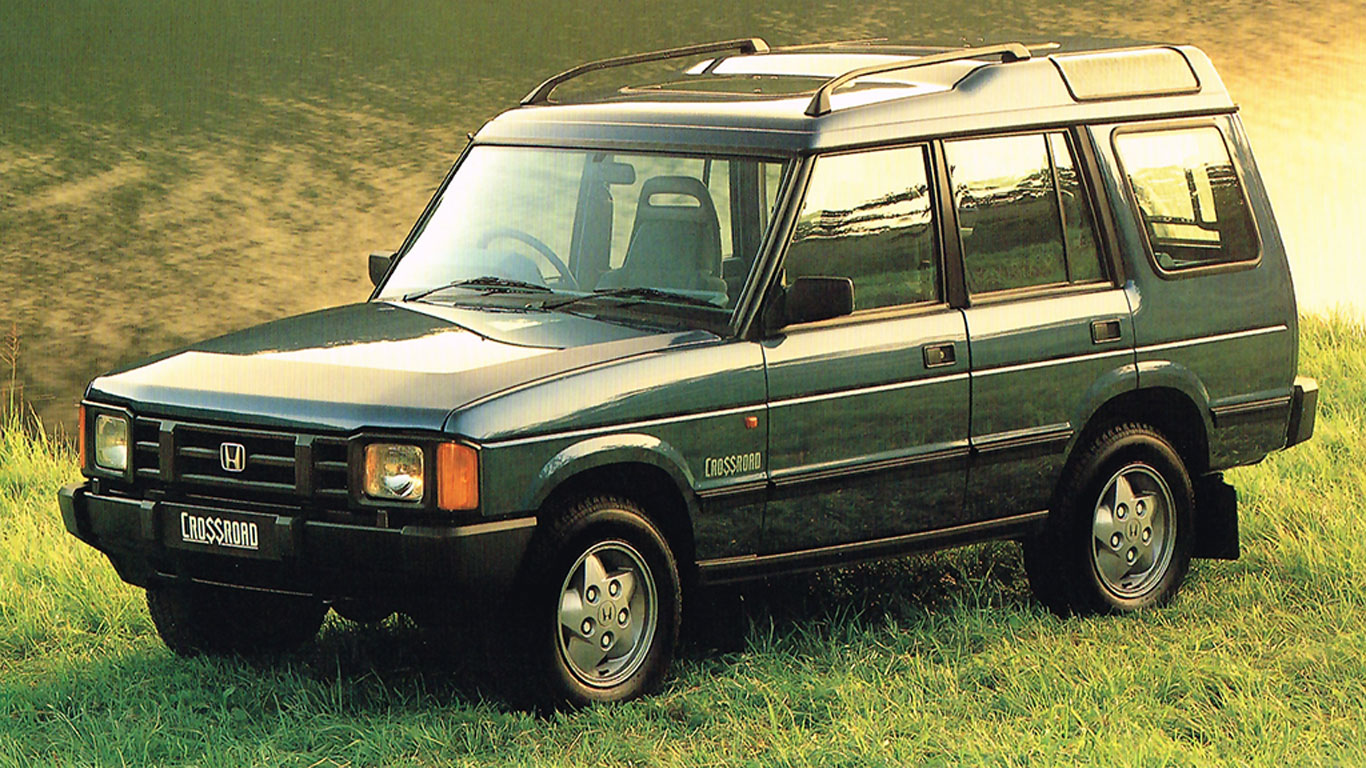
Honda Crossroad
© HondaHonda had acquired a 20 percent share in the Rover Group in 1990 and, three years later, a deal was announced that would allow the Japanese giant to sell the Discovery via 400 dealers in its domestic market. It was called the Honda Crossroad and each one was powered by a 3.9-litre V8 engine mated to an automatic transmission.
There was even talk of the Crossroad being sold as an Acura in the US, but the deal never ventured further than the boardrooms of Honda and Land Rover.
-
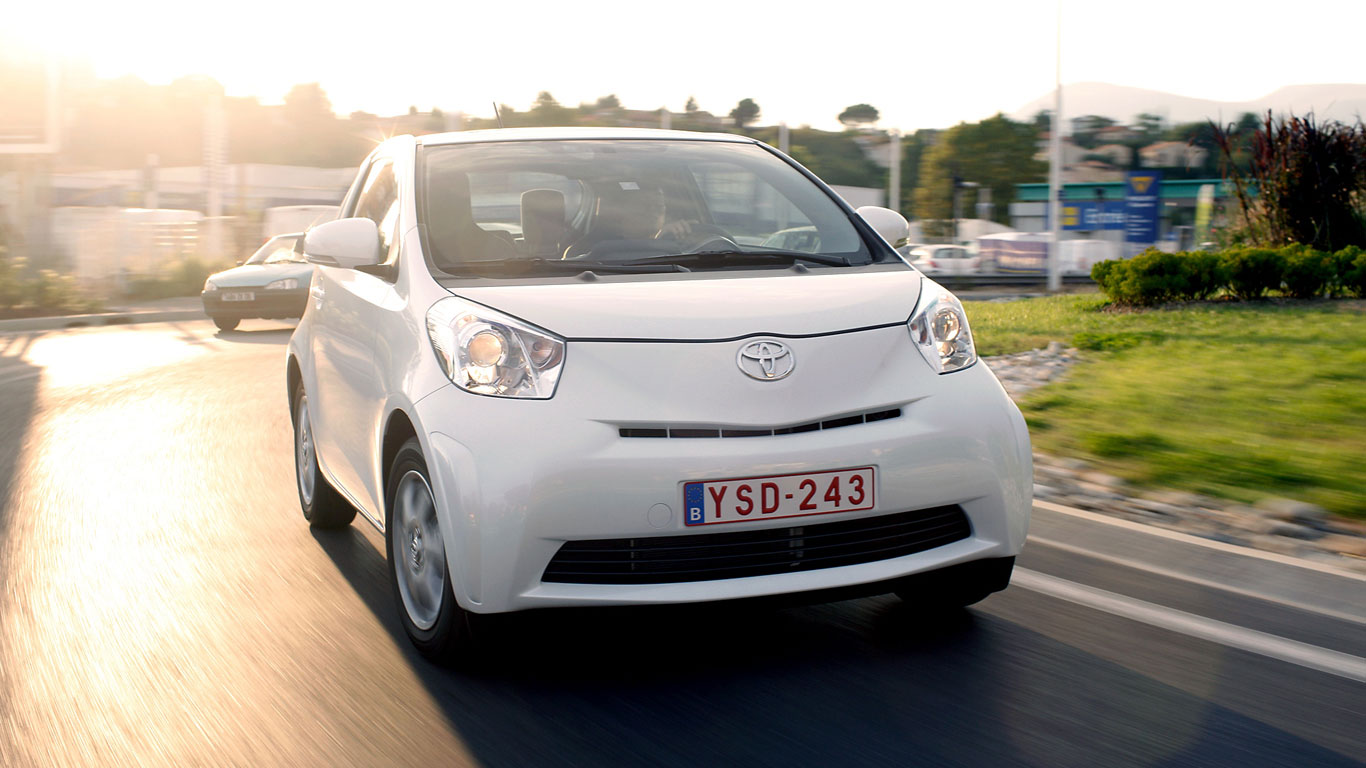
Toyota iQ
© ToyotaThe Toyota iQ: small and perfectly formed. It was billed as the world’s smallest four-seater, but in reality it was a bit of a tight squeeze. Not that this detracts from what is a genuinely innovative city car. It also spawned an unlikely spin-off…
-
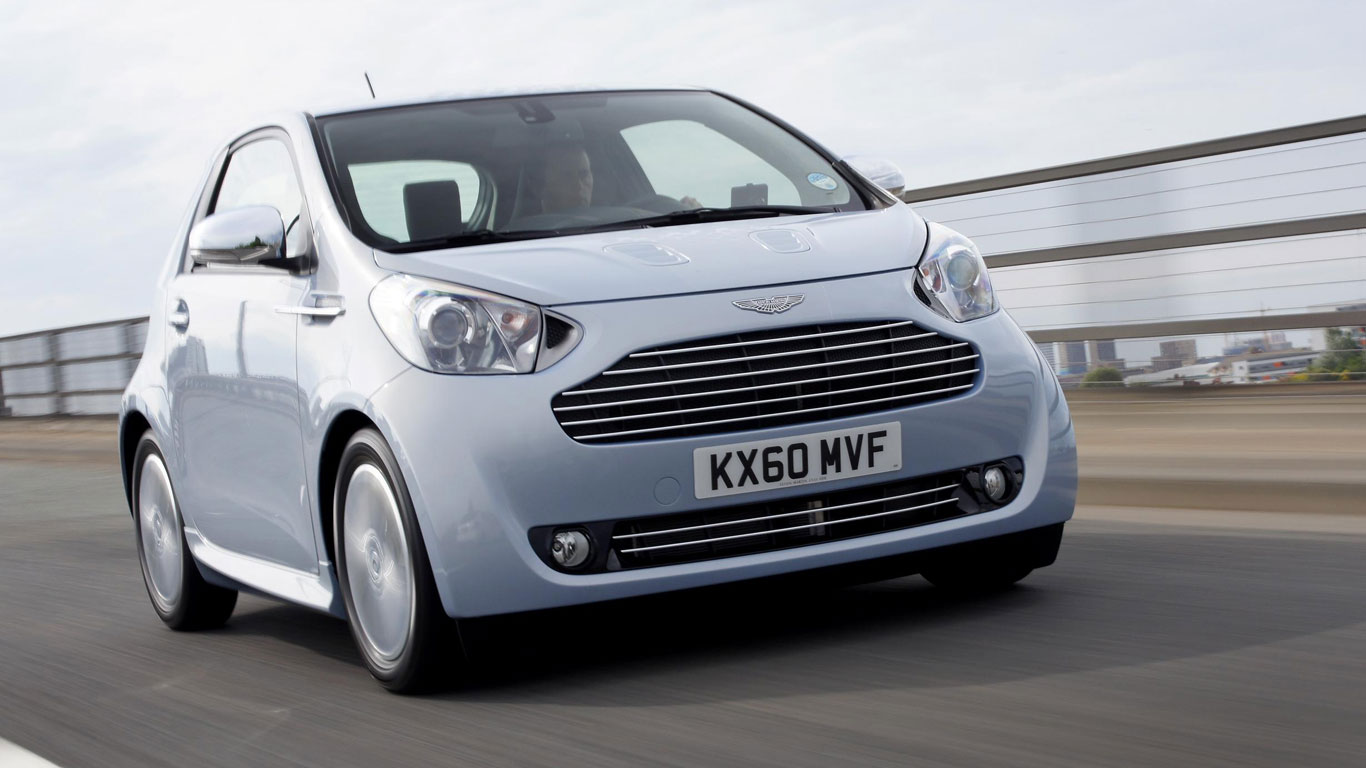
Aston Martin Cygnet
© Aston MartinThe Cygnet was ‘designed as a luxury solution to urban mobility’, claimed Aston Martin, choosing to ignore the fact that it was actually designed to be a Toyota. Aston wanted in excess of £30,000 for this posh iQ, which is why it’s one of rarest cars it has ever built. Or should that be rebadged?
-

Toyota RAV4
© ToyotaThe original 1994 Toyota RAV4 was a genuine mould-breaker. Styled to resemble a hiking boot, it drove like a high-rise hot hatch – and helped kick-start the SUV boom. Today, the fifth-generation RAV4 has morphed into a large and sensible family car. It’s also morphed into a Suzuki…
-
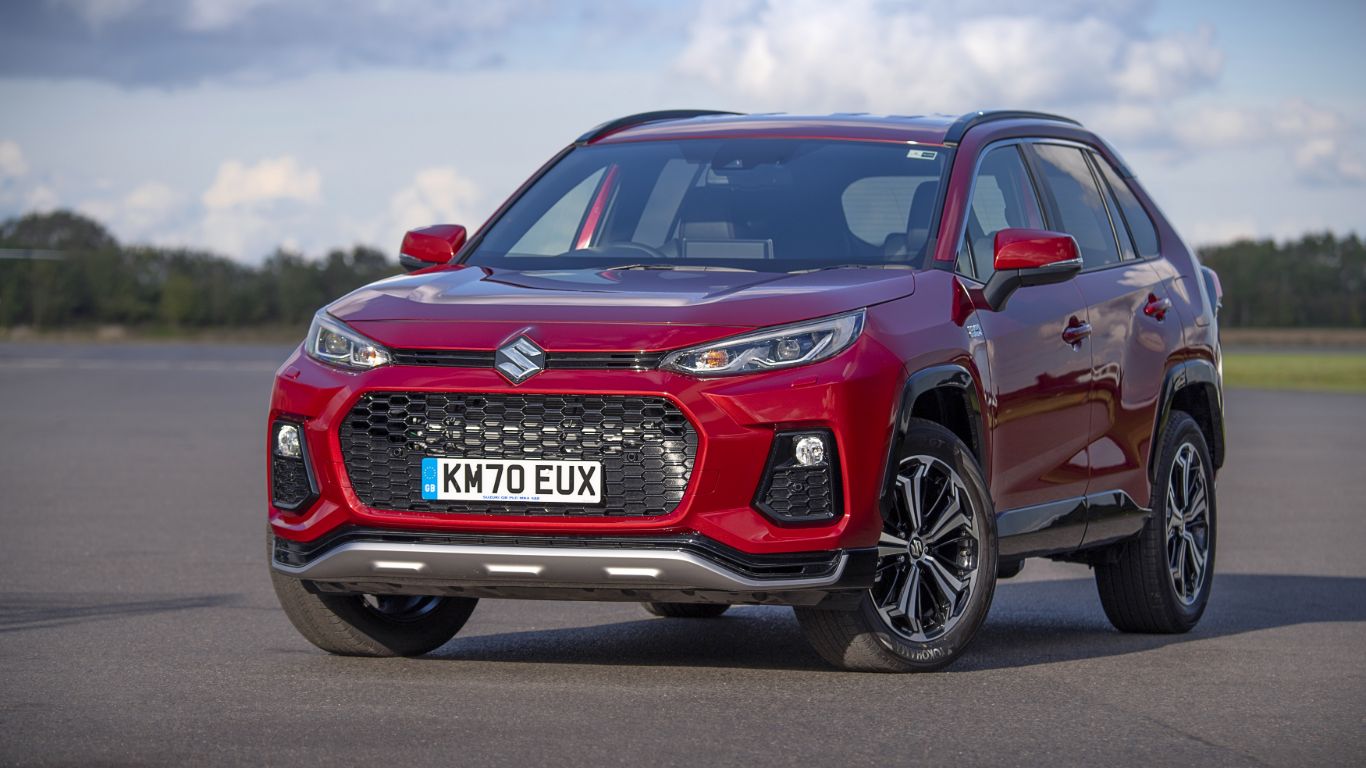
Suzuki Across
© SuzukiBased on the RAV4 Plug-In Hybrid, the four-wheel-drive Suzuki Across emits an impressive 22g/km CO2 in the official fuel economy test. That makes it very cheap to tax – especially for company car drivers – but its purchase price may be a stumbling block. The Across costs almost £47,000.
-
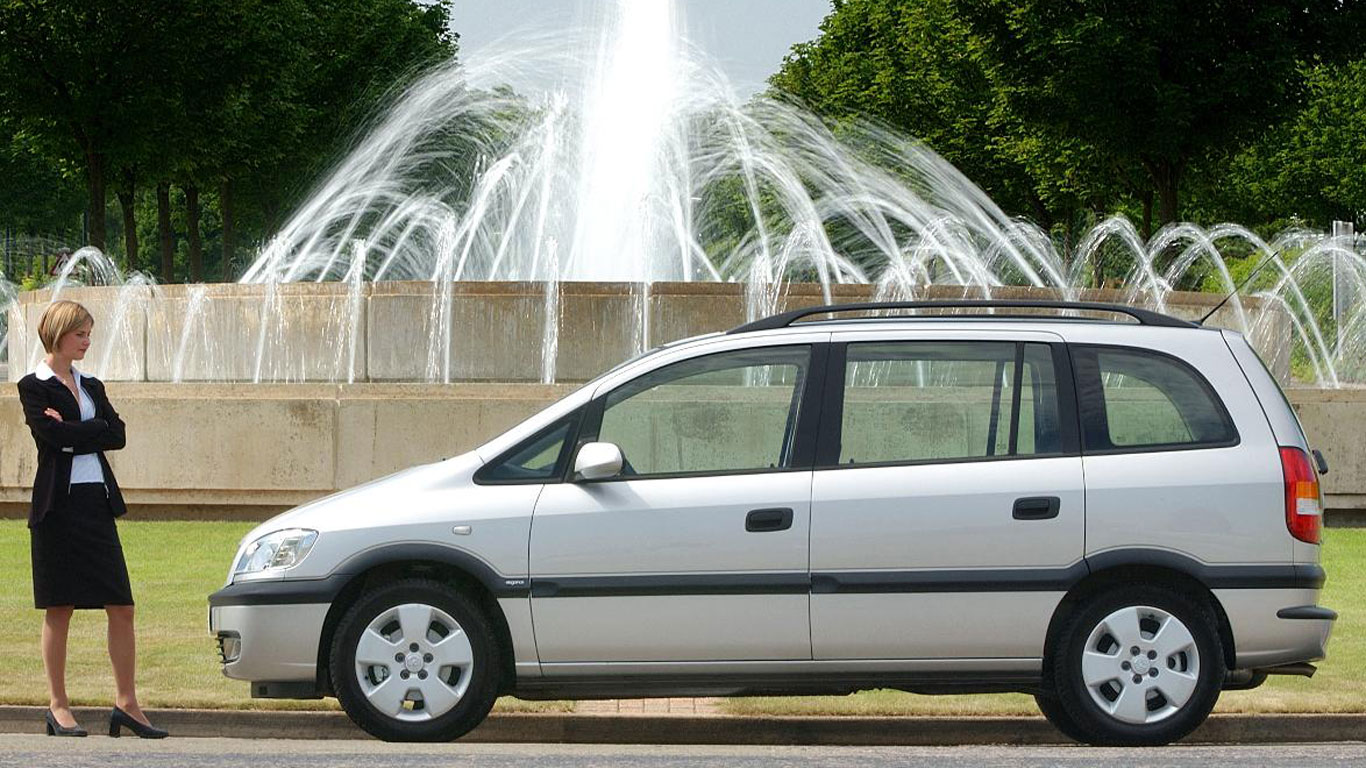
Vauxhall Zafira
© VauxhallDespite the best efforts of Griff Rhys Jones and those irritating ‘Little Dads’, the original Vauxhall Zafira wasn’t the kind of car to encourage you to bounce out of bed in the morning.
Indeed, you can blame ‘bed bouncing’ for the need to acquire a car with ‘Flex 7’ seating in the first place. No, the Zafira was never anything more than a signal that the best days of your life were behind you.
-
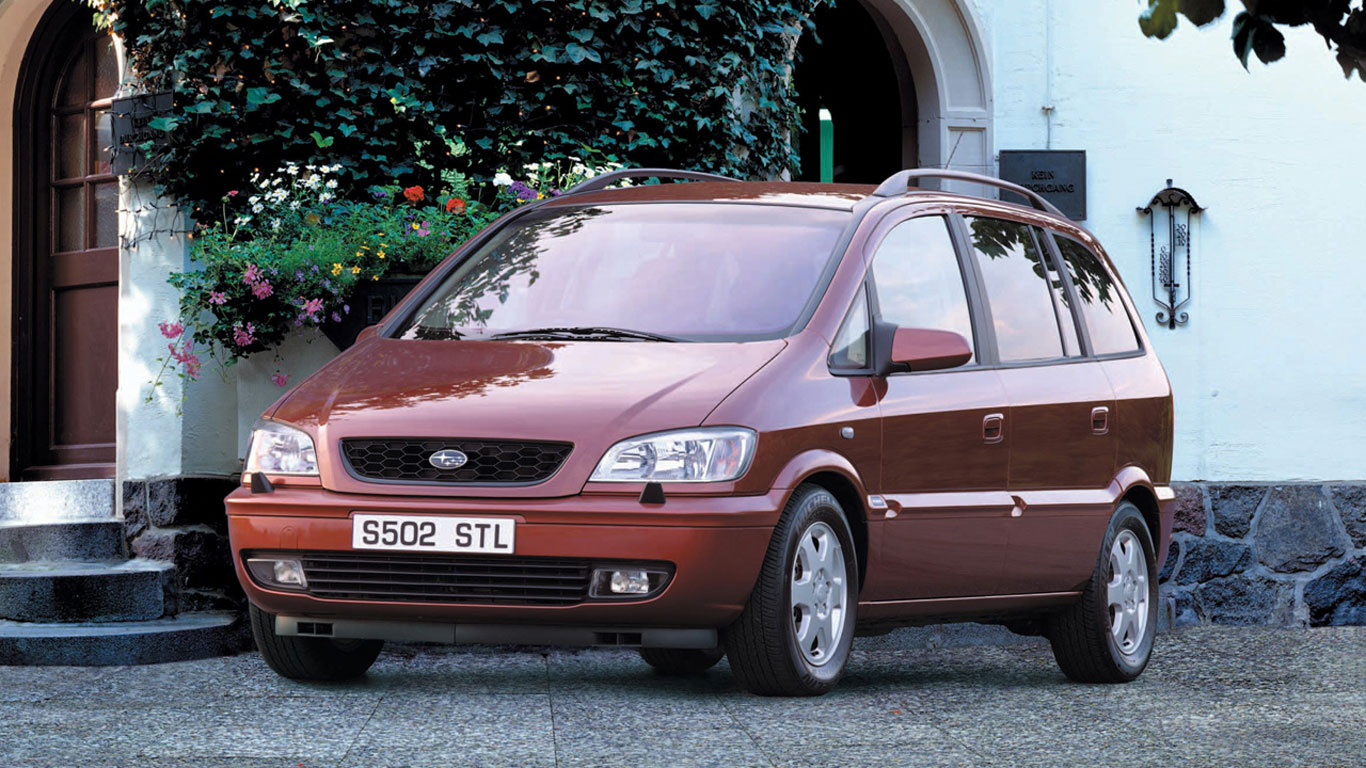
Subaru Traviq
© SubaruSo it might come as a surprise to discover that the Zafira was given the subtlest of makeovers and sold as a Subaru Traviq in Japan. Wait, what? A company famed for its ‘Boxer’ engines and all-wheel drive technology selling a front-wheel-drive people carrier through its dealer network?
Unlikely as it might sound, the Traviq – Travel Quick, geddit? – was launched at the 2001 Tokyo Motor Show and allowed Subaru to enter a market that was otherwise out of reach. Sadly (or perhaps, fortunately) gold wheels and WR blue paint weren’t listed as options.
-
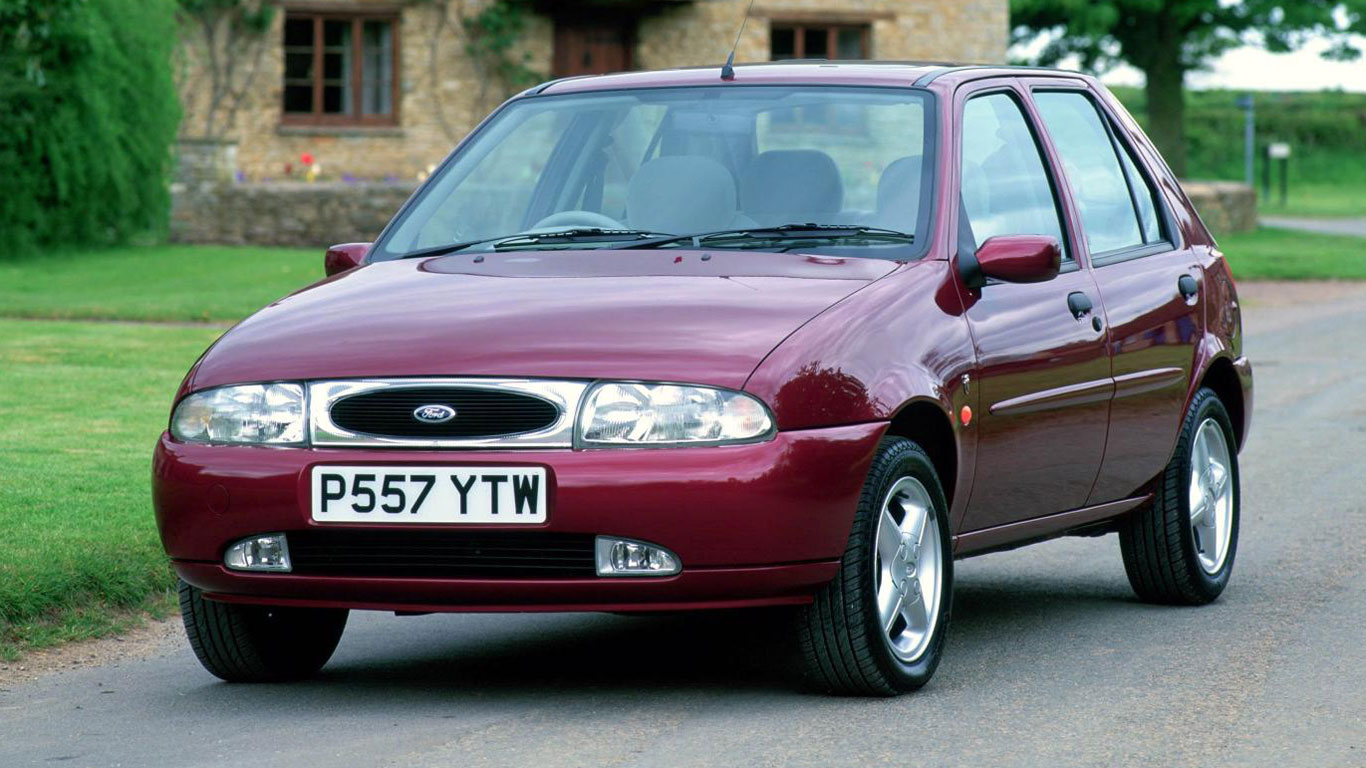
Ford Fiesta
© FordLaunched in 1998, the fourth-generation Fiesta frequently occupied second place in the best-sellers chart behind the larger Ford Focus. Once spotted on every suburban street, most have now retired to the giant scrapyard in the sky.
The Mk4 Fiesta’s oval-shaped grille was really just a facelift; it shared the same body and dimensions as the ageing Mk3 version. Not until 2008 would the Fiesta leap to the front of the supermini class. It’s stayed there ever since.
-
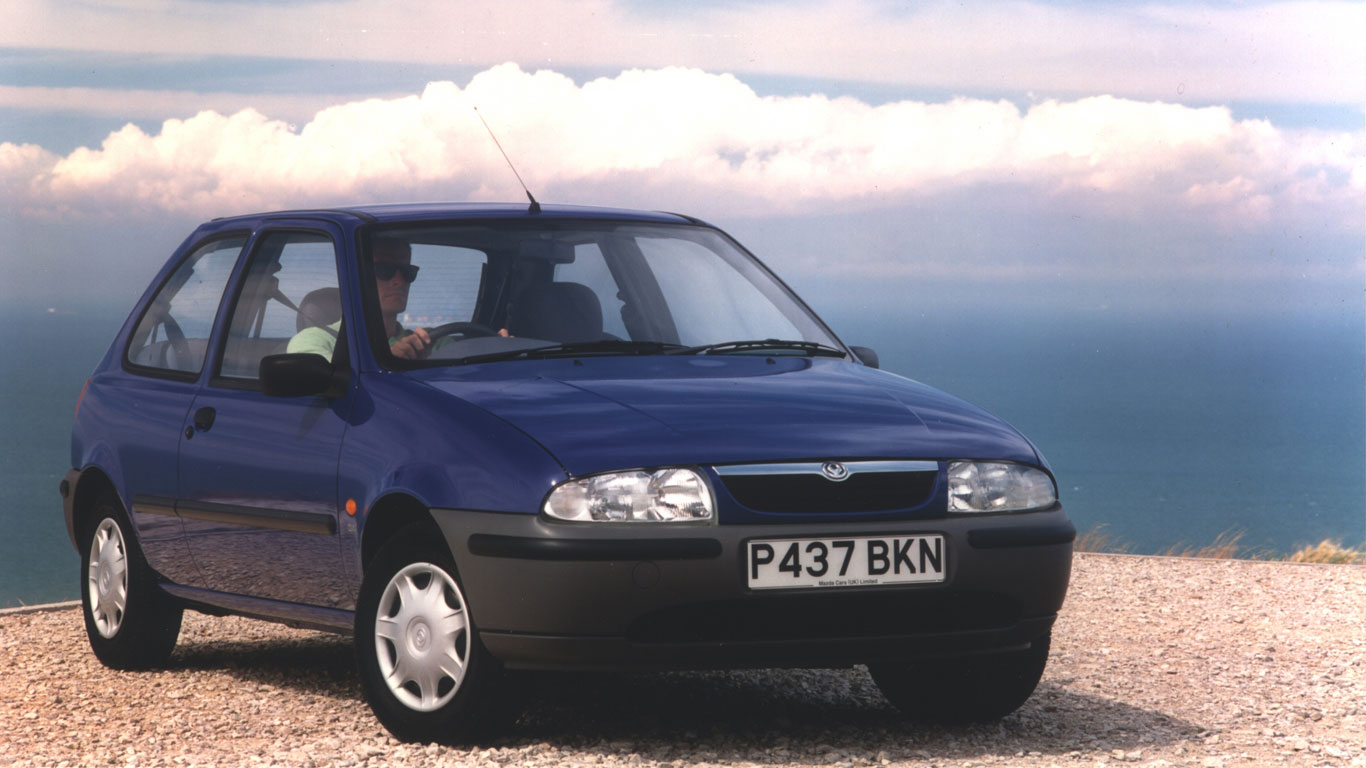
Mazda 121
© MazdaFord owned approximately a third of Mazda for many years, and the badge-engineered 121 was one result of the partnership. Both the 121 and Fiesta were built in the same factory, yet the Mazda was consistently rated as more reliable.
-
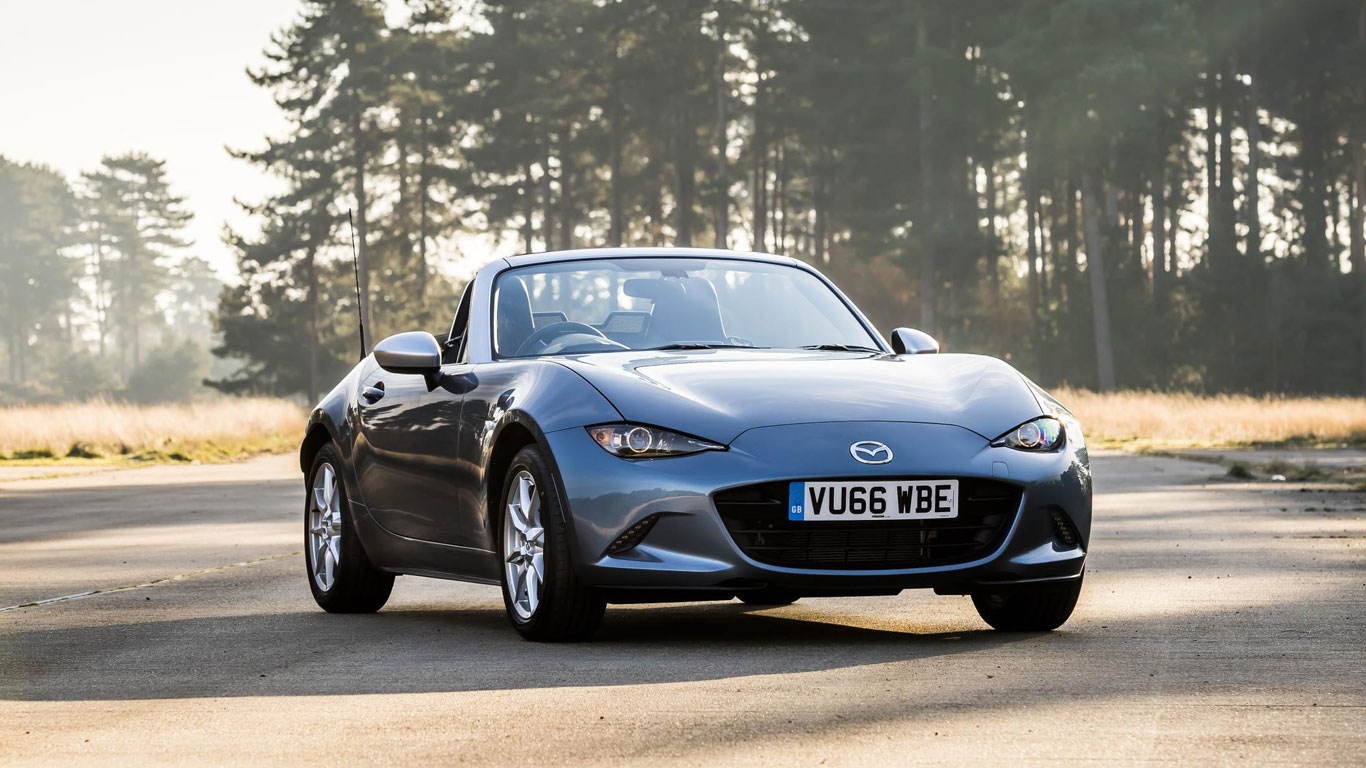
Mazda MX-5
© MazdaWhen you’ve spent years carving out a reputation for building the best junior sports car in the world, you’re left with two options. One is to employ the kind of tactic you used as a child to stop the kid next to you from copying your school work. An arm around your textbook ought to do it.
The other is to allow a rival manufacturer to take a slice of the cake and permit them to add its own unique flavour, Nigella style.
-
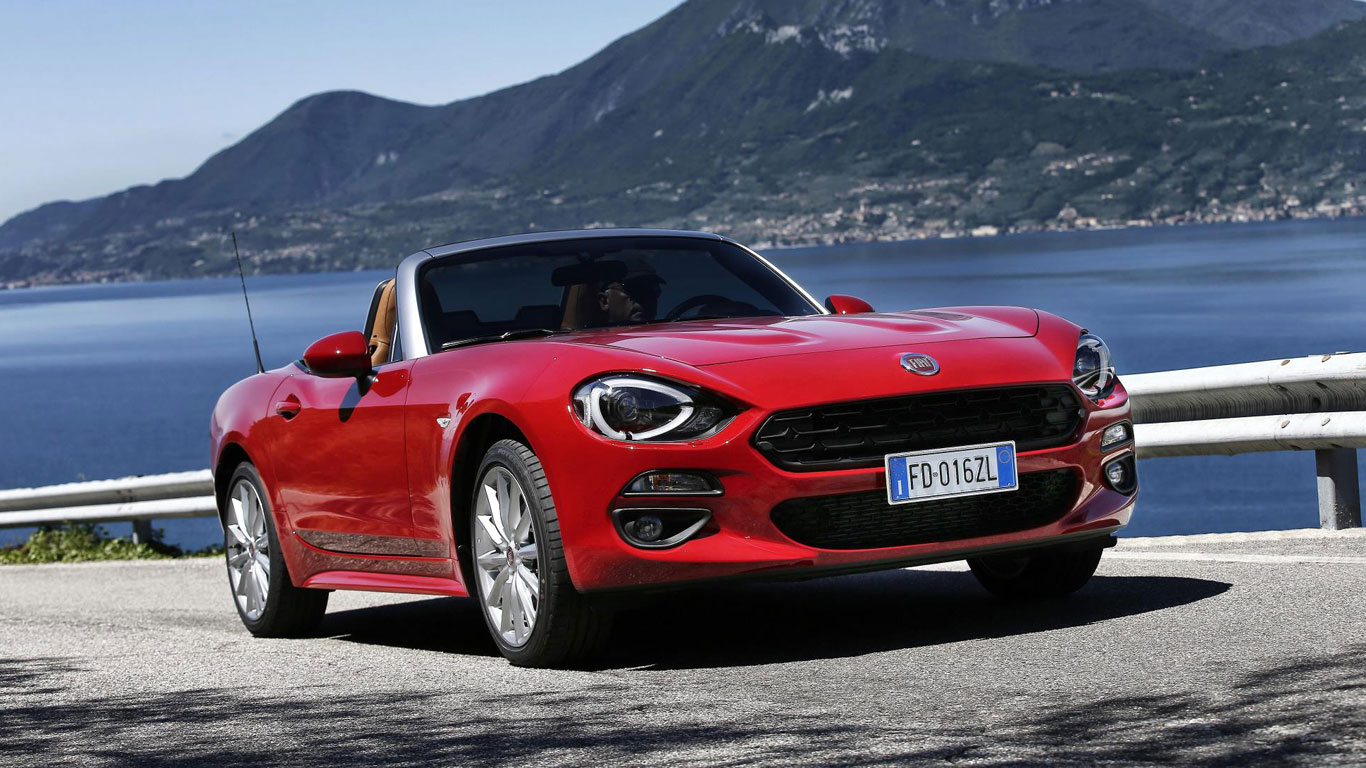
Fiat 124 Spider
© FiatAfter some suggestive looks at the camera and mild innuendo, the result is this: the Nigellissima 124 Spider.
Sure, it wears a Fiat badge and carries a name that harks back to one of the finest sports cars of the 1960s, but it’s built by Mazda in Japan. It’s therefore about as Italian as a tin of sliced pineapple thrown at a frozen pizza.
-
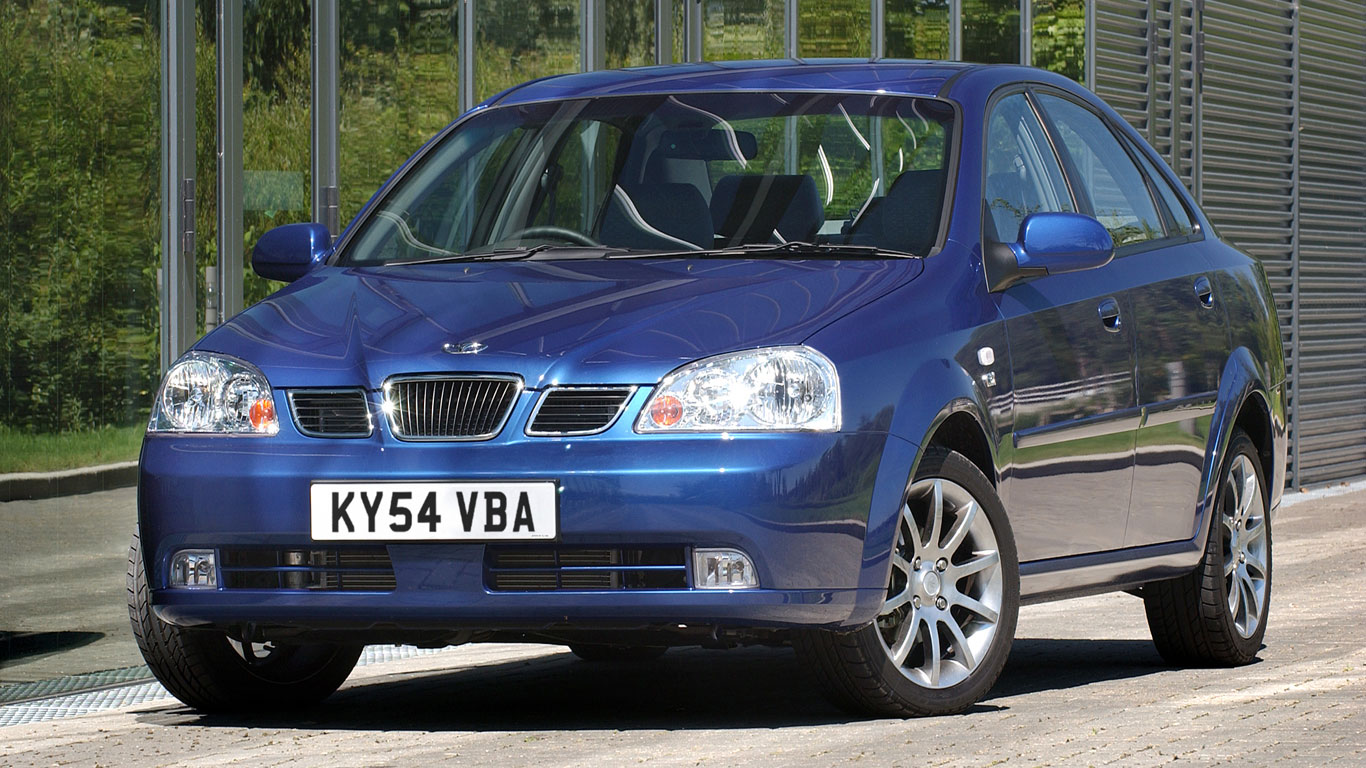
Daewoo Lacetti
© DaewooSpeaking of depressing econoboxes, here’s the Daewoo Lacetti. Even as a minicab, just… no.
-
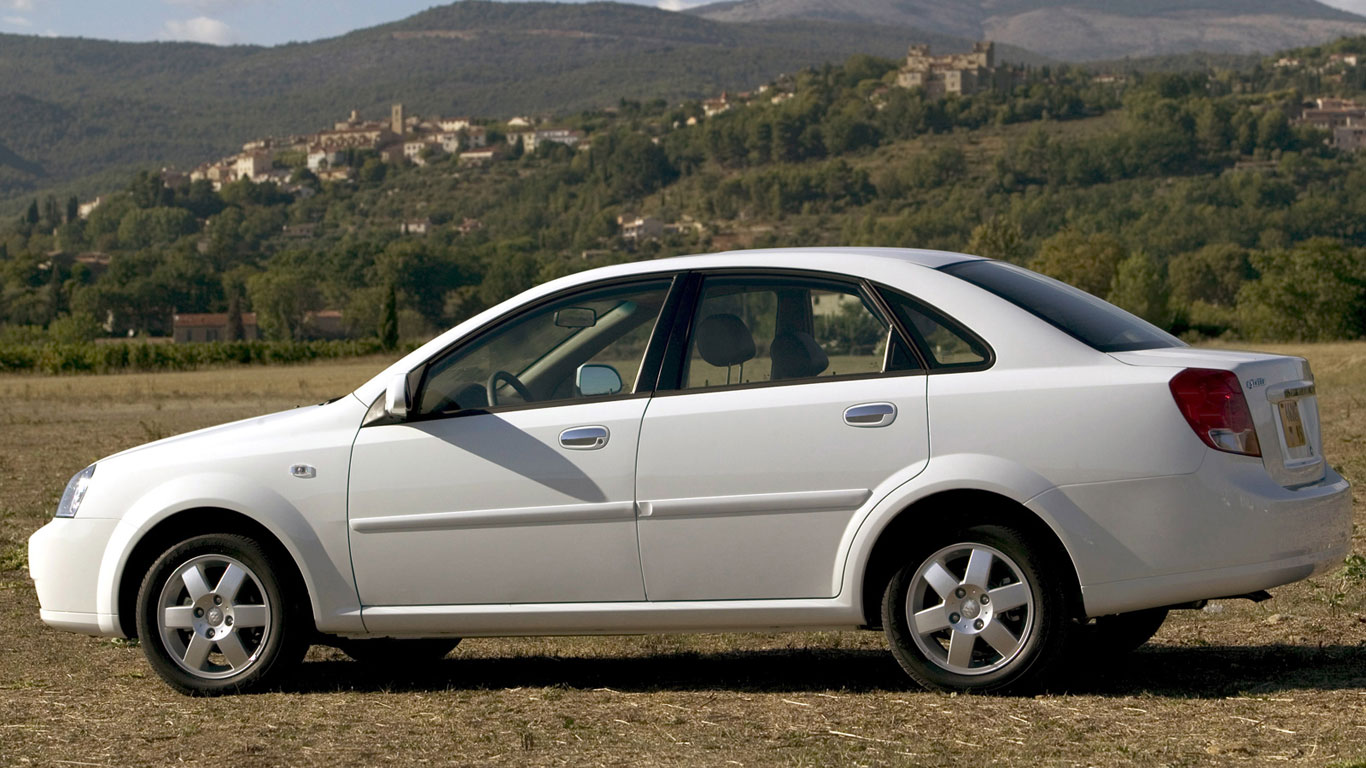
Chevrolet Lacetti
© ChevroletGeneral Motors bought ailing Daewoo Motor in 2001, which is how we end up with the Chevrolet Lacetti. When Bruce Springsteen sang about a ‘Chevy with a three-ninety-six, Fuelie heads and a Hurst on the floor’, he probably didn’t picture this.
-
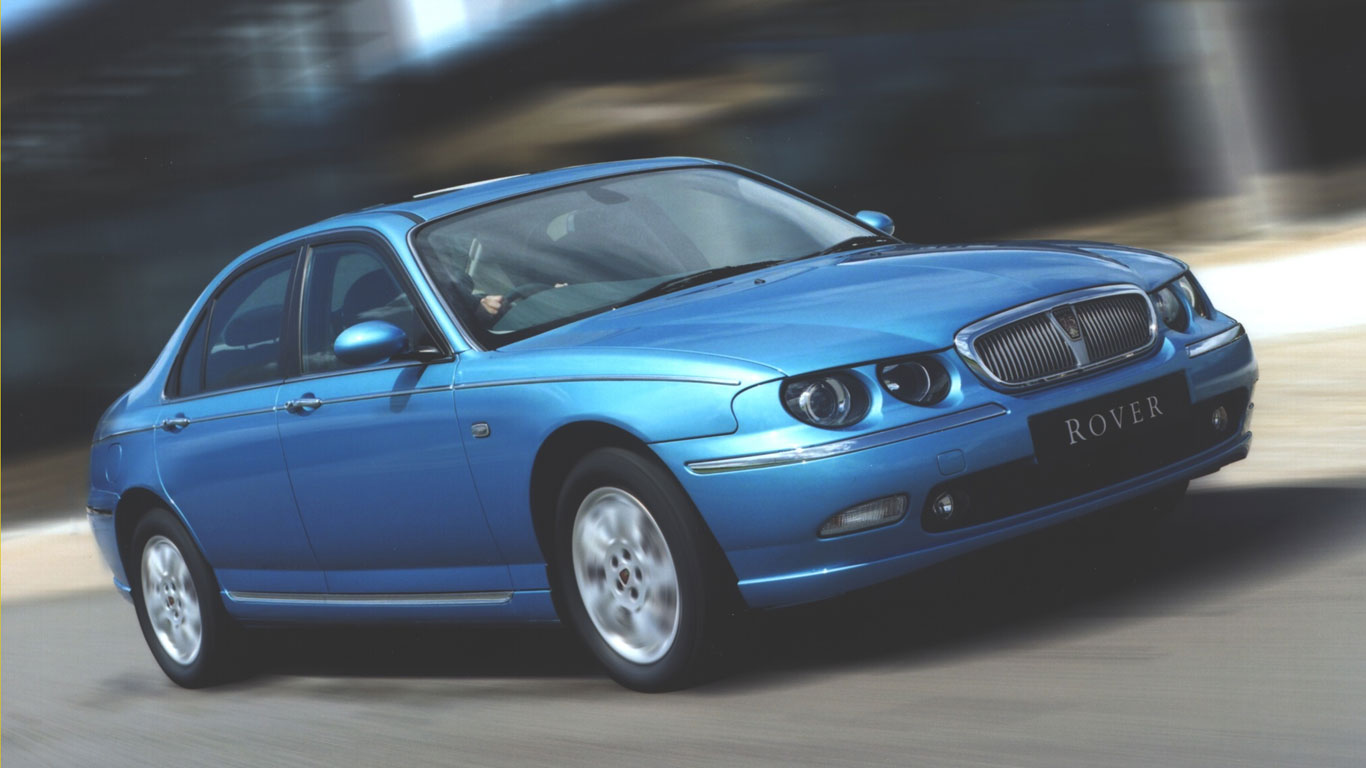
Rover 75
© RoverTo mis-quote Alan Partridge, the Rover 75 is only the car the BMW 3 Series could have been. The last ‘proper’ Rover before the company closed its doors in 2005, it was a handsome and well-rounded executive saloon or estate (the latter badged ‘Tourer’).
The rare V8 version borrowed the 4.6-litre engine from the Ford Mustang, making for a bona fide British muscle car.
-
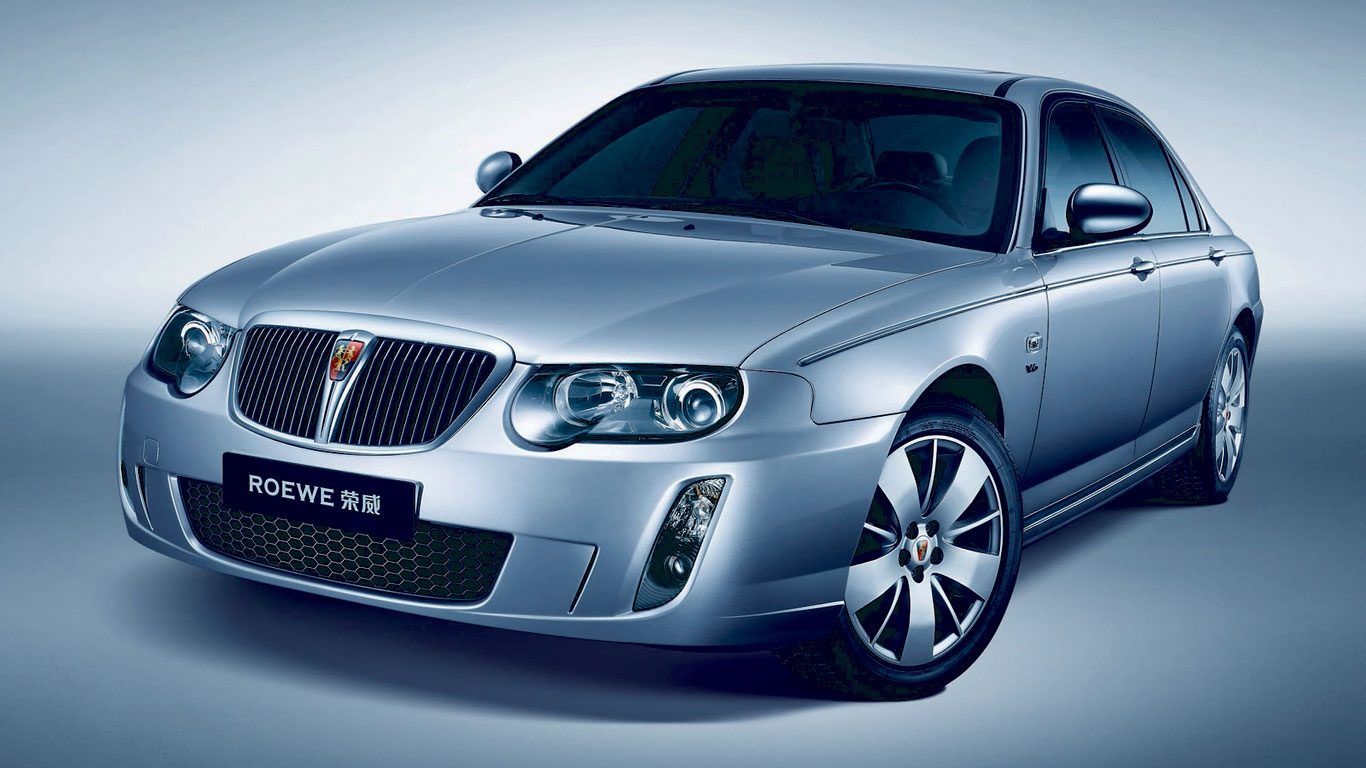
Roewe 750
© RoeweWith a name that sounds like a Chinese pronunciation of ‘Rover’, the Roewe 750 was the second incarnation of the 75. Launched in 2006, it had a longer wheelbase and redesigned rear end.
Lest we forget, the 75 was also rebadged as the MG ZT, albeit with sportier styling than the Rover original.
-
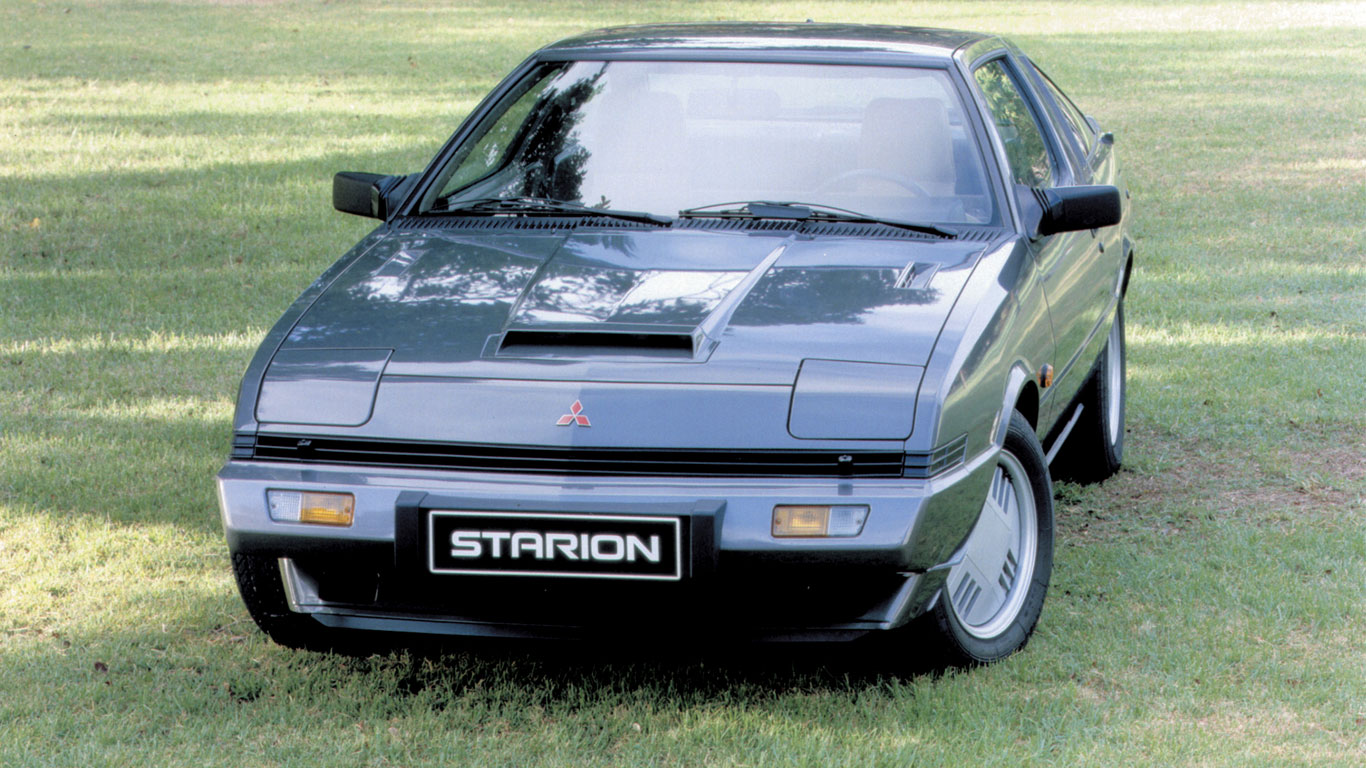
Mitsubishi Starion
© MitsubishiSpeaking of pronunciation, there’s a theory that ‘Starion’ – the name of Mitsubishi’s 1980s sports car – was a ‘lost in translation’ take on the English word ‘stallion’. Whatever the truth, this muscular 2+2 coupe is instantly evocative of the era.
The later, wide-body Starion, seen here, is the one you want. Because every car looks better with blistered wheelarches.
-
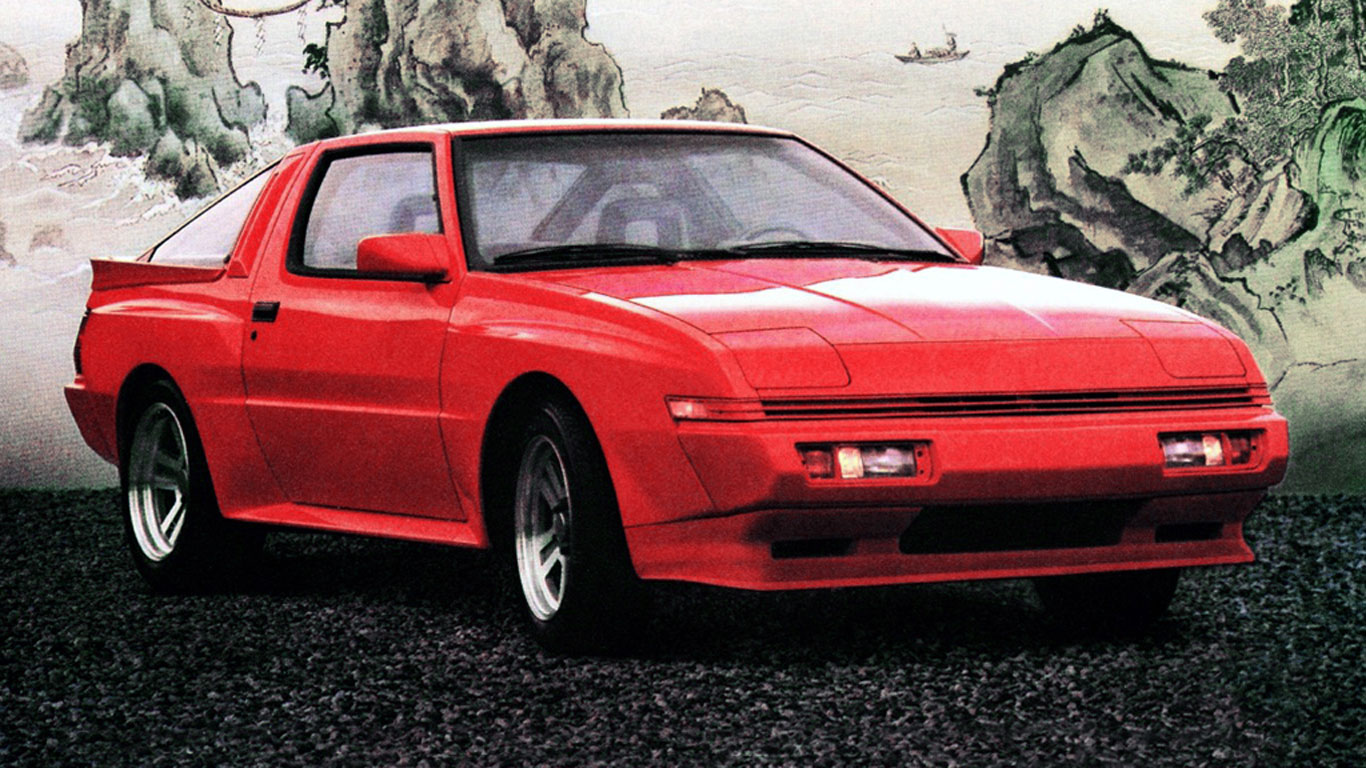
Chrysler Conquest
© ChryslerIn a veritable feast of badge engineering, the Starion was sold as the Conquest under the Dodge, Plymouth AND Chrysler badges. US customers enjoyed the larger 2.6-litre turbocharged engine.
-
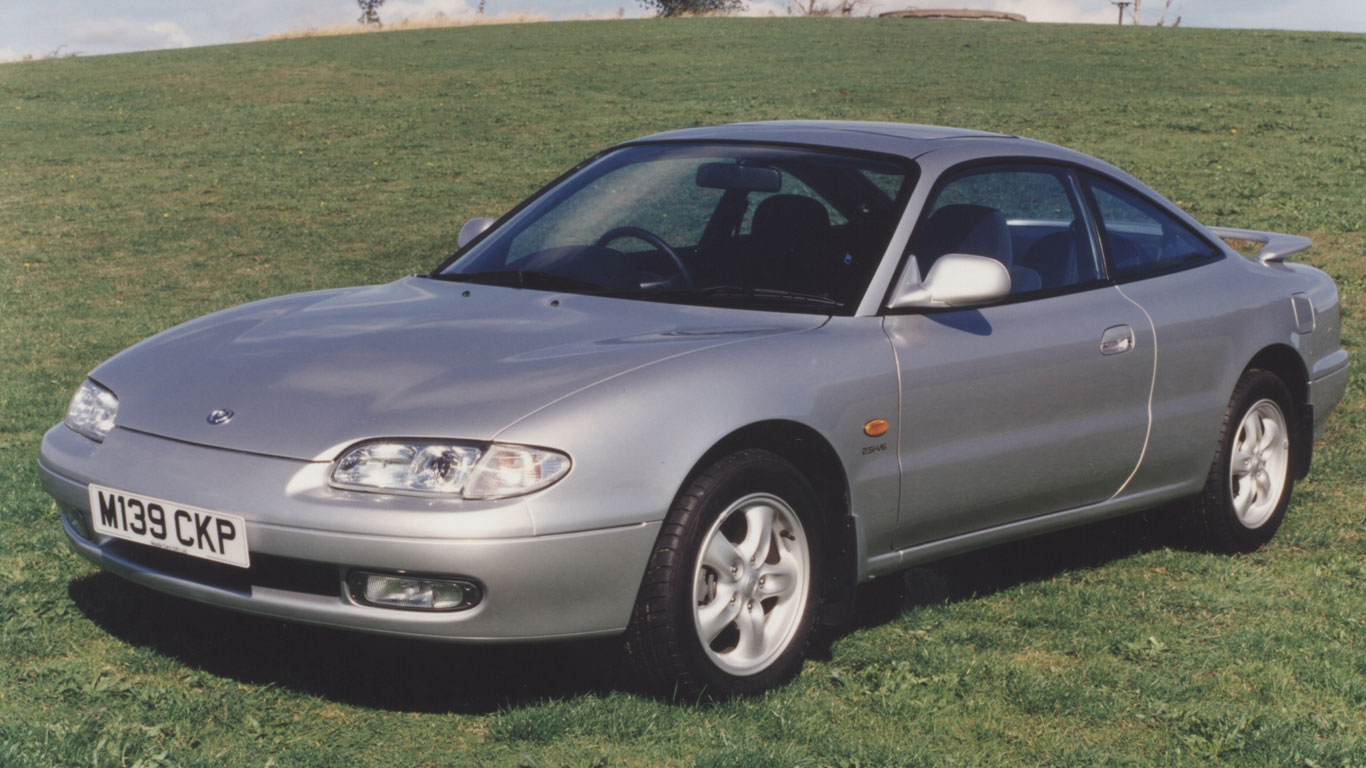
Mazda MX-6
© MazdaMazda’s ‘MX’ brand is making a comeback with the MX-30 electric crossover. But the prefix once adorned a whole range of sporty models, including the svelte MX-6 coupe.
The 1991-1997 MX-6 is notable as one of the earliest production cars with rear-wheel steering. Sadly, the system wasn’t available in the UK.
-
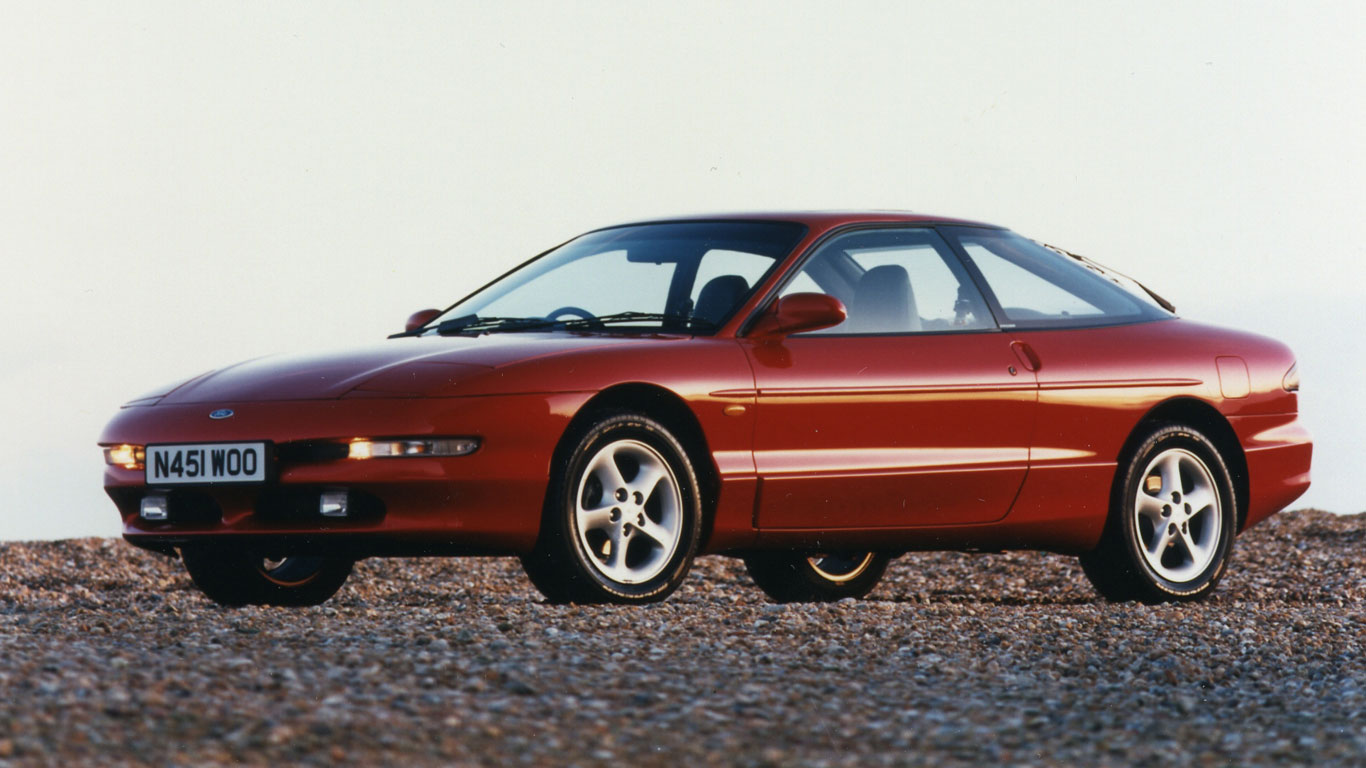
Ford Probe
© FordOK, so the Probe looks quite different to the MX-6, but both cars were largely identical under the skin. This second-generation model was styled by Mimi Vandermolen, the first car designed by a woman. Sorry Mimi, we prefer the Mazda.
-
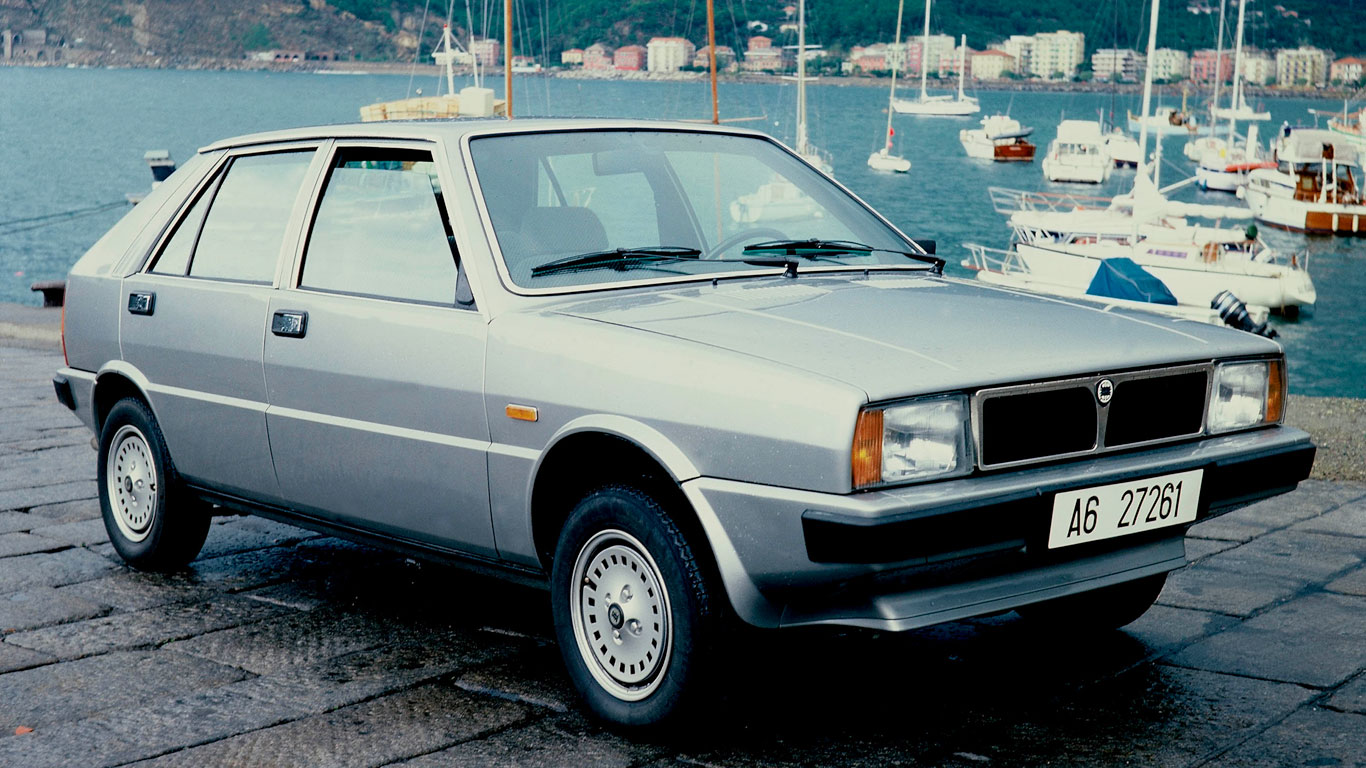
Lancia Delta
© LanciaThe 1979 Lancia Delta was the work of Giorgetto Giugiaro, and the similarities to his Mk1 Volkswagen Golf are obvious. Both designs have stood the test of time.
Today, the road-going Delta’s legacy is completely overshadowed by the all-conquering rally versions, particularly the iconic Integrale. The Delta won the World Rally Championship for Lancia six times in a row.
-
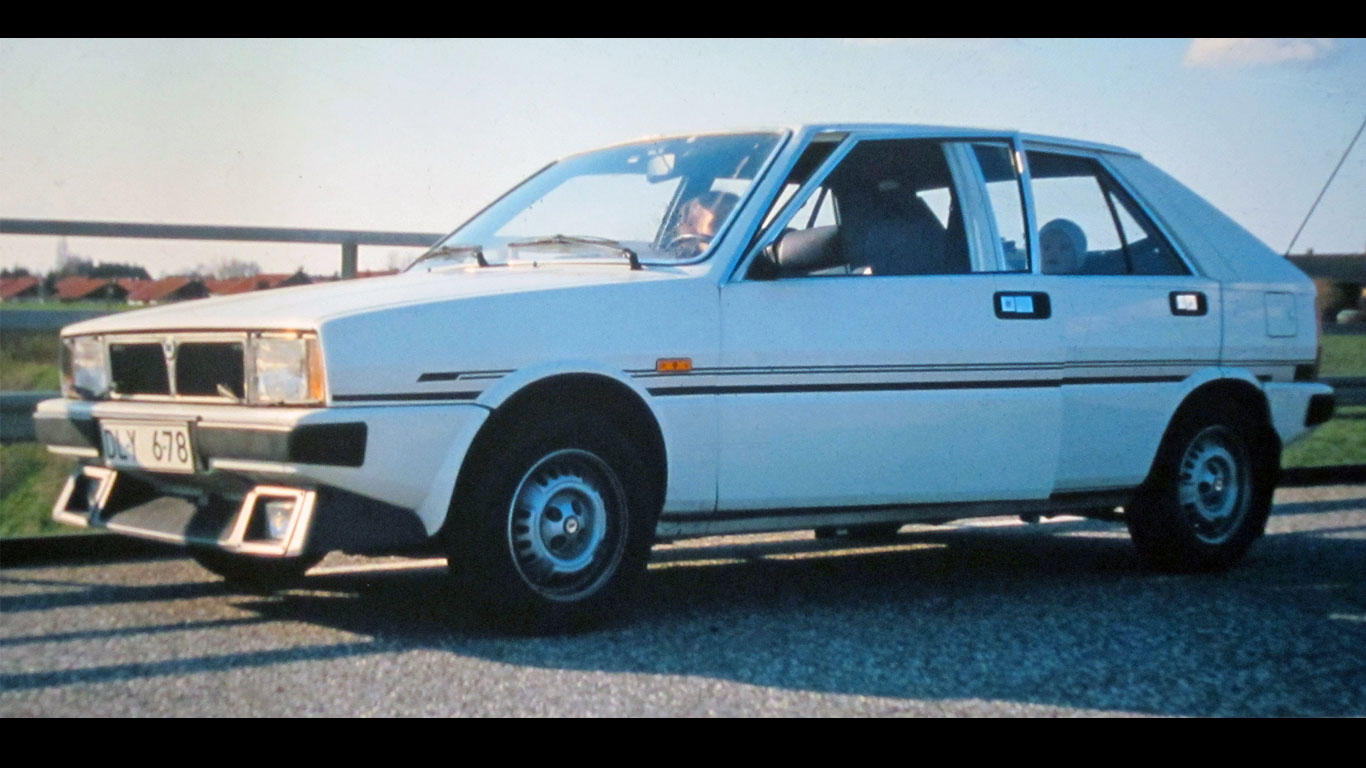
Saab-Lancia 600
© SaabOne of motoring’s less likely collaborations, the Saab-Lancia 600 was a Delta in all but name. Actually, that’s not quite true: Saab fitted an upgraded heater to take on the Scandinavian winter. The car was only sold in Finland, Norway and Sweden.
-
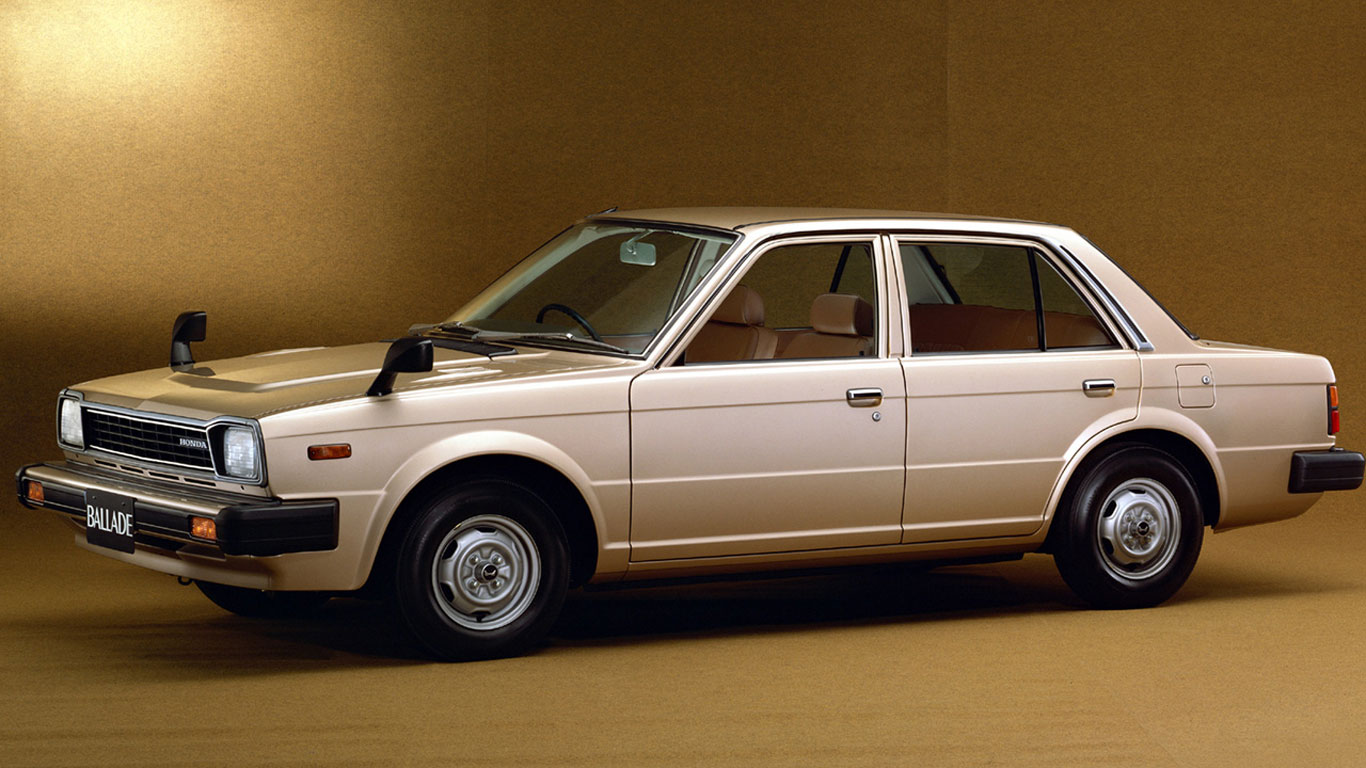
Honda Ballade
© HondaThis was the sort of compact, sensible and faultlessly reliable vehicle that helped the Japanese car industry conquer the world. It was also rebranded as the last Triumph ever made.
-
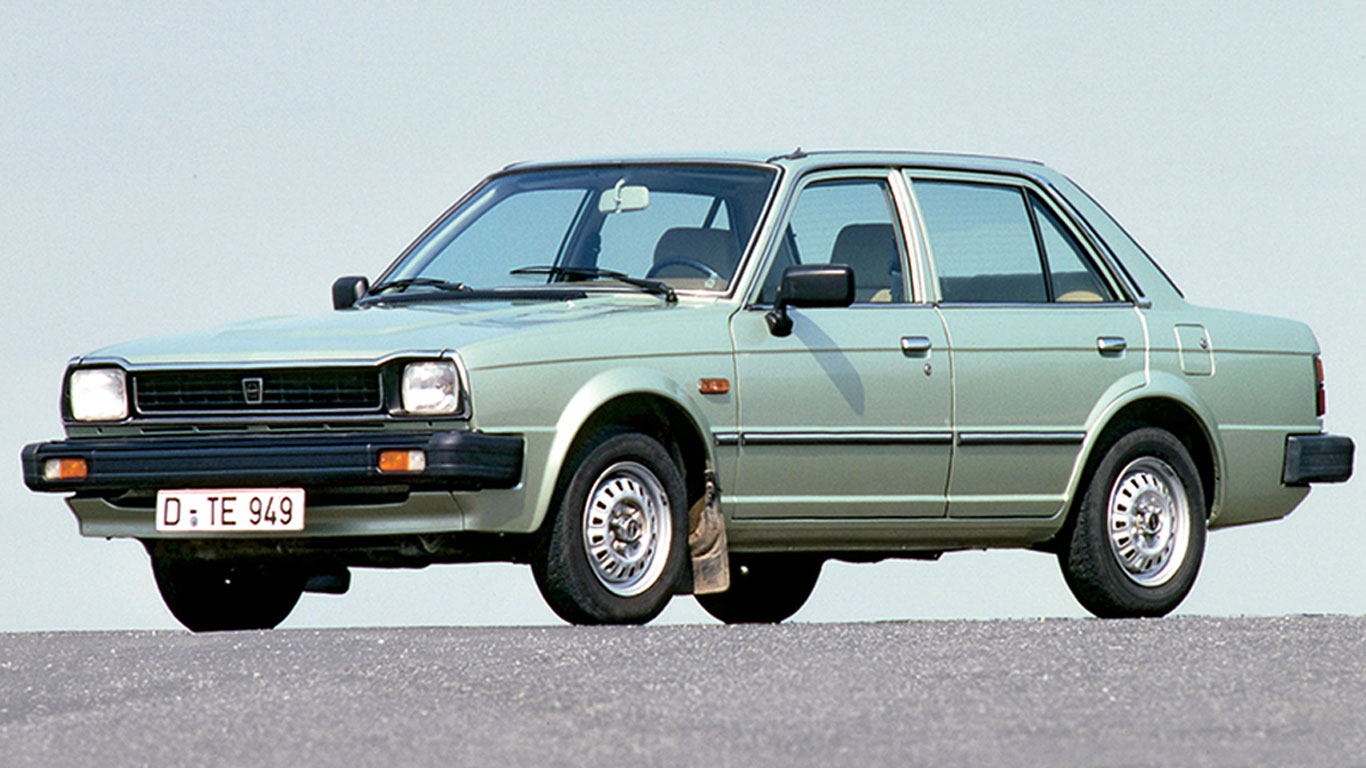
Triumph Acclaim
© TriumphThe Acclaim had the lowest percentage of warranty claims of any car sold by British Leyland. But even Japanese reliability couldn’t save Triumph. Today, the name lives on as a motorcycle brand.
-
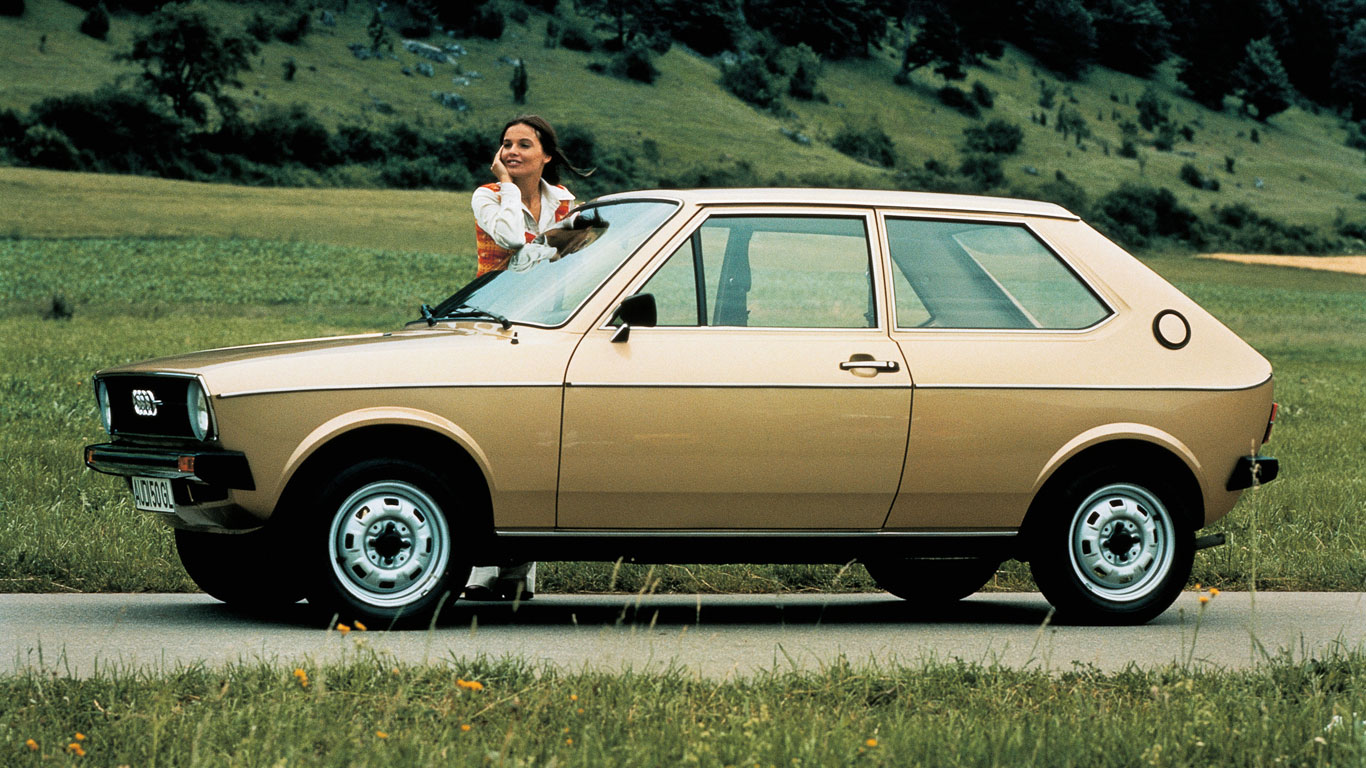
Audi 50
© AudiThe smallest Audi ever built went on to become one of the most successful Volkswagen products ever built. The 50 was the last Audi to be developed under the watch of Ludwig Kraus and the first German small car to be designed by Nuccio Bertone. A total of 180,828 were built between 1974 and 1978.
-
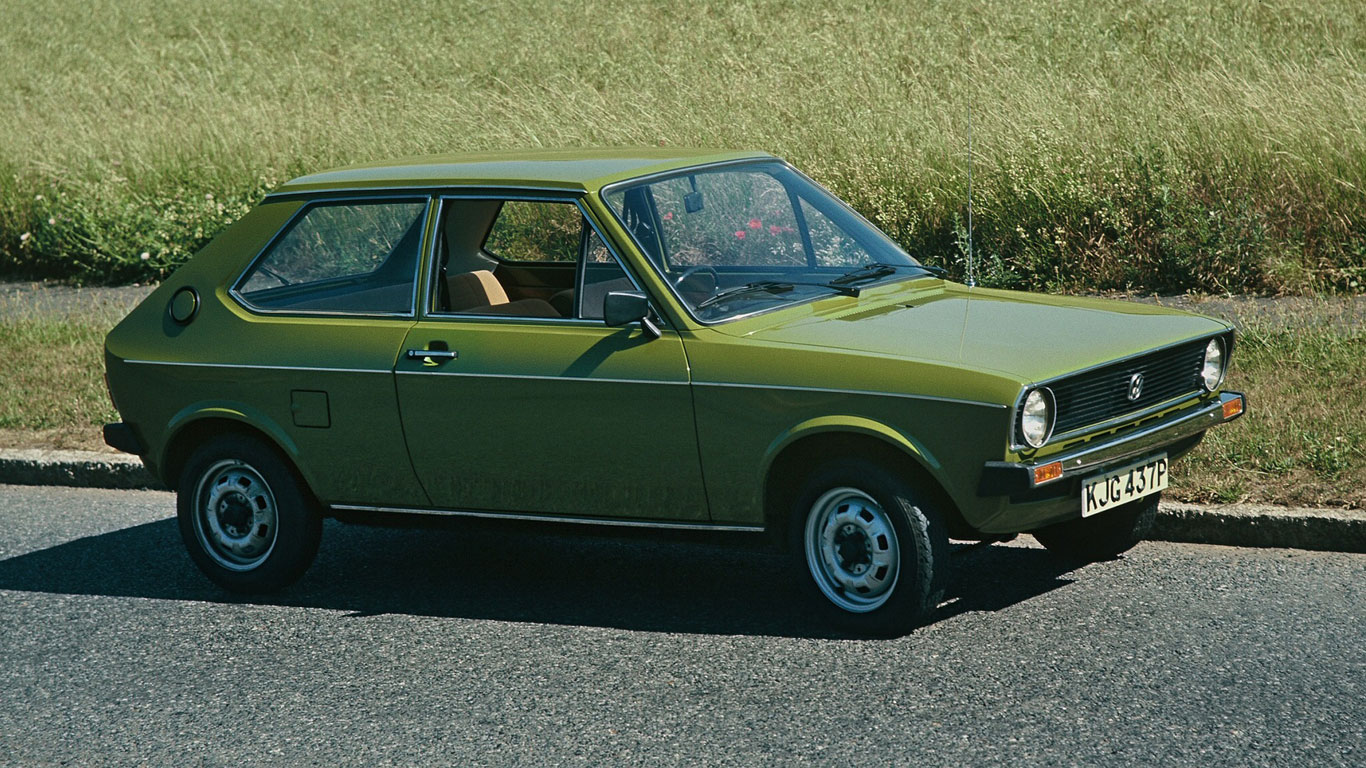
Volkswagen Polo
© VolkswagenThe Volkswagen version of the 50 was unveiled at the 1975 Geneva Motor Show, with the Polo presenting a cheaper, less luxurious version of the small car. The first generation Polo lived on until 1981, by which time it had been ‘treated’ to a facelift that only served to disguise its dainty and pretty styling.
-
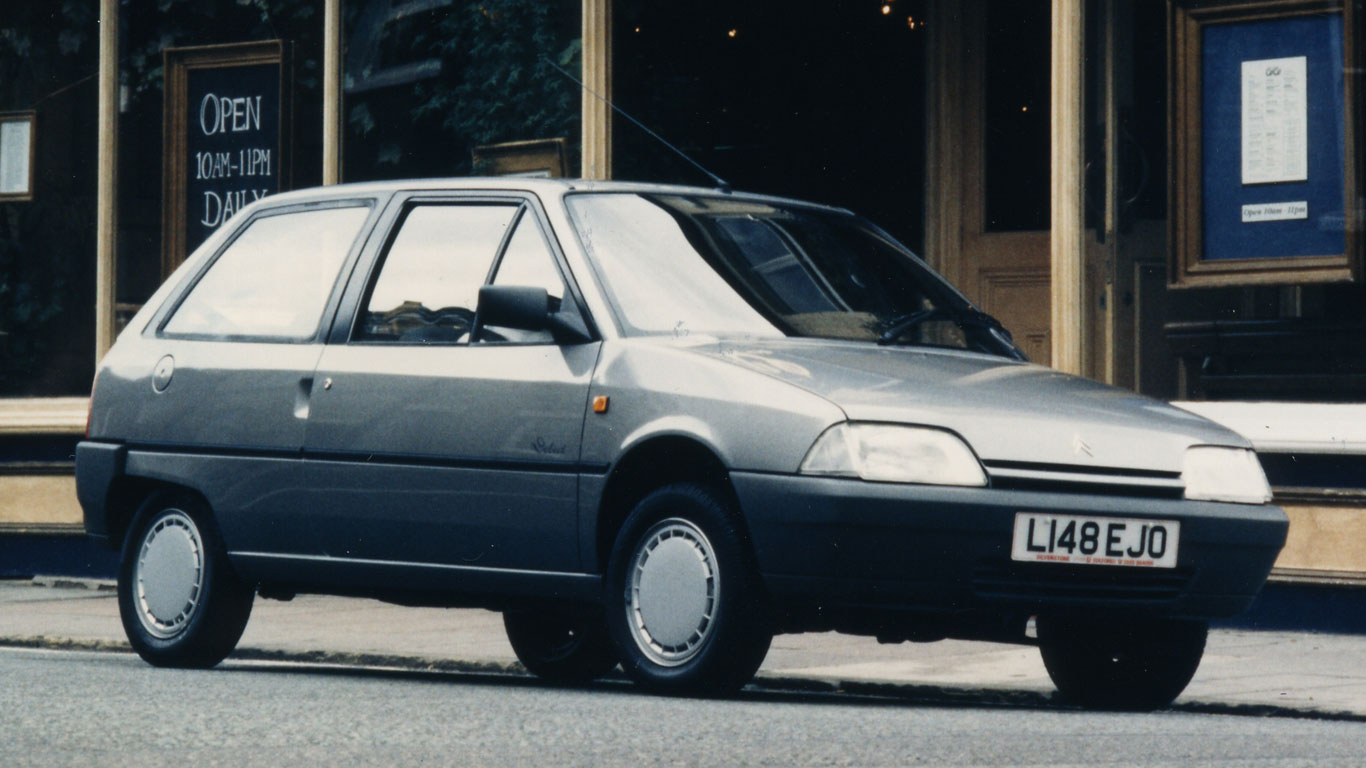
Citroen AX
© Citroen‘Dainty’ is a word we could also use to describe the Citroen AX. This lightweight supermini stayed in production for 12 years – from 1986 to 1998 – and competed with the Peugeot 205, Renault 5 and others. The Sport and GT versions of the AX were critically acclaimed hot hatches.
-
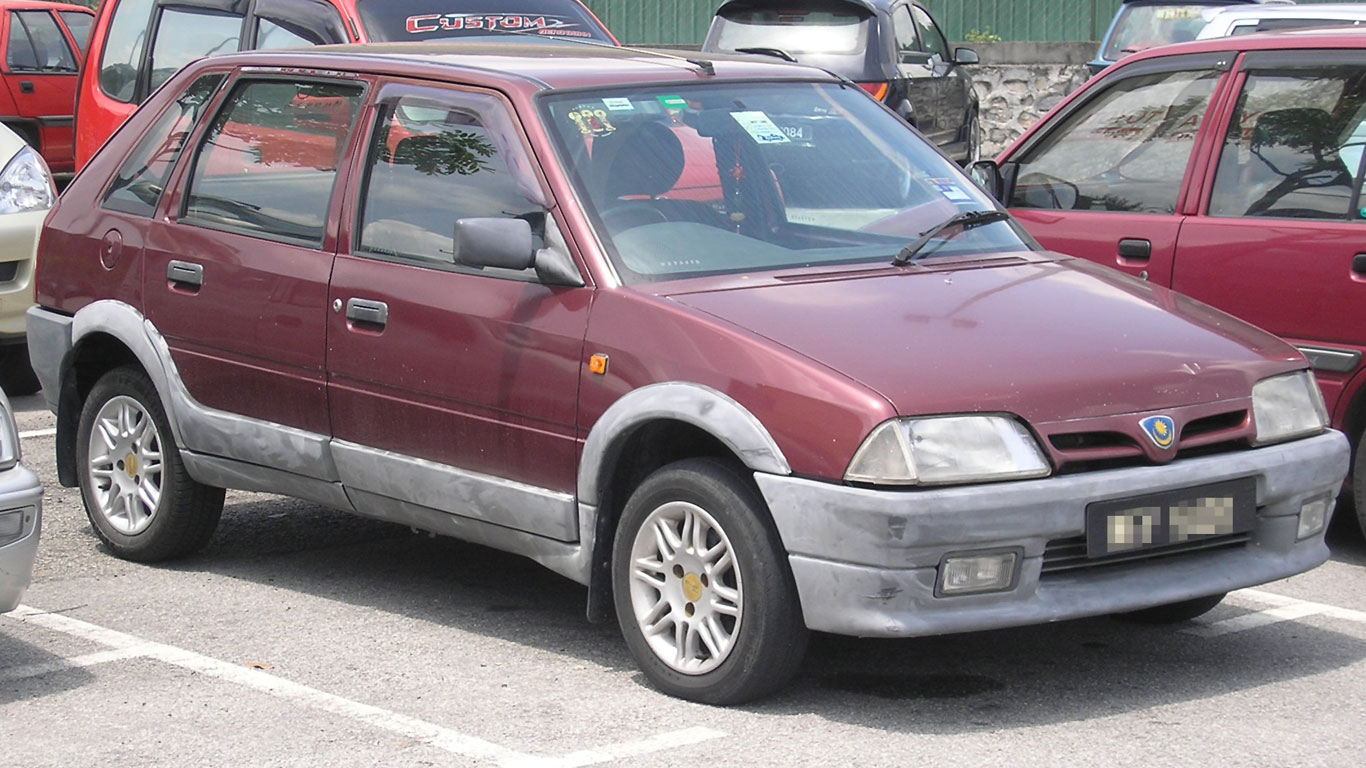
Proton Tiara
© ProtonWhen we get around to compiling the best car names of all time, the Proton Tiara will be right up there. The juxtaposition of those two words. The glamour suggested by ‘Tiara’.. The bitter disappointment of the 1.1-litre reality…
-
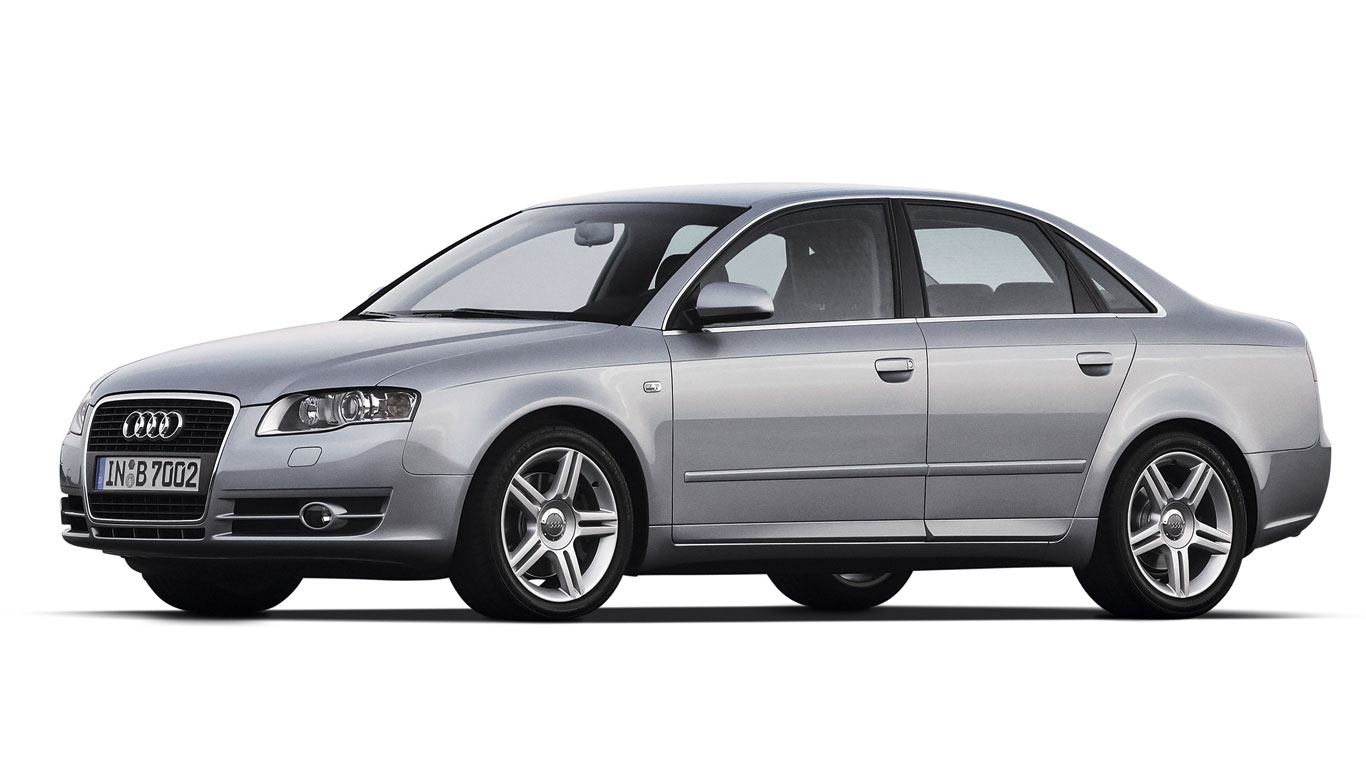
Audi A4
© AudiThe 2004-2009 ‘B7’ Audi A4 is mostly forgotten, apart from the ballistic RS4 version. Yet it’s decidedly more memorable than the subsequent Seat spin-off.
-
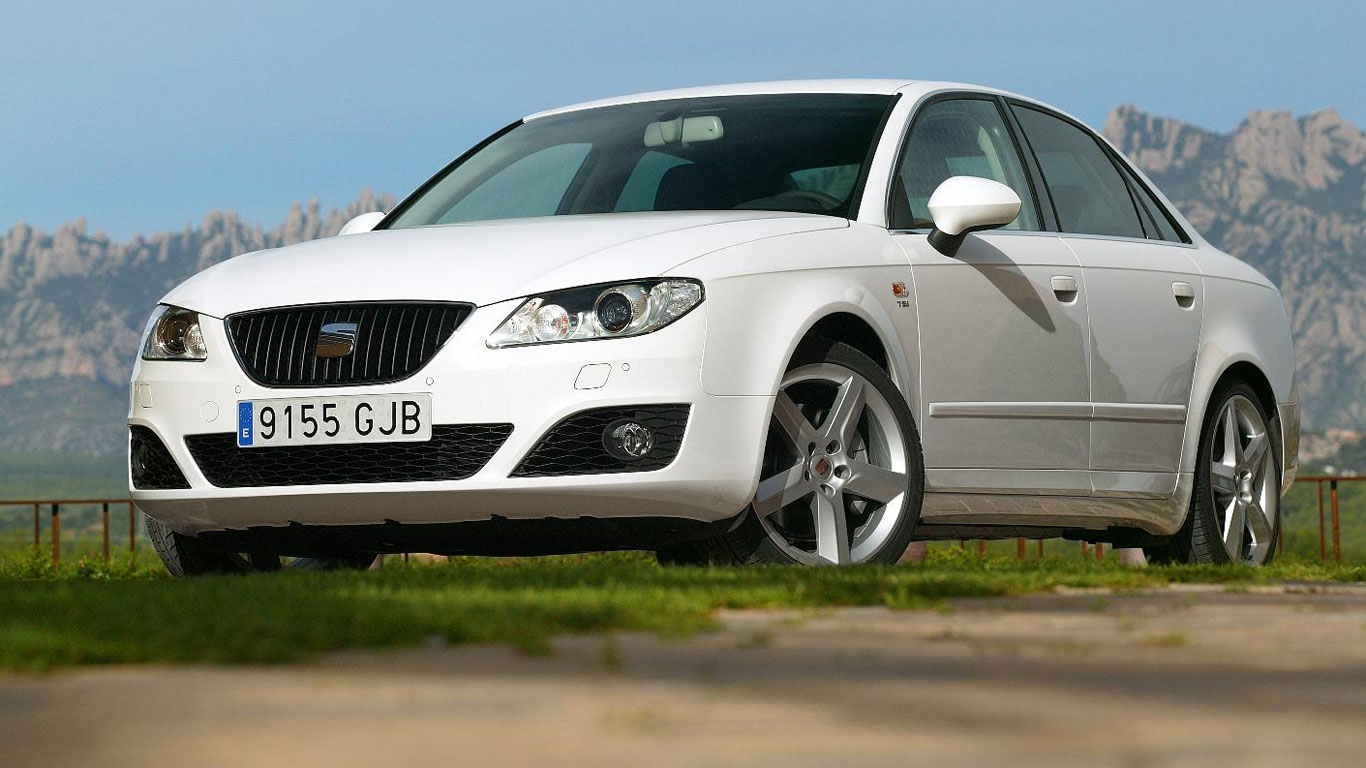
Seat Exeo
© SeatHands up if you remember the Seat Exeo. This was essentially a recycled Audi A4 that lived on with a downmarket badge and cheaper price tag. It’s the same trick Dacia has been performing with older Renaults for decades.
-
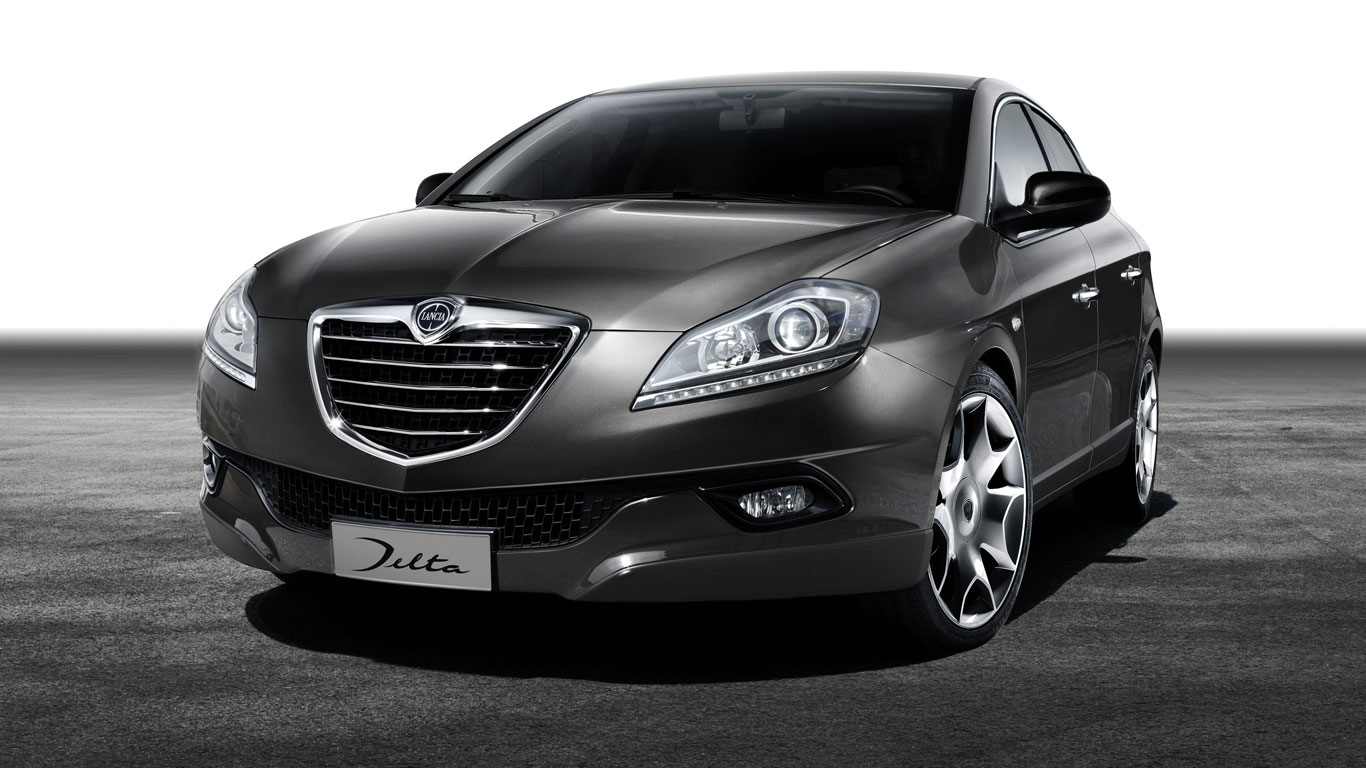
Lancia Delta
© LanciaThe original Lancia Delta is properly cool – all crisp creases and motorsport kudos. Somehow, we can’t imagine this 2008 version rocking Martini stripes. Tellingly, it hasn’t been replaced, leaving the Ypsilon supermini as the only new car still wearing a Lancia badge.
-
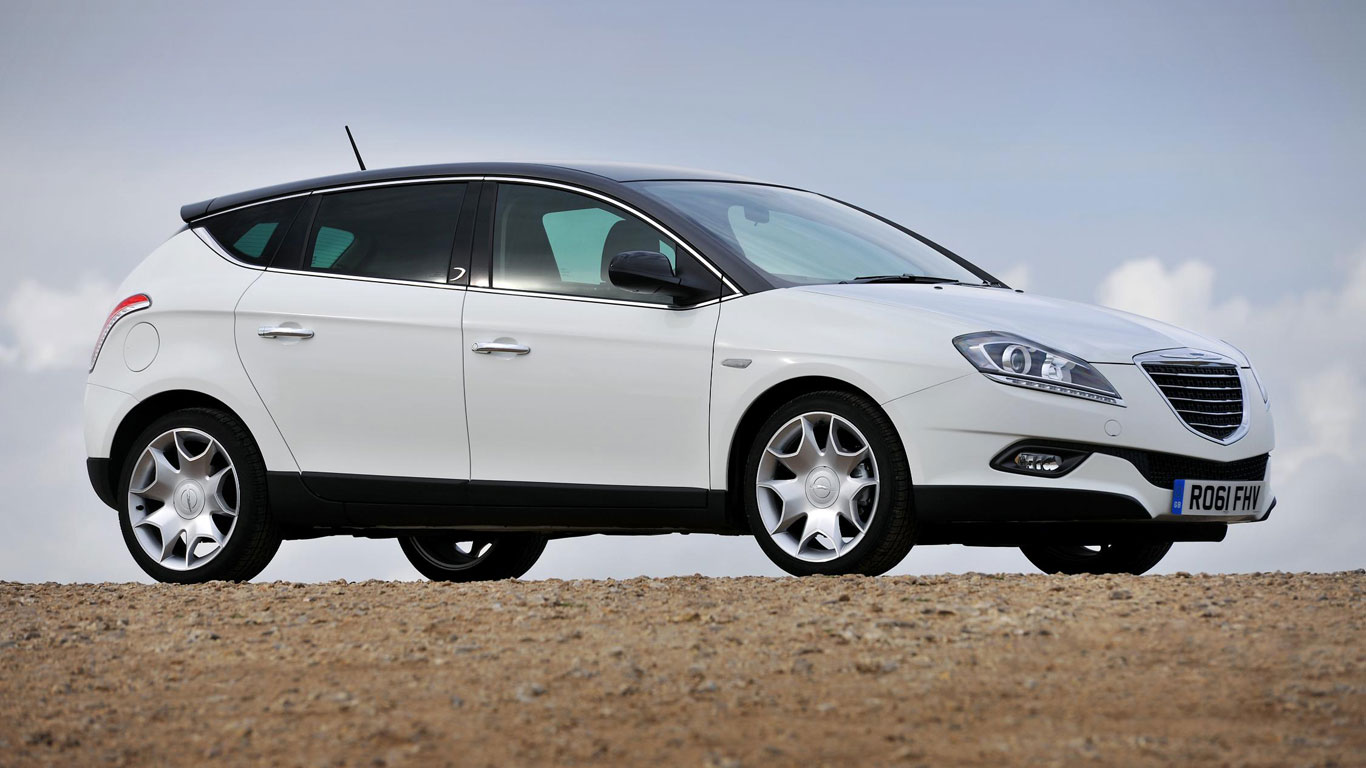
Chrysler Delta
© ChryslerWe once turned down the UK launch of the Chrysler Delta. It involved a helicopter ride over London, landing at Battersea power station. It would, almost certainly, have been more exciting than the car.
-
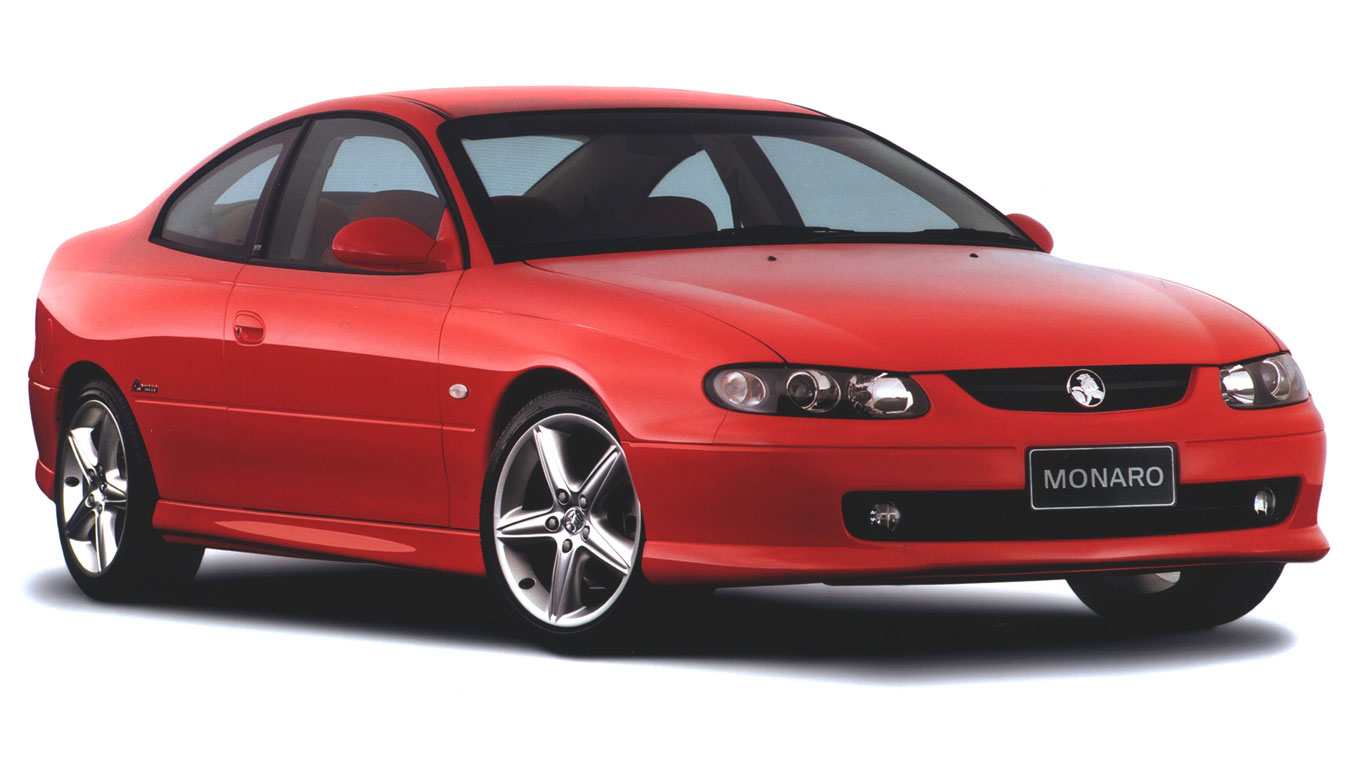
Holden Monaro
© HoldenEarlier this year, it was announced that Holden would join the litany of car brands General Motors has run into the ground. The Australian marque has a history dating back to 1856 and was famed for its HSV muscle cars. The brutish Monaro coupe shared its V8 with the Chevrolet Corvette.
-
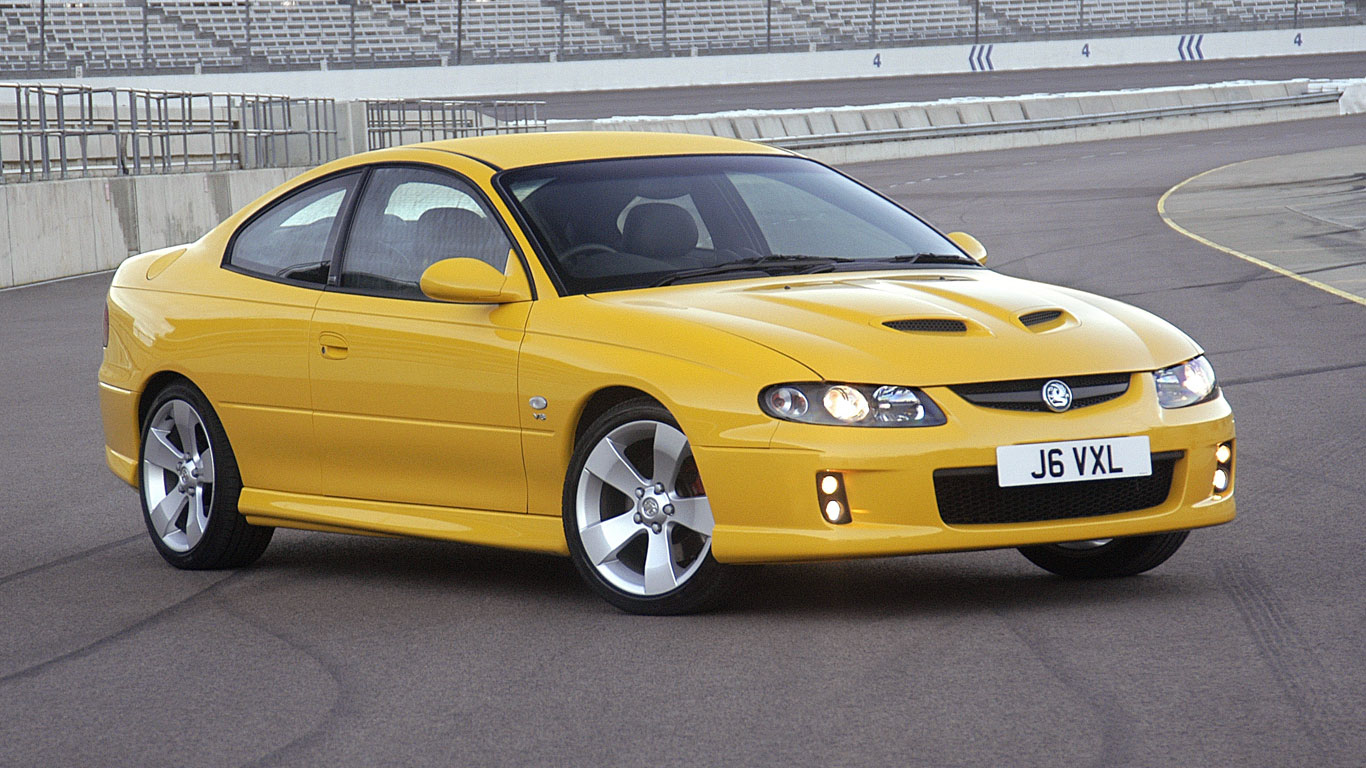
Vauxhall Monaro
© VauxhallThe Monaro also made it to the UK, but with a Vauxhall badge on the grille. A homegrown VXR 500 edition offered 500hp and 0-62mph in 4.8 seconds. Smokin’.
-
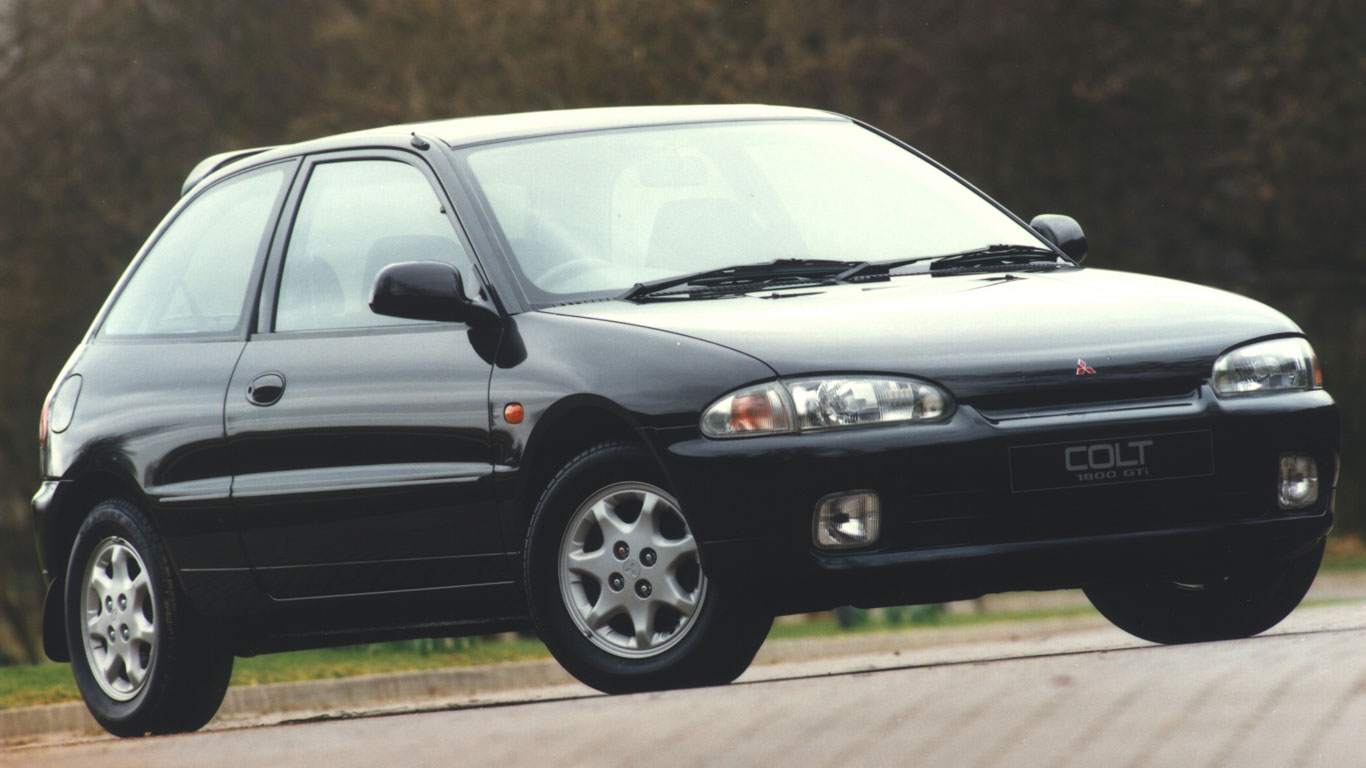
Mitsubishi Colt
© MitsubishiMitsubishi has used the Colt name since 1962. This largely forgotten version of the car was known as the Mirage in Japan and on sale from 1991-1995.
-
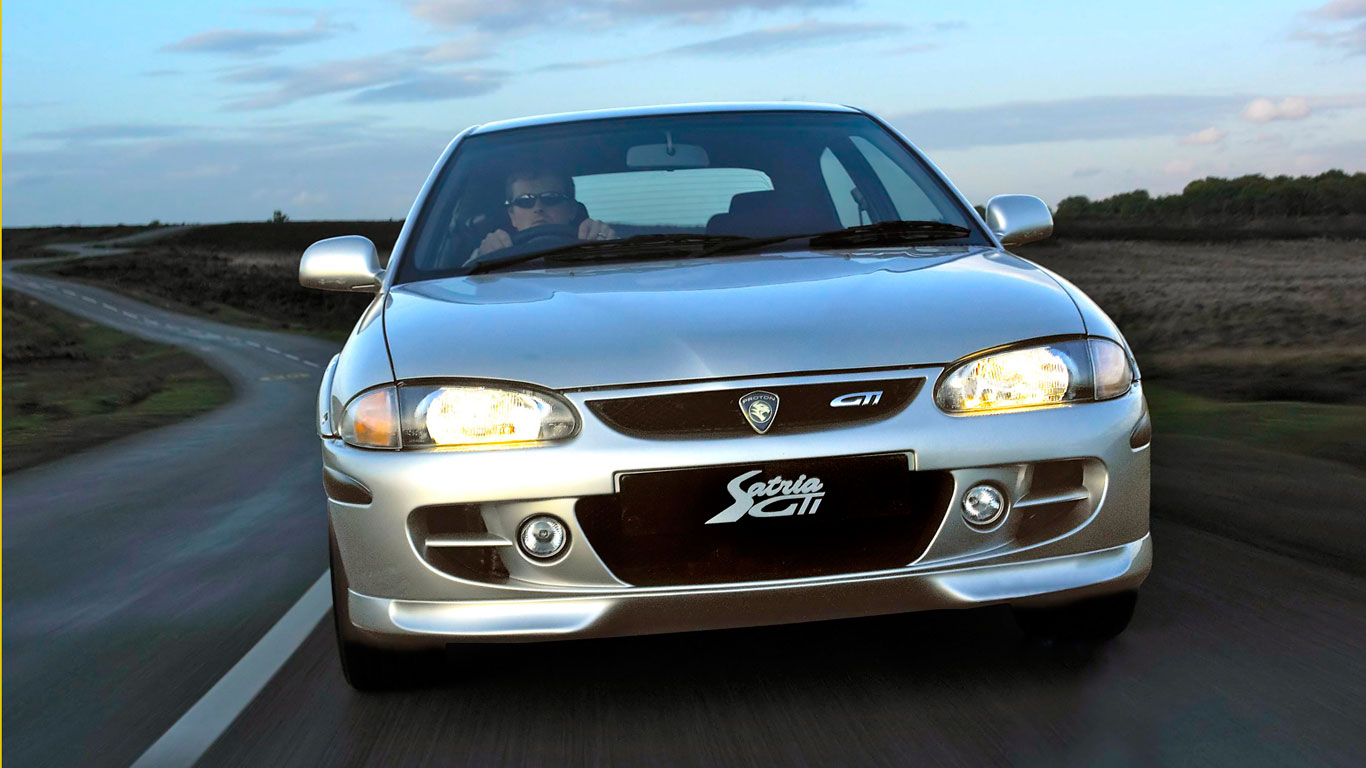
Proton Satria
© ProtonWe haven’t forgotten this one, though. The GTI version of the Proton Satria had a wide-arched bodykit and a chassis tuned by Lotus. The ‘Handling by Lotus’ badge on the tailgate was super-cool. Elsewhere, it was just a Mitsubishi Colt.
-
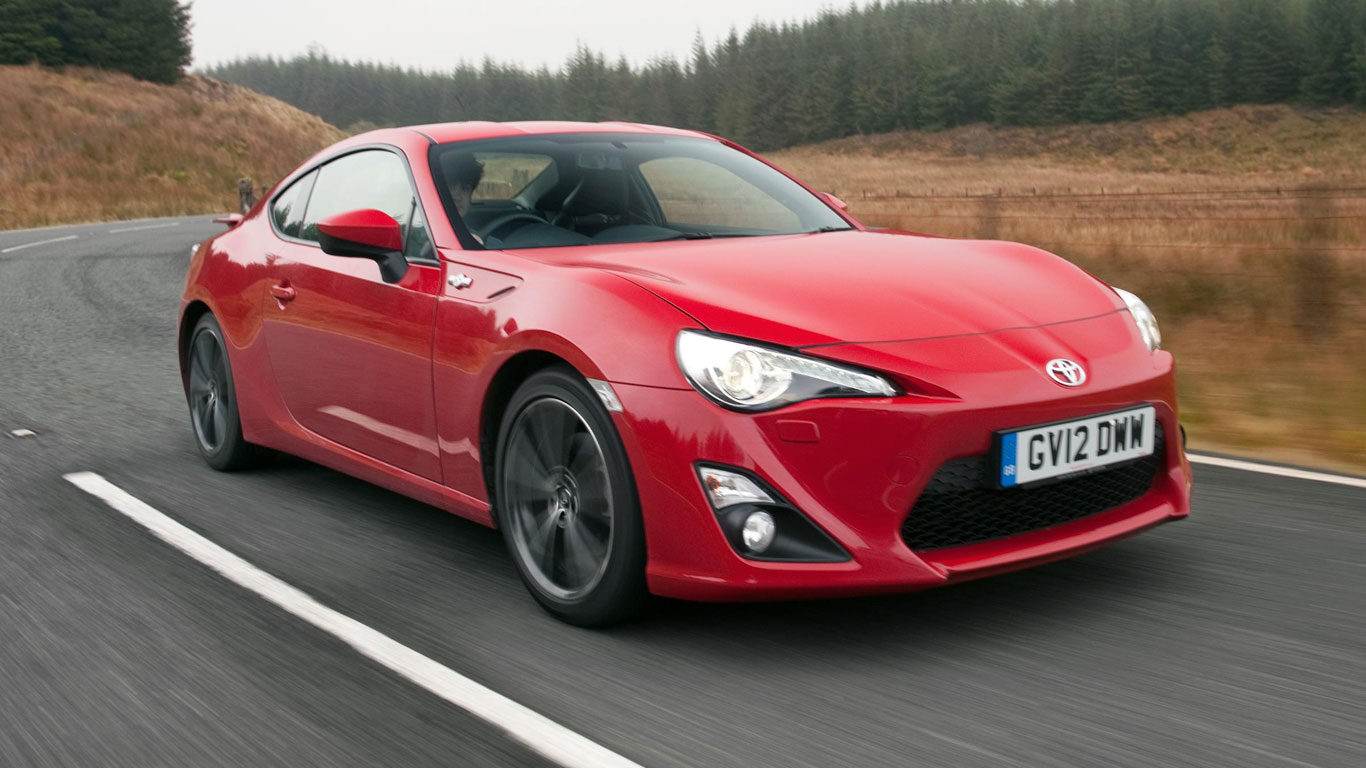
Toyota GT86
© ToyotaWe couldn’t let this feature pass without a mention of the Toyota GT86…
-
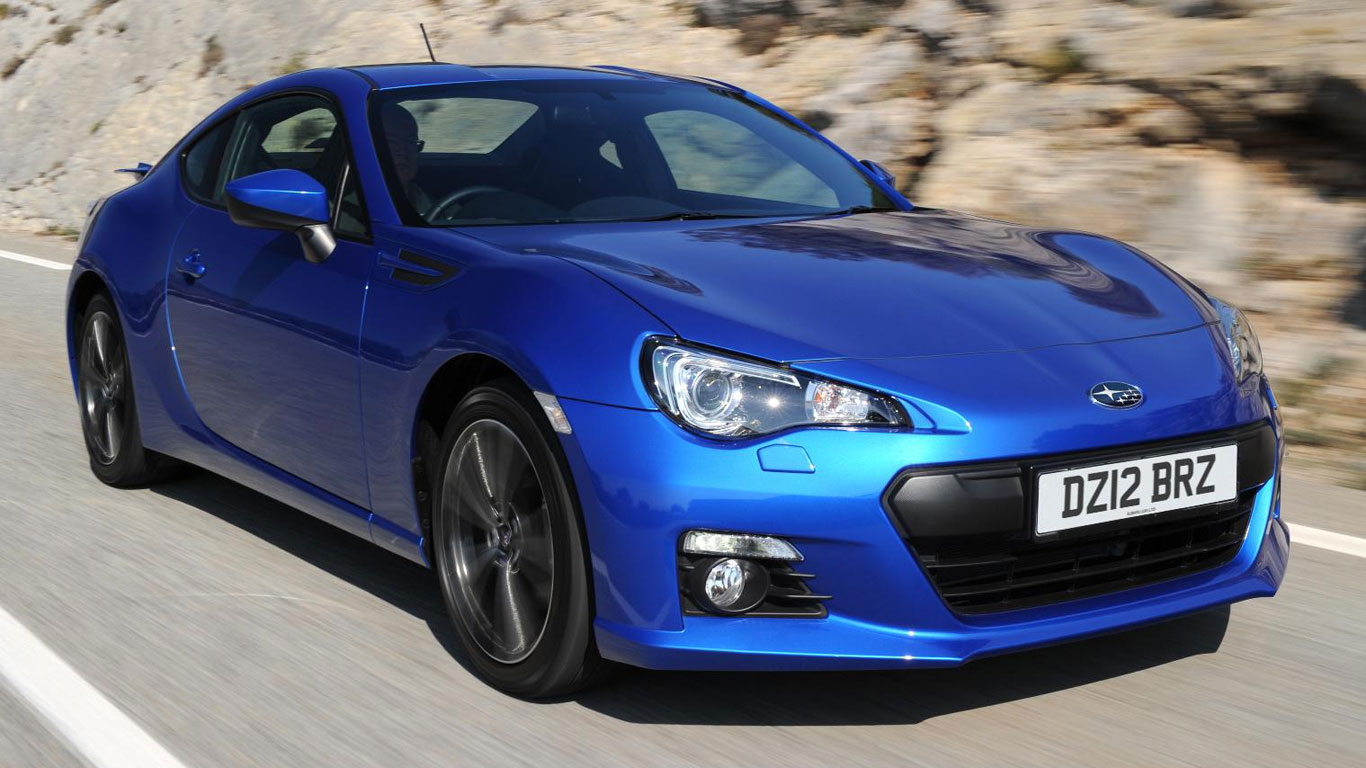
Subaru BRZ
© SubaruAnd its almost identical twin, the Subaru BRZ. And with that box ticked, we move on…
-
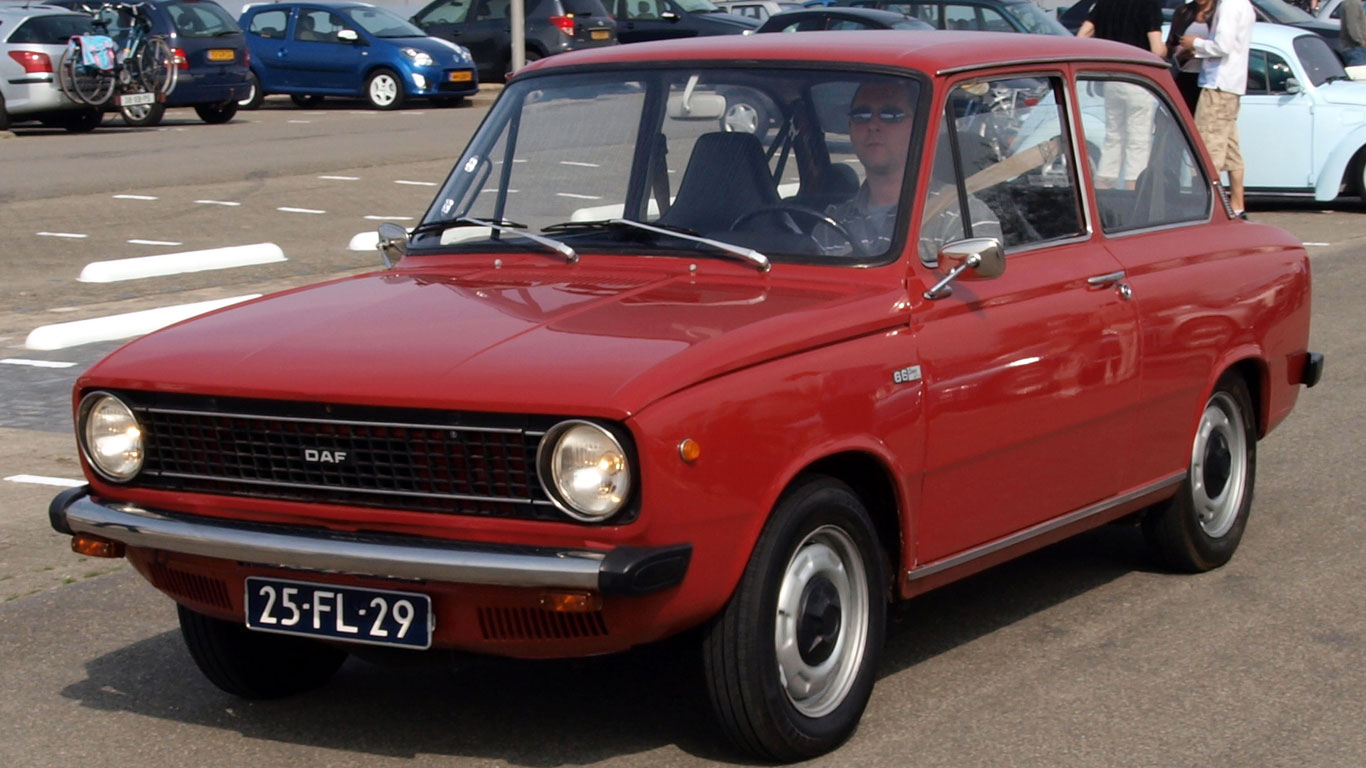
DAF 66
© DAFDutch firm DAF is best known for making trucks, but it offered a range of cars in the 1970s. Nearly 150,000 examples of the DAF 66 were built, all powered by a 1.1-litre Renault engine mated to a CVT gearbox. We rather like the two-door saloon seen here.
-
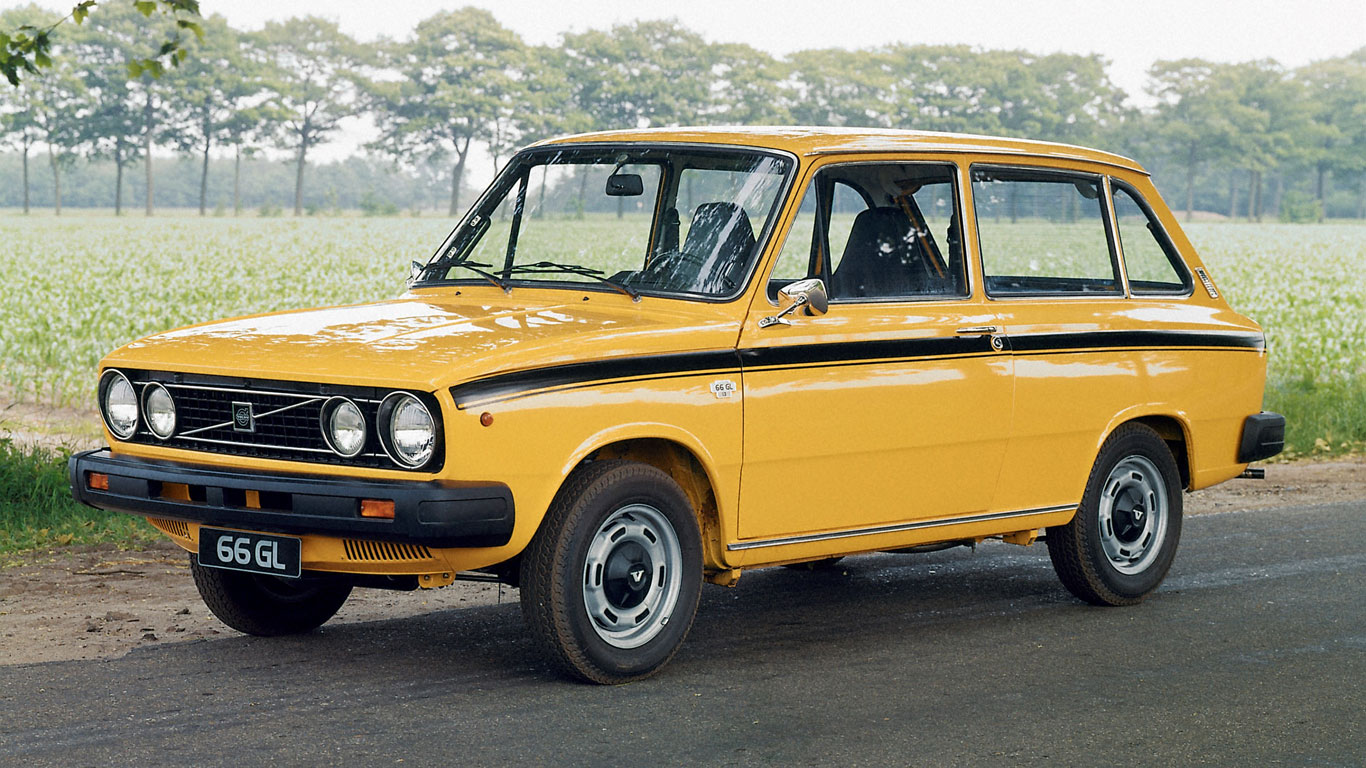
Volvo 66
© VolvoAfter Volvo bought DAF, the 66 lived on with a Swedish badge. It was essentially the same car, although Volvo added some extra safety features, including chunkier bumpers and side-impact beams in the doors.
