31 iconic car names that made a comeback
-
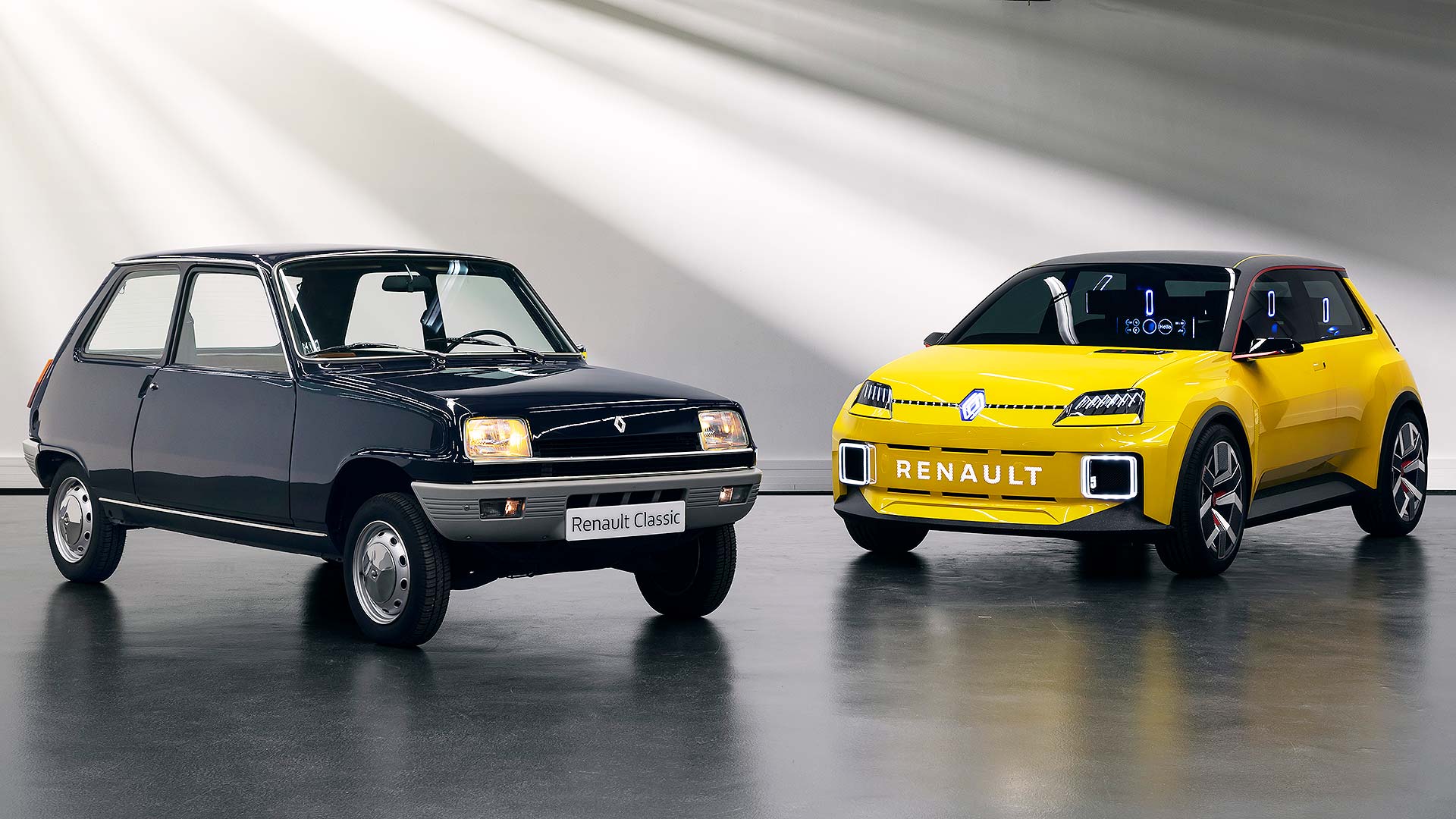
What’s in a name
© RenaultSome automotive nameplates, such as Volkswagen Golf or Toyota Corolla, soldier on unchanged for decades. Others will disappear for years, then make a comeback – sometimes on a very different type of car. From the latest Renault 5 (pictured above) to the Vauxhall Frontera, we reveal the car names that returned from the dead.
-
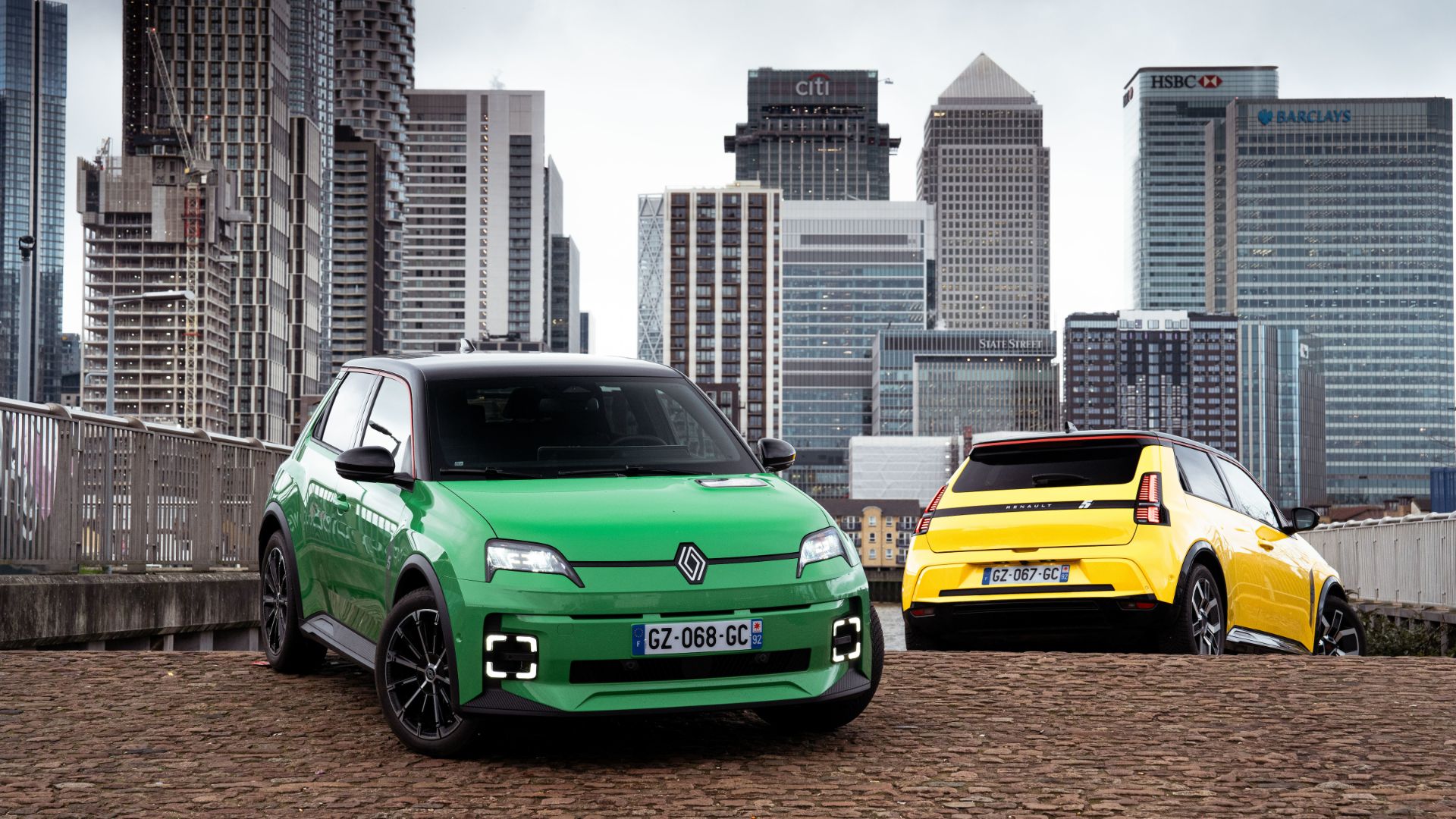
Renault 5
© RenaultFew hatchbacks were better looking than the original Renault 5, so it made sense for Renault to revive the ‘Super Cinq’ in EV form. The 5 E-Tech has already been showered with awards – including the 2025 European Car of the Year title – and competitive prices should make it a sales success. Sharing a name with the classic R5 will surely help its cause, too.
-
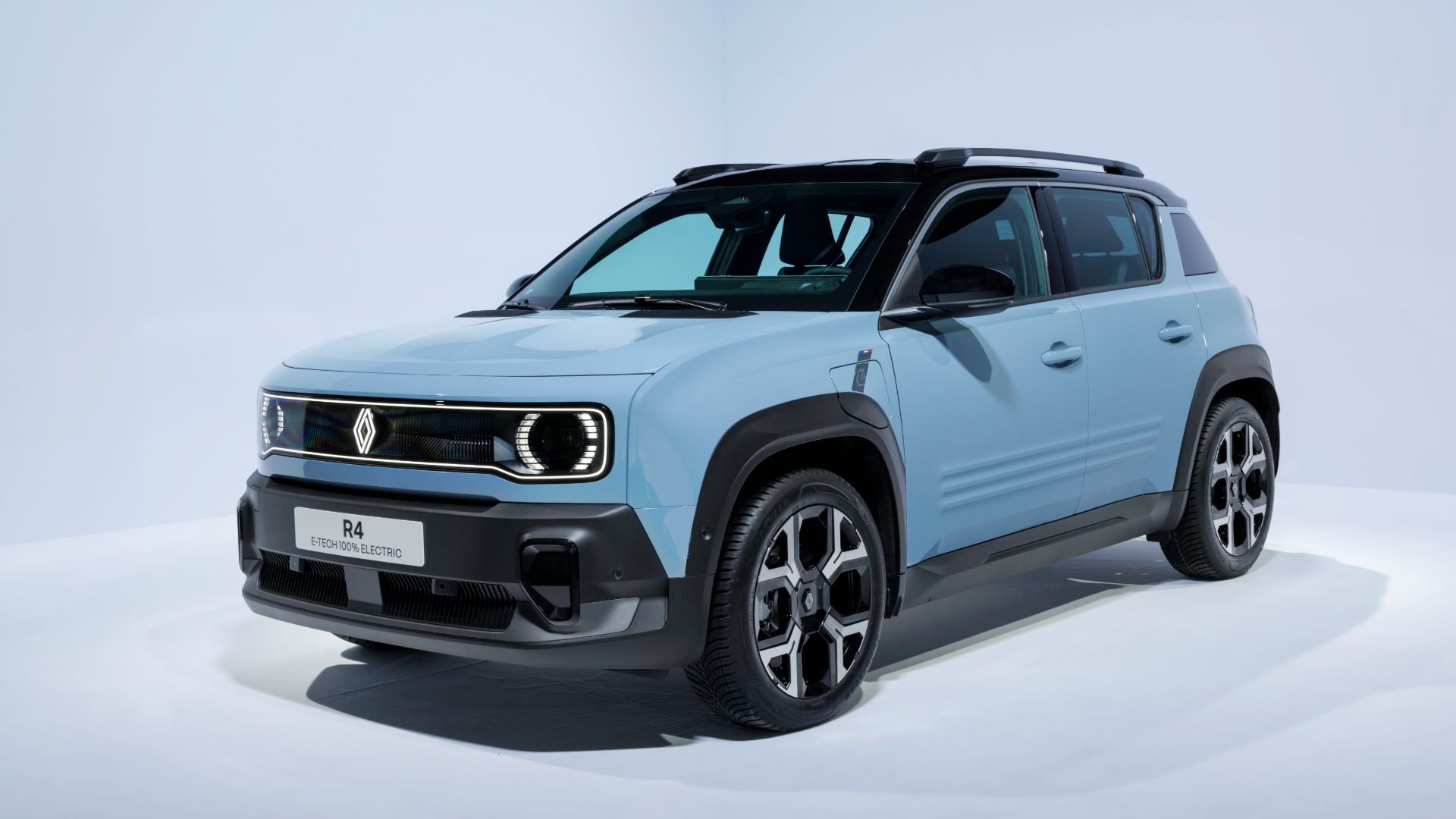
Renault 4
© RenaultAn electric crossover closely related to the new R5, the Renault 4 E-Tech is altogether more sophisticated than its ancestor. Beneath that squared-off retro body, the 21st century ‘Quatrelle’ has a 52kWh battery to provide a 247-mile range. A 0-62mph time of 8.2 seconds is leisurely by electric car standards, but considerably quicker than its classic namesake.
-
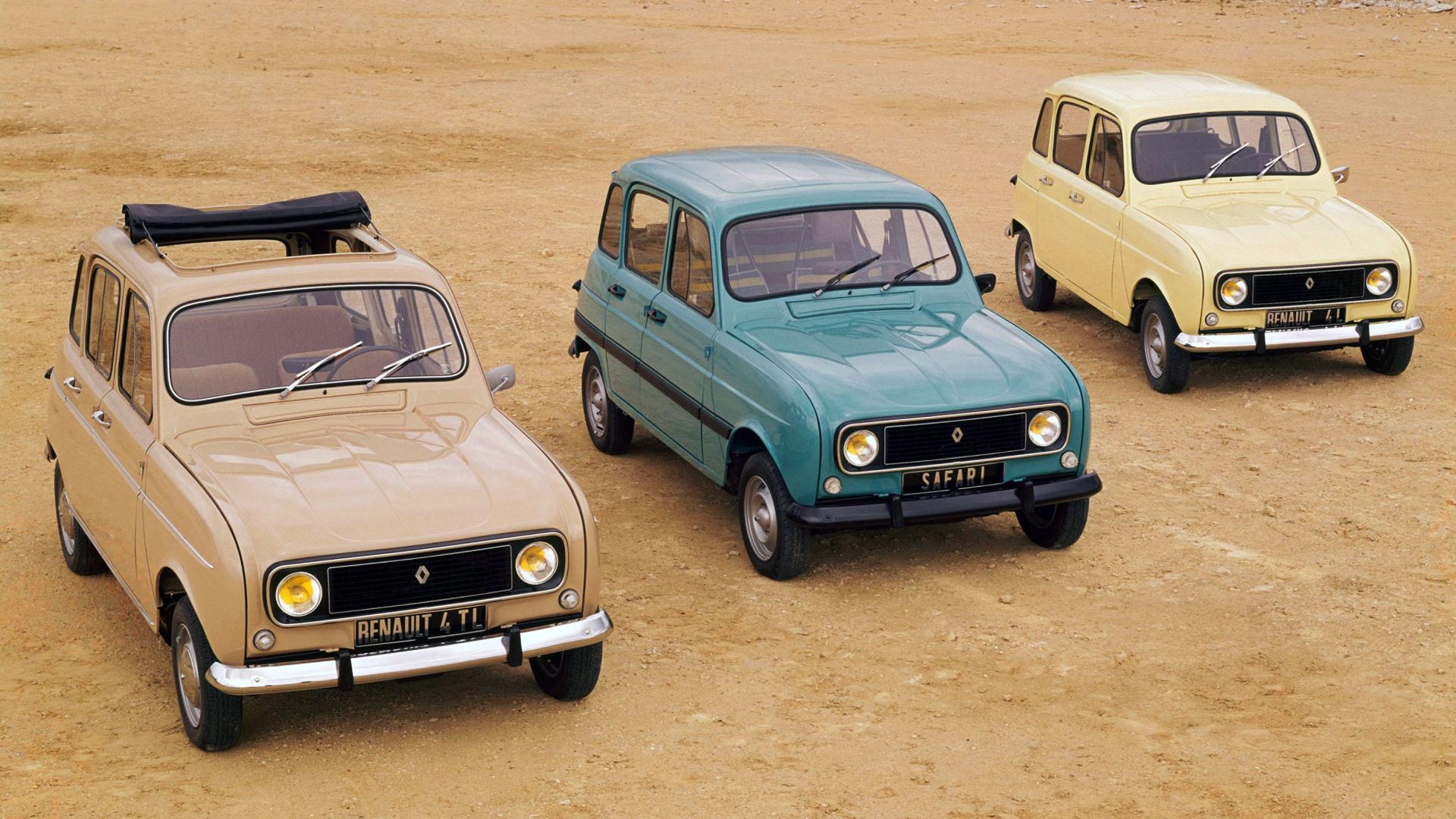
Renault 4
© RenaultThe original Renault 4 is the best selling French car of all time, more than eight million found homes over a period of 31 years. This was a vehicle as simple as its name, much-loved for its practicality, low running costs and nimbleness over rough terrain. A numbered special edition called ‘Bye-Bye’ marked the end of R4 production in 1992.
-
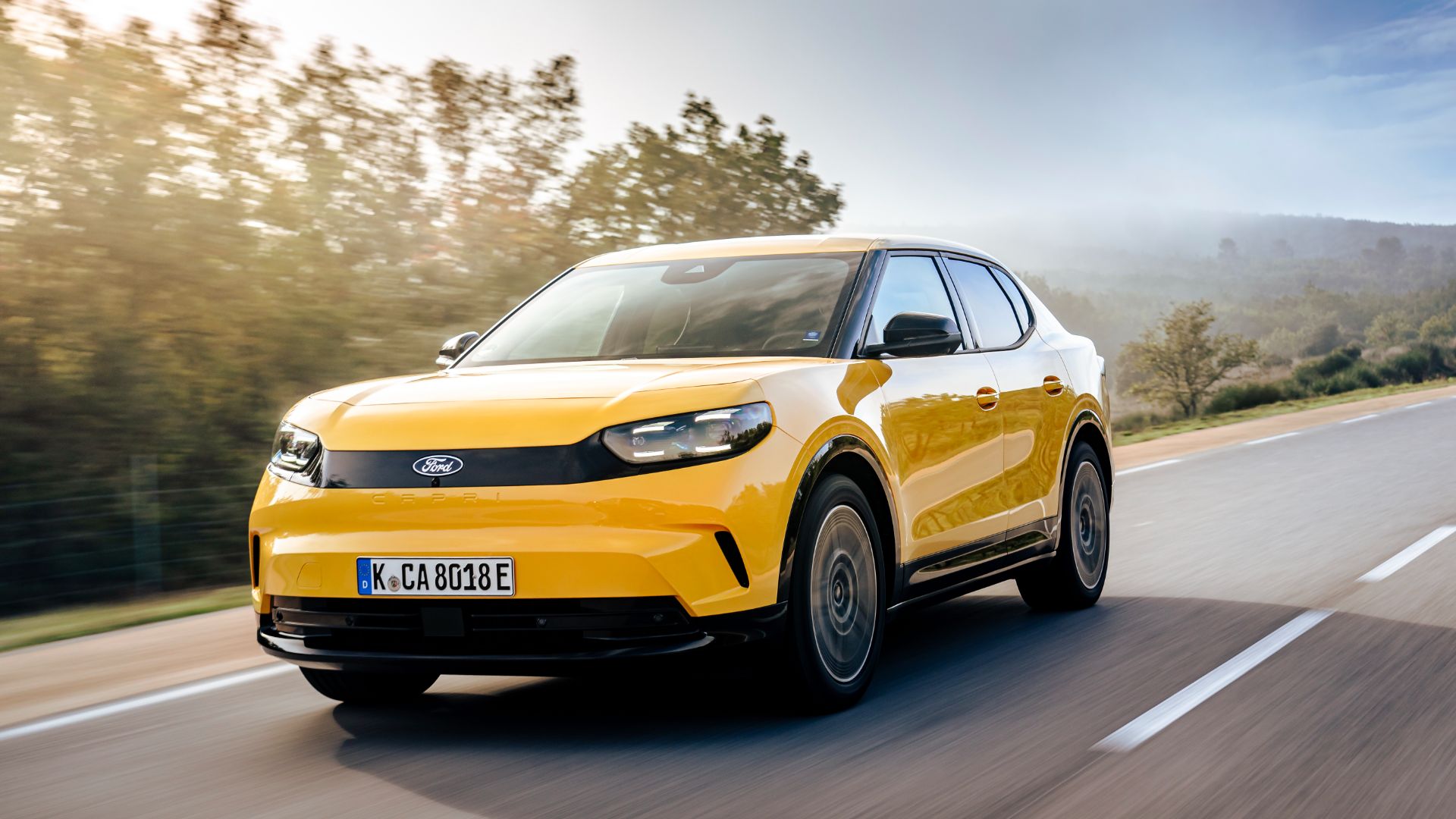
Ford Capri
© FordThis was a controversial one. Ford’s revival of the Capri name on an Explorer-based electric SUV coupe caused uproar among enthusiasts. But any publicity is good publicity, right? We’ll be driving the latest Capri to Ford’s Heritage Centre – home to many classic Capris – next month. Visit the Motoring Research website soon for our review.
-
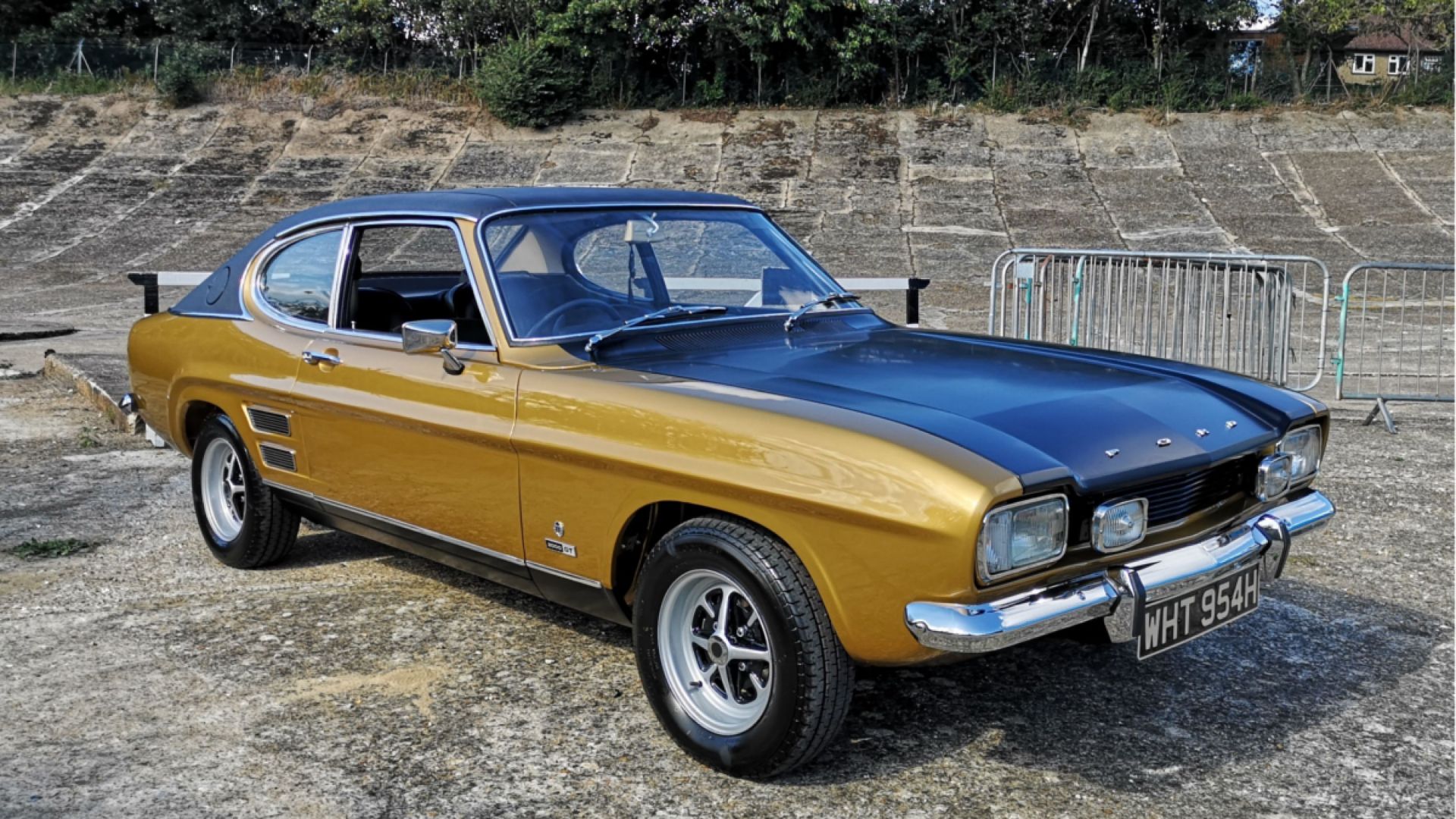
Ford Capri
© FordThat’s more like it. We can almost smell the Brut 33 from here. The classic Capri was marketed as ‘The car you always promised yourself’, although it later became something of a joke, driven by Del Boy and seen as the epitome of unsophisticated taste. Even being named after a glamorous island off Italy’s Amalfi Coast didn’t help the Capri’s cause.
-
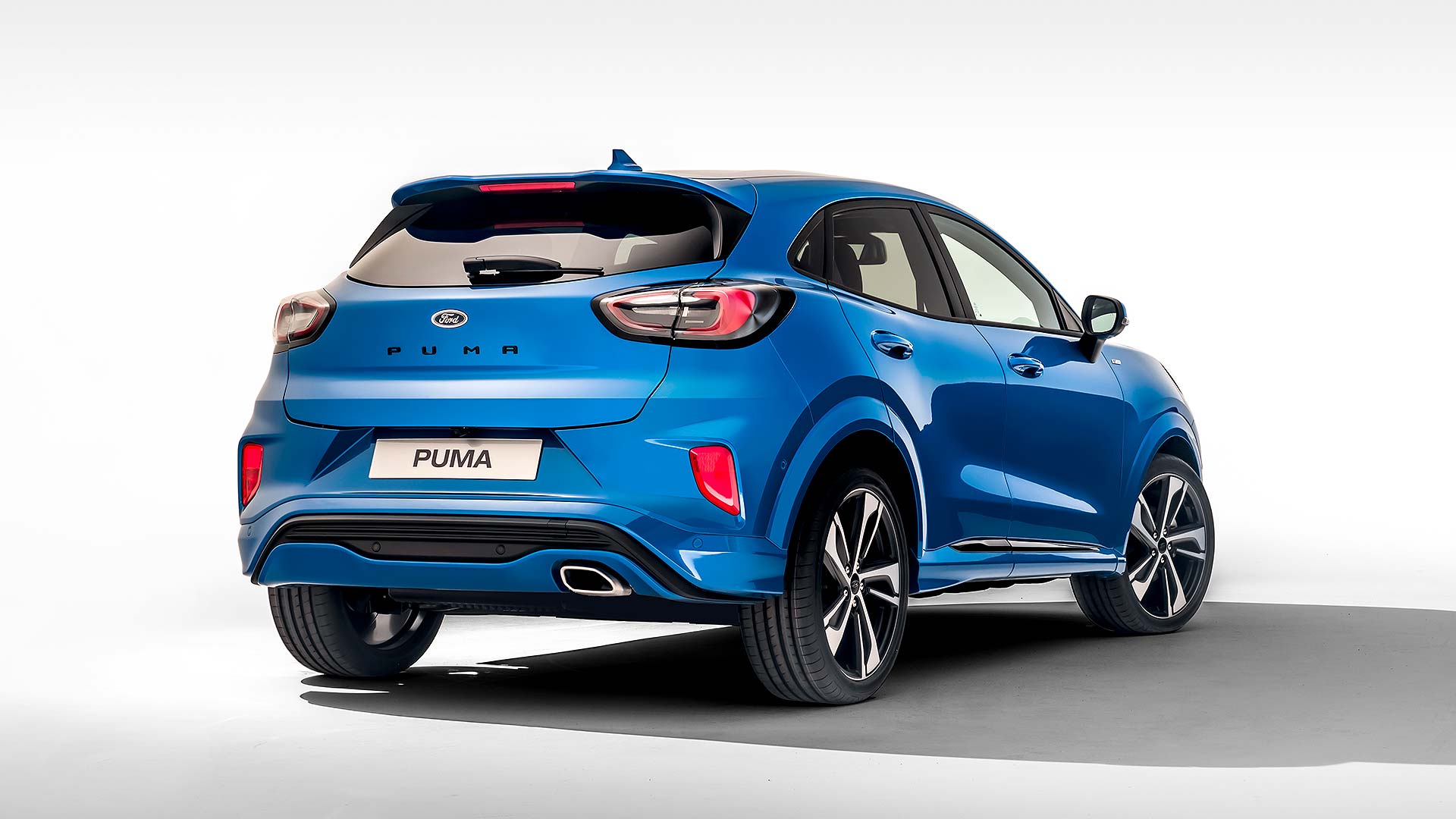
Ford Puma
© FordFans of the original Ford Puma may get carried away with thoughts of Steve McQueen and Tiff Needell terrorising fellow Top Gear presenters. But while the latest Ford Puma is also based on the (now-defunct) Fiesta, that is where the similarities end. The 1990s version was a small coupe; this Puma is a crossover SUV.
-
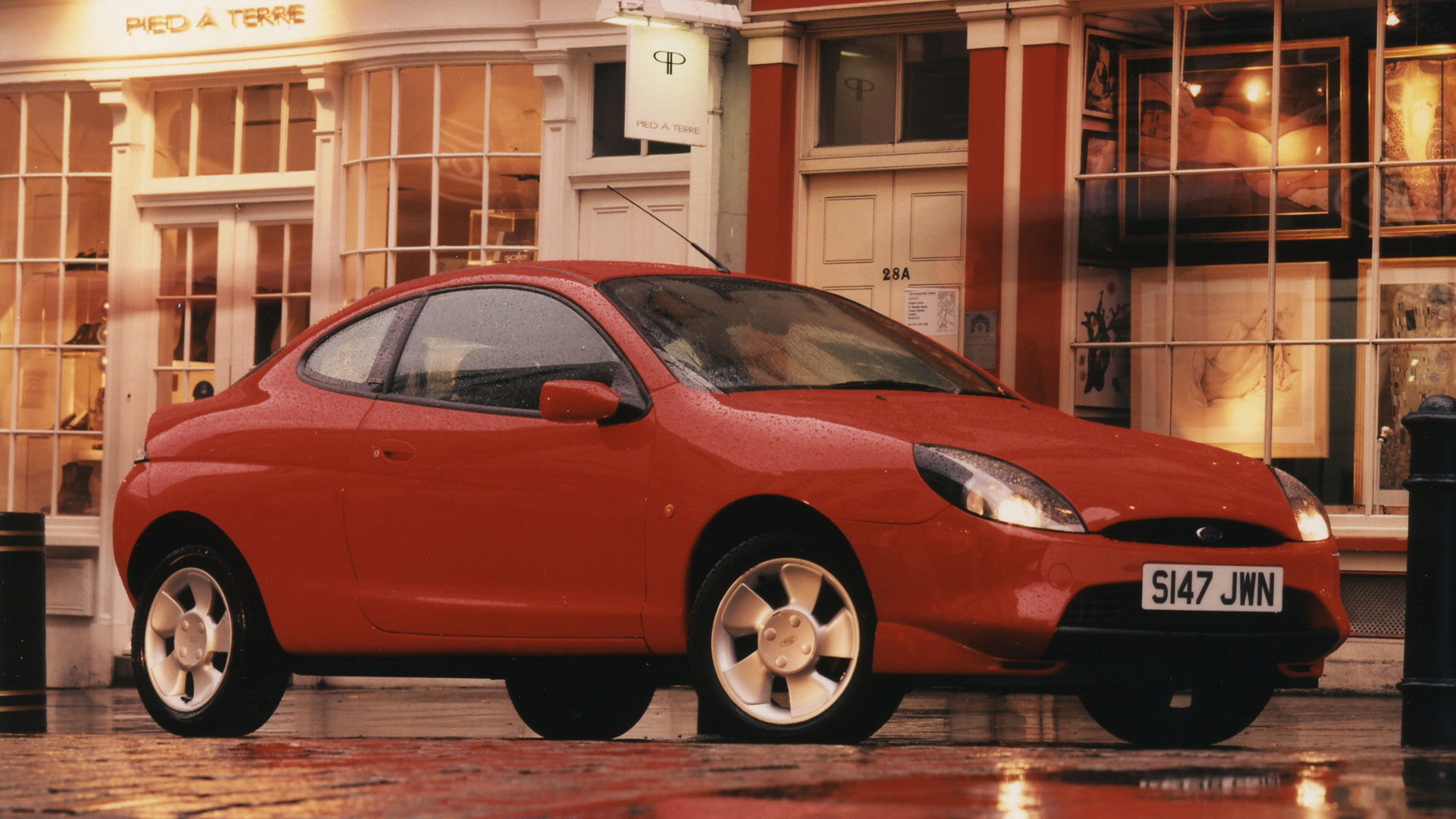
Ford Puma
© FordThe last Ford Puma was, quite simply, one of the best handling front-wheel-drive cars ever built. Pick of the engines was the 1.7-litre petrol unit co-developed with Yamaha. The Puma also featured a delightful gearbox. No other small coupe could touch it, and the little Ford appealed to both fashion-led buyers and keen drivers.
-

Toyota Supra
© ToyotaUnlike Ford, Toyota didn’t mess with the basic formula. The current GR Supra may borrow much from the BMW Z4 – including its engines and dashboard – but this rear-driven sports car is a near figure-for-figure copy of its predecessor.
-
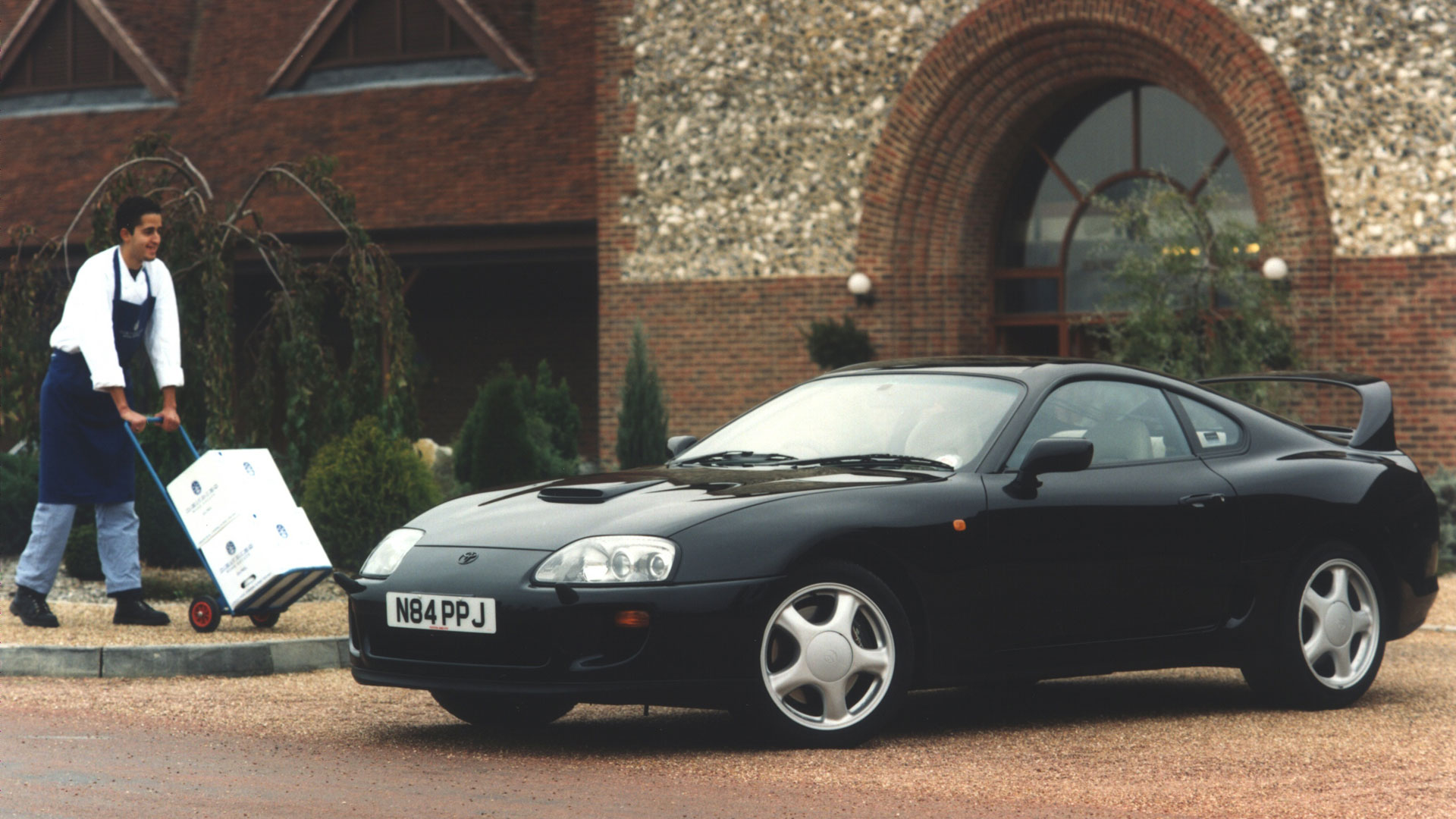
Toyota Supra
© ToyotaBy figure-for-figure, we mean it both produces a similar power output and shares the same footprint. Back in 1993, 320hp or more was not to be sniffed at. You could see off the top end of the Porsche 911 range with that. Today, the Supra is more Porsche Cayman territory, but we’re pleased Toyota kept it relatively affordable.
-

Alpine A110
© AlpineAlpine took a similar approach for its sports car. Indeed, it’s a back-from-the-dead double-whammy, as both the Alpine marque and A110 model made a comeback. Alpine plans to continue rebuilding its brand with the A290 – a hotted-up version of the new Renault 5 EV.
-

Alpine A110
© AlpineAlpine took a similar approach for its sports car. Indeed, it’s a back-from-the-dead double-whammy, as both the Alpine marque and A110 model made a comeback. Alpine’s revival continues with the A290 – a hotted-up version of the new Renault 5 E-Tech.
-
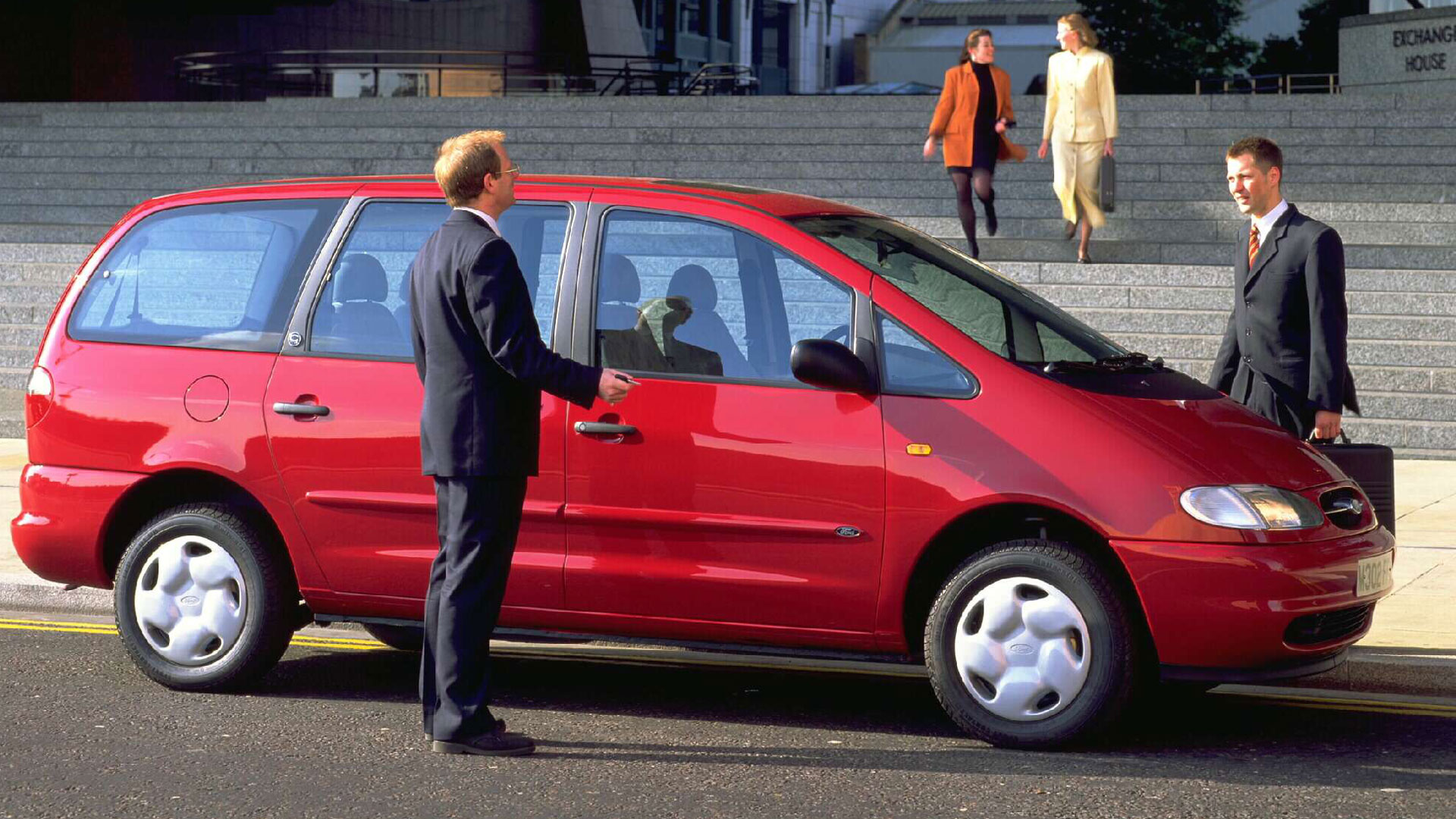
Ford Galaxy
© FordThe Ford Galaxy arrived at the height of the MPV craze in the 1990s, sharing its underpinnings with the Volkswagen Sharan and Seat Alhambra. It was a versatile – if not particularly inspiring – people carrier. Later versions became ubiquitous as private taxis, particularly in London.
-
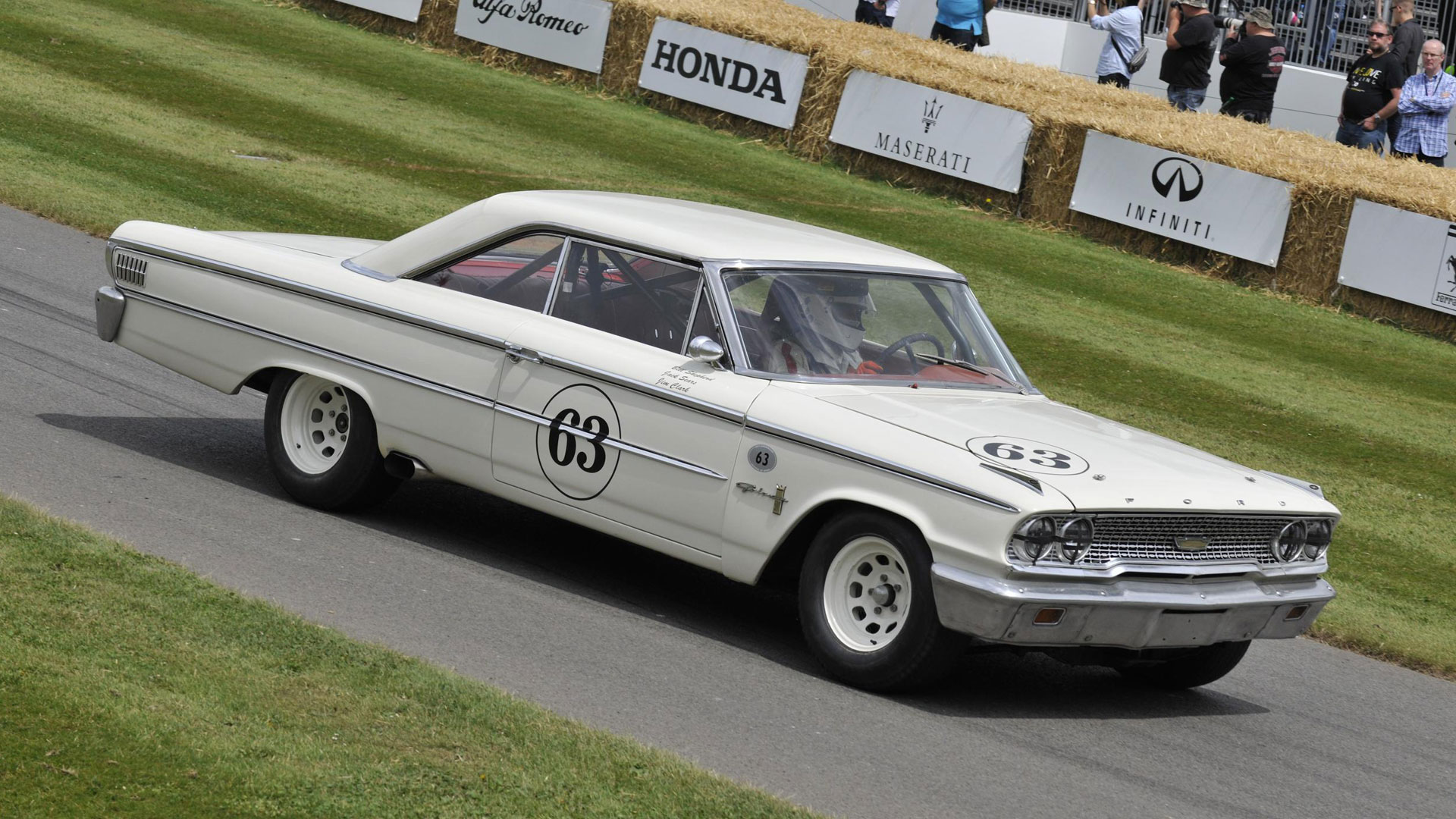
Ford Galaxie
© FordThe Galaxy is not to be confused with the 1960s Ford Galaxie. More than simply a spelling change, the Galaxie was a monstrous luxury saloon or coupe. You won’t find a 7.0-litre V8 engine or any NASCAR racing victories attributed to the modern MPV, that’s for sure.
-
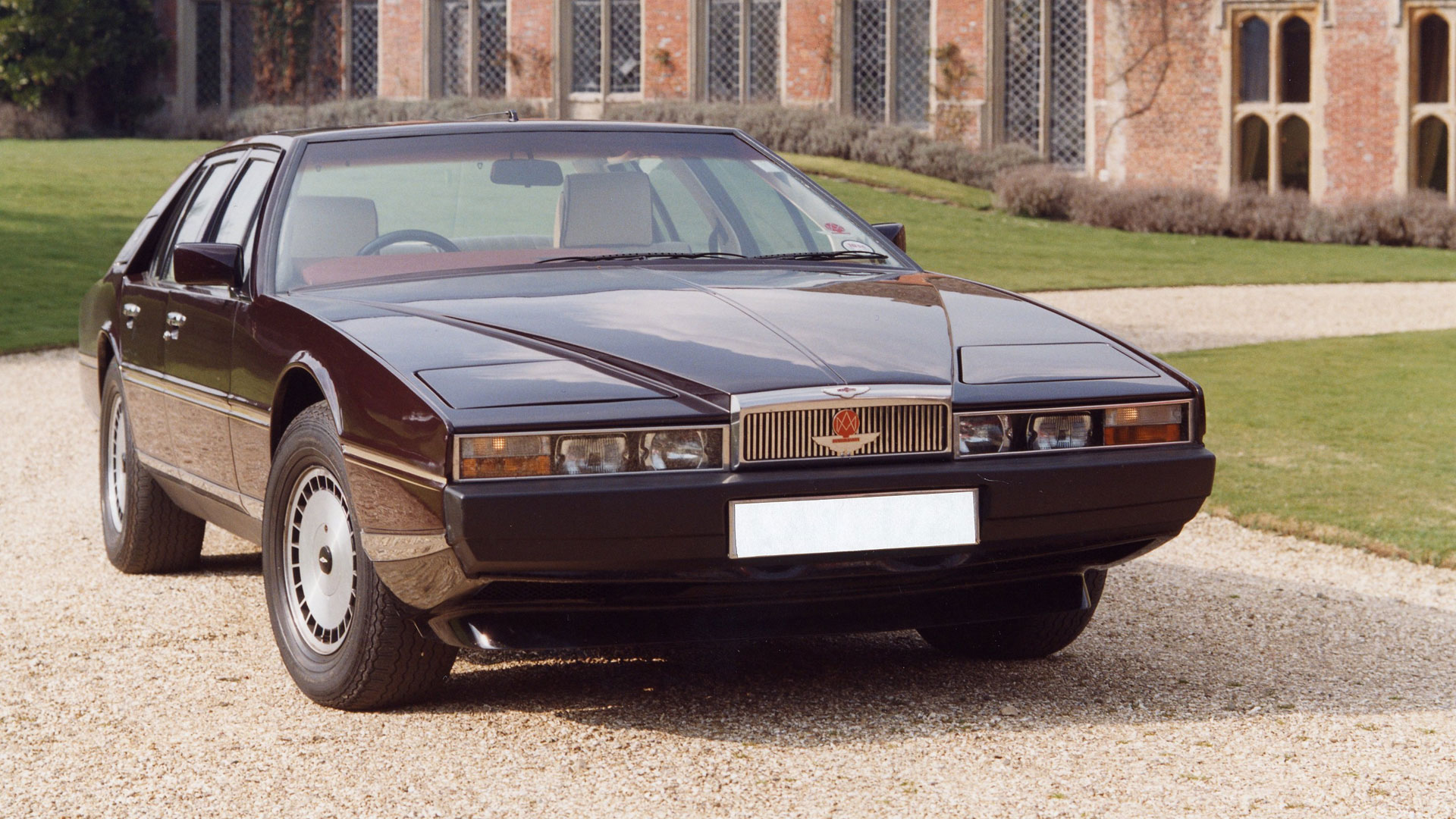
Aston Martin Lagonda
© Aston MartinThe ‘wedge’ Aston Martin Lagonda turns 50 next year, but it still looks utterly futuristic. This brave and bonkers luxury saloon must have made a Rolls-Royce Silver Shadow resemble a horse and cart in the mid-1970s.
-
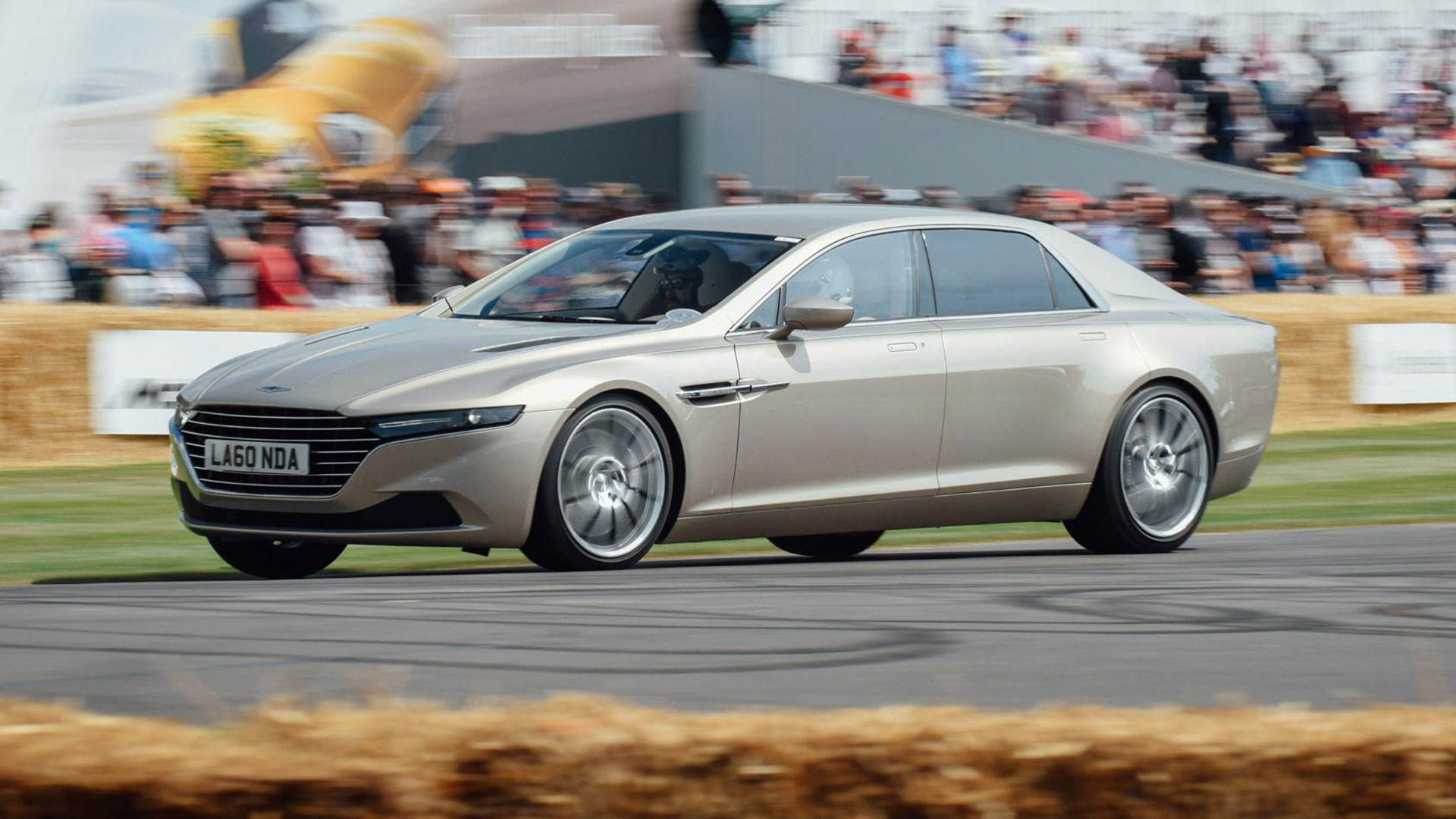
Aston Martin Lagonda Taraf
© Aston MartinThe Lagonda Taraf was a limited-run luxury car launched by Aston Martin in 2015. Only 200 units were produced, primarily for the Middle Eastern market, with power from a 547hp 5.9-litre V12. There was talk of Lagonda coming back as a standalone electric marque, but sadly that now looks unlikely.
-
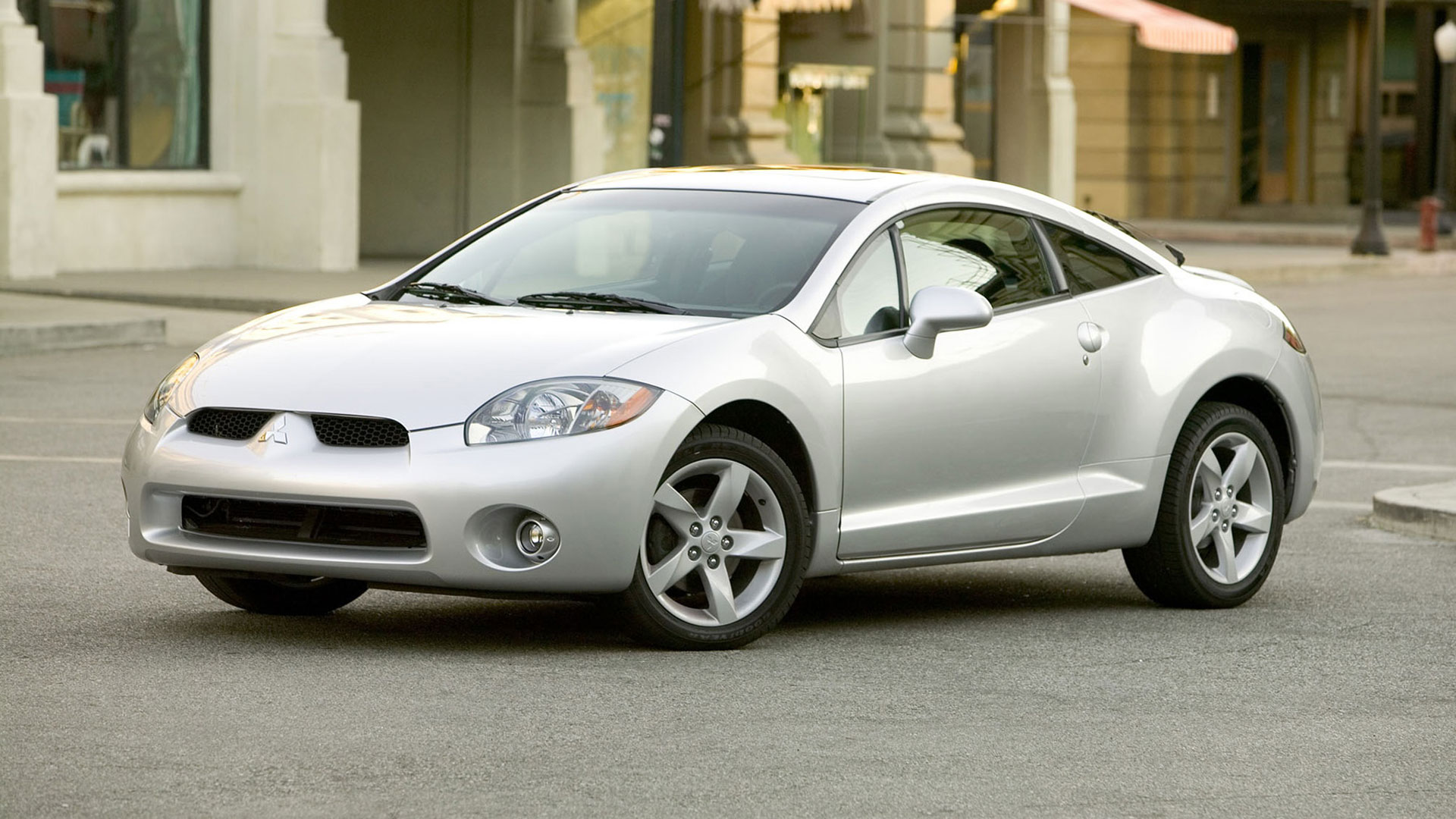
Mitsubishi Eclipse
© MitsubishiBeing front-wheel-drive, the Mitsubishi Eclipse wasn’t the sharpest coupe in handling terms. However, it shot to fame thanks to the Fast & Furious film franchise.
-

Mitsubishi Eclipse Cross
© MitsubishiThis later interpretation of the Eclipse is unlikely to shoot to fame in any shape or form. Indeed, it’s no longer sold in the UK. A paint-by-numbers crossover, the Eclipse Cross felt like a waste of the Eclipse badge, especially given the name’s illustrious past.
-
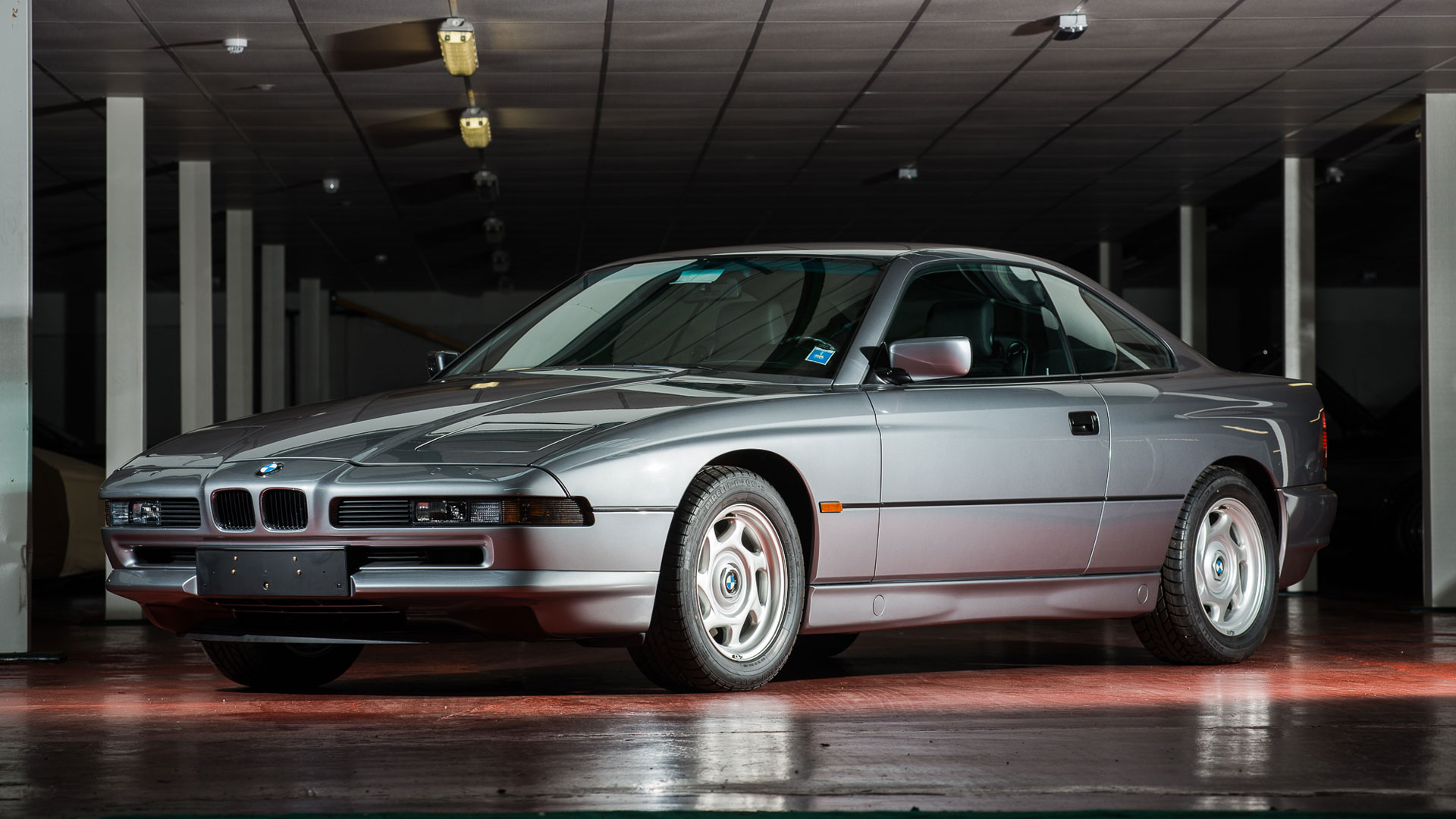
BMW 8 Series
© BMWLaunched at the Frankfurt Motor Show in 1989, the BMW 850i followed the 750i saloon as only the second post-war German car powered by a 12-cylinder engine. It made a great first impression, and by the summer of 1990 it was reported that production had sold out until 1993. Nonetheless, the 8 Series never really fulfilled its potential.
-

BMW 8 Series
© BMWThat’s partly why the 8 Series name remained dormant for 20 years, following the end of production in 1999. Pleasingly, it’s now back, with the latest 8 Series boasting an eye-catching design and bespoke interior. Coupe and convertible versions are available, along with a flagship M8.
-
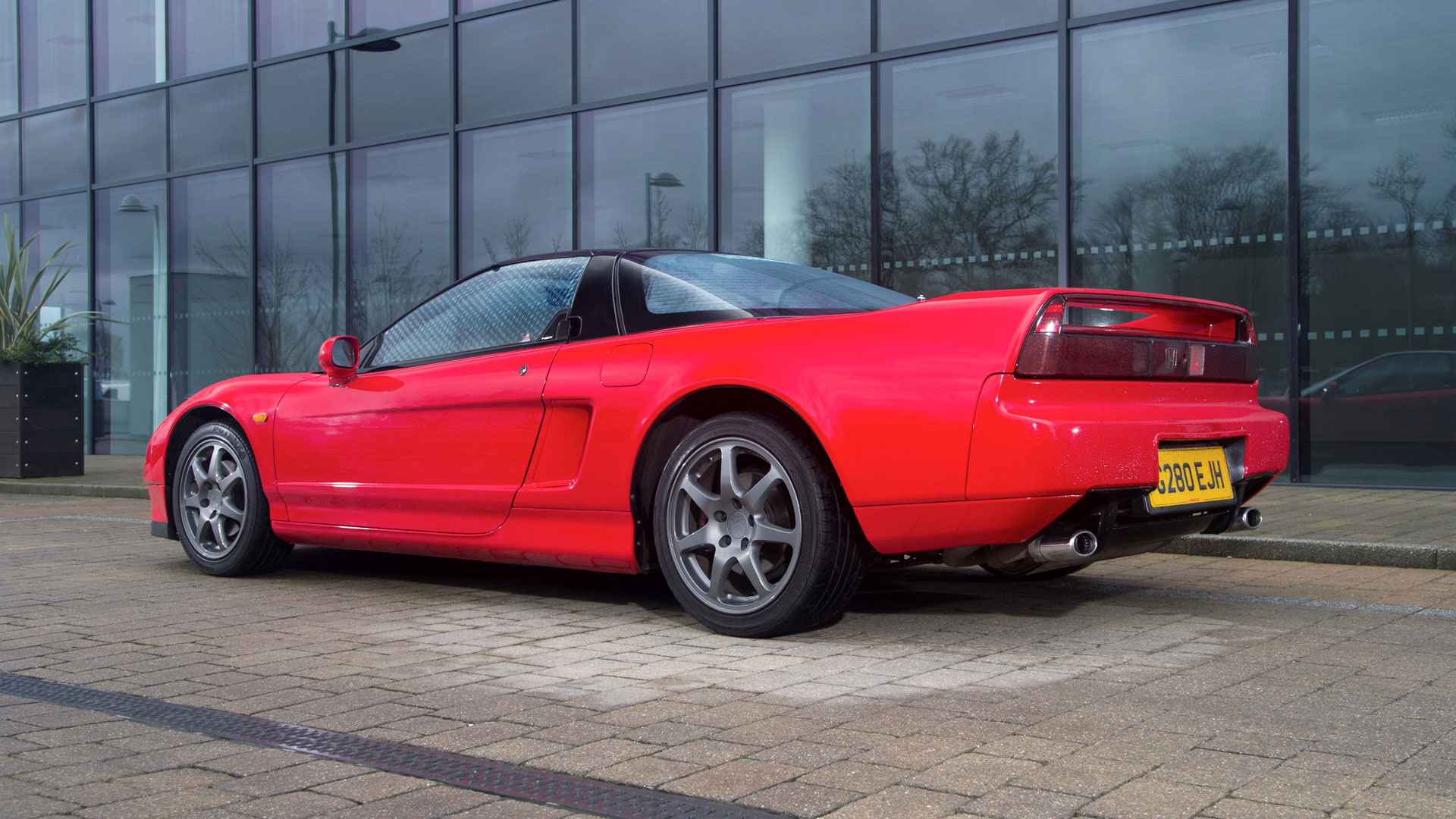
Honda NSX
© HondaThe original ‘everyday supercar’, the Honda NSX proved that vehicles of this type didn’t need to be badly built or difficult to drive. Launched in 1990, the hottest Honda enjoyed a 15-year production run before the NSX badge was put out to pasture for more than a decade.
-
Honda NSX
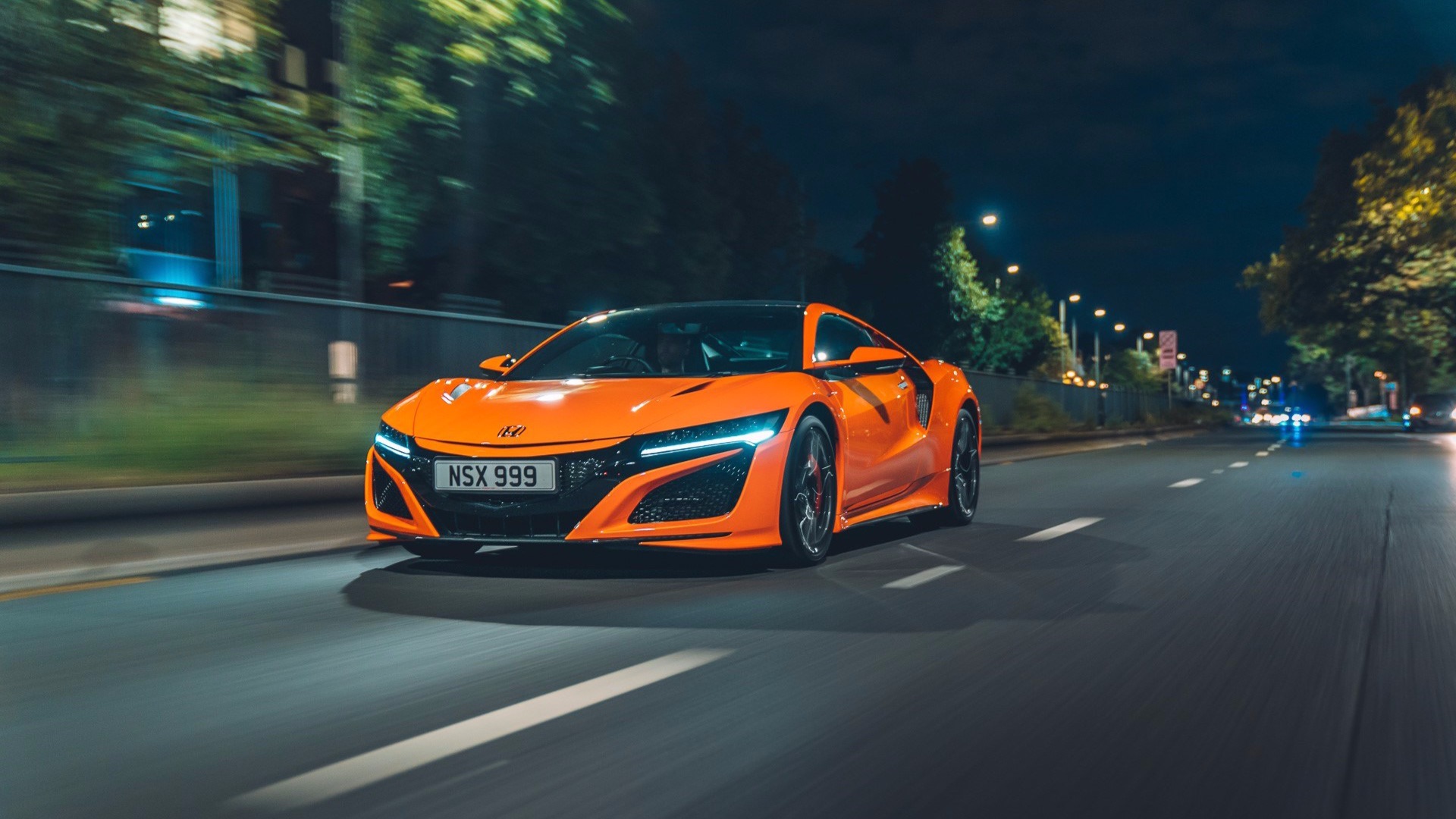
© HondaIf the original NSX was an analogue affair, the second generation was more digital. With a combined output of 581hp from its V6 engine and three electric motors, it can hit 62mph in just 2.9 seconds. In the words of our Tim Pitt: ‘it’s as straightforward to drive as a Civic or Jazz, yet still inspires reverence on the right road’.
-
Ford Bronco
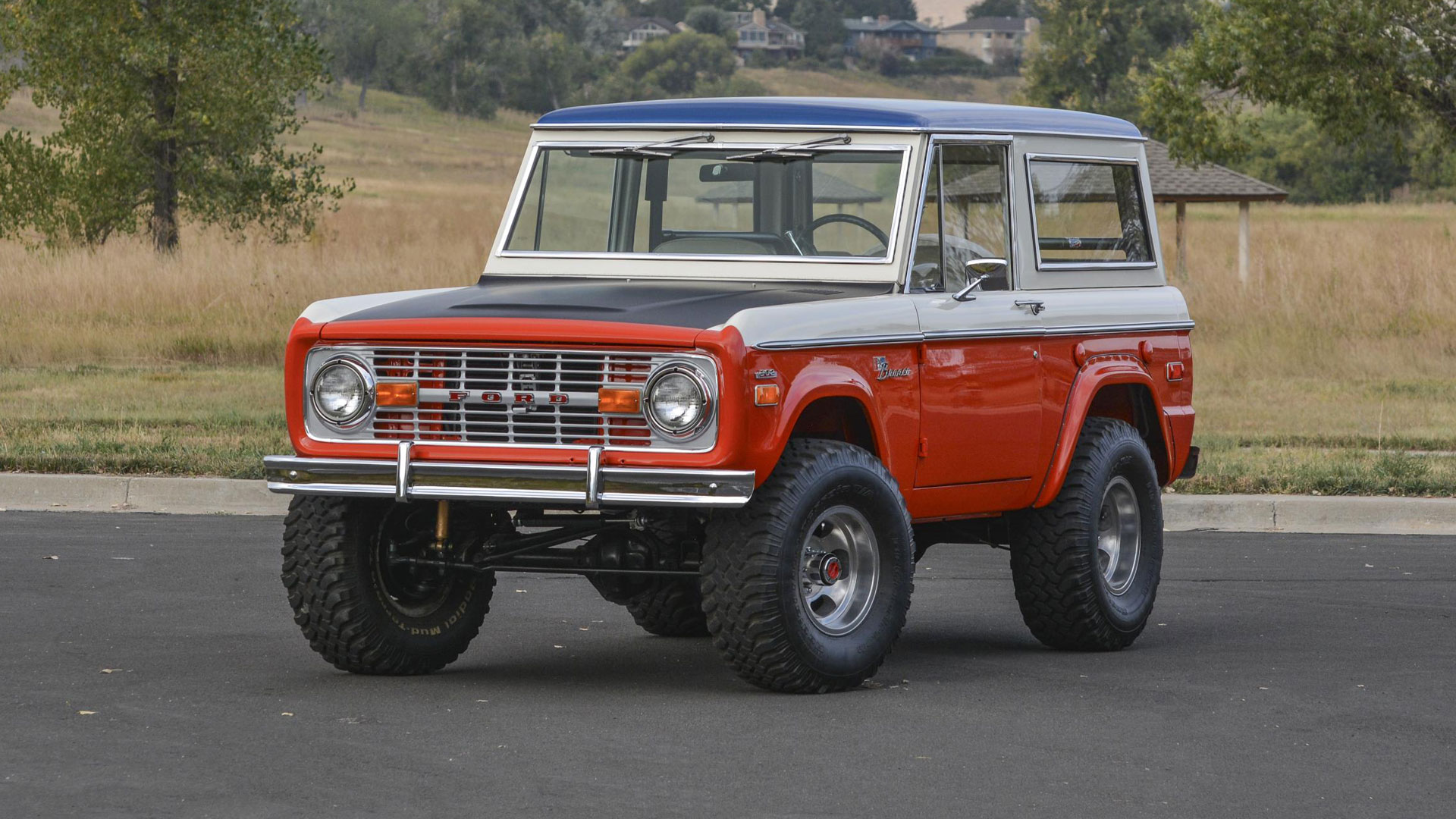
© FordLaunched in 1965, the Ford Bronco enjoyed a three-decade production run before bowing out in 1996. Conceived as a ‘modern-day symbol for the American cowboy’, the Bronco achieved immortality following the OJ Simpson car chase in 1994.
-
Ford Bronco
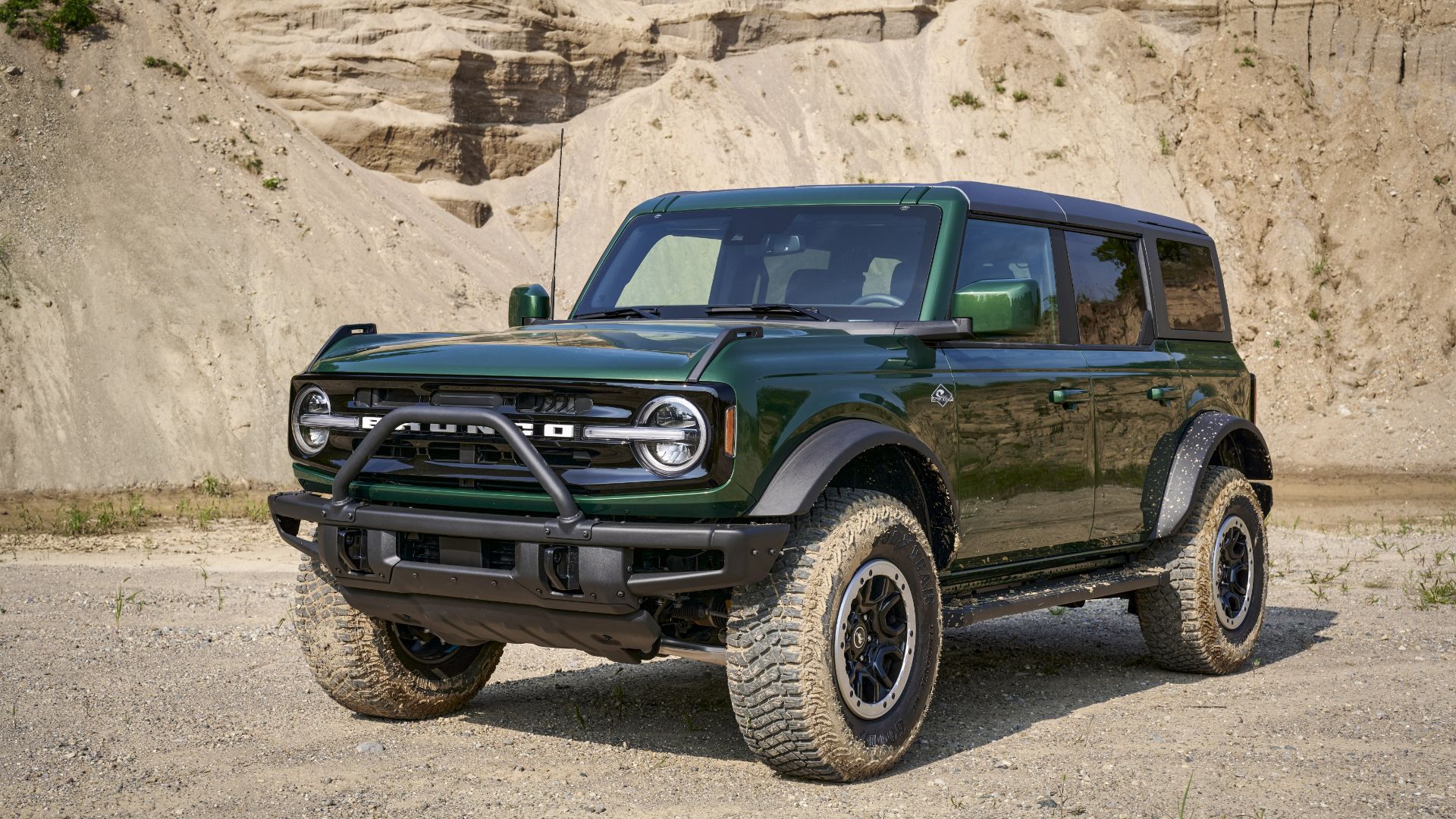
© FordFord announced the Bronco’s return in 2017, with the new SUV finally reaching showrooms in 2021. We’re not sure about modern-day cowboys, but plenty of buyers have formed a disorderly queue for this nostalgic American dream. It has come to Europe as well, albeit only in left-hand drive.
-

Range Rover Velar
© Land RoverThe Range Rover Velar is arguably the most stylish SUV in the Land Rover range, and its name is steeped in history. From a product perspective, it sits between the Evoque and Range Rover Sport, and competes with the Porsche Macan and new Maserati Grecale.
-
Range Rover Velar
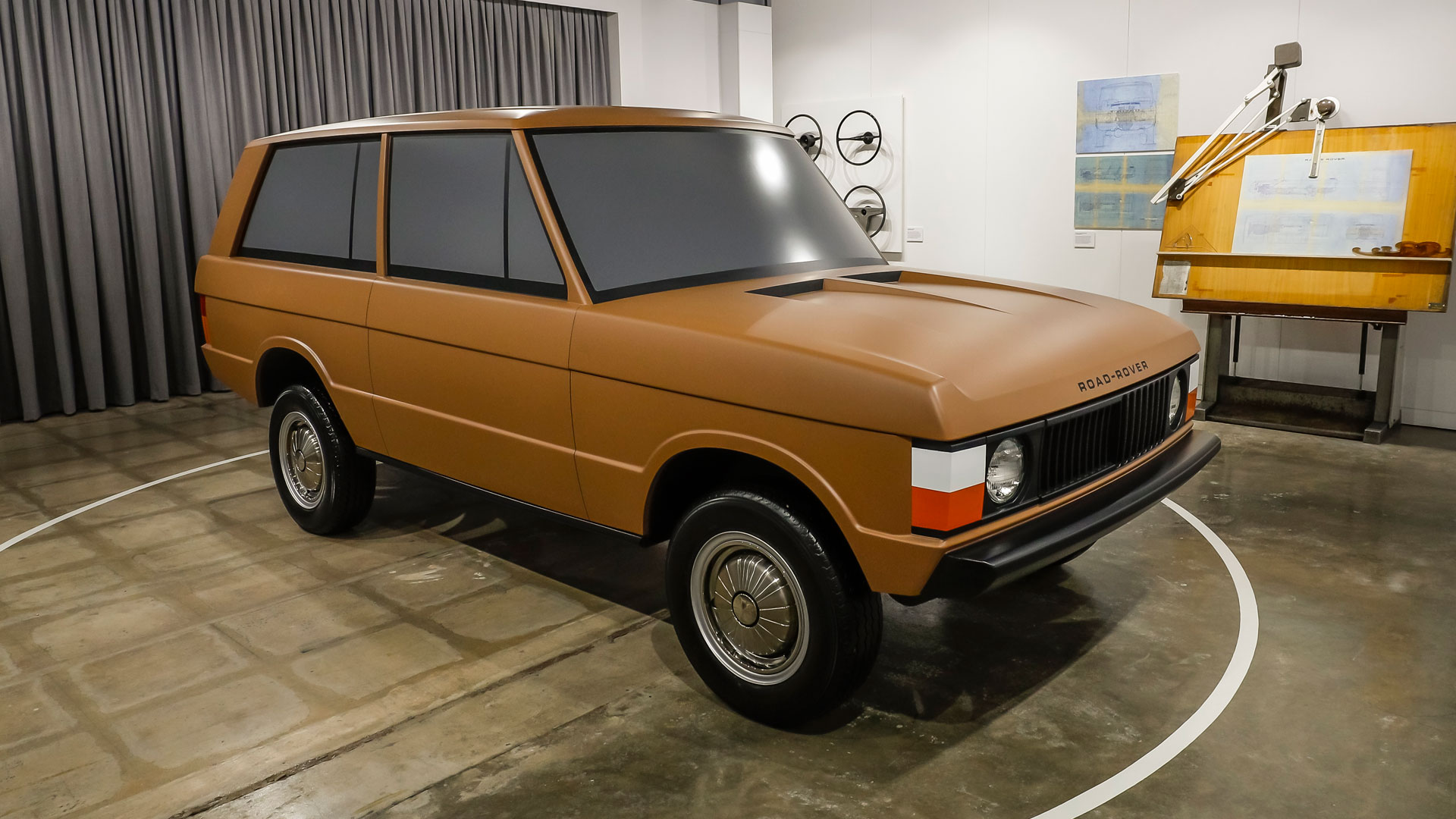
© Land RoverThe Velar name harks back to the earliest days of Range Rover. It was used for the secret prototype built in 1967, ahead of the Range Rover’s launch in 1970. “We wanted to develop a more comfortable on-road Land Rover that would combine the comfort of the Rover with the Land Rover 4×4 capability,” said Roger Crathorne, also known as ‘Mr Land Rover’.
-
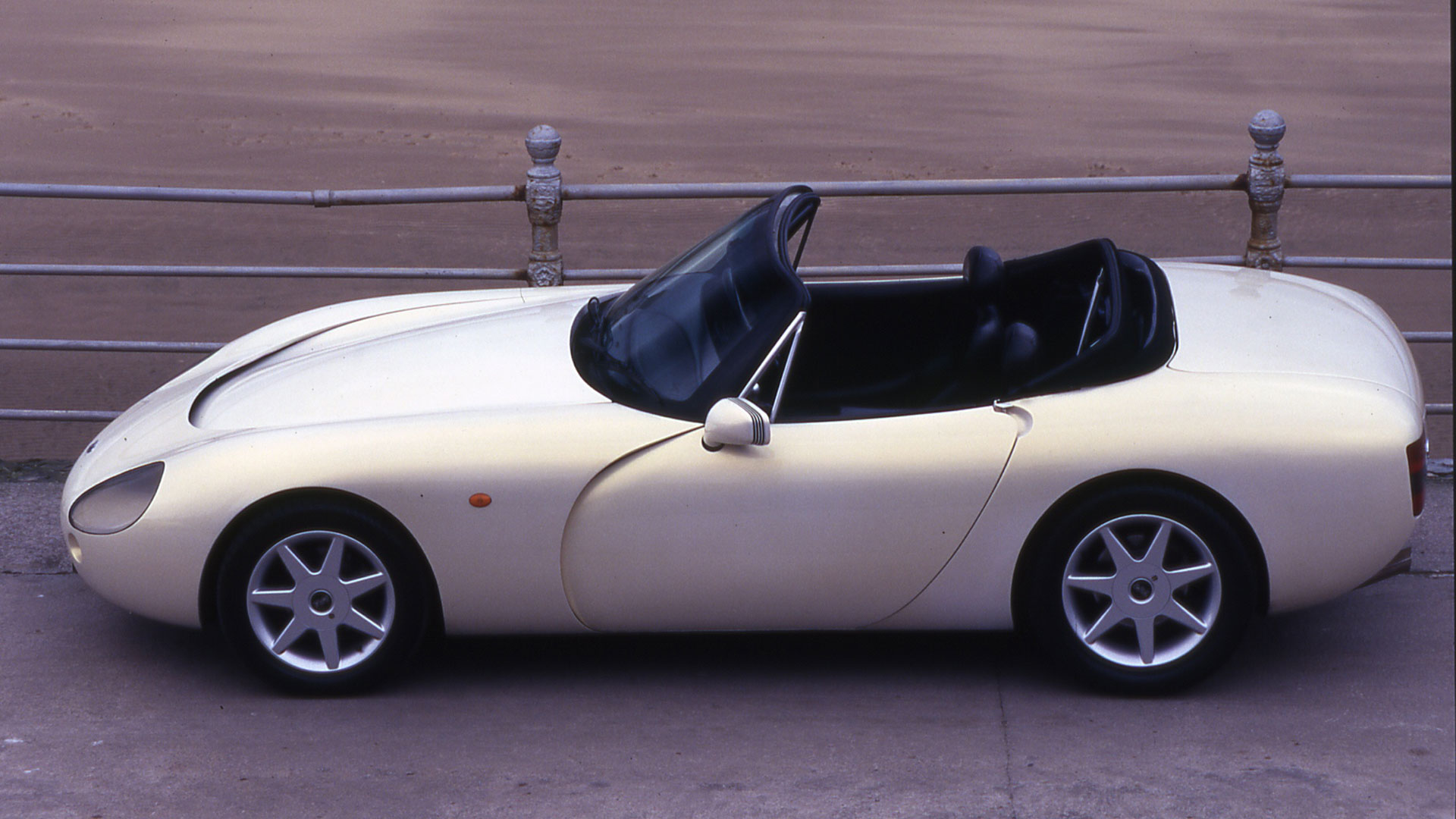
TVR Griffith
© TVRAccording to the TVR Car Club, an order was taken every eight minutes after the Griffith was unveiled at the 1990 Birmingham Motor Show. Hardly surprising, given its classic sports car styling, thunderous V8 and supercar-taming pace. Production continued into the new millennium.
-
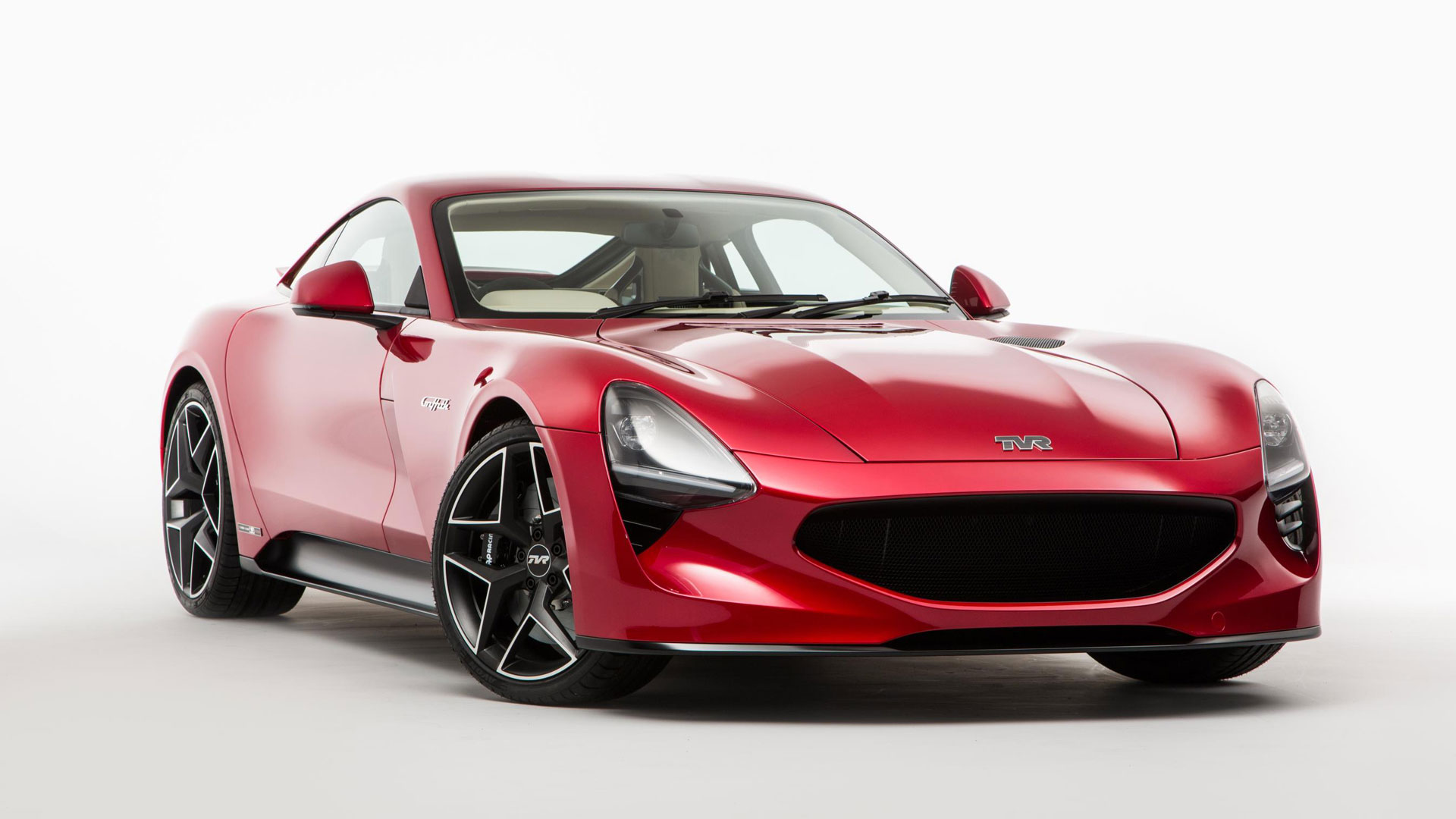
TVR Griffith
© TVRThe second coming of the TVR Griffith was in 2017, with power sourced from a Cosworth-tuned 5.0-litre V8 engine. The car featured Gordon Murray’s iStream architecture and weighed just 1,250kg. Sadly, endless delays and financial problems mean the reborn Griffith still hasn’t entered production – and likely never will.
-

Lancia
© LanciaHere’s an entire car brand that is poised to make a comeback. In truth, Lancia hasn’t entirely gone away – it still sells the Ypsilon hatchback in Italy, which will soon be reborn as an EV – but elsewhere it has almost vanished from public consciousness. With amazing cars like the Stratos in its back-catalogue, that’s a real shame.
-
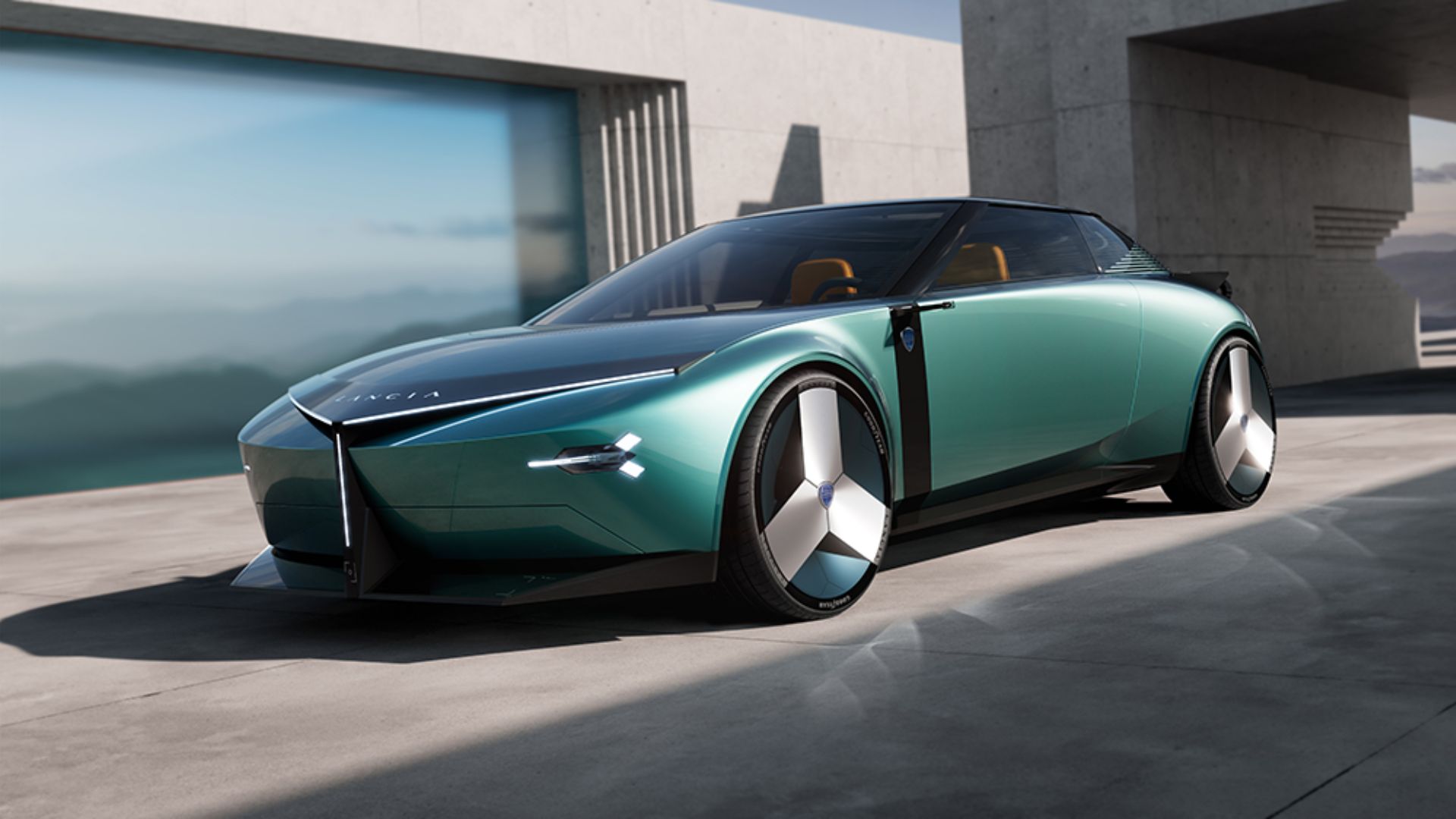
Lancia
© LanciaThe Stratos-inspired Pura HPE concept car is the most exciting hint at what the reinvented Lancia might look like. The electric coupe has four velvet-trimmed seats and is made from 70 percent recycled materials. Could it herald a comeback for three-spoke alloy wheels, too?
-
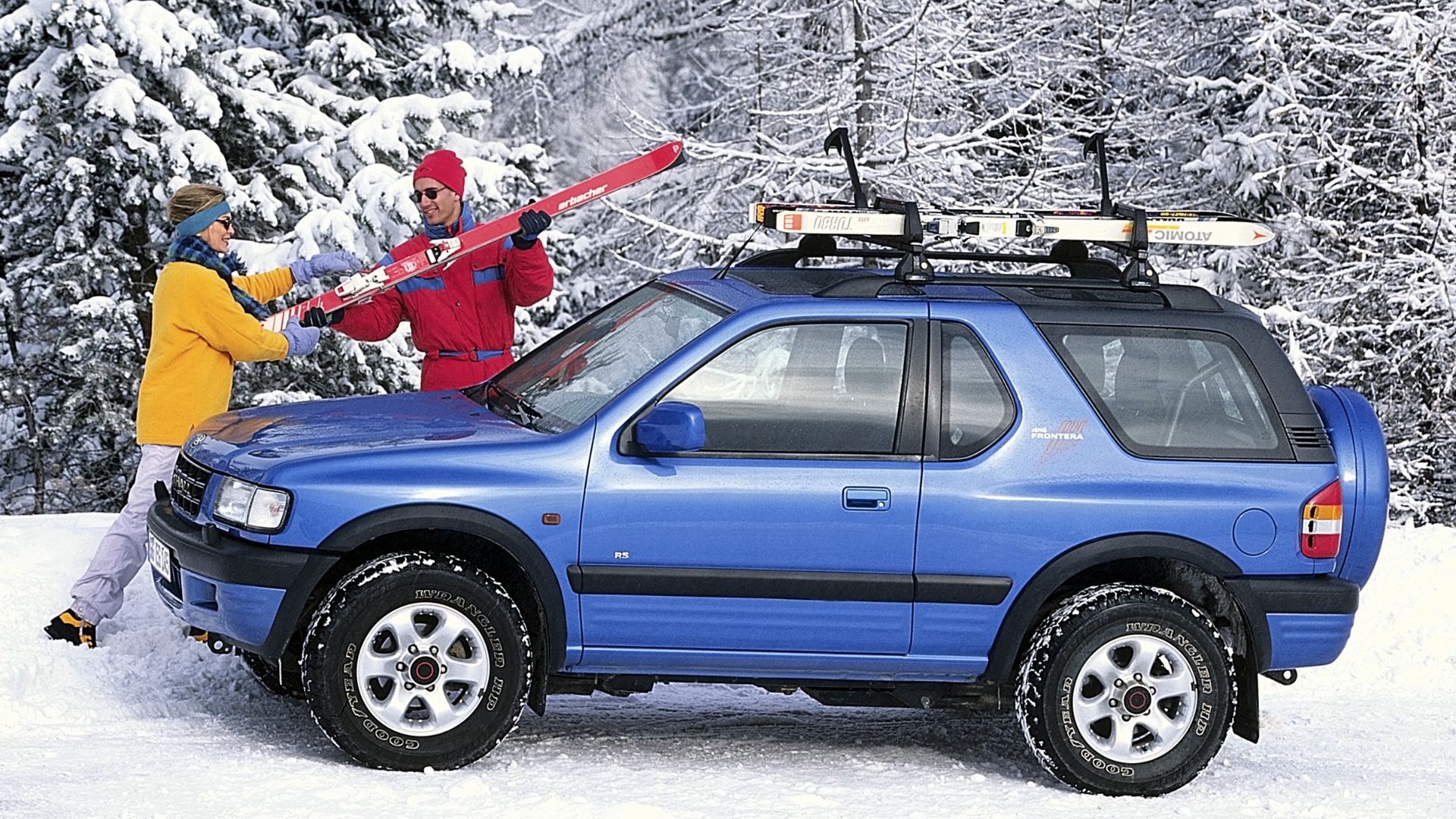
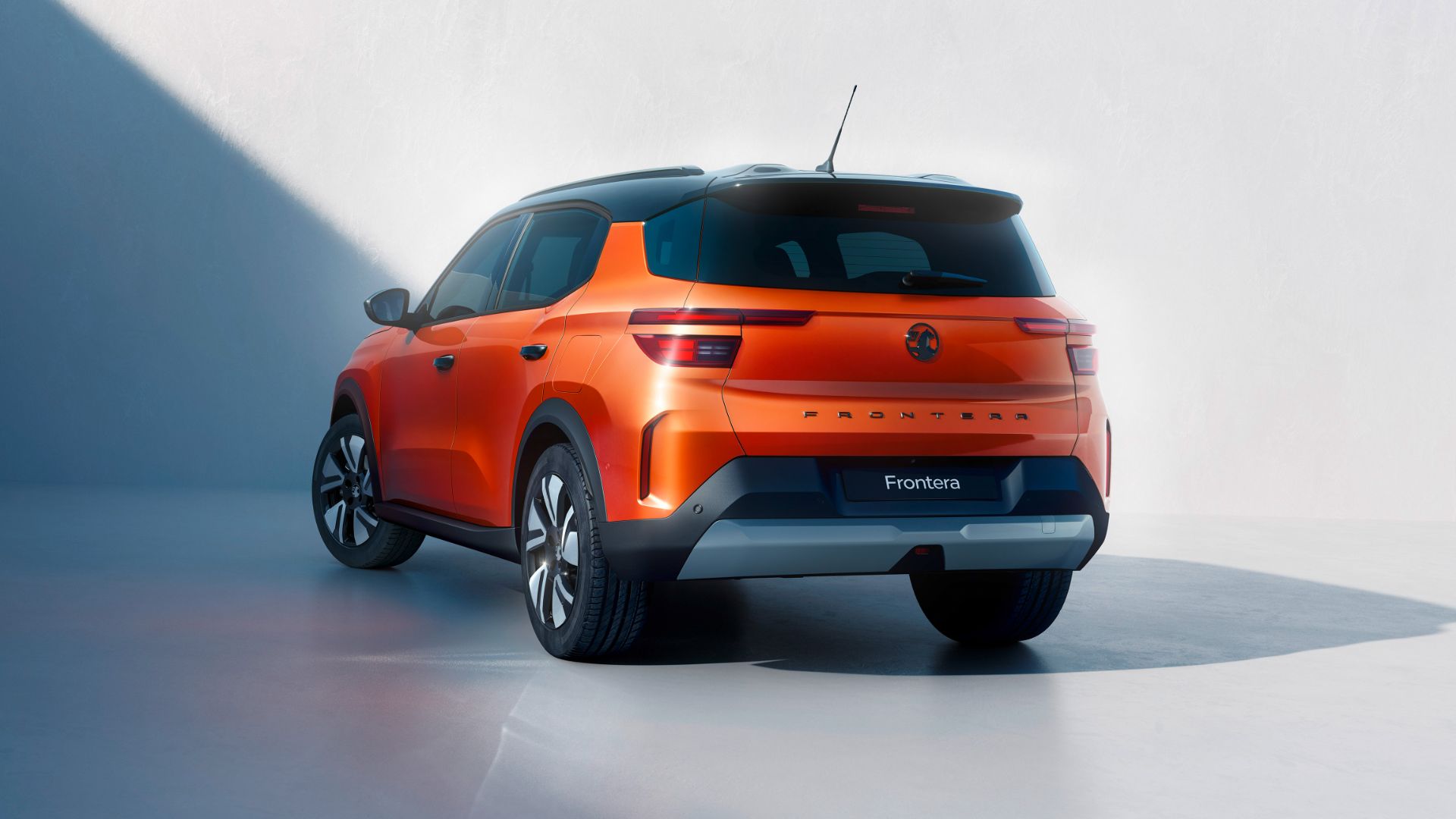
Vauxhall Frontera
© VauxhallWe finish with the Frontera, a name first used by Vauxhall in 1991. The original Frontera had a rugged ladder frame chassis and low-range four-wheel drive, but also boasted decent road manners and a comfortable cabin. The short-wheelbase Sport version (seen here) had a removable rear hard-top.
-
Vauxhall Frontera
© VauxhallNow the Frontera is back, this time as a conventional compact SUV to replace the Vauxhall Crossland. Petrol and fully electric drivetrains are available, and the car’s rivals include the Dacia Duster, Jeep Avenger and Ford Explorer. Perhaps even the aforementioned Ford Capri, too.
