The Petersen Automotive Museum in Los Angeles will host a special cruise-in to pay tribute to the late motorsport legend, Ken Block.
Taking place on Sunday 6 April 2025 between 8am and 2pm, the 43i Cruise-In will see hundreds of special cars on show. Visitors will also get the chance to meet automotive personalities who worked with Block.
Brian Scotto, co-founder of Hoonigan and board member of the charitable 43 Institute, is one of the VIPs due to attend. Scotto will also record a live podcast from the event.
Ahead of the 43i Cruise-In, the Petersen Museum will host special events throughout the week, including a celebration of “National Ken Block Day” on 3 April.
Remembering the People’s Champ
Those purchasing a ticket to attend the 43i Cruise-In also gain entry to the “People’s Champ: The Impact of Ken Block” exhibition, which opened at the Petersen earlier this year.
This will include a special tour of the vehicles, personal effects and memorabilia associated with Ken Block. The tour will be led by Ron Zaras, former creative director at Hoonigan.
The exhibition chronicles Block’s life from entrepreneur to motorsport star, highlighting some of the cars made famous by his “Gymkhana” series of YouTube videos.
For those unable to attend this weekend’s Cruise-In, the People’s Champ exhibition will remain open at the Petersen until October 2025.
Free donuts included
Tickets for the 43i Cruise-In are priced at $43, including access to the Petersen Museum to enjoy the Ken Block exhibition. Those attending will also receive an exclusive poster, along with free on-site parking.
Drivers with a modified show car to display can buy entry for $69, which includes access for two people to the Petersen Museum, along with dedicated show car parking.
Spectator access to the show car Cruise-In parking area is free, and even includes complimentary coffee and donuts.
More information about the 43i Cruise-In is on the Petersen Automotive Museum website, where you can also purchase tickets for the event.
We appear to be falling out of love with sports cars. Registrations are down across Europe, with some models seeing a major slump in sales. Blame the popularity of SUVs or soaring household bills, but it isn’t down to a lack of choice.
Indeed, our list of the best sports cars shows a segment in rude health, with buyers able to choose from a range of hardcore and soft-focus options.
Here are the best sports cars to buy in 2026, with our choices presented in alphabetical order.
Alpine A110
The Alpine A110 proves you don’t need the default Porsche 718 Boxster or Cayman to experience the joys of a relatively affordable, daily-driver sports car. This pretty French coupe was designed to deliver one thing: unadulterated fun. Prices start from a whisker under £55,000.
All versions are powered by a 1.8-litre turbocharged engine, which in R flavour (pictured) produces 300hp. While this is the same as the A110 S, the R is 34kg lighter and rides 10mm lower on manually adjustable coilovers, with stiffer anti-roll bars and Michelin Cup 2 tyres.
We said: ‘The R will appeal to collectors and those who want the ultimate A110 regardless of cost (you can imagine Alpine F1 drivers Pierre Gasly and Esteban Ocon each having one as their company car). Ultimately, though, this version serves to underline the unadorned brilliance of the standard A110.’
Caterham has been playing the role of wasp at the supercar picnic since 1973. That’s when the company acquired the rights to build and develop the Lotus Seven, one of Britain’s most driver-focused sports cars. Today, prices range from £29,500 to £80,000, or you can have the chassis, boxed components, engine and gearbox delivered to your garage, along with an assembly guide.
The Seven 360R (pictured) uses a 2.0-litre Ford Duratec engine and will hit 60mph in just 4.8 seconds. To go even faster, check out the Seven 620, which adds a supercharger to the Ford engine for a 0-60mph time of 2.79 seconds and a top speed of 149mph.
We said: ‘It’s totally impractical, and downright masochistic on longer journeys, but a Caterham Seven offers a raw and visceral driving experience like little else. Once you find an ideal road, in the perfect weather and surroundings, the sensations are addictive and will leave you wanting more.’
The Ford Mustang is a hugely successful sports car. It’s an automotive icon, and as American as baseball or mom’s apple pie. You can now buy an electric Mustang – the Mach-E SUV – but we’re talking about the old-school V8 here. Available as a GT coupe, GT convertible or Dark Horse edition, it costs from £56,000.
Even in entry-level guise, the 446hp Mustang will hit 62mph in just 5.3 seconds, but if you choose the 453hp Dark Horse edition, the sprint time drops to 5.2 seconds in the six-speed manual version – or an impressive 4.4 seconds if the 10-speed automatic is your thing.
Driving the Mustang Mach 1 (pictured), we said: ‘If you want to go sideways, you can, but the Mach 1 is too polished to play the all-out hooligan. That doesn’t mean it has morphed into a flighty sports car, though. It remains quite a physical experience, with a heavy six-speed manual shift and a sense of weight shifting that betrays its 1,851kg heft.’
A list of the best sports cars must include a Lotus, even if Norfolk’s finest is now mostly building SUVs and EVs. With a starting price of £89,500, the Emira feels a long way from the Elise, but this is every inch a Lotus for the modern era. Indeed, thanks to a top speed of 182mph, the entry-level Emira is the world’s fastest four-cylinder car.
It shares its engine with the Mercedes-AMG A45 S and we reckon it’s a better sports car than the V6 version. That said, thanks to the 406hp Toyota V6 engine, the flagship Emira (pictured) can hit 62mph in just 4.3 seconds, before maxing out at 180mph.
We said: ‘In the long Lotus tradition, the Emira remains a ‘chassis’ car, with the engine as a supporting act. The Toyota V6 is certainly effective, but its gruff, rather workmanlike voice isn’t as exotic as a howling Porsche flat-six. I’m not wholly convinced by the notchy and slightly ponderous manual gearshift either. Nonetheless, this is the most complete Lotus ever, and a reassuring reminder that, even with the electric revolution already underway, Hethel hasn’t forgotten its past.’
Why spend £60,000 on a sports car when half that amount could get you behind the wheel of the world’s favourite roadster? Over four generations and 35 years, the Mazda MX-5 has cemented a reputation for being the benchmark affordable sports car.
For a while, the brilliant 132hp 1.5-litre Skyactiv-G was our engine of choice in the MX-5. With just enough power to entertain, a sublime six-speed gearbox and superb rear-wheel-drive handling, it was the perfect MX-5. Perfect, that is, until Mazda tweaked the 2.0-litre engine. Now with 184hp, it injects the MX-5 with added excitement. It’s genuinely thrilling.
We said: ‘It is delicate, adjustable and floods you with feel and feedback. Compared to a hot hatch, it almost feels over-soft, as the body rolls in corners and the suspension is supple over bumps. This, however, is because it’s so light, meaning Mazda hasn’t had to battle with managing excess weight.
‘Best driven with fingertips, it’s nimble and flows beautifully, feeling exactly like the 1960s throwback Mazda intended since day one.’
First launched in 2020, the Morgan Plus Four boasts a bonded aluminium platform, double wishbone suspension and a twin-turbocharged BMW engine. Updates for 2024 included LED headlights with integrated indicators, new puddle lights, a redesigned rear diffuser and an optional Dynamic Handling Pack.
At £1,995, the latter is an essential upgrade, giving the Plus Four a newfound sense of poise and accuracy. Developed with suspension specialist Nitron, it consists of stiffer springs, adjustable dampers and a rear anti-roll bar. It’s the best upgrade you can make to a Morgan.
We said: ‘The Morgan Plus Four is a trad British sports car with modern manners – if you opt for the new Dynamic Handling Pack. Most people will buy a Boxster instead, but a Morgan isn’t for most people. It’s a car that keen drivers can enjoy without qualms, blending exciting performance with lucid steering, deft damping and real exuberance when its limits are tested. Appearances, it seems, can be deceptive.’
When the Porsche 718 is this good, you have to wonder whether it’s worth spending nearly £100,000 on a Porsche 911. Granted, it’s not quite as simple as that, but in the context of the rest of the Porsche range, the 718 Boxster and Cayman seem good value for money.
The GTS 4.0 versions are our pick of the range. A return to the flat-six engine might sound like a U-turn following the company’s switch to four-cylinder power, but it was music to the ears of Porsche purists. Alternatively, if your budget stretches that far, the flagship Cayman GT4 RS blurs the boundaries between sports car and supercar. It’s outrageously exciting – and a guaranteed future classic.
Driving the Cayman GT4 RS, we said: ‘The air intakes that replace the rear side windows are located just behind your ears, and the effect is like hugging the speakers at a Motorhead gig. As the revs soar, the voracious gasp of induction is overwhelmed by the bandsaw blare of six wide-open throttle bodies. The piercing top notes are pure racing car.’
To many people, the Porsche 911 is the definitive sports car, bridging the gap between affordable two-seaters and six-figure supercars. Sure, prices start from around £100,000, but the beauty of the 911 is that you don’t have to progress far beyond the ‘entry-level’ model for the pure Porsche experience.
Indeed, we think the 911 Carrera, which was updated in 2025, is all the 911 you could ever need. Granted, a total of 394hp from a 3.0-litre twin-turbo flat-six looks a bit ‘meh’ in a world of 400hp+ hot hatches and 1,000hp EVs, but they don’t offer the poise and purity of a 911. The new 911 Carrera GTS T-Hybrid is good, but the ‘basic’ Carerra gets our vote.
We said: ‘If you have £100,000 to splash on something sporty, it remains the default choice. Does ‘default’ also mean ‘dull’? Absolutely not. I’ve been lucky enough to test many exotic 911s, from classic RS models to a tuned Turbo. I always enjoyed the experience, but after a few hours I usually felt ready to return the keys. That isn’t the case here. Indeed, I could have happily carried on driving the Carrera, taken it home and lived out my days with it. The only sports car you need? Yes, something like that.’
Meet the Radical SR10 XXR, a purpose-built race car with Bugatti-baiting performance and no electronic driver aids. It’s not the kind of car you’d climb into for a commute to the office, unless your office happens to be a racetrack.
Power is sourced from a 2.3-litre four-cylinder engine from the Ford Focus ST, which, thanks to a custom Garrett turbocharger, forged pistons, a high-flow exhaust and a Life Racing ECU, produces 425hp. That’s in a car weighing just 725kg. No surprise, then, that it’ll hit 62mph in just 2.4 seconds.
We said: ‘Forget track-focused road cars: this is the real deal. The Radical SR10 XXR will teach you to be a better driver, and make you grin in the process. Its real USP, though, is the Radical Cup race series: a relatively affordable route into national-level motorsport.’
The Toyota GR86 is the successor to the much-loved GT86, with a 234hp 2.4-litre ‘boxer’ engine and a similar surfeit of power over grip. It’s a pure sports car of the sort that will soon be extinct, serving up constant feedback and fun. Sadly, buyers are all too aware of time running out, and the entire UK allocation for the GR86 has already been sold. If you want one now, you’ll have to buy used – and probably pay a hefty premium over the £30,000 list price.
Aside from its propensity to oversteer, the GR86 offers a practical hatchback boot, two child-sized rear seats and typical Toyota build quality. Yes, the interior is a bit plasticky and fuel economy could be better. But trust us, you really won’t care. This car makes even a mundane journey feel special.
We said: ‘The added torque transforms how the GR86 drives, answering the main criticism of its predecessor. Its growly flat-four no longer relies solely on high revs, pulling strongly through the mid-range to its 7,400rpm limiter. The control weights feel carefully calibrated, too, with endlessly chatty steering, perfectly spaced pedals, a snappier manual gearbox (an automatic is optional – don’t even think about it) and a proper handbrake.’
The new Maserati GT2 Stradale is now available to order in the UK, with a production run of 914 cars planned.
Based on the mid-engined MC20 supercar, Maserati revealed the GT2 Stradale at last year’s Monterey Car Week in California.
The Stradale is directly inspired by Maserati’s GT2 racing car, which returned the Italian marque to motorsport in the 2024 GT2 European Series.
Along with the regular GT2 Stradale, Maserati has also launched an ‘Edizione Corse’ special edition, which celebrates the on-track success the race car enjoyed last year.
Celebrating motorsport success
Powering the GT2 Stradale is a modified version of Maserati’s 3.0-litre twin-turbocharged ‘Nettuno’ V6 engine. Total power is 640hp – 10hp more than the related MC20.
With more power and 60kg less weight than an MC20, the GT2 Stradale can accelerate from 0-62mph in 2.8 seconds. Flat out – on a circuit, of course – it will reach a top speed of 202mph.
At the top of the range, the celebratory Edizione Corse version of the GT2 Stradale comes with an array of extra features.
Limited to 16 examples (the number of podiums claimed by the GT2 racer in 2024), the Edizione Corse gains a titanium racing-only exhaust, lightweight ‘Monodado’ alloy wheels and an interior carbon fibre pack.
An invite to the Maserati Racetrack Academy in Italy, along with a GT2 racing car experience, is included for good measure.
Create your own road racer
Customisation will be important for GT2 Stradale customers, aided by the opening of Maserati’s new ‘Officine Fuoriserie’ at its factory in Modena.
Designed as a dedicated space for personalisation, Officine Fuoriserie caters to the wishes of Maserati customers, from bespoke paint schemes to special liveries.
Even without delving into the Fuoriserie programme, the GT2 Stradale offers an optional Performance Pack, bringing race-spec carbon-ceramic brakes, Michelin Pilot Sport Cup 2 R tyres and a dedicated ‘GT2 Corsa Evo’ driving mode.
Prices for the Maserati GT2 Stradale start from £273,510 – almost £50,000 than an MC20. For those wanting spec their dream GT2, it is also now available on Maserati’s online configurator.
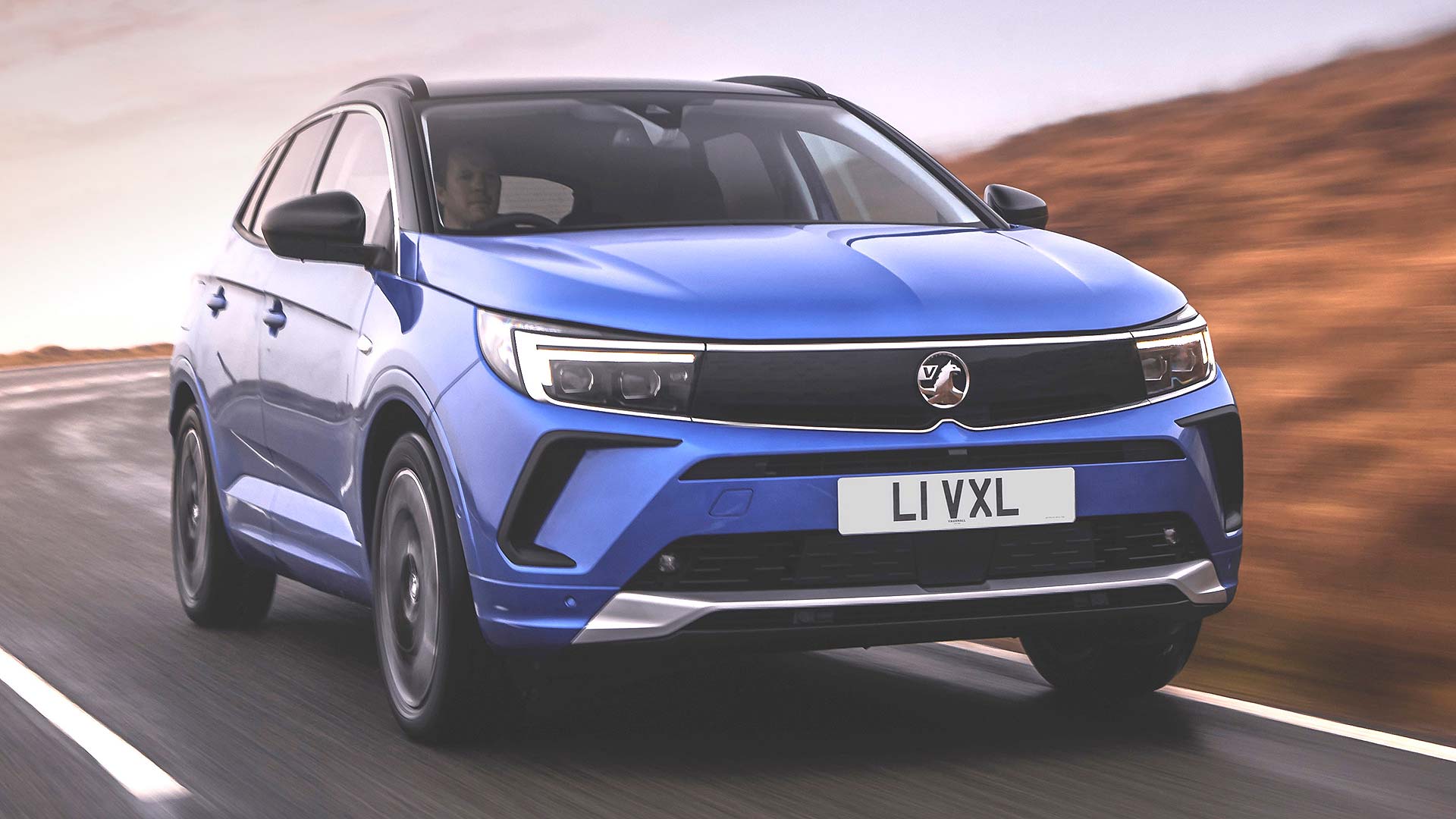
New data from Auto Trader has identified the Vauxhall Grandland as the hottest used car in the UK.
Analysis by the online car marketplace reveals that, in March 2025, the Grandland SUV spent an average of just 7.5 days on dealership forecourts before being purchased by a new owner.
Notably, this rapid turnaround applies to Vauxhall Grandland SUVs less than one year old, and equipped with petrol hybrid powertrains only.
Intriguingly, a Grandland of similar age but with a regular petrol engine took 10 times longer to sell – requiring an average of 77 days.
Flying off the forecourt
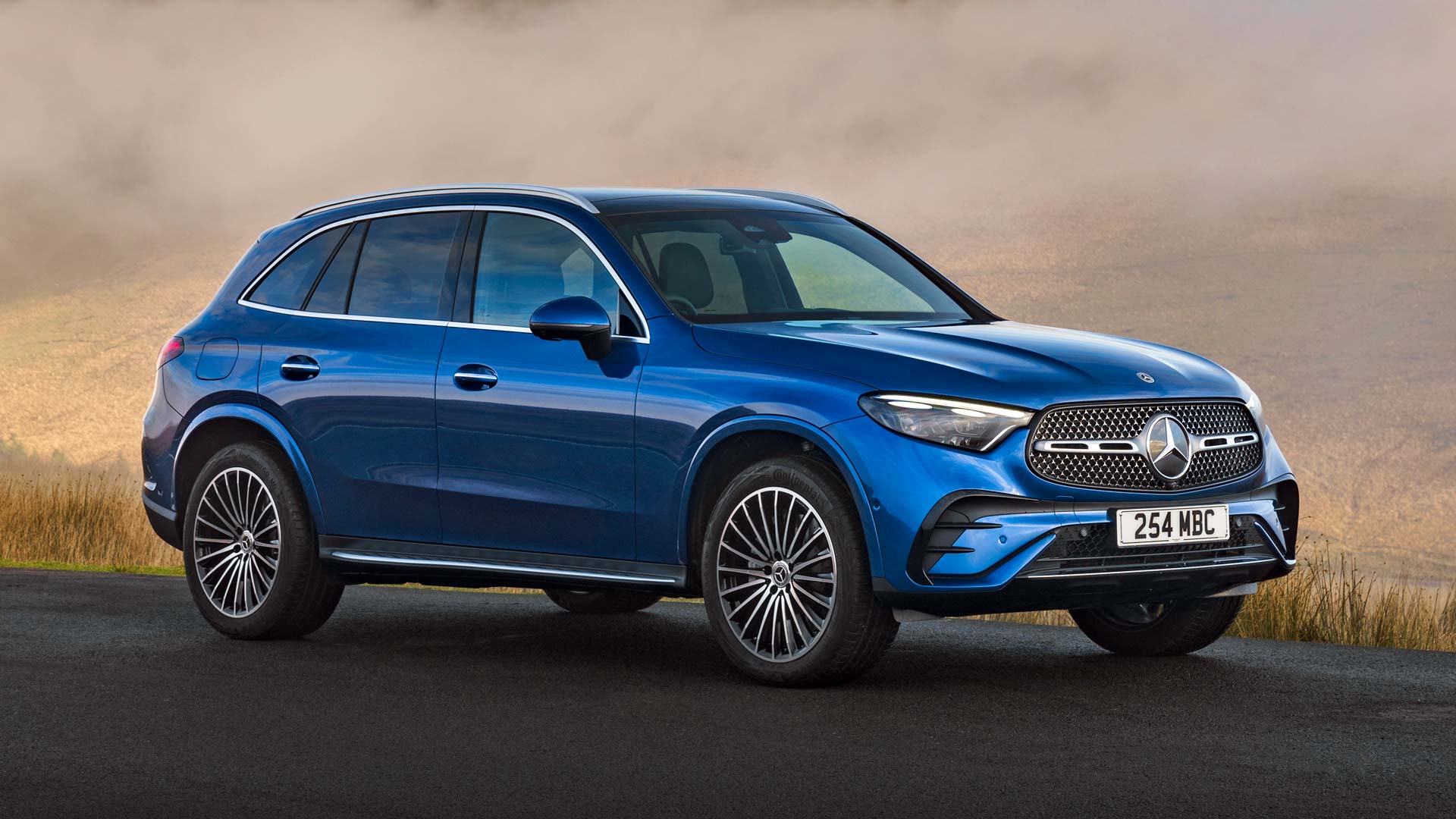
Auto Trader’s data found that a one-year-old Mercedes-Benz GLC, also with petrol hybrid power, was the UK’s second-quickest selling car in March.
The premium SUV typically required just over a week to be sold, taking an average of 8.5 days to change hands.
The Jeep Avenger compact SUV completed the podium, averaging 11 days to sell. It was followed by the Mercedes-Benz A-Class saloon, which needed 12 days.
Notably, eight of Auto Trader’s top 10 cars were SUVs, proving that demand for these vehicles remains as consistent as ever.
Don’t Leaf me alone
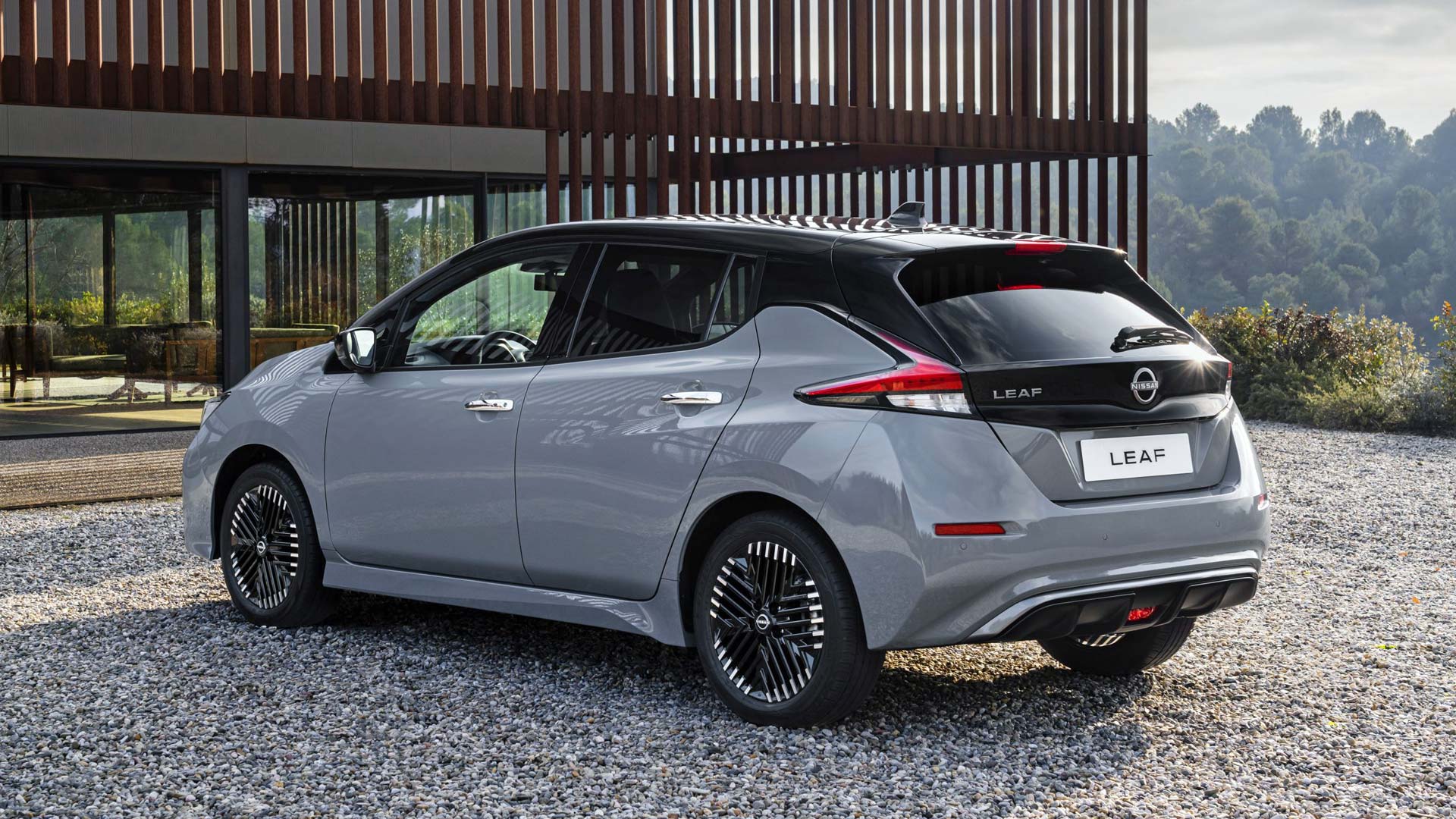
At the other end of the scale, the electric Nissan Leaf proved to be the toughest sell for car dealers during March. Examples of the Leaf, in particular those less than one year old, languished at dealerships for an average of 101 days.
Auto Trader’s overall data for March 2025 shows the average car took 25 days to sell, indictating that the market appears to be gathering pace.
Richard Walker, Auto Trader’s director of data and insights, commented: “The accelerating speed at which cars are moving off forecourts is an encouraging sign for the used car market. However, this record speed of sale does suggest that, for many retailers, there is room to optimise pricing to fully capitalise on the robust levels of consumer demand.
“Retailers need to be confident in their pricing and, with the used market currently buoyant, price correctly to the retail market. Staying close to the market data will prove essential to ensuring retailers are maximising profit, while still achieving a rapid rate of stock turn.”
Every Vauxhall electric car is now priced at less than £40,000 to save customers a total of £2,125 in road tax.
From 1 April, electric cars are no longer exempt from road tax (VED). In the first year, owners will pay the lowest possible rate of £10 – but after that, they pay the same standard £195 rate as for petrol or diesel cars.
Electric cars are also now liable for the ‘Expensive Car Supplement’. This sees cars costing more than £40,000 charged an additional £425 a year in VED for five years, from the second year of registration.
This comes on top of the standard £195 a year road tax rate, too.
It means that in the first six years of ownership, owners of cars costing more than £40,000 will pay a total of £3,110 in road tax.
However, by pricing all its electric cars under £40,000, and thus escaping the Expensive Car Supplement, Vauxhall EV owners will pay £985 over the same period, saving them £2,125.
Big savings on Vauxhall Grandland
Savings are greatest on the Vauxhall Grandland Electric. Previously, every version of the car cost more than £40,000, with the range-topping model priced at over £45,000.
Now, the Grandland Electric Design costs from £36,455, the GS from £38,505 and the Ultimate from £39,095.
Range-topping versions of the Vauxhall Mokka Electric and Vauxhall Astra Electric Sports Tourer also now cost less than £40,000.
Electric Car Supplement criticised
Vauxhall boss Eurig Druce has, however, used the announcement to criticise the controversial Electric Car Supplement, which has remained at £40,000 since its inception back in 2017.
“If it were to have risen with inflation, it would now be around £52,000,” said Druce. “With the average price of an EV in the UK at around £48,000, this new tax means that customers buying some of the more attainable electric cars on the market are now being penalised, whilst at the same time we are trying to move as many British motorists to electric as possible.
“We’d urge the government to reconsider this new measure and ensure taxation policies incentivise the majority of drivers to make the shift to electric vehicles.”
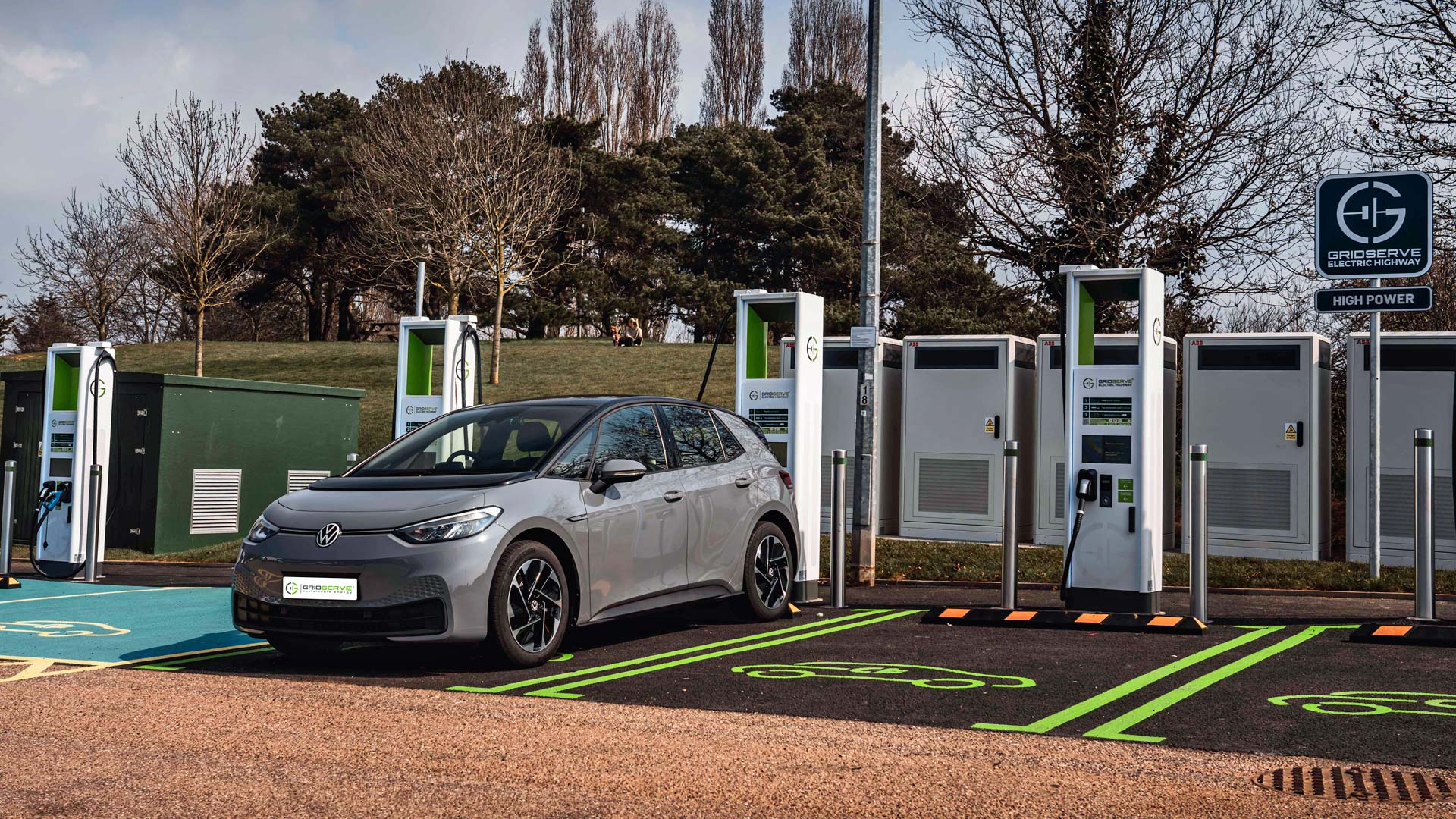
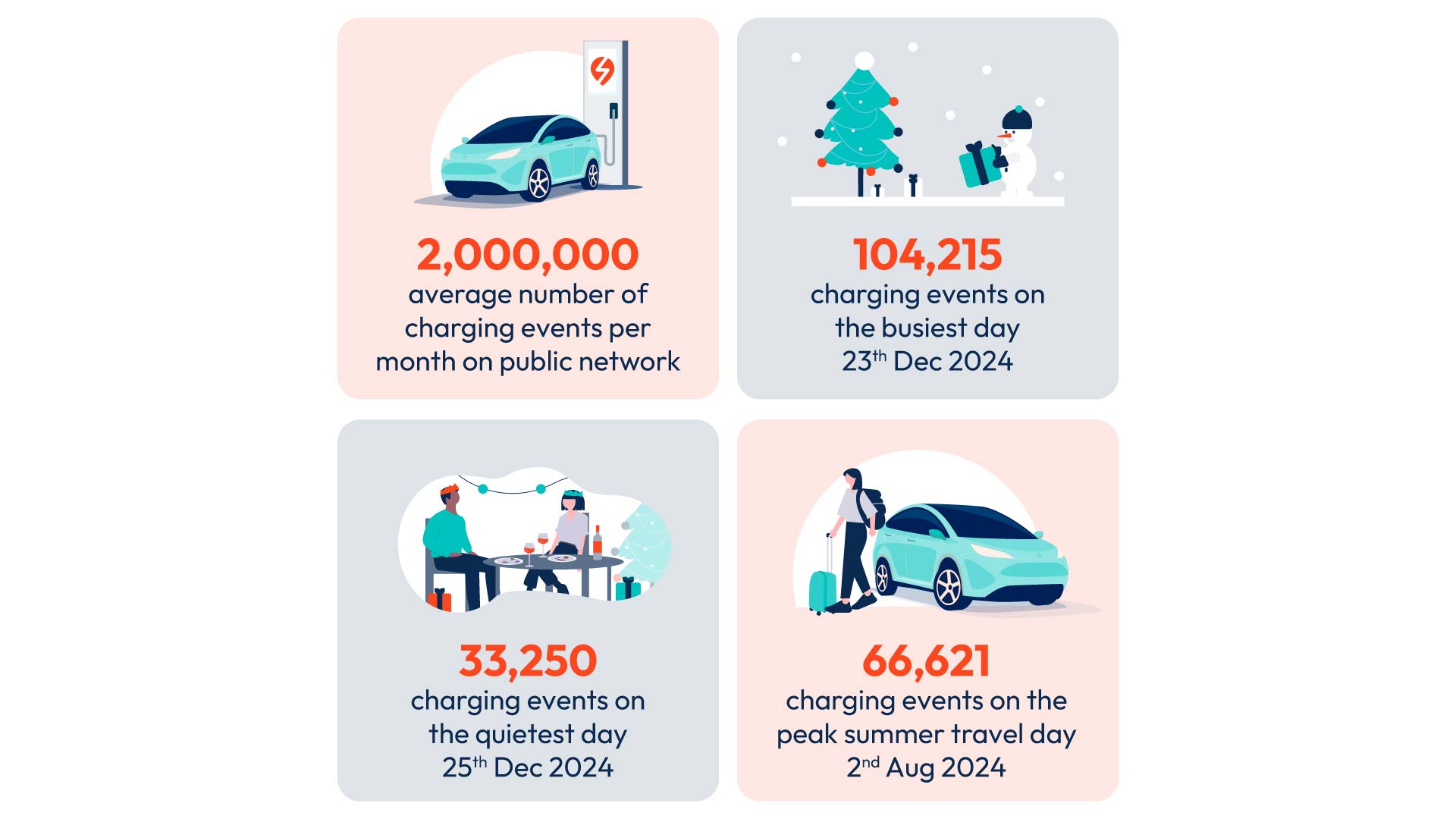
Electric car drivers in the UK now make more than two million successful public charges each month.
The insight comes from Zap-Map, which provides mapping, charger location and payment services to EV drivers.
With Zap-Map now covering more than 95 percent of the UK’s public charging network, the company can provide valuable insight into how frequently it is being used.
Being connected to 76,000 charging devices across Britain means Zap-Map can see how often each charger is plugged in, and for how long.
Rapid charging speeds increase
What Zap-Map’s utilisation data reveals is that drivers are making more use of rapid or ultra-rapid charging devices.
Capable of delivering charging speeds from 50kW upwards, rapid chargers can typically add a substantial amount of range to an electric car in just 30 minutes. Now, some 60 percent of all charging sessions use these devices.
Last year saw an 84 percent increase in the number of ultra-rapid (150kW+) chargers installed across the UK, with more than 7,000 now available.
Zap-Map’s data also shows the busiest day for the public charging network in 2024 was the 23rd of December, when there were 104,215 charging events. Perhaps unsurprisingly, the quietest day was the 25th of December, with 33,250 charges.
Zeroing in on demand
By analysing and sharing such data, Zap-Map can do more than just identify peak demand for charging.
The company is working with charge point operators (CPOs) to enable them to identify the busiest sites, and encourage them to consider adding extra chargers – either at that location, or nearby.
As a result, EV drivers should have to queue for less time to use a charger, even during peak travel periods.
Jade Edwards, head of insights at Zap-Map, commented: “As increasing numbers of drivers transition to electric vehicles and more investment is made into the charging infrastructure, tracking utilisation to fully understand usage patterns will not only ensure that CPOs optimise the customer experience, but also enable them to progress towards profitable businesses.”
Changes to Vehicle Excise Duty (VED), better known as road tax, are set to earn the UK government a whopping £16 billion in revenue.
From 1 April 2025, electric vehicles will be subject to VED for the first time. This comes alongside an increase in rates paid by owners of petrol and diesel cars.
Leasing Options has undertaken analysis of how these new VED rules are likely to impact UK motorists, and calculated the revenue being raised. It also examined which regions of the UK will be hit hardest by the changes.
A postcode lottery
According to analysis of DVLA data, the Isles of Scilly will be the region most affected by the new VED rules.
Although the tiny archipelago has just 776 vehicles on its roads, the changes mean residents of the Isles of Scilly will pay an average of £257.90 in VED per vehicle registered.
This is due to a larger proportion of higher-emission vehicles on Scilly’s roads, such as older cars and those with larger engines.
Darlington and Slough follow as the second and third hardest-hit locations. Locals in Darlington will contribute an average of £257.33 in VED per vehicle, while those in Slough will pay £242.61.
Charging up tax rates
The inclusion of electric cars in the VED rules marks a major change in policy, following years of zero-emission models being exempt from road tax.
From 1 April 2025, all new electric cars will be subject to a first-year rate of £10 until 2029. Those costing more than £40,000 will also be hit by the annual ‘Expensive Car Supplement’ of £425.
Electric cars registered between 1 April 2017 and 31 March 2025 will be liable for the same £195 rate of VED as petrol and diesel cars.
Bringing EVs into the scope of road tax is expected to contribute an additional £229 million to the Treasury’s coffers.
‘Mixed signals’ for consumers
Manchester will see the largest impact from the EV changes. The region will fork out an extra £23.3 million and account for almost 10 percent of total EV tax revenue.
Outer London is next, with revenue of £13.5 million, followed by Windsor and Maidenhead with £11.9 million.
Mike Thompson, COO at Leasing Options, said: “Introducing VED for EVs is a controversial move that could slow down adoption. Many drivers made the switch to electric expecting lower running costs. This additional tax could make them rethink that decision.
“The government has championed EV adoption as a crucial part of the UK’s net-zero ambitions. Taxing EVs now, just as uptake is accelerating, sends mixed signals. If the goal is sustainability, we need assurances that this revenue will be reinvested into greener transport infrastructure.”
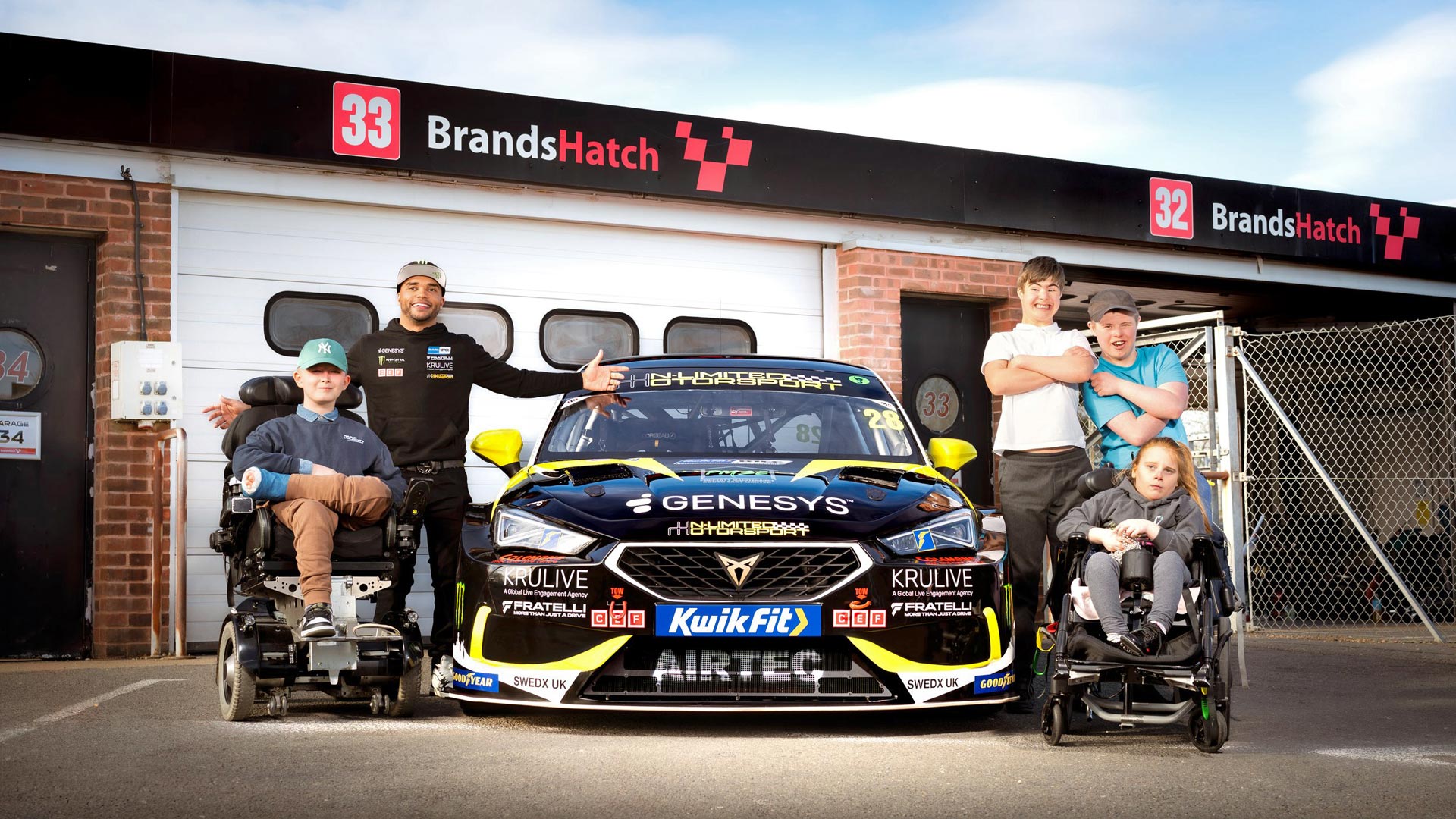
The younger half-brother of seven-time Formula One World Champion Sir Lewis Hamiton, Nic Hamilton last raced in the BTCC in 2023.
Although Hamilton had to step away from the BTCC mid-way through the 2023 season, he did achieve a career-best sixth-place finish.
After 20 months away, Hamilton is now back on the BTCC grid – and with even greater motivation than before.
A platform for inclusivity
Hamilton is the only driver in the history of BTCC to compete with cerebral palsy. His Cupra Leon racing car is specially adapted for his disability.
Hoping to use his position as a racing driver to inspire others, Hamilton invited children from the We Are Beams charity to Brands Hatch for his season launch.
“There is a place in motorsport for disabled people to feel valued and accepted in multiple roles within the sport. I want to open people’s eyes to that,” said Hamilton.
“I want to continue to prove that motorsport is for everyone and that racing can be a platform for opportunity and inclusivity. Un-Limited Motorsport and my partners believe in what I stand for, my talent and my purpose. If I can be accepted, then so can others with a disability.”
Moving forwards together
Hamilton becomes the latest driver to join the Un-Limited Motorsport team, driving alongside Dexter Patterson and Max Hall.
Founded in 2024 as a single-car team, Un-Limited Motorsport has undergone a rapid expansion. It will now accommodate three drivers for the 2025 season.
Team owner Bob Sharpless said: “It’s fantastic to have Nic Hamilton join Un-Limited Motorsport. He’s hugely determined to get back on the BTCC grid, and I’m proud that we could make it happen.
“Nic is not just an incredibly well-known driver – he’s an inspiration worldwide. The fact that he’s put his trust in our team speaks volumes about how far we’ve come in such a short time. We’re excited to support him on this journey and can’t wait to see what we achieve together.”
The 2025 BTCC season begins on Saturday 26 April, with the opening rounds taking place at Donington Park.
Tesla has delivered more than 250,000 new electric cars in the UK. The figure was achieved less than a year after the American company broke the 200,000 mark.
Recent momentum, including a 21 per cent year-on-year sales increase in February 2025, has helped Tesla to reach the new milestone.
The updated Model 3, revealed last year, has been a key driver of growth. This was compounded in October with the launch of a Model 3 Long Range Rear-Wheel Drive – the longest-range Tesla vehicle yet. The firm will hope the upcoming Model Y facelift, due in the UK from June, can maintain its continuing growth.
This comes despite a downturn in Tesla deliveries across Europe, which is attributed to consumer kickback over CEO Elon Musk’s political views.
The UK has, however, yet to see a downturn in Tesla deliveries. In February 2025, the Model 3 was Britain’s second best-selling car – followed by the outgoing Tesla Model Y in third. All eyes will now be on the March 2025 new car registration figures, due out next week.
Tesla pop-up store in London
To showcase its latest products, Tesla is opening a pop-up store on London’s Oxford Street next month.
Running between 4-11 April, features will include the Tesla Cybertruck, new Tesla Model Y (pictured above), Tesla Optimus Bot and the latest Tesla Powerwall 3 home energy storage solution – designed for solar integration. Those eager to attend can sign up here.
On the subject of power solutions, Tesla has continued to expand its Supercharger network to meet its growing deliveries. There are now more than 1,800 Tesla Superchargers across 160 locations in the UK – with the firm also running 42 retail and service stores, plus an additional 25 self-serve test drive locations.
Porsche has announced that all models in the Taycan range will now come equipped with its biggest battery.
The 105kWh Performance Battery Plus is being fitted as standard to the Taycan and Taycan 4S as part of a comprehensive package of enhancements for the EV.
Along with new safety technology and revised alloy wheels, Porsche says the 2025 Taycan specification represents £8,000 in extra value.
It brings added appeal to a car that Motoring Research’s Tim Pitt called ‘the best sporting electric car on sale’ in his recent review.
Extra range, no added cost
Previously, the Porsche Taycan and Taycan 4S were fitted as standard with an 89kWh battery pack. Customers could specify the larger 105kWh Performance Battery Plus, but at a considerable cost of £4,454.
However, making the bigger battery the default configuration means the entry-level Taycan is now officially capable of up to 421 miles when fully charged. Compared to the smaller battery, this represents an extra 50 miles of range.
Porsche has also made 19-inch Taycan S Aero alloy wheels standard for the regular Taycan. Adaptive cruise control and lane change assist are now fitted to all models, too.
Those buying the faster Taycan GTS and Turbo versions also get rear-axle steering and Power Steering Plus as standard – worth around £3,600 in extra equipment.
These are said to make PCM more responsive to use, and allow direct access to more third-party applications. A new Porsche App Centre should allow drivers a simpler experience to download and install new apps to their car.
Porsches equipped with Bose or Burmester high-end sound systems will be able to experience Dolby Atmos spatial audio, too.
Prices for the new 2025 Taycan start at £88,200, with the order book open now. Porsche no doubt hopes the generous new specification will draw customers back to its electric saloon and estate, which experienced a 49 percent slump in sales last year.