Home Blog Page 490

Ford makes the new 2019 F-150 Raptor pick-up even better

0

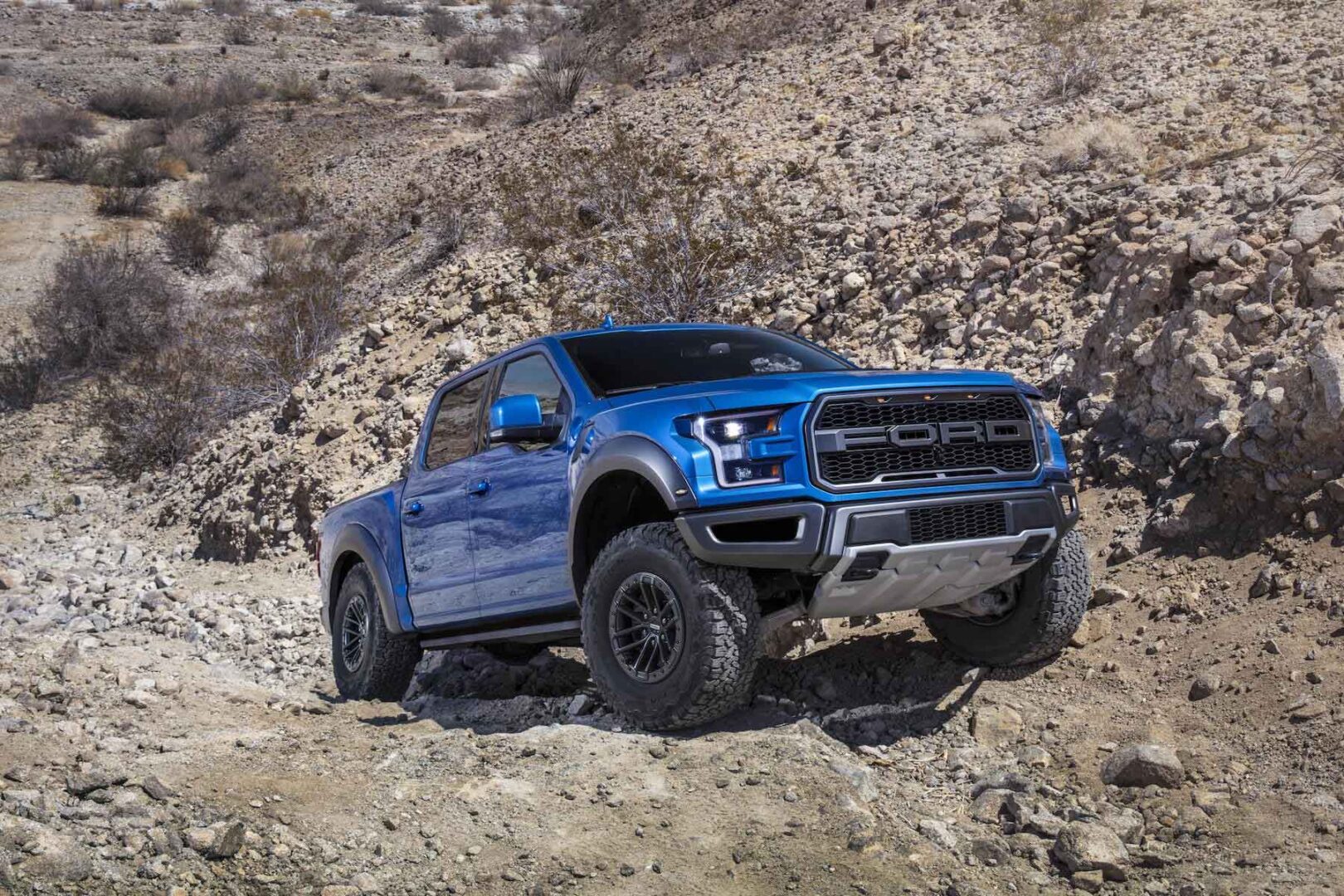
Upgraded 2019 Ford F-150 Raptor

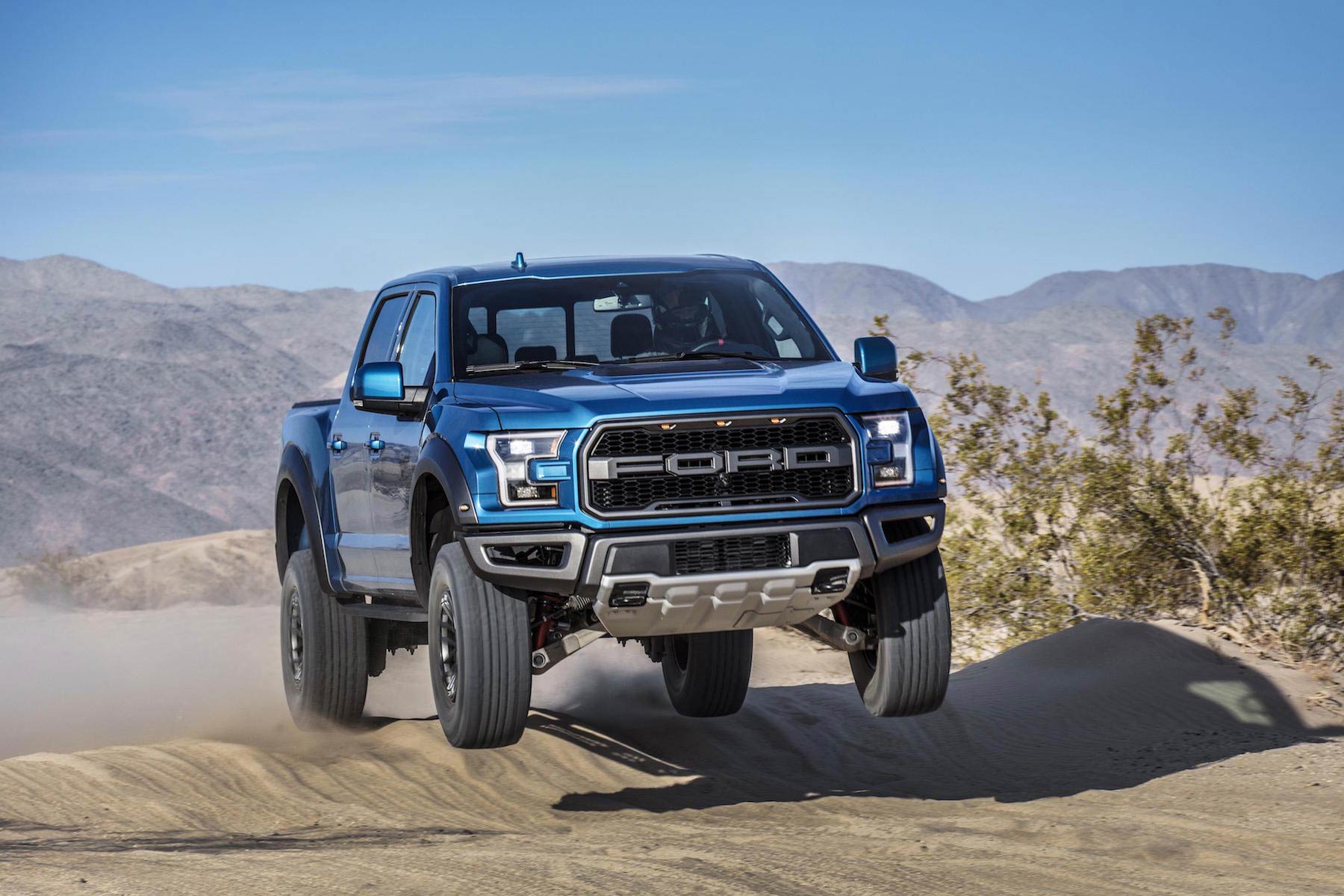
Whilst the Ford F-150 Raptor is already instantly recognisable for its impressive off-road performance ability, Ford is making it even better for the 2019 iteration.

Key to the changes are the addition of new electronically-controlled suspension shock absorbers supplied by Fox Racing. The all-new 3.0 dampers feature Live Valve technology, and an array of special sensors throughout the body and suspension.

It all sounds rather geeky for a performance pick-up, but the end result is shock absorbers able to react to the terrain conditions in real-time. This means it can perform better on the road, and also maximise ability off the beaten track. The sensors can even detect when the Raptor is in mid-air, and prime the shock absorbers for landing.
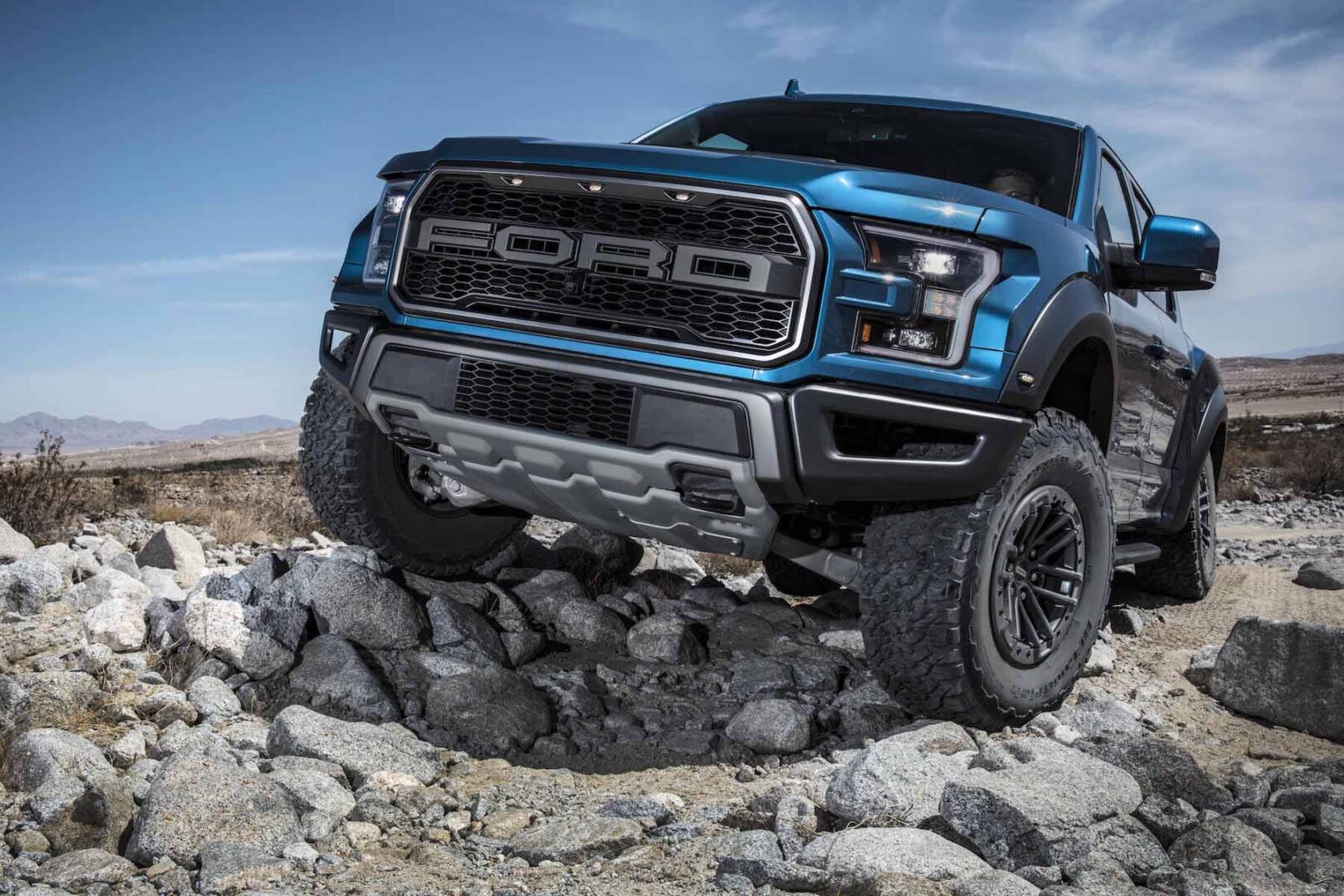
Also new is a Trail Control feature, which Ford describes as working like a low-speed version of cruise control. Operating from speeds of 1mph up to 20mph, the system juggles torque between individual wheels, and even applies the brakes. This keep the Raptor moving at the set speed, and lets the driver concentrate solely on steering through difficult terrain.

Unchanged is the 3.5-litre twin-turbocharged EcoBoost V6 engine, producing the same 450hp and 510lb-ft of torque. Also staying the same is the ten-speed automatic gearbox.

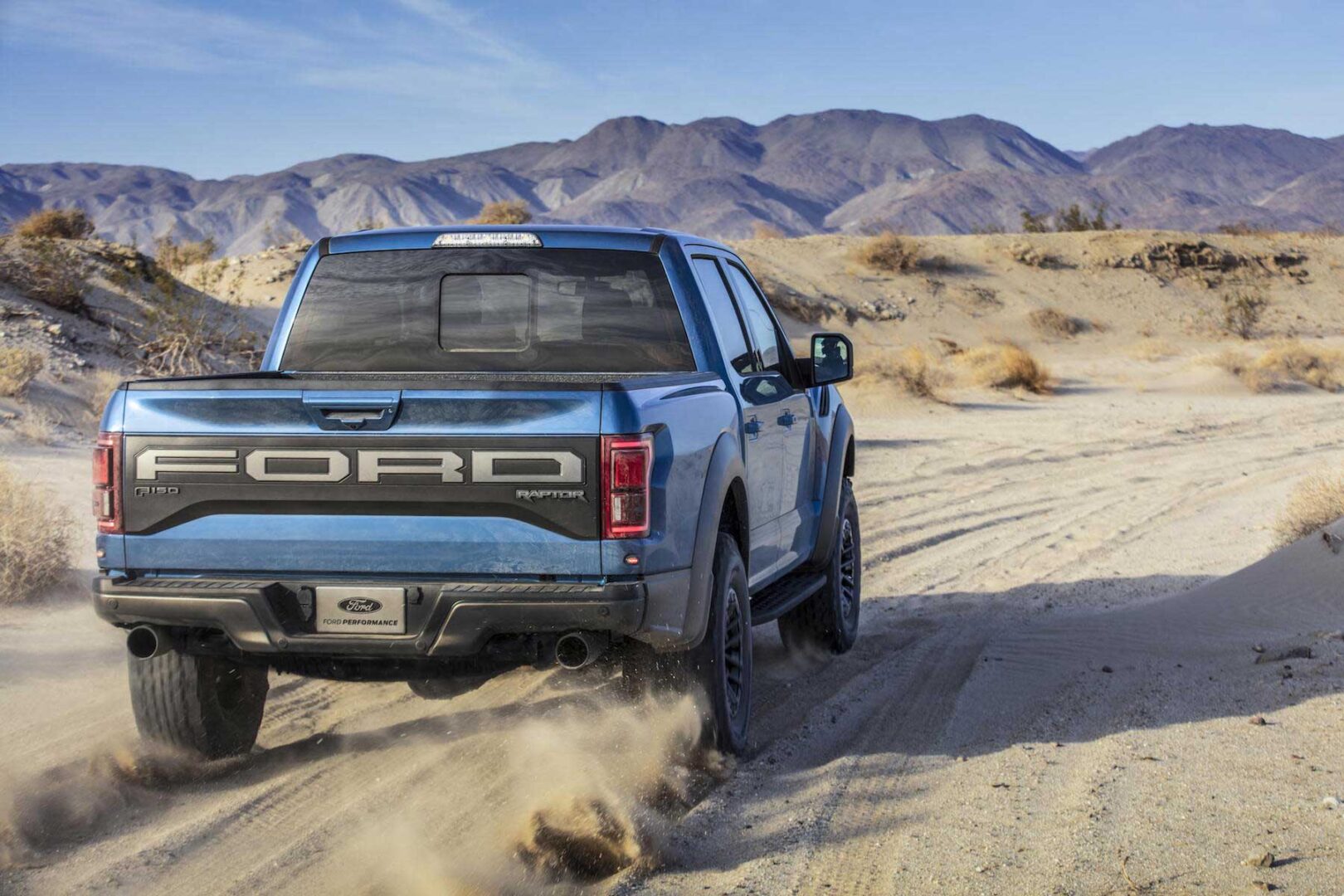
Ford has also introduced three new colours for the 2019 model year Raptor. Ford Performance Blue, Agate Black, and Velocity Blue are the new additions – perfect as a background for the inevitable mud and dirt spatters a Raptor deserves.

Upgraded 2019 Ford F-150 Raptor

Upgraded Recaro sports seats are also new, claimed to feature ‘aggressive’ support with better bolstering. A design with blue Alcantara trim and stitching is said to have been inspired by the interior found in the GT supercar.

The revised Raptor is set to be built at Ford’s Dearborn plant in Michigan, with sales beginning later in 2018. Just not for the UK though…
Advertisement

New adapter brings connected services to older Mercedes models

0

Mercedes Me Adapter for older carsWith the pace of development of in-car technology accelerating exponentially, it is easy for drivers of older models to feel left out. 
Even those with relatively new cars can still miss out on the latest upgrades, but Mercedes-Benz is helping out those with models stretching all the way back to 2002.

Once fitted, the Mercedes me Adapter allows a connection with a specific app on the drivers smartphone. New Mercedes-Benz cars come with this connectivity as standard, but adding the adapter allows access to a range of functions for older vehicles, too.

Although not quite the full suite of functions available to the newest Mercedes models, the adapter still allows drivers to a range of information. This includes details on recent journeys, checking fuel levels and range, finding out when a service is next due, and even locating where you parked your Benz.

The smartphone app also allows drivers to book in their next service, and access relevant phone numbers and contact details in the event of a breakdown or accident.

Owners can use the Mercedes-Benz website to check if their vehicle is compatible with the adapter, and book a fitting with their local dealership. At present the cost of the adapter, and fitting by a dealership, is free-of-charge. 

Making older cars more connected is an emerging trend, with Volkswagen offering a free DataPlug to mimic the abilities of the expensive built-in Car-Net system. 

Advertisement

2018 Ford Mustang is greener and noisier

0

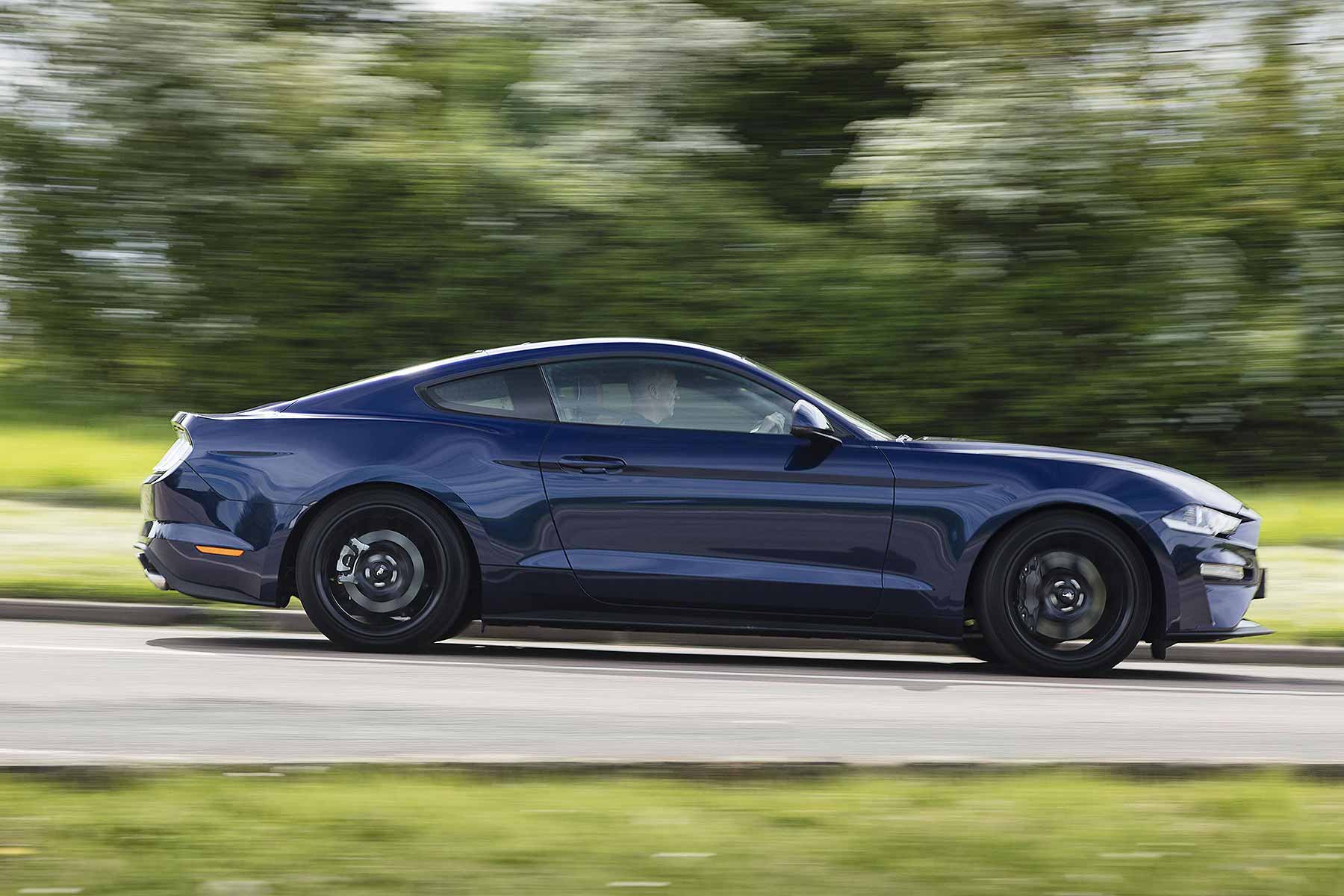
2018 Ford MustangThe 2018 Ford Mustang is now available to order in the UK from £36,645, with upgrades including the addition of an Active Exhaust for 2.3-litre Ecoboost models, and a powerful 1,000-Watt, 12-speaker B&O Play audio option for all models. 

The model year updates for the world’s best-selling coupe also include homologating both 2.3-litre four-cylinder and 5.0-litre V8 engines to the latest WLTP fuel economy standards. This has resulted in a slight dip in power for the Ecoboost engine – it now produces 290hp – but it is more efficient as a result. 

That’s despite the on-paper figures not reflecting this: 31.4mpg and 199g/km CO2 are little changed over before. Ford Mustang UK product manager Chris Rushton told Motoring Research the car is more fuel-efficient in real-world use, despite the stricter fuel economy tests not reflecting this.

Not that fuel economy will be foremost in the minds of Ecoboost buyers, who can now get the Active Exhaust already offered on the V8 GT. This is louder and rumblier, giving the smaller engine some of the aural impact it previously lacked. 

The V8, meanwhile, gains quad exhaust tail pipes; all Mustangs feature revised daytime running light LEDs and two new colour choices, Velocity Blue and Need for Green. There are more ‘Custom Pack’ options as well, so Mustang buyers can better tailor their cars. 

A sophisticated 10-speed automatic gearbox is offered, as is MagneRide adaptive suspension, and Ford’s added an extra setting to the adjustable Drive Modes button, called ‘Drag Mode’. This holds onto the brake pedal for optimised standing starts: a partnership between Ford and the UK’s Santa Pod Raceway helped showcase this…

2018 Ford Mustang

Prices for the new Mustang start from £36,645 for the 2.3-litre Ecoboost, and £41,745 for the 5.0-litre V8 GT. And it’s not all about being loud and noisy, adds Ford: those worried about neighbourly relations can now make use of the ‘quiet mode’ for the Active Exhaust, which will keep noise levels down to a minimum for when you’re leaving early in the morning. The 2018 Mustang is thus greener and noisier, but quieter too. 

Advertisement

Swift sale: Suzuki sharpens new Swift Sport offers – but be quick

0

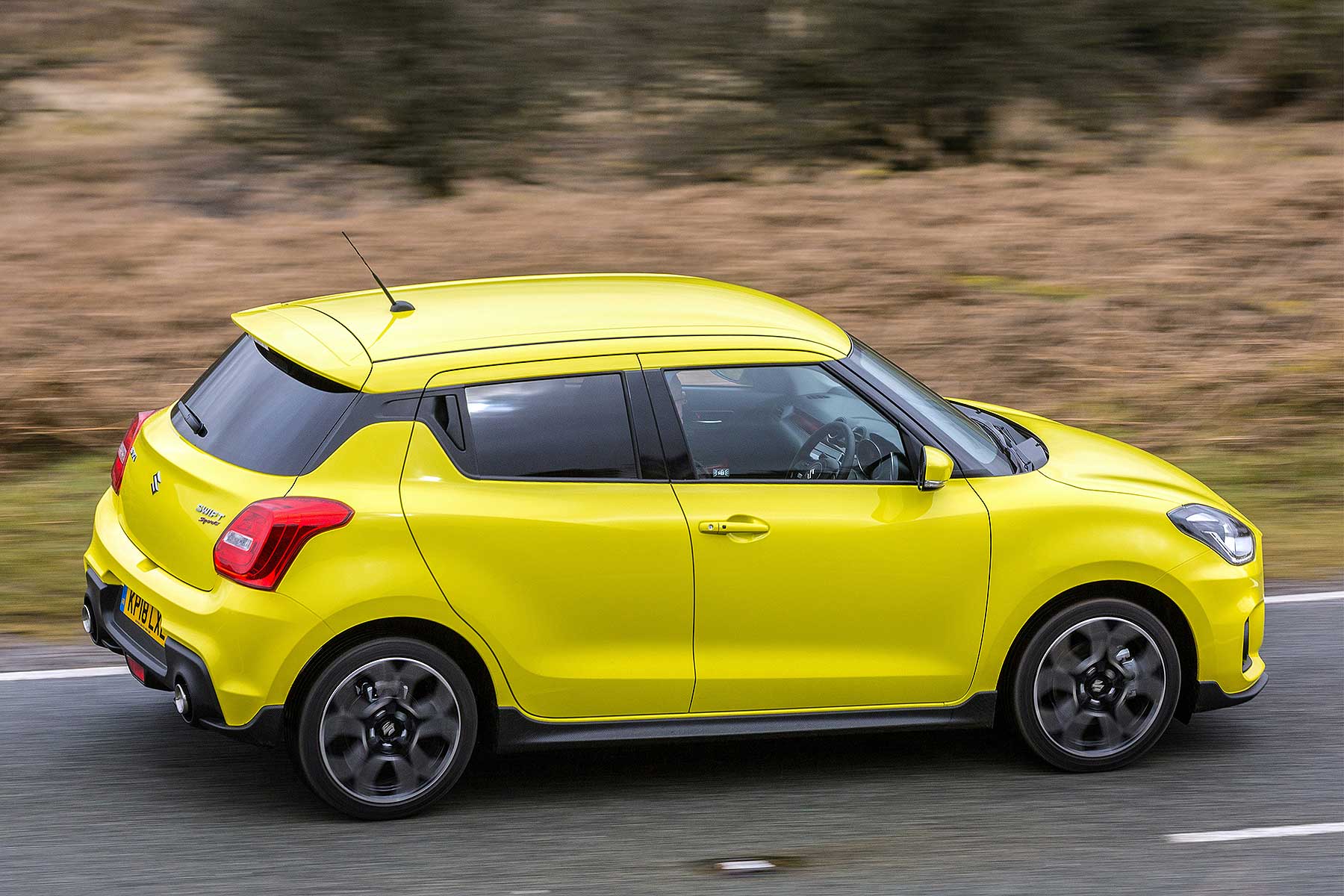
Suzuki Swift SportThe new Suzuki Swift Sport has already had a launch price cut of £1,500, following the firm’s eyebrow-raising announcement that it would cost a steep £17,999 from launch on June 1.

Now, the firm is doubling down on its efforts to correct this pricing mis-step with another added incentive: zero deposit finance (either PCP or HP) with an added £750 finance deposit allowance. It’s again only on offer until the end of June, but does make the Swift Sport a much more competitive proposition.

For those choosing a four-year PCP, the Swift Sport can be had for monthly payments of £258 a month, with a final payment of just under £6,000. Again, no cash needs to change hands when doing the deal.

The payments can be chipped further, to £199 a month, for those able to add a £2,530 deposit to Suzuki’s £750. Again, the final payment is £5,943, and the APR for both deals is 5.9 percent. The annual mileage cap is 8,000 miles.

Prefer HP instead? With the £750 deposit, the price is £368 a month over four years, and the car is yours to keep at the end of it. Add in your own £2,954 deposit and prices are reduced to £299 a month.

Buyers can choose from five colours, one solid and five metallic, and all of them are free: there’s no extra cost for picking metallic. Also standard is sat nav, DAB radio, climate control, 17-inch alloys and all-round electric windows.

It’s been a bit of a drawn-out process to restore the Swift Sport’s pricing competitiveness, and there’s no promise this will continue once June is out, but it’s now more appealing than it was: if your heart is set on a new Swift Sport, do a deal in June to make sure you secure the extra-value deal it was once renowned for.

Advertisement

Ferrari SP38 is the latest One-Off creation

0

Ferrari SP38 One Off

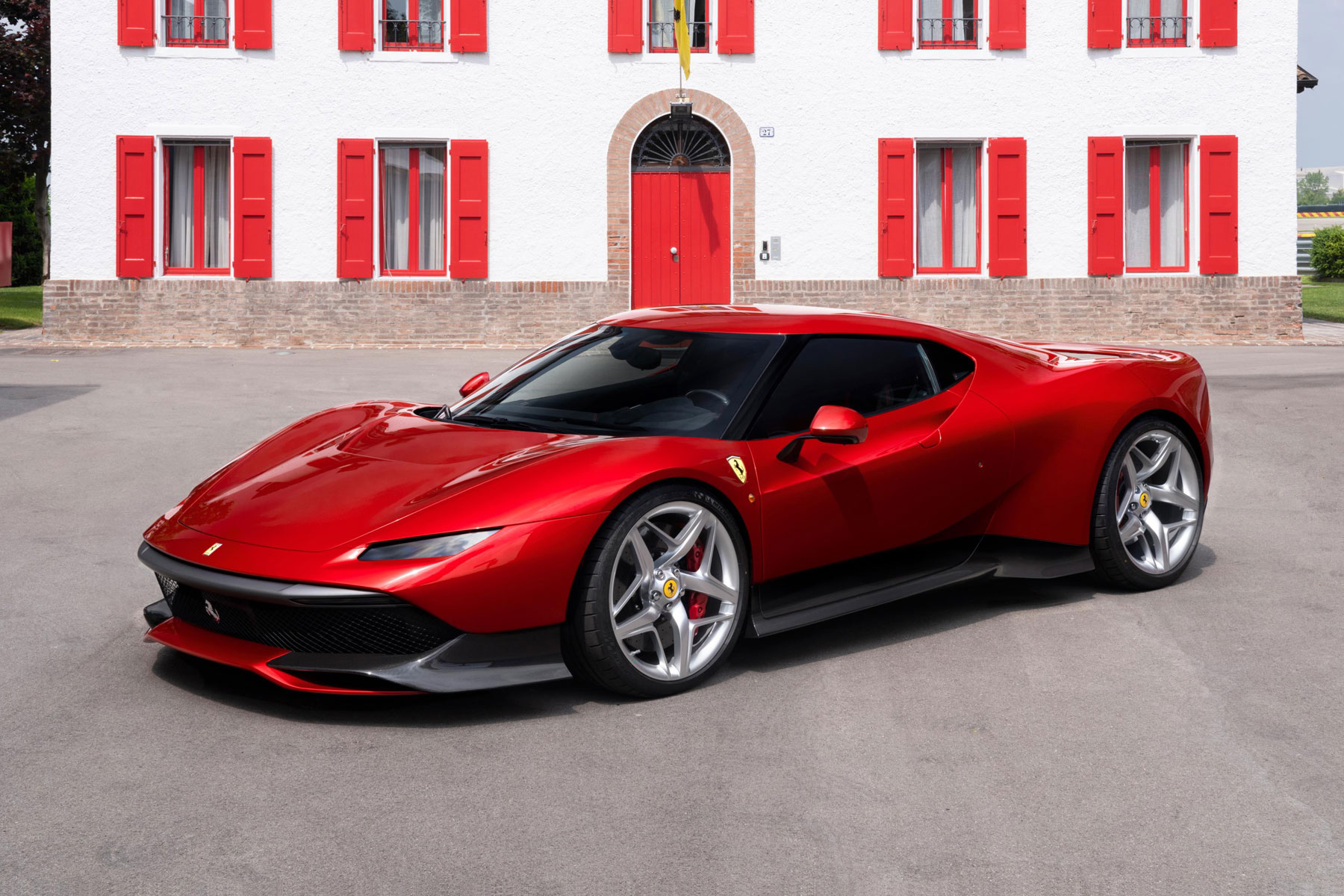
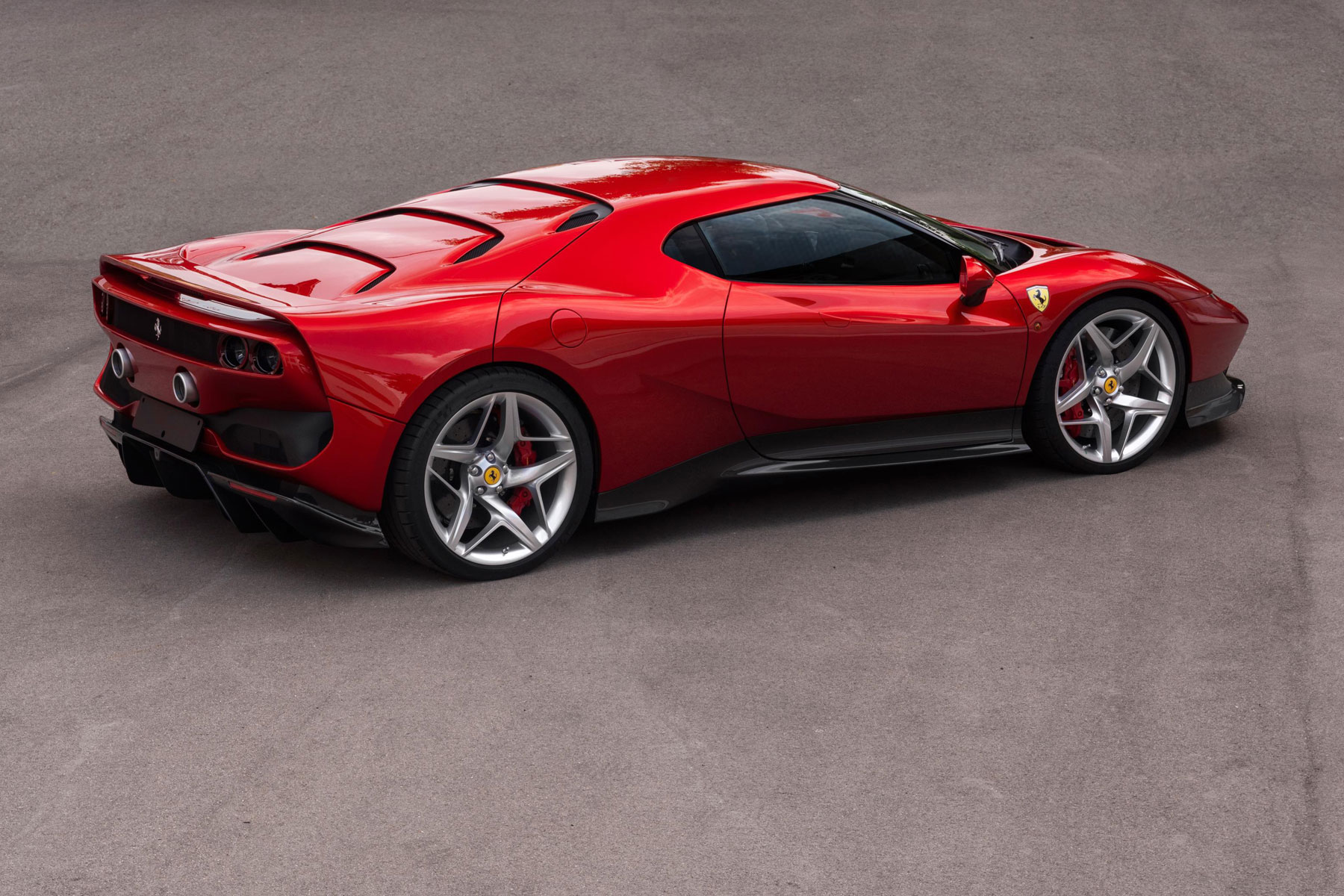
This is the Ferrari SP38: the latest creation from Maranello’s One-Off programme. Designed by the Ferrari Design Centre and based on the running gear of the 488 GTB, the transformation is so comprehensive, it looks like an entirely new model.

The bespoke supercar was handed over to one of Ferrari’s most loyal customers at Fiorano, where it was immediately put through its paces in a series of hot laps. On this evidence, the SP38 is unlikely to be locked away in an air-conditioned garage – this one is for driving.

Ferrari afficiandoes will notice a few subtle nods to the brand’s heritage, including a bumper lip reminiscent of the 308 GTB, along with a tip of the hat to the F40’s rear wing in the form of the rear spoiler. Note also the louvred carbon fibre engine cover, which replaces the rear glass in honour of Ferrari’s 40th anniversary icon.

Further highlights include wafer-thin inset headlights, reolocated daytime running lights, and a profile that’s more wedge-shaped than the 488 GTB. The client – who is said to have a “deep passion for racing” – must be delighted with the result. To quote Altabani in The Italian Job, it’s a pretty car.

Public debut at Villa d’Este

One Off Ferrari SP38

Ferrari hasn’t confirmed whether any mechanical changes have been made, but we’d expect the SP38 to retain the same twin-turbocharged 3.9-litre V8 engine as the 488 GTB. In standard guise, the engine produces 661hp, but this can be increased to 710hp in track-focused Pista specification.

Sadly, there are no images of the Tailor-Made interior, so we’ll have to wait until the upcoming Concorso d’Eleganza Villa d’Este on 26 May for the full public reveal.  

Ferrari’s One-Off programme is open to Maranello’s best and most important clients, and available via invitation only. A car such as the SP38 can take years to create and involve a great deal of input from the client. The final price is undisclosed, but you should bank on spending a few million pounds, should you get the call from Ferrari.

Read more:

Advertisement

Facelifted Kia Sportage revealed ahead of autumn 2018 launch

0

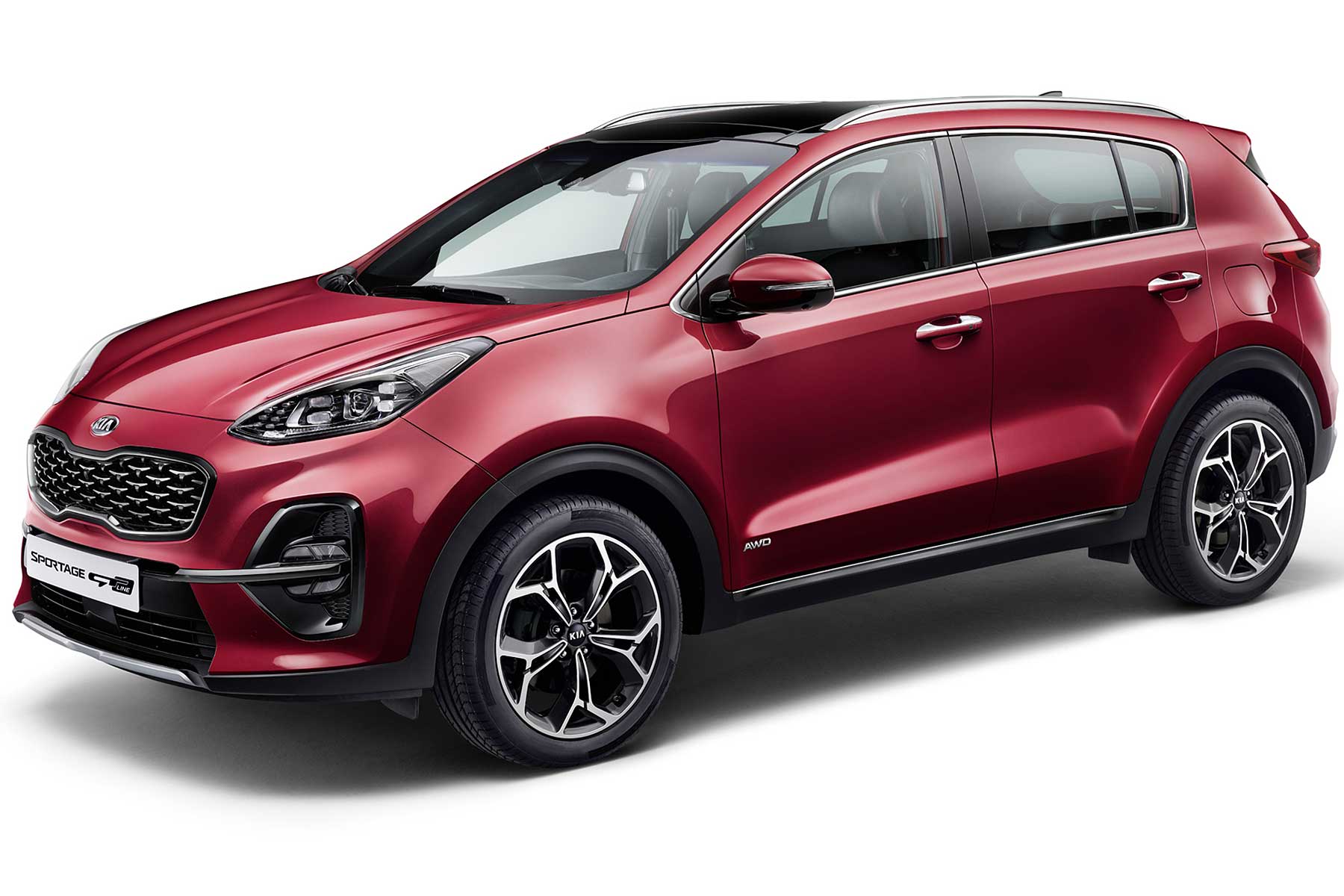
2018 Kia Sportage faceliftThe Kia Sportage SUV is the firm’s best-selling car in the UK, occasionally even breaking into the British top 10 best-sellers chart. To ensure momentum is maintained, Kia has treated it to a mid-life facelift.

2017’s best-selling cars in Britain

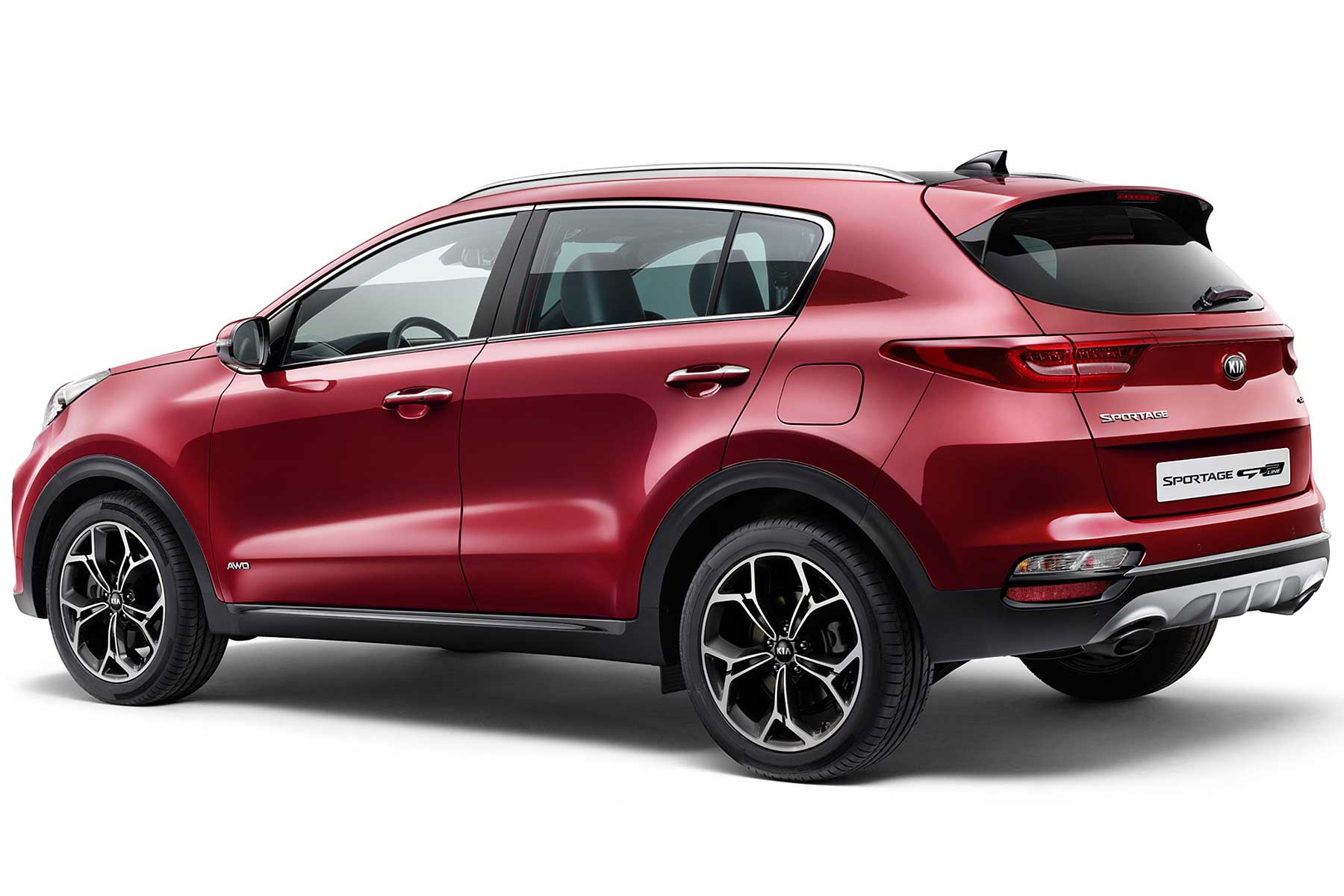
As is the way these days, visual tweaks are modest. They’re limited to new front and rear bumpers, tweaked headlights and tail lamps, plus a fresh set of 16-inch, 17-inch and 19-inch alloys. There are, however, five new paint colours, and a swish gloss black hot-stamped radiator grille for GT-Line models.

2018 Kia Sportage facelift

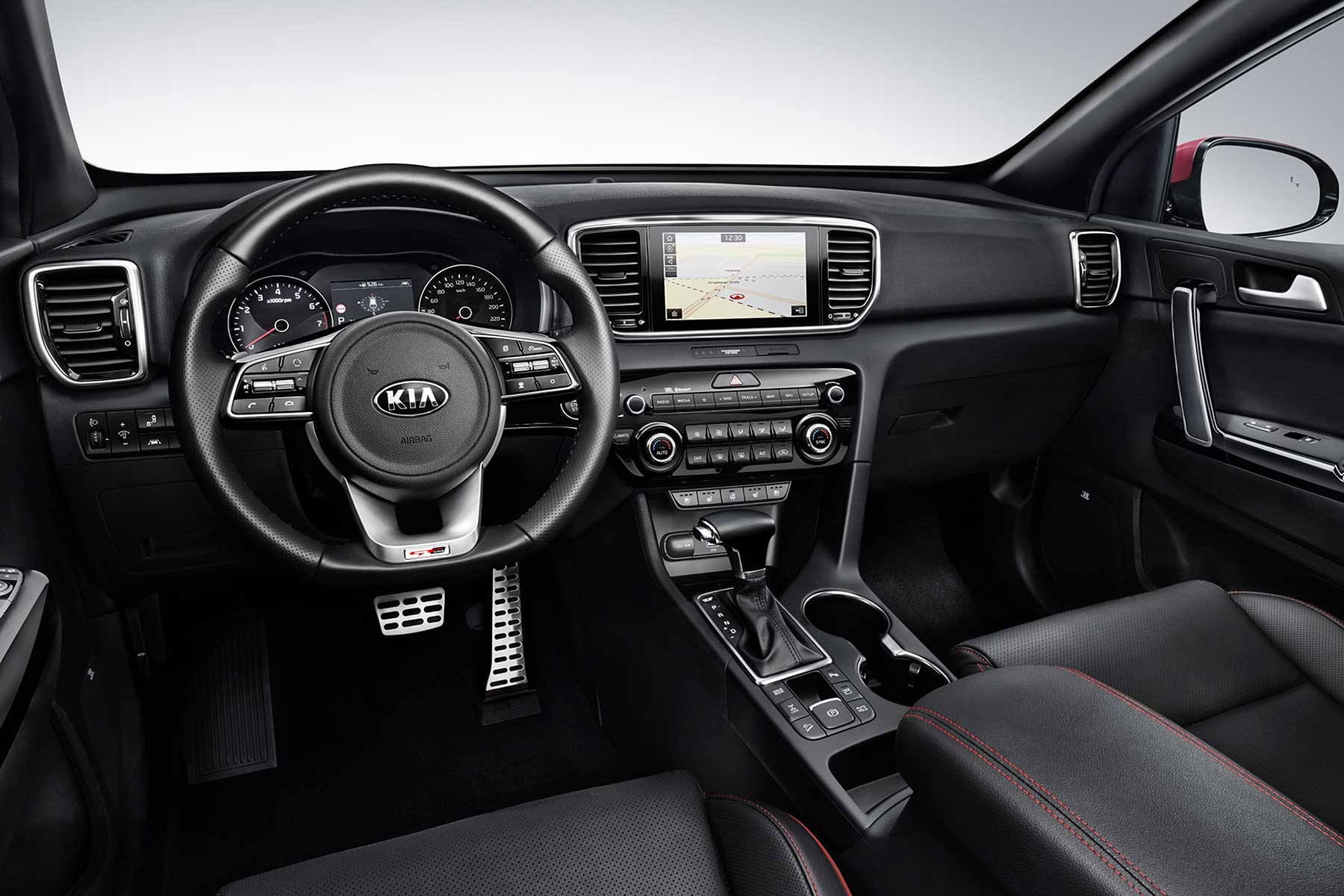
Inside, Kia has fitted a new steering wheel and instrument cluster, updated the upholstery and, again for GT-Line cars, launched a choice of either black and grey two-tone leather seats, or black leather with red accents. New infotainment systems comprise either a 7.0-inch touchscreen system or a slicker-looking ‘frameless’ 8.0-inch setup.

That’s the stuff you can see. Beneath the surface, much more has changed. Indeed, there’s an entirely new diesel engine in the model people buy most of: the 1.7-litre CRDi is no more, with Kia’s new 1.6-litre CRDI ‘U3’ powerplant replacing it.

Kia says this is the cleanest diesel it’s ever made. It’s offered in either 115hp or 136hp guise, with the more potent model offering all-wheel drive and a seven-speed dual-clutch gearbox alongside the standard front-drive six-speed manual model.

2018 Kia Sportage facelift

The headliner is the new EcoDynamics+ 2.0-litre ‘R’ diesel mild hybrid. This uses a 48-volt battery to extend the engine-off time, and make restarts almost seamless thanks to an integrated mild hybrid starter-generator unit. Kia says that, under the new WLTP fuel economy test regime that all new Sportage comply with, CO2 emissions are reduced by a decent-sounding 4 percent.

There’s also more safety stuff, such as smart cruise control with stop and go functionality, driver alertness monitoring and a bird’s eye-style Around View Monitor parking camera.

Last year, Kia sold 131,000 Sportage across Europe, accounting for 1 in 4 of its sales. It delivered nearly 40,000 in the UK, which is a third of its volume. Dealers will be watching confirmed prices and launch details with interest then, ahead of the car’s British roll-out in autumn 2018.

In the meantime, if you can’t wait, be sure to get a good deal on the current model: how does 4.9 percent APR and a £1,500 finance deposit contribution sound for starters? 

Advertisement

Now you can arrange to test drive a Volvo on Amazon

0


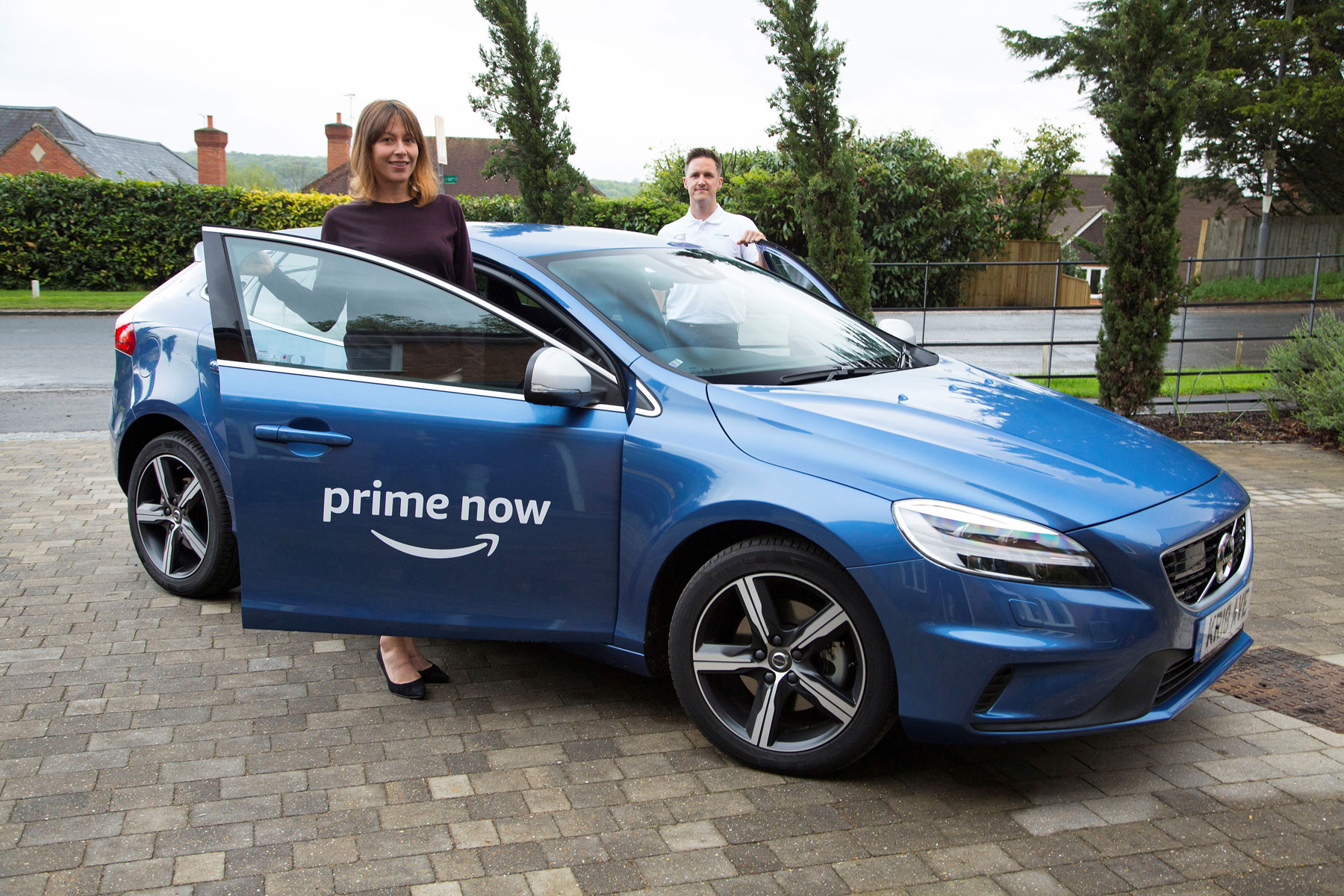
Volvo Amazon Prime Now test drives

Amazon’s Prime Now service is designed for shoppers who find next-day deliveries just a little bit slow. If you want something and you want it within two hours, you’ve got it, providing you live in the right postcode and have signed up to Amazon Prime.

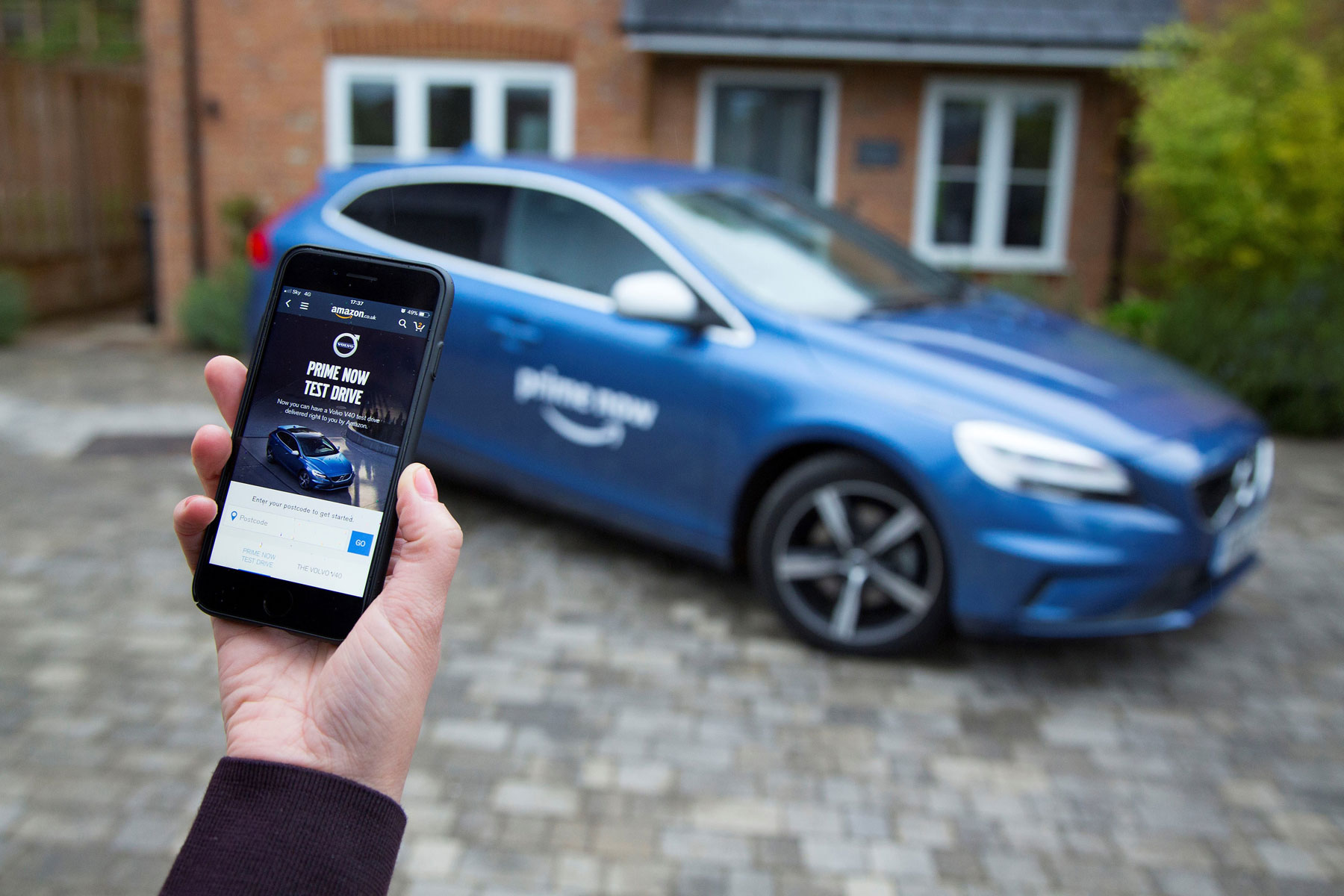
But forget toothpaste, dishwasher tablets and ice cream, because now, for the first time, you can arrange a test drive of a new car via Prime Now. There are a couple of catches – which we’ll come to in a moment – but after a sign-up process, the vehicle will be delivered to your home or workplace.

It’s the result of a collaboration between Amazon and Volvo Car UK, which follows the introduction of the company’s new Care by Volvo subscription-based ownership package.

For now at least, the service is limited to the Volvo V40 and is only available in London, Birmingham, Manchester and Edinburgh, but we’d expect it to be widened to include other cars and locations, should this initial roll-out prove successful.

Delivery to your door

Amazon Prime Now test drive

Jon Wakefield, managing director of Volvo Car UK, said: “At Volvo Cars, we aim to make people’s lives easier. Our ‘Prime Now test drive’ offer does just that, allowing potential customers to try our V40 on their terms and in familiar surroundings.

“We’re proud to team up with Amazon to deliver this unique initiative, the first of its kind in the UK and the latest in a range of offerings from Volvo designed to take the hassle out of running a car.”

Having signed-up and selected a time-slot, a ‘fully trained operative’ will deliver the car to the door, before accompanying the prospective customer on a 45-minute test drive.

Should the customer be interested in purchasing a V40, they will be directed to their local Volvo retailer, which will be music to the ears of dealers up and down the land, fearful that this venture could cut out the middleman. Test drives will be offered on a first come, first served basis over the following weekends:

  • London: 9-10 June
  • Birmingham: 16-17 June
  • Manchester: 23-24 June
  • Edinburgh: 30 June-1 July

Customers living outside the eligible areas are invited to visit their local dealer for a test drive. How very old-school.

Read more:

Advertisement

The new 150hp Vauxhall Corsa GSI will do 0-62mph in 8.9 seconds

0

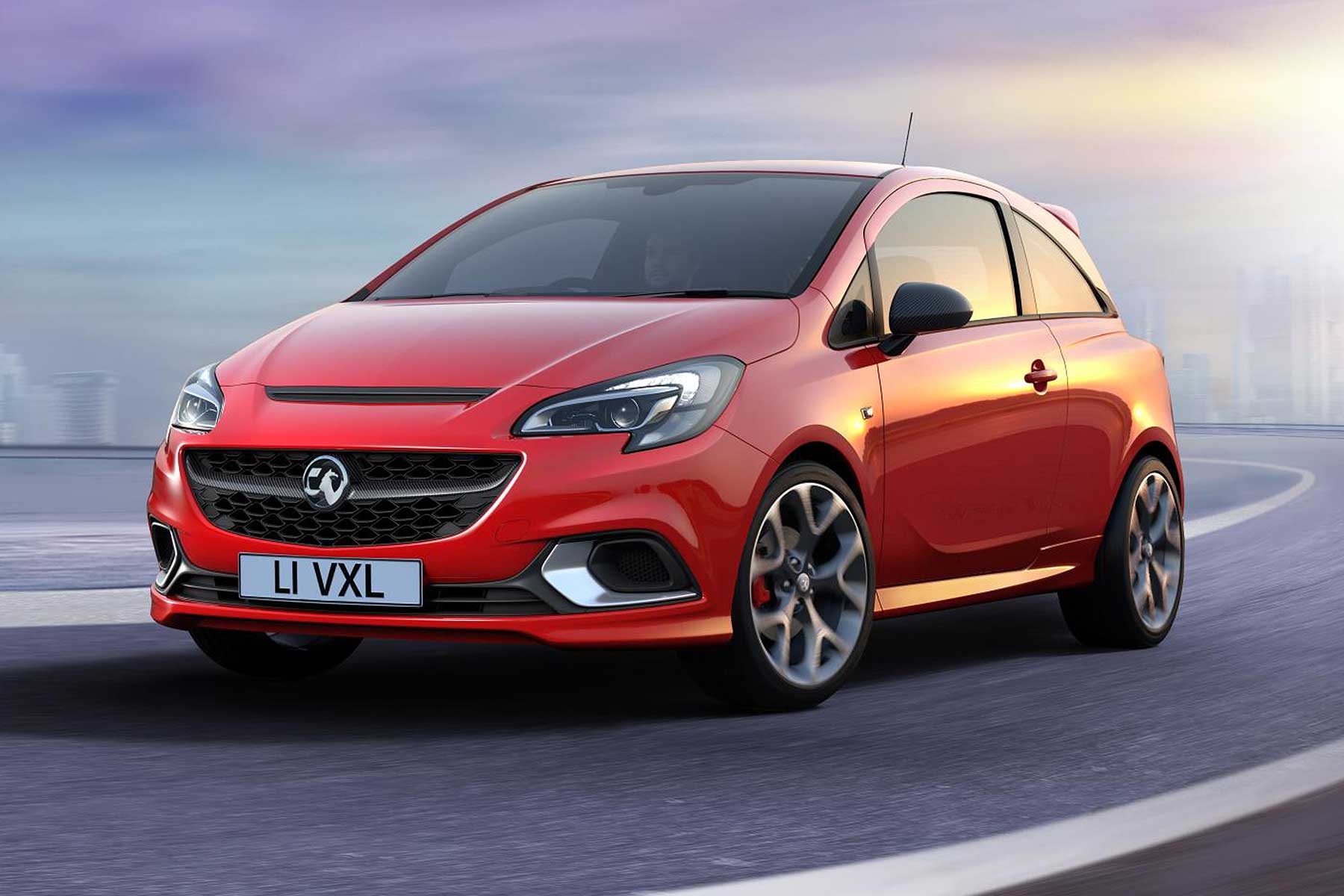
2018 Vauxhall Corsa GSIThe new Vauxhall Corsa GSI opens for ordering in July 2018, and although we still don’t know how much it will cost, we do know the engine it will use: a 150hp 1.4-litre turbo petrol.
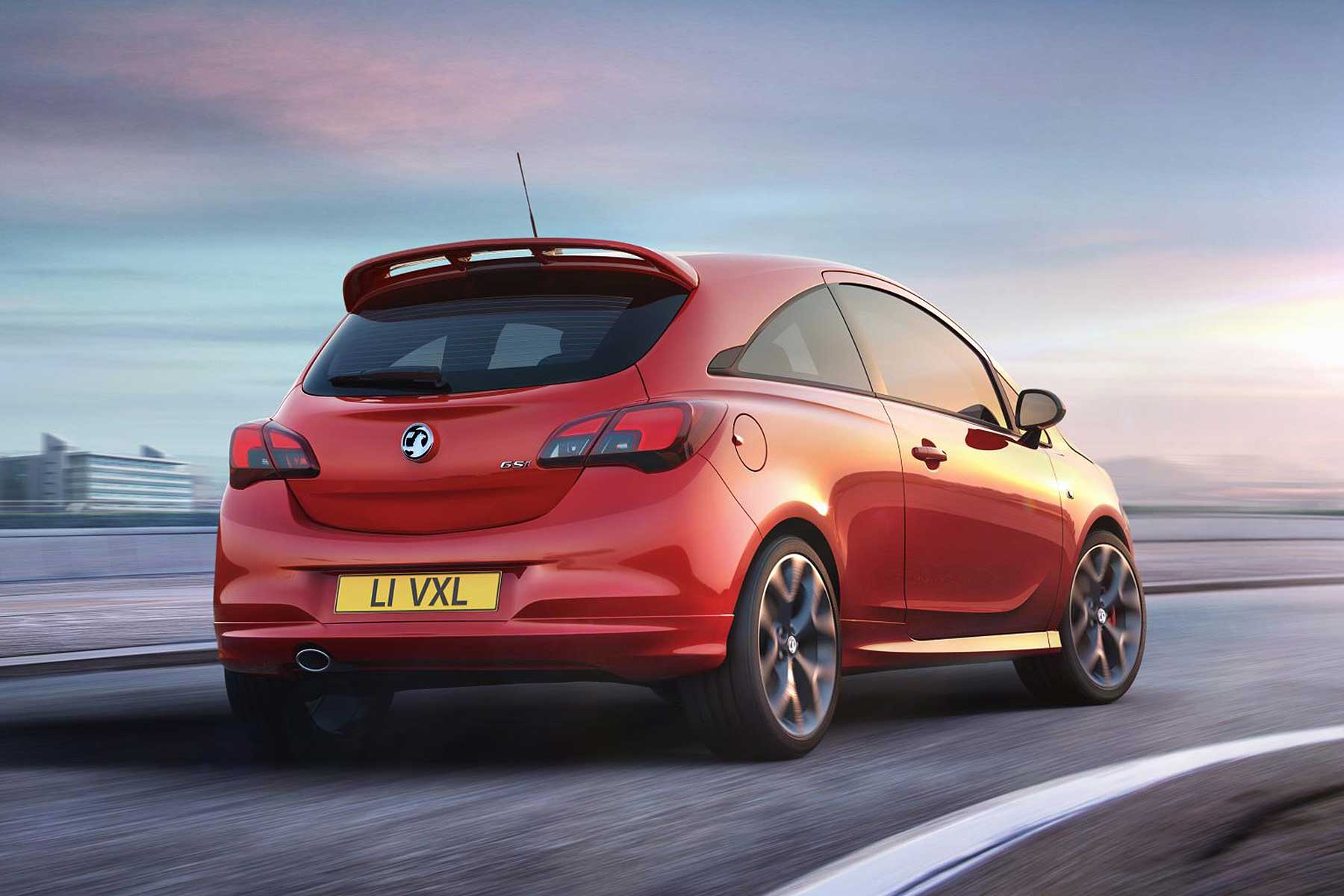
This helps the warm hatch accelerate from 0-62mph in 8.9 seconds, onto a top speed of 128mph. The new Corsa GSI also boasts a healthy 162lb ft of pulling power between 3,000rpm and 4,500rpm, and if you leave the short-ratio six-speed gearbox in fifth, it will accelerate from 50-70mph in 9.9 seconds.

All of which doesn’t sound so bad when combined with claimed economy of 47.1mpg, and CO2 emissions of 139g/km – and these comply with the latest Euro 6d-TEMP standards, too.

2018 Vauxhall Corsa GSI

Due in showrooms in September 2018 (just in time for 68-plate registrations), the Corsa GSI uses the same chassis as the Corsa VXR hot hatch; you can even option the 215/40 18-inch lightweight alloys offered on the 210hp VXR.

It also has optional leather Recaro seats inside, plus a GSI bodykit with sculpted bonnet and rear spoiler, chrome tailpipe and red-painted brake calipers. The Vauxhall IntelliLink system is standard, incorporating both Apple CarPlay and Android Auto.

All we need to know now, Vauxhall, is how much it will cost. And with the 2018 Ford Fiesta ST setting the cat amongst the pigeons with a starting price from £18,995 – and Suzuki already revising its £17,999 Swift Sport down to £16,499 – it’s perhaps understandable why Vauxhall isn’t yet ready to reveal prices.

Just maybe, thanks to Ford’s move, it’s working on chipping the Corsa GSI below the price tag originally intended for it…

Advertisement

Government Clean Air Strategy will ‘improve air quality’

0

Zero emission London busEnvironment secretary Michael Gove will today launch a new Clean Air Strategy, which aims to cut deaths from air pollution. The plans are a key part of the government’s 25-year goal to leave the environment “in a better state than we found it”.  
Air pollution is Britain’s fourth biggest cause of premature death, after cancer, obesity and heart disease – claiming 50,000 lives each year. The European Commission is also taking the UK government to court for breaching EU air quality rules.

The finer details of the Clean Air Strategy have yet to be announced, but domestic fuels (such as log-burning stoves), ammonia emissions from farming and micro-plastics (from vehicle tyres and brakes) are top of the agenda. A ‘personal air quality messaging system’ is also proposed, to inform those living in polluted areas when to take extra precautions. 

The headline aim is to ‘halve the number of people living in locations where concentrations of particulate matter are above the World Health Organisation guideline limit of 10 ug/m3 by 2025’.

A “transport-shaped hole”

The plans have, however, already drawn criticism for not going far enough – and laws and restrictions around cars are at the core of the complaints. Greenpeace campaigner Paul Morozzo said: “There’s a transport-shaped hole in what we’ve seen of this strategy so far.”

Mr Morozzo continued: “To be a proper clean air strategy it would need concrete plans on clean air zones to tackle dangerous pollution from diesel cars, yet there’s no detail following the government’s latest ticking off from the High Court. Further, to achieve clean air in the UK we have to get diesel cars off our roads as fast as we can.” 

Green Party MP Caroline Lucas called the plans “underwhelming”, comparing them with “taking a water pistol to a wildfire”.

Michael Gove claimed air quality had “improved significantly since 2010”, but was still “making people ill, shortening lives and damaging our economy and environment”.

More details on the Clean Air Strategy will be announced later today, so check back for further updates.

Read more:

Advertisement

Volvo is first to give ‘real’ fuel economy data across its range

0

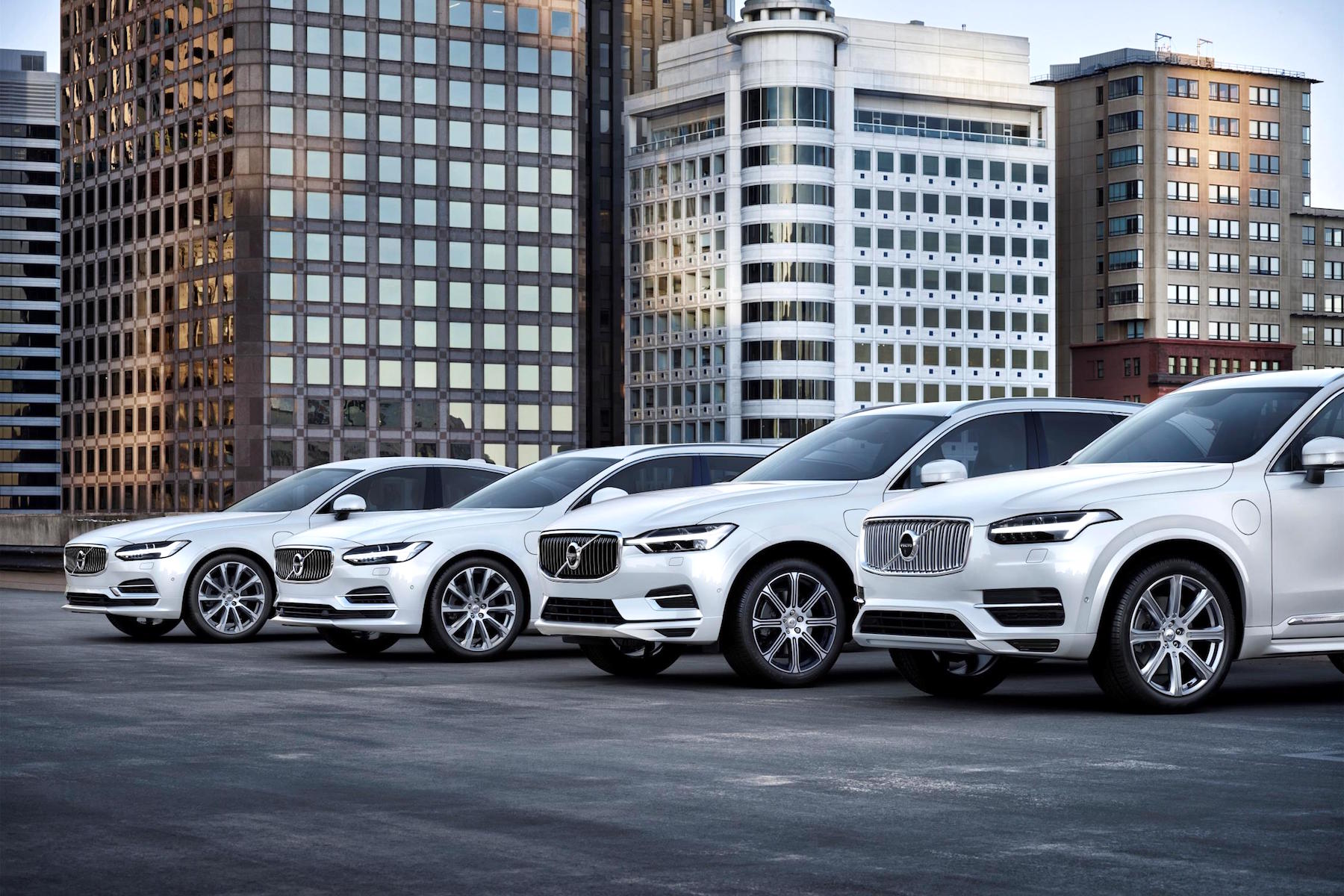
2018 Volvo model range meets WLTP

Unless you’ve managed to avoid the news for the last three years, you’ll know that the long-running ‘NEDC’ emissions and fuel economy testing regime has come under criticism. The huge gulf between the results from the official figures quoted online and in brochures, and the performance of cars in the real world, was no longer acceptable. 

  • The new Volvo V60 could be yours for £299 a month

The car industry has devised an answer. First introduced in September 2017, the Worldwide Harmonised Light Vehicle Testing Process (WLTP) has been designed to recreate the conditions drivers actually experience more closely.

Combining a laboratory test with a new on-road ‘Real Driving Emissions’ test lasting two hours, buyers should have more confidence in the figures provided for comparison on fuel economy and emissions. 

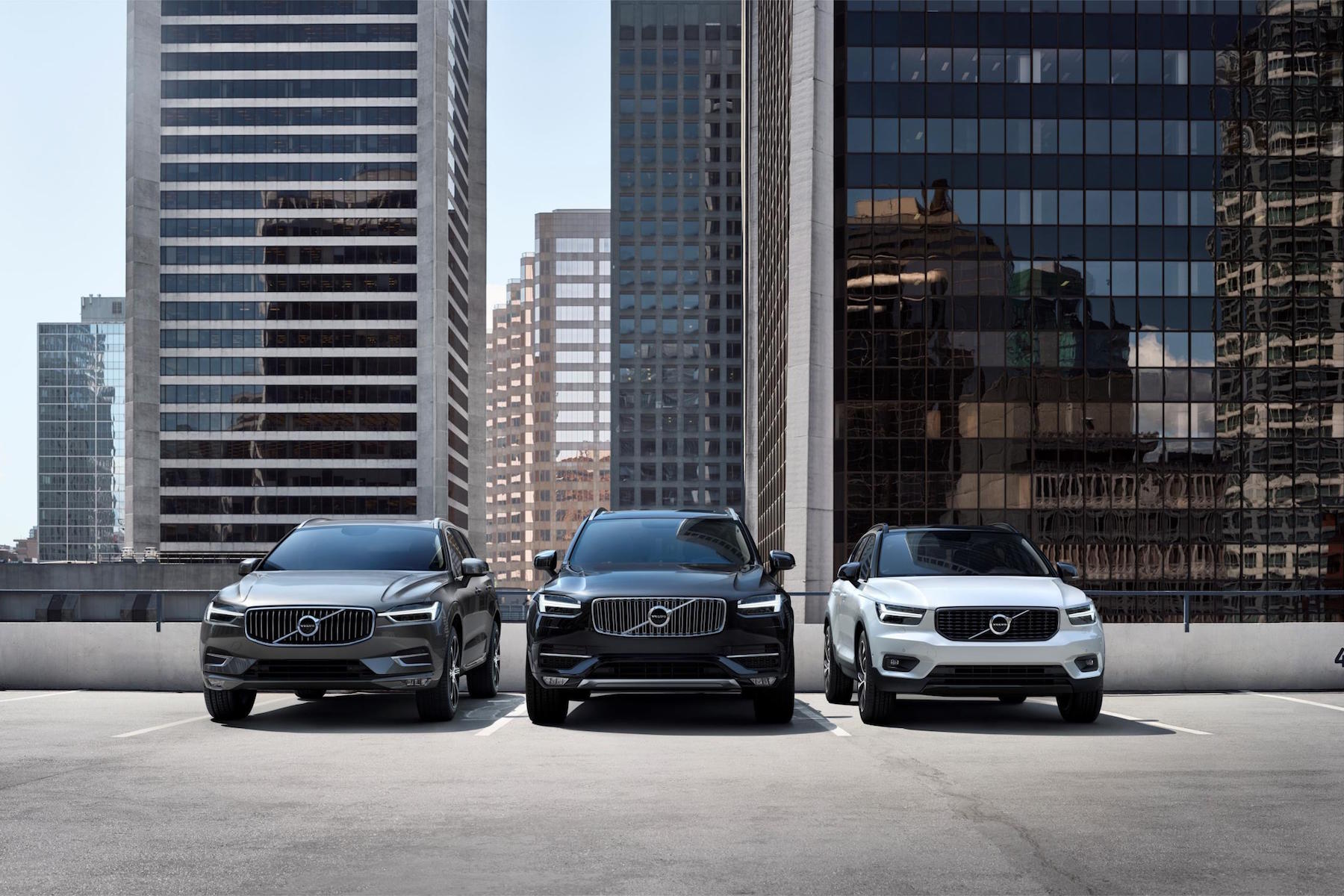
Volvo is now ahead of the curve. It has become the first manufacturer selling cars in the UK to have every model across the range complying with the new WLTP rules. This includes all petrol and diesel-powered models, plus the collection of hybrid vehicles offered by the Swedish brand. 

Set to apply to all new registrations from the 1st September 2018, only new cars homologated to meet WLTP standard will be able to be sold in the European Union. Although manufacturers will be able to sell a limited stock of cars tested under the old rules, compliance with WLTP is a must for major players.

Basically, cars that aren’t WLTP-compliant by September will be barred from sale in the UK. Hence the significance of Volvo’s achievement, nearly five months ahead of schedule. 

Volvo has already committed to a programme of ensuring all new Volvo models offered from 2019 will feature some form of electrification, along with plans for 50% of all products on sale by 2025 to be fully electric. 

Of course, with a model range focussed on a core of premium SUVs and estates, and with powertrains shared between many products, Volvo has arguably had a slightly easier task to ensure WLTP compliance than other manufacturers.

This should still take nothing away from the fact that Volvo can lay claim to being the first, and adds pressure to other brands to ensure their new cars meet the 1st September deadline…

Advertisement