Home Blog Page 481

The top 20 features British car buyers really want

0

The top 20 features British car buyers really want

Hyundai has surveyed 2,000 British car buyers to see what they find most important when it comes to buying a new car.

The survey found that price was the most important factor that determined car buying choices, with 71% of those asked saying cost mattered most. Those in the North East were most concerned about price, while Londoners were least likely to be bothered by it.

After cost, reliability was the second consideration that affected buying choices. With the average owner keeping a car for more than five years, over 50% of those asked said dependability would be a top concern.

How slowly a car accelerates, how easily it attracts marks and scratches on the paintwork, and how much it costs to fill with fuel were the main annoyances for British drivers. Badge snobbery is also still alive and well, with the make of car a particularly important factor as drivers get older.

A key part of the survey was what equipment and features British car buyers look for in a new car. Hyundai has compiled the top 20, so join us as we count them up.

20. Apple CarPlay / Android Auto
The top 20 features British car buyers really want

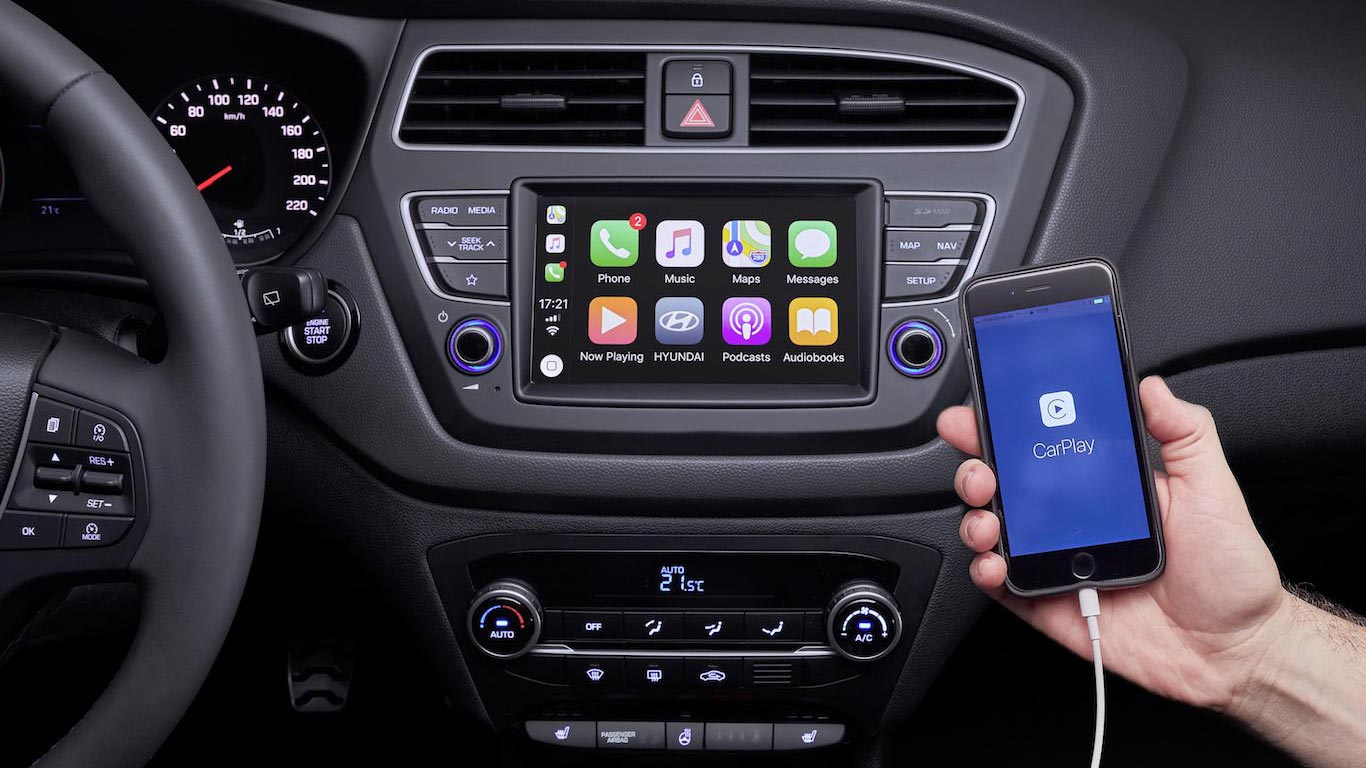
First on the list is one of the newest features to break into the car world. As a nation seemingly obsessed with our smartphones, continuing that dependency while in the car is important to British drivers.

Apple CarPlay and Android Auto allow apps from a smartphone to be used directly through the multimedia system of a car, permitting music streaming and text messages to be read out, for example.

19. Remote start
The top 20 features British car buyers really want

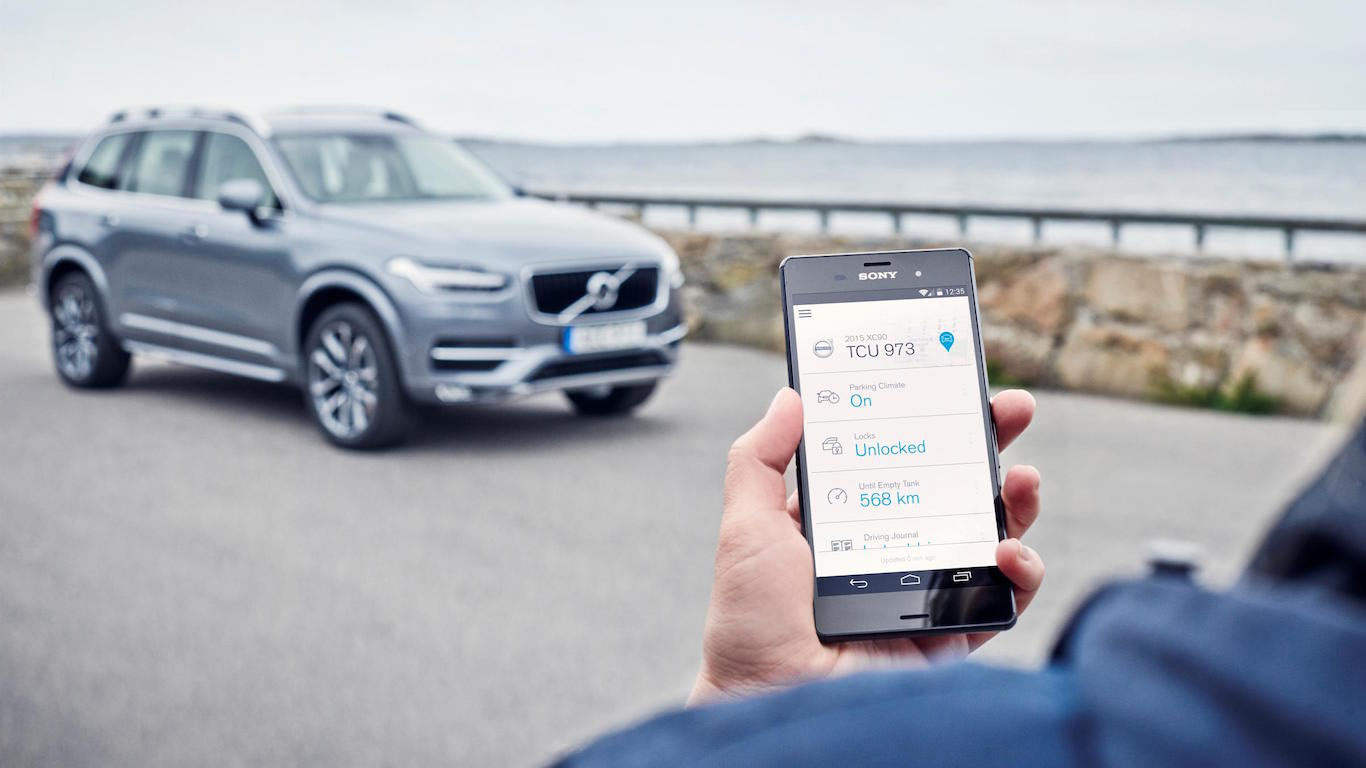
Common in colder parts of the world, remote start systems are becoming more common on new cars. Being able to pre-heat the interior, or demist windows from the comfort of your home, certainly has appeal on a chilly day.

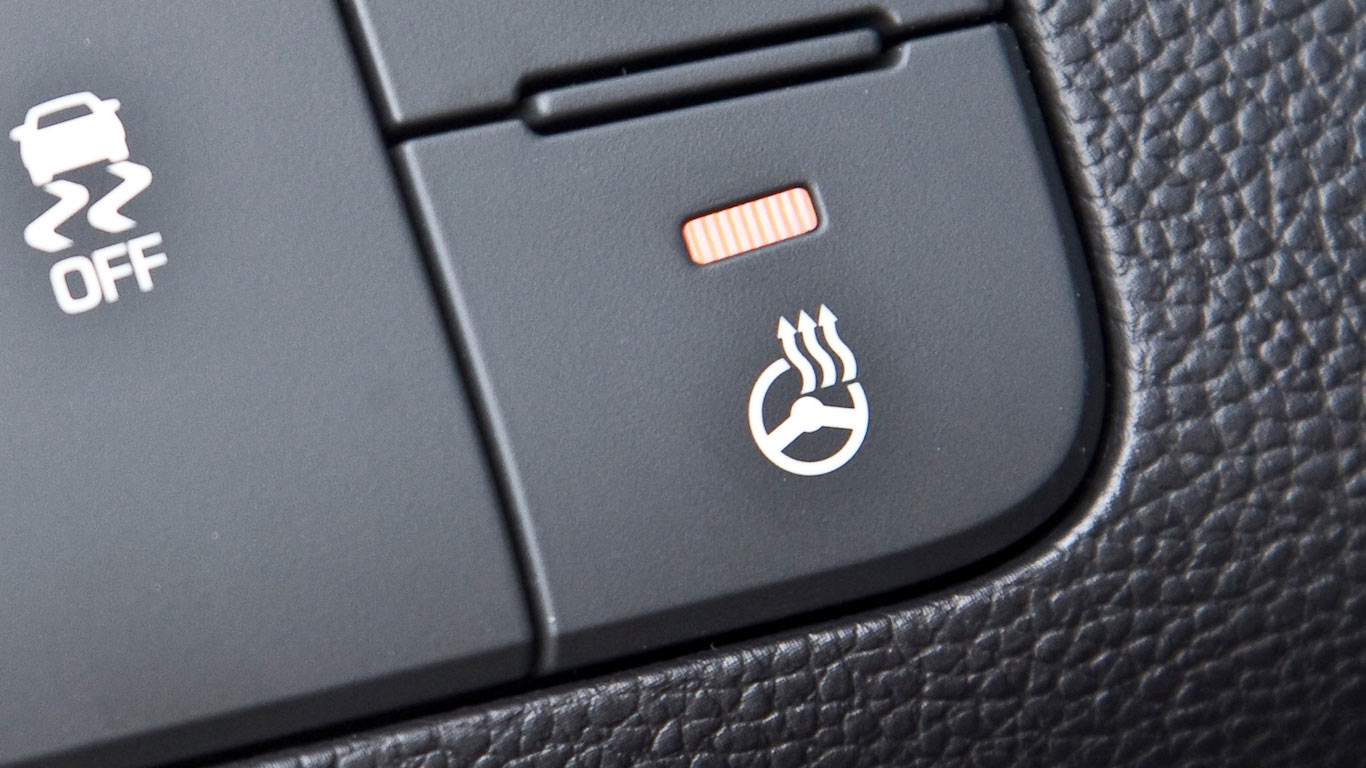
18. Heated steering wheel
The top 20 features British car buyers really want

There’s a noticeable theme to this list, with the British weather a factor in many of the items included. Offered by many car manufacturers as an optional extra, a heated steering wheel keeps your fingers warm in winter, removing the need for those string-back driving gloves.

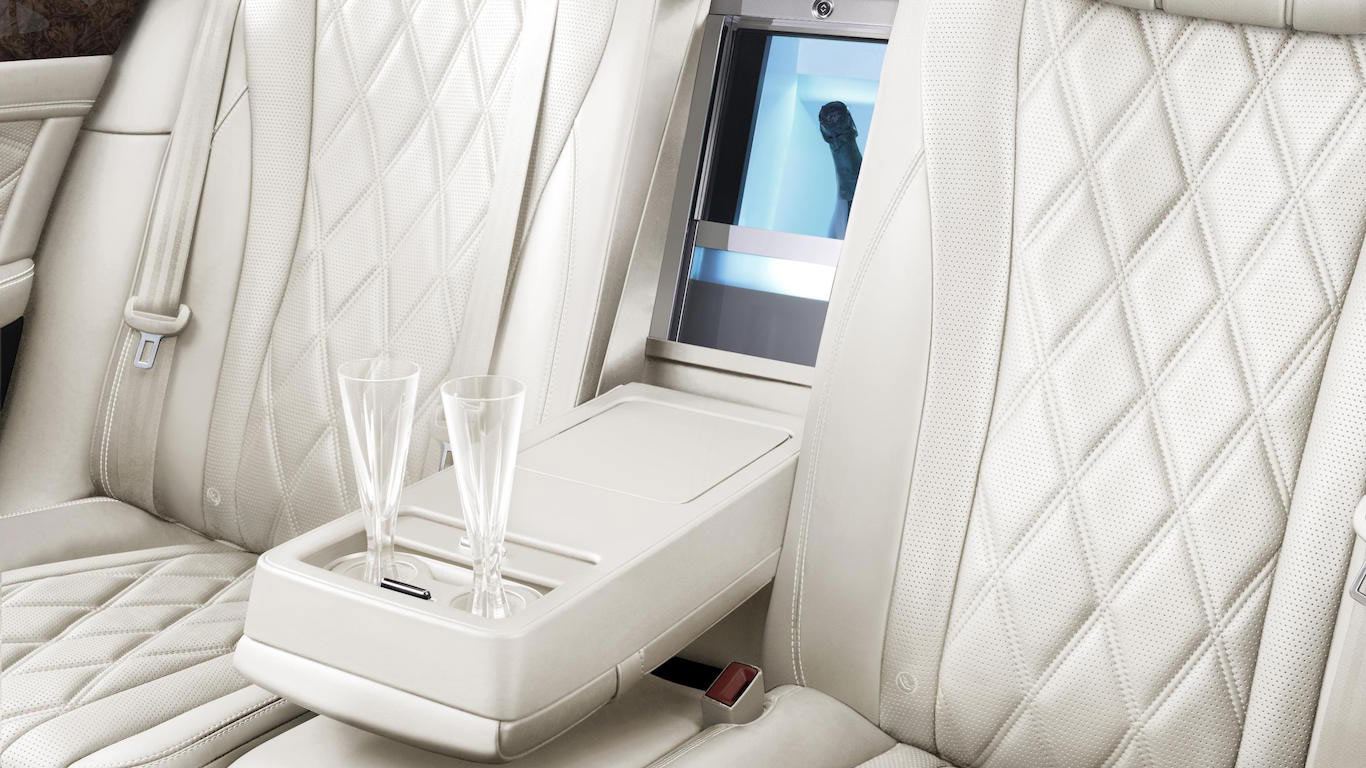
17. Cup holder
The top 20 features British car buyers really want

We imagine most UK buyers aren’t thinking about quaffing champagne from the rear seats of a Bentley, but a more humble cup of coffee or bottle of water. Some of the latest cars feature cup holders that can heat or cool your drink container, while Skoda has a special holder that allows bottles to be opened with one hand.

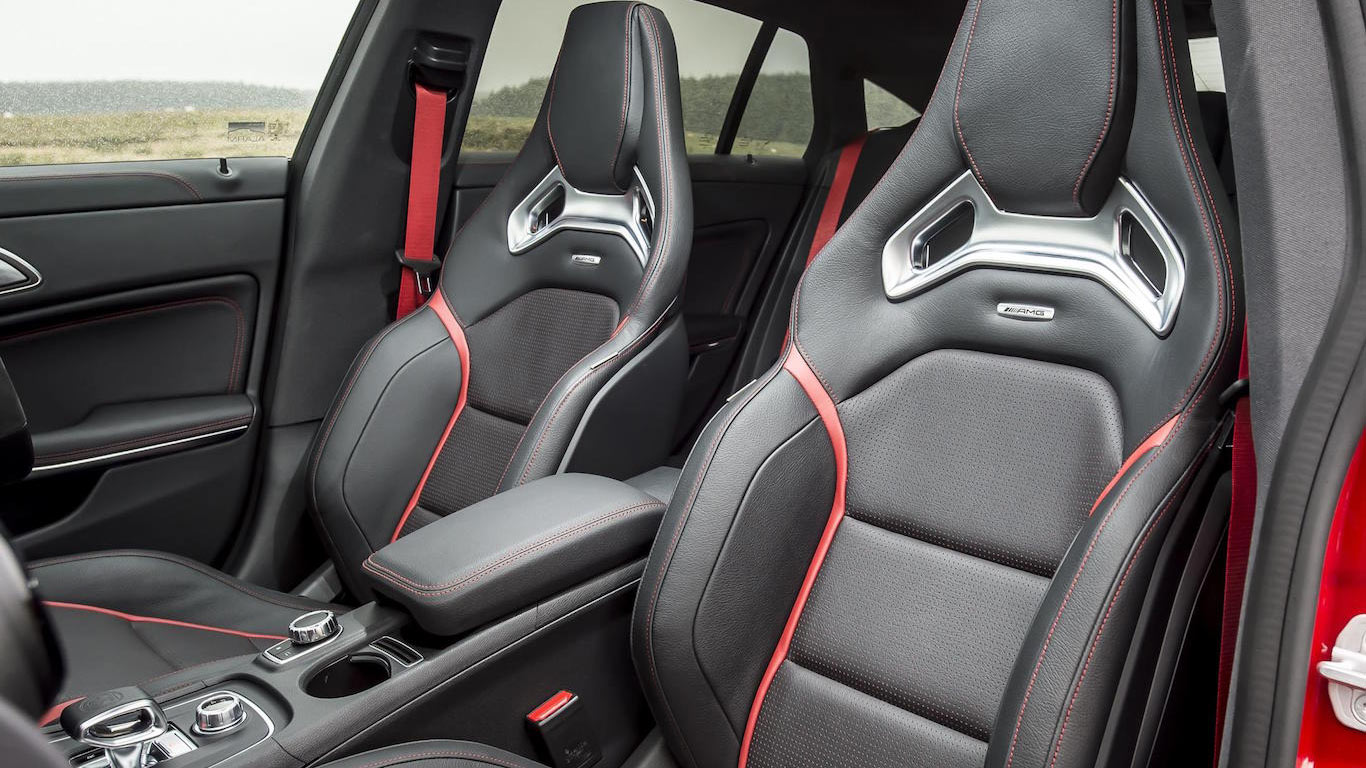
16. Leather seats
The top 20 features British car buyers really want

Freezing cold in winter, and red hot in summer, yet British buyers are still keen to have the feel of supple leather beneath them while driving. Perhaps it is the air of luxury that makes cow hide so appealing, even if many manufacturers now make use of man-made substitutes. Others, like Tesla, even pride themselves on vegan-friendly upholstery.

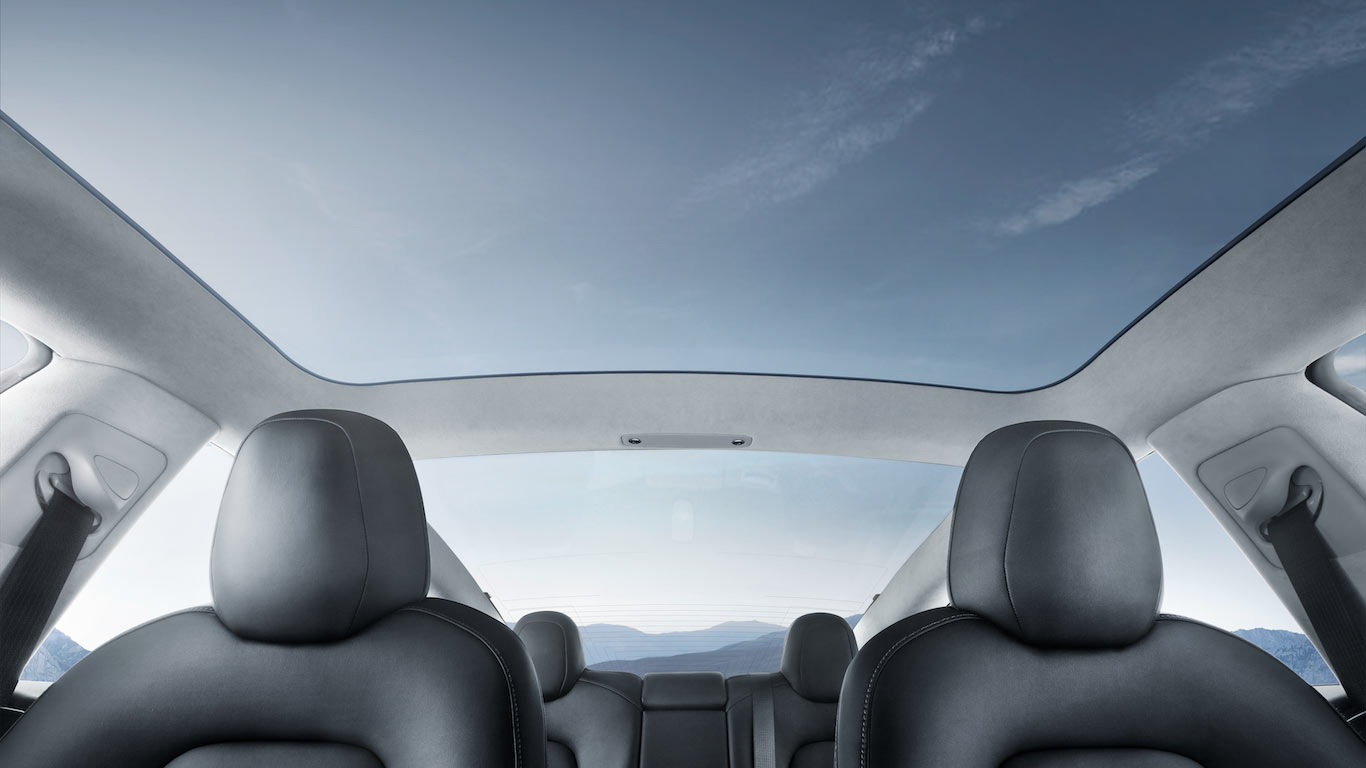
15. Panoramic sunroof
The top 20 features British car buyers really want

We’re not talking about a classic pop-up sunroof here, but gigantic swathes of glass stretching across the entire roof. British buyers seem to love the idea of watching the sky above them, or letting extra light into the interior on a gloomy day. Full panoramic sunroofs can be a costly option, possibly explaining why they don’t appear higher on this list.

14. Lumbar support
The top 20 features British car buyers really want

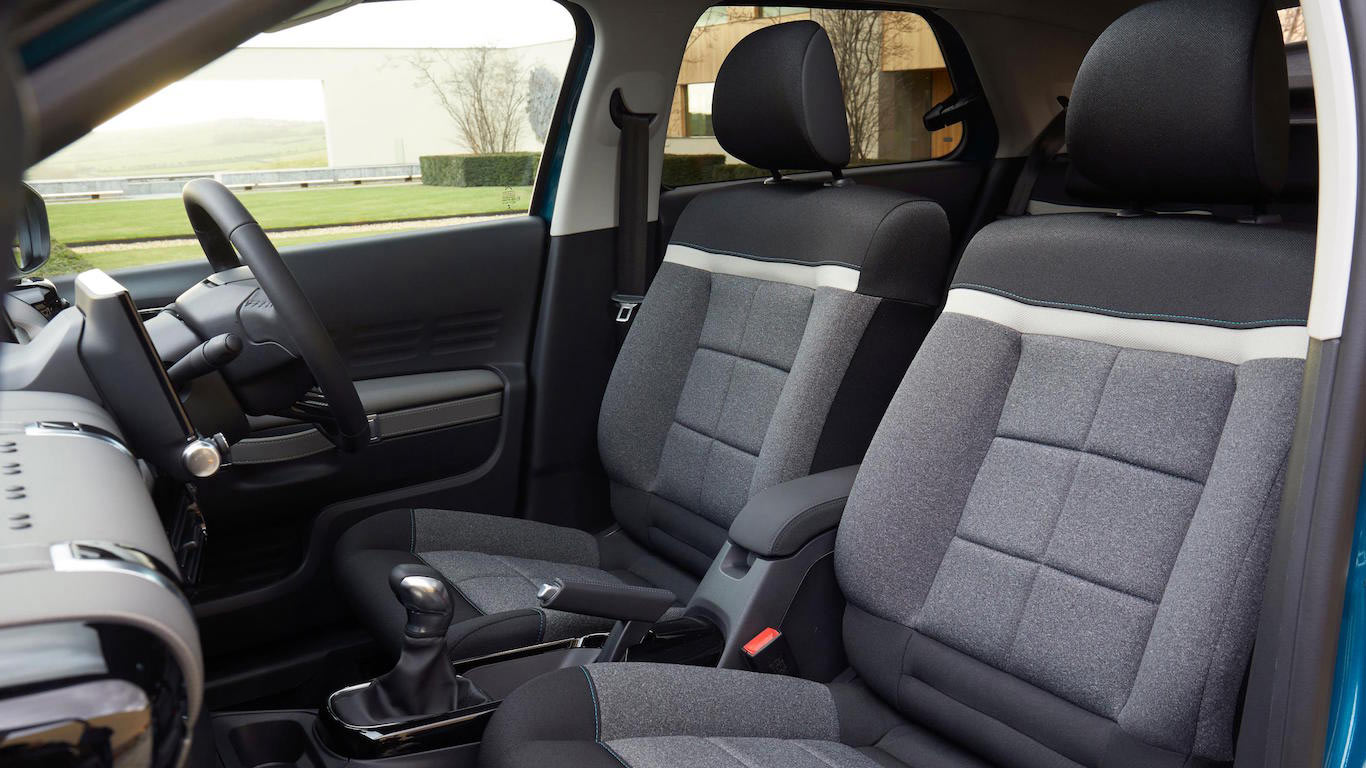
Nobody likes a bad back, and if you’re spending many hours behind the wheel of your car then you’ll want to be comfortable. Despite the progress made with many areas of new car technology, adjustable lumbar support is still relatively rare as a standard feature.

13. Cruise control
The top 20 features British car buyers really want

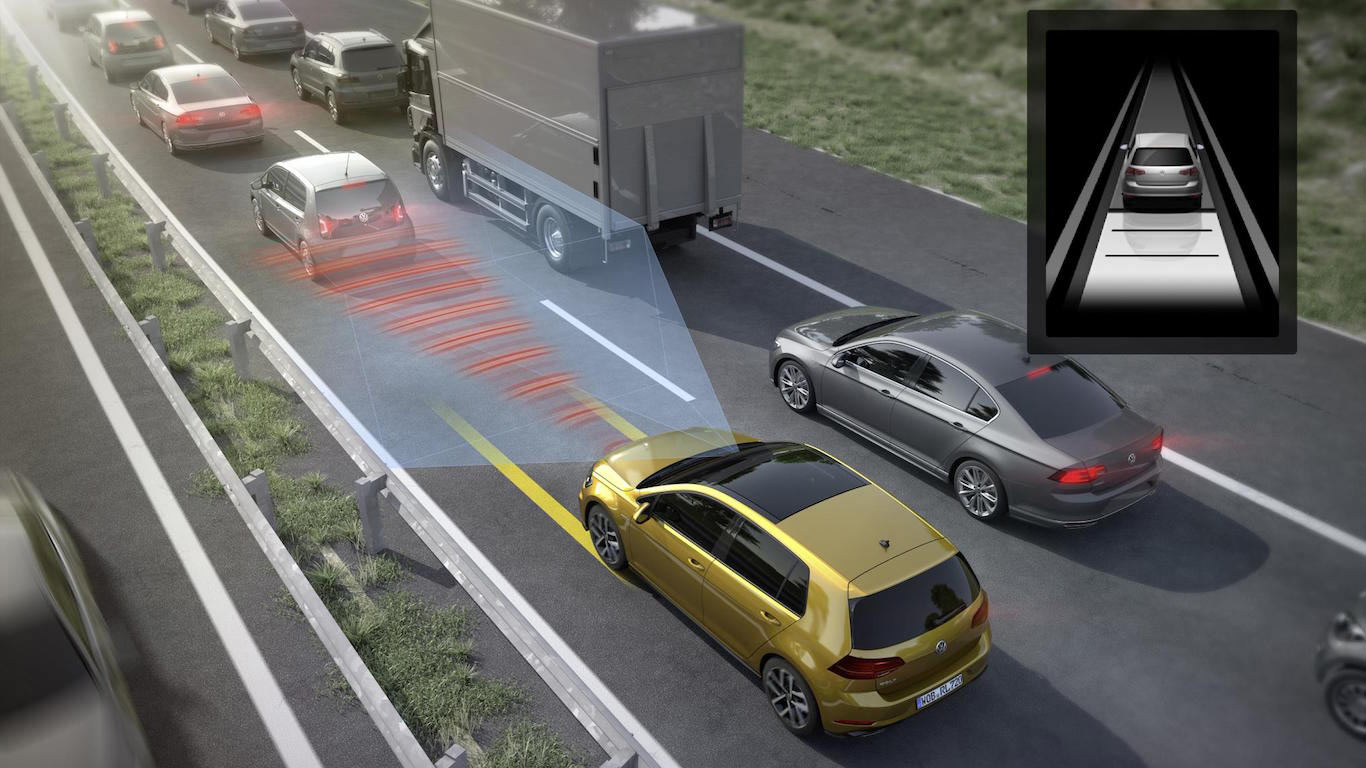
Once the preserve of luxury cars, cruise control can be found on even the most humble city car today. Perhaps it is the ever-present sight of average speed cameras and roadworks that has made the feature even more important to British buyers.

With the latest adaptive cruise control systems able to match speed to other traffic, these may be the first steps towards British motorists experiencing a form of autonomous driving.

12. Sound system
The top 20 features British car buyers really want

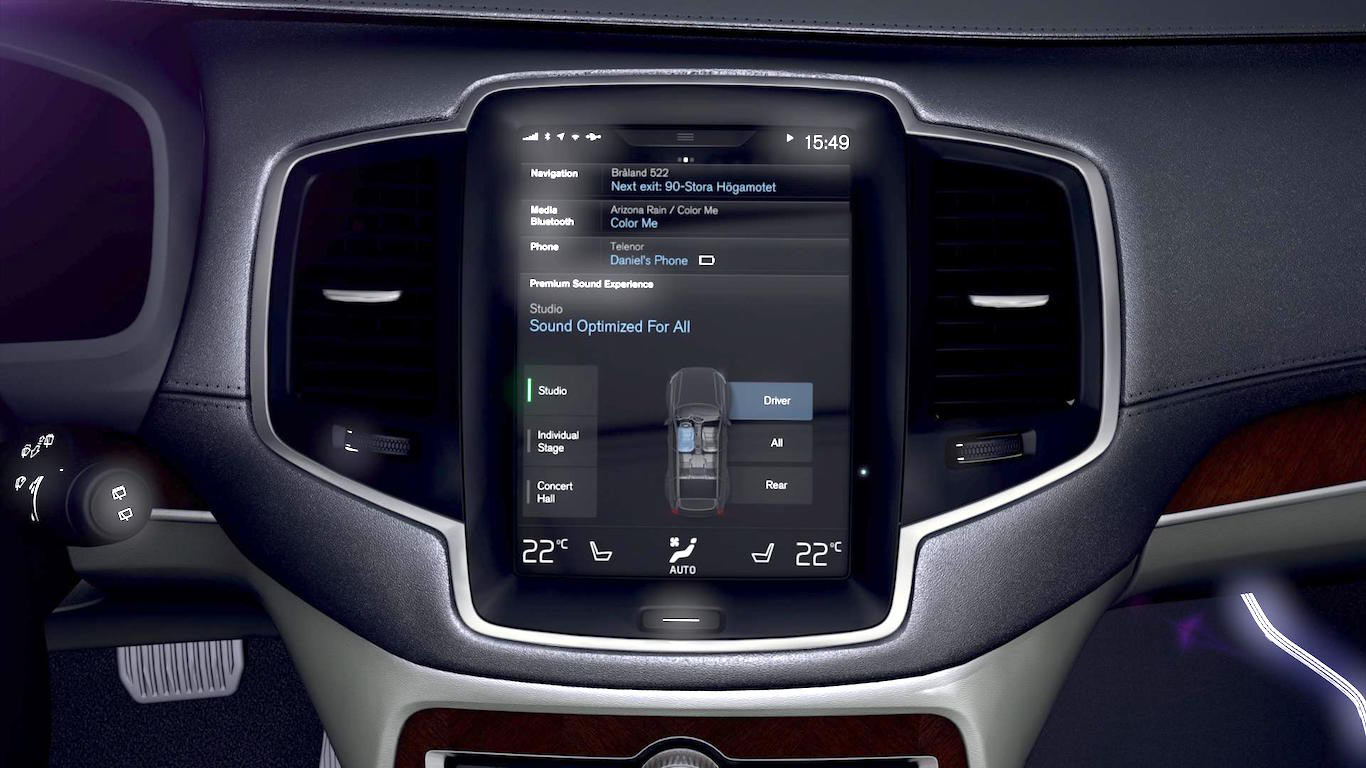
Modern car multimedia systems are far more than just simple CD players. With the ability to stream music from smartphones, or even directly via apps such as Spotify, getting in-car acoustics correct is big business.

Premium manufacturers now offer varying levels of sound performance. Volvo’s fancy Bowers & Wilkins system, for example, is able to recreate the sensation of being inside the Gothenburg Concert Hall in Sweden.

11. Parking cameras
The top 20 features British car buyers really want

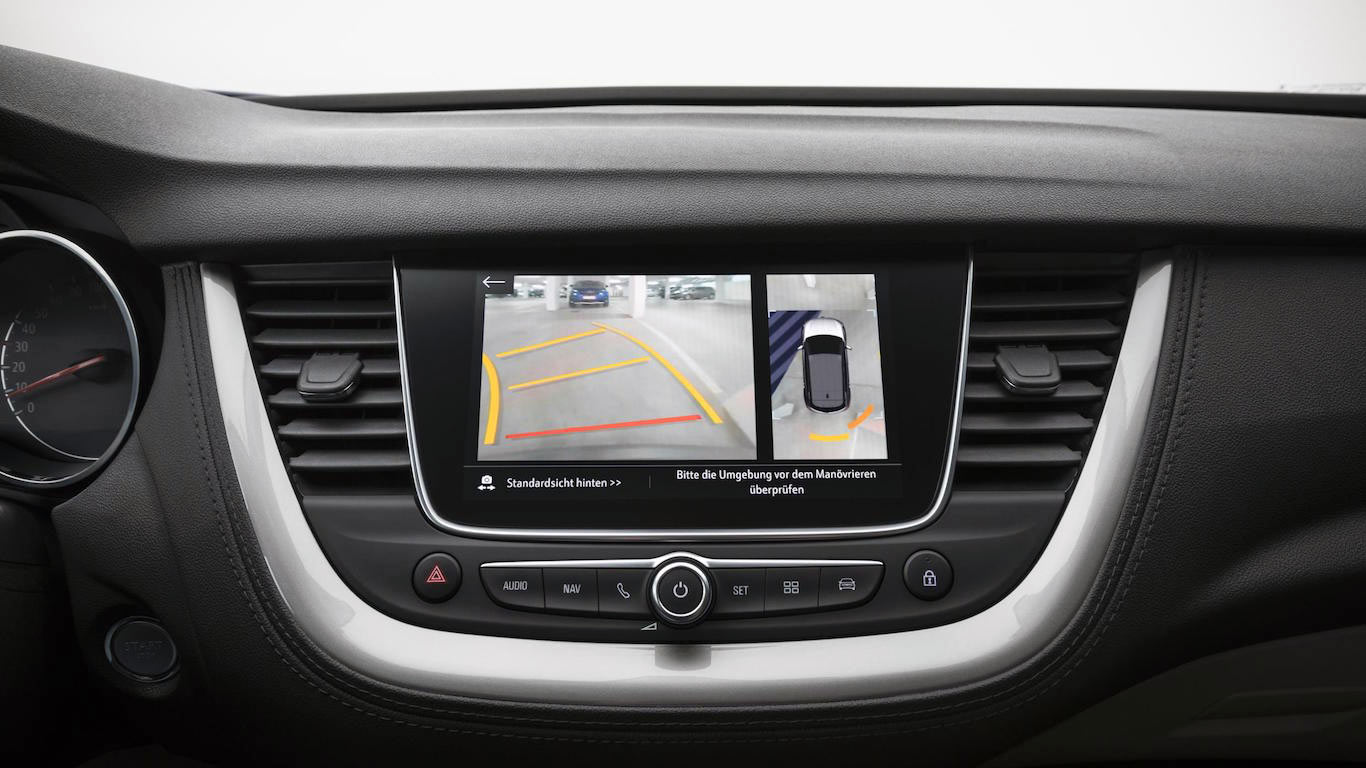
With cars getting ever bigger, being able to see out the back gets ever harder. The new-found British love of SUVs and crossovers is also likely to be driving this trend for rear-view cameras, as their raised height makes it difficult to see what is directly behind.

Some manufacturers have adapted their parking cameras to be even more useful. Mercedes-Benz offers a setting to make hitching a trailer to a towbar easier.

10. Bluetooth
The top 20 features British car buyers really want

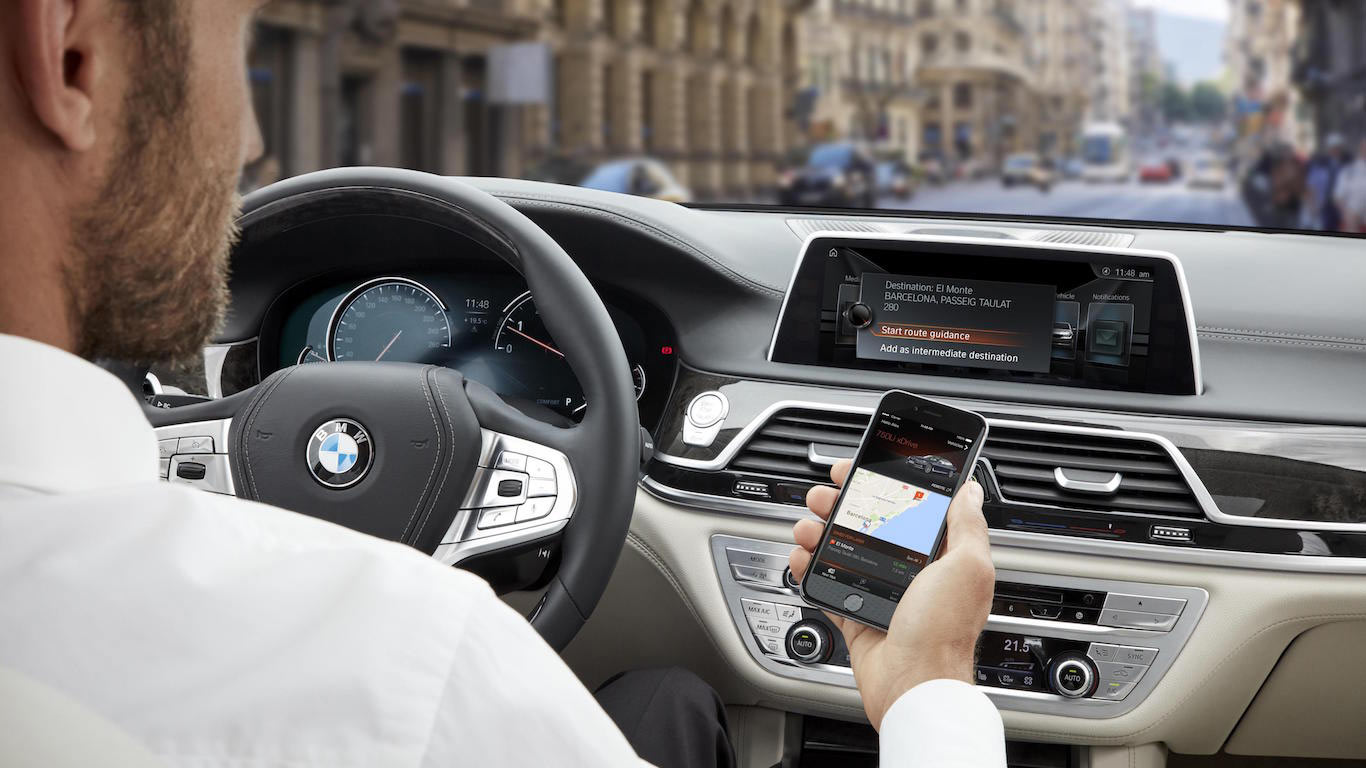
Avoiding the need to look like a headset-wearing minicab driver, factory-integrated Bluetooth connectivity is of major importance to those who like to take calls while on the move. Given the number of reports of drivers being driven to distraction by their phones, at least British drivers are concerned about staying within the law.

9. Heated seats
The top 20 features British car buyers really want

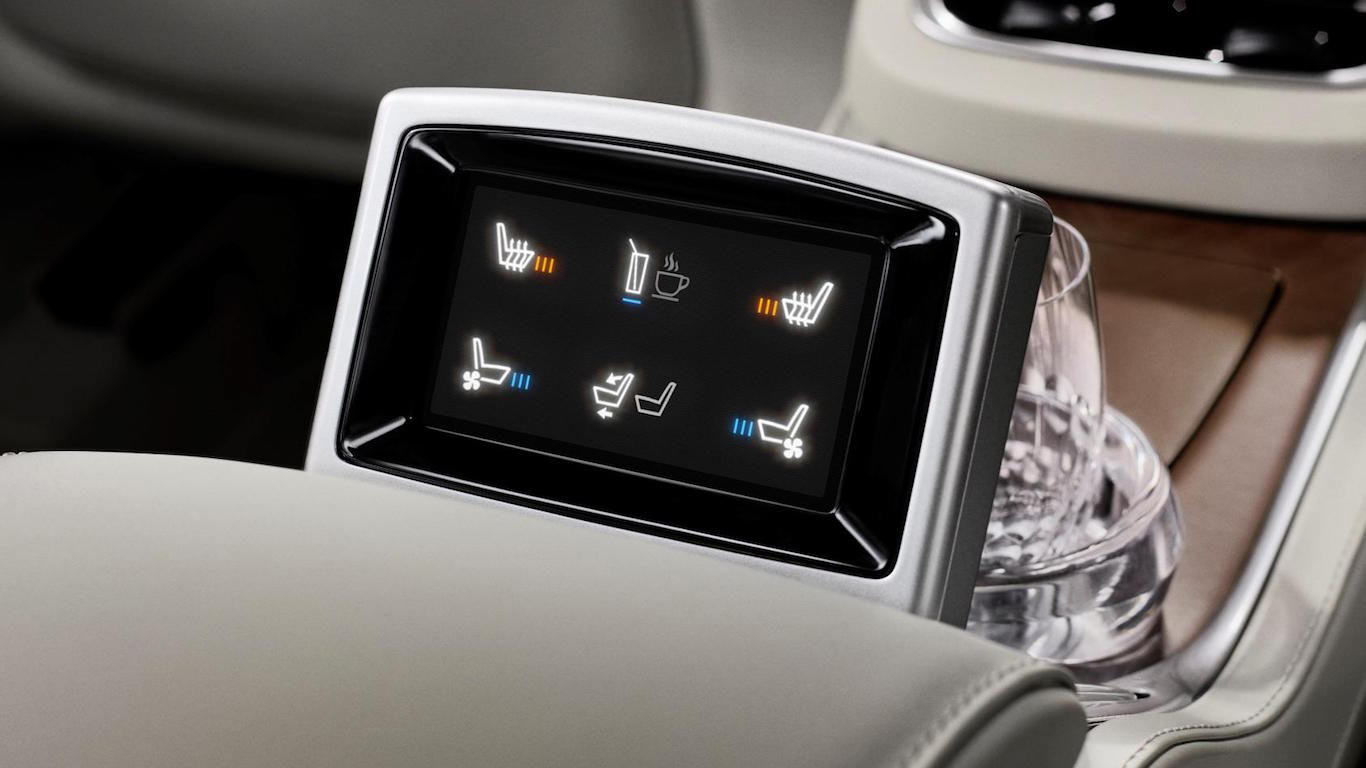
Another reminder of Britain’s less-than-stellar weather, heated seats creep inside the top 10 of desirable features. Perhaps it’s those with a love of leather upholstery who favour the additional heating on cold mornings, or maybe it’s to help out with all those lumbar issues? Either way, a large percentage of British drivers want to be in the hot seat – literally.

8. Automatic braking system
The top 20 features British car buyers really want

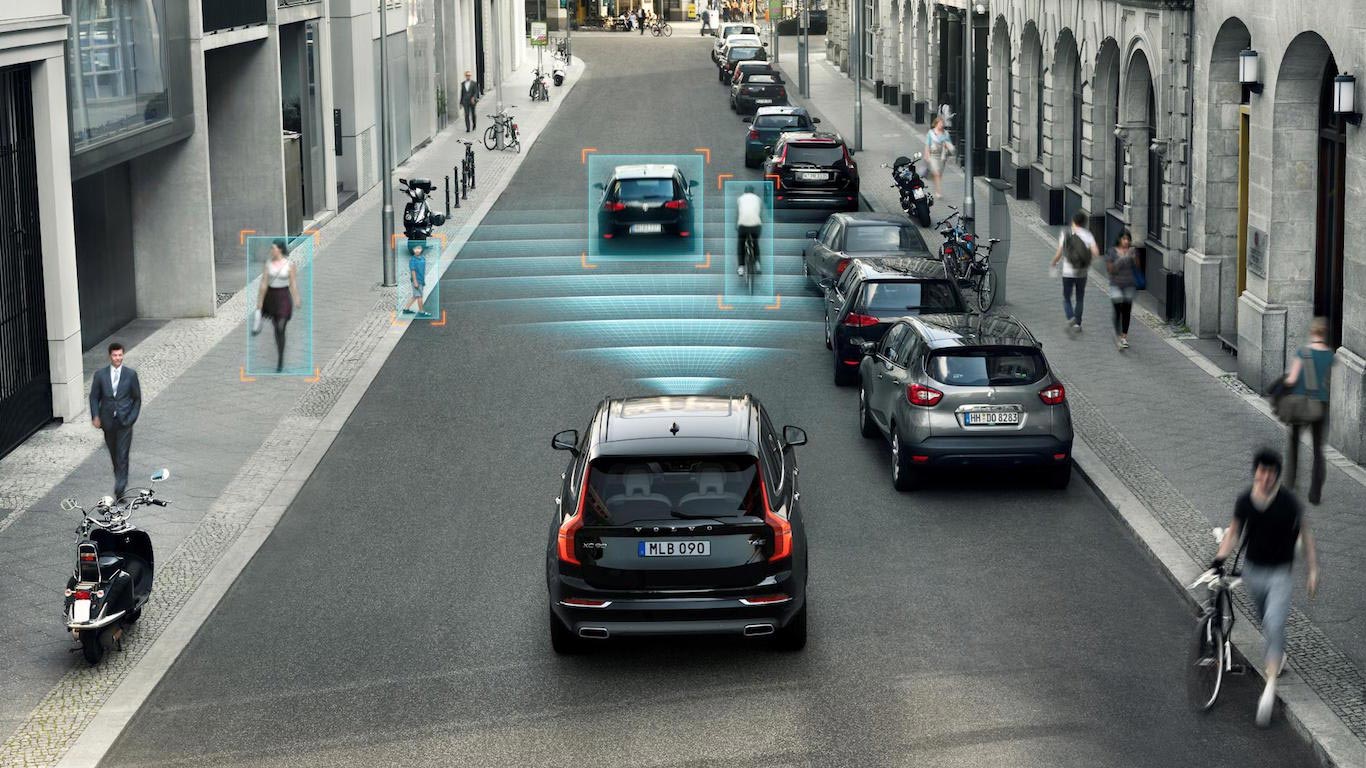
A more recent innovation, Autonomous Emergency Braking (AEB) helps stop the car when it senses a collision might occur. AEB is now standard on many new cars, with safety experts hailing it as one of the most important innovations for a generation.

Euro NCAP crash tests now include whether AEB is fitted as standard as part of their score, and some insurers offer discounts for cars thus equipped.

7. Heated mirrors
The top 20 features British car buyers really want

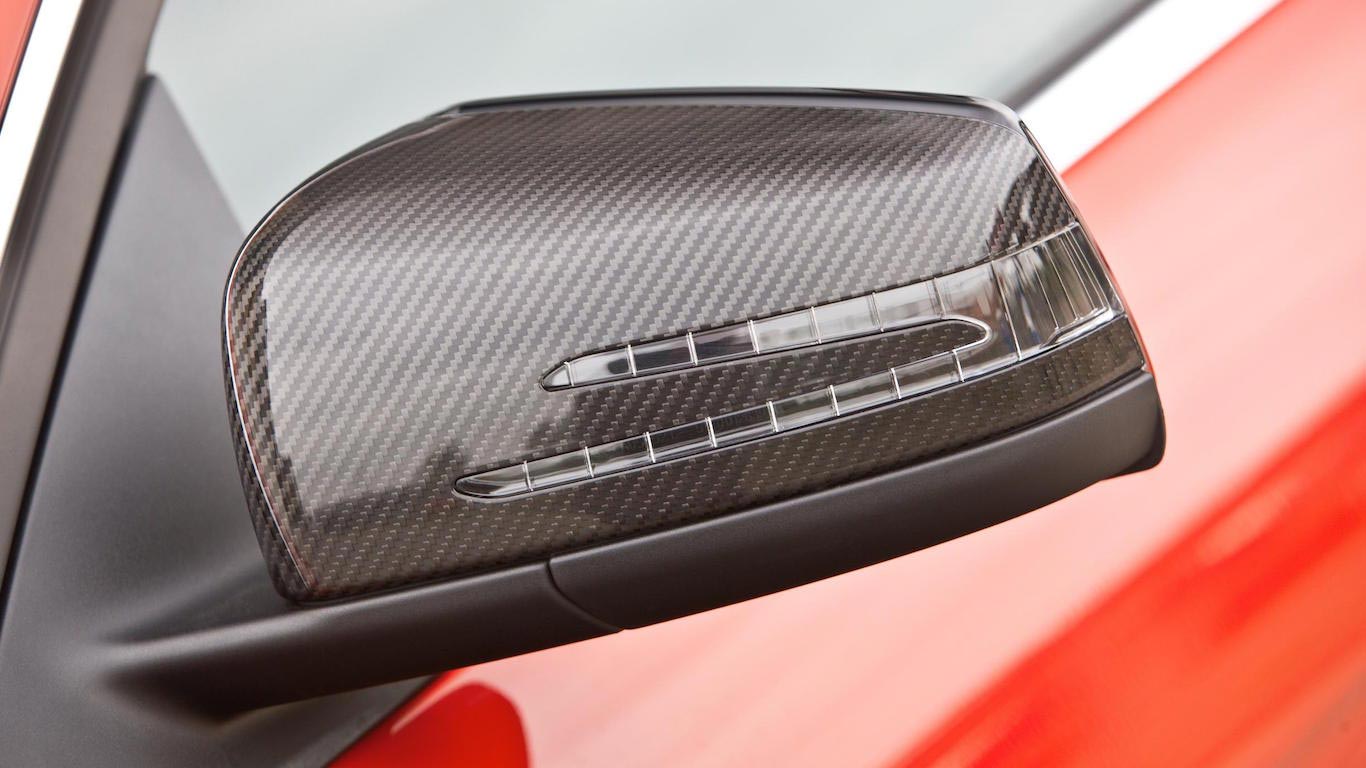
British car buyers certainly don’t like the idea of having to demist their own exterior mirrors, with this being a strangely high-placing feature. Given the pace of development in the new car market, we imagine it would be quite a challenge to find a model without heated mirrors today.

6. Digital DAB radio
The top 20 features British car buyers really want

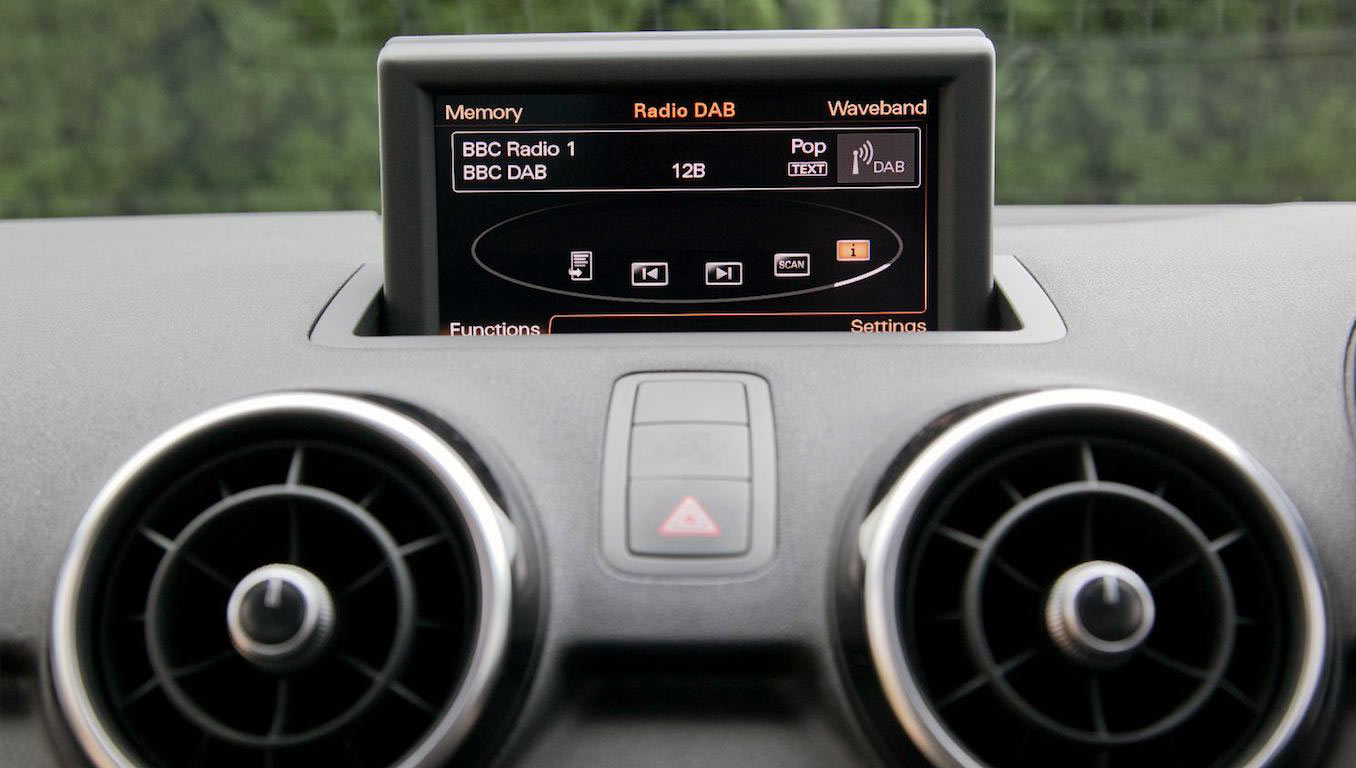
Forget relying on just AM and FM, modern British motorists want the audio quality of DAB radio along with its additional choice of stations. A neat reminder that streaming and digital downloads may be big news elsewhere, but the radio still matters when it comes to getting behind the wheel.

5. Spacious boot
The top 20 features British car buyers really want

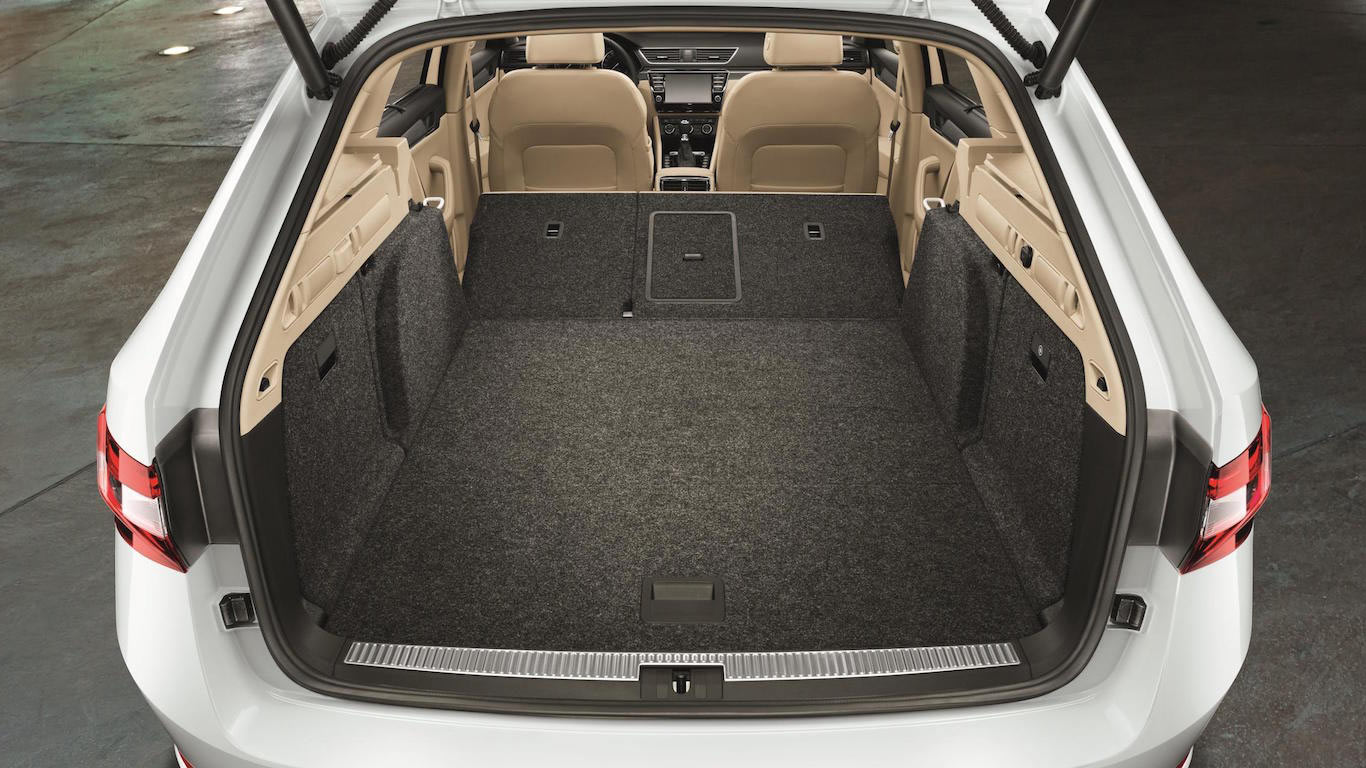
Modern life dictates that British motorists need to fit more junk in their trunks. Cue the need for cars with sizable boots to accommodate everything. Men were noted in the survey to be more concerned about how spacious a car was inside, whilst female drivers reported being worried as to how manoeuvrable it would be when parking.

4. Satellite navigation
The top 20 features British car buyers really want

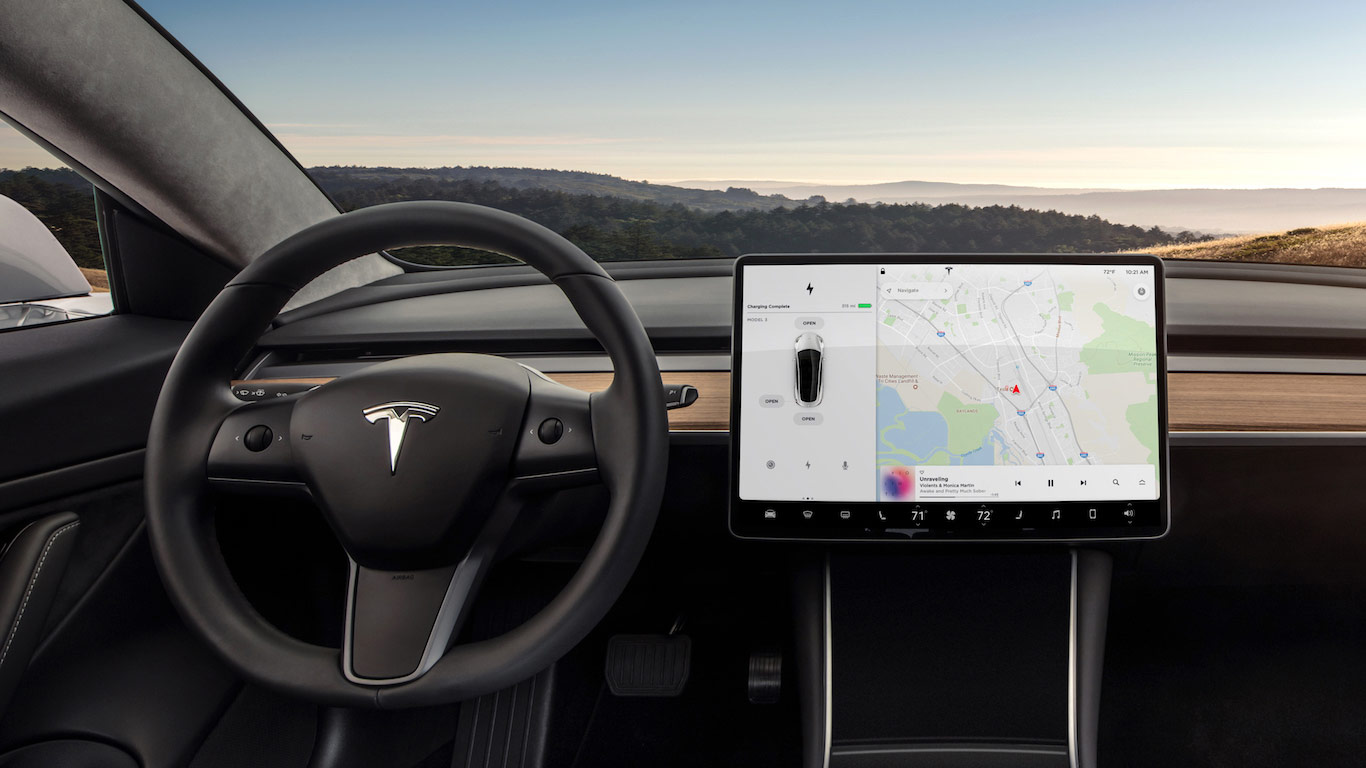
Younger generations may wonder how we ever managed to find our way to places, relying on road maps and making use of street signs to get us there. Now, sat nav reaches the top five of the most desirable features, with most manufacturers at offering it as at least an option across their ranges.

The latest sat nav systems incorporate the ability to adapt to traffic conditions, or can show imaging from Google Maps to help make locations easier to identify.

3. Electric windows
The top 20 features British car buyers really want

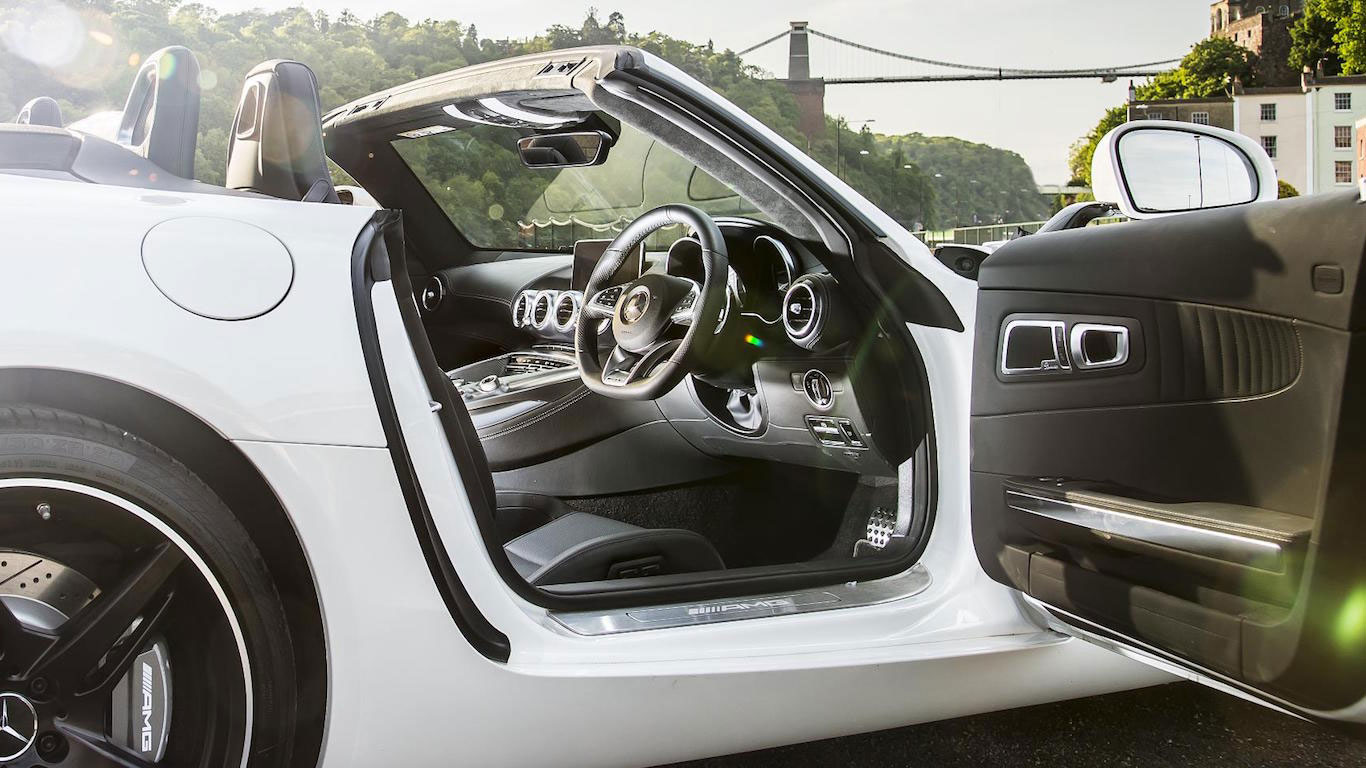
Other than the most extreme of lightweight sports cars, it would hard to conceive of a contemporary motor fitted with wind-up windows. British buyers clearly feel the same way, pushing electric windows all the way up to the dizzy heights of third place on this list. Despite a nation seemingly ever more obsessed with exercise, nobody wants keep-fit windows.

2. Parking sensors
The top 20 features British car buyers really want

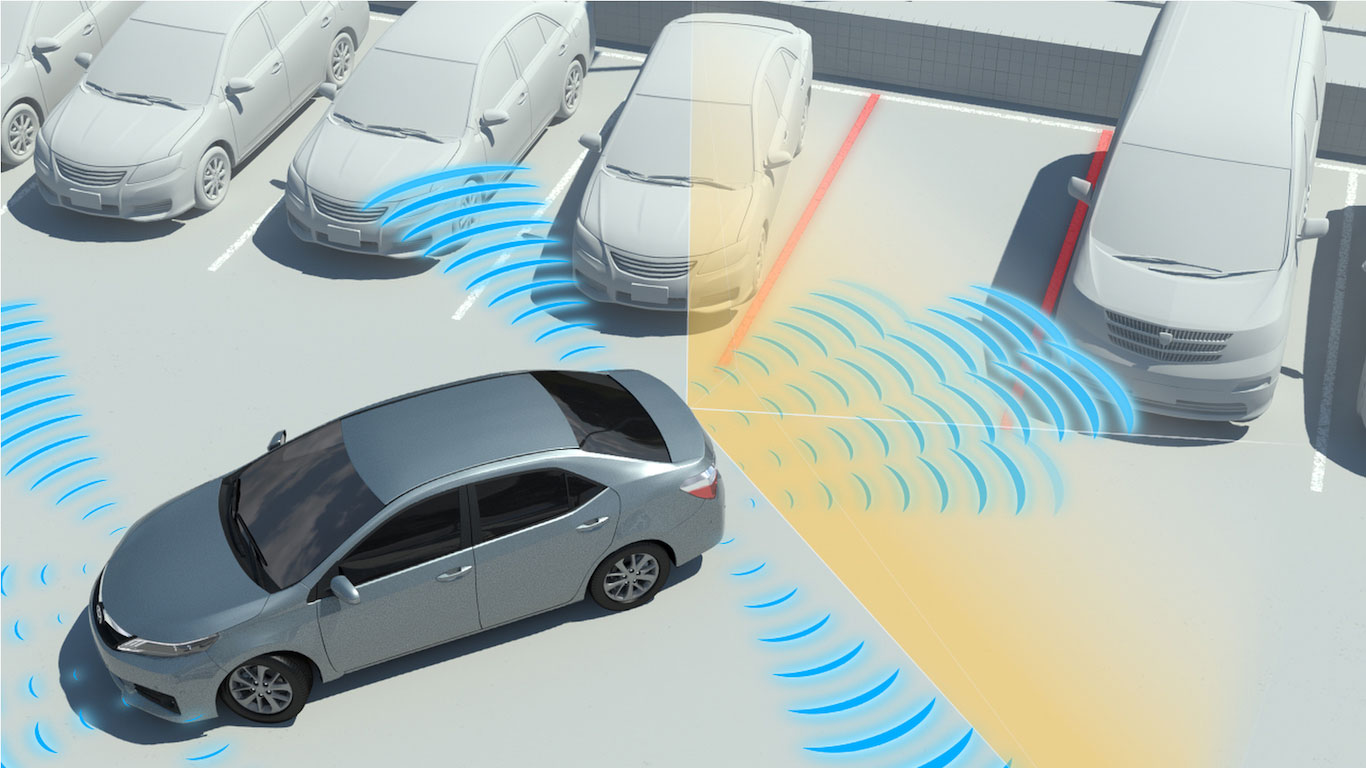
Crash testing has forced manufacturers to create cars with bigger crumple zones, sturdier door pillars and narrower windows. With visibility reduced, it makes sense that many motorists rely on parking sensors to avoid incidents when manoeuvring. They might result in a driving population unable to judge how big their car is, but at least they should prevent us bumping into each other.

1. Air conditioning
The top 20 features British car buyers really want

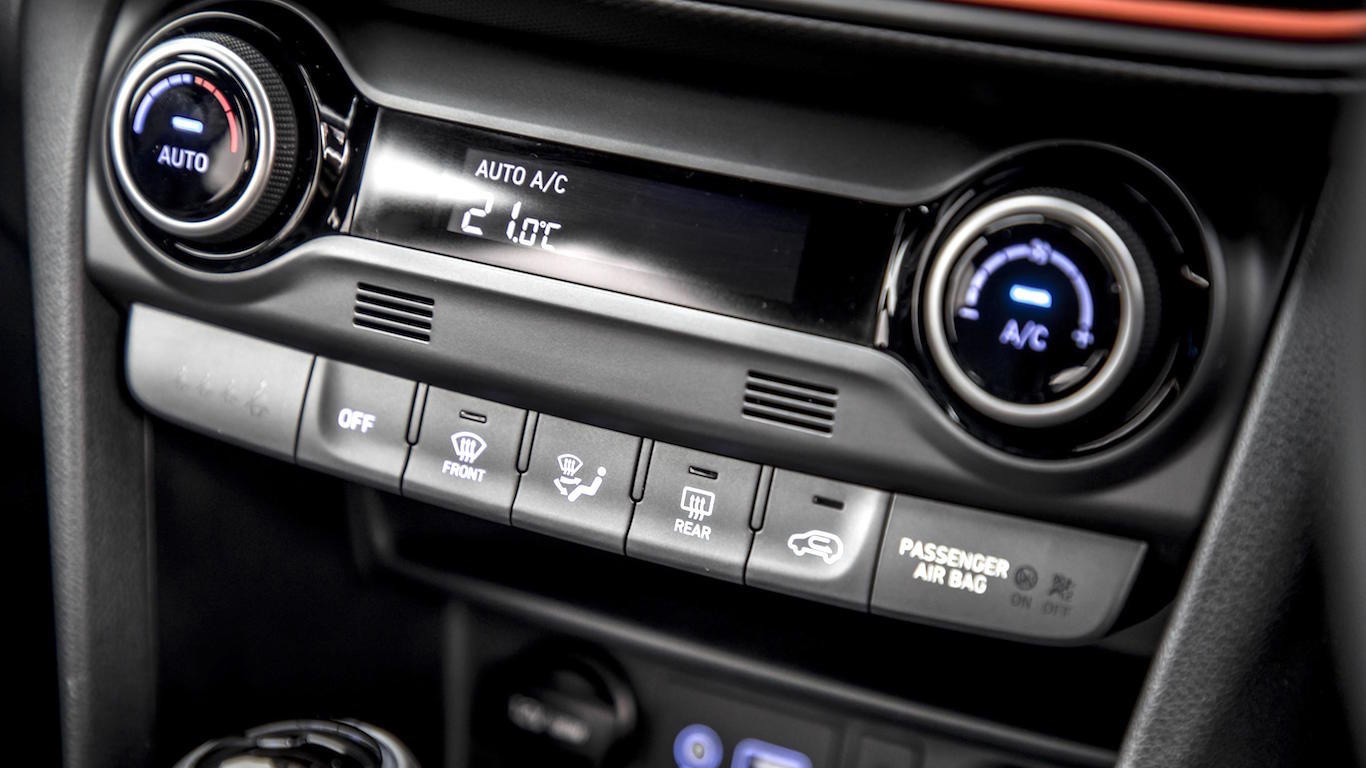
A whopping 42% of buyers surveyed ranked air conditioning as a ‘must have’ when it came to their next car. Less than two decades ago, air conditioning was either an expensive option, or found as standard only in premium vehicles.

Fast-forward to 2018 and air conditioning in cars borders on being considered a human right. Maybe we can blame it on climate change, but whatever the reason, it seems British drivers are unable to live through our short summers without the benefit of air-con to keep them chilled.

Read more:

Advertisement

British motorists baffled by European road signs

0

European road signs

If you’re planning a European road trip this summer, you might want to do a little homework before you leave. That’s the message from Easyjet and Europcar, with the claim that “Brits are left baffled when faced with European road signs.”

Research conducted by the two firms found that a European road trip is on the bucket list for half of all Brits, and more than a third plan to drive abroad this summer. Worryingly, 89 percent of the 2,000 motorists surveyed admitted having little or no understanding of foreign regulations.

If you’re one of the motorists who doesn’t know their ausfahrt from their umleitung or their arrêt from their toutes directions, you’re not alone. Professor Stuart Cole, Professor Emeritus of Transport at the University of South Wales, analysed 800 road signs across eight European countries to determine which territories left Brits baffled.

Italian roads most confusing

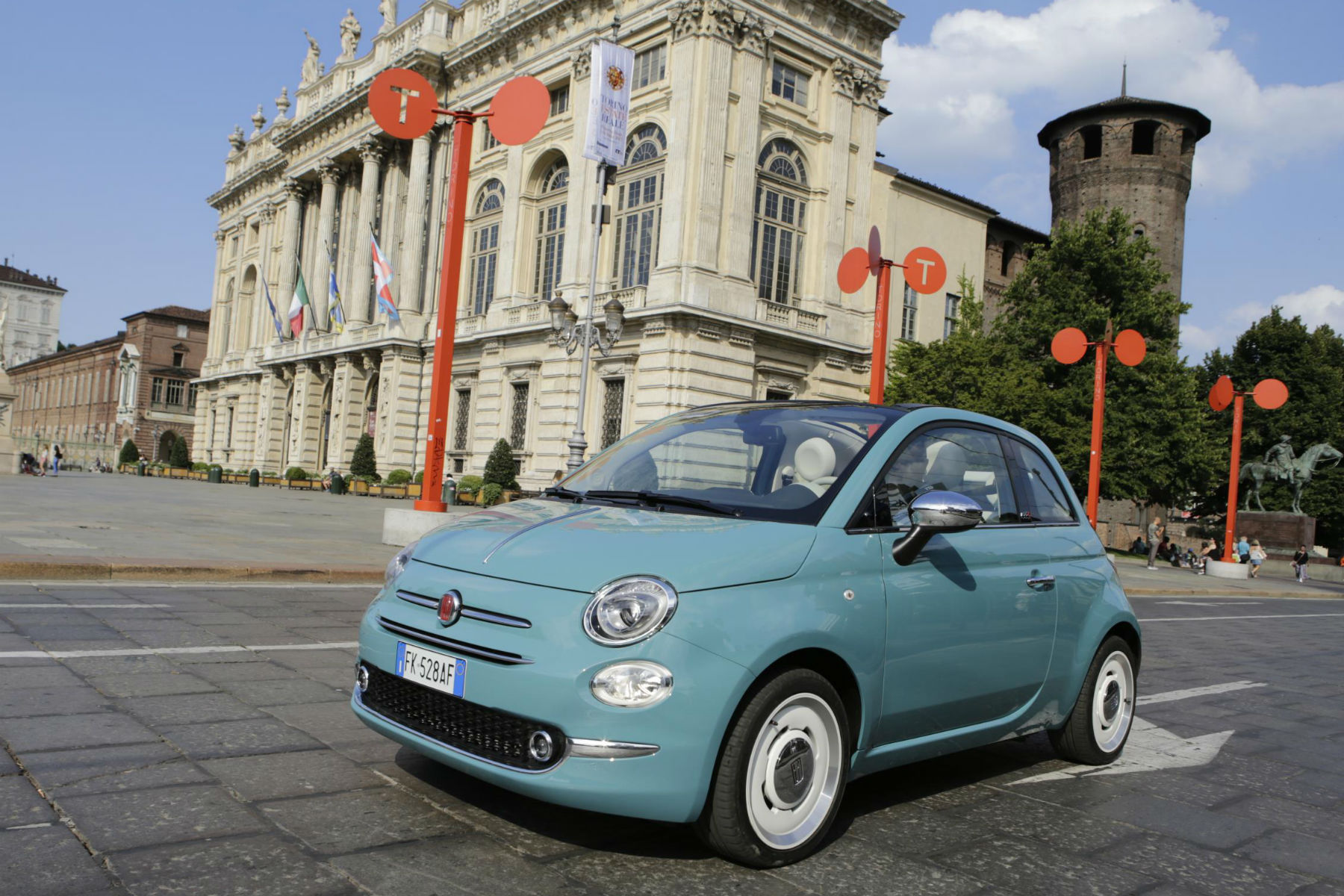
Fiat 500

The results? Seventy-eight percent of British motorists found Italian road signs to be the most confusing, followed by Portugal (69 percent) and France (68 percent). The professor said: “Unfamiliar roads can be daunting for Brits travelling abroad due to the lack of expertise in foreign regulations and road signs.

“European laws mean that many rules are similar. However, Brits should take the time to look through the traffic laws and signs of where they’re travelling to give them peace of mind to enjoy their trip”.

Kim McDonnell, Head of Proposition at Easyjet, said: “Brits are in holiday mode once they’ve boarded a plane, but a car at their arrival destination gives them the freedom to enjoy and create their own holiday.

“Our research shows that whilst fearful of unknown European roads, Britons love the notion of road-tripping across Europe because it offers flexibility and spontaneity.”

As part of the study, the researchers looked into the top 10 confusing European road signs. Take a look at the following signs and ask yourself if you’d know what they mean without some research. Be honest.

1. Alternative parking – i.e. no parking on the side of the number one on odd days and on the side of the number two on even days (Italy)

Alternative parking Italy

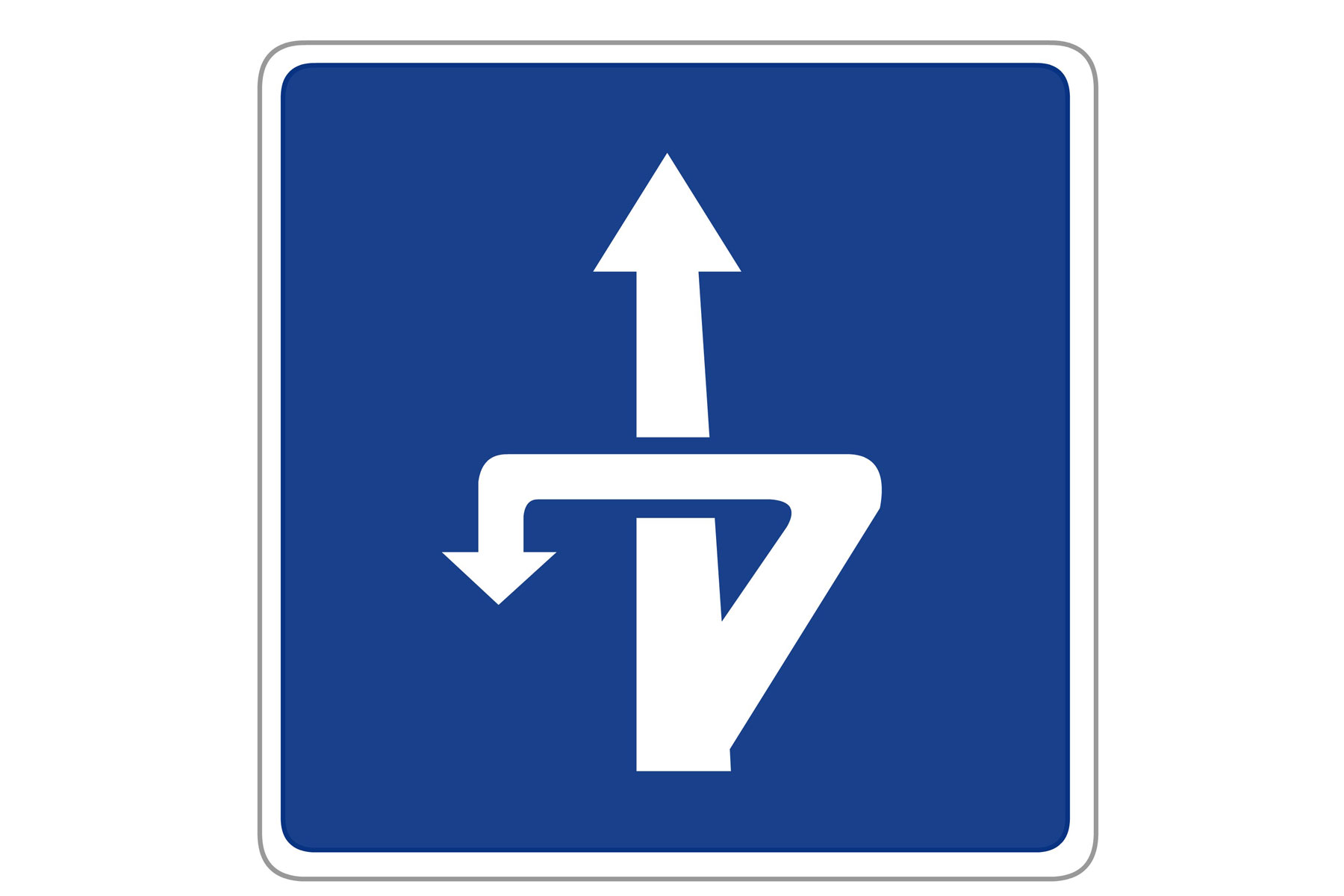
2. Indirect left turn (Italy)

Indirect left turn Italy

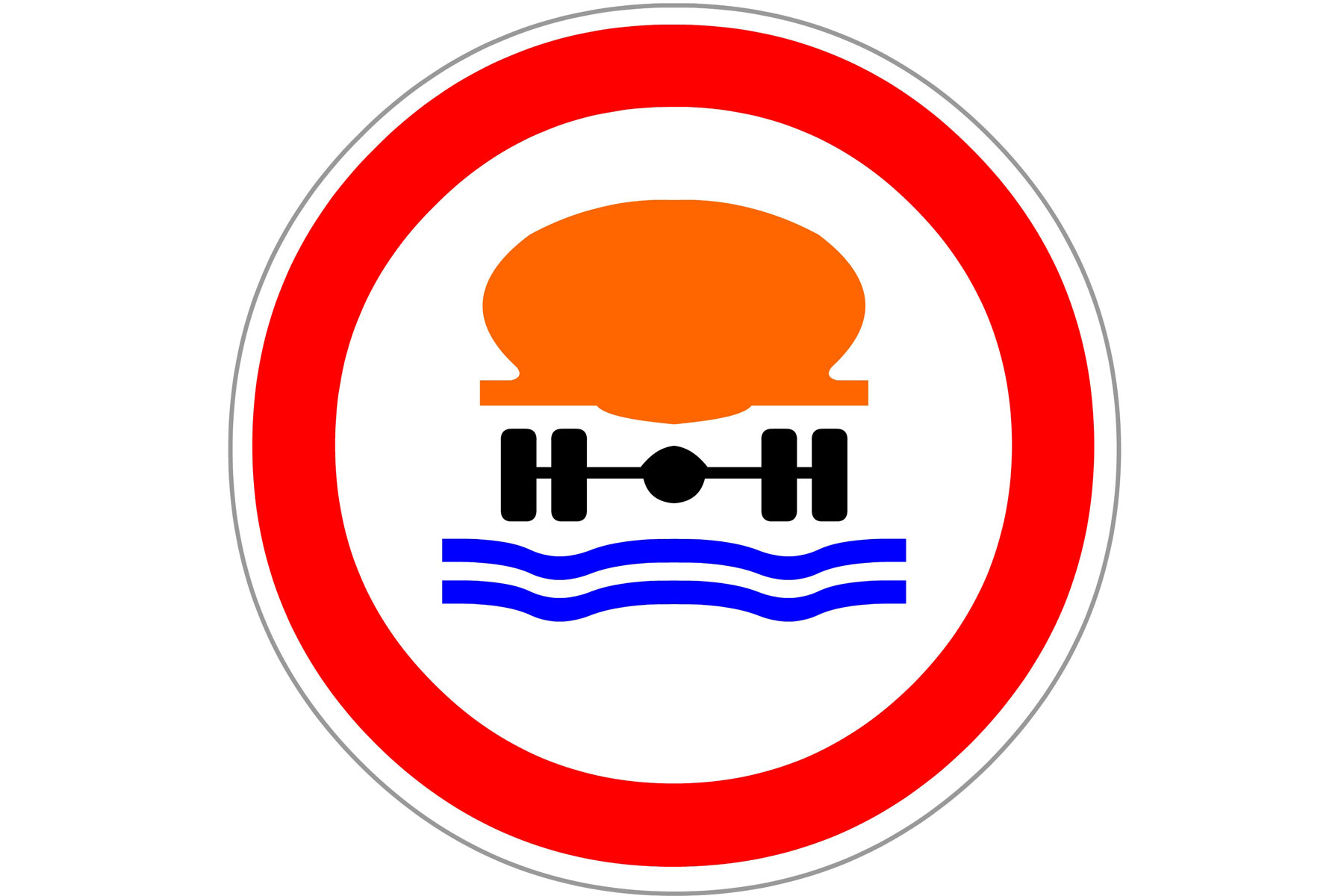
3. No vehicles carrying water pollutants (Switzerland/Portugal)

No vehicles carrying water pollutants

4. If you want to turn left from a main road then turn right first take the road shown to cross the road (Spain)

Indirect left turn Spain

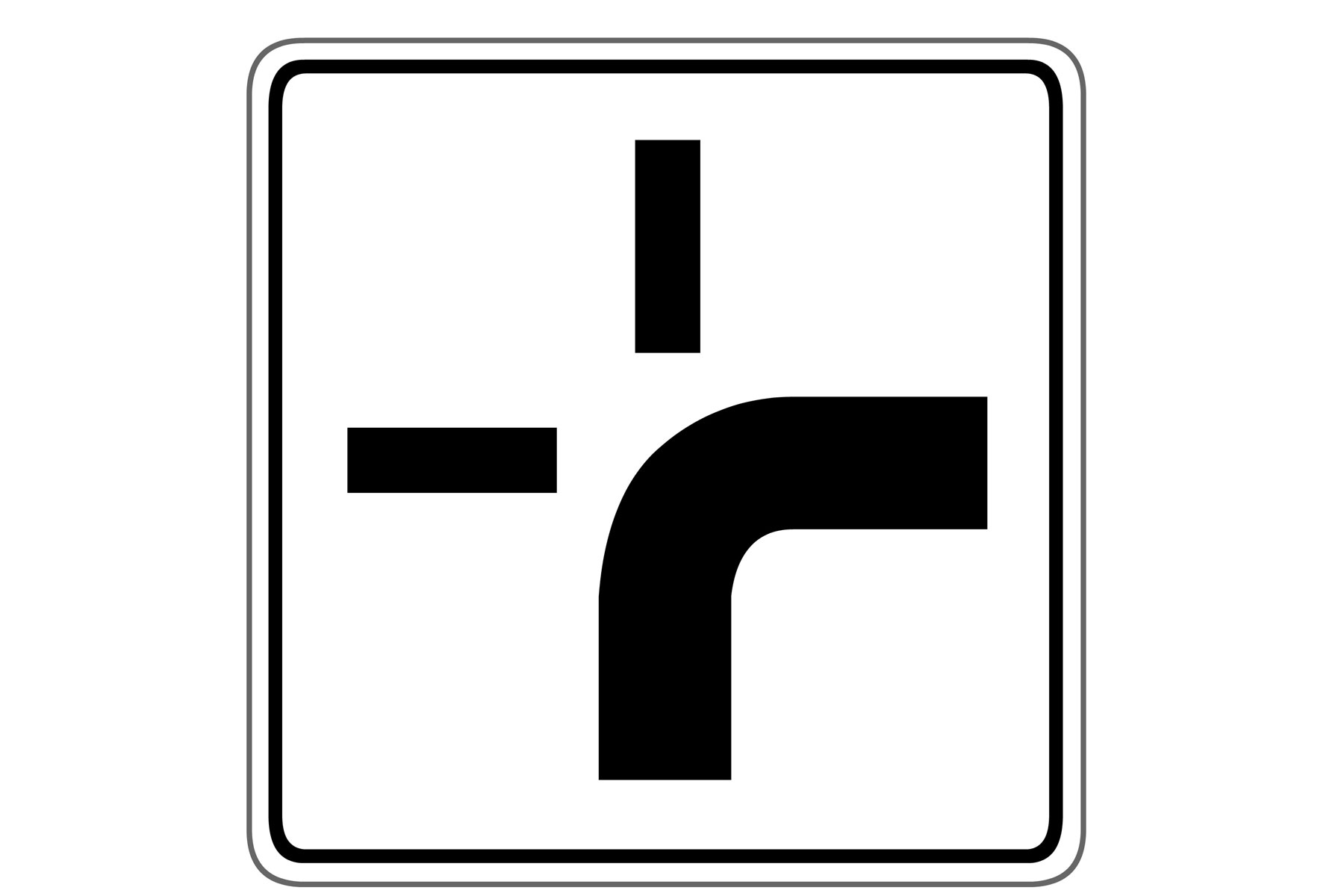
5. Priority on turn (France)

Priority on turn France

6. Skiers allowed to cross road during these hours (Germany)

Skiers allowed to cross road Germany

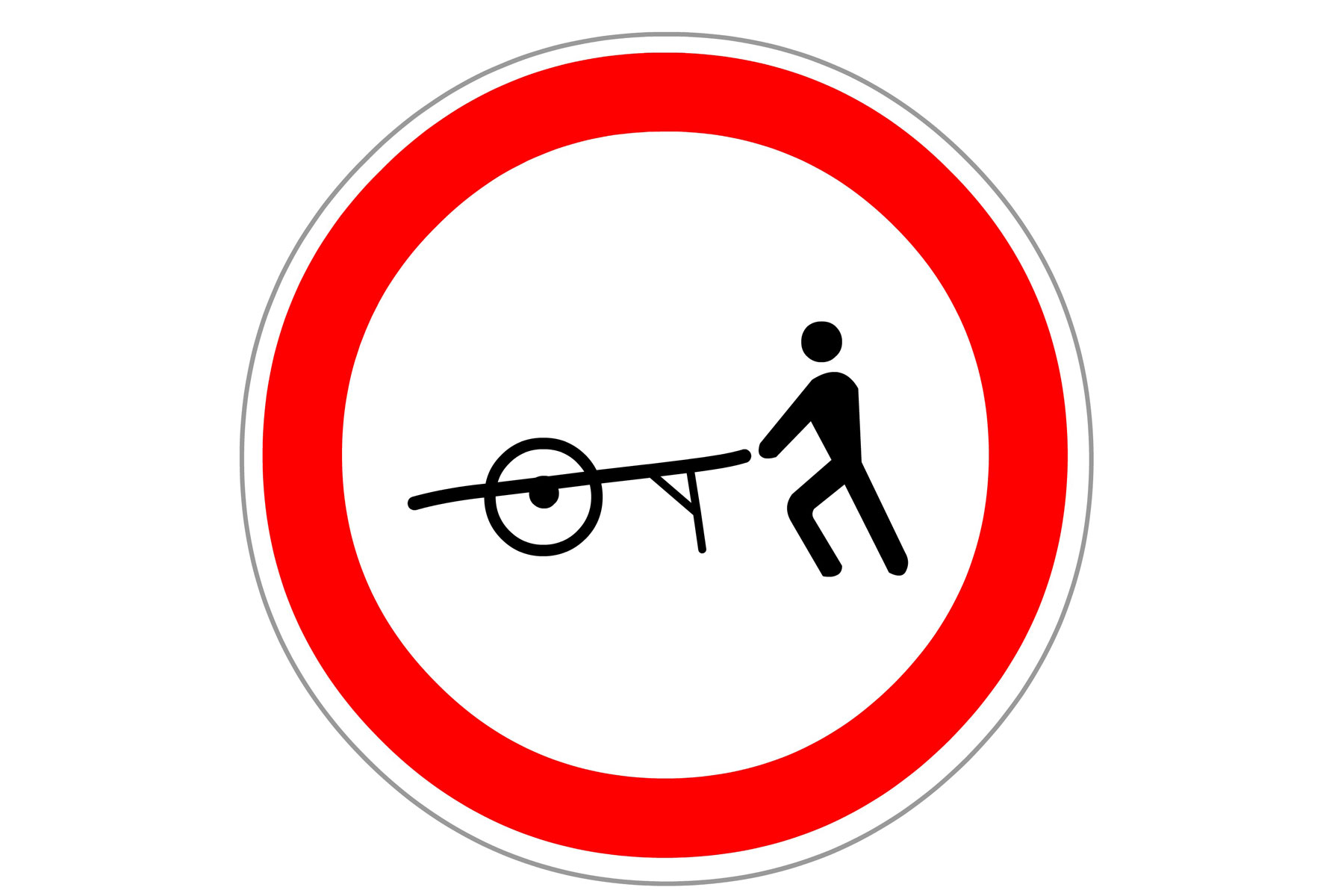
7. No handcarts/wheelbarrows (France/Portugal)

No handcarts or wheelbarrows France

8. No parking on verges/shoulder (Germany)

No parking on verges Germany

9. Accident ahead that is blocking the road (France)

Accident ahead that's blocking the road

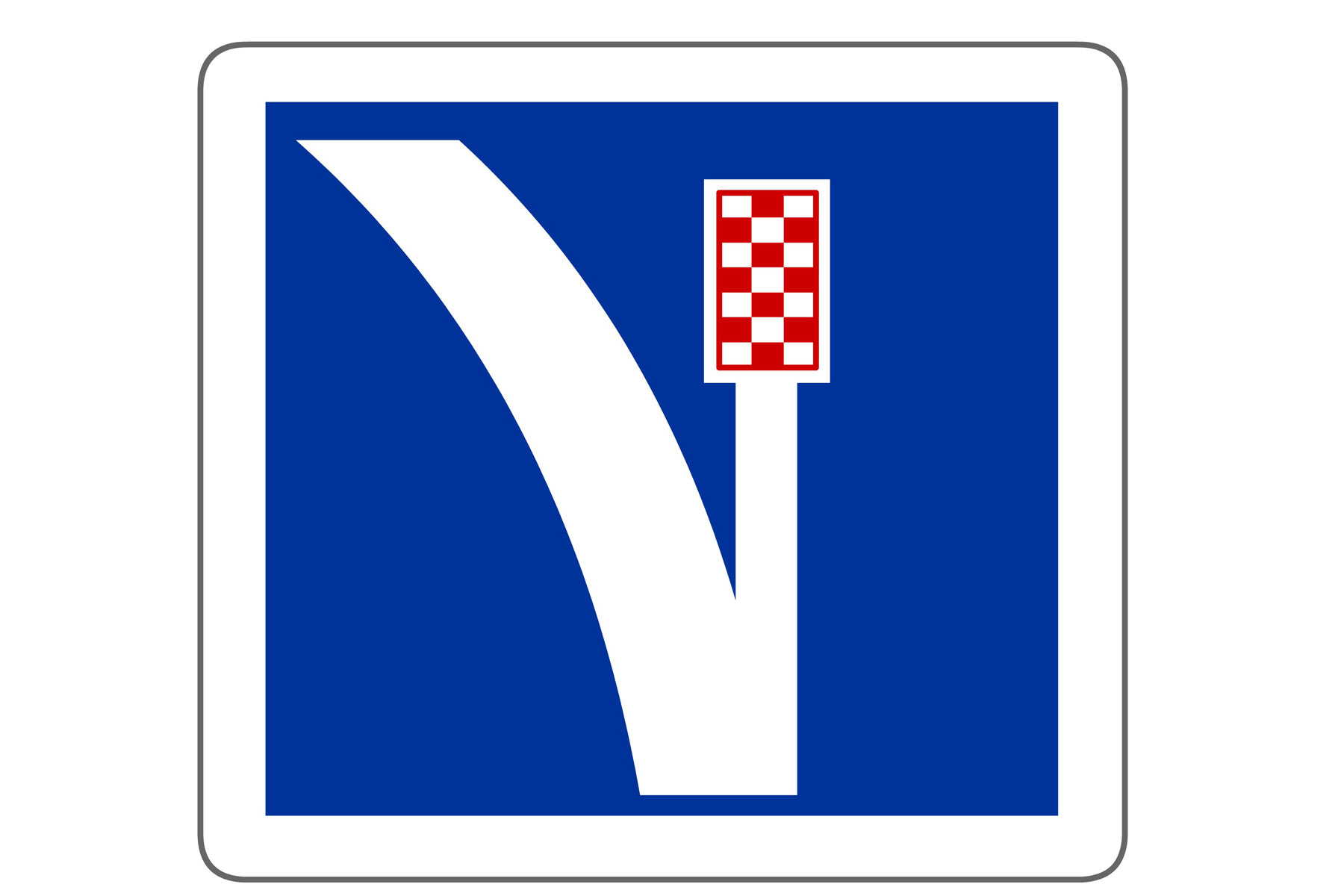
10. Emergency lane with gravel pit (Switzerland)

Emergency lane with gravel pit Switzerland

The research also revealed some of the obscure and quirky road laws you might encounter when travelling on the continent. Of those surveyed, Brits weren’t aware of the following European regulations:

  1. Filling your tank while your radio is still on in Spain could lead to a €91 fine (51%)
  2. Legally, you cannot wash your car on a Sunday in Switzerland (43%)
  3. In Romania, you’ll be fined if you’re driving a dirty car (42%)
  4. In Germany, you can legally drive naked as your car is considered a private space (29%)
  5. Drivers in Denmark must check for sleeping children underneath their cars before they set off (27%)

If you saw the European signs and they opened up your eyes, maybe you’d enjoy some Europop.

Read more:

Advertisement

Fiat Panda Waze is a social media influencer

0

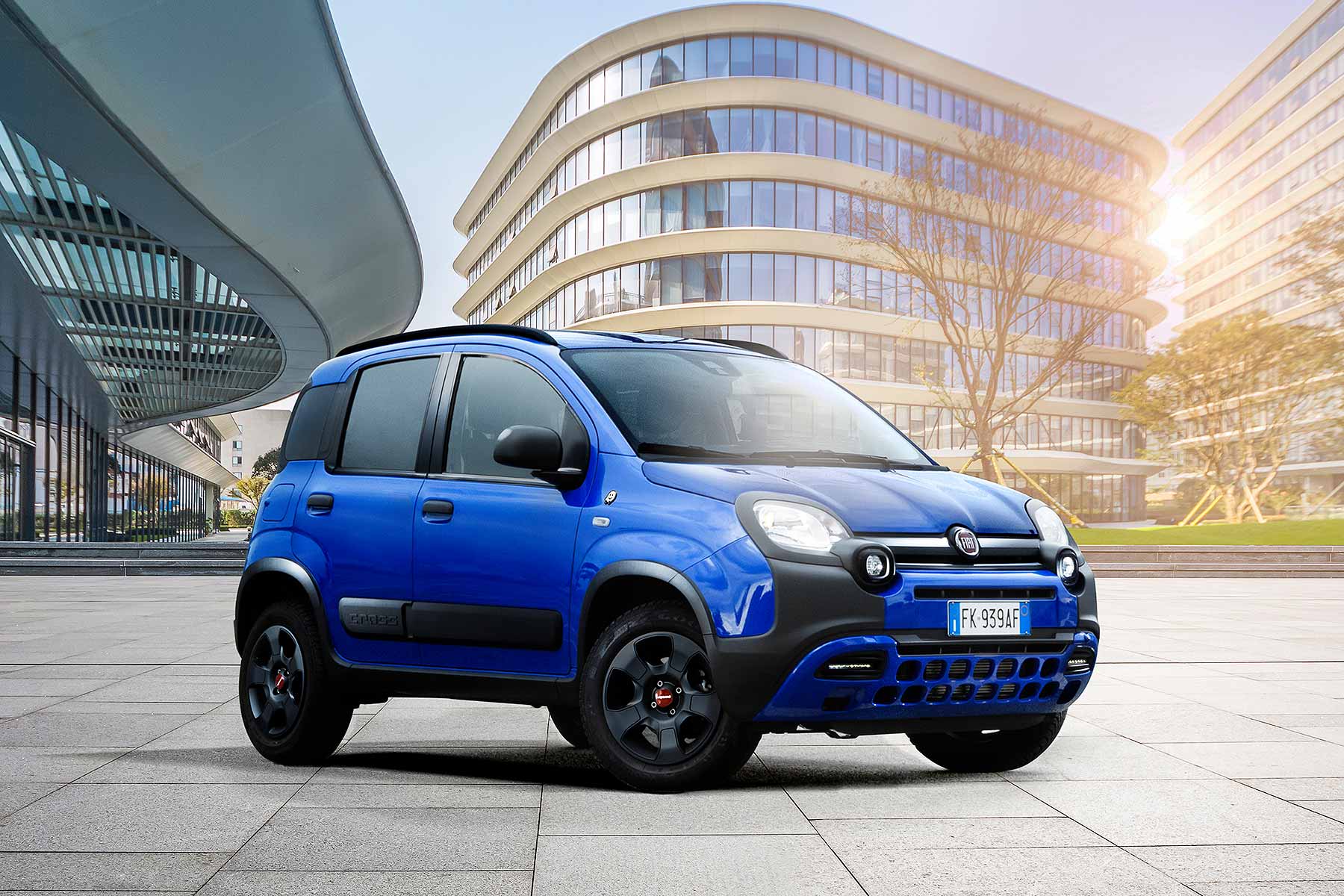
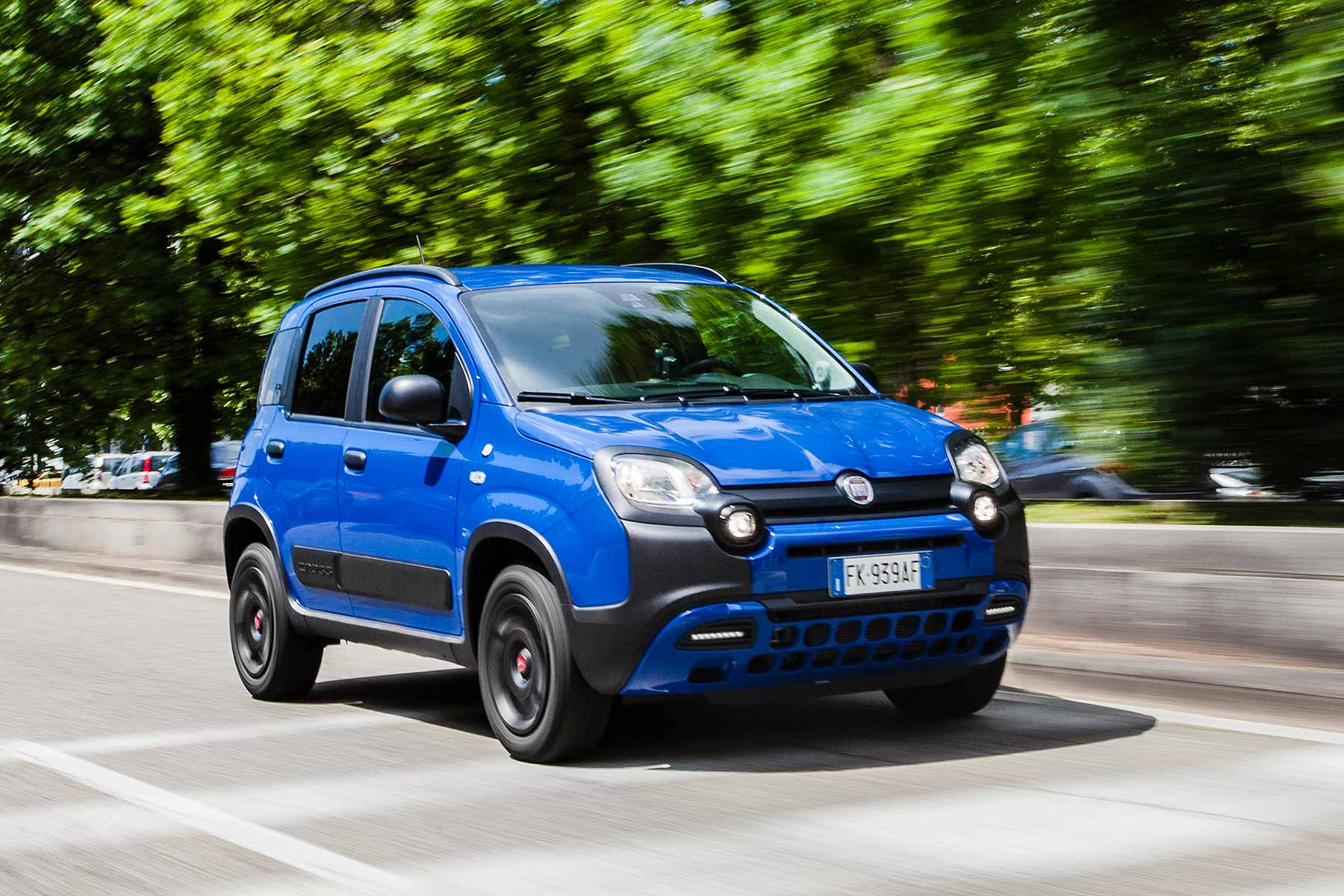
Fiat Panda WazeFiat has teamed up with navigation app Waze to launch a new special edition Panda Waze – a car it’s claiming is the most social media-savvy city car in the world.
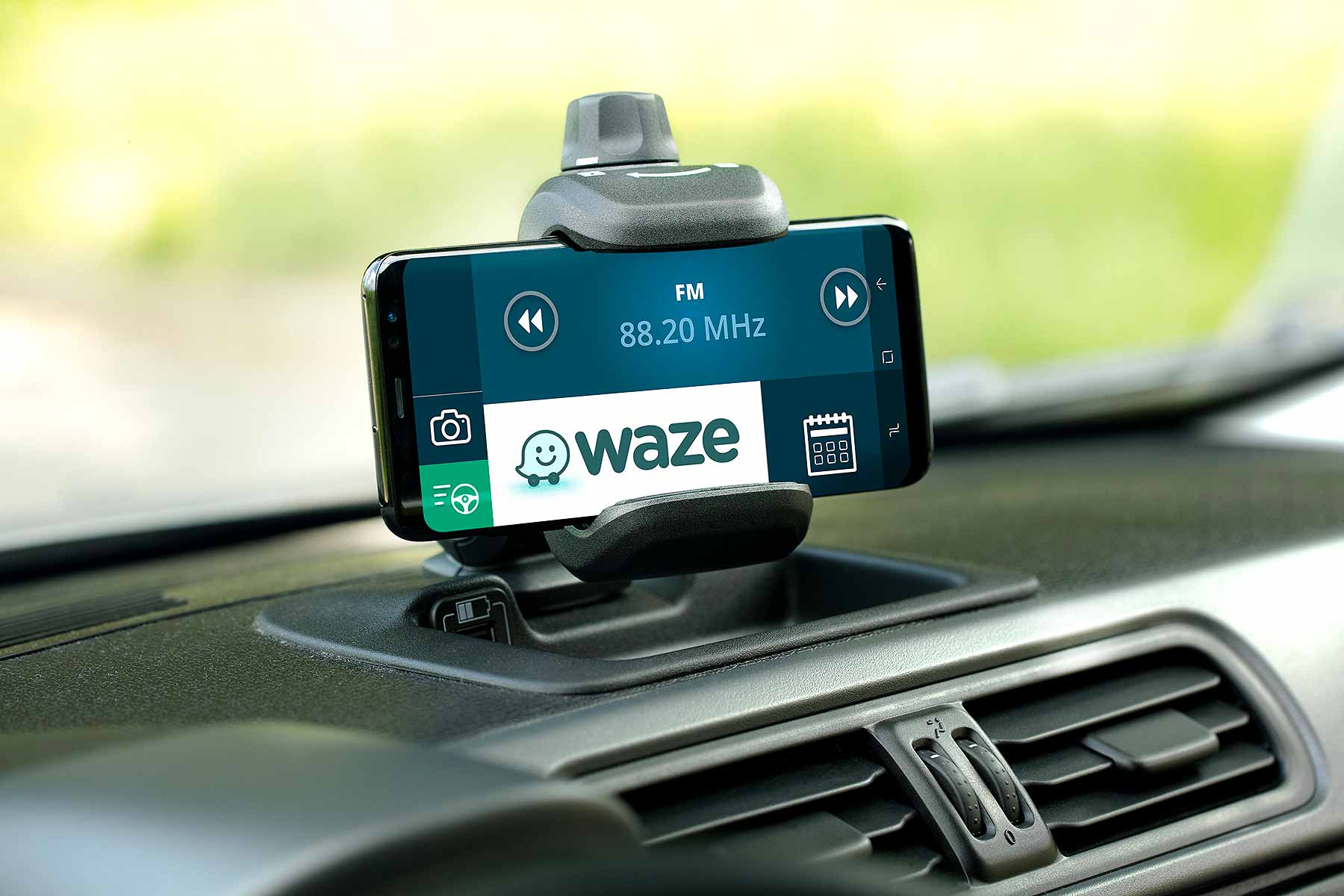
Blending the social-centric Waze app into the Panda Uconnect infotainment app, Fiat says the cost-effective integration of Waze allows the two apps to easily be used simultaneously while on the move.

Fiat has thus effectively got one over Apple and beaten the integration of Waze into CarPlay for easy use when behind the wheel. Well, sort of. 

Fiat Panda and Waze: how it works

Fiat Panda Waze

On the new Panda, users still operate Waze through their smartphone, which fits into a special carrier on top of the dash. It pairs with the Panda Uconnect app, which allows owners to operate other features of the car’s infotainment through their phone – including:

  • Altering the volume
  • Switching radio stations
  • Selecting playlists
  • Making calls – and texts
  • Diary-checking and weather updates

Waze can be used simultaneously with the Panda Uconnect app: Waze shrinks to a box on the screen when Uconnect is being used, and vice versa, so users can easily flick between the two.

There’s a ‘find my car’ feature on the app for when you forget where you’ve parked it, and a ‘My Car’ section in which you can check the car’s health. It will even flash an alert when owners are running low on fuel or a deflating tyre is detected – and instantly offer to navigate them to the nearest garage. Via Waze, naturally.

Oh, and any selfies you shoot on board the Panda Waze will be saved into their own album in your smartphone’s gallery, for social sharing later. Of course.

How does it do all this? By communicating with the onboard infotainment system via USB and MP3; also included in the functionality is Bluetooth, audio streaming and voice recognition.

The Fiat Panda Waze special

Fiat Panda Waze

FCA aftermarket division Mopar has developed the Fiat Uconnect app, bringing high-end infotainment features to low-priced cars. It’s so proud of the added integration of Waze, Fiat’s worked with Waze to launch the new special, based on the 69hp 1.2-litre petrol variant.

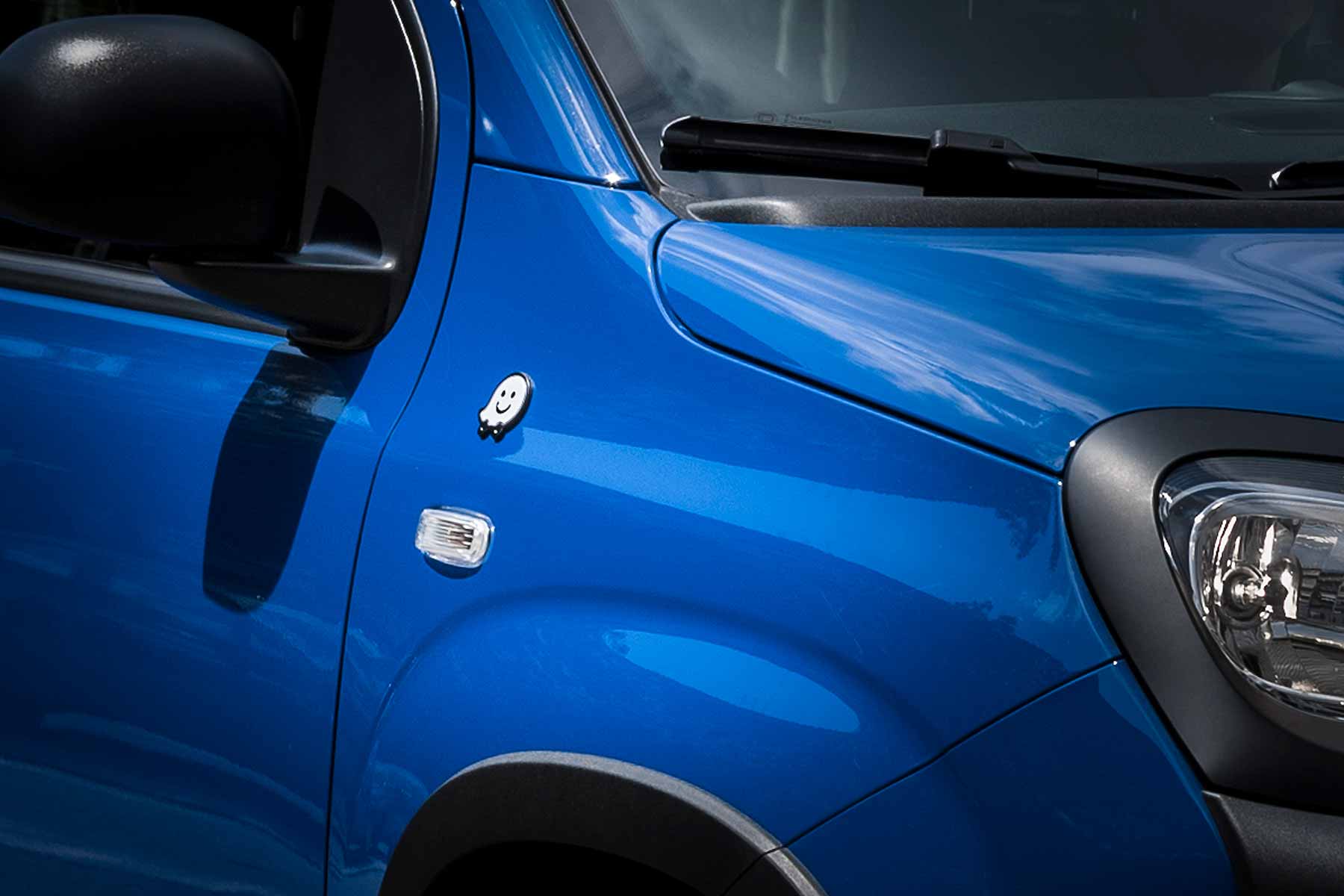
Millennials will love it, reckons Fiat, particularly because it’s intentionally been kept (relatively) affordable. Based on the SUV-influenced Panda Cross, the exterior has a ‘black pack’ makeover, including side mouldings, door mirrors and burnished 15-inch wheels, and the Waze logo features on the wings.

There’s new seat upholstery inside, plus climate control, remote locking and the all-important dashboard smartphone holder.

The Panda millions

Fiat Panda Waze

Since launching it in 1980, Fiat has sold 7.5 million Pandas. (Although Waze is even more popular, it says: the app has more than 100 million active users.)

The Fiat Panda is, in partnership with its retro city car the Fiat 500, Europe’s best-selling city car: the two have a market share of over 28 percent. Pleasingly, the Panda itself is also the overall best-seller in Italy, continuing a tradition that goes back decades.

Almost four decades on from its launch, the Panda can, it seems, still innovate. 

Advertisement

New 2018 Audi A1: the mix and match supermini

0

2018 Audi A1: first lookAudi has responded to premium customer demands for personalisation by making the new A1 supermini its most configurable car ever. For the first time, buyers can mix and match exterior and interior trim lines however they wish.
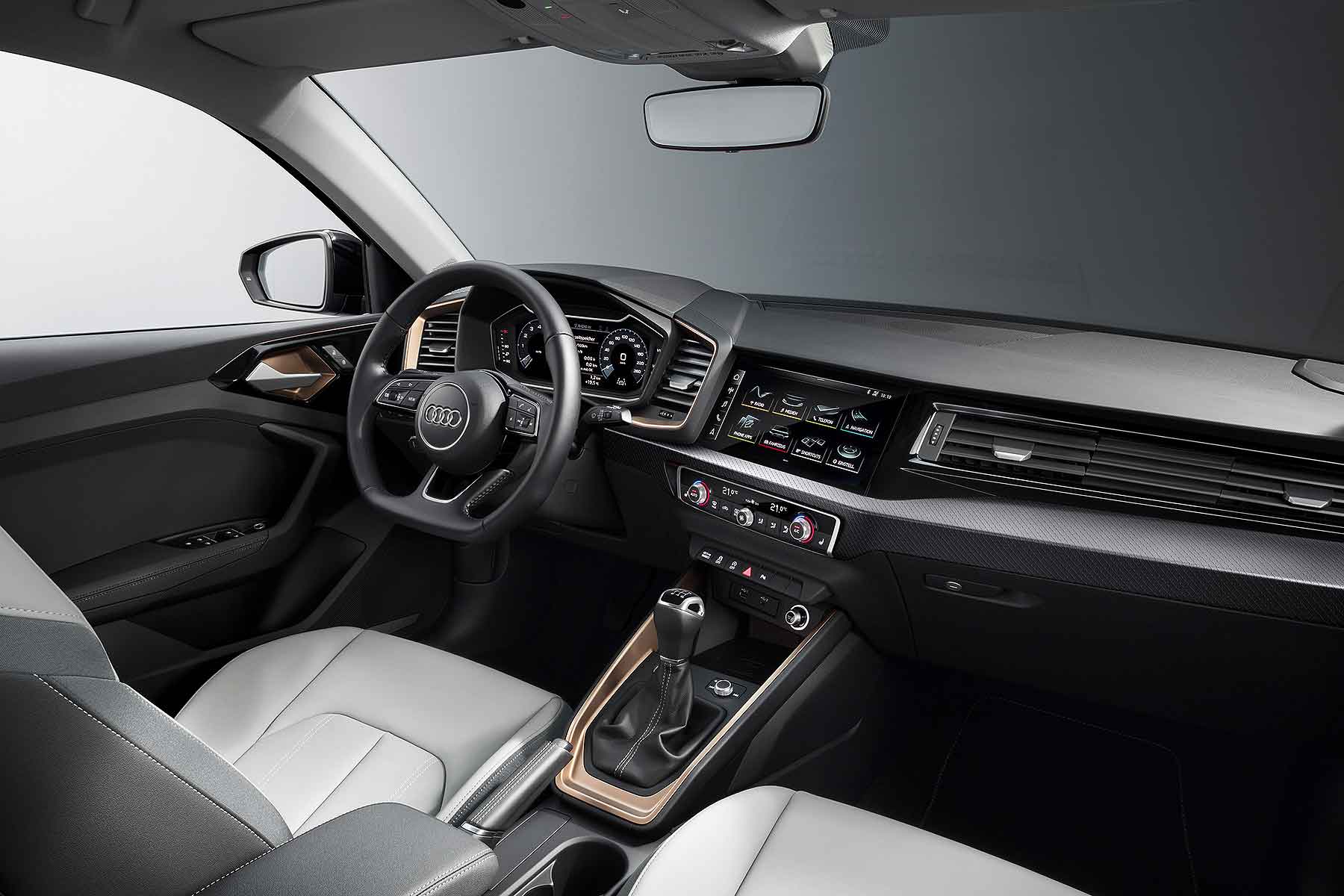
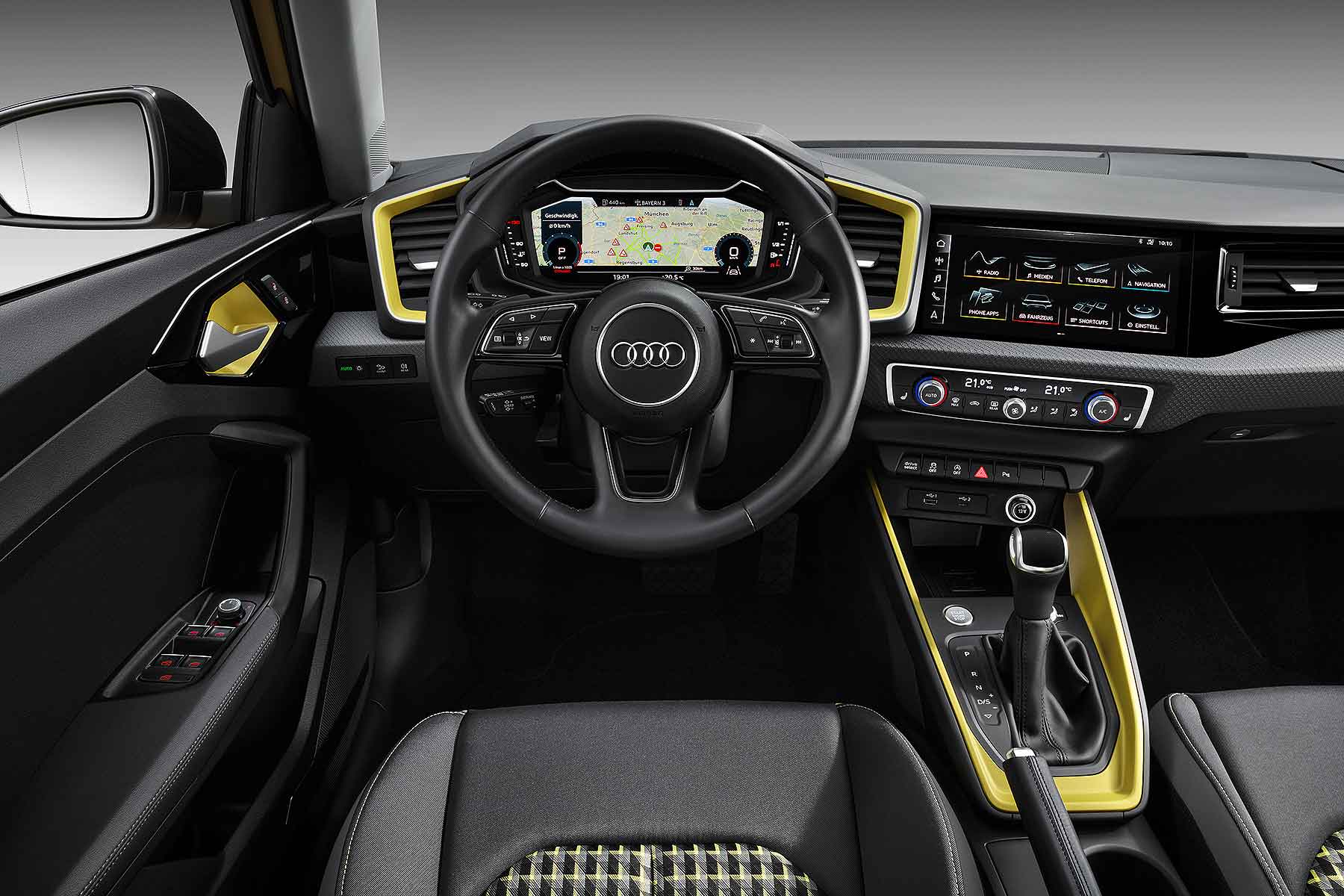
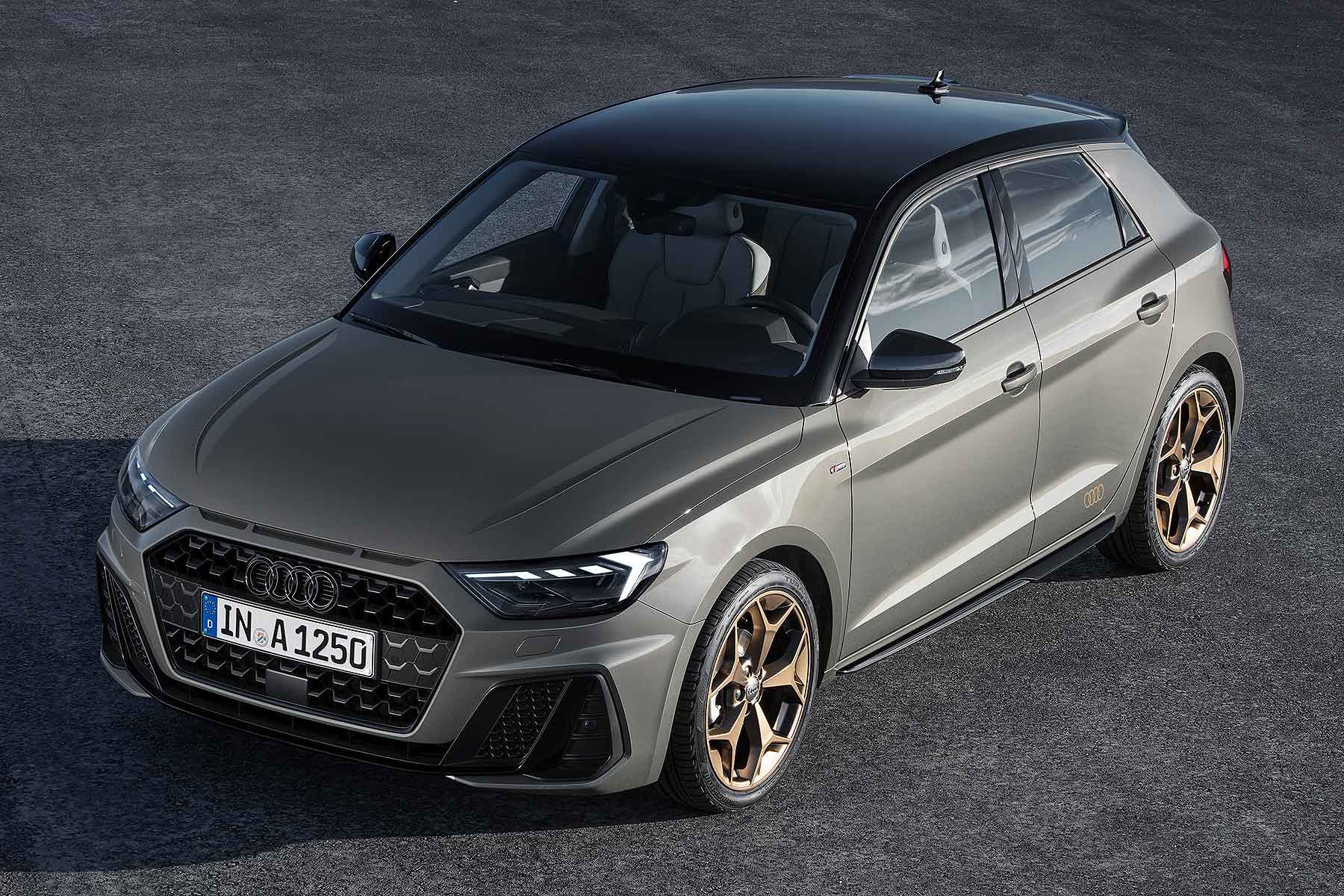
It means that those who like the sporty exterior of an A1 S line, but prefer the less focused interior of an SE, can be accommodated: similarly, S line seats can be paired up with the more pliant suspension of a Sport.

“Customers can combine exterior and interior lines however they like,” says Audi. The opportunity for customisation is “ample”.

2018 Audi A1: first look

Audi is also bound to impress posh supermini buyers with the inclusion of a TT-style fully digital instrument cluster as standard. The 10.25-inch display pairs with a multifunction steering wheel, and its functionality can be extended further with the full Audi virtual cockpit option.

2018 Audi A1: first look

Apple CarPlay and Android Auto are included, and Audi sensibly fits two USB sockets in the front, not just one.

Audi MMI infotainment is also standard, and it too can be upgraded to a full 10.1-inch glass screen system. It’s infotainment “from the full-size class”. There’s a much-needed boost in interior space as well, with more rear seat room and a boot expanded by 65 litres to a whopping 335 litres.

First look: Mk2 Audi A1

2018 Audi A1: first look

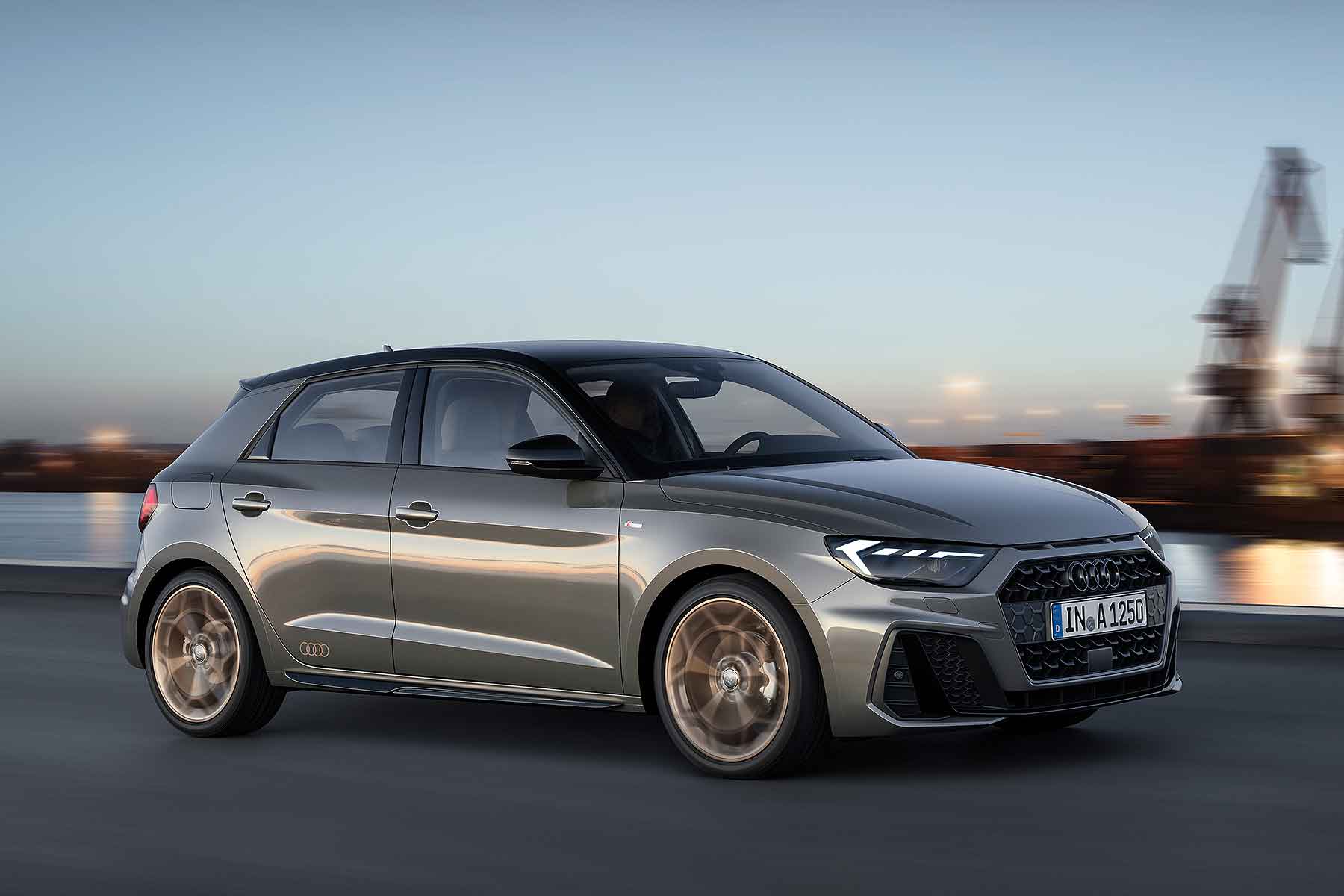
The second generation A1 has a bolder, busier look than the well-liked original. Audi makes several references to the fact it’s been inspired by the 1984 Sport quattro homologation rally special, plus the original Audi Ur-quattro. Such as?

  • Three flat slits at the leading edge of the bonnet are “an homage to the Sport quattro”
  • The side profile has “a resemblance to the Audi Ur-quattro and Sport quattro”
  • Dark-tinted headlights and rear lights are a Sport quattro cue
  • Foil Audi rings on the lower body side are pure 1980s

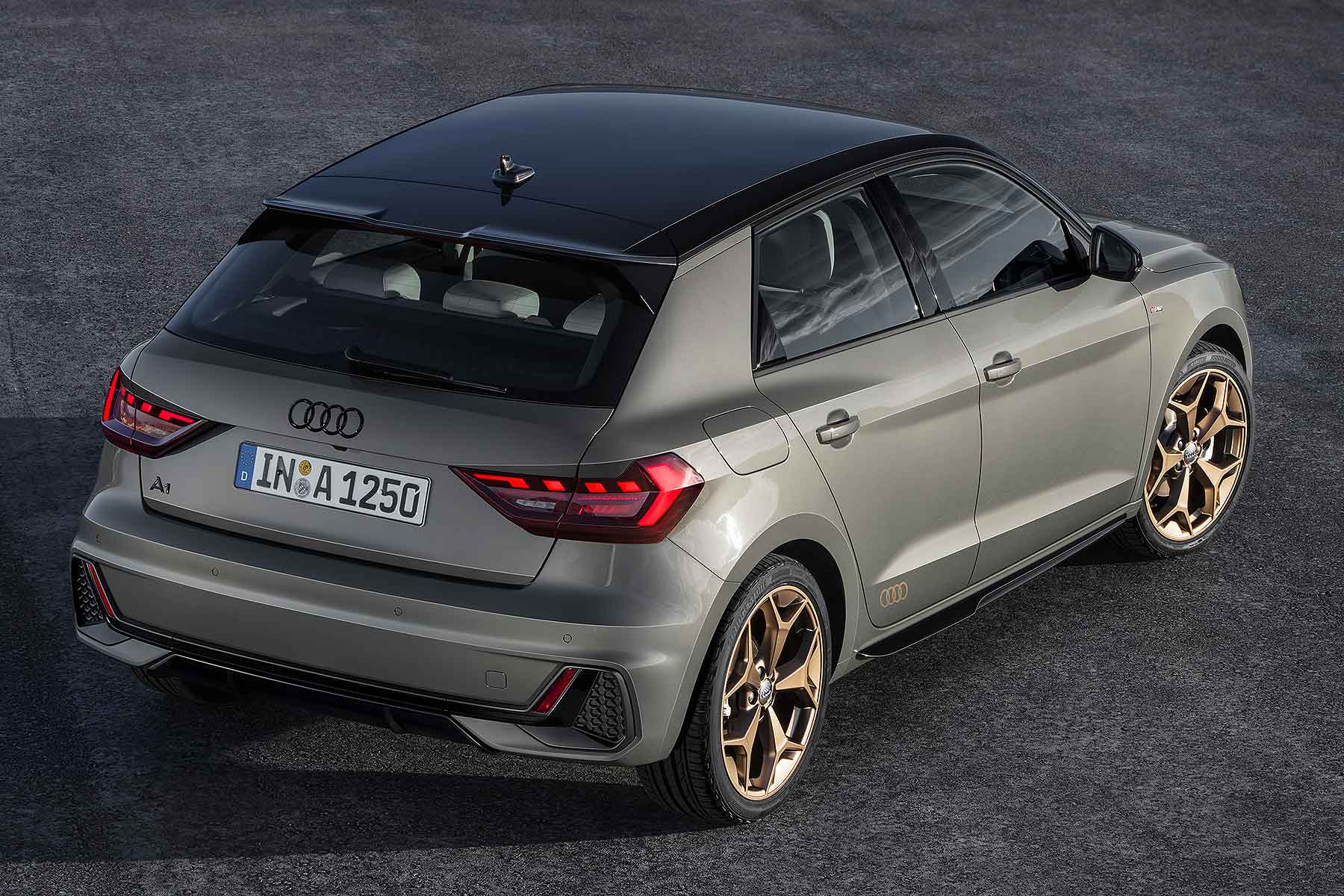
A special Edition model, based on the S line, takes things on further with 18-inch bronze-coloured alloys (you can have white or black if you wish, too), plus black Audi logos front and rear.

2018 Audi A1: first look

The new A1 is 56mm longer than before, but no wider, and it’s just 1.43 metres tall. There are a lot of lines on the side, all of which “slope upward toward the rear in a wedge shape”, addressing mutterings that Audi styling isn’t very adventurous.

S line models take things further with bigger air inlets, beefier sill trims, a big central split below the bonnet and a pumped-up rear wing.

Ordering for the new Audi A1 opens in the summer, with deliveries due in the autumn. UK prices are yet to be confirmed, but in Germany, the car is priced from around £17,500.

2018 Audi A1 in pictures

Click images to view the gallery

Advertisement

Volkswagen and Ford are considering a partnership

0

Ford and Volkswagen iconsIn a surprise development, Volkswagen AG and Ford have announced they’re “exploring a strategic alliance” that could see the two companies work together on a series of joint ventures.
These include developing a range of commercial vehicles together, revealed the two companies in a joint statement.

No cash will change hands and neither company is going to own a part of the other, add the two car firms. The Memorandum of Understanding has been signed purely to explore a strategic alliance, one that will “strengthen each company’s competitiveness and better serve customers globally”.

Ford president of global markets, Jim Fairley, said the partnership would be part of Ford’s commitment to be a more effective and efficient company by working with global partners.

“This potential alliance with the Volkswagen Group is another example of how we can become more fit as a business, while creating a winning global product portfolio and extending our capabilities.”

He added the two will now explore “how we might work together to better serve the evolving needs of commercial vehicle customers – and much more”. 

The tease at the end suggests nothing is off the table at this stage…

For years, Volkswagen partnered with Mercedes-Benz on commercial vehicles, but this collaboration has now ceased. Volkswagen’s head of group strategy is Dr. Thomas Sedran. “Markets and customer demand are changing at an incredible speed,” he said.

“Both companies have strong and complementary positions in different commercial vehicle segments already. To adapt to the challenging environment, it is of utmost importance to gain flexibility through alliances.

“This potential industrial cooperation with Ford is seen as an opportunity to improve competitiveness of both companies globally.”

News of the potential partnership could be of particular interest to Ford’s many engineers based at its Dunton development centre in the UK: many Ford vans are developed there, including the latest Transit connect which has recently been facelifted for 2018. Volkswagen has also recently launched its latest all-new large van, the Sprinter.

Advertisement

Gran Turismo gamers, think you’re fast? Prove it, says Nissan

0

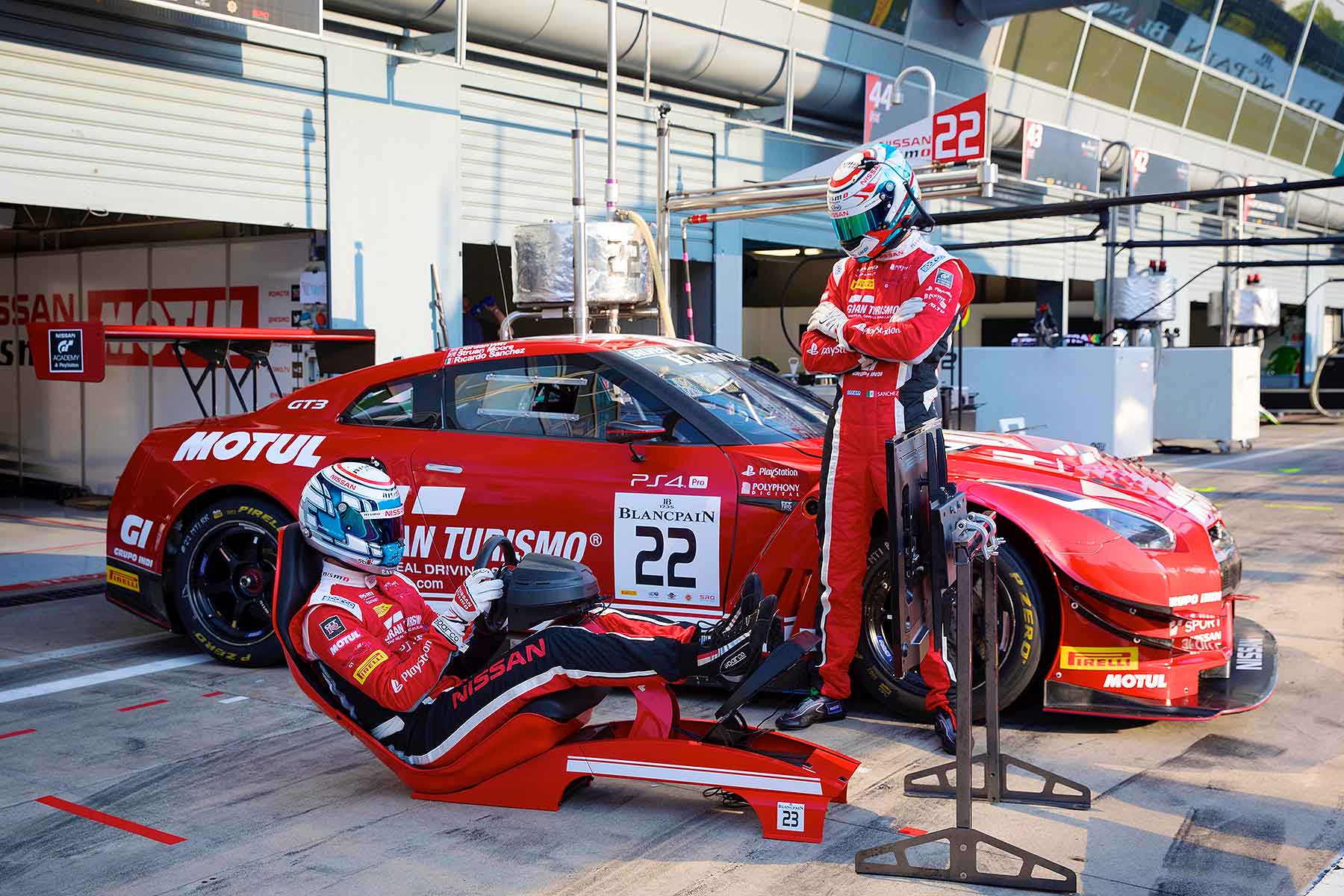
Nissan Gran Turismo gamersNissan has famously made professional drivers from several PlayStation Gran Turismo gamers. The Nissan GT Academy launched the career of inaugural winner Lucas Ordonez back in 2008, and 21 other winners have enjoyed success since then – including British race-winning driver Jann Mardenborough.  
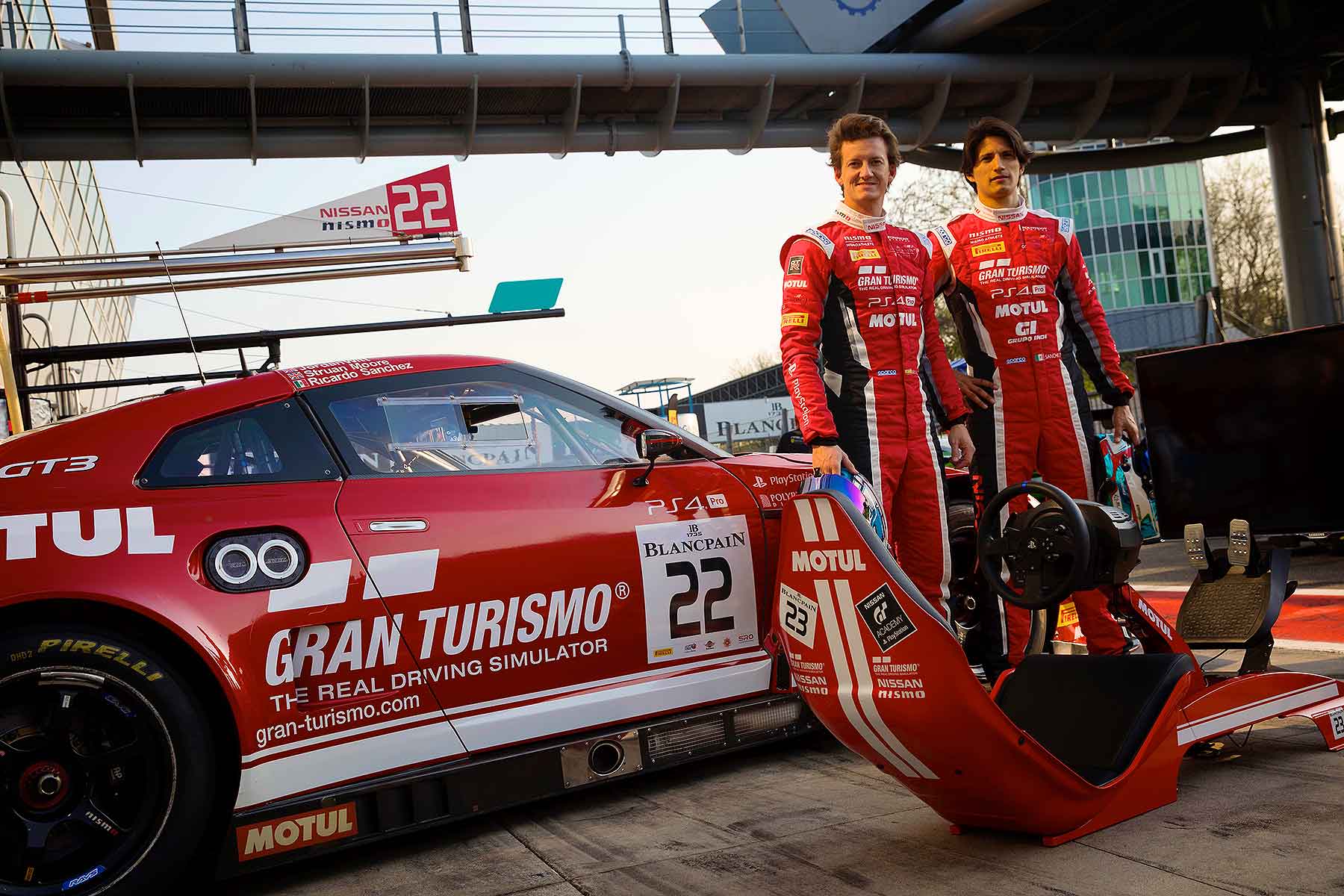
For 2018, Nissan’s given the competition a refresh: now, it wants to give thousands of hot PlayStation Gran Turismo racers a chance to compete in an official FIA Championship – and be in with shot of taking part in the World Finals held in Japan later this year. 

Gamers will use the new Gran Turismo Sport PlayStation game, which is the gamers’ ticket to official FIA recognition.

The Gran Turismo Manufacturers Series Championship is part of the GT Sport championships, the first array of online esport racing series to get such official recognition. They’ve been launched a decade after the rollout of the original Nissan PlayStation GT Academy, an initiative Nissan remains extremely proud of.

“We proved with the Nissan GT Academy that some of the fastest drivers in the world might never have had the opportunity to compete on a race track if it weren’t for gaming,” said the firm’s global motorsport director Michael Carcamo. 

“These guys have gone from the couch to the cockpit and broken the traditional model of how to become a successful racing driver.

‘We’re now seeing that online racing is not only an alternative to the real thing.”

How to enter

Nissan Gran Turismo gamers

There are two competitions in which gamers can win. The main one is the GT Sport in the FIA Manufacturers Series. Nissan wants to encourage gamers to select it as their chosen brand – and the fastest gamer that does so in each of the three regions (the Americas, Asia and Europe) will win the trip to Japan. 

Also thrown in will be some custom-made Nissan team clothing, plus coaching from a Nissan GT Academy mentor at the World Final. This will be held during the Nismo Festival at Fuji in Japan; the winners will also get the chance to visit the HQ of Gran Turismo creators Polyphony Digital in Tokyo. 

There’s an additional prize up for grabs in Europe only, to the fastest gamer in the Nissan GT Sport Cup. Again, racers simply need to choose Nissan as their manufacturer of choice. 

“To be recognised as an official FIA Manufacturers Series Champion through GT Sport is an incredible opportunity,”  added Carcamo, “and we’re looking forward to having some of the best gamers in the world represent Nissan.”

Advertisement

Audi CEO arrest: interim chief appointed

0

Audi four rings logoFollowing the arrest of Audi CEO Rupert Stadler, the German premium brand has appointed fellow board member Abraham Schot as interior chairman, with immediate effect. 
Stadler was taken into custody on June 18 by Munich prosecutors. Automotive News reports he is being investigated for “suspected fraud and false advertising and for his alleged role in helping to bring cars equipped with illegal software on to the European market”. 

In requesting to be released from his position on the board of both Audi AG and Volkswagen AG, the long-standing Audi exec has effectively been suspended while the investigations continue. 

“The supervisory boards of Volkswagen and Audi have complied with Stadler’s request to release him from his duties,” said a statement. “The release applies temporarily, until the circumstances that led to his arrest have been clarified.”

Abraham Schot, known as Bram, joined Volkswagen Group from Mercedes-Benz in 2011 (and so is considered untainted by the scourge of dieselgate). The Dutchman oversaw projects in the Group sales department, adding marketing and sales of Volkswagen Commercial Vehicles to his CV in 2012. 

He became Audi board member for sales and marketing in September 2017. 

Interestingly, Schot has an MBA – which he studied for at the University of Bradford. Married with two children, he’s also studied at Harvard. 

Advertisement

You can now plan a sat nav route for your electric car

0

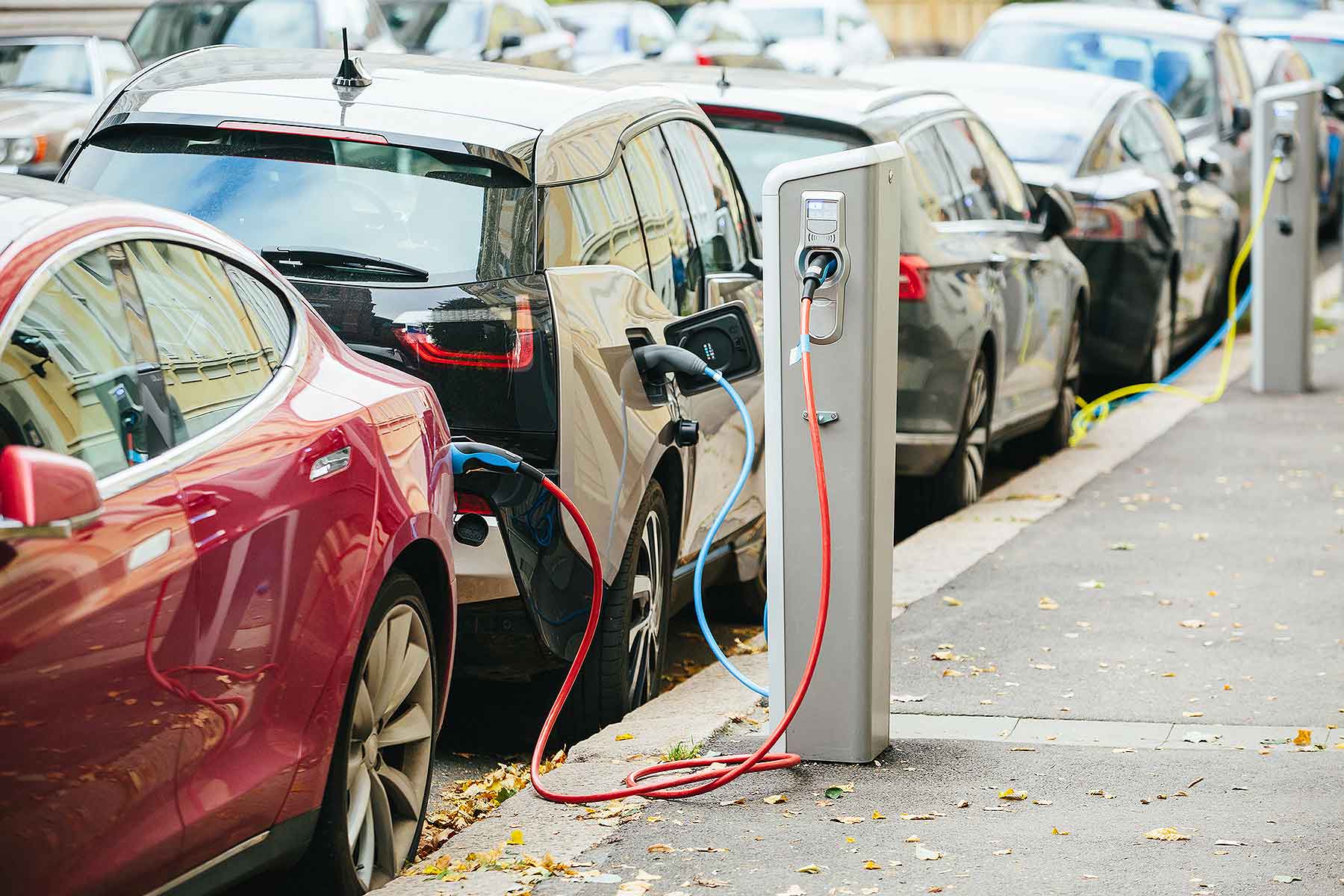
Electric car on-street charge pointsPopular electric charge point locator app Zap-Map has launched a new route planner tool that lets electric car owners plan long journeys without having to worry about finding chargers en route.
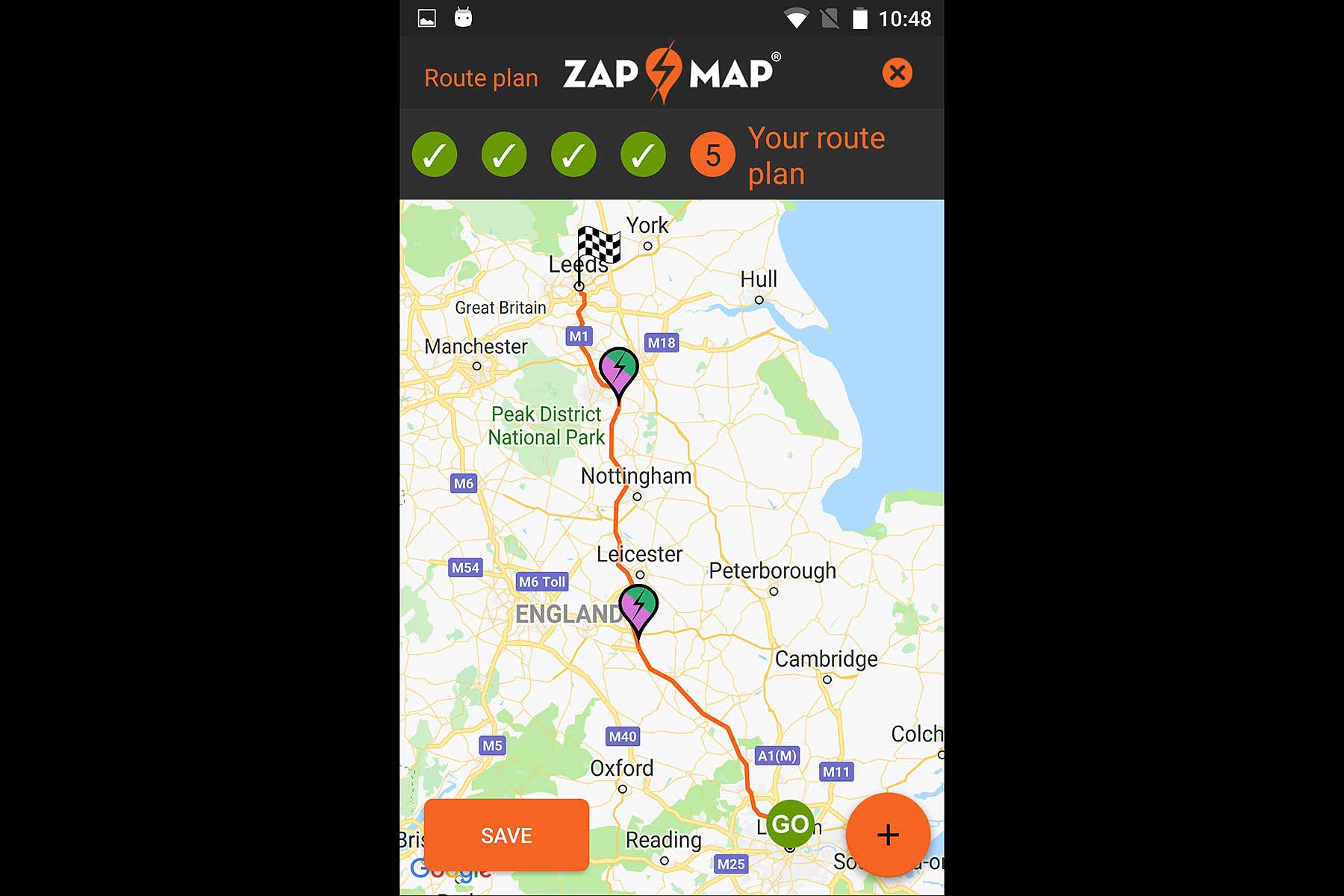
The new tool will suggest up to three rapid chargers situated within a mile of their route, based on the estimated battery range of their car: users pre-select this when setting up the app.

Users can alter the parameters if they wish, creating a customised route: charger search criteria can be tweaked, as can percentage battery charge assumptions and route filters. EV newbies can also choose to have a higher battery ‘buffer’; old hands can remove this so they have a lower level of battery charge upon arrival.

Zap-Map route planner

Clever features will even use real-world data to automatically reduce the range if a lead-footed driver averages much over 50mph, or if they drive on roads with significant inclines.

The app, which has launched on Android devices and is due on iOS later this summer, contains a network of almost 16,800 public chargers at nearly 5,900 locations. Over half of them will show their status, which is updated every five minutes.

Zap-Map COO and co-founder Melanie Shufflebotham said: “With over 60,000 Zap-Map users across our desktop and app platforms each month and the EV parc expanding at a rapid rate, we know that there is a real demand from EV drivers.

“This new Route Planner will enable EV drivers to plan their electric journeys across any charge point network, with the latest status information.”

There’s more in the pipeline, too: future releases will let users select additional range factors, and alert them if important roads are closed or charging stations go offline.

Advertisement

Roadworks permit scheme helps reduce misery for drivers

0

Snarled-up traffic jam

A study commissioned by the Department for Transport has found that roadwork permit schemes have meant big benefits for drivers.

First introduced in 2010, permit schemes give councils more control over the roadworks undertaken on their streets. Companies have to apply to the local authority for a permit to carry out the work before starting, helping councils plan to minimise disruption.

The report found that in areas where permit schemes were used, the length of disruption to motorists was reduced by an average of more than three days. Findings also showed that the number of roadworks that overran were also reduced by the use of permits.

A key factors in the success of the scheme is that permits can specify what times of the day companies can undertake the works. Limits on the number of days allowed for the work, and even where equipment can be stored, can also be prescribed by the local authority. This stops companies and contractors from dragging out maintenance work unnecessarily.

Some 65% of local authorities now have permit schemes in place, with the Department for Transport encouraging the remaining 35% to introduce them as soon as possible. 

A nationwide rollout of lane rental schemes will also follow later this year, and complement the use of permits. Lane rental sees utility companies charged up to £2,500 per day to dig up the busiest roads, further incentivising firms to get work done sooner.

At present, lane rental has only been trialled in London and Kent. However, the initial signs are that again they have had a positive impact on helping reduce congestion. Further guidance will be issued later in 2018 to see lane rental schemes applied across the country.

Roads Minister Jesse Norman has claimed that roadworks cost the UK economy more than £4 billion each year. The Department for Transport also has plans to encourage utility companies to place services beneath pavements, rather than roads, to minimise disruption. 

Read more:

Advertisement

BMW is ranked as the most innovative car brand

0

BMW Wireless Charging

A survey has found that members of the general public rate BMW to be the most innovative car brand.

Advent Consulting asked samples of more than 1,000 people in the United States, China and the United Kingdom to come up with its data. 

In the UK, BMW was a clear winner, receiving some 20% of the vote. Fellow German company Audi was in second place with 17%, followed by Mercedes-Benz notching up 11% for third.

The results were not the same across the globe, however. In the United States it was Tesla that came out on top. The pioneering startup amassed the approval of 28% of those surveyed for innovation. With the sample made up of those aged over 12 years old, perhaps those voting for Tesla were not the ones currently awaiting delivery of a Model 3.

German manufacturers struggled to gain recognition in the United States overall, despite several brands having production facilities in America. Toyota was in second place with 22%, narrowly beating BMW in third place with 21%.

Members of the public surveyed in China placed Mercedes-Benz in second place behind BMW, with Audi ranked third. Domestic manufacturer BYD Auto claimed fourth place, no doubt aided by the firm’s commitment to becoming the top-selling plug-in electric car brand in the world.  

Read more:

Advertisement