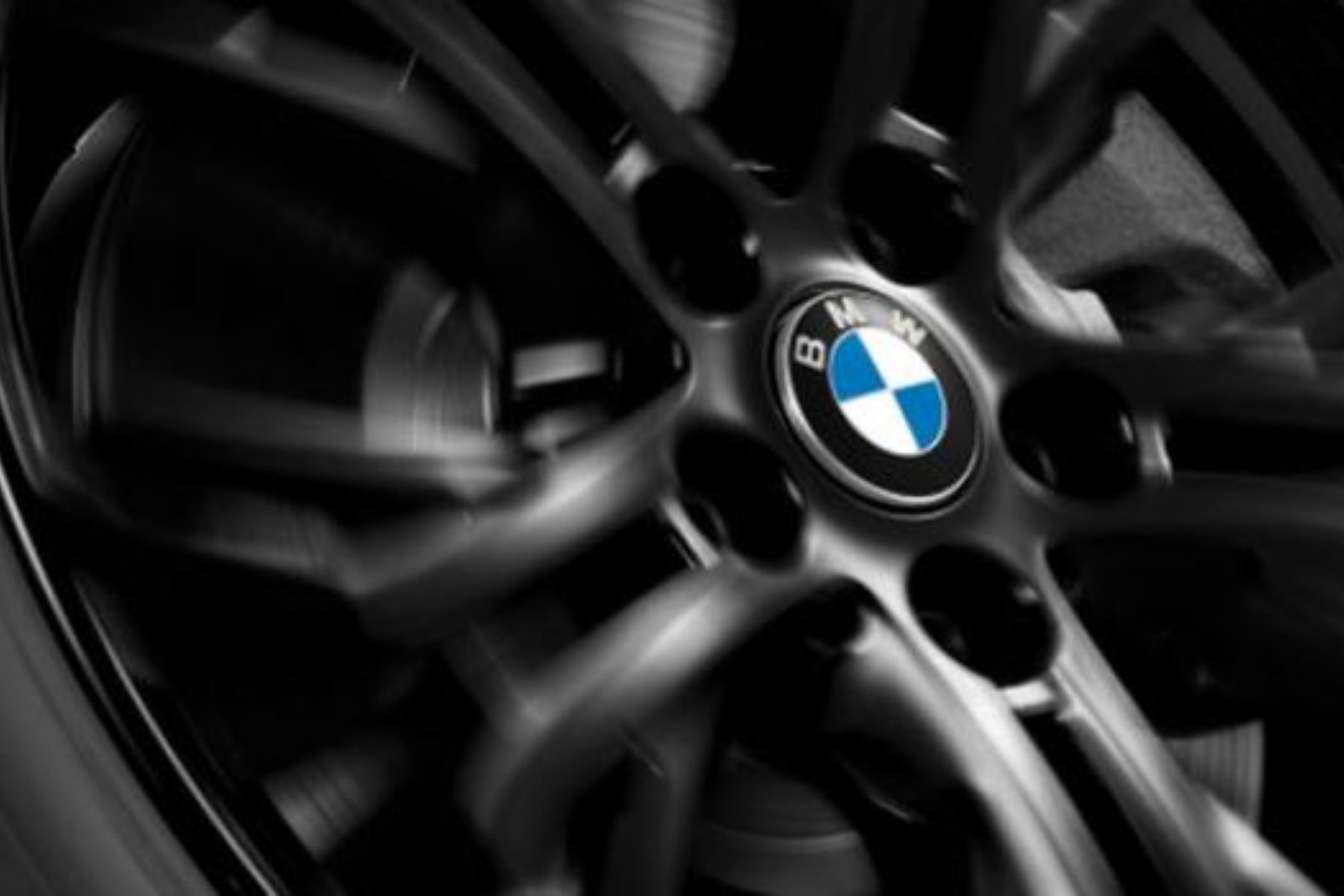
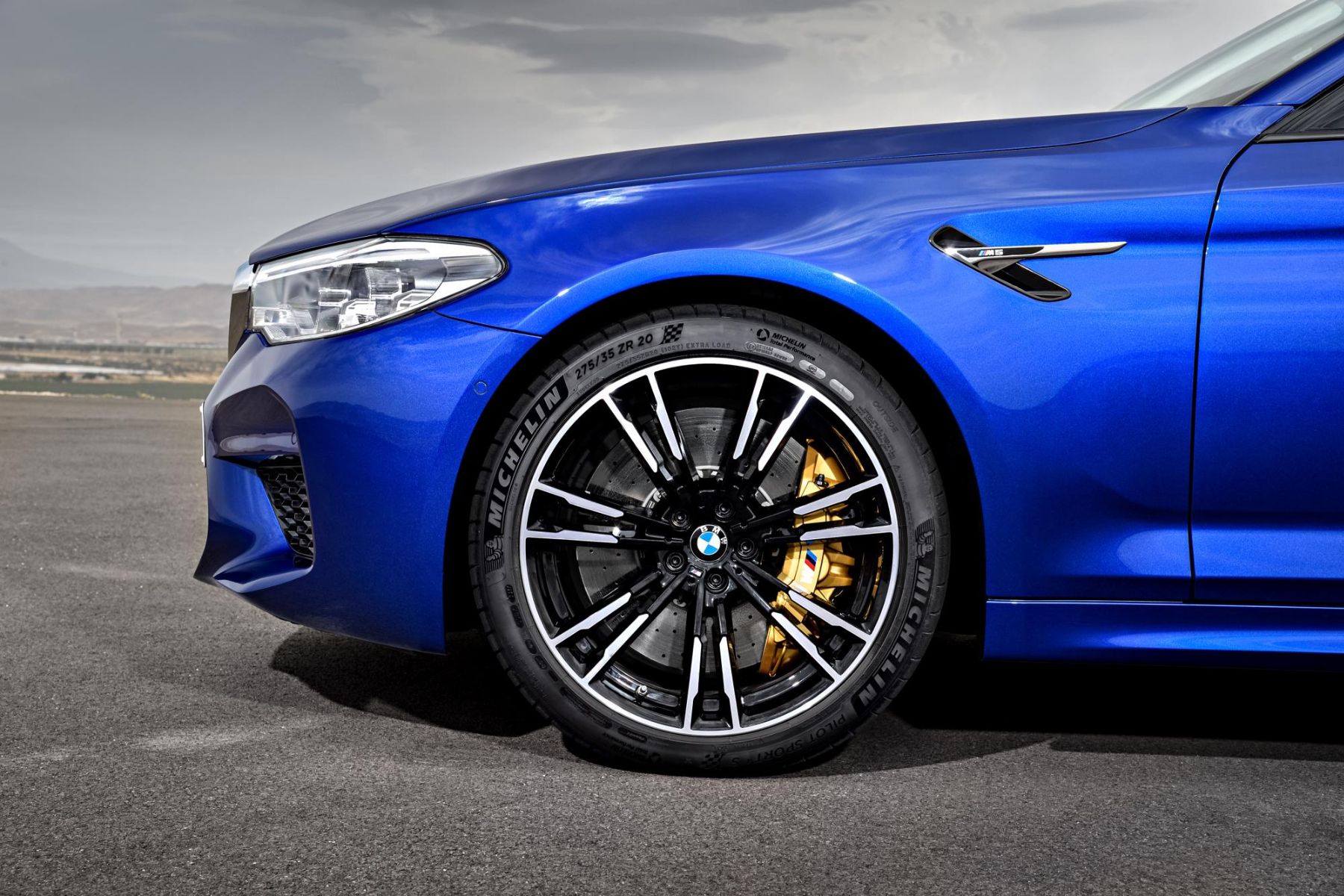
It’s more than 15 years since Rolls-Royce introduced the Phantom VII and with it, floating hubcaps. Now, BMW has introduced the feature as an optional extra.
So, what is a floating hubcap? You’ll know when you look at a Phantom rolling by: you see the wheels turning, but the Rolls-Royce symbol isn’t. That’s the floating hubcap – and you can now get one for your 3 Series.
Will Rolls-Royce drivers feel their cars have been cheapened, given this previously exclusive feature is now available on BMWs? Hopefully not…
The add-on floating hubcaps will fit any BMW alloy wheels as long as they have a pitch circle diameter of 112mm. The BMW logo itself is 56mm wide.
How much for a set, then? That’ll be £75 – including VAT – for four. They could make a fun, and relatively inexpensive, addition to your BMW.
Subaru is one of the most interesting Japanese car manufacturers, if hardly the most prolific. A steady stream of incredible Imprezas defines it in the hearts and minds of enthusiasts, but there’s much more to this eclectic brand – as we’ll see.
Taking Subaru on merit of the Impreza alone is like looking only at the 911 for all things Porsche. How, then, do you get a grip on the weird and wonderful world of Subaru beyond the WRX? You start by visiting perhaps the most eager Subaru collector in the country.
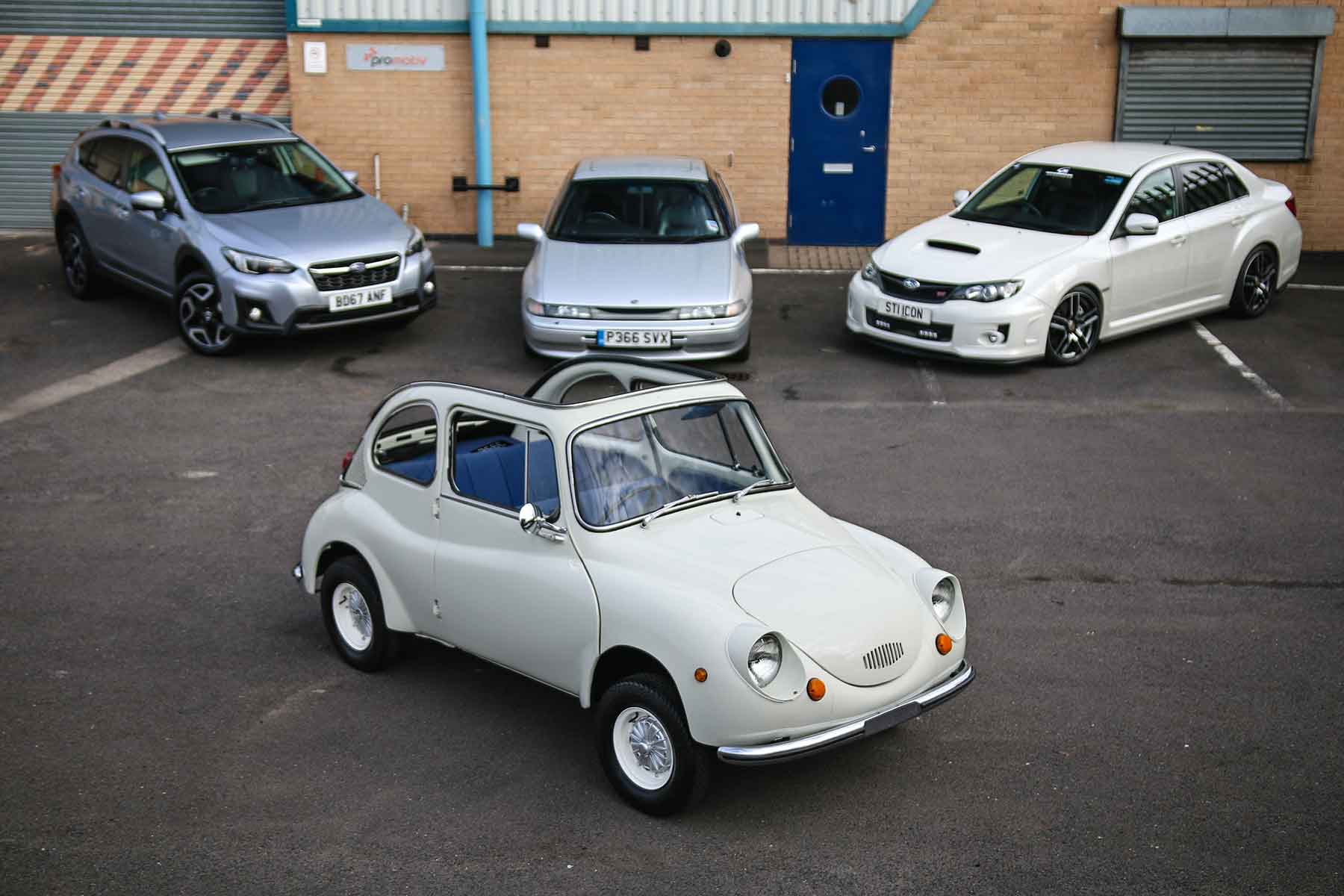
Paul Cowland is a PR wizard, TV personality and self-proclaimed 1980s tat enthusiast. That is, of course, a very self-deprecatory way of describing a very cool collection of cars, many of which are Subarus. There is a token Impreza – although not a typical choice – but the rest is leftfield, foreign market-specific or just plain weird.
Let’s dive in to perhaps the most unique all-Subaru car collections in the world.
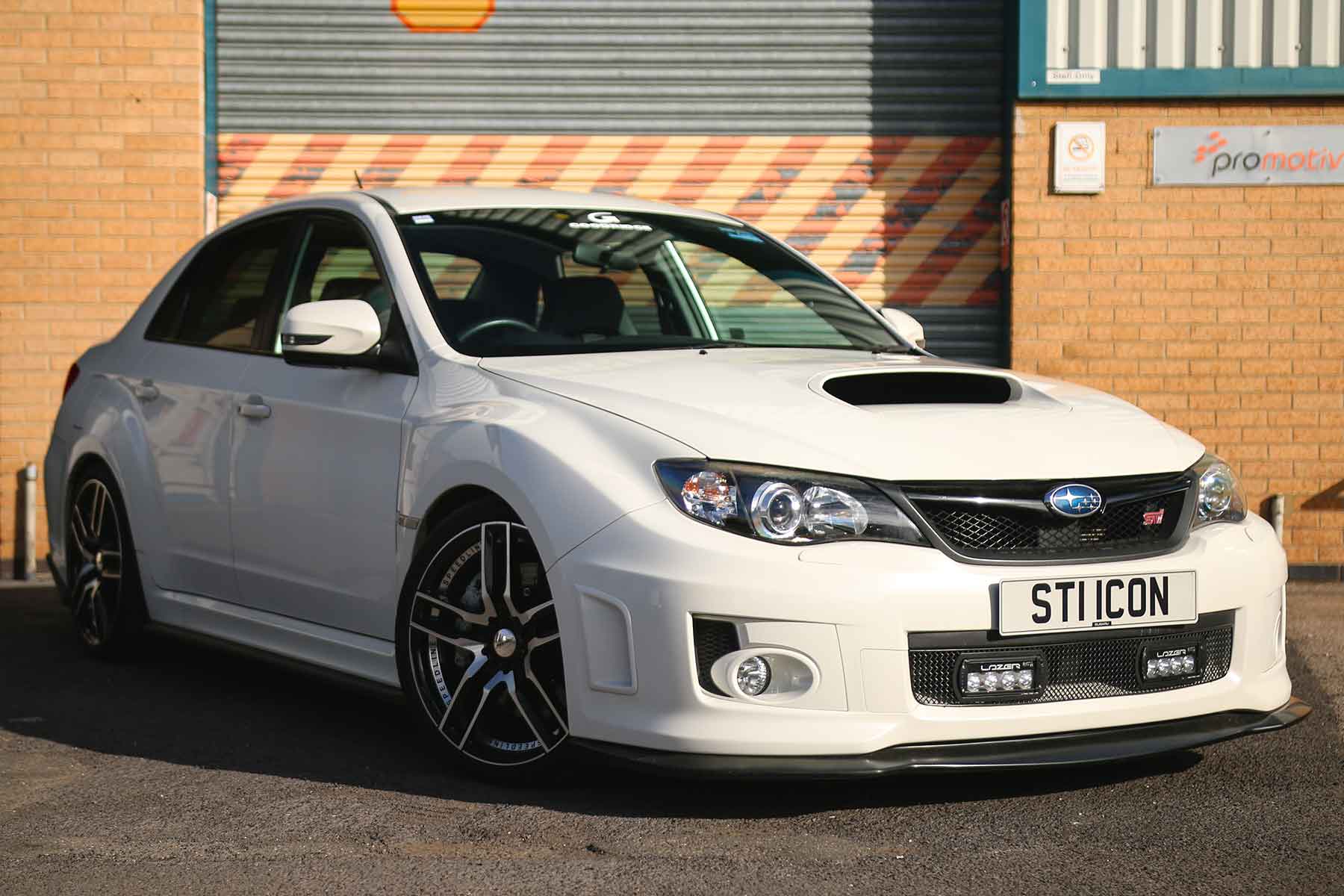
Subaru Impreza WRX STi
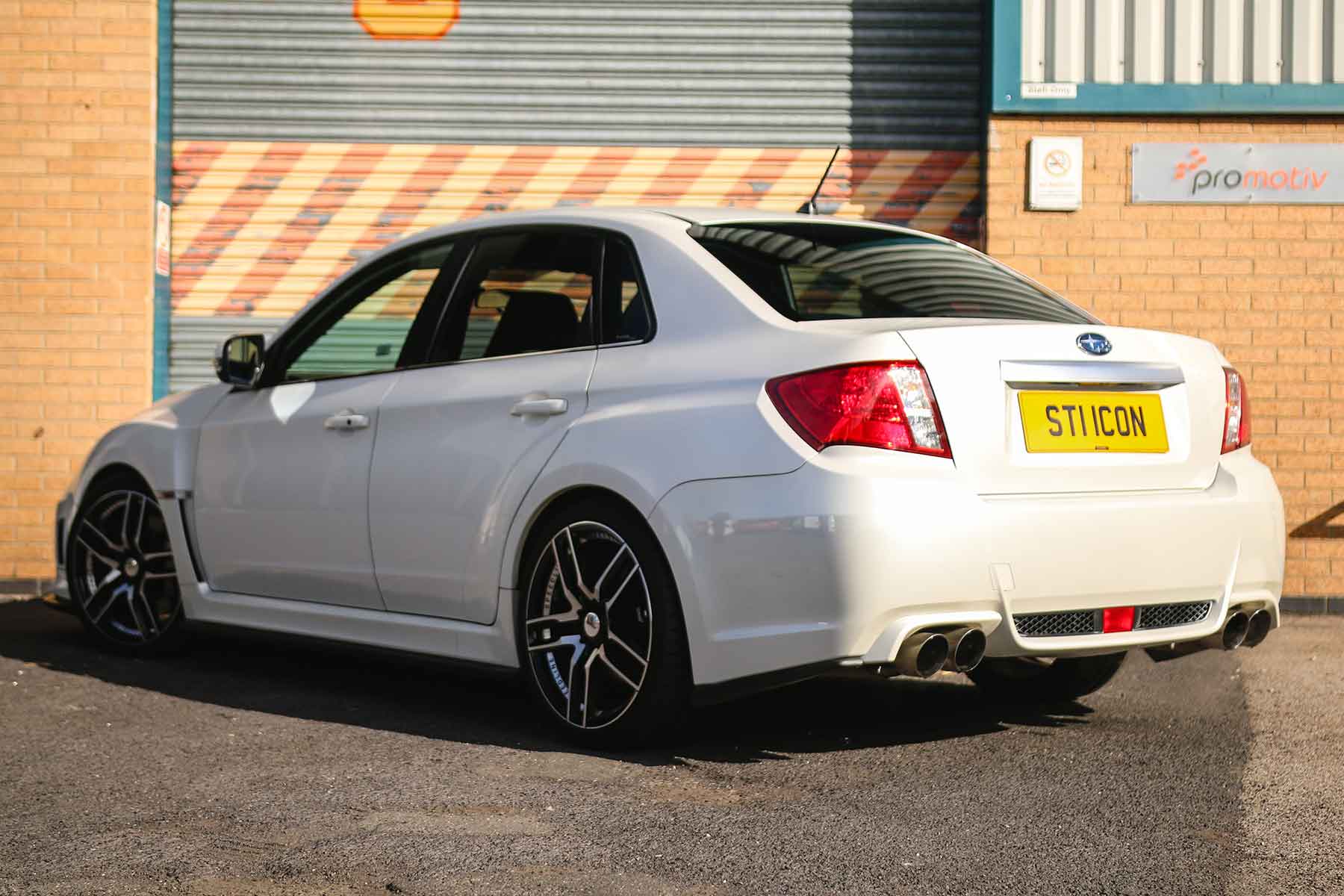
Firstly, that Impreza – it’s not the typical rally refugee you might expect. Paul himself is a veteran of a very specific era in car modification culture. He had a (now very sought-after and expensive) Impreza 22B around the time it was new – the archetypal stage-splattered Scoob. This… is not a 22B.
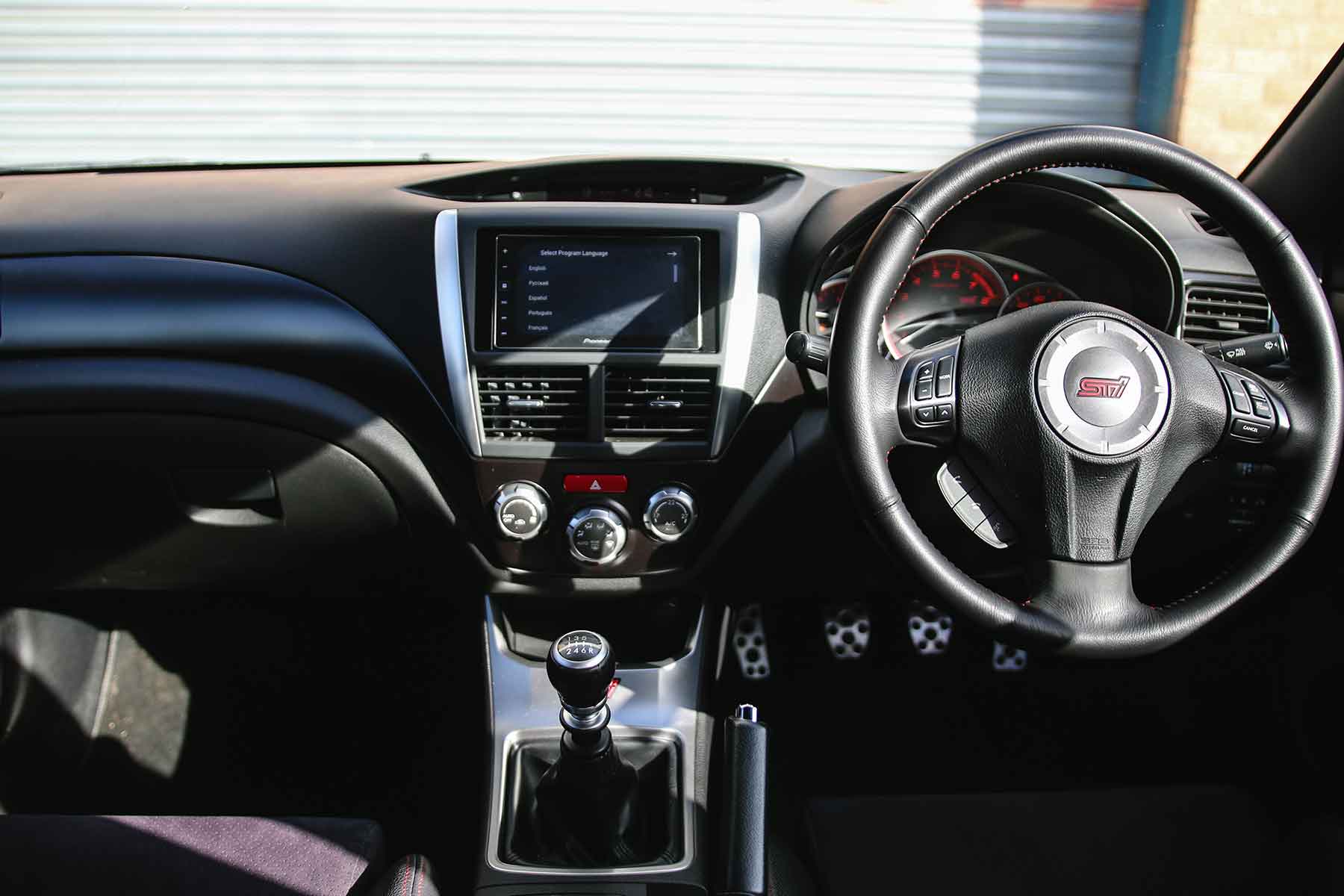
It’s a saloon version of the Impreza hatchback launched in 2010. The car spent its working life ripping around skid pans, showing people what the Impreza can do. It’s also a parts guinea pig for in-house tuner Pro R and boasts a not-inconsiderable 370hp. This wingless white wonder is the perfect Scooby sleeper.
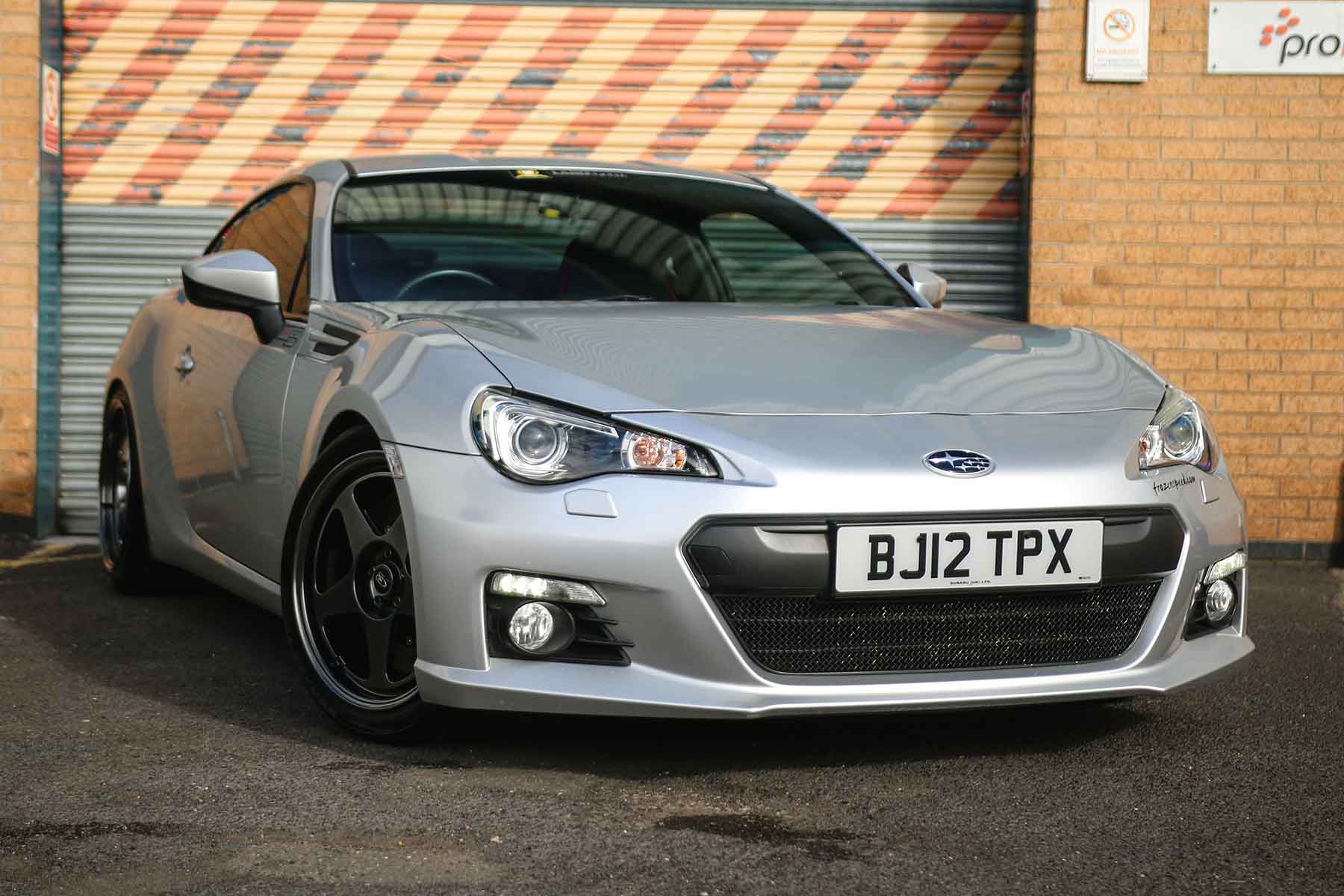
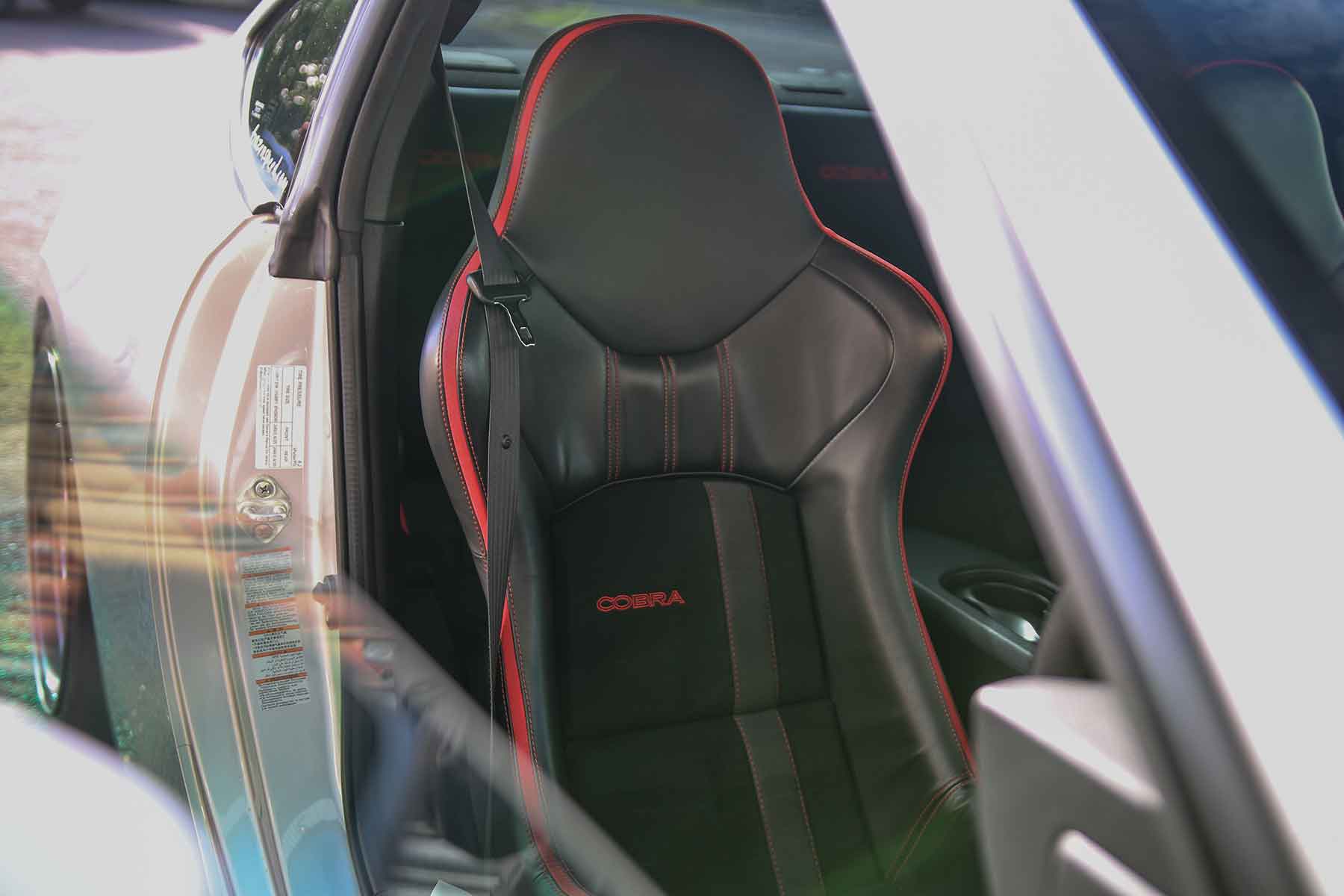
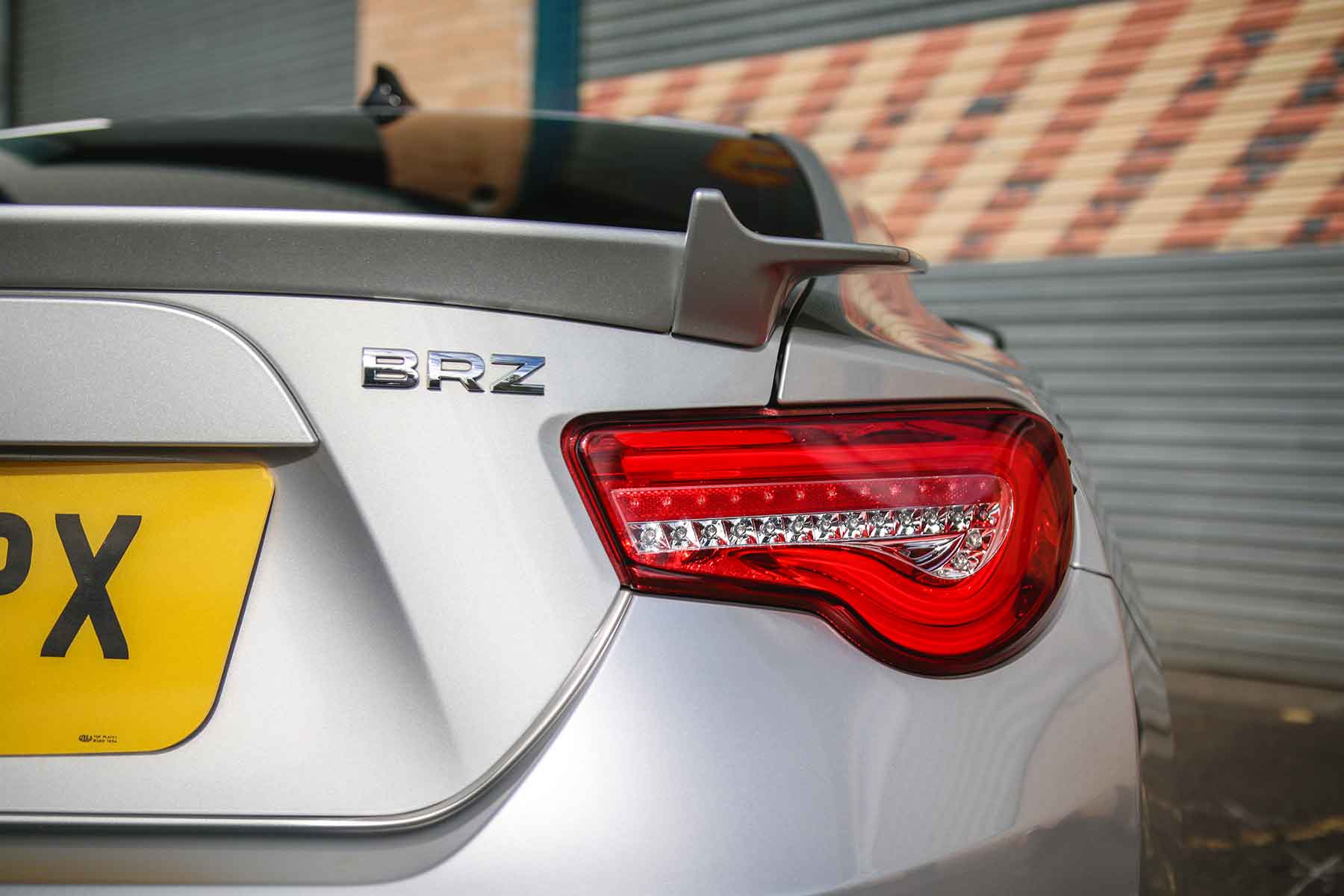
Subaru BRZ
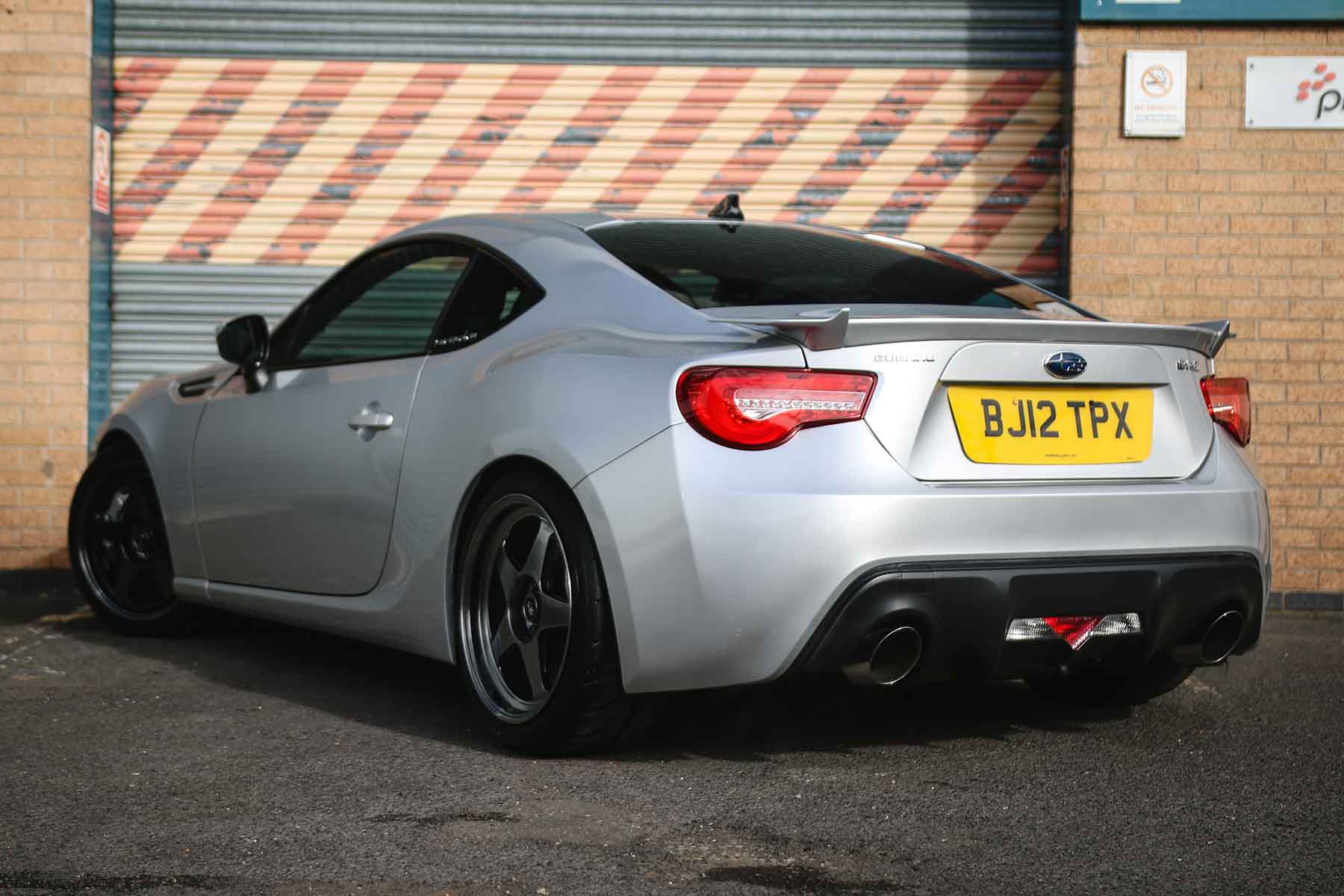
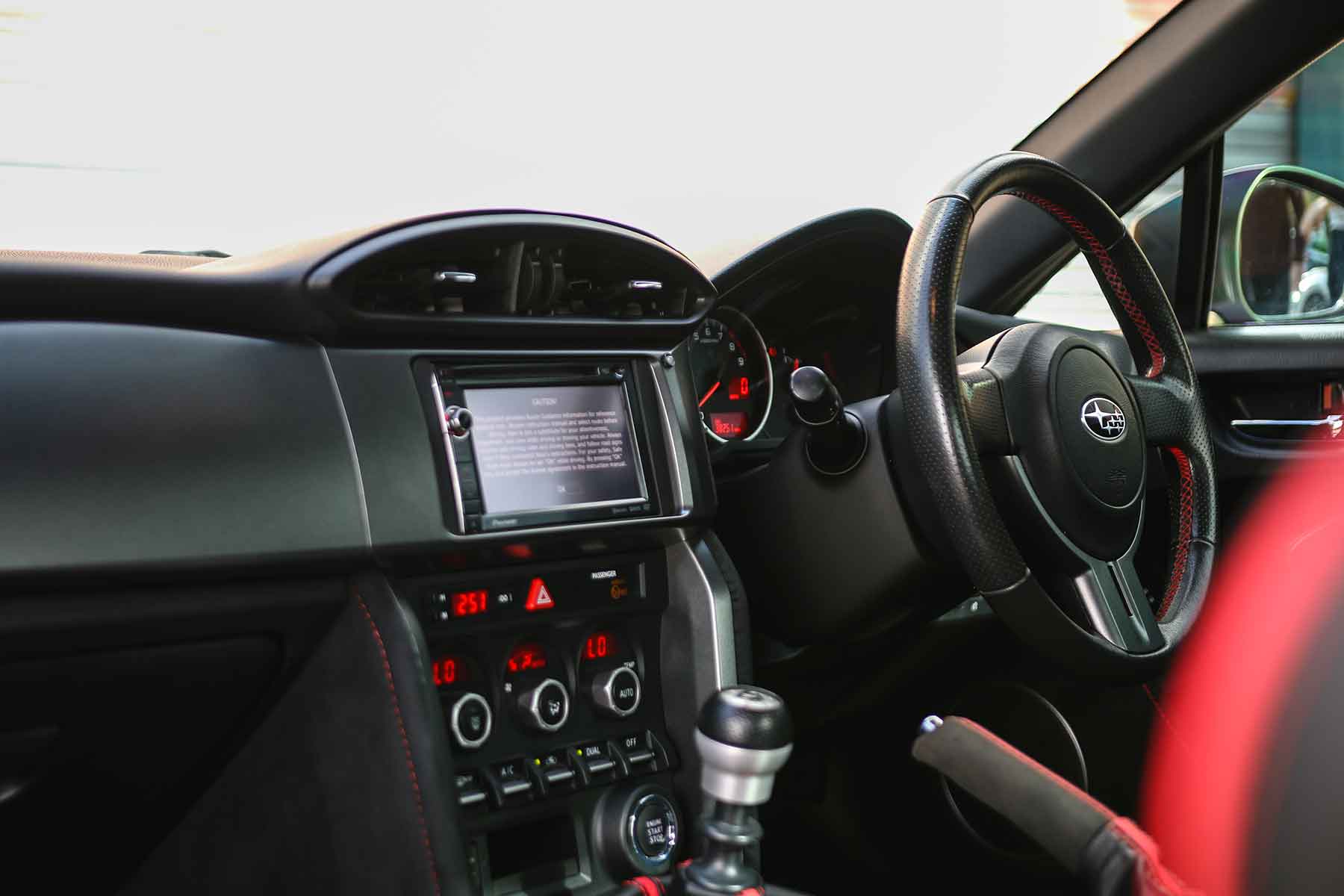
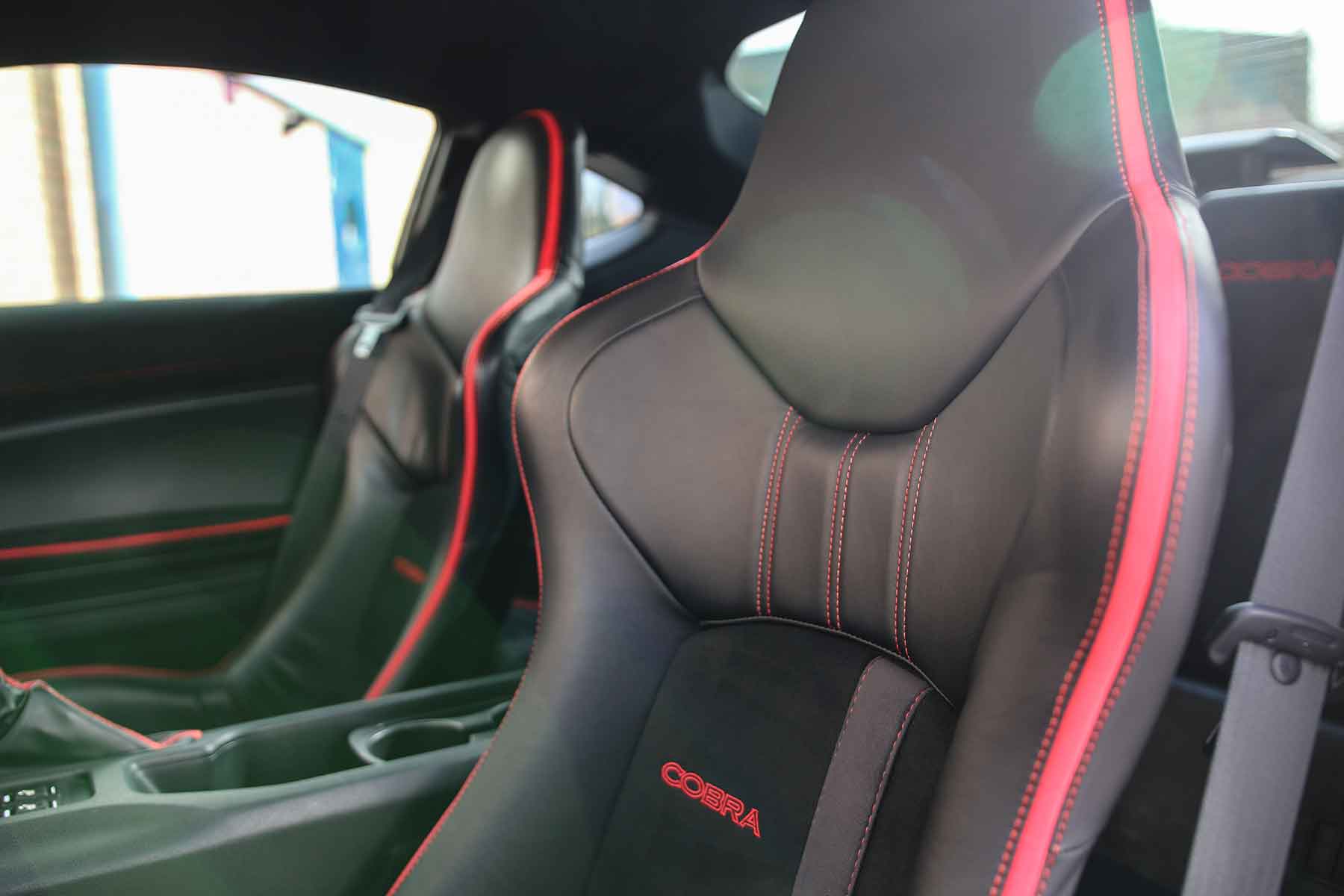
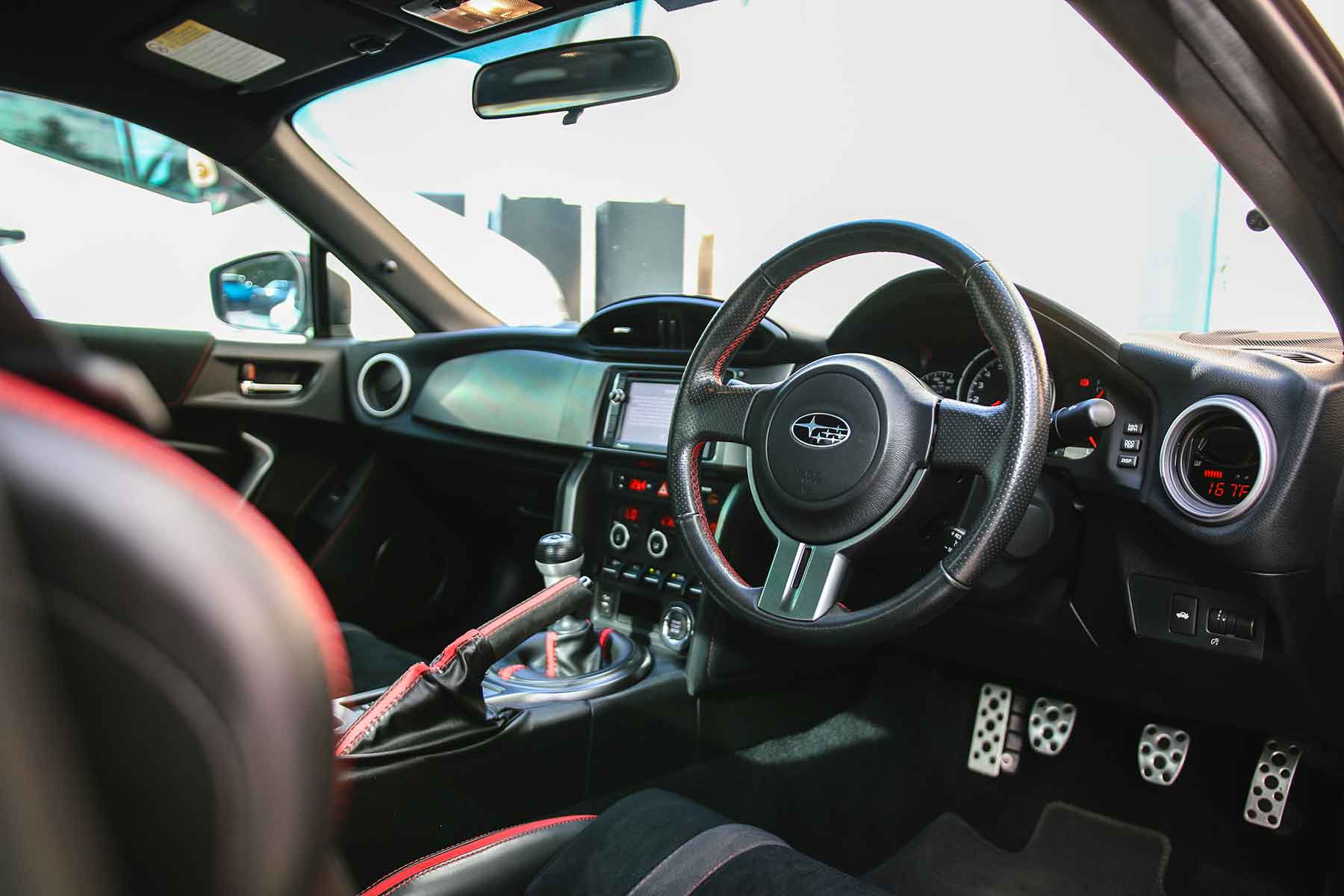
This is quite an important car in the pantheon of Subarus, especially in the UK, as it’s the first BRZ registered here. Naturally, that suggests this was once in the careful ownership of Subaru UK. We say ‘careful’ because it, like the Impreza, has seen a decent amount of action. In its current, perfectly-optimised state, it’s broadly reminiscent of what this car was for – a prototyping vehicle for tuning parts.
It’s got 40hp over standard, dialled-in coilover suspension for perfect fitment, Toyo track tyres and a proper exhaust rasp to boot. This is the ultimate Subaru track toy.
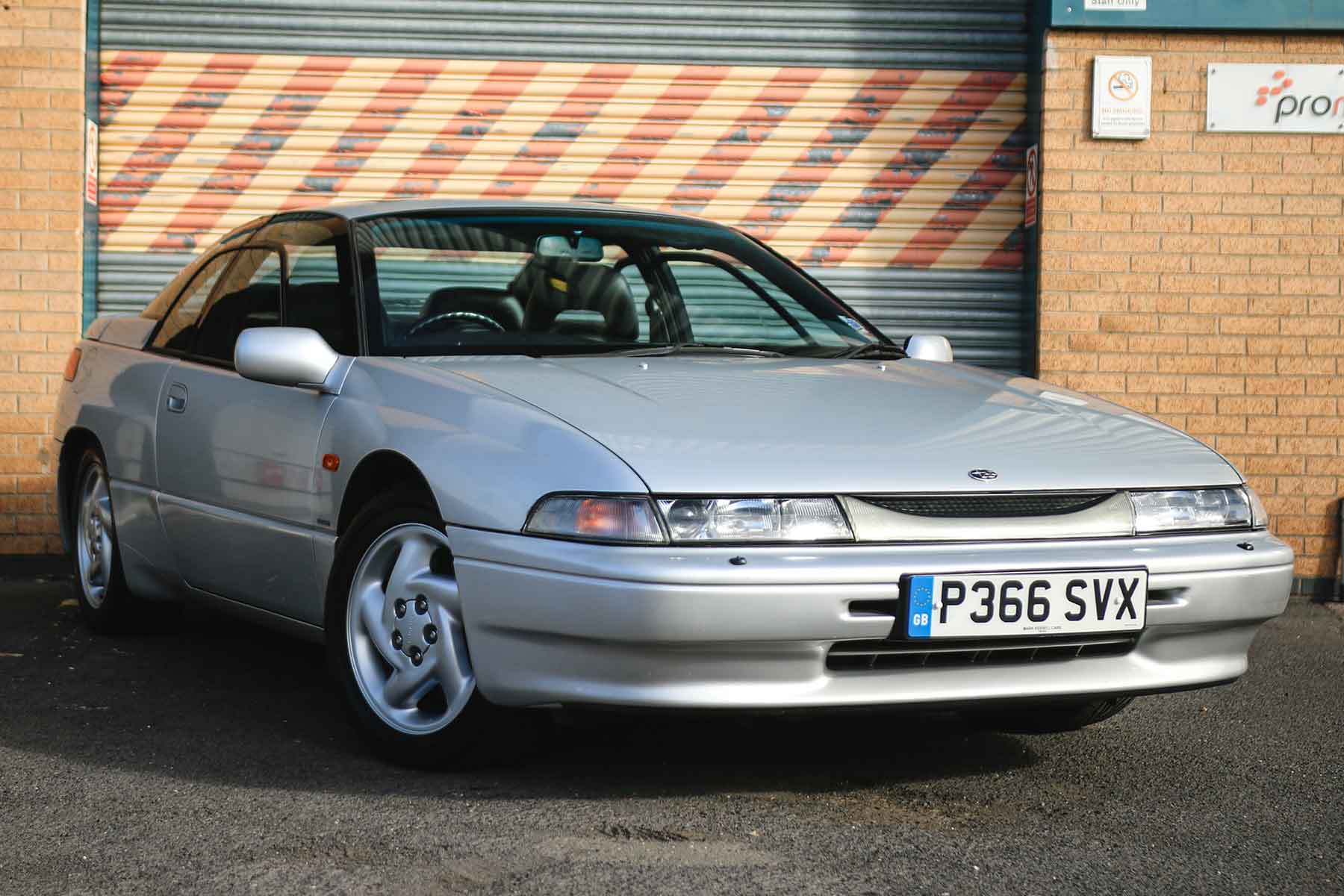
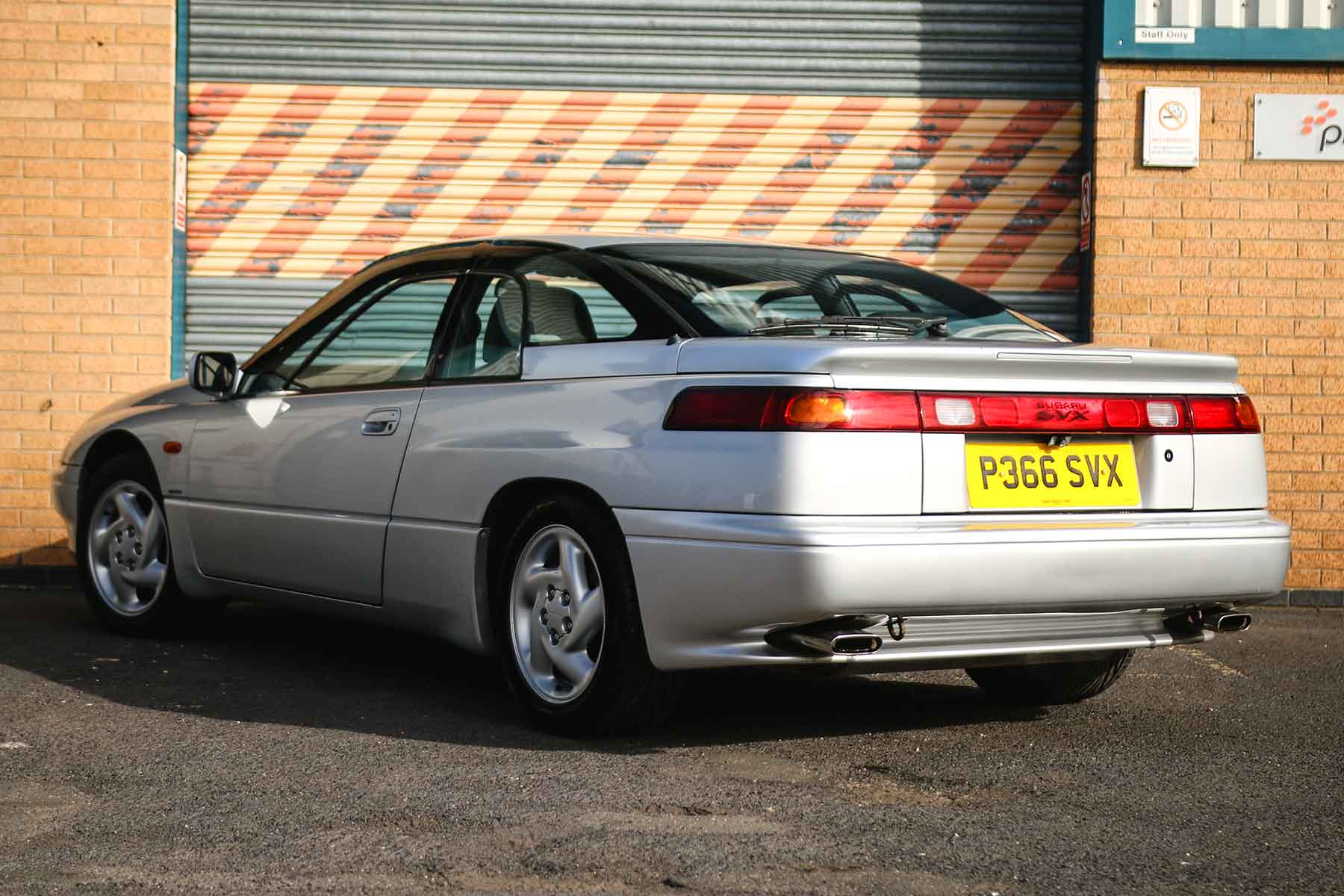
Subaru SVX
The best way to introduce the weirder years, meet the Subaru SVX. It’s four-seat, low-slung GT car, not unlike what the Lexus LC is today – funky window line and all. It has a 3.3-litre flat-six engine and, at the time of release, was something of a rival to Porsche’s ageing 928, the Mitsubishi 3000GT and Lexus SC. Infamously, it put power to all four wheels via a much-derided automatic transmission.
The Giugiaro-styled body is as arresting as it is unconventional: contemporarily beautiful from some angles, just plain peculiar from others. Paul’s is a later 1997 car with 60,000 miles. Despite the need for a good thrashing and some TLC, it runs like a watch.
Subaru XT
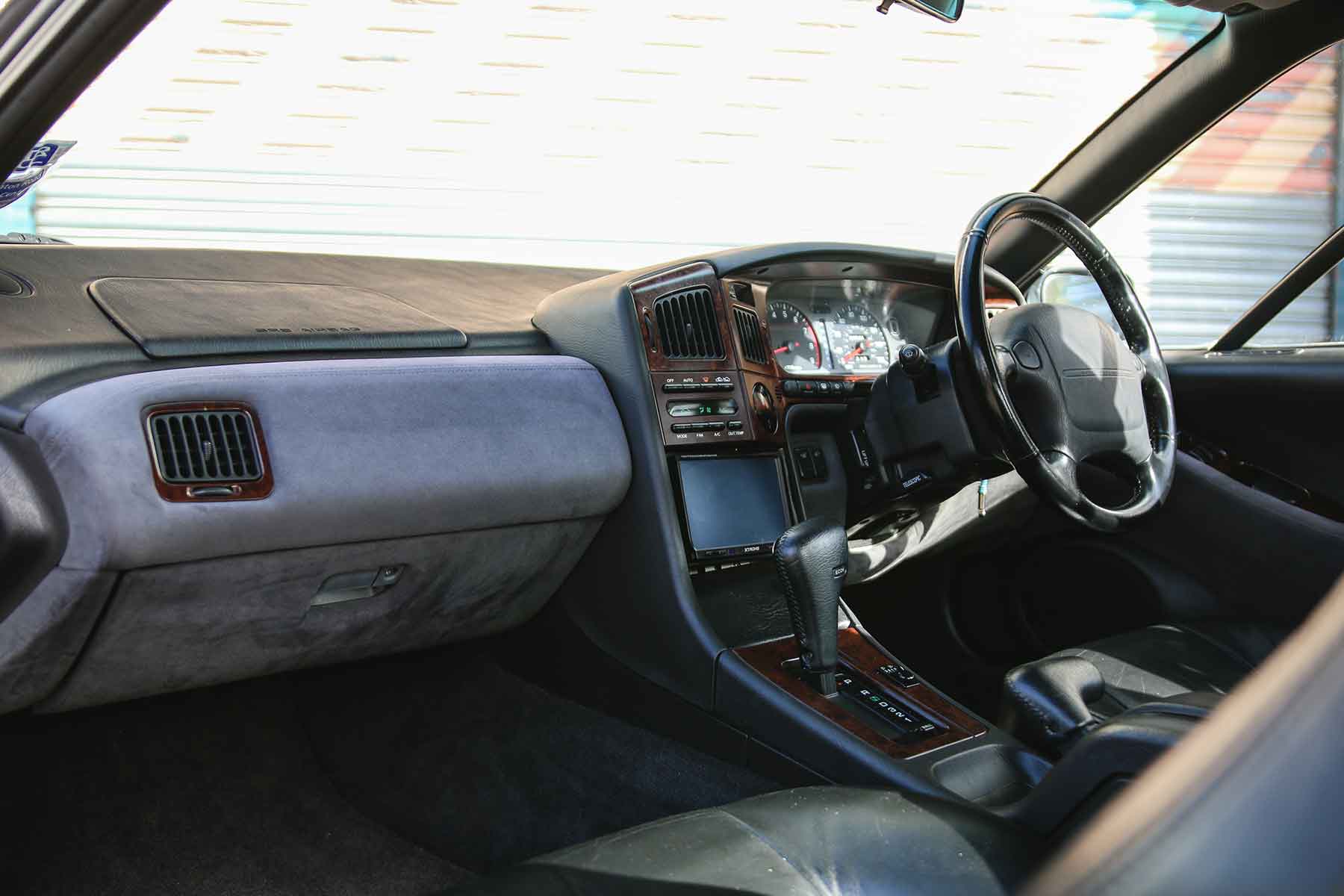
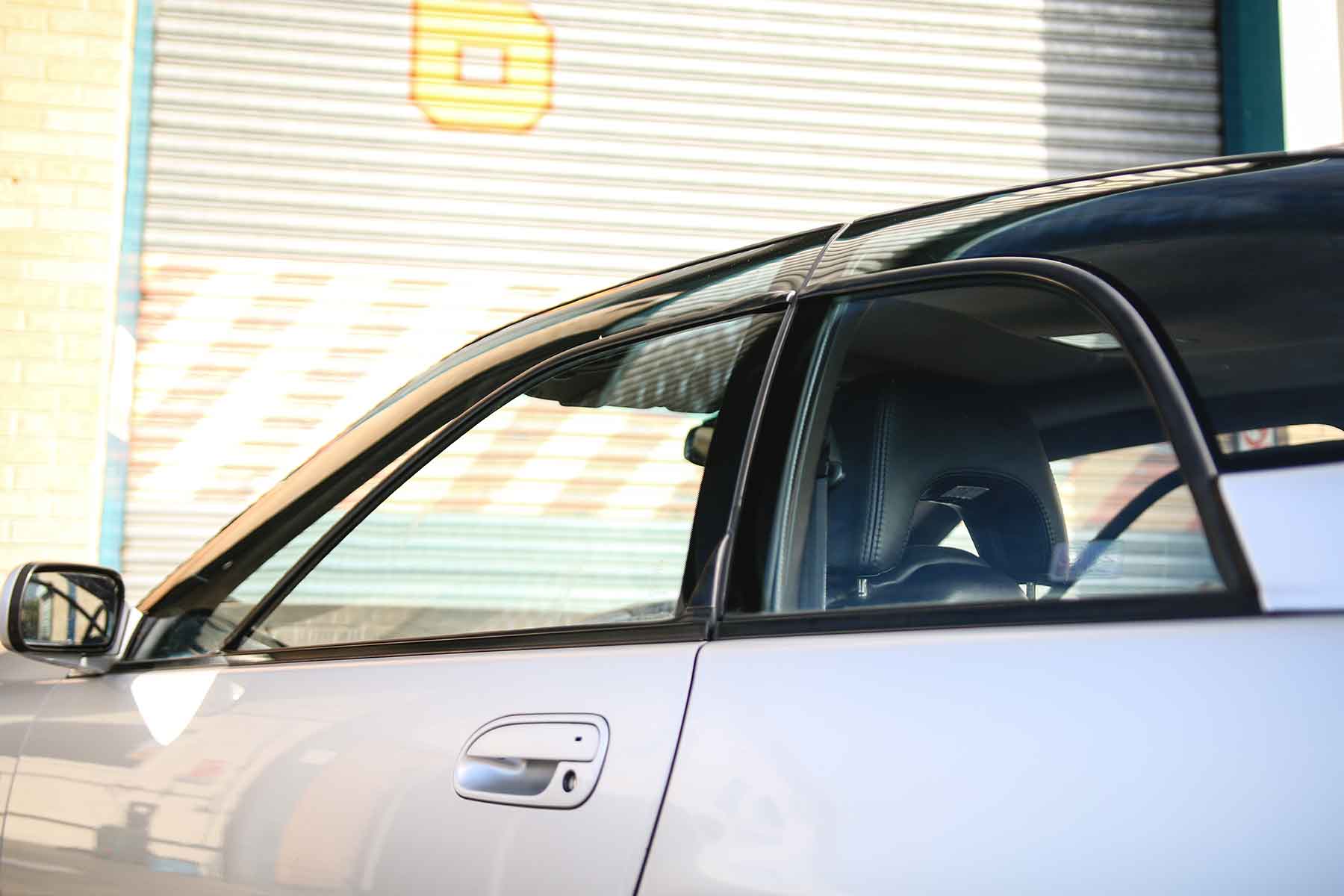
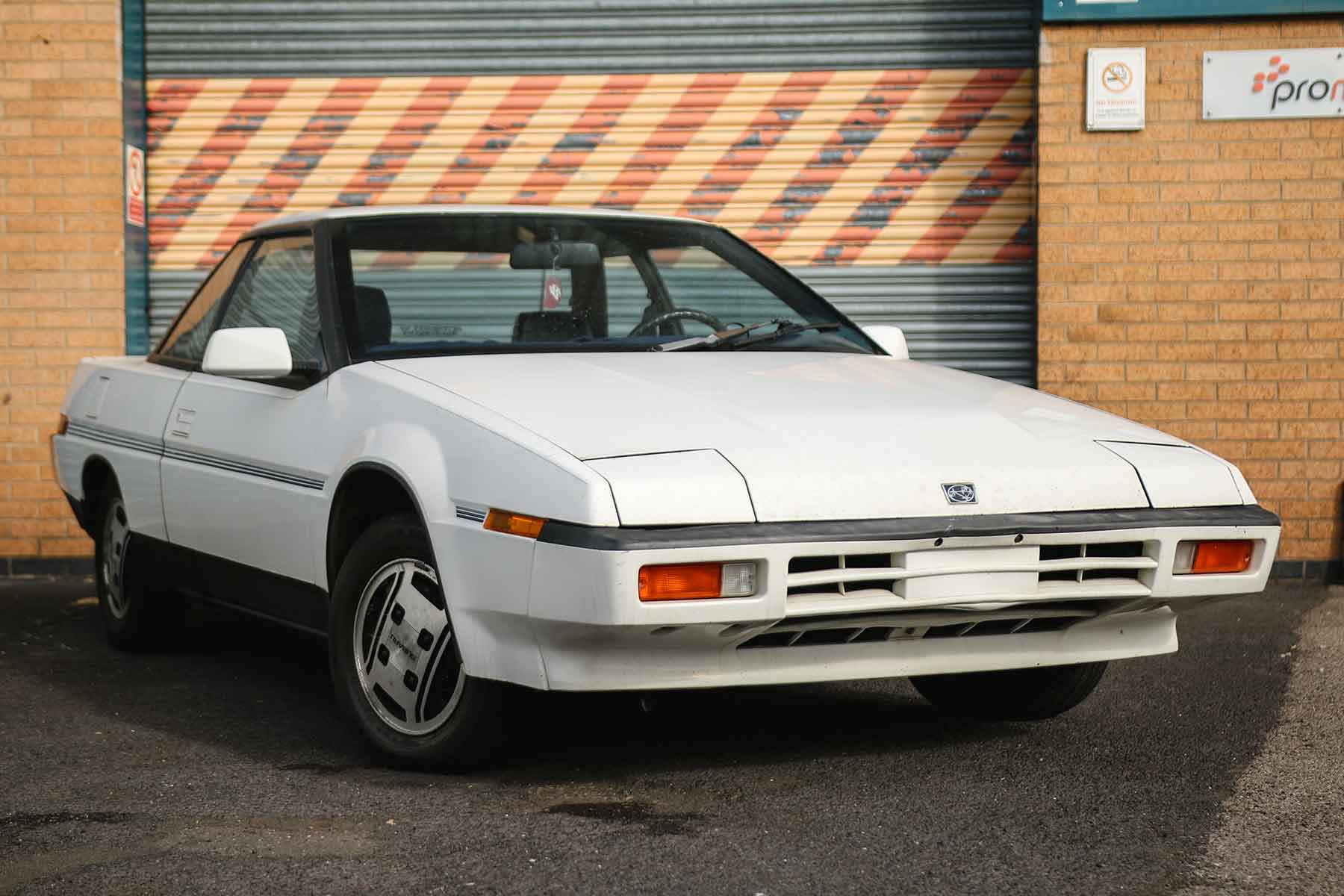
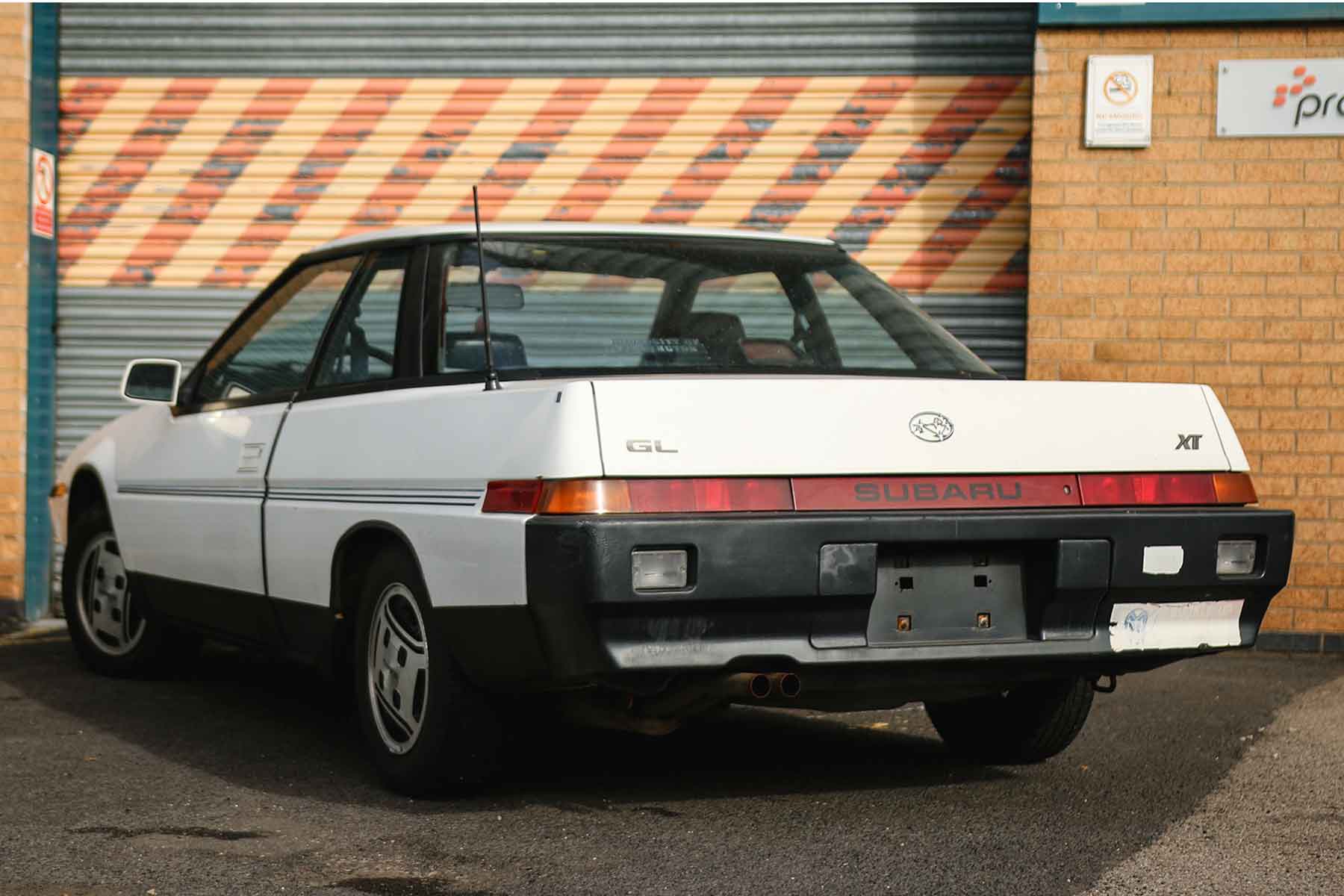
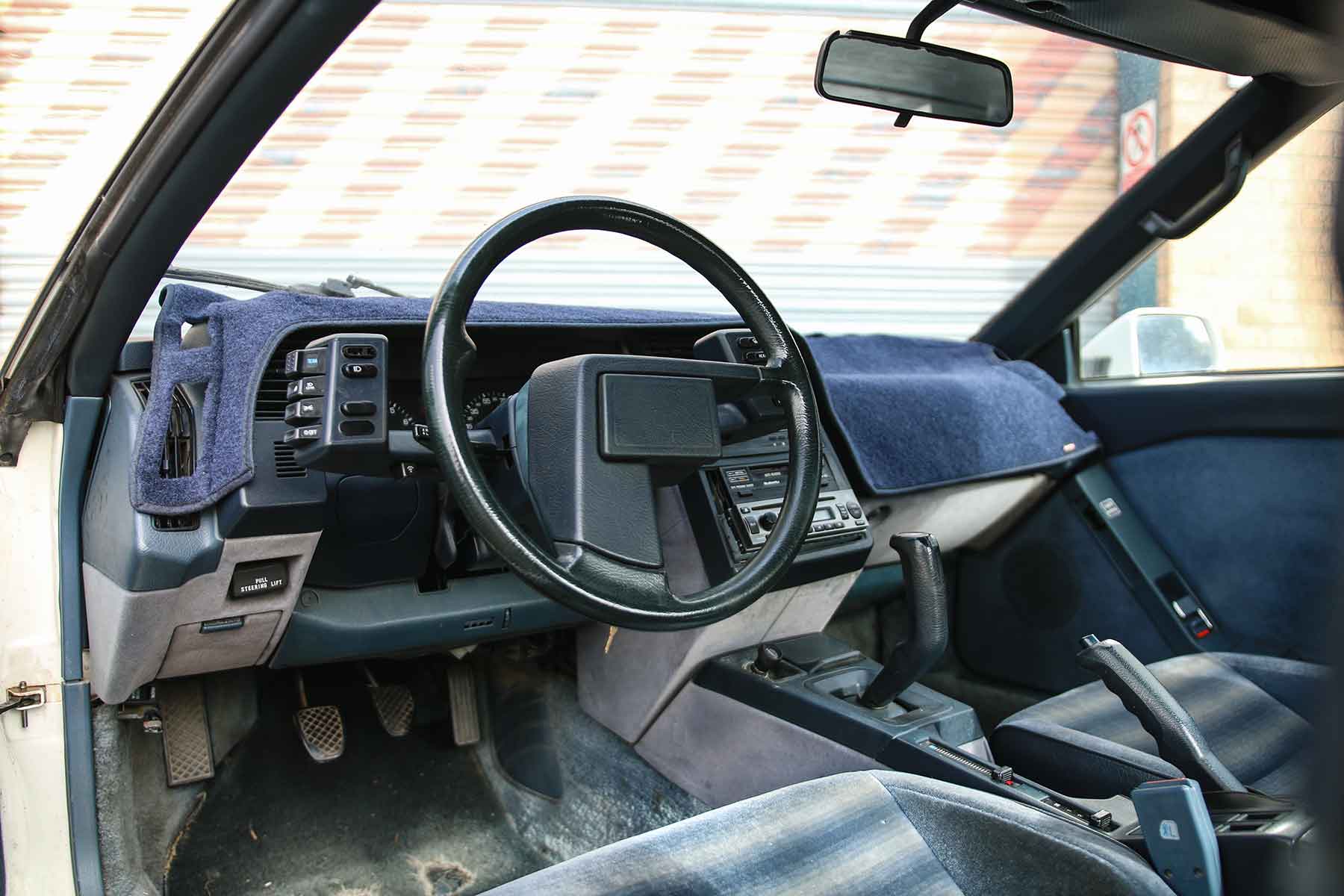
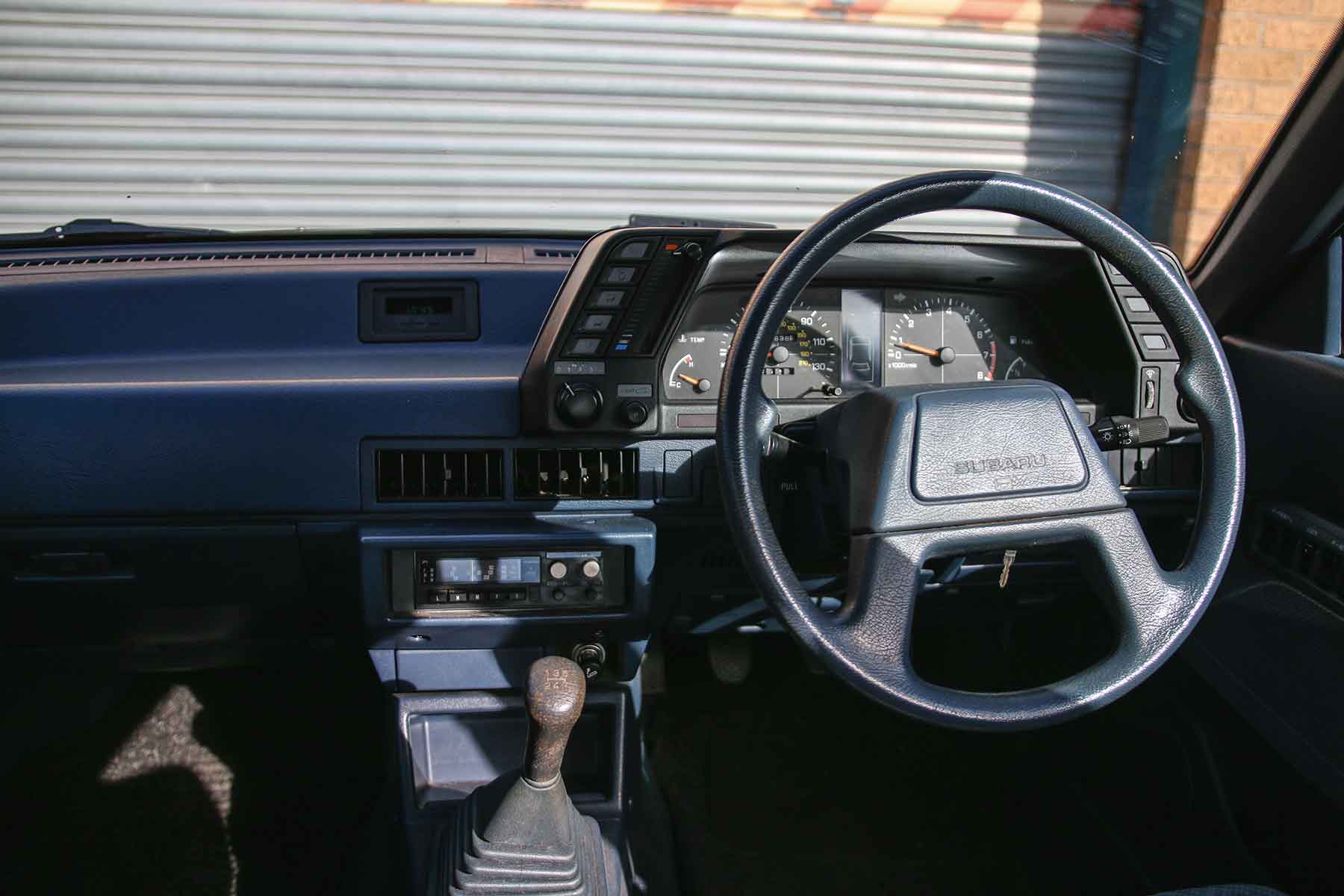
The tale of curious Subaru coupes continues with this delightful pre-restoration XT. Yes, it’s fresh out of the container from Washington and the perfect example of a ‘beater’ car, as the Americans call it – even down to the tired ‘University of Washington’ window stickers. Paul was amazed at the car’s clean bodywork given a life in one of the chillier (read: saltier) US states.
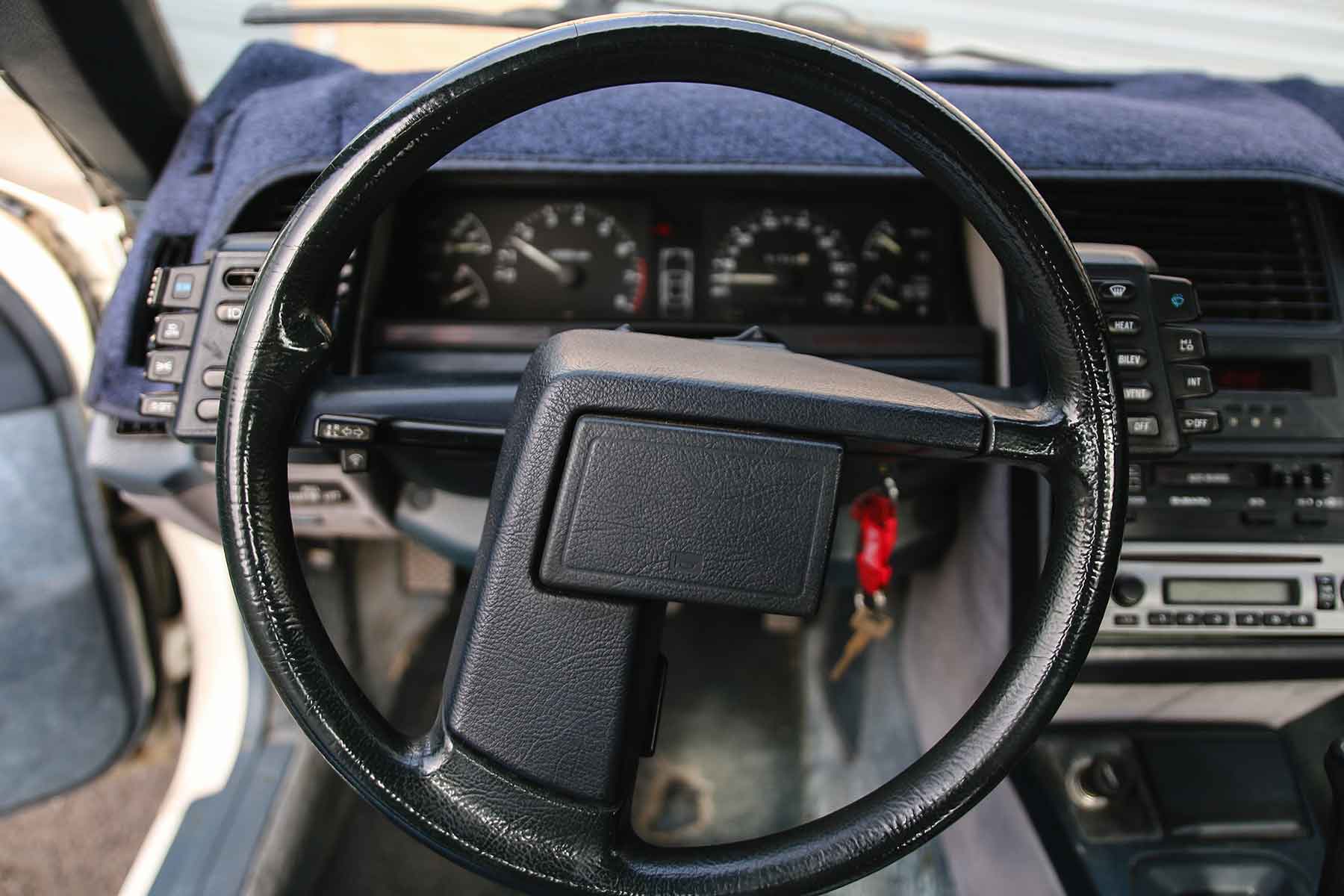
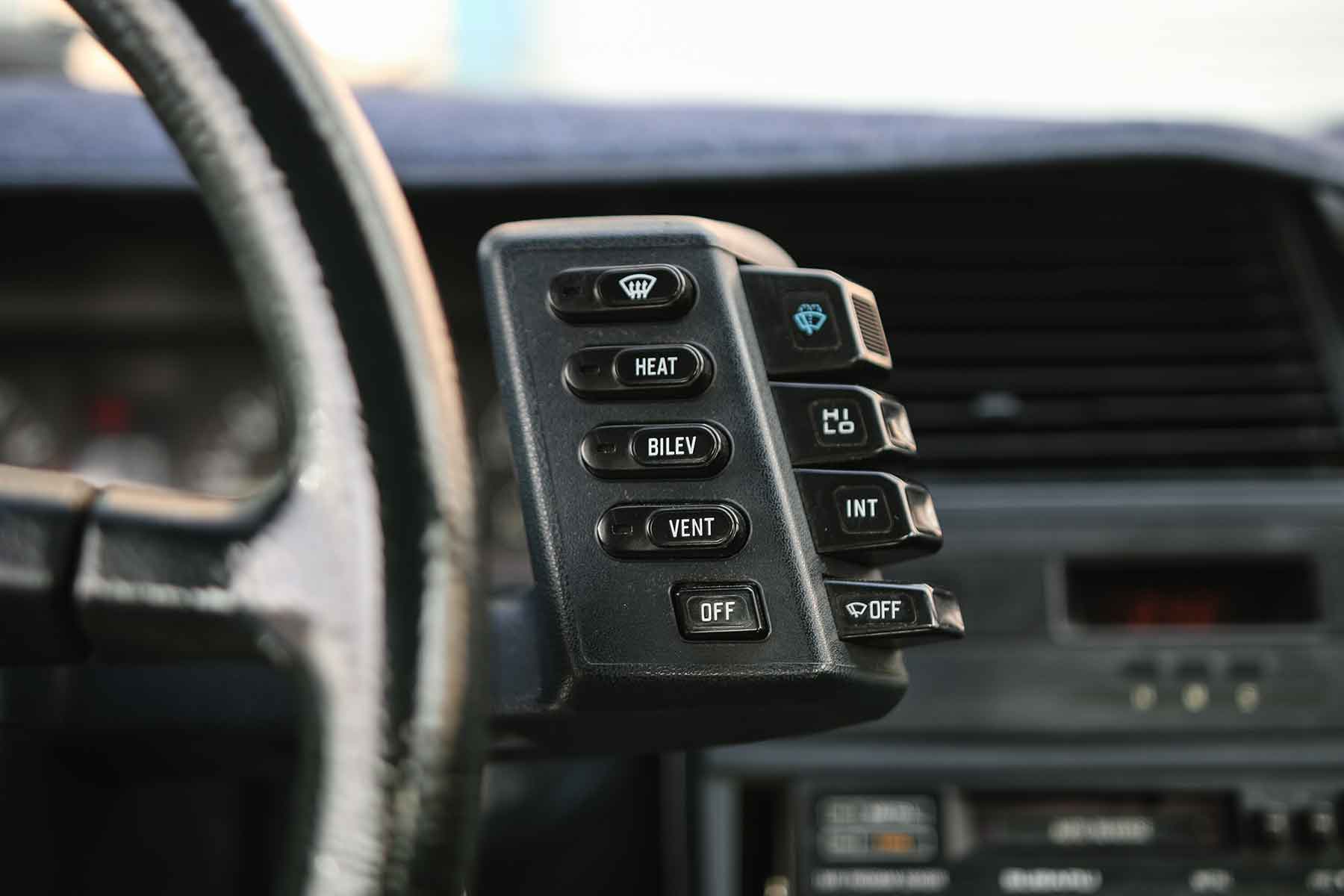
Yet again, even this daily driver coupe (not unlike a modern Honda Civic Si) is delightfully unconventional in a way only Subaru (and 1980s car design) could muster. That wedge shape boasts a drag coefficient that would impress even today. The cabin looks as if it was ripped from a Star Trek set. Space age and humdrum have never met in quite the same way. Expect Paul to pump out an immaculate restoration on this one.
Subaru Leone
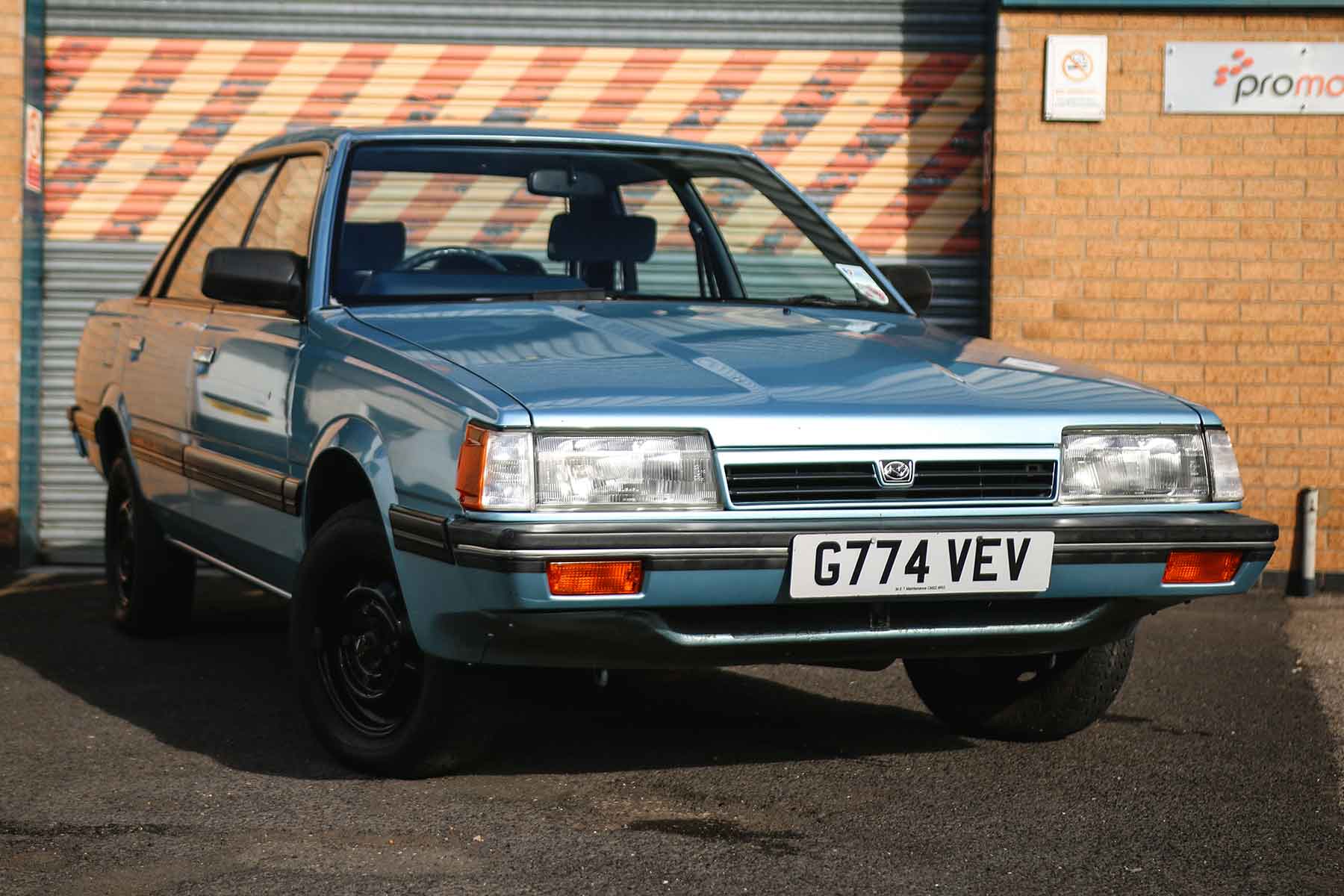
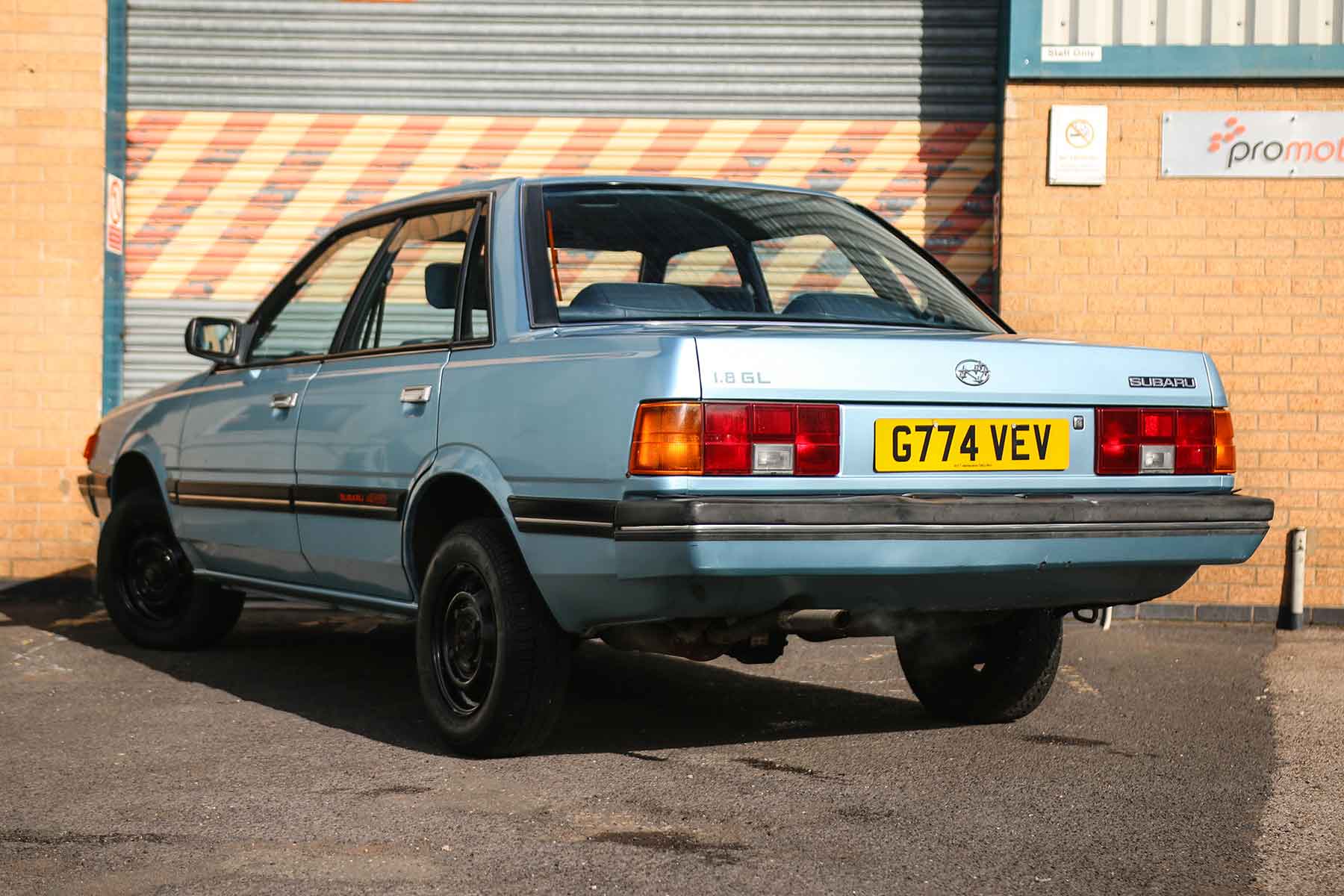
Where can the trail-ripping Imprezas trace their heritage back to? Why, the humble Leone – the first Subaru rally car. In this case, it’s part-way to a World Rally battle axe, being the pumped-up 4WD variant. Paul rightly says this car is the crossover that came before all crossovers. Up on stilts and with switchable all-wheel-drive, this humble saloon is ready to tackle the outback. Anyone wonder where later Legacy Outback models got their name? These cars proved popular in the colonies…
Paul found this example a good way closer to home: in Cornwall. Given it was rescued from a lifetime at the seaside, it’s remarkably devoid of rust – something old Scoobies often suffer with. It seems to have enjoyed a relatively easy life, too, with just 59,000 miles showing on the odometer.
Subaru 360
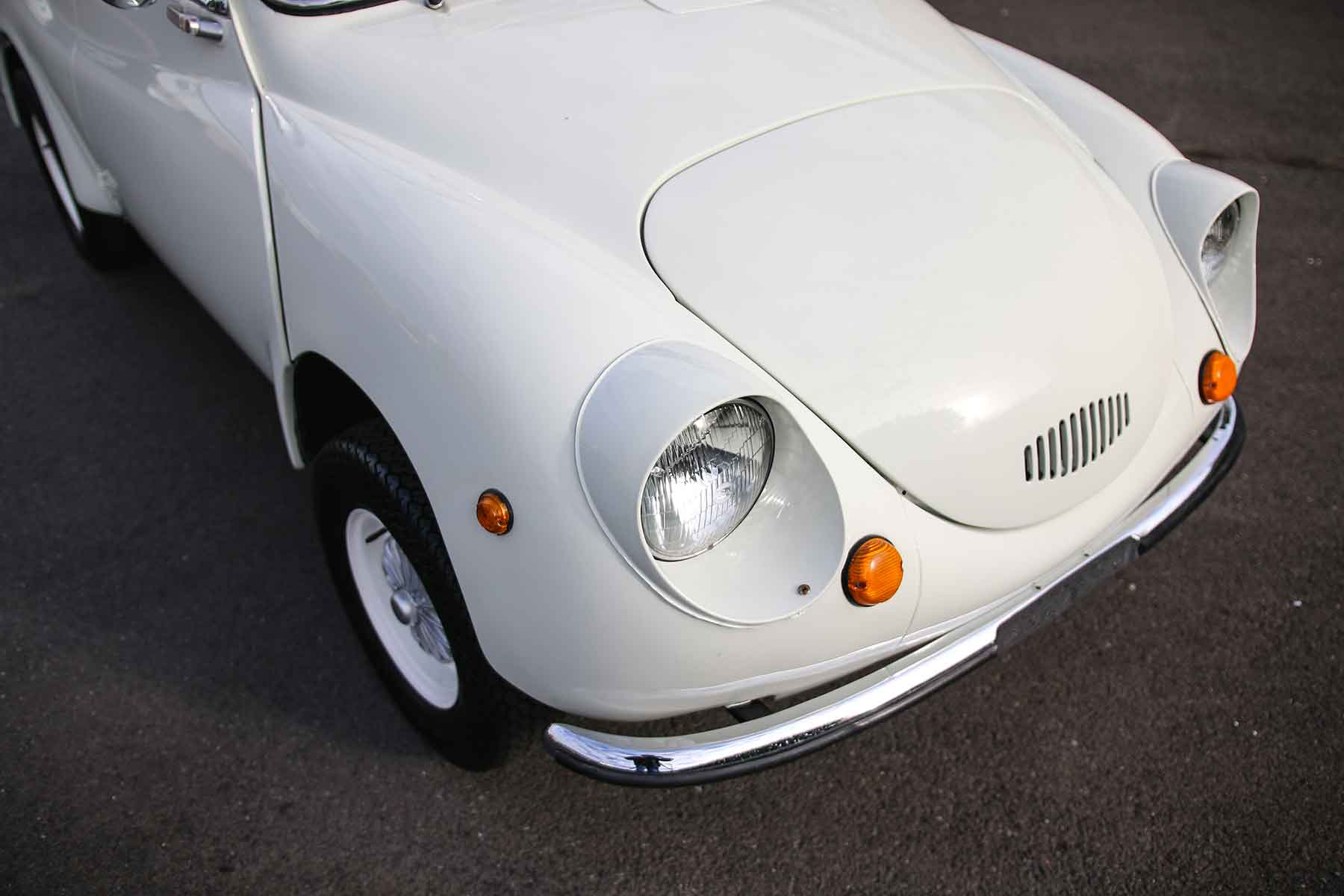
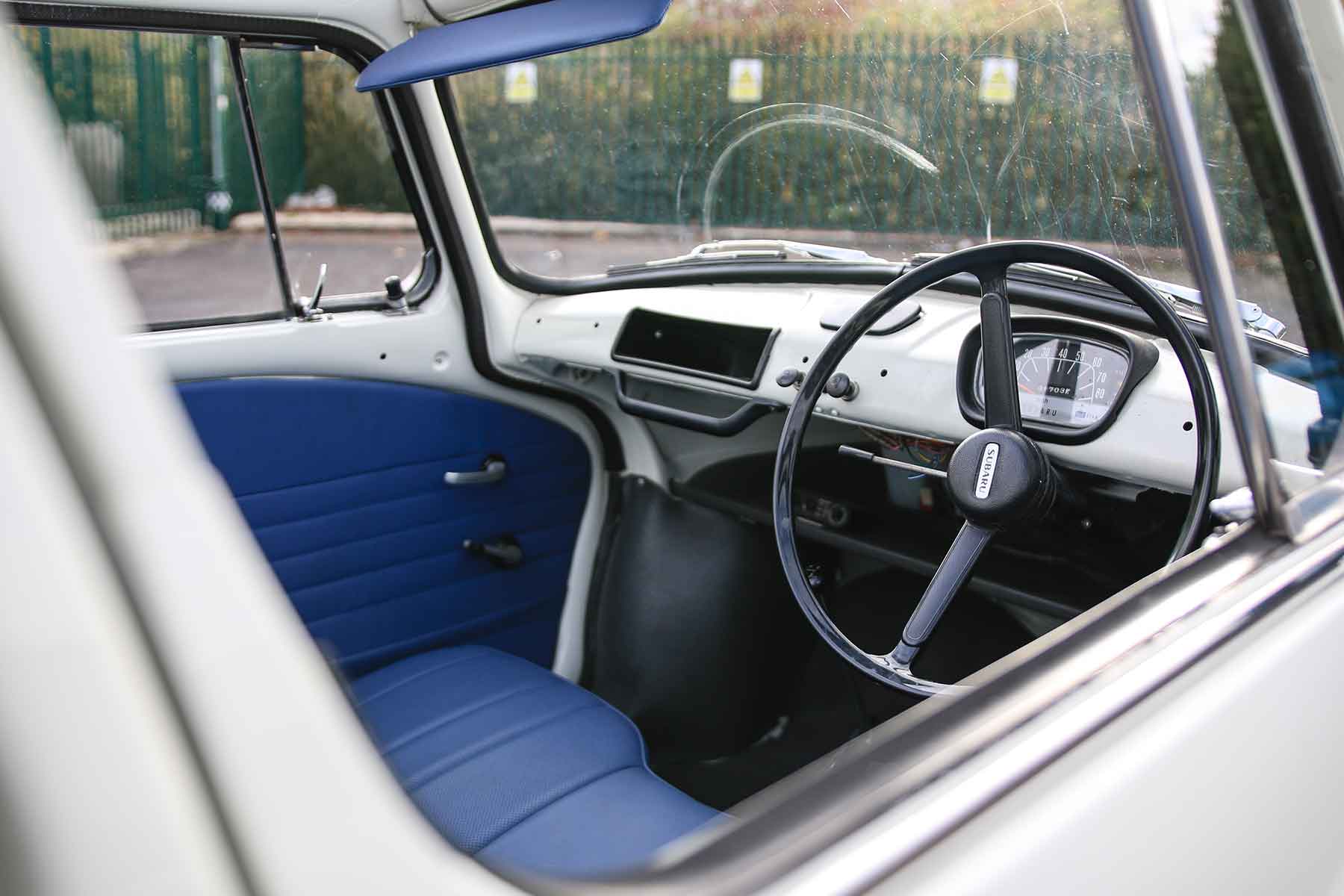
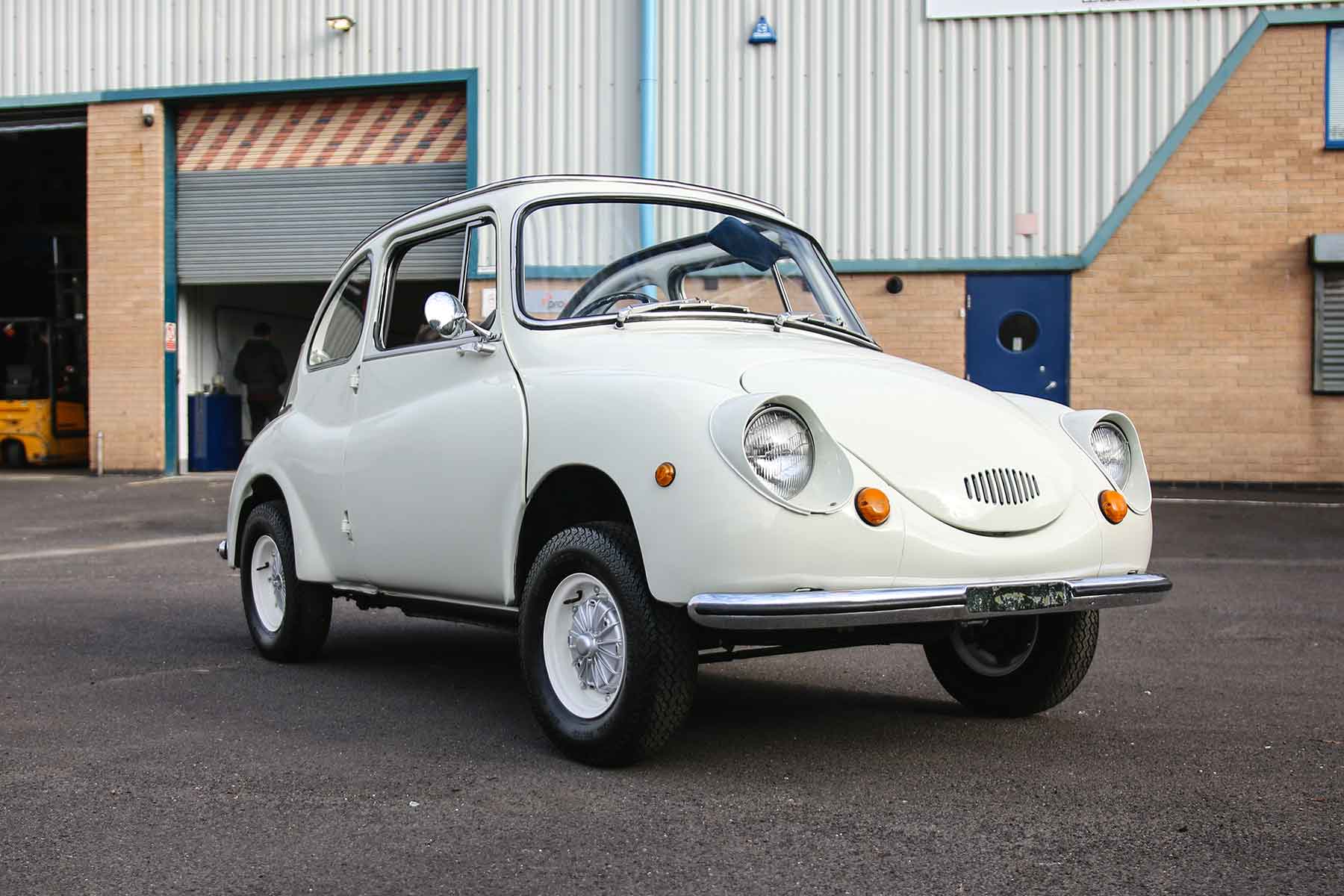
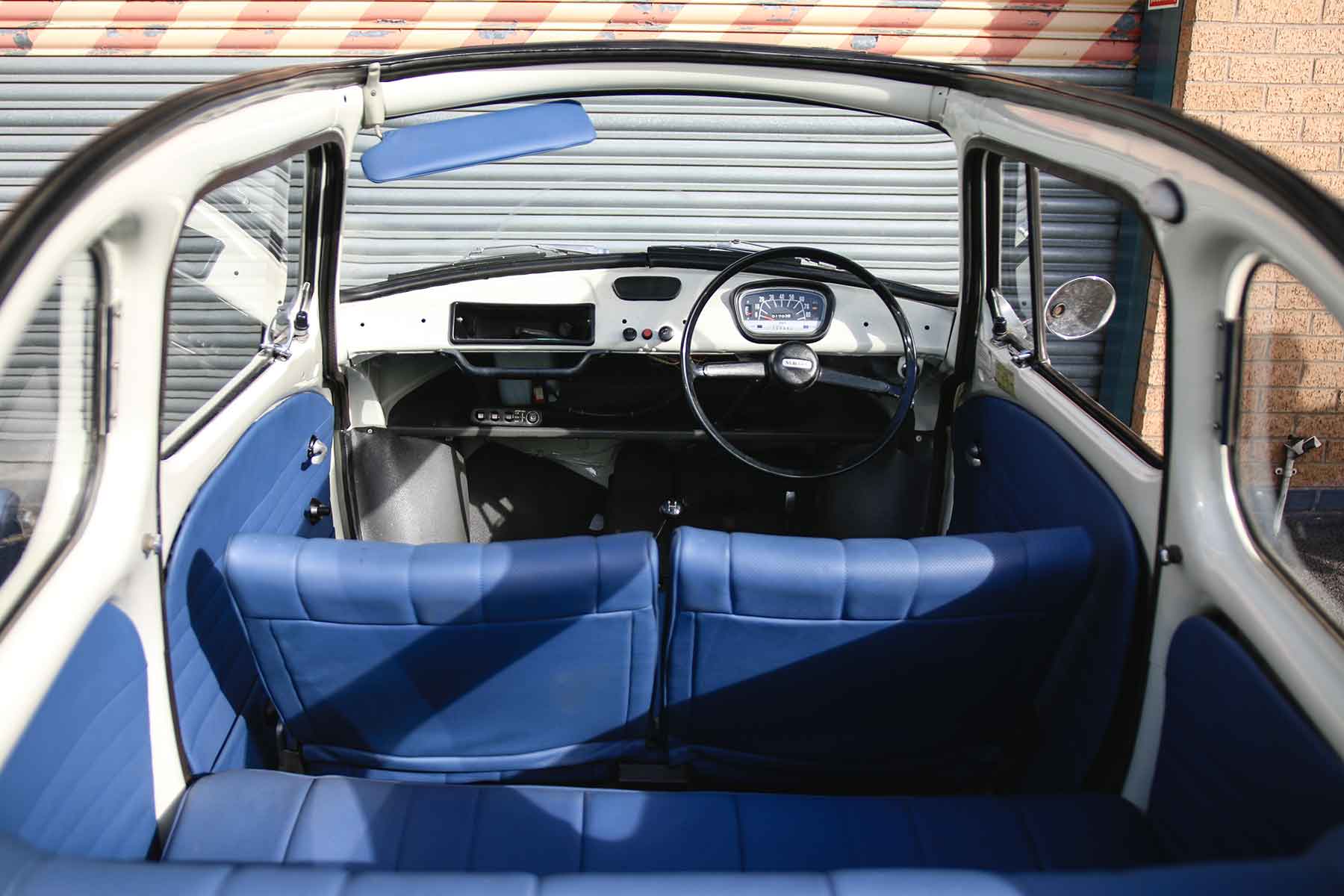
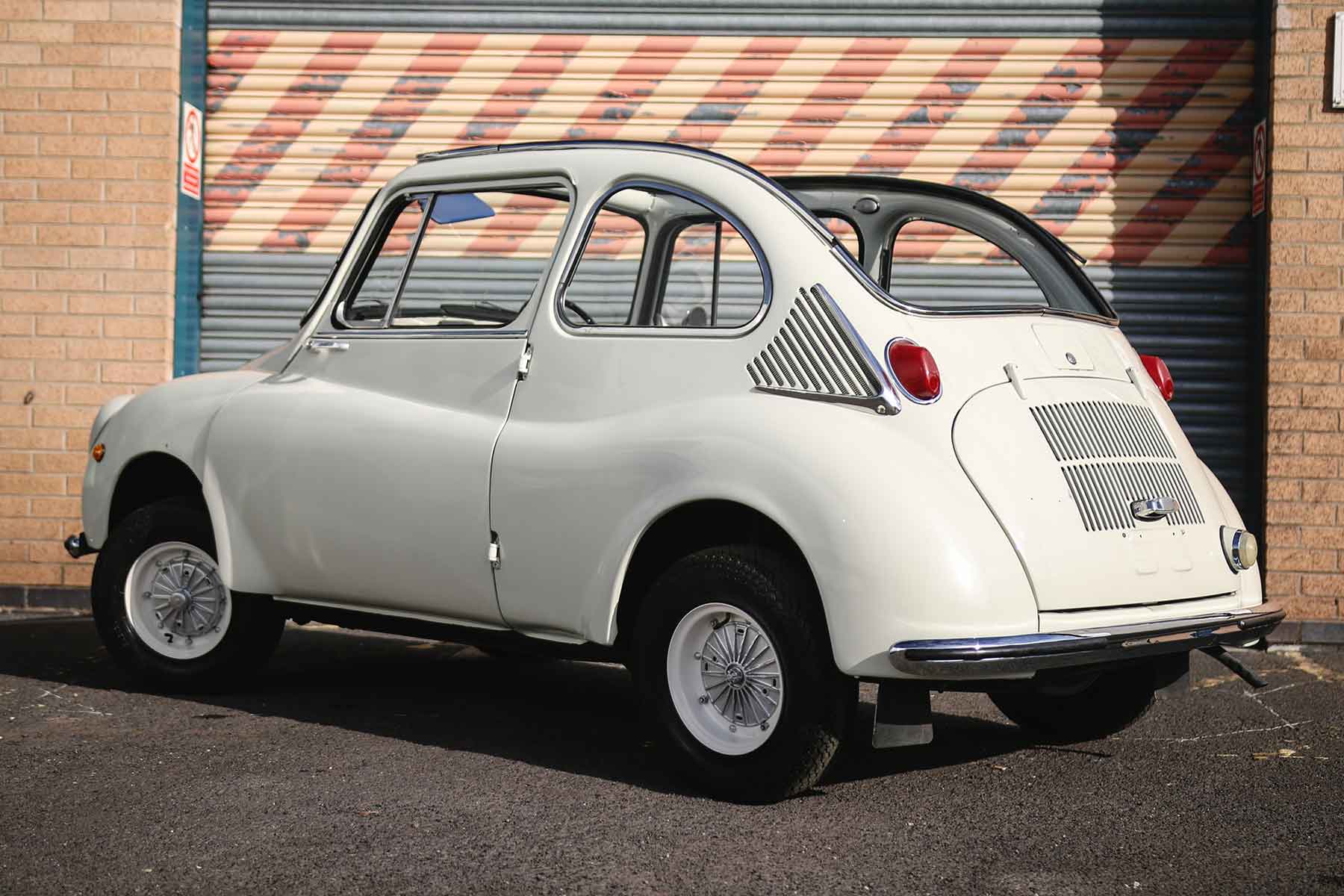
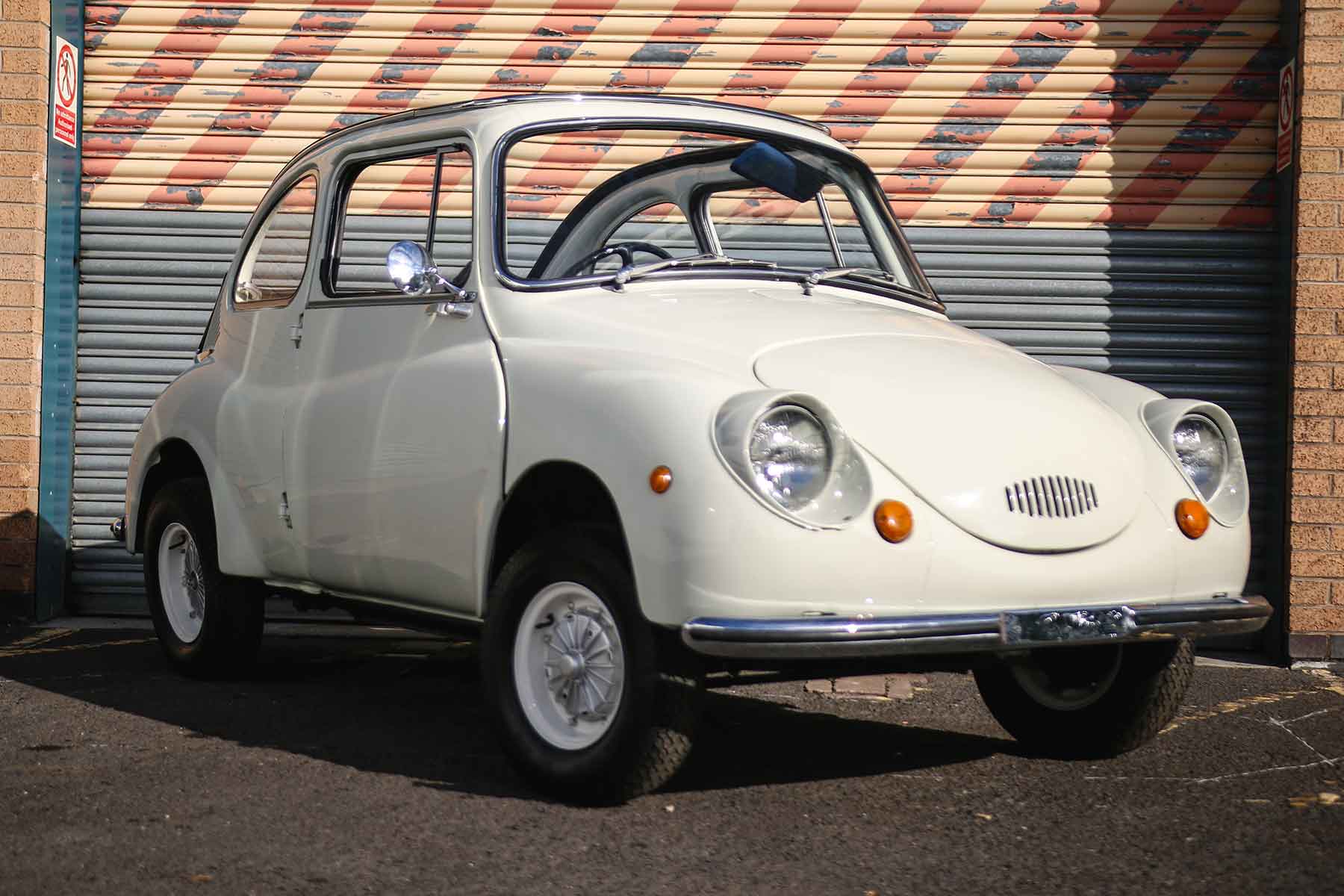
Here we arrive at arguably the coolest car out of this set. Not that the others aren’t without their curiosities and quirks, but the 360 is Subaru’s first proper car and, as such, was built in service of its home nation. This tiny little machine is an early Kei car, a sub-500cc-engined vehicle that weighs less than 500kg thanks to its tiny dimensions and simple construction. Introduced in the late 1950s, it was an effort to get Japan mobile in the post-war years.
Paul’s car, on loan from Subaru, is mid-restoration, with its stunning paint and interior complemented by a few niggles. In short, it didn’t run and was in need of parts – the most difficult element of restoring this car. Although Subaru built nearly 400,000 examples, spares are a real challenge to track down and are expensive to buy when you do. When it came to pushing the little 360 into position for shots, we hit a snag. A sticking brake would have rendered any other non-starter immobile. Not the featherweight 360 – we got it yanked out of there in no time.
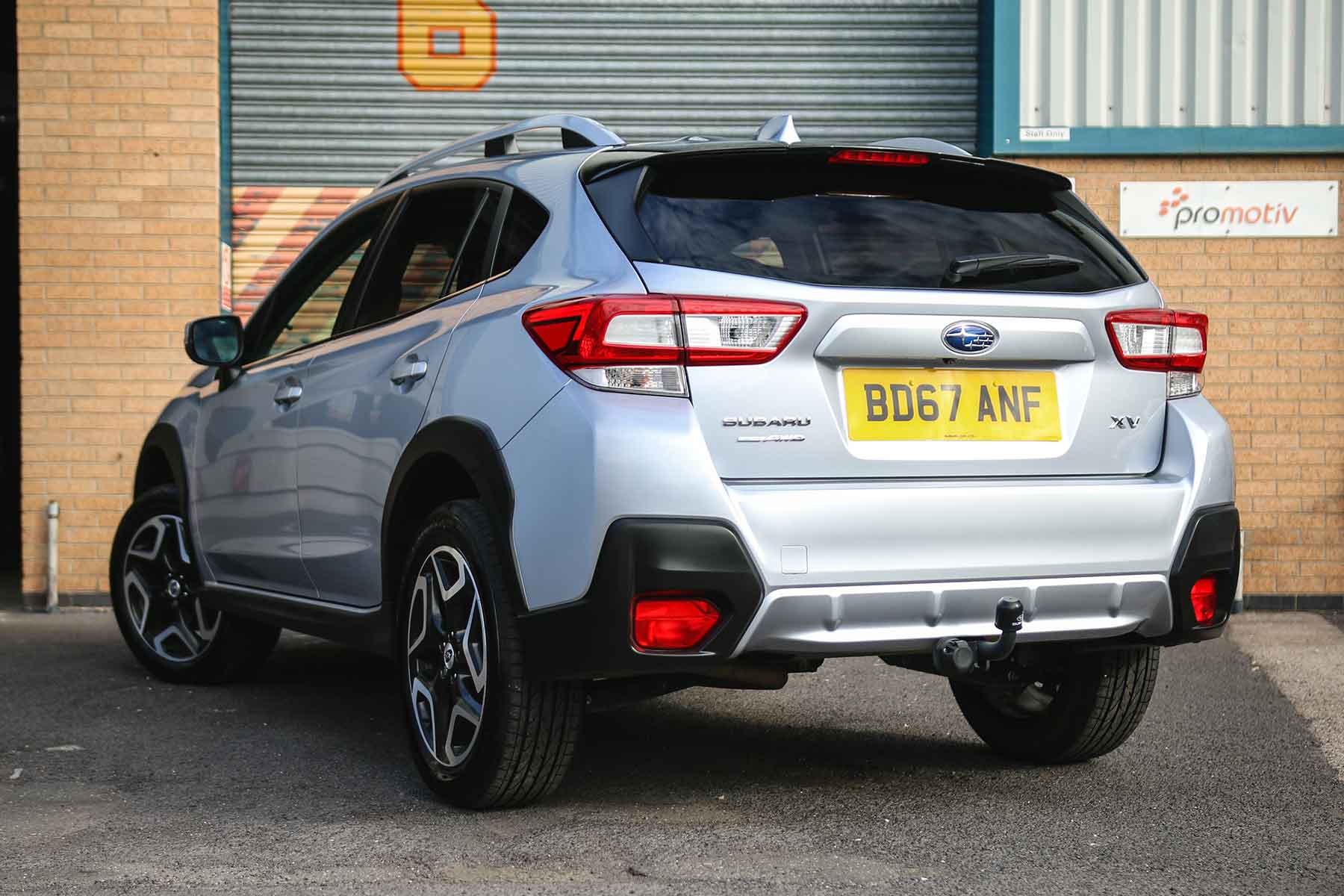
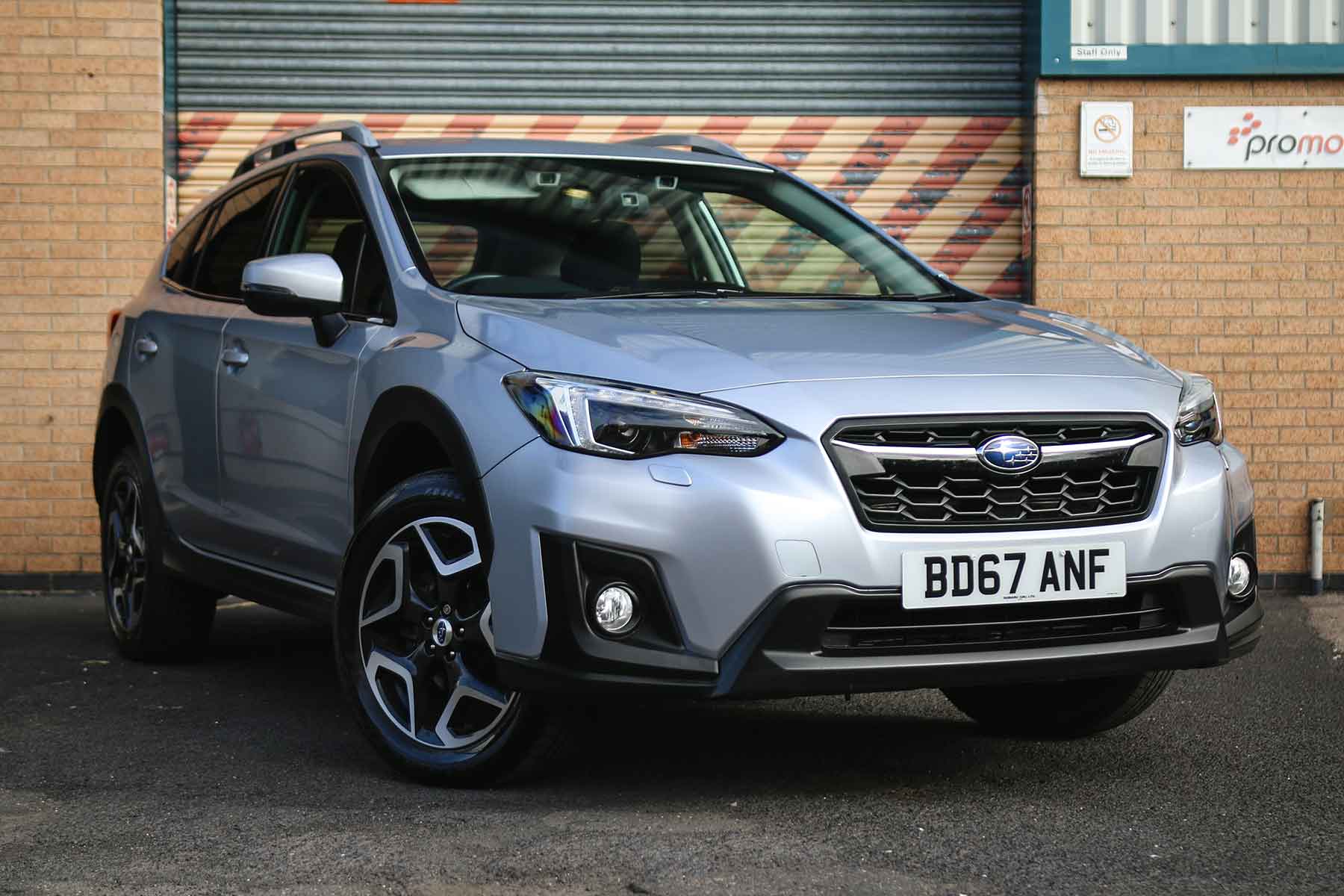
Subaru XV
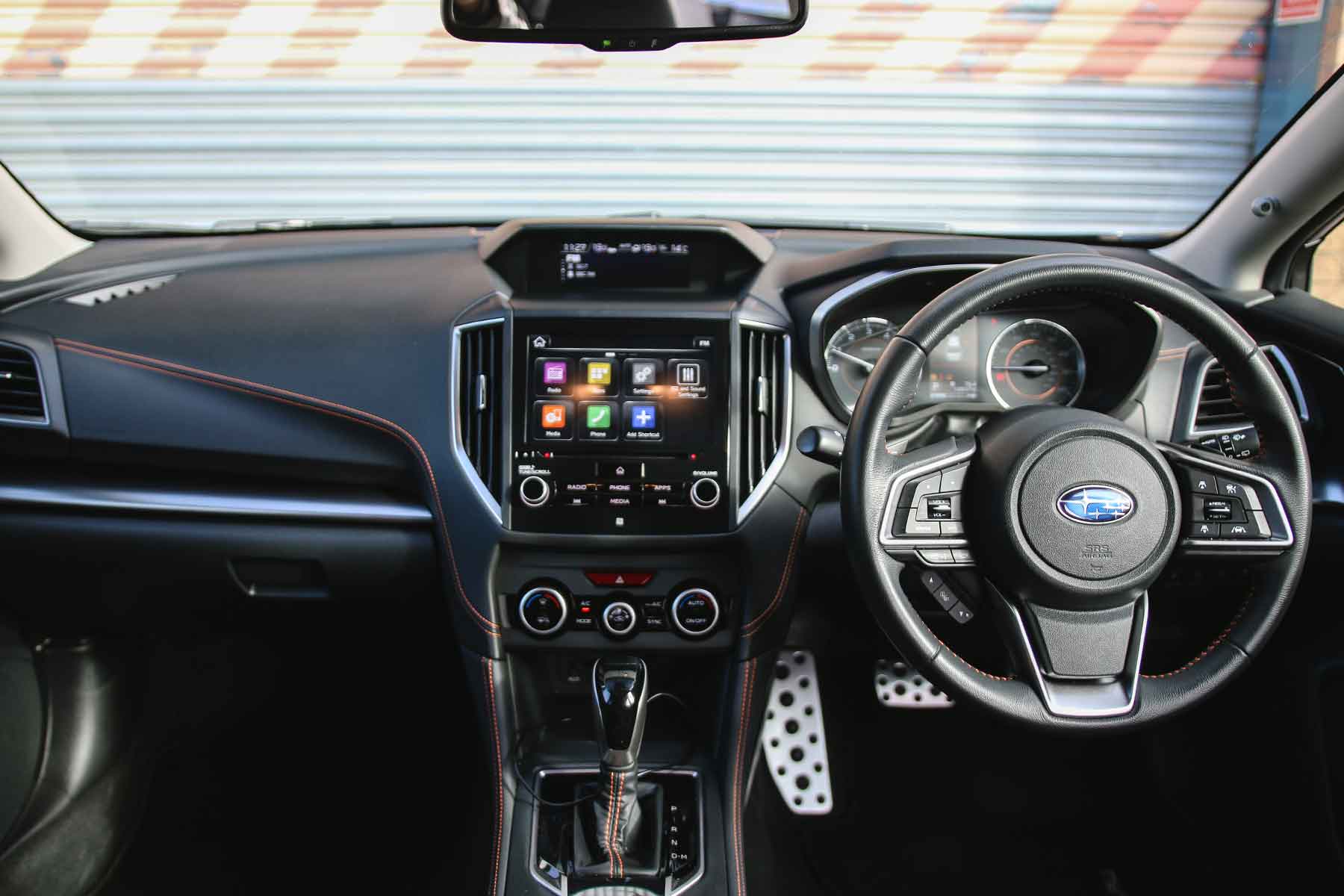
From where it all began, we end with where Subaru is now. From a distance, the XV is a paint-by-numbers crossover, but the Subaru magic soon shines through. Especially when found in a car park full of its ancestors. While it shares very little with that tiny 360 that started it all, there’s something of the angular design of the XT and Leone. The arches of the old Impreza are evident, and the curious form – and indeed colour – of the SVX is plain to see.
There’s also the tactility you expect of a Subaru. Not luxurious or gratuitous in the traditional sense, it simply feels hard-wearing. Then of course, under the bonnet, you find a distinctive flat engine – a Subaru hallmark evident in all cars here except the 360. This is still a proper Subaru, perhaps not in the tyre-ripping sense of the BRZ and Impreza, but rather the honest, well-thought-out style of that old Leone.
The Manx TT is one of the greatest races in all of motorsport. Over two weeks in late spring every year, motorcycles shriek though thirty-seven miles of public roads: narrow streets, rollings hills, blind corners, and stone walls.
Superbikes will repeatedly cross the 200 mph mark in search of a lap record, and the average speed is over 135 mph. This brutal course claims lives in numbers not seen since before the invention of the seat belt.
British journalist Steve Sutcliffe understands the singular intensity of the Isle of Man: “Imagine German autobahns, then add hills and twists, and shrink it to a single carriageway with incredible views, and what you have are these utterly fantastic, and dramatic, roads,” said Sutcliffe.
“The Mountain Road [the race course] feels—and is—an utterly dramatic place to drive. It’s epic, and quite unlike anywhere else.”
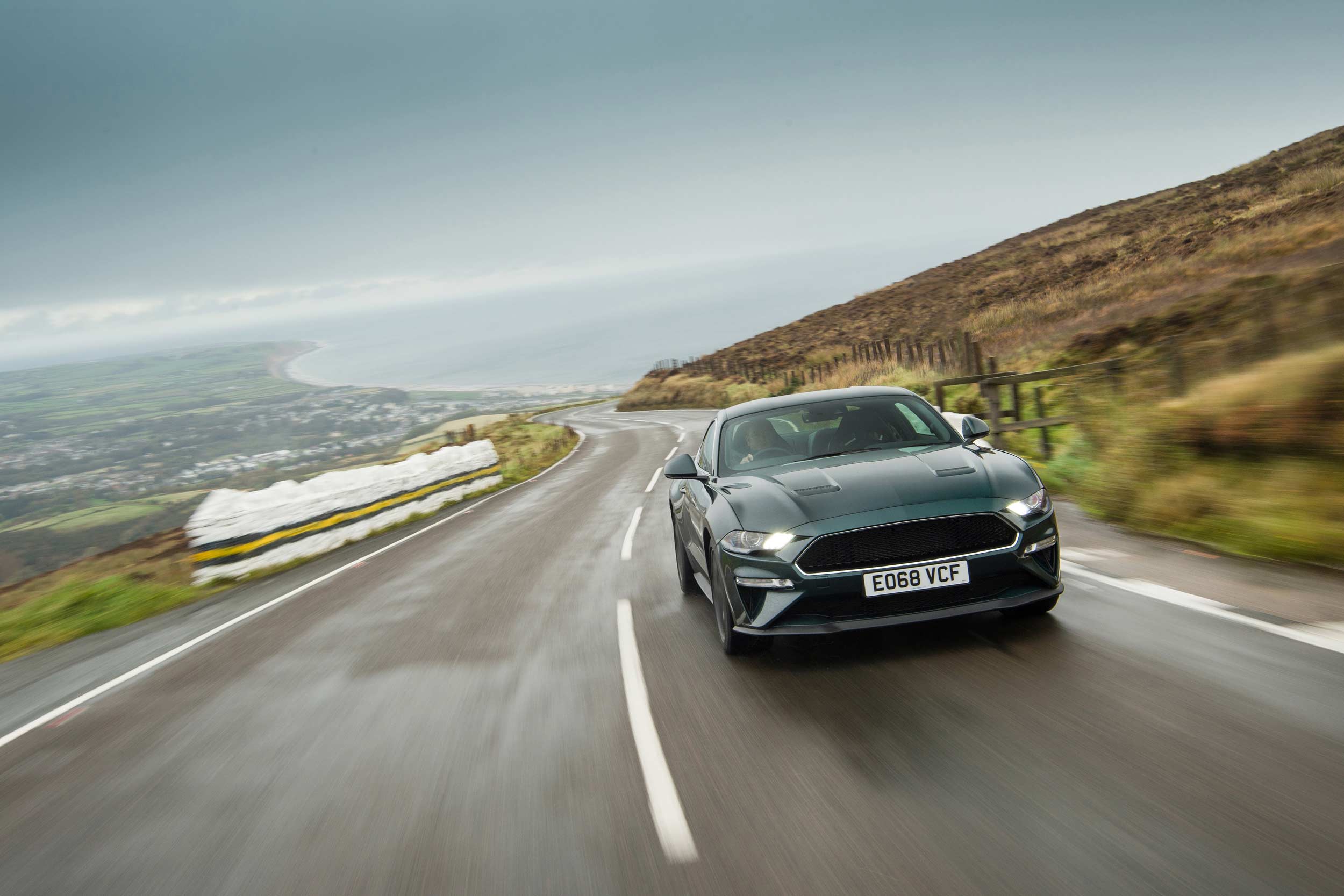
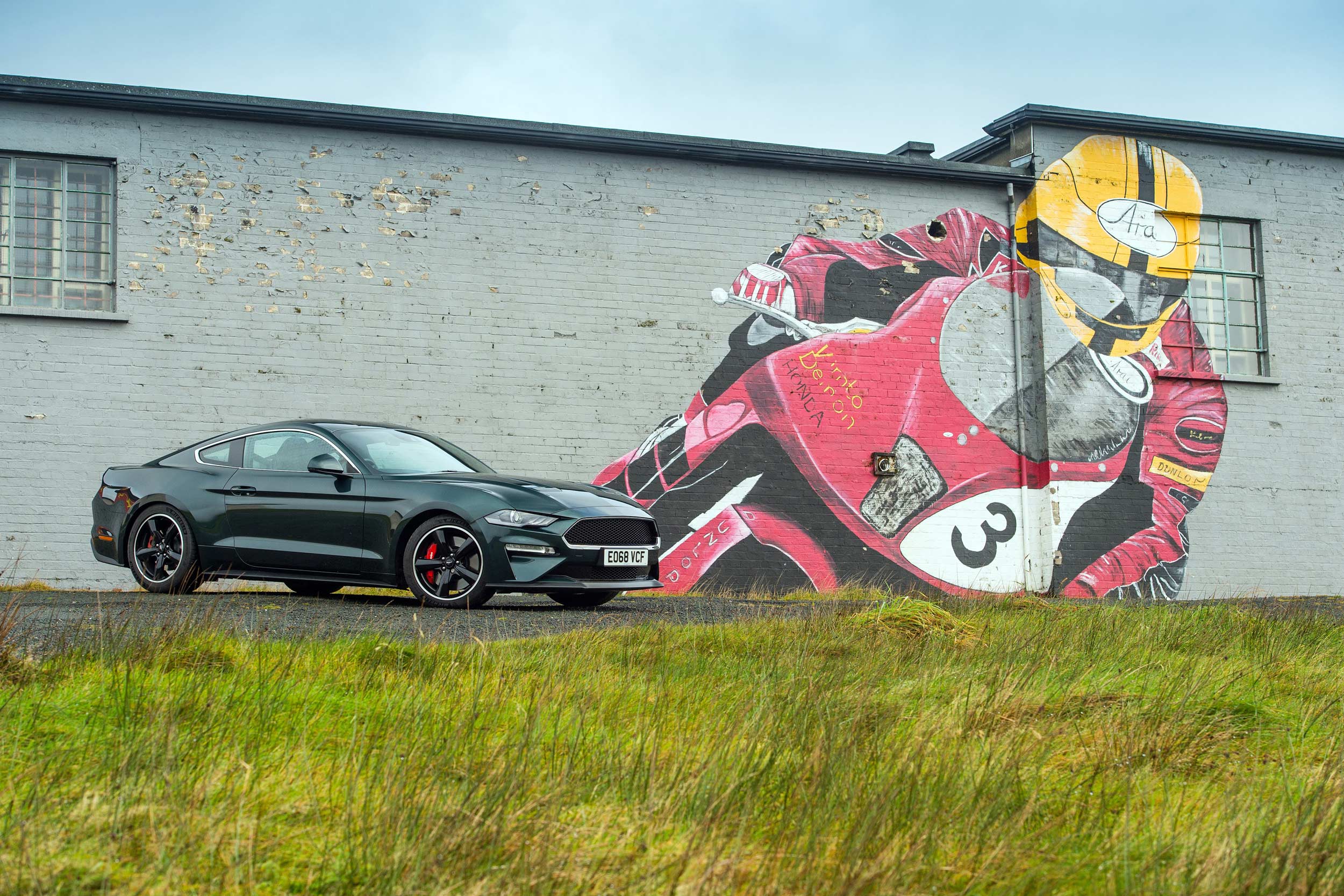
Sutcliffe got to drive the course behind the wheel of the Mustang Bullitt as part of the Europe’s Greatest Driving Roads series from Ford. There are many sections of the islands without speeds limits, and the sound of the 480-horsepower V8 bellowing through the gears as it explores the historic track enough to bring a gearhead to tears.
So put on your headphones, crank up the sound, and enjoy. Beware though, Sutcliffe starts narration 30 seconds in.
Dacia Buy Online is a new online sales platform that allows motorists to buy a new car at any time, from any platform or device – and the UK is the first country in the world to go live with it.
Dacia, slightly tongue in cheek, says it effectively opens 150 million new dealers in the UK: that’s how many connected devices there now are in Britain.
But the claim is still partly valid because this is a genuine purchase platform. It handles every step of the sales process, including finance and part exchanges. Cars can even be delivered to a buyers’ home, rather than them having to visit a dealer.
Dealers are still involved in the process, though, because it’s the dealer network that supplies cars to customers.
“We’re making car buying simpler,” said head of Dacia UK Louise O’Sullivan. “You can order a Dacia today and have it delivered to your driveway within two weeks.”
Dacia has launched it, she said, after research showed “customers are prepared to click and buy whenever and wherever is most convenient for them, regardless of time or day or location, due to the time pressures of everyday life”.
One in three people aged 30 to 44 say they would happily ‘click and ship’ a new car to a dealership without even test-driving it. Three in four ‘silver surfers’ would prefer to buy a car online for the convenience, reckons Dacia’s research.
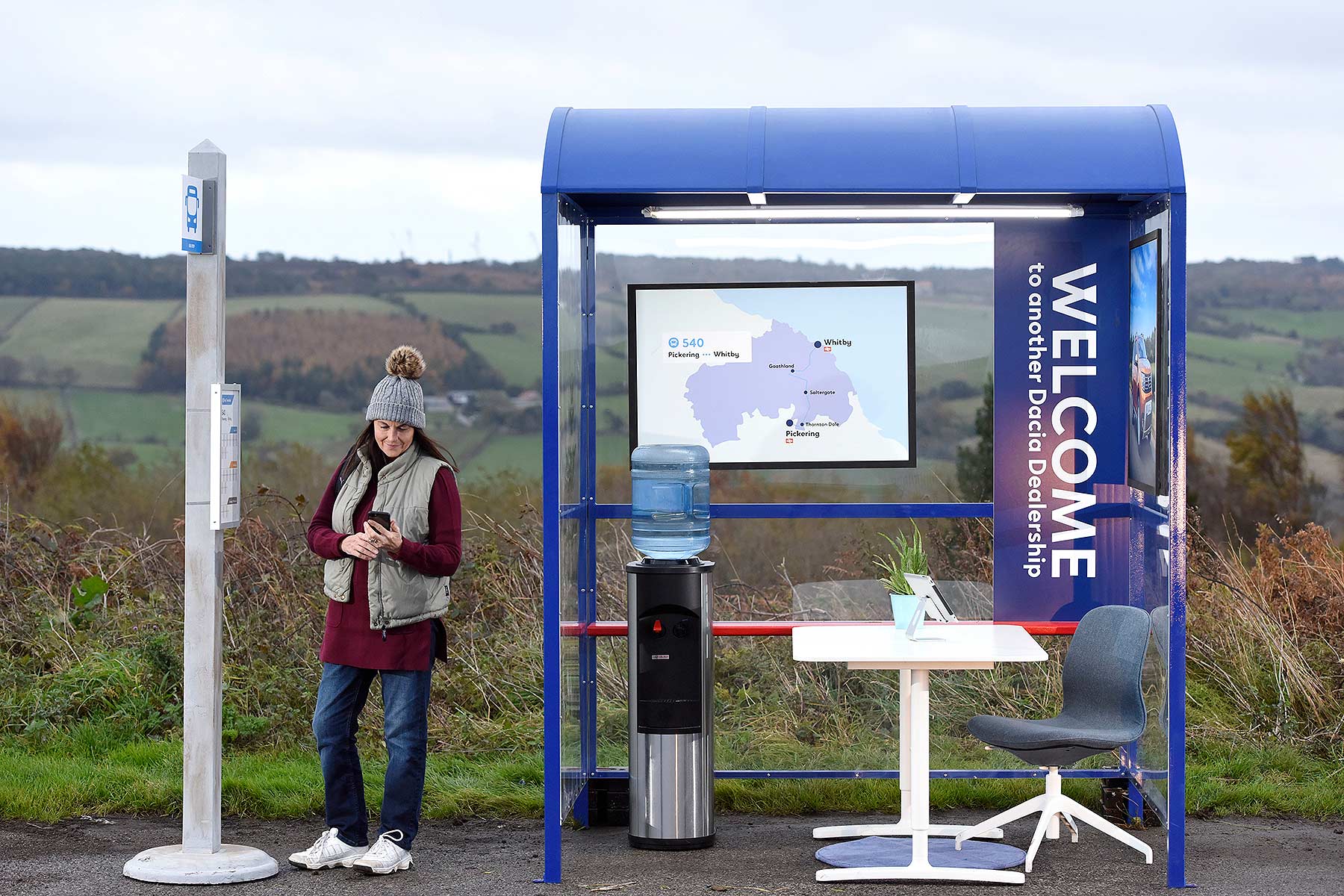
Every Dacia model is available to buy online – and Dacia is marking the opening of Dacia Buy Online with a ‘pop up dealership’ inside a remote bus stop on the A64 between Pickering and Whitby. Fancy visiting the temporary new Dacia dealer? Be quick – it’s only open today, 7 November, between 9am and 2pm…
Apple CarPlay is the must-have car tech feature for iPhone users. But for those without inbuilt sat nav in their car’s infotainment system, it’s also been somewhat frustrating, as it has only supported the proprietary Apple Maps nav, not user favourites such as Waze and Google Maps.
No longer. After confirming it will now allow third-party navigation apps within Apple CarPlay at its World Wide Developer Conference in June, the firm has now confirmed the iOS 12 software update that will provide iPhones with the functionality to do this has, as of September 17th at 6pm, gone live and is available for installation.
Both Waze and Google Maps have been running beta test programmes of their iOS 12 integrations. Google Maps was the first to go live – the version 5.0 software update is now available to download in the App Store. It brings the Google Maps logo to the Apple CarPlay screen at last.
Waze has also now launched in Apple CarPlay, the company announced in a tweet.
It’s official: Waze for #Apple CarPlay is here and available to #iOS Wazers on 400+ car models worldwide. Good things come to those who wait ??.
Apple announced the arrival of iOS 12 at its 2018 Apple Event. The tech company also announced new iPhone Xs and iPhone Xr handsets, and the Apple Watch 4 wearable.
J.D. Power recently discovered Apple CarPlay users are much more satisfied with the tech than Android Auto motorists. The only real gripe of iPhone CarPlay users? The inability to use Google Maps (56 percent of people said they used it, compared to just 26 percent for Apple Maps).
Now Apple has belatedly fixed this, expect CarPlay satisfaction levels to further increase.
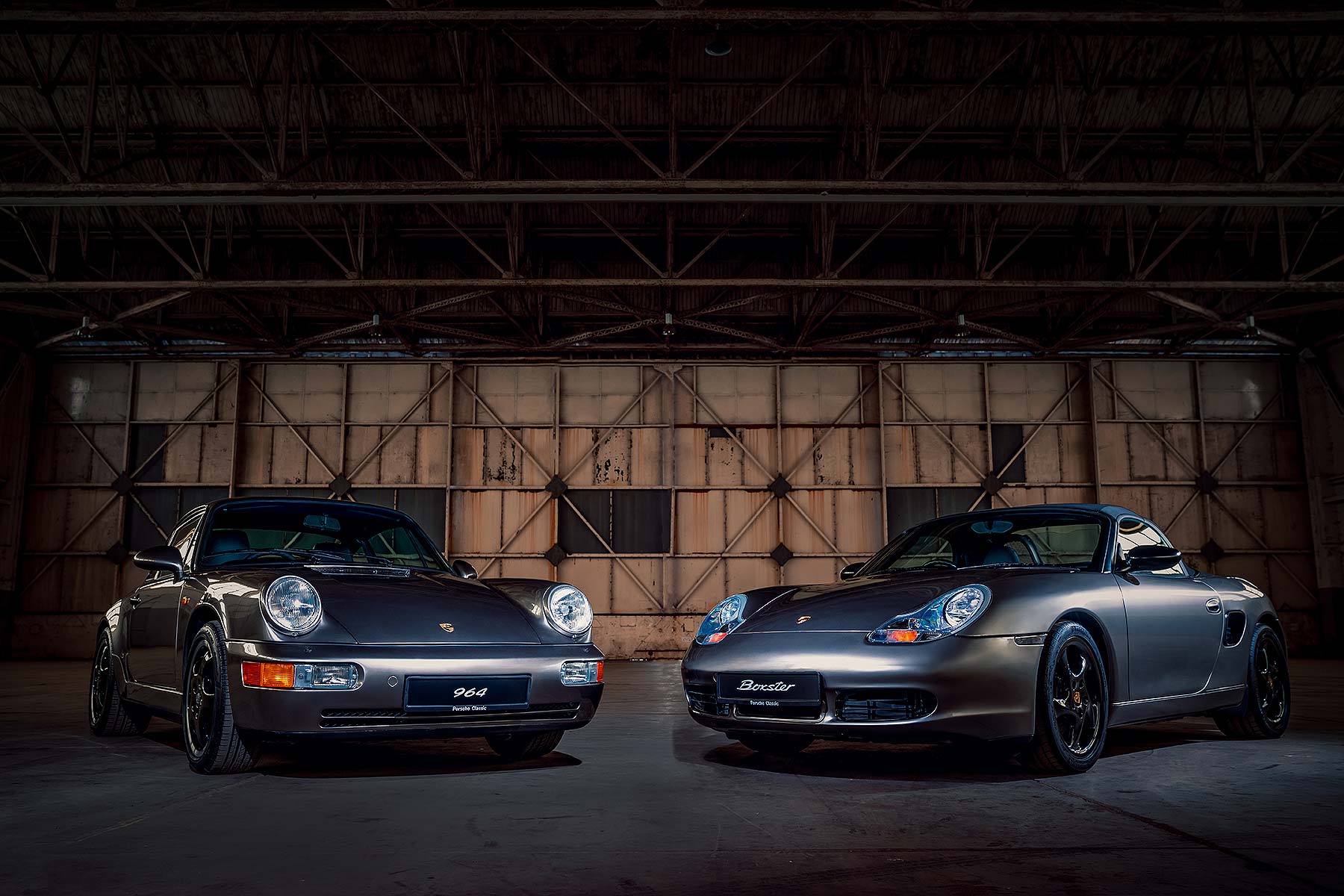
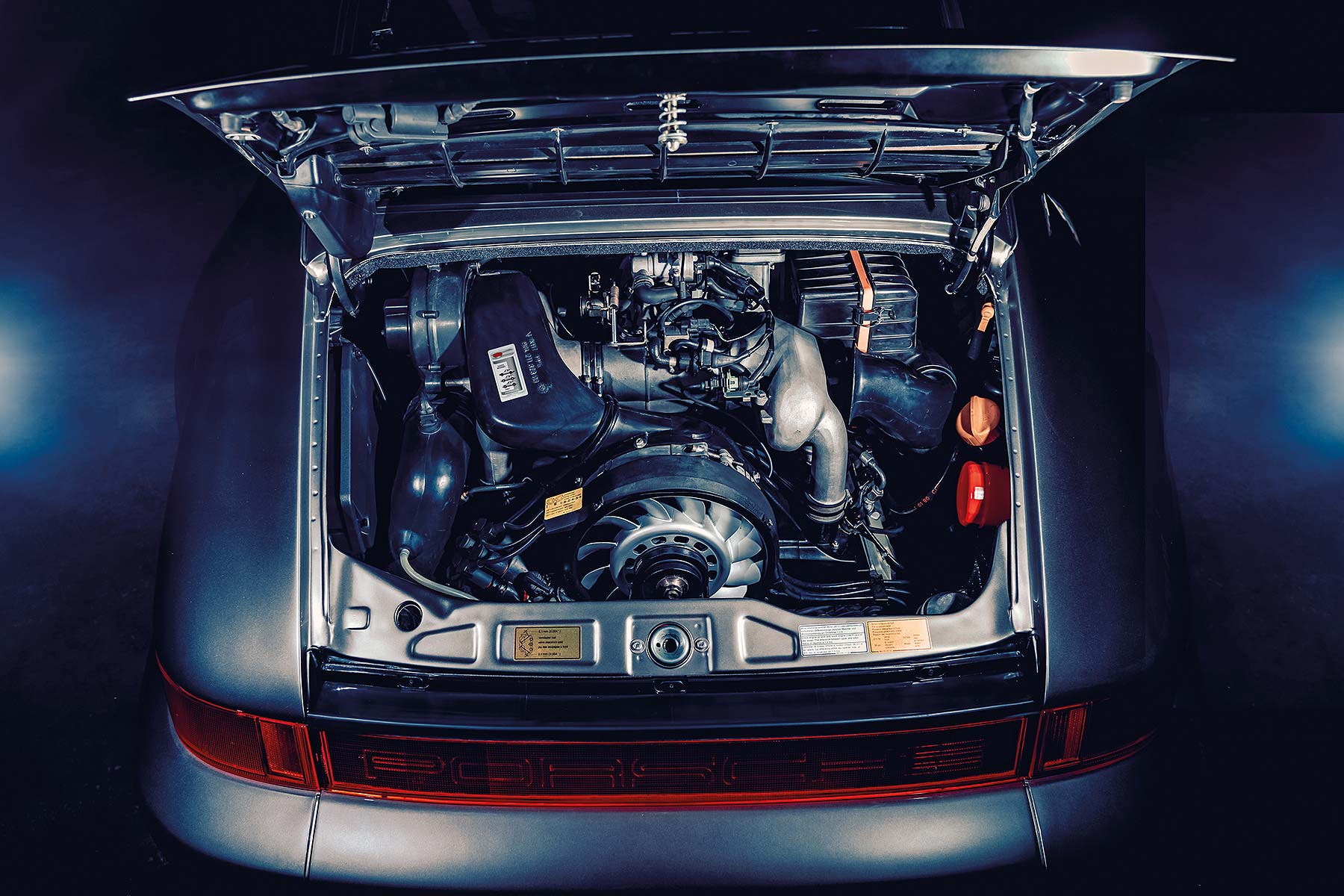
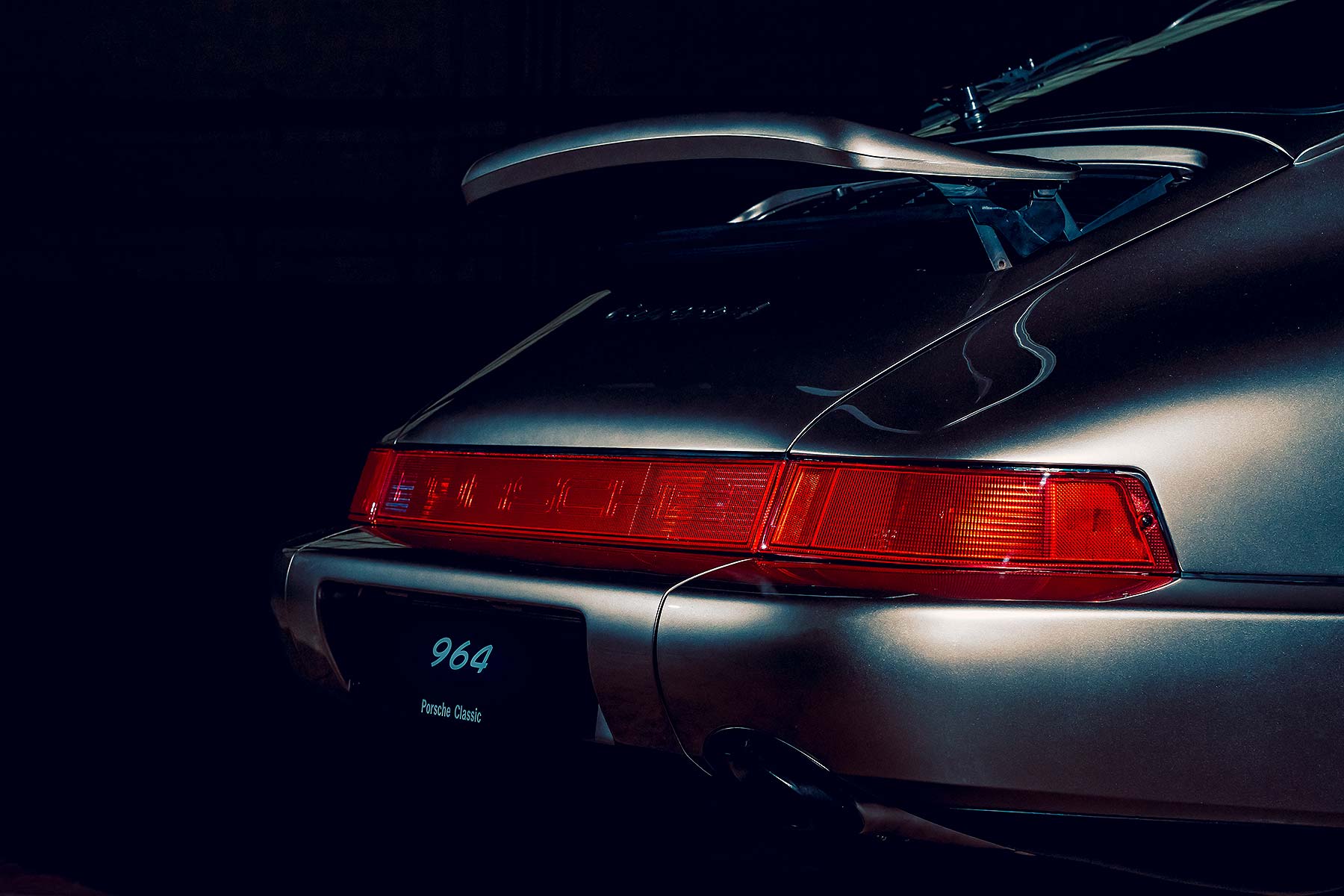
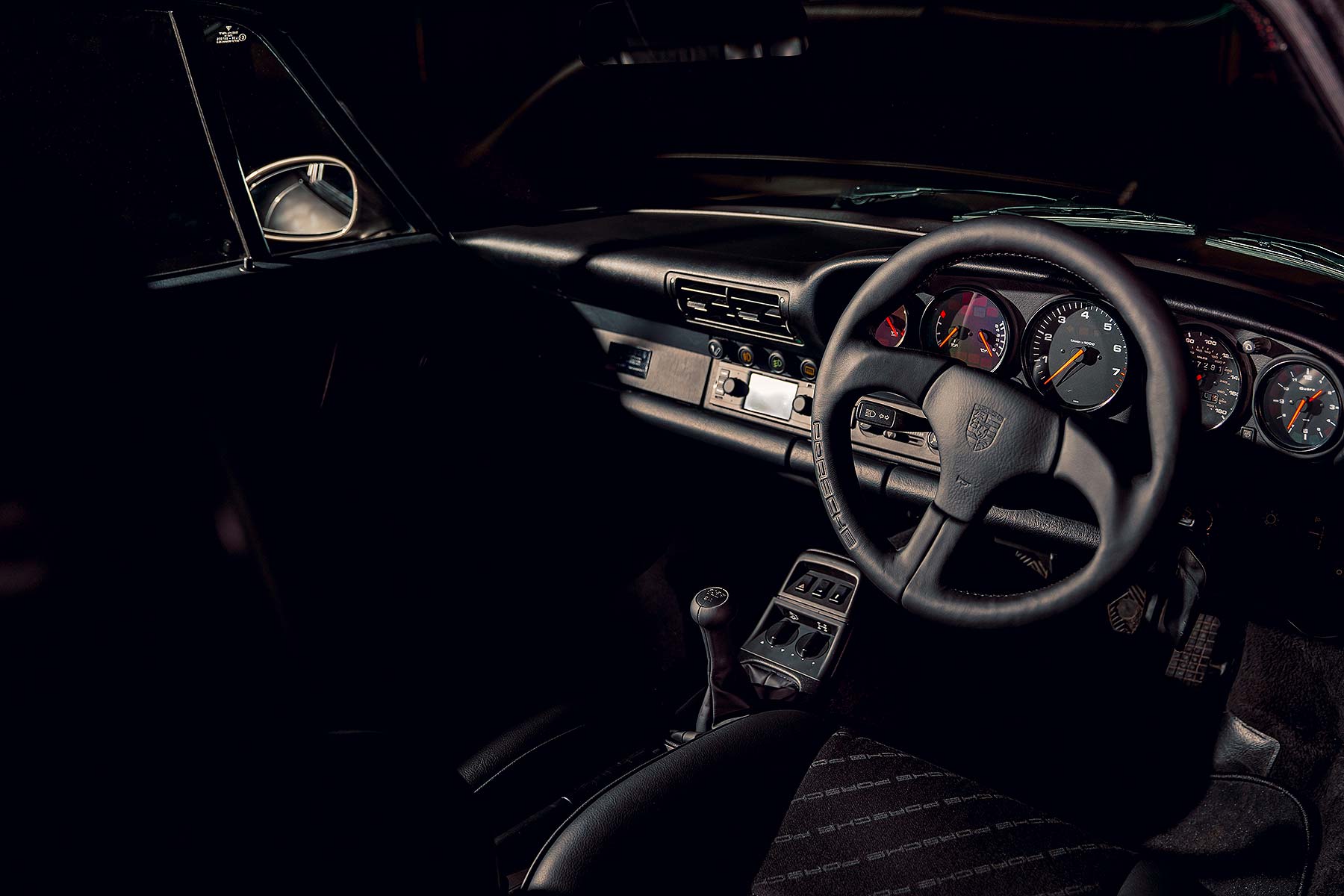
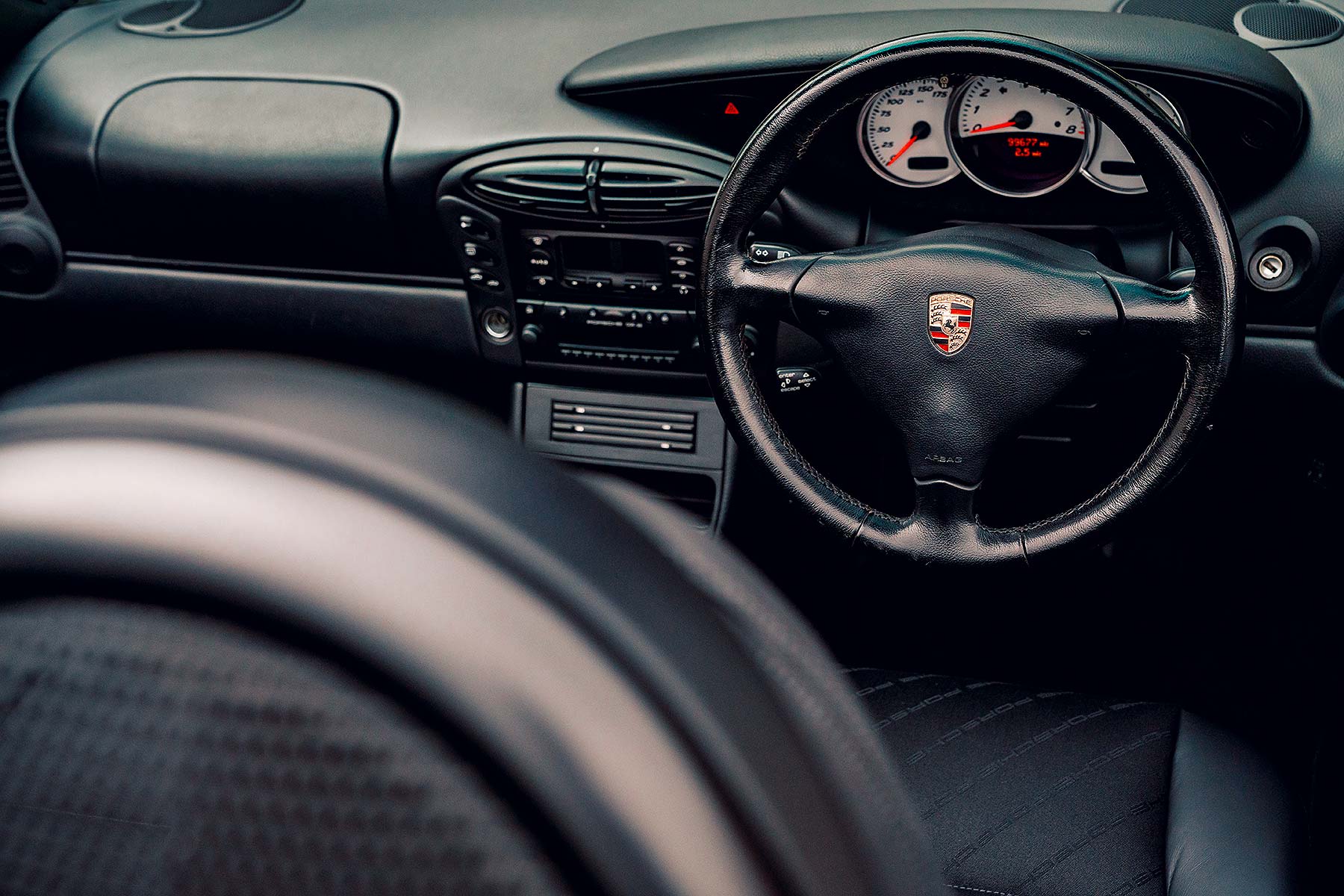
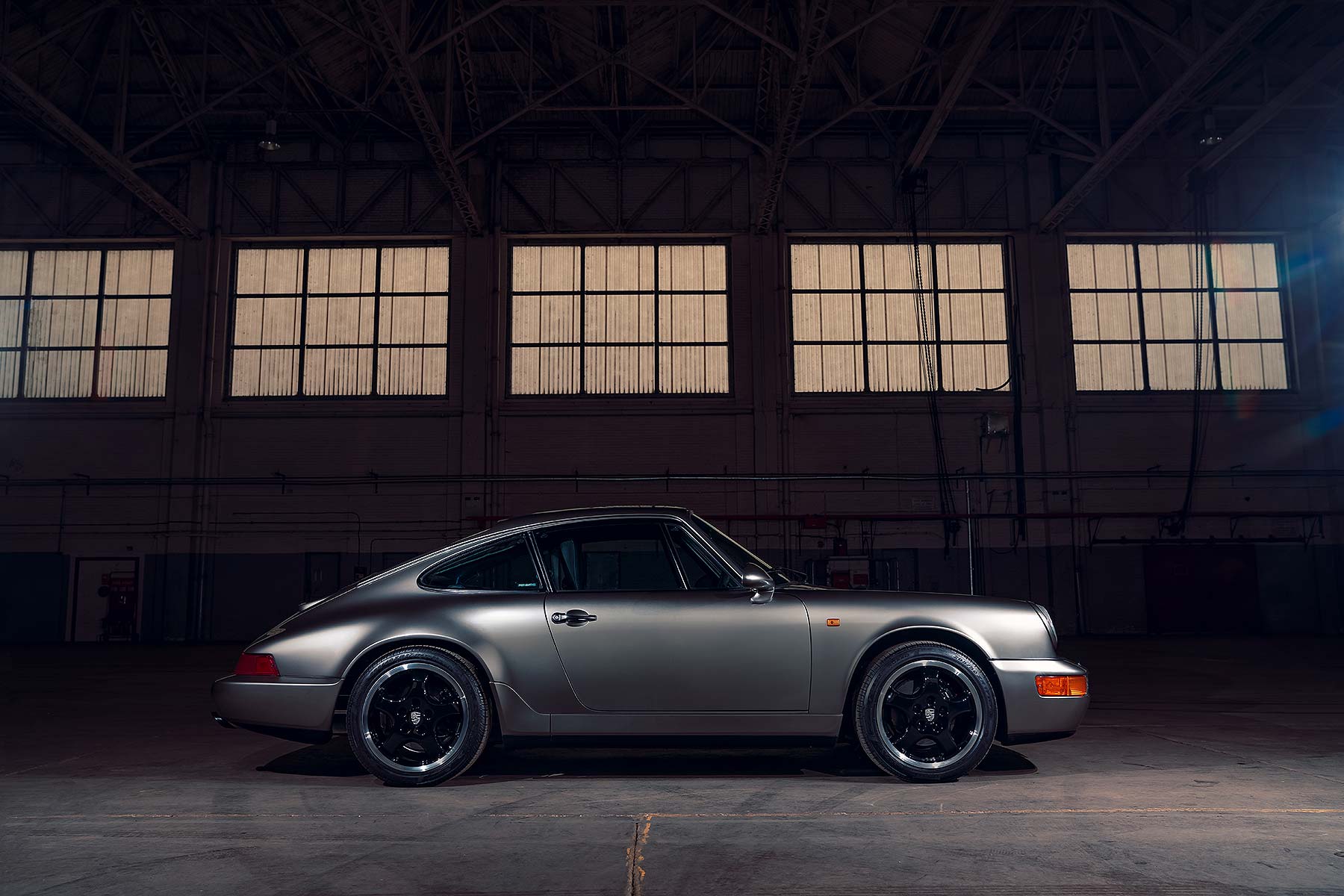
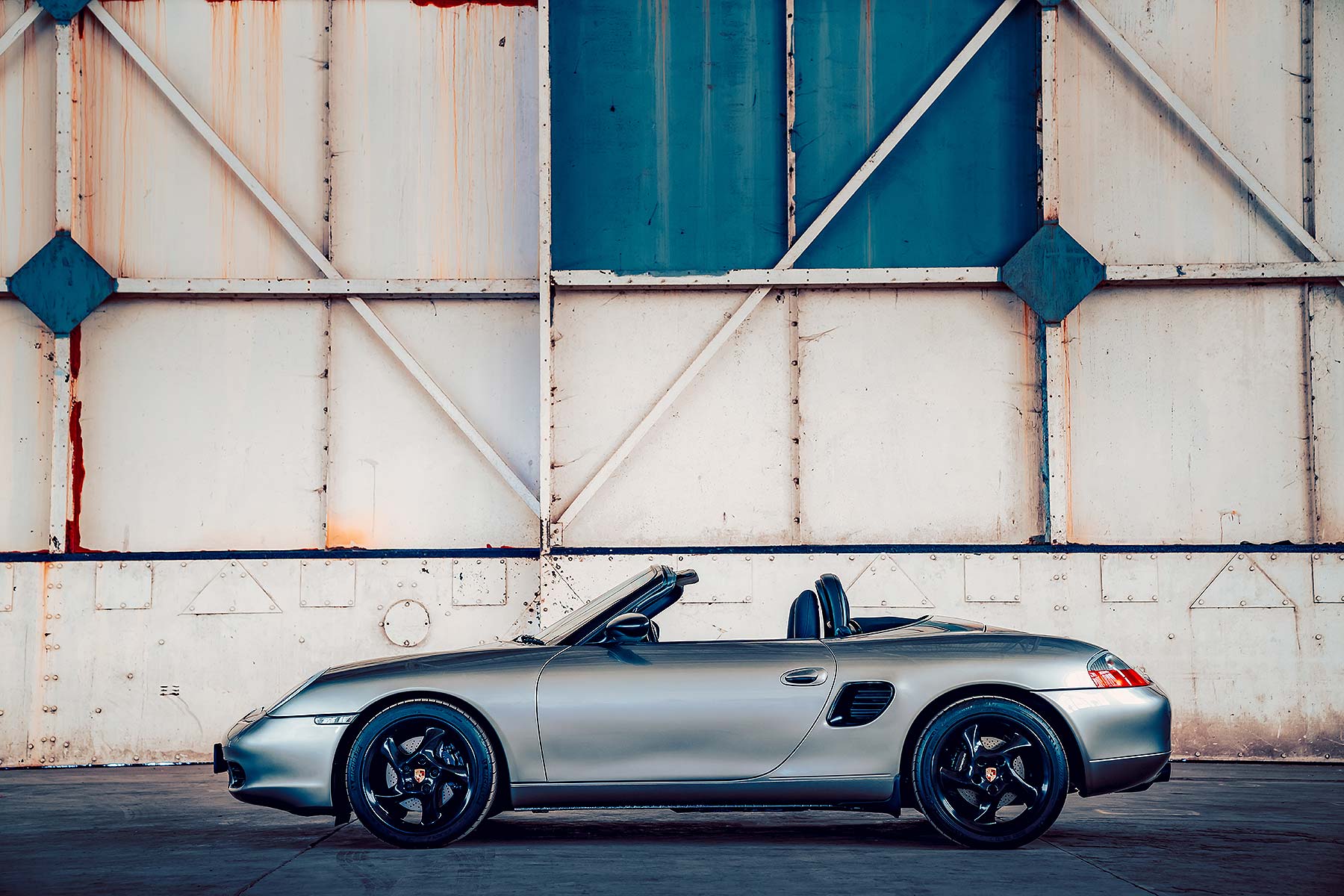
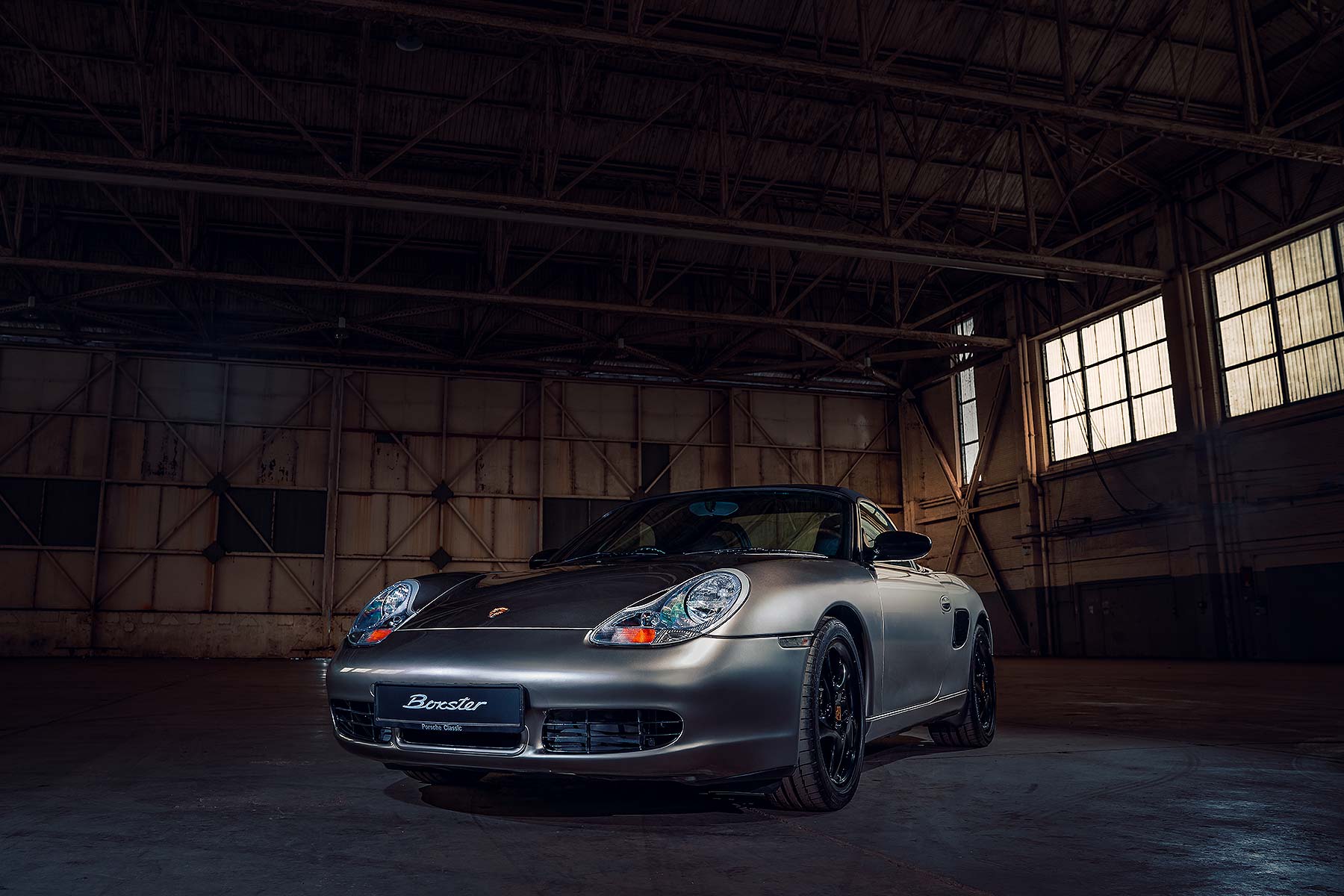
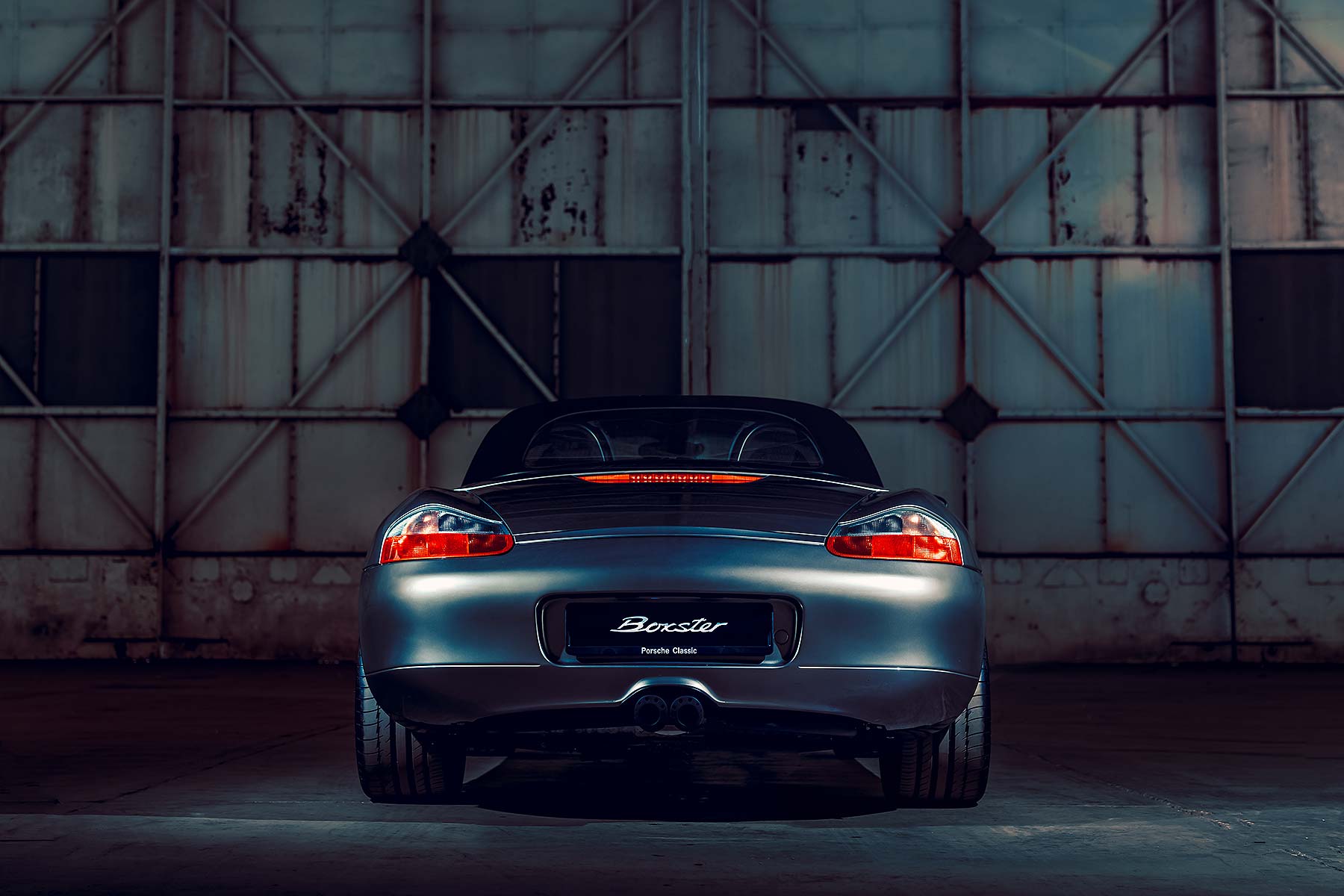
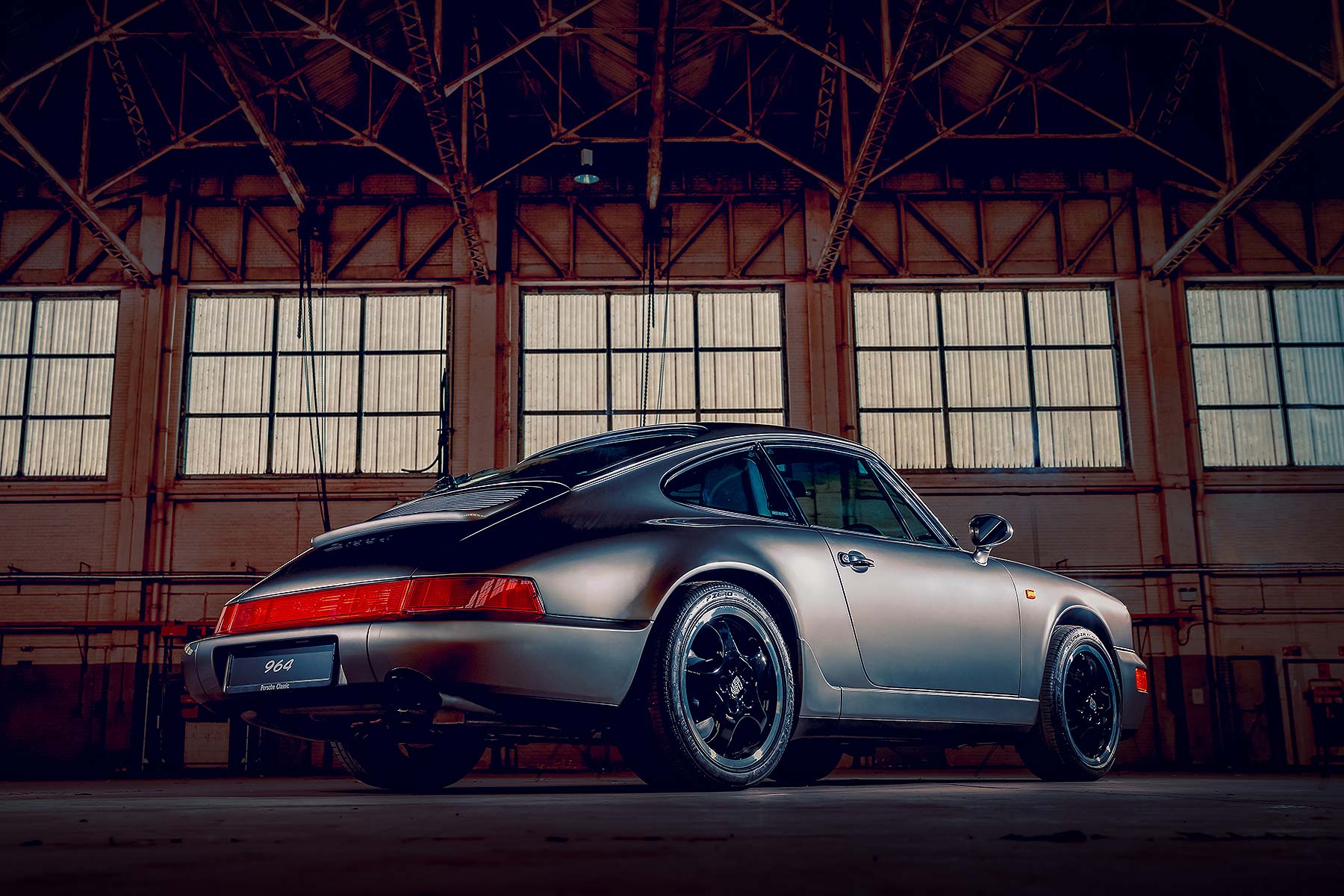
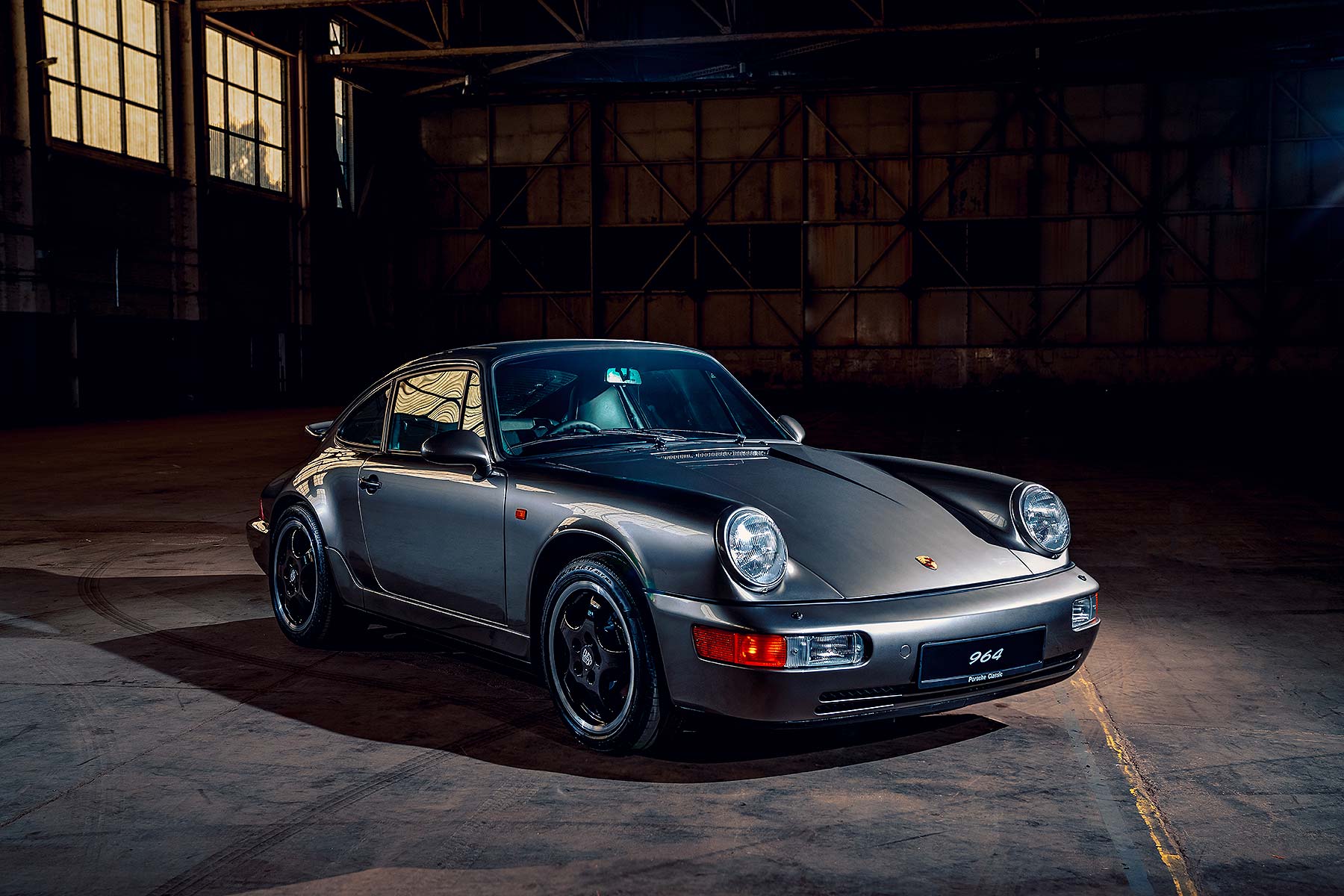
Porsche has commissioned 20 special restorations to demonstrate its cars’ history, hardiness and the extent of its classic catalogue. All the cars will be on display at the Classic Motor Show in Birmingham this weekend.
We’re nearly at the end of Porsche’s 70th anniversary year – and what a year of celebrations and spectacular models it’s been. The fun’s not over yet, though, with the 20 classics coming to the NEC, all fully restored and presented in special 918 Spyder ‘Liquid Metal’ silver.
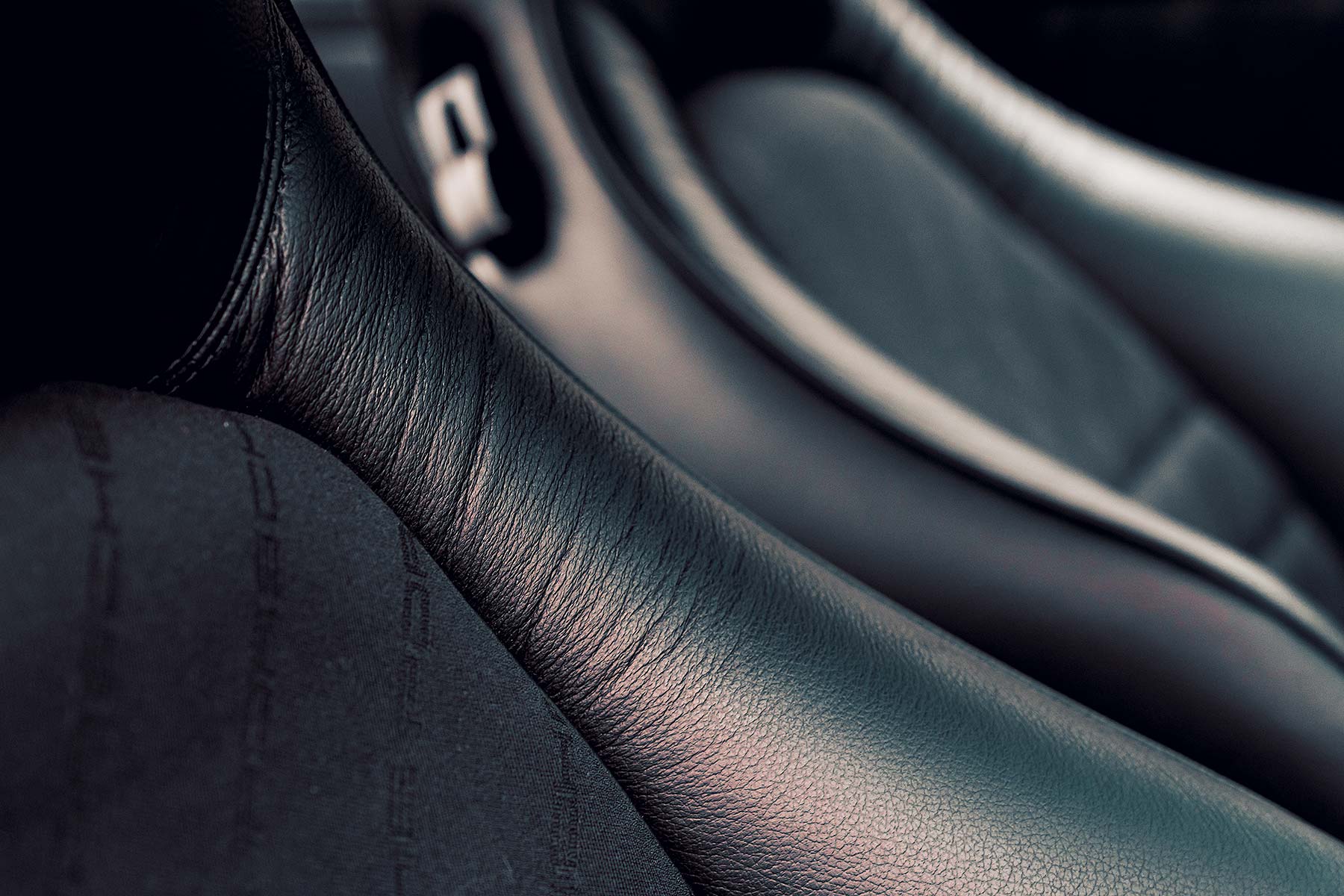
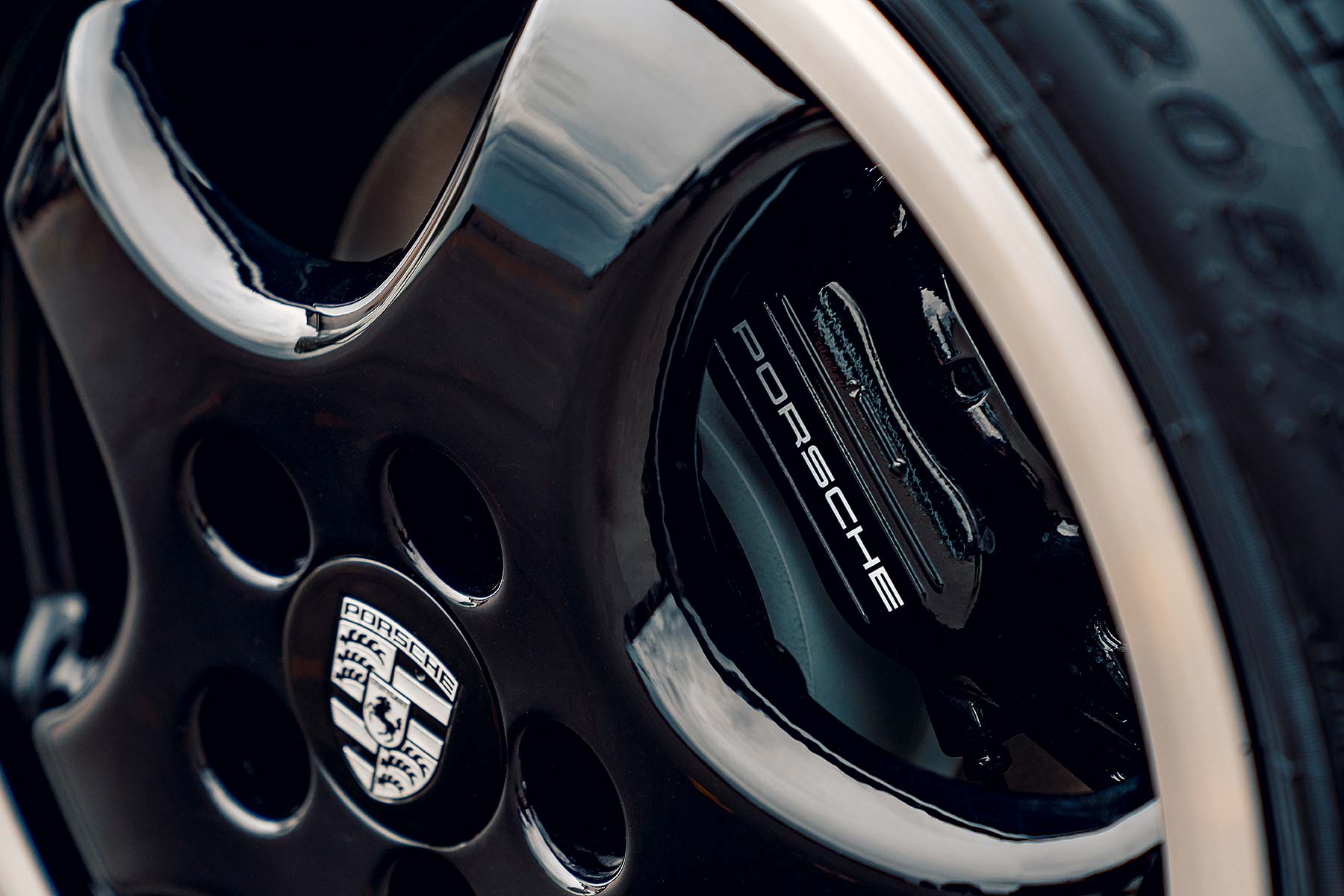
What was the level of restoration? Well, this is Porsche, so about as extensive as it gets. Each car was submitted by an individual Porsche Centre or specialist selected by Porsche GB for the project. All received what the company describes as a ‘bare metal restoration’. That’s everything off, down to the chassis, for a component-parts recommission.
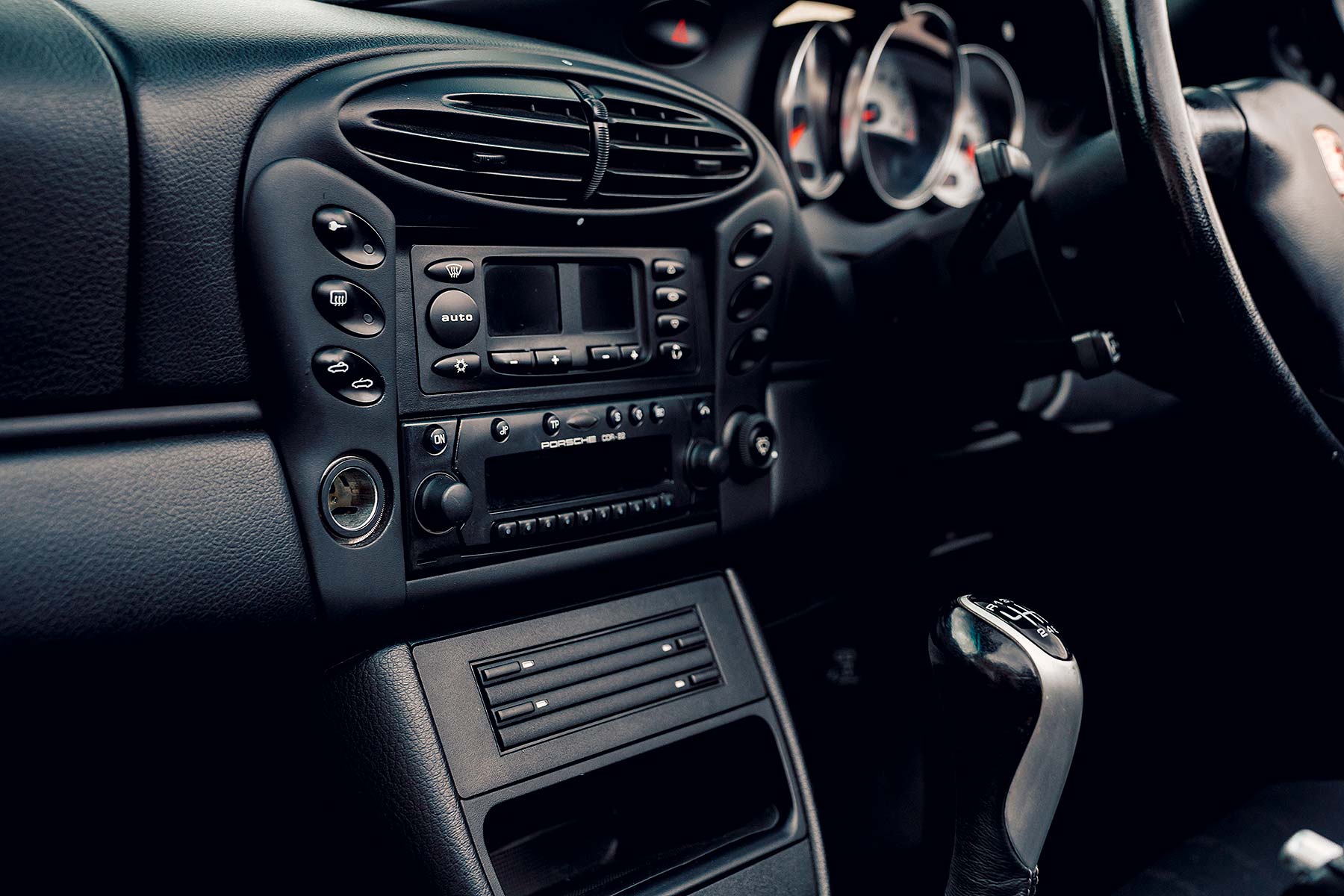
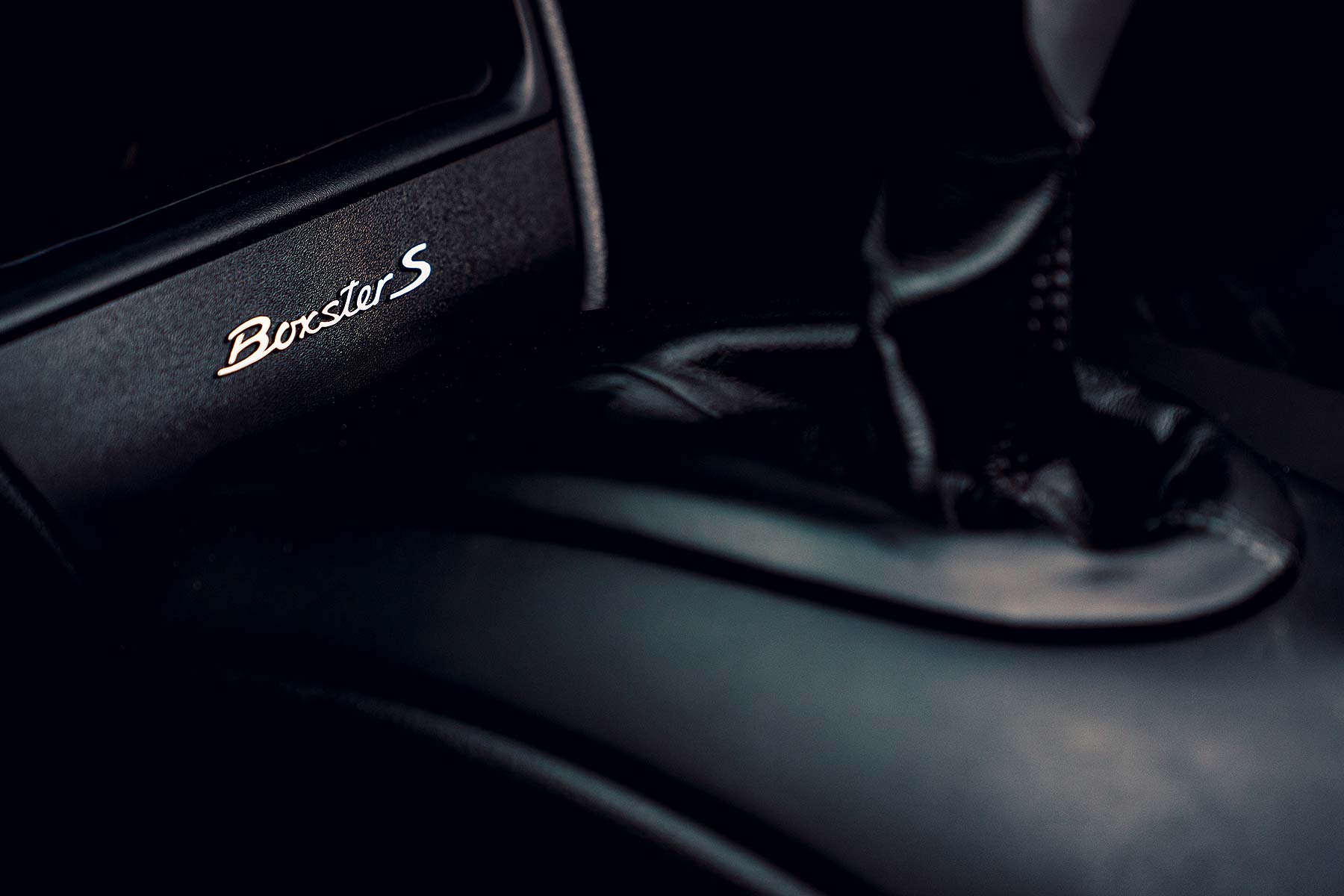
The range of cars spans from ‘996’ 911s and Boxsters from as late as 2003, all the way back to a 1970 914, with a 928, 968, 944, 924 and 911s of many vintages in between.
This selection is supposed to encapsulate Porsche’s sports car golden age. That’s 30 years worth of front-, mid- and rear-engined, water- and air-cooled sports cars presented in better-than-new condition.
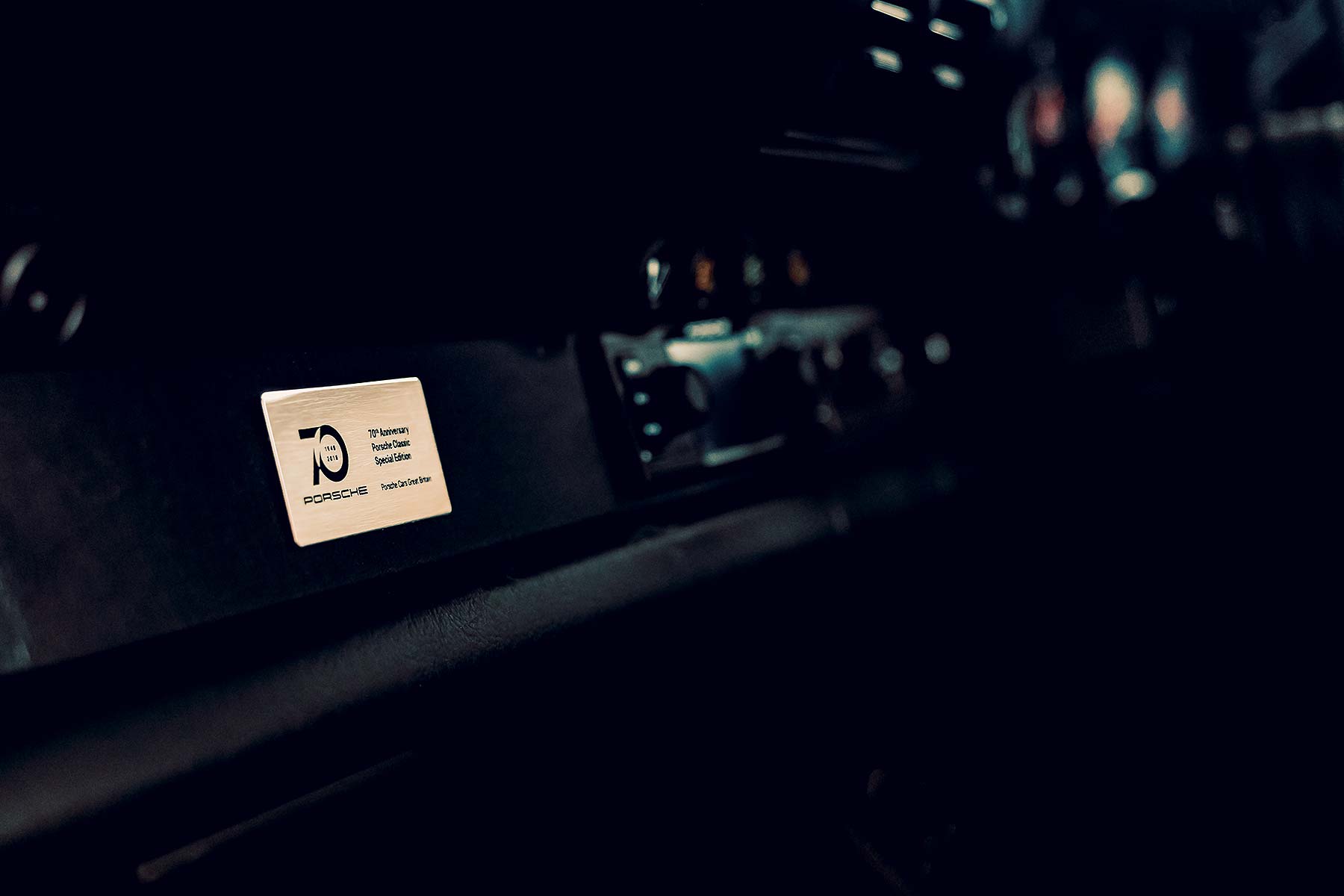
We say ‘better than new’ as some of these cars will also feature Porsche Classic Parts, such as retro-style satellite navigation and tracking systems. Each car gets a ’70 years of Porsche’ plaque, as well as a subtle graphic on the outside.
“Following the success of previous restoration projects, we were keen to find another initiative to tie in with celebrations of 70 years of Porsche sports cars,” said Jonathan Mannell of Porsche Cars GB.
“The customer feedback from our Centres participating in the previous restoration competitions indicated that there was demand for authentic restorations of Porsche models across the spectrum. Bringing our history and tradition alive in this manner is also a great way to help celebrate the 70th anniversary of the first Porsche sports car.”
Read more:
Lucky Brazilians will soon be able to buy this funky Volkswagen Tarok pickup
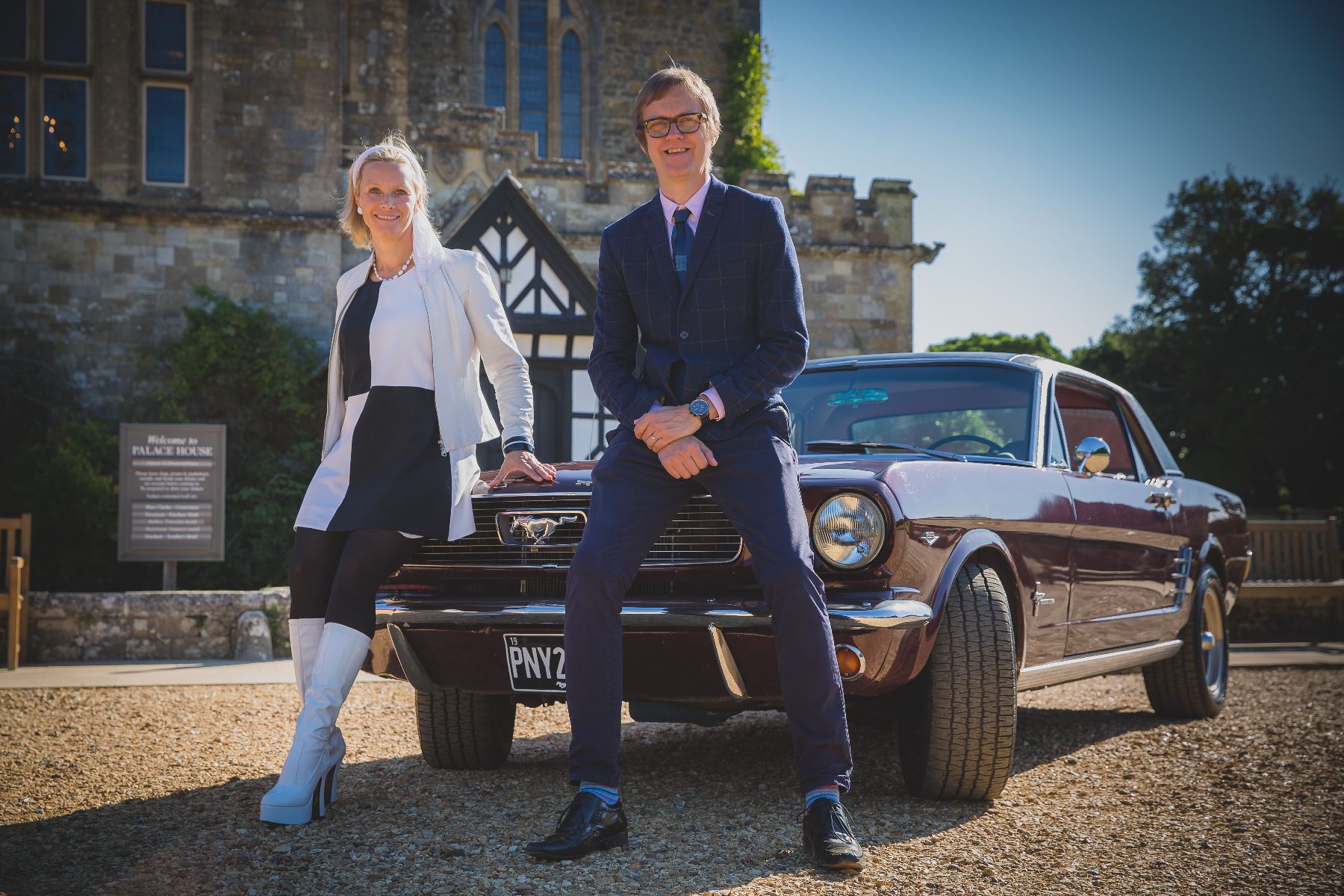
The Car Years is a new motoring TV show hosted by Vicki Butler-Henderson (of Fifth Gear and Top Gear fame) and Alex Riley (The One Show, The Classic Car Show).
Each episode will focus on a specific year, with the presenters picking their favourite car from that year.
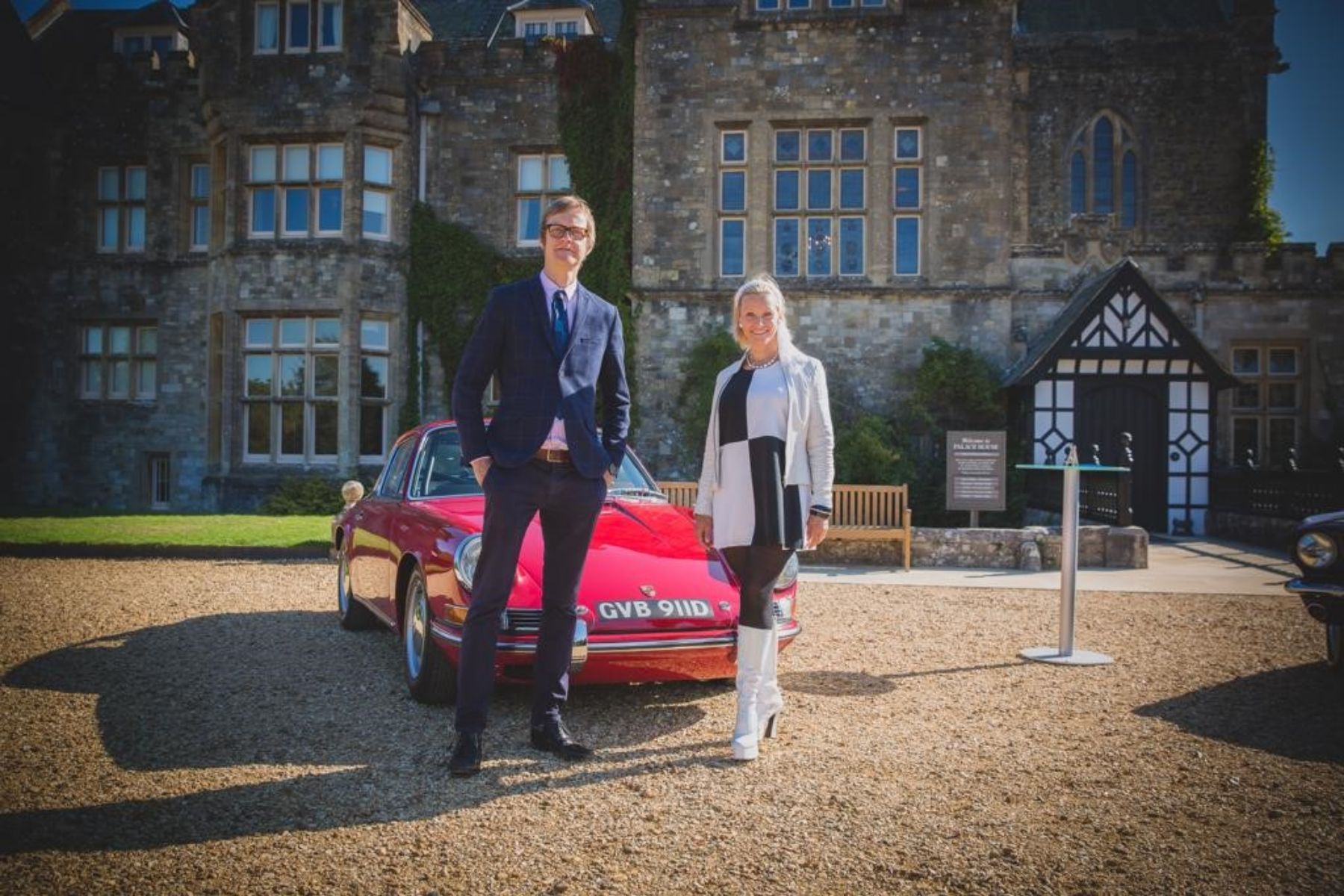
The first episode is based on 1964 – and the hosts have picked the Porsche 911 and the Ford Mustang respectively. A big year for cars, right?
Vicki and Alex make a case for their car to a panel of experts. These include Chris Rutledge, managing director of Coys, Quentin Wilson (of old Top Gear) and ex-Top Gear and current The Grand Tour script editor, Richard Porter. Whichever car wins gets crowned the car of its year.
“I’m thrilled to be part of this beautifully shot series that allows us to tell the stories behind some of the best known and interesting cars ever made” said VBH.
“This show is a rare thing – it’s all about the cars. We’re not telling people how to be a dealer or a restorer and we’re not just larking about, instead we’re championing great cars and telling the fascinating stories behind them,” explained Alex Riley.
The show will surely be as educational as it is entertaining. Maybe we will even learn a thing or two about some of our favourite retro rides?
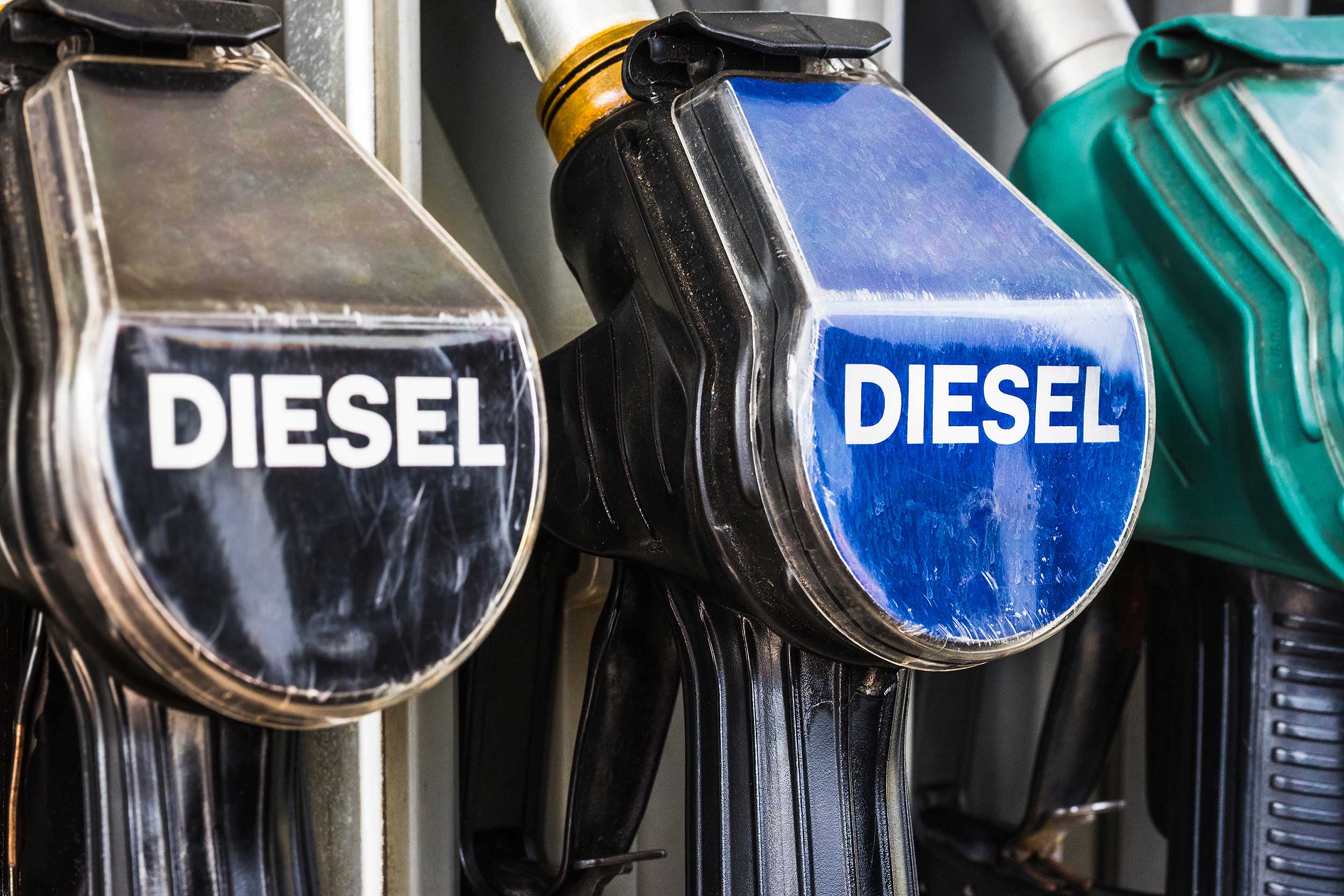
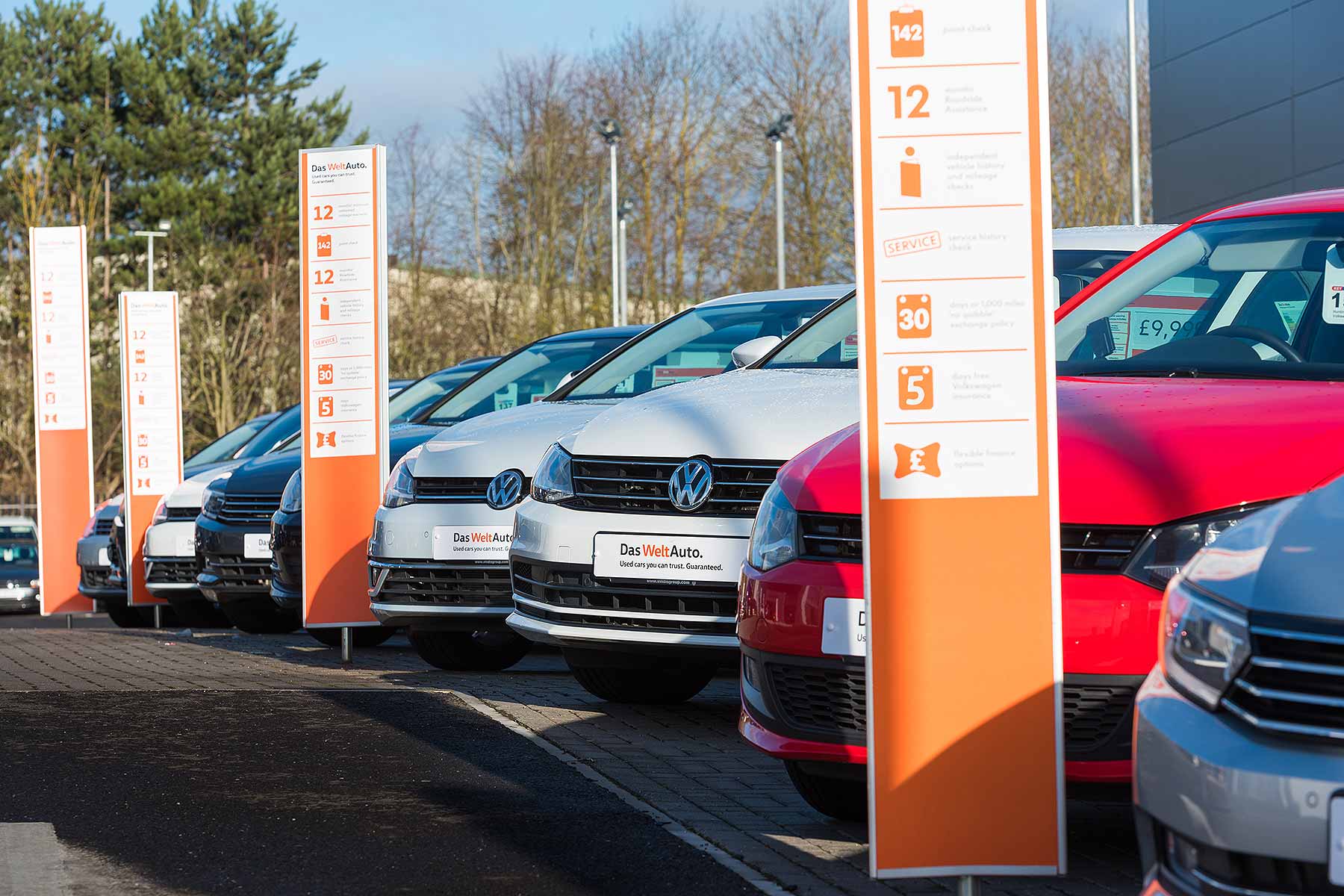
The trend has not, however, been repeated in the used car sector, according to new evidence from Glass’s. The data firm has looked back at trade values for diesel cars up to five years of age – and, over the past three years, discovered there has been little change.
Used diesel car prices have not crashed, as some predicted. But there has still been a split from petrol and alternative fuel vehicles (AFVs) – ironically caused caused by the previous popularity of diesel.
Glass’s says that because fewer people were buying new petrol cars, there is now a shortage of good used petrol and AFV cars in the secondhand car market. This is making it tricky for dealers to stock their forecourts with these in-demand cars. Trade prices are, as a result, going up.
And the result on used car forecourts? Diesels are now selling faster than petrol cars, as they’re now both cheaper to buy as well as being cheaper to run. “Consumers view diesel as a more attractive value proposition” says Glass’s editor Rob Donaldson.
“These are still key drivers for retail customers, often outweighing all other considerations.”
But the trend may not continue indefinitely, he adds. The slowdown in new diesel car sales will lead to tighter supplies of secondhand models “and, conversely, an increase in petrols and AFVs.
“We should expect a firming of diesel prices, unless retail demand weakens with increasingly negative legislation.”
Buy your affordable used diesel cars while you can, then, as prices compared to petrol cars may not remain such good value indefinitely.
The first in-car air purifier has been launched in the UK today. And, if what its maker, Airbubbl, says about air quality in our cars is true, such products may soon become the norm.
The problem is invisible but very real. Airbubbl’s research indicates that professional drivers suffer with cabin air pollution levels equivalent to smoking 54 cigarettes a year.
However, it’s the ‘980 passively smoked cigarettes’ figure that hits home more: the equivalent of being in a room with a person smoking three cigarettes every day. In high-congestion urban environments, pollutant levels can be up to 140 percent higher in the cabin than outside the car.
The new Airbubbl air purifier is said to remove more than 95 percent of dangerous gases and pollutants from the cabin of a car within 12 minutes. It’s designed to combat the health risks faced by professional drivers in particular.
“If you are someone who drives for a living you, unfortunately, spend the majority of your day in a vehicle where you are constantly breathing in dangerous gases and pollutants” said Marc Ottolini, CEO of Airlabs.
“Commercial drivers are forbidden from smoking in their vehicles because we all recognise the risks associated with smoking and passive smoking, yet we underestimate the damage that a vehicle filled with polluted air is having on the health of professional drivers.
“As with any other occupation, professional drivers are entitled to a safe working environment.”
Air pollution has been linked to 40,000 premature deaths per year. On average, we can expect to lose around six months of life expectancy due to air pollution.
Whether this filter will boost life expectancy for users is up for debate. That we should do all we can to reduce our intake of dangerous pollutants is a no-brainer.
The Airbubbl in-car air purifier is available now from the company’s website and from Amazon, priced from £300.
The new BMW Z4 made its European debut at the 2018 Paris Motor Show and is the latest in a long line of Z cars dating back to the 1980s. Here, we chart the history of BMW’s Z cars, from the Z1 to the new ‘G29’ Z4. But first, a look at one of the ancestors…
Fit for The King
It had been a long time coming. Until the Z1 arrived in the Italian town of Punta Ala ahead of its big reveal, the two-seater sports car had been absent from the BMW range since the 1950s. That car was the V8-engined 507, a sports car so beguiling it was fit for The King. Elvis Presley, that is…
BMW 507
A tough act to follow, for sure, but not to the extent that you would turn your back on the sports car market for the best part of three decades. Yet that’s precisely what happened. When BMW 507 number 252 was shipped to its owner, it signalled the end of BMW two-seater sports car production until the board of management came up with the idea of creating a new department. A creative think tank, where engineers, technicians and designers were given free rein to work on turning concepts into reality.
BMW Technik GmbH
The name of the company was BMW Technik, known internally as ZT. Within just six months, the 60-strong team had delivered a range of concepts under the name of ‘Z1’. It seemed like a long shot, but the BMW board gave the project the green light and a working prototype was presented within a year. In August 1986, BMW Technik went public with its first product: the BMW Z1, with the Z standing for Zukunft, German for ‘future’.
BMW Z1
Not that the Z1 was the only fruit of BMW Technik’s labour. Within three-and-a-half years, the technology-focused company had completed 140 projects, including the steering wheel and the finned alloy wheels for the BMW M5. But the Z1 was its most high-profile effort and the car that would kick start a new era of BMW sports car production. It was put on display at the 1987 Frankfurt Motor Show and such was the response, BMW had to press forward with a production version.
BMW Z1
It was the brainchild of Dr Ulrich Bez, who left Porsche to join BMW in 1982, only to return to Stuttgart in 1988. His legacy was one of the most innovative and fascinating cars of the 1980s. In just over three years, BMW Technik designed, developed and built a car with a new shape, new rear suspension, new transaxle driveline and a body featuring sliding doors and PVC panels.
BMW Z1
Such was the strength of the monocoque, the Z1 could be driven without any of the 13 clip-on panels in place. Indeed, the task of removing or replacing the ‘skin’ could be achieved in just 30 minutes. But the sliding doors were the Z1’s chief party trick: a feature so innovative, Gwyneth Paltrow starred in a film devoted to their genius. Probably.
BMW Z1
From a driver’s perspective, there was more to the Z1 than a pair of trick doors. At its heart – or rather, at its ‘front-mid’ – was the 170hp straight-six engine from the BMW 325i. By mounting it 10 inches further back, the engineers achieved near-perfect 49:51 front-rear weight distribution. Furthermore, what BMW described as “go-kart-like handling” was achieved by a new multi-link axle comprising two transverse control arms and one longitudinal control arm. It was dubbed the ‘Z-axle’.
BMW Z1
Initial response was overwhelmingly enthusiastic. As the first Z1 rolled off the assembly line in early 1989, BMW had received 4,000 orders and production was sold out until the end of 1990. It wasn’t cheap, but a list price of 83,000 Deutschmarks didn’t deter buyers. Indeed, sales contracts were changing hands for 20,000 Deutschmarks. After a run of 8,093 cars, production ended in June 1991. A right-hand-drive version was never built, but that didn’t stop unofficial sales in the UK.
BMW Z1 Coupe
BMW planned four-wheel drive and coupe versions of the Z1, with the latter making it as far as the mock-up stage. Although it never made it beyond a concept, its influence on the future Z3 coupe is clear to see.
BMW Z1 Art Car
In spring 1991, the artist A.R. Penck adorned a red Z1 with black graffiti, adding another member to the series of BMW Art Cars. Six months earlier, BMW Motorsport had arranged a ‘Z1 adventure tour’ to the south of France, comprising a flight in a helicopter, track time at the Paul Ricard circuit and accommodation in sport hotels.
BMW Z3
Although development started in 1991, it would be four years before BMW unveiled a successor to the Z1. The Z3 lacked the technical and technological wizardry of the Z1 – normal doors and no Z-axle – but it would it sell in far greater numbers than its predecessor. This was also the first BMW to be built outside of Germany, with Z3 production taking place in an all-new plant in South Carolina.
BMW Z3
One of the first people to get behind the wheel of the BMW Z3 – and indeed, to even see the new car – was Pierce Brosnan. Under guard, the Z3 was used as a Bond car in Goldeneye, with the producers under strict instructions not to allow anyone other than the film crew to see it. The Z3’s short appearance upset 007 purists: this was the first non-British production car to be used as a key Bond car.
BMW Z3
Not that anybody at BMW was in the least bit concerned about traditions and patriotism. The short appearance in Goldeneye helped shift over 300,000 models, and the entire first year’s allocation sold out before the Z3 arrived in showrooms. BMW even built 100 special ‘007 Edition’ cars, with the entire allocation selling out within 24 hours.
BMW Z3
At launch, the Z3 was available with a 1.8-litre engine developing 115hp or a 1.9-litre engine with an output of 140hp. Neither were particularly rapid – the 0-62mph times were 10.5 and 9.5 seconds respectively – which is why BMW added more powerful motors. The 2.2, 2.8 and 3.0-litre engines delivered the power the Z3 needed, but it was never the sharpest sports car on the market.
BMW Z3 M Roadster
In 1997, BMW launched the Z3 M Roadster with the 321hp 3.2-litre straight-six engine from the M3. It was like a regular Z3 pumped full of testosterone: huge wheels, flared arches and mirrors and dials exclusive to the M were just some of the upgrades. In truth, it couldn’t quite handle all that power, while the absence of traction control in the early cars meant that it needed to be treated with respect.
BMW Z3 M Coupe
If the Z3 M Roadster was a bit of a letdown, the Z3 M Coupe felt anything but. The styling still divides opinion, but the roof improved torsional rigidity, doing wonders for the handling, while the ‘breadvan’ rear-end added some additional practicality. The Z3 M Coupe is, without a doubt, the ultimate Z3 and prices have been on the rise for a while.
BMW Z8
In 1999, BMW paid homage to the 507 in the form of the Z8. Power was sourced from a 5.0-litre V8 engine producing 400hp, which was mated to a six-speed manual gearbox. Much like the Z3, it wasn’t the ultimate driving machine BMW would have you believe, but it has become a collector’s item, with good, low-mileage examples changing hands for big money.
BMW Z8
For the critics, the Z8’s biggest problem was its lack of a clear identity. Sure, it looked glorious, with its retro undertones, but was it designed to be a lazy boulevard cruiser or a B-road weapon? Today, the Z8 is appreciated for its styling penned by Henrik Fisker and its M5-sourced 5.0-litre V8 engine.
BMW Z8
Once again, James Bond was on hand to thrust a new BMW into the limelight. The Z8 enjoyed more screen time than the Z3, appearing multiple times in The World Is Not Enough, although it met a rather cutting end courtesy of a circular saw. No Z8s were harmed during filming: the car of two halves was created using a Corvette engine and a kit-car chassis.
BMW Alpina Roadster V8
Alpina has worked its magic on BMW Z cars, including the Z1 and Z4. But its best work was reserved for the Z8, which became the Alpina Roadster V8. A 4.8-litre V8 engine was fitted in place of the standard car’s 5.0-litre unit, with the manual gearbox replaced by a ZF automatic transmission. It produced 381hp and delivered a more relaxed and smoother drive. Just 555 were built, all left-hand drive. This example sold at the RM Sotheby’s Monterey sale for $400,000.
BMW Z4 (E85)
The BMW Z4 was unveiled at the 2002 Paris Motor Show, with power sourced from a choice of two straight-six engines: a 3.0-litre producing 231hp and a 2.5-litre with an output of 192hp. The styling was penned by Danish designer Anders Warming under the direction of Chris Bangle, with production handled by the factory in South Carolina. The Z4 Coupe was launched as a concept at the 2005 Frankfurt Motor Show before a production version was unveiled at the 2006 New York Motor Show.
BMW Z4 M Roadster and Z4 M Coupe
The Z4 M Roadster and Z4 M Coupe also arrived in 2006, with power sourced from the six-cylinder engine from the BMW M3. With 343hp available, the Z4 M could hit a top speed limited to 155mph.
BMW Z4 GT3
BMW built a dozen works racing cars using the Z4 M Coupe, with the engines tuned to produce 430hp. The Z4 won 11 of the 16 races in the VLN Endurance Racing Championship in 2009 and 2010, and spawned a successor in the form of the Z4 GT3. This car produced 515hp from its 4.4-litre V8 engine.
BMW Z4 (E89)
The second-generation Z4 launched in spring 2009, with the big news being that this was the first Z car to use a retractable folding hardtop roof. As a result, there was no longer a need for separate roadster and coupe versions of the car.
BMW Z4 Zagato Roadster and Coupe
In 2012, BMW and Zagato collaborated on two special editions, one launched at the Concorso d’Eleganza Villa d’Este and the other at the Pebble Beach Concours d’Elegance. The Zagato Roadster took just six weeks to create and highlights included the rear lights set behind black tinted glass, paintwork designed to look like a cloak of liquid metal, and 19-inch alloy wheels.
BMW Z4 GTE
In July 2012, BMW began working on the Z4 GTE, the successor to the Z4 GT3. Designed for the American and European Le Mans Series, the GTE used the same 4.4-litre V8 engine as the GT3, with the new car showcasing revised aerodynamics. It made its debut at the 2013 12 Hours of Sebring and raced until 2015.
BMW Z4 (G29)
That’s the history, but what of the future? The new BMW Z4 roadster made its global debut during Monterey Car Week before making its first European appearance at the 2018 Paris Motor Show. Developed in conjunction with Toyota, the cumbersome folding hard-top roof has been ditched, with the Z4 reverting back to a folding soft-top. As a result, the new car will be lighter and, we hope, better to drive. Time will tell…
 The Manx TT is one of the greatest races in all of motorsport. Over two weeks in late spring every year, motorcycles shriek though thirty-seven miles of public roads: narrow streets, rollings hills, blind corners, and stone walls.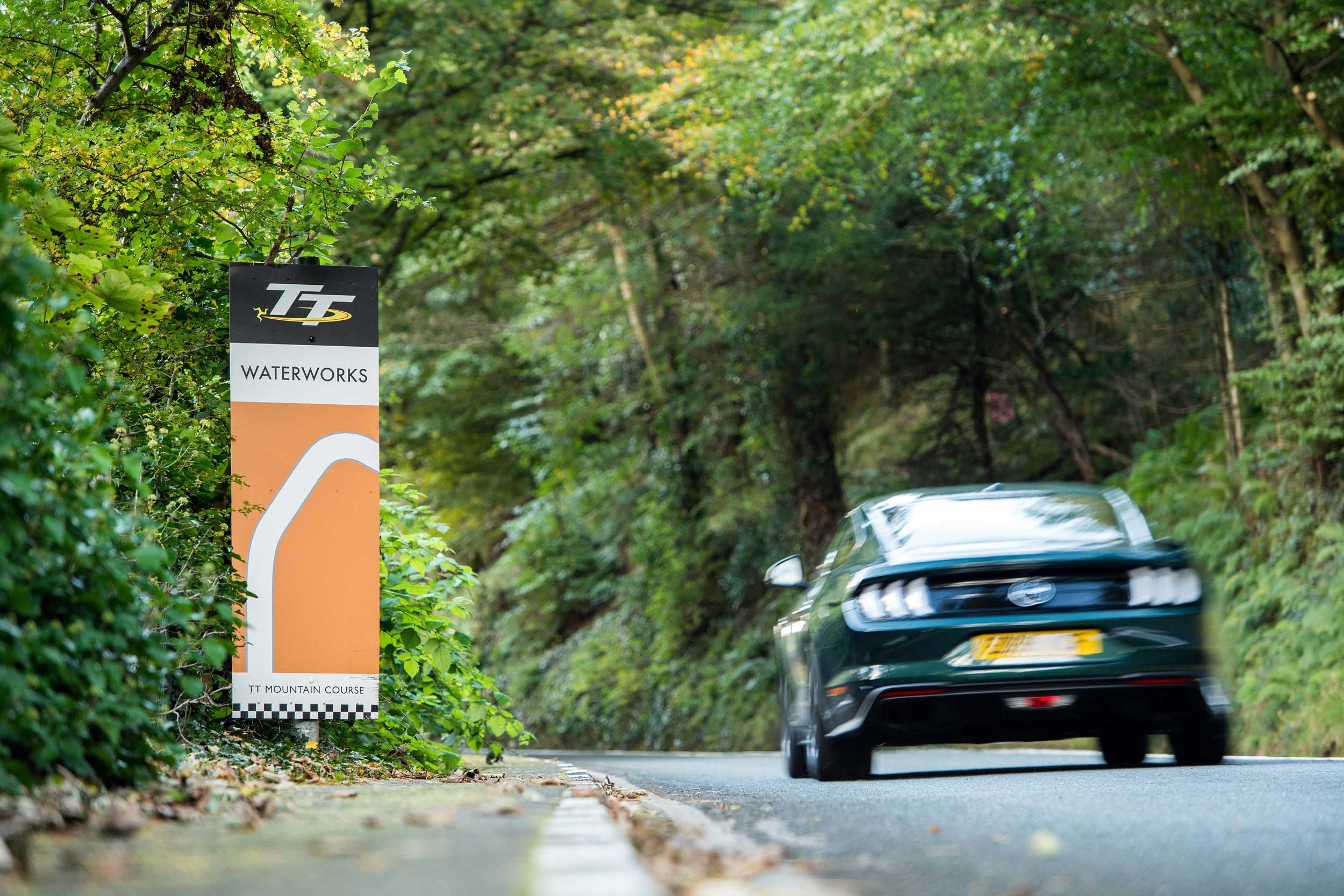
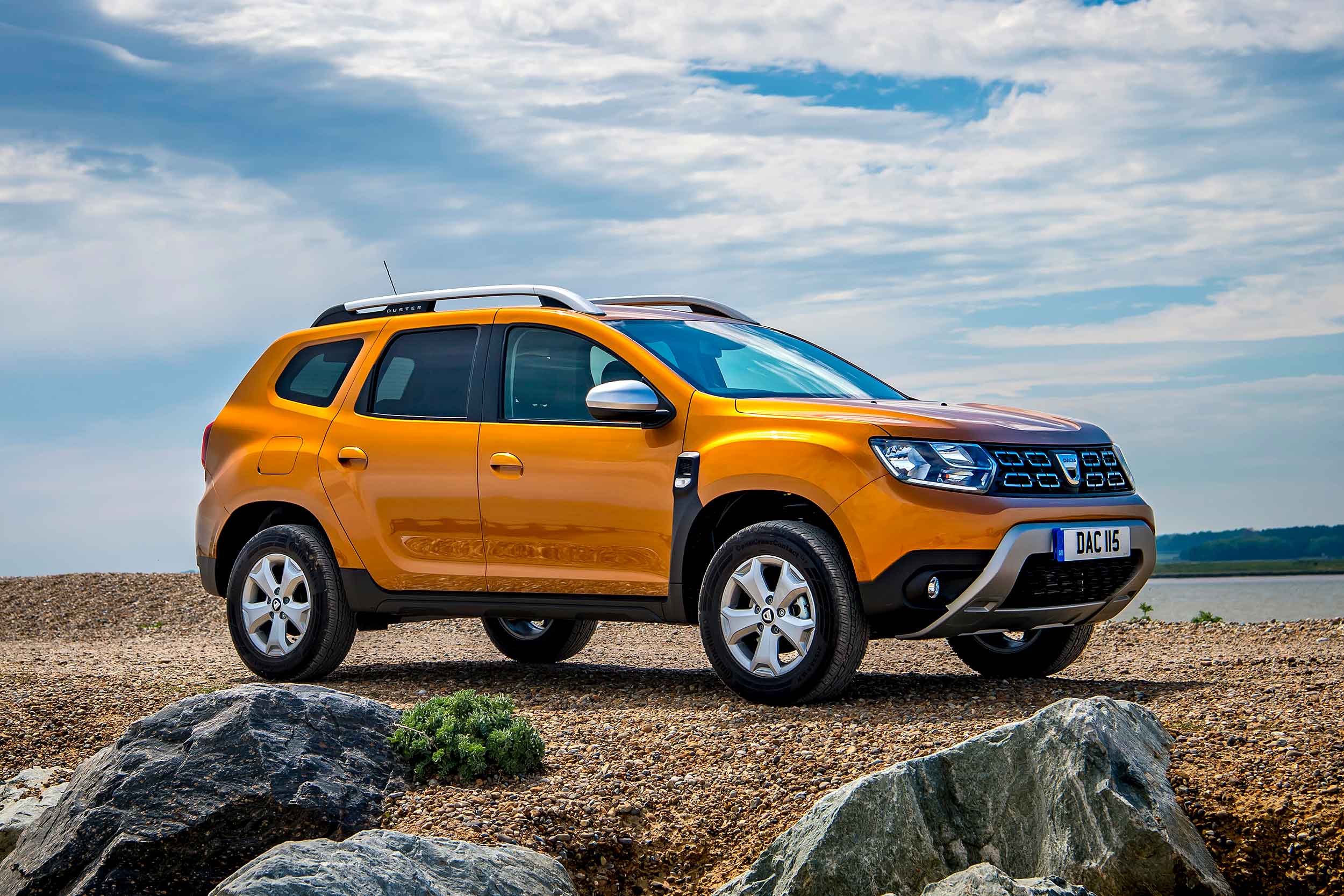 Dacia Buy Online is a new online sales platform that allows motorists to buy a new car at any time, from any platform or device – and the UK is the first country in the world to go live with it.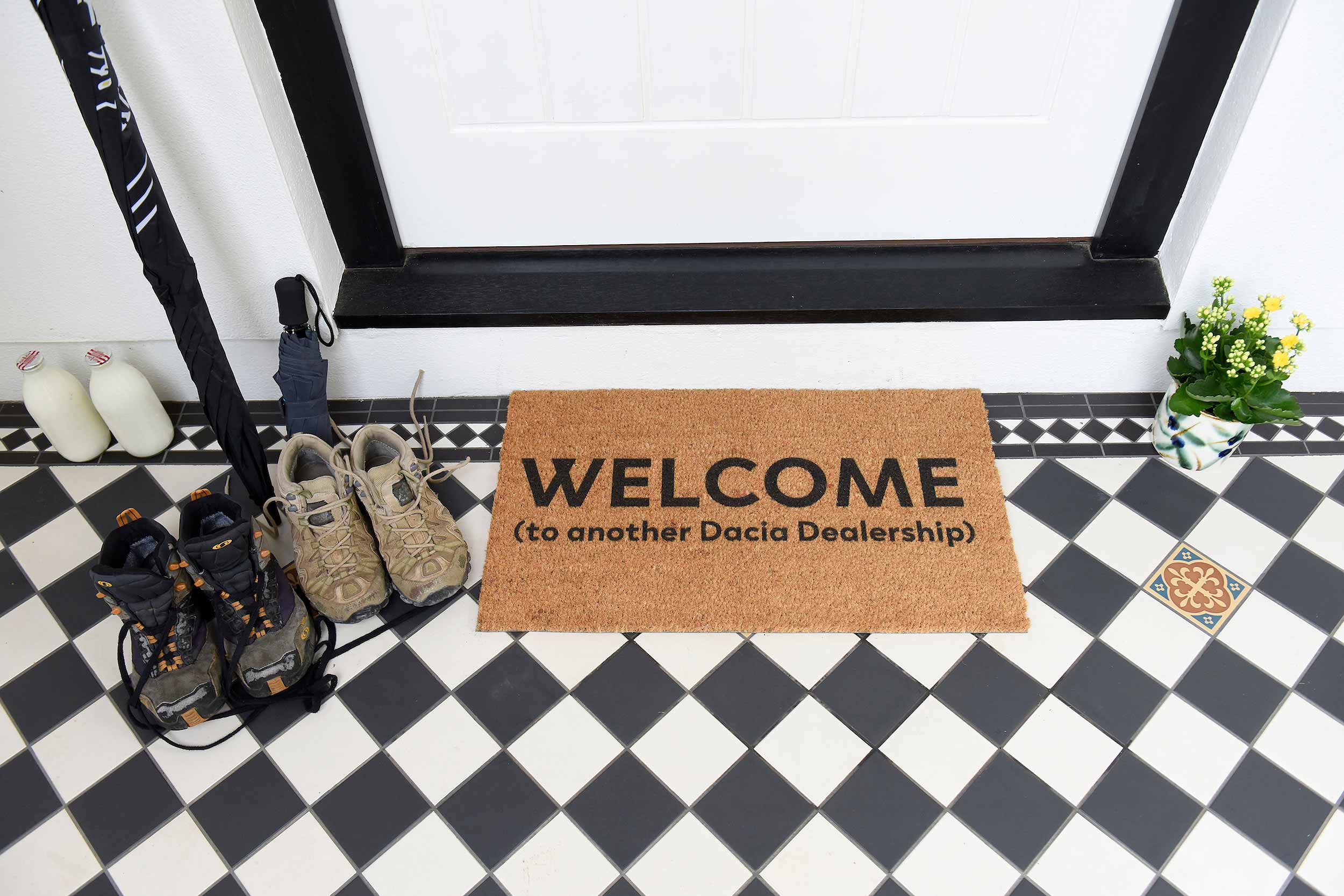
 Apple CarPlay is the must-have car tech feature for iPhone users. But for those without inbuilt sat nav in their car’s infotainment system, it’s also been somewhat frustrating, as it has only supported the proprietary Apple Maps nav, not user favourites such as

 The
The