Home Blog Page 438

The crazy world of Group B rally cars

0

Group B Audi Quattro rally carsOn 2 May 1986, Henri Toivonen and his co-driver Sergio Cresto were killed while racing in the Tour de Corse. It signalled the end for the notorious Group B rallying – the final act in a series of unfortunate events involving super-fast and super-light rally cars.

More than three decades on, and despite the deaths and serious injuries, Group B is remembered as one of rallying’s greatest periods. We mark the 30th anniversary with our favourite Group B cars.

It’s no coincidence that rallying’s most formative years were also its most dangerous. Back in the 1980s, the sport was more popular than F1, with rally drivers becoming household names. For carmakers, Group B was like being let off the leash – free to build crazy machines with only 200 road cars required for homologation purposes.

Horsepower went through the roof and the cars became ever lighter. It was a recipe for disaster, but the fans loved it, keen to line the tarmac, snow and gravel stages of the world, often within touching distance of the mega-horsepower machines.

Audi quattro / Sport quattro

Group B Audi Quattro rally cars

Four-wheel drive and turbocharging – today it sounds like a simple recipe, but when Audi launched its quattro, it was both radical and groundbreaking. Audi works driver, Stig Blomqvist described the difference between two- and front-wheel drive as “day and night”. Indeed, Audi was able to secure a formidable team, with Michele Mouton and Hannu Mikkola joining Blomqvist.

Hannu Mikkola drove the Audi quattro to the drivers’ championship in 1983, with Stig Blomqvist repeating the achievement in 1984. The German firm was totally dominating the sport, with success on the track translating to sales in the showroom. Its quattro technology revolutionised world rallying, forcing its competitors to play catch up. They did catch up, but it took a while.

Lancia Delta S4

Group B Lancia Delta S4

In 1983, the Lancia Rally 037 was the last rear-wheel drive car to win a World Rally Championship. Its replacement — the Delta S4 — was a mid-engined, four-wheel drive Group B monster, designed to take the fight to Audi. Indeed, aside from the Peugeot 205 T16, it was the only genuine rival to the all-conquering quattro.

Its supercharged and turbocharged engine produced between 450hp and 500hp, with its kerb weight of 890kg highlighting all that was good — and indeed bad — about Group B rallying. The Delta S4 was one of Group B’s wildest childs and will forever be remembered as the car crashed by Toivonen at the 1986 Tour de Corse. The Finn’s death signalled the end for Group B.

Ford RS200

Group B Ford RS200

Looking back, it’s as though the world’s carmakers were on some kind of drug in the 1980s. That’s the only rational explanation for Ford creating the RS200. Its birth was a direct result of the cancellation of the Ford Escort RS1700T, but it wouldn’t arrive until the 1986 season – the final year of Group B.

If it looks radical today, just think what it must have looked like in the mid 80s. Aside from Sierra rear lights and windscreen, the RS200 looked nothing like the standard Ford cars of the day, while its Kevlar body hid a 1.8-litre engine developing 420hp. Sadly, an RS200 driven by Joaquim Santos was involved in an incident in which three spectators died and a further 30 were injured. It was the first of many incidents which led to the eventual ban on Group B cars.

Peugeot 205 T16

Group B Peugeot T16

For many fans of rallying, three cars make up the Holy Trinity of Group B: the Audi quattro, the Lancia Delta S4 and the Peugeot 205 T16. Designed to take on the might of Audi, the 205 T16 was lighter and therefore more nimble than its German rival; winning the Drivers’ and Constructors’ titles in 1985 and 1986.

With 335hp on tap — a figure that would increase to 420hp and then 500hp — Jean Todt was able to assemble an all-star cast for his Peugeot Talbot Sport team. None other than Ari Vatanen, Timo Salonen and Juha Kankkunen took the wheel of the 205 T16 cars, creating a Group B match made in heaven.

MG Metro 6R4

Group B Metro 6R4

Rose-tinted glasses are a wonderful thing. Three decades on we look at the MG Metro 6R4 with a huge amount of affection, not least because of its success in ‘Clubman’ spec. But as a Group B rally car it has to go down as a failure, with a succession of engine failures leading to a series of DNF classifications.

Not to be confused with the Metro driven by your mother, the 6R4 featured a mid-mounted V6 engine, flared arches and integral roll cage. In case you were wondering, 6R4 stands for 6 cylinder, Rear engine, 4-wheel drive.

Ferrari 288 GTO

Group B Ferrari 288 GTO

When is a Group B car not a Group B car? When it’s a Ferrari 288 GTO. While many manufacturers chose to go rallying, a few ventured down the track route, one of which was Ferrari. The 288 GTO was designed to go racing and Ferrari was to build 200 road cars. But with the death of Group B, Ferrari was left with a car without a race series…

No matter, because such was the demand for the 288 GTO — first seen at the 1984 Geneva Motor Show — Ferrari pressed ahead with a production run of 272 examples. The world was glad it did, because the 400hp 288 GTO became one of the defining Ferraris of the 1980s. And it was all thanks to Group B…

Citroen BX 4TC

Group B Citroen BX 4TC

But while Ferrari created a Group B icon, Citroen created an embarrassment. The French firm was so ashamed of the BX 4TC, it cancelled the project and ordered all remaining cars be scrapped. Its ungainly looks were thanks to its engine, which was mounted too far forward, while the car itself was too heavy and suffered from horrendous understeer.

By 1988, some two years after the death of Group B, only 85 of the planned 200 cars required for homologation had been sold. Around half of these survived Citroen’s night of the long knives, making the 4TC highly collectable today. That said, it remains one of the cheapest entries into Group B ownership.

Porsche 959

Group B Porsche 959

Perhaps the most technologically advanced of all Group B cars, the Porsche 959 never actually entered a Group B race. Development of the Porsche ‘Gruppe B’ took far too long, which meant that by the time it was complete, Group B had already been consigned to the history books. But that didn’t stop the 959 from establishing itself as a legend.

Indeed, though rallying became less important to Porsche, the 959 did secure an impressive one-two in the Paris-Dakar Rally of 1986, while a track-focused car took a class win at Le Mans. At the time, this 197mph was the fastest road-going car in the world. Another reason to celebrate Group B.

Lancia Rally 037

Group B Lancia Rally 037

Some cars are born too soon for their own good. The stunning Lancia Rally 037 is a good case in point. Though it was successful in the 1983 World Rally Championship — securing the Constructors’ title — the writing was already on the wall, with Audi proving that four-wheel drive represented the future of world rallying.

It was the first Group B car to be built and was seriously quick on tarmac surfaces. But its rear-wheel drive nature meant it was unable to match the Audi quattro on snow and gravel, so its days on the podium were numbered. It was replaced by the Delta S4 and subsequently the Delta HF Group A.

Opel Manta 400

Group B Opel Manta 400

The greatest Group B car ever produced? Far from it, but we all have a soft spot for the Opel Manta 400. Work started on the car back in 1981, but FISA didn’t give it the stamp of approval until 1983. It made its debut in Corsica.

The Opel Manta 400 made extensive use of Kevlar, with the front wings, front panel, bonnet, doors, rear arches, boot lid, spoiler and headlight holders all made from the lightweight material. That’s the nature of Group B – anything goes.

Nissan 240RS

Group B Nissan 240RS

Nissan’s Group B entry was the 240RS coupe. It was powered by a 2.4-litre engine developed specifically for Group B, with power transferred to the rear wheels using a Nismo transmission.

Being rear-wheel drive, it enjoyed limited success on the world’s circuits, but it managed a second place in the New Zealand Rally.

Toyota Celica Twin-Cam Turbo

Group B Toyota Celica Twin-Cam Turbo

Thanks to its success in the Safari and Ivory Coast Rallies, the Toyota Celica Twin-Cam Turbo earned itself a nickname of ‘King of Africa’. While other carmakers were switching to four-wheel drive, Toyota stuck with rear-wheel drive, much to the disappointment of team boss Ove Andersson.

It made its debut on the 1983 1,000 Lakes Rally, where Juha Kankkunen drove it to a respectable sixth place. On its next outing it finished first on the 1984 Ivory Coast Rally. The end of Group B signalled the end for the Celica Twin-Cam Turbo and a new beginning for the Celica with a new four-wheel drive drivetrain.

Citroen Visa Mille Pistes

Citroen Visa Mille Pistes

The Citroen Visa Mille Pistes followed the earlier Visa Trophée and Visa Chrono models, providing entry-level access to Group B rallying. While it was never going to compete for honours, the Mille Pistes did achieve a number of class wins.

Its engine was a tuned version of the road-going 1.4-litre engine found in a number of Citroen and Peugeot models, but with four-wheel drive added for the first time in a Visa. Many fell into hands of privateers and — much like the BX 4TC — it provides one of the most affordable ways to experience Group B.

Skoda 130LR

Skoda 130LR

The Visa’s direct competitor was this – the Skoda 130LR. The rear-engined rally car was based on the Skoda 120 road car and was powered by a 1.3-litre engine developing 132hp.

After Group B was cancelled, the Skoda 130LR continued to be used in national events until 1988. In its day, the Skoda was quite a formidable and durable giant-killer.
Advertisement

Bentley Advanced Connectivity offers 5G internet speeds in your car

0

What does the car of the future look like? Is it electric? Almost certainly. Is it autonomous? Probably. Is it connected? Absolutely. But better-connected cars are what Bentley customers want right now. And what Bentley customers want, they often get.
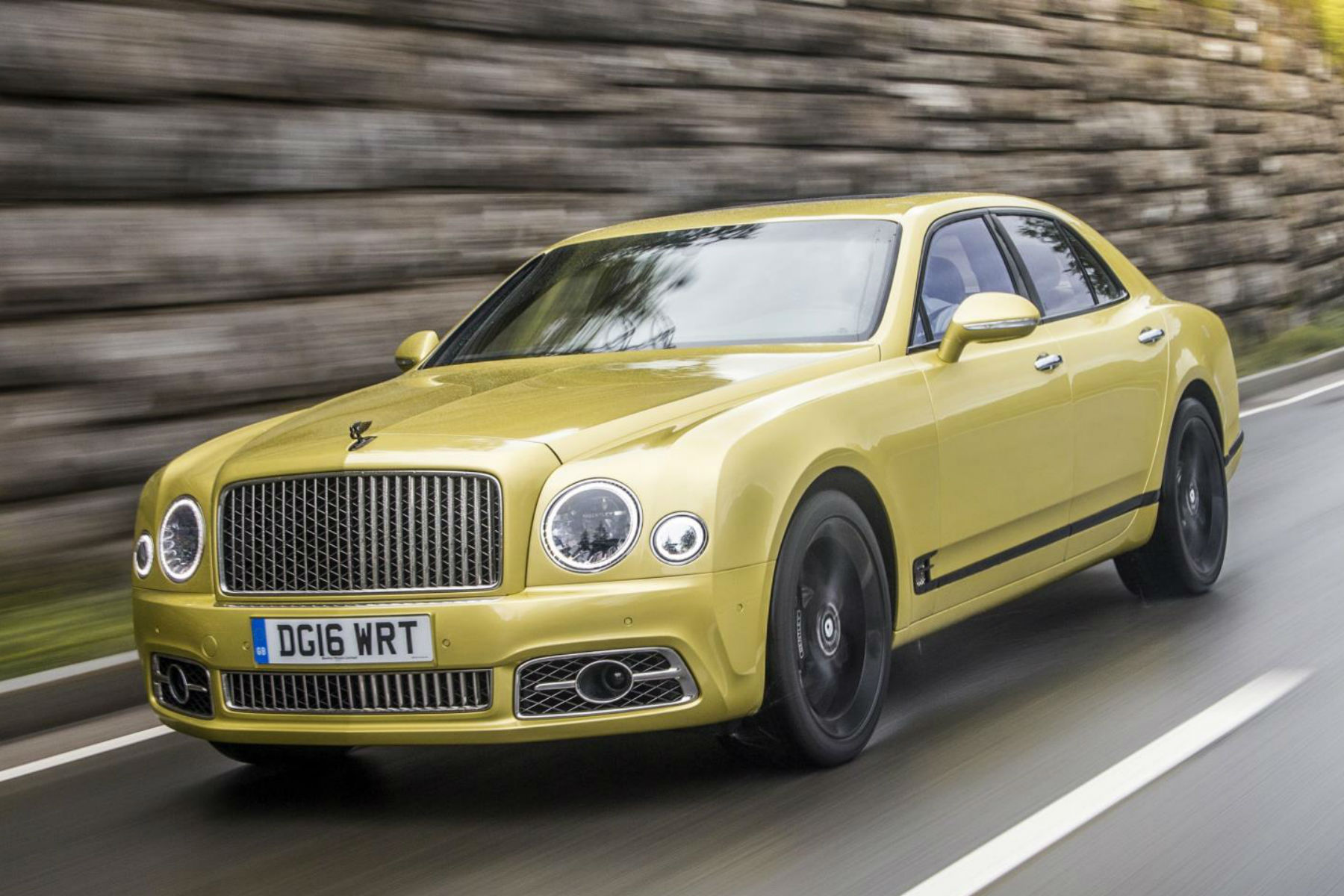
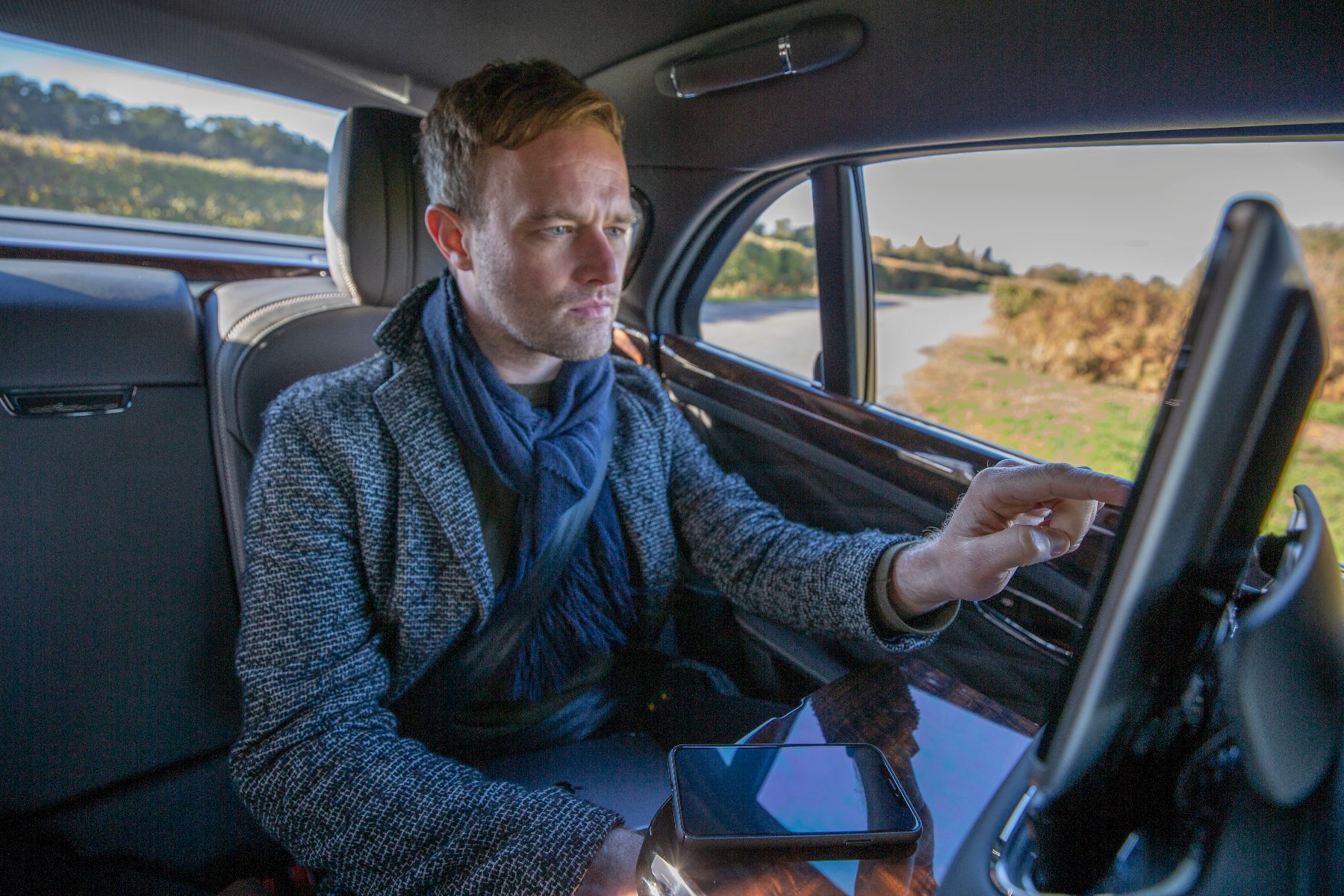
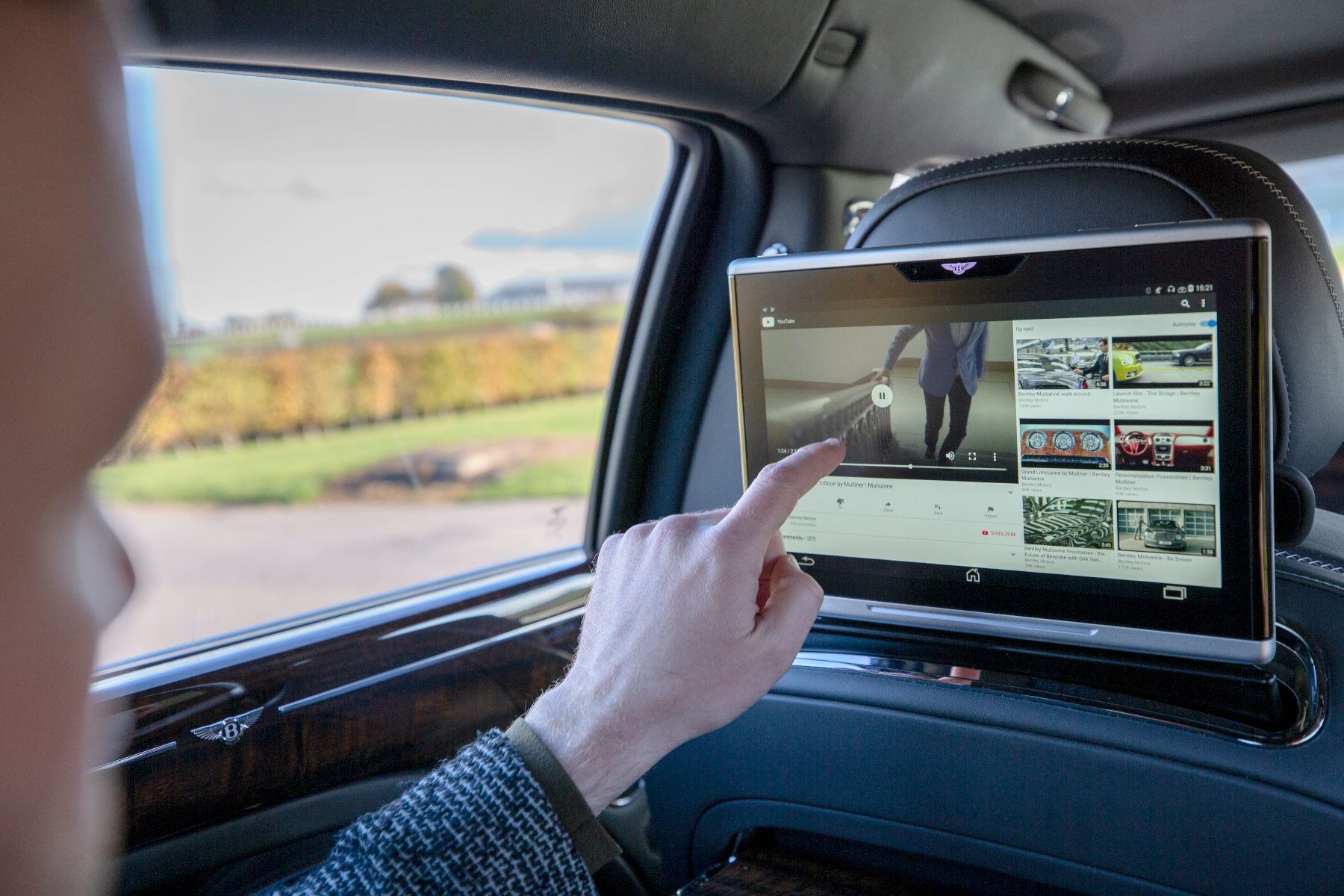
That’s where Bentley Advanced Connectivity comes in. We could all find ourselves passengers in our own cars at some point, but a good portion of Bentley owners have been ‘back-seat drivers’ throughout the marque’s 99-year history. That makes Bentley the perfect carmaker to begin carving out a connected future.

“It’s normal that Bentley is looking at these kinds of things because of who our customers are and what they need,” said Hamid Qureshi, connected car product manager at Bentley.

What is Bentley Advanced Connectivity?

Bentley Mulsanne Speed

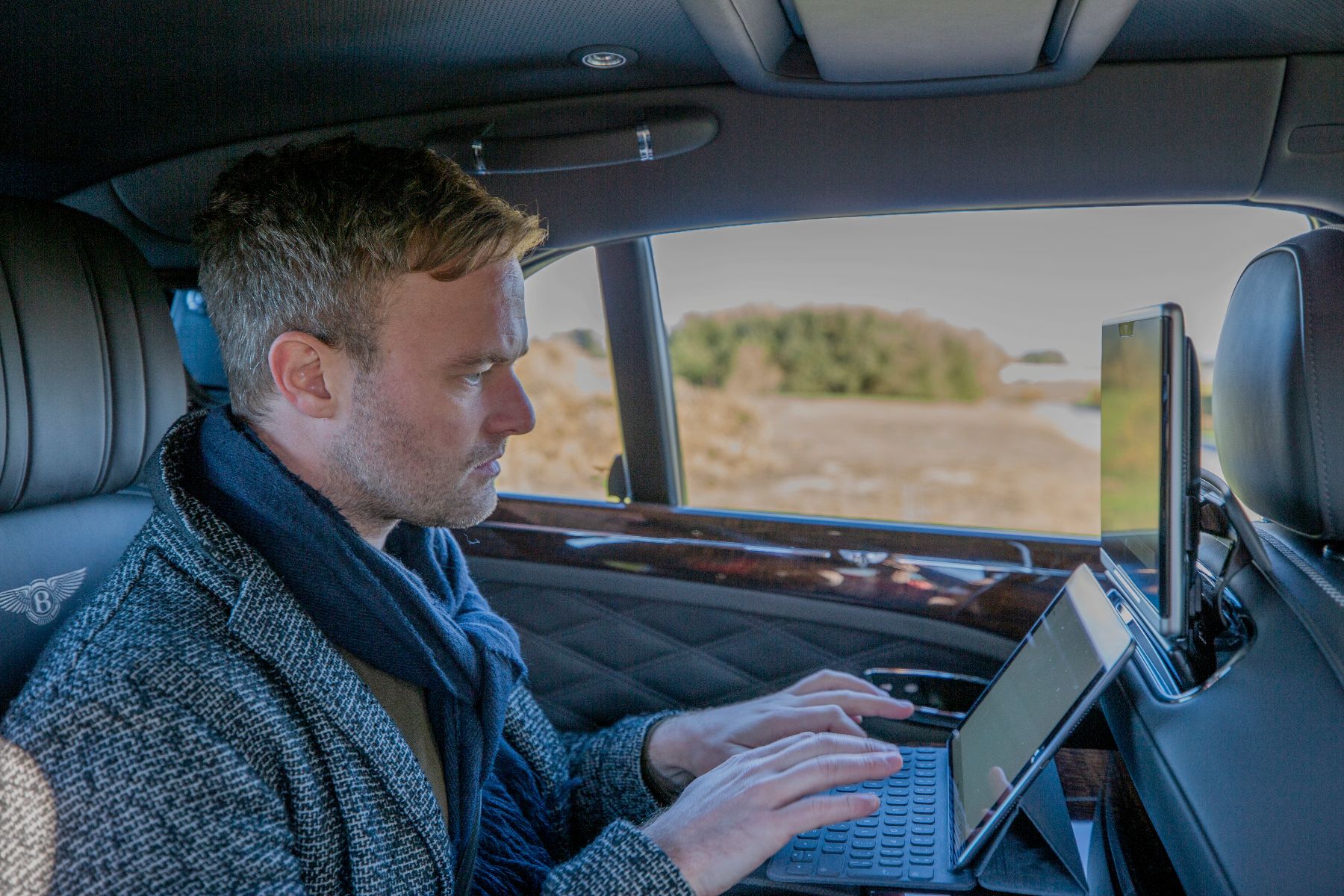
Bentley Advanced Connectivity is super-strength wi-fi that turns a Mulsanne into a “luxury automotive office and entertainment space”. That means your 4K video or very important Skype business call will stay smooth on the move. 

“Our customers, in particular, have a need,” continued Hamid, “whereby they’re often being driven somewhere, and the back of our cars is used as an office or entertainment space. That means data-intensive work, content streaming or otherwise.

“Whenever we’re in a fast moving object like a plane, train – or a Bentley – it’s difficult to keep connected. Wi-fi loss, signal loss… we all have different experiences of this. We wanted to provide a solution here and now.”

How does it work?

Bentley has partnered with Californian satellite communications company Viasatt to develop an in-car router. Interestingly, it takes advantage of improvements made in global connectivity via one of Viasatt’s secret military applications. 

The installation itself is a three-SIM router mounted in the car with two wi-fi antennas and eight – yes, eight – LTE antennas. Six are active and two are dormant – future-proofing for heightened internet speeds to come.

That router can connect to any super-fast wi-fi hotspot on the planet, be it at your home, office or yacht. Yes, Hamid cited a yacht as a possible connectivity, er, anchor.

You can expect speeds up to 50mbps when sat still. That’s more or less equivalent to the upcoming 5G signal strength.

The future of connected tech

For reasons that sound a lot like “we’re not showing you our hand”, Hamid ducked questions about the pie-in-the-sky autonomous concepts we’ve seen of late from the likes of Volvo and Renault. His only comment was that if it makes sense for the industry to be investigating something, Bentley probably is as well.

Bentley Advanced Connectivity is the functional gestation of that kind of future. Advancing and improving the experience of the passenger, not just in a traditional ‘luxury’ sense, but also in technological terms.

“We’re very much keen to frame it around the customer, understand his or her needs and wants. We want to centre it around the customer’s lifestyle.

“We within Bentley know that the industry and the infrastructure is gearing up. It’s not ready. It’s good to look at the technology but we need to know what our customers need now.”

A Bentley thus-equipped will offer industry-leading wi-fi strength anywhere on Earth. It’s not a film-set fantasy from Blade Runner or Minority Report, but rather what we all want here and now. It’s also something we’ll likely see in our conventional cars at some point. Not before Bentley customers get it first, though…

Pricing hasn’t been announced yet, but Bentley Advanced Connectivity will be available from next year.

Read more:

Advertisement

Seat and Segway are launching an electric scooter

0

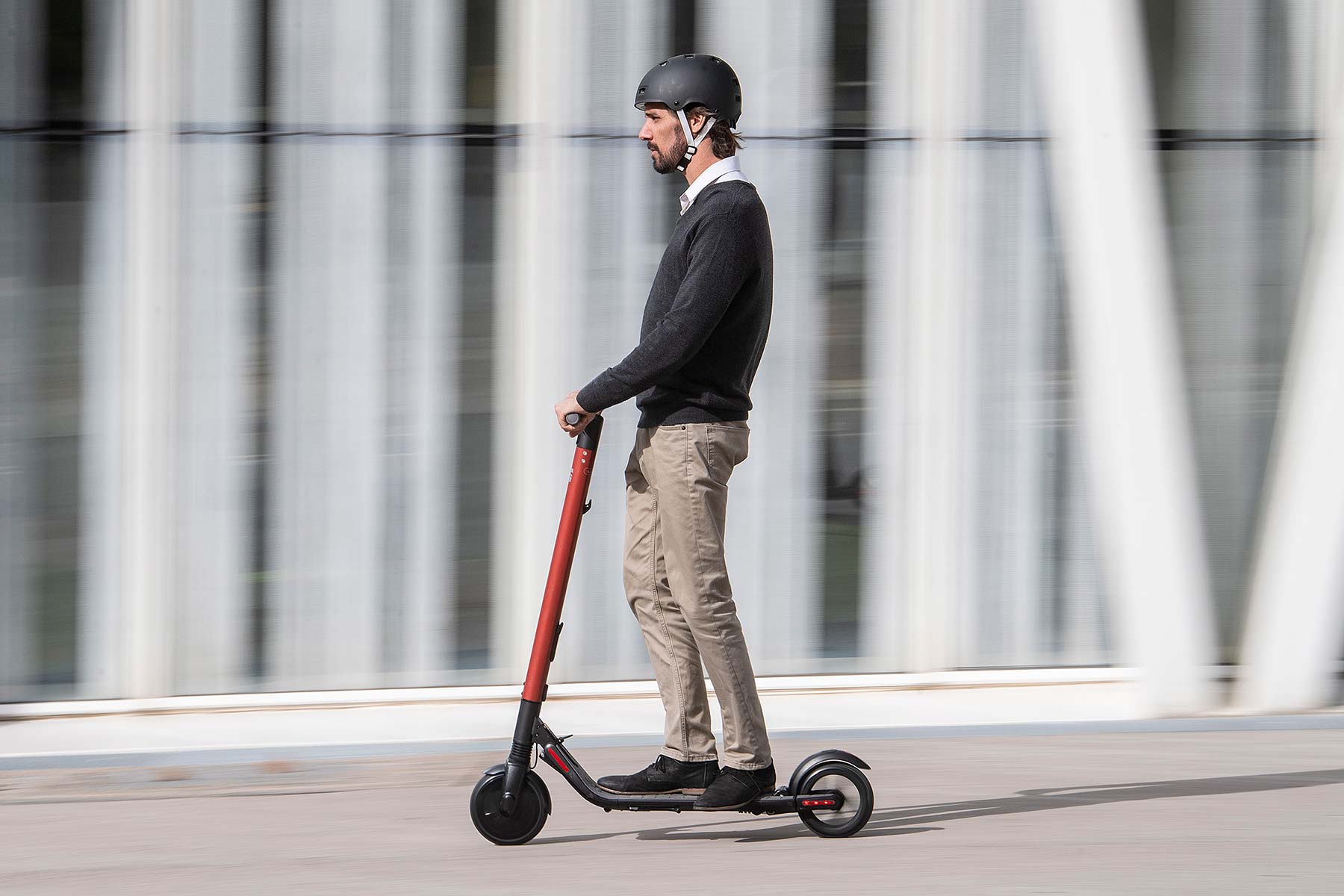
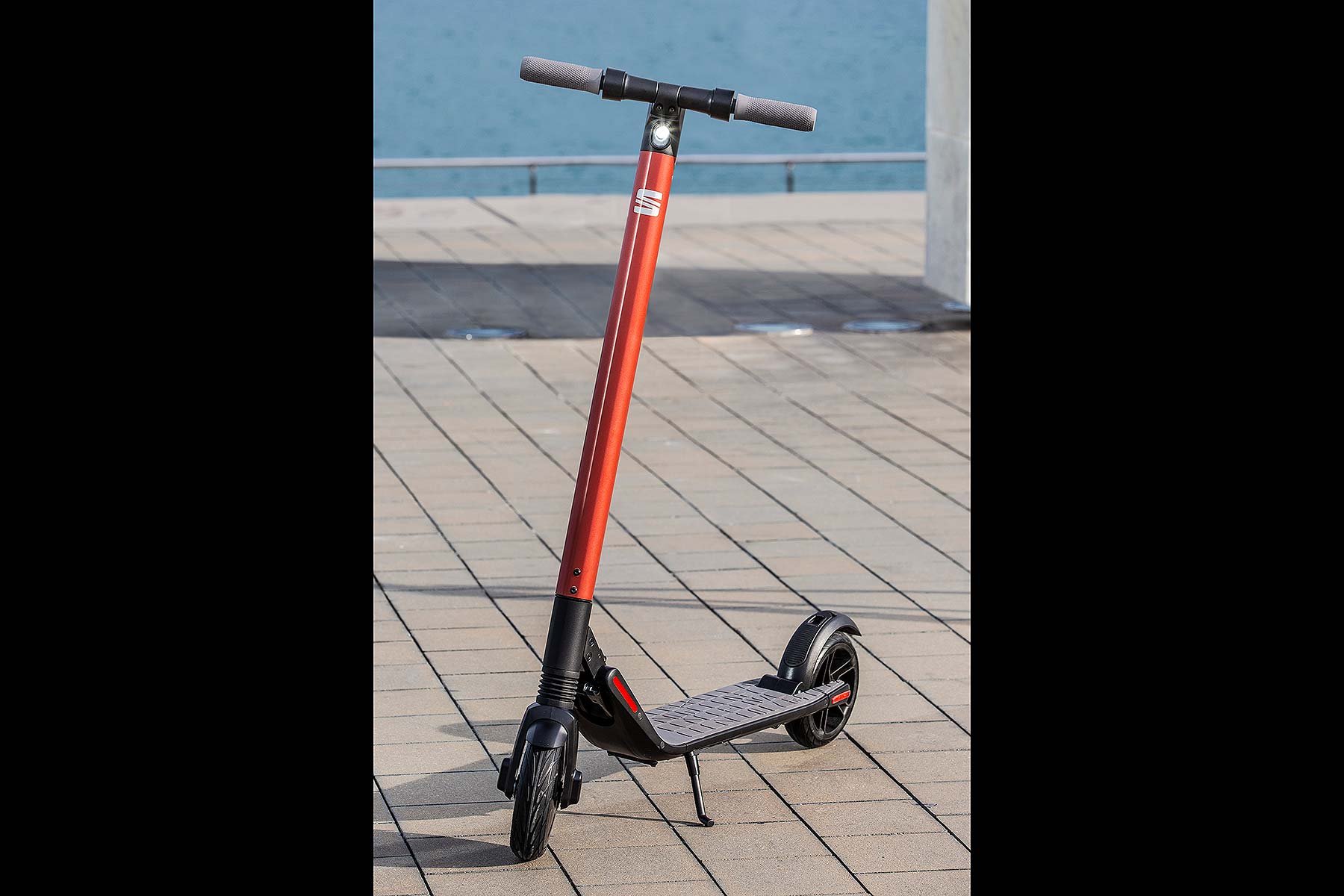
Seat and Segway eXS KickScooter electric scooterSeat is the latest brand to get in on the electric scooter craze, teaming up with Segway to launch its new eXS KickScooter at next week’s Smart City Expo World Congress in Barcelona
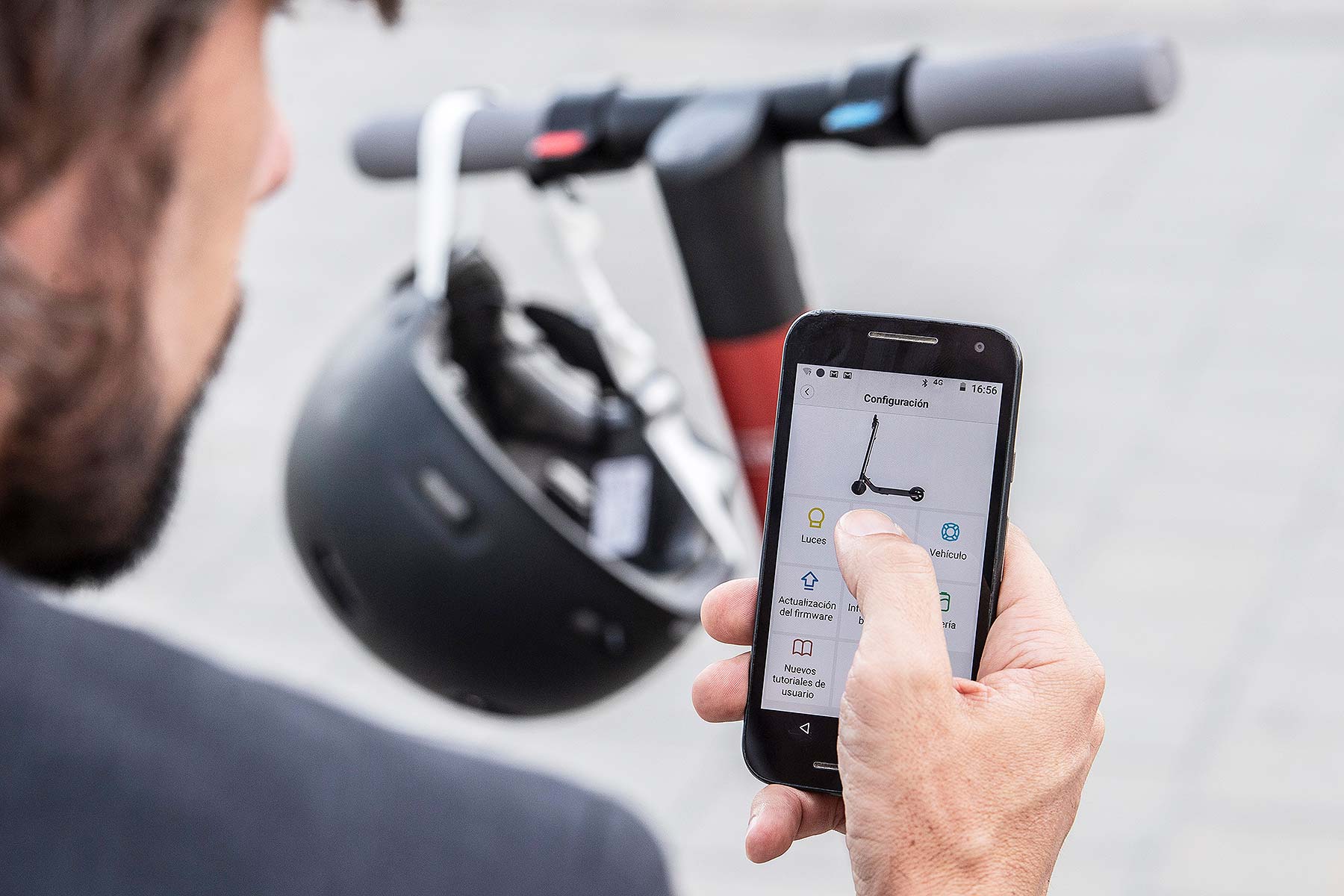
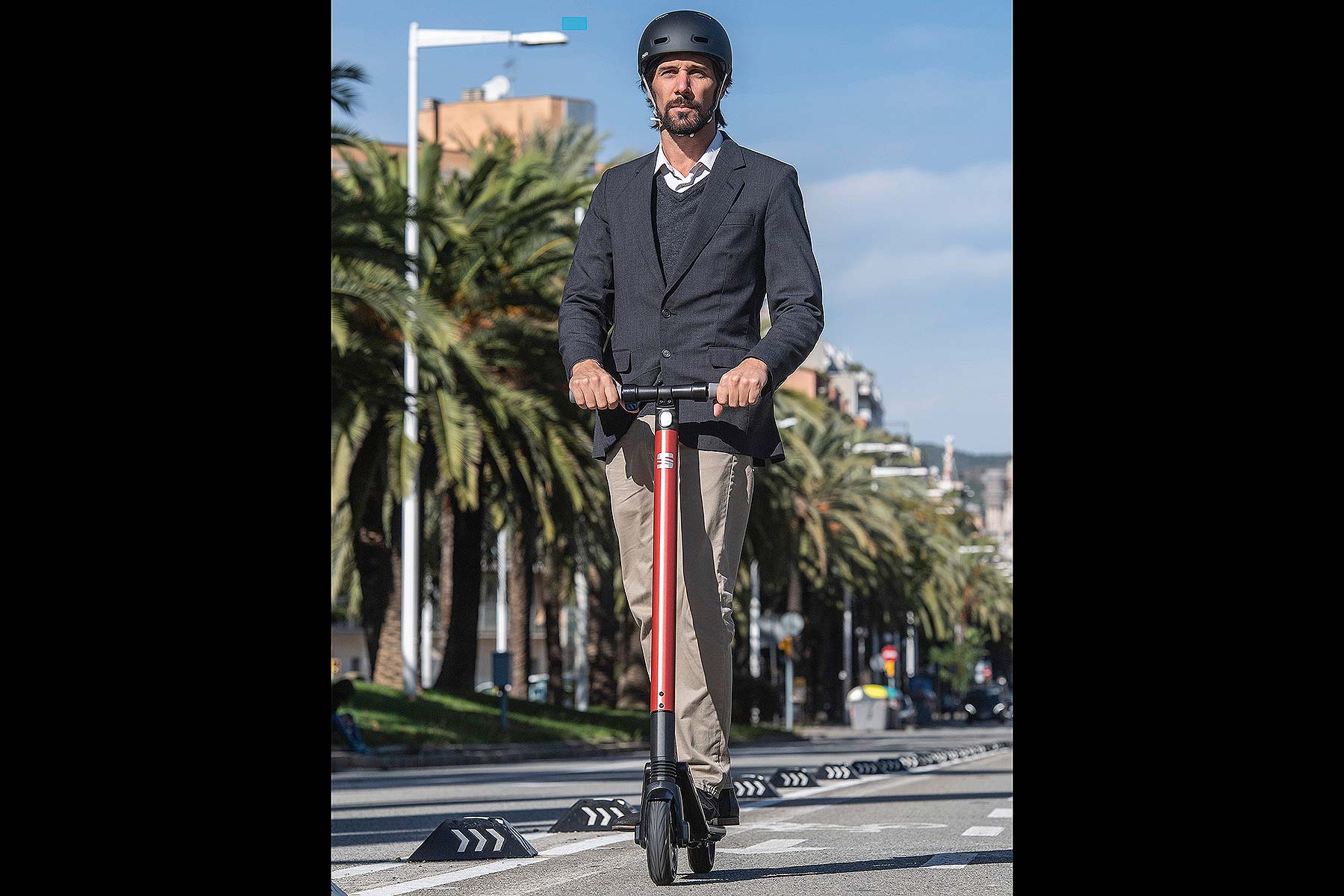
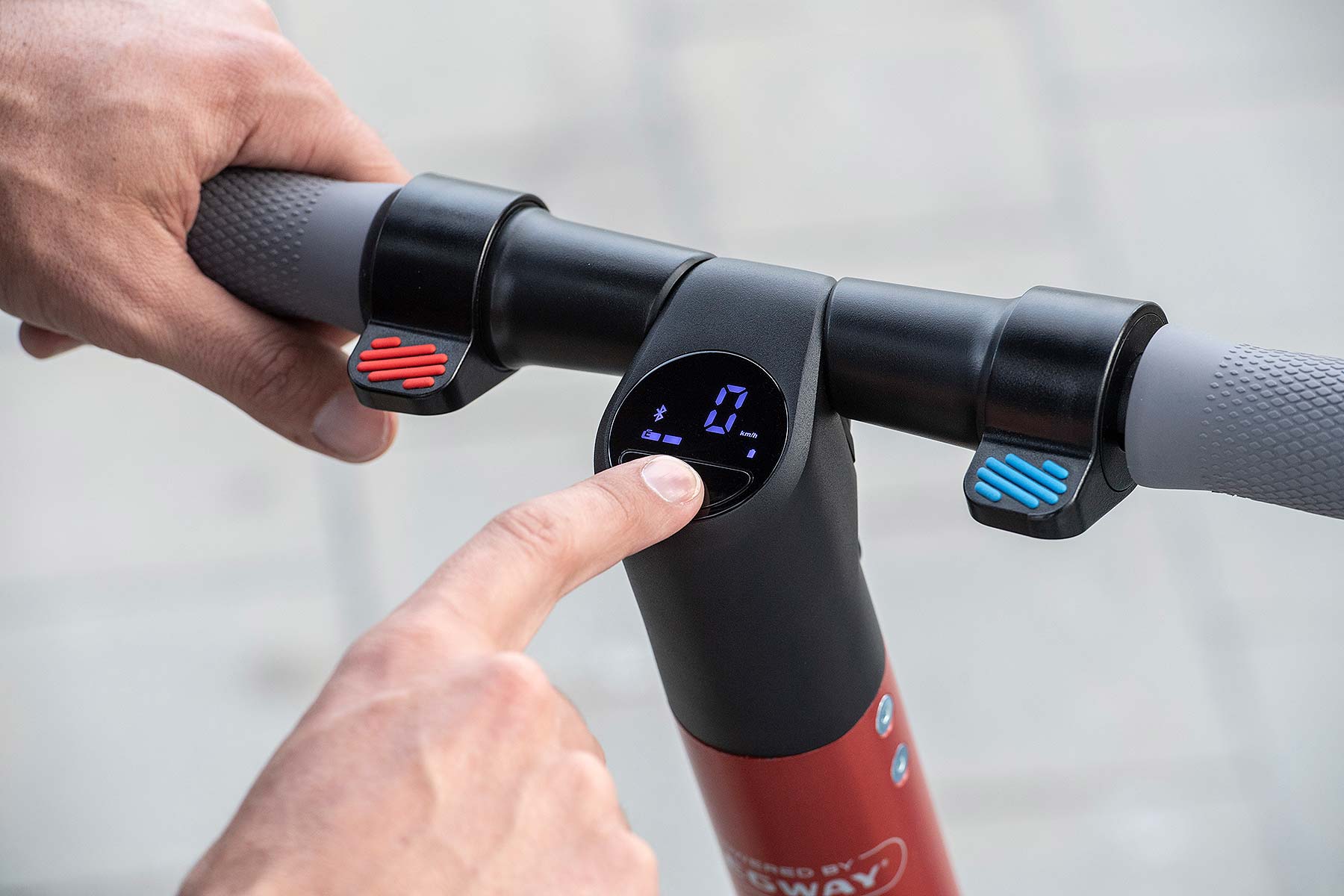
The firm’s first vehicle designed specifically for short-hop urban mobility, it’s part of Seat’s ambition to become a key player in the sector – and it’s now looking for Spanish cities to help launch a pilot test of shared electric scooters.

Users will unlock the ride-sharing scooter via a smartphone app.

Seat and Segway eXS KickScooter electric scooter

Seat also plans to run eXS scooters at its Martorell factory for employees to use.

Developed in a strategic alliance with Segway, the eXS has a top speed of 25km/h (16mph) and comes equipped with LED lights, LCD screen, customisable ambient lighting and, impressively, cruise control. The range is around 45km (28 miles). It even has front and rear suspension for a comfy ride.

Launching an electric scooter is part of Seat’s strategy to respond to a predicted 20 percent fall in the number of customers under 30 buying a car; it has one of the youngest buyer profiles of any car company in Europe.

Seat and Segway eXS KickScooter electric scooter

The eXS is thus pitched as a ‘last-mile’ micromobility solution that’s efficient, green and perfect for traffic-dodging. Who knows, maybe its younger riders will one day move into buying or leasing a Seat car, too.

Seat wants to be “a benchmark in micromobility,” says product marketing director Lucas Casanovas. “Our aim is to ensure that everyone who lives in an urban setting is familiar with the options offered by Seat for getting around the city in an economical, sustainable, agile and fun way.”

Seat and Segway eXS KickScooter electric scooter

Electric scooters are currently not able to be used in the UK: legislation means they can’t be ridden on pavements, but as they’re a powered vehicle, they can’t be used on roads either.

Seat and Segway eXS KickScooter electric scooter

U.S. trend-setting scooter firm Bird this week launched a trial in East London and hopes it will help change UK legislation, and Seat UK MD Richard Harrison is also “looking forward to that changing in the future.

“Adapting to the changing city landscape and the mobility needs of our customers is an important part of Seat’s strategy, and the eXS KickScooter is a great example of that.”

Advertisement

London is the best city for Instagram supercar spotting

0

Supercar spotting instagram London

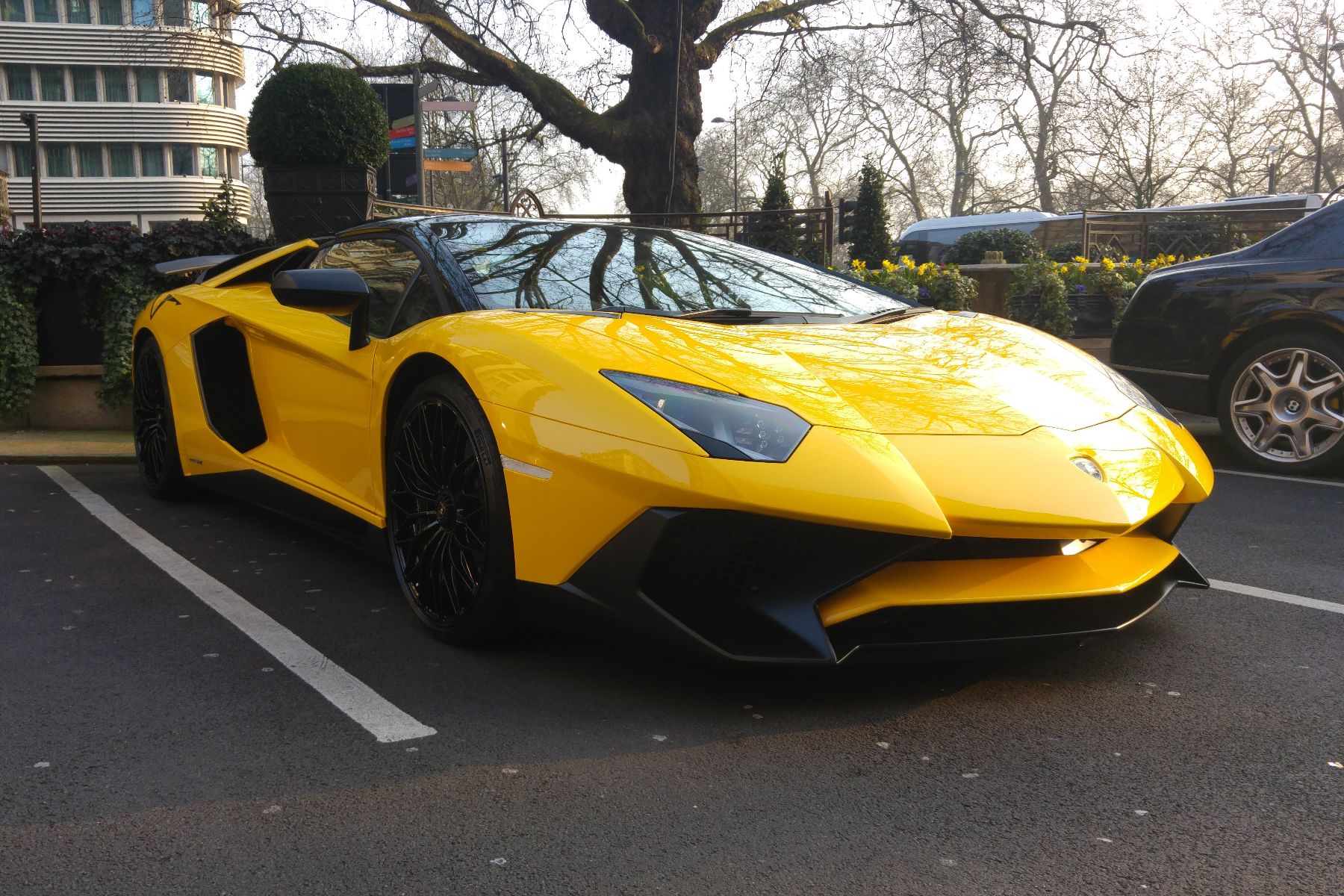
London is the best city in the world for spotting supercars, according to a study that analysed social media activity.

Activity Superstore collated data from Instagram, based on the use of hashtags in various cities around the world over the past three years. For #supercar, Moscow, with 5,909,934 uses, was second only to London, with 6,146,924.

Supercar posts make up 4.15 percent of Instagram content uploaded in London, compared to 3.99 percent in Moscow. Third on the table – and with two million fewer hashtags – is Los Angeles, with 4,073,263. New York, Dubai and Paris follow in fourth, fifth and sixth. Dubai is curiously low considering how popular supercars seem to be in the Middle East.

Supercar spotting instagram London

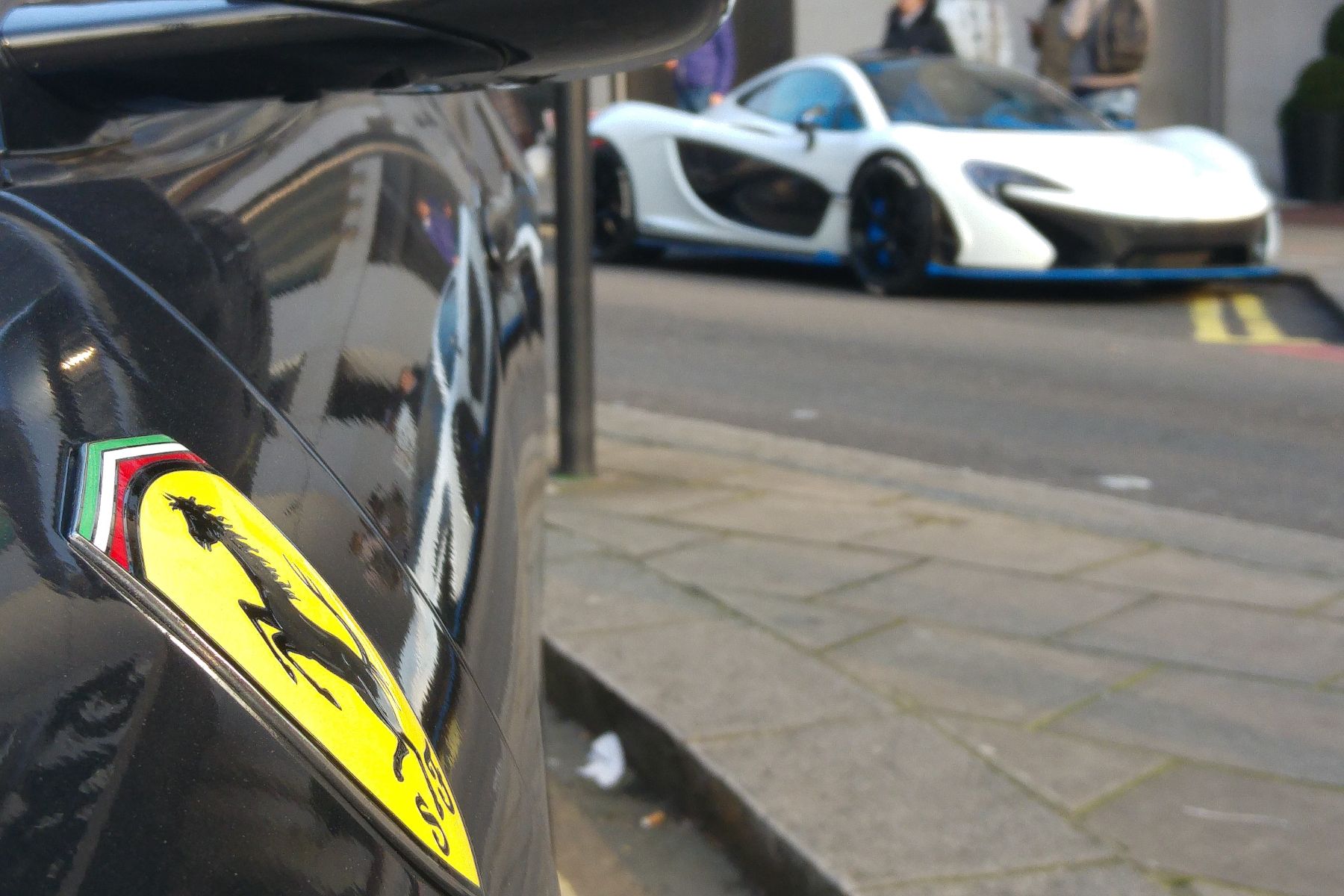
As for the supercar marques with the most mentions, naturally, Ferrari leads the list, with 52,846,260. That’s almost five million above second-placed Lamborghini and almost 10 million more than third-placed Porsche.

Again, Bugatti is lower than you might expect, at just less than 17,000,000 mentions, but then you’re much less likely to see a Bugatti sidling down a city street than a Ferrari.

The boutique upstarts of the early 2000s, Pagani and Koenigsegg, languish lower down, with 7,977,568 and 4,903,286 hashtags respectively. 

Read more:

Advertisement

Addison Lee is testing self-driving taxis for London

0

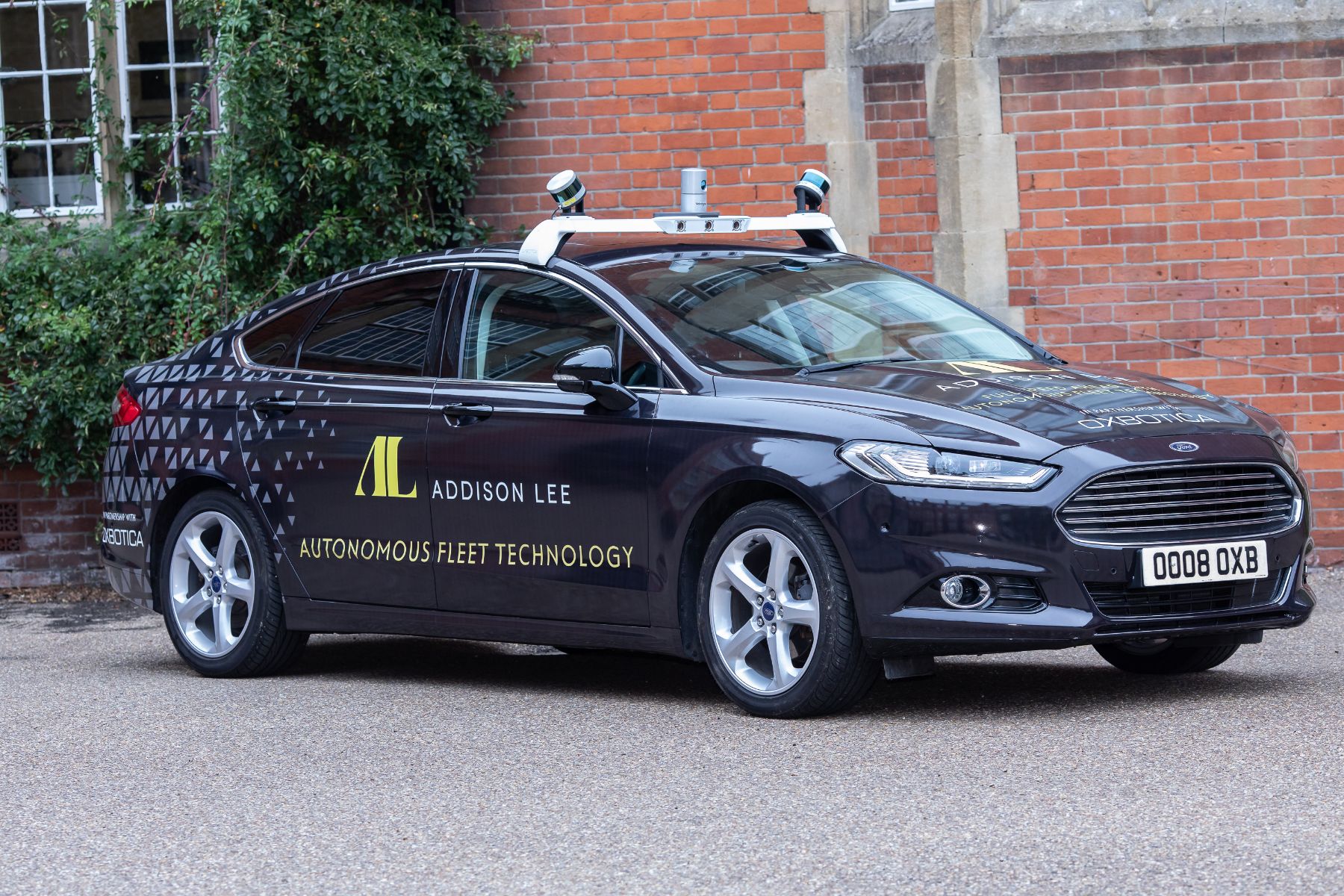
Addison Lee autonomous car testing Oxbotica

Taxi company Addison Lee has partnered with Oxbotica, a British leader in self-driving software, to begin developing autonomous taxis for future use.

A car equipped with mapping technology will cover the 128-acre Canary Wharf estate, recognising everything from kerbs to road signs, traffic lights and landmarks. It’s the first step towards mapping some 250,000 miles of London road network. The project is to be covered by AXA XL insurance, a company with previous experience working with Oxbotica.

The car utilises cameras to take images of the streets, and lidar sensors to send out laser pulses that map the car’s surroundings – a bit like how race tracks are mapped for modern driving games. Eventually, a 3D map is generated, allowing the analysis and identification of important points, road sign meanings and more.

The aim is to make autonomous cars as knowledgeable as any local resident – or indeed more. The eventual endgame is a system in Addison Lee taxis that knows London, and how to drive it, better than any cabbie. 

Addison Lee autonomous car testing Oxbotica

“With its campus-style arrangement and high number of commuters, Canary Wharf is the perfect place to begin our mapping of London with Oxbotica and a possible location for new Addison Lee Group services,” said Andy Boland, Addison Lee Group’s CEO

“This mapping is another step towards making autonomous vehicles a reality in complex urban environments such as Canary Wharf,” added Graeme Smith, CEO of Oxbotica.

“This partnership shows the trust we have gained to deploy our integrated autonomous vehicle and fleet management software in even the most challenging of environments.”

Read more:

Advertisement

Audi A8 lights COME TO LIFE in crazy magazine advert

0

Audi Departures Magazine advert

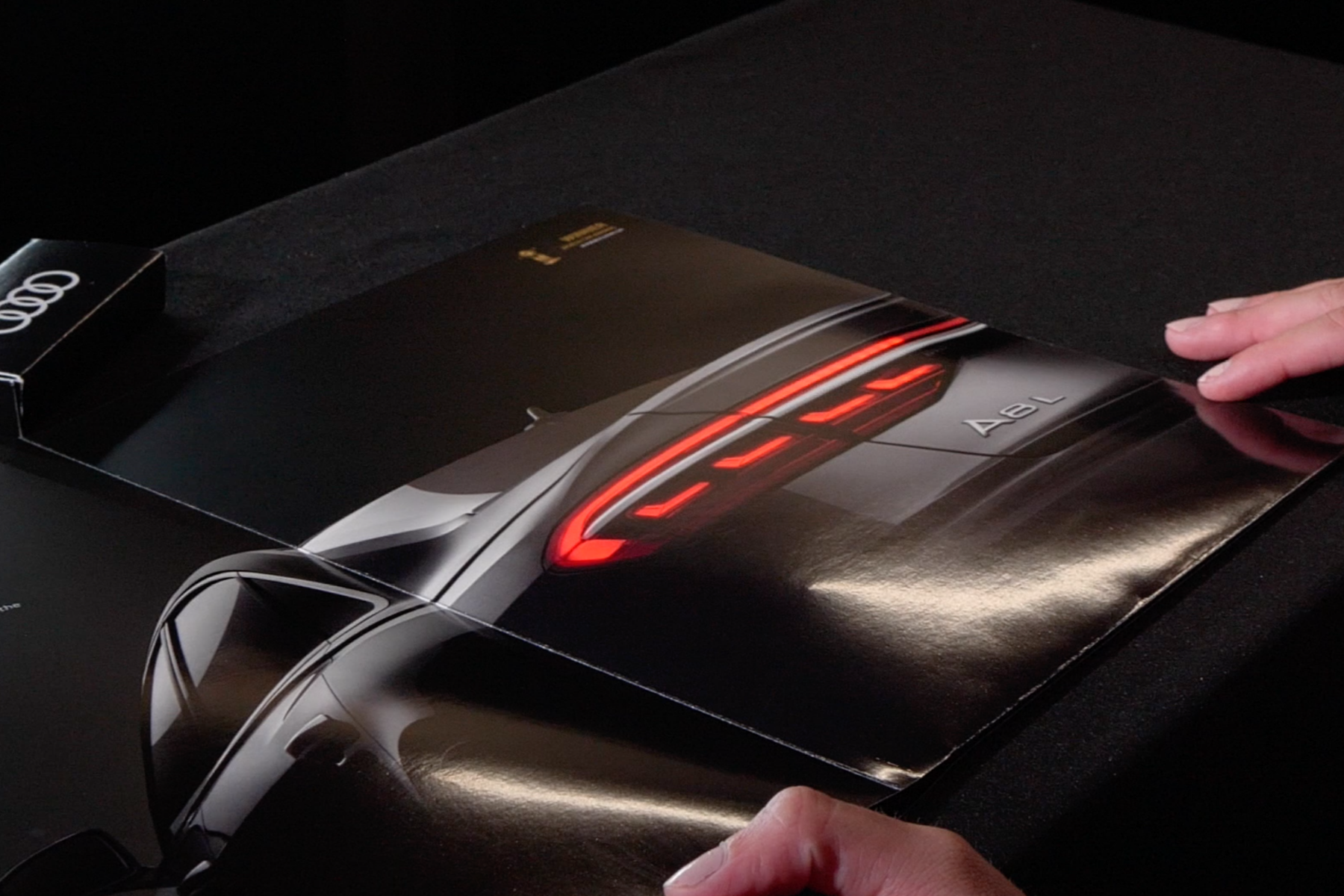
Audi has worked with the high-end Departures magazine for a unique, interactive piece of print advertising in the U.S. featuring an A8… with working lights.

Yes, that’s right. The page comes alive. How? With the magic of OLED lighting and a ‘key’, you can unlock the A8 on the page. The same lighting signature on the real Audi A8 springs to life on the page. We genuinely have never seen anything like it.

Departures is an exclusive magazine that goes out to American Express platinum card members, of which 25,000 have been specially selected to receive this ad.

Audi A8 advert Departures

Alongside the special insert, Audi has provided a replica key fob, sent via mail, that can be used to activate the lights of, or ‘unlock’, the A8 (the 2018 World Luxury Car of the Year) on the page. The balletic lighting sequence that new high-level Audis feature – the ‘greeting’, as Audi calls it – then unfolds on the page. It also does it as you open the booklet – you use the key for a repeat performance.

How does it work? With an ultra-thin microprocessor sandwiched between the card of the insert that controls the rear light-imitating OLEDs.

The real cleverness of this advert is the fact that not only is the print-and-digital-merging ad itself amazing, but that the real car features similar boundary-pushing technology.

Audi has arguably led the automotive lighting arena since the gradual roll out of LED and Matrix LED headlights. The latest technology in car lighting, organic LEDs, now feature in the A8’s delectable lighting architecture and help this advert come to life.

Very clever stuff. We’d be prompted to go take a test drive based on the ad, that’s for sure. How many Departures readers will be similarly won over?

Read more:

Advertisement

Your guide to the 2018 NEC Classic Motor Show

0

NEC Classic Motor Show 2018

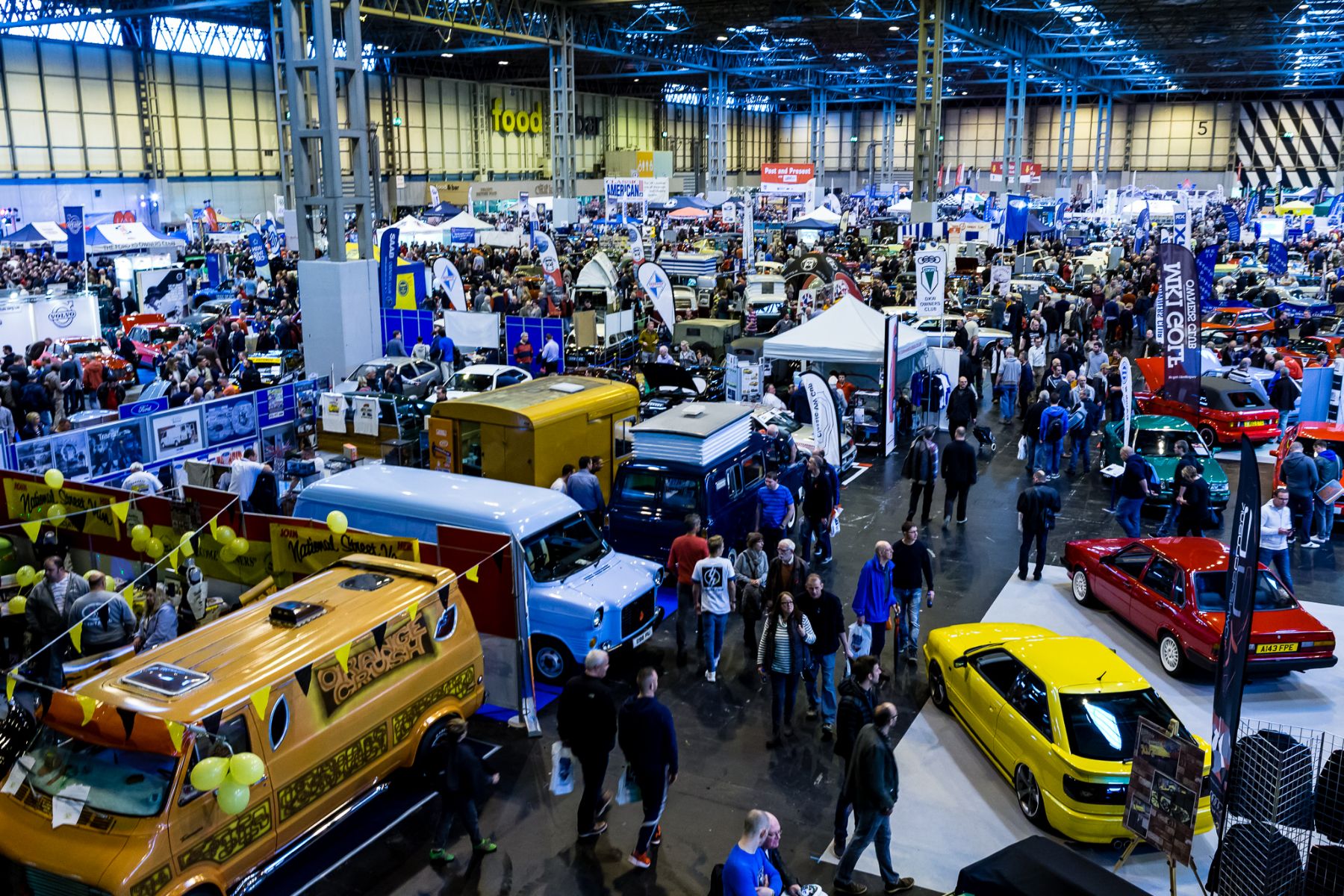
The NEC Classic Motor Show takes place from Friday 9 to Sunday 11 November 2018 – and we’ve got the whistle-stop guide for all who want to attend.

Aside from the circa. 3,000 classic cars in the show halls, including the world’s largest gathering of classic car clubs, here are some highlights you definitely won’t want to miss…

Wheeler Dealers Discovery Live Stage

Wheeler dealers live stage NEC Classic 2018

The Wheeler Dealers Discovery Live stage should be one of the coolest attractions of the show. Mike Brewer and Ant Anstead from the TV show will be joining a host of other motoring personalities, including Jimmy DeVille of Goblin Works Garage and Paul Cowland from Salvage Hunters.

We recently visited Paul to check out a funky batch of classic Subarus currently in his possession…

Mike will be setting the Practical Classics Practical Challenge to Ant and writers from the magazine. Their task will be to assemble a fully working car from a box of bits, and fire it up before the show ends on Sunday.

Silverstone Auctions two-day sale

Jay Kay car collection auction

The Silverstone Auctions sale is bursting with curious classics of all vintages. It’s sure to be one of the coolest attractions at the NEC Classic Motor Show.

A selection of cars from Jamiroquai rocker Jay Kay’s collection will be hitting the block, along with Jenson Button’s old V10 BMW M5, a unicorn VW XL1 and hundreds more. Memorabilia, parts, clothes and other such trinkets are also up for grabs at the auction.

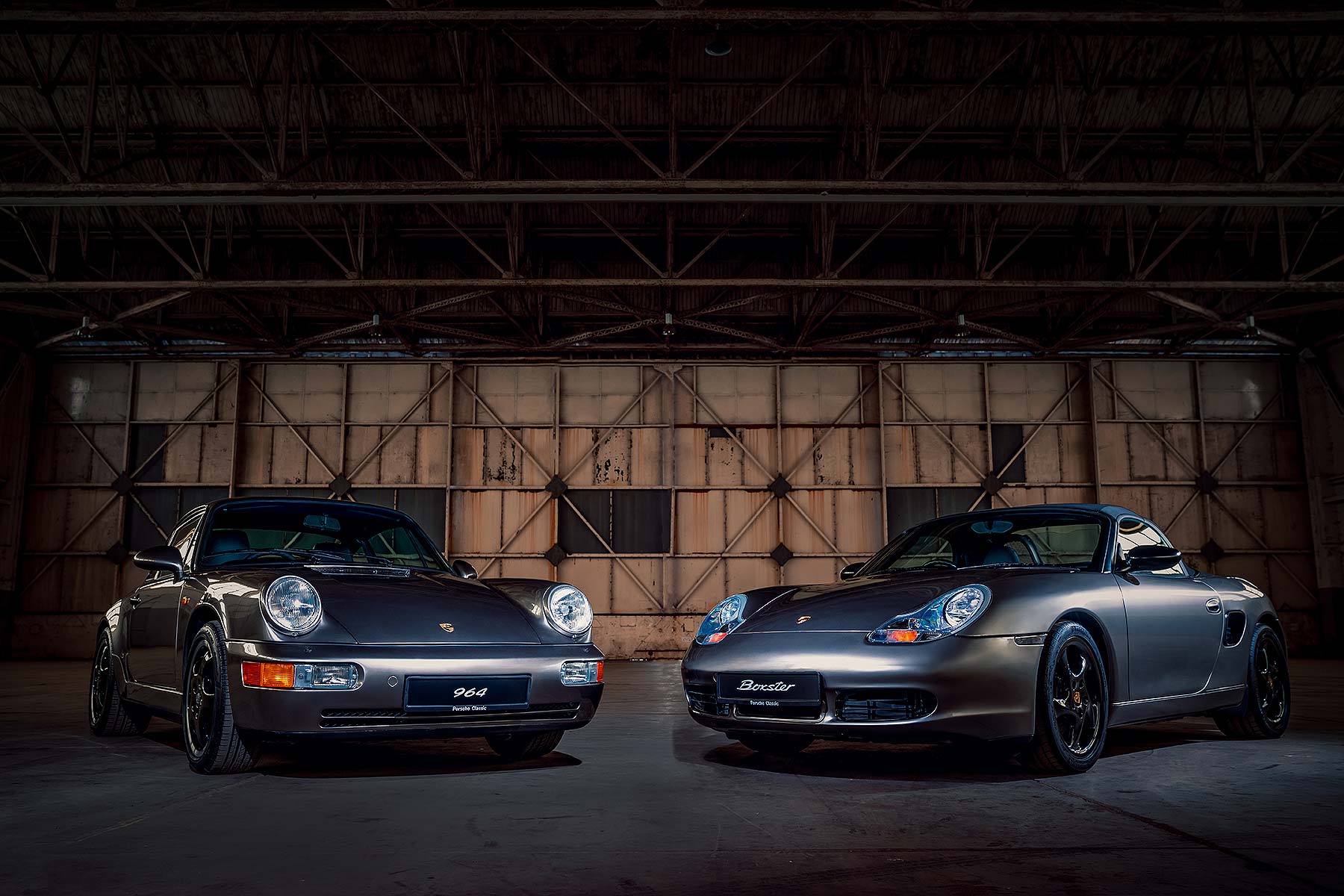
’70 years of Porsche’ restorations

Porsche restorations at the NEC Classic Motor Show

Porsche GB set a selection of dealers and specialists an epic challenge: to restore a classic Porsche to better-than-new condition. A smattering of 911s, Boxsters and front-engined sports cars all feature – each one painted in 918 Spyder ‘Liquid Metal’ silver. Many also have Porsche Classic retro-fit sat nav and alarm systems.

Porsche GB will have an 11,000 square-foot stand at the NEC Classic Motor Show

Hero Arrive and Drive Classic Car Experience

You can drive some of the most iconic cars in motoring history with the Hero events Arrive and Drive Classic Car experience. All you’ll need is a clean licence, to be over 25 (or under 70) and to have the confidence to get behind the wheel. You get four miles of driving around the NEC and you can either drive or be a passenger.

There are two groups – A and B. The former costs £65 to get behind the wheel, the latter £47. Both cost £32 for a passenger ride. Group A contains a 1968 Jaguar E-type, a 1990 Lancia Delta Integrale and a 1958 MGA Roadster. Group B is headed by a 1969 Lancia Fulvia Sport Zagato, with an MGB and Triumph TR3/TR4 also available.

The Car Years

The Car Years NEC Classic Motor Show

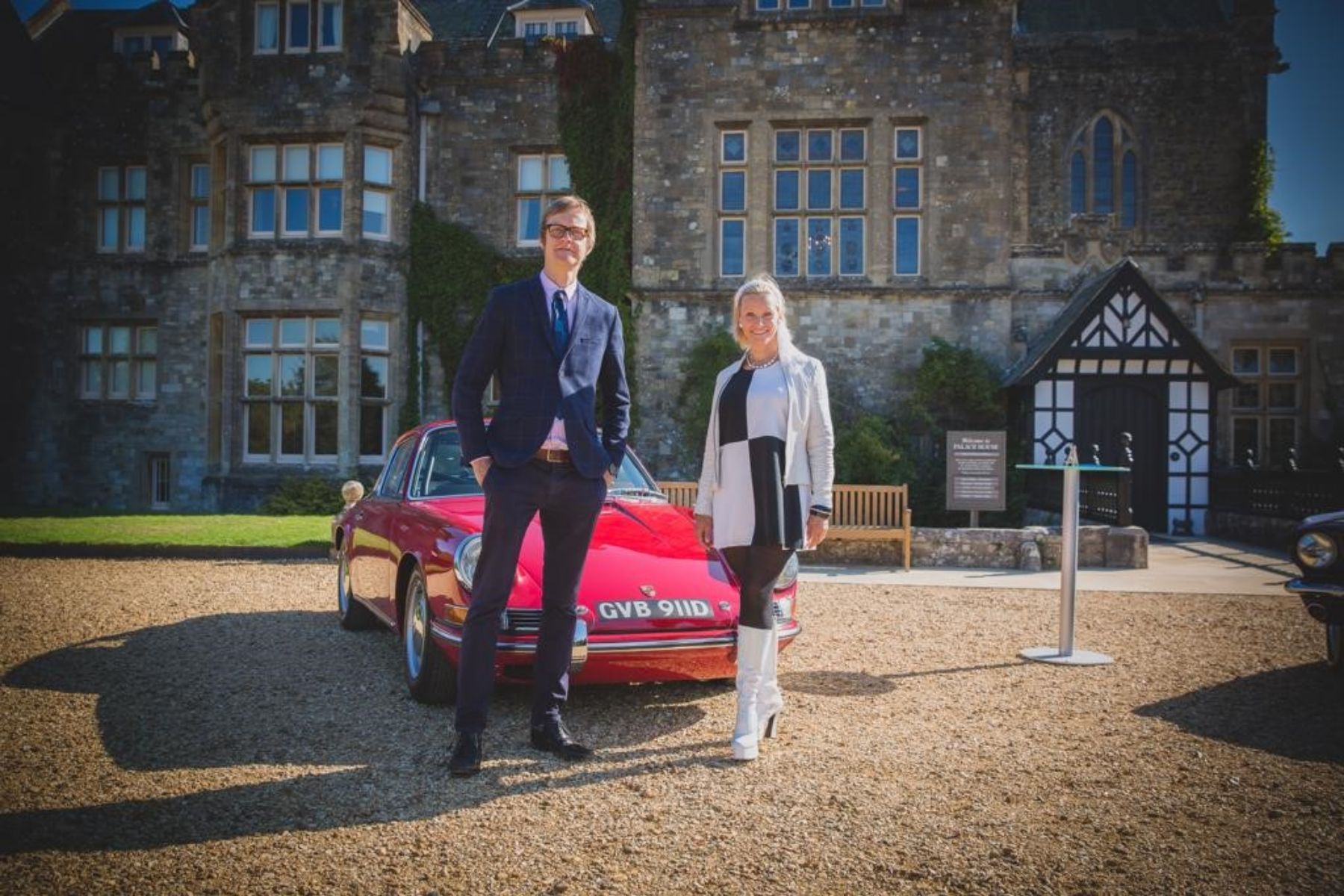
Vicki Butler-Henderson and Alex Riley will be on hand at the NEC Classic Motor Show to introduce their new TV show. The Car Years involves the pair picking two cars from a particular year and attempting to convince a panel of judges their car was that year’s car of the year. The first episode features a Ford Mustang and a Porsche 911 – both from 1964.

Other highlights at the NEC include the Meguiars Best of the Best showcase and the Lancaster Insurance Pride of Ownership competition. It should add up to a great weekend of classic-themed fun.

Alert: NEC car parking!

Car parking arrangements at the NEC has changed this year. If you prebook, it’s £12… but if you pay on the day, this rises to £16. Be sure to book your pre-paid NEC car parking beforehand and maybe put the cash you save towards a pre-show bacon roll…

Read more:

Advertisement

Williams F1 to wear poppies in Brazil for Remembrance Sunday

0

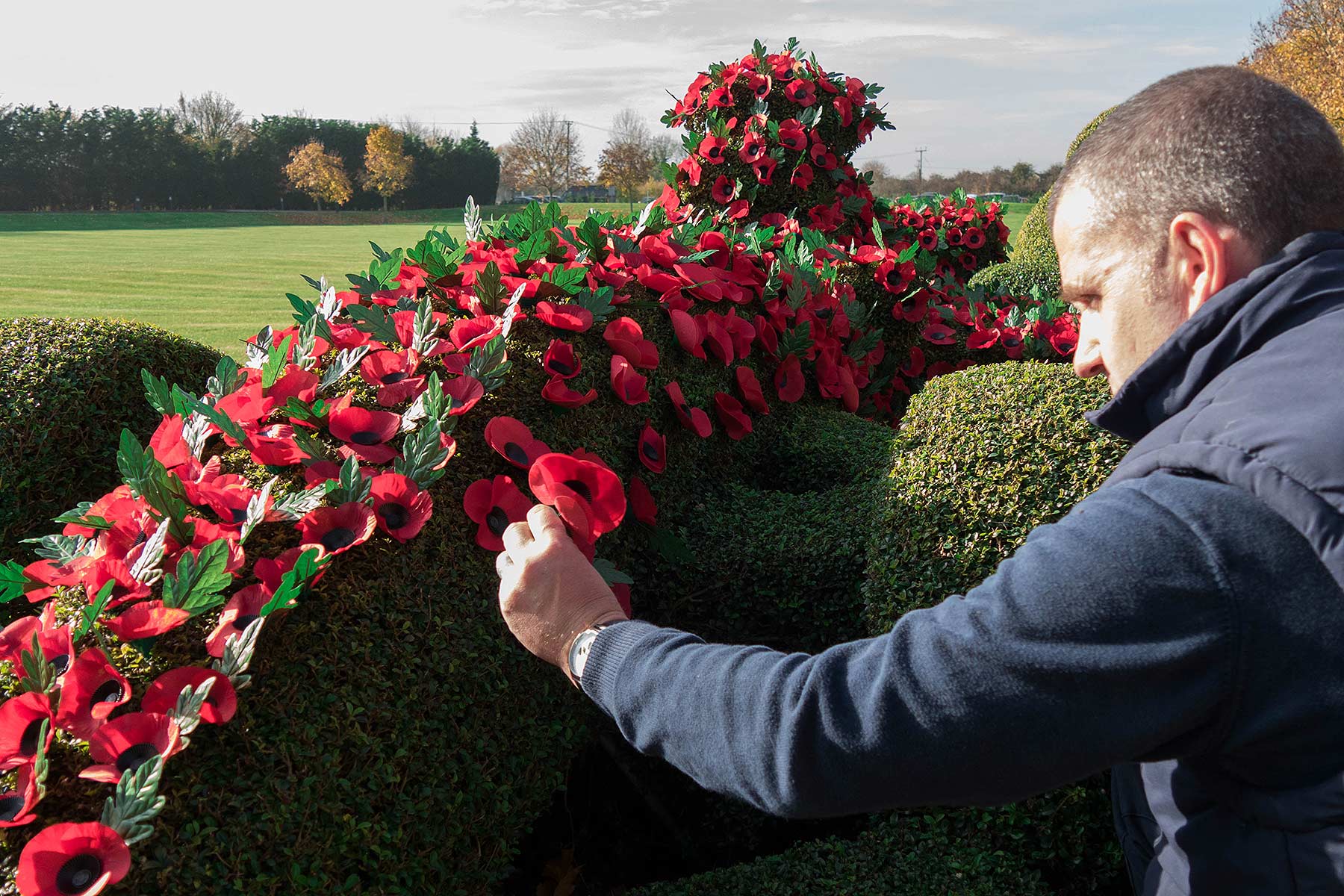
Williams and Royal British Legion mark Remembrance SundayRemembrance Sunday and Armistice Day this year coincide with the 2018 Brazilian Grand Prix. Williams F1 is taking the opportunity to raise awareness of the Royal British Legion with a series of poppy-themed initiatives. 

This year, Remembrance Sunday marks the centenary of the end of the First World War.

Every Williams trackside team member will therefore wear a poppy in Brazil throughout the weekend’s activities in Sao Paulo. The Williams FW41 livery will also have a poppy incorporated. 

Williams and Royal British Legion mark Remembrance Sunday

Williams says it wants to help maximise awareness of the Royal British Legion’s fundraising efforts, and also to support those who serve and who have served. 

“It is an honour to support The Royal British Legion in commemorating the centenary of the First World War,” said deputy team principal Claire Williams.

“Williams has close ties to the Armed Forces, so it is important for us to show our support on such an important day.

“Our activities over the weekend hope to raise funds for the Royal British Legion, while also remembering those who have given their lives in service.”

Team Williams will be supporting Remembrance Sunday back at its HQ in Grove, too. Everyone, including the team in Williams Advanced Engineering, will be encouraged to wear poppies. 

Williams and Royal British Legion mark Remembrance Sunday

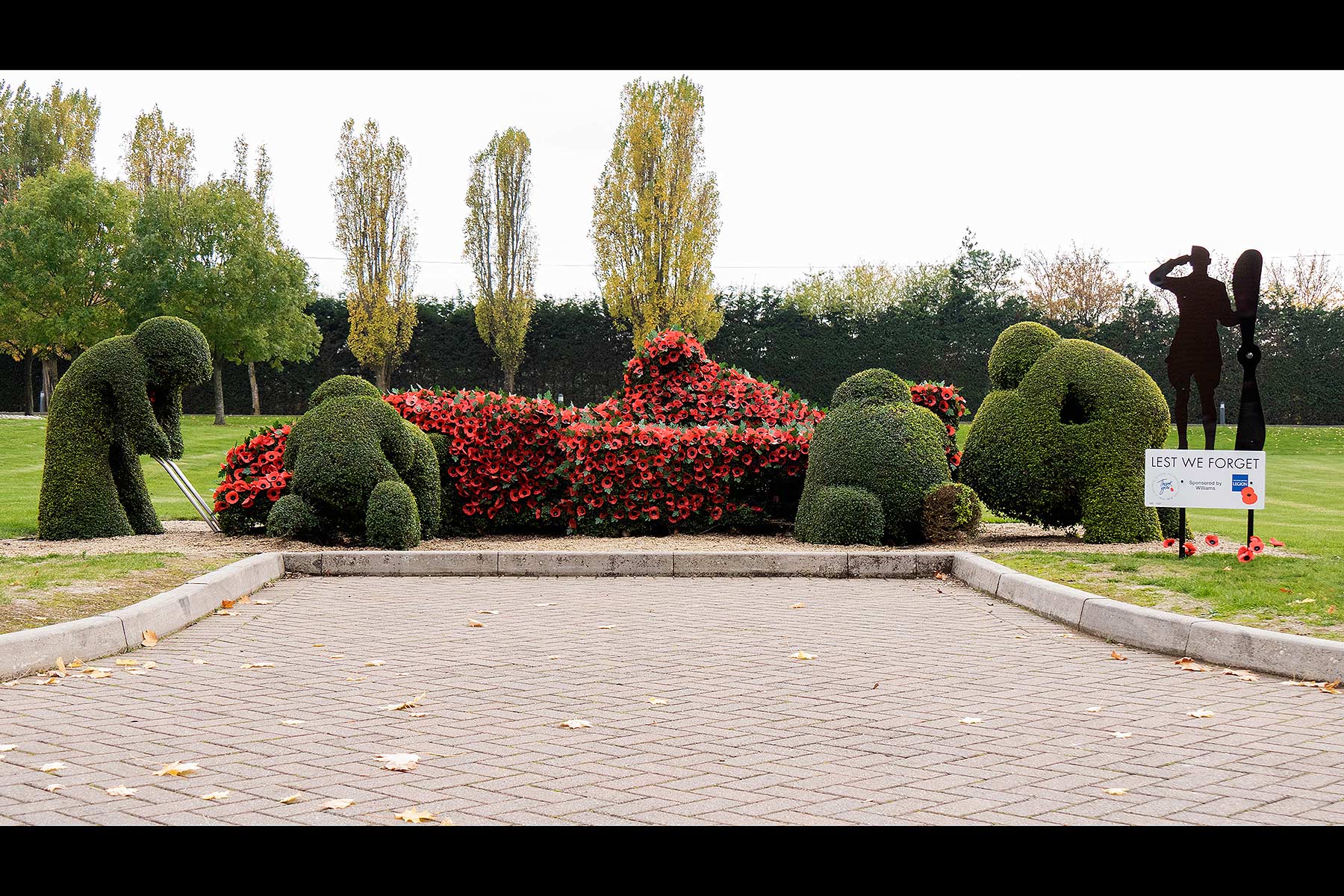
Williams has also given its famous pitstop topiaries a makeover of poppies – and the team has promised to sign a race car part and later auction it for the Royal British Legion, to raise money for veterans. 

Advertisement

Aston Martin’s St Athan electric car factory is nearly ready for action

0

Aston Martin electric and SUV factory St Athan

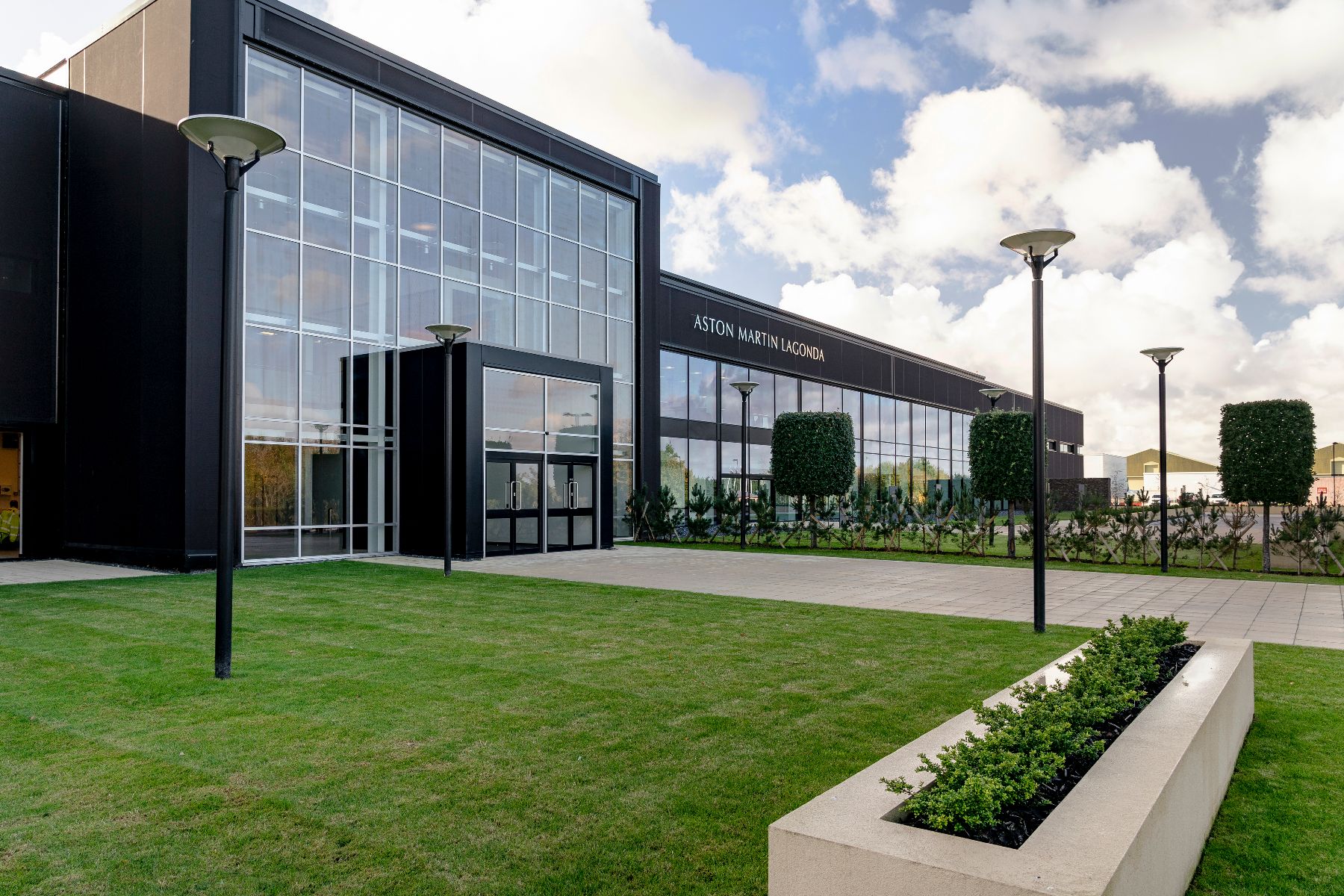
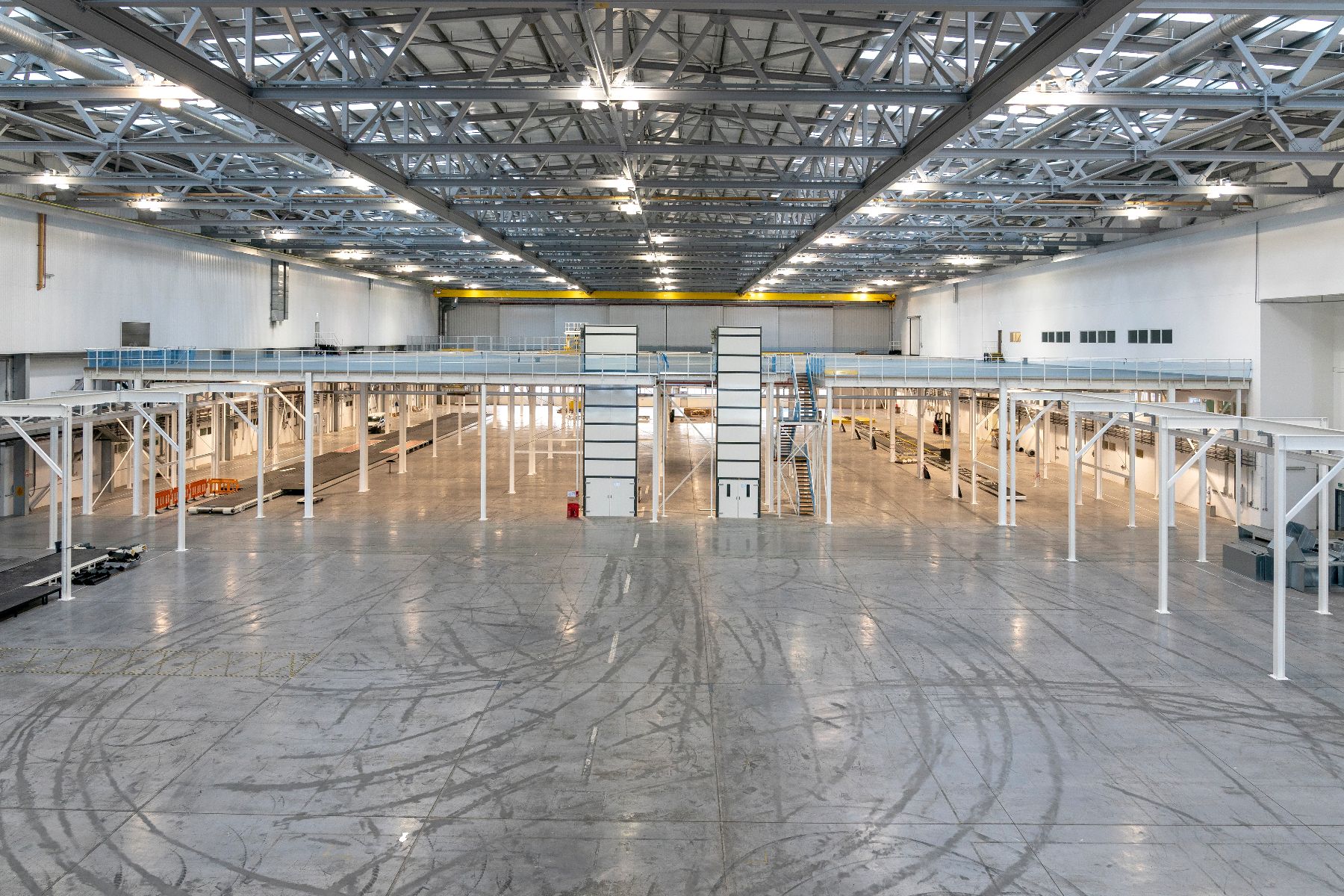
Aston Martin’s new manufacturing facility in St Athan, Wales, is nearly ready to go and will begin building the new DBX SUV in a year’s time.

There seems to be no stopping the aggressive expansion of Aston Martin at the moment. A near-total range overhaul in the space of three years, a world-beating hypercar, an SUV in the works and electrification on the way – not to mention the newly reborn Lagonda EV luxury brand. 

Aston Martin electric and SUV factory St Athan

Part of the challenge here is having somewhere to build all these cars, a welcome problem previously alien to Aston. The St Athan facility in Wales is to be Aston’s ‘Home of Electrification’ as well as its SUV hub, and will open its doors just three years on from announcing its plans with the facility.

We’re now around a year away from the debut of the Varekai (DBX) SUV’s unveil and subsequently, production commencing.

Where is Aston Martin at with St Athan?

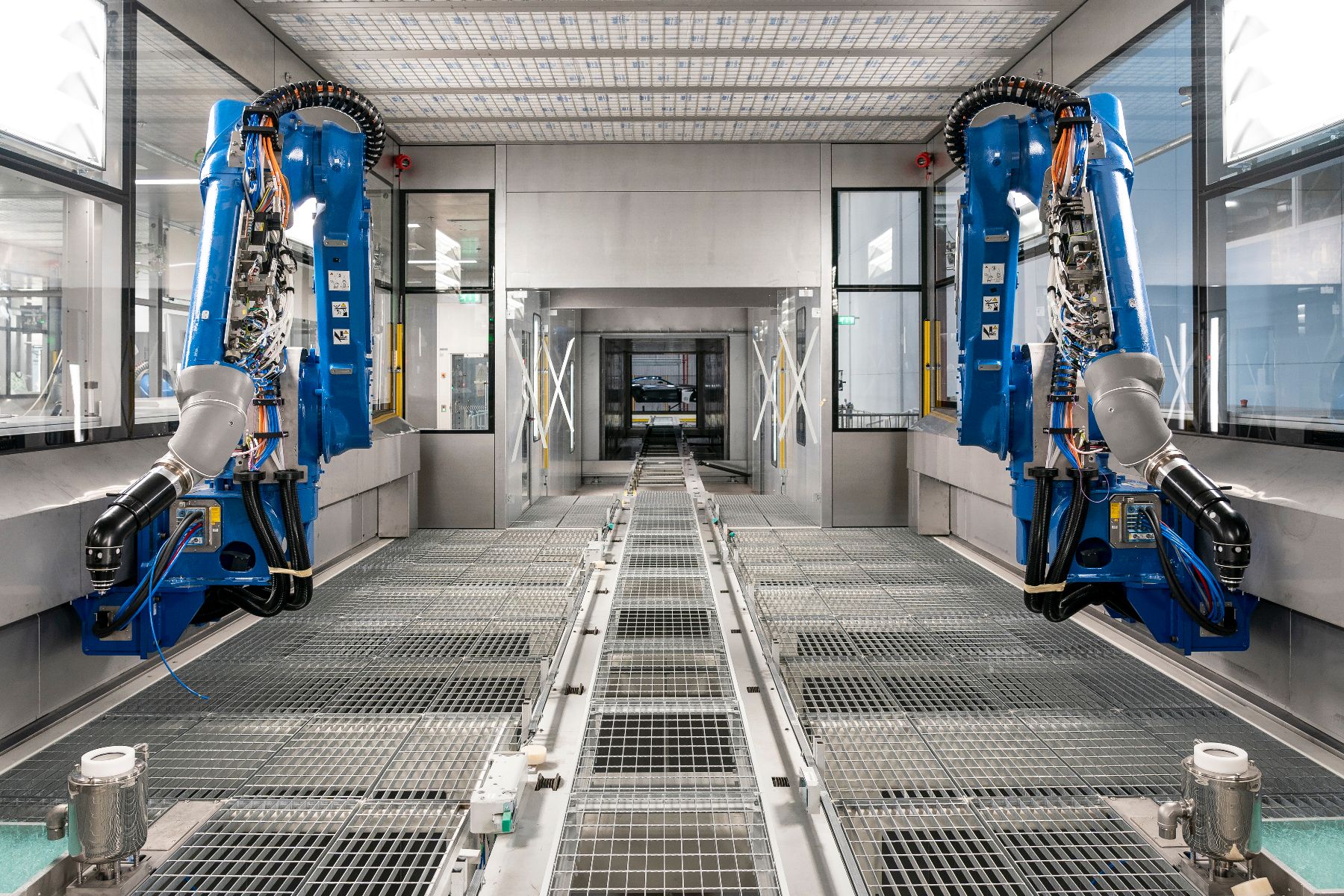
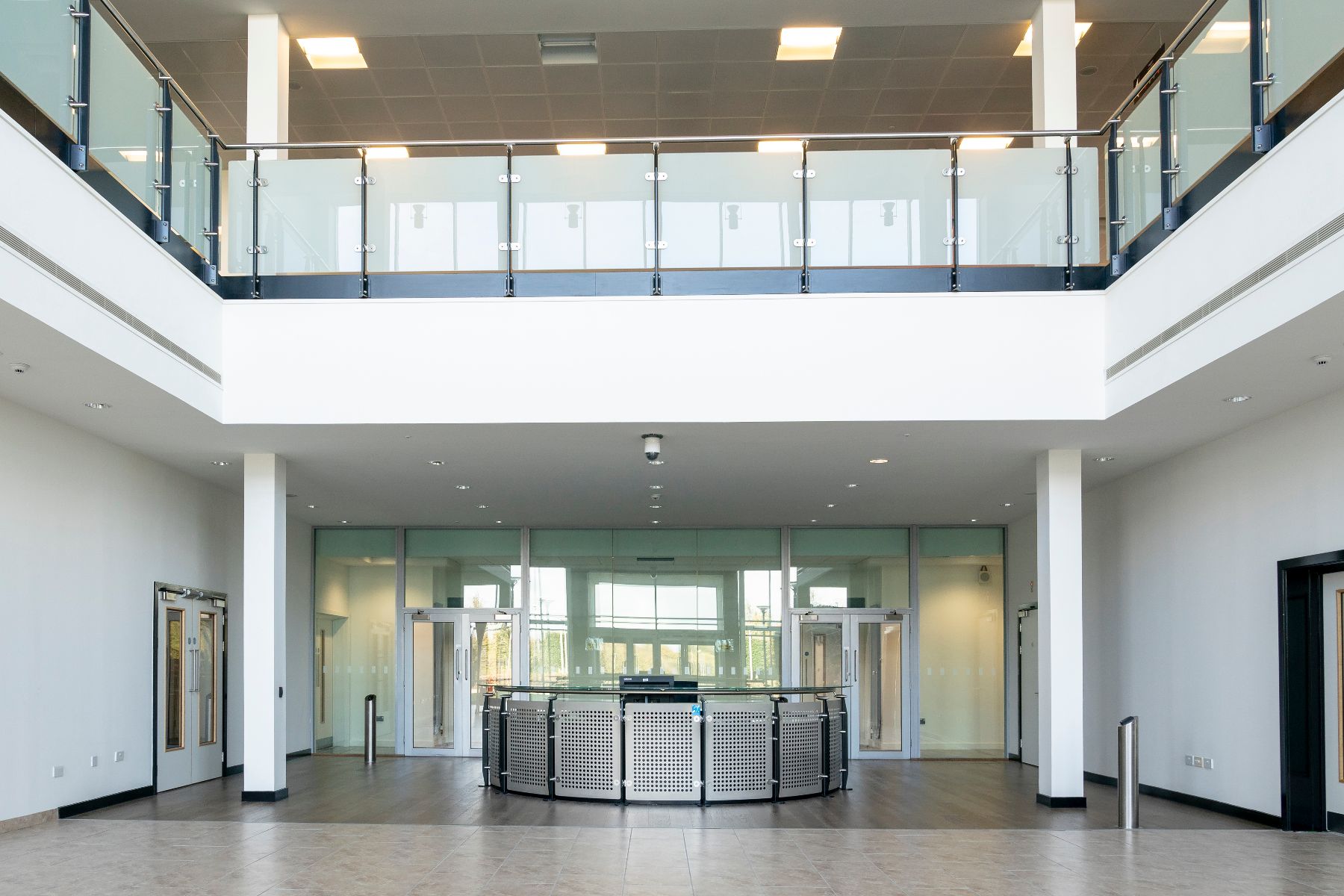
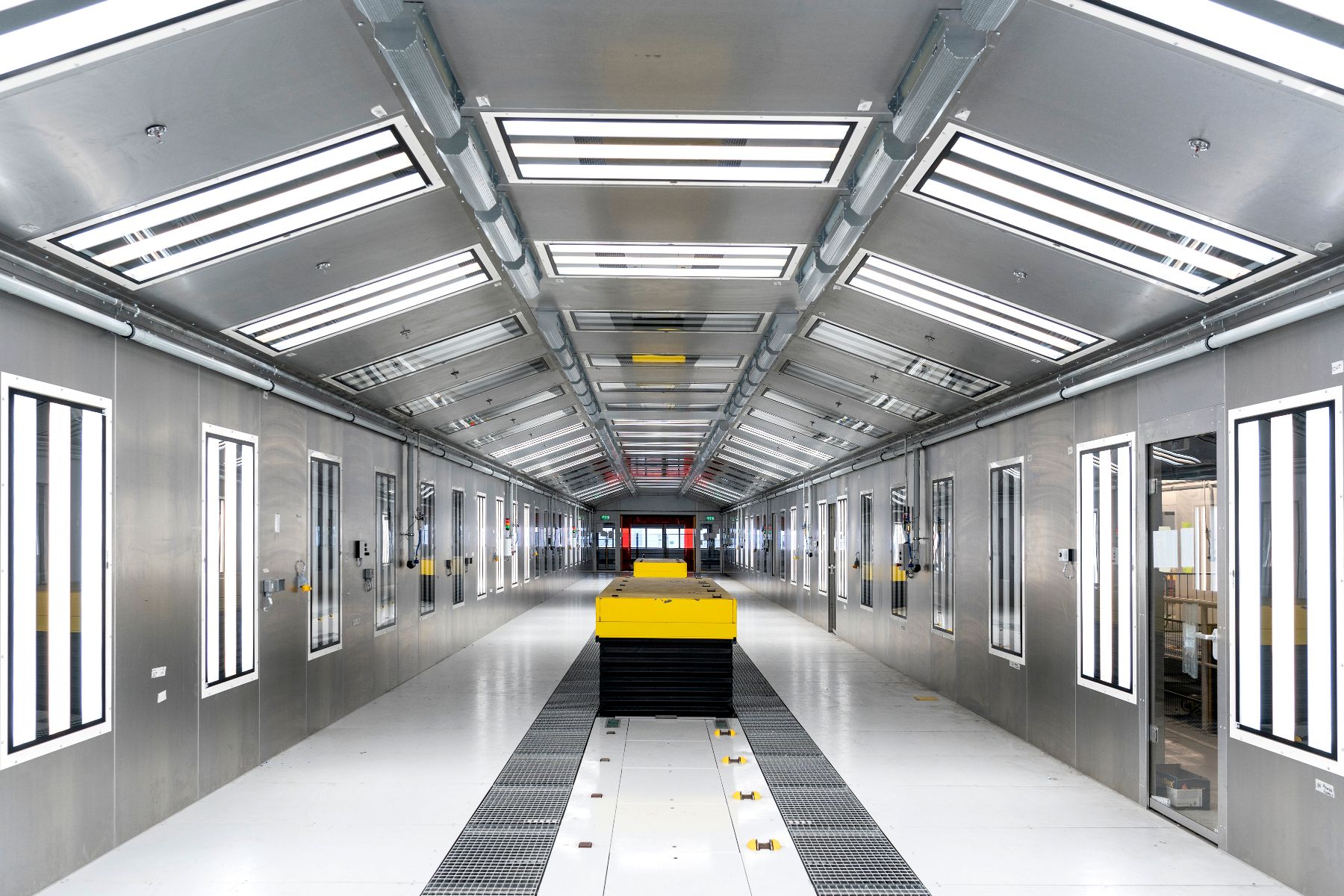
The site, formerly an array of MOD super hangars, is all but ready to go. The paint shop is fully installed and the production line is nearing completion. It’s already home to 100 Aston employees, though that’s due to rise to 700 by 2020, once car production is in full swing.

Prototype vehicles are due to start production at the facility at the beginning of next year, at which point as many as 200 workers will be based there.

When fully up and running and when the highly anticipated Lagonda models arrive, St Athan will be the home of all things Aston EV, as well as the imminent SUV.

Aston Martin electric and SUV factory St Athan

“As the St Athan facility nears completion, there is a very real sense this is the start of a bold new era for Aston Martin Lagonda,” said president and CEO Dr Andy Palmer.

“The St Athan facility will initially commence with the production of our first SUV but will ultimately be a global centre of excellence for the production of luxury high-performance EVs, including Lagonda: the world’s first luxury electric automotive brand.”

Read more:

Advertisement

New Citroen C5 Aircross family SUV prices from £23,225

0

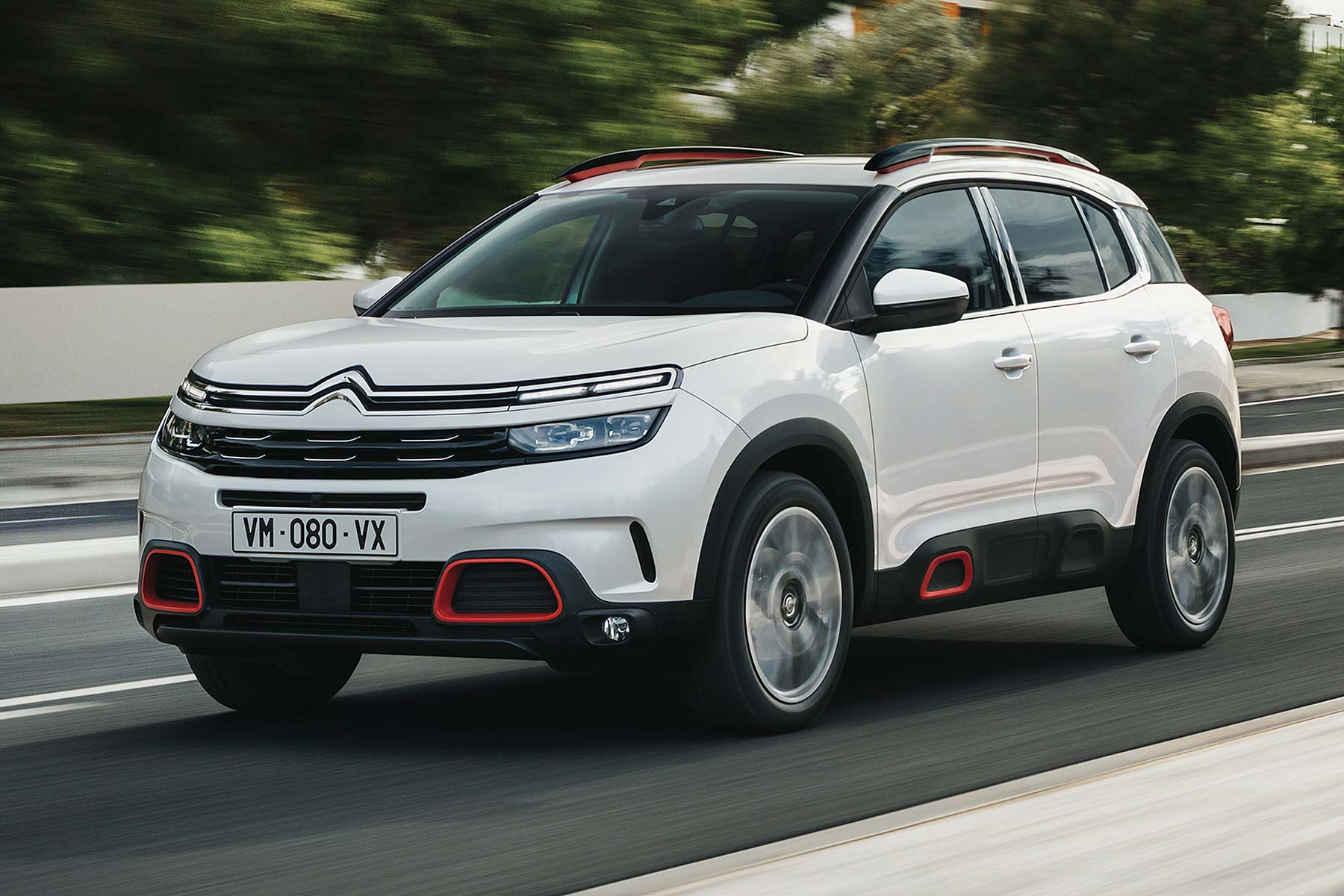
New 2019 Citroen C5 Aircross family SUVThe new Citroen C5 Aicross family-sized SUV opens for ordering on Monday 3 December, ahead of deliveries beginning in early February 2019. The firm has now revealed pricing for its new range-topper, which starts from £23,225.
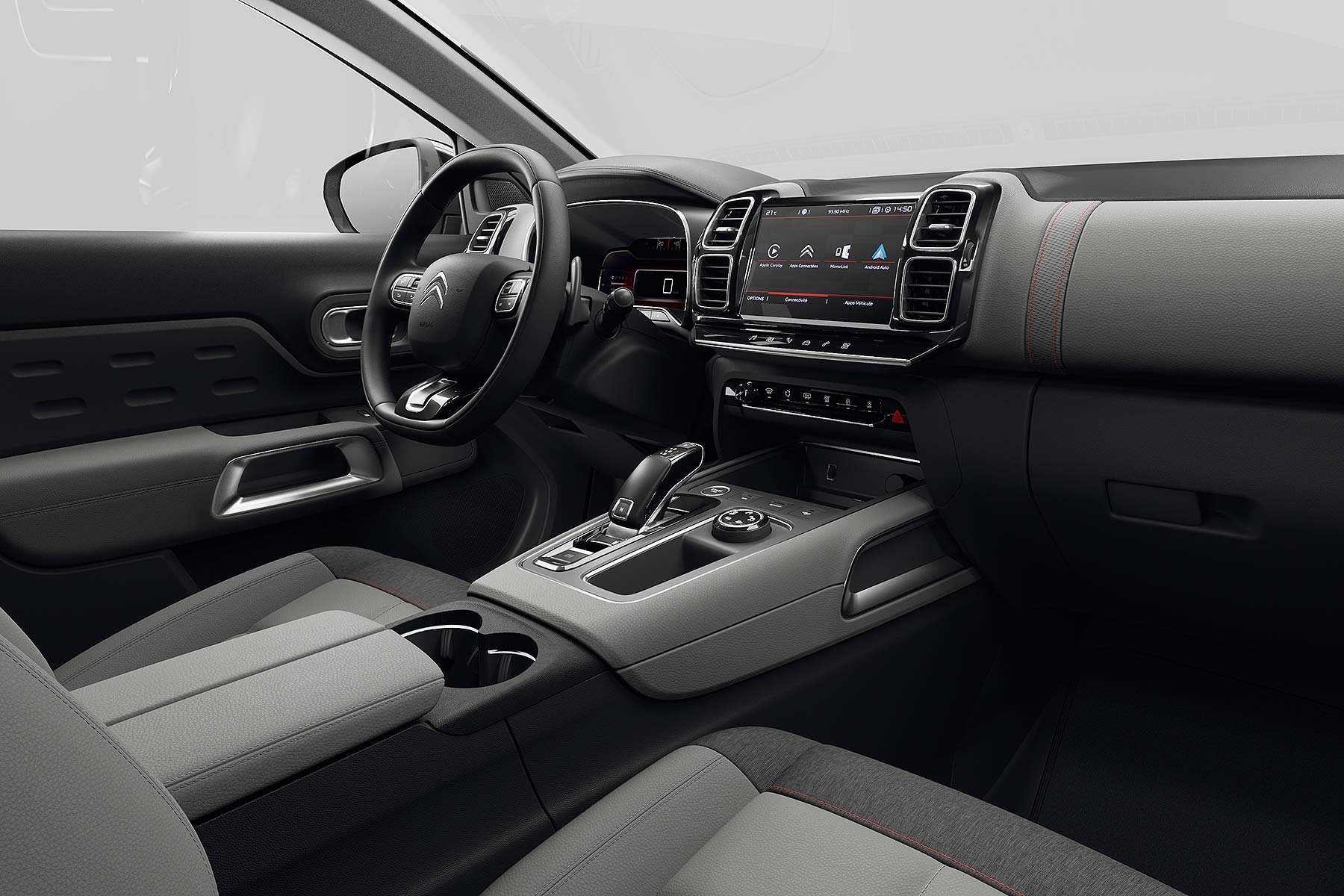
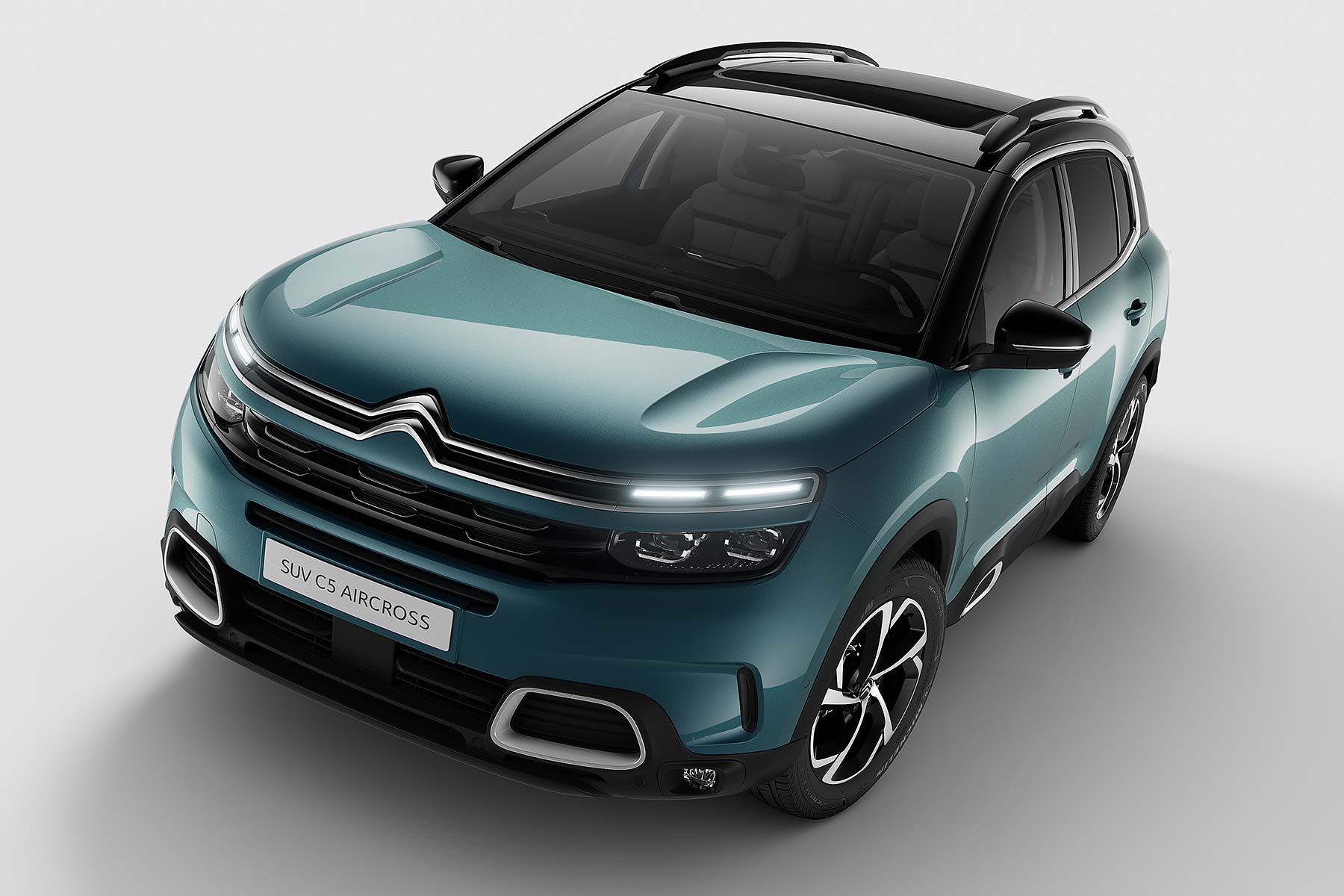
The five-seat SUV will be offered in Feel, Flair and Flair Plus trims. All will have best-in-class boot space, says Citroen: a sliding rear seat varies it between 580 litres and 720 litres. Fold the rear seats and 1,630 litres is opened up.

All are likely to prove very comfortable to ride in as well, as Citroen’s unique suspension with Progressive Hydraulic Cushions features on all. Flair and Flair Plus versions of the 2019 World Car Awards contender add armchair-like Advanced Comfort Seats. 

New 2019 Citroen C5 Aircross interior

Even the base Feel is well equipped, featuring 17-inch alloys, dual-zone climate control, rear parking sensors and touchscreen infortainment with Apple CarPlay and Android Auto as standard. Safety equipment is impressive, with active safety braking, blind-spot warning and lane-departure warning.

Flair (priced from £25,325) adds 18-inch alloys, a reversing camera, TomTom sat nav, dark rear glass, voice recognition and Citroen’s ConnectedCAM built-in dashcam.

Flair Plus (priced from £27,725) includes 19-inch alloys, active cruise control, an opening panoramic roof and wireless smartphone charging.

The engine line-up is simple: 1.2-litre PureTech 130 or 1.6-litre PureTech 180 petrol, plus 1.5-litre BlueHDi 130 and 2.0-litre BlueHDi 180 diesel. Both 180hp engines have an automatic as standard (you can’t get an auto on the PureTech 130). 

New 2019 Citroen C5 Aircross family SUV

Citroen suggests the trickiest part may be selecting colour and trim: with seven paint colours, an optional black roof, three colour packs and four alloy wheel options, there are a total of 30 different combinations of C5 Aircross. There’s sure to be one for you, no matter what your tastes…

2019 Citroen C5 Aircross model range

Feel

  • 1.2 PureTech 130: £23,225
  • 1.5 BlueHDi 130: £24,725
  • 1.5 BlueHDi 130 auto: £26,325

Flair

  • 1.2 PureTech 130: £25,325
  • 1.6 PureTech 180 auto: £28,325
  • 1.5 BlueHDi 130: £26,825
  • 1.5 BlueHDi 130 auto: £28,425
  • 2.0 BlueHDi 180 auto: £30,325

Flair Plus

  • 1.2 PureTech 130: £27,725
  • 1.6 PureTech 180 auto: £30,725
  • 1.5 BlueHDi 130: £29,225
  • 1.5 BlueHDi 130 auto: £30,825
  • 2.0 BlueHDi 180 auto: £32,725
Advertisement