Home Blog Page 416

Revealed: Europe’s best-selling cars of 2018

0

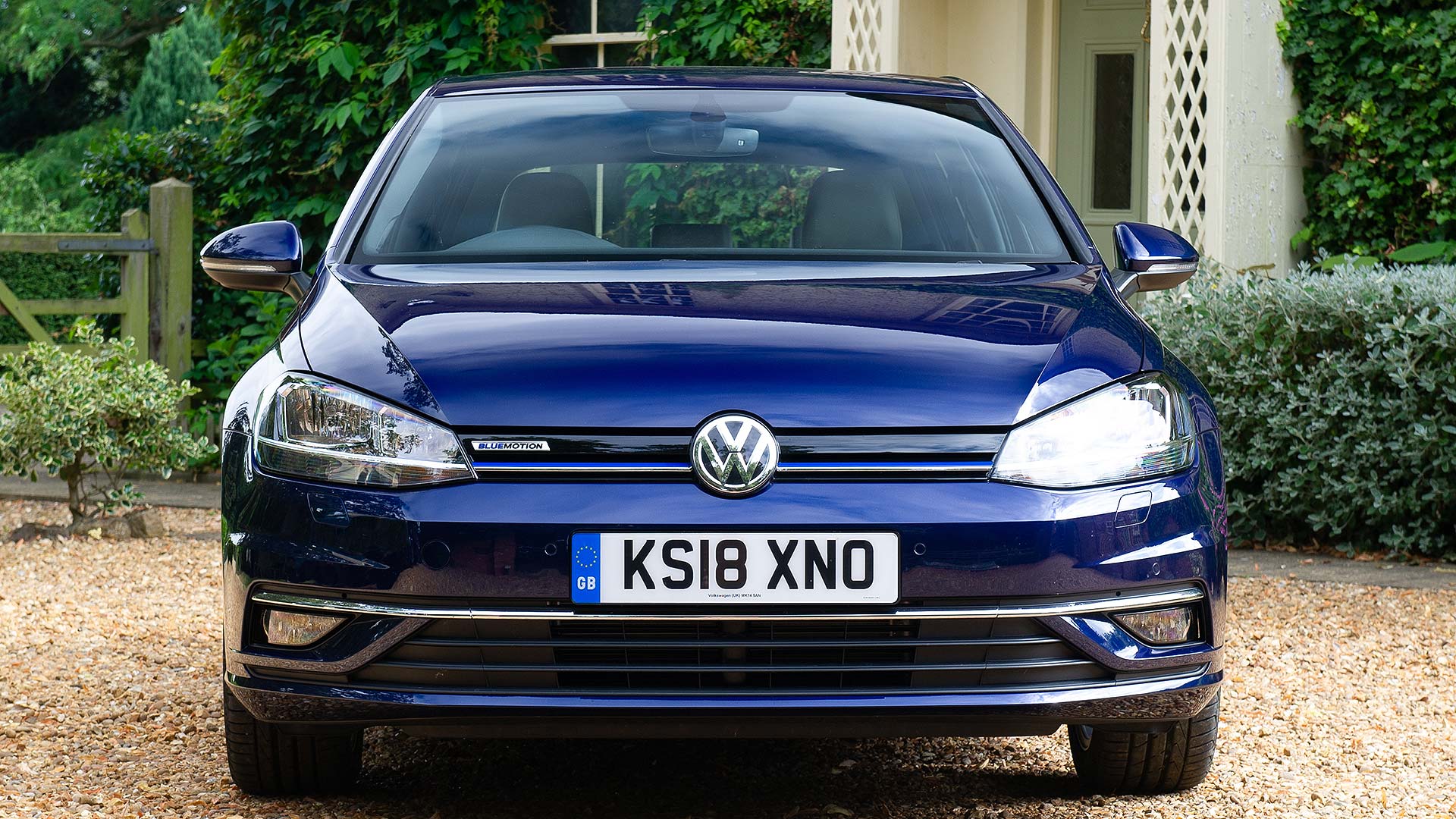
2018 Volkswagen GolfThe European new car market stablised in 2018, with registrations up by 346 units (yes, just three hundred and forty six cars!).

According to JATO Dynamics, a total of 15.6 million vehicles were registered, making it the market’s best result since 2017, but consumer confidence was hit by the aftereffects of dieselgate, WLTP and Brexit. 

Here, we reveal the top 25 best-selling cars of 2018, with the results presented in reverse order.

Also be sure to check out our British top 20 best-sellers of 2018, to see how we compare with the rest of Europe; we have more in common than you may think…

25: Ford Kuga – 154,125 registrations
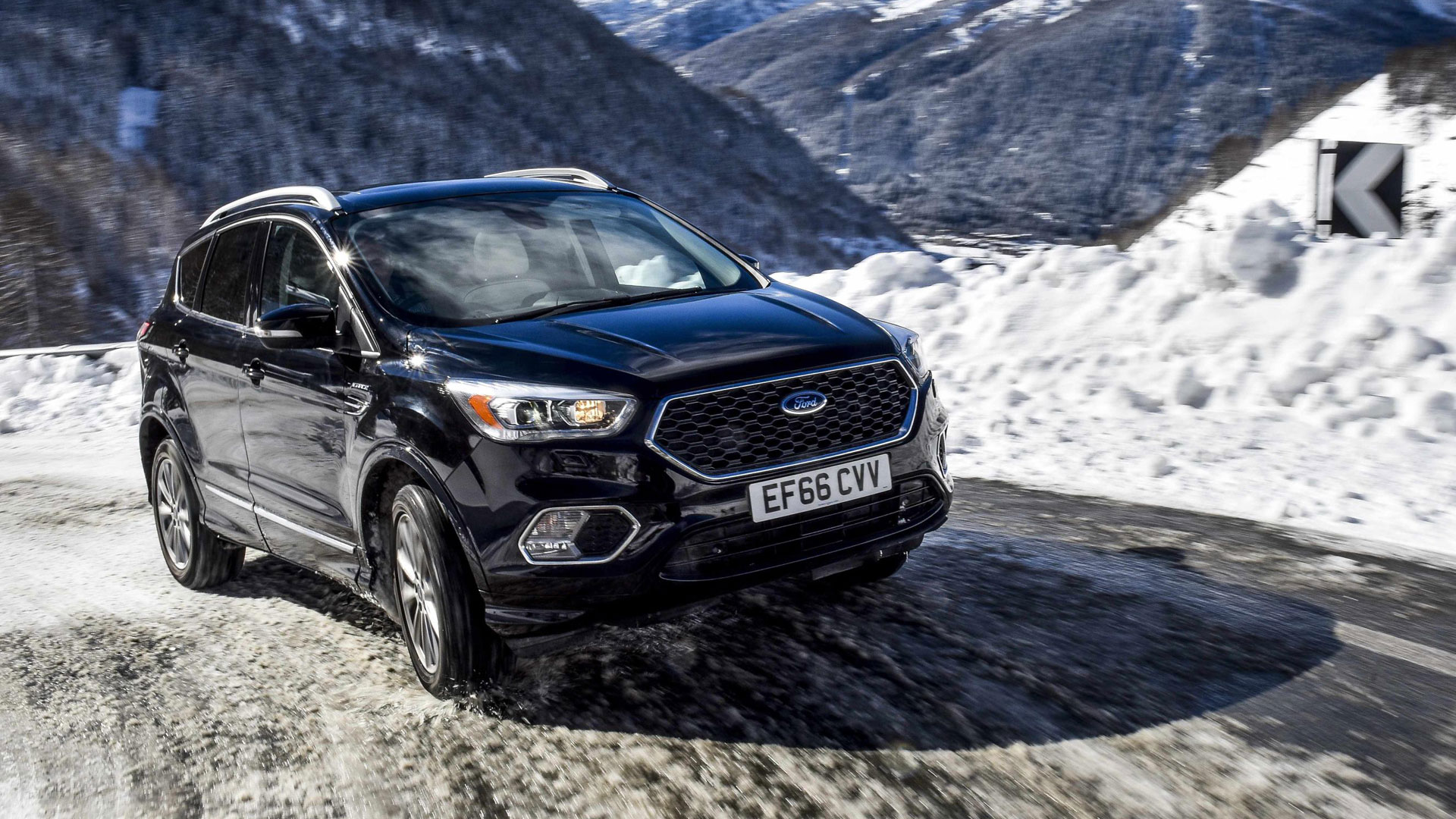
2018 Ford Kuga

Change 2017 vs 2018: up 1%

The Ford Kuga creeps into the top 25, with a slight increase in registrations in 2018. Four cars slipped out of the top 25: Audi A3, Renault Megane, Vauxhall Mokka and Mercedes-Benz C-Class.

Commenting on the results, Felipe Munoz, global analyst at JATO Dynamics said: “The effects of WLTP and the lack of availability of many key versions affected registrations in Q4, which is not surprising given that by late November less than two in three versions in Europe were homologated.”

24: Peugeot 308 – 155,925 registrations

Change 2017 vs 2018: down 2%

“Throughout 2018 we continued to see the effects of the diesel crisis, as announcements of policy changes by governments led to confusion and panic among consumers,” continued Munoz. Meanwhile, Peugeot 308 registrations were down in 2018.

23: Mercedes-Benz A-Class – 156,020 registrations

Change 2017 vs 2018: up 8%

Fresh from its launch at the 2018 Geneva Motor Show, the Mercedes A-Class has cemented its position as Europe’s most popular premium car. Highlights include a much-improved interior and a new MBUX infotainment system.

22: Volkswagen Passat – 157,986 registrations

Change 2017 vs 2018: down 14%

Sales of the Volkswagen Passat continue to fall, which is hardly surprising for a car that dates back to 2014 in Europe. The slump was offset by strong performances from the Polo and the new T-Roc.

21: Vauxhall Astra – 160,275 registrations
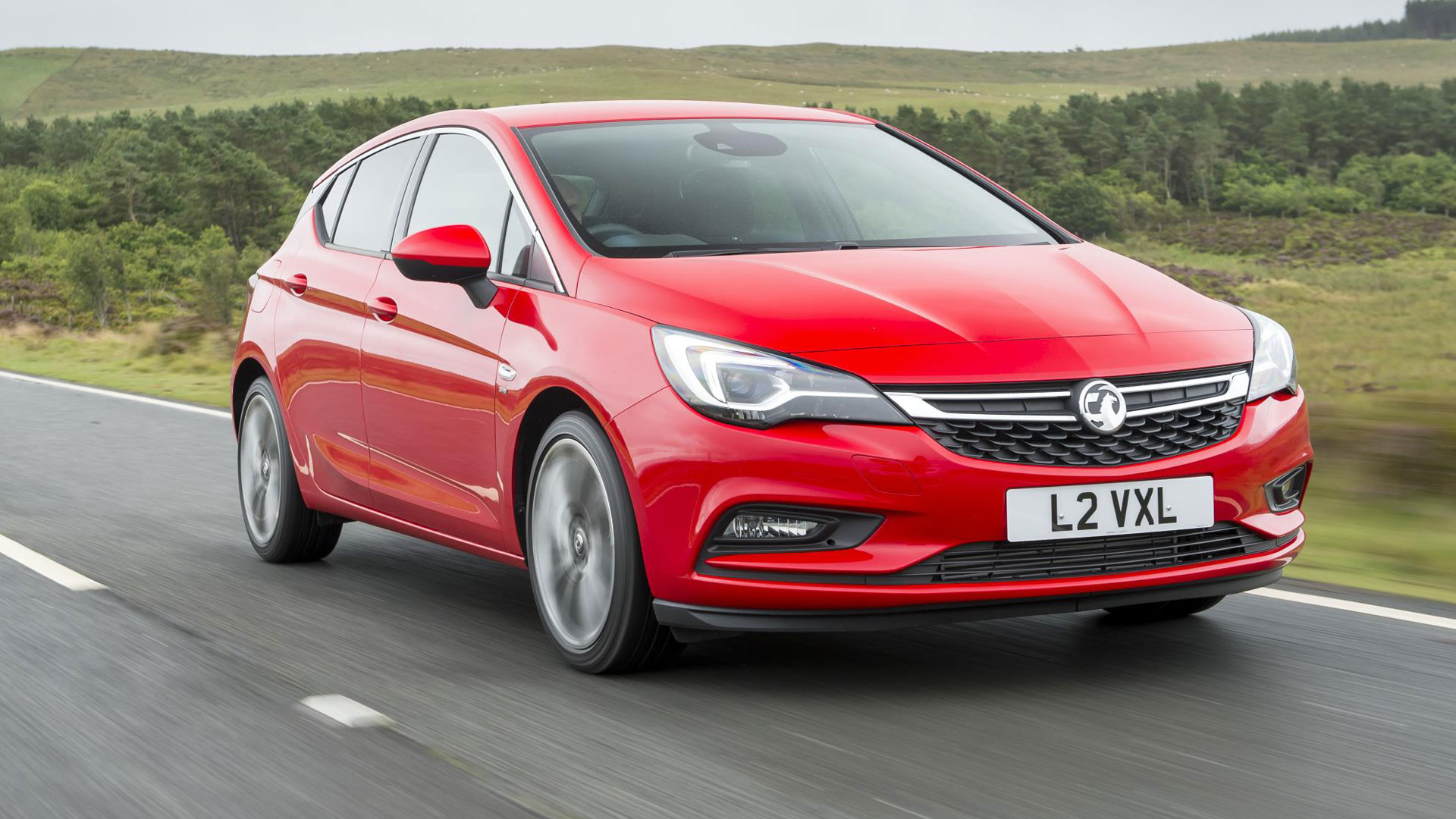
2018 Vauxhall Astra

Change 2017 vs 2018: down 27%

This is another wretched performance for the Astra, with registrations down 27 percent. This time last year, registrations were down 13.8 percent, as the Astra just managed to hold on to a top ten slot. It might even struggle to secure a place in the top 25 in 2019.

20: Fiat Panda – 168,697 registrations

Change 2017 vs 2018: down 10%

If Fiat wasn’t aware of the desperate need for a Panda replacement, the city car’s zero-star Euro NCAP crash test rating should have rammed the message home.

19: Skoda Fabia – 172,511 registrations

Change 2017 vs 2018: down 5%

The Skoda Fabia has been on sale a while, but a raft of revisions in 2018 delivered a much-needed refresh. The Fabia still offers excellent value for money, but has been left behind the likes of the Polo and Ibiza. Which means it’s no surprise to see registrations down in 2018.

18: Peugeot 2008 – 180,204 registrations

Change 2017 vs 2018: no change

The Peugeot 2008 was launched in 2013 and given a mid-life facelift in 2016. Sales remained static in 2018, but the 2020 version of this popular compact SUV is required to avoid a sales slump in 2019.

17: Dacia Duster – 182,100 registrations
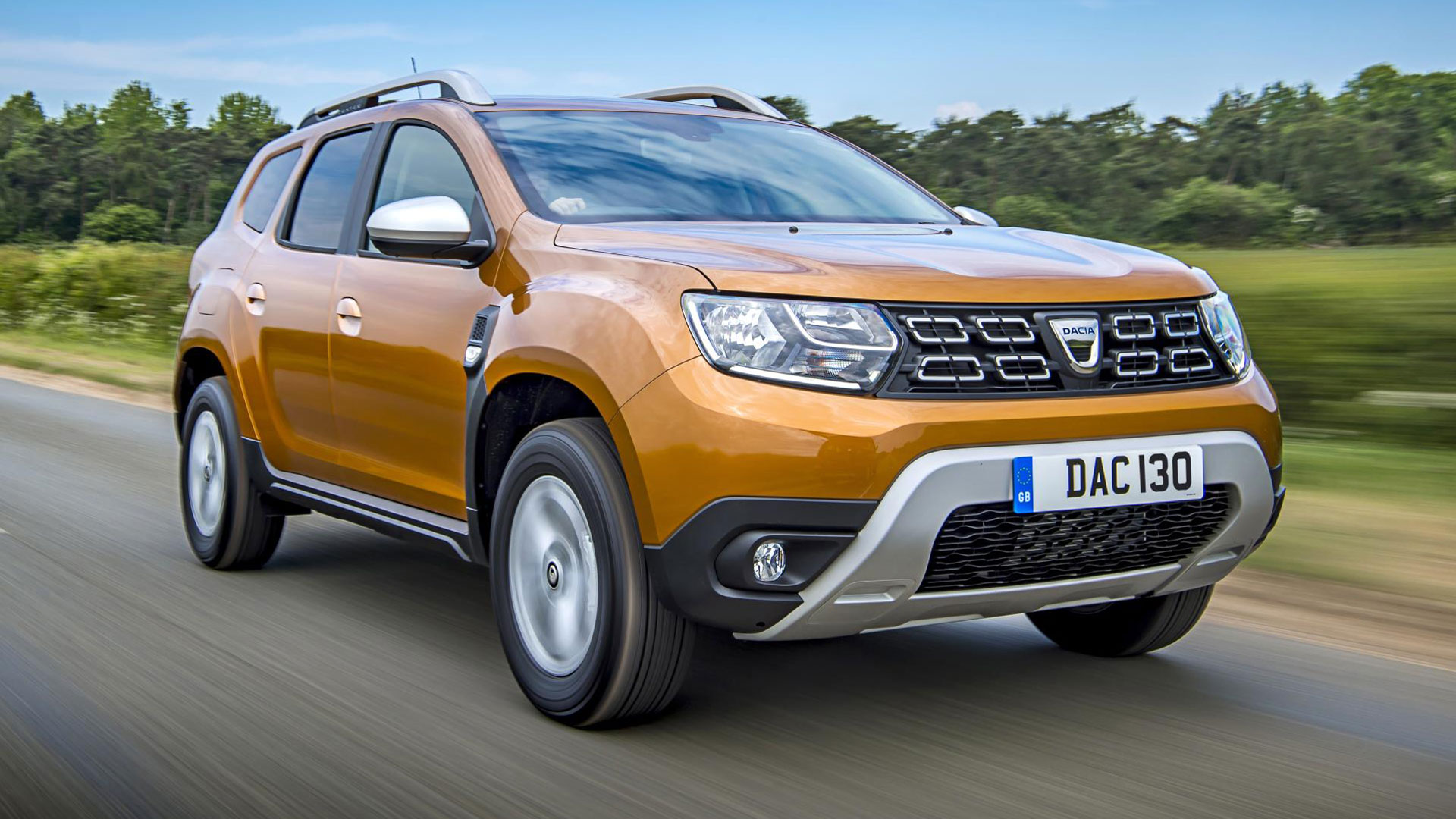
2018 Dacia Duster

Change 2017 vs 2018: up 22%

Go Duster! Or something. From outside the top 25 in 2017, the Dacia Duster catapults itself to 17th in 2018, with registrations up 22 percent. The new version has been improved in a number of areas, including more comfortable seats and more efficient engines.

16: Fiat 500 – 191,205 registrations

Change 2017 vs 2018: up 1%

The Fiat 500 is a non-mover at number 16, with registrations up once again. Since it went on sale way back in 2007, the 500 has remained one of the most fashionable cars you can buy, with recent sales assisted by a 2016 facelift.

15: Ford Focus – 196,583 registrations

Change 2017 vs 2018: down 9%

Sales of the new Ford Focus are down from 214,661 in 2017 to 196,583 in 2018. Blame disruption from the switchover to the new model. Ford registered just over a million new cars in 2018, placing it third overall on the list of manufacturers behind Renault in second and Volkswagen at the top.

14: Peugeot 3008 – 204,197 registrations

Change 2017 vs 2018: up 26%

It has been a good couple of years for the Peugeot 3008, with this performance following a huge increase of 554.9 percent in 2017. This is the largest increase in the top 25, with Peugeot registering just shy of a million cars in 2018.

13: Citroen C3 – 210,082 registrations

2018 Citroen C3

Change 2017 vs 2018: up 1%

Launched in January 2017, the Citroen C3 remains in 13th place for the second successive year. UK prices start from just shy of £12,000, with top-spec models weighing in at around £16,000.

12: Renault Captur – 214,720 registrations

Change 2017 vs 2018: no change

The Renault Captur is another non-mover, with registrations remaining static in 2018. With overall registrations of 1.1 million, Renault is the second biggest brand in Europe.

11: Dacia Sandero – 216,306 registrations

Change 2017 vs 2018: up 8%

It’s another good year for the Dacia Sandero, with this performance following an increase of 15.6 percent this time last year. It also sees the Sandero climbing from 15th to 11th place. Another 731 registrations and it would have made the top ten.

10: Vauxhall Corsa – 217,036 registrations

Change 2017 vs 2018: down 7%

The Vauxhall Corsa is left clinging on to a place in the top ten, with registrations falling from 232,738 to 217,036. It means that the 2020 Corsa is long overdue – the new car will use the same platform as the next-generation Peugeot 208.

9: Toyota Yaris – 217,642 registrations
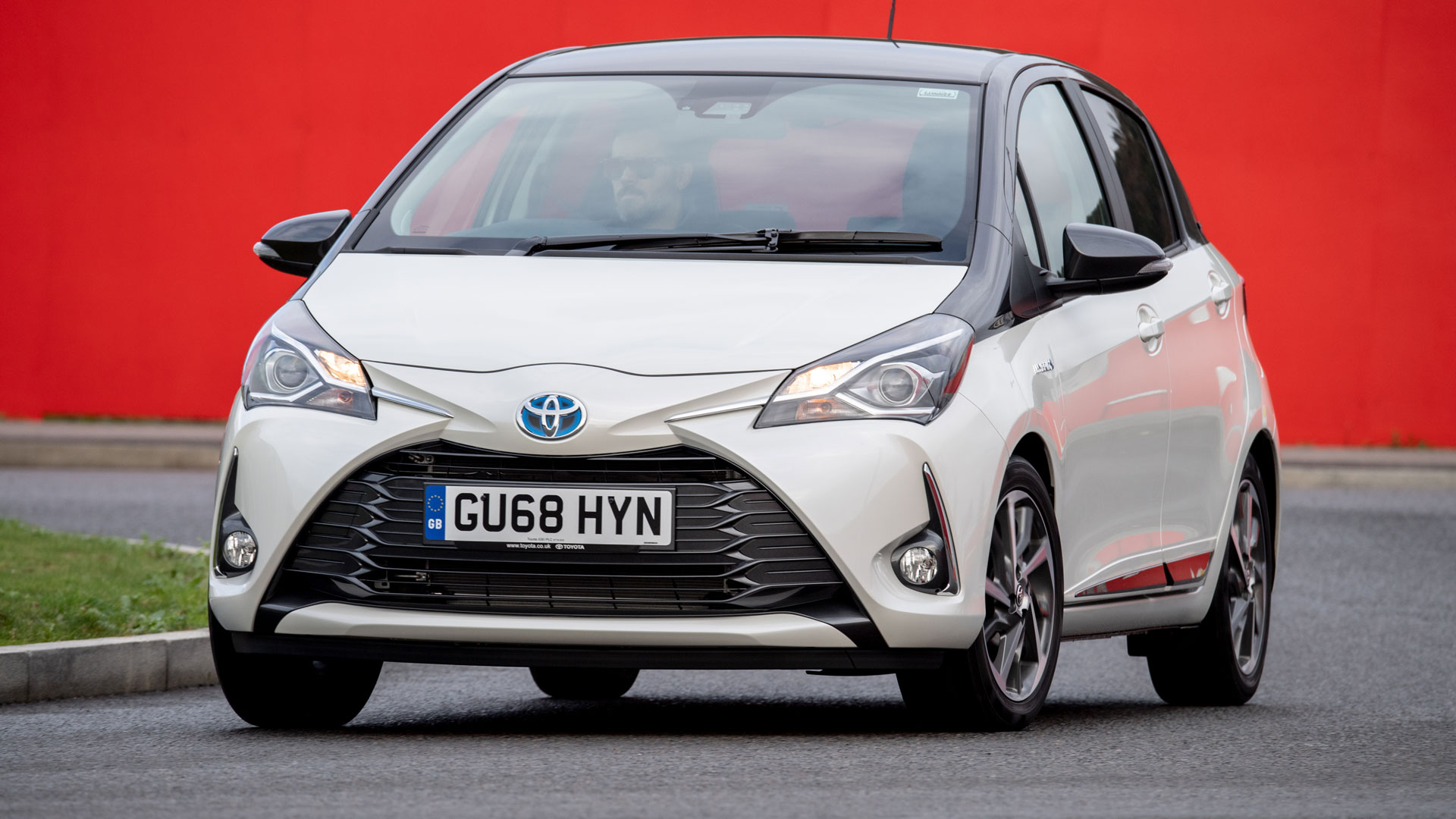
2018 Toyota Yaris

Change 2017 vs 2018: up 9%

From 14th place in 2017, the Toyota Yaris has broken the 200k mark to finish above the Corsa. Amazingly, this is the only Toyota to feature in the top 25, although the company made the top ten on the list of manufacturers.

8: Skoda Octavia – 223,352 registrations

Change 2017 vs 2018: down 3%

With more than six million Octavias of all generations sold, this is by far the best-seller in the Skoda range. Registrations might have been down in 2018, but this is around 50,000 more units than the Fabia.

7: Volkswagen Tiguan – 224,788 registrations

Change 2017 vs 2018: down 5%

With three models in the top ten, Volkswagen recorded a 3 percent increase in registrations, with sales totalling 1.75 million. As an aside, the majority of vehicles registered in 2018 were powered by petrol engines, with the fuel type making up 57 percent of all registrations.

6: Peugeot 208 – 230,026 registrations
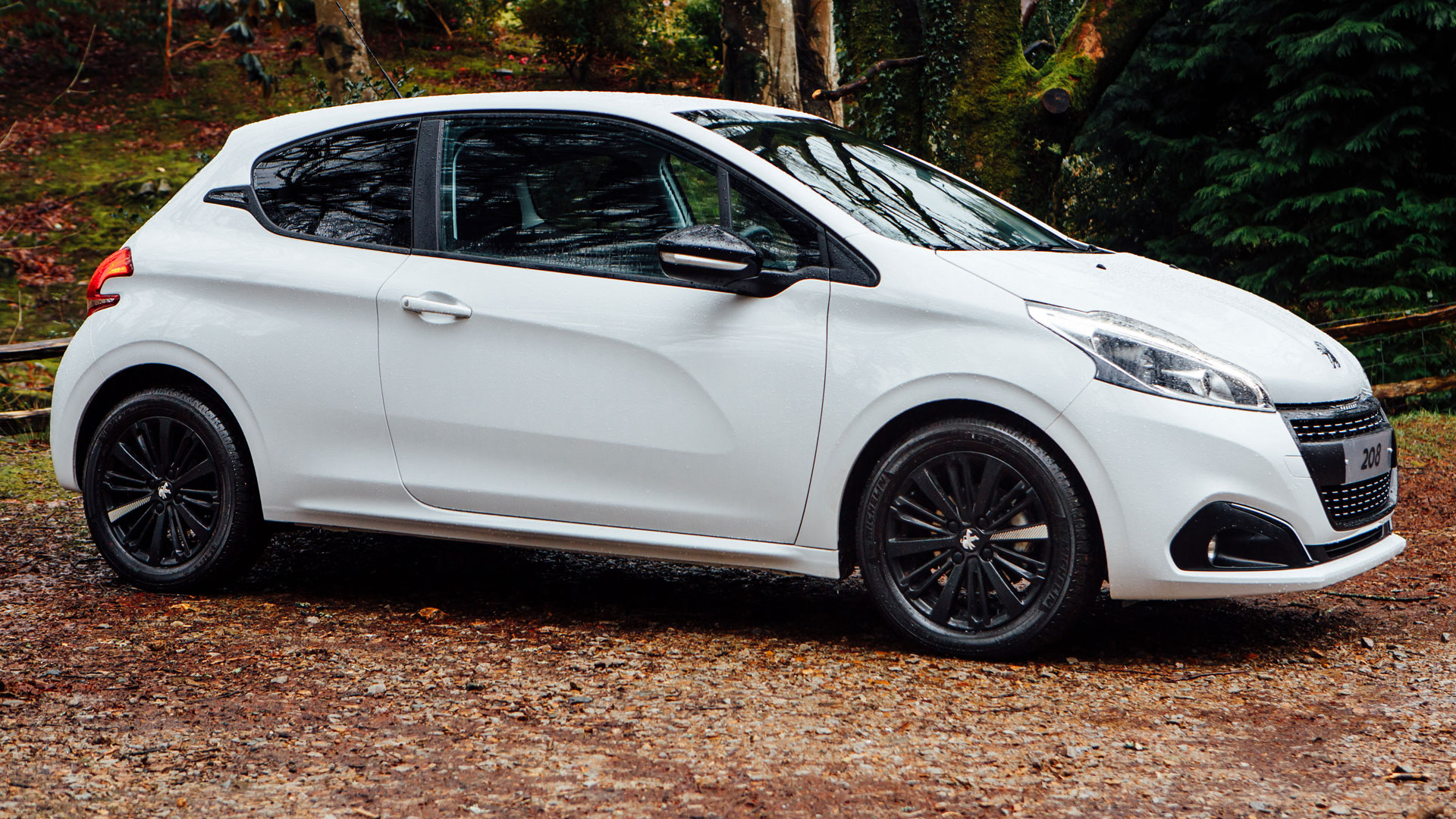
2018 Peugeot 208

Change 2017 vs 2018: down 6%

Interestingly, the top seven cars have all retained their places in 2018, which proves that European consumers are a predictable bunch.

5: Nissan Qashqai – 233,026 registrations
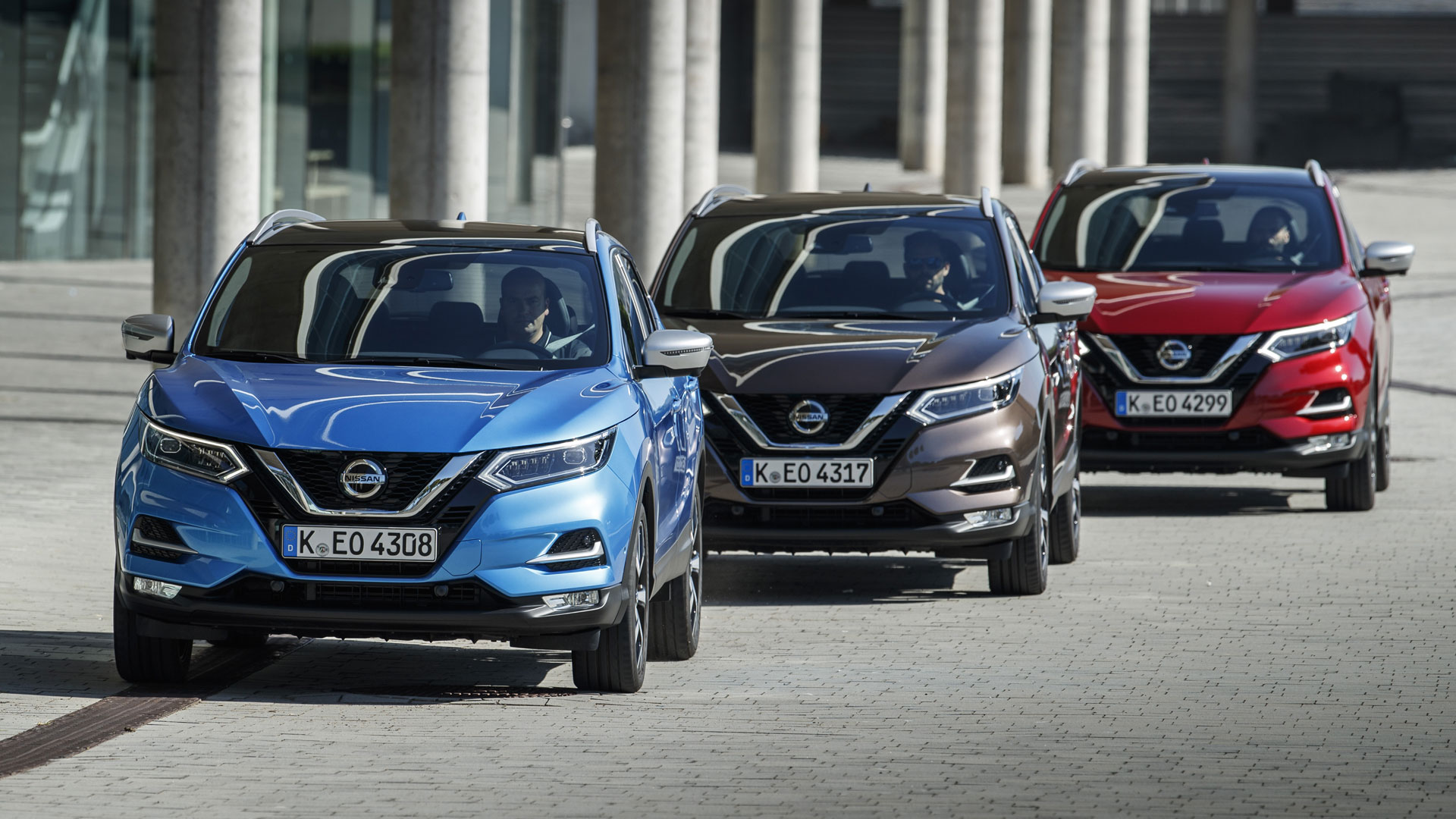
2018 Nissan Qashqai

Change 2017 vs 2018: down 6%

The Nissan Qashqai remains Europe’s most popular crossover, although the Volkswagen Tiguan is closing in.

4: Ford Fiesta – 270,738 registrations

2018 Ford Fiesta

Change 2017 vs 2018: up 6%

Britain’s best-selling car is Europe’s fourth-best, with registrations up from 254,539 to 270,738. The new Fiesta is available in a range of flavours, including hot ST, posh Vignale (pictured) and semi-rugged Active.

3: Volkswagen Polo – 299,920 registrations
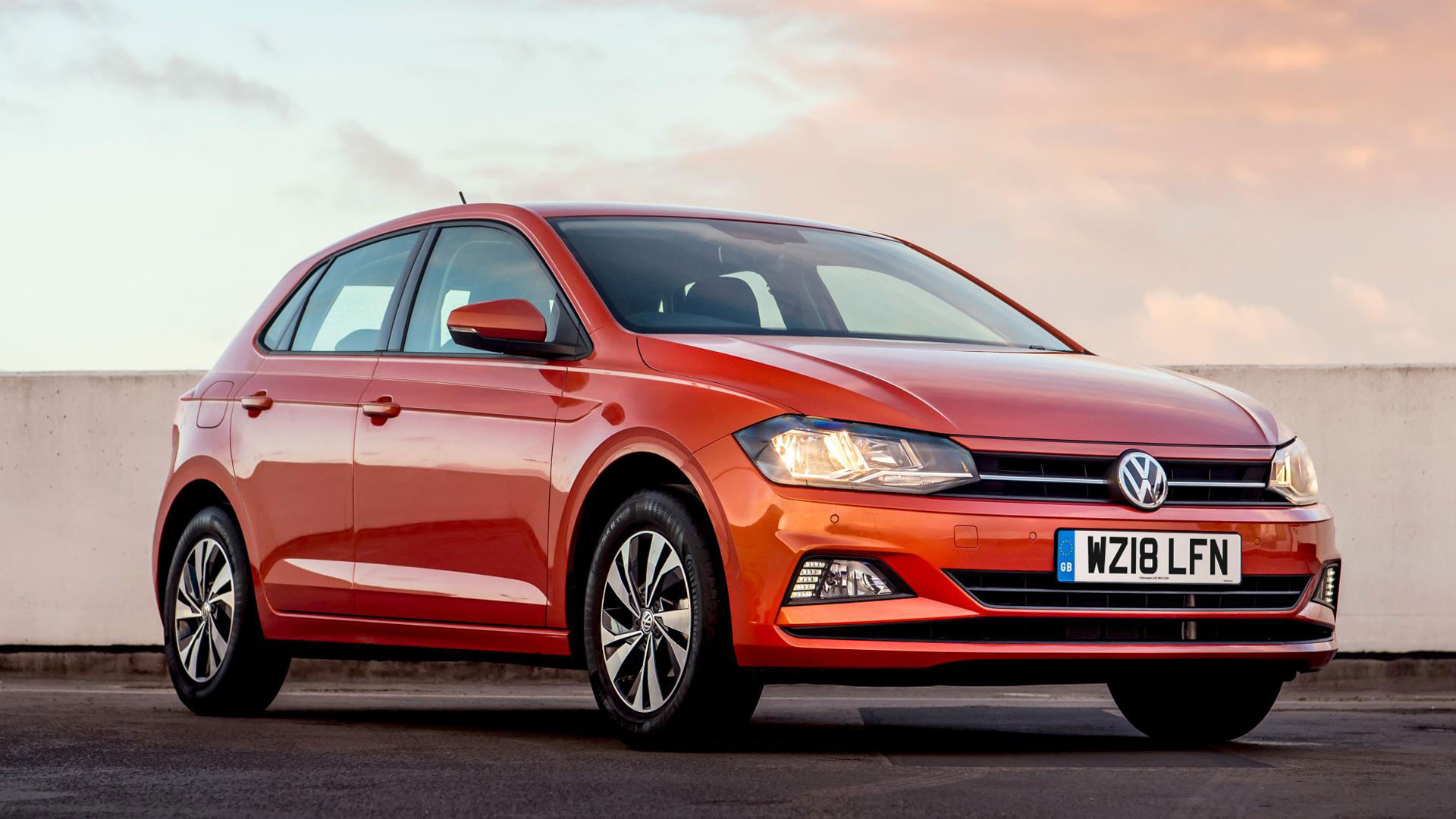
2018 Volkswagen Polo

Change 2017 vs 2018: down 10%

It was another good year for the Volkswagen Polo, although the premium supermini fell agonisingly short of the 300,000 mark. Just 80 more units would have made all the difference.

2: Renault Clio – 336,268 registrations
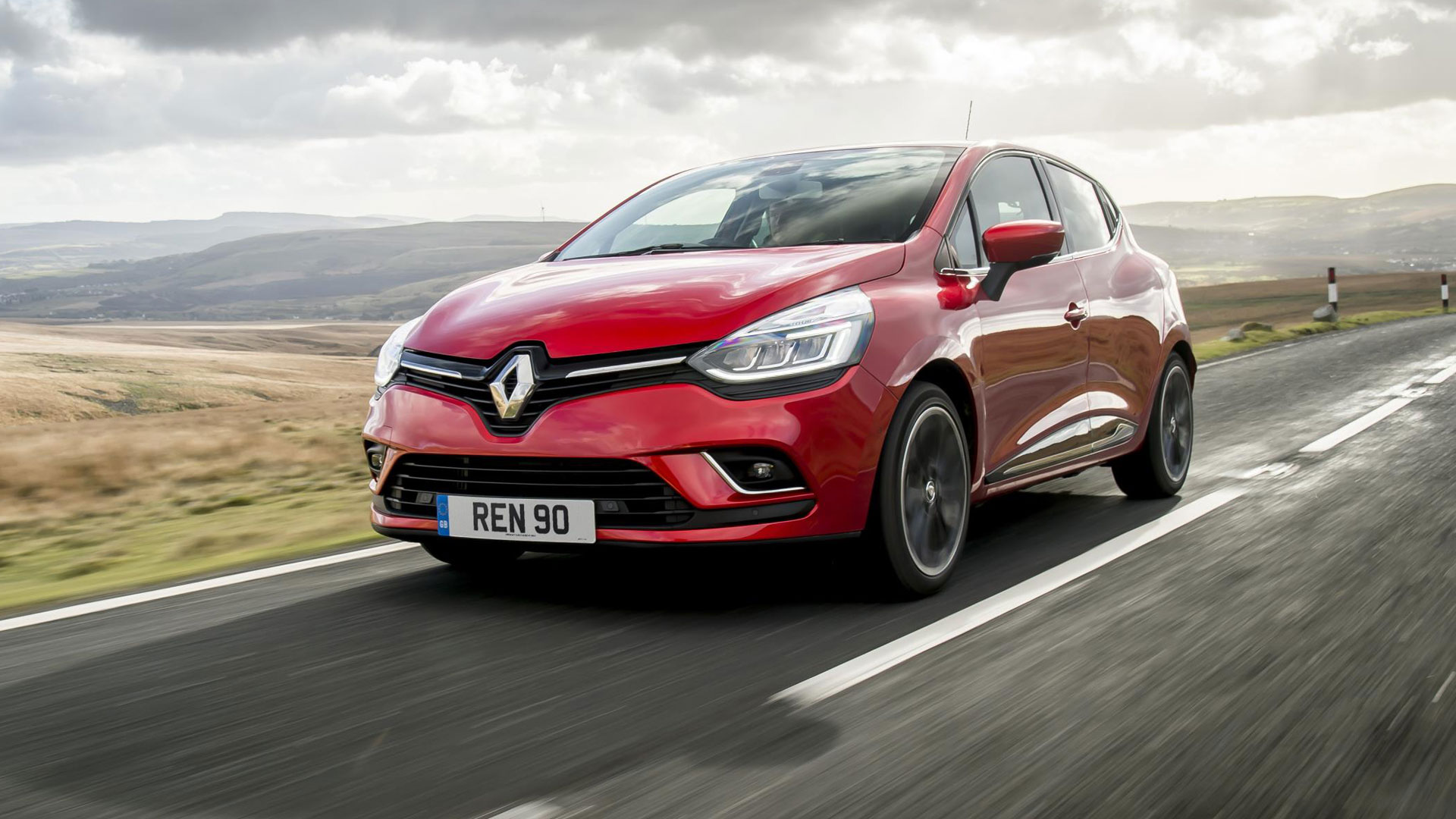
2018 Renault Clio

Change 2017 vs 2018: up 2%

A new Renault Clio will be shown at the 2019 Geneva Motor Show, but sales of the outgoing model are showing no signs of slowing up. Good work, Renault.

1: Volkswagen Golf – 445,754 registrations
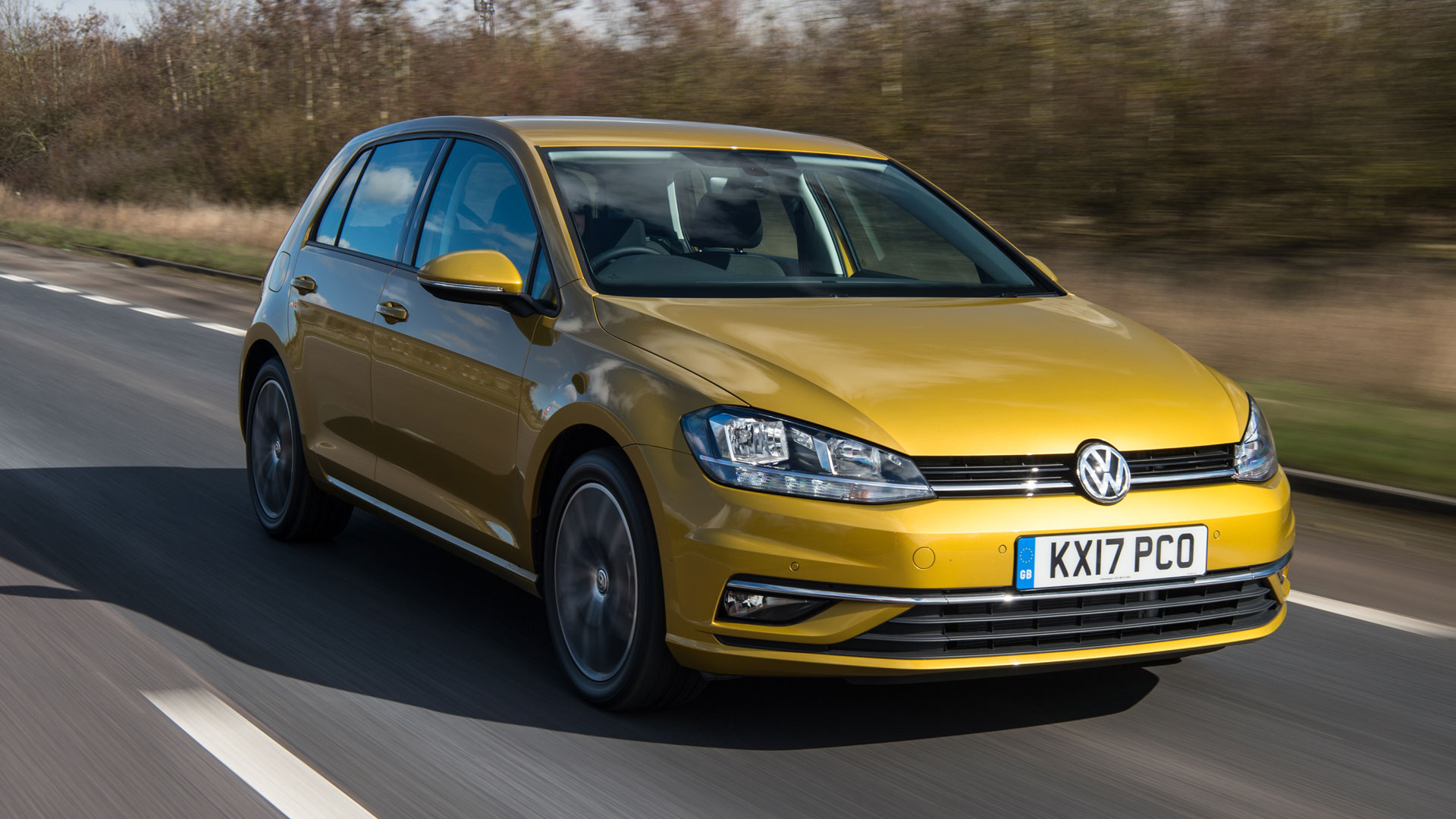
2018 Volkswagen Golf

Change 2017 vs 2018: down 8%

Even with an 8 percent fall in registrations, the Volkswagen Golf remains the best-selling car in Europe. Sales of diesel models were down by a massive 30 percent. Still, there’s little chance of anything catching the Golf in 2019.

Advertisement

Beer found below the A14 in Cambridgeshire

0

beer found below A14

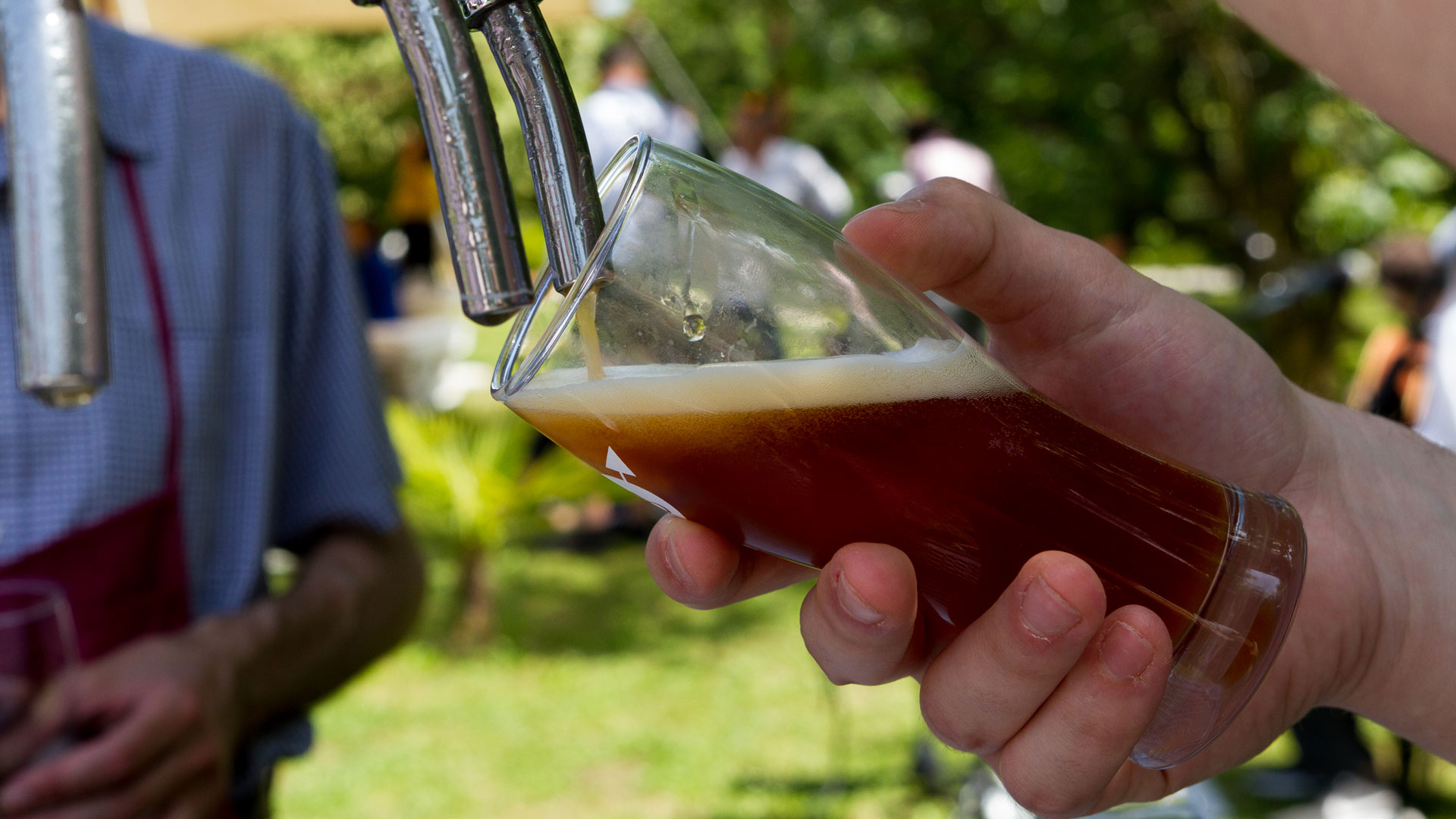
Experts working on the upgrade of the A14 in Cambridgeshire have uncovered what is believed to be evidence of the first beer brewed in the UK.

Signs of the Iron Age brew, dating back more than 2,000 years, were uncovered in tiny fragments of charred residues from the beer making process from earth excavated as part of the £1.5bn A14 Cambridge to Huntingdon improvement scheme.

The beer follows woolly mammoths, abandoned villages and burials in a series of fascinating discoveries made during the four-year scheme. 

Dr Steve Sherlock, Highways England archaeology lead for the A14, said: “The work we are doing on the A14 continues to unearth incredible discoveries that are helping to shape our understanding of how life in Cambridgeshire, and beyond, has developed through history.

“It’s a well-known fact that ancient populations used the beer making process to purify water and create a safe source of hydration, but this is potentially the earliest physical evidence of that process taking place in the UK.”

A team of 250 archaeologists have been working on the project, investigating sites across 360 hectares. This latest discovery also revealed that the locals, dating back as far as 400 BC, also had a taste for porridge and bread.

‘Needle in a haystack’

Sample from the A14

Archaeobotanist Lara Gonzalez, who discovered the beer, said: “I knew when I looked at these tiny fragments under the microscope that I had something special. The microstructure of these remains had clearly changed through the fermentation process and air bubbles typical of those formed in the boiling and mashing process of brewing.

“It’s like looking for a needle in a haystack but as an archaeobotanist, it’s incredibly exciting to identify remains of this significance and to play a part in uncovering the fascinating history of the Cambridgeshire landscape.

“The porous structures of these fragments are quite similar to bread, but through microscopic study, it’s possible to see that this residue is from the beer-making process as it shows evidence of fermentation and contains larger pieces of cracked grains and bran but no fine flour.”

Work on the £1.5bn A14 improvement scheme started in November 2016 and includes a new bypass to the south of Huntingdon. The new road is expected to open to the traffic by the end of 2020.

Advertisement

Skoda creates new special edition Octavia vRS Challenge for the UK

0

2019 UK Skoda Octavia vRS ChallengeSkoda has launched a new range-topping version of the performance Octavia vRS, featuring more power and extra standard equipment.

Proving that practicality can still be fun, the Octavia vRS Challenge packs more than £4,500 worth of extra goodies, for only a £2,460 premium compared to the regular vRS version.

Key to the vRS Challenge is the use of the enhanced 2.0-litre TSI petrol engine, previously used in the vRS 245 model.

For those who missed out to buy that particular version, this is a second chance opportunity for an extra 15hp over the normal vRS.

What, no diesel?

2019 UK Skoda Octavia vRS ChallengeWith 245hp and 273lb-ft of torque, the vRS Challenge accelerate from 0-62mph in 6.6 seconds. Opting for the cavernous estate version drops that slightly to 6.7 seconds – an acceptable debit for 1,740 litres of luggage space.

A six-speed manual gearbox is standard, with a seven-speed DSG dual-clutch on the options list. Whatever transmission choice, the vRS Challenge comes fitted with an electronically controlled limited-slip differential to help transfer power to the road more effectively.

Sadly for fans of long-range cruising, the vRS Challenge trim won’t be offered with the 2.0-litre diesel engine.

Fully loaded for the challenge

2019 UK Skoda Octavia vRS ChallengeStandard vRS Challenge specification closely mirrors that of the previous vRS 245 version. That means 19-inch ‘Xtreme’ alloy wheels, a sports exhaust with black tailpipes, and black vRS badging front and rear.

Inside, the sports seats are finished in grippy Alcantara trim, and can be adjusted electronically. Front and rear parking sensors, folding and automatically dimming exterior mirrors, and keyless entry are also notable upgraded compared to the standard vRS.

Dynamic Chassis Control is also fitted to the vRS Challenge, featuring electronically regulated suspension dampers. Engaging vRS mode sees the dampers stiffen, along with adding extra weight to the steering. For the really committed, there is even a lap timer function for the colour trip computer.

Available to order right now, prices start at £30,085 for the hatchback, with the estate beginning from £31,285.

Advertisement

Former Jaguar designer to lead new Geely UK studio in Coventry

0

Wayne BurgessThe man who helped create landmark Jaguars such as the F-Type sports car and F-Pace SUV has, after 17 years, left the firm to set up a new UK design centre for Chinese giant Geely Auto Group.
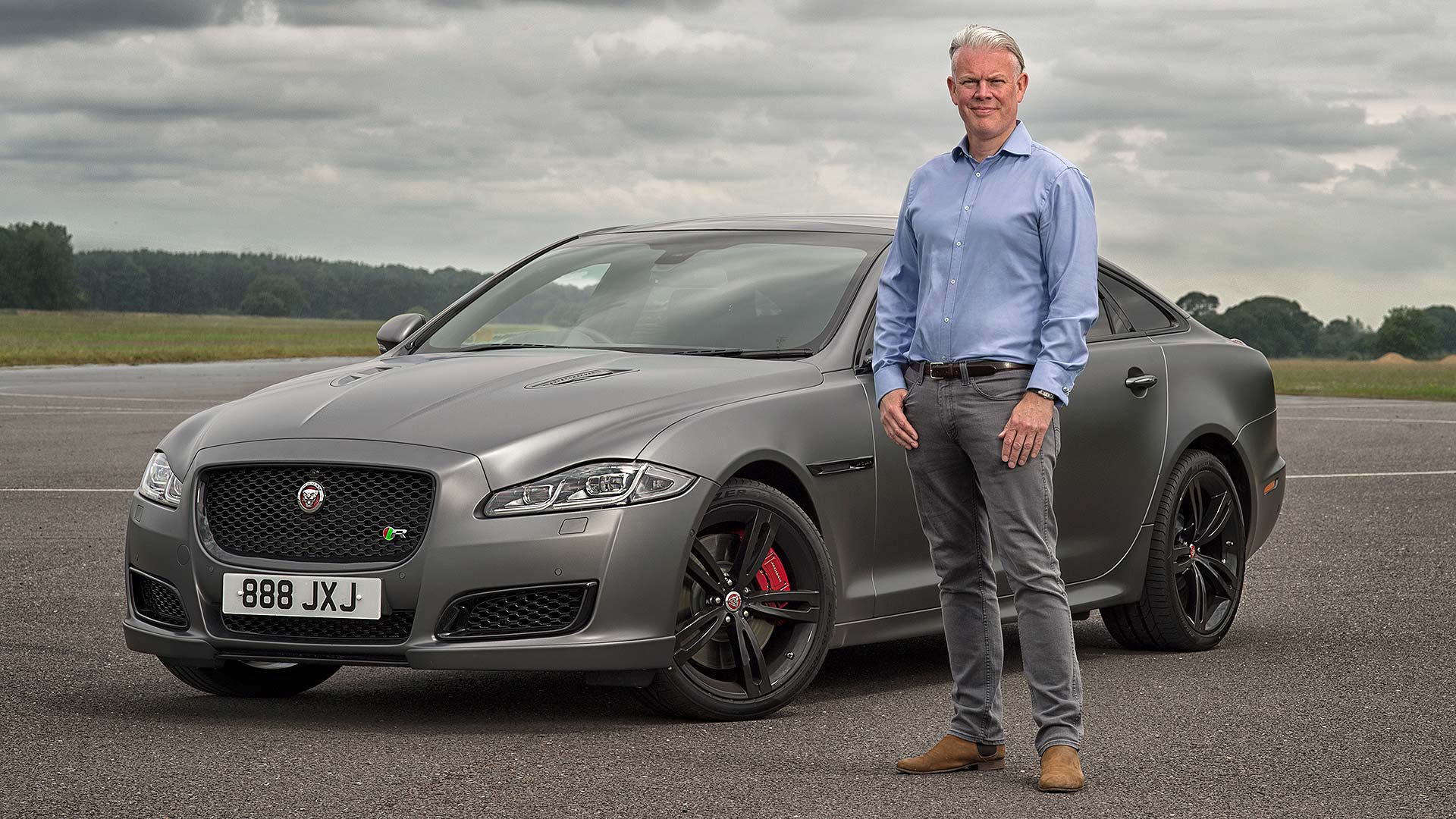
Wayne Burgess, formerly chief designer and design director at Jaguar Cars, is now vice president of Geely Design UK.

The brand new UK design centre will be based in Coventry – where, for years, Burgess worked for Jaguar.

Wayne Burgess and the Jaguar XJR575

There are already plans for the new Geely Design UK centre to quickly expand, growing to a staff of around 100 designers. It is being set up to expand the design base of Geely’s in-house brands: these include Geely Auto, Lynk & Co, Proton, Lotus and LEVC, the London Electric Vehicle Company taxi brand.

The new UK design and innovation centre will complement other Geely design studios in Shanghai, Gothenburg, Barcelona and California.

Speaking of his new role, Burgess said: “Geely Design has moved quickly to establish itself over the past five years, growing to become one of the strongest teams in the automotive design field.”

His new boss, Peter Horbury, said: “The addition of Geely Design UK showcases Geely’s commitment to the UK and also shows Britain’s leading position in the areas of creativity and design.

“Wayne brings with him a wealth of experience in premium car design which will help us develop our brands.”

Advertisement

Citroen marks 100 years with Origins special editions

0

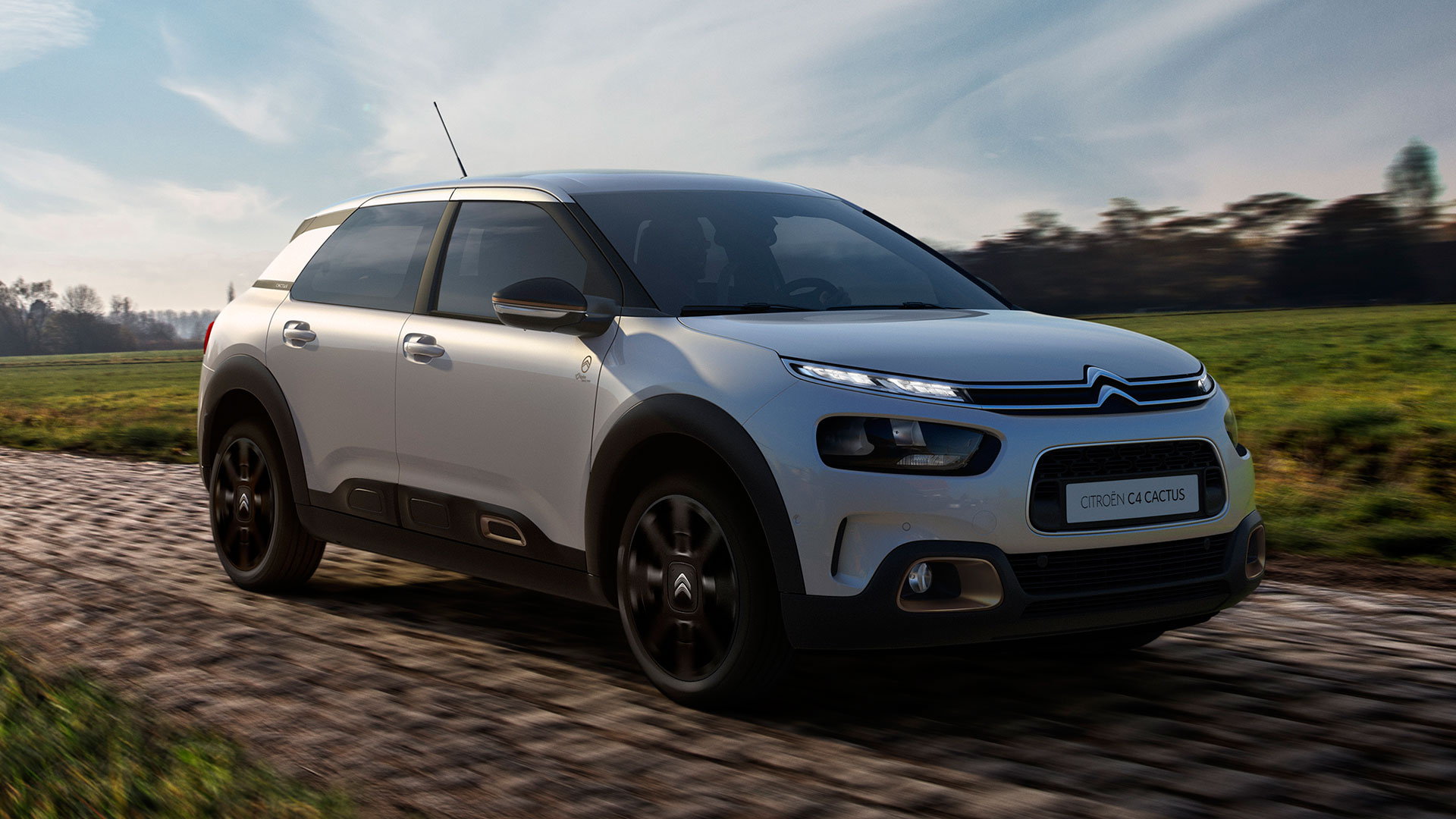
Citroen C4 Cactus Origins

Citroen is paying homage to 100 years of ‘creativity and boldness‘ with help from a new range of Origins limited edition cars.

Sadly, this doesn’t mean we can look forward to a Citroen AX GT ‘restomod’, a CX for a new-generation or a modern-day 2CV – although we can dream. Instead, it’s a range of limited-run specials based on some of Citroen’s most popular models.

The first two vehicles in the UK are the C3 Origins and the C4 Cactus Origins. Later this year, Origins versions of the C1 and C3 Aircross will be available to order.

All feature bronze highlights and a nod to the original Citroen chevron logo.

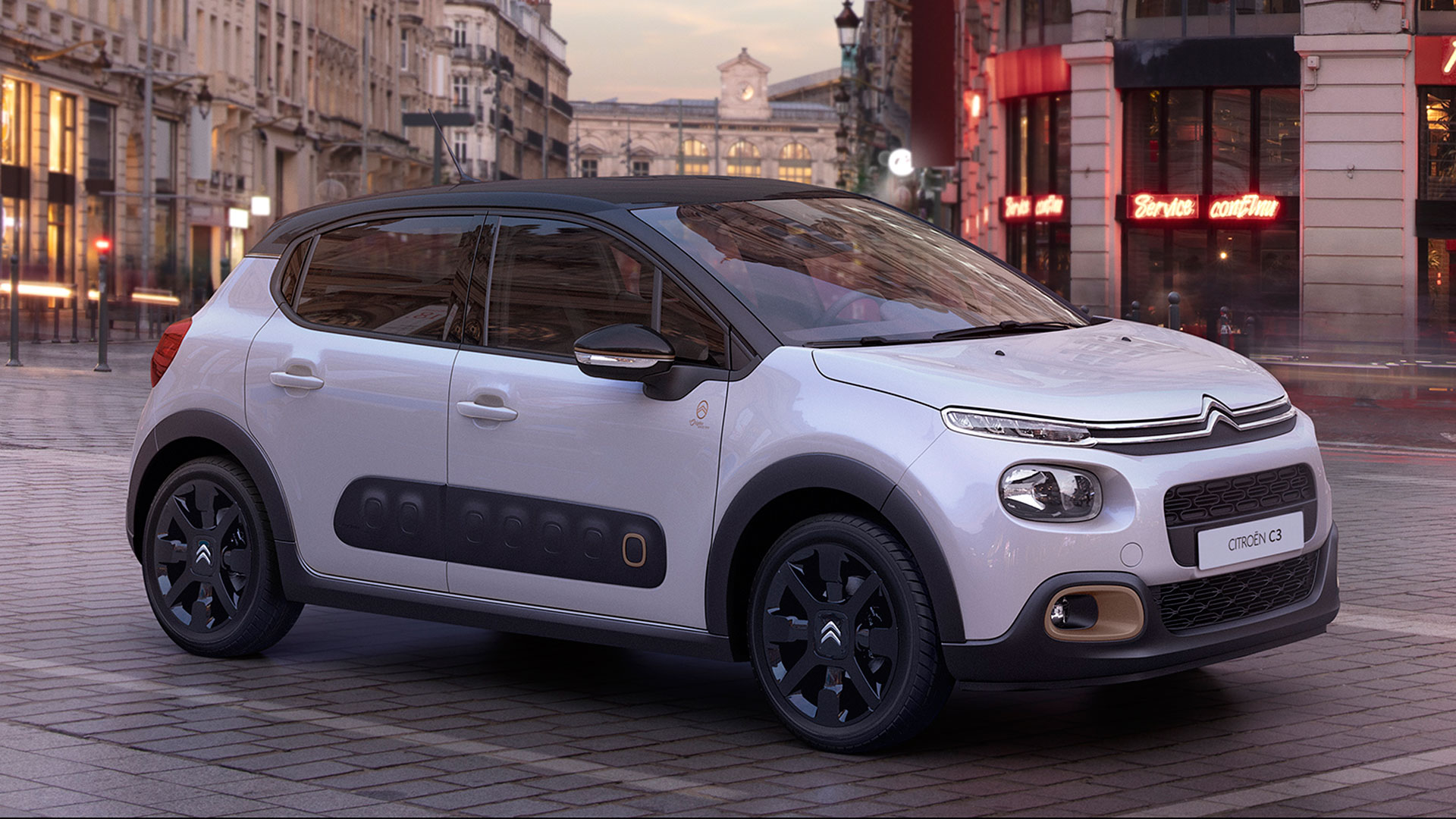
The C3 Origins is available in a choice of Polar White, Cumulus Grey, Platinum Grey or Perla Black body colours, paired with a black roof and 17-inch black alloy wheels.

Citroen C3 Origins

A special Origins colour pack features bronze fog lights and Airbump panel surrounds, along with the Origins logo on the door mirrors and roof pillars. Inside, the C3 Origins features Heather Grey and black seat upholstery, and a soft-touch dashboard trim with a bronze surround.

The C3 Origins is available with a choice of two 1.2-litre engines – a PureTech 82 and PureTech 110 – with the latter equipped with a six-speed automatic transmission. Prices range from £16,585 for the PureTech 82, to £19,005 for the PureTech 110.

The C4 Cactus Origins is largely the same as the C3 Origins, although Pearl White paint is also available, while Perla Nera is substituted for Obsidian Black. Only one powertrain is offered: a 1.2-litre PureTech 110 with a six-speed manual gearbox. The price is £20,215.

Citroen Origins logo

Customers can place orders now, with deliveries expected in March 2019. Origins versions of the C1 and C3 Aircross will be available to order in March for delivery in June.

Advertisement

Brexit blamed for UK car industry six-year low

0

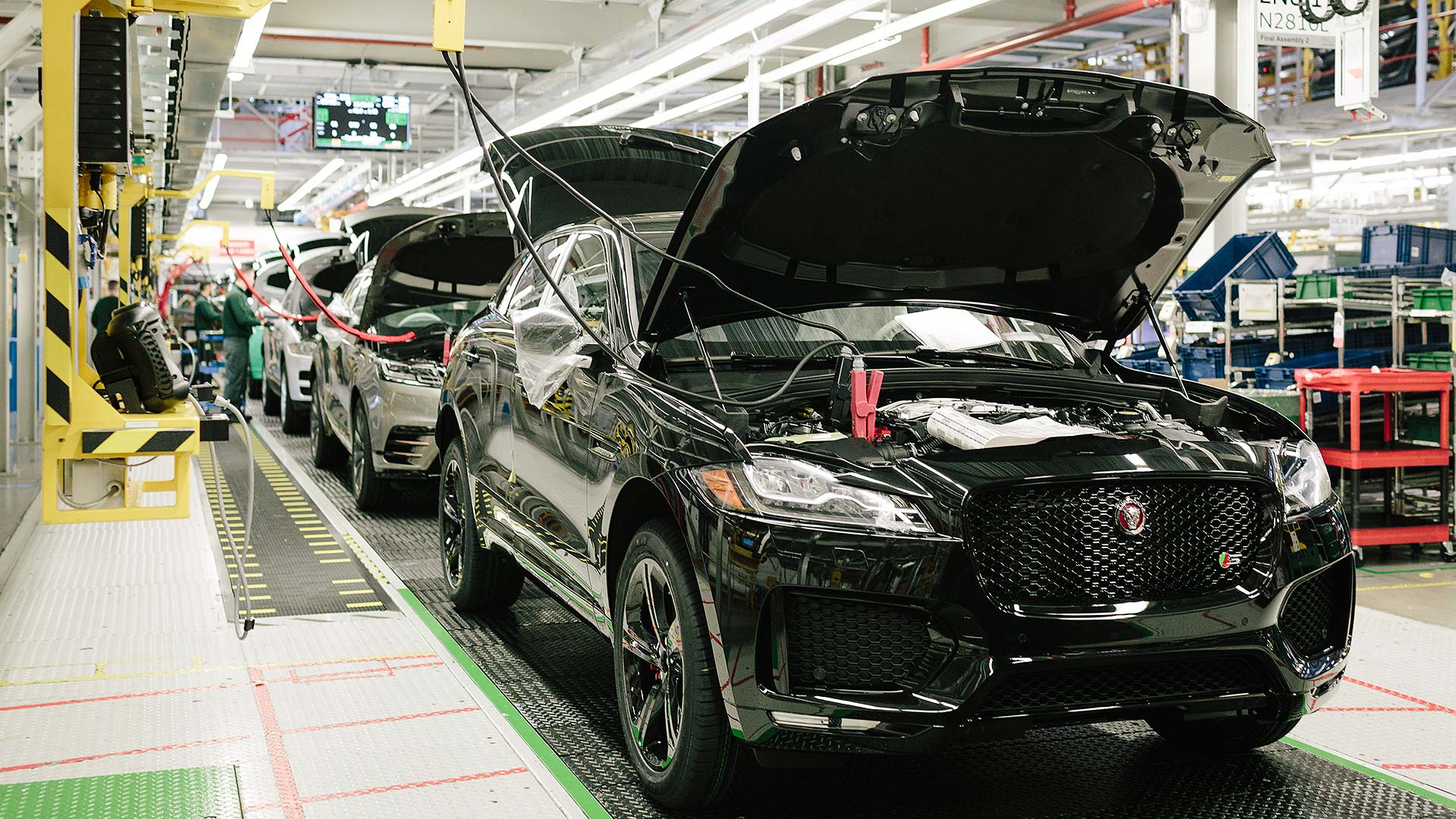
Jaguar Land Rover car production lineBrexit has already done ‘enormous damage’ to the British car industry as new figures show 2018 production figures fell by 9.1 percent.

Overall investment in the UK car industry also halved in 2018, according to new figures from the Society of Motor Manufacturers and Traders (SMMT).

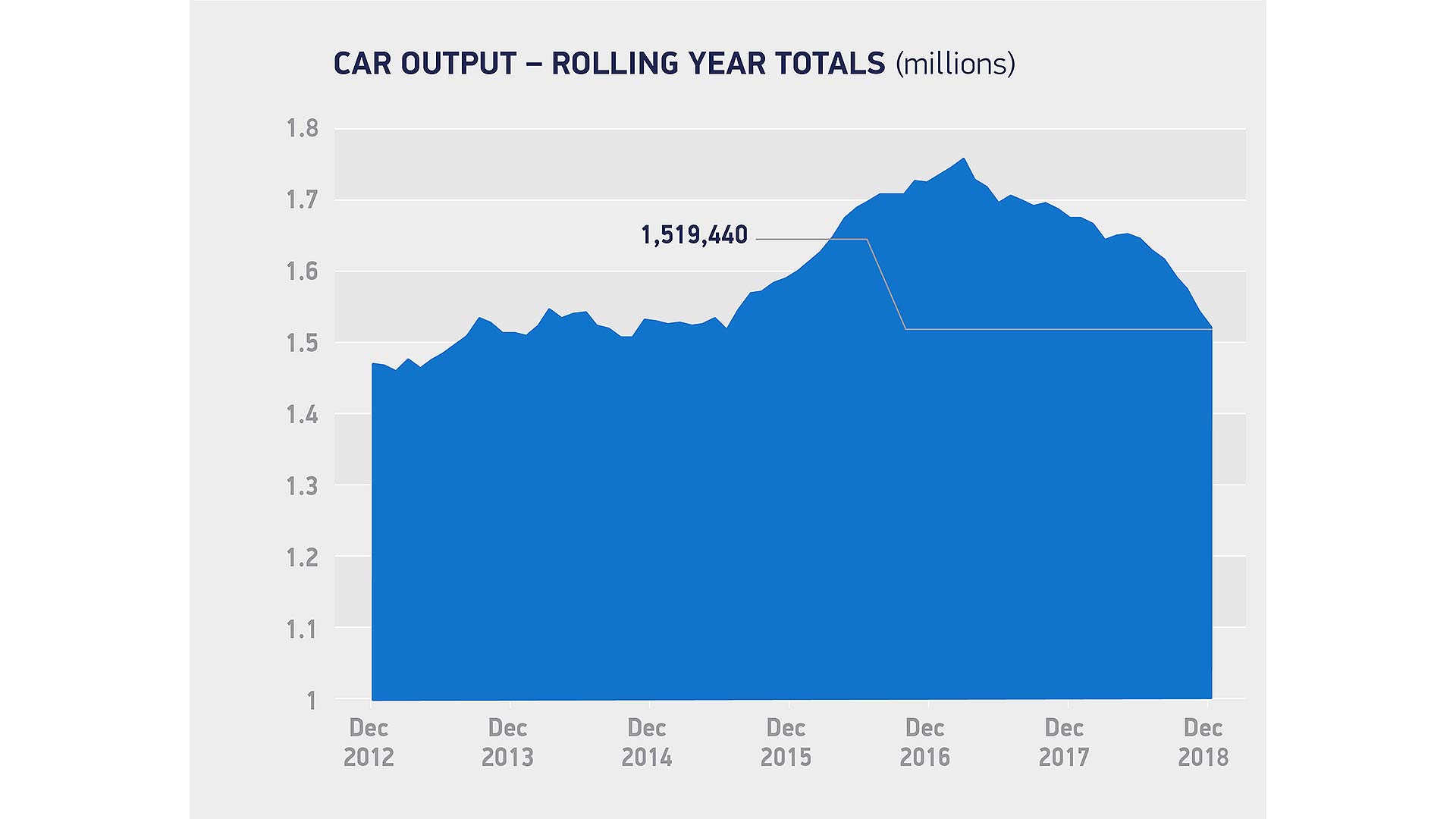
Total 2018 car production of 1.52 million cars was a six-year low for the British automotive industry.

SMMT chief executive Mike Hawes

“UK automotive is on red alert,” said SMMT chief executive Mike Hawes. “Brexit uncertainty has already done enormous damage to output, investment and jobs.” New investment of less than £600 million in 2018 was 46.5 percent below 2017 levels.

“Yet this is nothing compared with the permanent devastation caused by severing our frictionless trade links overnight, not just with the EU but with the many other global markets with which we currently trade freely.

“Brexit is the clear and present danger and, with thousands of jobs on the line, we urge all parties to do whatever it takes to save us from ‘no deal’.”

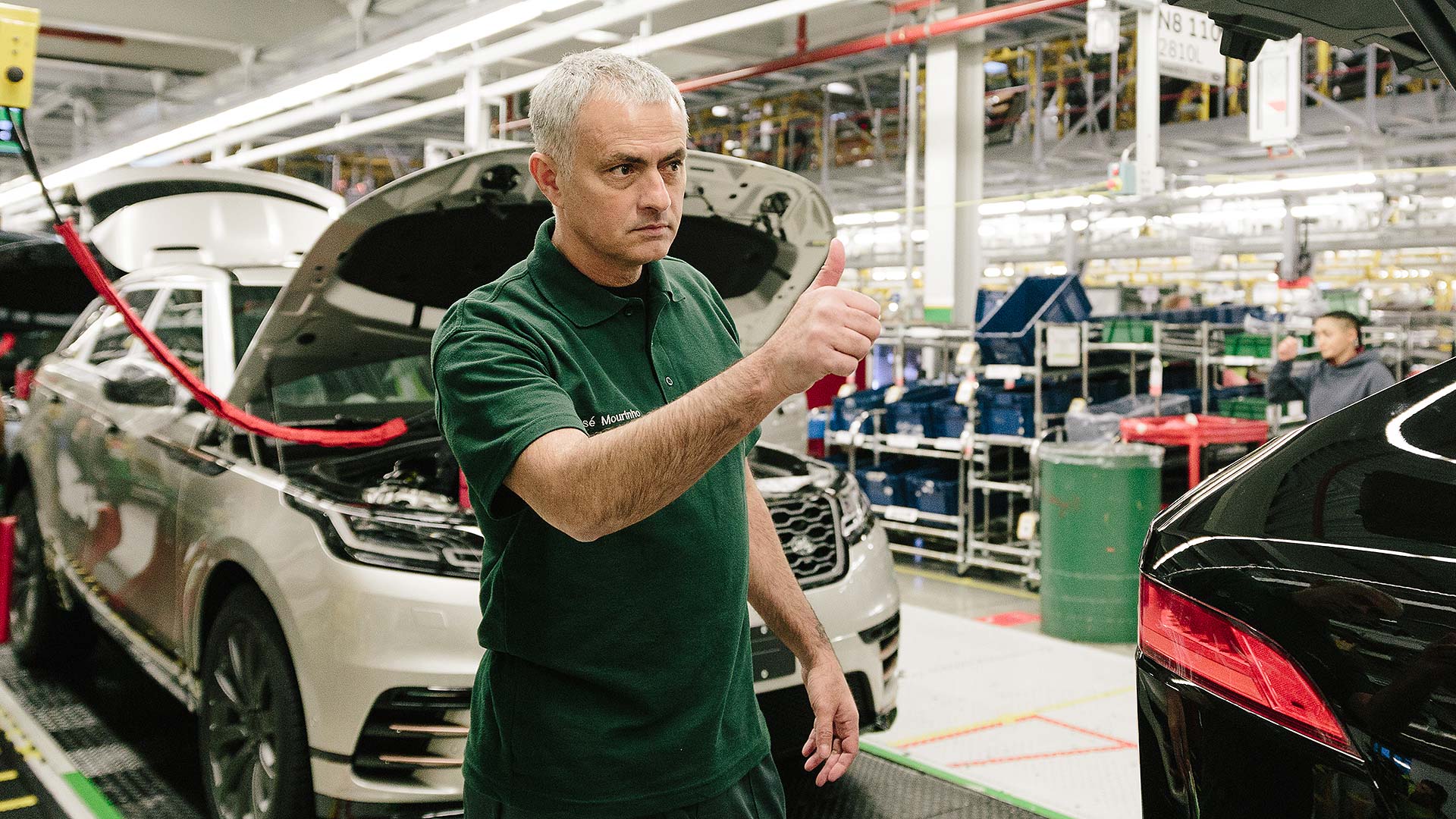
Jose Mourinho visits a Jaguar Land Rover car production line

UK demand for British-built cars fell 16.3 percent, while exports dropped 7.3 percent. 80 percent of new cars built in Britain (that’s 1.24 million cars) are exported – the majority of then to the EU.

10 percent of all cars sold in the European Union are built in Britain.

British car production 2012-2018

Overseas demand from China fell 24.5 percent, but exports to the United States actually grew 5.3 percent. The U.S. is now the second largest export market for UK automotive, behind the EU.

Exports to Japan also grew, by 26 percent, and South Korea grew 23.5 percent.

As the SMMT pointed out, both markets, along with Canada and Turkey, are “subject to preferential EU trade agreements, from which the UK benefits.

“Time has almost run out to guarantee continuity of any of these arrangements before Brexit, and ‘no deal’ could therefore put more than two thirds of UK automotive’s global trade under threat.”

Top 10 British-built best-sellers in the world

  1. Nissan Qashqai
  2. Mini
  3. Honda Civic
  4. Toyota Auris
  5. Vauxhall Astra
  6. Range Rover Sport
  7. Nissan Juke
  8. Range Rover
  9. Range Rover Velar
  10. Jaguar F-Pace
Advertisement

Land Rover kills the Range Rover SV Coupe

0

Range Rover SV Coupe dead

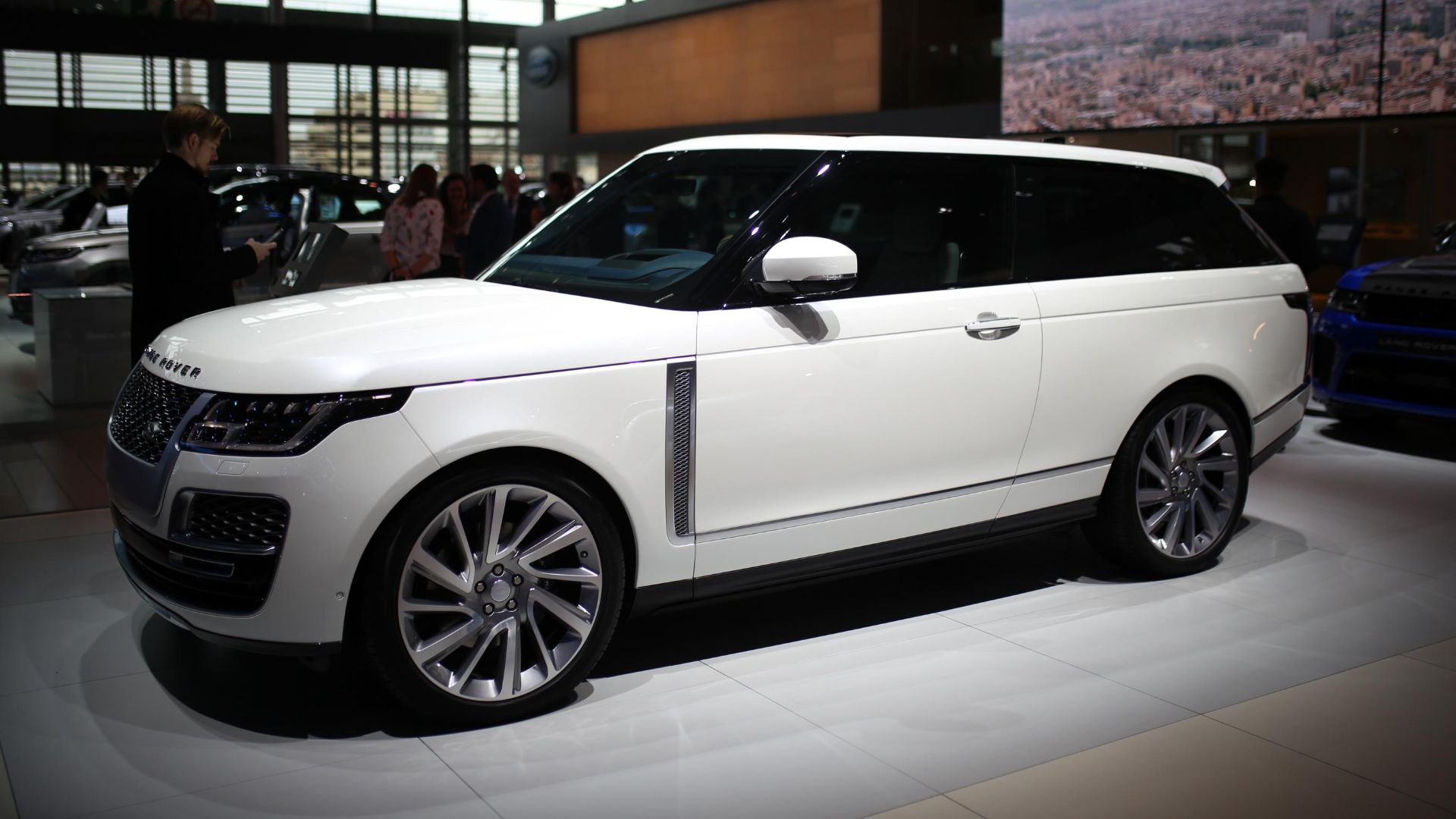
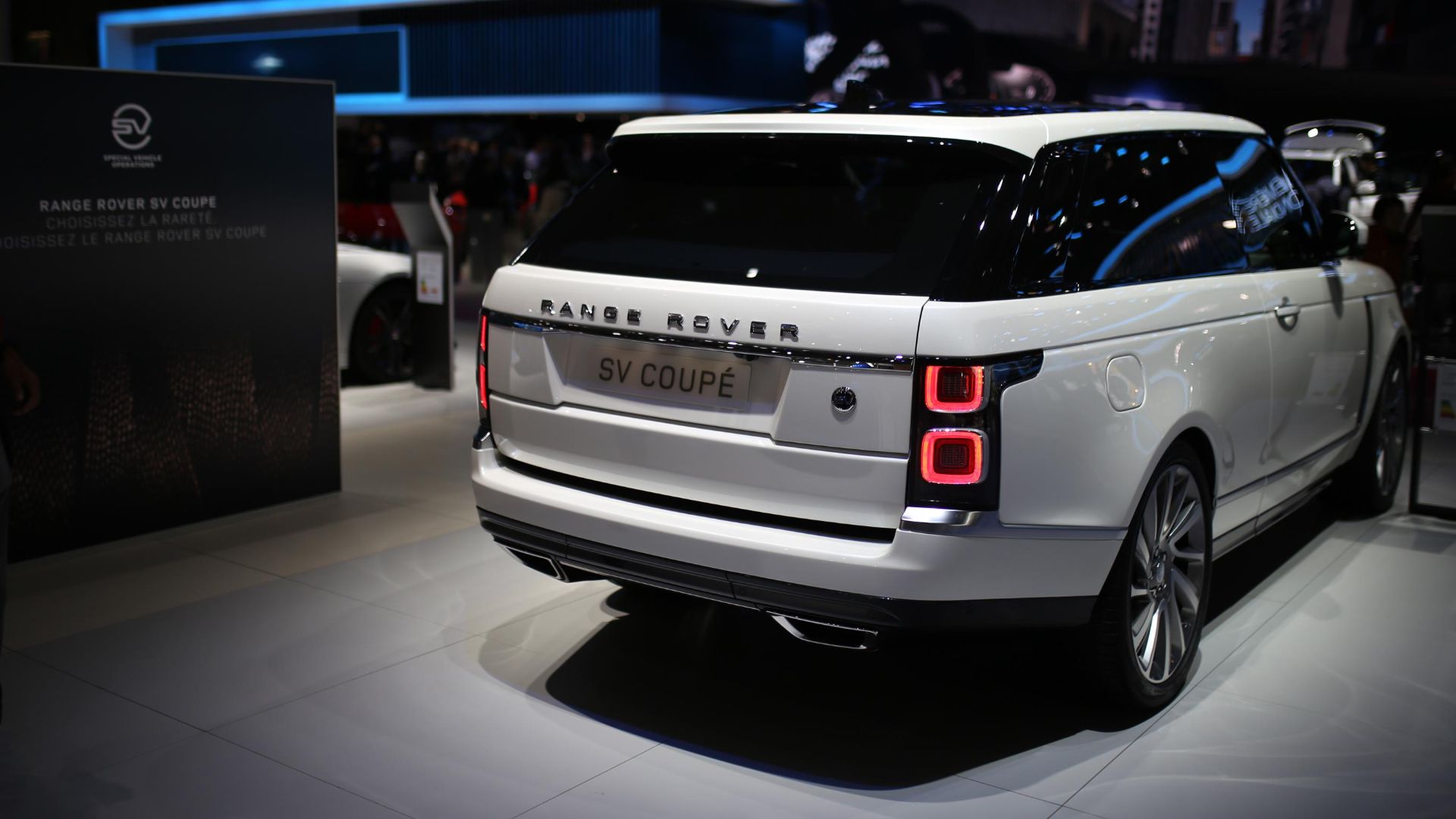
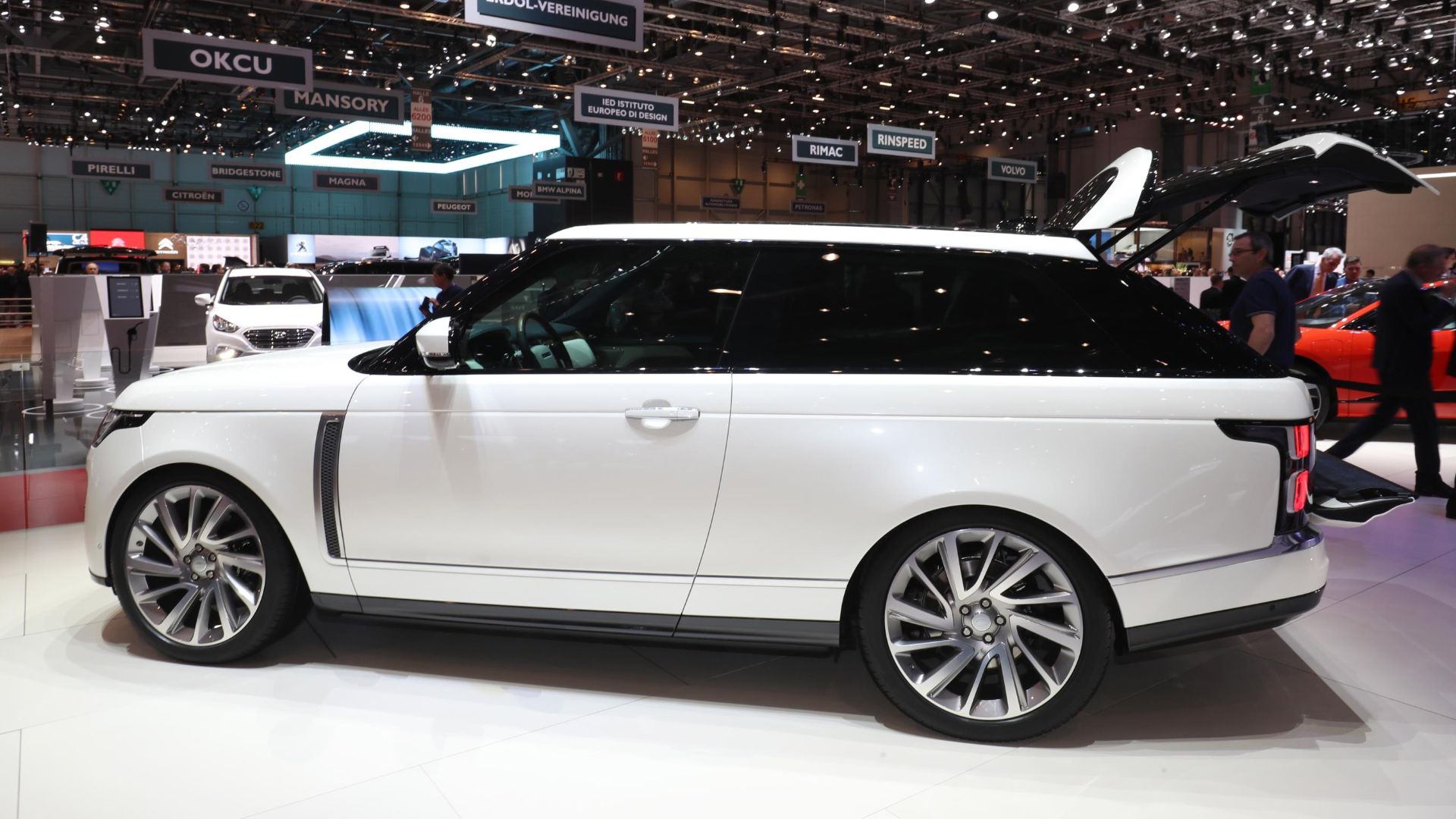
The most expensive version of the ‘best 4x4xfar’ is now to be the least-made 4x4xfar, as the £240,000 Range Rover SV Coupe hits the chopping block.

Today, Land Rover confirmed the news, saying “the Range Rover SV Coupe will not proceed into production”. Although there was allegedly plenty of demand for this most decadent of Range Rover variants, not a single car has been built and delivered to a customer.

Land Rover insists that demand was healthy for the 999 cars that were to be made. While sales are reportedly nothing to do with the cancellation, Land Rover has declined to disclose exactly how many were spoken for.

Range Rover SV Coupe dead

In reality, the SV Coupe, like the C-X75 hypercar of five years ago, is likely a victim of JLR cost-cutting and belt-tightening. The ‘big cat’ was cancelled too, in favour of a focus on volume and profit margins rather than these more expensive (to develop and buy) models.

At present, JLR is gearing up for a £2.5billion saving over the next year and a half. As well as cancelled fancy models, as many as 4,500 redundancies are expected to contribute to the savings.

You’d imagine the big Rangie to cost much less development-wise than something like the C-X75. You’d be wrong, given that all but two of the body pieces are changed over the standard car. The bonnet and the bottom of the tailgate, if you were wondering.

Pushing the boundaries

Range Rover SV Coupe dead

That doesn’t mean it’s the end for JLR Special Vehicle Operations. Many more cars are said to be in the pipeline.

“Our Special Vehicle Operations division is continuing to develop exciting cars that push the boundaries of luxury, performance and capability… we have many more new models in development,” said a spokesperson.

We wonder whether they will be quite as gratuitous as the two-door Rangie. We hate to say it, but…

Advertisement

Ford engineers made history with special part for Ken Block’s Hoonitruck

0

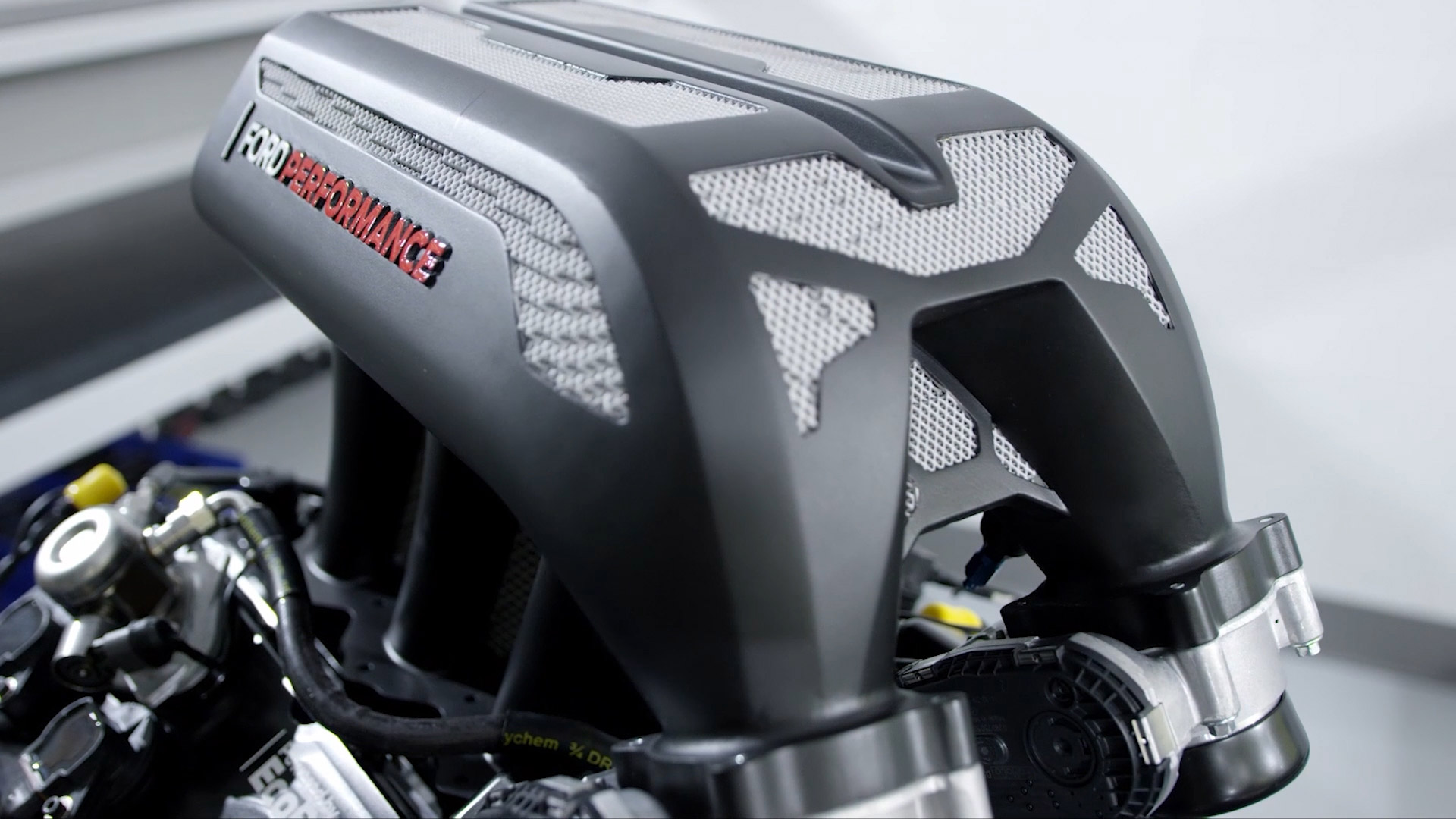
Ford Performance Hoonitruck 3D metal printed intake

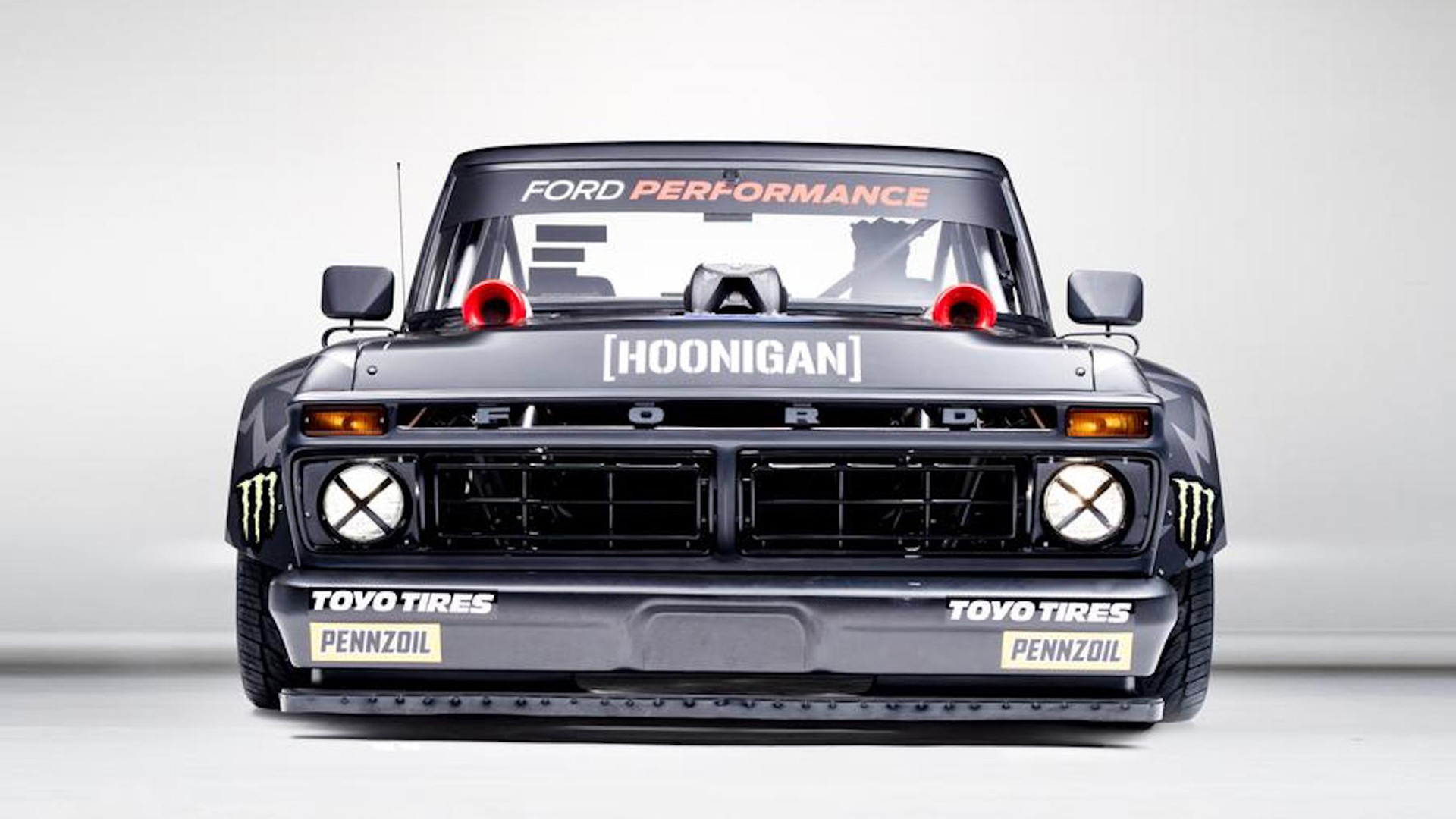
We imagine not many people would describe an intake manifold as the favourite part of their vehicle. But Ken Block does. Although the one fitted to his insane ‘Hoonitruck’ is no ordinary part…

Block’s latest Gymkhana Ten video saw his newly created 900-horsepower Ford F-150 pickup truck burning rubber and causing mayhem.

Yet such antics would not have even been possible without some groundbreaking engineering by Ford Performance and researchers in Germany.

Full metal racket

Ford Performance Hoonitruck 3D metal printed intakePowering the Hoonitruck is the same 3.5-liter V6 Ford EcoBoost engine as found in the GT supercar. There, the twin-turbocharged unit makes an impressive 647-horsepower, which is more than sufficient for a top speed in excess of 210 mph.
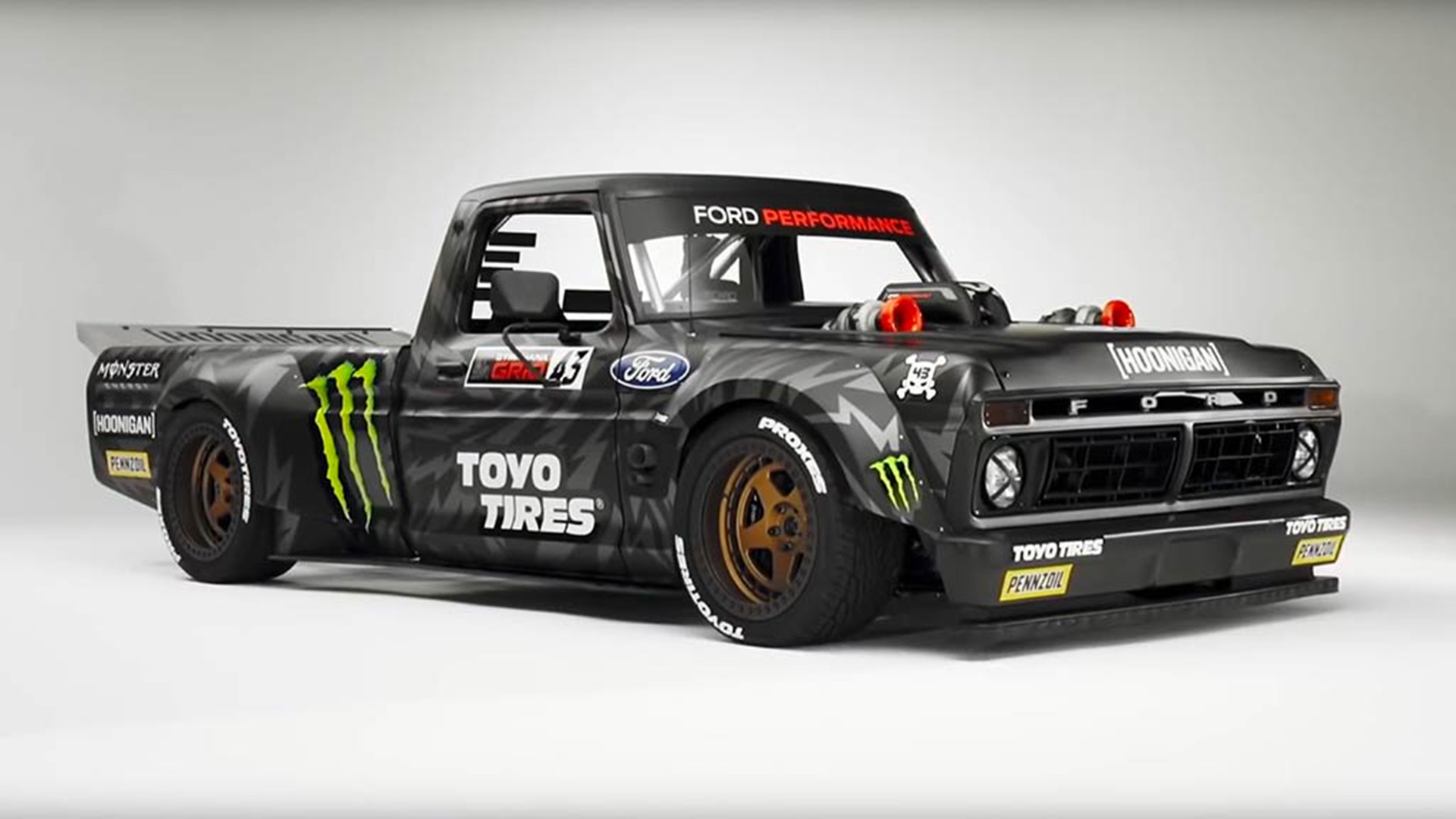
However, this was never going to be enough for Ken Block, who wanted the 1977 F-150 to have more than 900-horsepower. Mating the engine with a complex uprated turbocharger system meant special parts would be needed, including the intake manifold to funnel the boosted air.

The answer was a complex solution, based upon simulations undertaken by Ford Performance engineers in America. Data was shared with colleagues in Europe, who worked with the University of Aachen to produce a record-breaking 3D metal-printed intake manifold.

Burning rubber, and metal

Ford Performance Hoonitruck 3D metal printed intakeWeighing almost 6 kilos (13 pounds), and having taken some five days to print, the special manifold is genuinely one of a kind. Creating the complex shapes in one smooth piece would have been impossible without 3D printing, according to Mr. Block.
Even once created, the design team had to come up with new methods to make the printed item usable. A complex system of supports, used whilst the printed layers were created, needed to be dissolved with acid once their work was done.

The result of their efforts was the epic tyre-slaying seen in the Gymkhana video, plus the prize for the single largest 3D metal-printed part to feature in a working vehicle.

Ford has previously won awards for the use of plastic 3D printed parts in the Mustang and Ranger models. Given the success seen with the Hoonitruck, more 3D metal-printed items seem a logical step forward.

Advertisement

Lotus to partner with Williams to develop ‘advanced propulsion systems’

0

WIlliams partners with Lotus

Two British titans of Formula One past and present are joining forces. Lotus and Williams Advanced Engineering have announced a ‘strategic technical partnership in which the companies will share research and development into advanced propulsion technologies’.

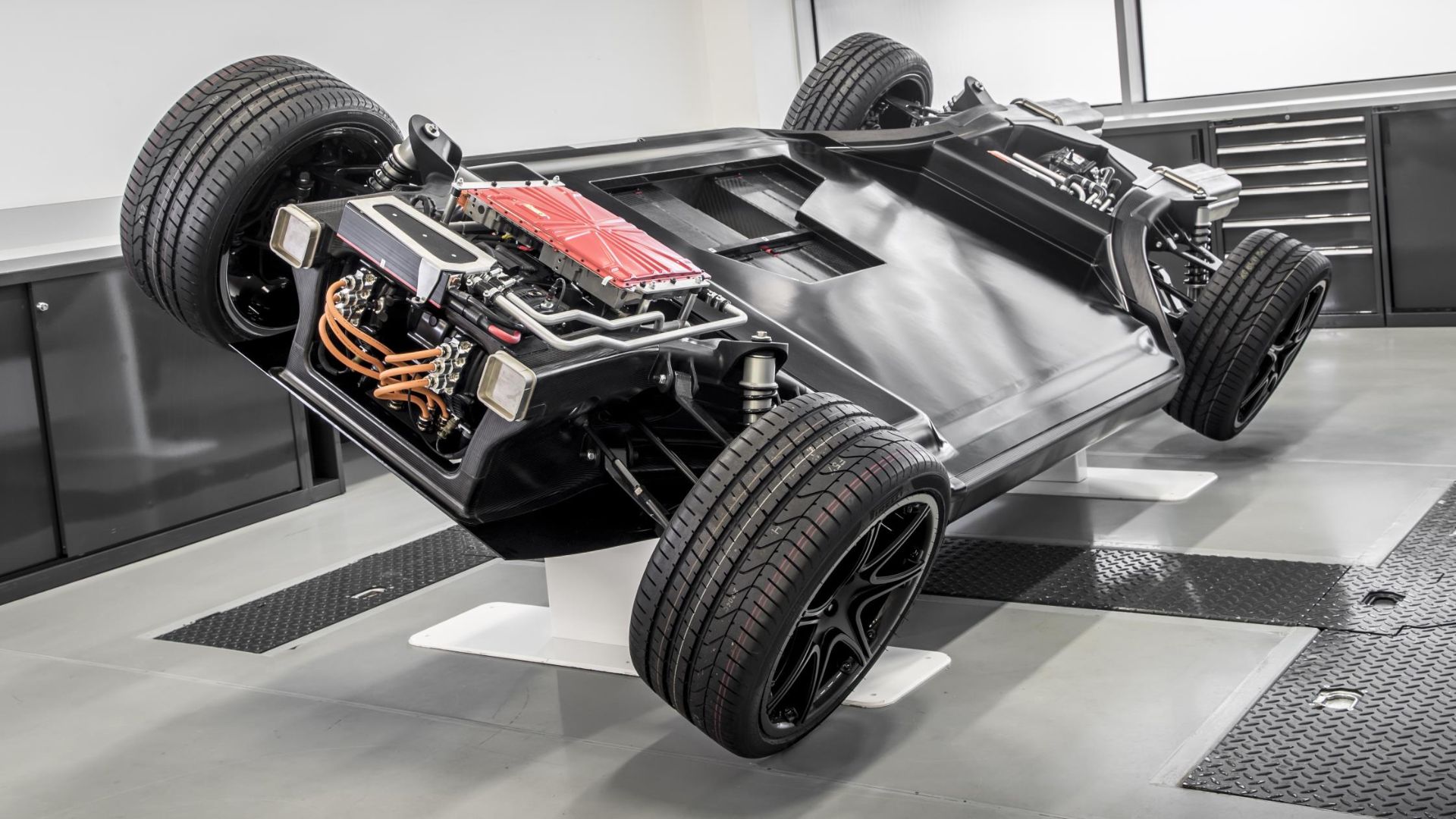
What’s obvious is this has nothing to do with Formula One. ‘Advanced propulsion technologies’ sounds like Williams-developed batteries in an electric Lotus  and potentially Volvos (via Lotus parent company Geely), too.

WIlliams partners with Lotus

Both companies have a history of jumping into bed with other manufacturers to bring go-faster fruit to bear. Who fancies a Lotus Carlton versus Renault Clio Williams twin-test?

Also, both companies have industry-favourite engineering subsidiaries. Lotus Engineering has helped develop various technologies and many cars over the years.

WIlliams partners with Lotus

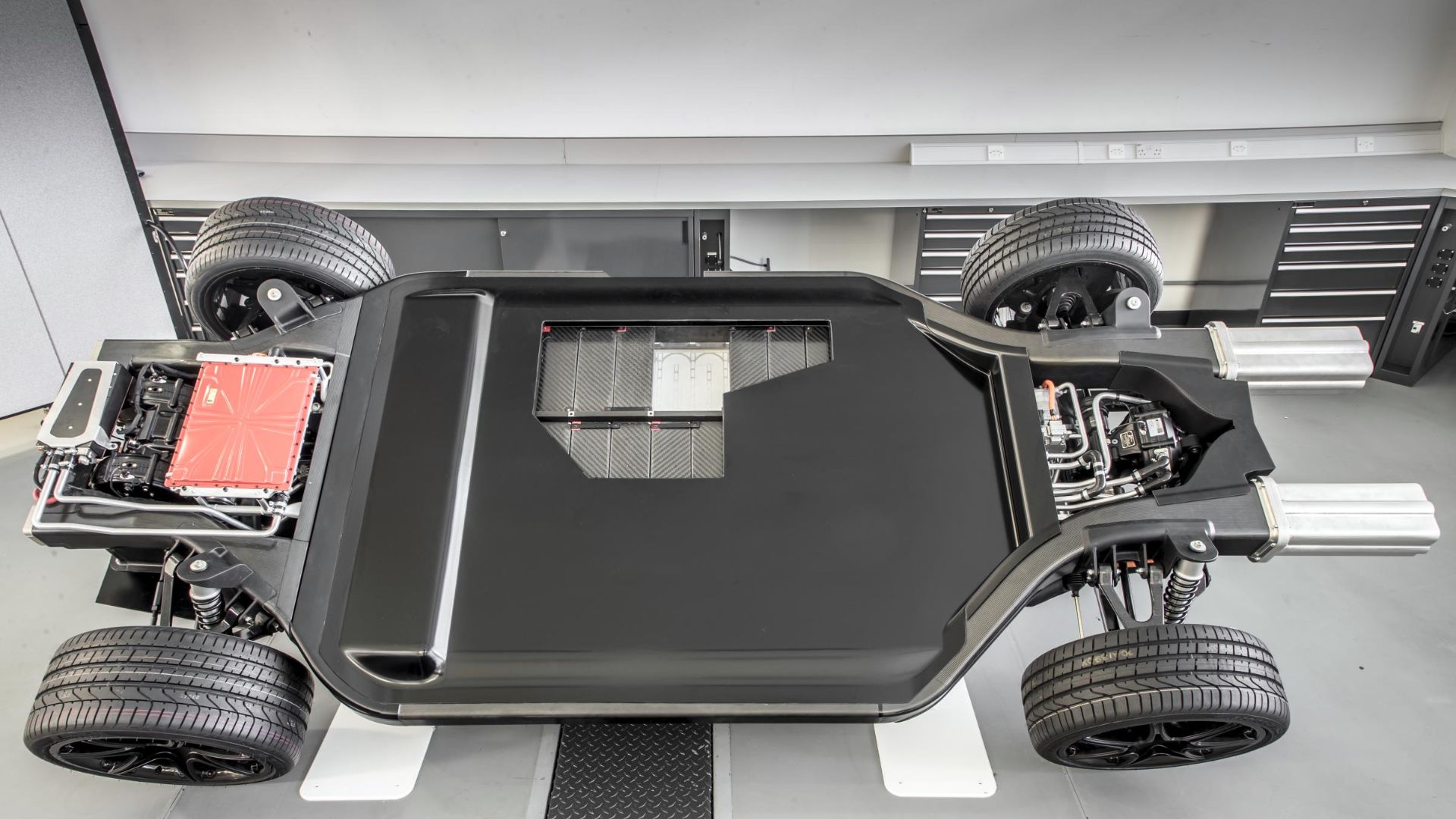
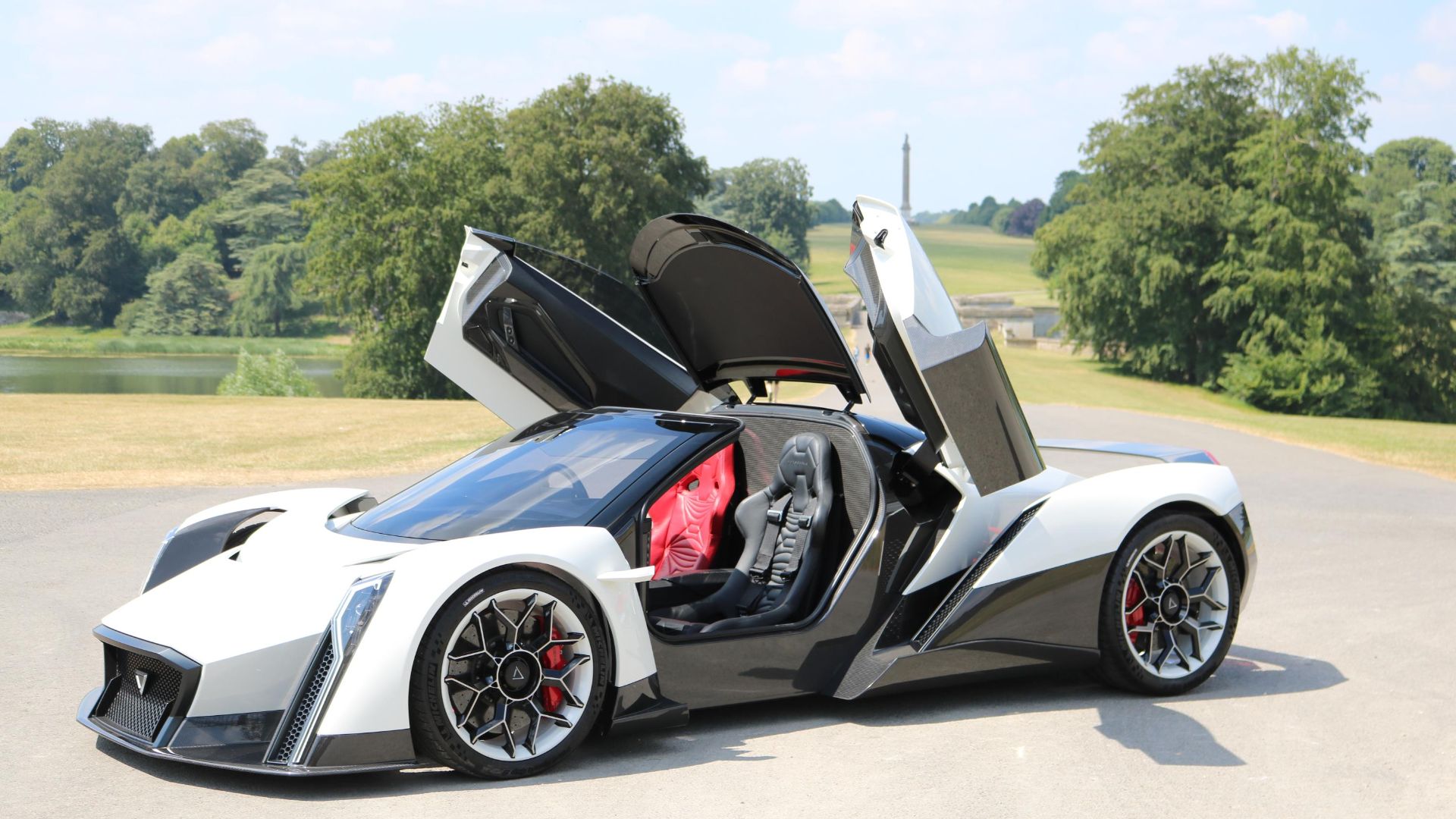
Williams Advanced Engineering, meanwhile, is currently working on the Dendrobium electric hypercar. With these two performance and technology superpowers combined, the sky could be the limit.

Not coincidentally, we think, Lotus is rumoured to be working on an all-electric hypercar with more than 1,000hp. If true, you can bet Williams will be on the shop floor, further cornering the electric hypercar market.

“Our new technology partnership with Williams Advanced Engineering is part of a strategy to expand our knowledge and capability in the rapidly changing automotive landscape,” said Phil Popham, CEO of Lotus Cars.

“Applying advanced propulsion powertrains can provide numerous exciting solutions across multiple vehicle sectors. Our combined and complementary experiences make this a very compelling match of engineering talent, technical ability and pioneering British spirit.”

WIlliams partners with Lotus

Likewise, Craig Wilson, MD of Williams Advanced Engineering, said, “We will be further developing next-generation powertrains in this partnership with Lotus.”

What do you want to see come out of this partnership? Could we see a Tesla Roadster-rivalling next-generation Elise or Esprit, or even a world-beating hypercar?

Advertisement

New Suzuki Jimny selling at supercar profit margins

0

Suzuki Jimny mark-up

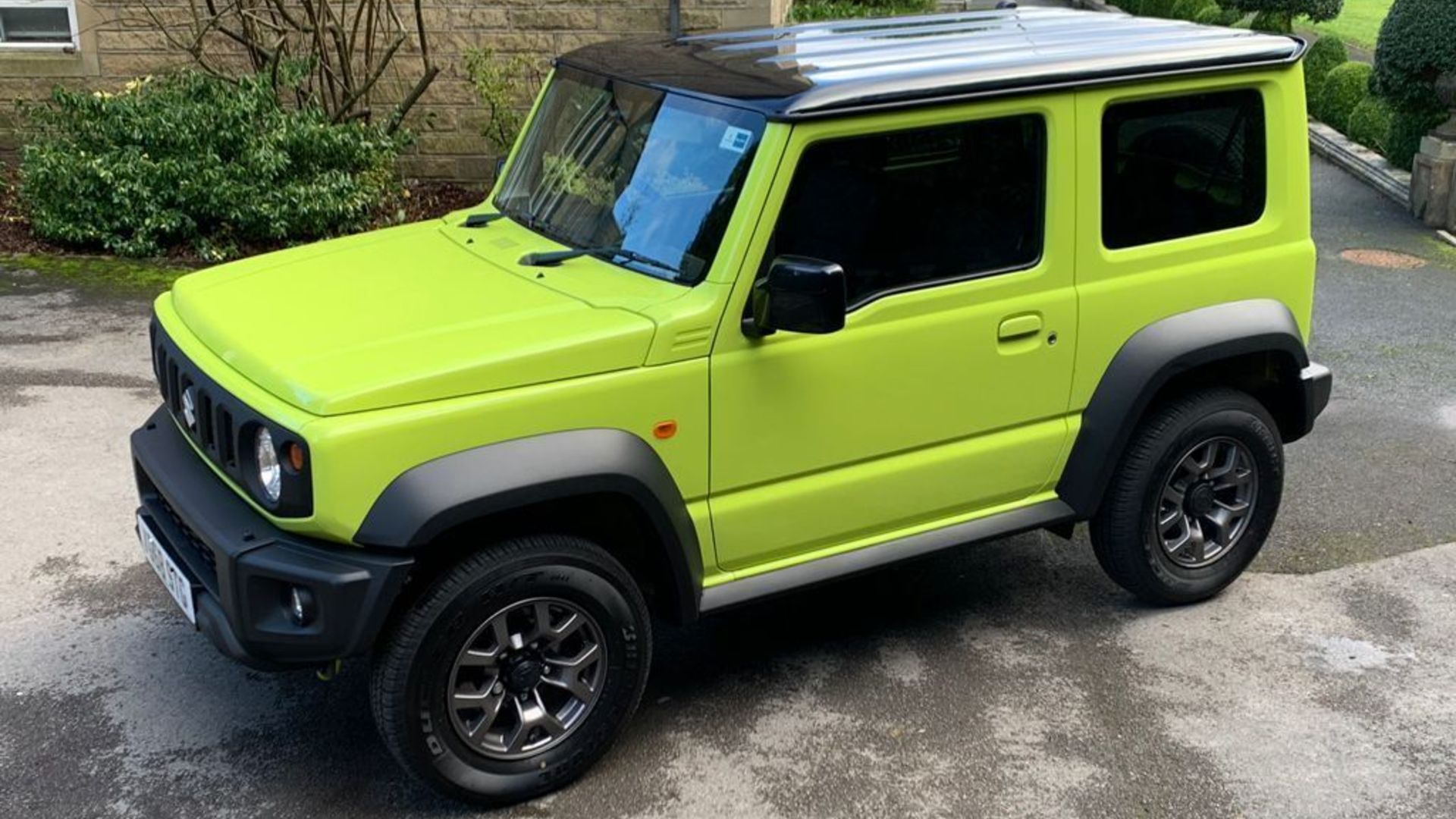
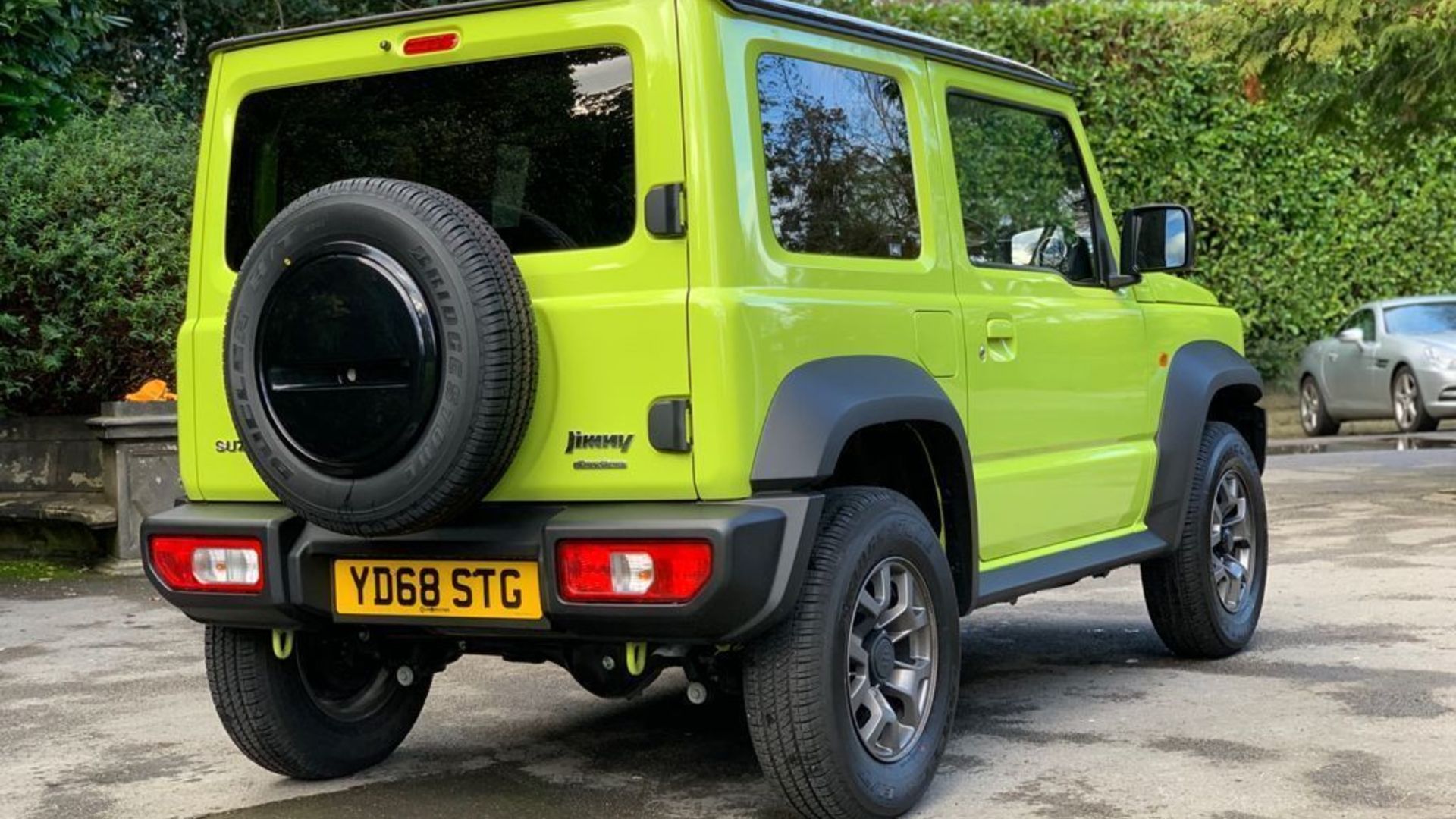
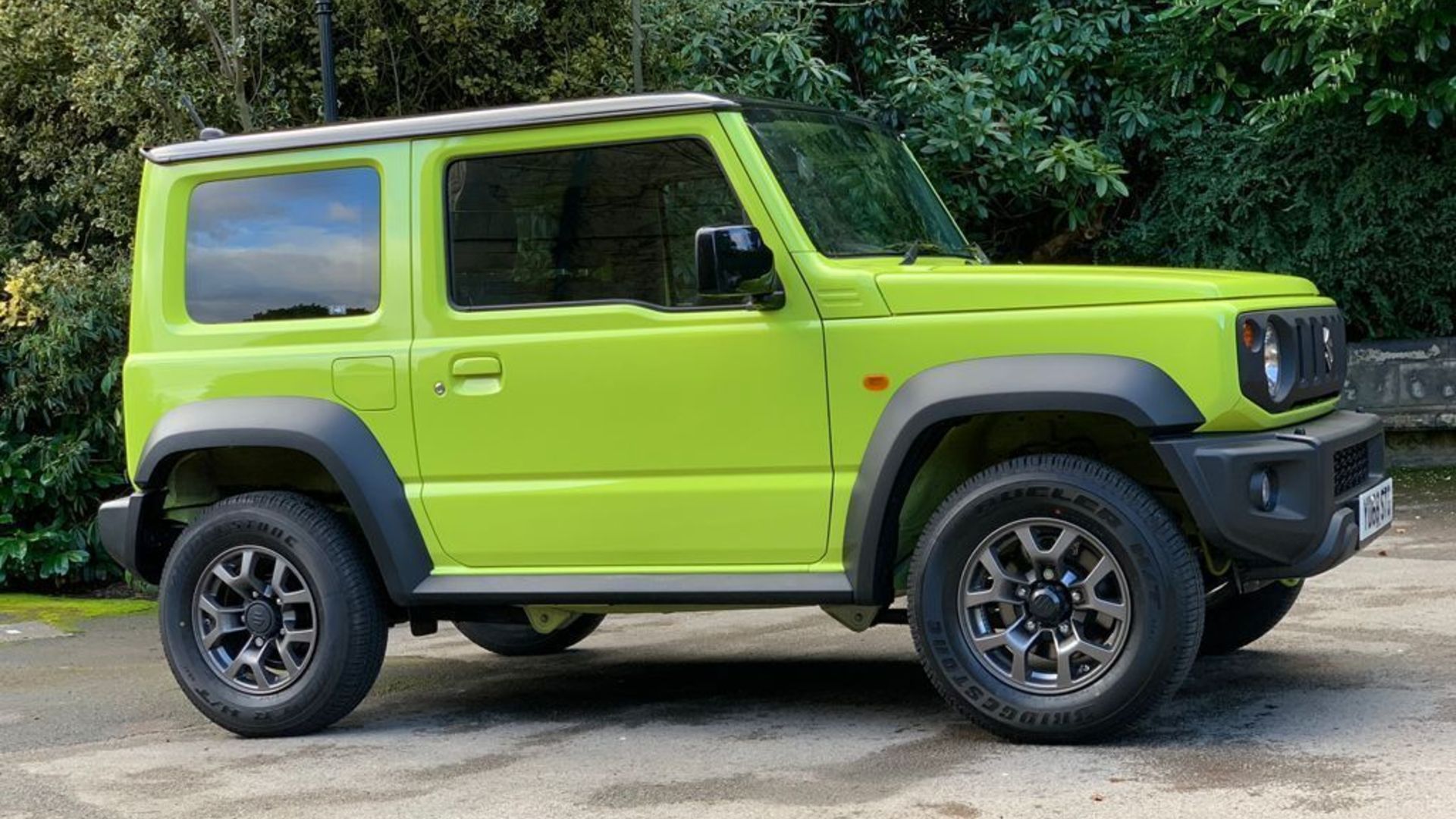
The latest Suzuki Jimny is already one of 2019’s most-wanted cars. Now, ratifying that cult status, a private buyer has advertised one for £5,000 above list price.

This new Jimny is for sale on Auto Trader for a heady £24,950. The strap line? ‘Beat the waiting list!!’

The Jimny has, of course, been lathered with affections by motoring journalists. Whether that would translate into real sales was the question. After all, the Toyota GT86 was equally lauded by the press, yet failed to follow-up with sales success.

Suzuki Jimny mark-up

That’s not the case for the Jimny, it seems. Indeed, the owner of this car claims ‘there’s a year’s waiting list for this car in the UK’.

Jimny residuals are set to be inordinately strong, too – kicking off , apparently, with 125 percent of list price to own one now.  

Such mark-ups are normally the preserve of limited-run sports cars and supercars like the Ford GT, LaFerrari and Porsche 911 R. Early Porsche Cayman GT4s were hitting the classifieds at similarly inflated margins.

Suzuki Jimny mark-up

In reality, the Jimmy is good for going off-road, but struggles a bit at being a normal car. That’s to say, motorway speeds are a windy, noisy struggle, and the space known in other cars as the ‘boot’ is barely larger than a rucksack.

Affairs of the heart recognise no such logic, though. We love the Jimny for its flaws as much as the next person. We’re not sure we’d pay £25,000 for one, though.

If you’re interested, this car is a 1.5-litre auto with the £650 Kinetic Yellow paint, and just 90 miles on the odometer. The supply is there but is the demand high enough? Time will tell…

Advertisement