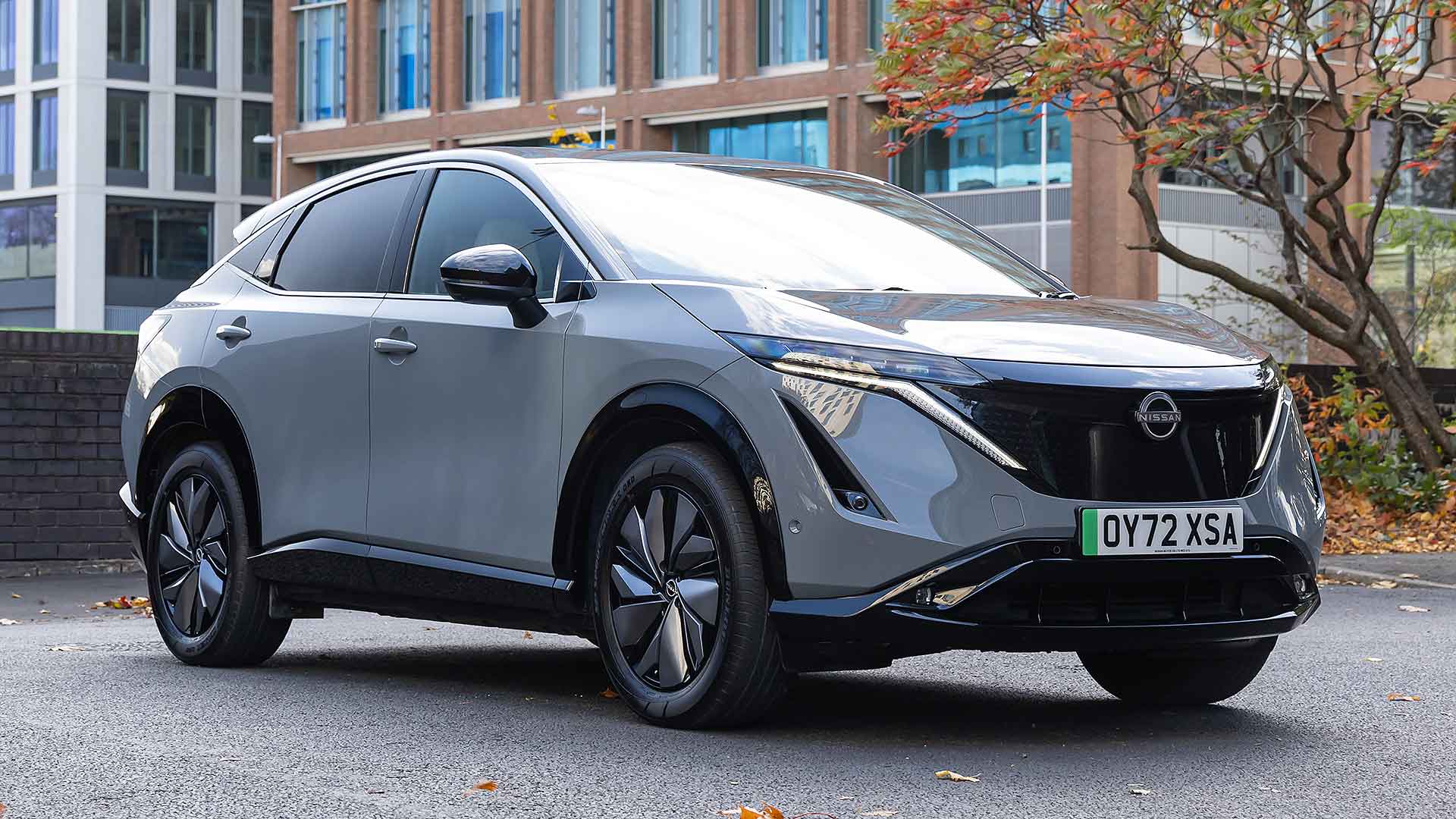
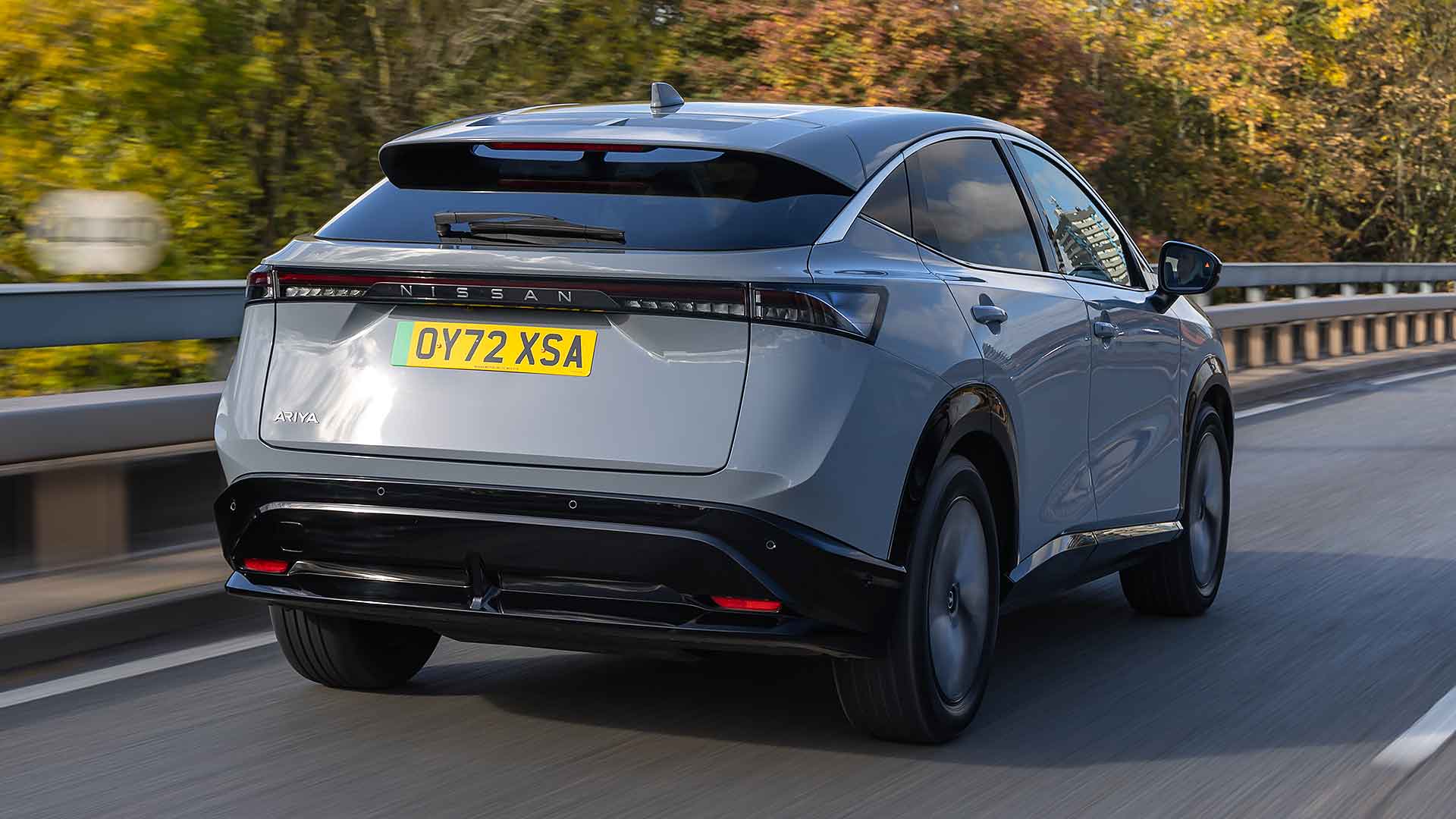
Nissan Ariya electric SUV prices have been cut by up to £3,750 as the firm looks to offer “a more competitive customer proposition”.
The new Nissan Ariya now starts from less than £40,000 – undercutting the price of an entry-level Tesla Model Y by more than £5,000.
The Nissan Ariya is offered with a choice of two batteries, either 63kWh or 87kWh.
Prices of all existing 63kWh Nissan Ariya have been reduced by £3,000.
All 87kWh versions are reduced by £3,750 – which cuts the price difference between the two batteries to £5,000.
Nissan Ariya Engage-s
The new entry-level Nissan Ariya is called the Engage 2WD. Prices start from £39,645.
A new model grade, it features 19-inch alloys with aero covers, LED headlights, LED rear fog lamps and folding door mirrors as standard.
The new Nissan Ariya Engage also has dual 12.0-inch TFT screens and an energy-saving heat pump as standard.
Nissan GB marketing manager Nic Thomas said the new Nissan Ariya Engage entry grade helps make the model more accessible and enticing to a wider audience.
At the other end of the range, Nissan has also introduced a new top-spec Ariya version, the Evolve+.
This has 394ps and all-wheel drive, for 0-62mph in just over 5.0 seconds, “perfect for customers who seek a more exciting driving experience”.
Exciting indeed: but it will be the Nissan Ariya price cuts that resonate with more customers, we’re sure…
Automobili Pininfarina has unveiled a new design concept to inspire its next generation of electric vehicles. Named the Pura Vision, it envisages what the Italian company calls a ‘Luxury Utility Vehicle’.
CEO Paolo Dellachà said: “Pura Vision is the bridge from our present to an exciting new chapter in the history of Automobili Pininfarina.
“In our fifth year, we have already celebrated our unique heritage with the introduction of the Battista Edizione Nino Farina [revealed last month at the Goodwood Festival of Speed]. Pura Vision previews an exciting future and shows what can be achieved if we apply our Pura design principles to an entirely new kind of vehicle.”
A sustainable future
Dave Amantea, chief design officer at Automobili Pininfarina, added: “Pura Vision embraces the DNA of iconic vehicles from Pininfarina’s past to shape the future, with sharp lines and a modern aesthetic. It is distinctive from every angle and showcases our Pura design philosophy on a new kind of vehicle.”
The design incorporates hidden headlights and ultra-slim nanofibre lighting, along with imposing 23-inch alloy wheels, a wraparound beltline and powerful rear haunches.
Sustainability is a key aim for the Pura Vision, which features a new herringbone textile trim made from 30 percent Nativa wool and 70 percent recycled polyester. The interior’s exposed carbon fibre and anodised aluminium mirror the materials used outside the car, while the door sill covers are created from leftover alloy wheel material.
Classic design updated
Large ‘Lounge Doors’ are said to be inspired by the pillarless Lancia Florida saloon, designed by ‘Battista’ Farina in the 1950s. The car’s floating front seats resemble the foil of a sailing boat, and its large central display can be retracted to minimise distractions. Speakers mounted in the four individual seats give each occupant their own ‘sound zone’. Passengers even get an integrated wine cooler.
As this is solely a styling exercise, Pininfarina has not released any powertrain or performance details for the Pura Vision concept. If it reaches production, it could be a rival for the forthcoming Aehra electric SUV – also designed in Italy.
Automobili Pininfarina will display the Pura Vision at the forthcoming Monterey Car Week in California, including at The Quail concours in Carmel.
At the age of 60, some of us are eligible for a free bus pass, but the Porsche 911 shows no signs of slowing down, Quite the opposite, in fact.
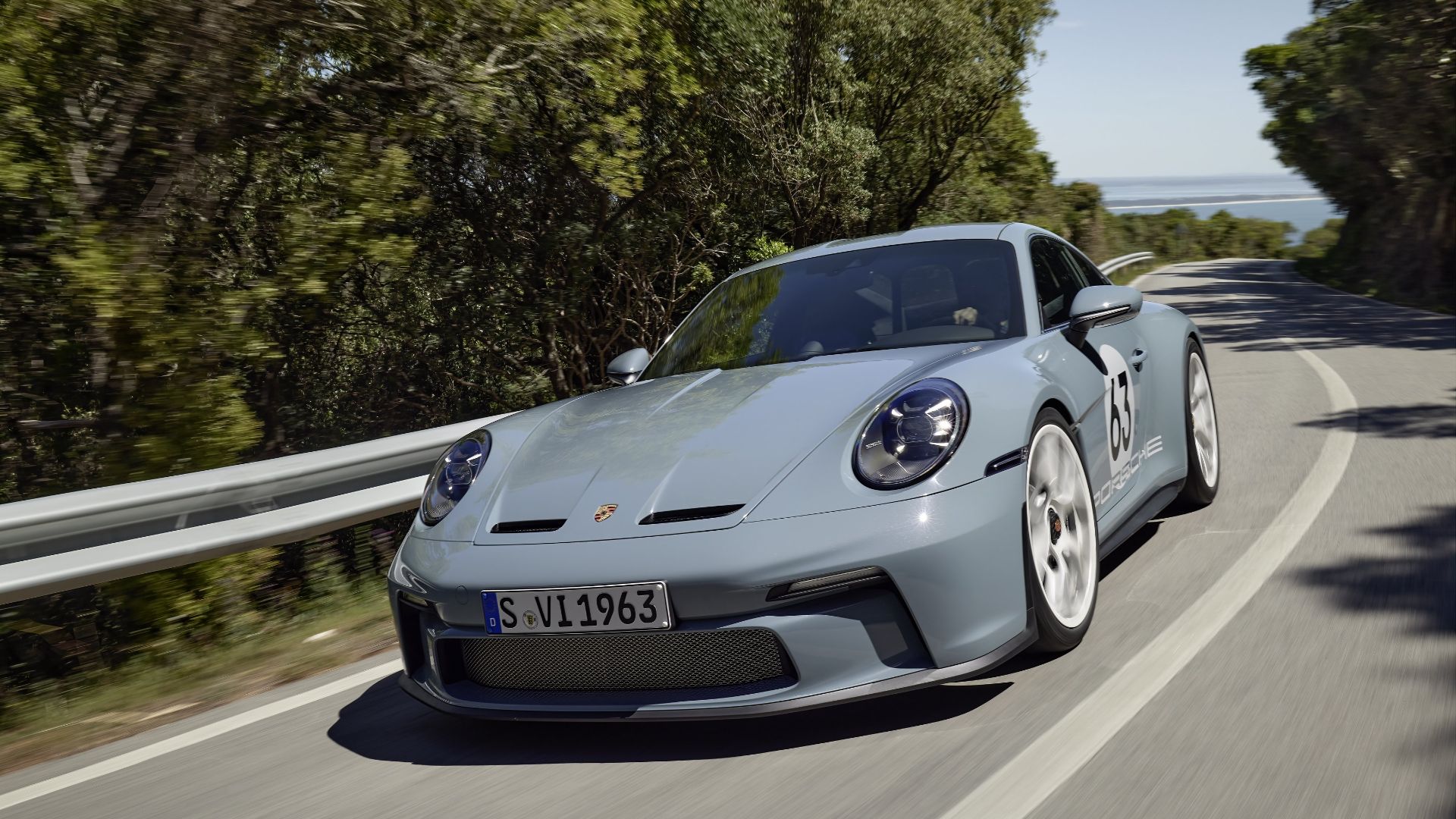
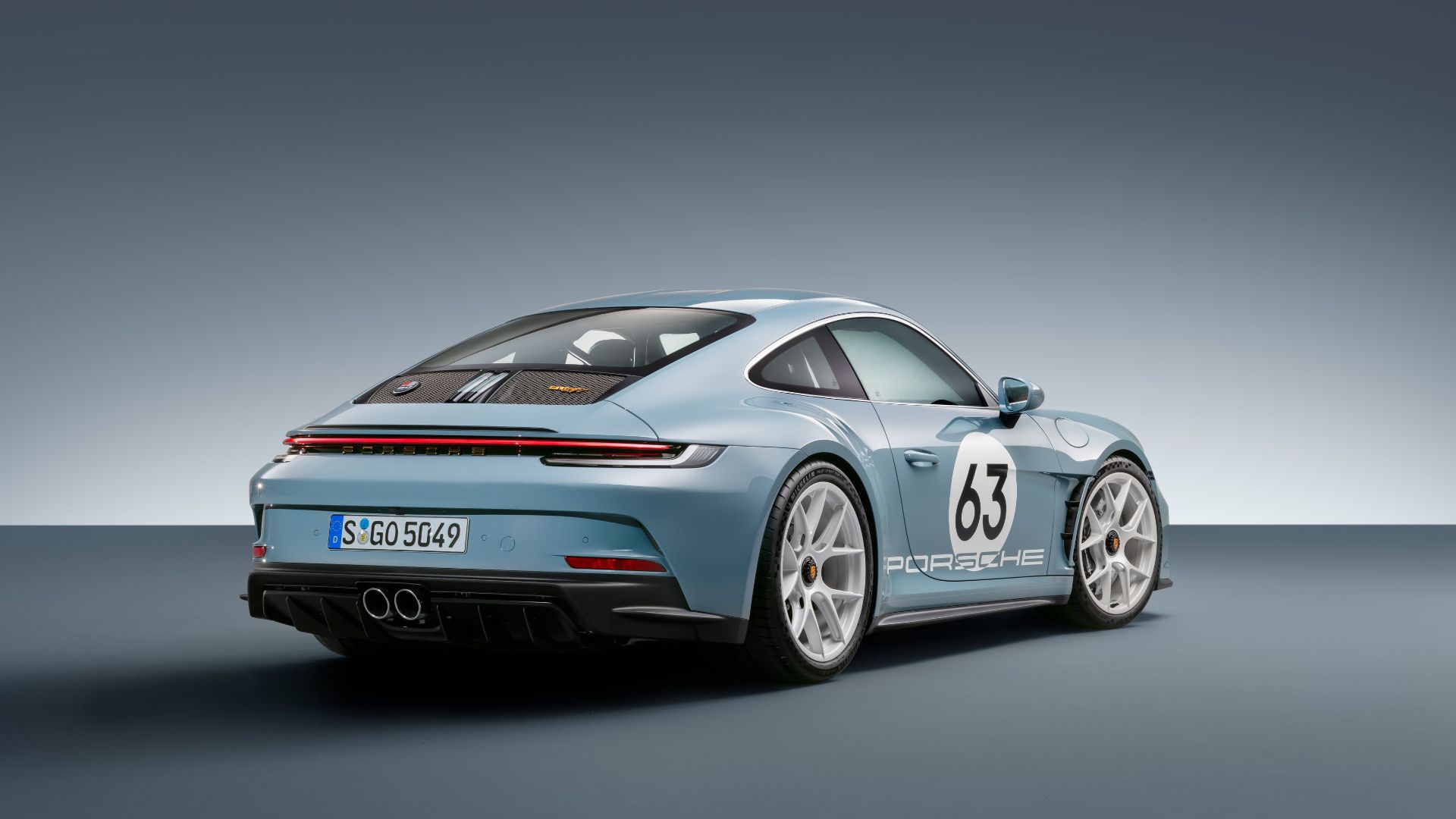
First launched in 1963 as the 901 (Peugeot claimed the trademark, forcing an early name-change) the world’s most famous sports car celebrates its 60th anniversary this September, and the new 911 S/T is marks that occasion. It’s the fantasy 911 you’d create if you could combine all the best bits from the configurator: a GT3 RS engine, manual gearbox and subtle Touring-style body.
Porsche will build 1,963 examples of the 911 S/T, in reference to the car’s birth year, with a UK price of £231,600. First deliveries are expected later this year.
Plastic fantastic
The S/T name is significant. In 1969, Porsche introduced a lightweight (and now highly sought-after) racing version of 911S called the ST. The new S/T is also the lightest 911 in the range, tipping the scales at 1,380kg – 40kg less than a manual 911 GT3 Touring.
Those weight savings come primarily via carbon-fibre-reinforced plastic (CFRP), used for the bonnet, front wings, doors and roof panel, along with the roll cage and rear anti-roll bar.
Forged magnesium centre-lock wheels (20 inches at the front, 21s at the rear), a lithium-ion starter battery and thinner glass are all fitted as standard, while Porsche also removes some sound deadening and the rear-axle steering system.
For the road, not the ‘Ring
The beating heart of the 911 S/T is a 525hp 4.0-litre naturally aspirated flat-six – shared with the GT3 RS and closely related to the engine in Porsche’s GT3 Cup racer. However, while the bewinged RS only comes with a paddle-shift PDK transmission, the S/T gains a short-ratio manual. Praise be.
The numbers are impressive – 0-62mph in 3.7 seconds and a top speed of 186mph – but don’t expect any Nurburgring lap records. Rather like the new 718 Spyder RS (effectively a softer version of the Cayman GT4 RS), Porsche says this car is ‘designed for maximum driving enjoyment on winding country roads’.
With the GT3’s double wishbone front suspension, a more responsive lightweight clutch and PCCB carbon-ceramic brakes, the 911 S/T promises to be intoxicatingly intense.
All that glitters
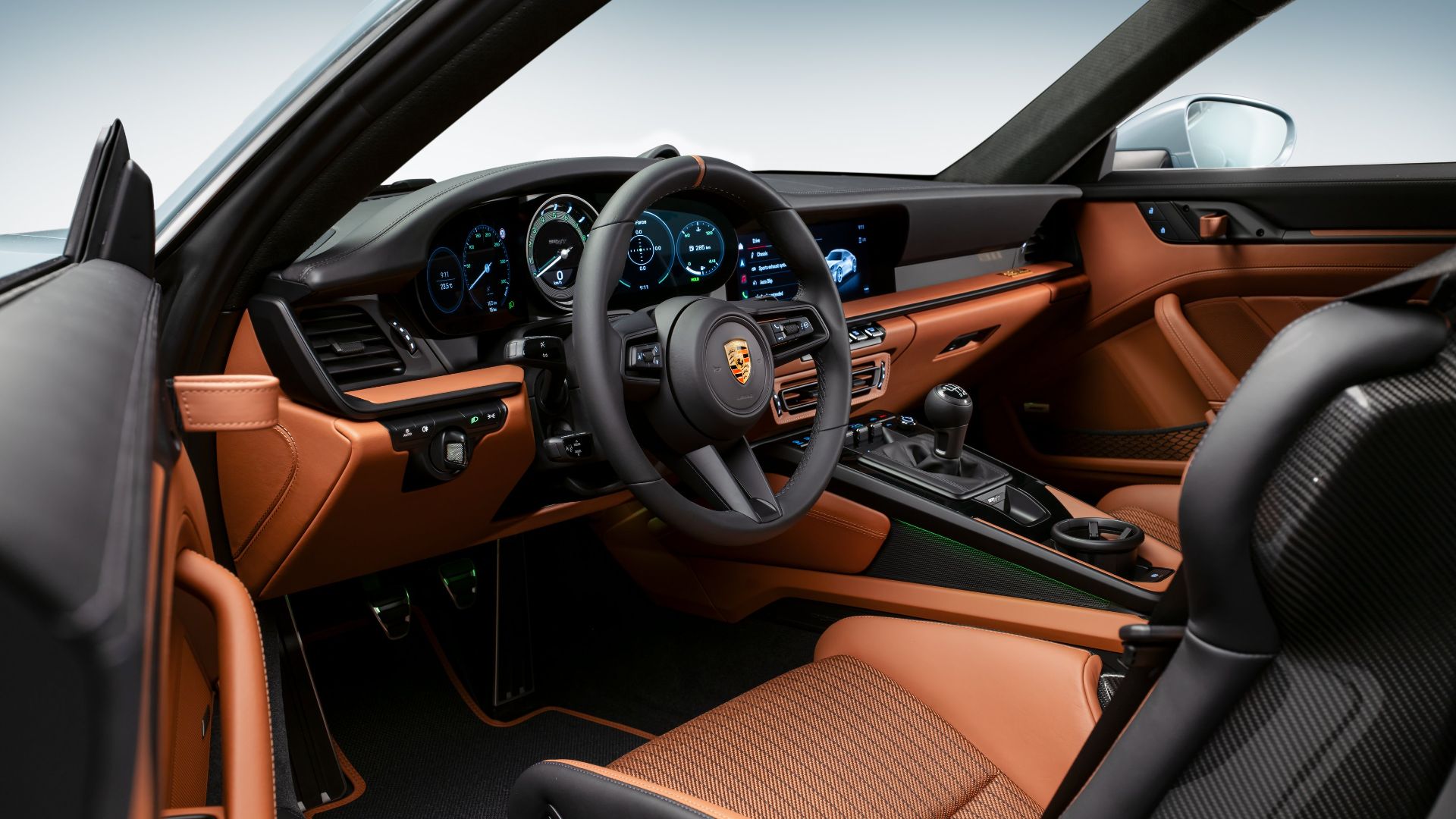
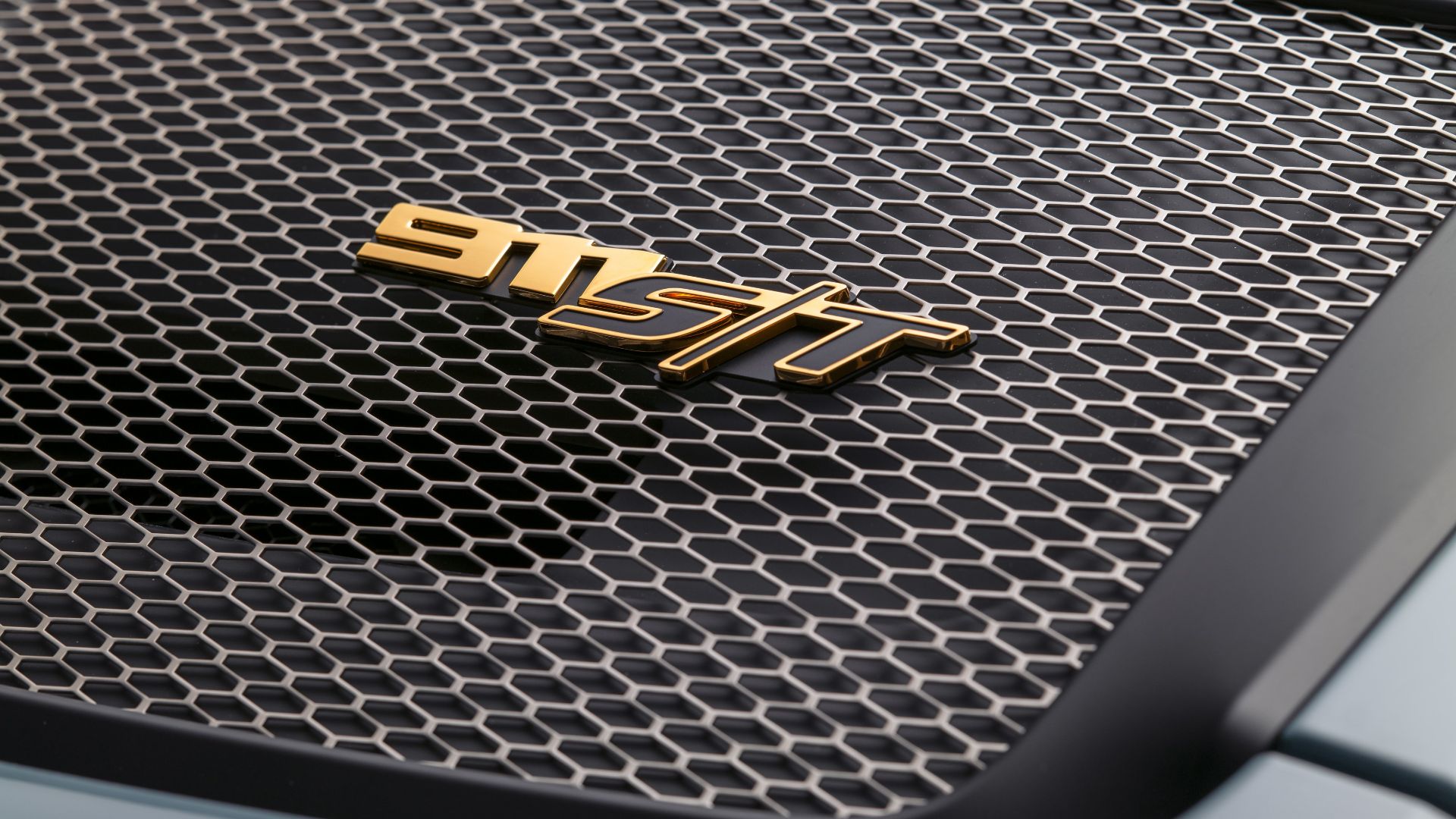
Choose the optional Heritage Design Package, seen here, and you get a racing number (anything from 0 to 99) on the doors, a classic-style Porsche crest on the bonnet and a gold 911 S/T badge.
The Heritage Design interior features plenty of luxurious Cognac leather, a roof lining in perforated Dinamica and cloth seat centres with retro black pinstripes. Sadly, the only of our most-wanted options that you can’t specify is rear seats.
Like most special edition Porsches, we suspect the S/T will sell out almost instantly. For those lucky enough to acquire one, though, it might go down in history as the greatest 911 of its generation. We’ll find out soon.
“Lotus was born in London 75 years ago, so this is a coming home moment,” says Niels de Gruijter. The director for Lotus Cars Europe is standing in front of a bright yellow Eletre SUV, speaking to the assembled press at Lotus London – a new flagship store, opening today.
In truth, this stylish showcase for all things Lotus is a long way from the lock-up garage in Hornsey, where company founder Colin Chapman created his first car – a modified Austin Seven christened the Mark I – back in 1948.
Located at 73 Piccadilly, directly opposite The Ritz hotel, it’s more about ‘brand experience’ than selling cars, with a minimalist aesthetic, ‘the best coffee in Mayfair’ and a brand new Evija hypercar taking centre-stage.
Past meets future
Walk into Lotus London and you’re greeted by a huge, nine-metre screen, also visible to anyone waiting for a taxi outside The Ritz. Framed photographs from the marque’s history, including its innovative F1 cars, are displayed straight ahead on the ‘heritage wall’.
The Evija currently on display is one of eight Fittipaldi limited editions, in black and gold JPS livery, and it shares the ground floor with the rest of the Lotus range: the Emira coupe and Eletre SUV.
Visiting the new flagship Lotus showroom in Mayfair today.
Evija Fittipaldi is one of eight cars marking 50 years since Emerson Fittipaldi and Lotus won the F1 drivers’ and constructors’ world championships.
Competition for showroom space may soon become more heated, however. Lotus plans to reveal an electric saloon later this year, followed by a smaller SUV and a fully electric sports car. Its quest to become a fully fledged Porsche-rival means increasing sales exponentially, from just 641 cars in 2022 to a goal of 150,000 by 2028.
Design your new Lotus
The ‘by invitation only’ downstairs area is where you can personalise your new car, using trim samples and an incredibly detailed life-sized screen. I spent a very diverting 10 minutes configuring a purple Evija with a blue interior, but – thankfully, perhaps – didn’t have the requisite £2 million to order it.
If that sounds a bit steep, Lotus London also sells a range of branded merchandise, from KEF Lotus Edition home speakers (£7,000 a pair) to T-shirts and baseball caps.
Niels de Gruijter hopes the Mayfair site will become London’s newest tourist attraction, heading up a Lotus network that will expand to 35 UK dealers by 2025. It’s definitely worth a visit on a London day out – and the coffee is exceptional, too.
You wrote a great advert and have sold your used car for the best price. Now you need to agree on how the buyer will pay for your car.
There are three methods of payment: cash, a cheque or banker’s draft, or electronic transfer. In all cases, don’t hand over the car keys or documents until the money is safe – regardless of whether it’s cash or electronic. The transaction isn’t complete until you have received cleared funds.
Make sure you give the seller a receipt when payment for the car has been made. Keep a receipt for yourself, too.
Payment in cash
Cash is the most immediate form of payment, so it’s ideal if you’re selling a used car for a relatively small sum. Make sure you count the money in front of the buyer. Ideally, arrange for the handover of the cash to take place in a bank. The cashier can count the money and ensure the notes are genuine, plus the funds can go straight into your account.
Be careful when walking around with large sums of money. Keep the notes hidden and don’t remove them from your pocket or bag until you reach the bank.
Bank transfer
A bank transfer is the safest and most convenient method of payment. How long it takes for the funds to clear depends on whether it’s via Faster Payments or the Clearance House Automated Payment System (CHAPS).
If your bank or building society accepts Faster Payments, the payment will arrive almost immediately, although in some cases it can take up to two hours. These electronic payments can be made online, over the phone or via a bank using a self-service machine.
A CHAPS payment could take longer. It is guaranteed to arrive on the day the buyer makes the payment, as long as it’s done before 3.30pm in a bank or over the phone, or 5pm if online. A payment made after these times, over the weekend or on a public holiday will clear on the next working day.
In both cases, make sure the payment is showing as clear funds before releasing the car. If in doubt, contact your bank.
Cheque or banker’s draft
If you’re accepting payment via cheque or banker’s draft, you’ll need to inform the car buyer that you won’t release the car until clearance of funds. Be warned: seeing the funds in your account isn’t the same as cleared funds. Your bank will tell you when the transaction is complete.
Make sure you have proof of the buyer’s name and address when they are paying by cheque or banker’s draft. A utility bill is a valid proof of address. Forged cheques and banker’s drafts are commonplace, so be on your guard.
PayPal
PayPal is ideal for paying for goods online, but it’s not recommended for buying and selling cars. There’s no safety net for the buyer or seller, as vehicles are exempt from PayPal’s protection policies.
While this does mean that once the transaction is authorised, the payment is final, you’re exposed to potential fraudulent activity. The account could have been set-up using false credit card details, or the buyer might have unauthorised access to somebody’s account.
As bank transfers are swift and secure, there’s no reason to use PayPal or another form of e-payment. It also means that neither the seller nor the buyer will have to pay any PayPal fees.
Escrow
Although it’s rare, some cars are bought and sold using escrow. This is when funds are trusted to a neutral third party until a set of conditions are met by the buyer and seller. Escrow might typically be used for expensive classic cars and supercars.
You should ensure that the third party company is legitimate by checking with the Financial Conduct Authority (FCA). If in doubt, use one of the other forms of payment listed above.
Fuel retailers will be forced to publish live prices to prevent drivers from being overcharged, the government has stated. The proposed change in the law comes after UK motorists were found to have paid an additional 6p per litre for petrol and diesel at supermarkets in 2022 – equivalent to £900 million in extra costs.
Although the major supermarkets, including Asda, Tesco, Sainsbury’s and Morrisons, were still generally the cheapest places to buy fuel, the Competition and Markets Authority found these retailers’ profit margins had increased hugely due to a lack of competition.
“We’ll shine a light on rip-off retailers to drive down prices and make sure they’re held to account by putting into law new powers to increase transparency,” said Energy Security Secretary, Grant Shapps.
In the meantime, you can already spend less on fuel by tracking down the best prices in your area. A few pence per litre can add up to a significant monthly saving. Read on for our comprehensive guide to finding the cheapest petrol and diesel near you.
Price comparison websites
Price comparison website Confused.com has a dedicated cheapest fuel price finder tool (pictured above).
Sign up for free, pop in your postcode, tick whether you want fuel stations that are open at that particular time and away you go. It’s a clean and crisp facility. The weekly update could catch you by surprise if there’s a sudden price hike mid-week, though.
That said, the cheapest fuel station tends to stay the cheapest, regardless of across-the-board rises. The main drawback of this tool is that you’ll have to search for your chosen fuel station separately on a map.
That’s where Petrolprices.com (pictured above) comes in. Like Confused, you enter your postcode, but the filling stations appear on a map within a radius around your chosen starting point. It seems the best of the website-based facilities that feature a map.
Where the Petrolprices website falters is in its clunkiness (we suspect due to the ads), but there is also a free mobile phone app you can download. The average user is claimed to save £200 a year on fuel fill-ups.
Waze
Waze is a free user-supported navigation app for Apple and Android smartphones. Accident alerts, roadworks, speed camera locations and more are fed in as contributions from people using Waze, thus keeping information up to date for the entire user base.
That user contribution-based system isn’t limited to route planning, either. One incredibly useful feature is the fuel station finder complete with, you guessed it, prices to match.
If the BP up the road is a bit pricey, Waze might show you a Sainsbury’s nearby that is 5p-a-litre cheaper. We are dealing with pennies here, of course, but if you have a long journey ahead, you’d save £2.50 on a 50-litre fill-up.
What are the drawbacks? Well, depending on where you are, the user-supported nature can be patchy. In busy urban areas, it’s great. Savvy commuters are always online, keeping the information fresh on all of the above, including fuel prices.
Find yourself further out in the countryside, however, and it falters. The user base is Waze’s most precious resource and if that dries up, so does Waze. The ads can also get irritating, but it’s a handy first port of call to have installed on your phone.
Connected cars
If you’re in a new car with internet connectivity via the infotainment system – an Audi equipped with Audi Connect, for instance – your route to the cheapest fuel in your area could be very swift indeed.
Audi utilises an online database to find fuel stations with the cheapest fuel options for you. Simply follow your way through the infotainment to the petrol stations icon, where it says ‘Refuel for the best price’.
Many manufacturers have taken similar measures to get connected and now offer comparable services – it’s worth asking the salesman as you shop around for the best car deals.
Know your fuel brands
One thing it’s easy to overlook is a knowledge of fuel station brands. As mentioned, a general rule is that supermarket filling stations are cheaper than branded stops such as Shell, BP and Esso. Especially if you’re in the market for super unleaded.
The AA produces a regular report on fuel prices, and the results make for interesting reading. The average at supermarkets is nearly always cheaper than the national average. Asda regularly sets the standard for fuel price-cuts.
A rule of thumb? Stay well away from motorway service stations unless you want to pay a huge premium for a litre over literally anywhere else.
So, if you’re in an unfamiliar area and want a safe bet on cheap fuel, simply ask someone where the local supermarket filling station is.
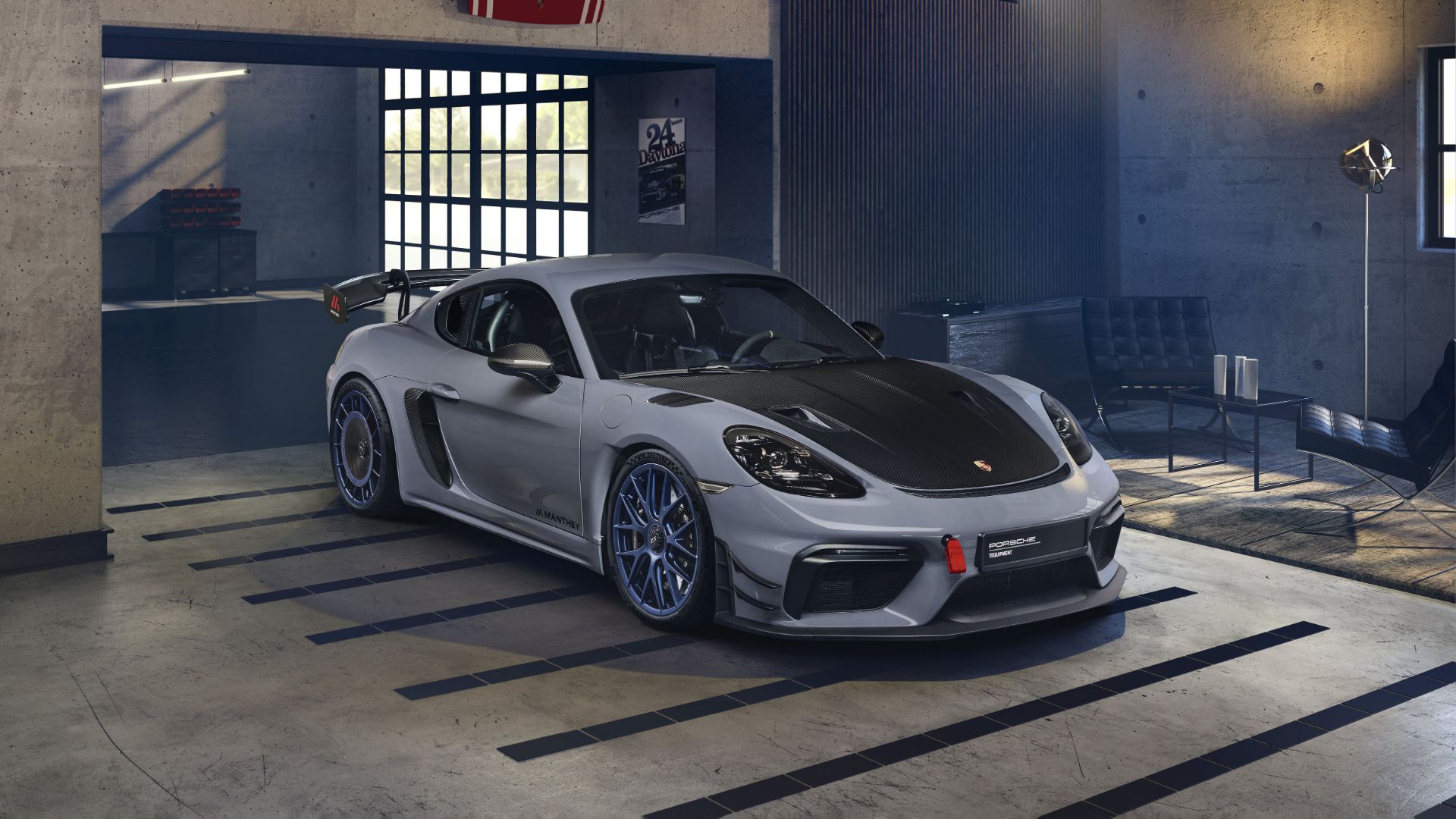
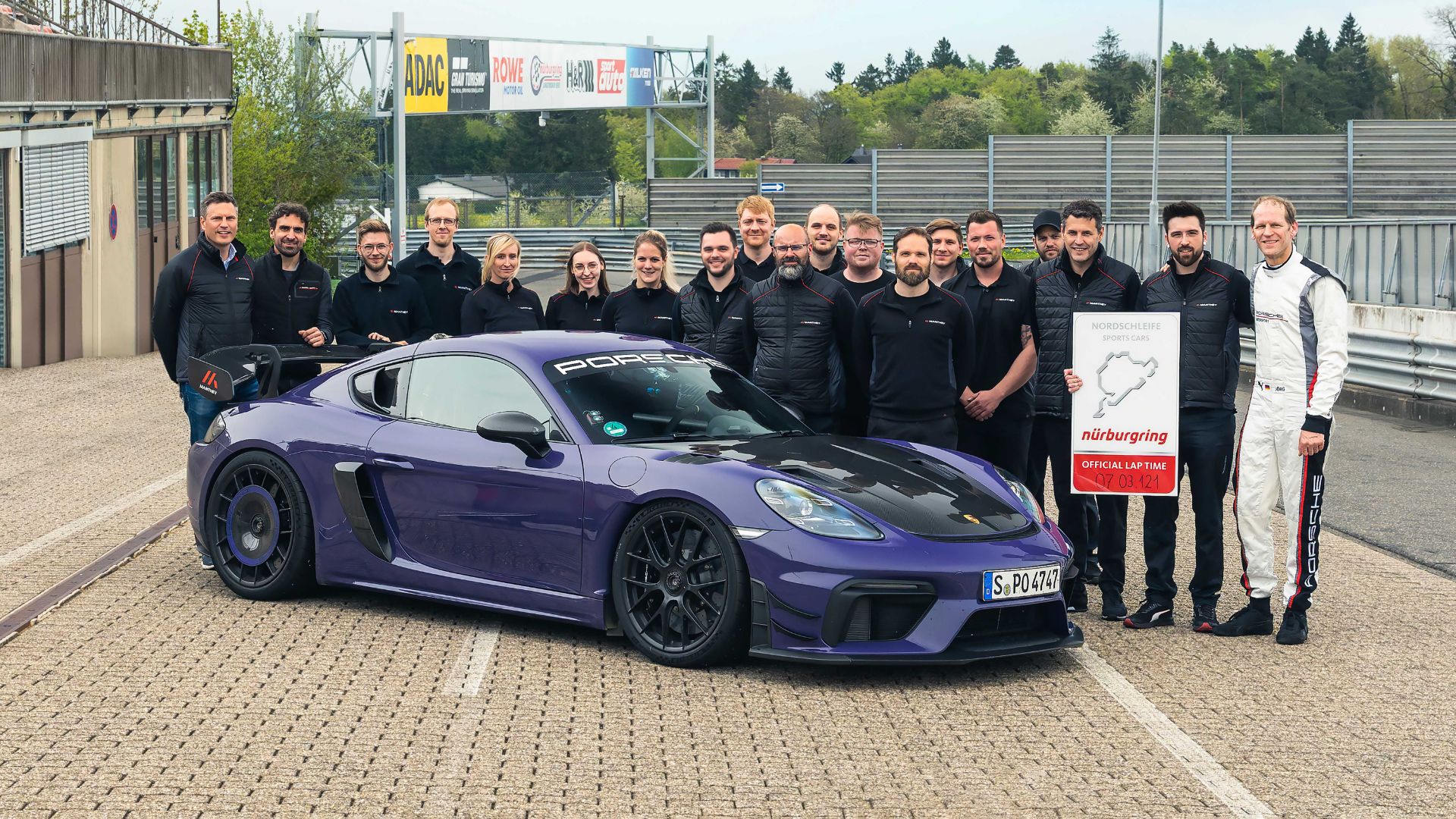
The Porsche 718 Cayman GT4 RS is already a pint-sized supercar-slayer. Now an optional Manthey Kit, with enhanced aero and better brakes, stretches its potential still further.
The upgraded GT4 RS is a joint effort between the ‘Nordschleife specialists’ at Manthey and Porsche Motorsport. Never heard of Manthey? The respected German racing team has seven Nürburgring 24 Hours victories to its name, and has been majority-owned by Porsche AG since 2013.
As the top rung on the 718 Cayman ladder, the GT4 RS starts from £123,000, although a long waiting list means we’ve seen ‘flipped’ cars advertised for twice that amount. The price for the Manthey Kit is still to be confirmed, but it will be sold through UK Porsche dealers from December.
Disc jockey
The first thing to note is that the Manthey Kit doesn’t include any extra power. The 4.0-litre naturally aspirated flat-six engine – shared with the 911 GT3 – still develops 500hp at a heady 8,400rpm: good for 0-62mph in 3.4 seconds and a top speed of 194mph.
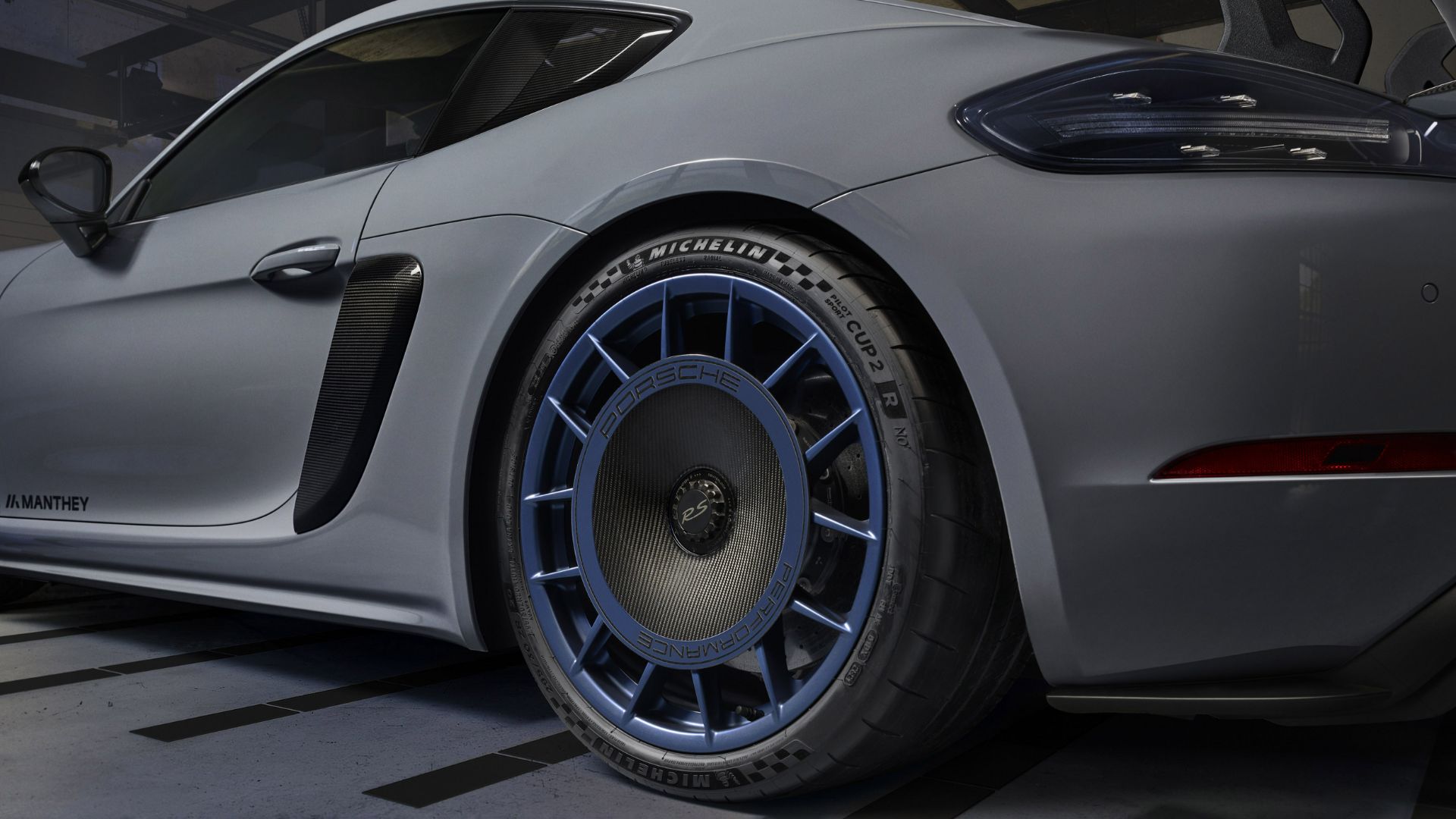
Instead, the improvements are mainly focused on aerodynamics. The front of the car incorporates new air curtains, wheelarch Gurney flaps and a carbon fibre undertray with built-in diffusers. At the rear, CFRP aerodisc wheels help reduce turbulence, while an 85mm wider spoiler offers four stages of adjustment, almost doubling downforce to 169kg at 200kph (124mph) in its Performance setting.
Further modifications by Manthey (say it: ‘Man-tie’) include 20 percent stiffer springs for the coilover suspension and optional racing brake pads. You can also specify front and rear towing loops, in case it all ends in the crash barrier, along with some – rather less functional – illuminated door sill guards with the Manthey logo.
Purple reign
Inevitably, all this fine-tuning and obsessive attention to detail leads to a Nürburgring lap-time. Driven by Jörg Bergmeister, and wearing super-sticky (but road-legal) Michelin Pilot Sport Cup 2 R tyres, the Manthey GT4 RS lapped the ‘Green Hell’ in 7min 3.12sec. That’s 6.18 seconds quicker than the standard car, albeit still behind the latest Porsche 911 GT3 RS (6min 49.33sec).
How much difference the Manthey Kit makes in the real world, even for those tackling the occasional track day, is open to question, but there’s an obvious allure to owning the ultimate GT4 RS – and indeed the fastest, most extreme Cayman before its electric successor arrives in 2025.
Lastly, if you’re less concerned about lap times and want even more emotional appeal, Porsche recently revealed the drop-top 718 Spyder RS. We’ll be driving it this week, so come back to Motoring Research soon for our review.
A fifth of road accidents in the UK are caused by tiredness. Perhaps it’s no surprise, then, that a third of UK motorists are scared of driving in the dark.
According to the Royal Society for the Prevention of Accidents (RoSPA), driver fatigue also plays a part in up to a quarter of fatal and serious-injury accidents.
And another worrying stat: such crashes are 50 percent more likely to result in death or serious injury. That’s because because a driver who has fallen asleep cannot take action to mitigate an impact.
RoSPA says accidents caused by tired drivers are most likely to happen:
It’s important to recognise the signs of tiredness. Failure to do so could result in a car accident caused by reduced reaction times, decreased attention levels and an inability to judge risks.
Symptoms include:
Yawning or rubbing your eyes
Frequent blinking
Daydreaming
Trouble remembering the last few miles driven
Missing exits or traffic signs
Drifting from your lane
How to stay awake when driving
Not getting behind the wheel when tired is a good place to start, but the following tips will help you stay awake:
Prevent tiredness: make sure you get between seven and eight hours of sleep the night before you drive. If you’re regularly feeling tired, even after a full night’s sleep, arrange to see your doctor.
Plan ahead: design your journey to allow you to take regular rest breaks, especially if you’re driving during peak tiredness times.
Minimise the risk: plan to stop at a motorway services for a quick rest. Arrange to share the driving with a friend or family member. Coffee will help, but it’s NOT a solution to tired driving.
Stay cool: excessive use of in-car heating will make you feel sleepy. Keep the car comfortably cool and open the windows to get some fresh air.
Rule number 91 of the Highway Code also states that a minimum break of at least 15 minutes after every two hours of driving is recommended.
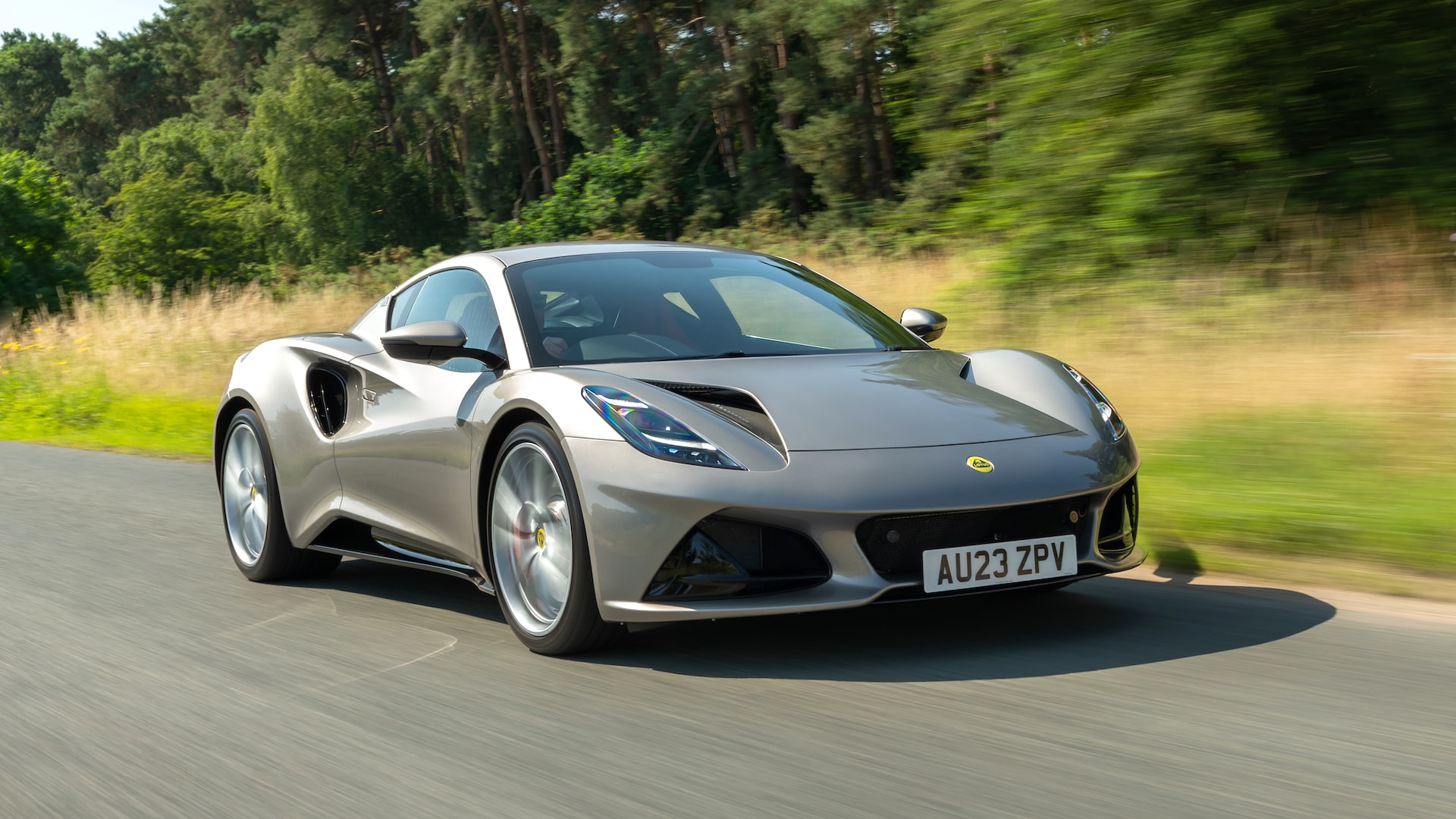
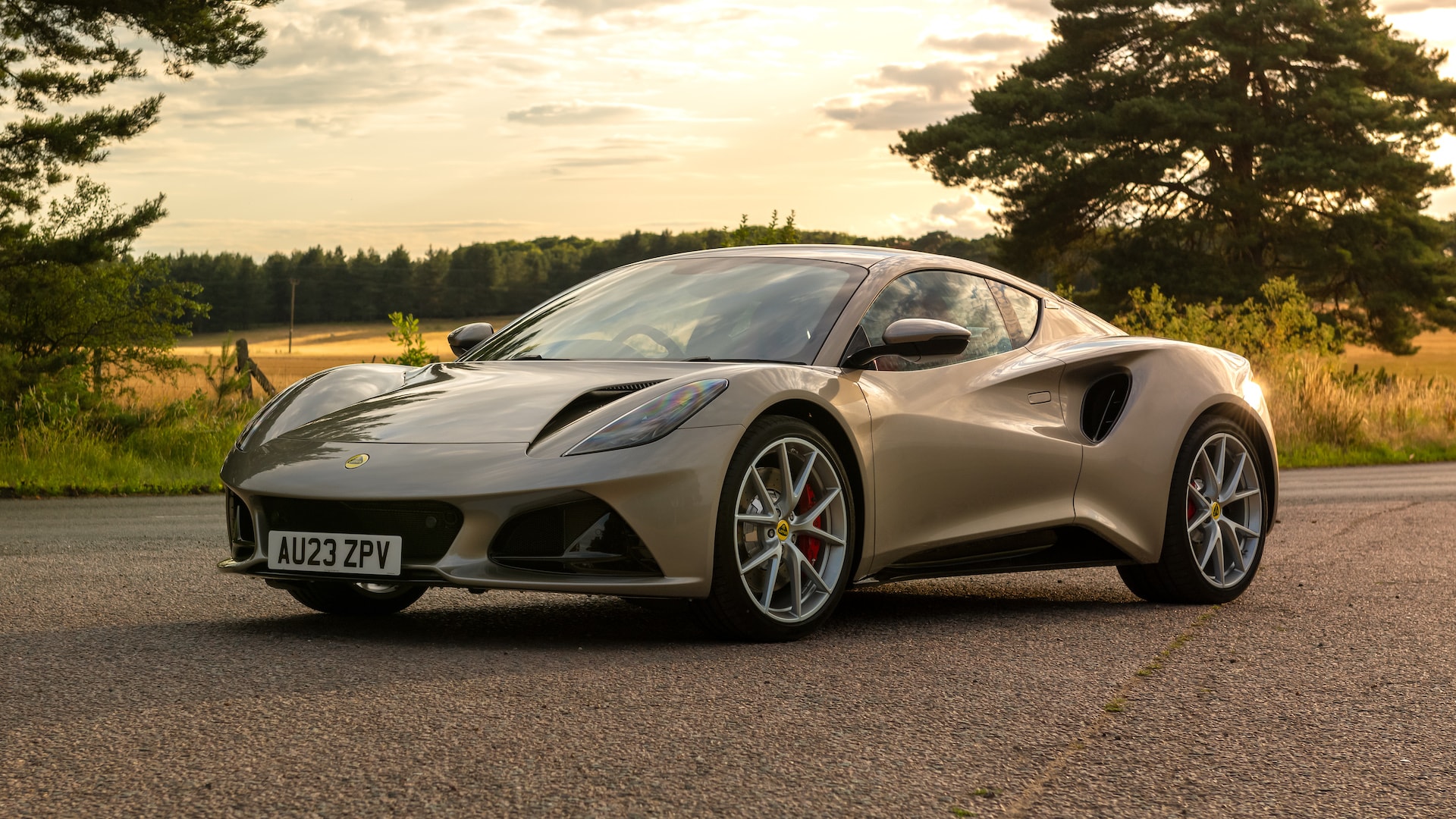
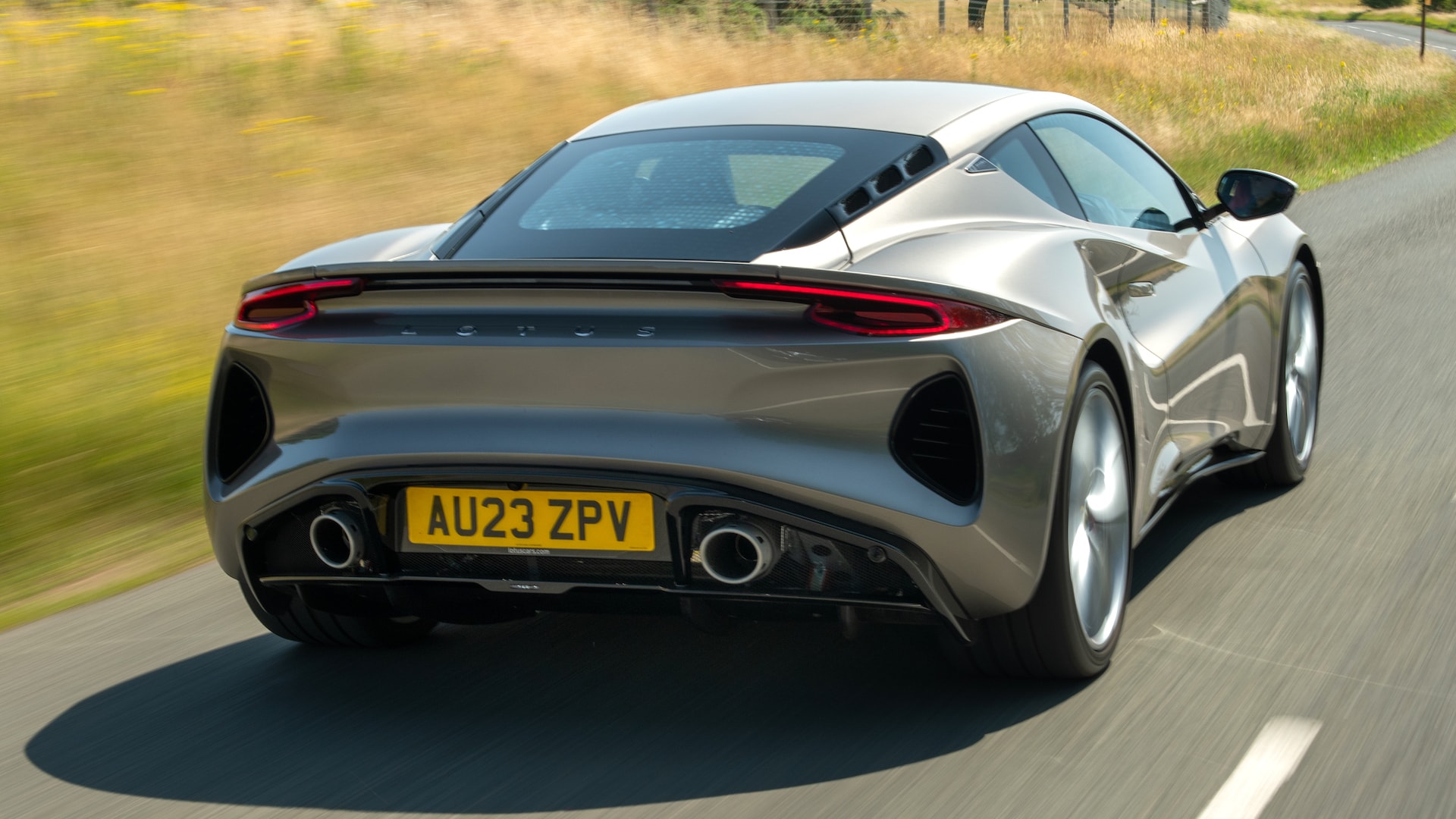
Lotus is now taking orders for the four-cylinder version of its Emira coupe. Following the launch of the 400hp supercharged 3.5-litre V6 model, the new 2.0-litre turbocharged version expands the Emira range.
Supplied by Mercedes-AMG, its mid-mounted engine is closely related to that in the AMG A45 hot hatchback. A 365hp output makes this the most powerful four-cylinder Lotus sports car ever made.
It’s also the end of a long bloodline of four-cylinder Lotus models, including the Elise, Exige and Esprit, as the British brand prepares to go fully electric.
Small and mighty
Helped by a twin-scroll turbocharger, the Lotus Emira’s engine generates a substantial 317lb ft of torque. An eight-speed dual-clutch transmission is fitted as standard (there’s no manual option), with steering wheel-mounted paddles for rapid shifts.
Combined with a relatively low kerb weight of 1,446kg, the Emira delivers impressive performance. Sprinting to 62mph takes just 4.4 seconds: a mere 0.1 seconds behind the V6. Top speed is 180mph.
As you’d expect, Lotus has also tuned the handling of the Emira to suit its new engine. An aluminium rear subframe saves 12kg compared to the V6 model, plus there is a choice of Tour or Sport chassis settings. The car rides on bespoke tyres, and features a specially calibrated stability control system.
First Edition ready to go
A fully-loaded First Edition model marks the start of four-cylinder Emira production, and is offered in a choice of 13 paint colours. The standard power-adjustable and heated sports seats can be upholstered in a leather or Alcantara (artificial suede) trim.
Along with a 10.25-inch multimedia touchscreen in the centre of the dashboard, the Emira also features a 12.3-inch digital instrument panel and a 10-speaker 560W audio system.
Orders for the Lotus Emira First Edition can be placed now, with prices starting from £81,495 – a modest £4,500 less than the V6. A cheaper standard version should join the range in 2024.
E10 petrol was introduced across the UK from September 2021. However, many drivers remain unaware of the change – and up to 600,000 cars on British roads aren’t compatible with it.
In this guide, we explain what E10 is – and examine its pros and cons.
The difference between the old E5 and current E10 grades of petrol is quite simple. The numbers refer to the percentage of bioethanol in the fuel. E5 has five percent and E10 contains 10 percent.
Petrol and diesel had already been renamed at the pumps before the switchover, to E5 and B7, to inform motorists of their biofuel content.
Why the switch to E10 petrol?
The main reason for bringing in E10 is to reduce carbon dioxide (CO2) emissions. The Department for Transport says CO2 output has been cut by around 750,000 tonnes a year.
This is around two percent less CO2 per car, or equivalent to taking 350,000 cars off UK roads.
In conjunction with the gradual switchover to electric cars, the move will help achieve Britain’s climate change targets, and meet the government’s Renewable Transport Fuel Obligation. The latter is designed to encourage the use of biofuels.
What are the problems with E10 fuel?
The worry is that some older cars can suffer when filled with E10 petrol. The bioethanol, which is created from fermented plants, can be corrosive to certain components. These include hoses, seals, plastics, gaskets and even certain metals in the fuel system.
The process can damage fuel pumps, injectors, pressure regulators, carburettors and fuel tanks. And it’s worth noting that ‘older’ doesn’t necessarily mean classic cars. Many more recent vehicles could sustain damage if filled with E10.
When asked in parliament what assessment she had made of the issues with E10 for older vehicles, Rachel Maclean, Parliamentary Under Secretary (DFT) said: “One of the main barriers to introducing E10 has been vehicle compatibility. Currently, around 95 percent of petrol cars used in the UK can use E10.”
“This number is expected to decrease as vehicles come to the end of their life. However, some classic and cherished vehicles that are not advised to use E10 will remain in use. The prolonged use of E10 fuel in those older and classic vehicles not under manufacturer warranty can cause corrosion of some rubbers and alloys used in the engine and fuel systems.For those vehicles, the department remains committed to ensuring that E5 is retained as a protection grade.”
On the latter point, the official government statement says: ‘We’ll also require the higher-octane Super grade to remain E5 to provide protection for owners of older vehicles.’
So drivers still have the option of E5 fuel, albeit at a significantly higher cost (typically around 12p more per litre than standard unleaded).
Moving the CO2 around
The RAC has raised concerns about the retention of E5 as a ‘protection grade’ of petrol. While perhaps less of an issue for classic car owners, its higher cost could put a strain on low-income drivers.
Furthermore, fuel station forecourts may not have the capacity to incorporate both E5 and E10 grades. That could further affect motorists, particularly in rural areas.
A more general issue, highlighted by the Federation of British Historic Vehicle Clubs, is logistics. It was reported that the only UK refinery for the E10 fuel additive is no longer running. The environmental benefit of the E10 rollout could thus be negated by the emissions cost from shipping.
Getting the word out about E10
Drivers of older cars clearly need to be aware of the change to fuel grades. If you’re part of a classic car club, it’s an issue worth highlighting.
Finally, some words of reassurance from RAC fuel spokesperson, Simon Williams:“For the overwhelming majority of drivers with compatible vehicles, the introduction of E10 petrol will make little difference, other than a possible slight reduction in fuel economy.”